

2025 Vol. 39, No. 8

Cover
2025, 39(8)
PDF (42)
Abstract:
2025, 39(8): 1-2.
Abstract:
Cover Feature
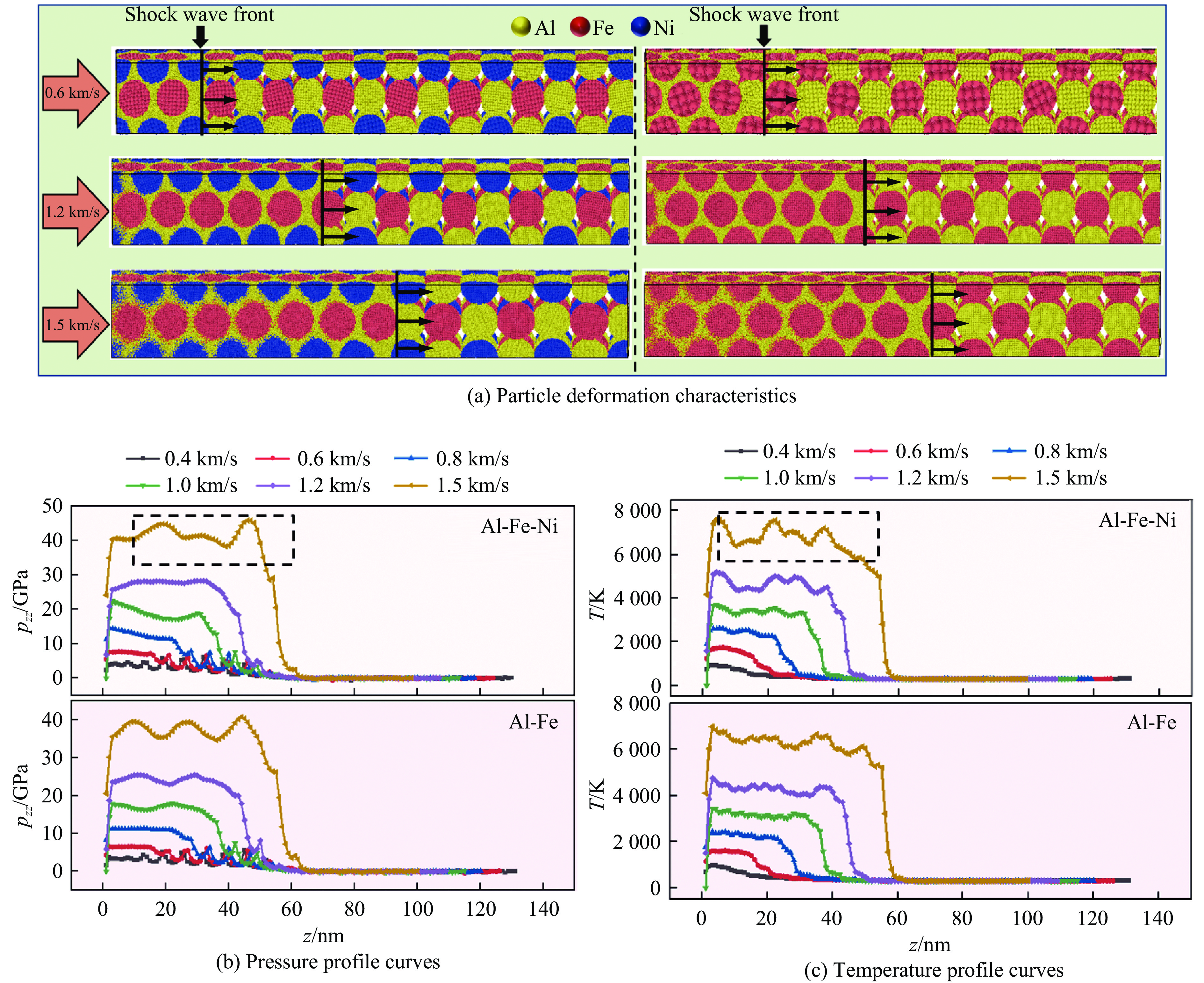
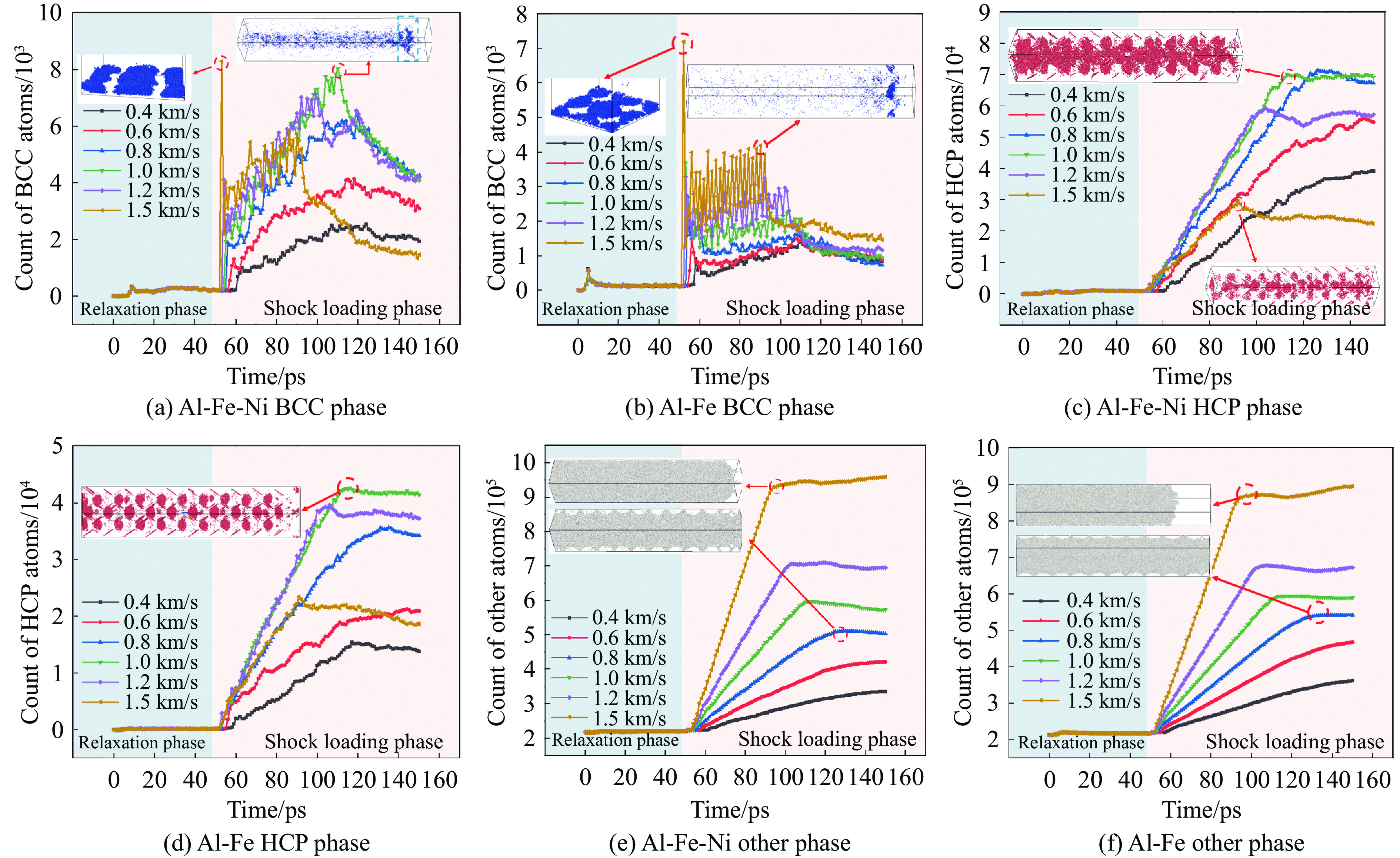
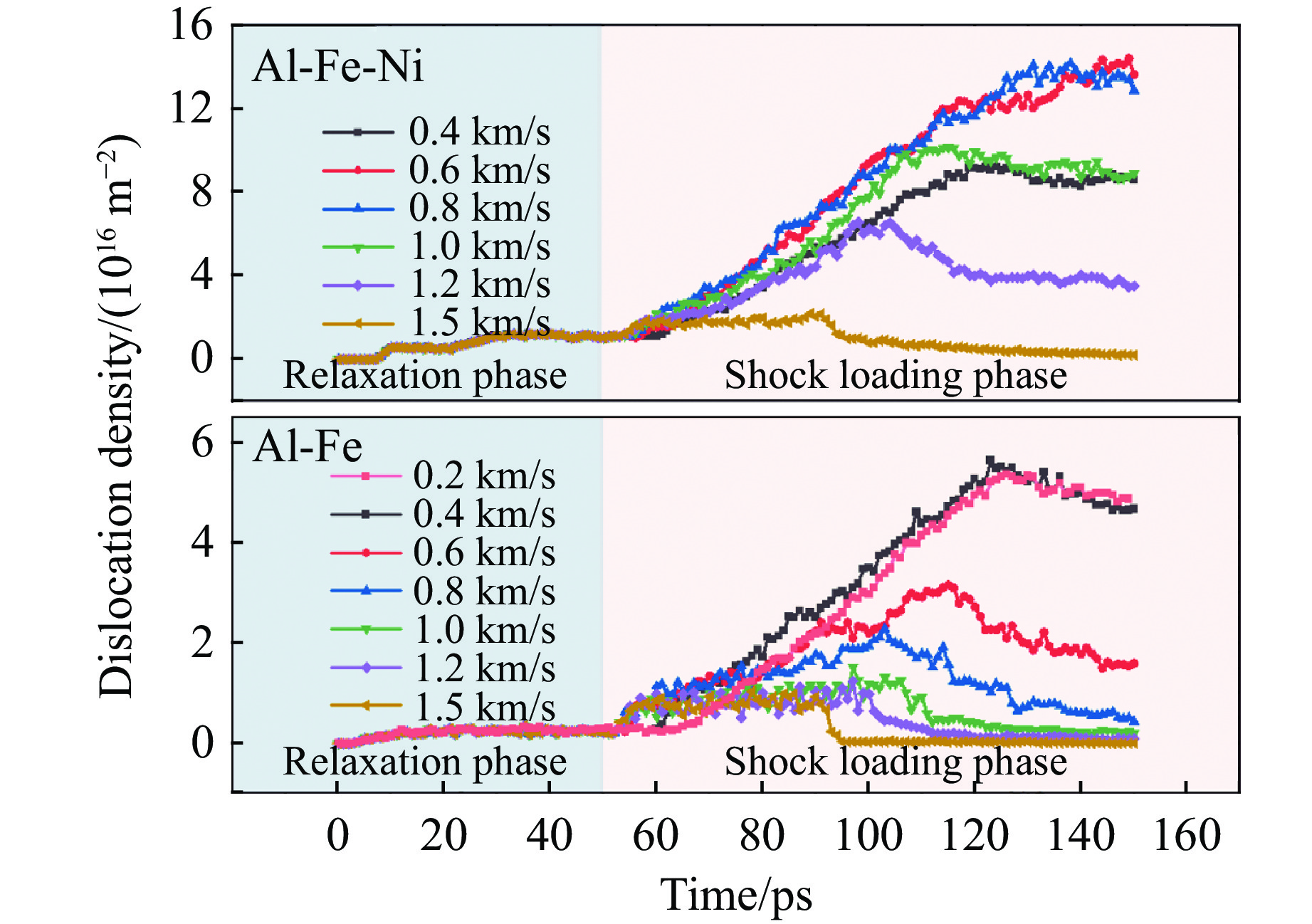
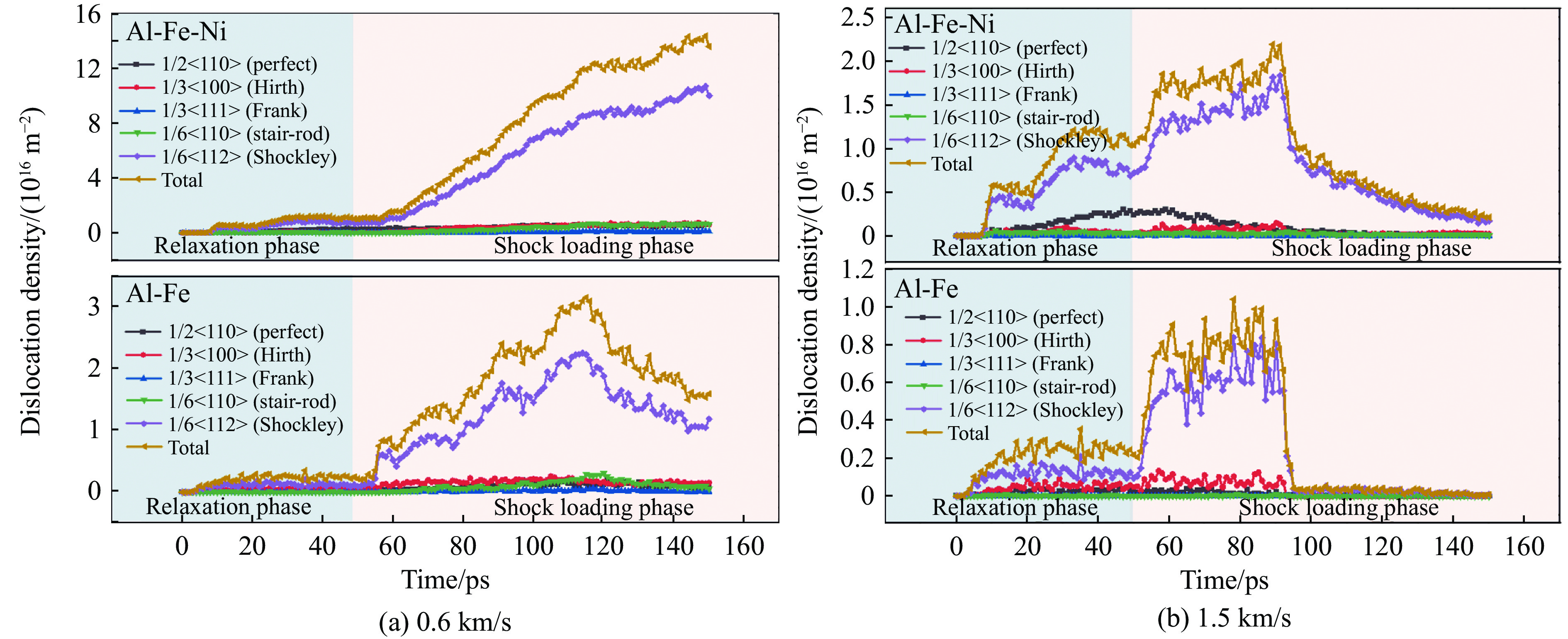
Microstructural Evolution Mechanism of Al-Based Nano-Powders under Impact Loading
AN Hao, LI Qiang, ZHANG Zhengtao, WANG Qiyun, CONG Xinglong, FAN Zhuang
2025, 39(8): 080101. doi: 10.11858/gywlxb.20251078
HTML PDF (59)
Abstract:

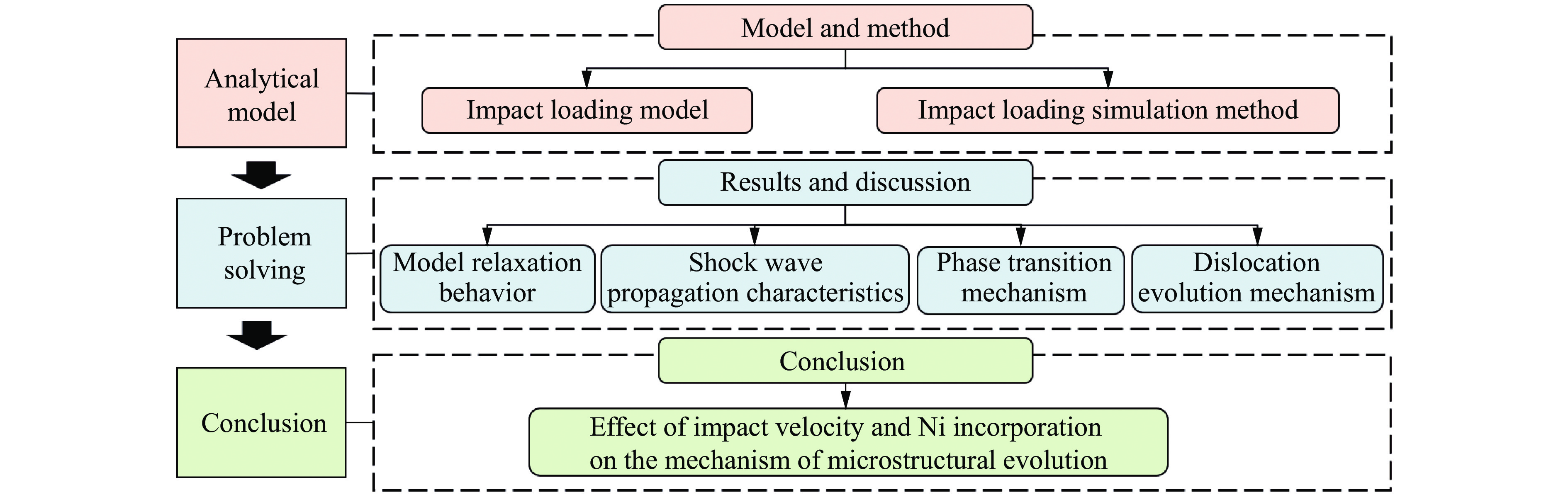
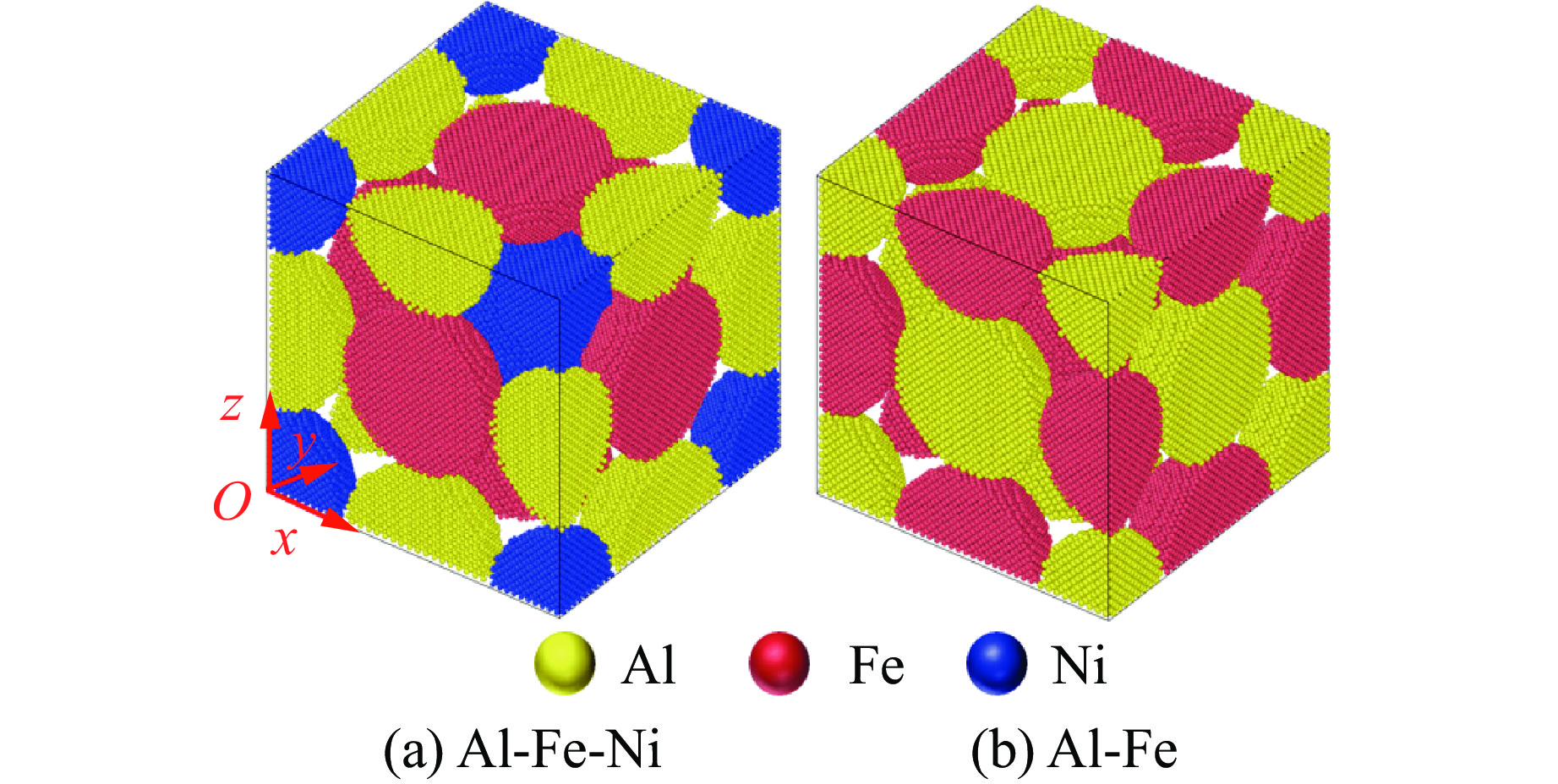
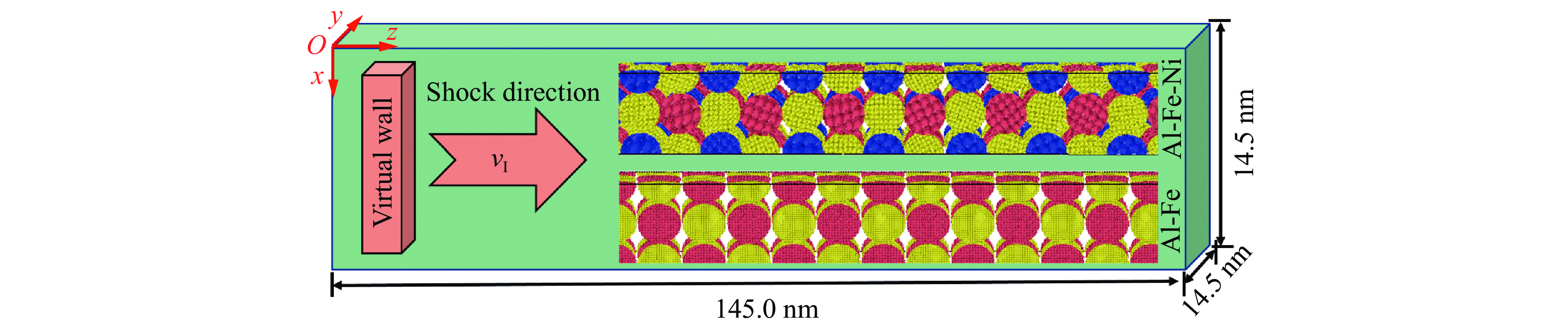
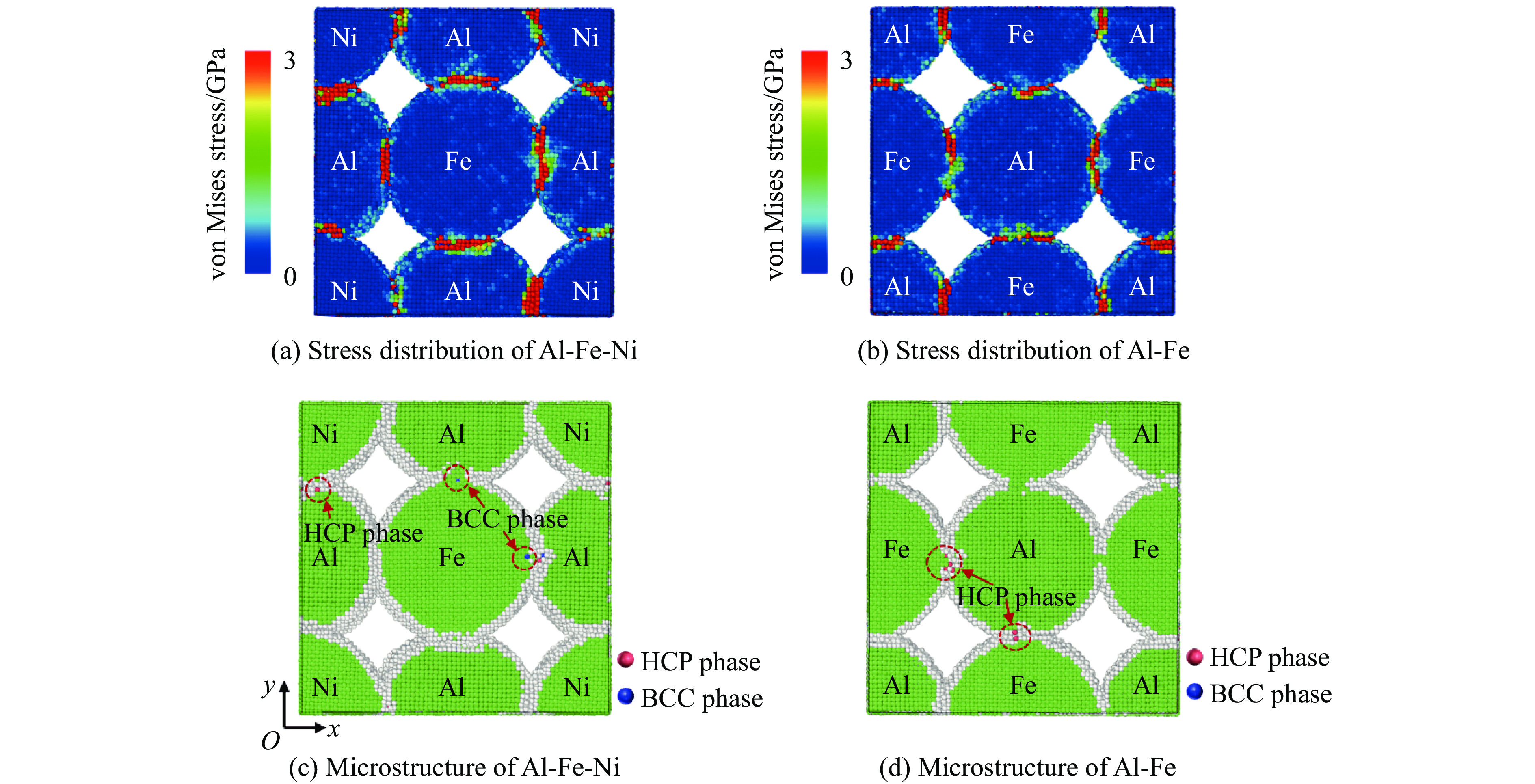
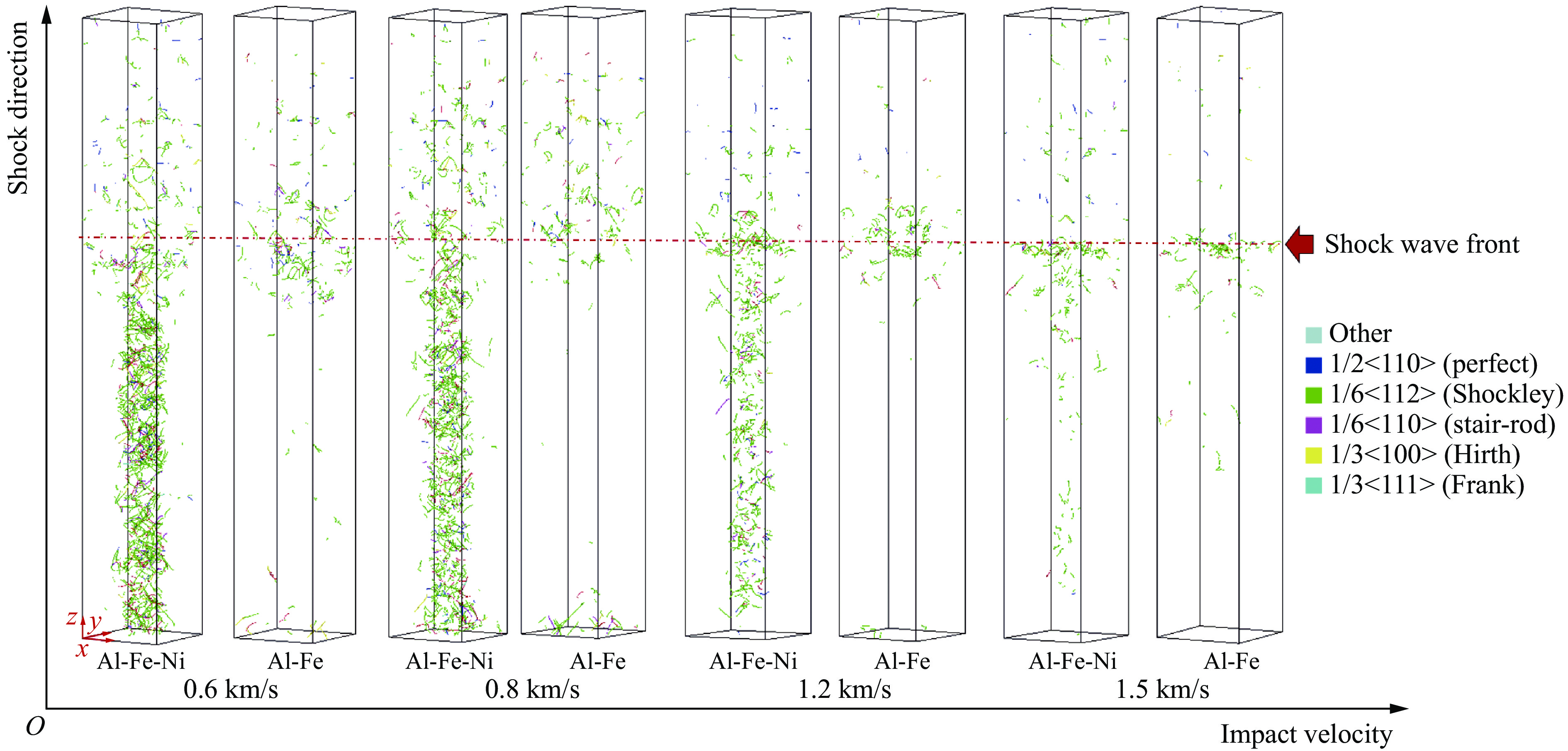
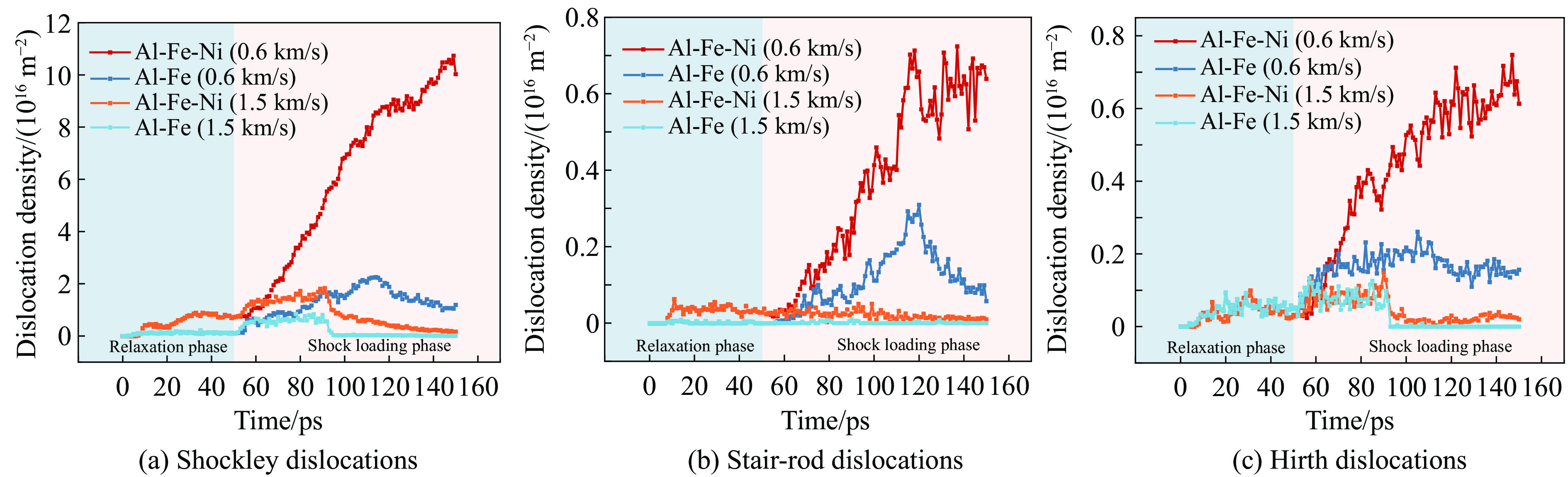
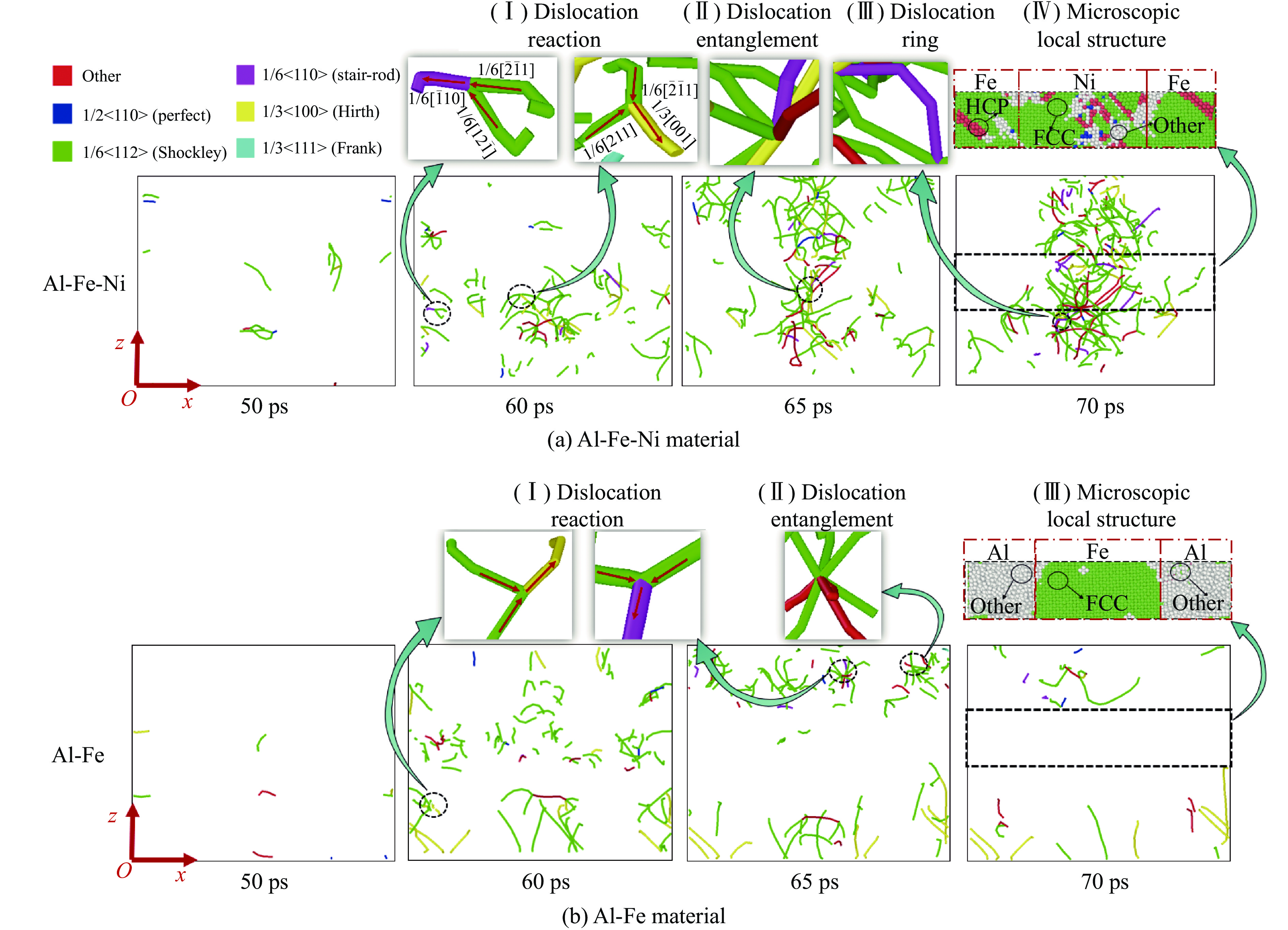
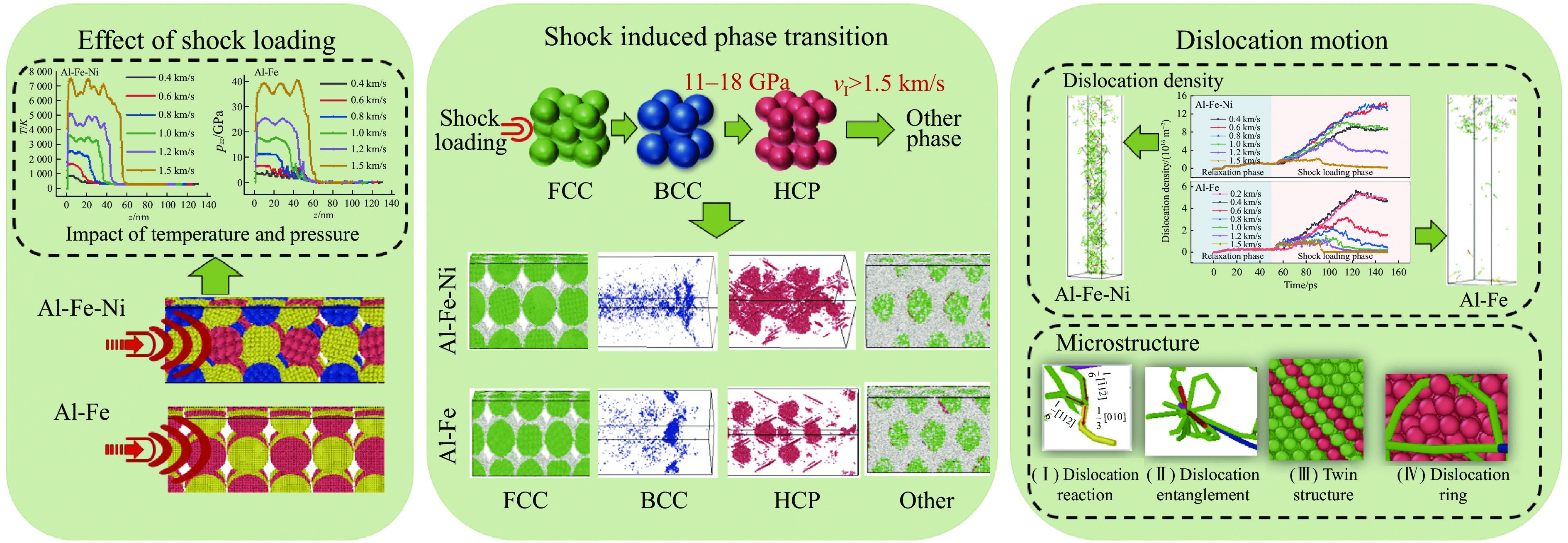
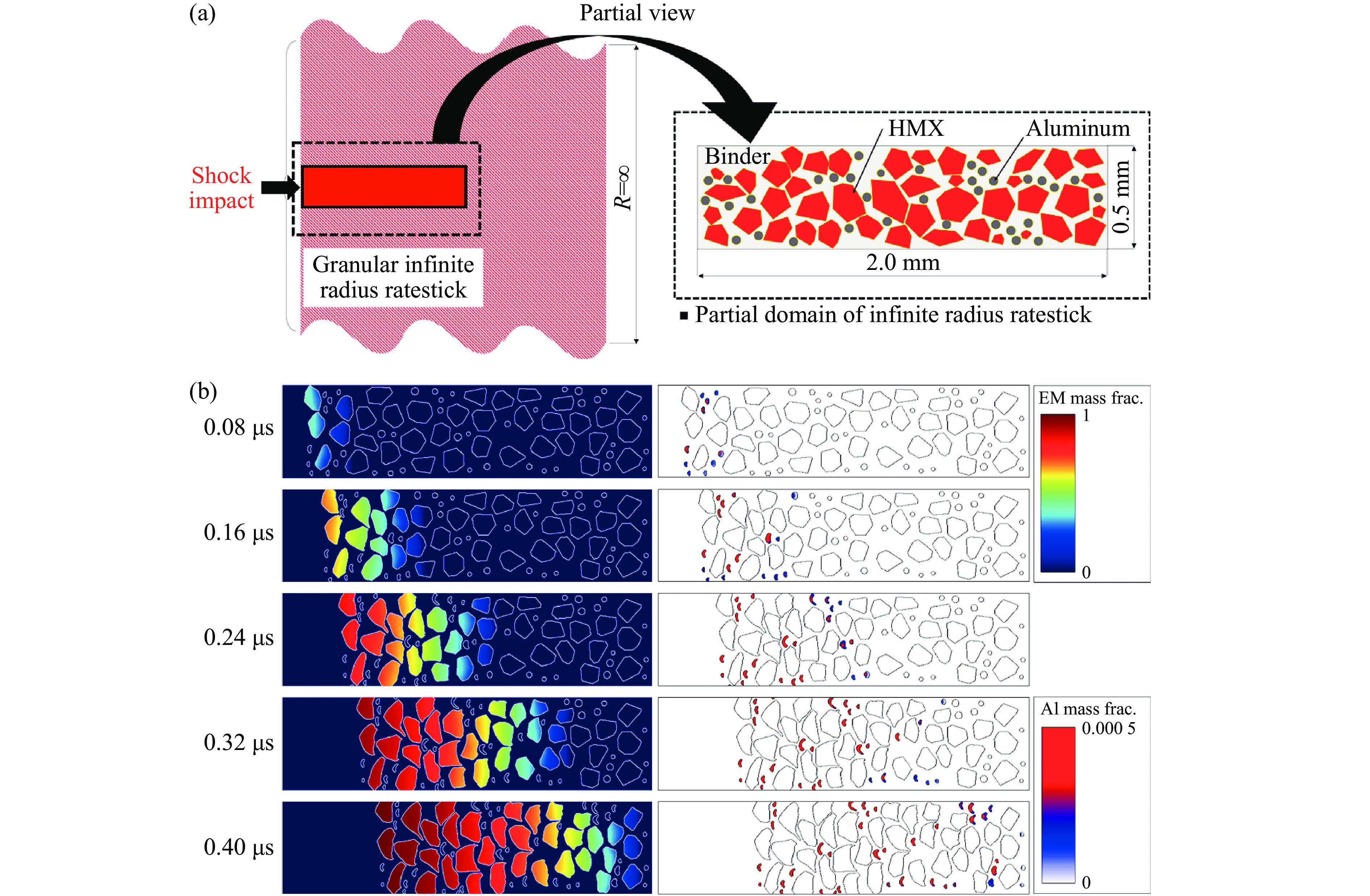
With the continuous improvement of the material performance requirements of the charged warheads, elucidating the microstructural evolution of nano-powders under shock loading becomes critical for optimizing damage-element materials. In this study, molecular dynamics simulations were employed to comparatively investigate the shock wave propagation characteristics, phase transition behavior, and dislocation evolution of typical Al-based nanostructured powders Al-Fe-Ni and Al-Fe. This study reveals the mechanisms of impact velocity and Ni element on the evolution of Al-based nanoparticles. The results indicate that increasing shock velocity significantly enhances the thermodynamic response of the materials and promotes phase transition. Fe and Ni particles exhibit minimal deformation at an impact velocity of 0.6 km/s. When the velocity was increased to 1.5 km/s, the pressure exceeds 35 GPa and the temperature surpasses 6000 K, resulting in the melting of Al particles and deep fusion of Fe and Ni particles. The thermodynamic coupling effects lead to the formation of a large number of other structures. Furthermore, shock velocity does not affect the spatial distribution of dislocations but significantly regulates dislocation density. The introduction of the Ni element enhances the thermodynamic response of the material, alters the evolution pathway of the body-centered cubic phase and increases the proportion of hexagonal close-packed structures. Moreover, Ni element introduction raises the dislocation density, adjusts the timing of dislocation reactions, and promotes the formation of sessile dislocations, dislocation pinning, and dislocation loop structures, thereby influencing the temporal evolution and spatial characteristics of dislocations. These findings provide a theoretical basis for optimizing the processing of damage-element materials and their application.

Invited Article and General Review
Review of Numerical Simulation on Shock Initiation of Heterogeneous Explosives
YAO Tianzi, WANG Shuo, TIAN Zhandong, CHEN Rong
2025, 39(8): 080201. doi: 10.11858/gywlxb.20240948
HTML PDF (60)
Abstract:

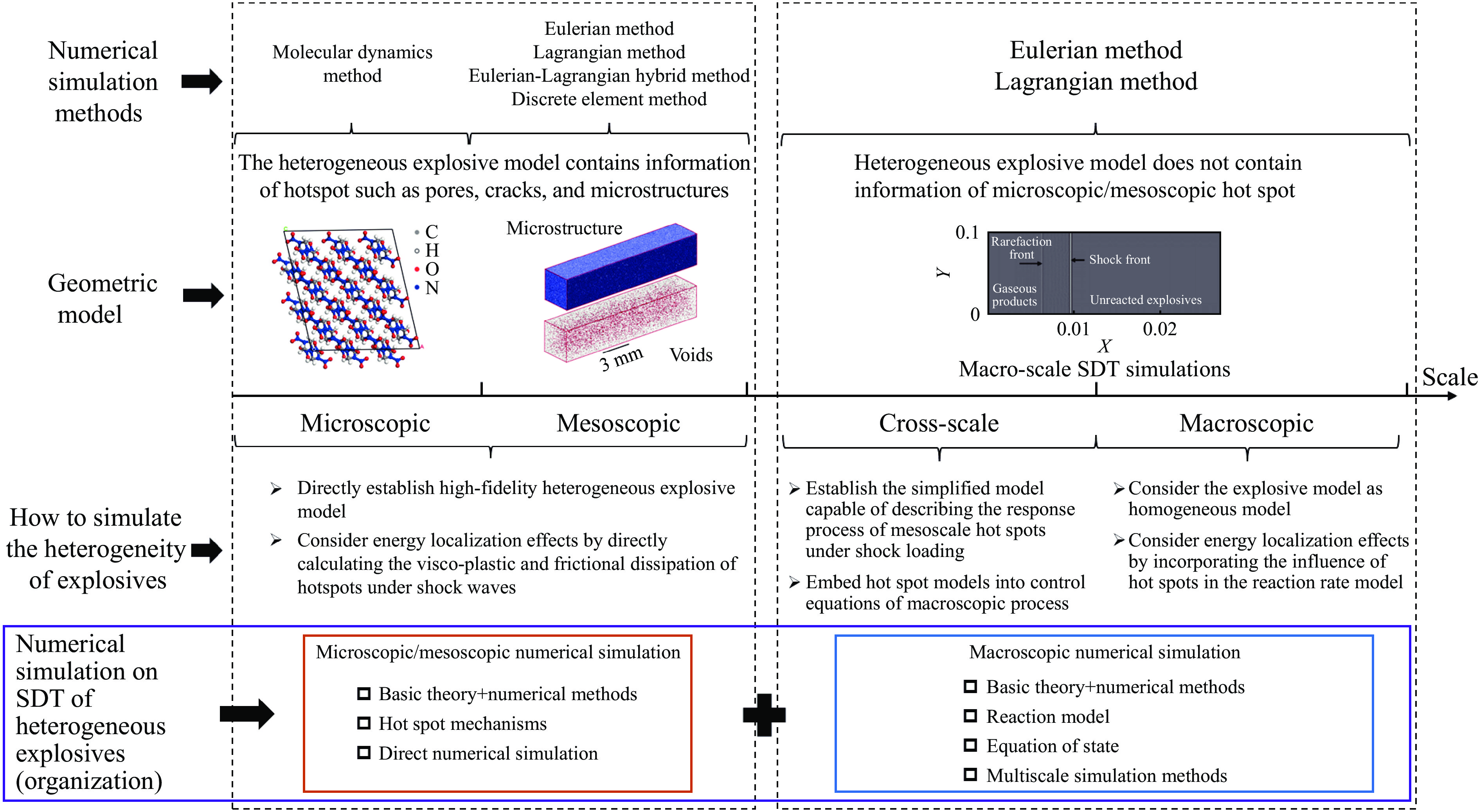
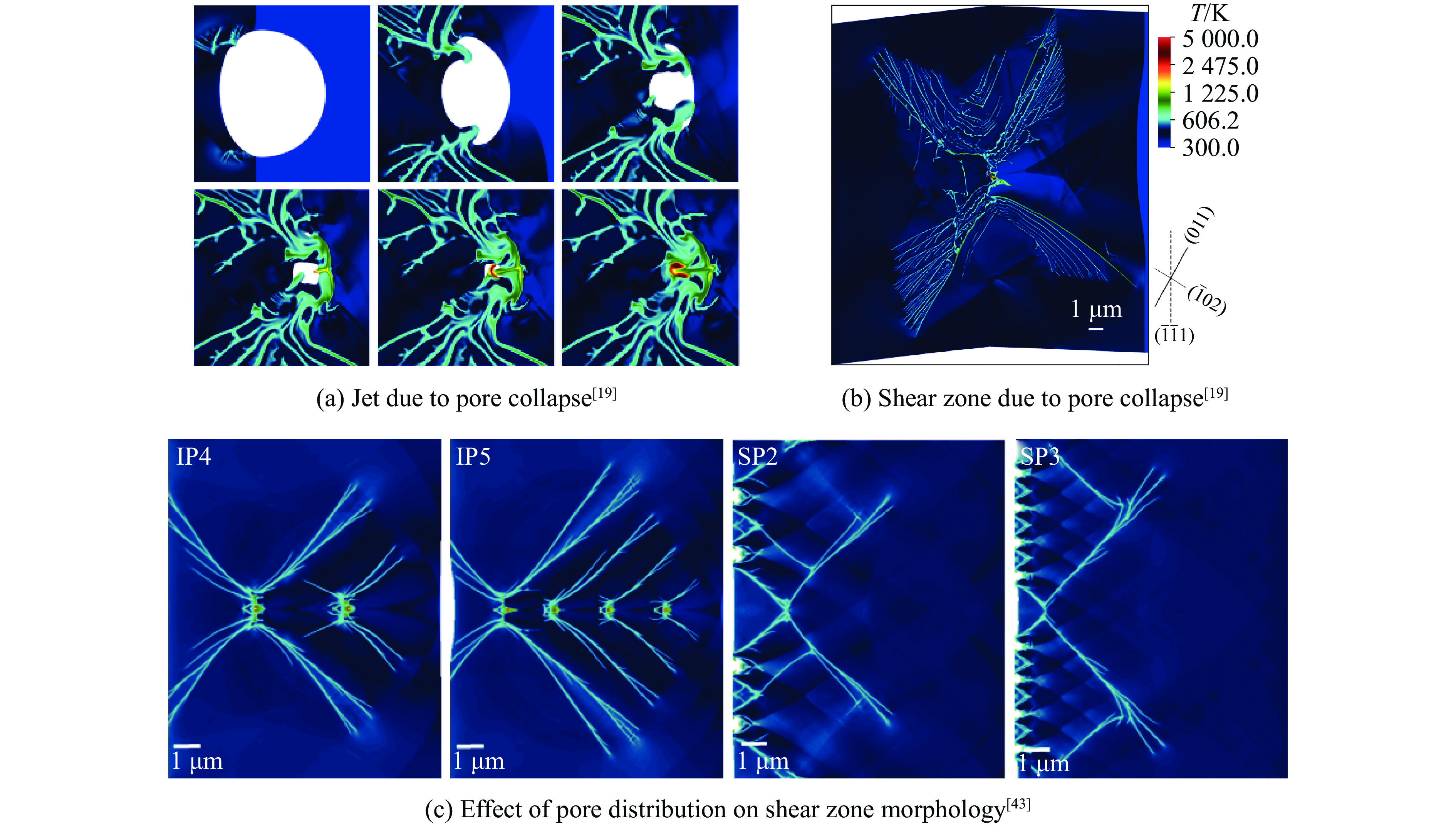
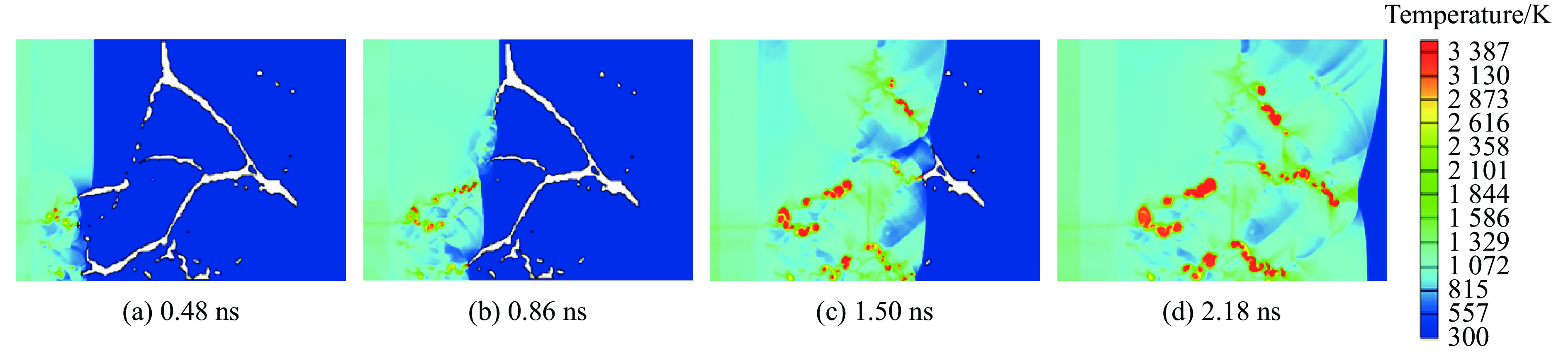
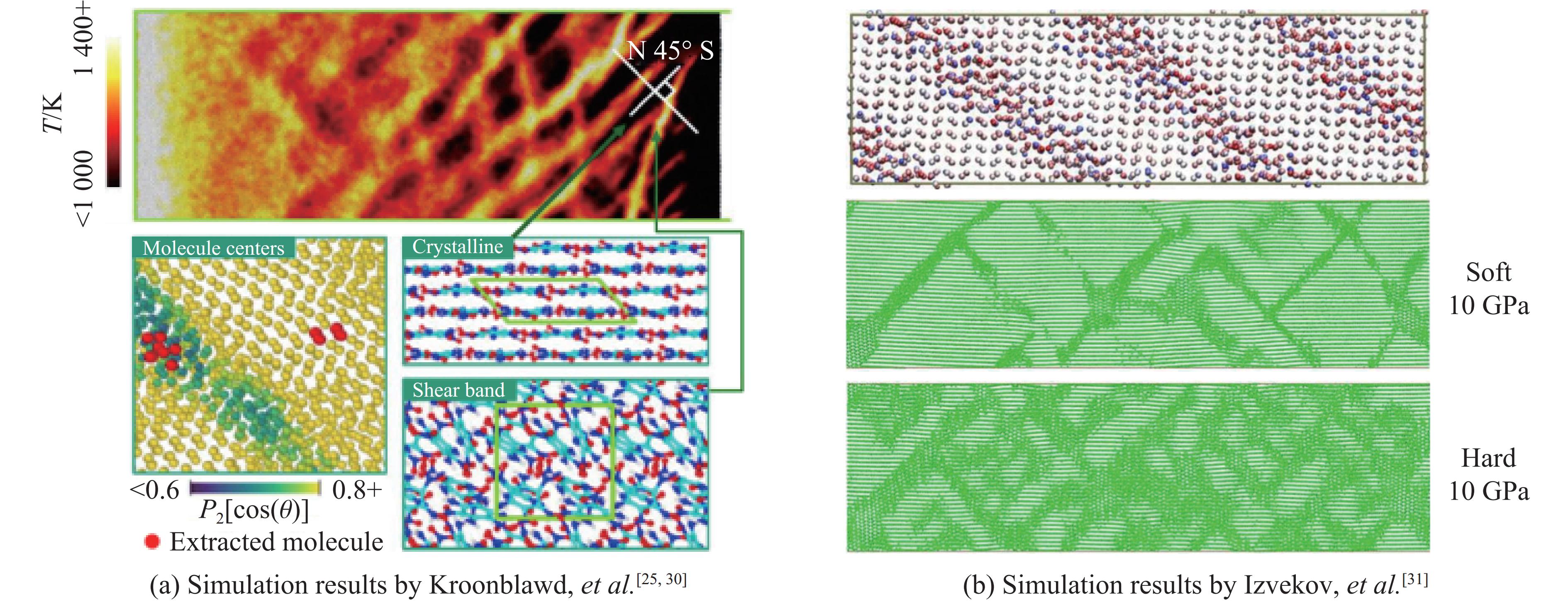
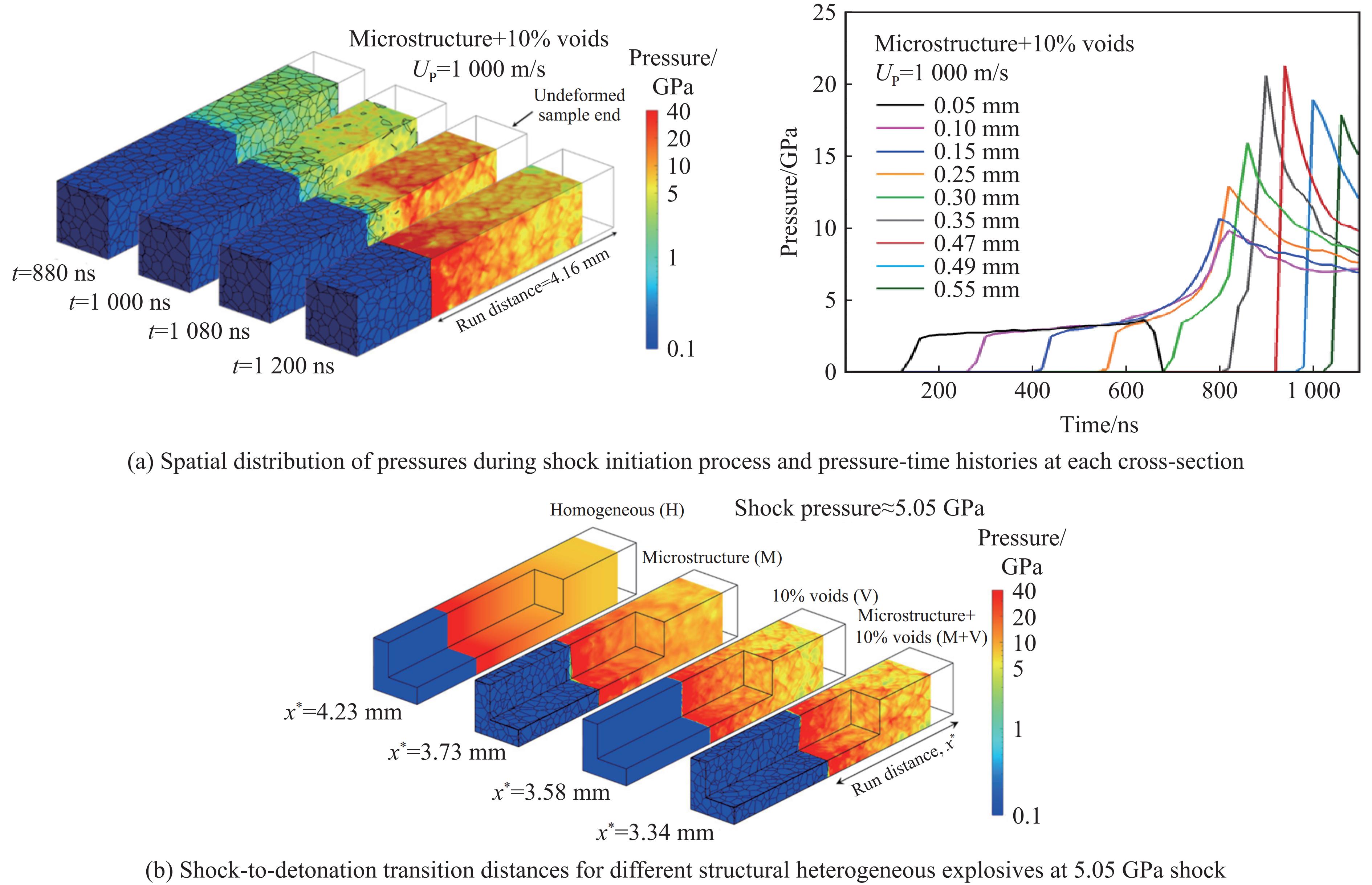
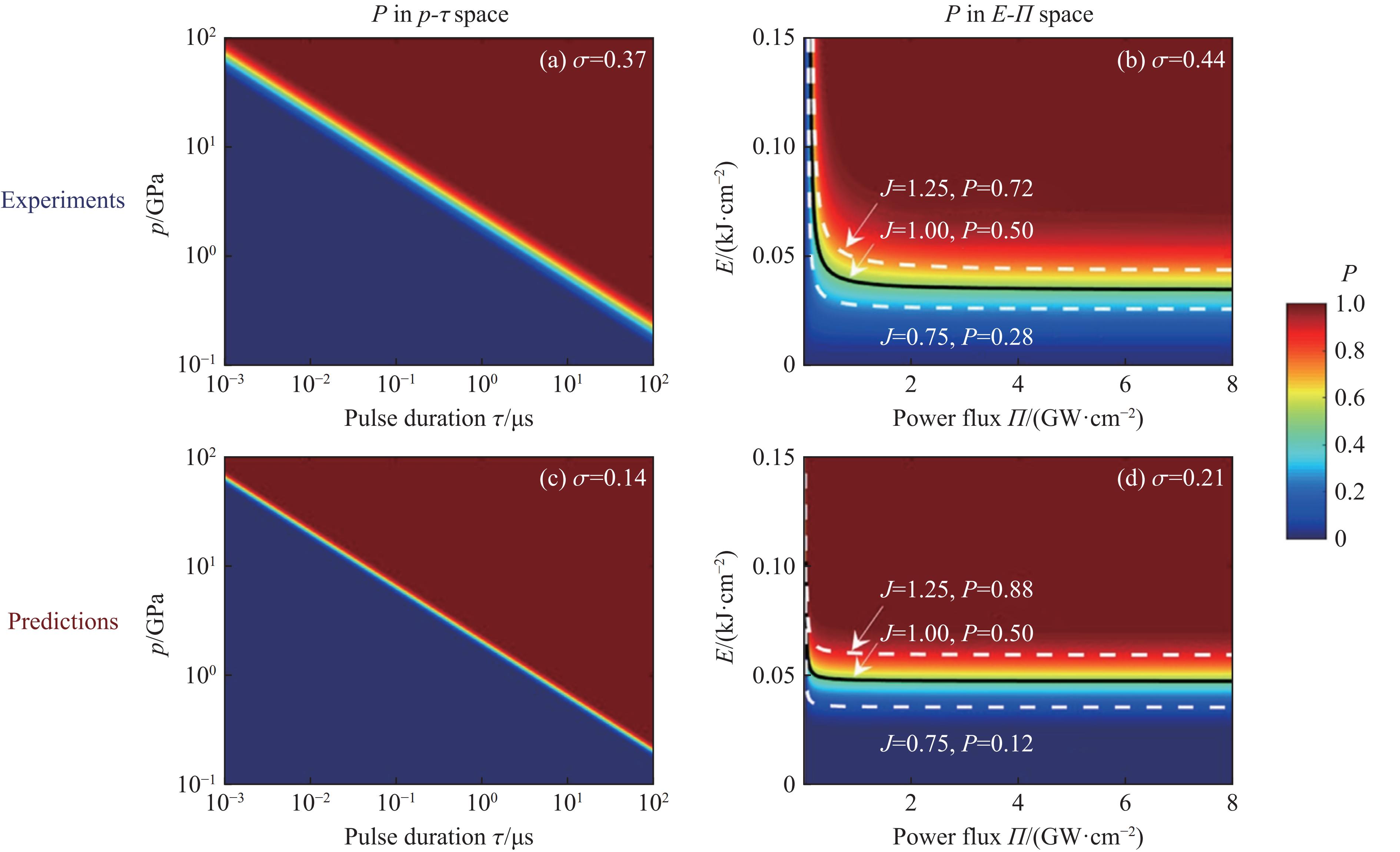
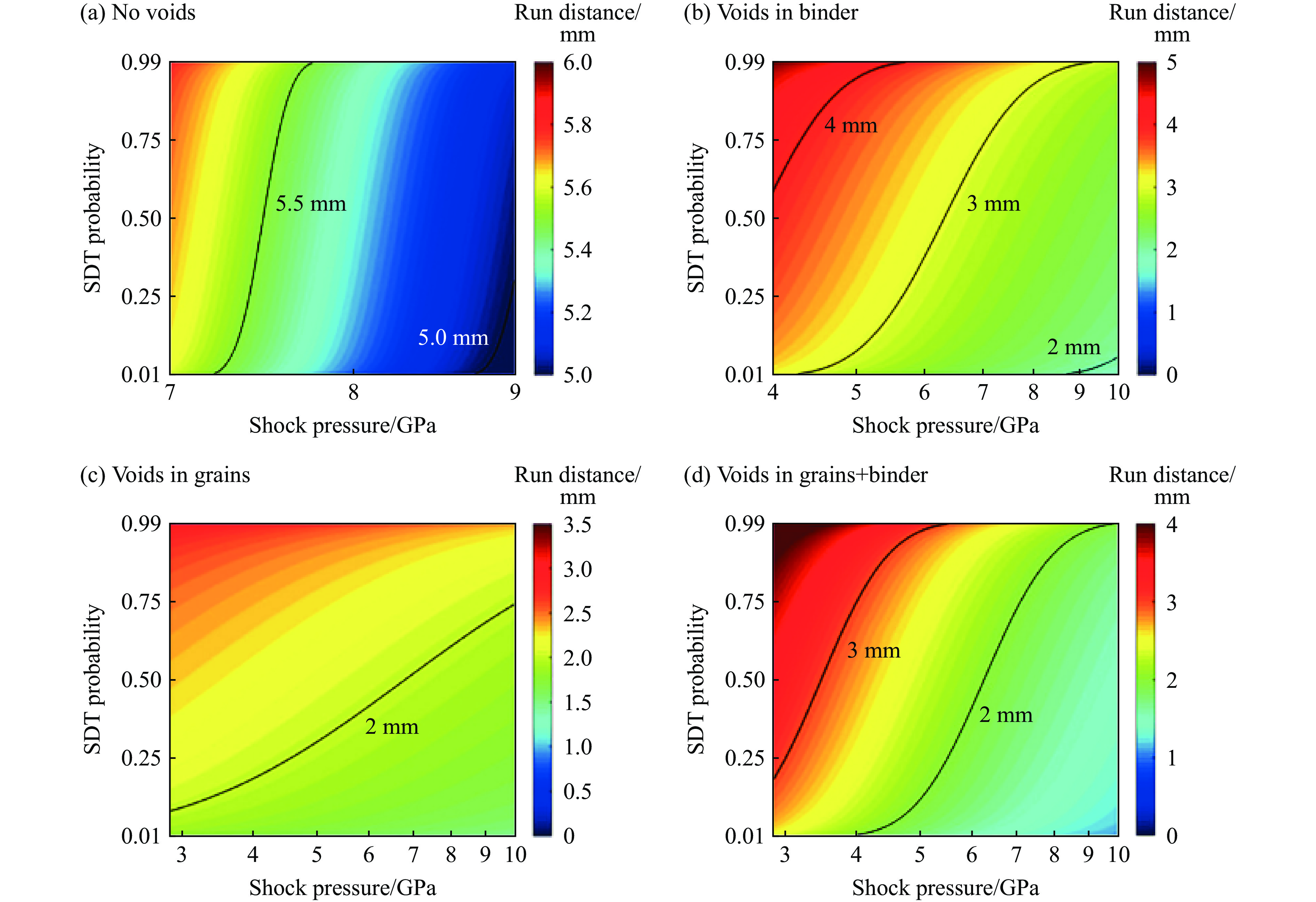
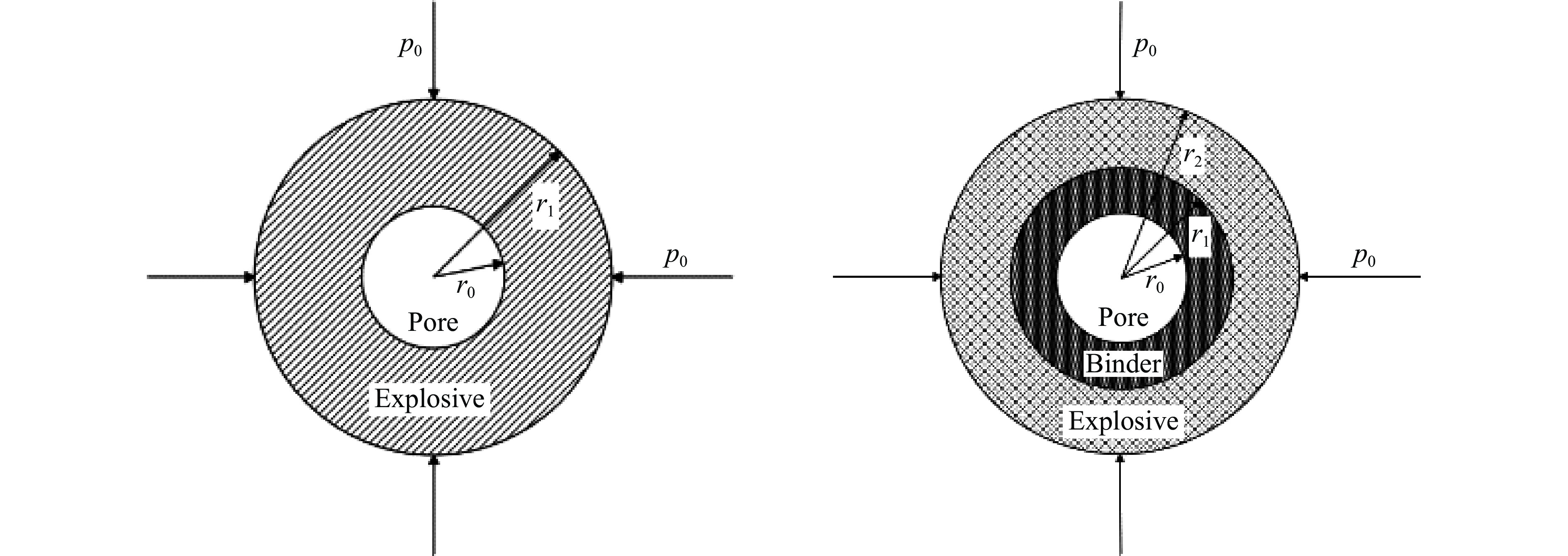
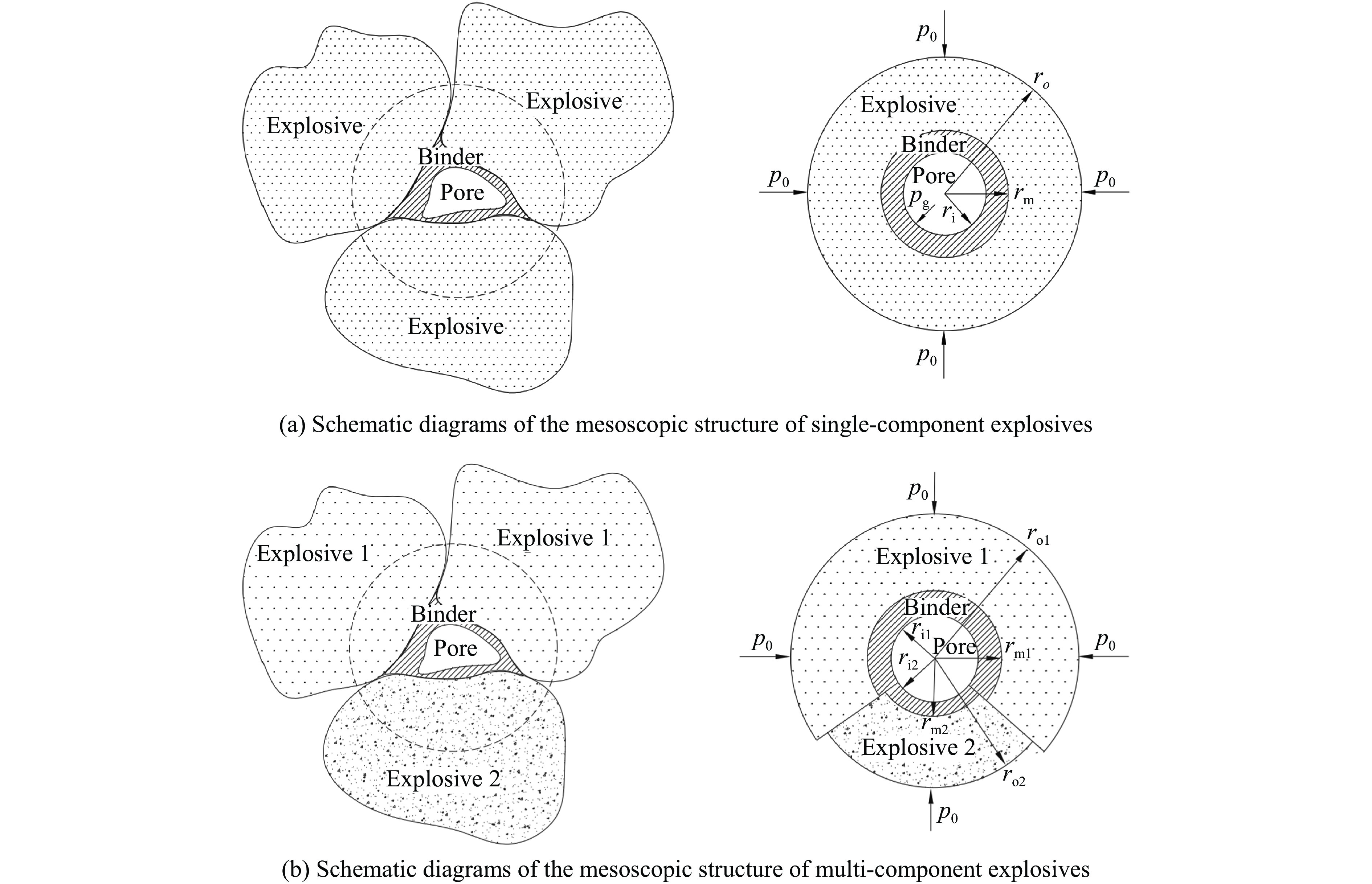
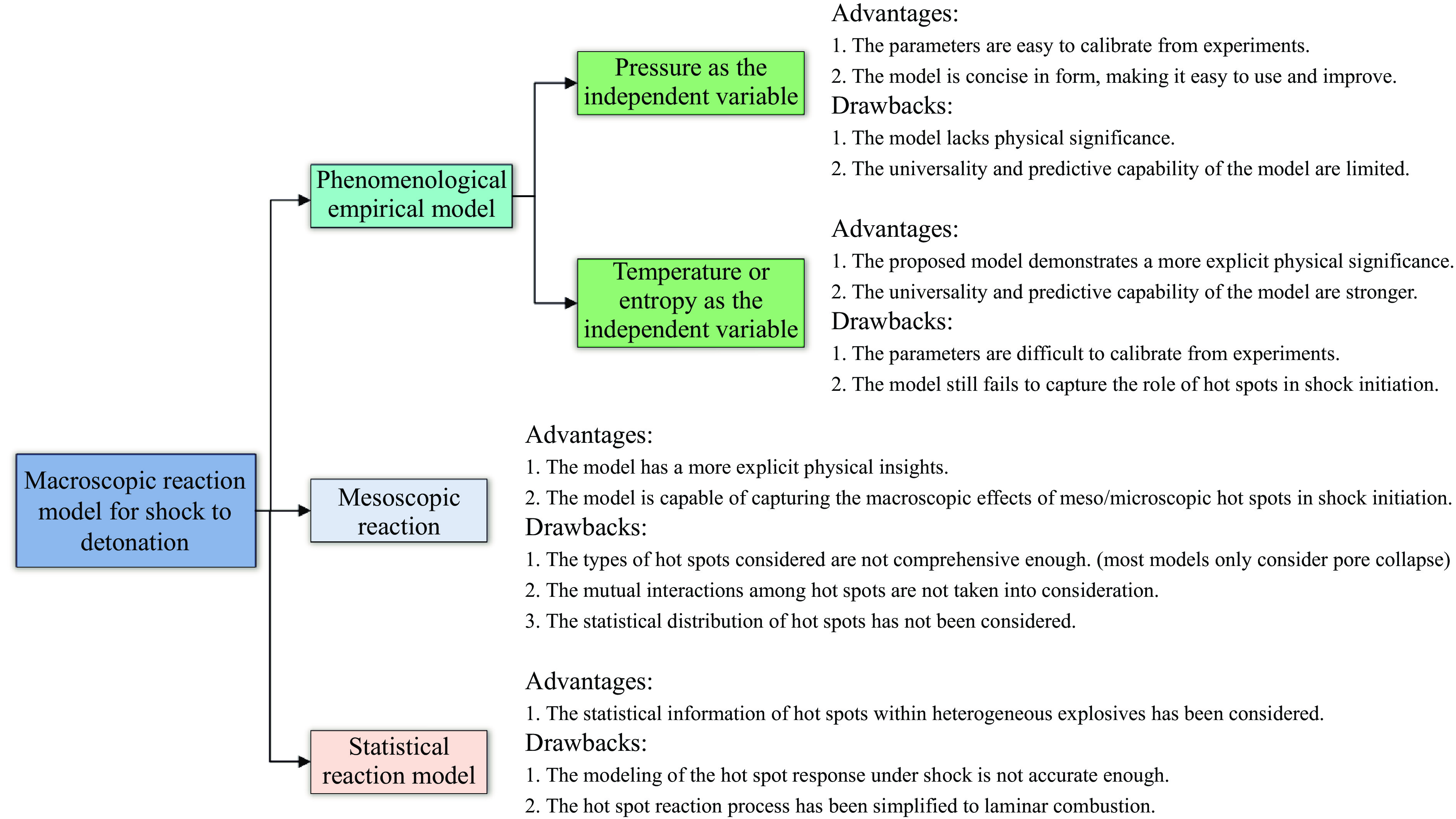
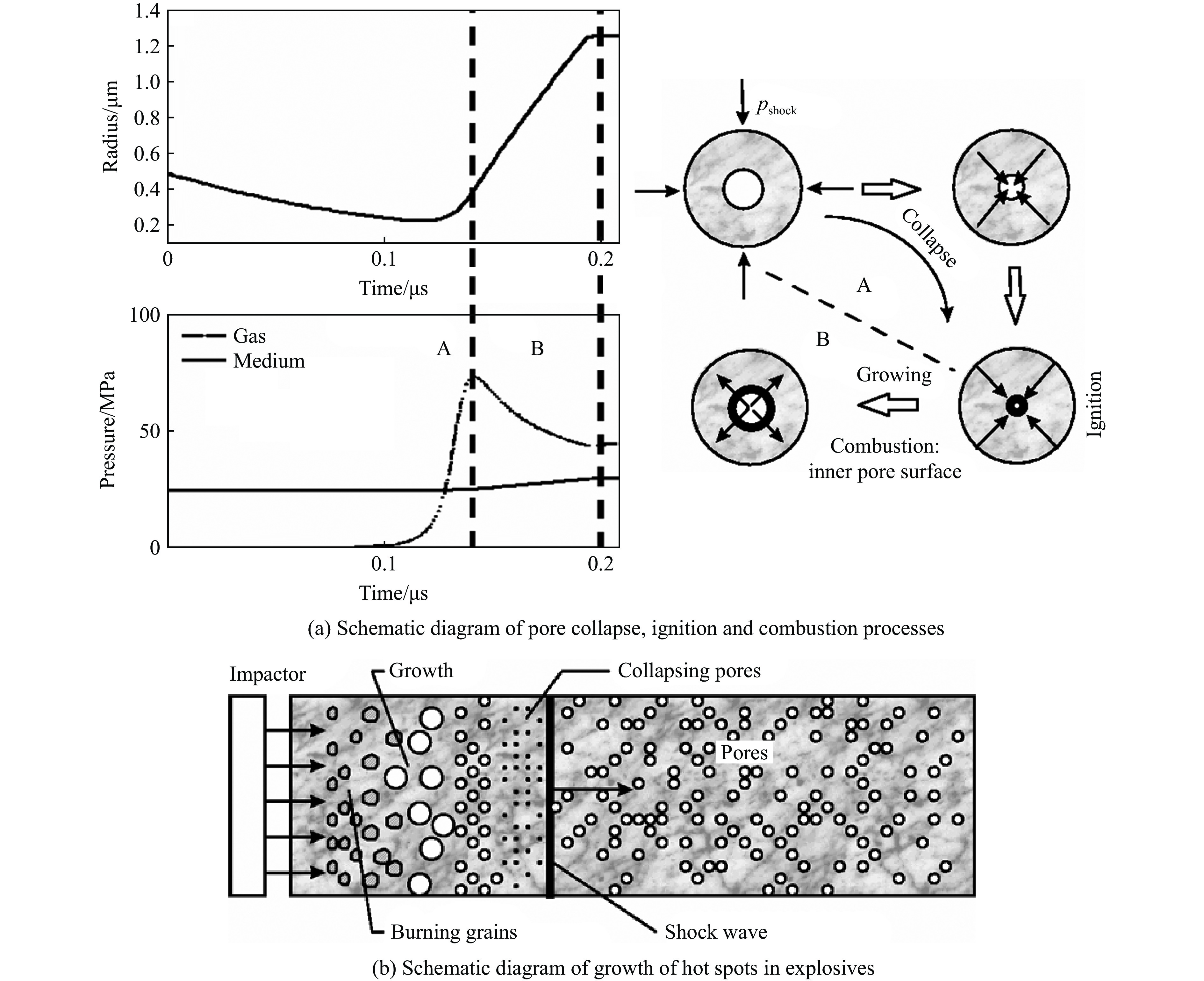
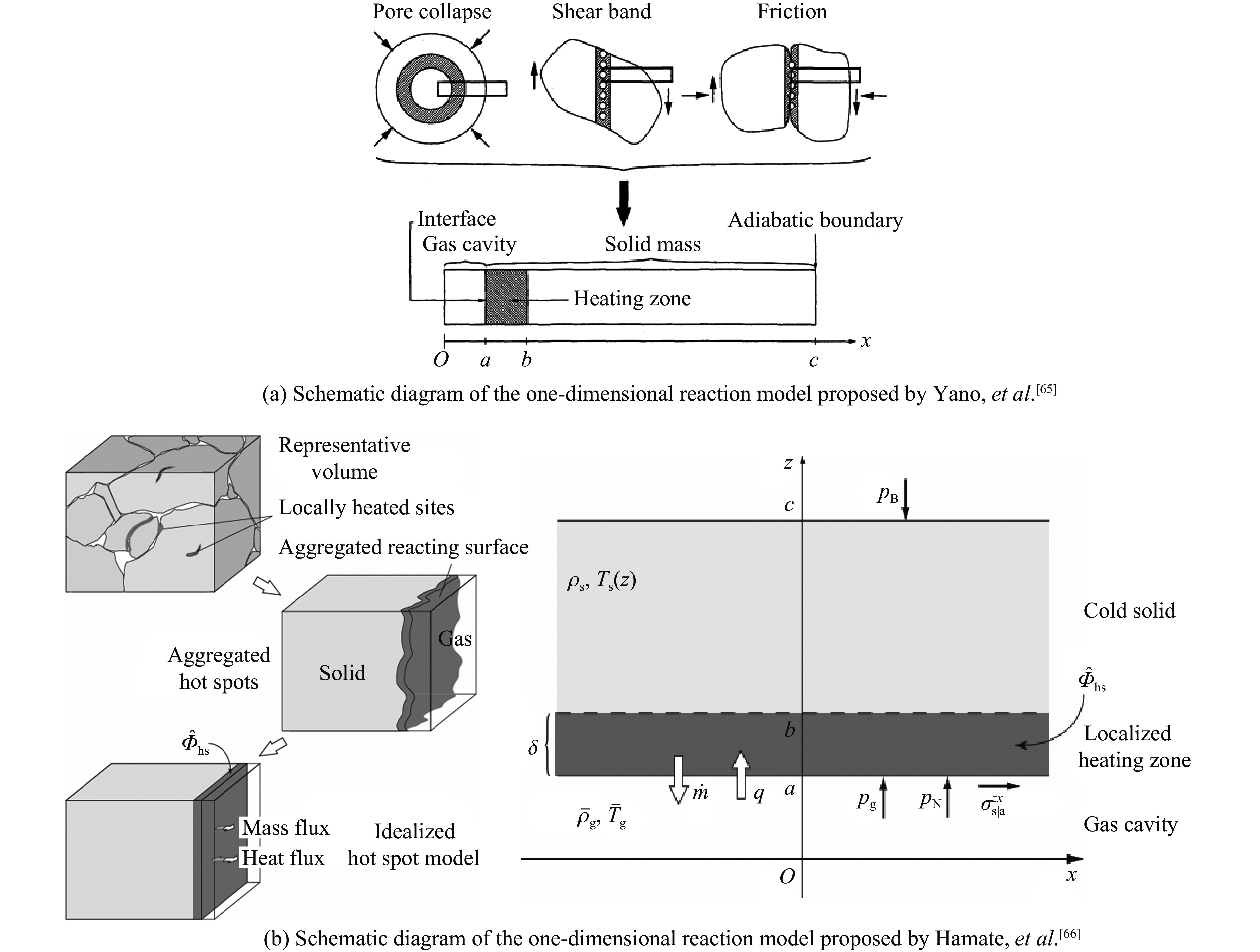
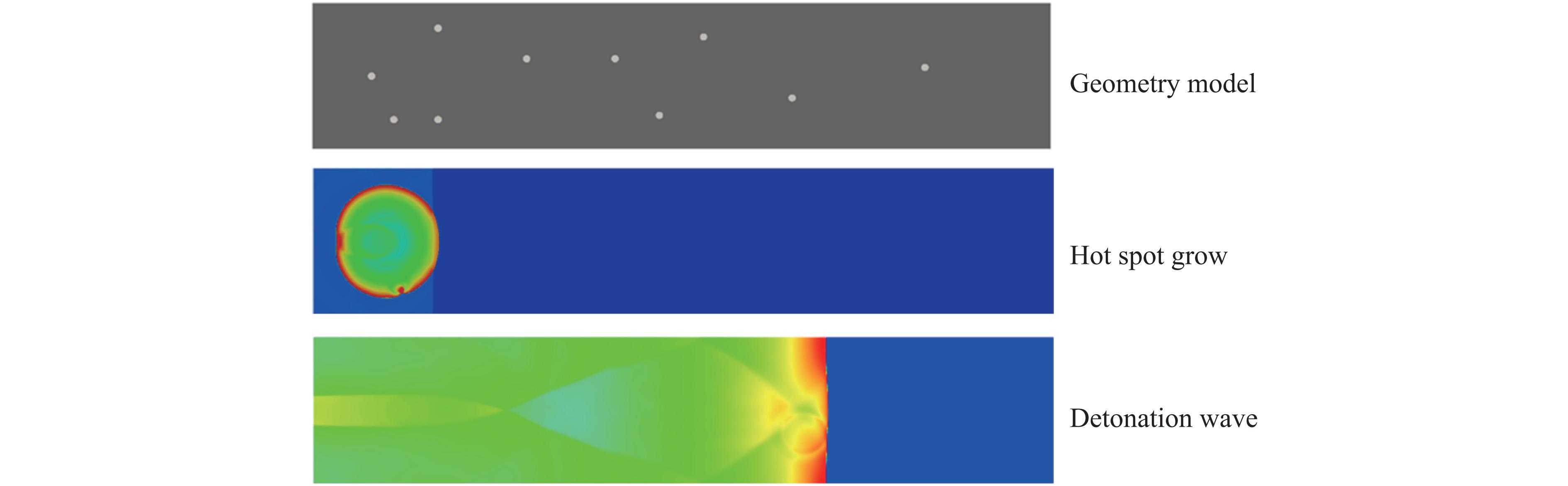
This paper reviews the state of art on microscopic/mesoscopic numerical simulation and macroscopic numerical simulation for the shock initiation process of heterogeneous explosives, summarizes the development trends of numerical simulation of shock initiation in heterogeneous explosives, and enables readers to have a deeper understanding of numerical simulation methods and the mechanism of shock initiation. Both the microscopic and mesoscopic methods have their own limitations, therefore, it is necessary to develop a new computational framework that can capture various mechanisms in the shock initiation process while considering boundary identification, large deformation calculation, and computational efficiency. Hot spots in heterogeneous explosives can be classified into defect-induced and defect-free hot spots based on the presence of structural defects, and both types of hotspots exhibit energy localization effects under shock. The coupling mechanisms between different types of hotspots under shock are not yet clear, and it is necessary to conduct research on the coupling interactions among various types and scales of hotspots to comprehensively reveal the mechanism of hotspots in shock initiation, thereby providing support for numerical simulations of various stages of shock initiation. The physical mechanisms considered in the existing macroscopic reaction rate models for shock initiation are not comprehensive and have weak universality. It is necessary to develop models that account for the coupled effects of multiple hotspots and their statistical distributions which will enhance the universality and predictive capability of macroscope simulation. In the simulation of the entire shock initiation process, macro simulation may overlook many details, while micro/meso numerical simulation requires huge computational complexity. Consequently, it is essential to combine the advantages of both methods to develop multiscale simulation methods to reduce computational consumption and introduce some necessary microscopic information in macro simulation.

Physical Property and Structure
First-Principles Study of the Structural Phase Transition and Physical Properties in NaI under High Pressure
XU Wei, QI Wenming, ABDUGOPUR Hadiqa, LU Guihua, WEI Lai, LI Peng, GAO Min
2025, 39(8): 081101. doi: 10.11858/gywlxb.20251028
HTML PDF (42)
Abstract:

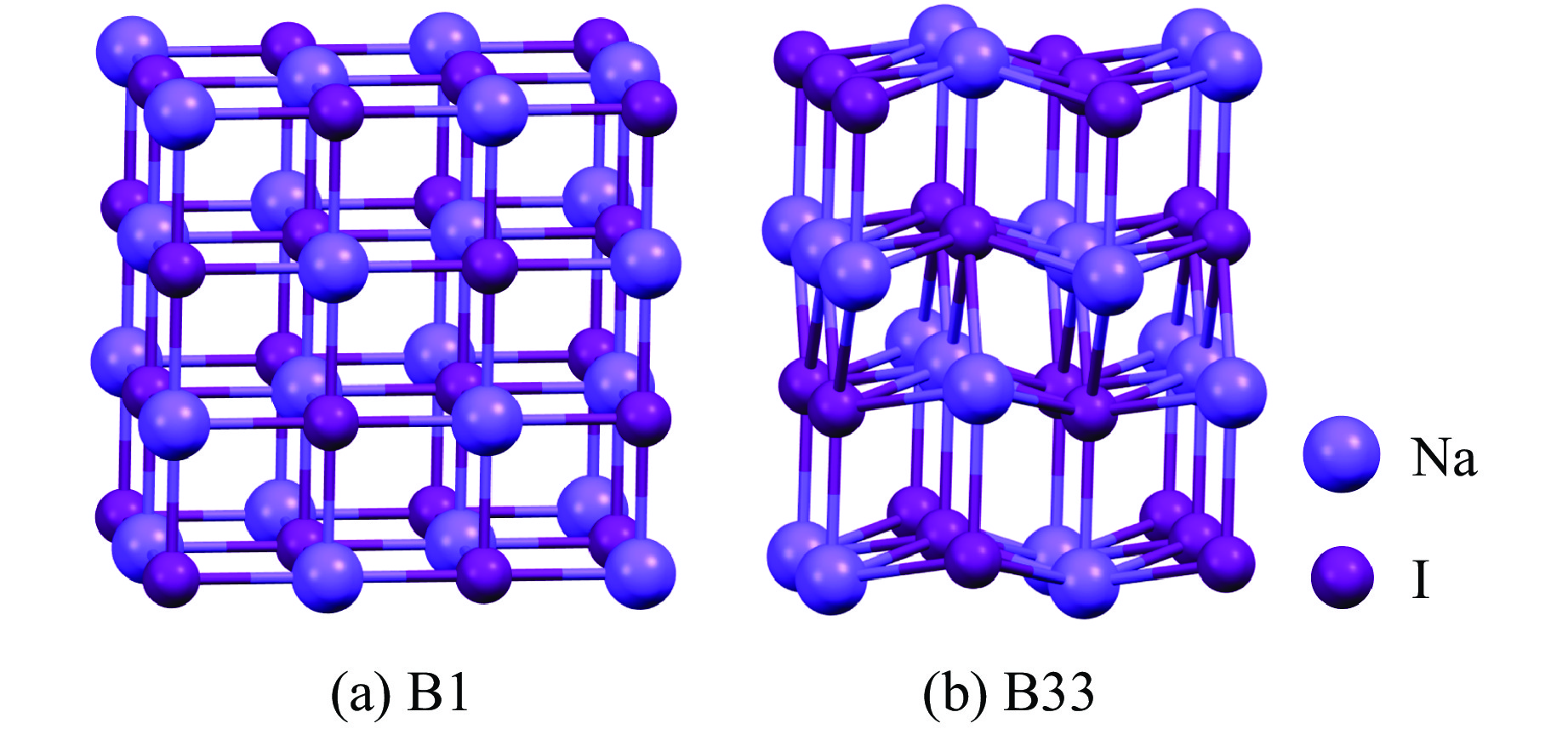
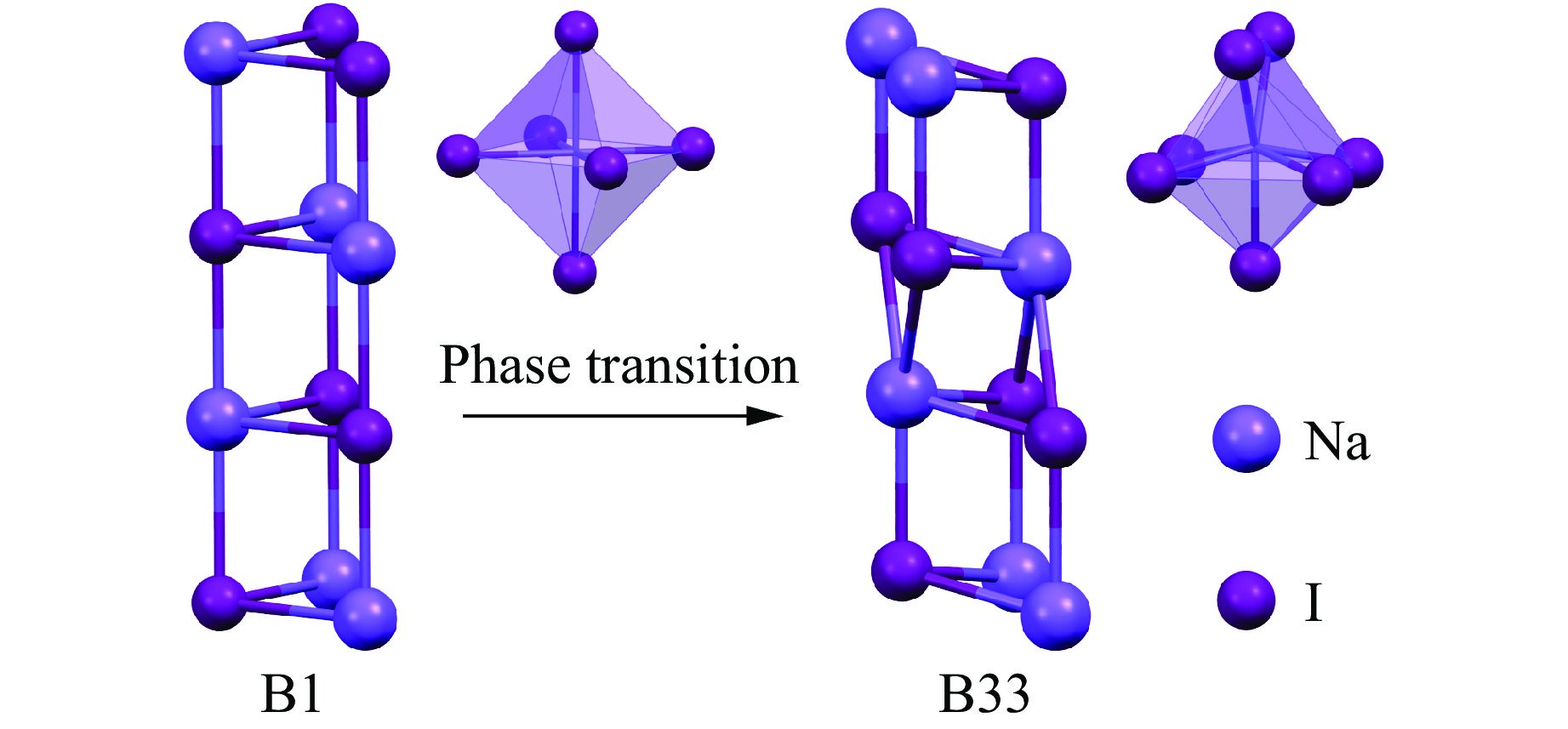
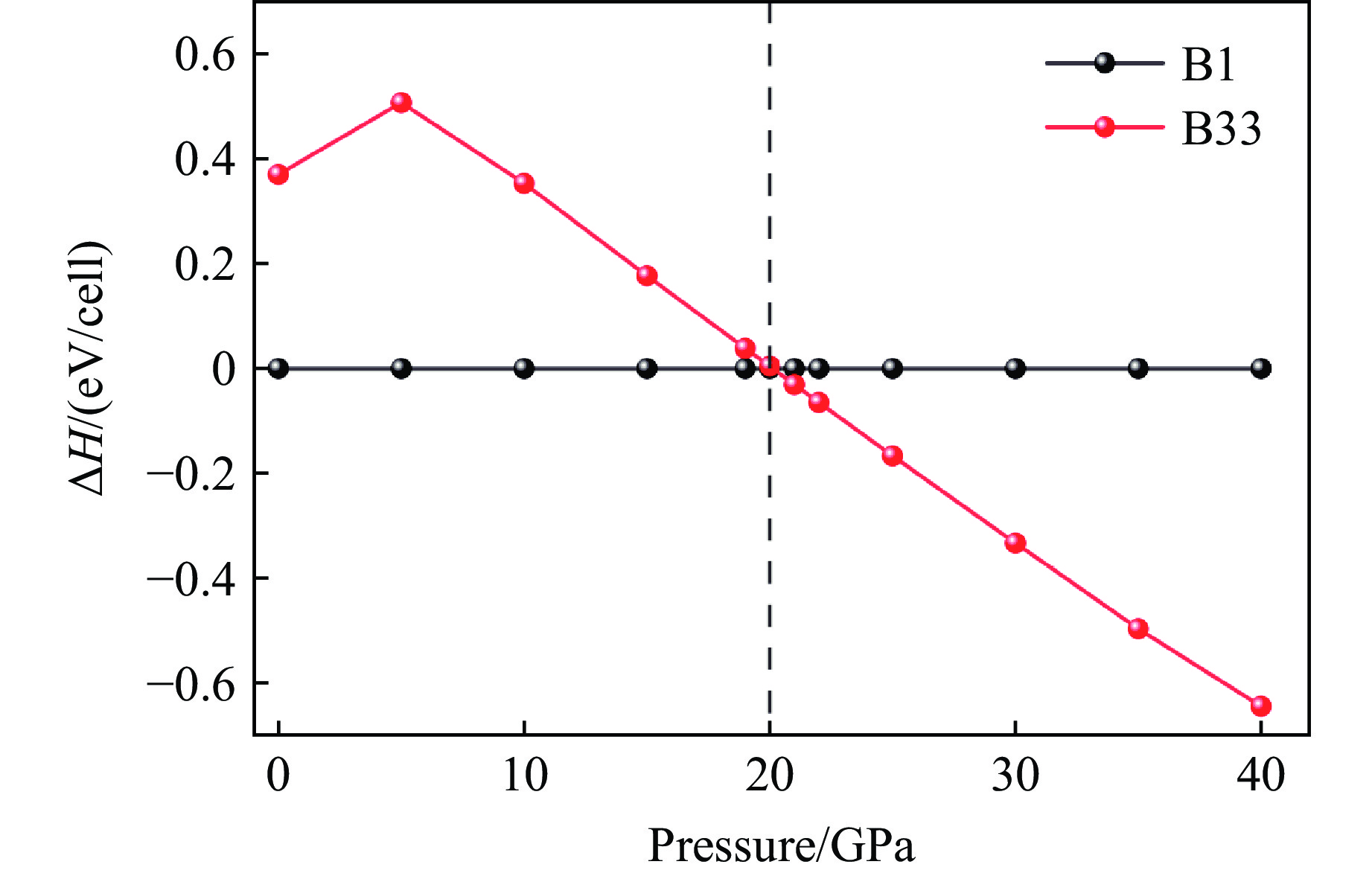
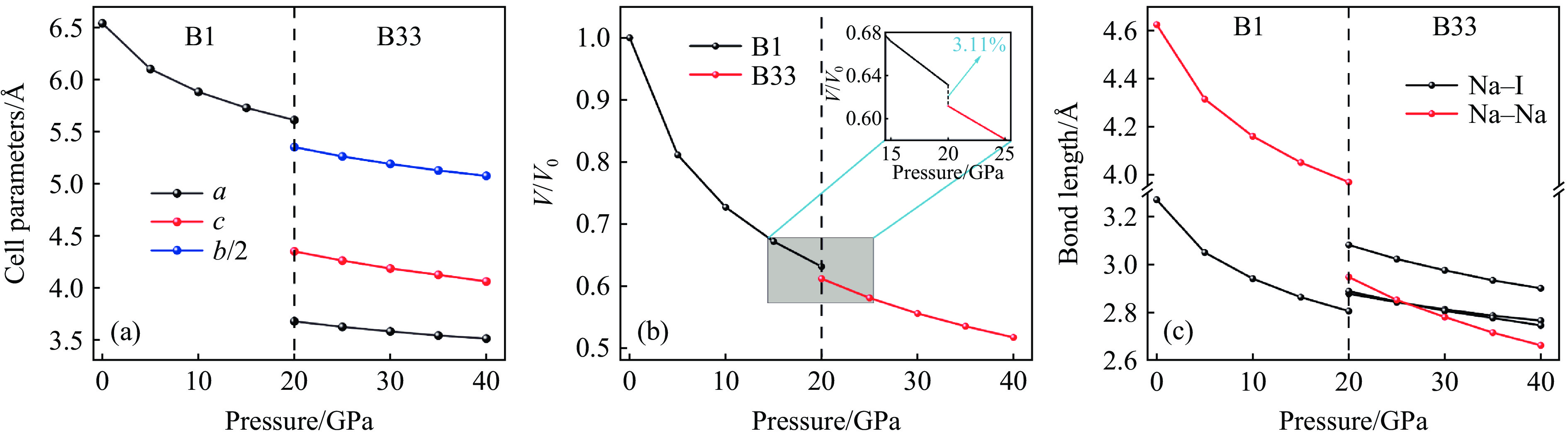
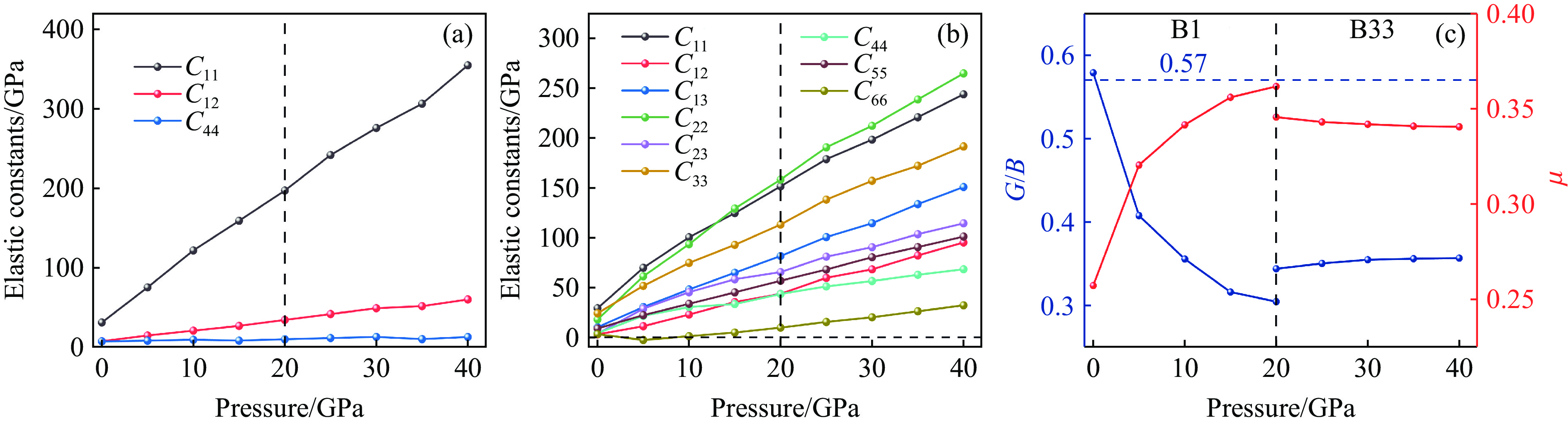
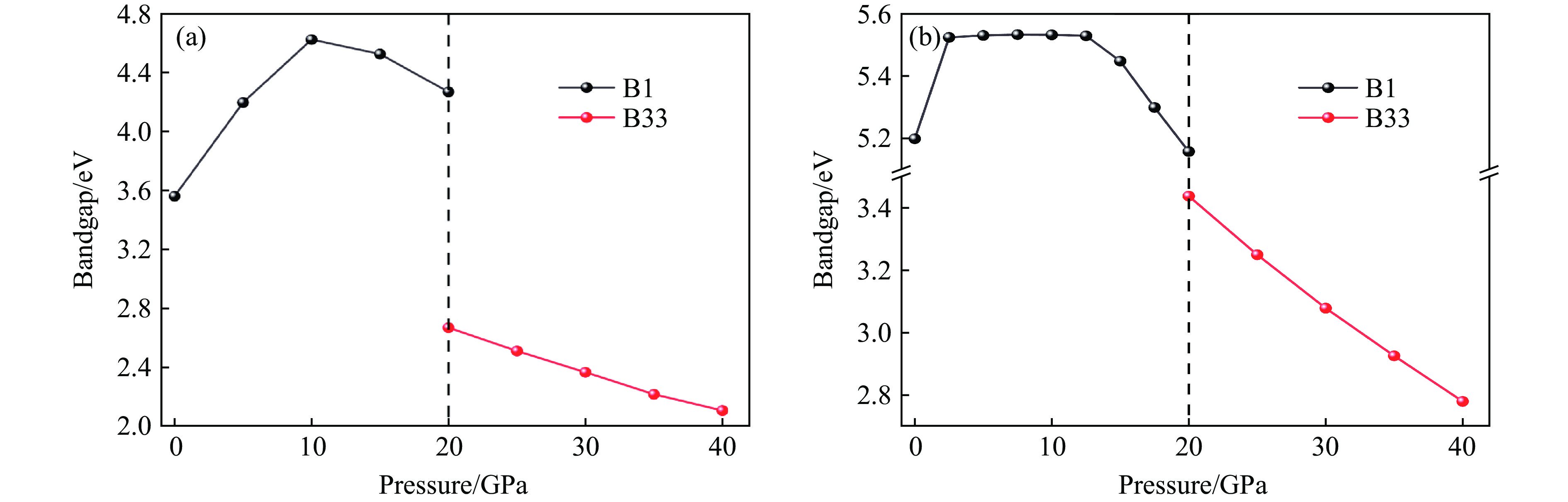
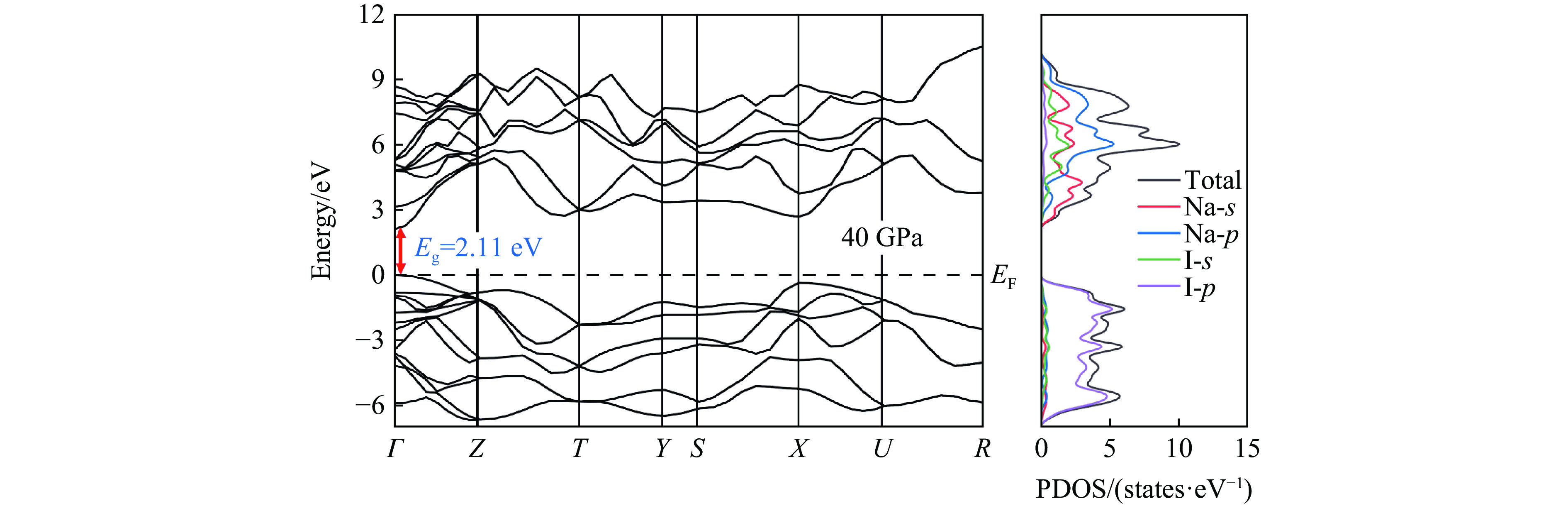
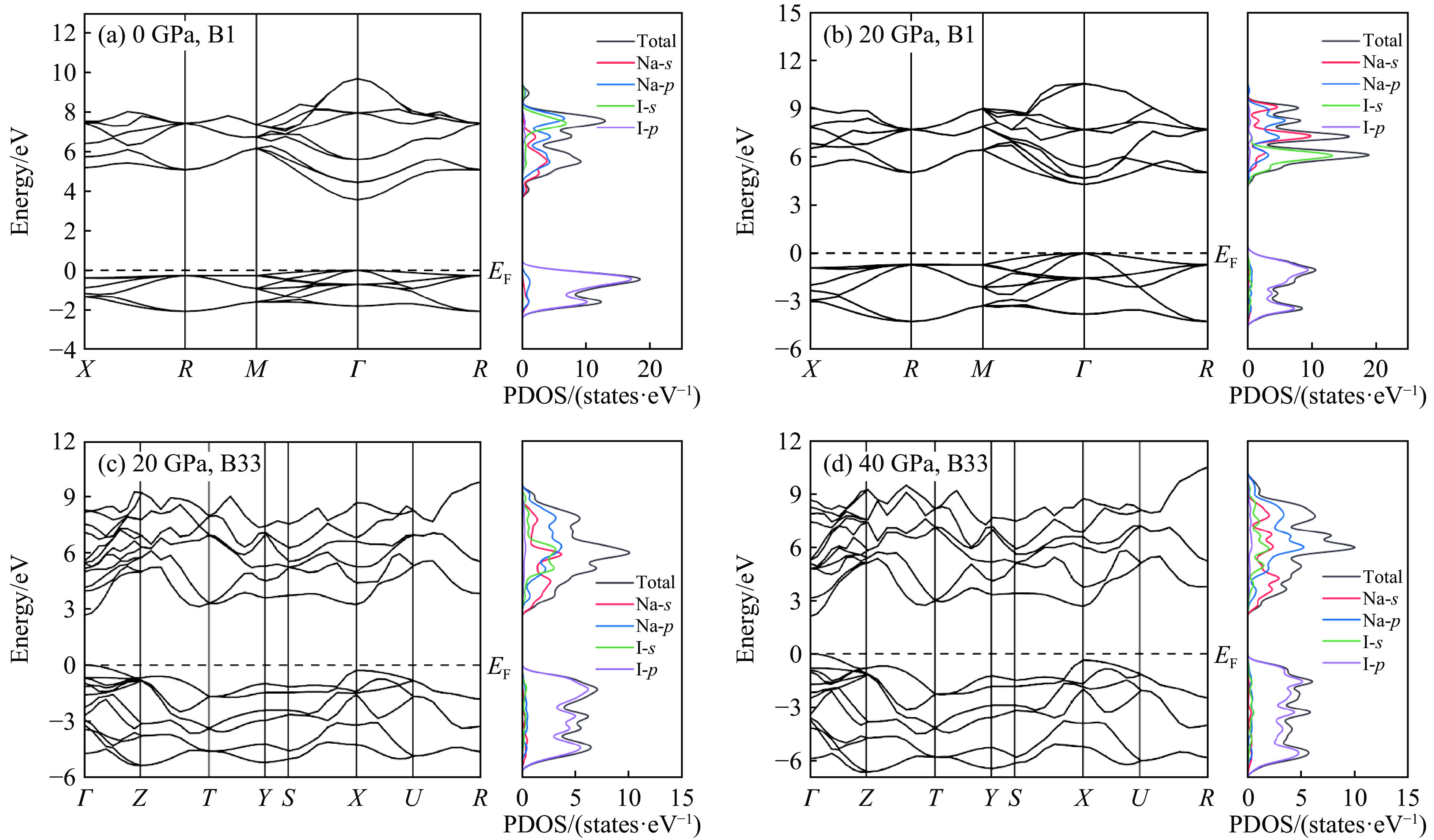
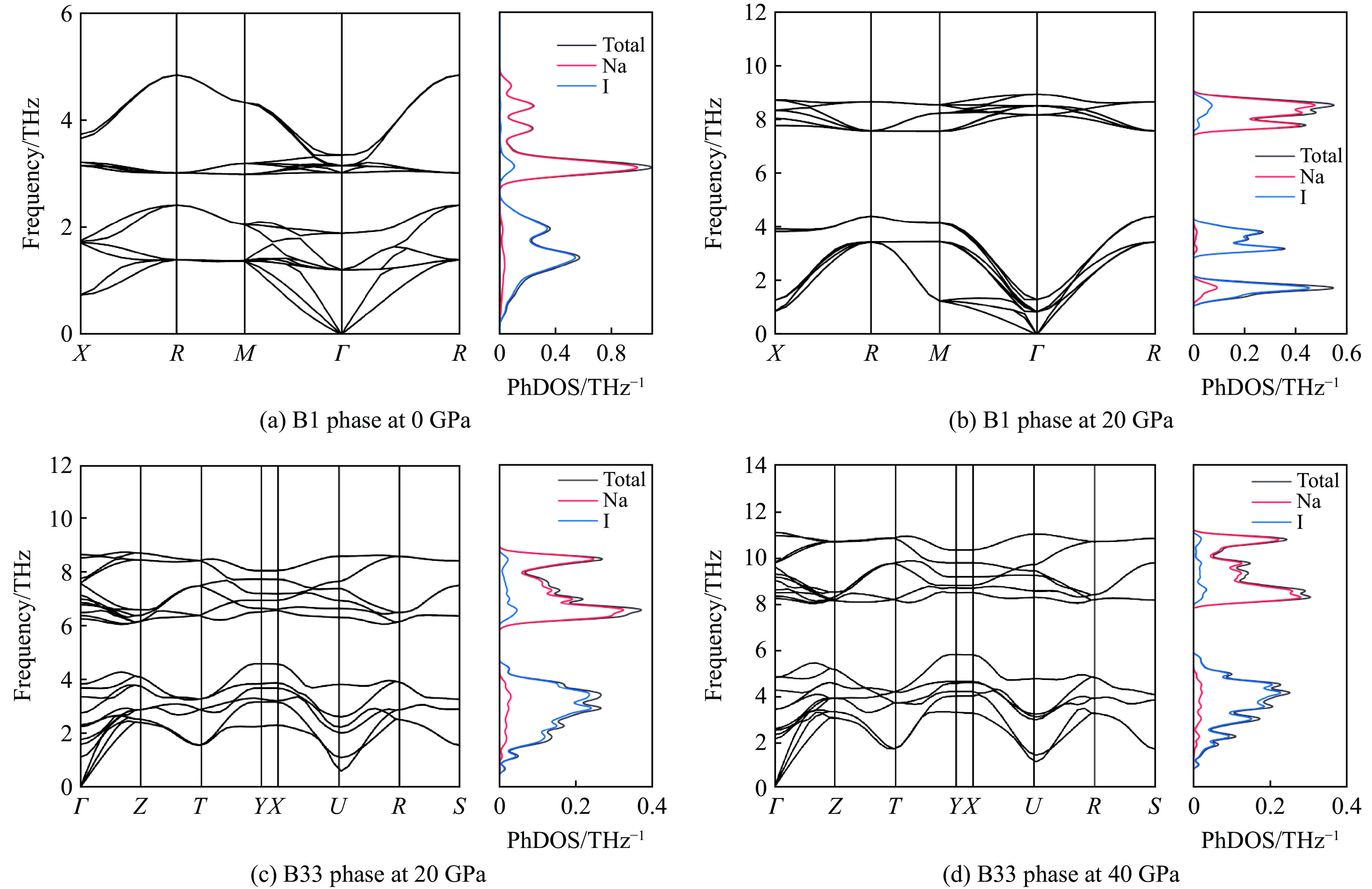
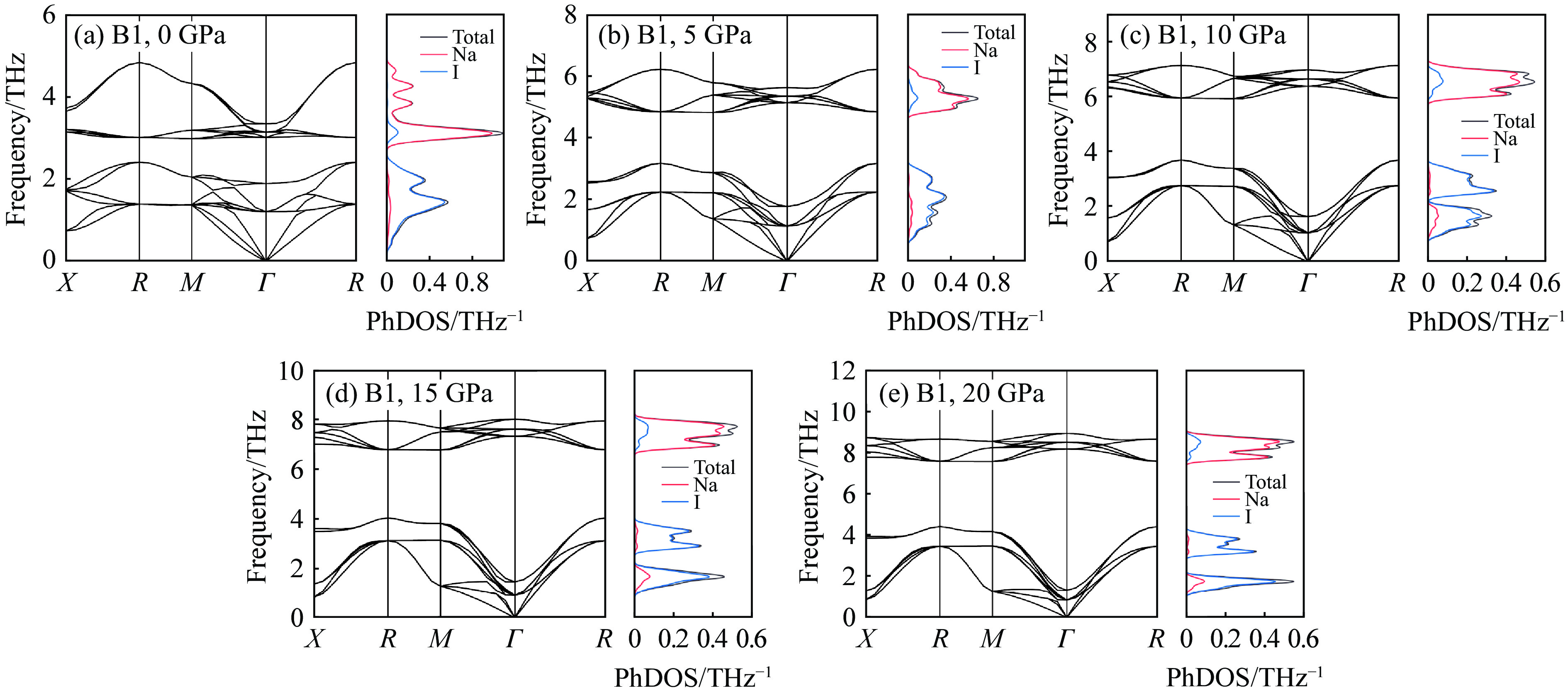
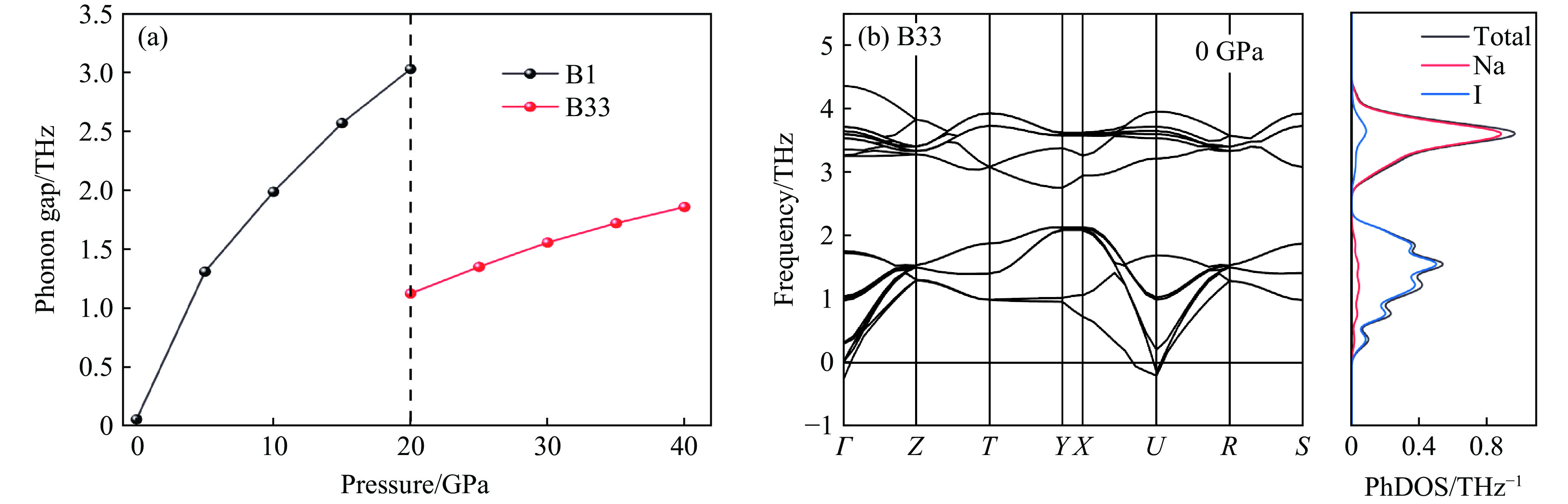
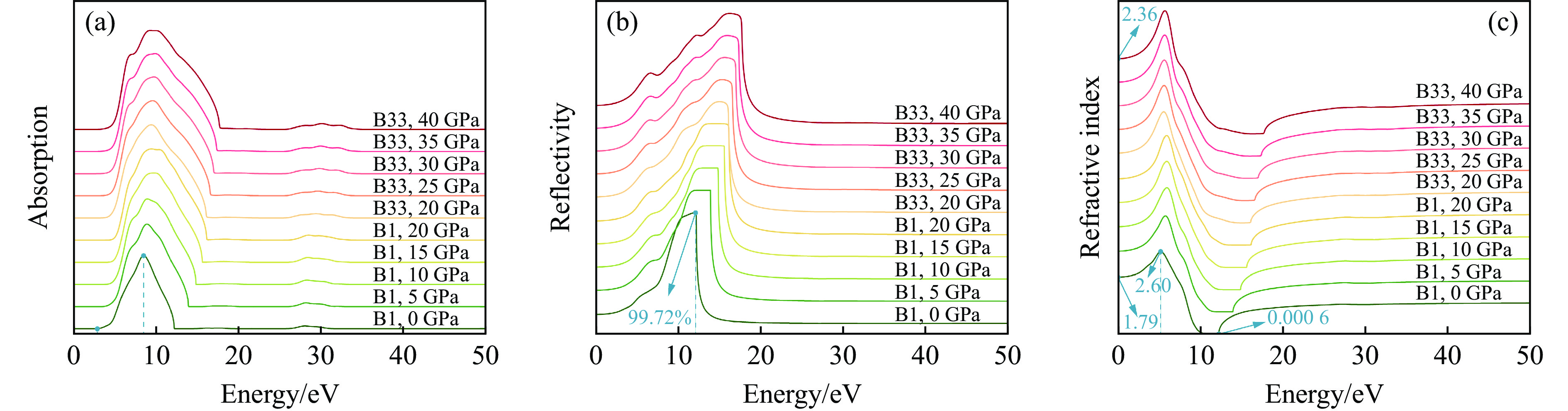
It has been shown that NaI undergoes a pressure-induced phase transition which is different from other alkali metal halides such as NaCl. Previous X-ray diffraction experiments show that NaI will experience a structure phase transition from B1 to B33 phase under high pressure. However, there may exist pressure difference of the structure phase transition in experiments due to the lack of pressure transmit medium and the high water absorption of NaI. In this study, we predict the structural phase transition from B1−B33 phase at 20 GPa based on density functional theory of the first principles calculation method. The results of the theoretical calculations confirm the previous reported data, but the calculated pressure of the phase transition is slightly lower than the experimental value. In addition, detailed evolution of physical properties in NaI under high pressure was investigated. The band gap of NaI shows a gradual closure with increasing pressure, while its brittleness and ultraviolet light reflectance exhibit an enhancement. This work establishes a theoretical foundation for exploring the potential applications of alkali metal halides under extreme conditions.

Dynamic Response of Matter
Preparation, Microstructure and Mechanical Properties of Mo Layer and CoCrFeNiMn High Entropy Alloy Hard Coating Layer
CUI Kaijie, WANG Jiangang, WANG Hefeng, XING Xuegang, XIAO Gesheng, JIA Yiwei
2025, 39(8): 084101. doi: 10.11858/gywlxb.20240966
HTML PDF (42)
Abstract:

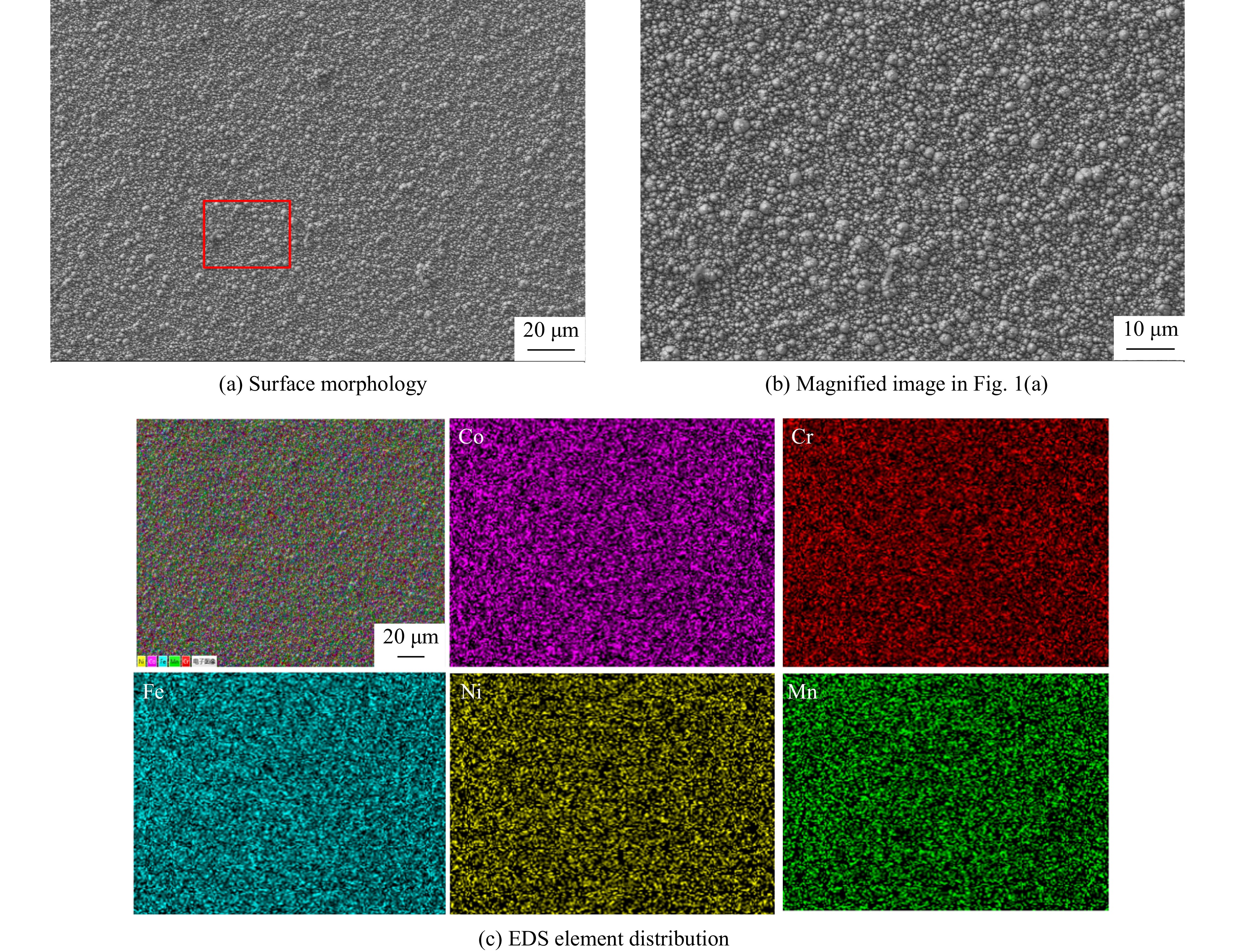
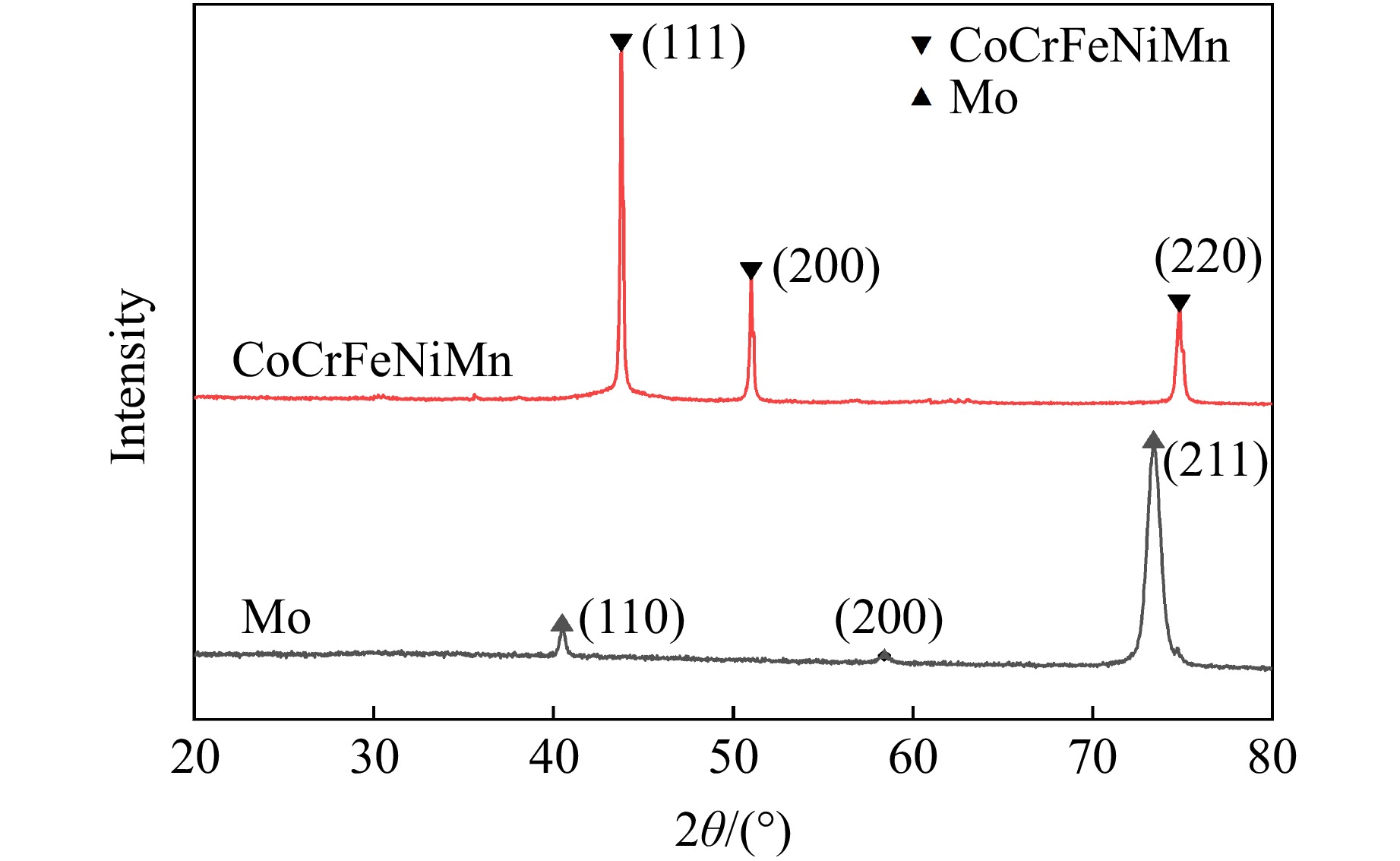
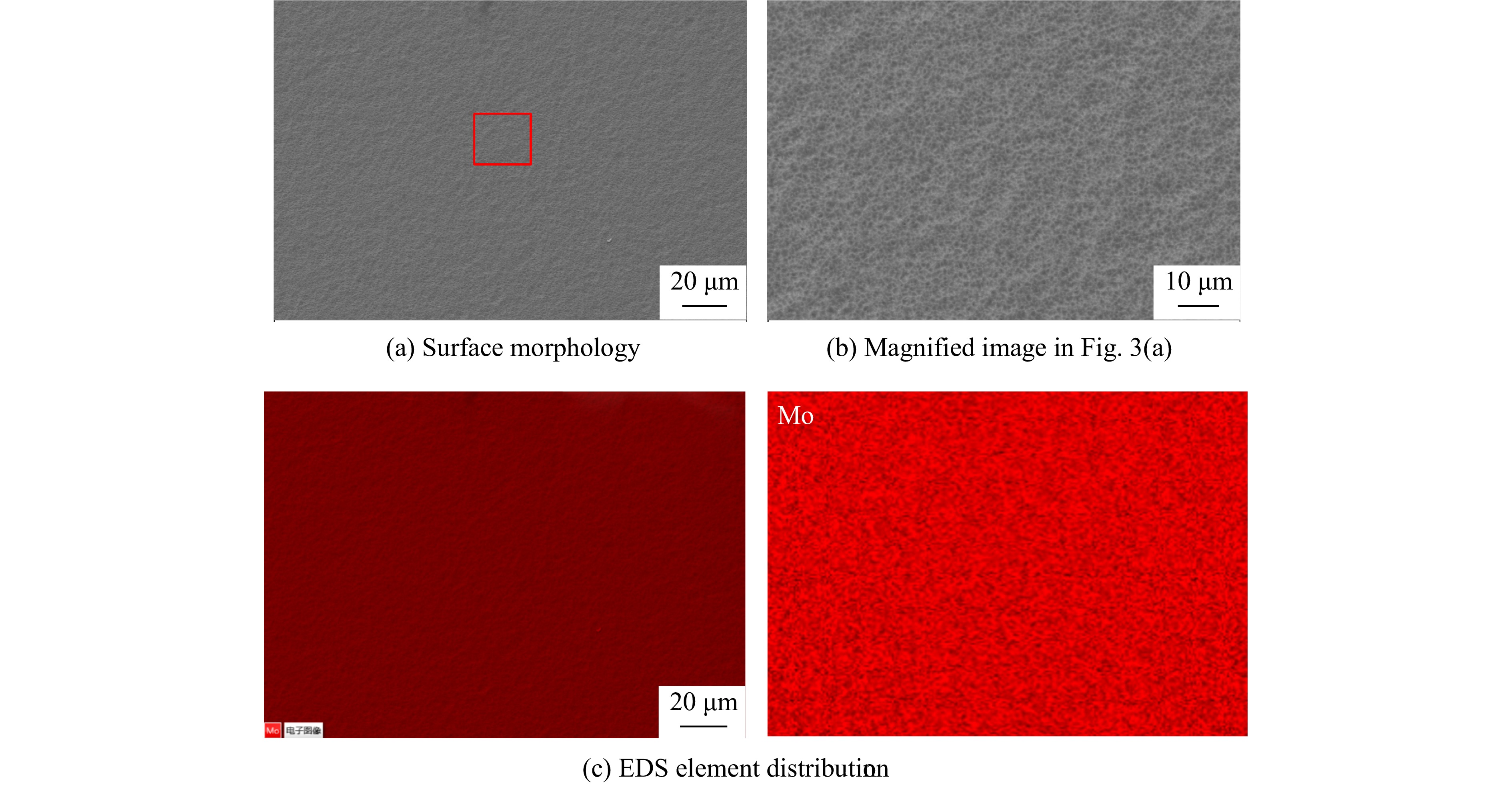
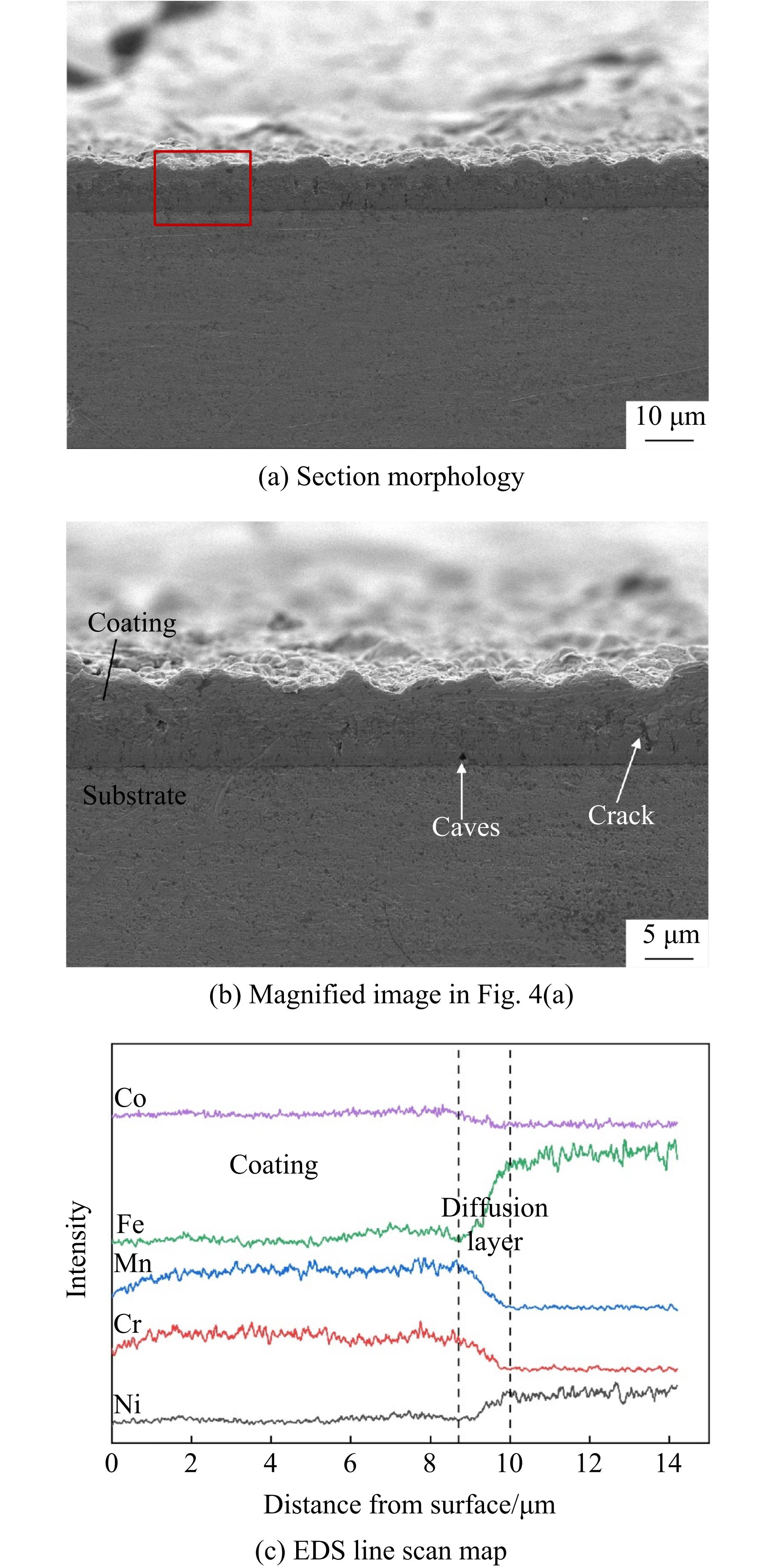
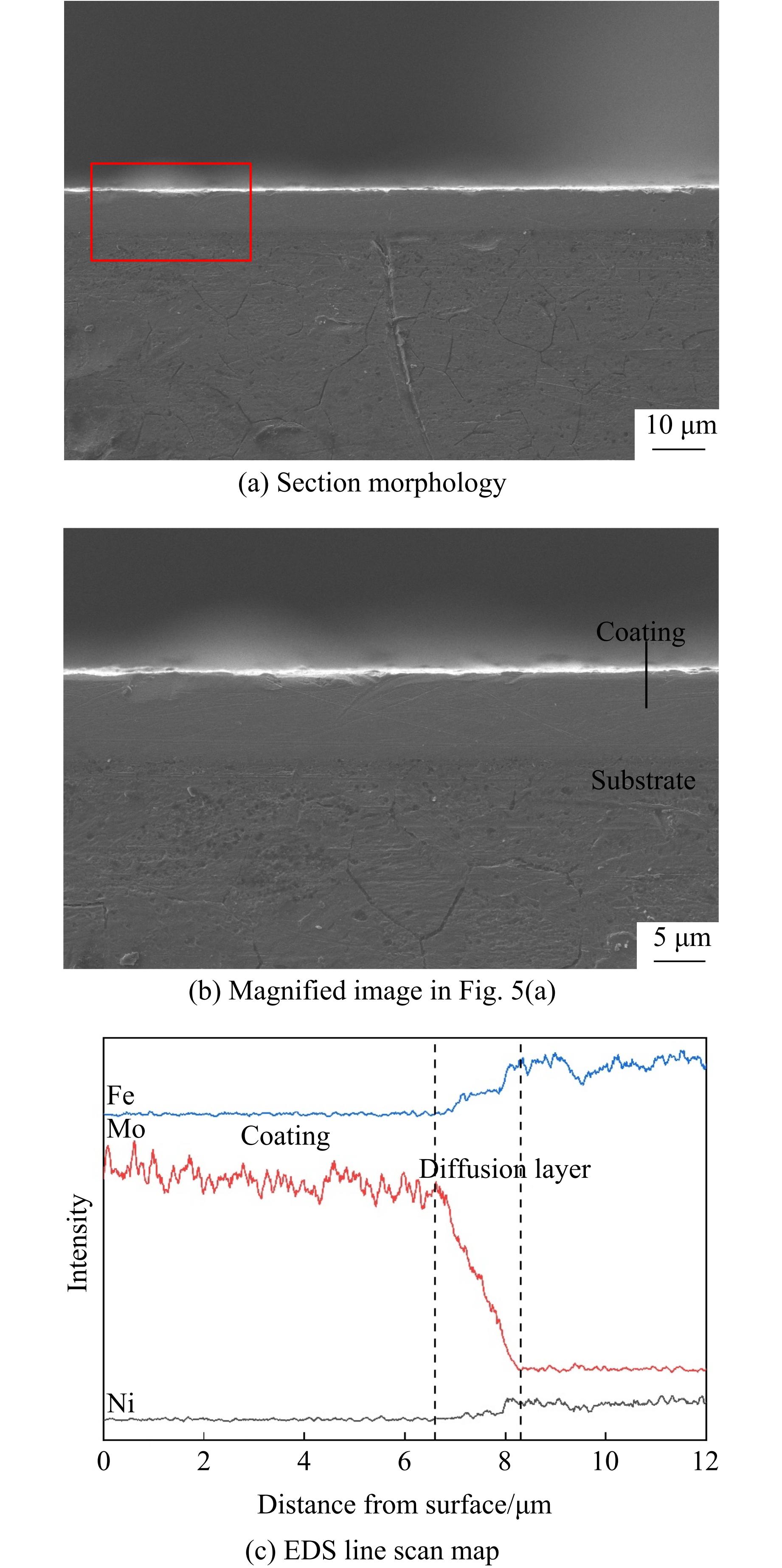
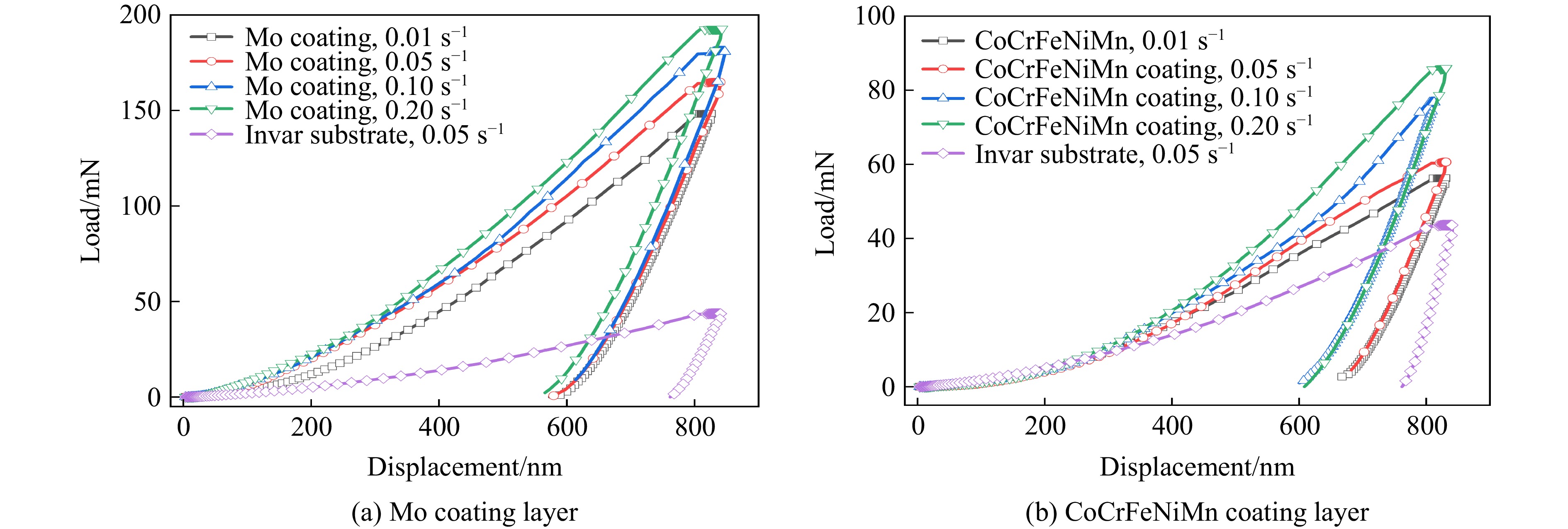
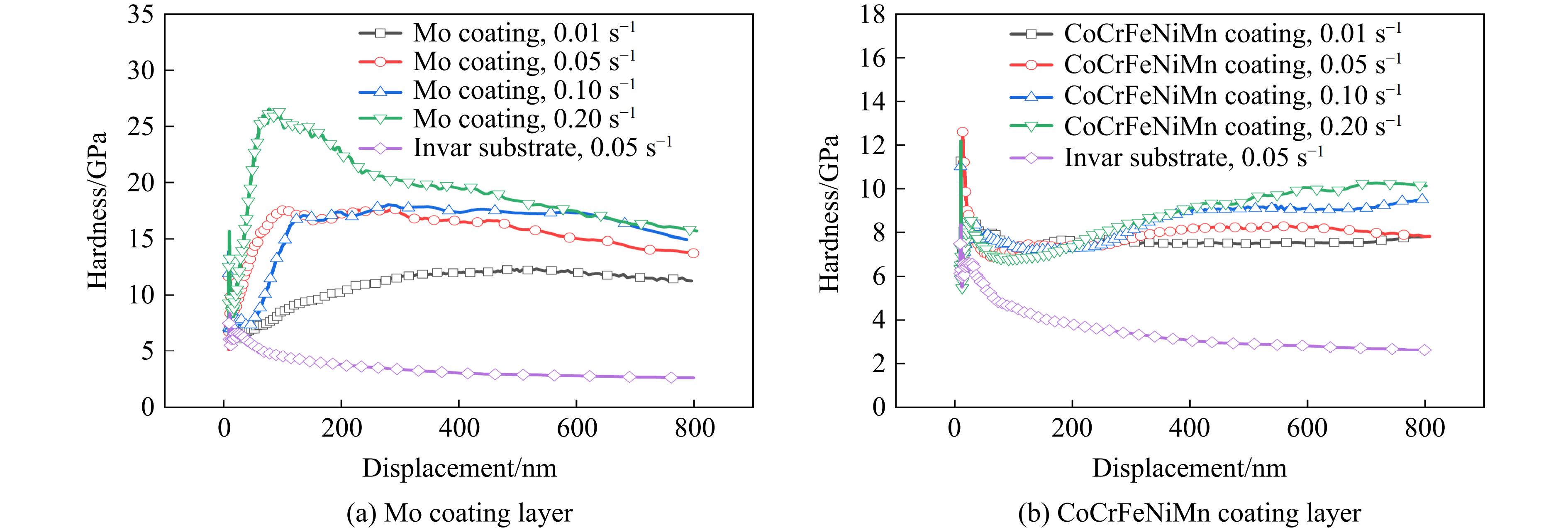
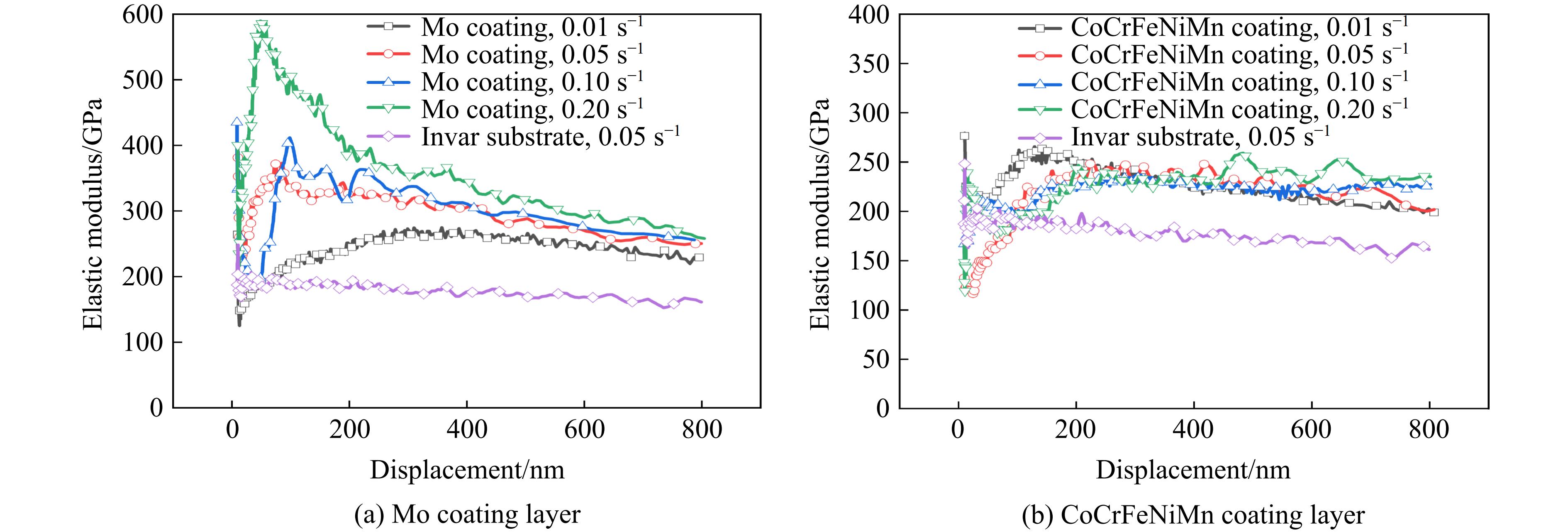
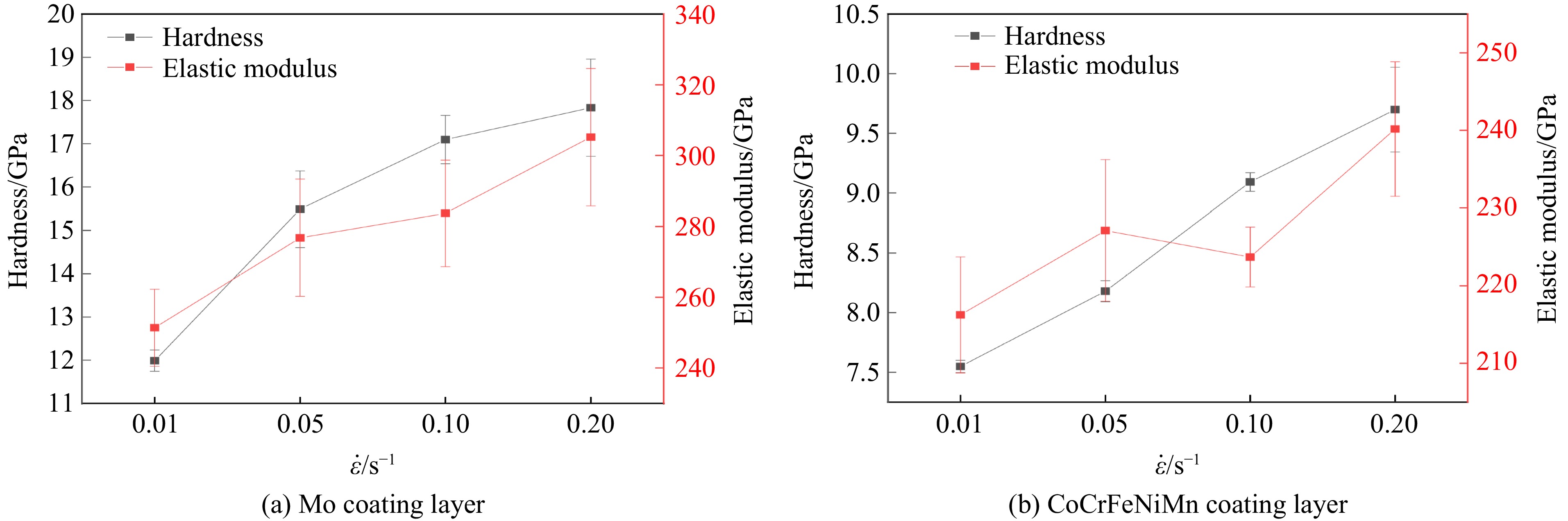
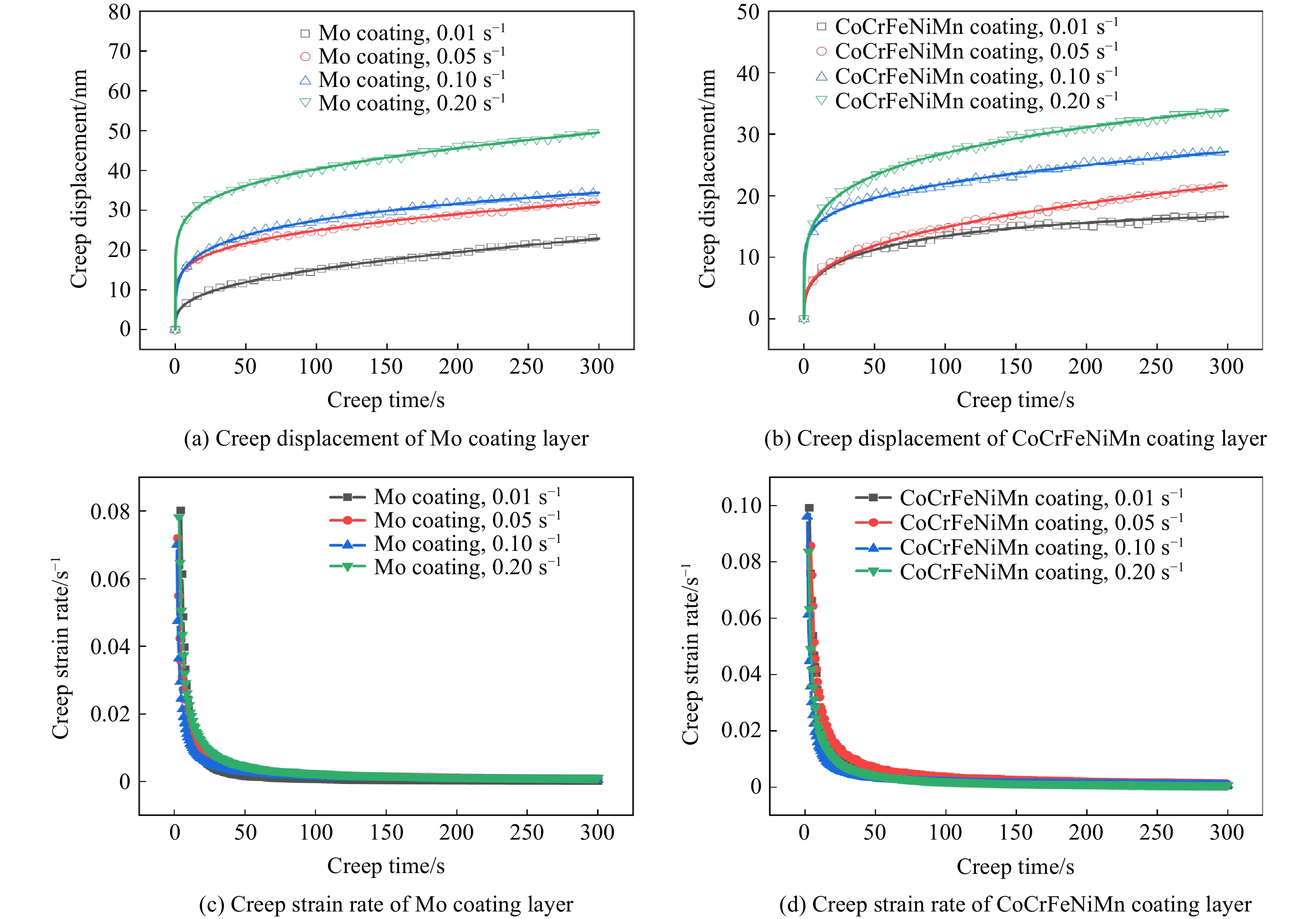
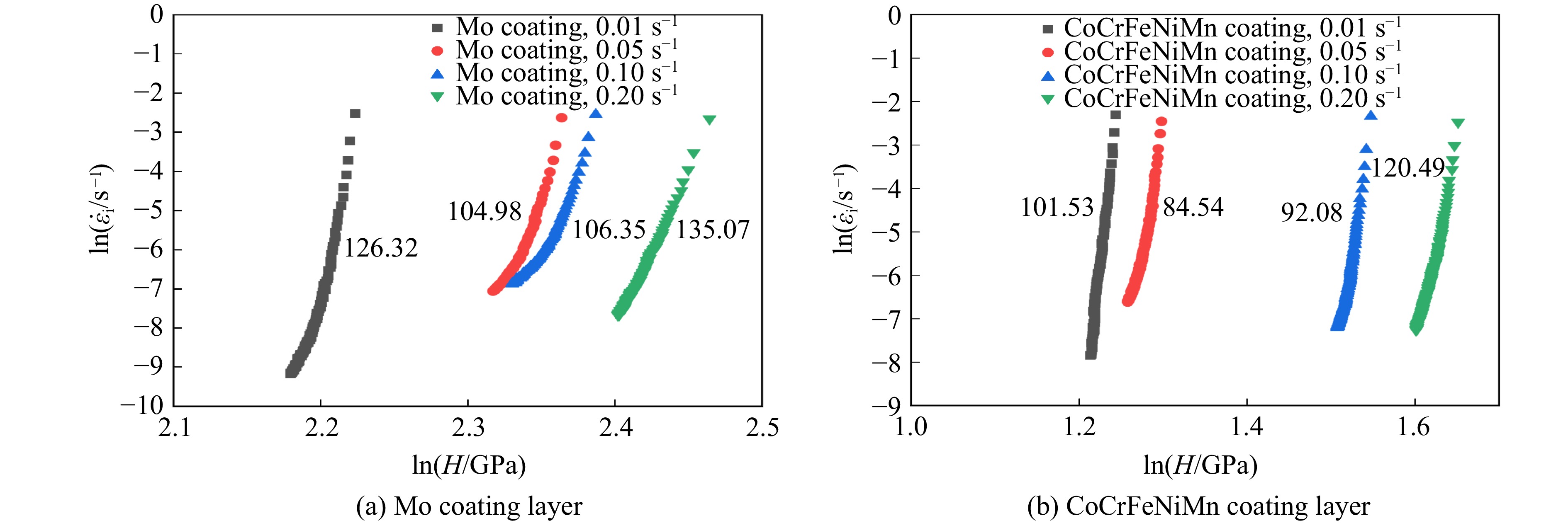
To address the issue of low hardness and limited service life of the Invar alloy in practical applications, this study employs double-glow plasma surface alloying (DGPSA) technique to fabricate Mo and CoCrFeNiMn hard coating layers on the surface of the Invar alloy. The phase structure, microstructure, and element distribution of the two coating layers were investigated using X-ray diffraction (XRD), scanning electron microscope (SEM), and energy dispersive spectroscopy (EDS). The effects of loading strain rate on surface hardness, elastic modulus, and creep behavior of the two hard coating layers were systematically studied via nanoindentation. The thickness of the Mo coating layer is approximately 8.3 μm, with a dense and uniform internal structure and a body-centered cubic (BCC) structure. The thickness of the CoCrFeNiMn coating layer is approximately 10 μm, with some internal porosity and presents a face-centered cubic (FCC) structure. The nanoindentation tests show that the hardness of the Mo and CoCrFeNiMn coating layers is 15.49 and 8.18 GPa, respectively, while their elastic modulus are 278.70 and 227.12 GPa. The two hard coating layers significantly enhance the surface hardness and elastic modulus of the Invar alloy, and exhibit sufficient toughness. Hardness of the two coating layers increases with increasing strain rate, showing a pronounced strain rate sensitivity, while the elastic modulus remains relatively stable. Additionally, the creep behavior of the two coatings layers is influenced by the applied strain rate, with nanoindentation creep primarily governed by dislocation motion. The modification effect of the Mo coating layer is superior to that of the CoCrFeNiMn coating layer.

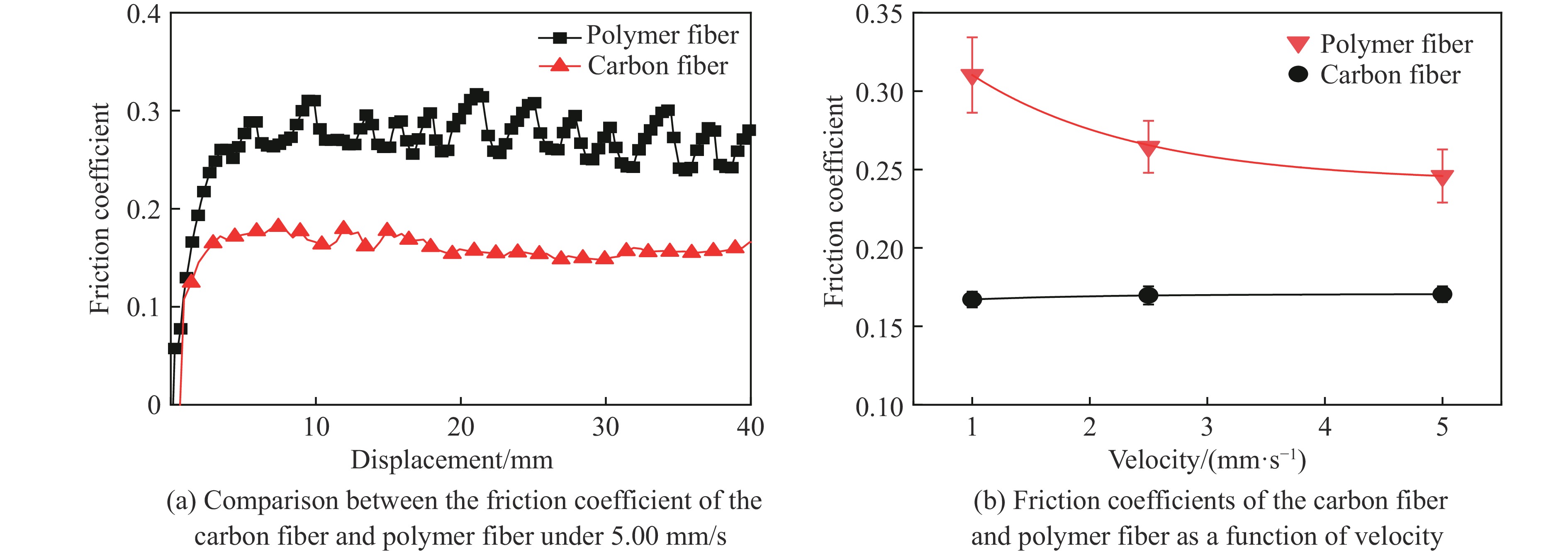
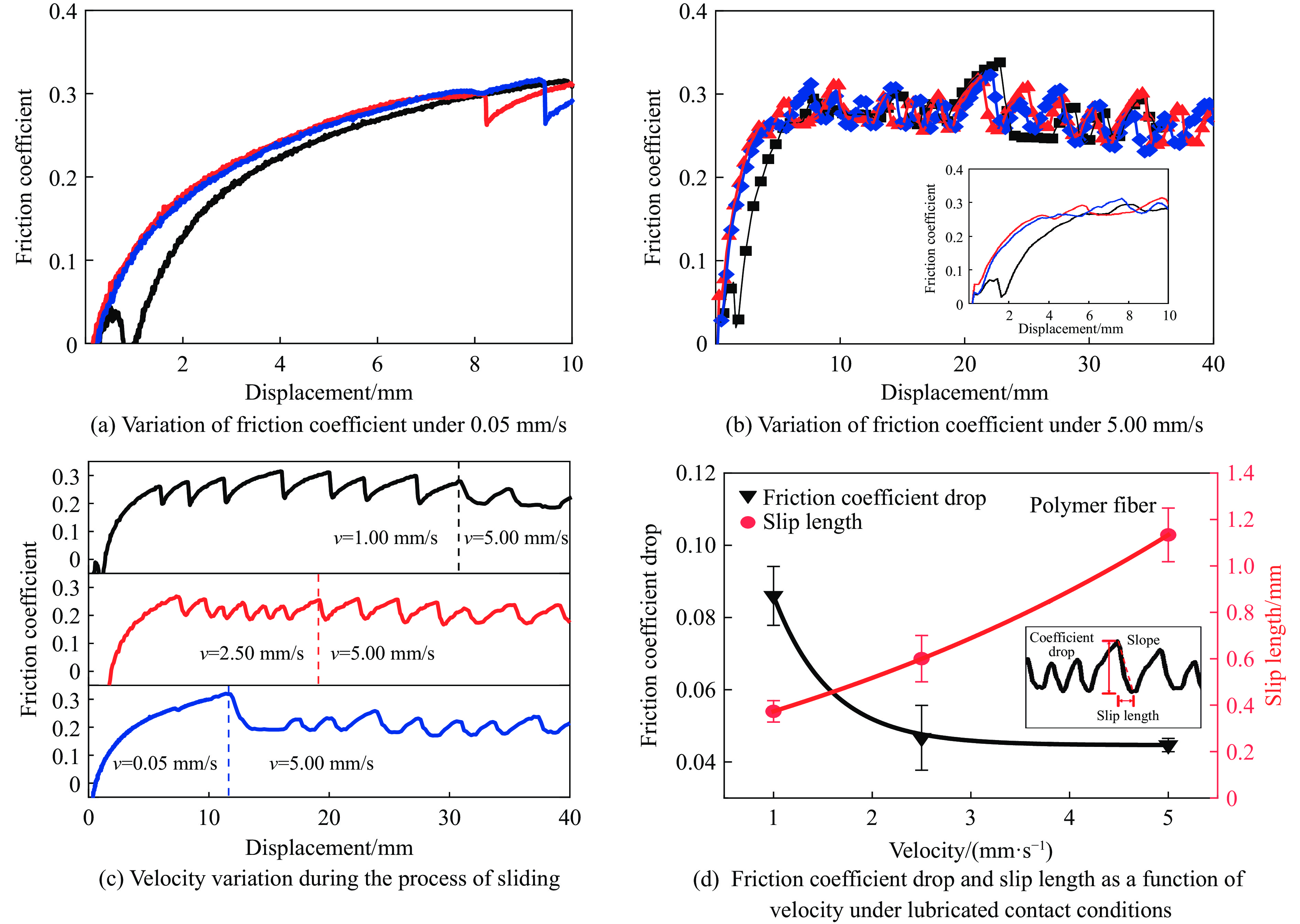
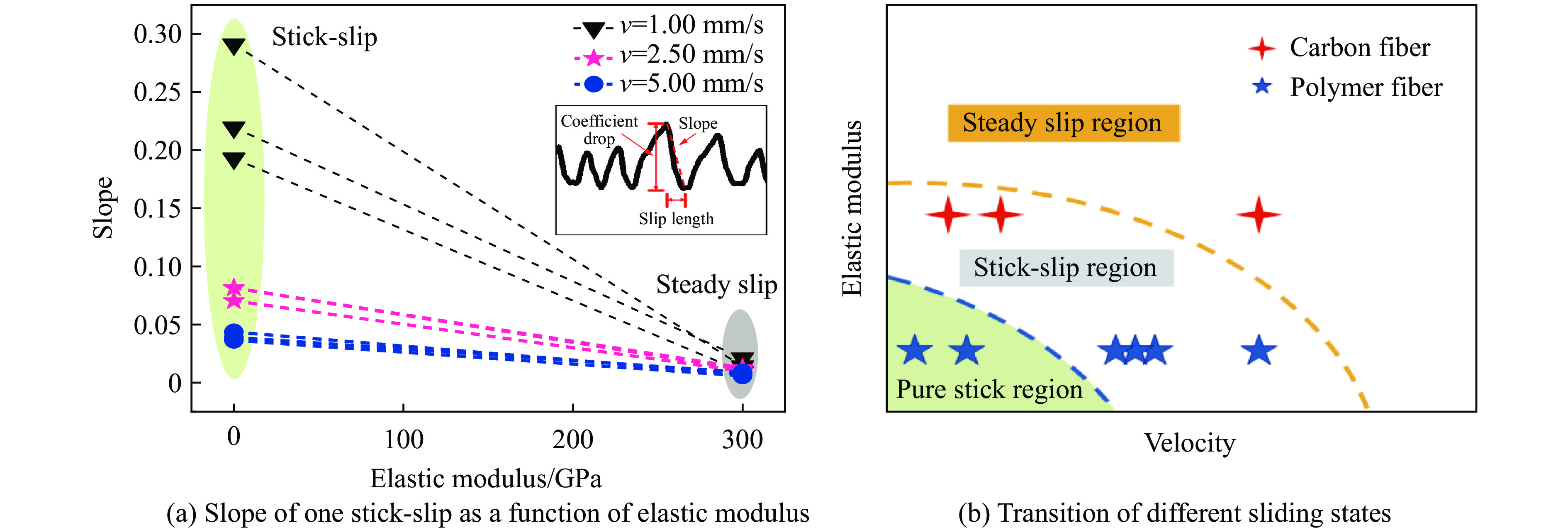
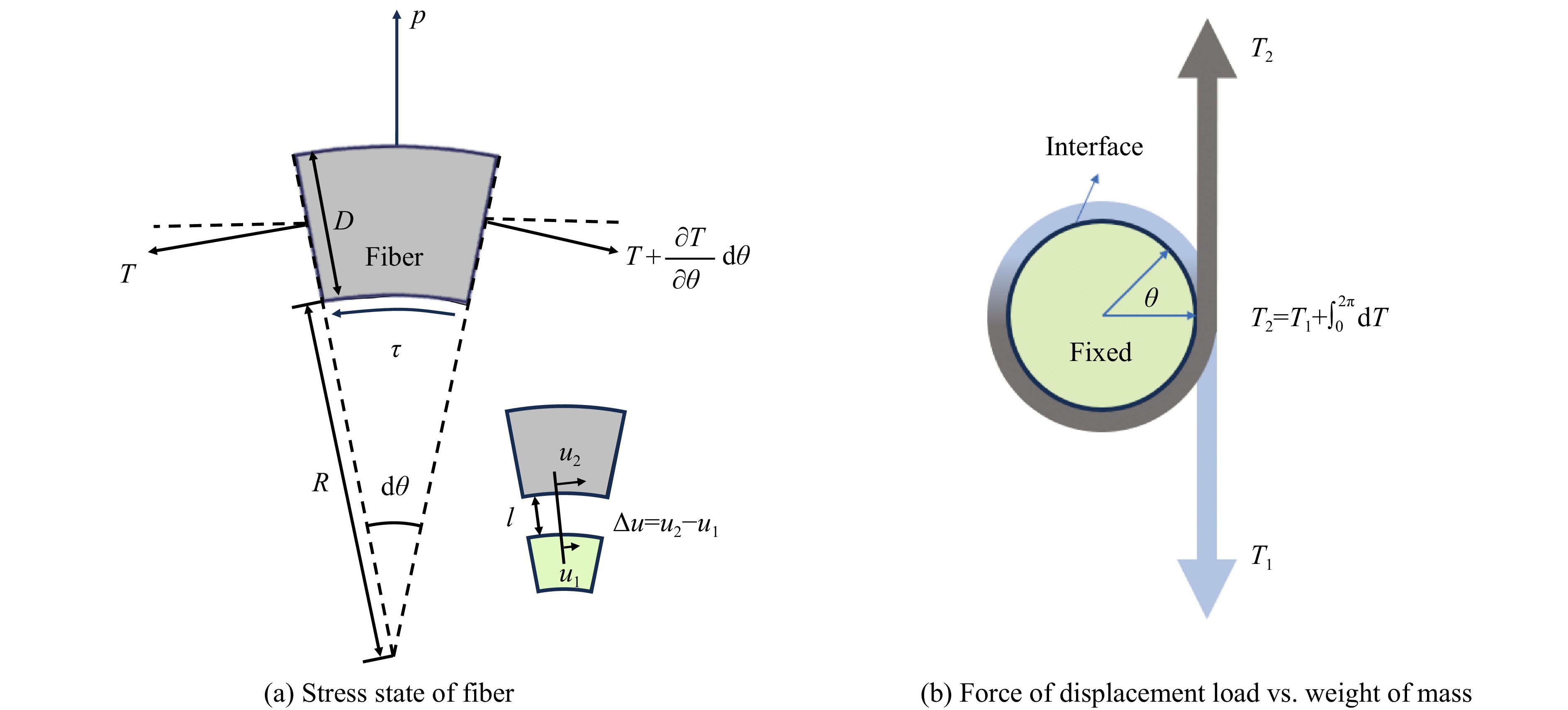
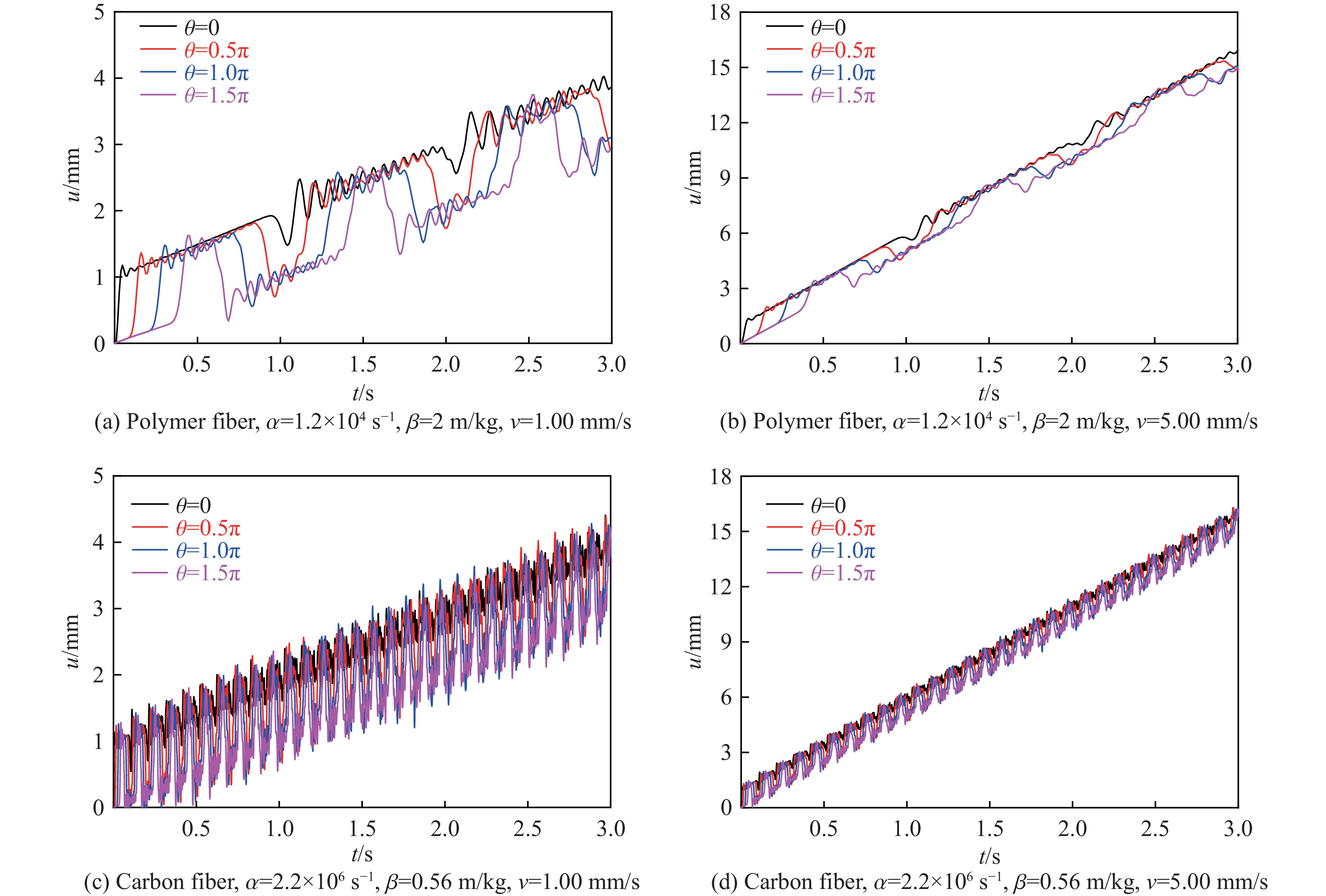
Investigations on the Stick-Slip Behavior and Dynamic Interface Friction Mechanisms of Fiber Winding
QU Yunxiang, WANG Pengfei, WU Yangfan, WANG Deya, XU Songlin
2025, 39(8): 084102. doi: 10.11858/gywlxb.20240953
HTML PDF (37)
Abstract:

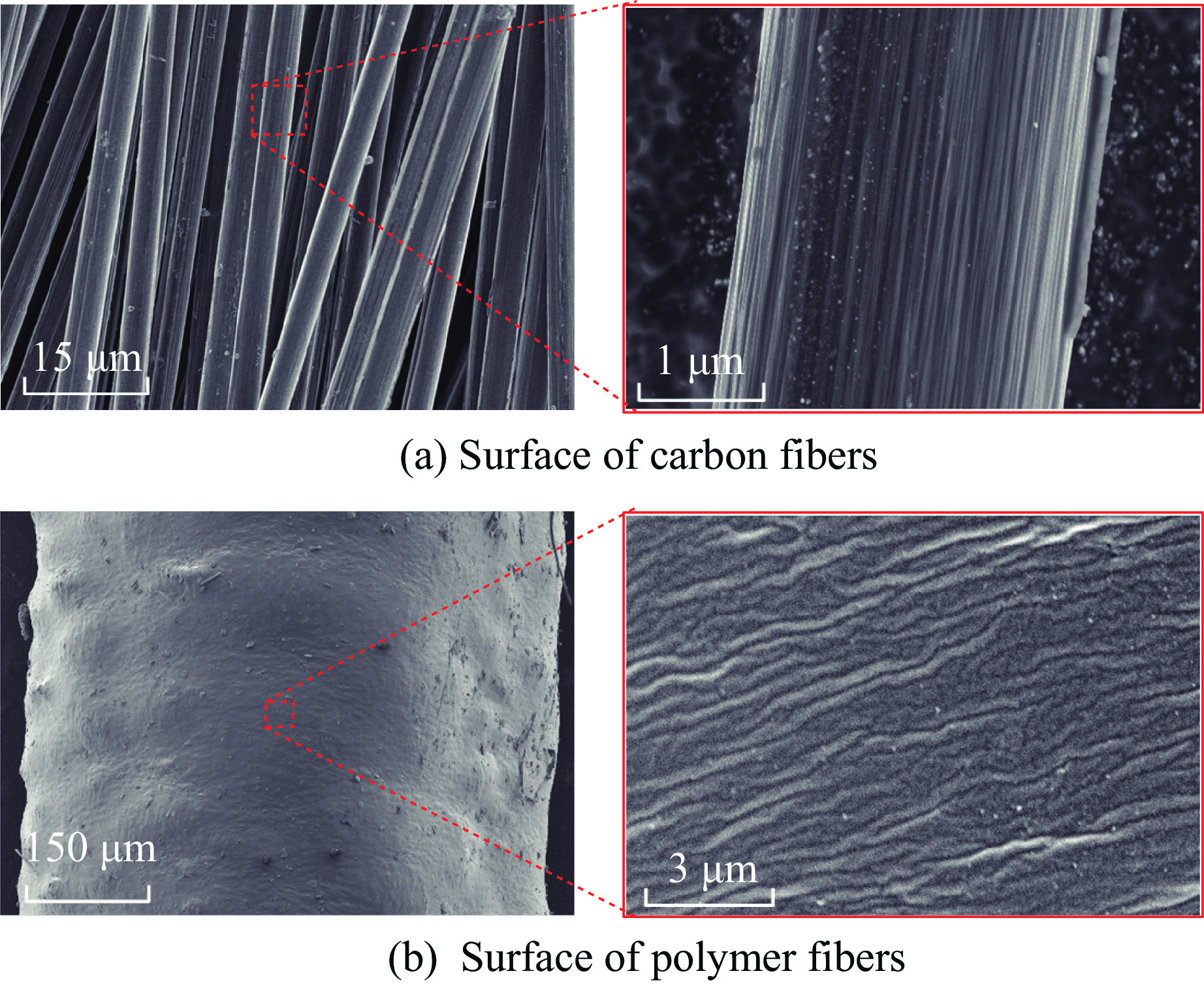
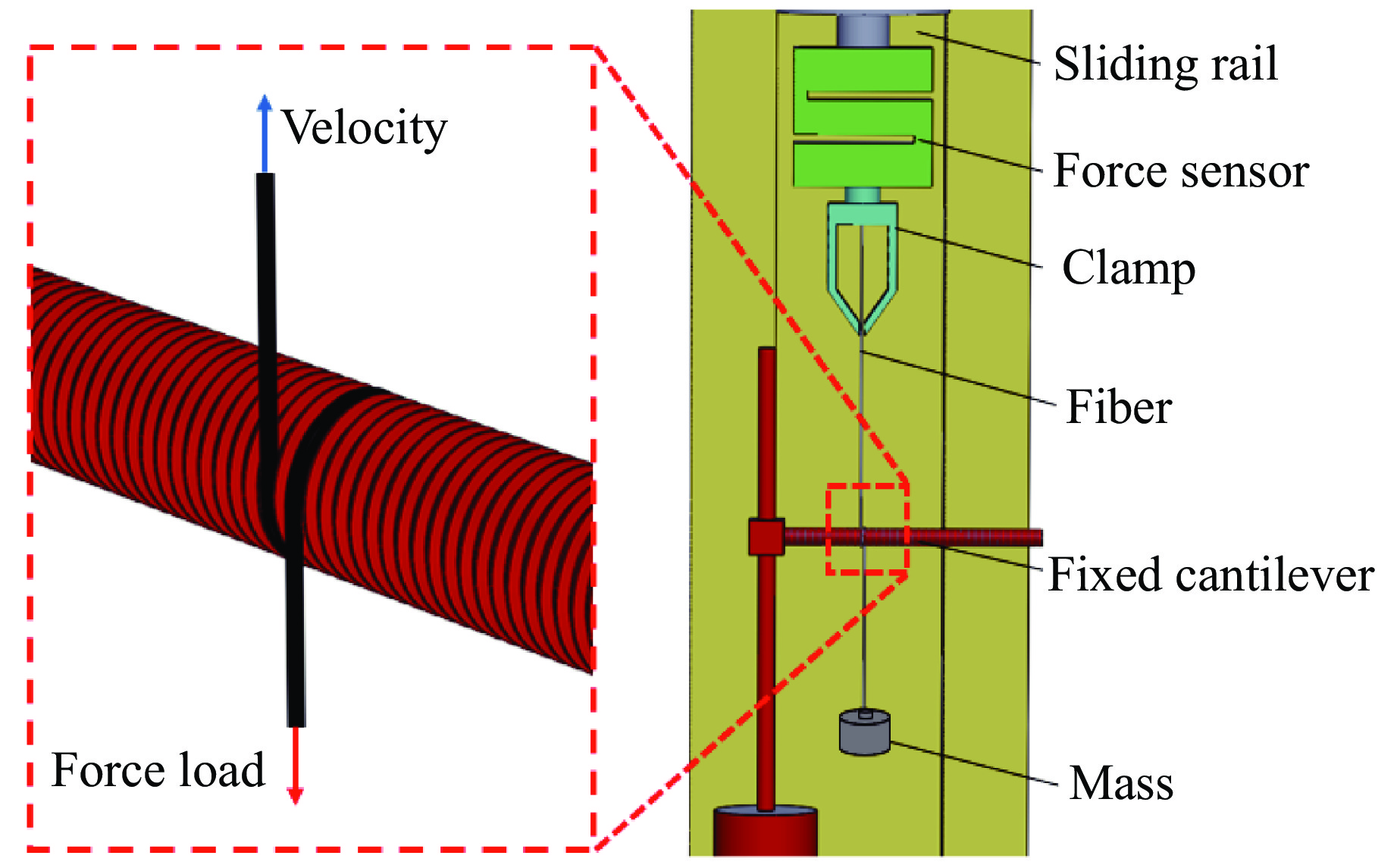
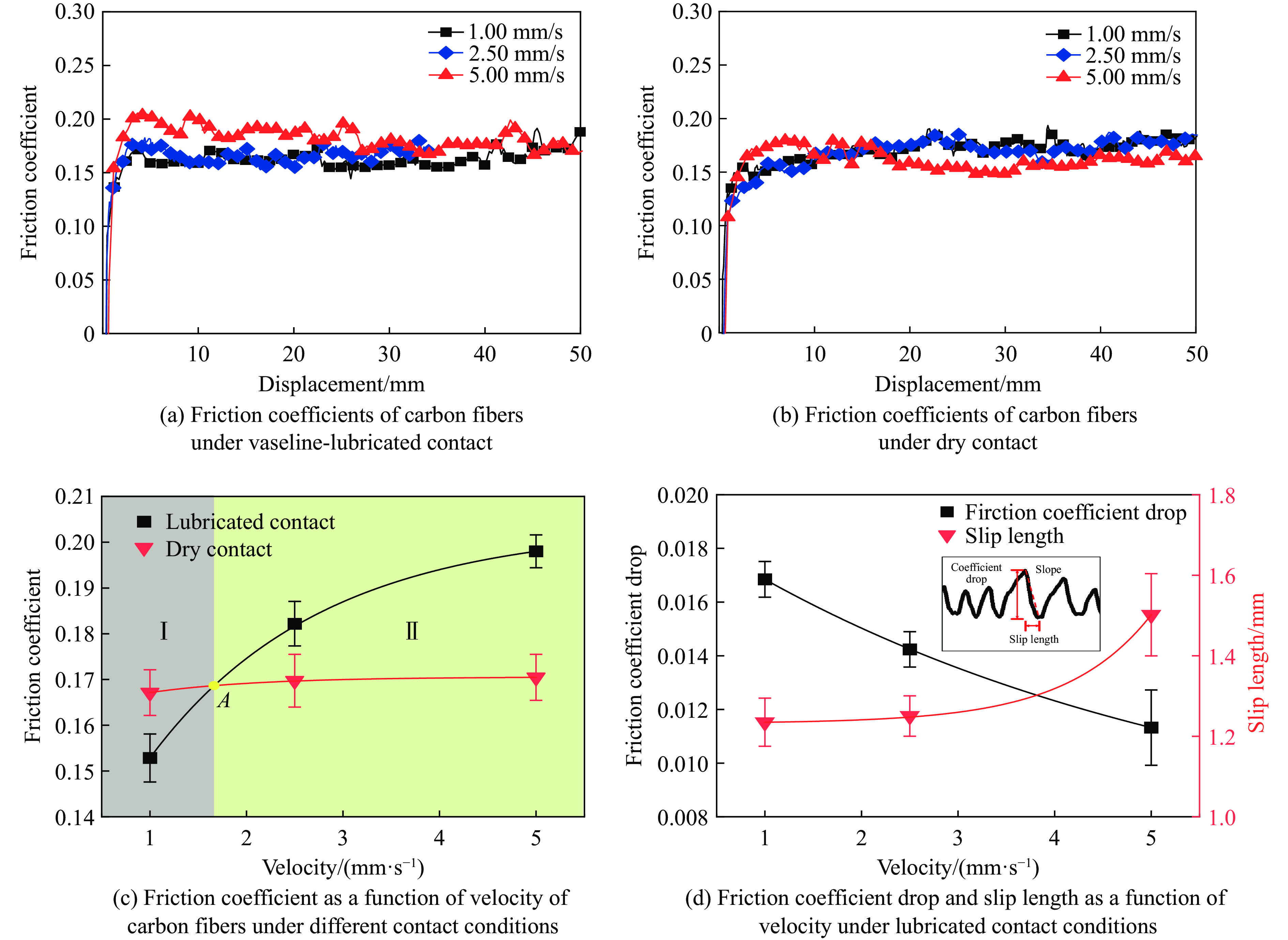
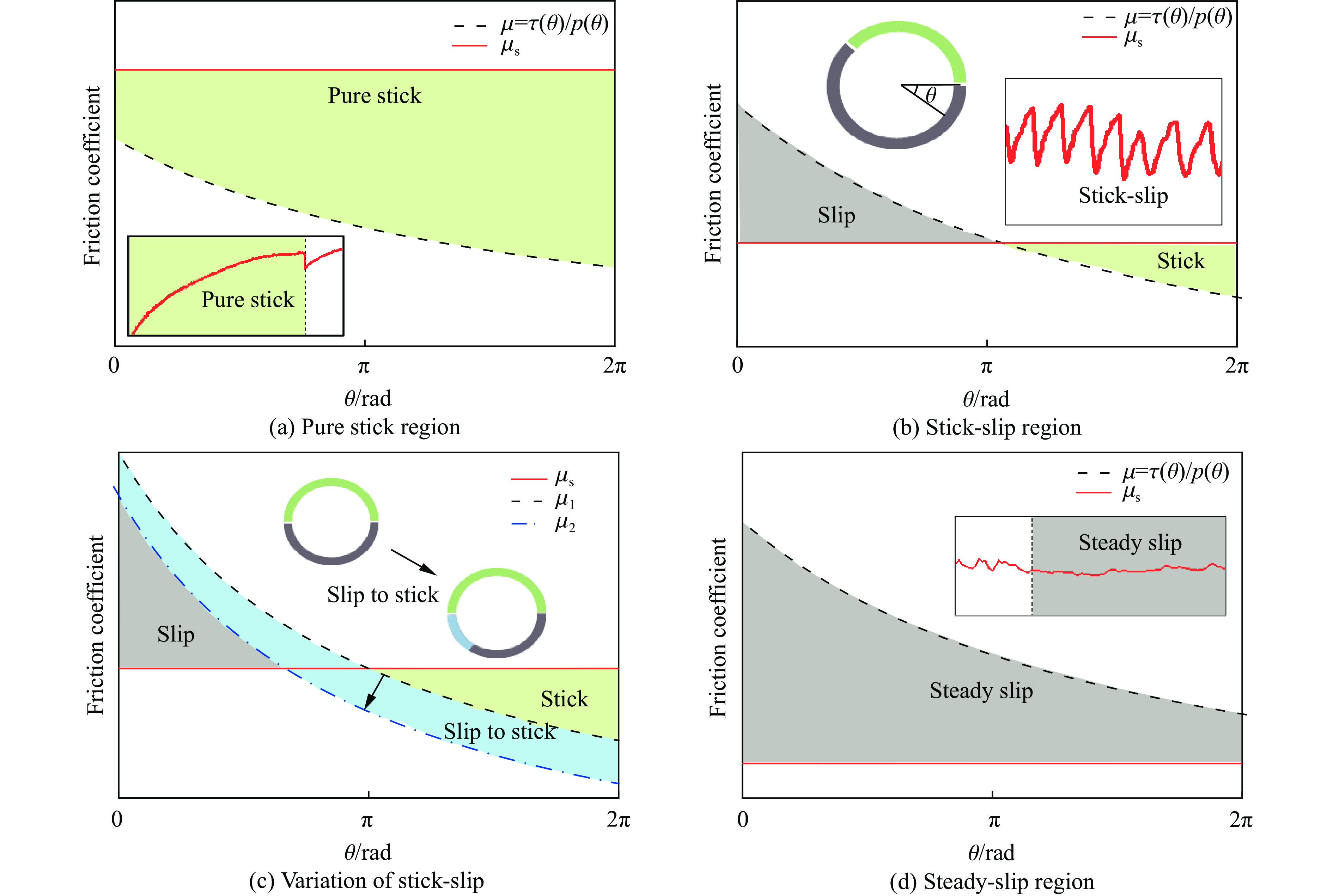
Fiber winding can enhance the friction coefficient at the interface of ropes, thereby improving the security and stability of the entire mechanical system. Nevertheless, specific mechanisms underlying this phenomenon remain unclear, particularly concerning the velocity-dependent stick-slip model. An experimental system focused on the stick-slip behavior from fiber winding was designed to unveil principles governing two types of fiber sliding with different fiber types, contact conditions and loading velocities. The results indicate that the fiber elastic modulus and sliding velocity jointly determine the sliding state of the interface. Specifically, brittle fibers with a high elastic modulus exhibit an easier transition from a stick-slip state to a steady-slip state. The variation in the friction coefficient at different sliding velocities is more pronounced under lubricated conditions. Theoretical results indicate that the friction coefficient appears non-uniform across the interface, and is inversely proportional to the angle of entanglement. For high-modulus fibers, the sliding state exhibits stronger synchronization throughout the entire interface. This study provides theoretical and technical support for manipulating interface friction and improving the safe use of fiber winding.

Prediction of Equivalent Strength of Hydrated Cement Paste Based on Neural Networks
SONG Min, YANG Yushu, ZHU Huajie, WANG Zhiyong
2025, 39(8): 084201. doi: 10.11858/gywlxb.20251024
HTML PDF (36)
Abstract:

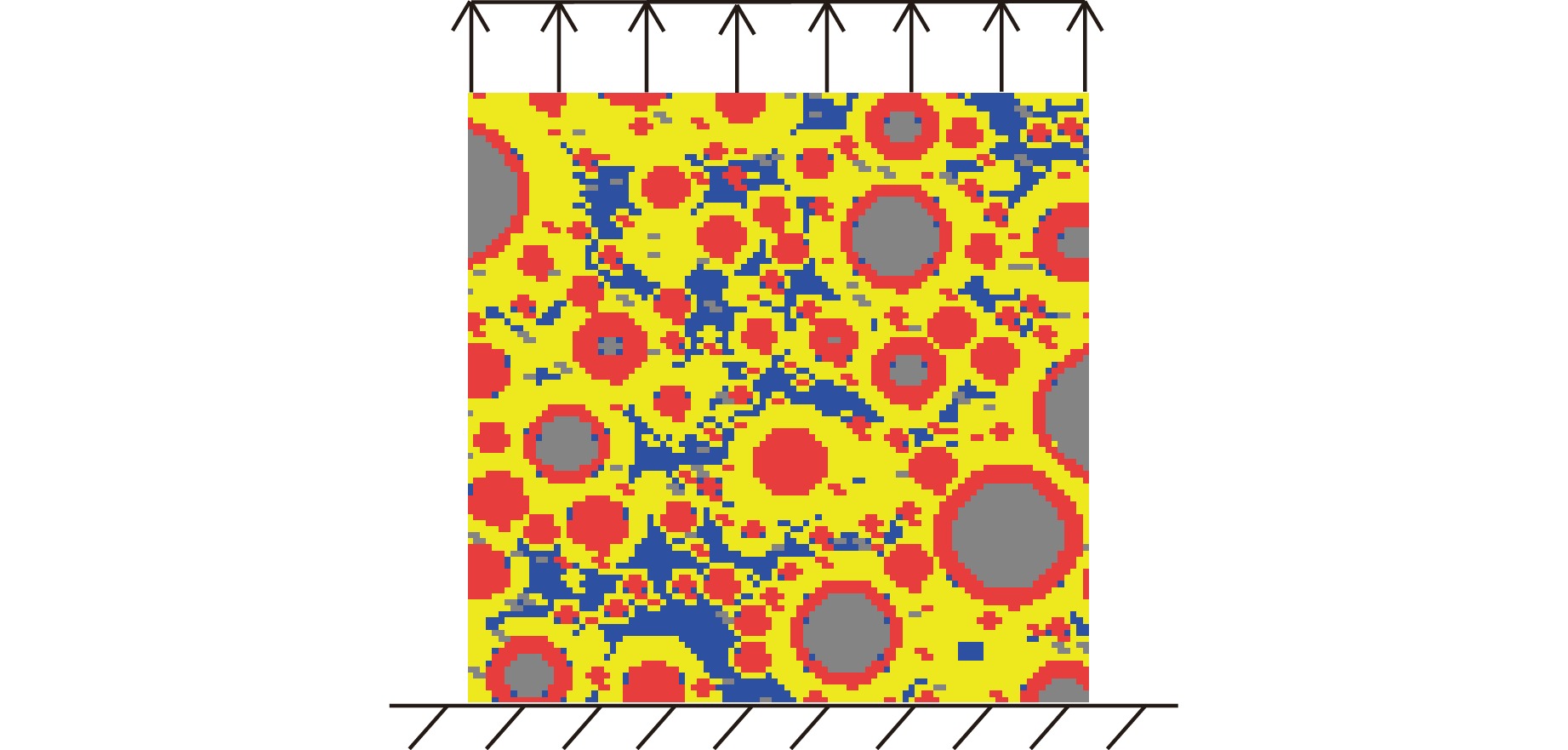
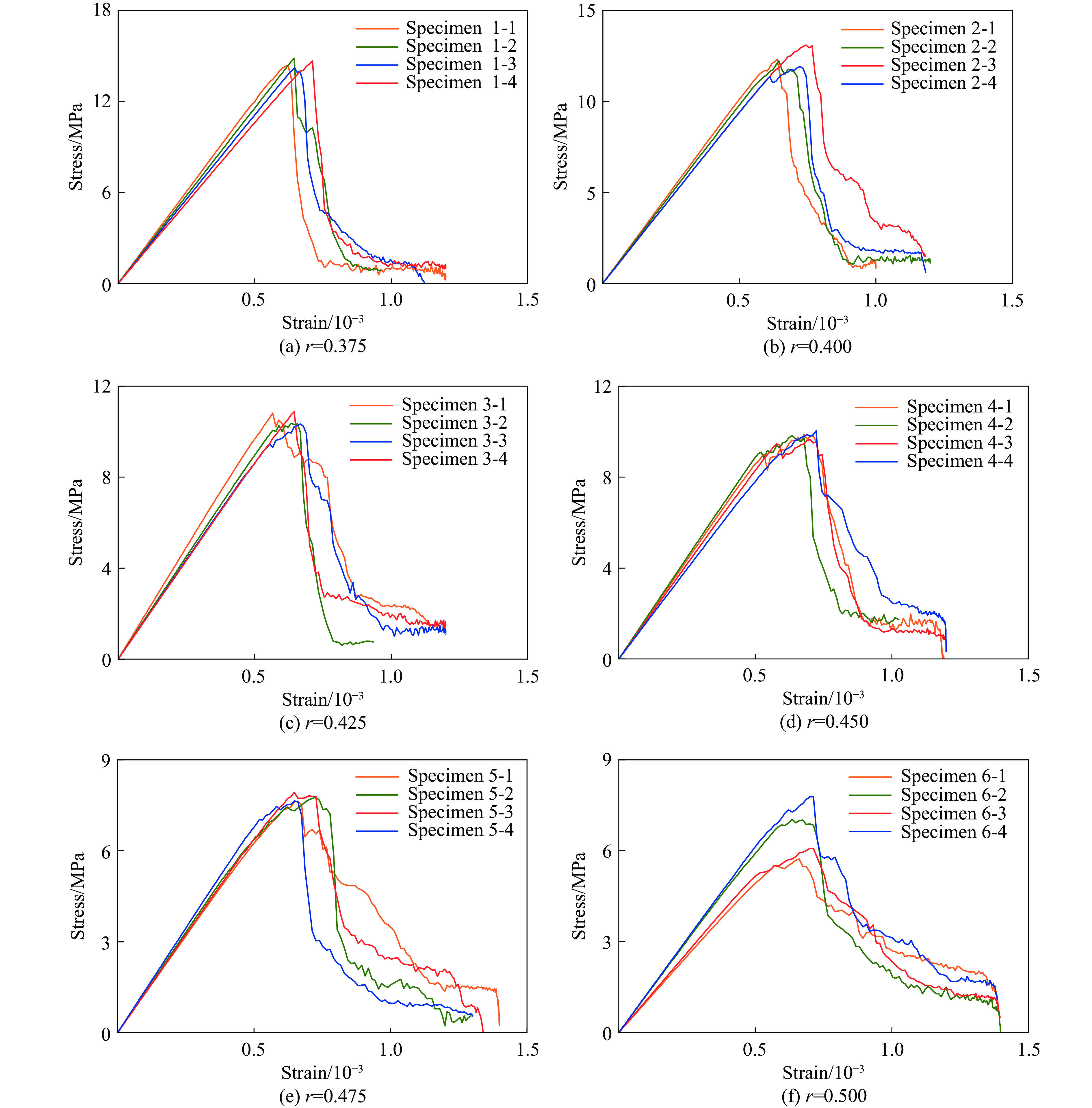
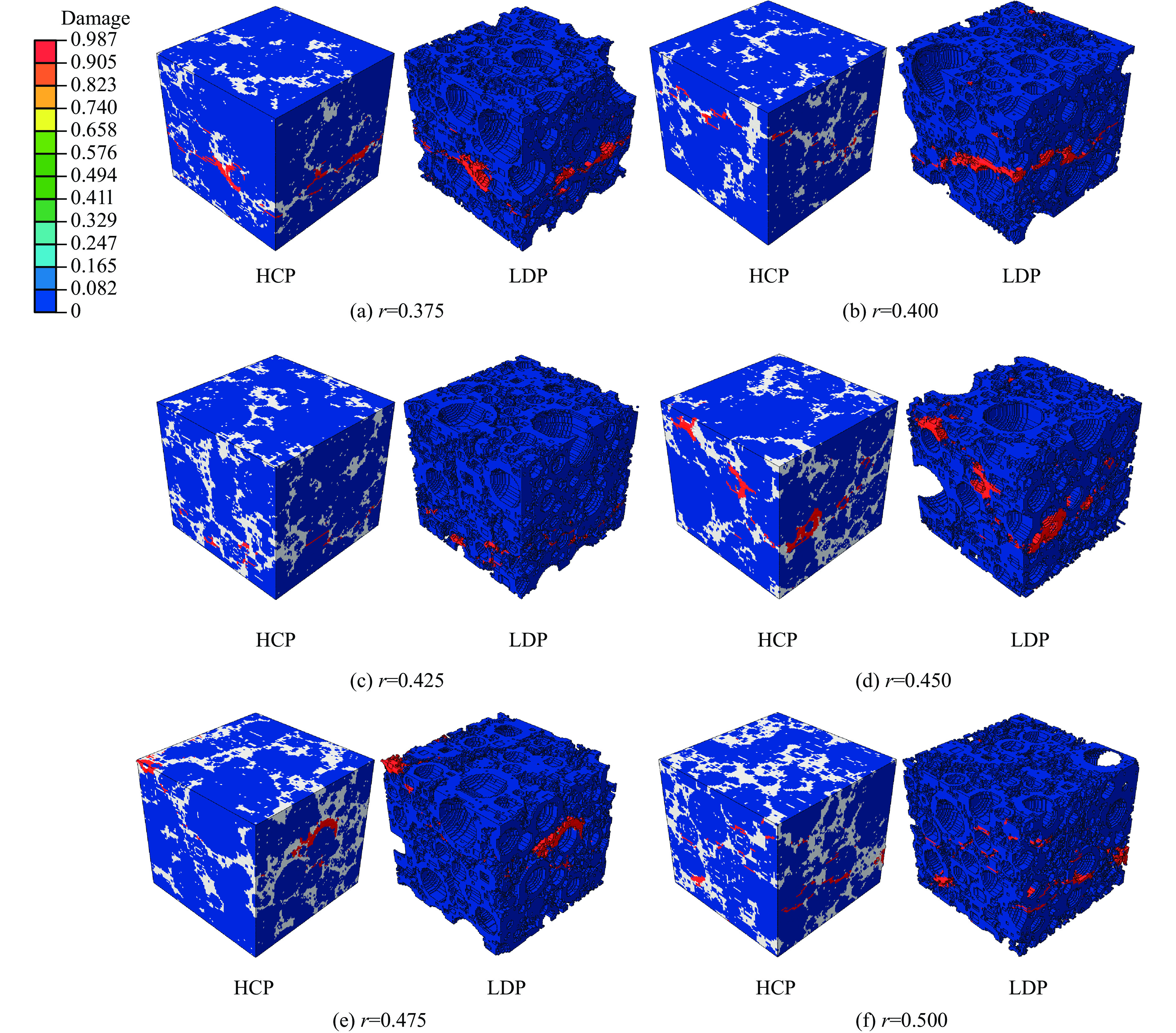
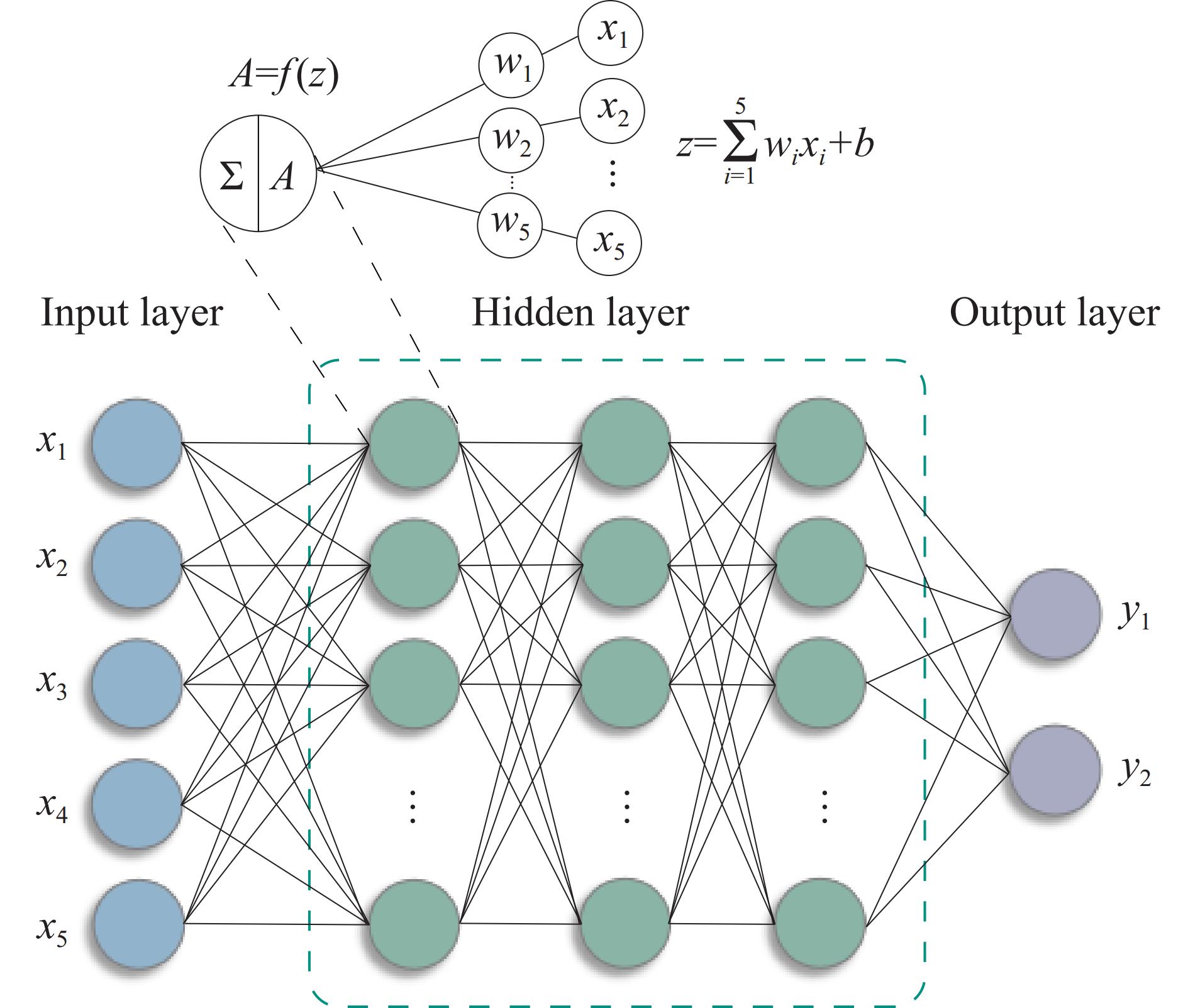
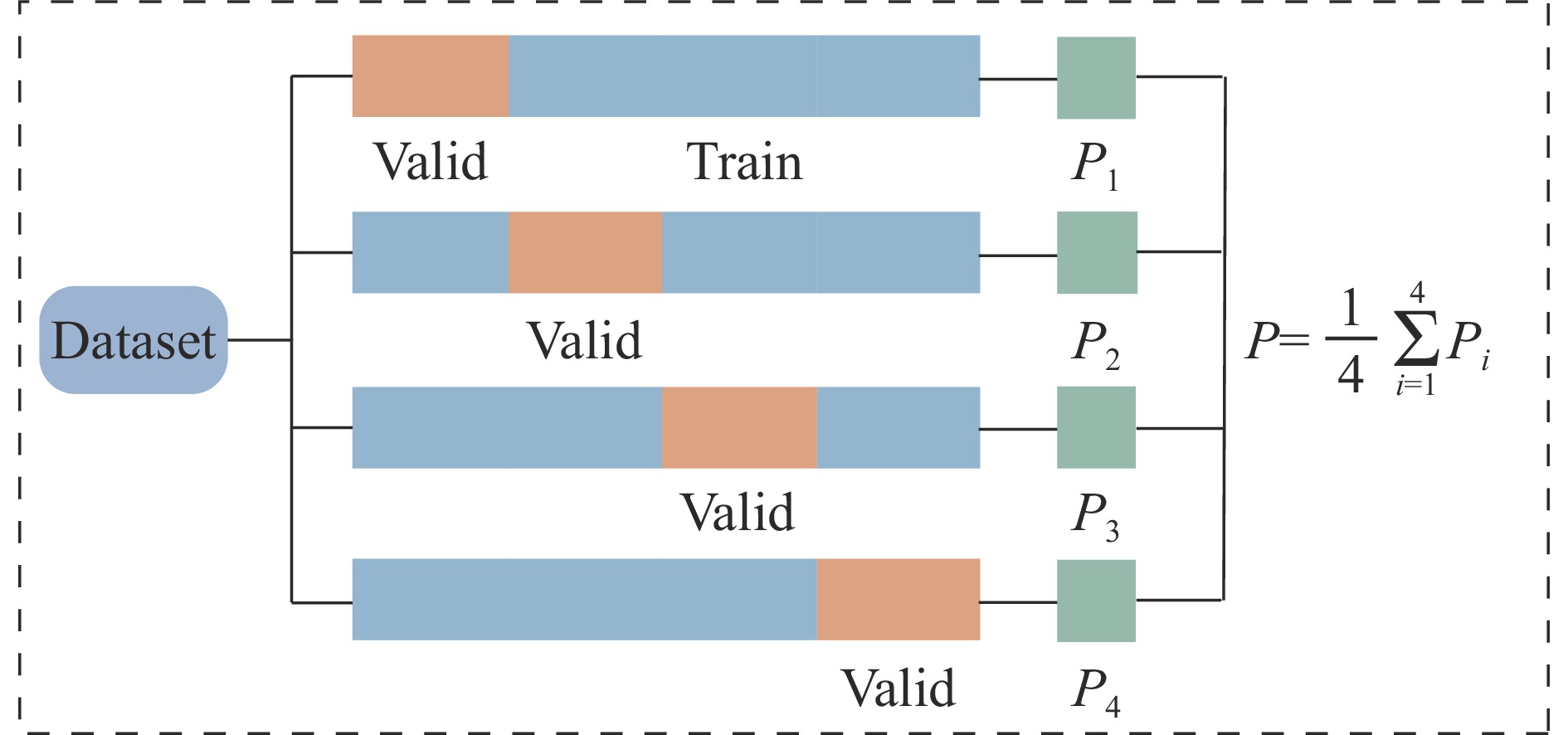
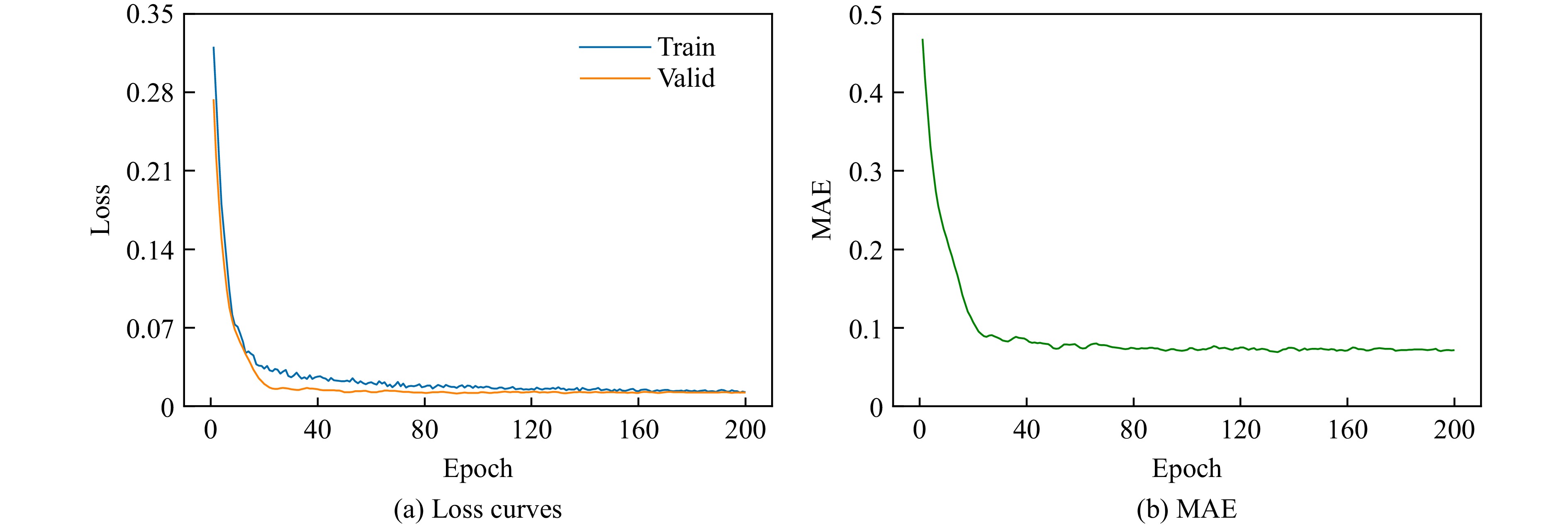
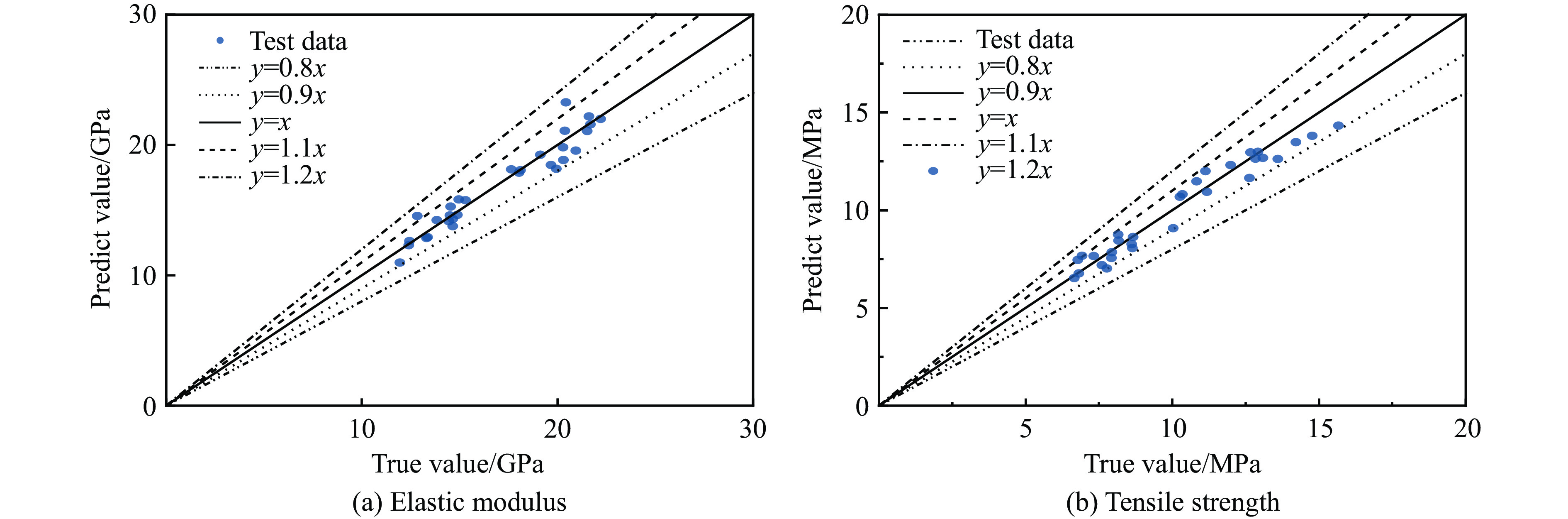
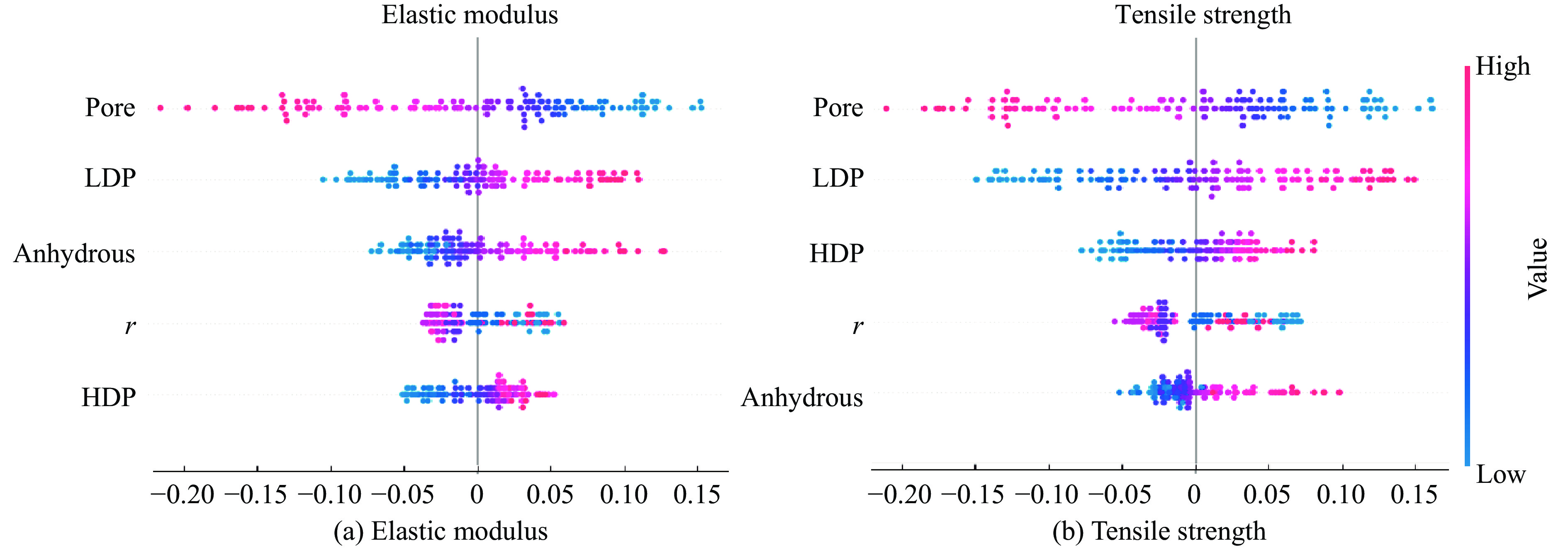
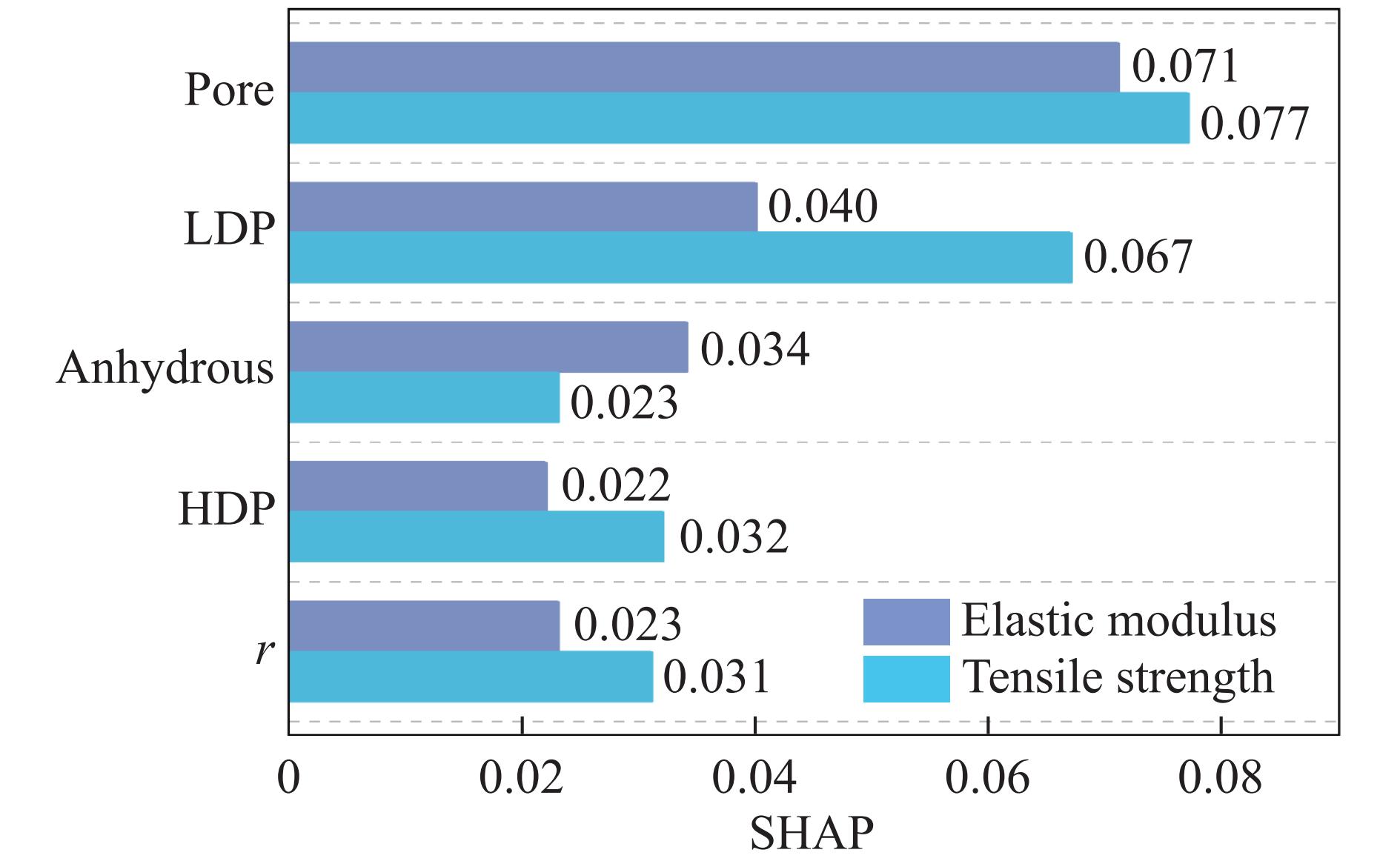
To optimize material performance and ensure the safety of engineering structures, it is essential to investigate the mechanical properties of cement hydration models with complex structures. This study aims to investigate the influence of the water-to-cement ratio and phase volume fractions on the equivalent mechanical properties of cement paste, particularly focusing on how these parameters influence the behavior of the material. A data-driven model is proposed to predict the mechanical performance of hydrated cement structures. Three-dimensional structural slices of Portland hydrated cement paste were created by utilizing the HYMOSTRUC 3D software. Subsequently, an automated batch-processing script coded in Python was applied to transform these slices into ABAQUS models. Tensile simulations were performed to determine the equivalent elastic modulus and equivalent strength of the structures. Based on the simulation results, a backpropagation prediction model was developed using a data-driven approach. Hyperparameter optimization of the model was performed using K-fold cross-validation to improve its generalization capability. Consequently, the trained neural network model demonstrates high accuracy in predicting the mechanical properties of hydrated cement structures. This approach not only ensures reliable predictions but also significantly reduces the complexity associated with traditional microscale material analysis methods. Overall, this study offers an efficient and robust solution for performance prediction of cement-based materials.

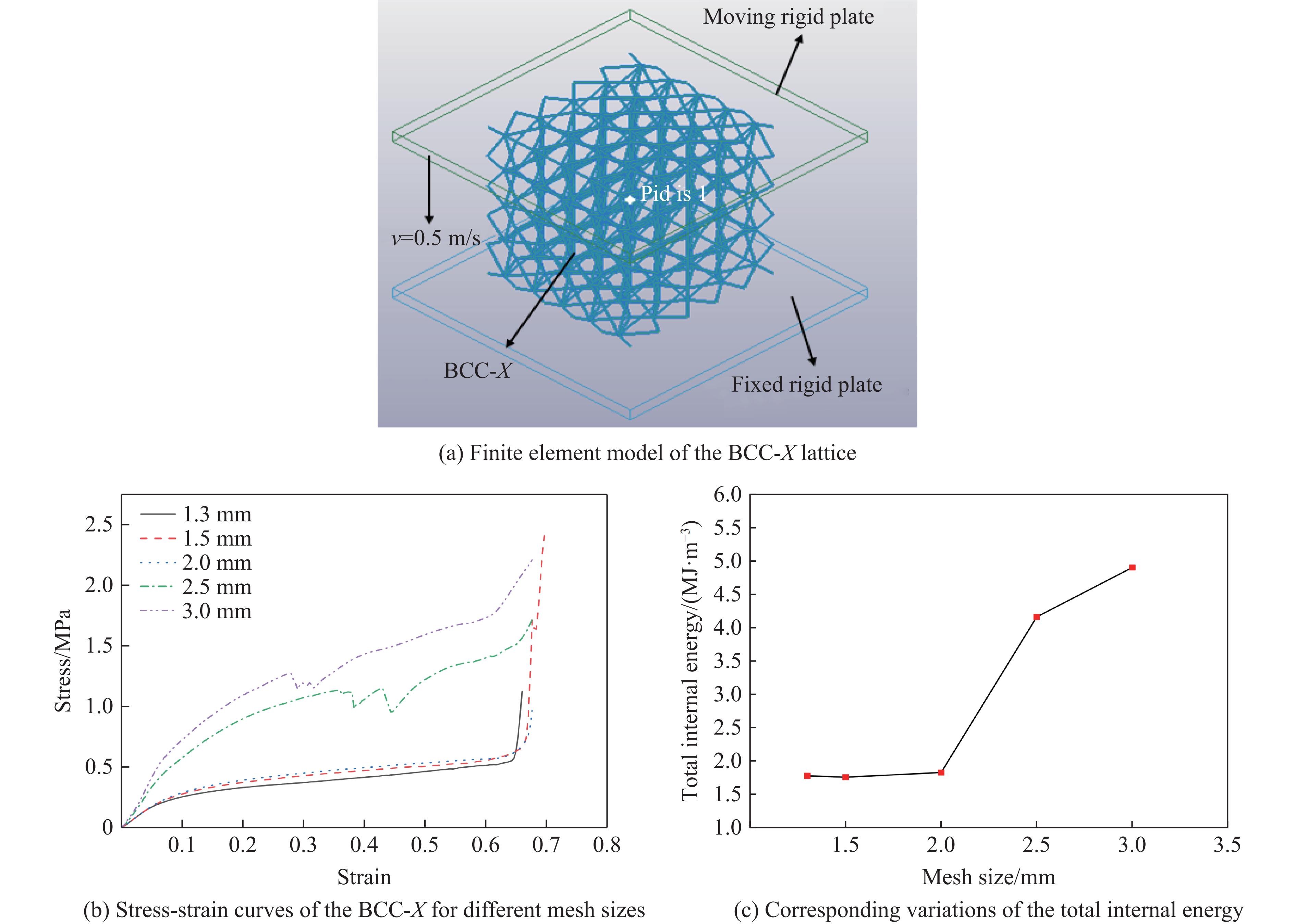
Mechanical Properties and Energy Absorption in Body-Centered Offset BCC Lattice Structures
DAI Peng, ZHANG Ning, TIAN Xiaogeng
2025, 39(8): 084202. doi: 10.11858/gywlxb.20240951
HTML PDF (31)
Abstract:

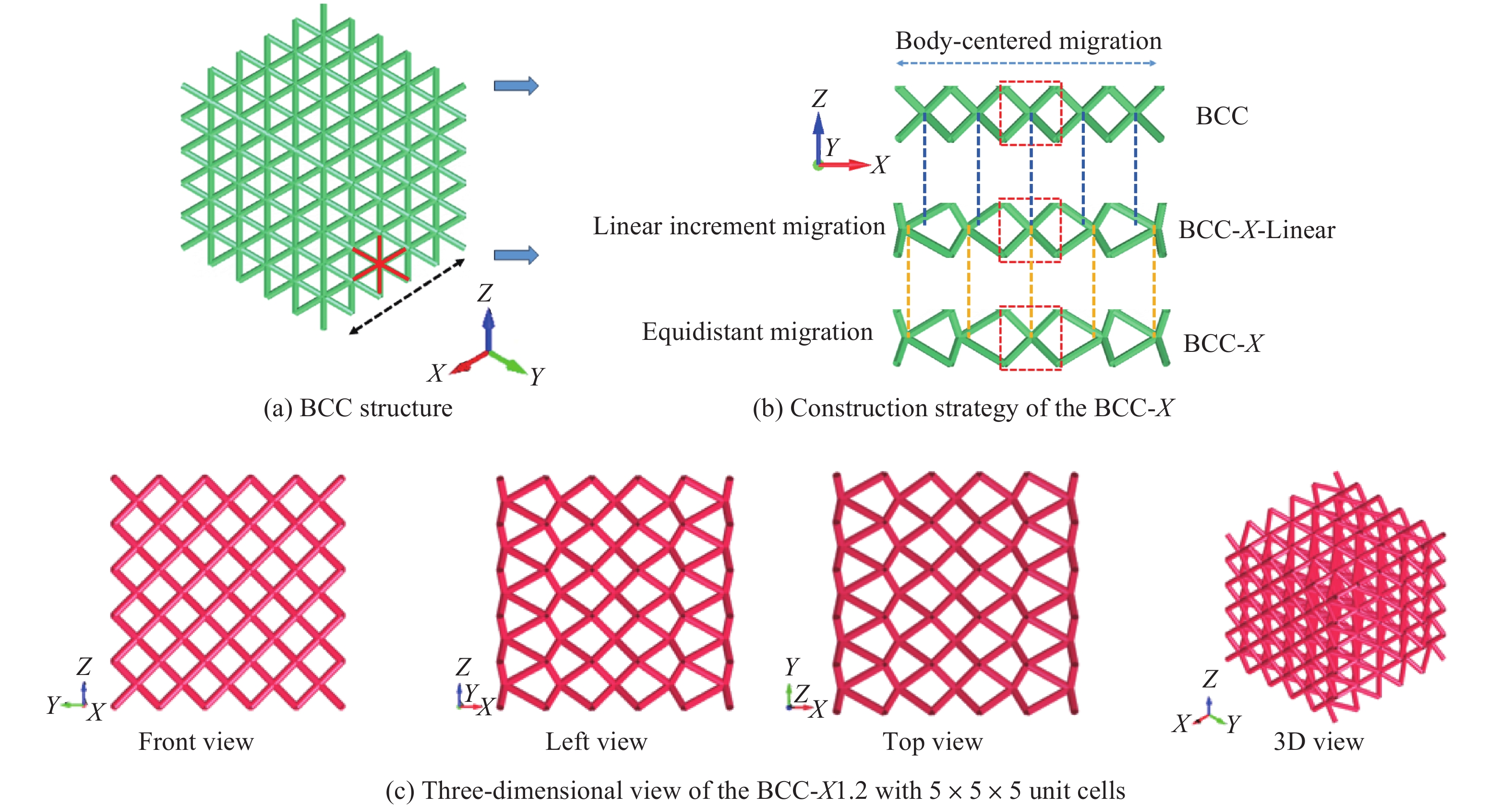
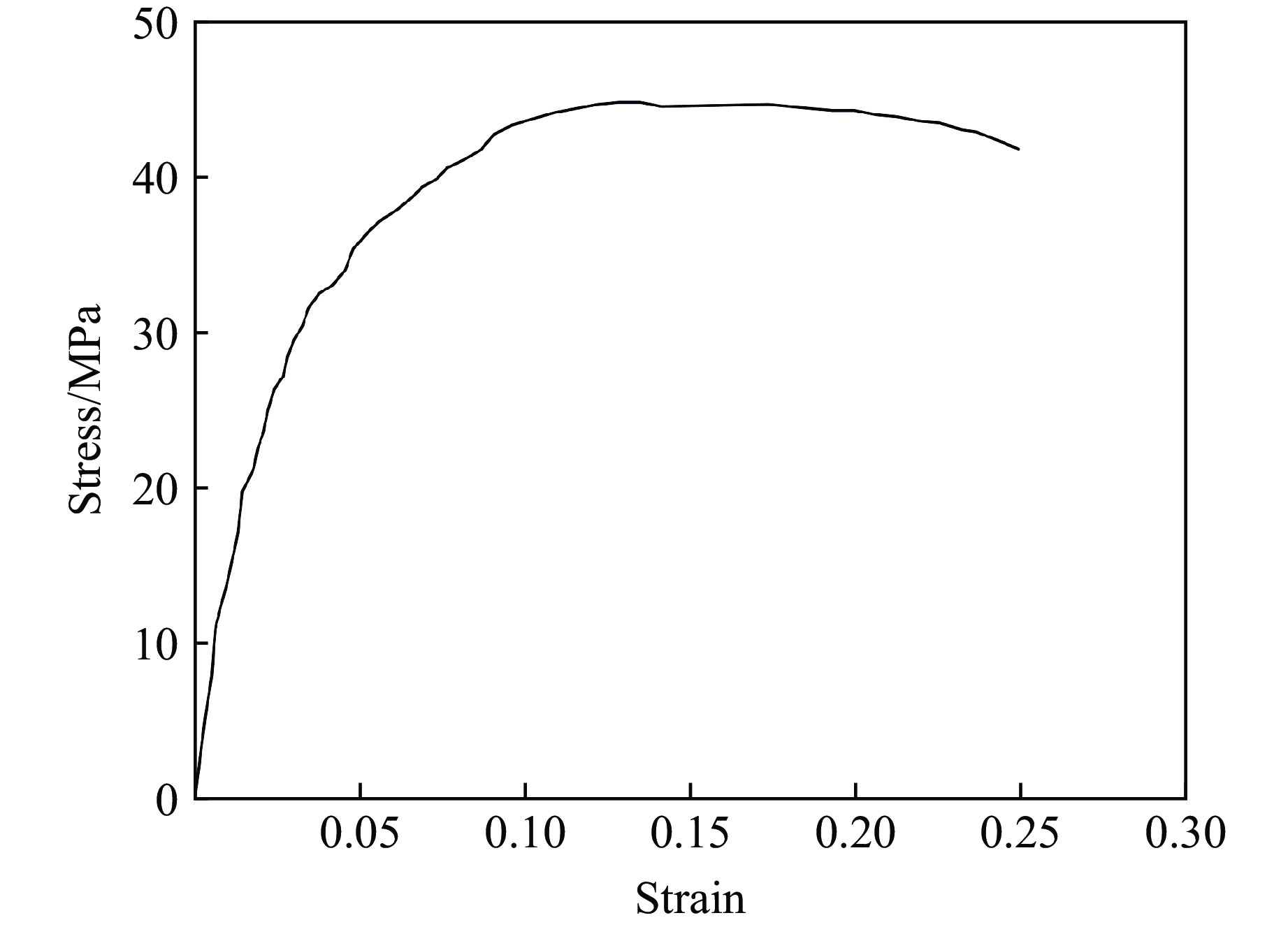
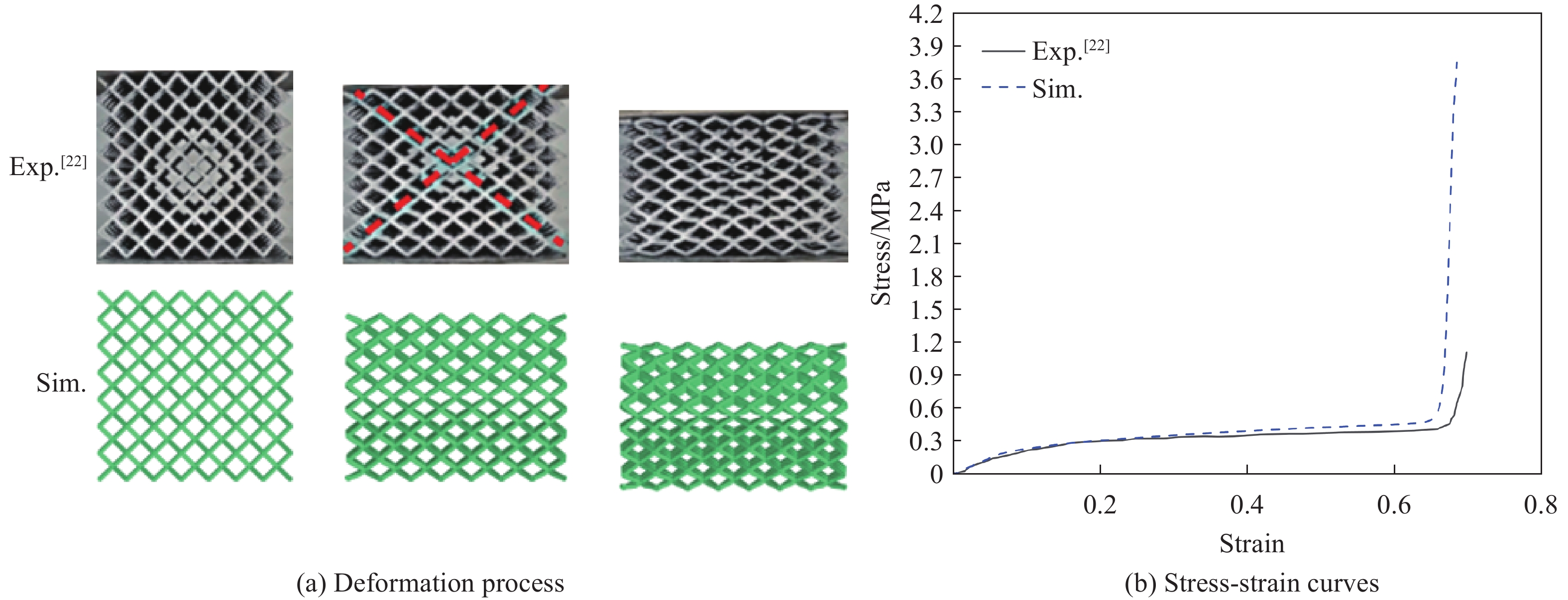
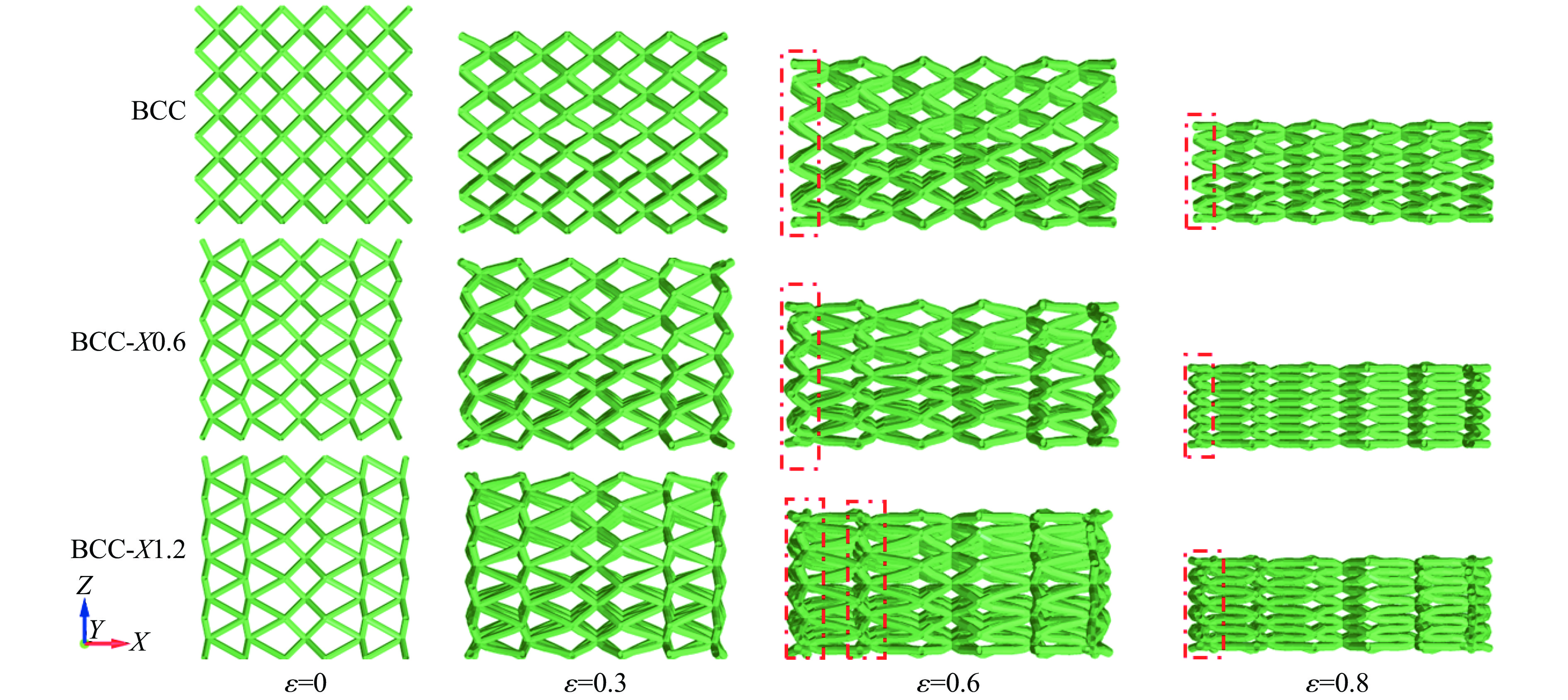
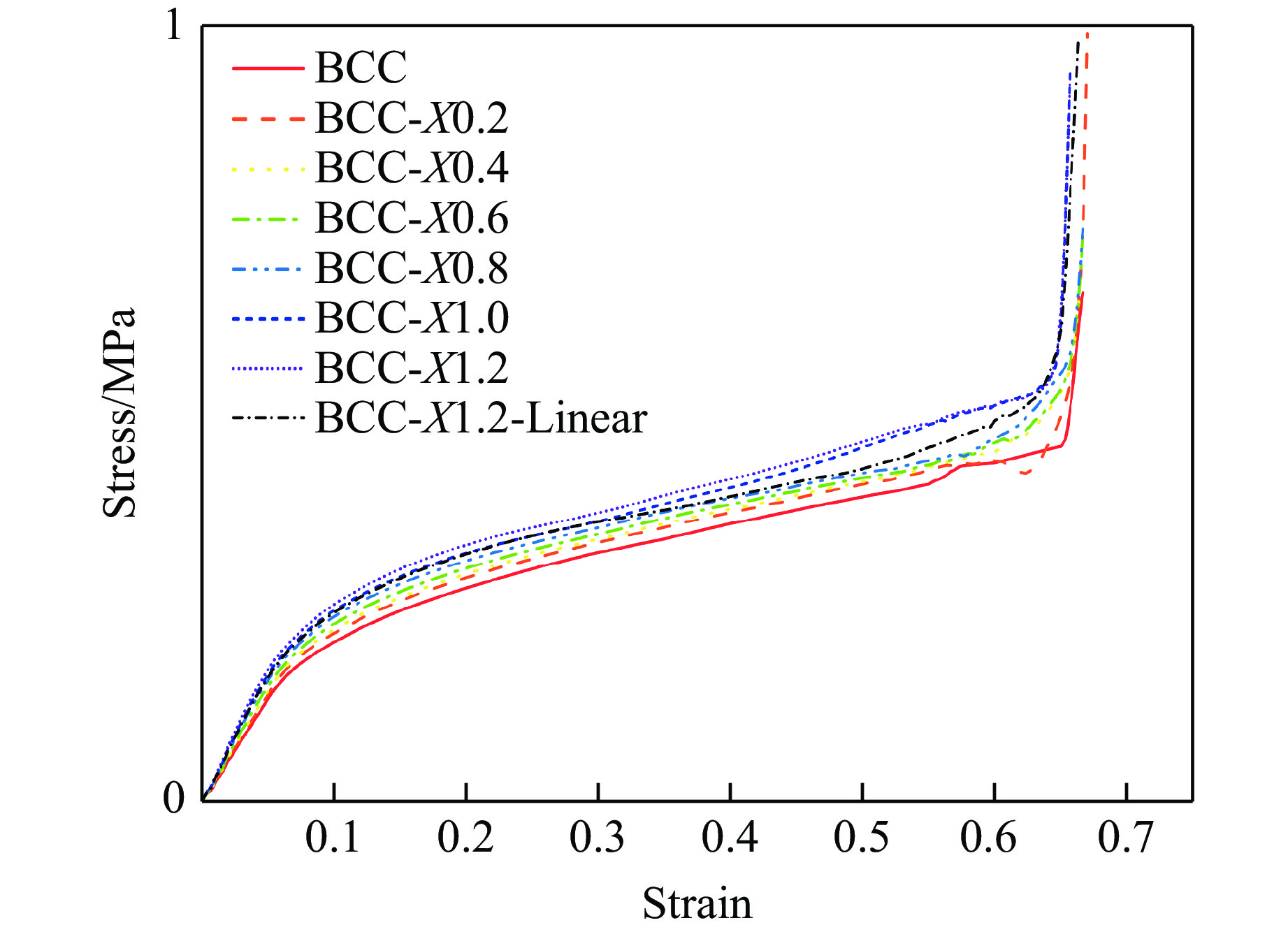
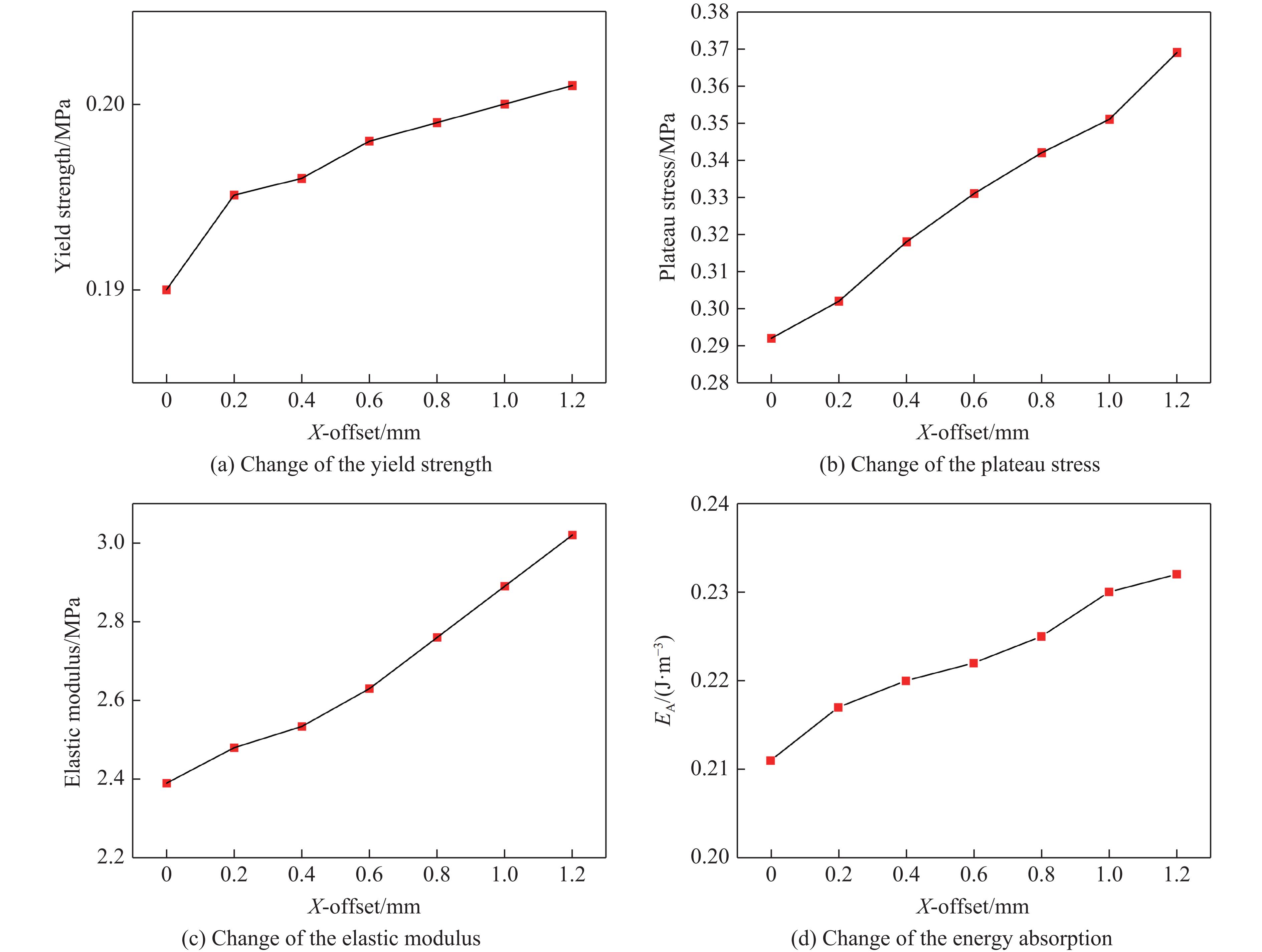
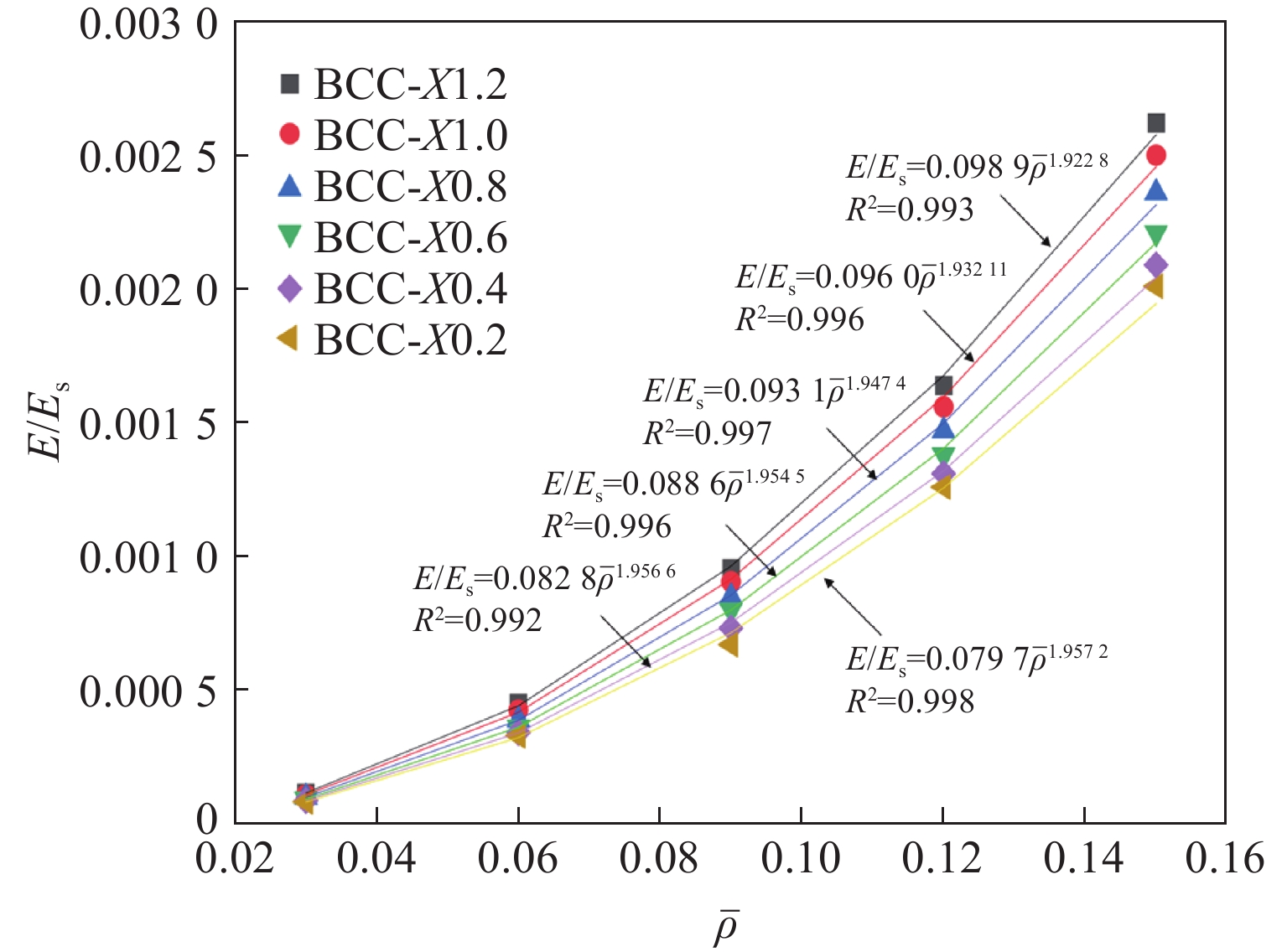
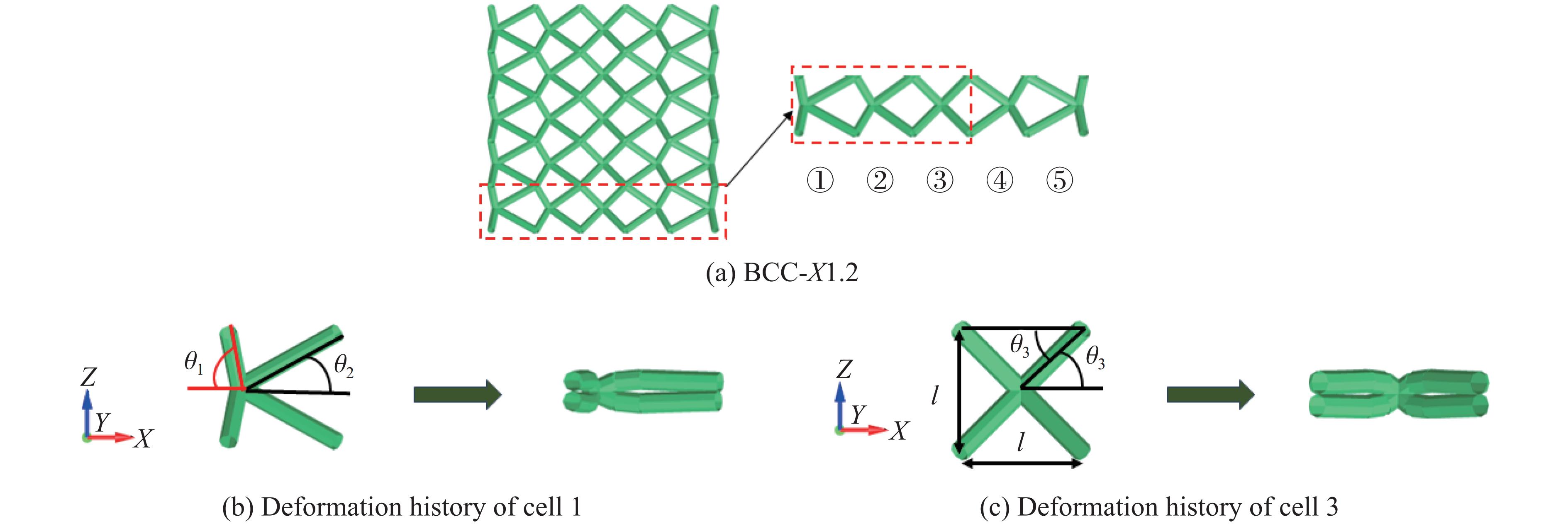
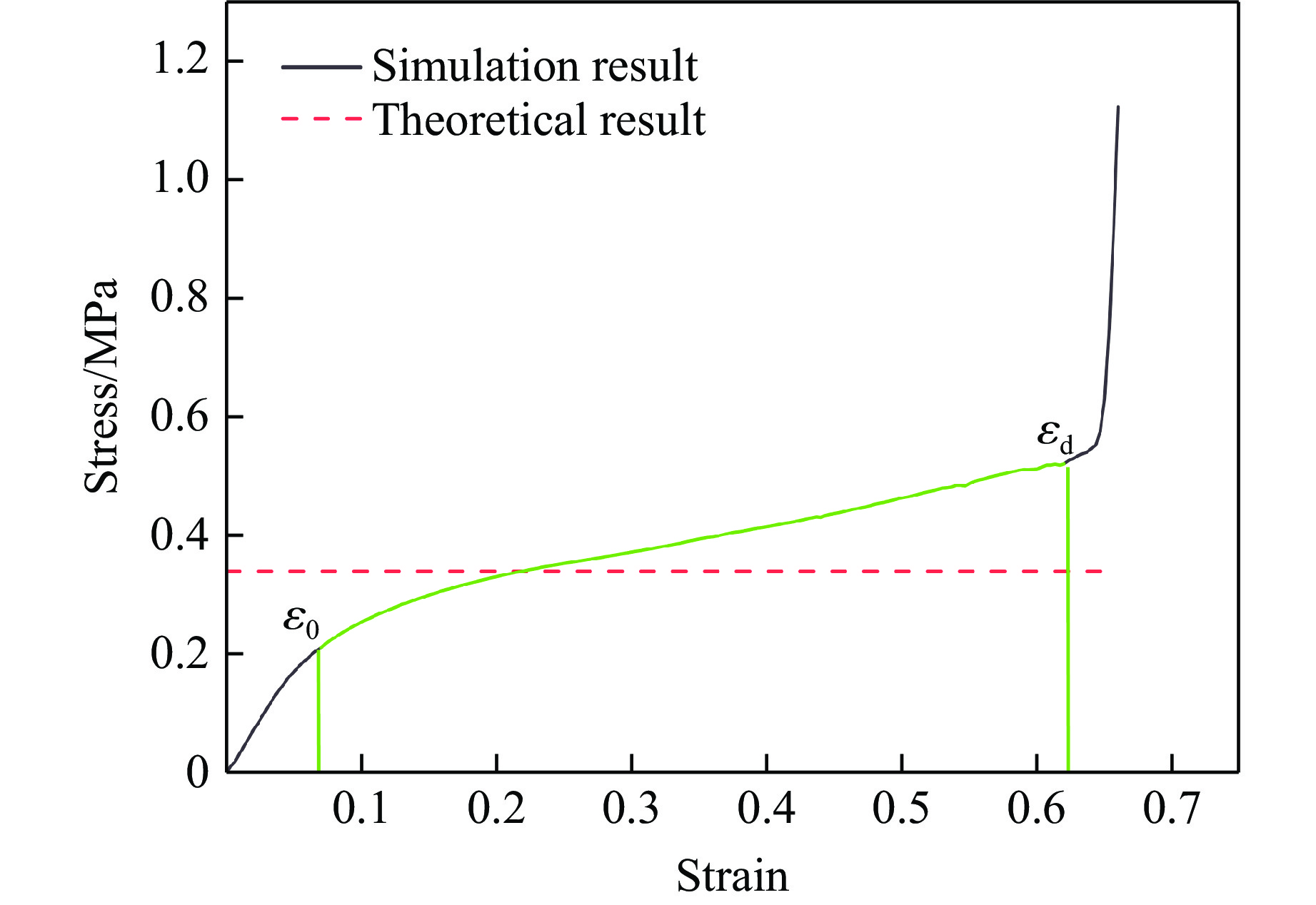
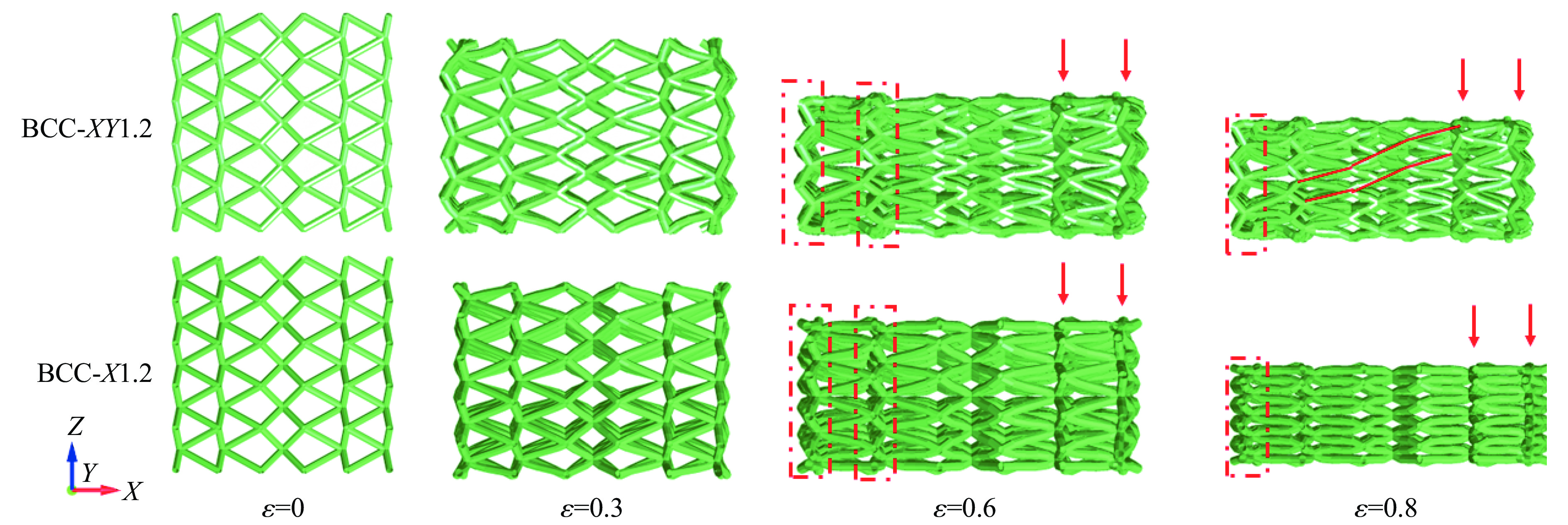
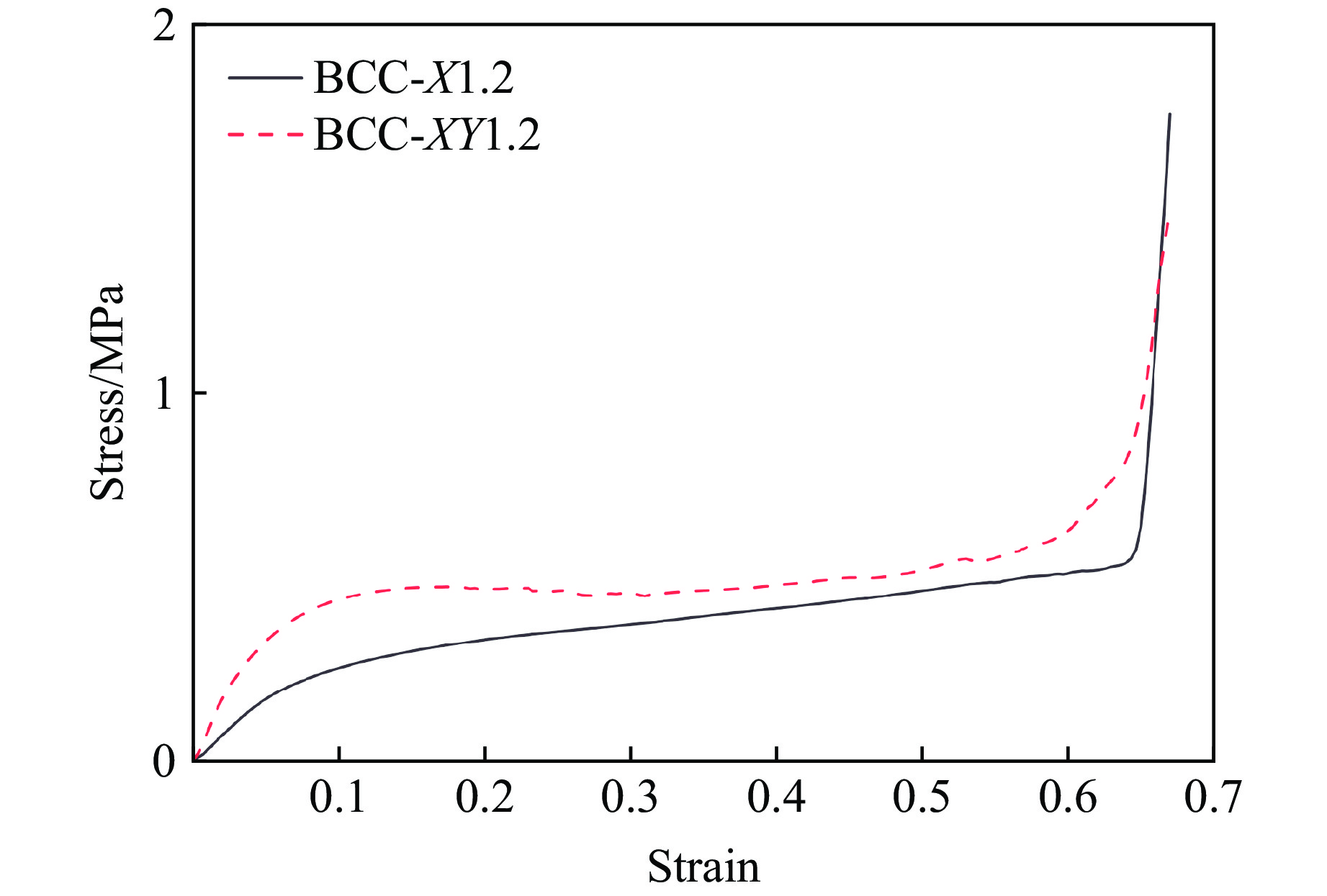
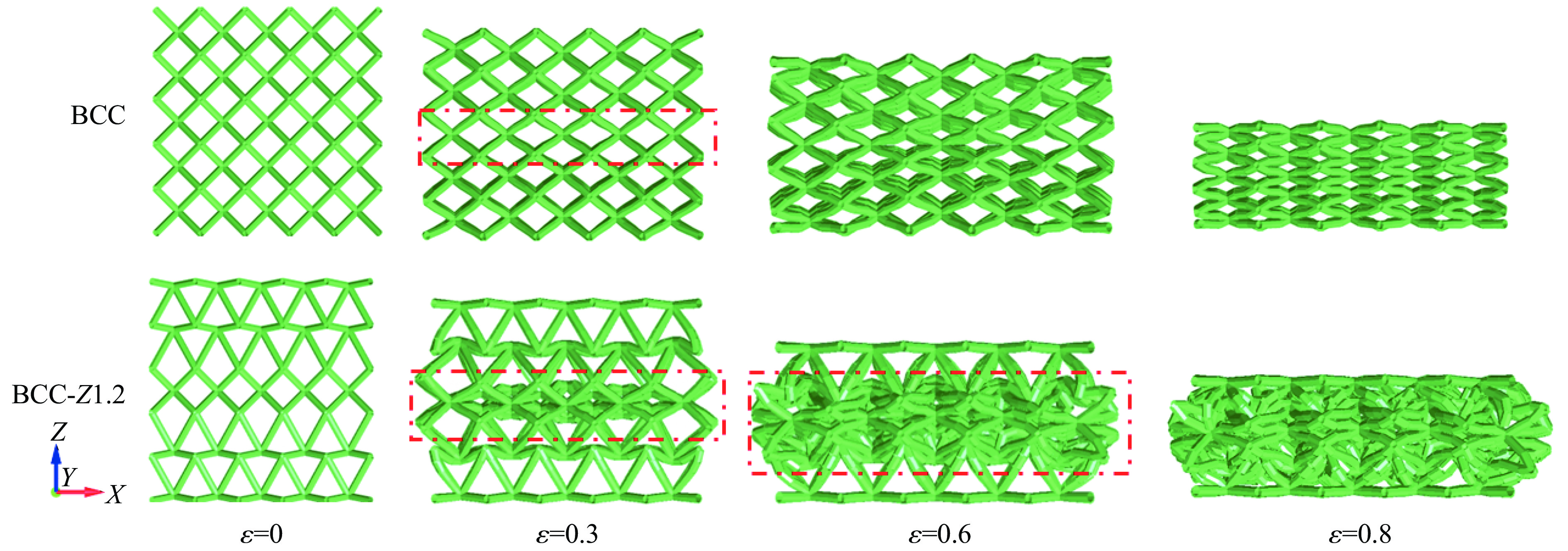
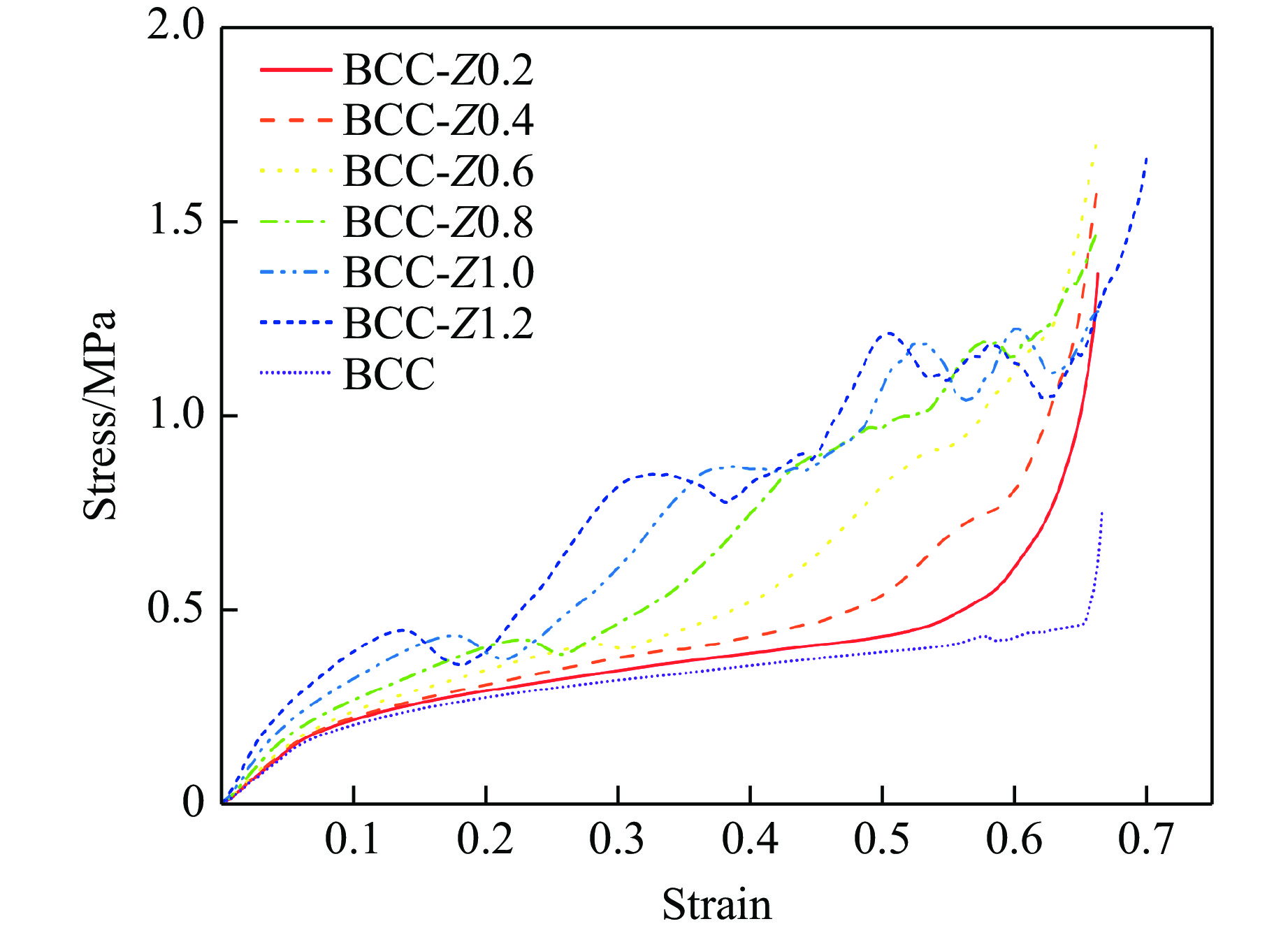
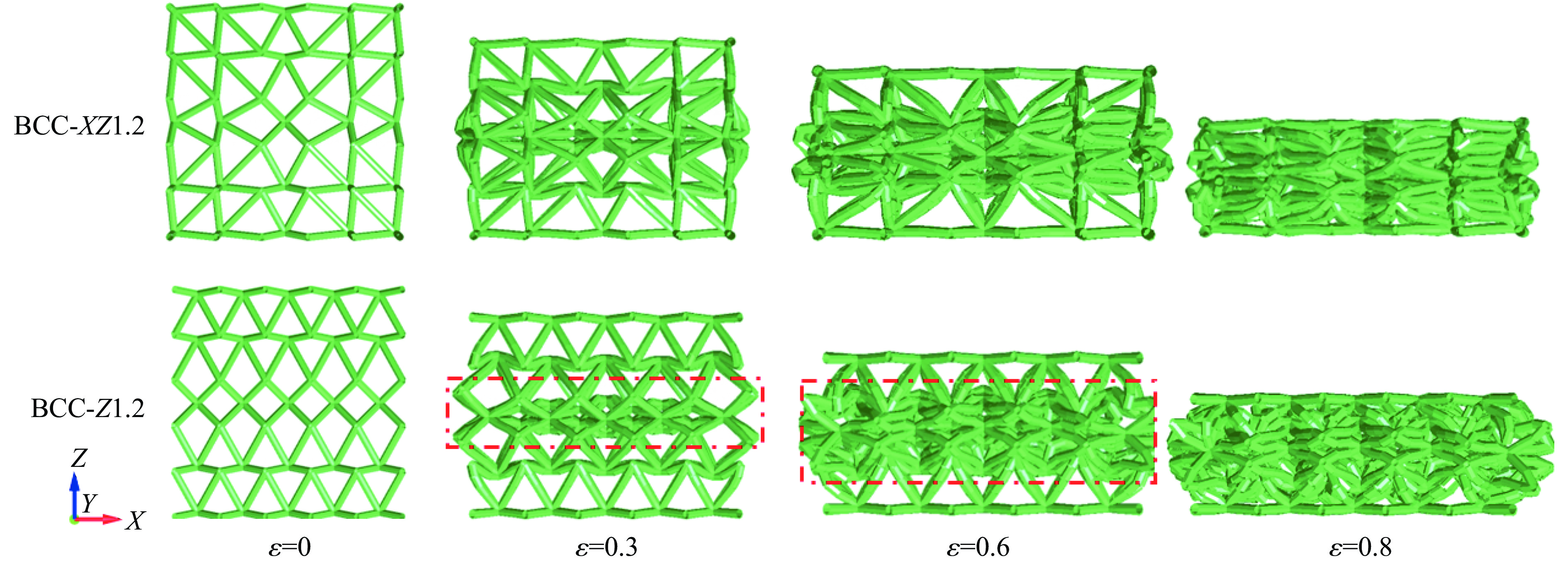
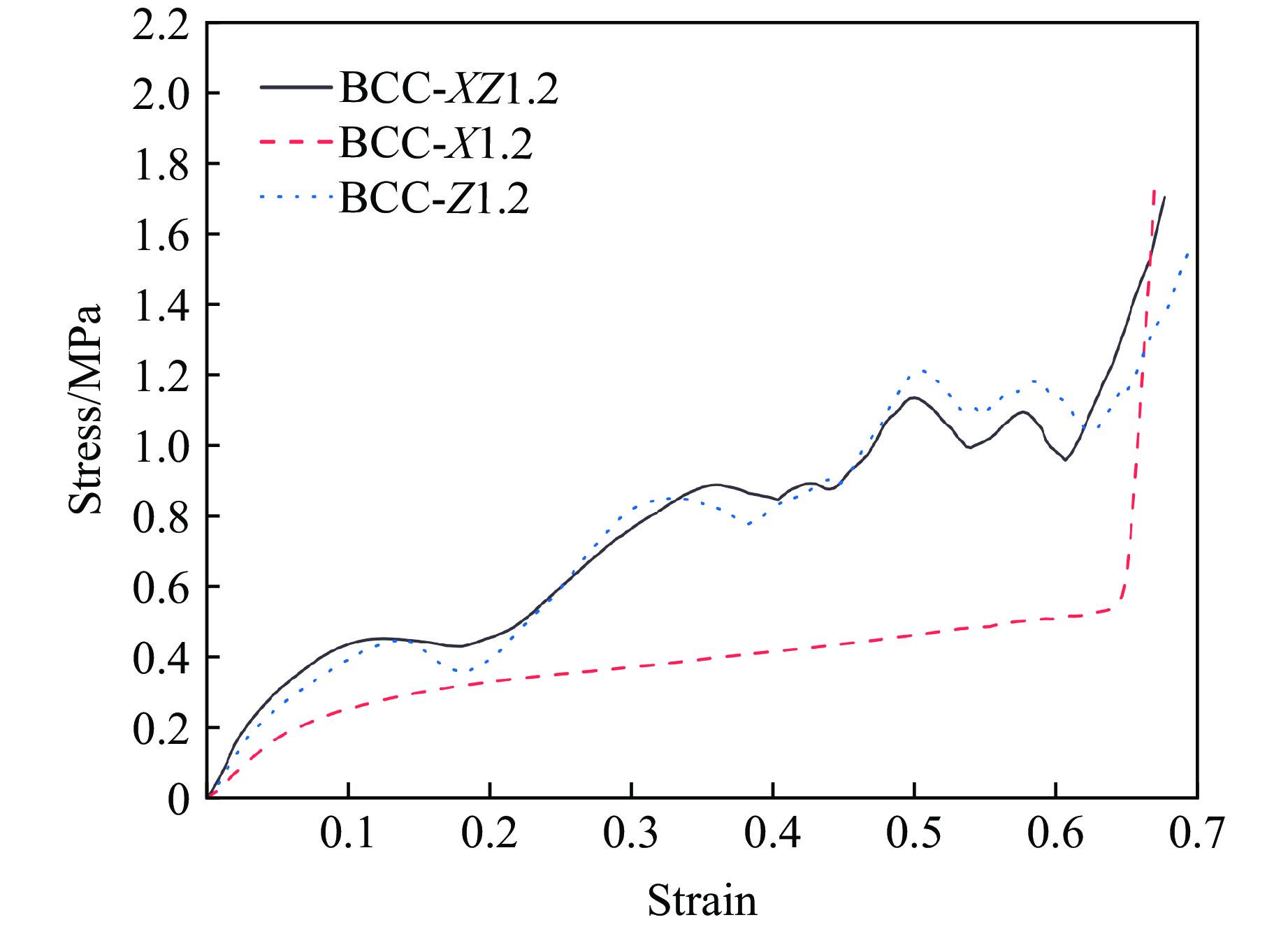
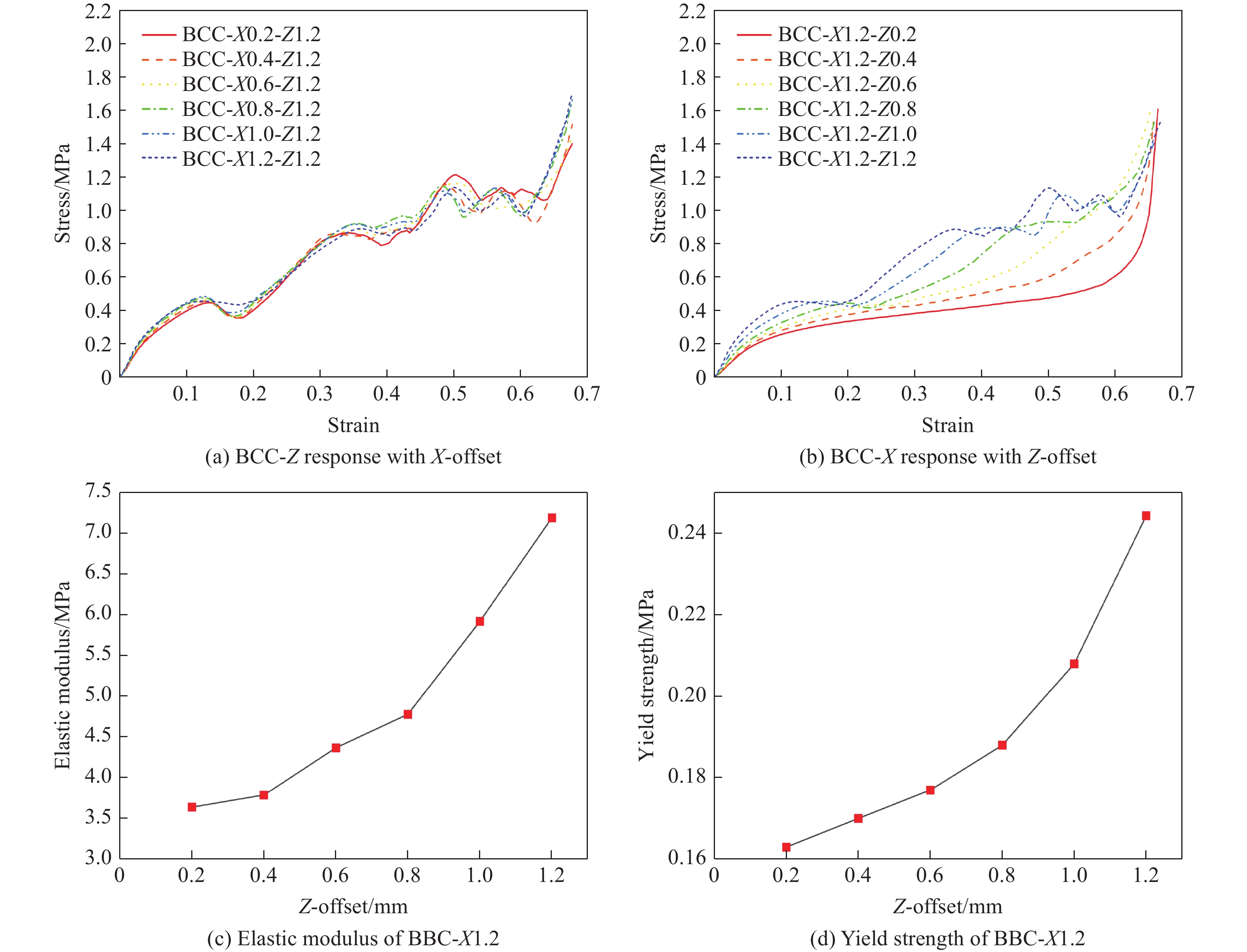
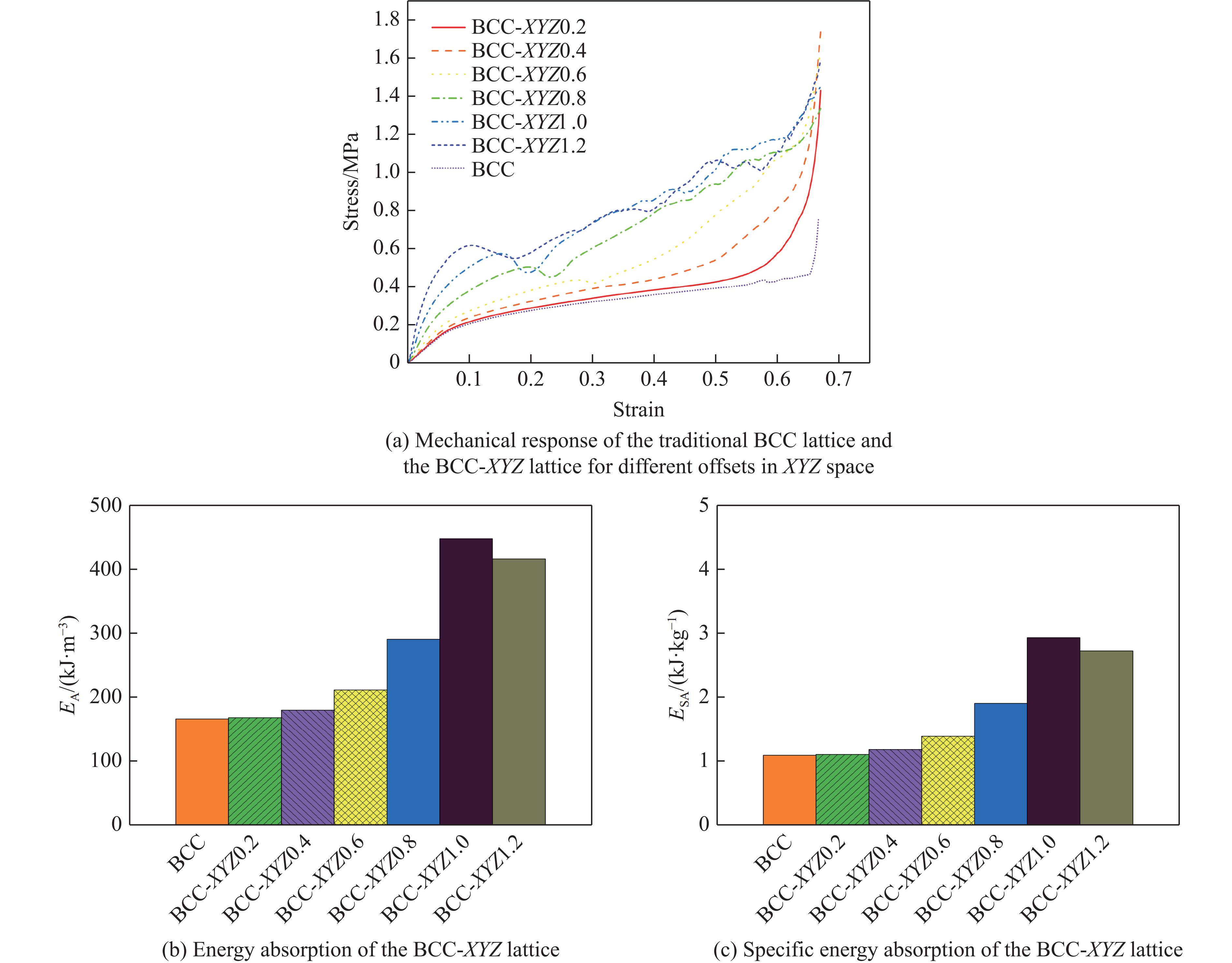
Light-weight lattice structures is widely used to impact-resistant energy-absorbing devices due to high strength, stiffness, and energy absorption. The present study derives inspiration from the porosity gradient lattice structure, and mechanical properties and energy absorption of the body-centered cubic (BCC) lattice structures is carried out by adjusting joint stiffness to enhance performance. Specific energy absorption, stiffness and plateau stress of the equidistantly offset BCC lattices are superior to those of uniform BCC lattices and body-centered linearly offset BCC lattices based on the exhibition of numerical simulations. Finite element analysis further examines the effects of body-center offset direction and magnitude on the compressive properties and specific energy absorption of the BCC lattices. The results indicate that body-center shifts in the compression direction exert a more substantial influence on stiffness and strength. As the offset increases, the strain-hardening effect in the BCC lattice structures becomes more pronounced. Compared to the uniform BCC lattice, a BCC structure with a body-center offset of 1 mm along each of the three-dimensional coordinate axes exhibits a 169% increase in specific energy absorption. Additionally, the plateau stress derived from plastic hinge theory for eccentric BCC lattices offers an effective approach for designing high-performance structures.

High Pressure Applications
Dynamic Response Characteristics of Bridge Pile Foundation Structure Subjected to Blasting Vibration of Canal Excavation
HE Junhui, CHENG Tiejun, CHENG Chen, LIU Xianlin, JIANG Nan, SHAO Yu, LIU Yang
2025, 39(8): 085301. doi: 10.11858/gywlxb.20251025
HTML PDF (62)
Abstract:

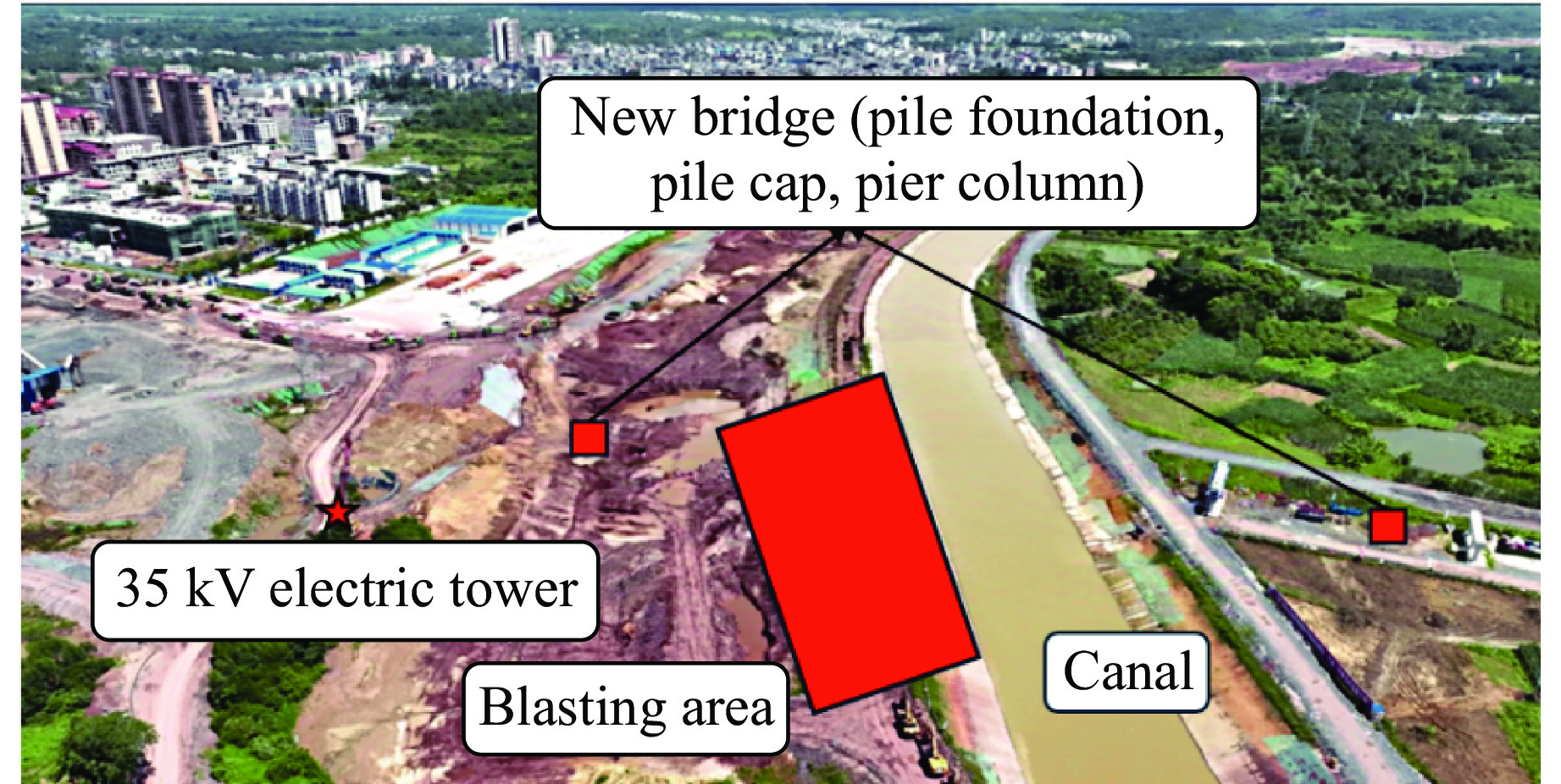
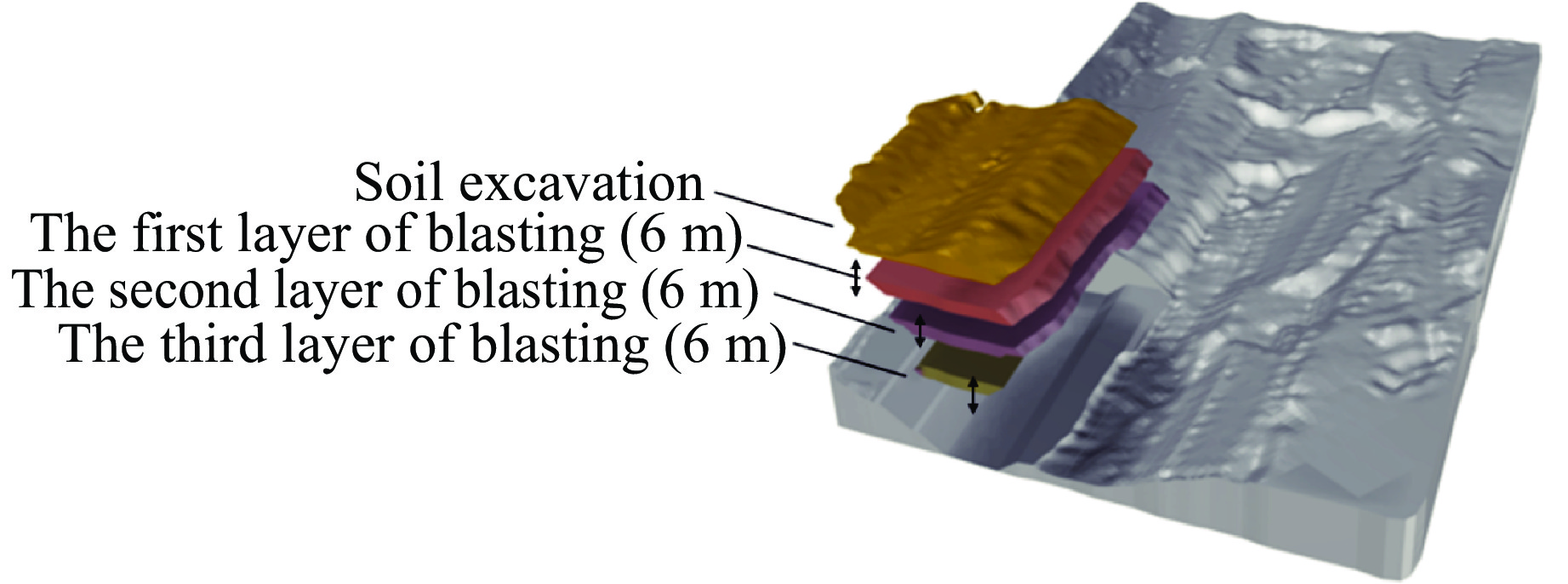
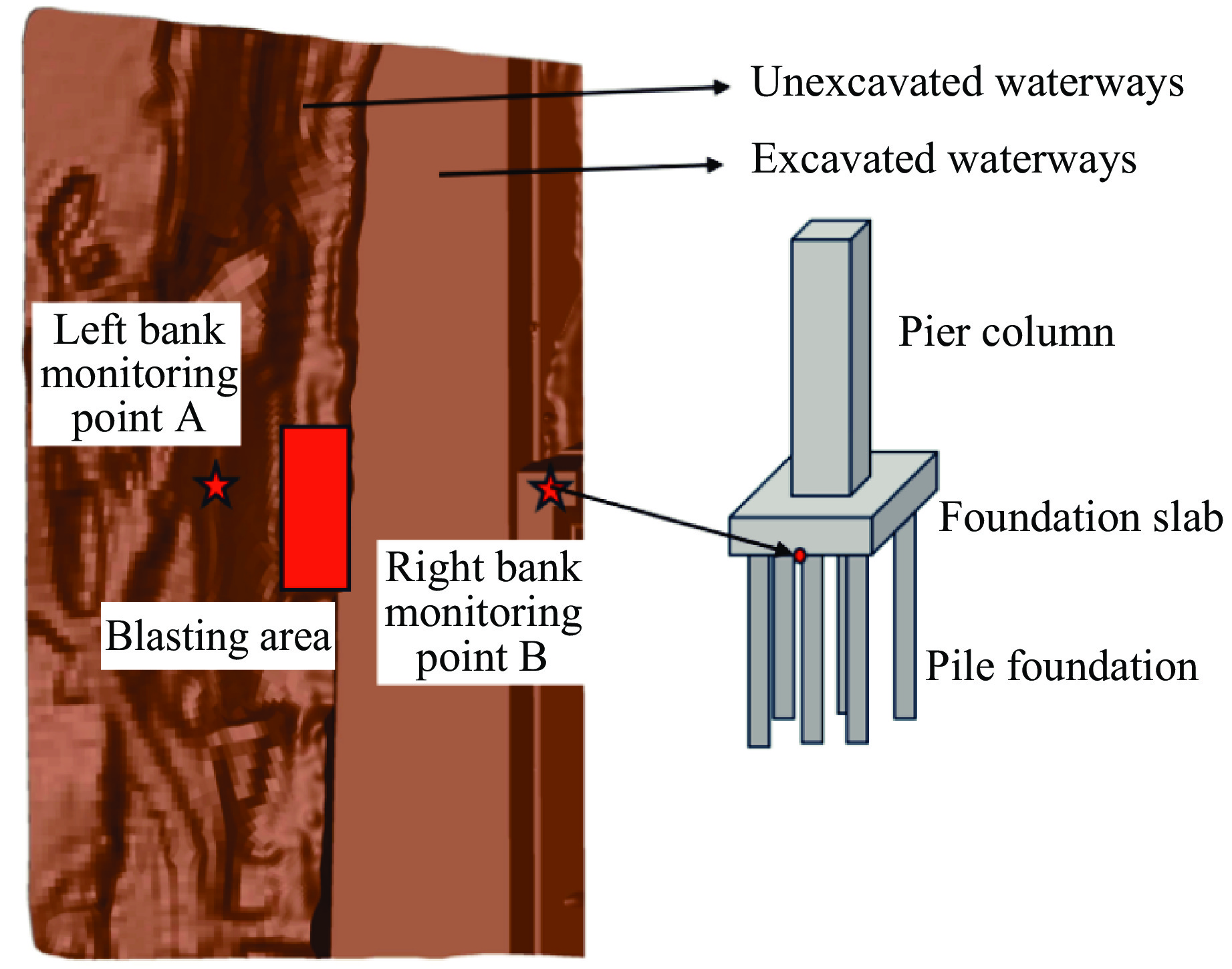
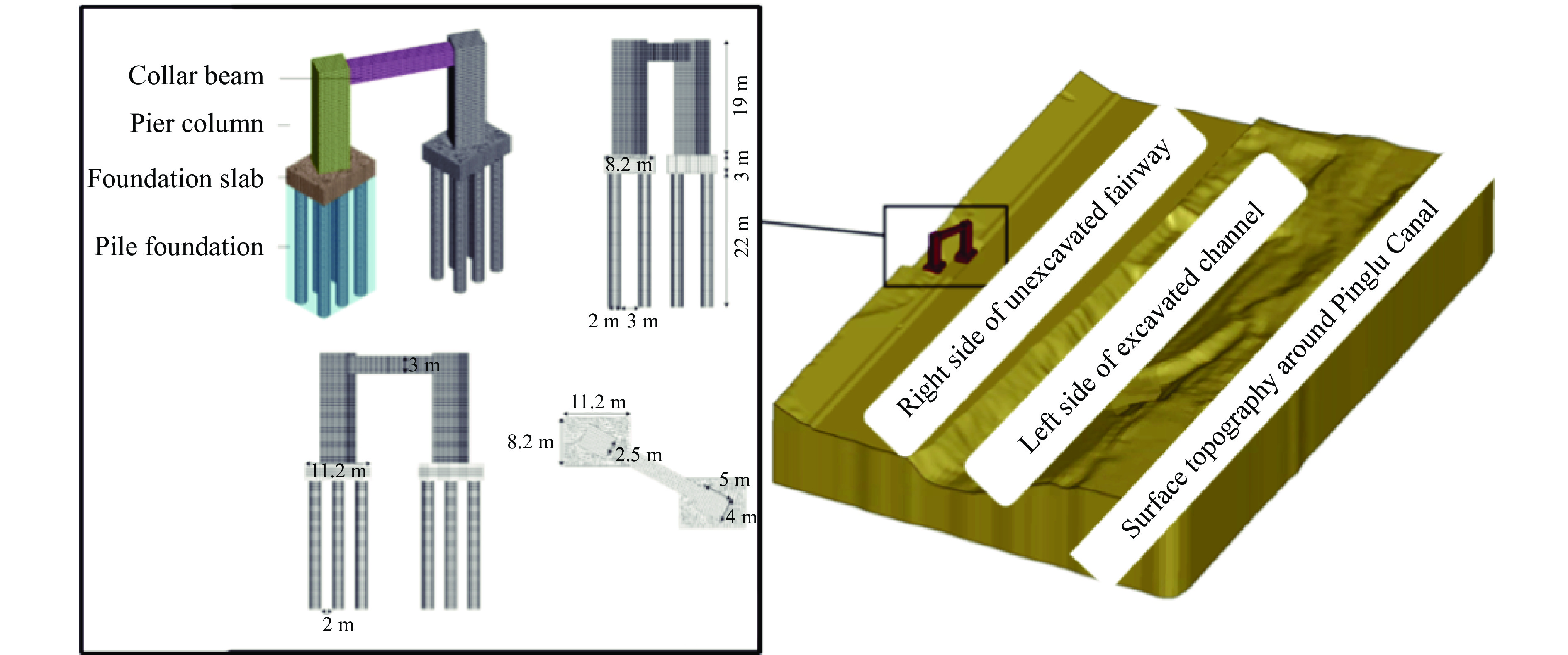
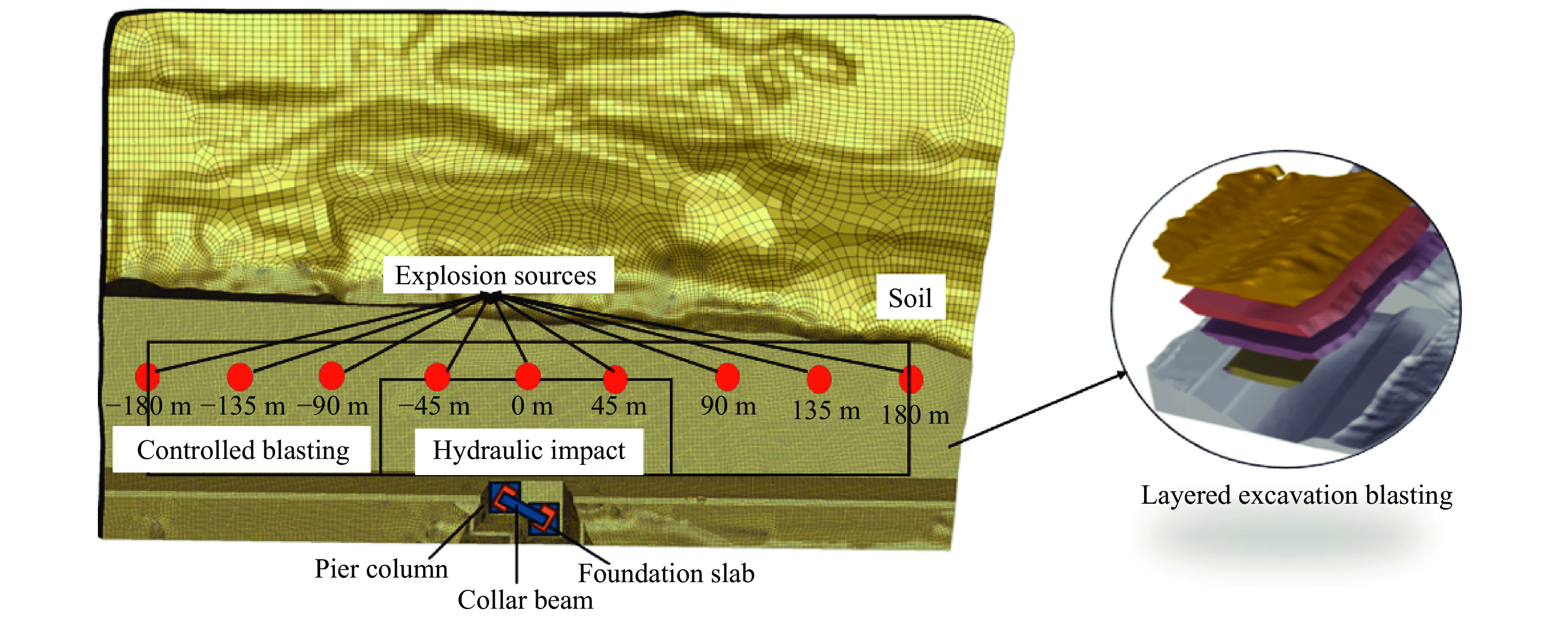
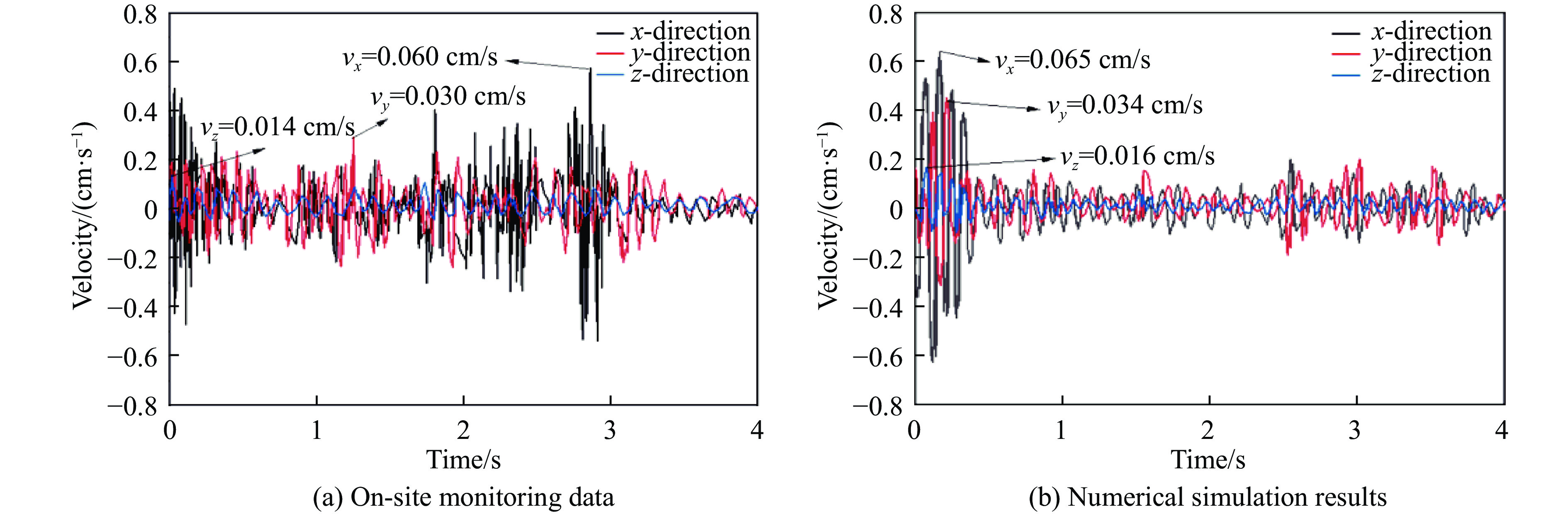
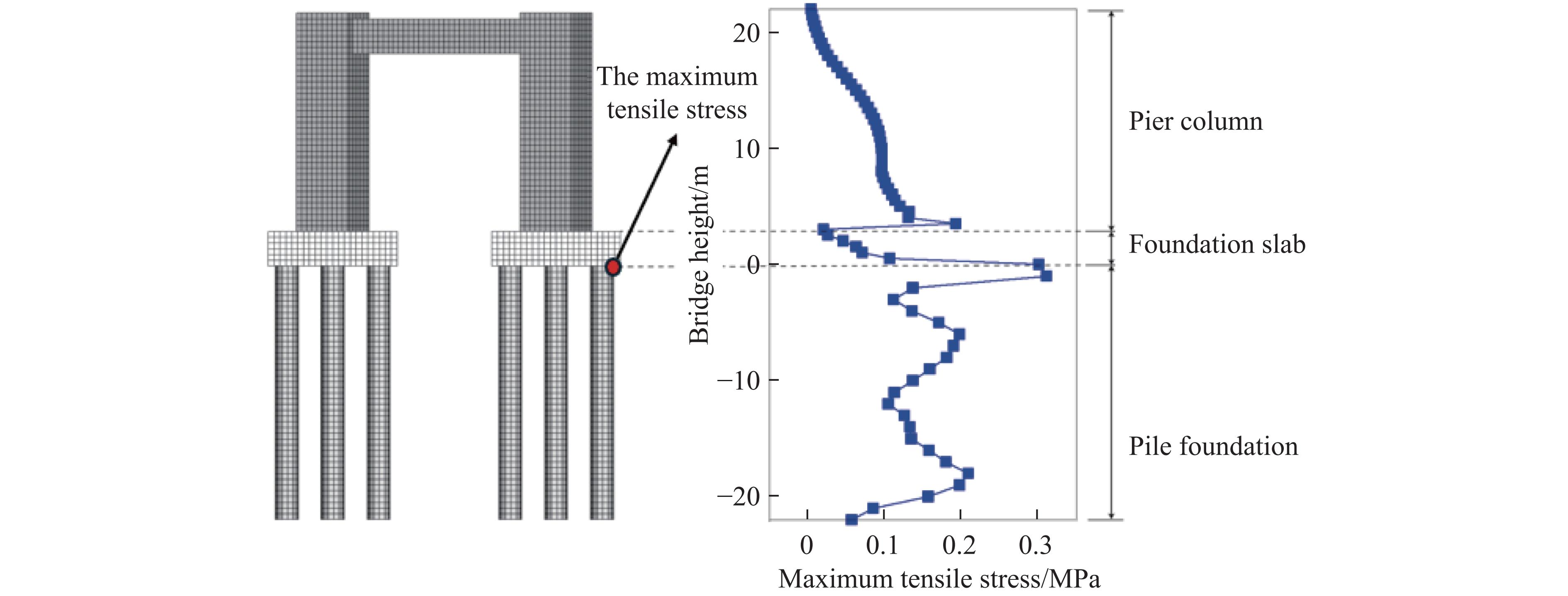
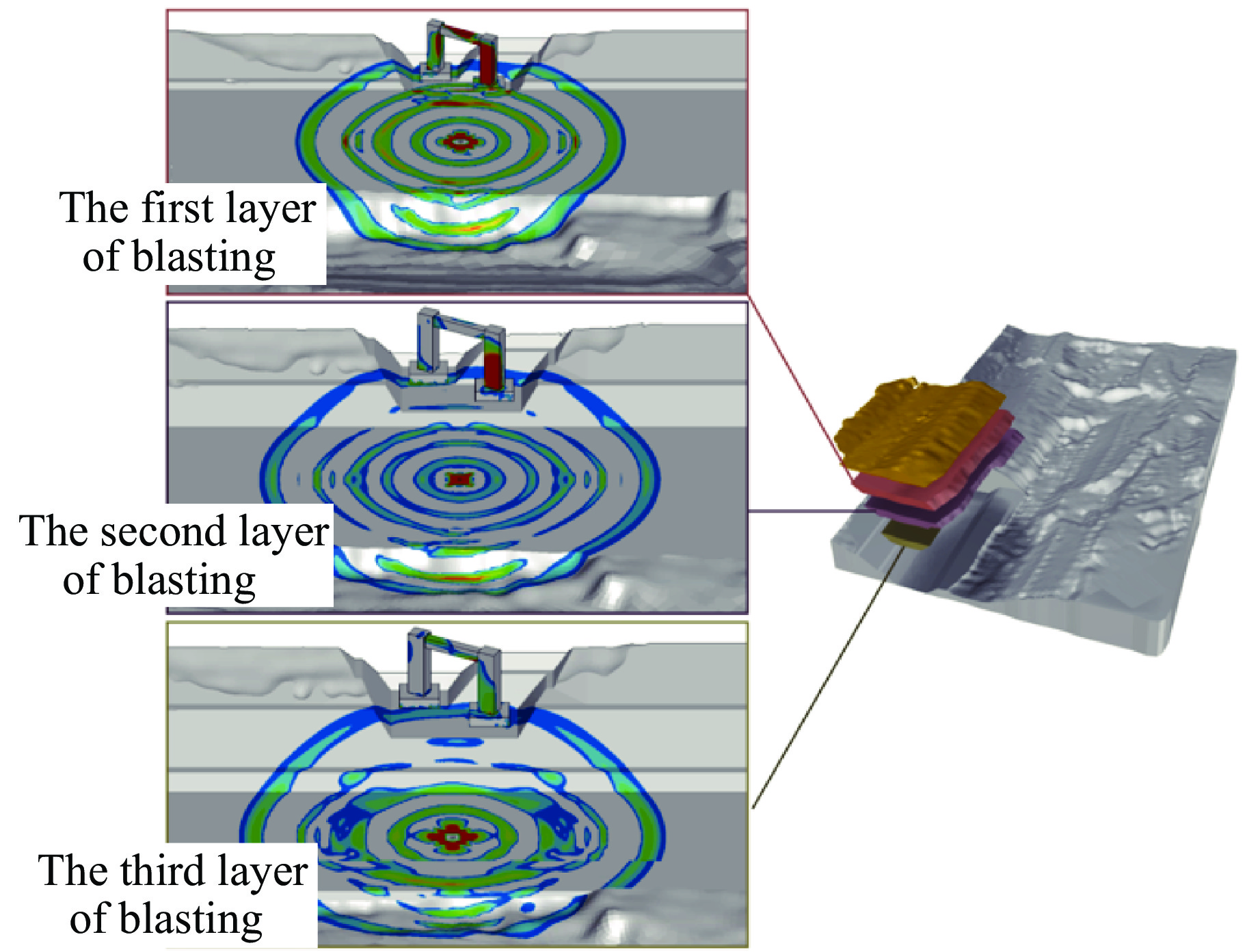
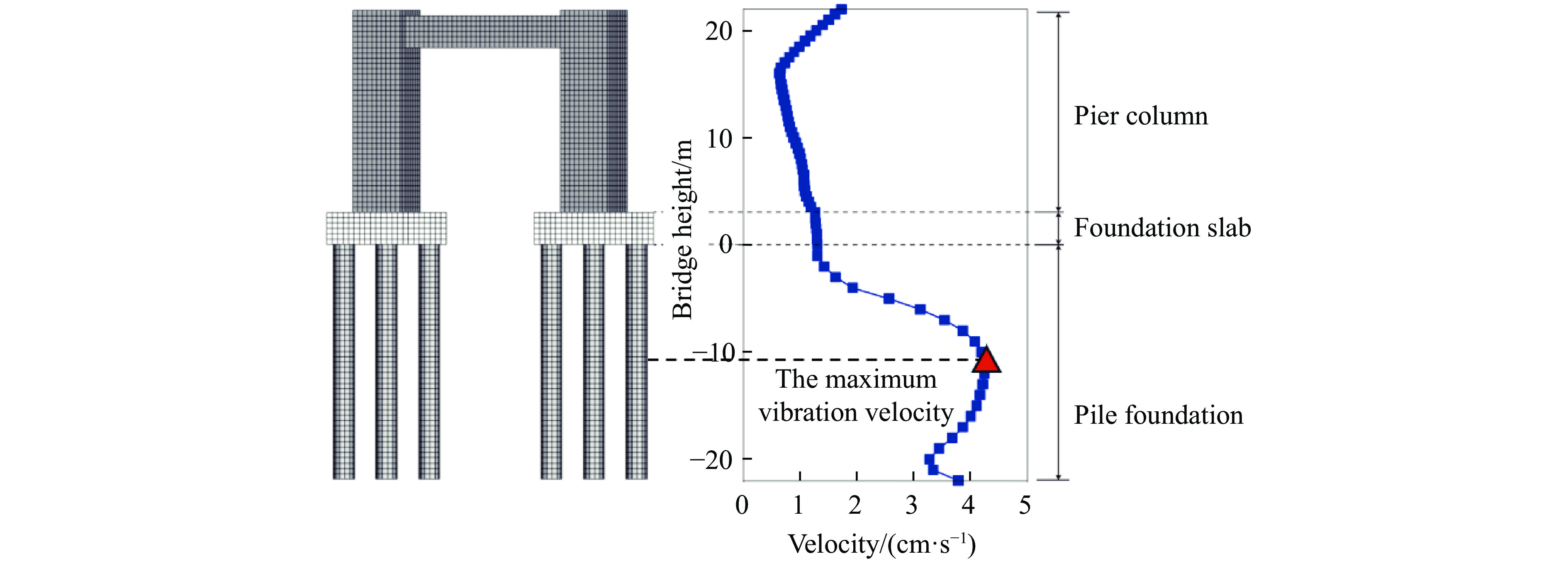
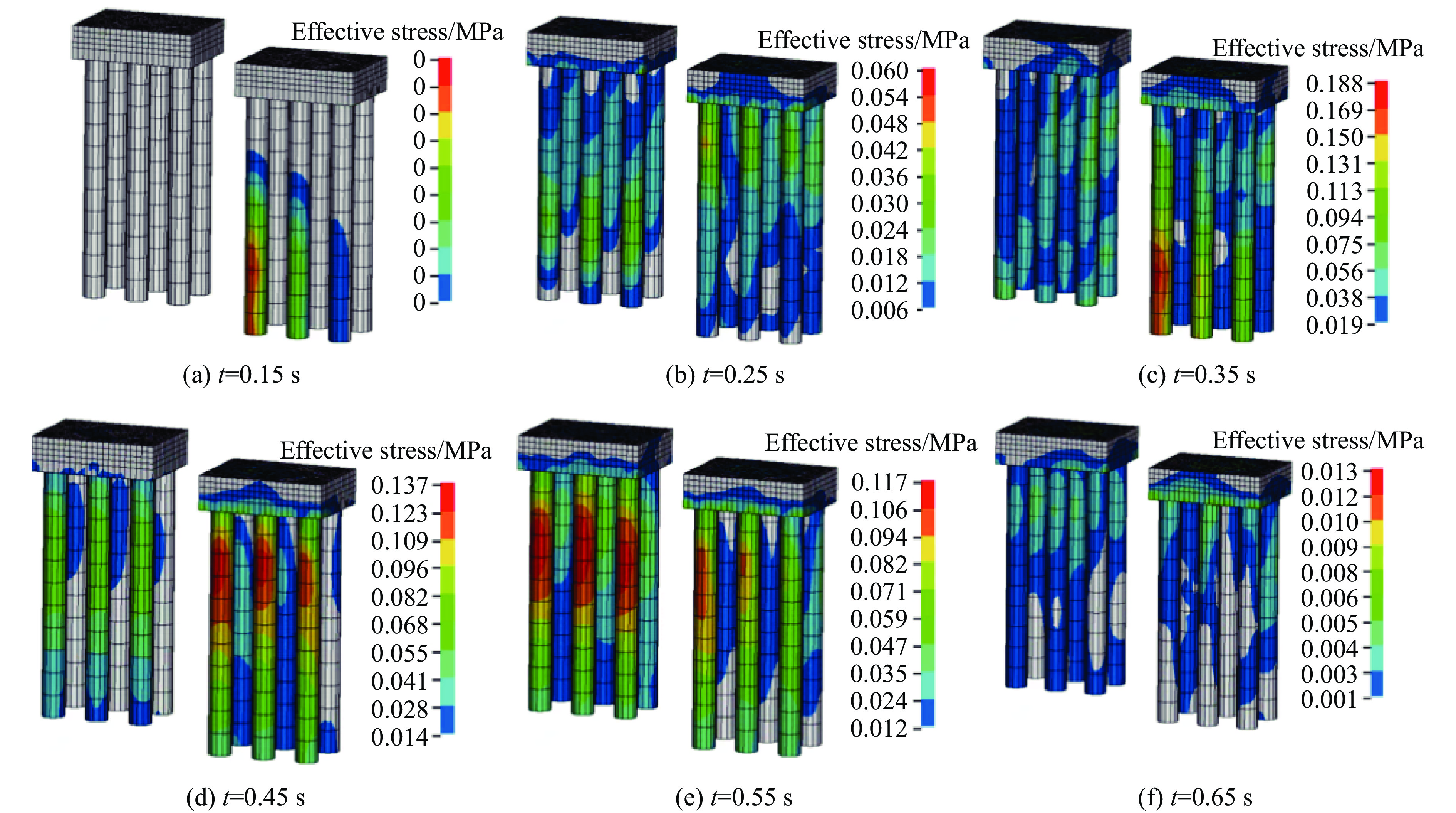
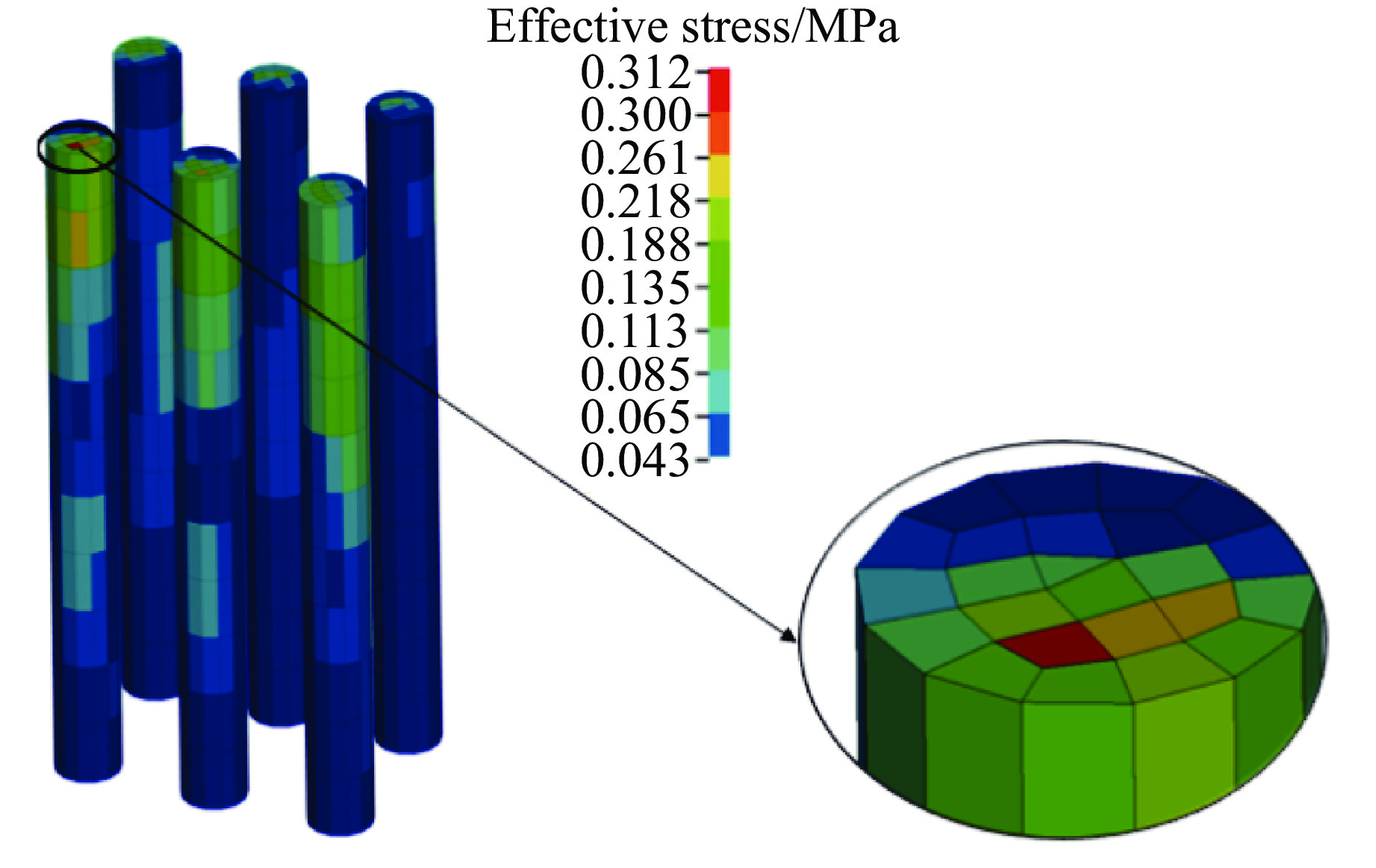
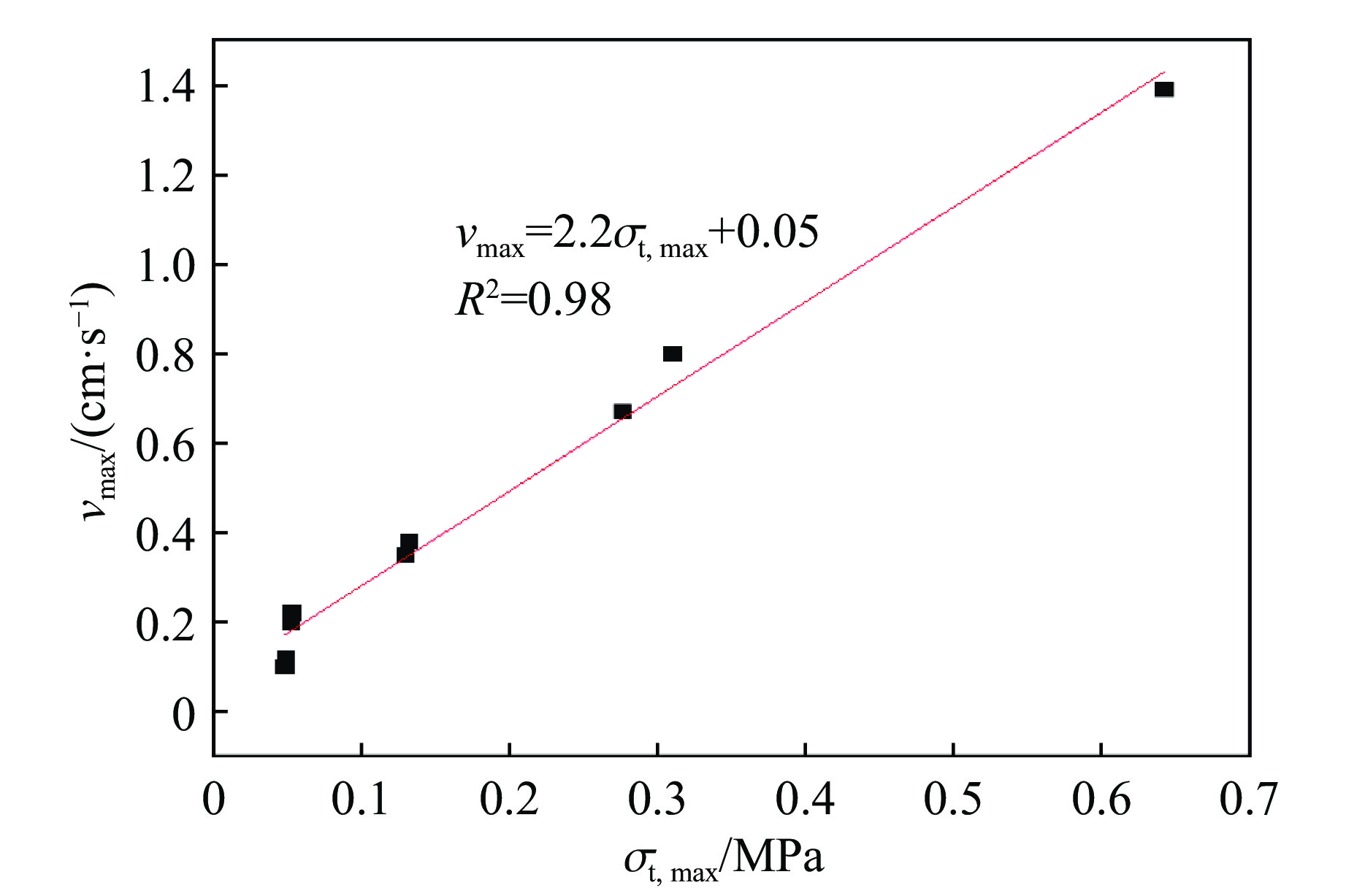
Blasting excavation is a critical construction method for enhancing the canal channel expansion efficiency. However, the induced blasting vibration may adversely affect the substructure of existing waterway bridges. To clarify the dynamic response characteristics of the bridge substructure subjected to blasting-induced vibration, this study analyzed the stress and vibration velocity distributions in the adjacent bridge substructure during the Pinglu Canal channel expansion project. A finite element numerical simulation method, validated by field test, was employed to establish the safe vibration velocity threshold for the substructure based on the maximum tensile stress criterion. The results show that the maximum tensile stress occurs at the interface between the bridge pile foundation and the pile cap during canal blasting excavation. The most significant vibrations in the substructure are concentrated in the pile foundation. The allowable vibration velocity for the bridge substructure, with the pile cap as the monitoring point, is 3.2 cm/s.

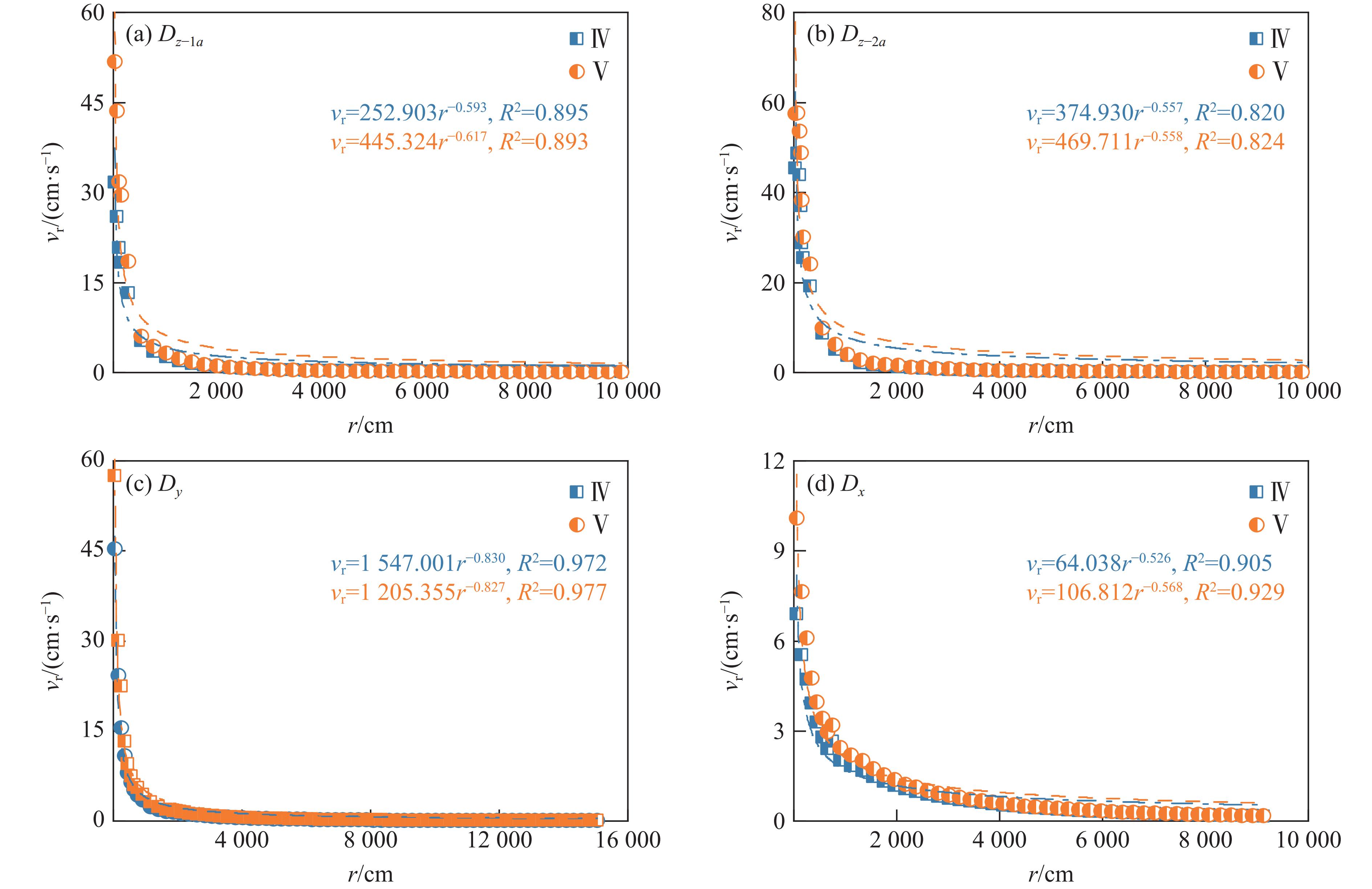
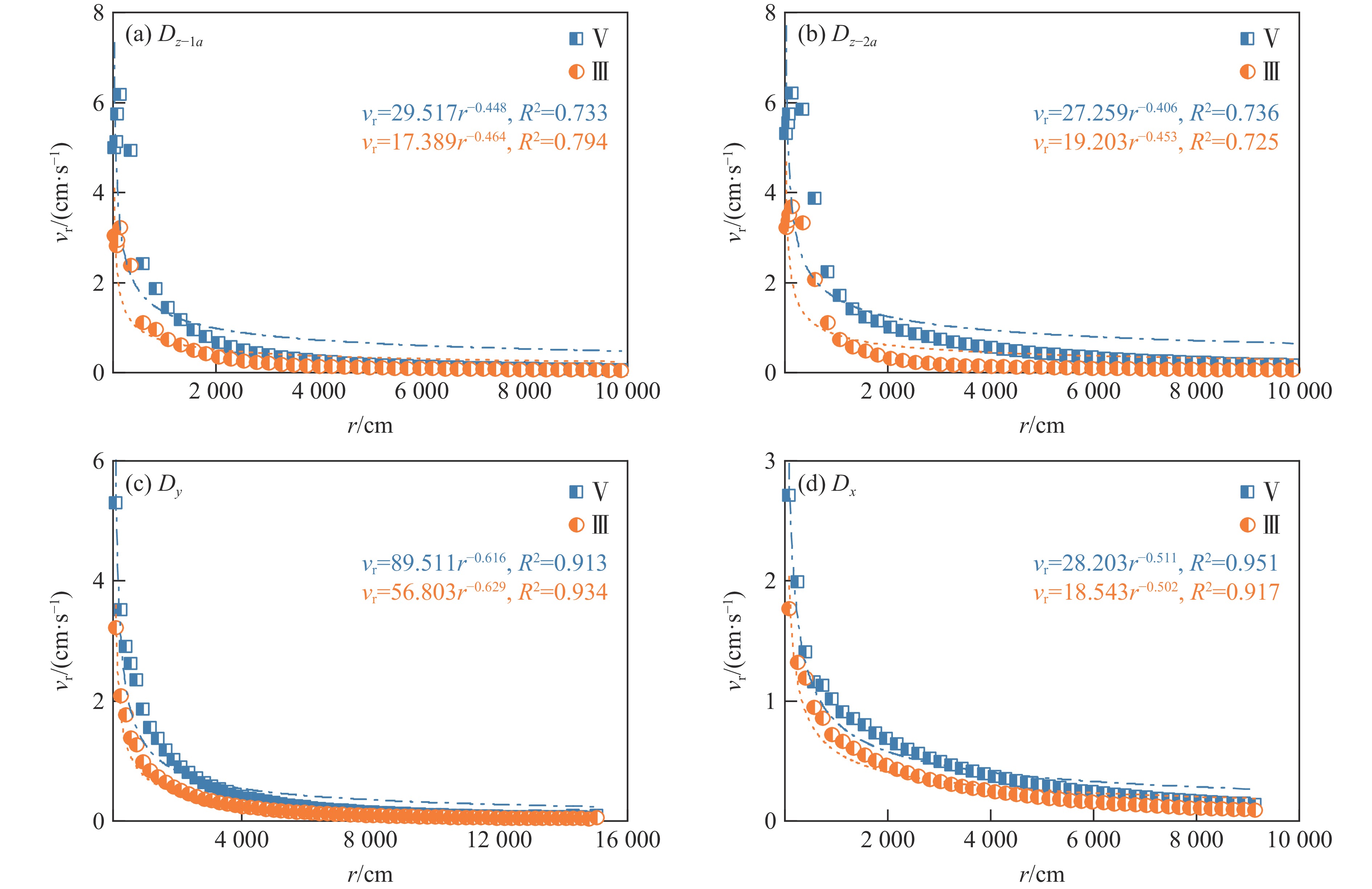
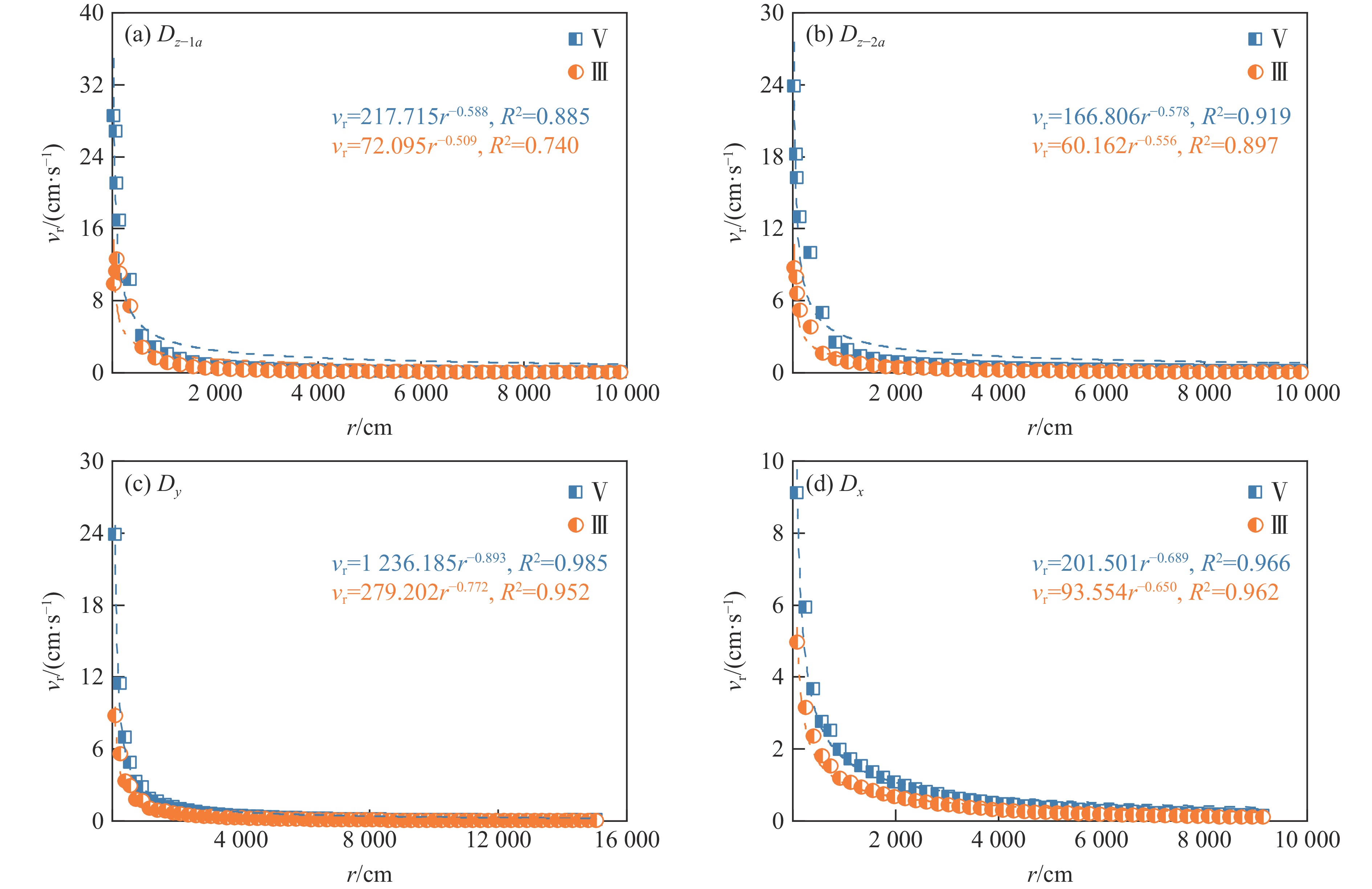
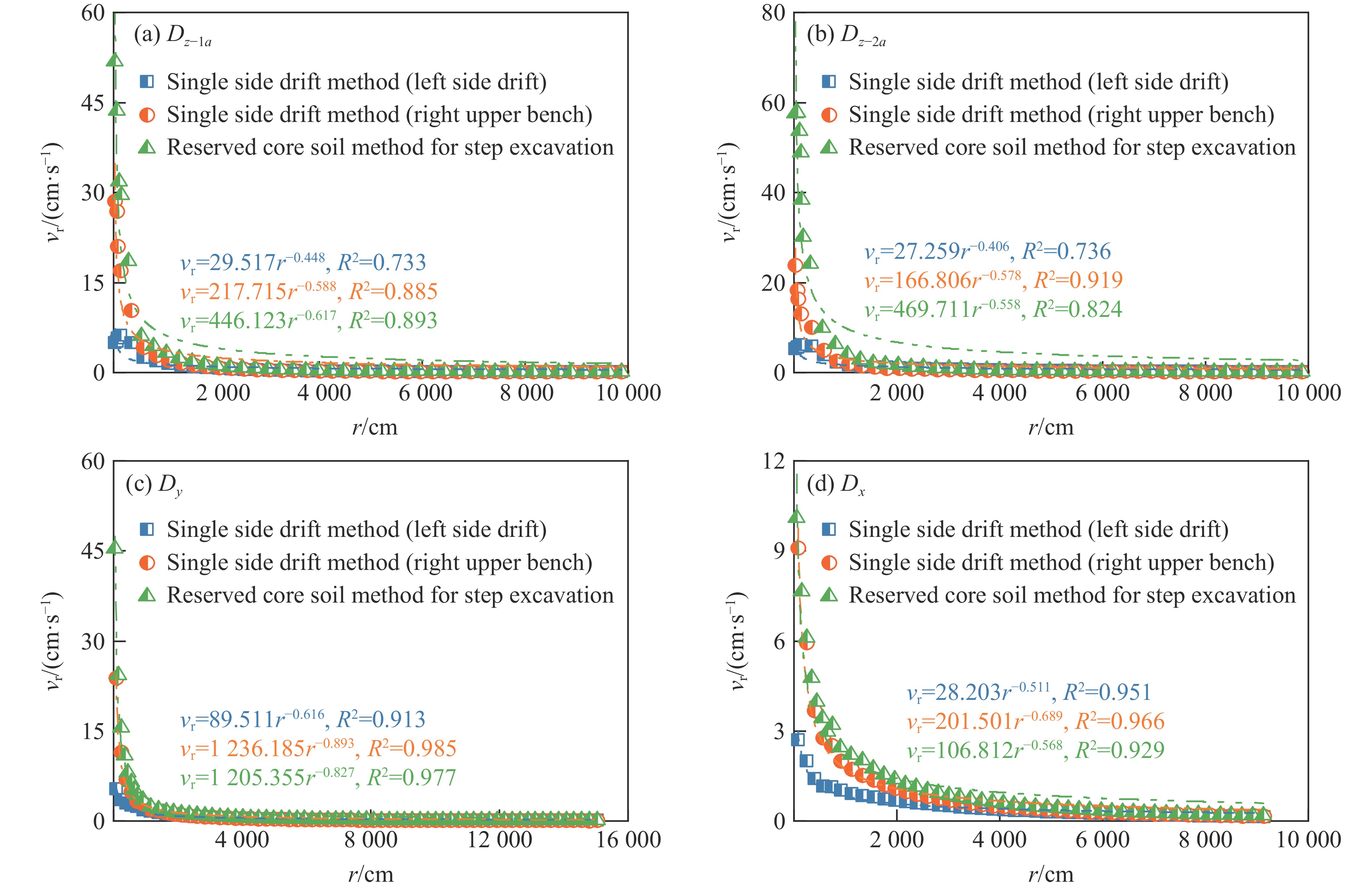
Propagation Laws and Prediction of Blasting Vibration in Mountain Highway Tunnels with Multi-Level Surrounding Rock
HUANG Jian, JIANG Nan, YANG Yumin
2025, 39(8): 085302. doi: 10.11858/gywlxb.20240922
HTML PDF (20)
Abstract:

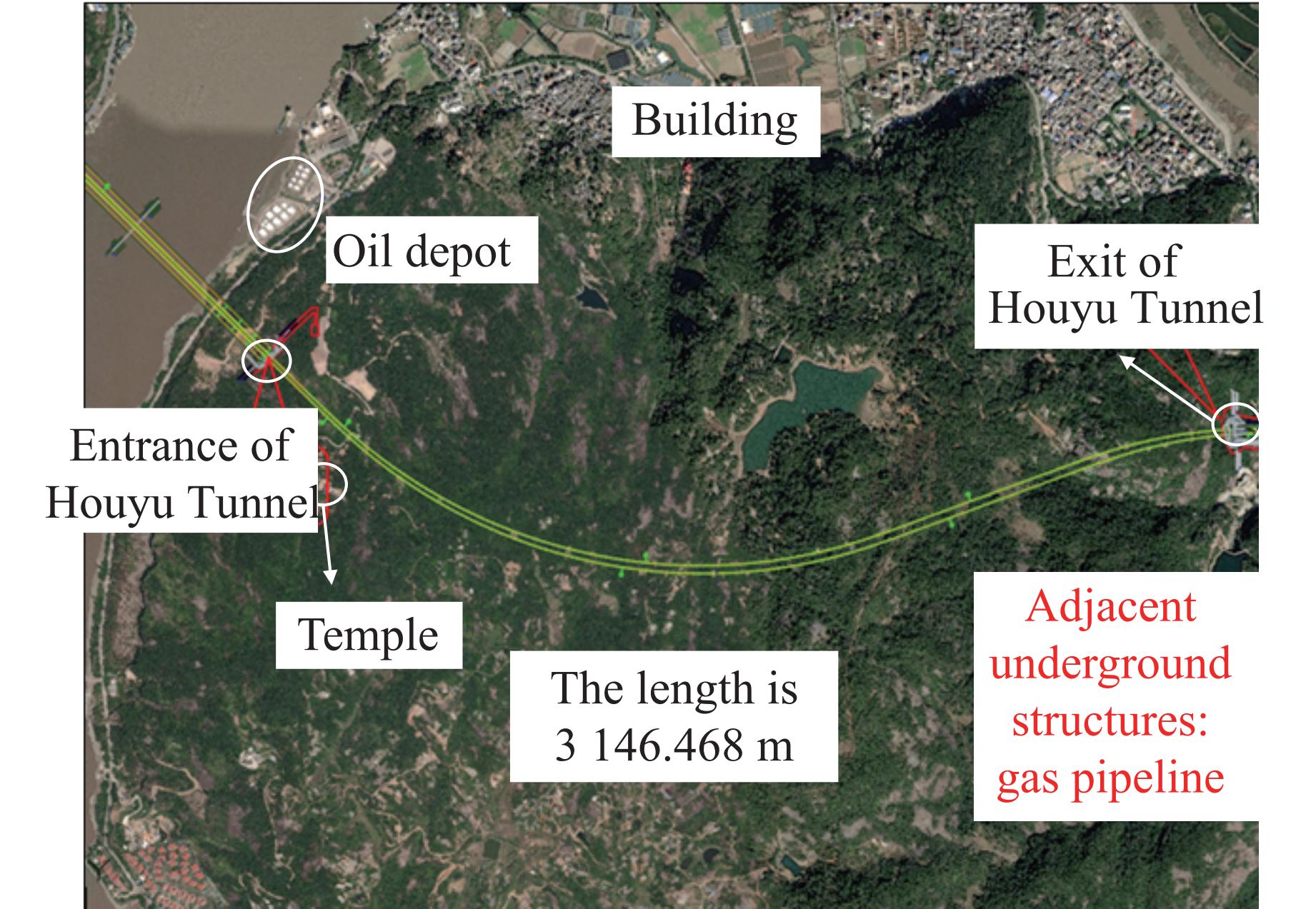
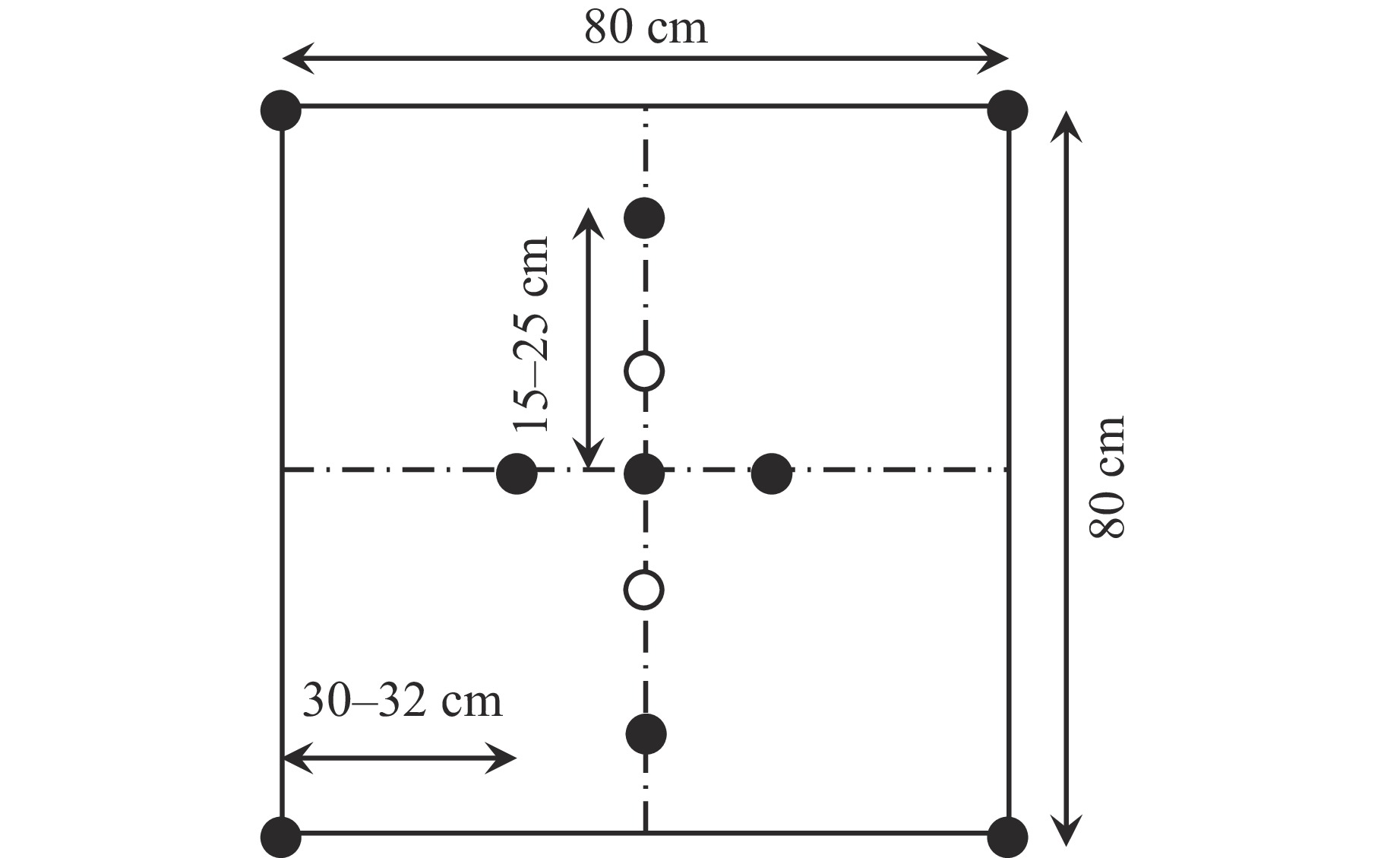
To achieve vibration control in tunnel blasting under complex geological conditions, clarifying the propagation laws of blasting velocities and accurately predicting blasting velocities are crucial aspects of safe blasting construction. Based on the multi-level surrounding rock and multi-scheme blasting engineering of the Houyu tunnel on the expressway, LS-DYNA was used to analyze the vibration attenuation characteristics of multi-level surrounding rock under various blasting methods. Field tests were conducted to validate the rationality of the numerical simulations. Finally, a velocity prediction model considering the influence of elevation differences was established by dimensional theory. The results show that as the blast center distance increases, the resultant velocity decays rapidly at first and then more slowly. The velocity of the surrounding rock above the tunnel in the excavated area is greater than that in the unexcavated area. There is a negative correlation between the strength grade of rock and the vibration velocity. The resultant velocities of the surrounding rock, from largest to smallest, are as follows: the reserved core soil method for step excavation, the single side drift method with right upper bench, and the single side drift method with left side drift. The attenuation rates of the resultant velocities, from largest to smallest, are as follows: the single side drift method with right upper bench, the reserved core soil method for step excavation, and the single side drift method with left side drift. When using the reserved core soil method for step excavation, the minimum safety distances for buried pipelines, building clusters, temples, and oil depots are 95, 81, 447 and 73 m, respectively. When using the single side drift method, the minimum safety distances for buried pipelines, building clusters, temples, and oil depots are 56, 72, 327 and 71 m, respectively.

Prediction of Rock Burst Intensity Based on the ISCSO-KELM Model
LEI Xueliang, ZHOU Zonghong, LIU Jian, FENG Zhansuo, JING Mingqiang
2025, 39(8): 085303. doi: 10.11858/gywlxb.20240913
HTML PDF (18)
Abstract:

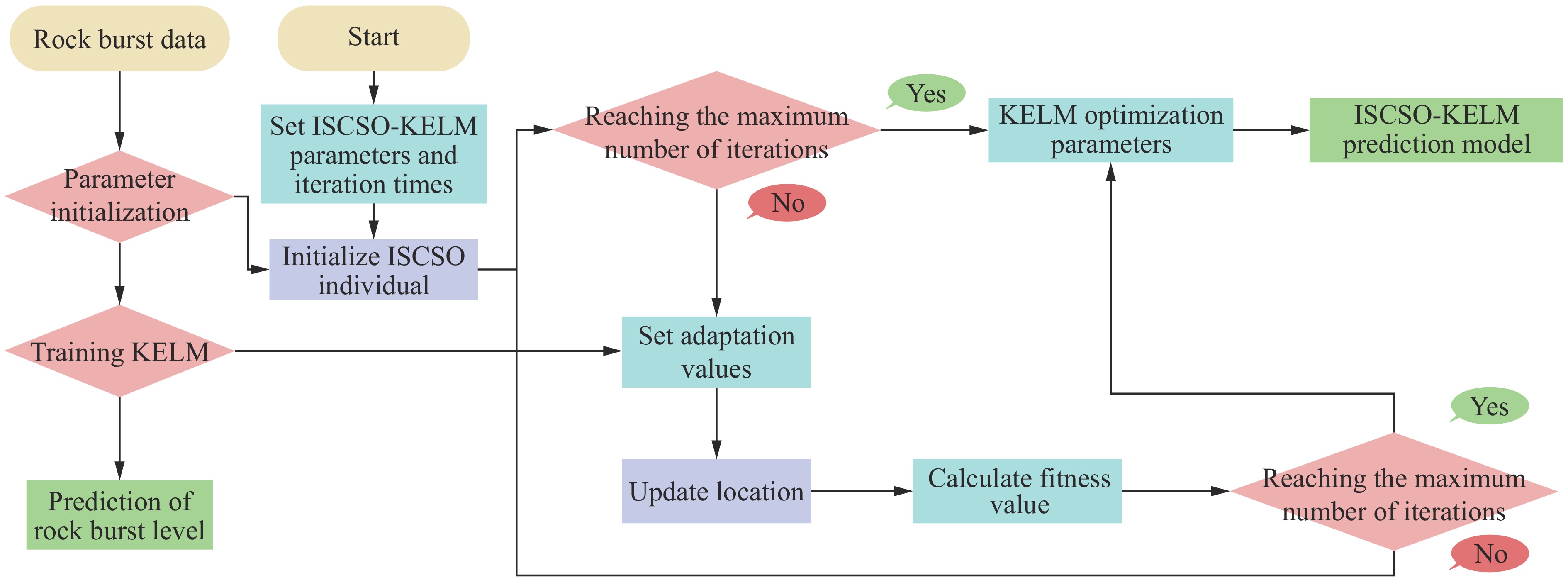
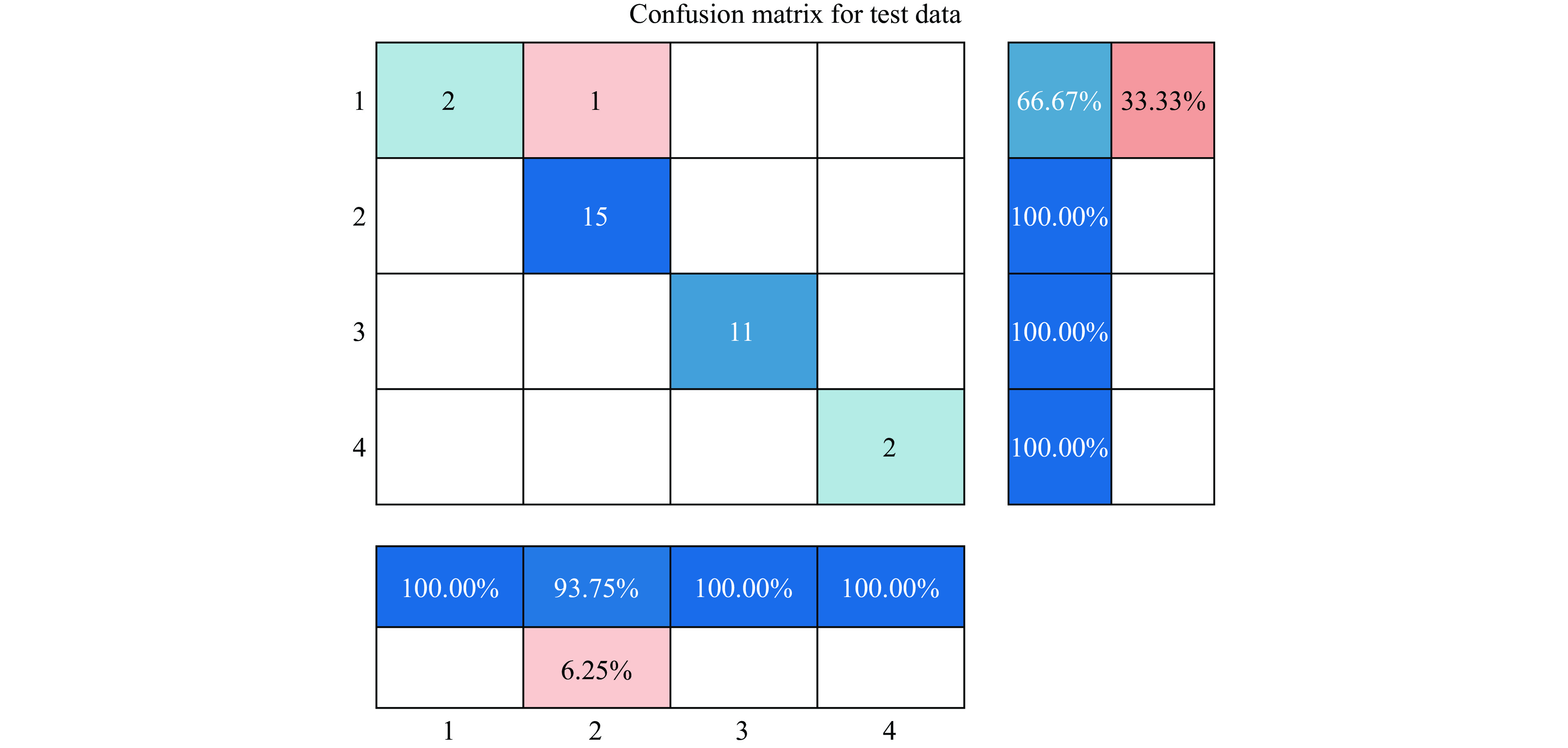
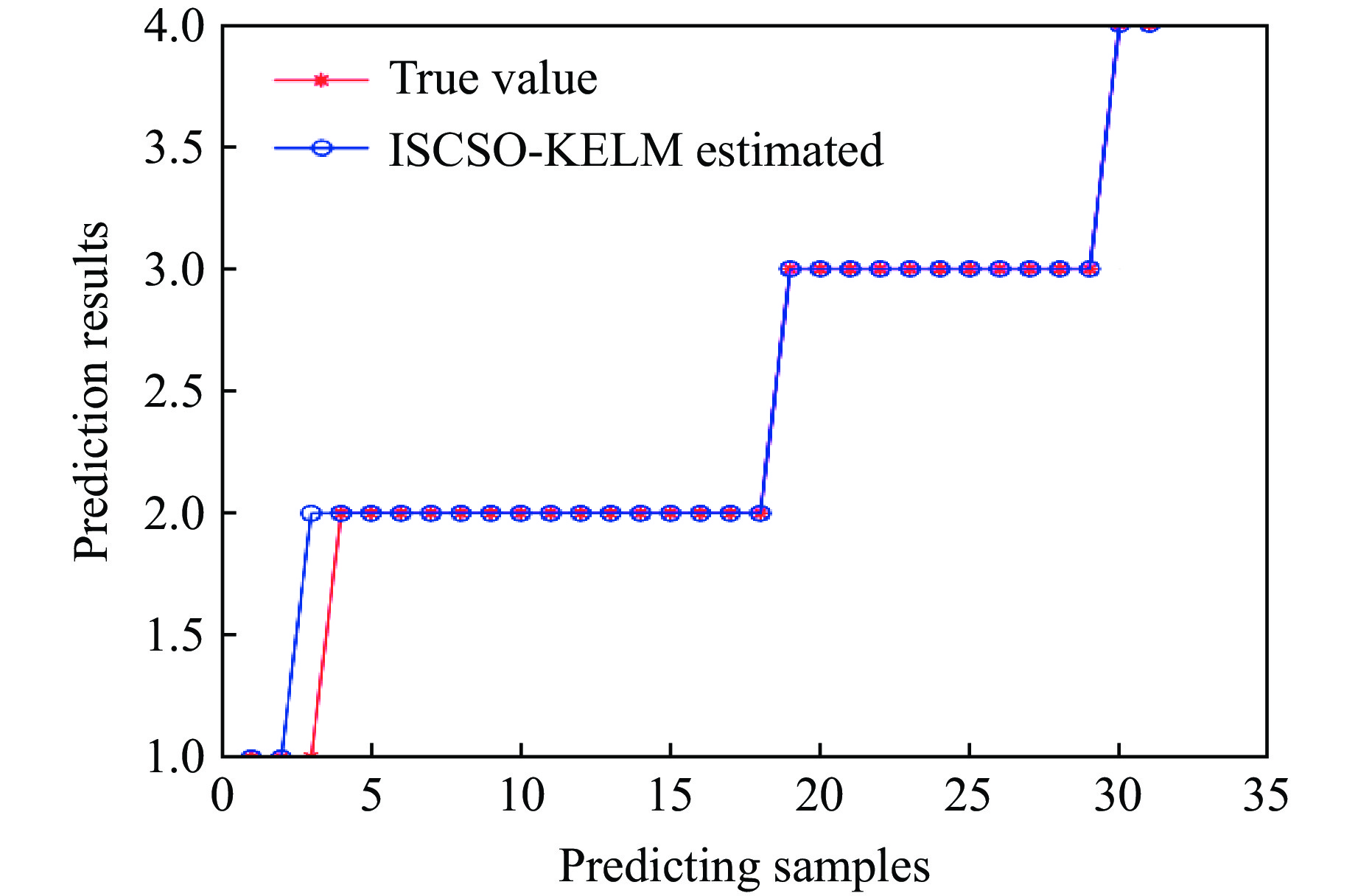
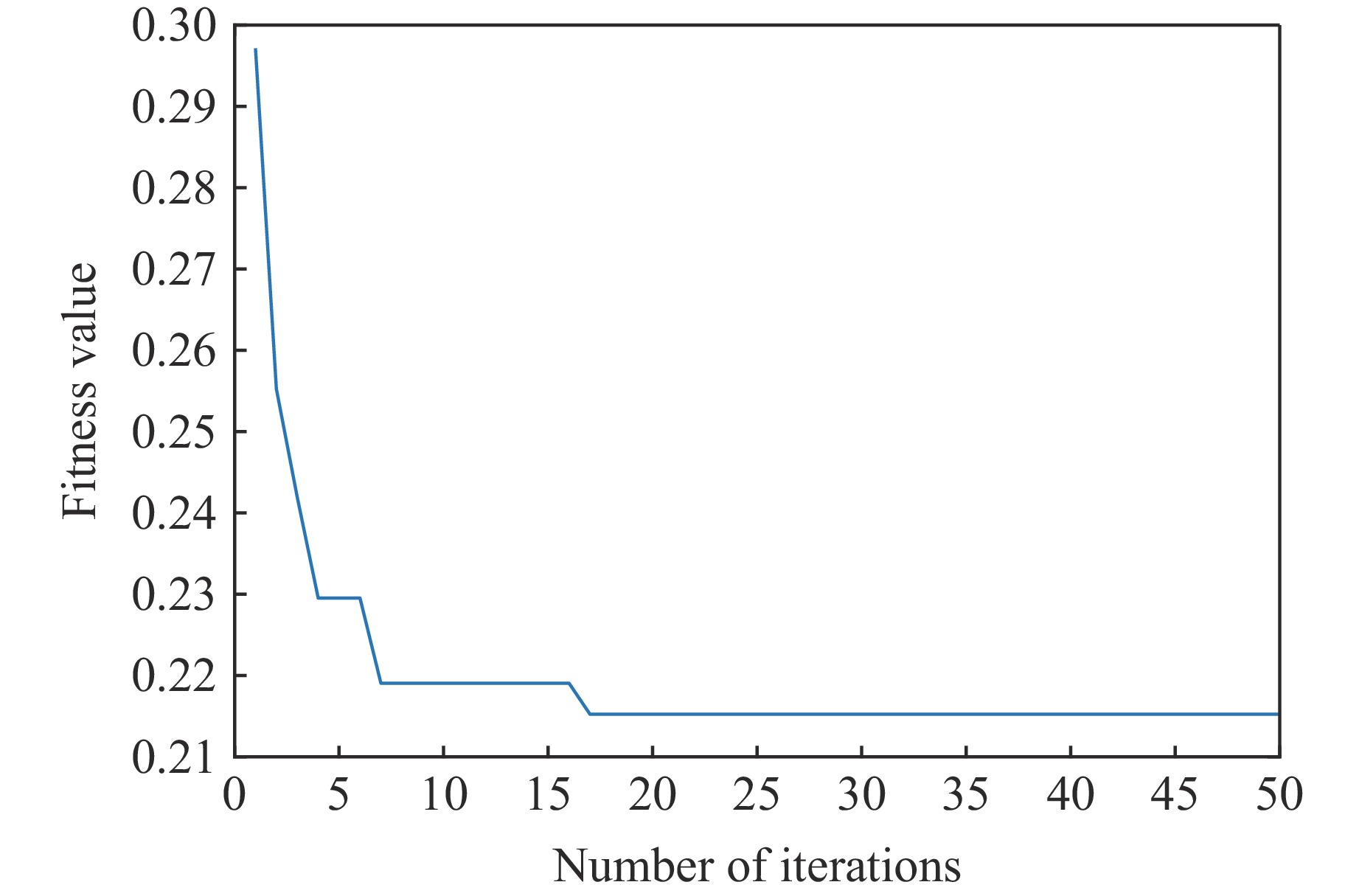
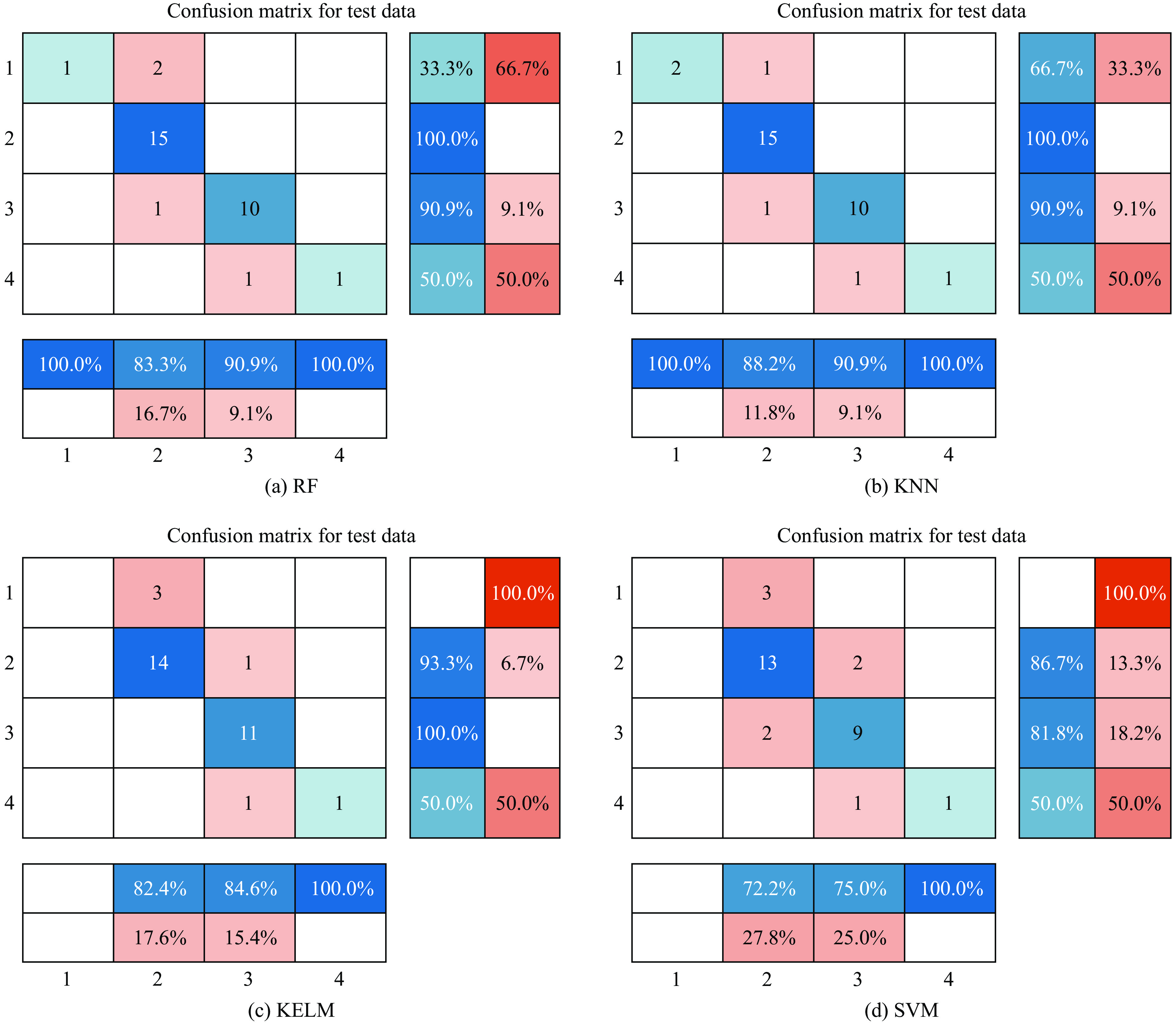
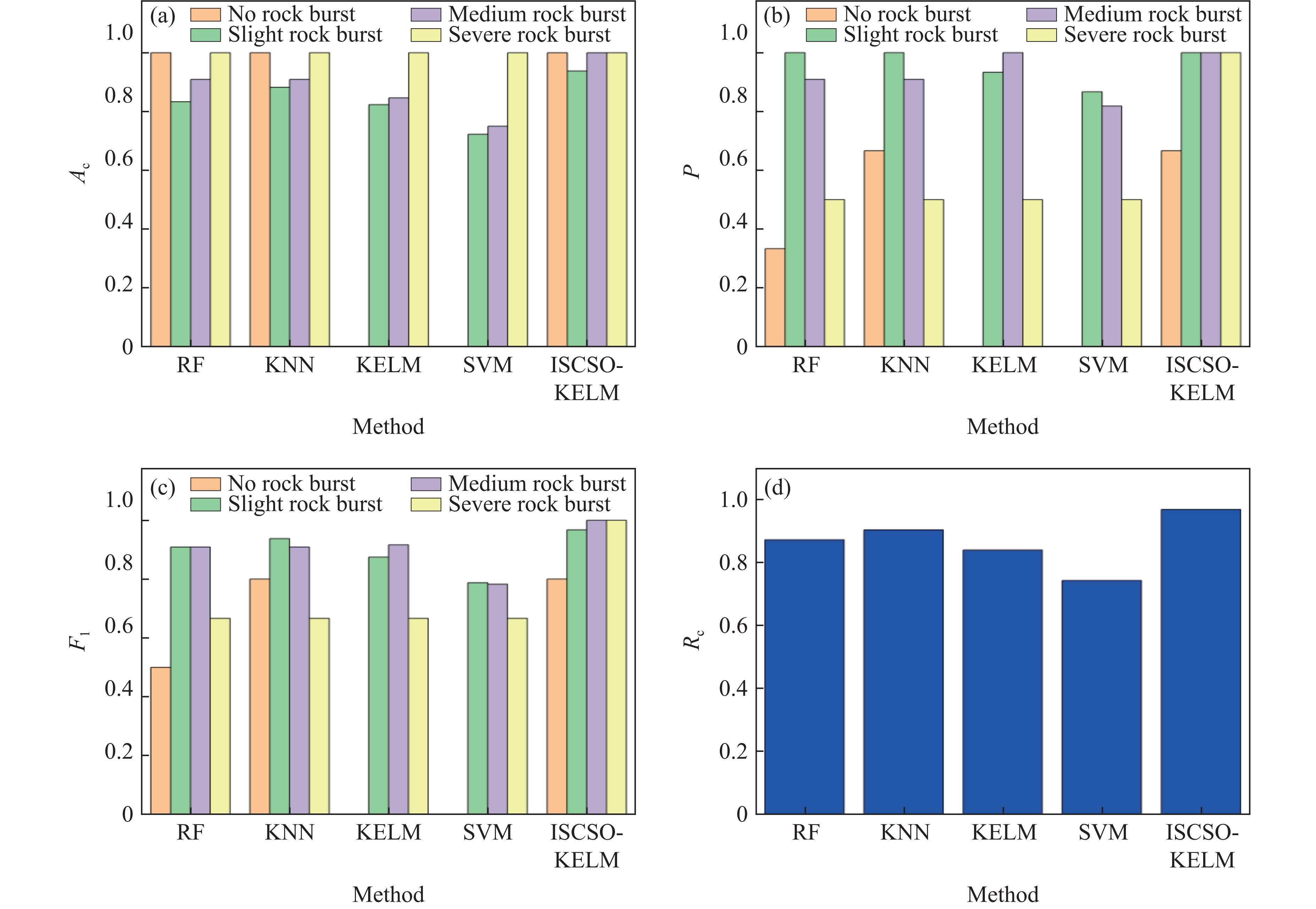
In order to reduce the occurrence of rock burst accidents during construction, the rock burst intensity should be assessed. In this paper, we propose a new rock burst prediction model based on the improved sandcat swam optimization-kernel based extreme learning machhine (ISCSO-KELM) algorithm. The maximum tangential stress, uniaxial compressive strength, uniaxial tensile strength and rock elastic energy index were selected as the evaluation indexes of rock burst. 105 domestic and international examples of rock burst were selected as samples for machine learning. Comparison of the relative ratios of the model presented herein with confusion matrix predicted by models including random forest (RF), K-nearest neighbor (KNN), support vector machine (SVM) and kernel based extreme learning machhine (KELM) models shows that, the ISCSO-KELM model is superior at assessing both evaluation accuracy and recall. The evaluation accuracy of the model reached 96.774 2%, indicating the superiority of ISCSO-KELM. Relevant engineering cases were used to verify the rock burst intensity. The results show that ISCSO-KELM model is more effective in capturing the connection between rock burst intensity and the indexes, thus providing a new highly applicable method for rock burst prediction.

Damage Characteristics of Highway Simply Supported Steel Box Girder Bridges under Near-Field Explosive Loading
SONG Yumin, QU Shouyi, LIU Haiming
2025, 39(8): 085304. doi: 10.11858/gywlxb.20240937
HTML PDF (24)
Abstract:

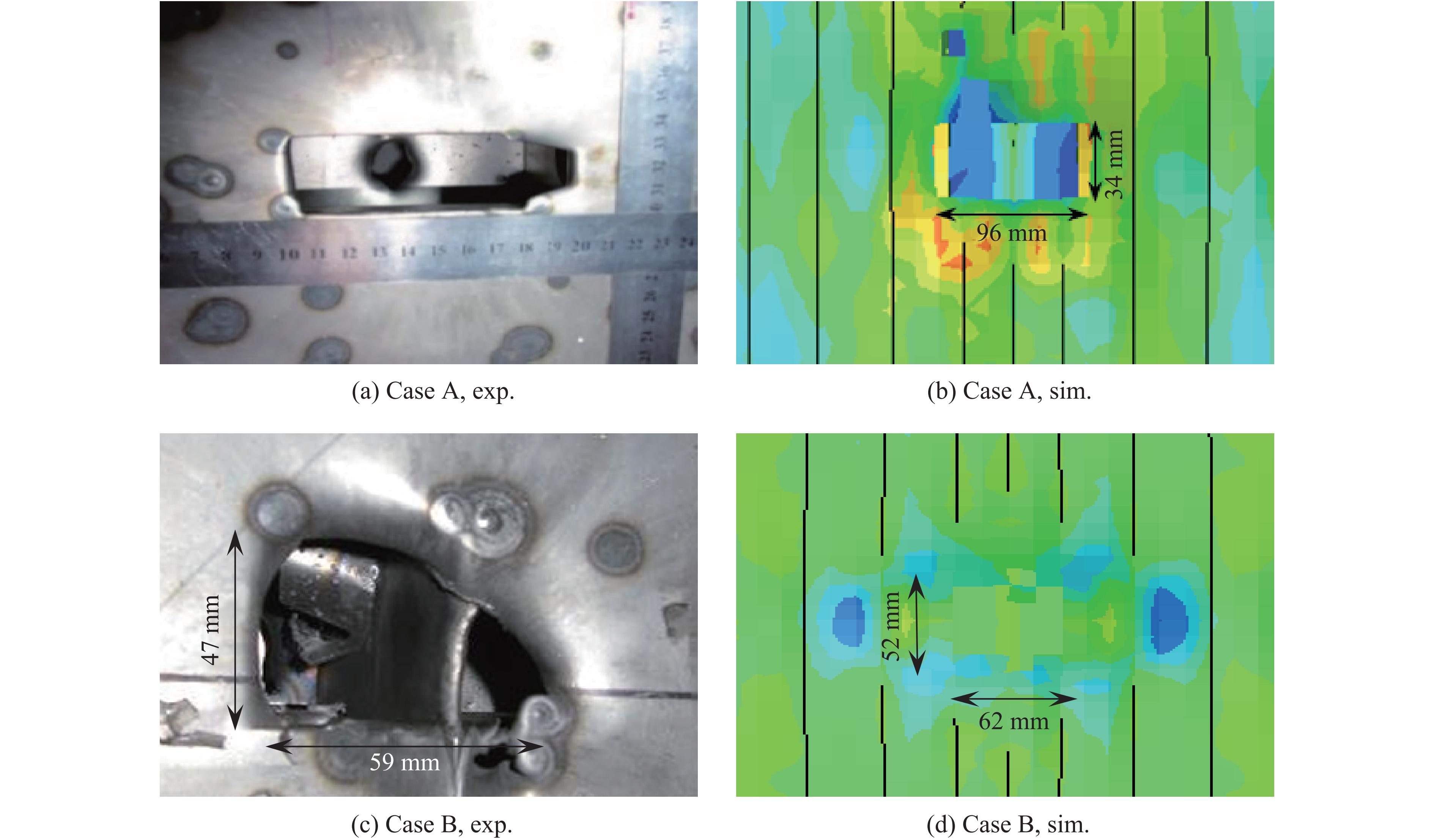
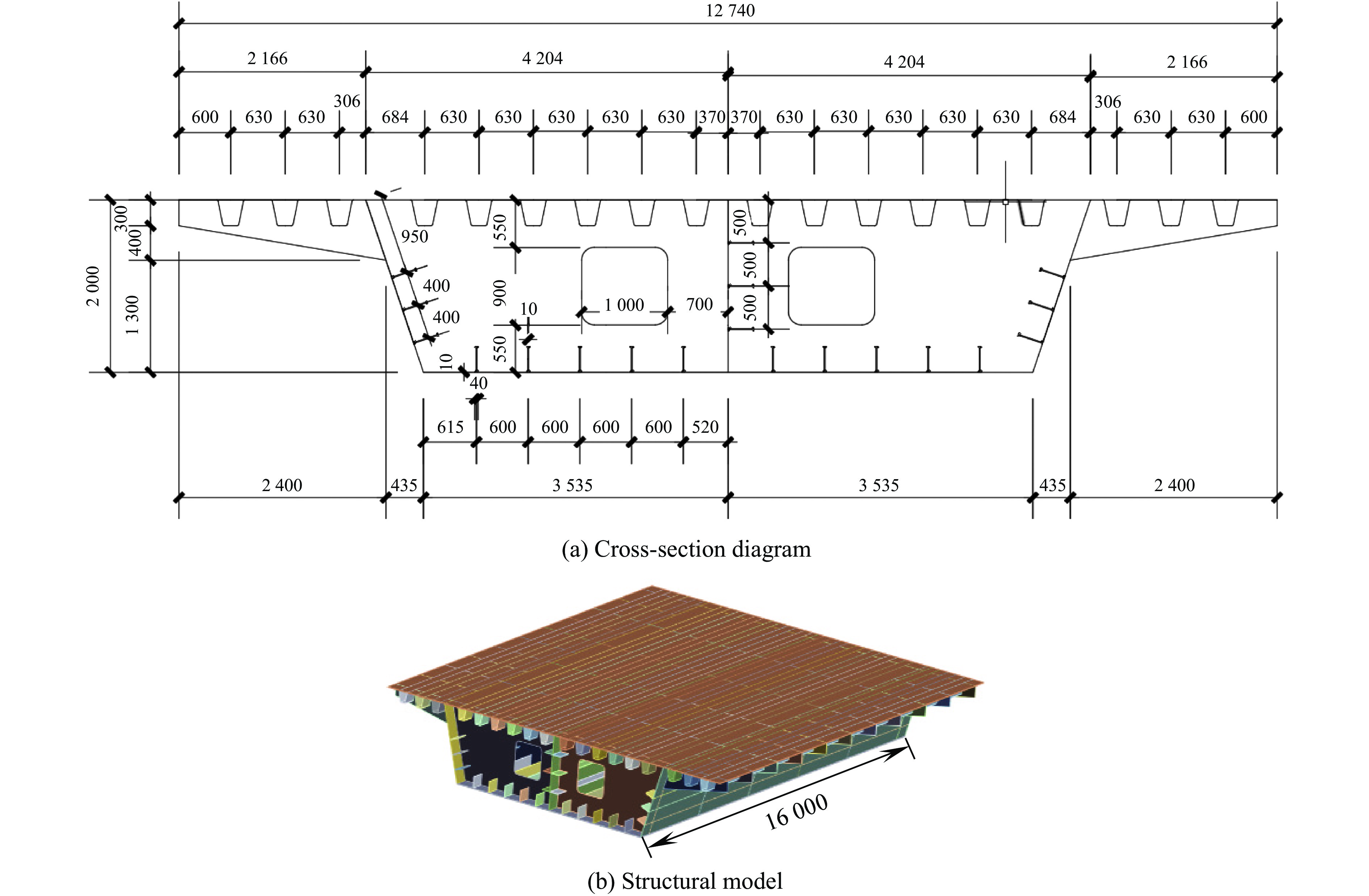
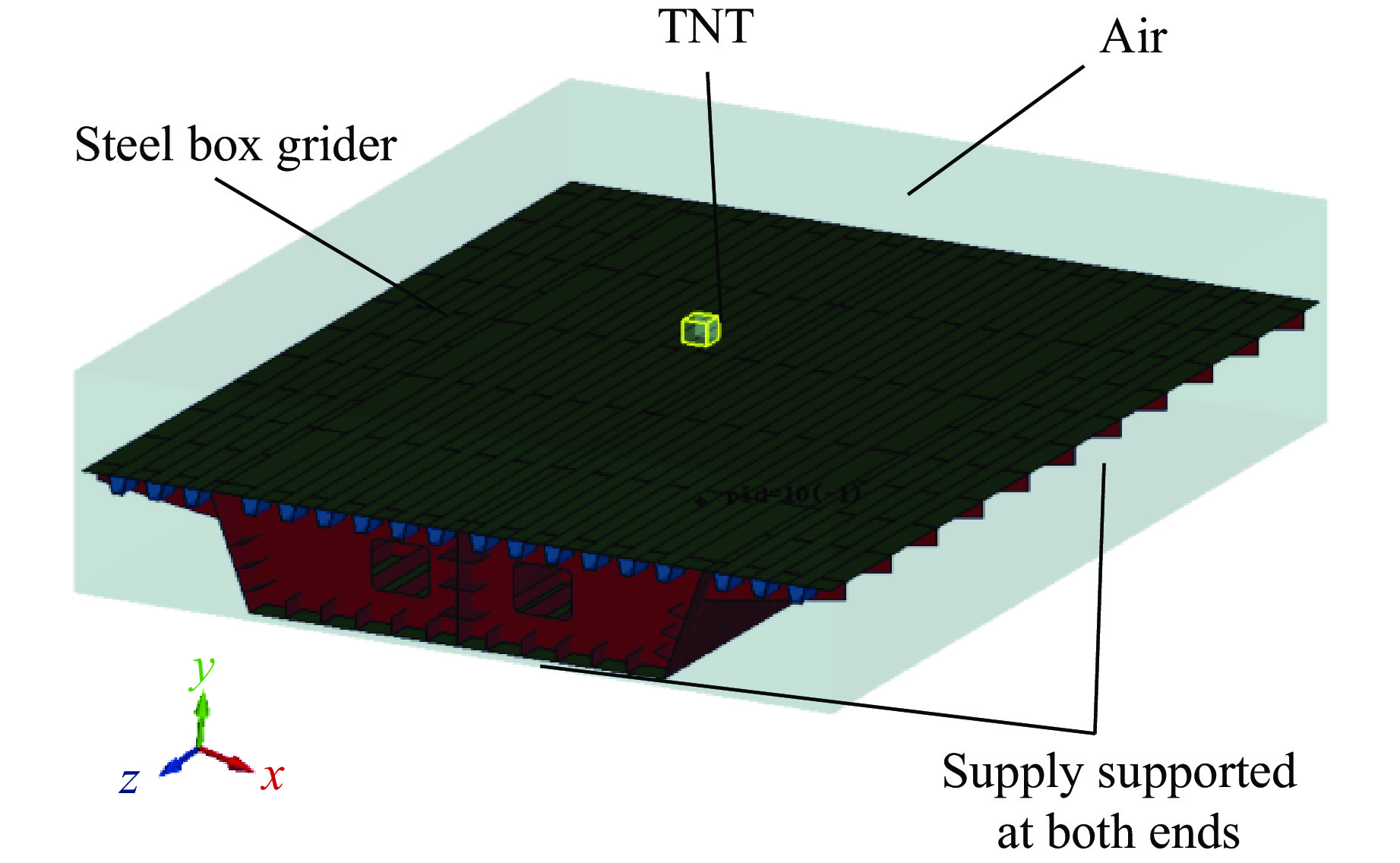
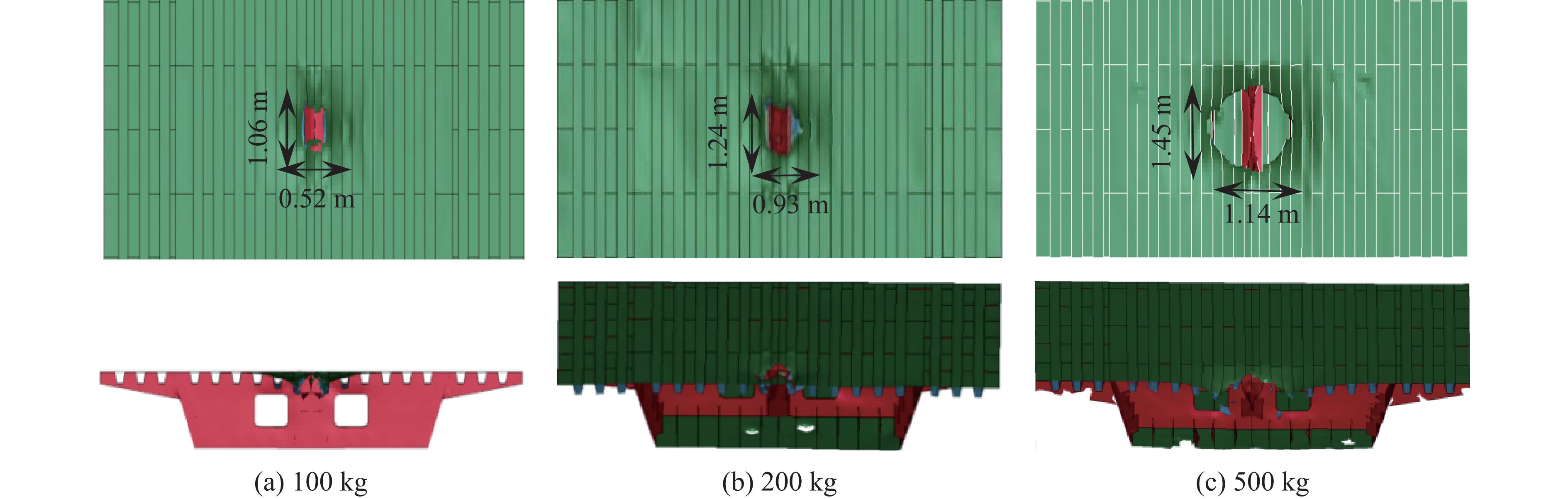
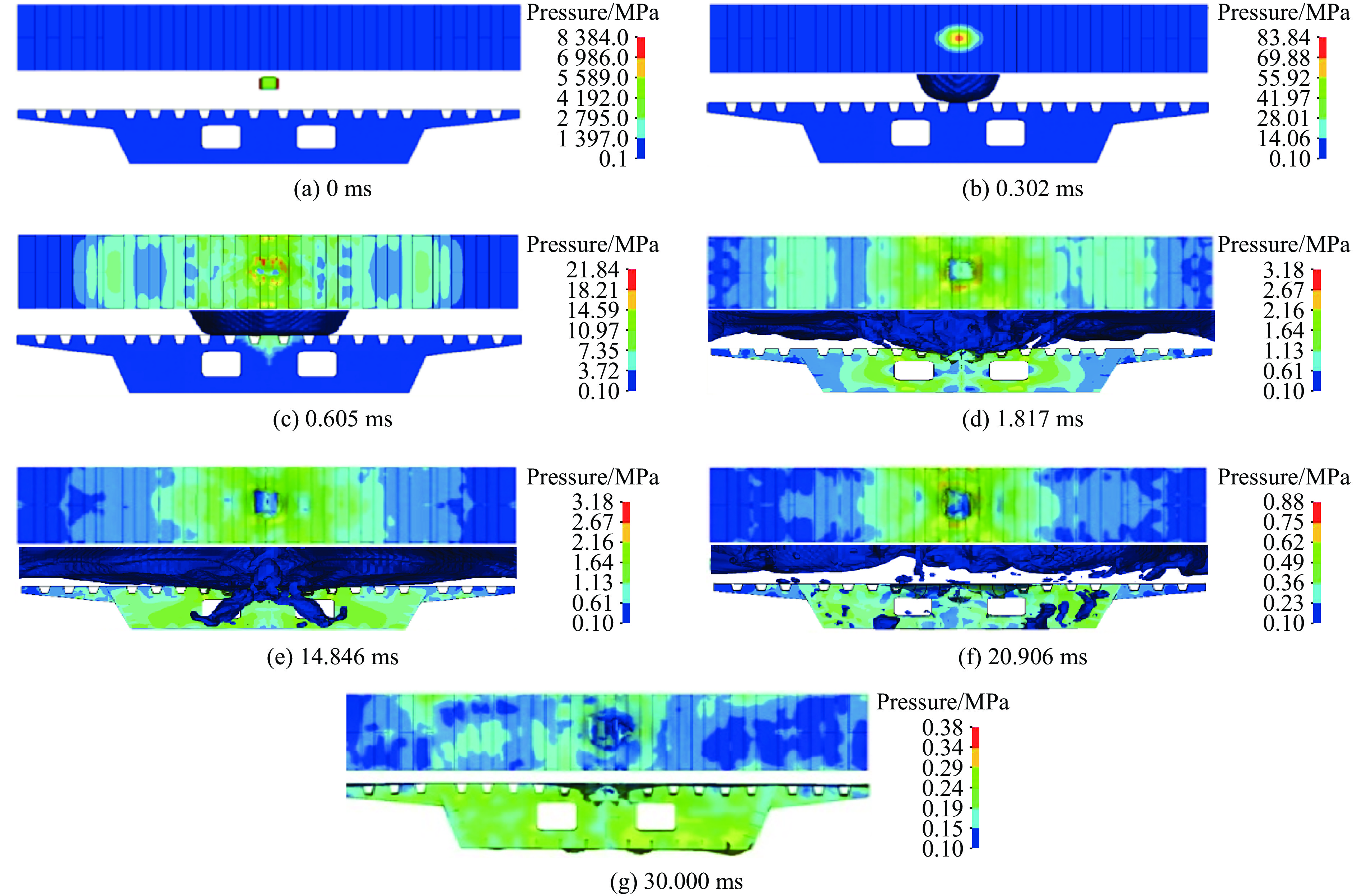
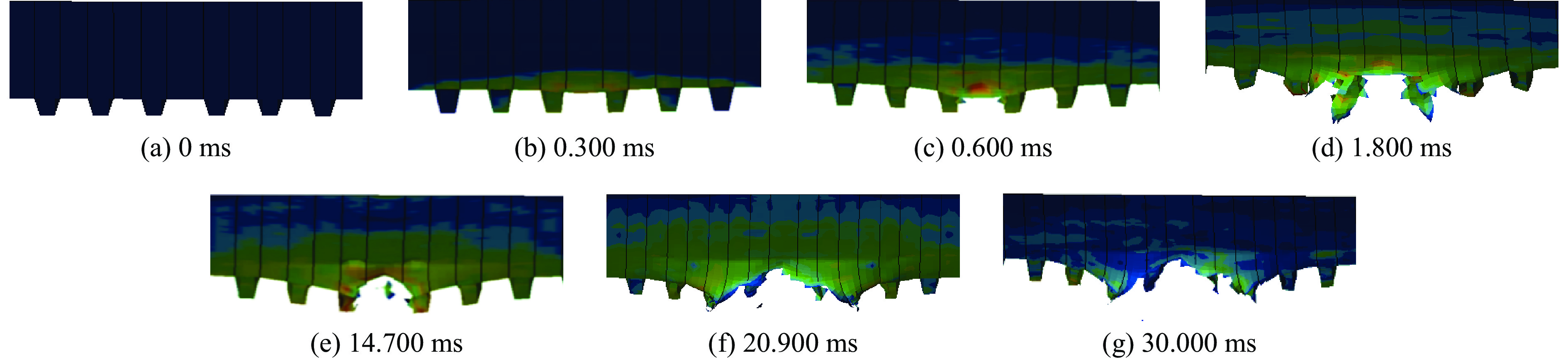
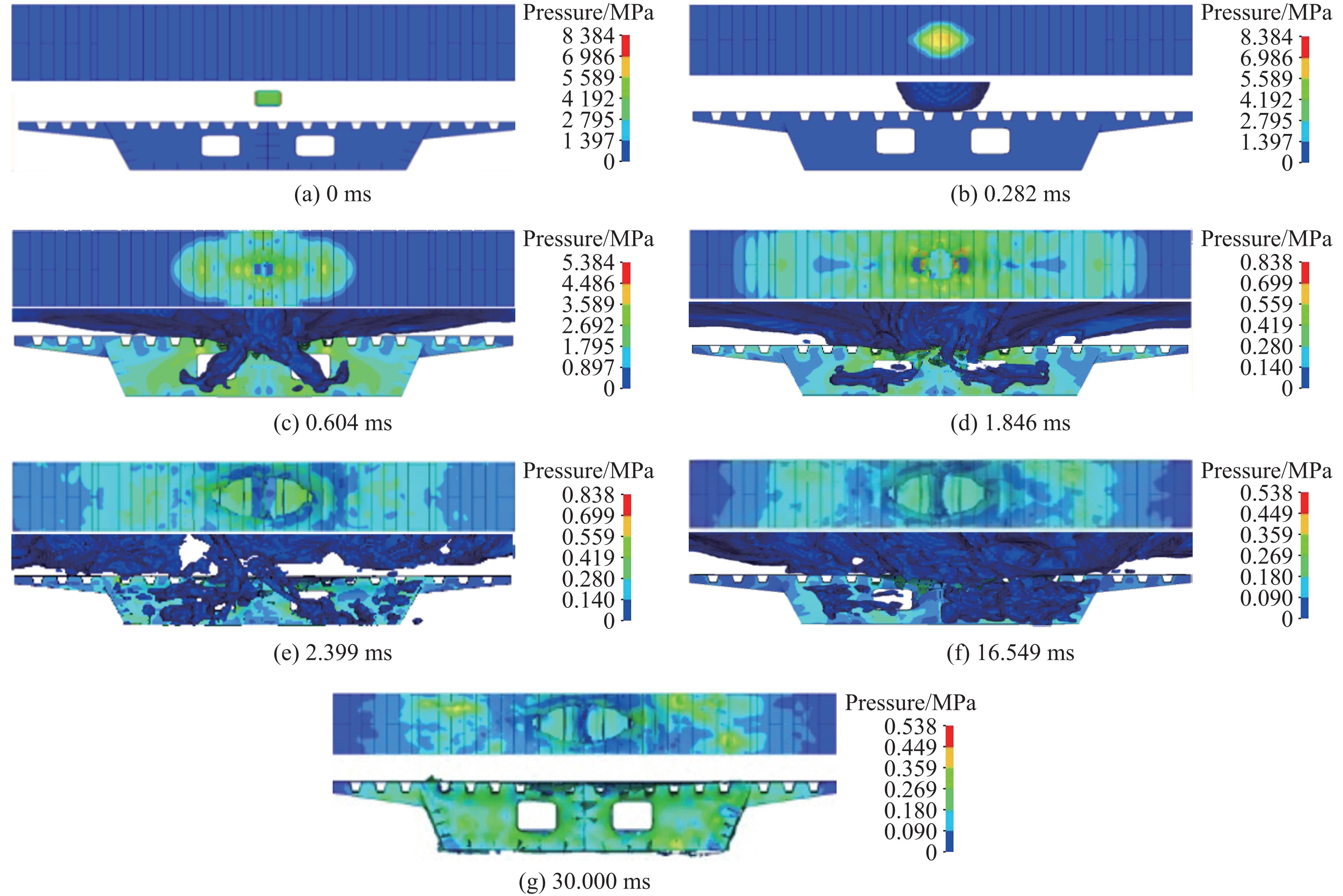
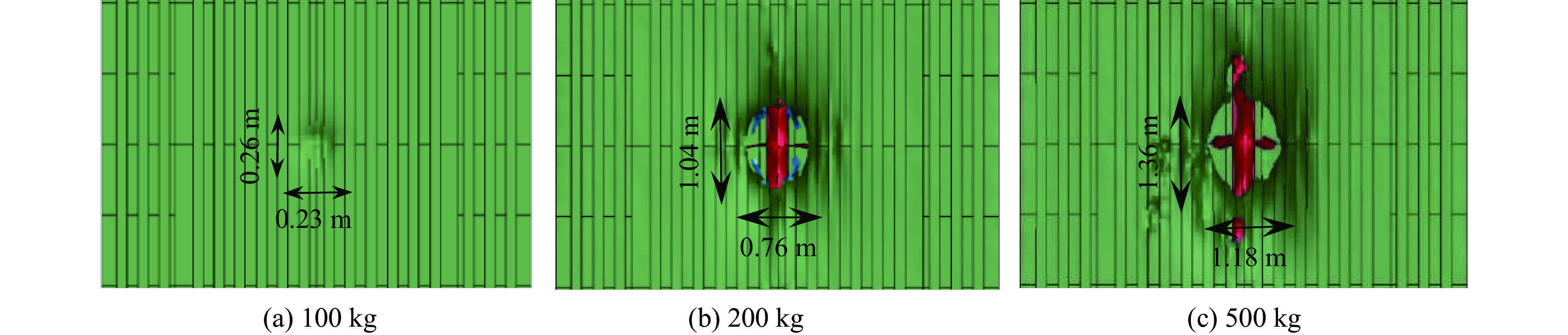
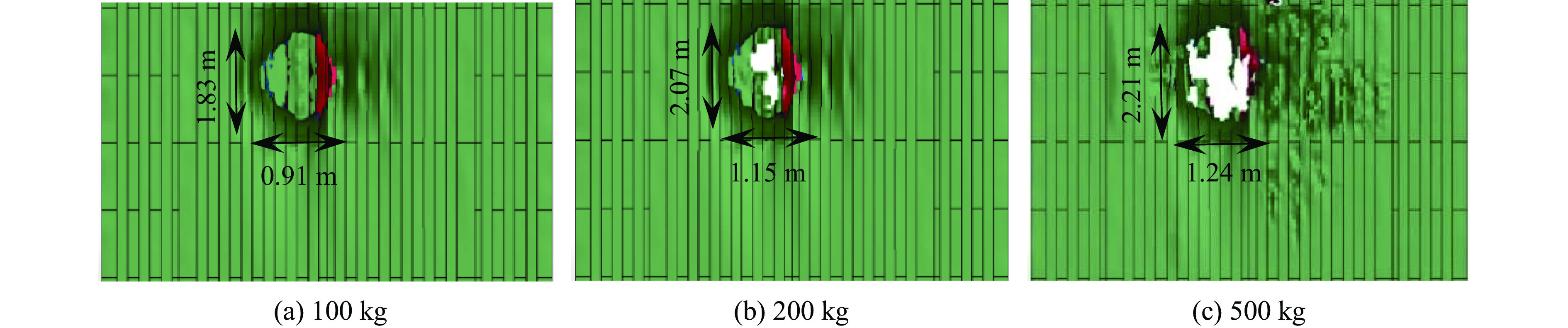
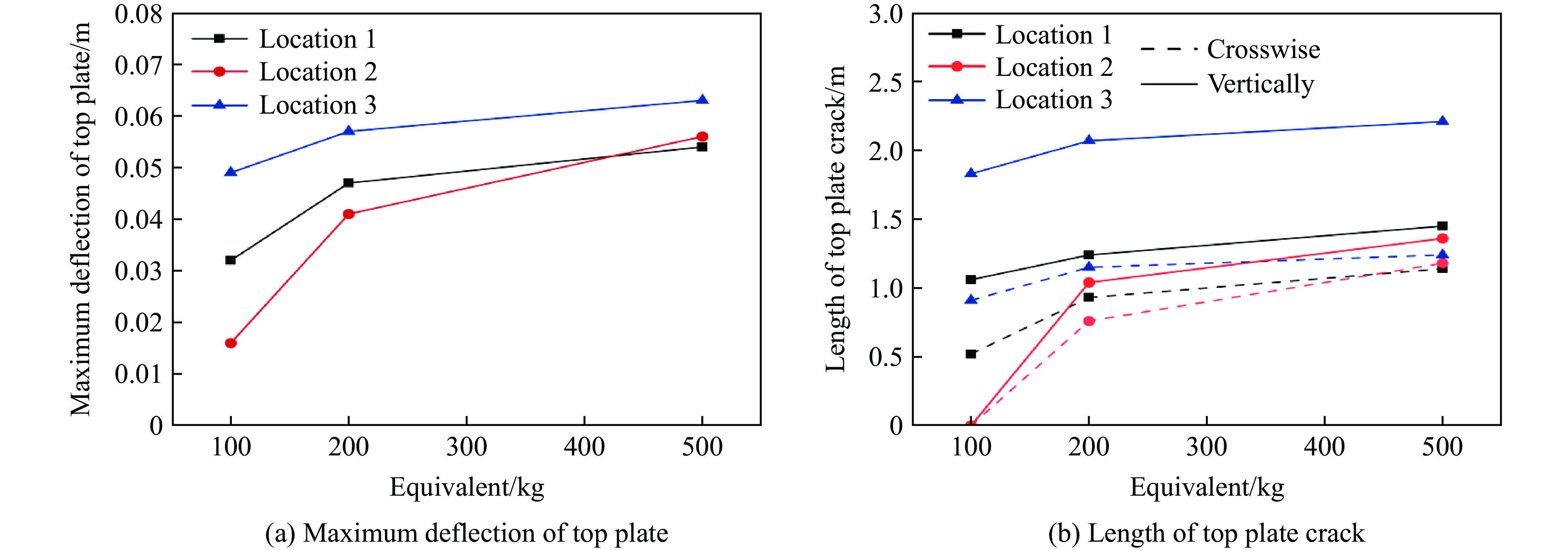
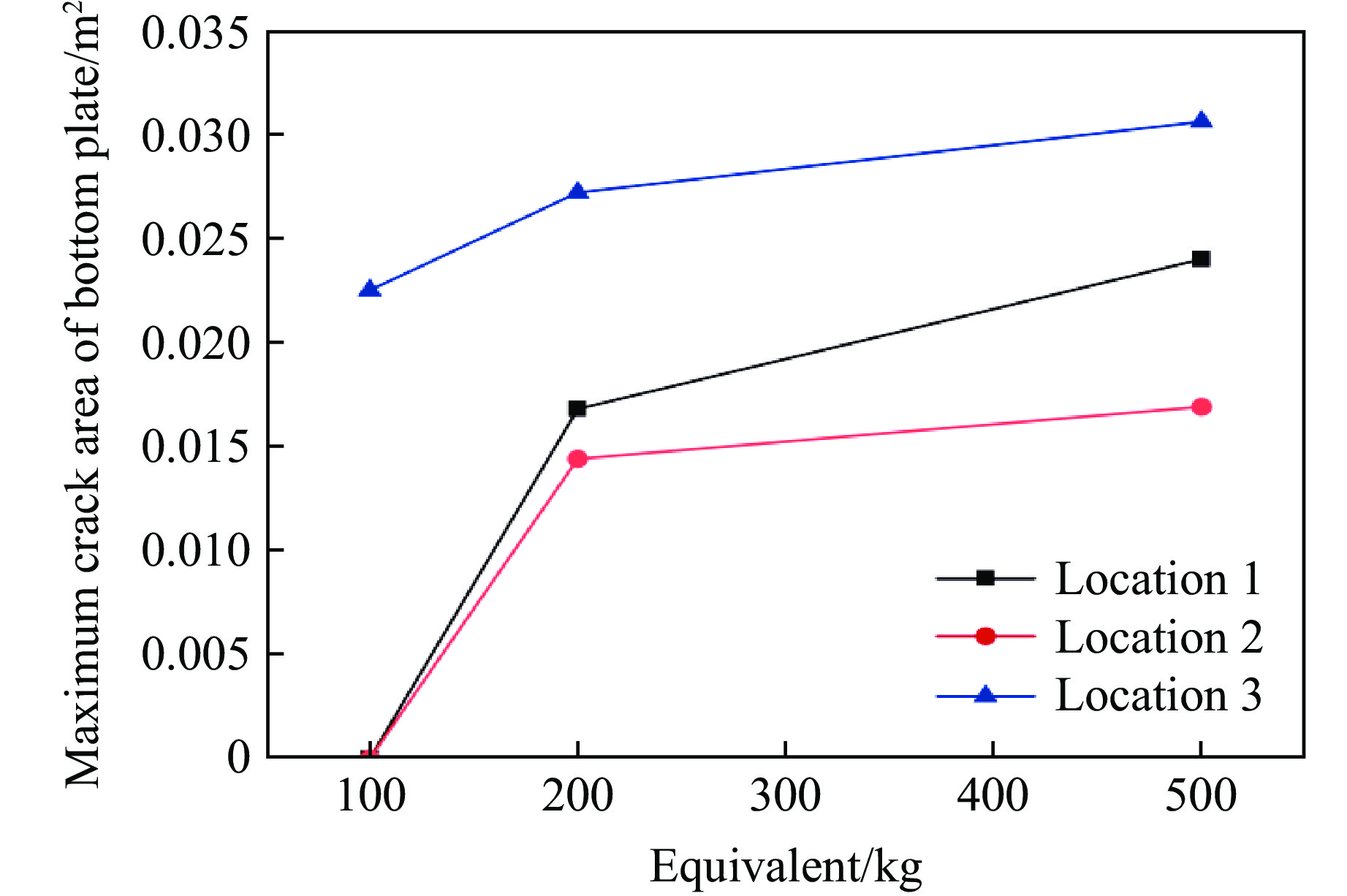
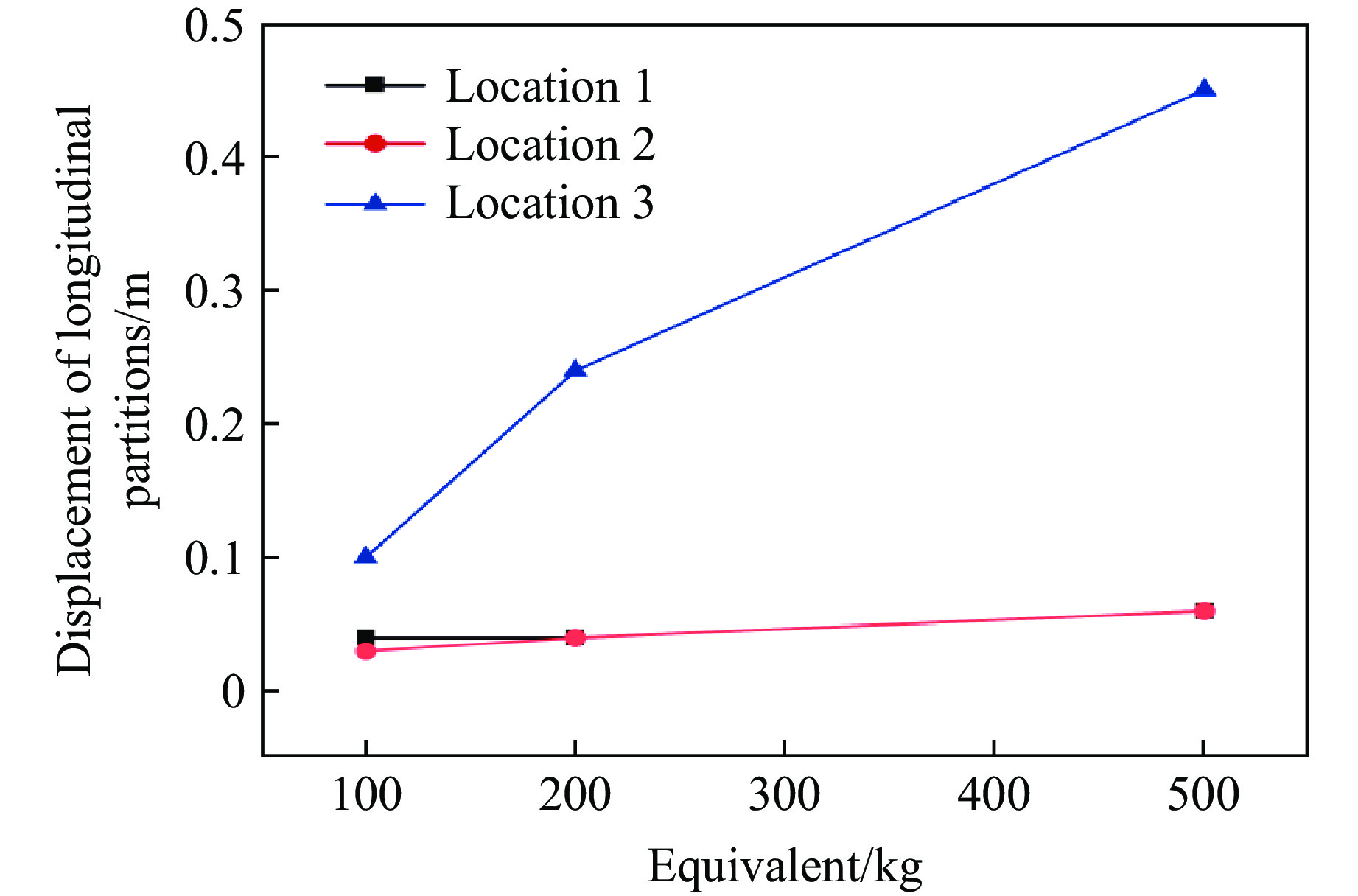
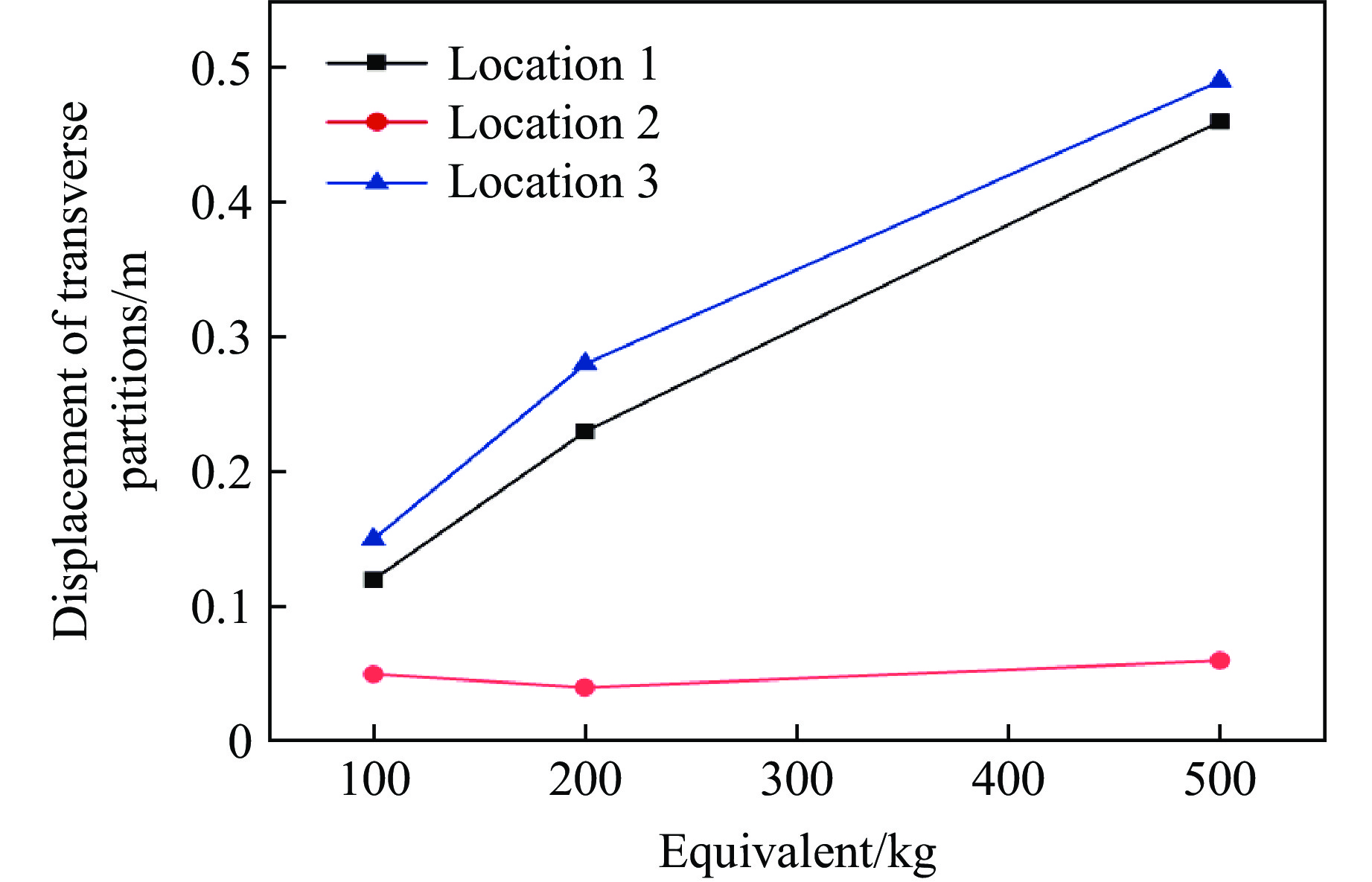
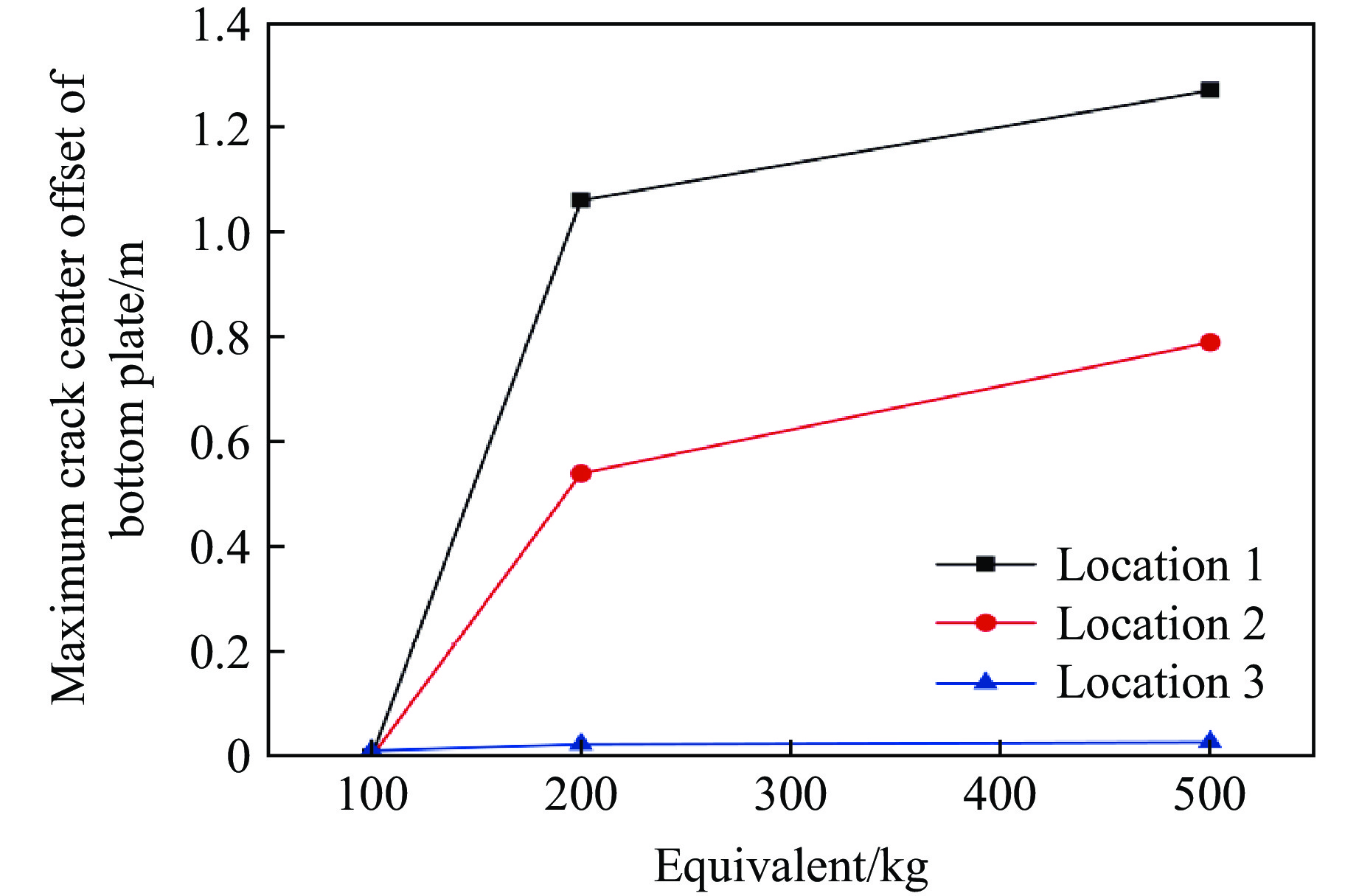
To study the damage characteristics of simply supported steel box girder bridges under near-field explosive loading, software LS-DYNA was used to establish the finite element model. Numerical validation was carried out for the steel box girder scale model, and the reliability of the numerical simulation method was verified. Damage simulation was carried out to explore the damage characteristics of the steel box girder bridge with different explosion loading cases and locations. The results show mainly local damage of simply supported steel box girder bridge under near-field explosive loading, and is mainly manifested as top plate failure, bottom plate failure and partitions deformation and failure. The top plate is the most serious failureis, which is affected by the direct impact of the explosion loading. The explosion location exerts a dominant effect on the failure of the bridge, and the failure area of the top plate at the location without diaphragm restraint is increased by 50%−70% compared with that at the location with single or both transverse and longitudinal diaphragm. Moreover, the stiffening ribs on the longitudinal diaphragm will reflect the shock wave, result in shift of the bottom plate crack. The maximum crack center shift is 0.5−1.5 m in 500 kg with the increase of TNT equivalent. Therefore, the protective effect of the diaphragm and the stiffening ribs is criticle for steel box grider bridges design.