

2025 Vol. 39, No. 9

cover
2025, 39(9)
PDF (23)
Abstract:

2025, 39(9): 1-2.
Abstract:

Cover Feature
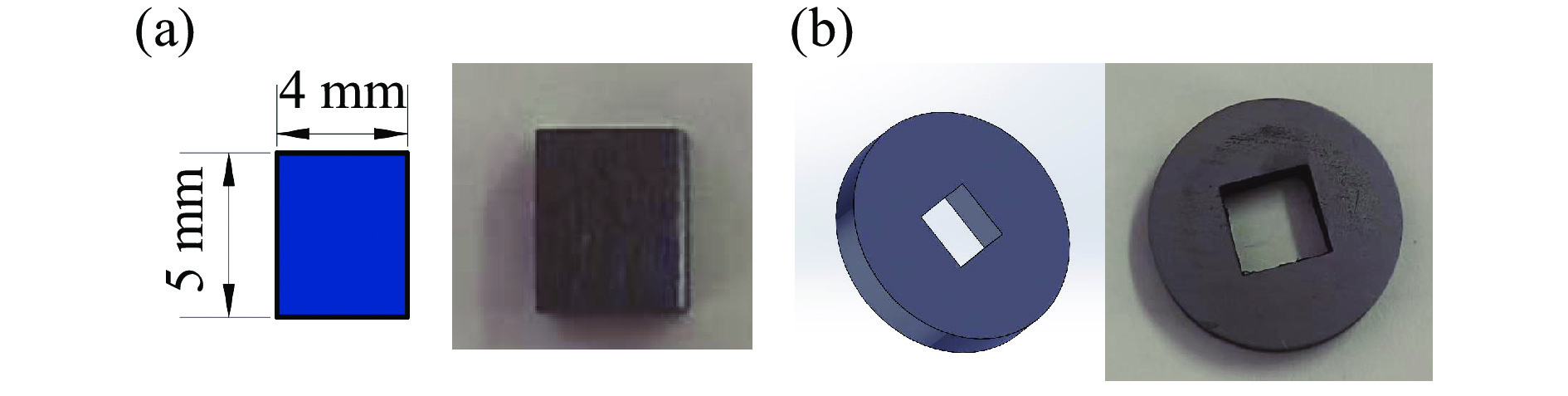
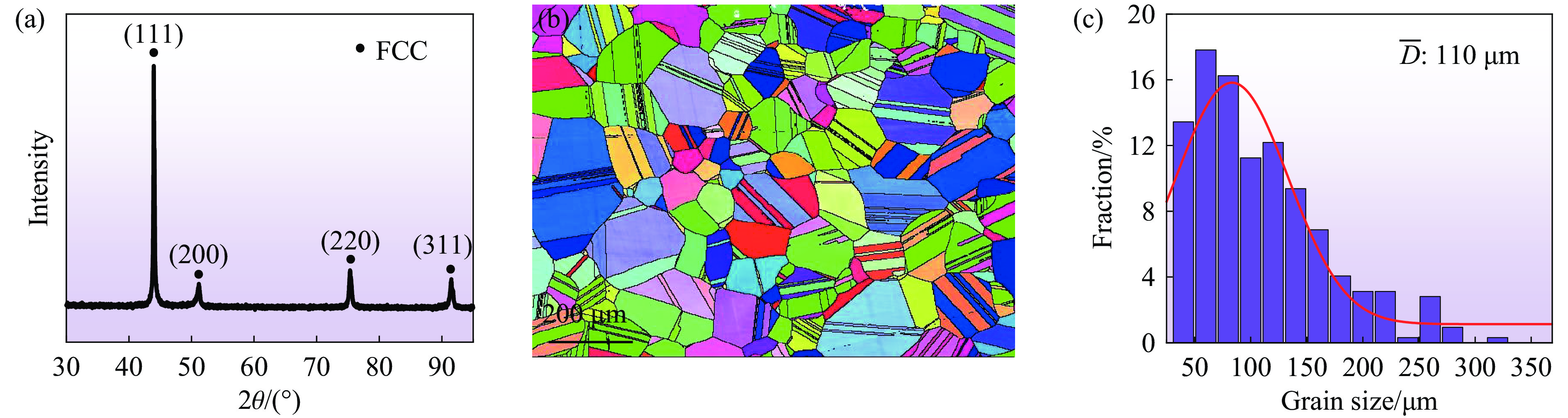
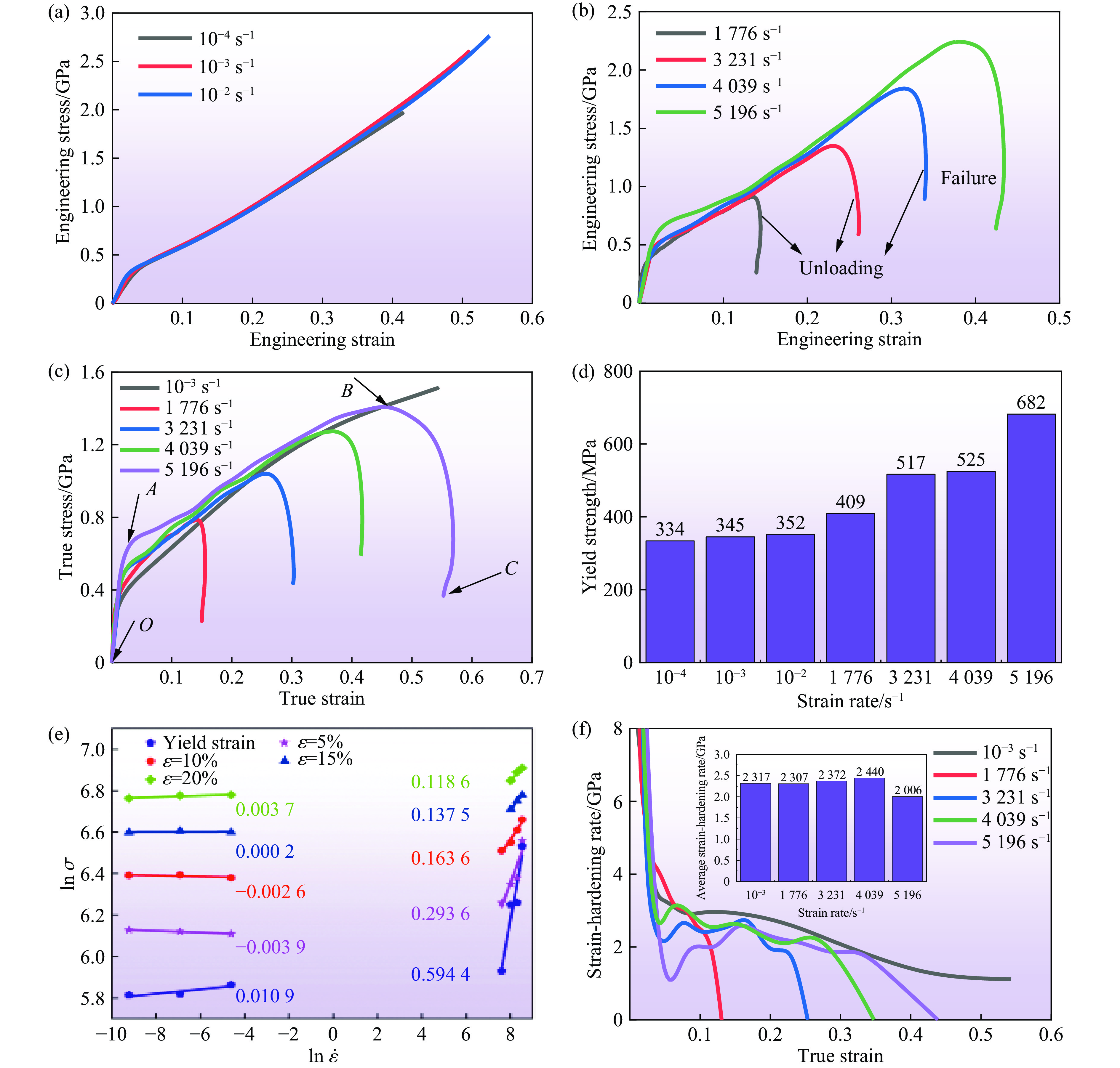
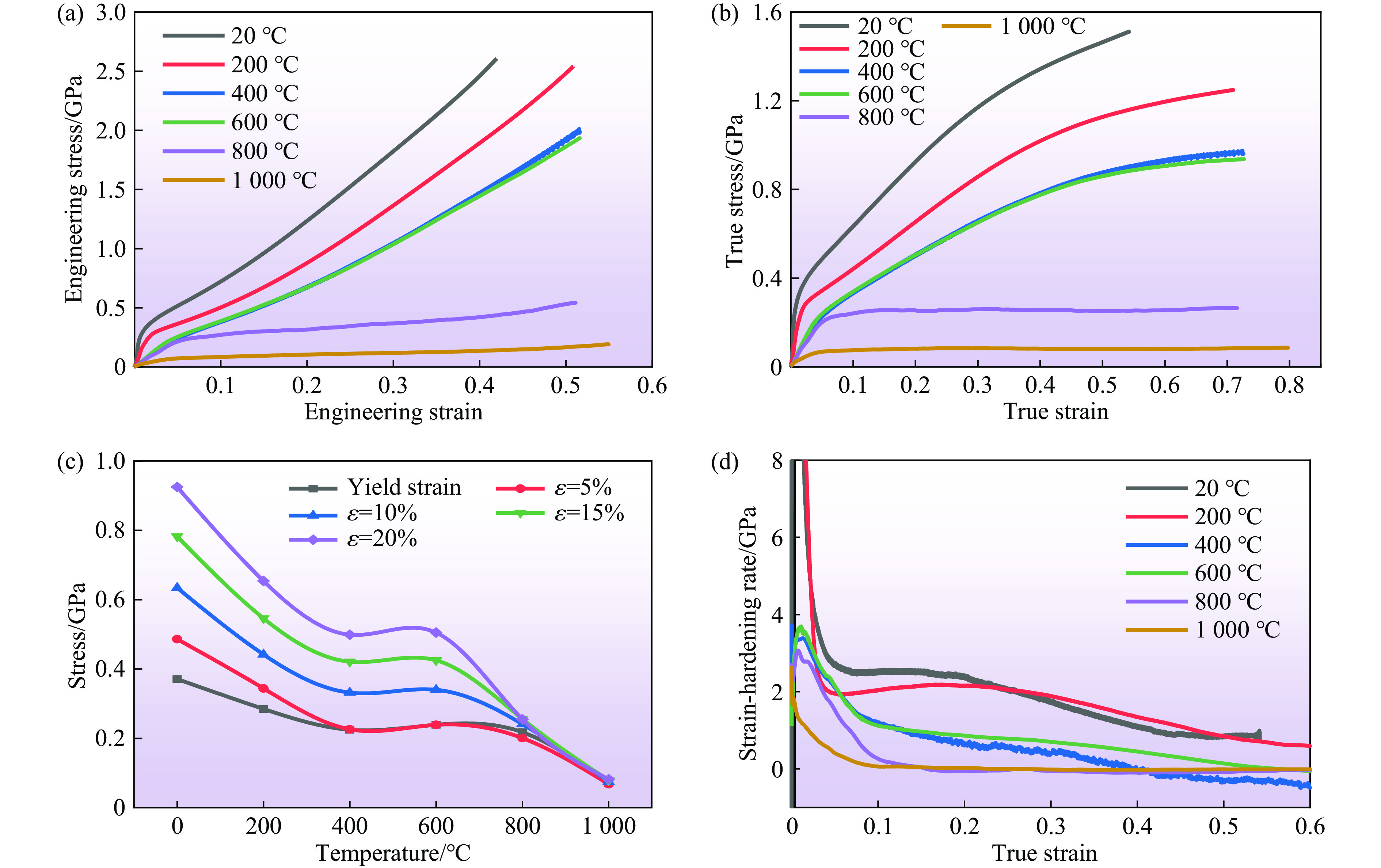
The Rate-Temperature Dependent Compressive Mechanical Behavior and Deformation Mechanism of CrCoNiSi0.3 Medium Entropy Alloy
GAO Linyu, DU Shiyu, CHANG Hui, ZHANG Tuanwei, WANG Zhihua
2025, 39(9): 090101. doi: 10.11858/gywlxb.20251047
HTML PDF (102)
Abstract:

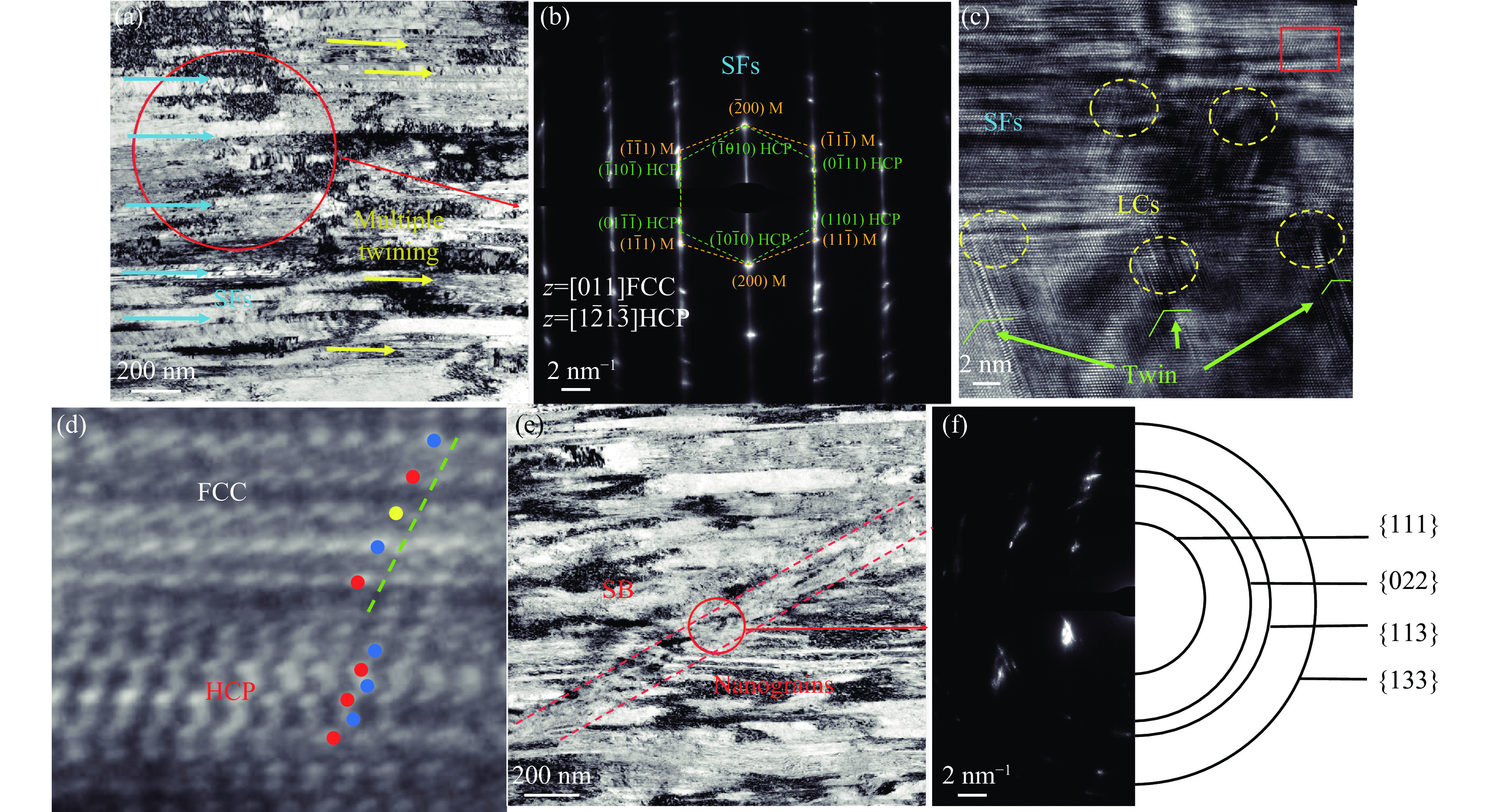
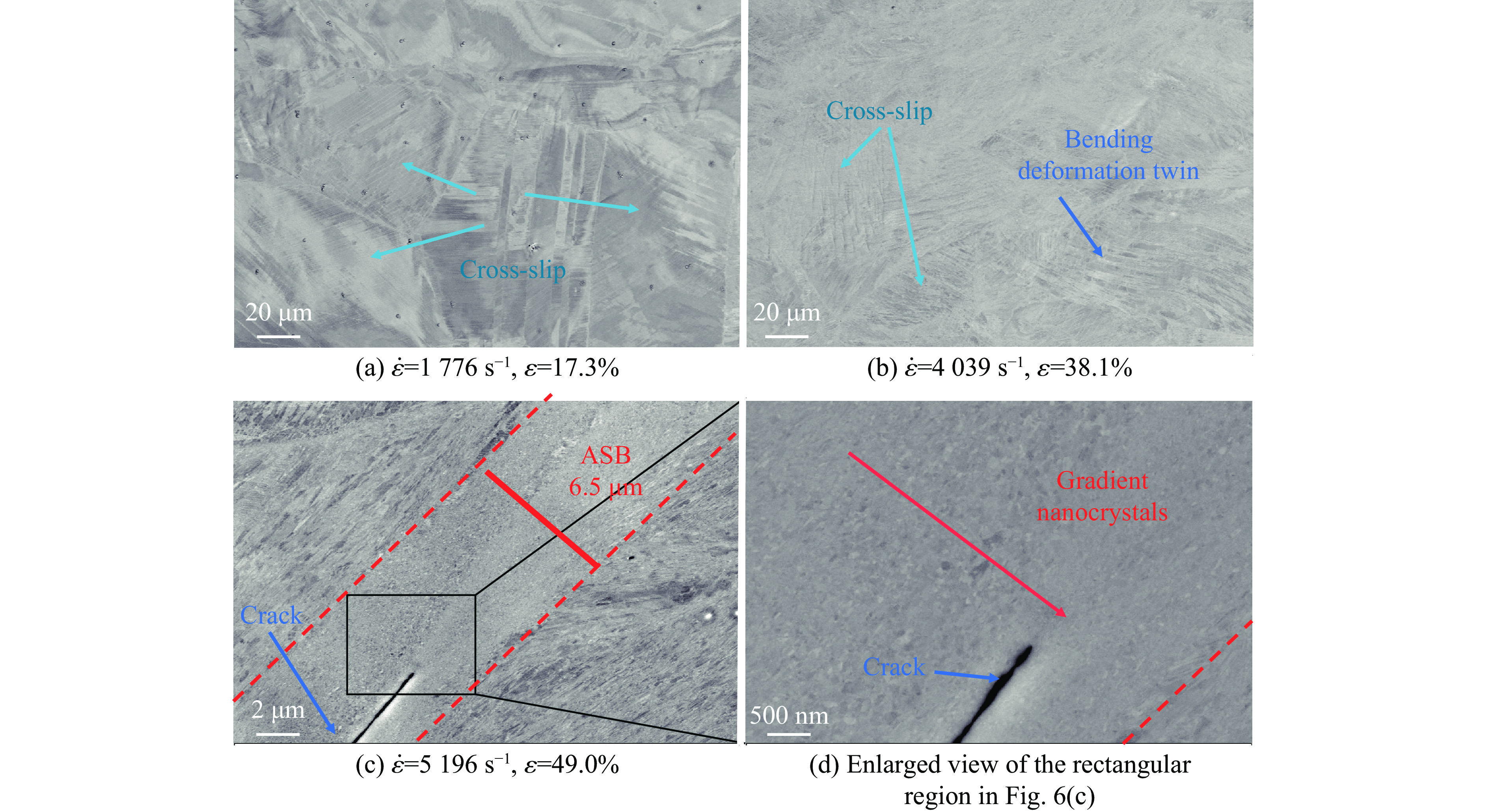
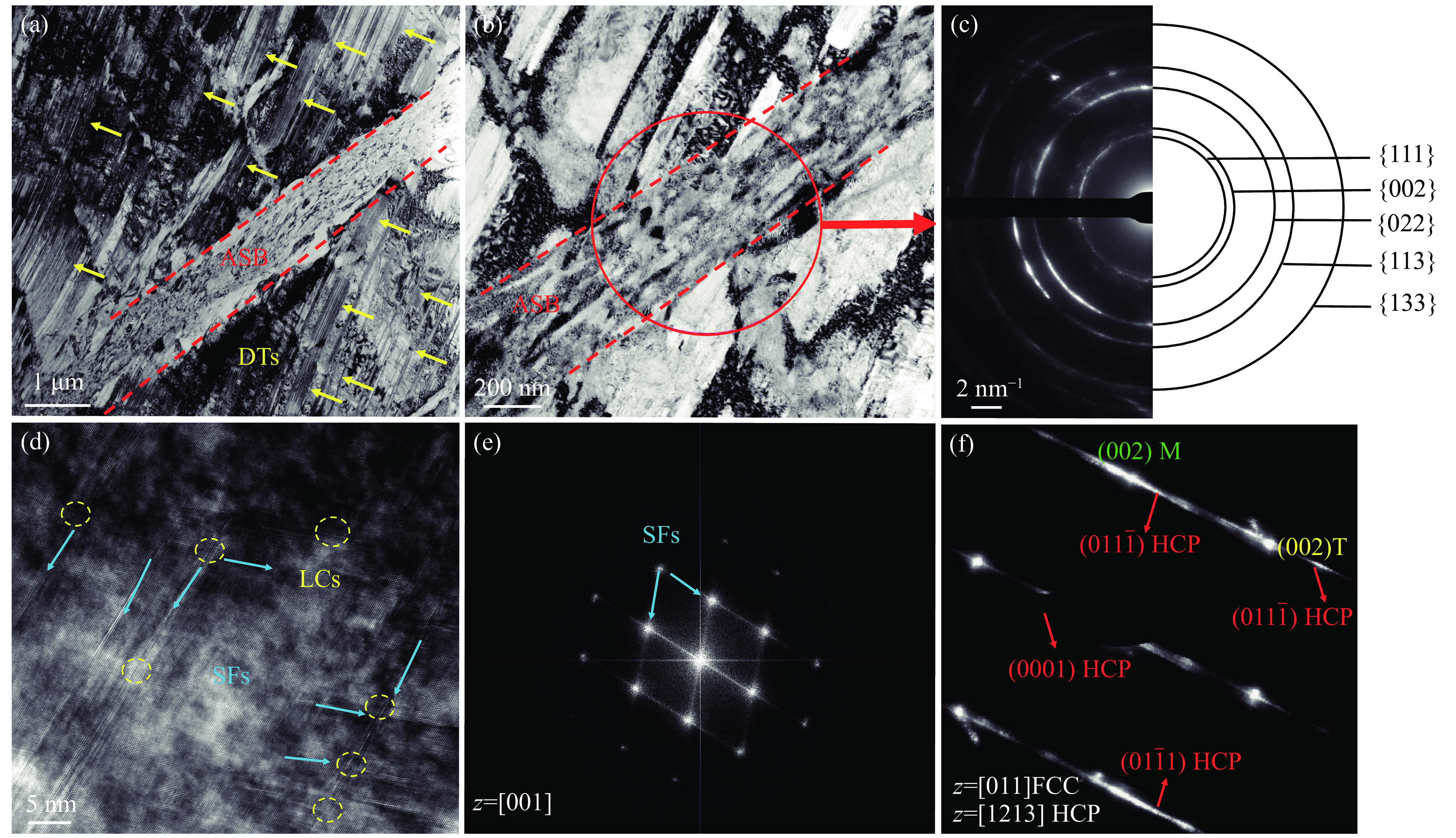
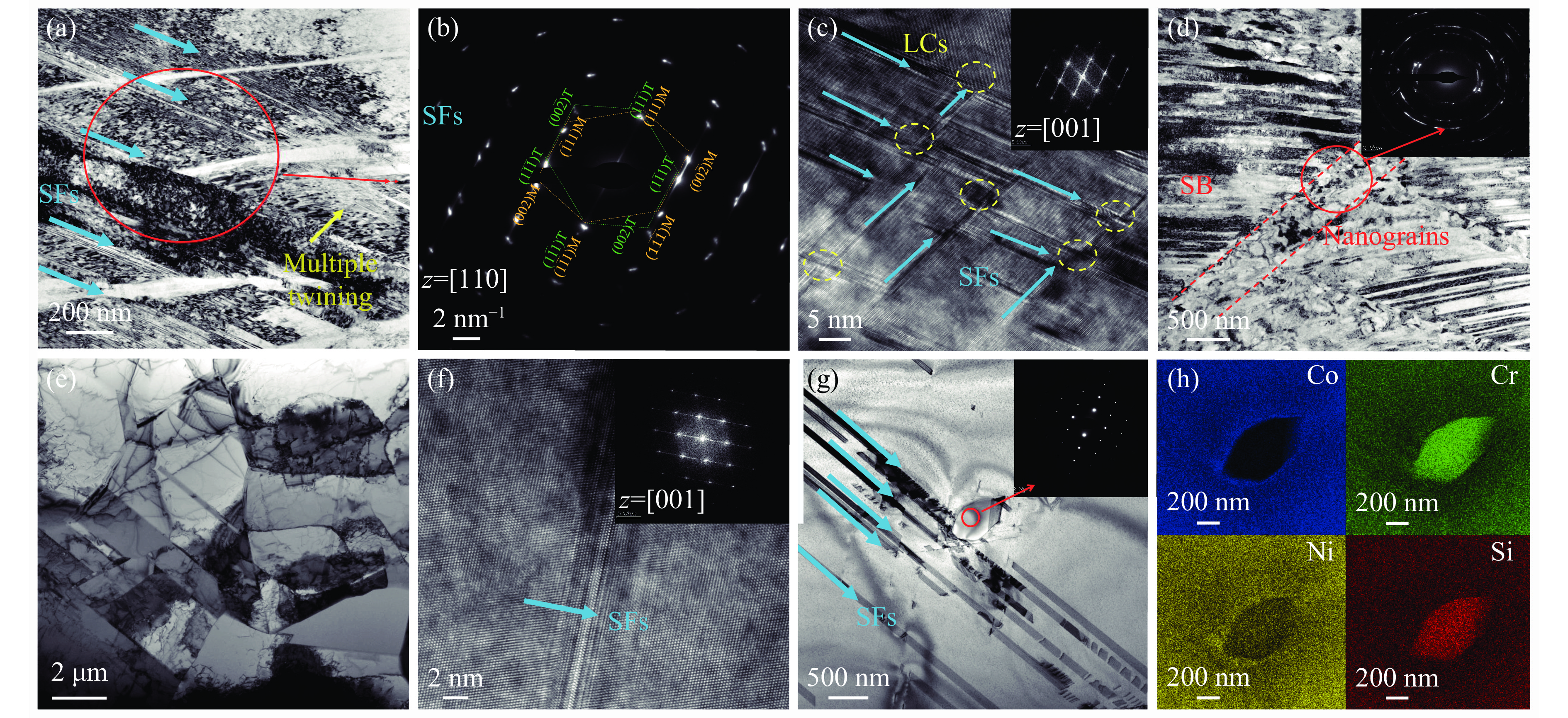
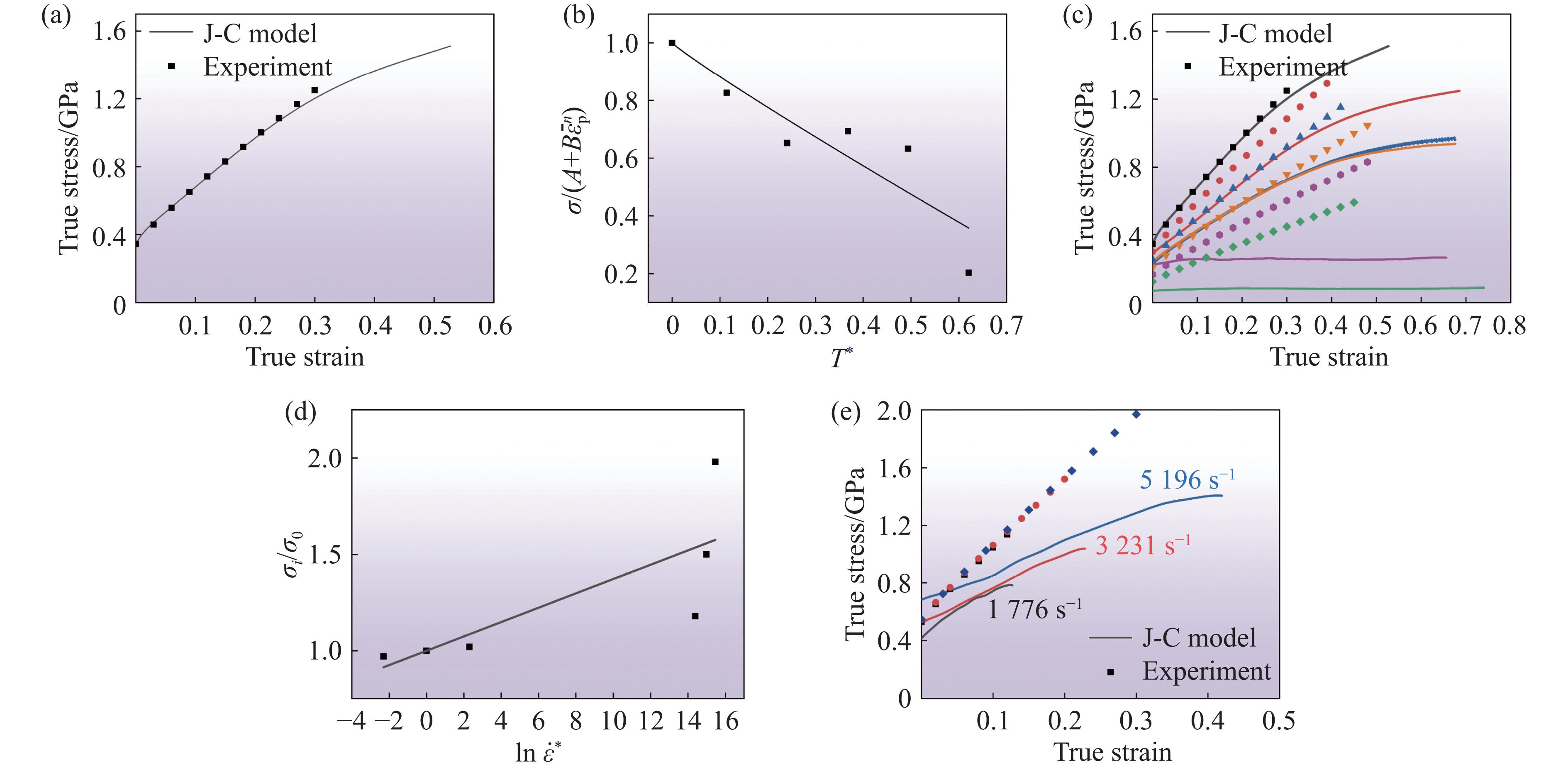
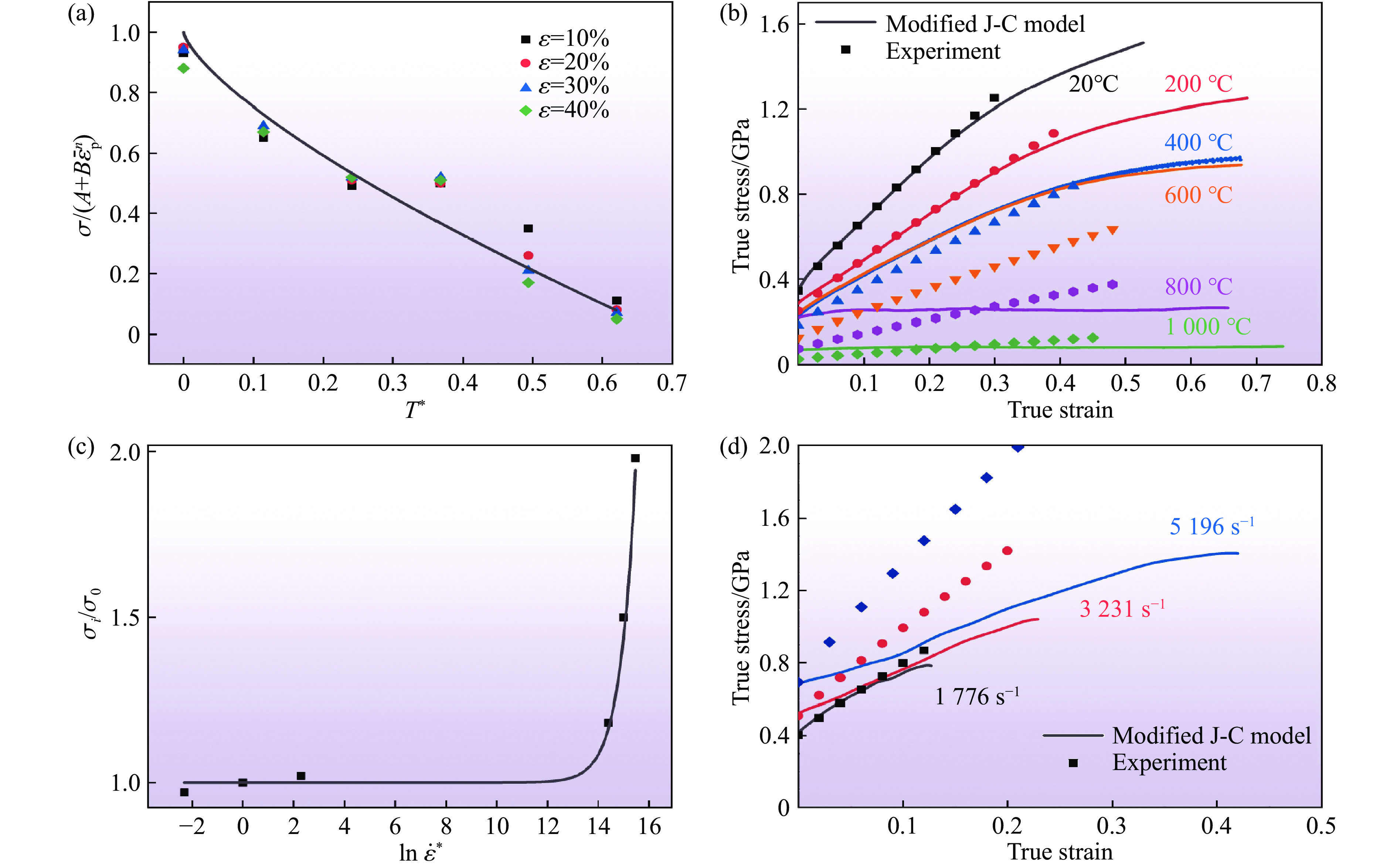
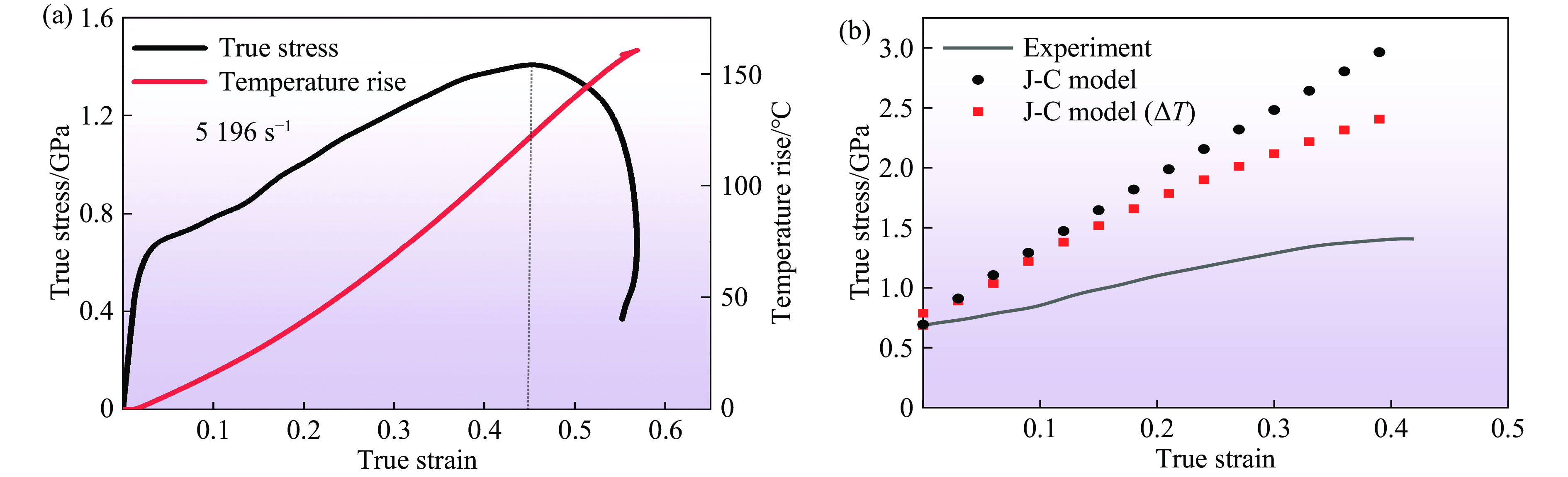
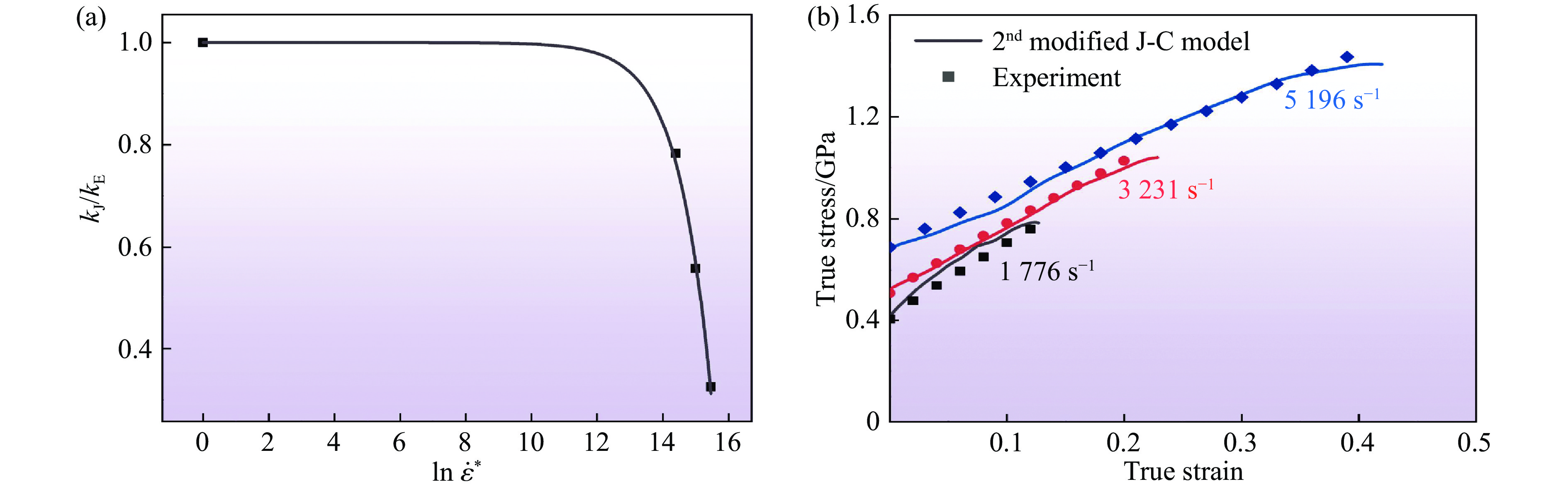
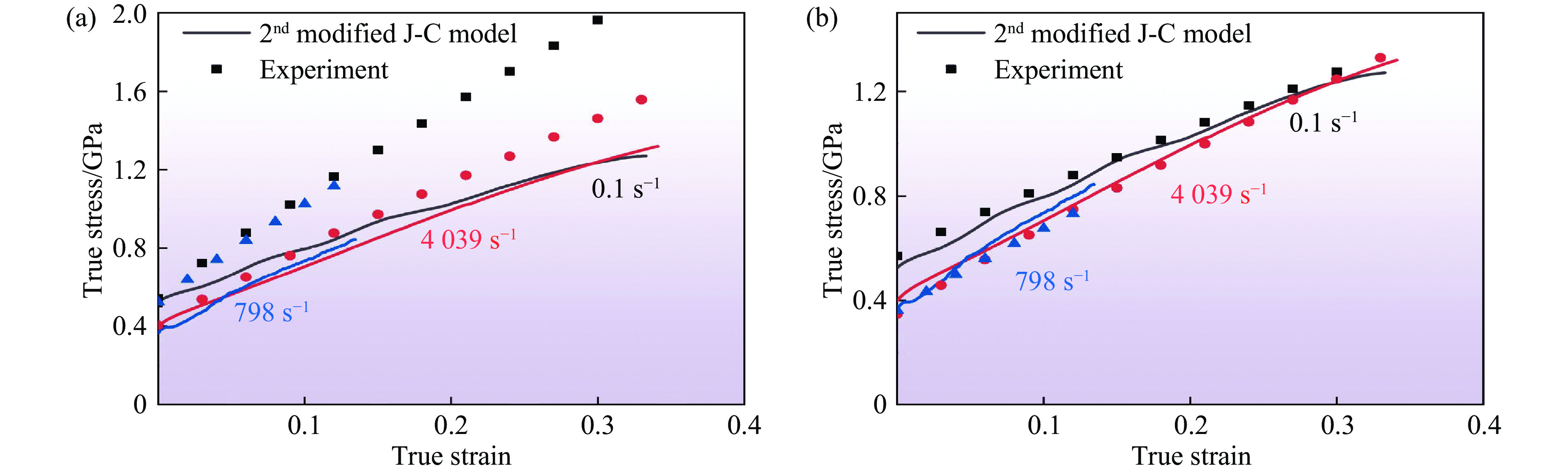
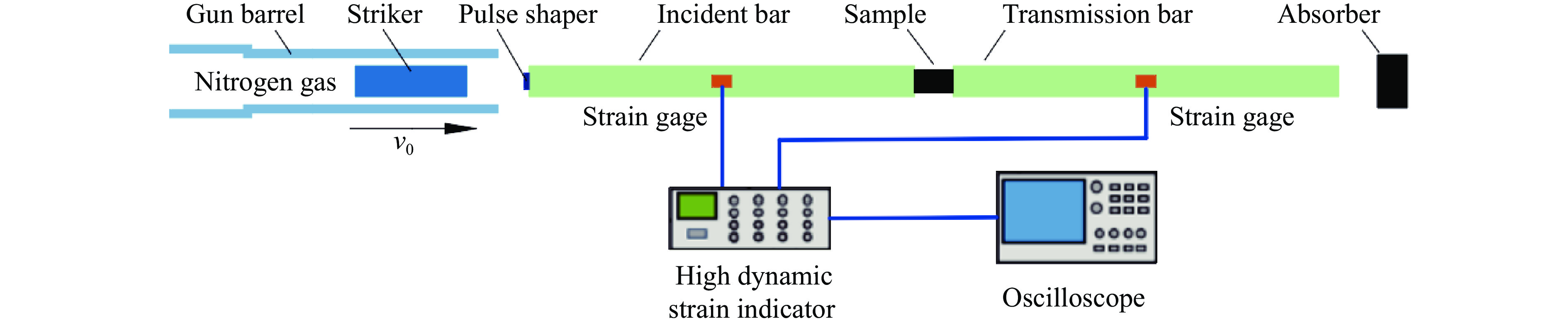
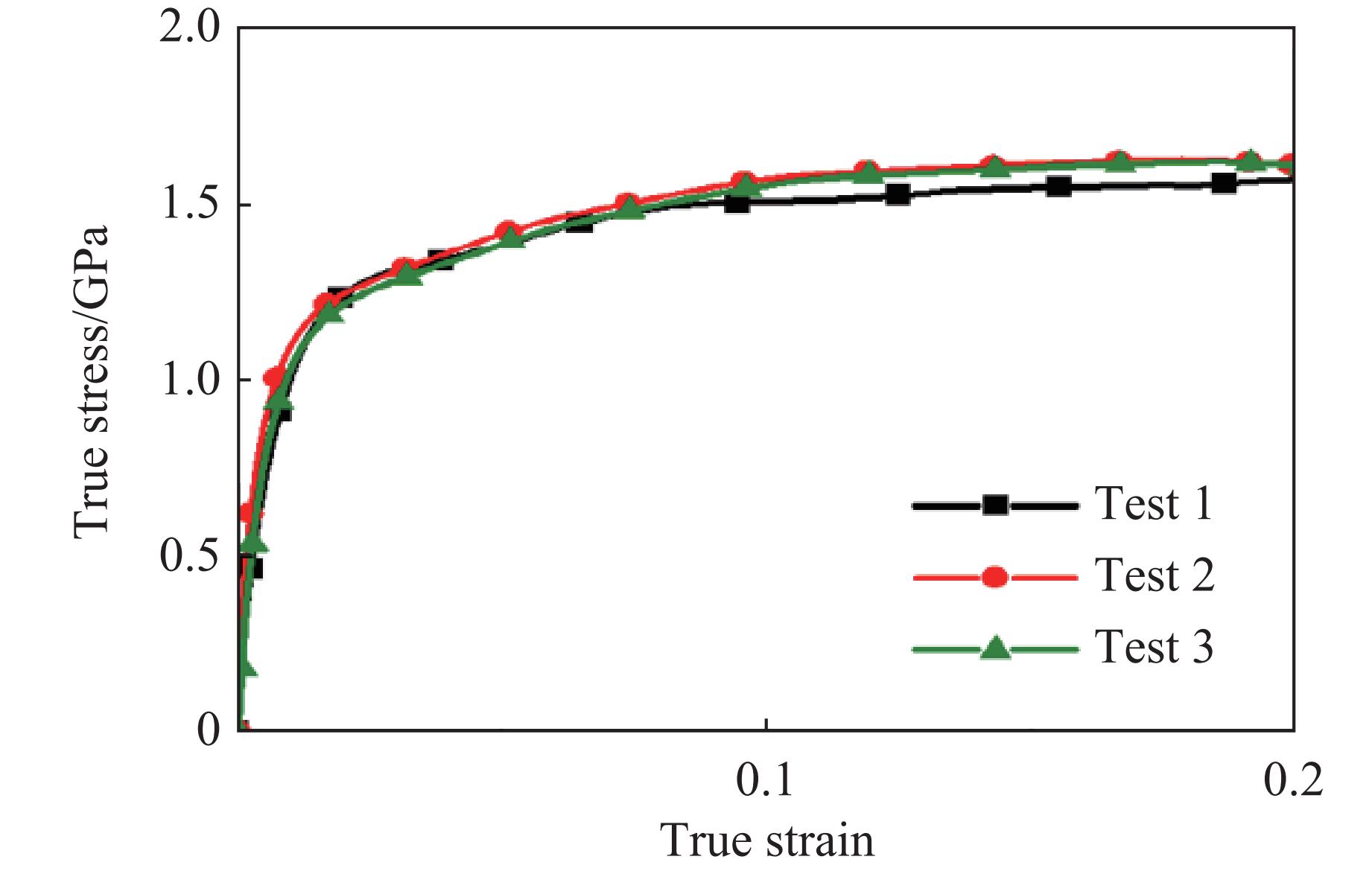
The CrCoNiSi0.3 medium entropy alloy exhibits excellent synergistic mechanical behavior of strength and toughness under quasi-static loading. However, the influences of temperature and strain rate on the mechanical behavior of the alloy urgently need to be studied. Through the split Hopkinson pressure bar (SHPB), dynamic compression experiments at room temperature (20 ℃) with strain rates ranging from 1776 s−1 to 5196 s−1 and quasi-static compression experiments at high temperatures (from 20 ℃ to 1000 ℃) were carried out on the CrCoNiSi0.3 medium entropy alloy. The strain rate and temperature-dependent mechanical behavior and deformation mechanism of the CrCoNiSi0.3 medium entropy alloy were systematically investigated. The results show that under dynamic loading, the yield strength of the CrCoNiSi0.3 medium entropy alloy increases with the increase of the strain rate, exhibiting a high strain rate sensitivity. This is attributed to the comprehensive mechanism of stacking faults, deformation twins, and the phase transformation from face-centered cubic to hexagonal close packed, which increase as the strain rate increases. The average work hardening rate increases slightly at first with the increase of the strain rate. When the strain rate reaches about 5196 s−1, the average work hardening rate decreases due to the formation of shear bands. As the temperature rises, the compressive yield stress and work hardening ability of the alloy gradually decrease. However, there is still no work softening phenomenon at a temperature of 1000 ℃. Due to the high density of stacking faults and dislocation locks in the alloy at 600 ℃, it shows almost the same yield strength and flow stress as at 400 ℃. Aiming at the mechanical behavior that the strain hardening shows a decrease with the increase of the strain rate, a strain hardening function was introduced into the model, and a modified Johnson-Cook constitutive model was established, which can predict the mechanical behavior of the CrCoNiSi0.3 medium entropy alloy quite well.

Invited Article and General Review
Research Progress in Multi-Boron-Carbon-Based High-Temperature Superconductors under High Pressures
JIA Xinrui, LIU Ailing, ZHONG Xin, LIU Hanyu
2025, 39(9): 090201. doi: 10.11858/gywlxb.20251074
HTML PDF (108)
Abstract:

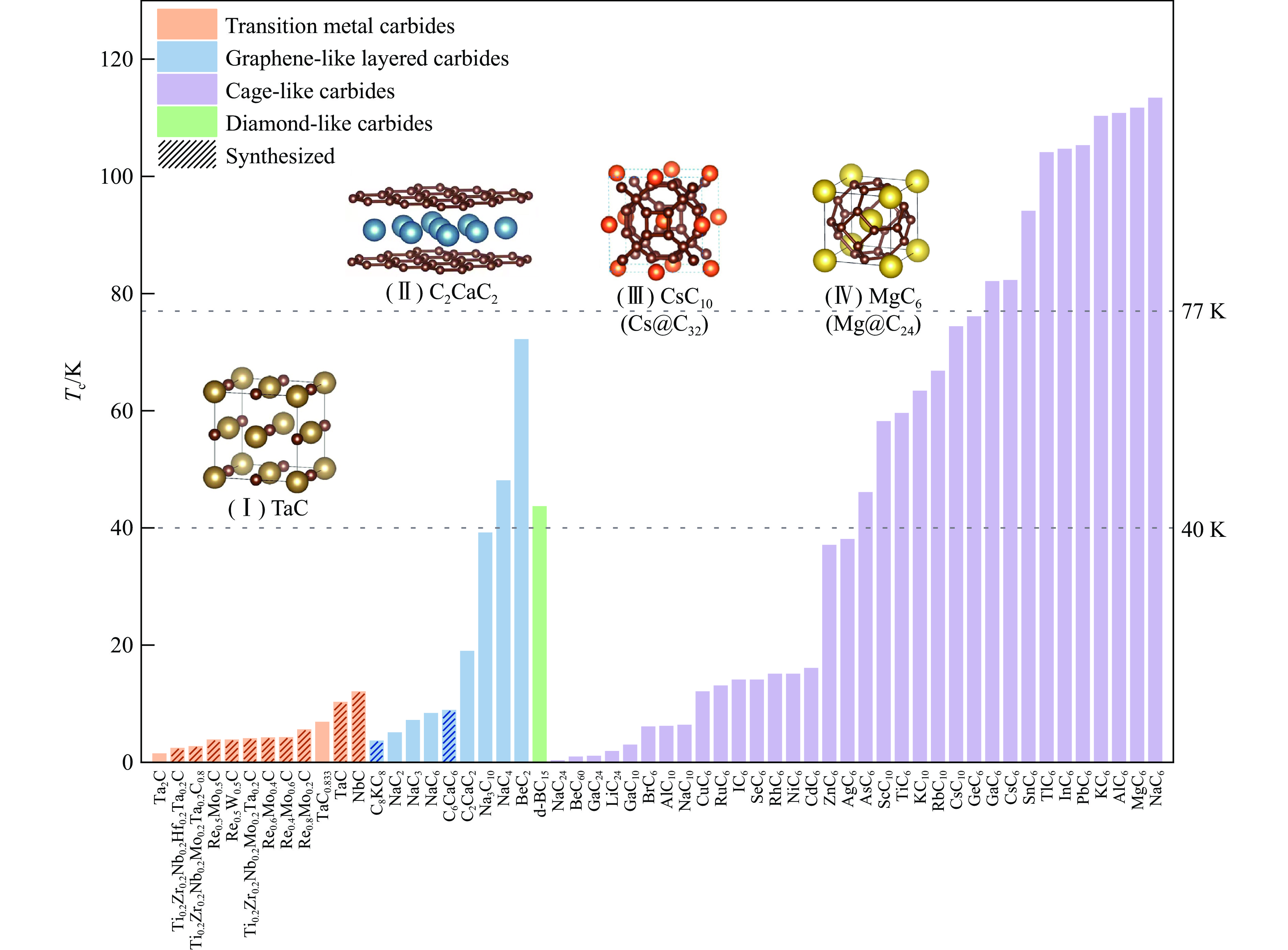
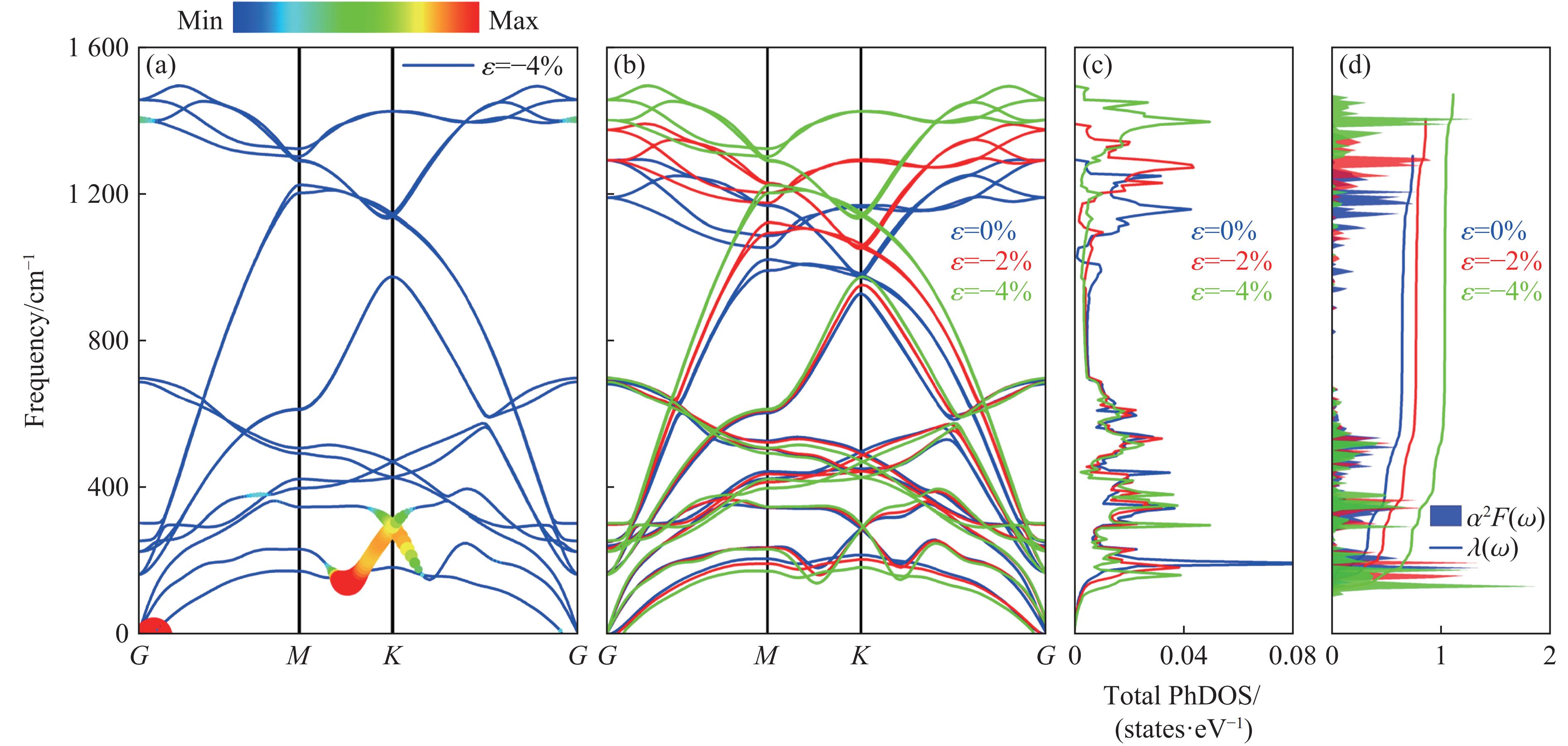
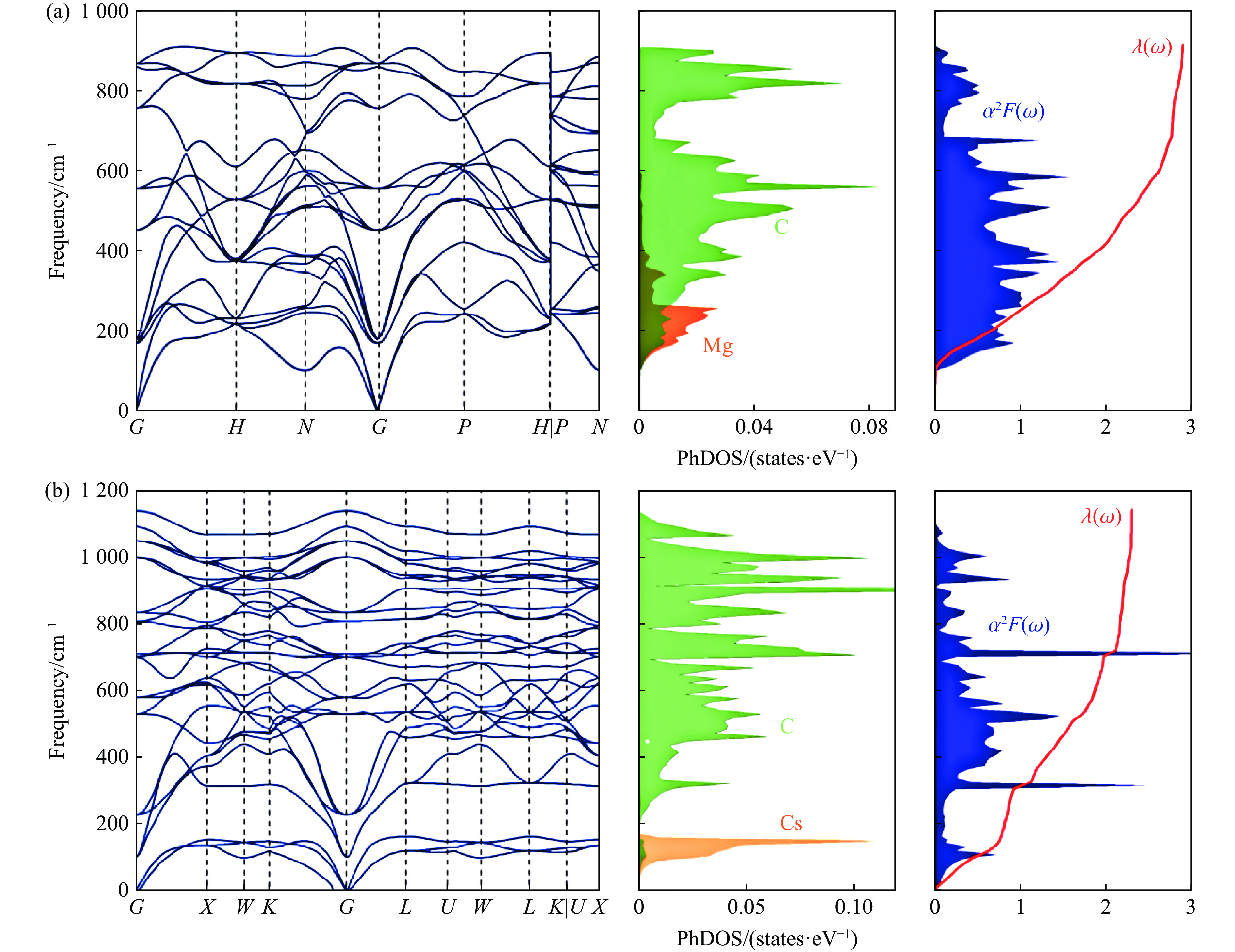
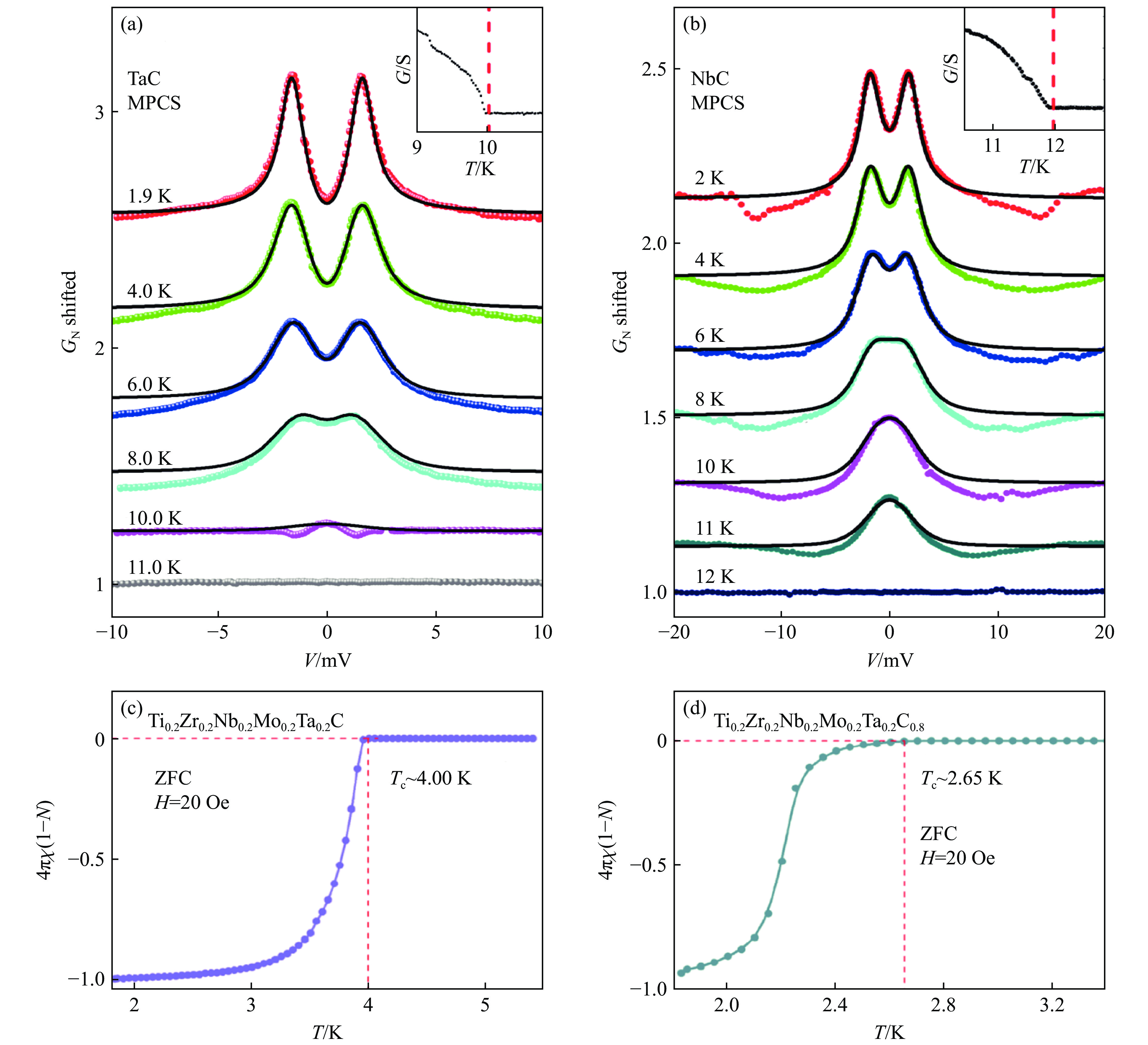
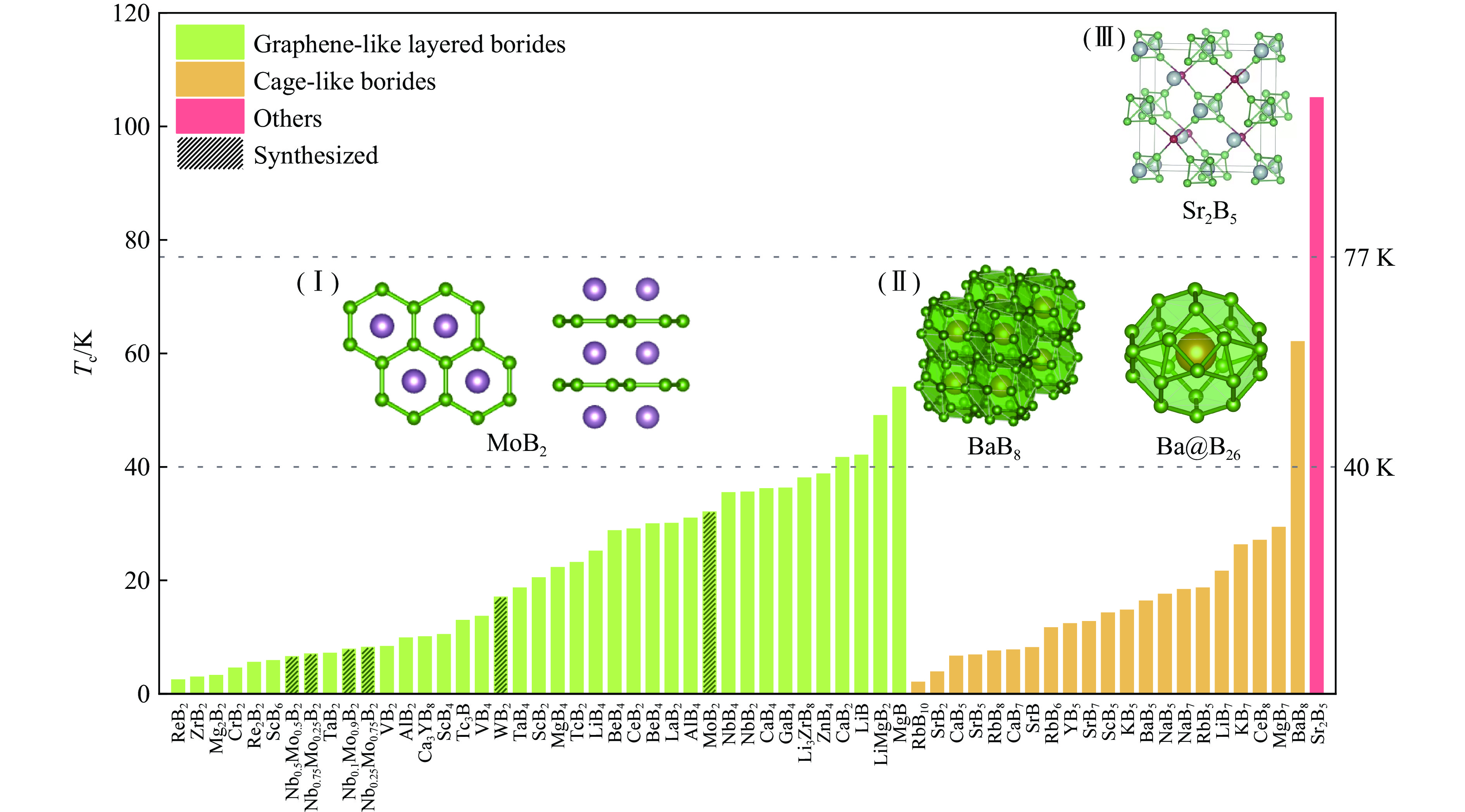
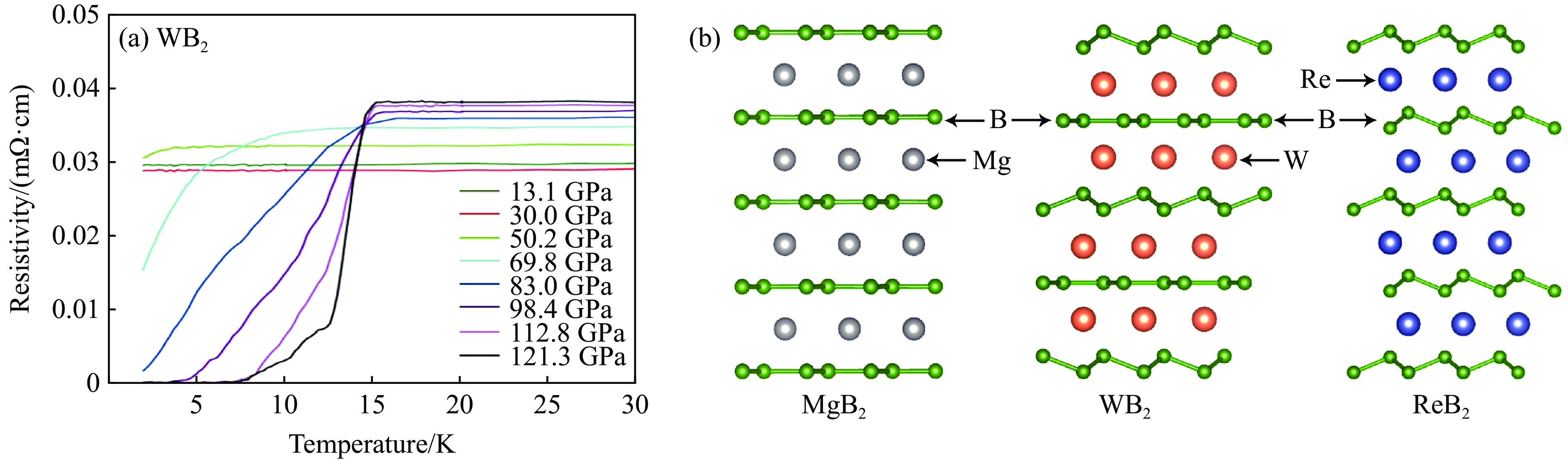
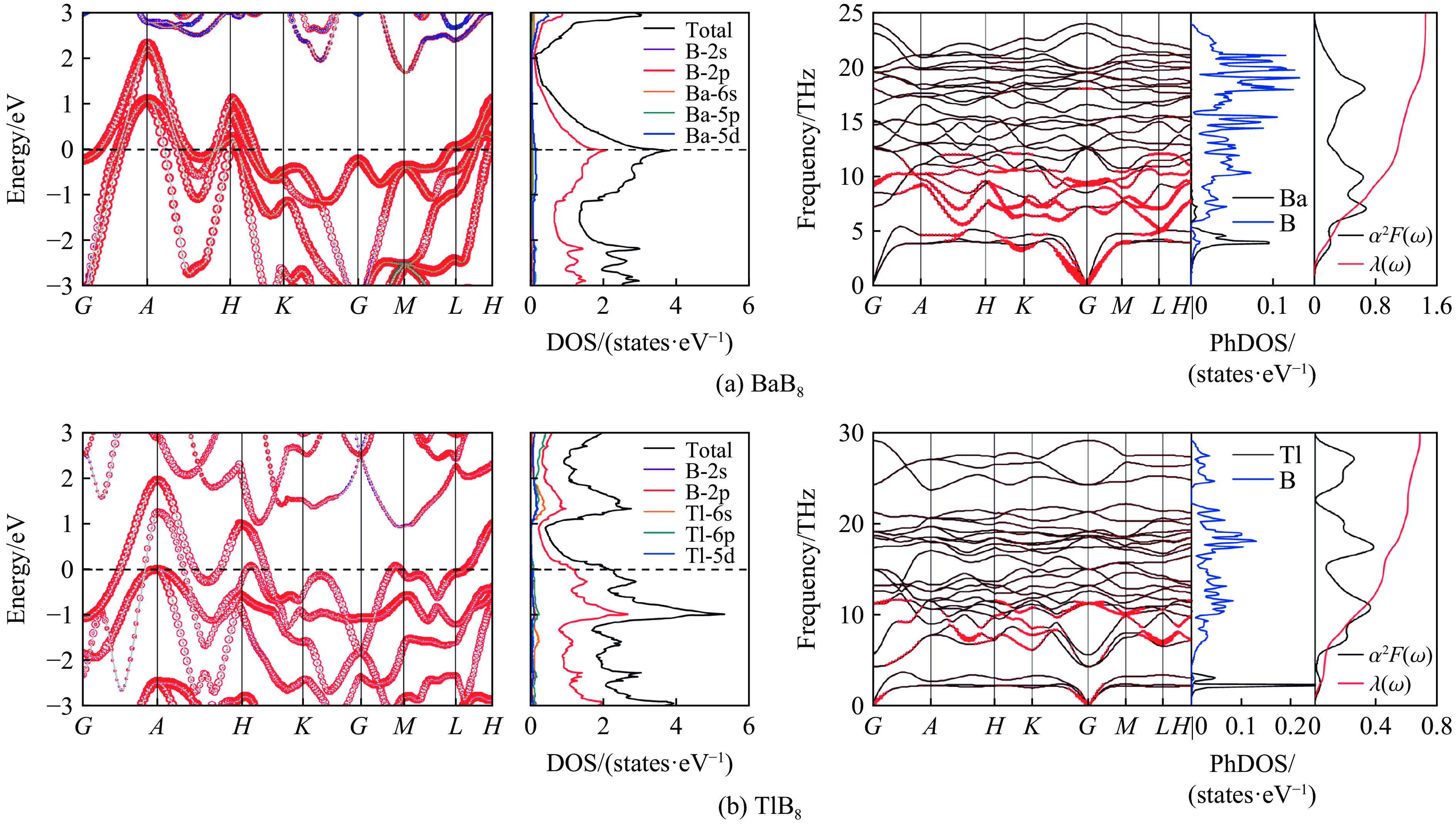
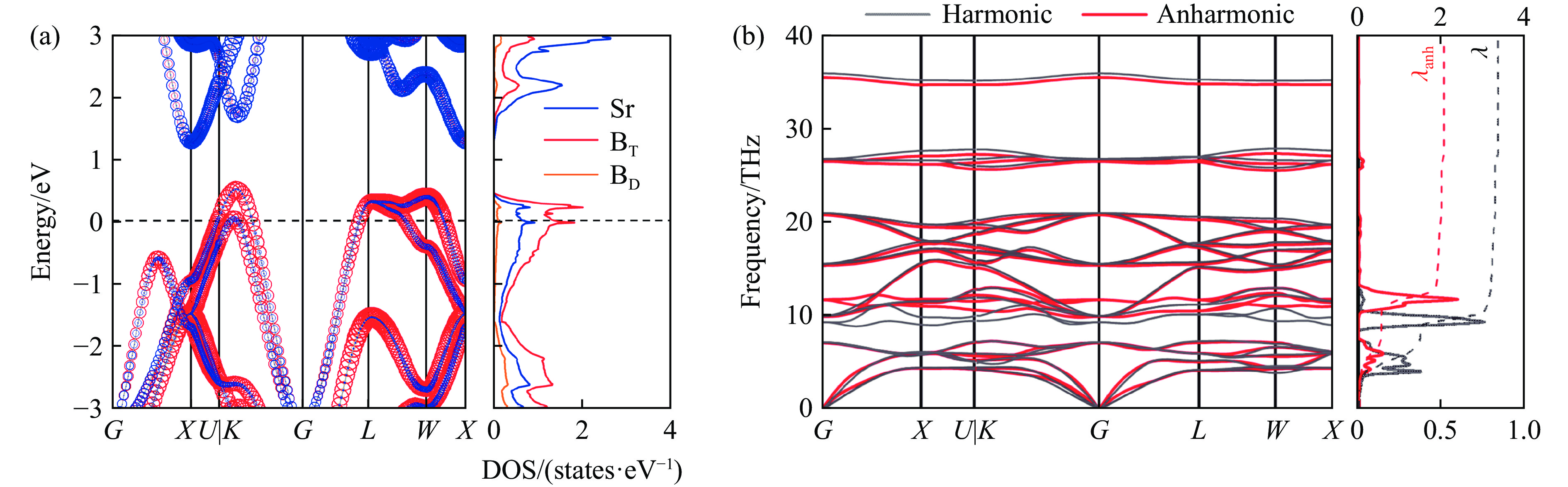
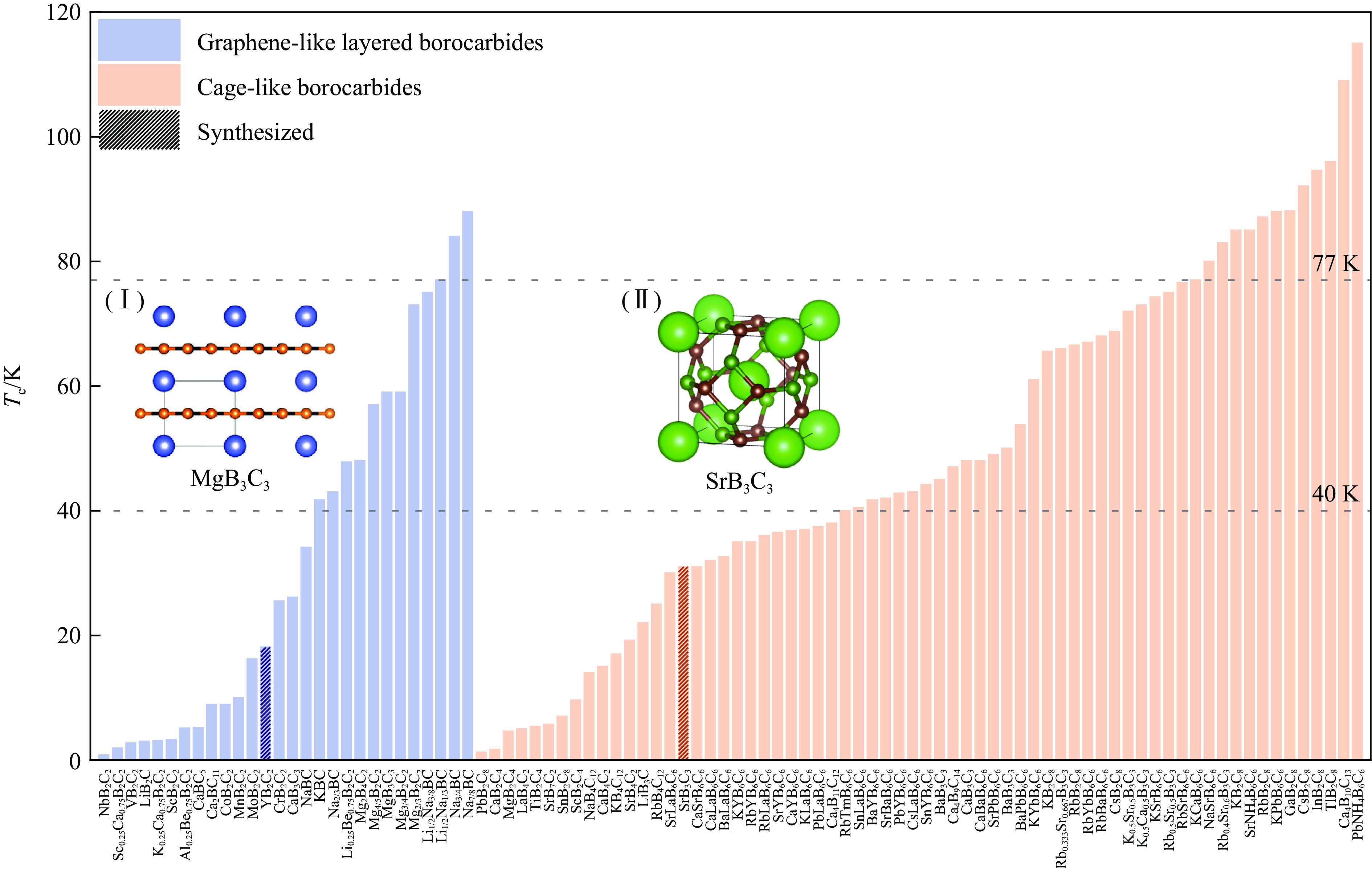
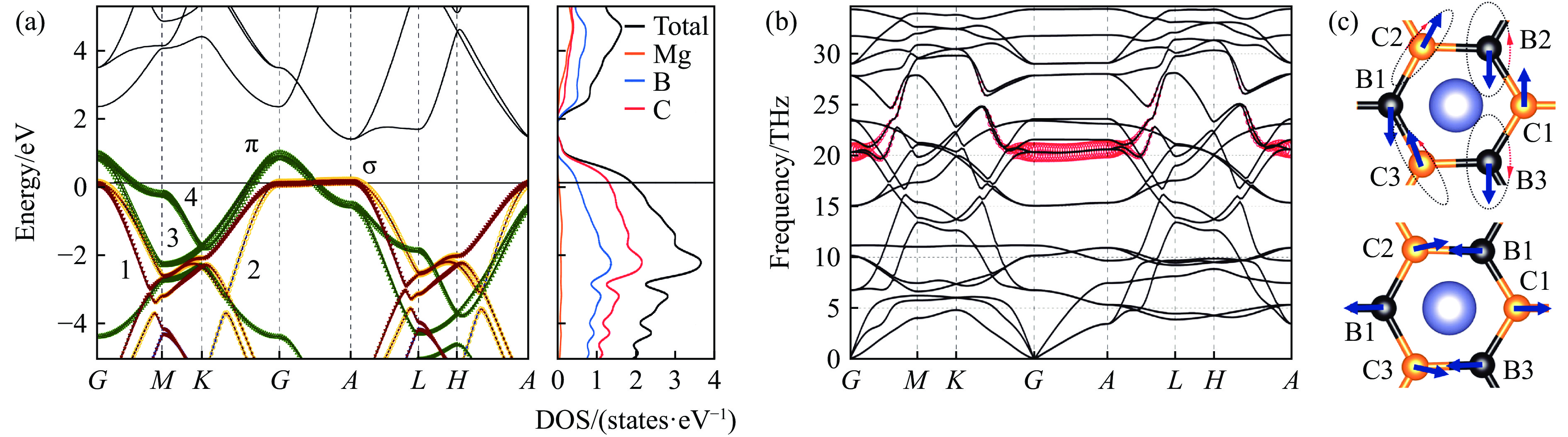
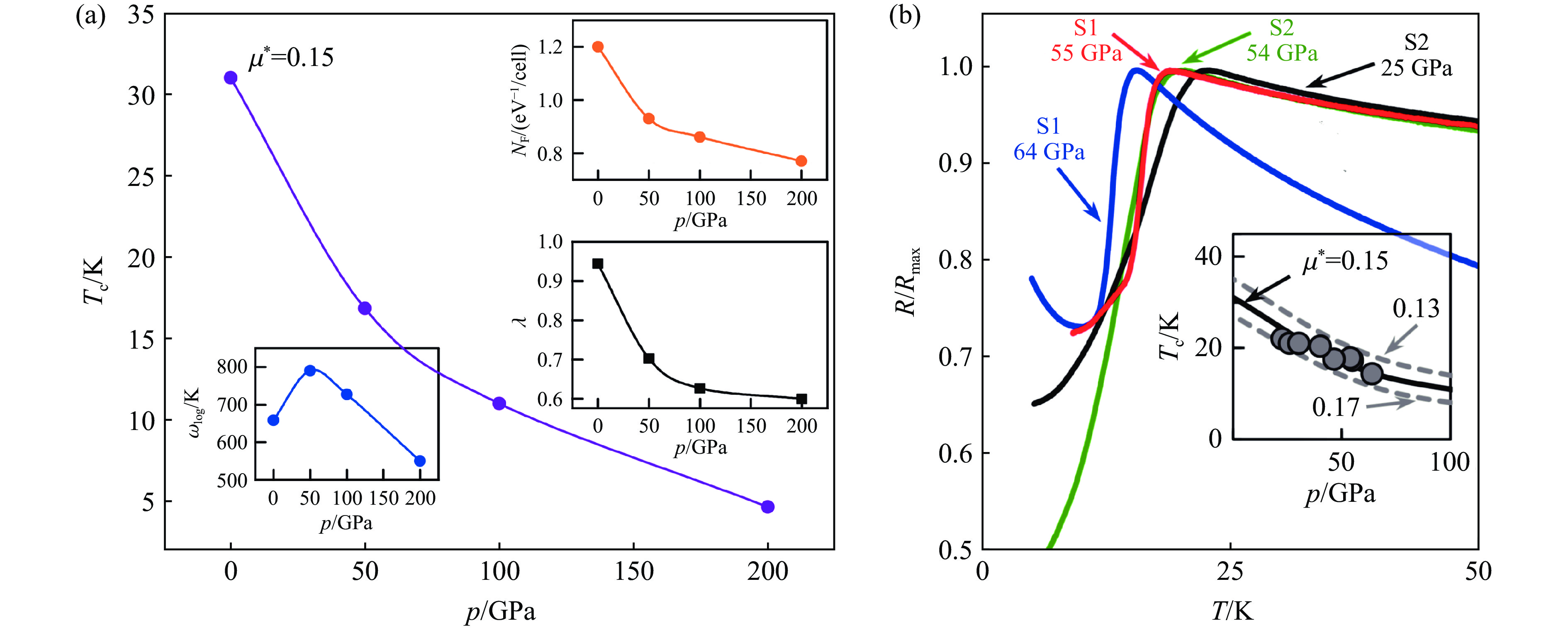
Superconductors would exhibit unique quantum properties below the critical transition temperatures, including zero-resistance and complete diamagnetism (the Meissner effect) and have potential revolutionary application in fields of energy transmission and transportation. Therefore, the exploration of high-temperature superconductors with transition temperature exceeding the liquid nitrogen boiling point (77 K) has remained a central issue in condensed matter physics. Based on the Bardeen-Cooper-Schrieffer (BCS) theoretical framework, more studies reveal that the light-element compounds with strong covalent bonds (like boron-carbon-based systems) can also exhibit strong electron-phonon coupling, which is similar to the hydrogen rich superconductors. Moreover, it can show high superconducting transition temperatures and can display excellent structural stability under sub-megabar pressures. For example, the MgB2 and its derivatives, such as layered boron-carbon superconductors, sodalite-like cage-structured boron-carbon systems, and other boron-carbon-based superconductors, have received more attention in the field of boron-carbon-based superconductors. In this paper, we reviewed the recent progresses in boron-carbon-based superconductors, systematically analyzed the mechanism of its superconductivity, and discuss future challenges in discovering more high-temperature superconductors within this material family.

Research Progress on the Ultra-High Pressure Preparation of Typical Transition Metal Carbides (Group ⅣB −ⅥB)
HE Ruiqi, ZENG Yingying, LENG Haojie, WANG Runji, PENG Fang, LIANG Hao, FANG Leiming
2025, 39(9): 090202. doi: 10.11858/gywlxb.20251039
HTML PDF (69)
Abstract:

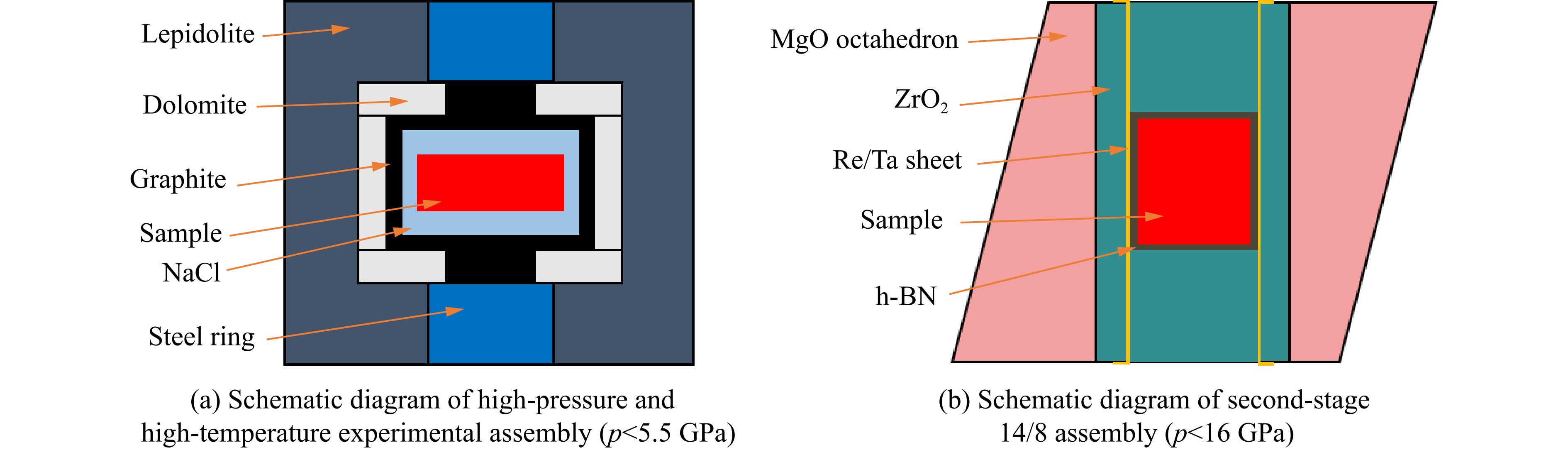
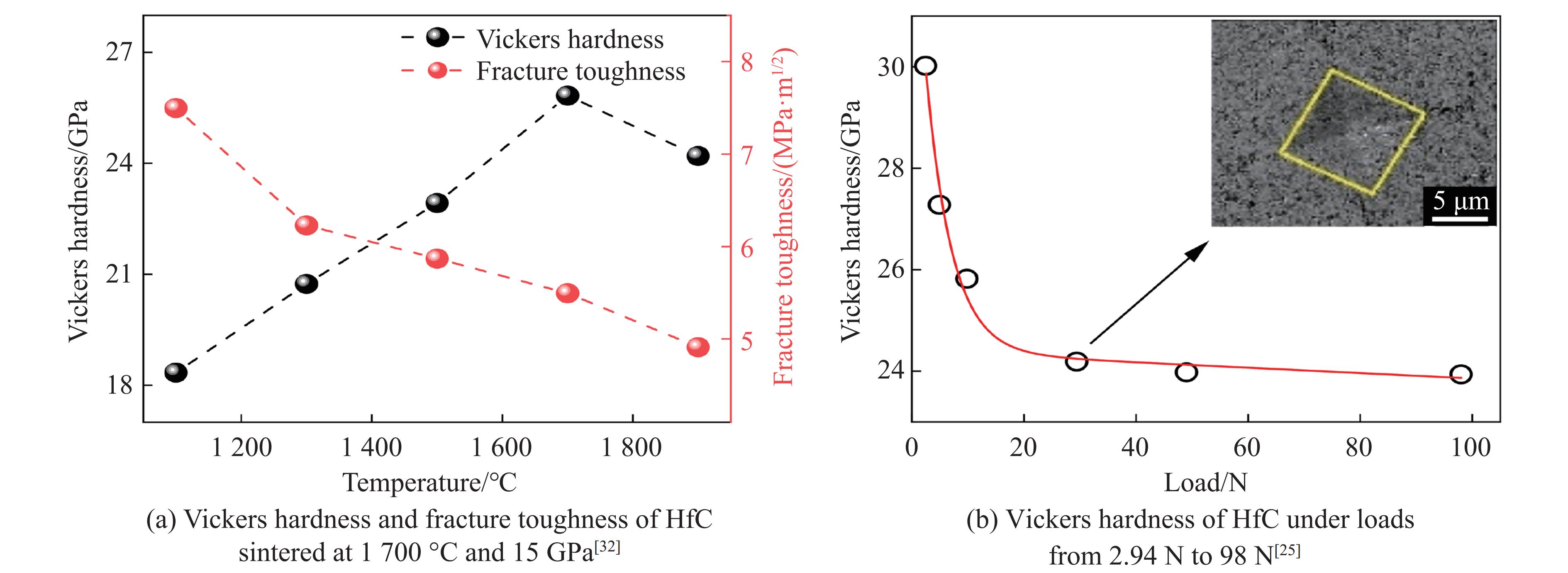
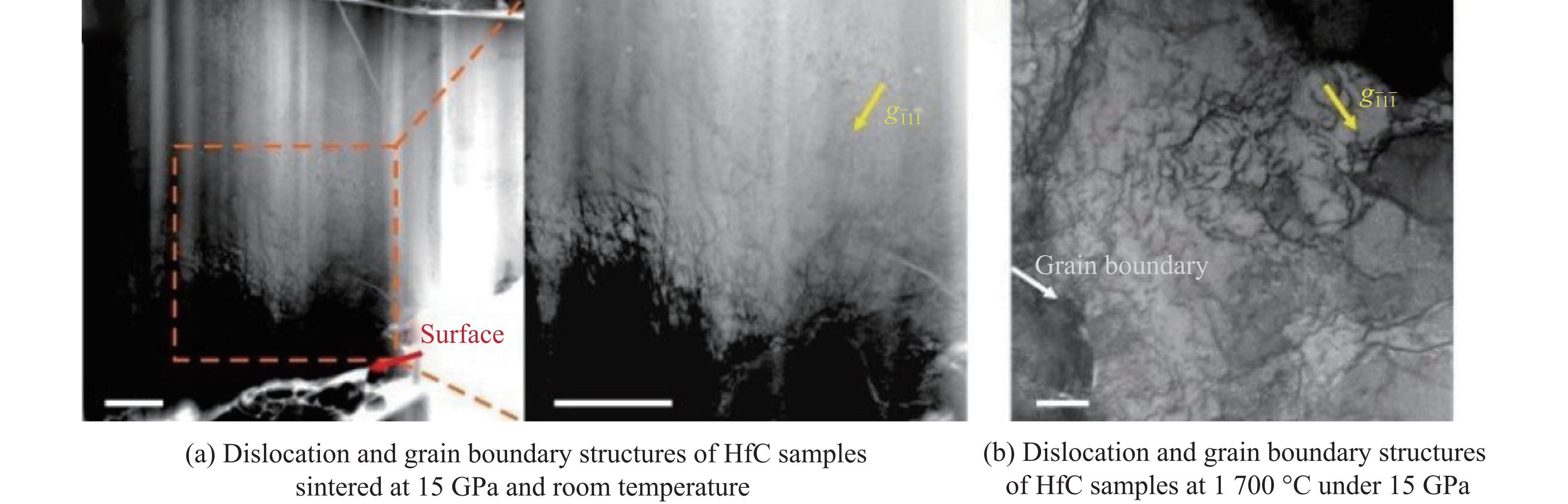
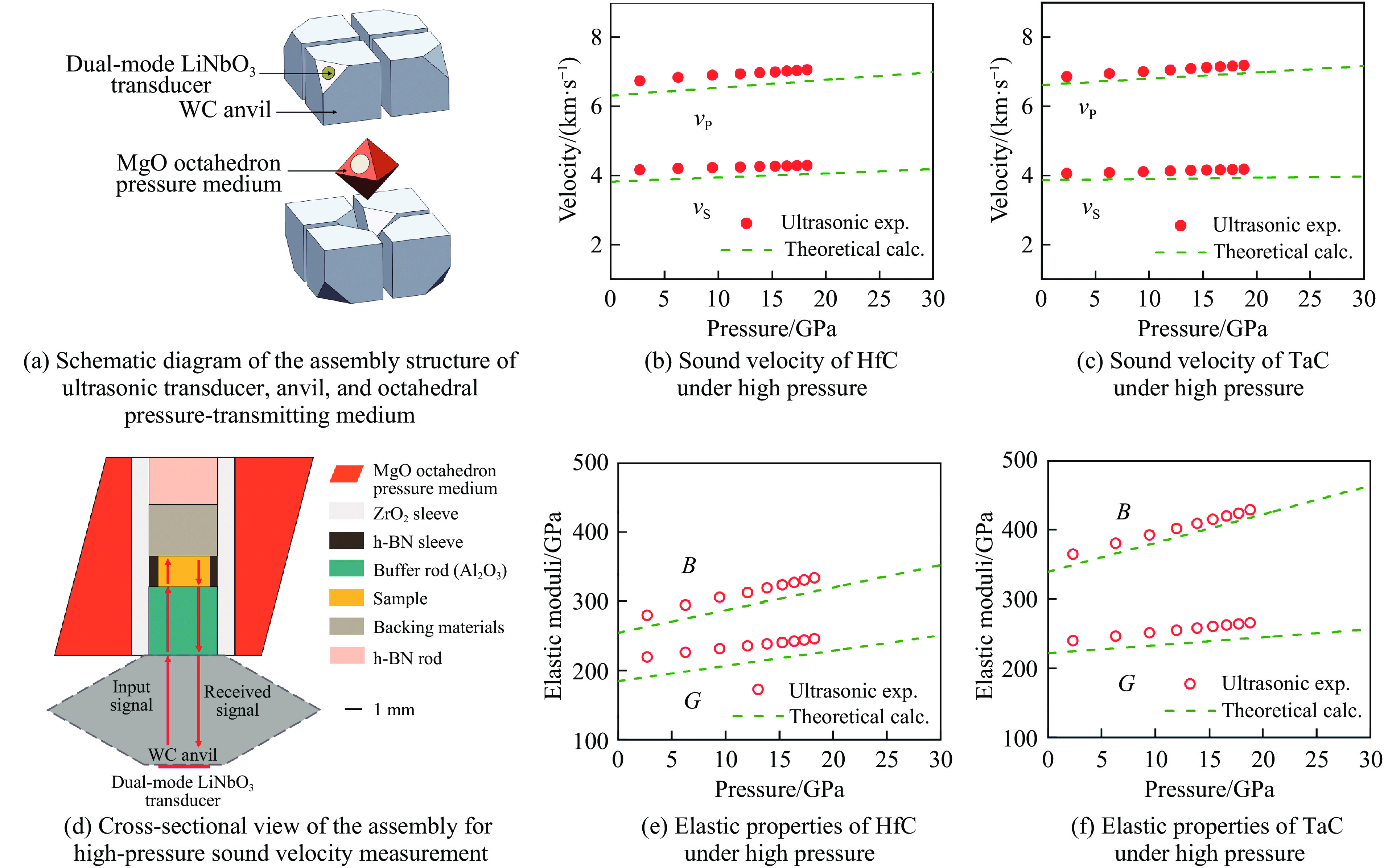
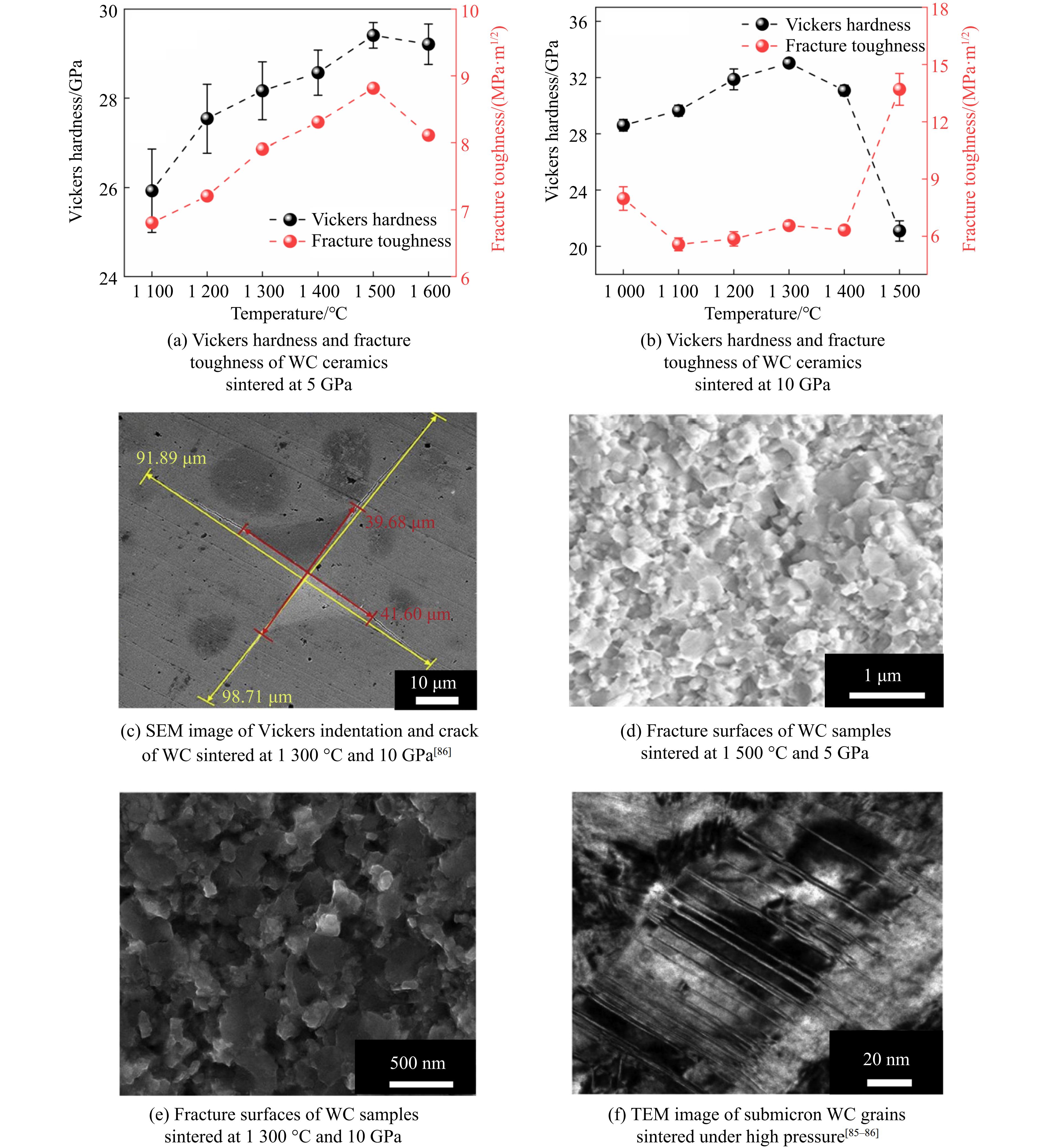
Transition metal carbides (TMCs) exhibit exceptional properties, including high hardness, high melting point, excellent electrical conductivity, and corrosion resistance, making them promising candidates for extreme environments such as aerospace and cutting tools. However, the strong covalent bonding and low diffusion coefficients inherent to TMCs necessitate extremely high sintering temperatures, posing significant challenges for fabricating dense bulk ceramics with superior properties. The high pressure and high temperature (HPHT) sintering technique offers distinct advantages, effectively lowering sintering temperatures, reducing processing times, suppressing grain growth, enhancing densification, and preserving phase purity. This review summarizes recent advances in the HPHT synthesis, mechanical properties, and underlying mechanisms of several typical TMCs (Groups ⅣB to ⅥB). The application prospects and future research directions for TMC ceramics are also discussed and outlined.

Research Progress of Static Ultra-High Pressure Device
ZHAO Liang, WU Nannan, CHEN Huixuan, LI Mingzhe, LIANG Xiaobo
2025, 39(9): 090203. doi: 10.11858/gywlxb.20251065
HTML PDF (53)
Abstract:

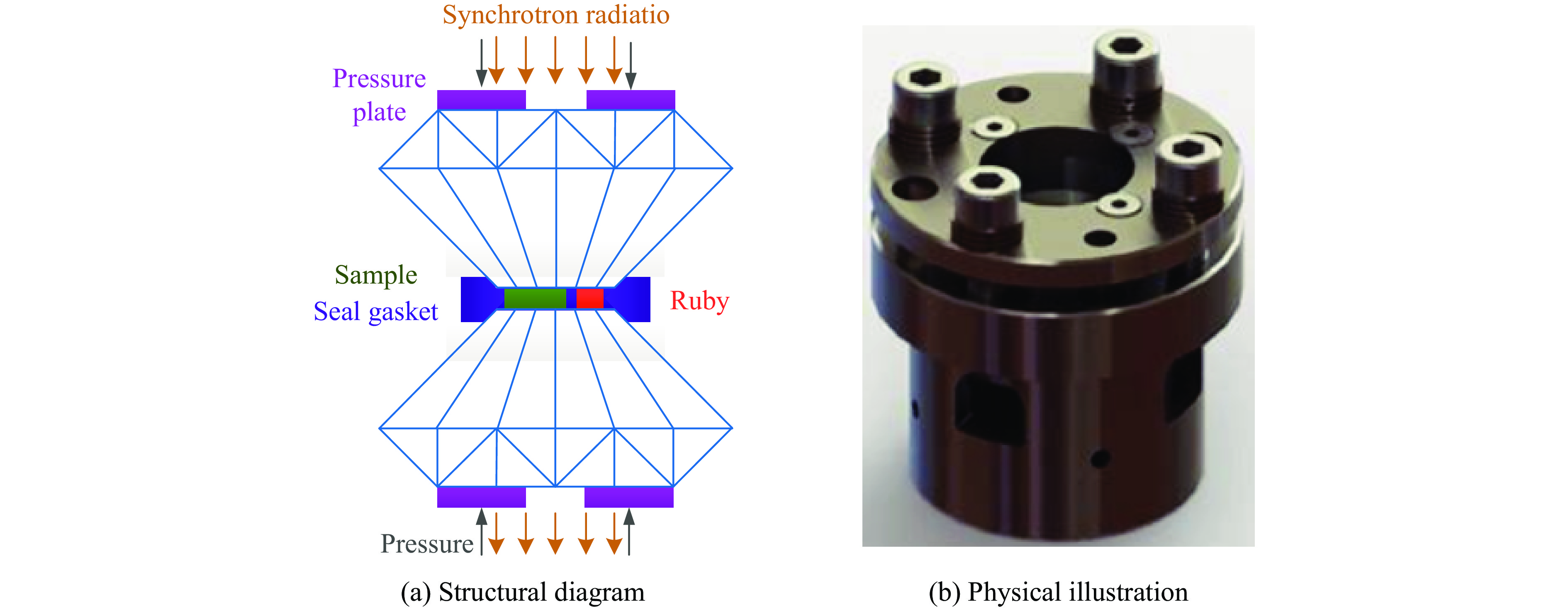
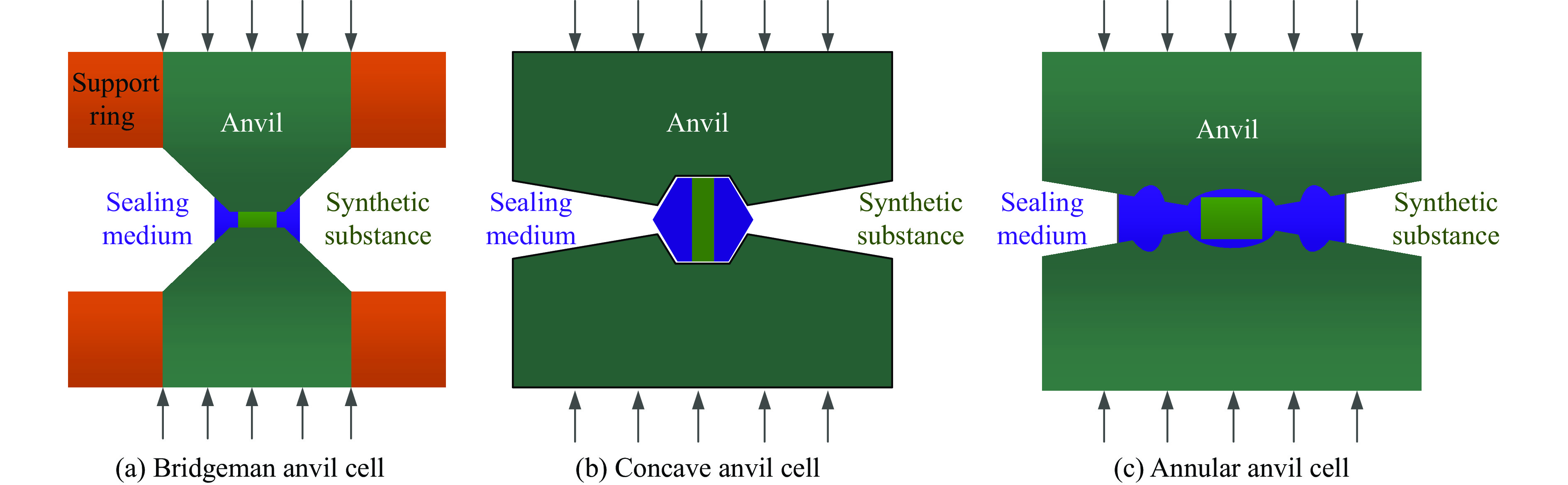
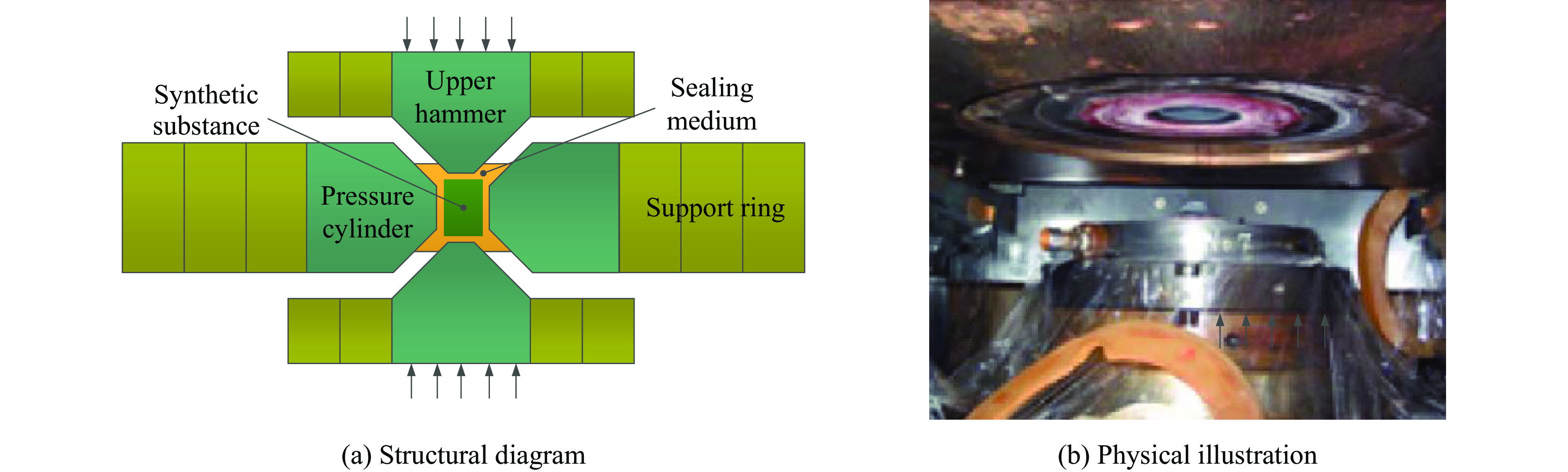
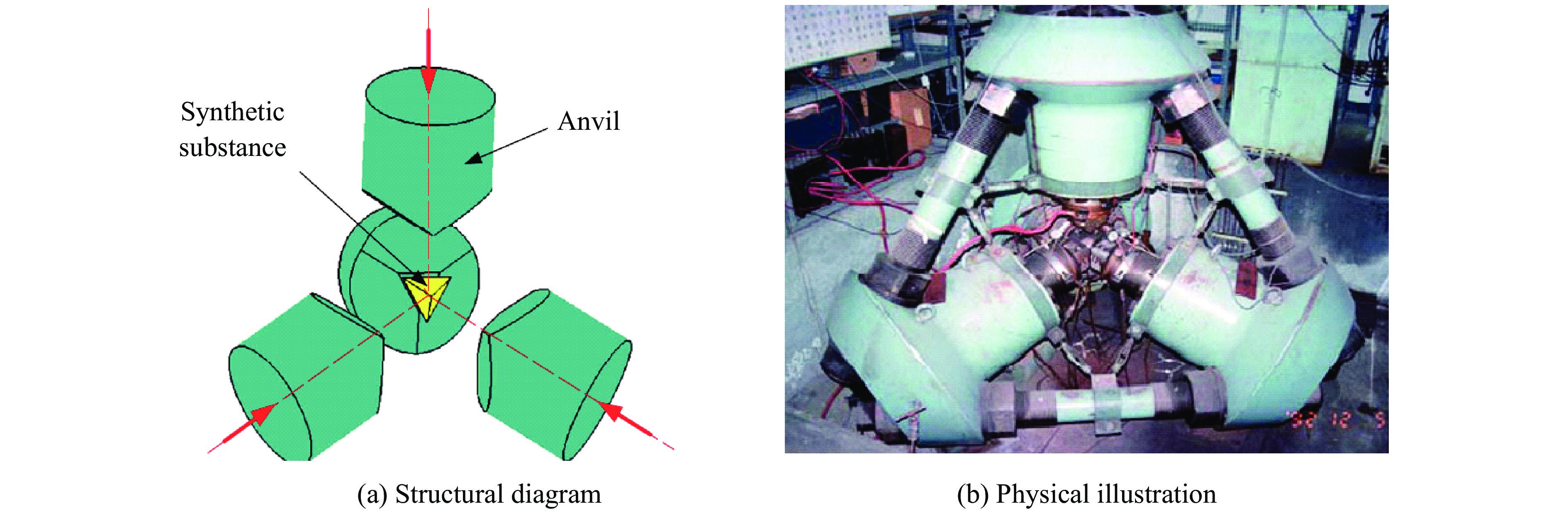
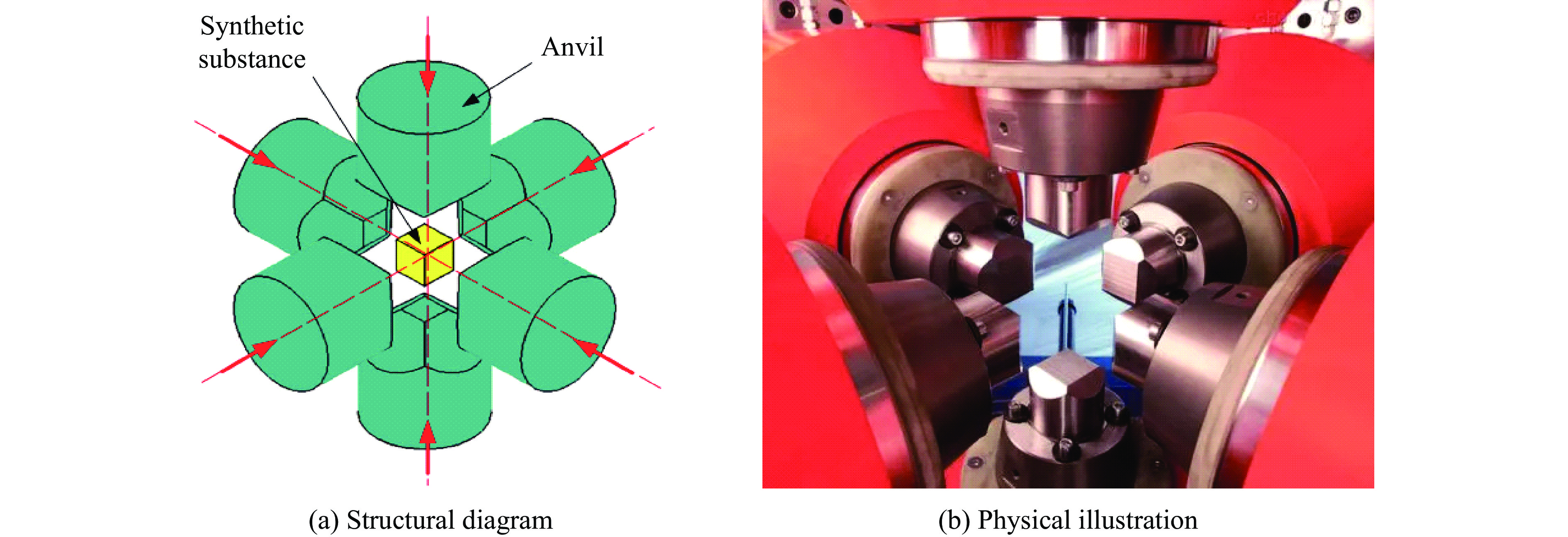
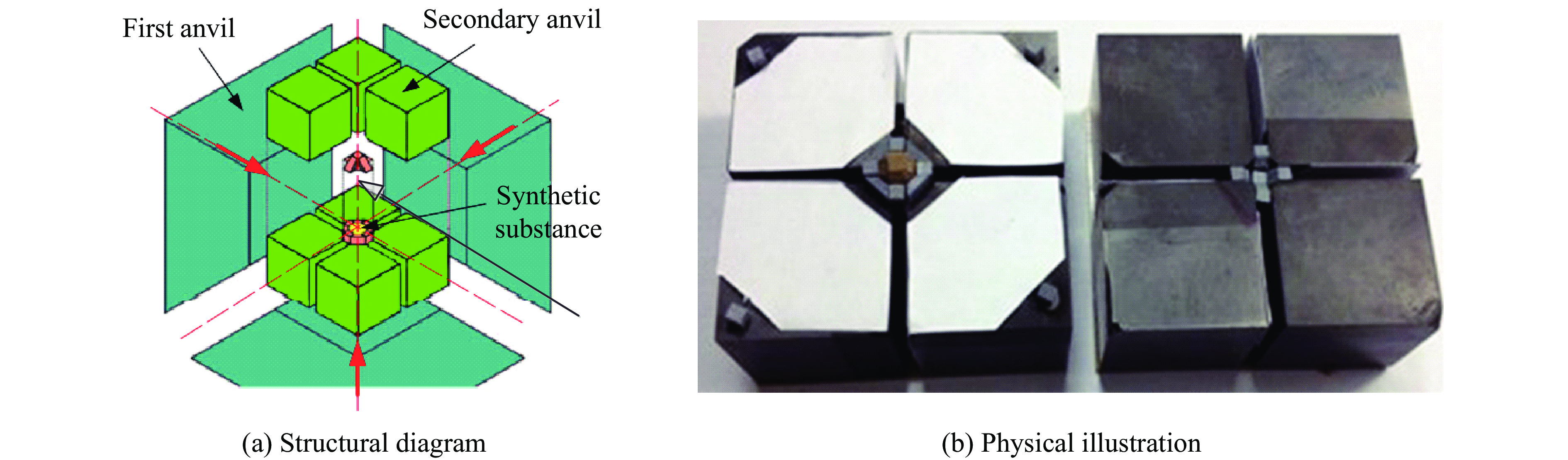
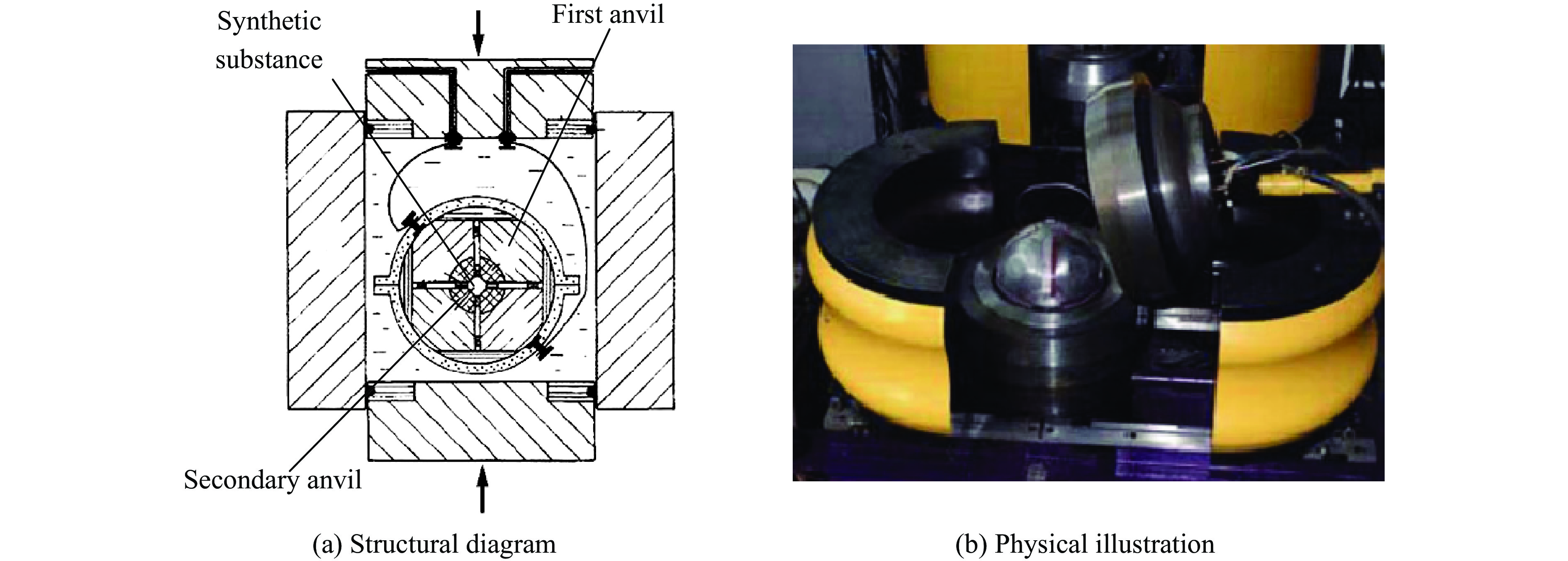
Ultra-high pressure (UHP) technology, a core technique in manufacturing under extreme conditions, has expanded its scope from fundamental research in areas like condensed matter physics and geosciences to practical engineering applications such as superhard material synthesis and high-density energy storage device fabrication. Furthermore, UHP techniques are increasingly being used in cutting-edge fields such as the precise control of energy fields. Despite the surging demand for ultra-high pressure equipment in China, the market share of domestically produced ultra-high pressure equipment remains relatively low due to the technical barriers in large-size cemented carbide sintering. This study systematically reviews the design features and technical limitations of four mainstream static ultra-high-pressure devices: opposed anvil presses, belt-type presses, multi-anvil presses, and split-sphere apparatus. Finally, it presents an outlook on potential future advancements and technological pathways for UHP equipment.

Physical Property and Structure
Effect of Metal Oxides on the Combustion Characteristics of Al-Based Thermite
CAI Yue, LIU Xueli, HE Chuan, LIU Jinxu
2025, 39(9): 091301. doi: 10.11858/gywlxb.20240956
HTML PDF (35)
Abstract:

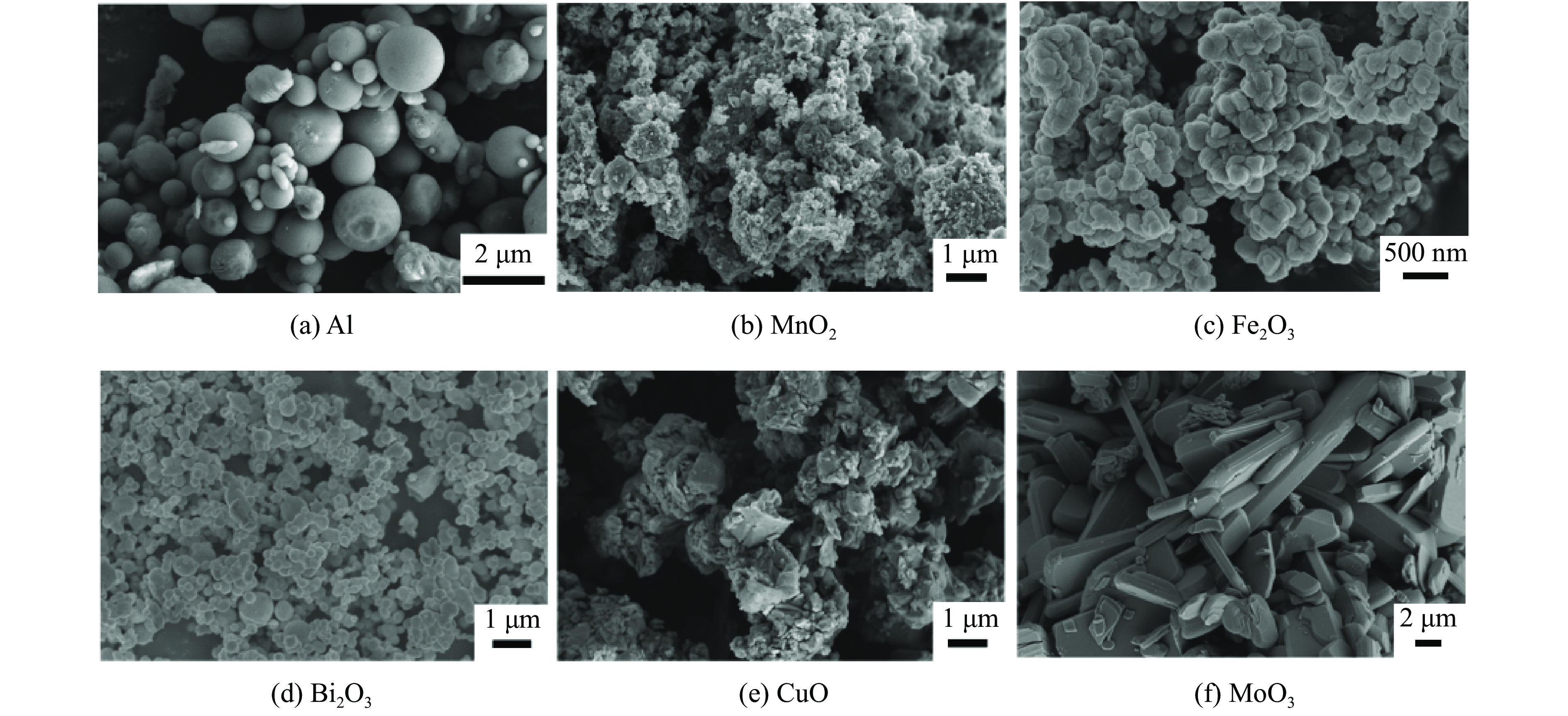
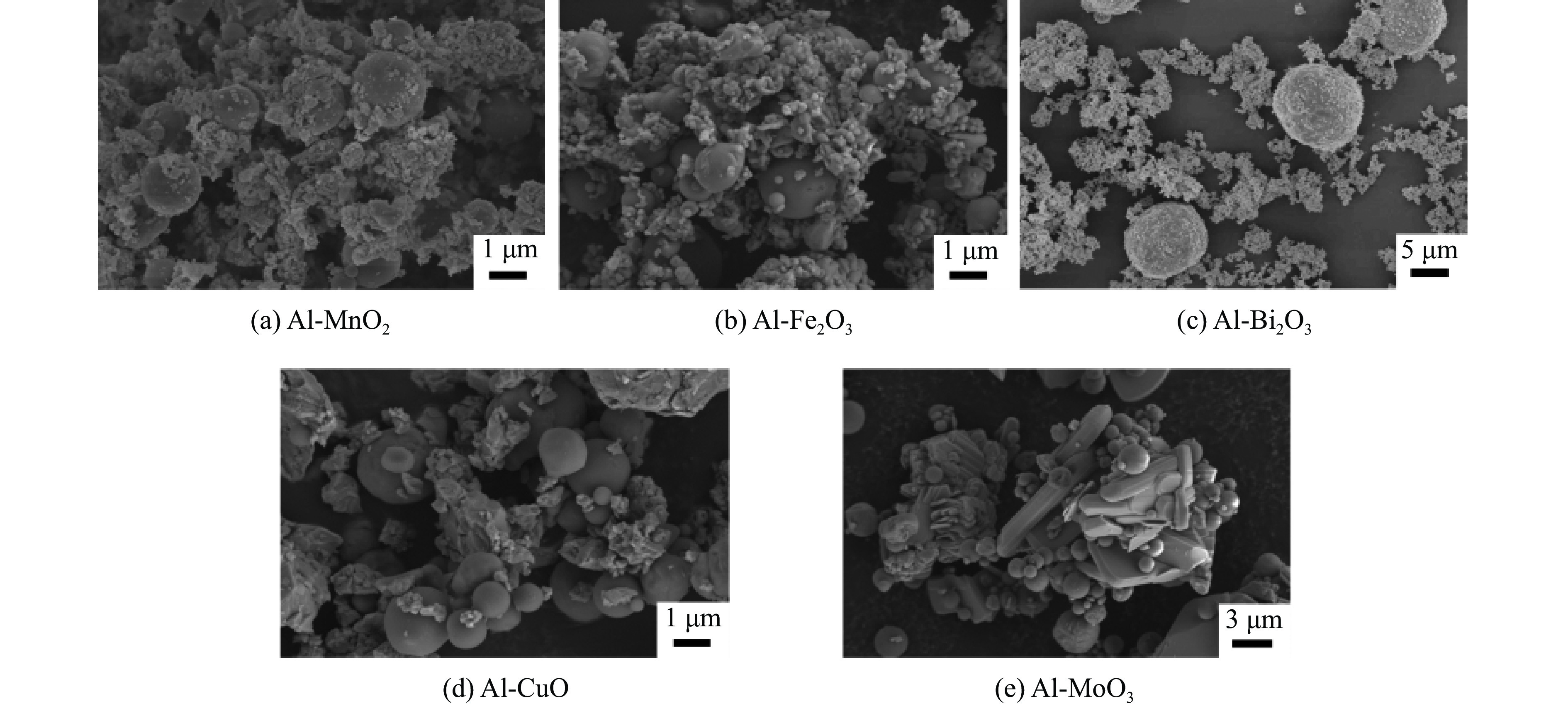
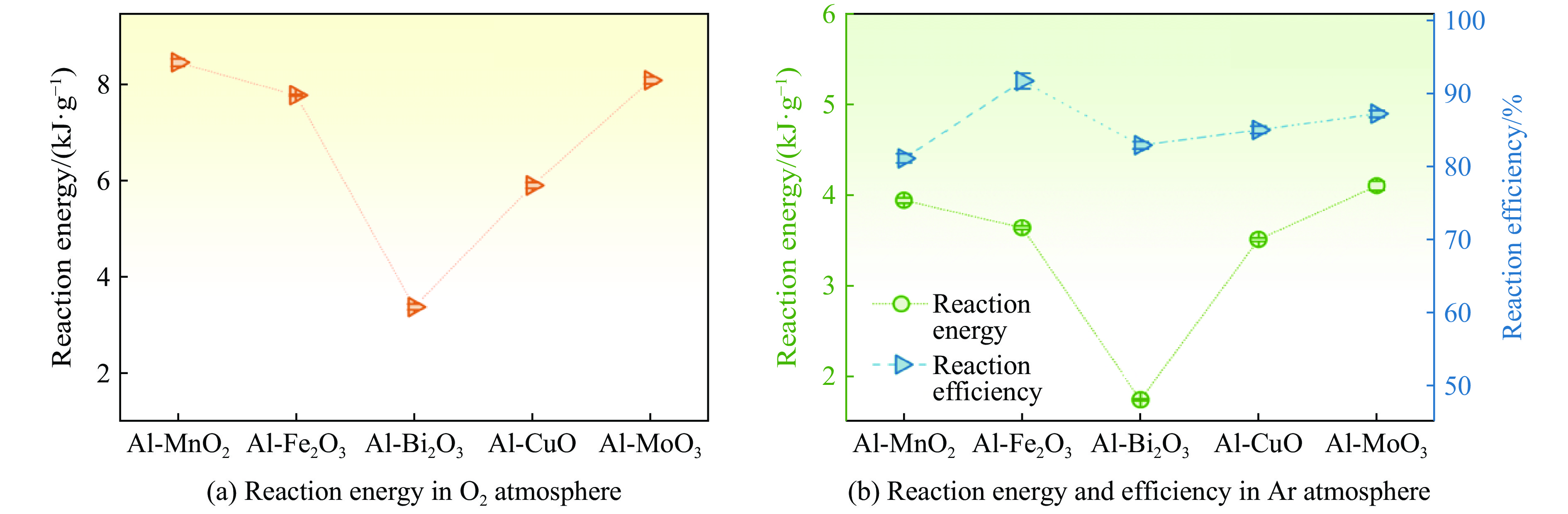
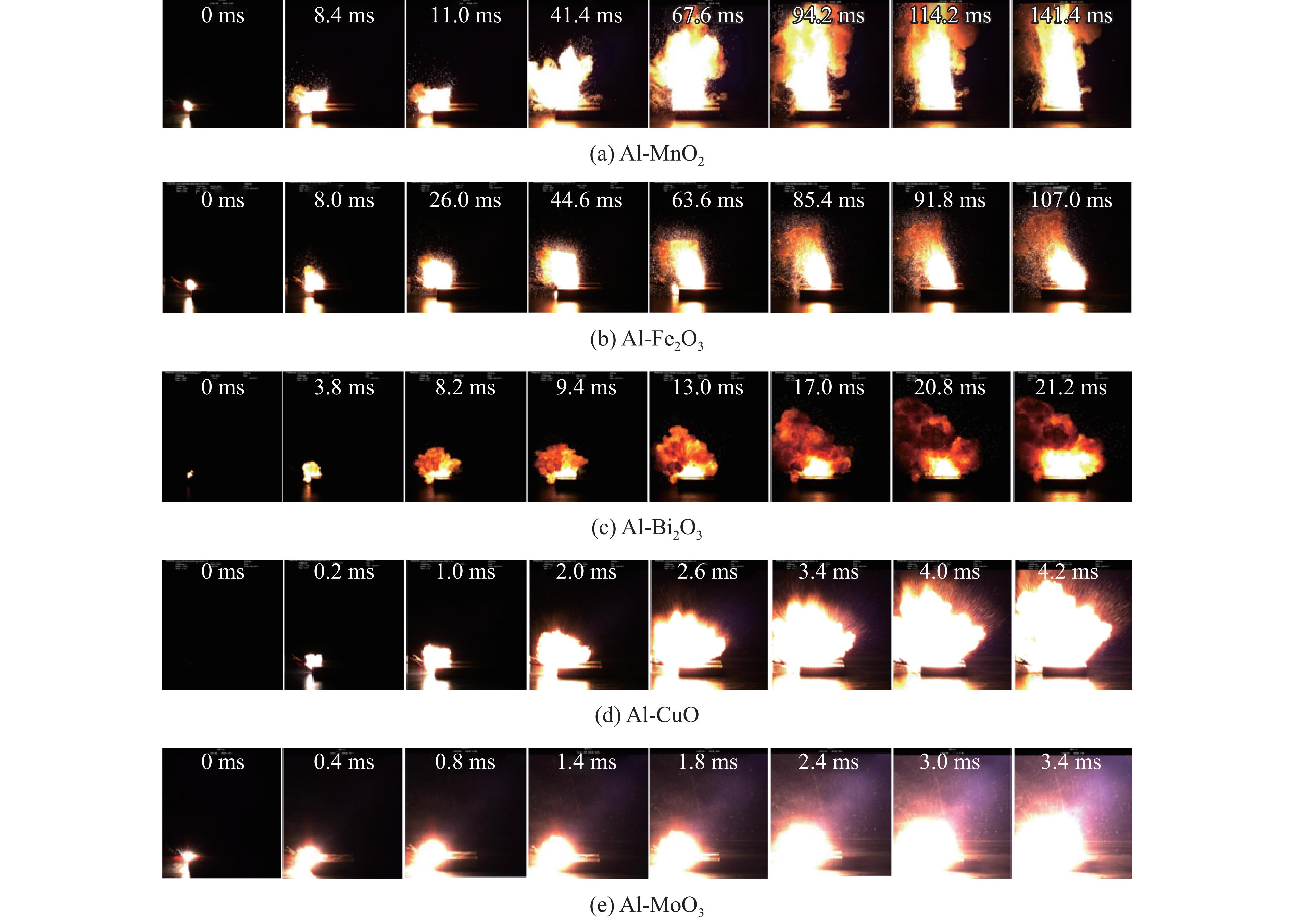
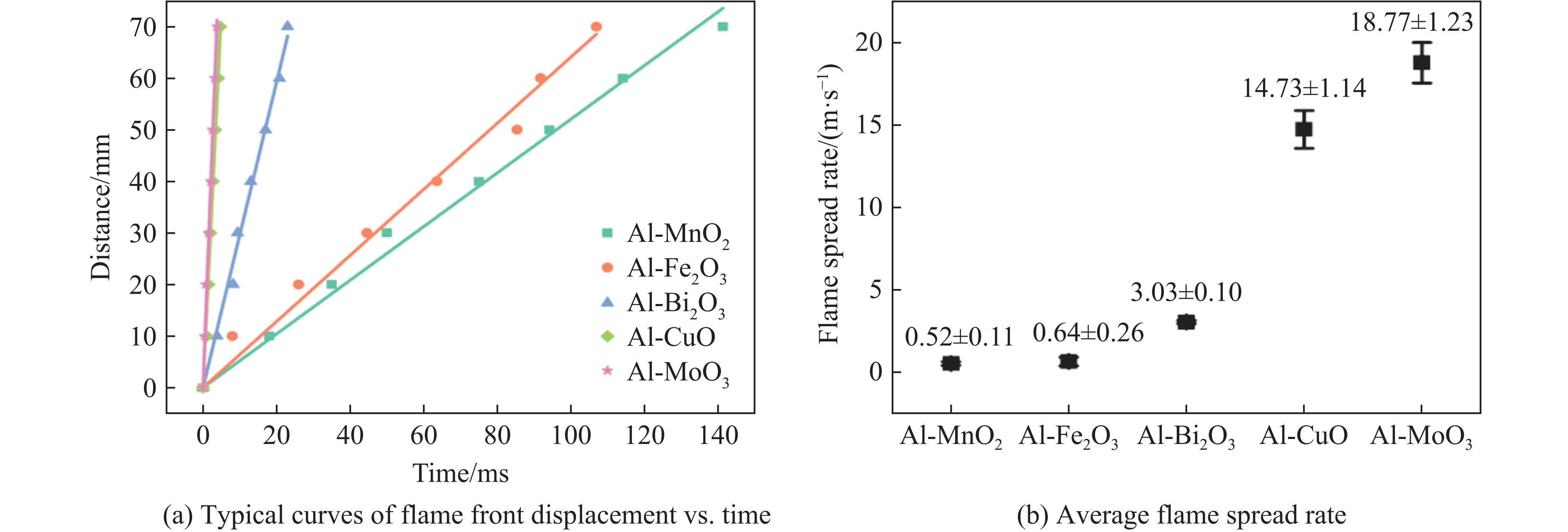
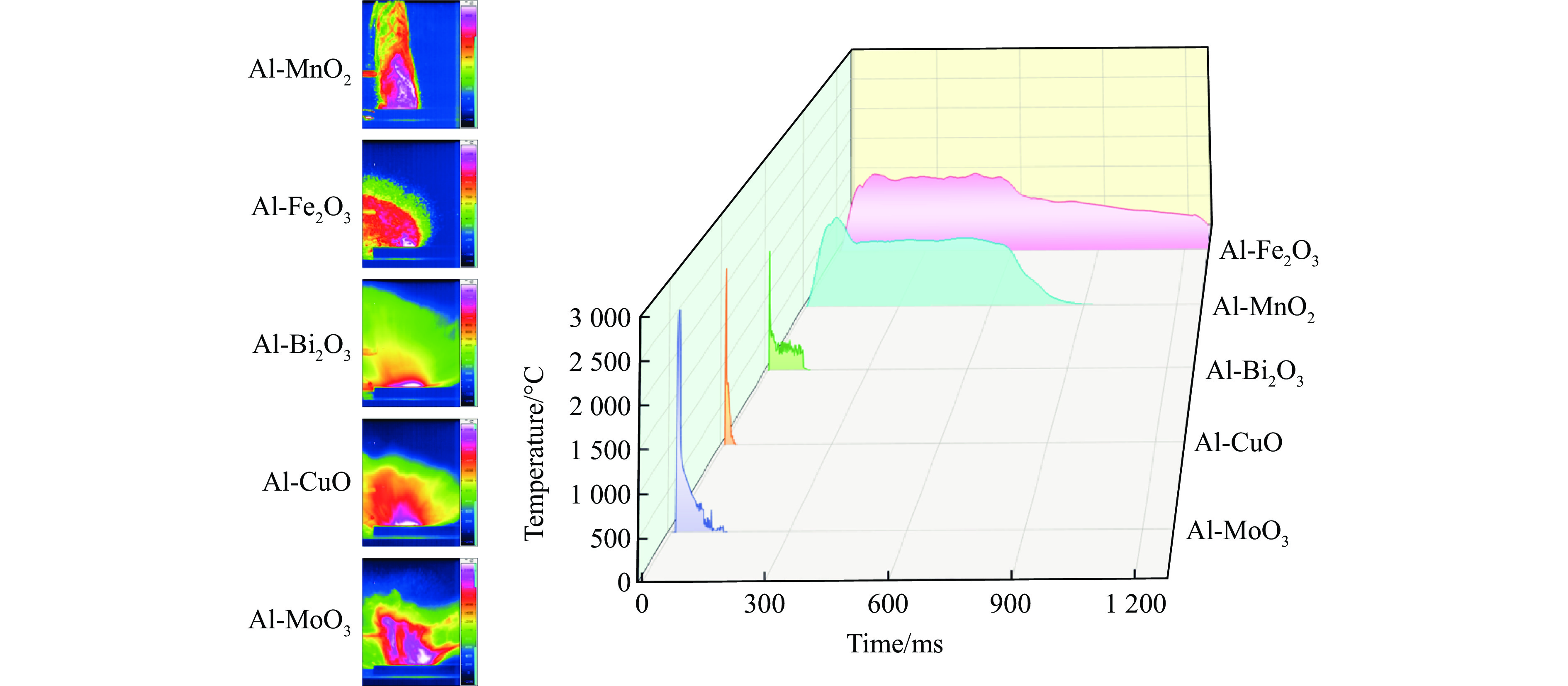
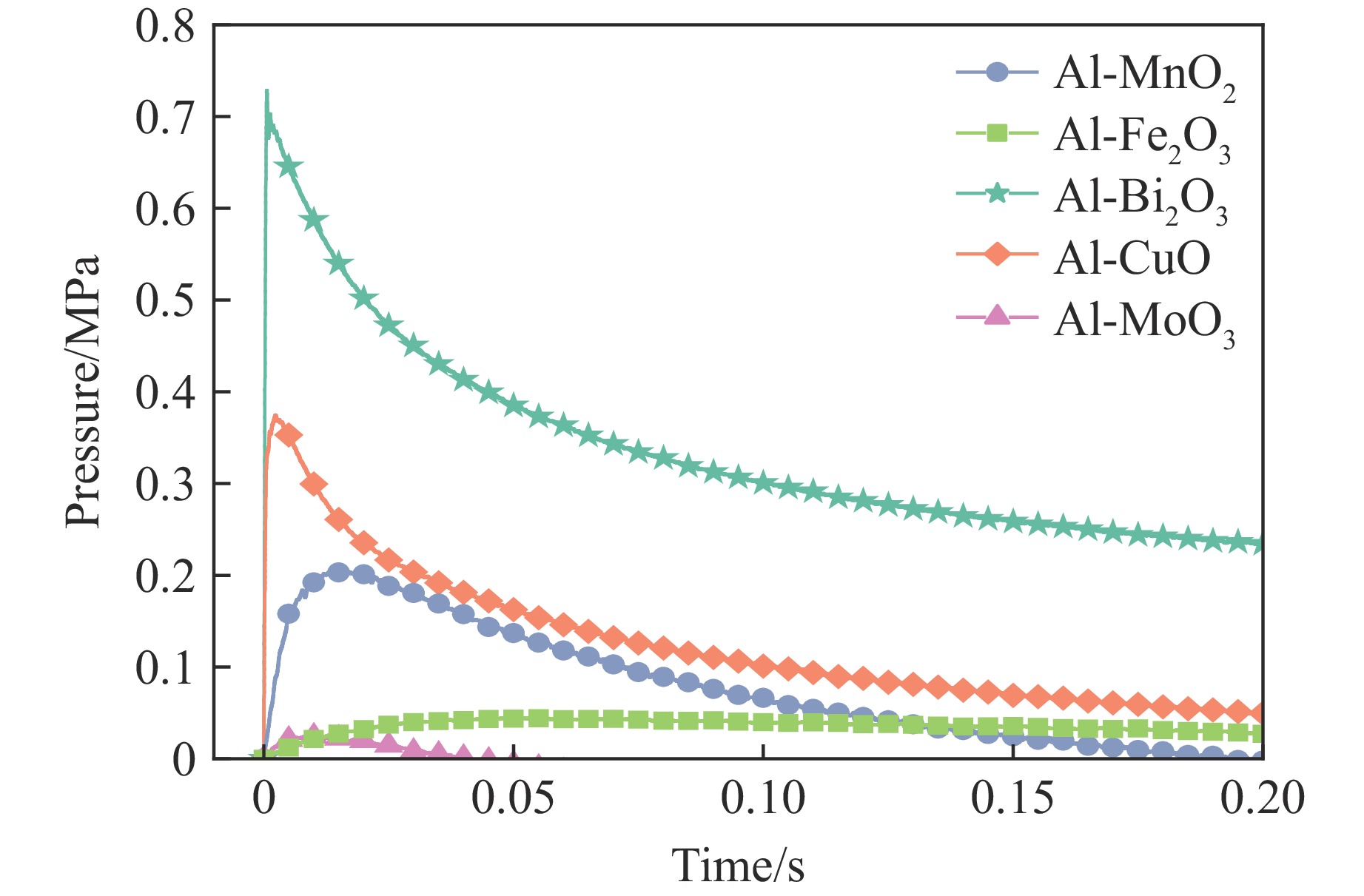
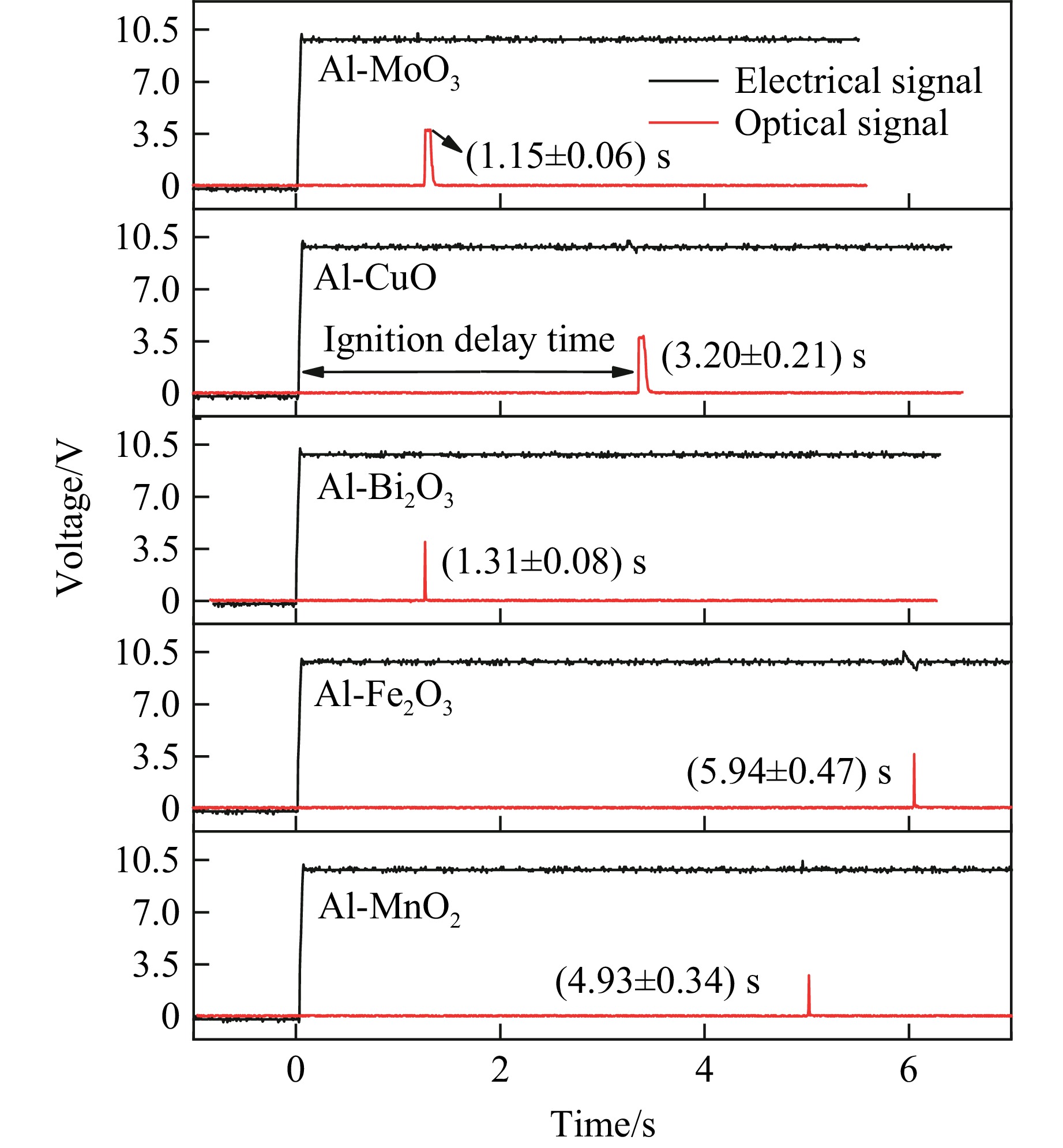
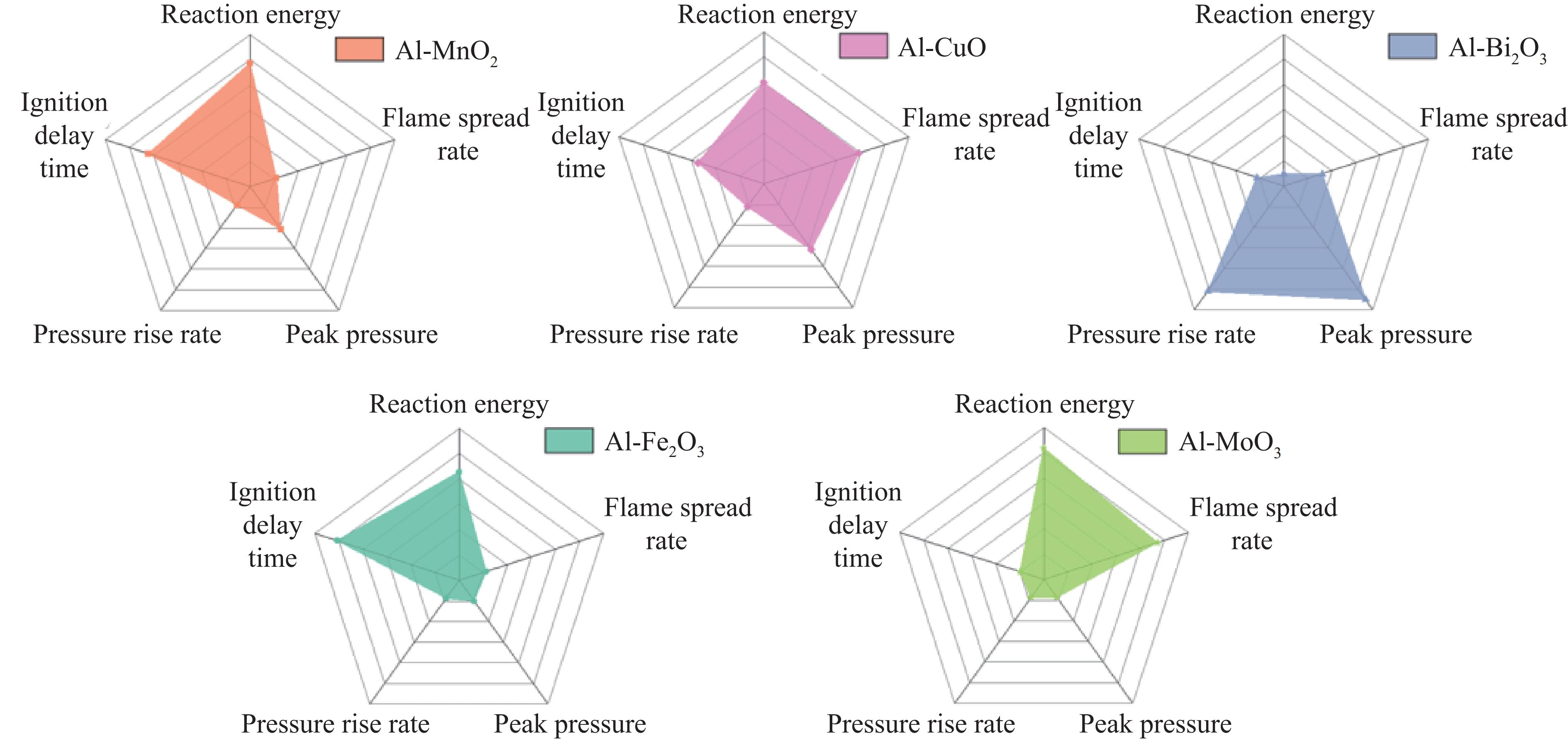
To explore the influence of various metal oxides on the combustion behavior of Al-based thermites, five metal oxides (Bi2O3, Fe2O3, MnO2, CuO, and MoO3), were selected and synthesized via a liquid-phase mixing method. The combustion characteristics, including reaction energy, self-propagating combustion properties, reaction pressure, and ignition delay time, were systematically investigated. The results demonstrated that the choice of metal oxide significantly impacted the combustion performance of Al-based thermites. Among them, Al-MoO3 exhibited the highest reaction energy in an Ar atmosphere ((4.10±0.05) kJ/g), the fastest flame spead rate ((18.77±1.23) m/s), the highest flame temperature, and the shortest ignition delay time ((1.15±0.06) s). Meanwhile, Al-Bi2O3 generated the highest peak pressure and pressure rise rate, with its peak pressure being 1.9, 3.5, 14.6, and 24.3 times greater than those of Al-CuO, Al-MnO2, Al-Fe2O3, and Al-MoO3, respectively. These findings highlight the potential to regulate thermite combustion properties through strategic metal oxide selection, providing a theoretical foundation for military and industrial applications.

Material Synthesis
Preparation of Polymeric Hydrogel via Alternate Compression-Decompression
FU Wenbo, QIAO Pu, SHI Kaiyuan, SU Lei
2025, 39(9): 093101. doi: 10.11858/gywlxb.20251042
HTML PDF (24)
Abstract:

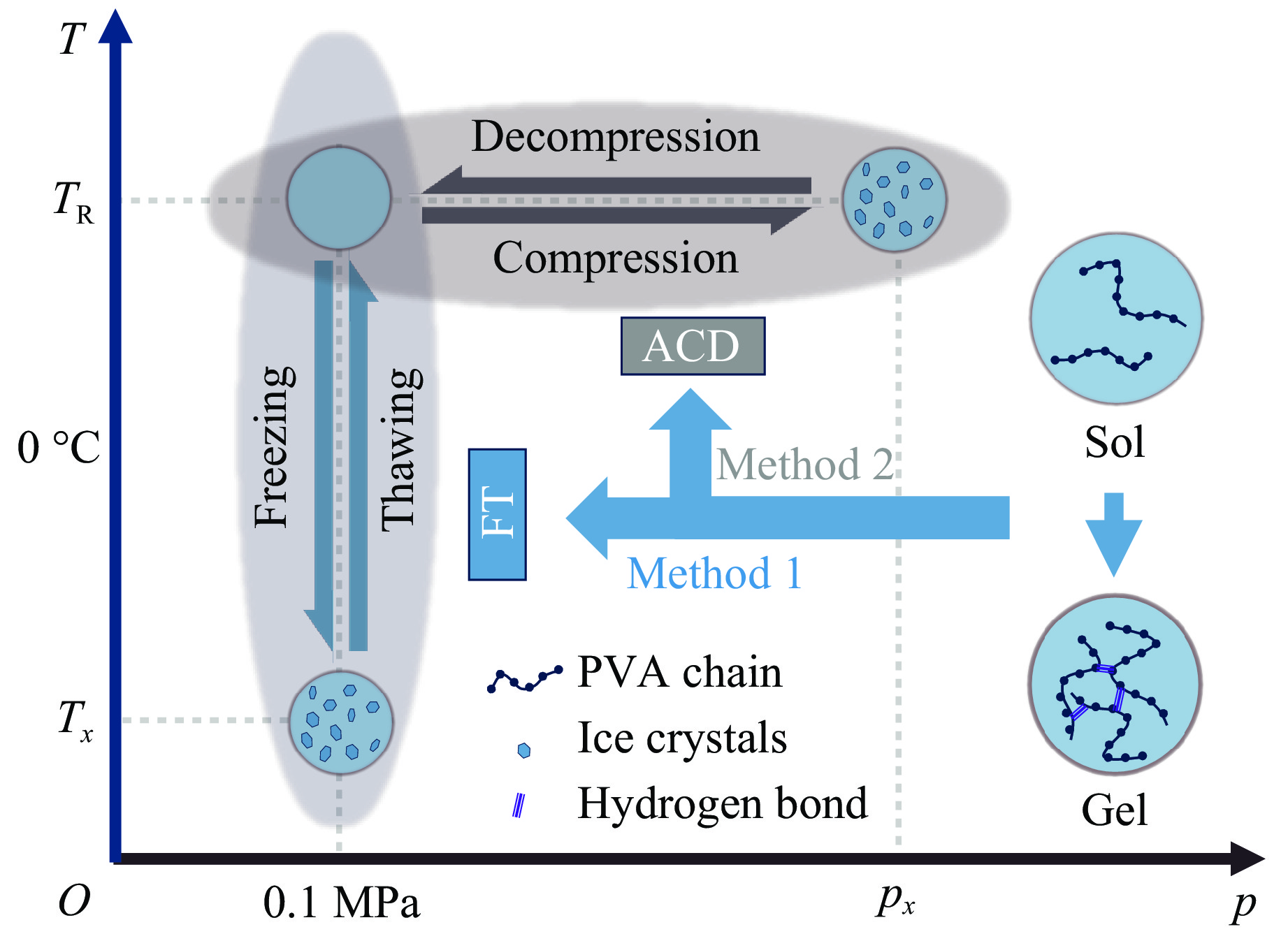
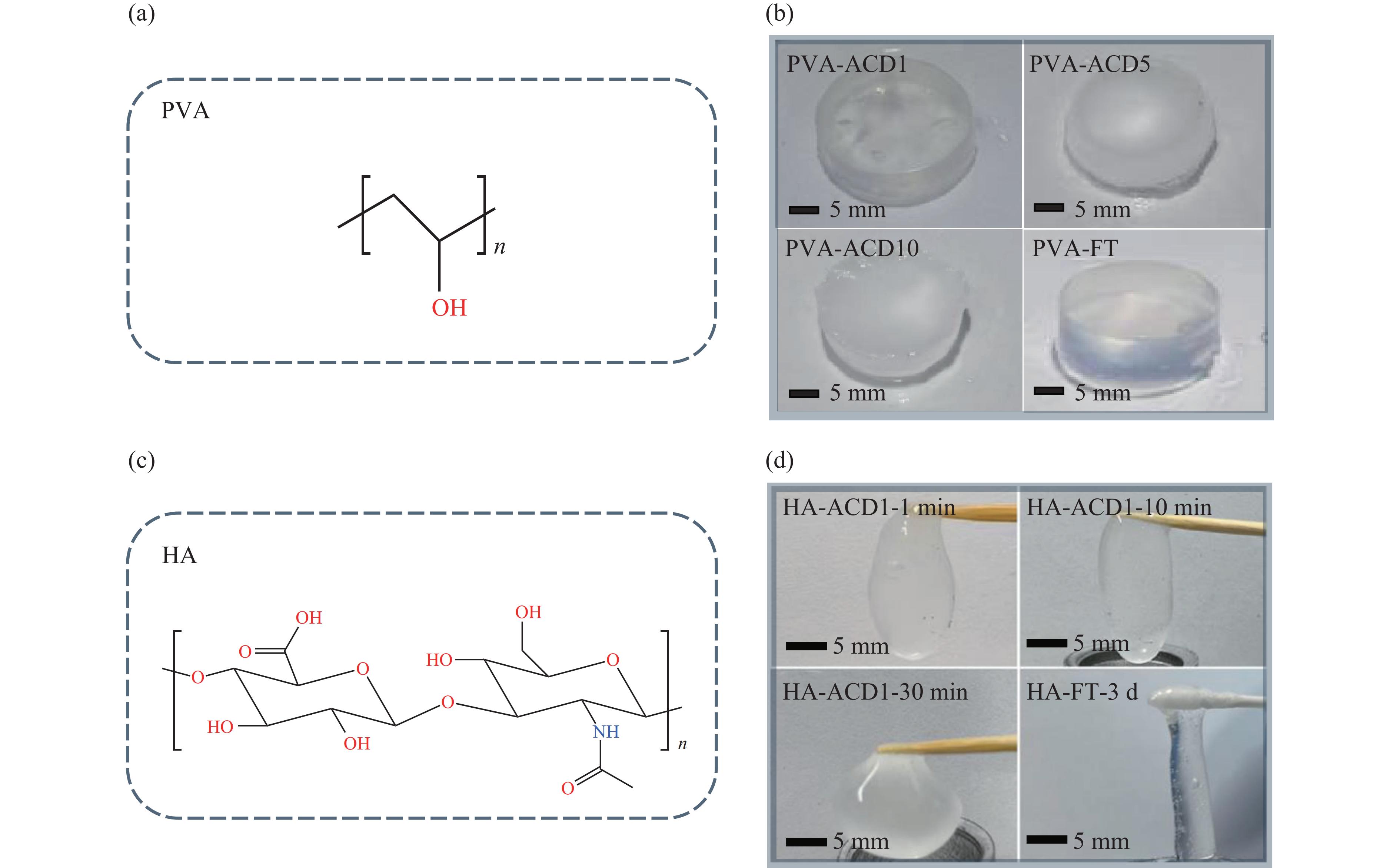
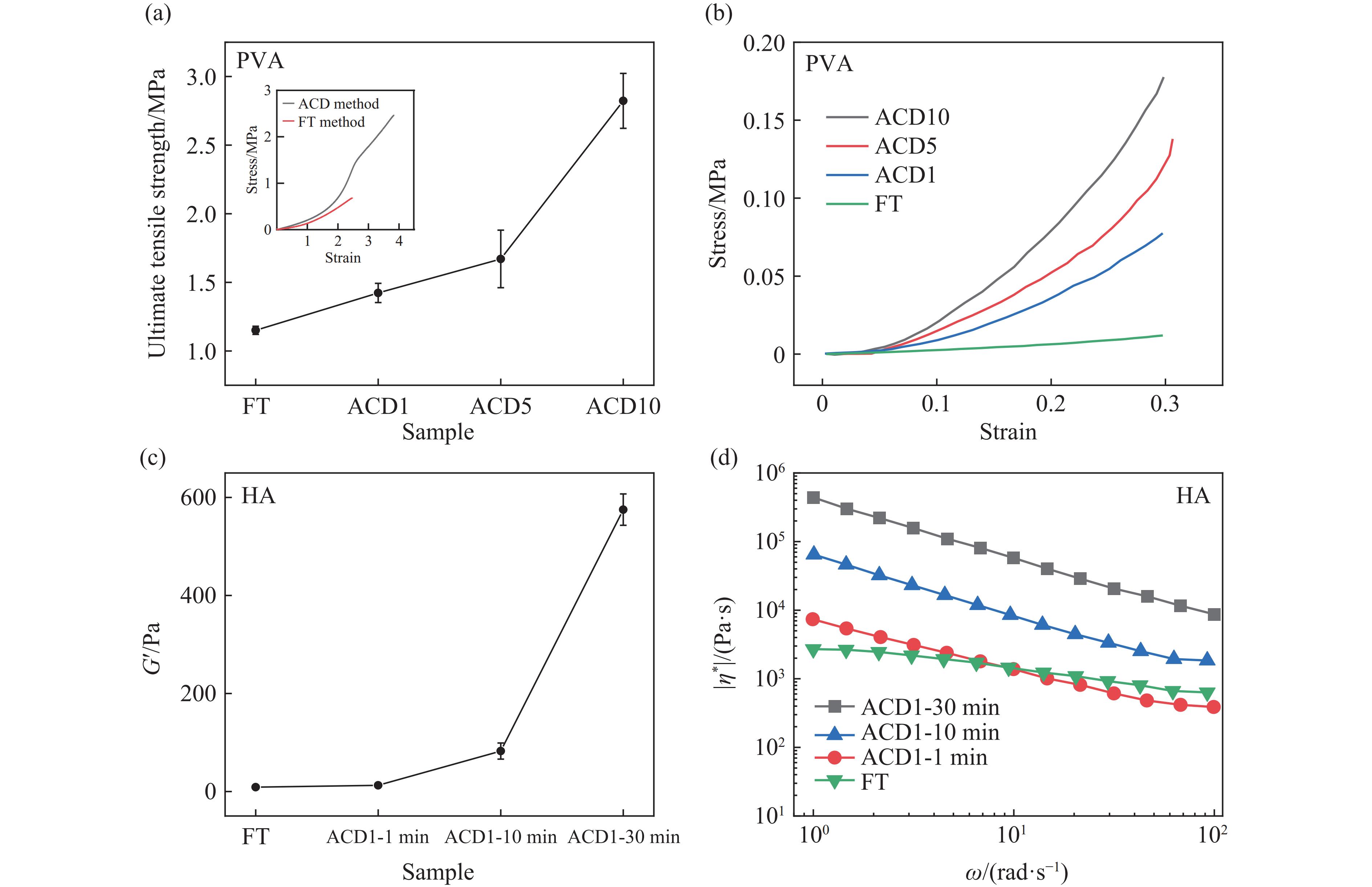
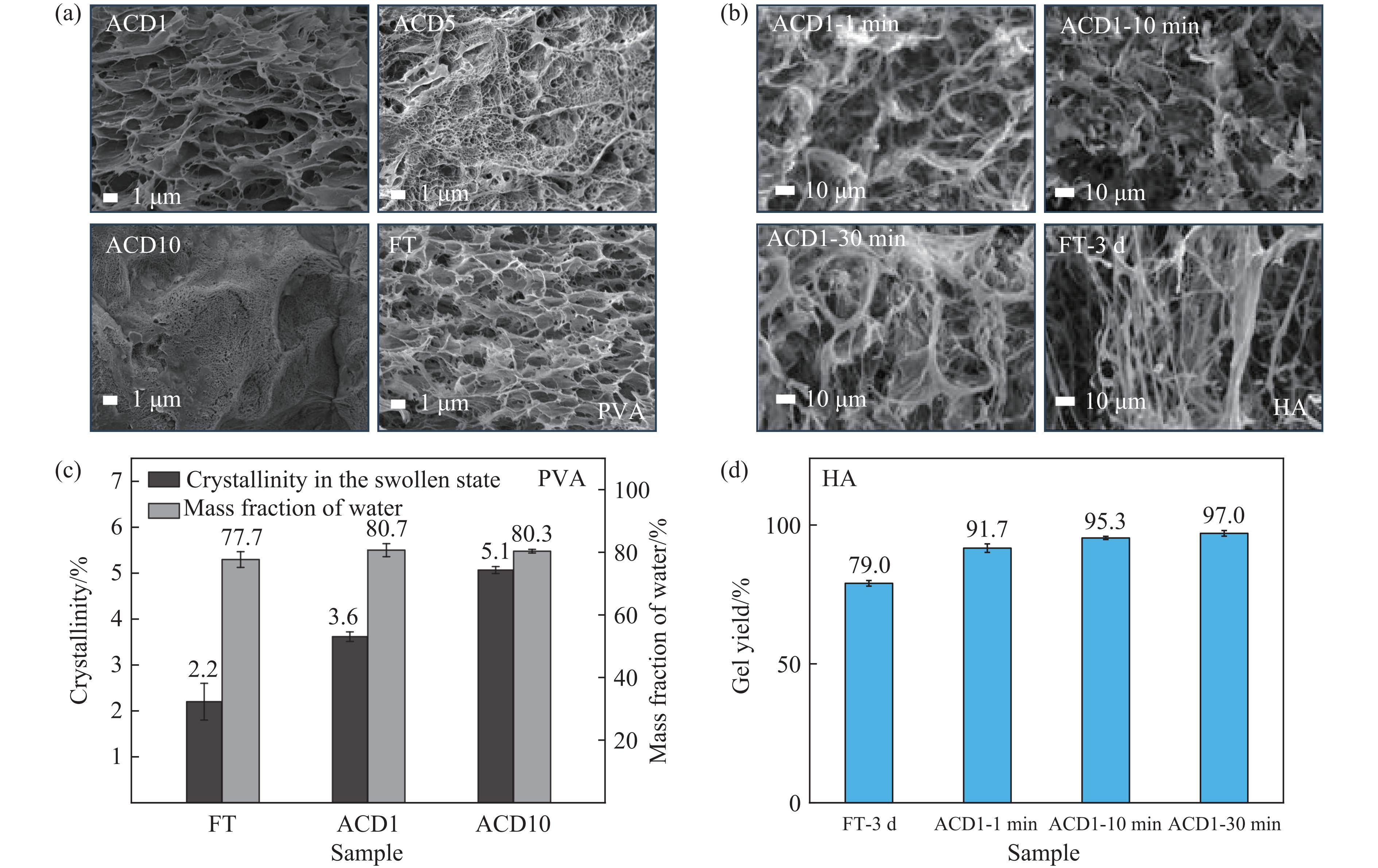
Based on the principles of gel preparation via freeze-thaw method and research progress in hydrogel synthesis, this study explores the effects of different pressure parameters systematically from the perspective of pressure regulation. Pressure magnitude, pressure compression and decompression rate, and number of cyclic loading were investigated during the gelation process of polymer solutions. By using the alternate compression-decompression (ACD) method, efficient and rapid synthesis of a series of hydrogels with excellent mechanical strength is enabled. These hydrogels have potential applications in diverse fields, including biomedicine, environmental protection, and electronic devices. As an innovative approach, the ACD method not only expands the preparation strategies for hydrogels significantly but also enhances the application potential of hydrogels in the field of soft matter science, providing new insights and directions for further development in this field.

Dynamic Response of Matter
Dynamic Response of Shear Thickening Gel-Filled Honeycomb Sandwich Panels under Blast Loading: Experimental Research
ZONG Qiao, YI Changcheng, LI Zihao, LI Shiqiang
2025, 39(9): 094101. doi: 10.11858/gywlxb.20251069
HTML PDF (47)
Abstract:

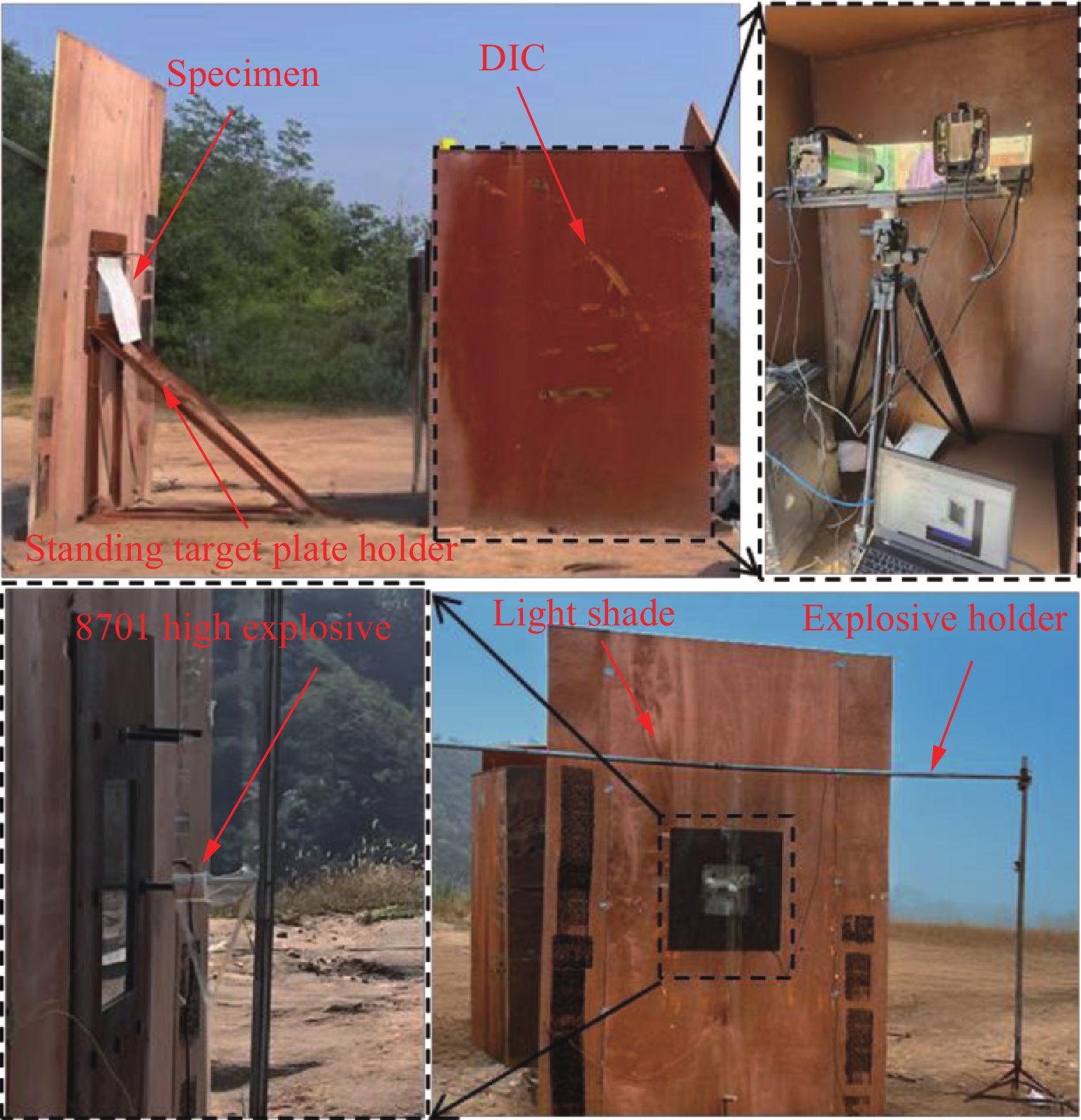
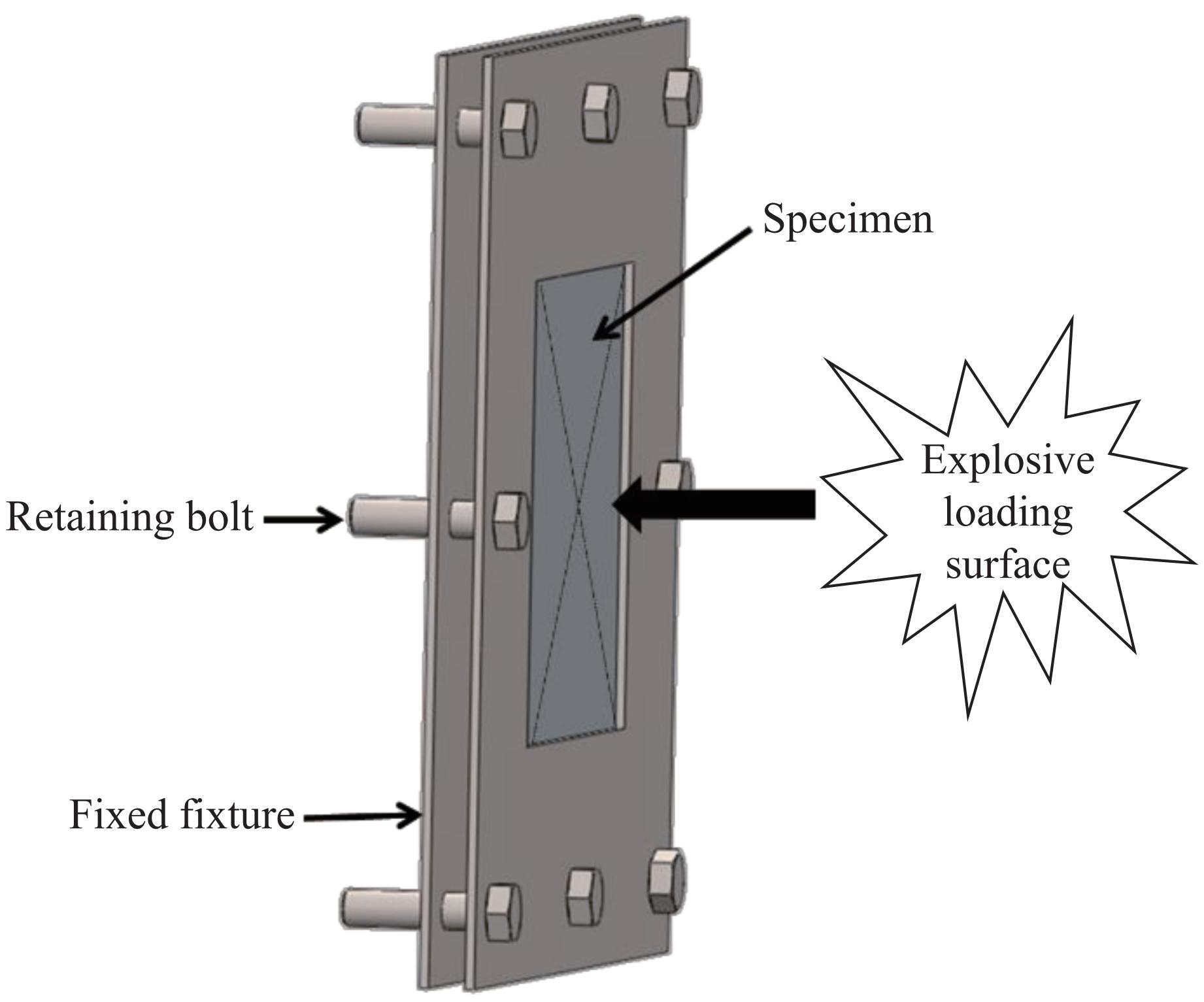
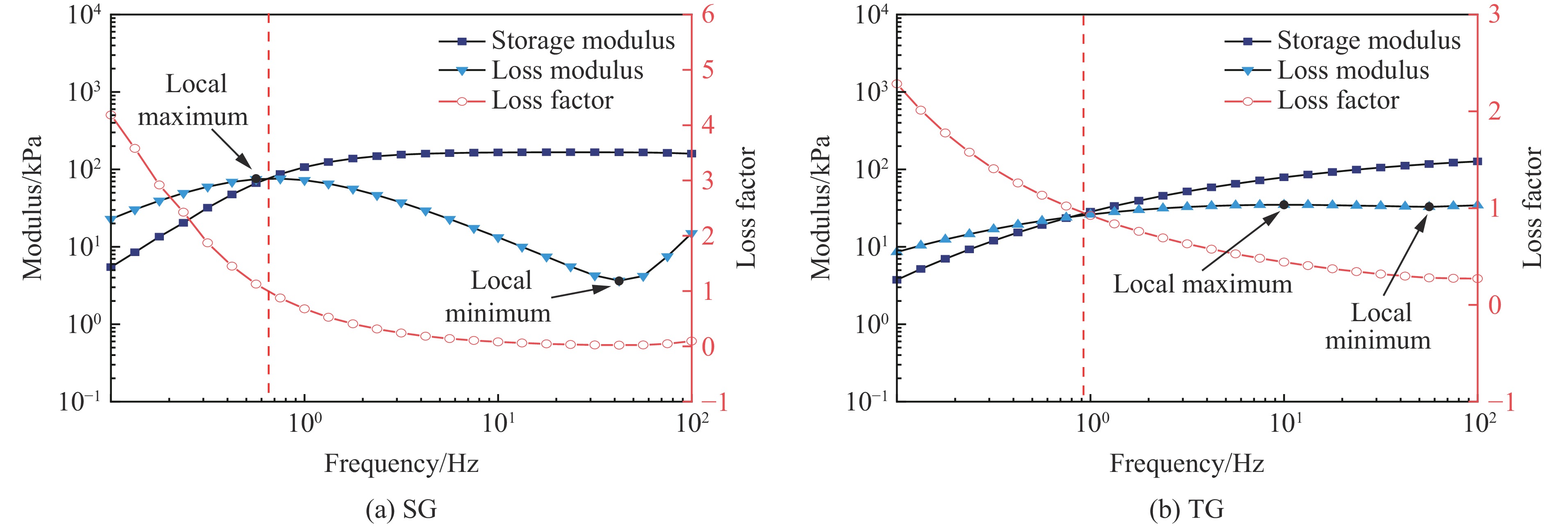
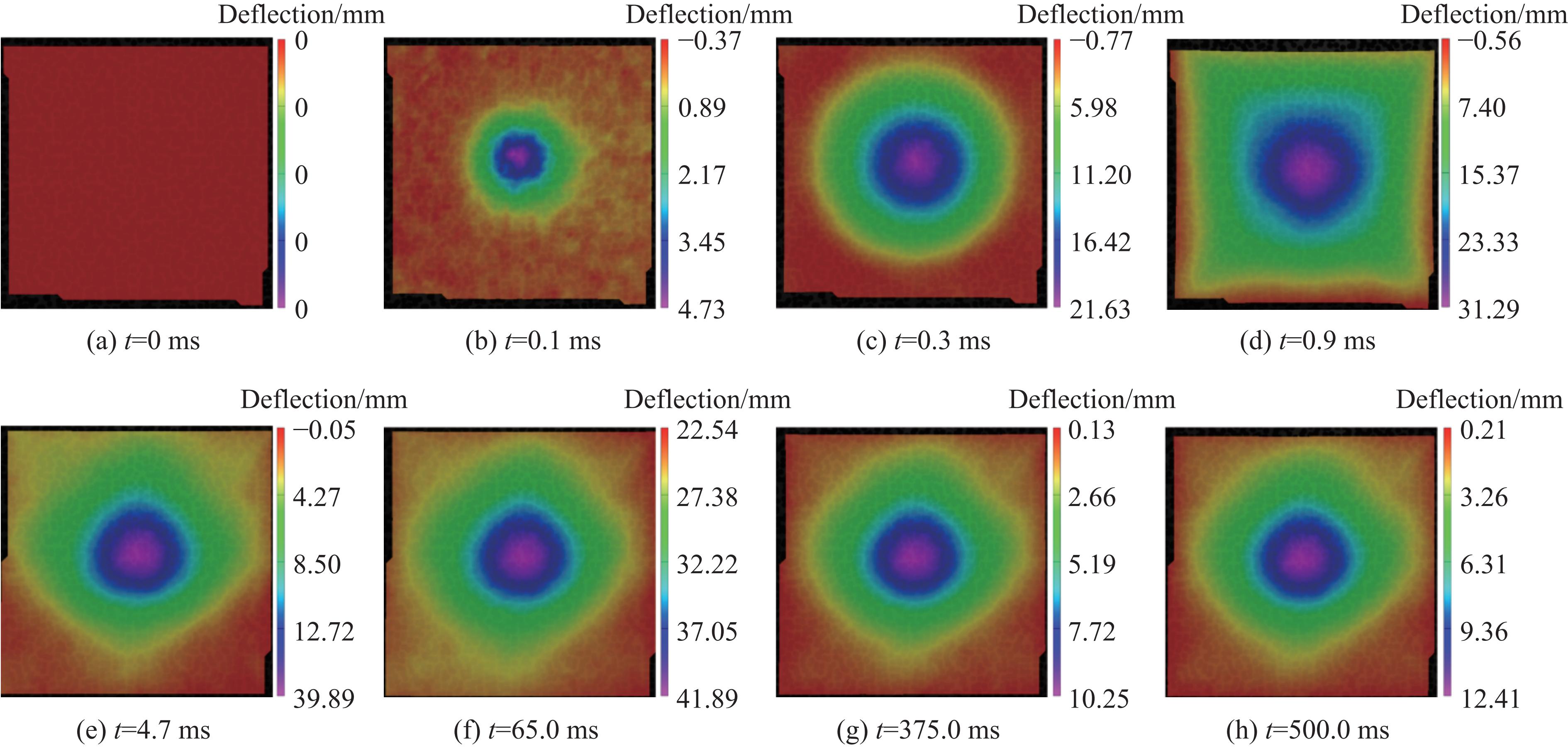
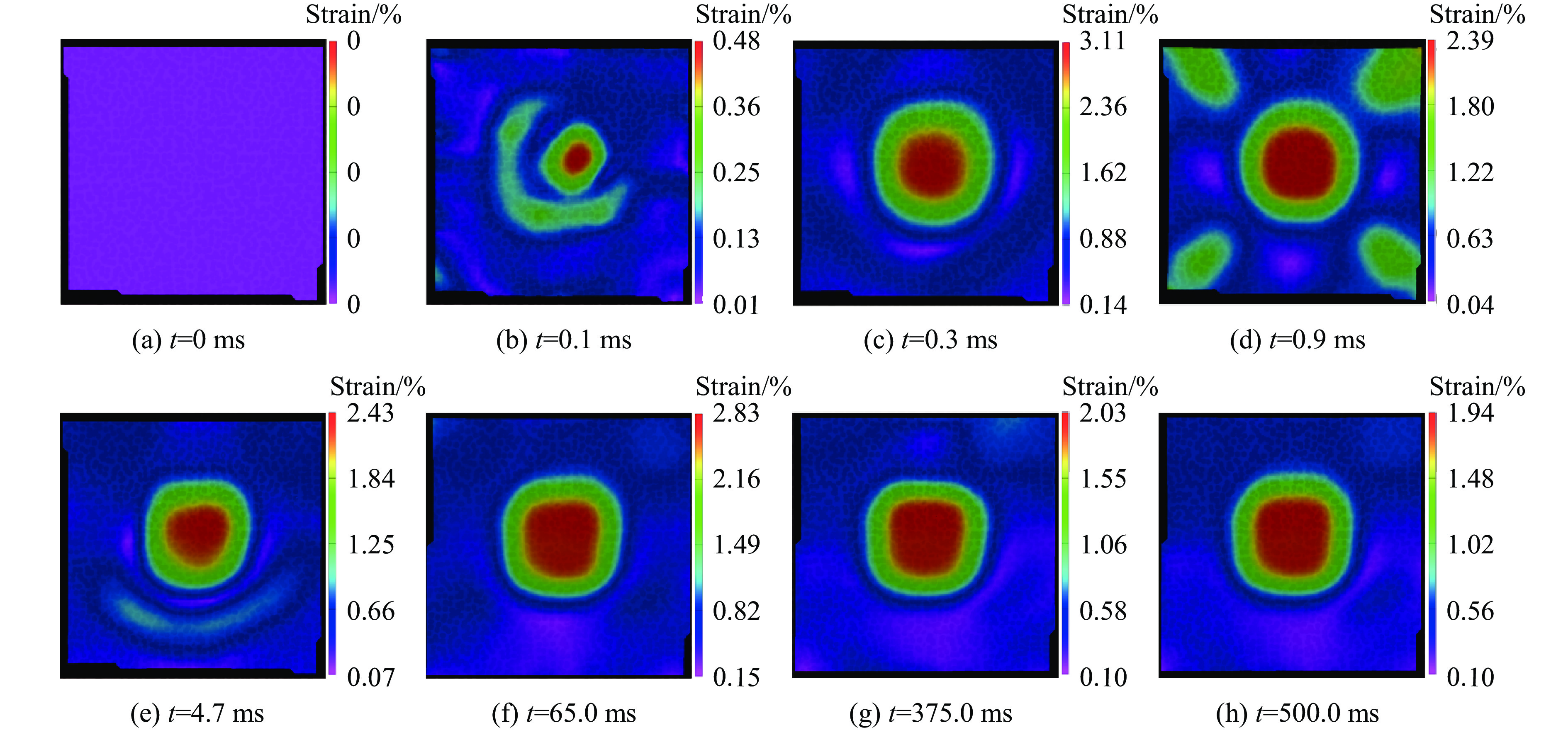
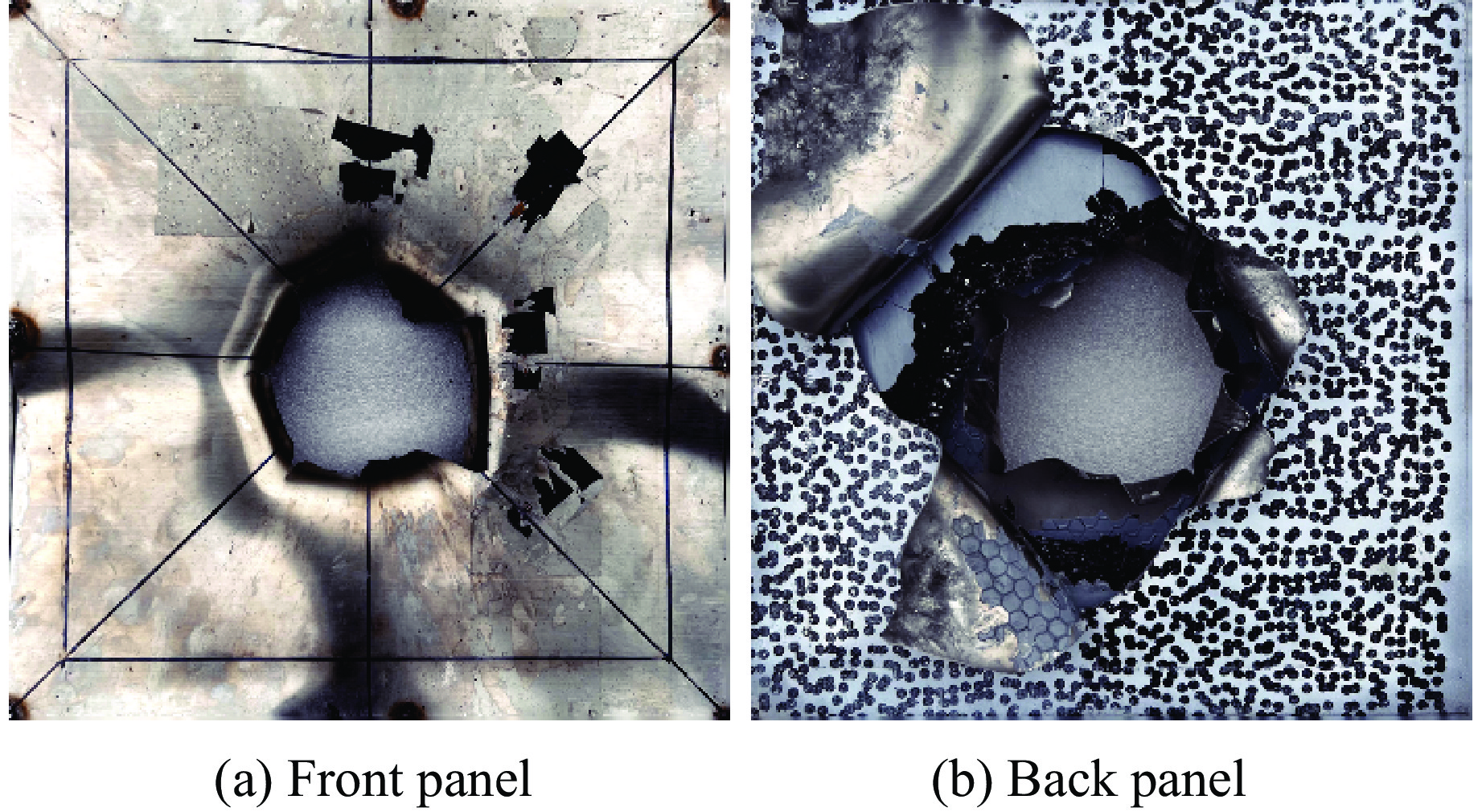
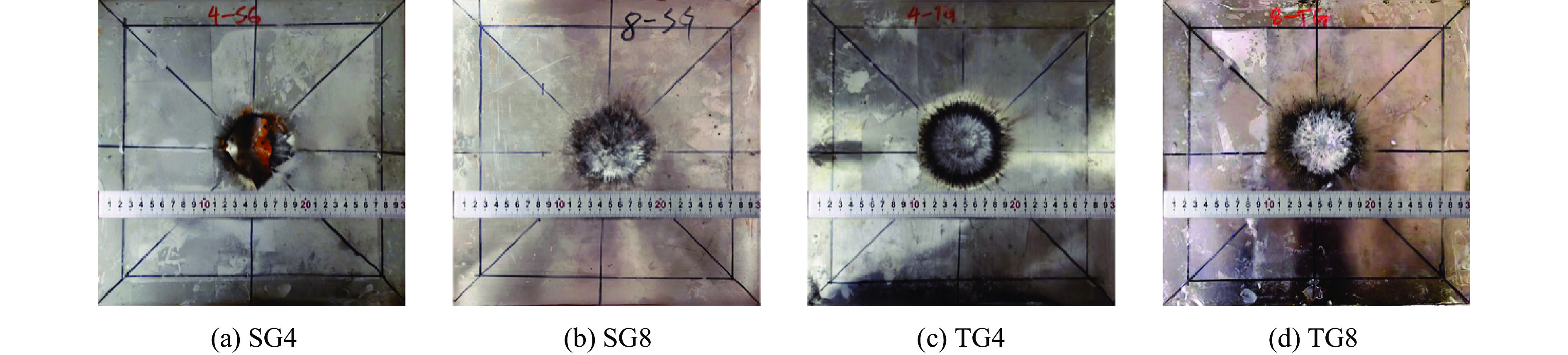
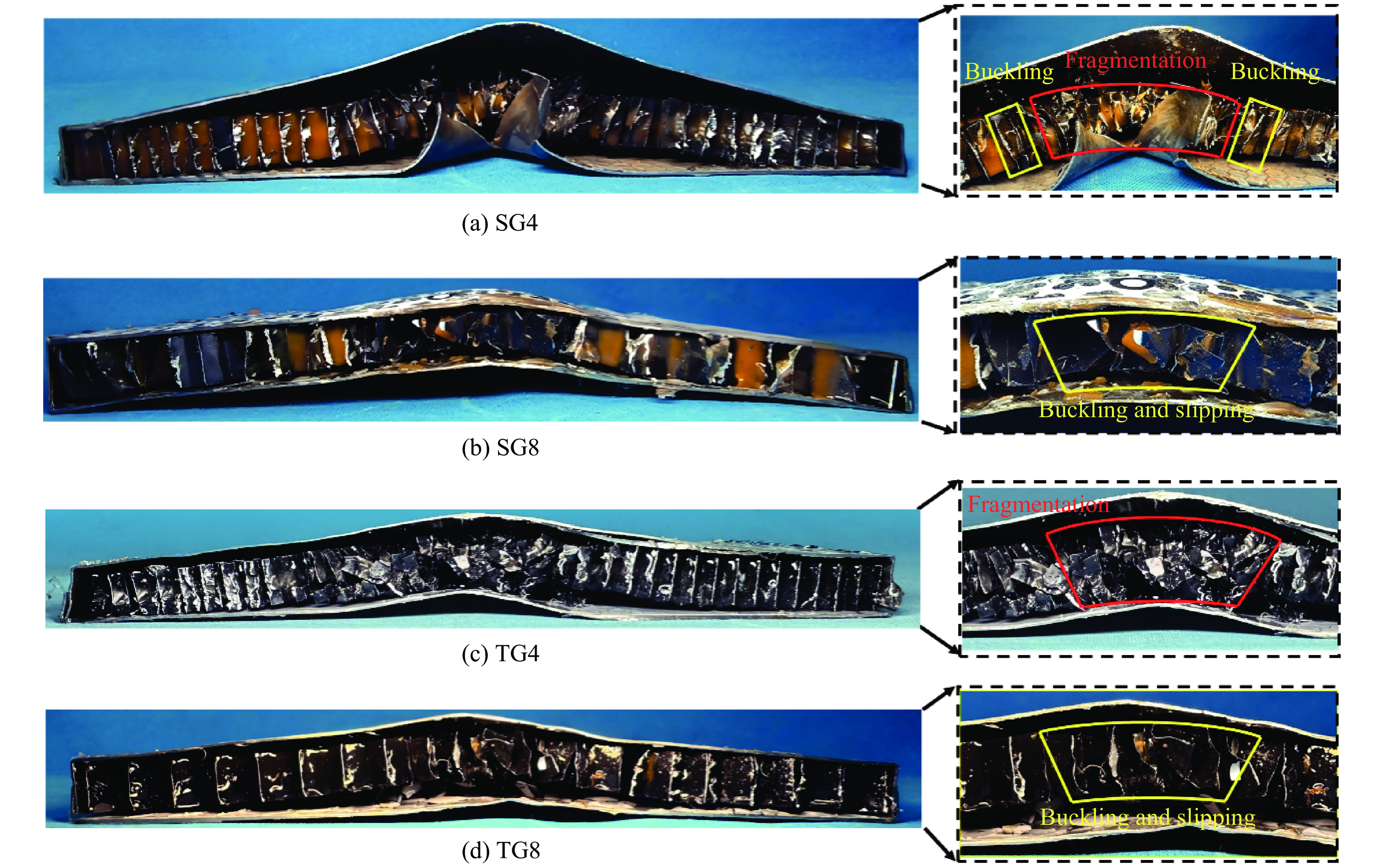
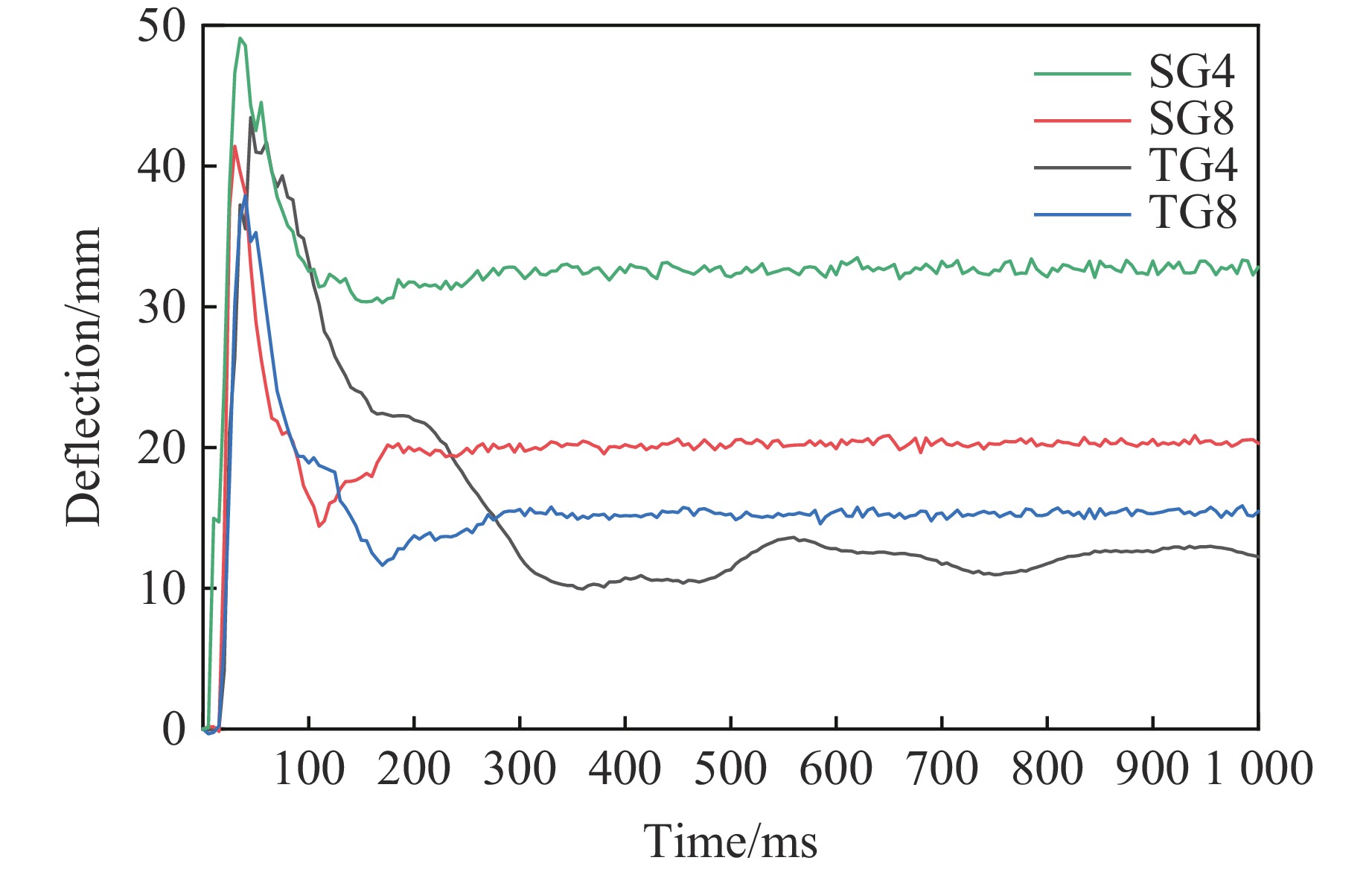
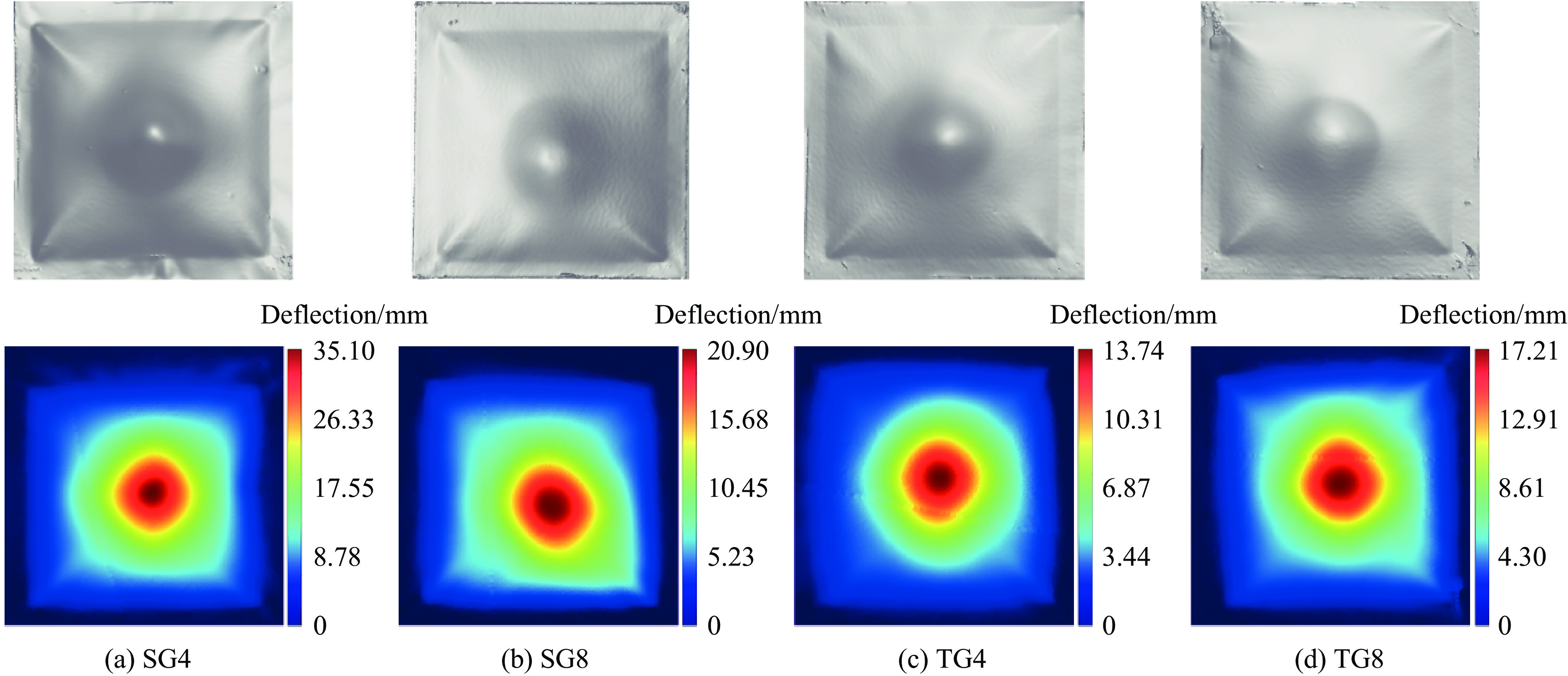
A sandwich panel with superior blast resistance was designed and fabricated by filling aluminum honeycomb cores with two shear thickening gels (STGs) of different compositions, SG and TG. A series of blast experiments were conducted to investigate its dynamic response. The digital image correlation (DIC) technique was used to record and analyze the experimental process, exploring the coupling mechanism between the STG filling and the honeycomb core and its effect on the dynamic behavior of the structure. In addition, by analyzing the deformation modes, strain histories, and failure patterns of the front and back face sheets as well as the core layer, the effects of honeycomb cell size and STG type on the blast resistance of the sandwich panel were determined. Experimental results showed that the unfilled honeycomb sandwich panel suffered severe damage to both face sheets, indicating poor protective performance. The STG filling significantly enhanced the blast resistance, and the TG-filled panel achieved better protection than the SG-filled panel due to its stronger shear thickening effect. When the honeycomb cell size was 4 mm, the front face sheet of the SG-filled panel fractured, whereas the TG-filled panel exhibited more uniform plastic indentation, and the back face sheet deflection was reduced by 61.0%. When the honeycomb cell size was 8 mm, the TG-filled panel achieved reductions of 5.6% (front panel) and 17.7% (back panel) in deflection compared to the SG-filled panel. The experimental results indicate that optimizing the type of STG and honeycomb structural parameters can effectively modulate the blast resistance of the sandwich panel.

Statistical Law of Dynamic Fracture Strain Distribution of 6061 Aluminum Electromagnetic Expansion Ring
CAI Zhoufeng, JIANG Yan, ZHANG Hao, LIU Mingtao
2025, 39(9): 094102. doi: 10.11858/gywlxb.20251010
HTML PDF (10)
Abstract:

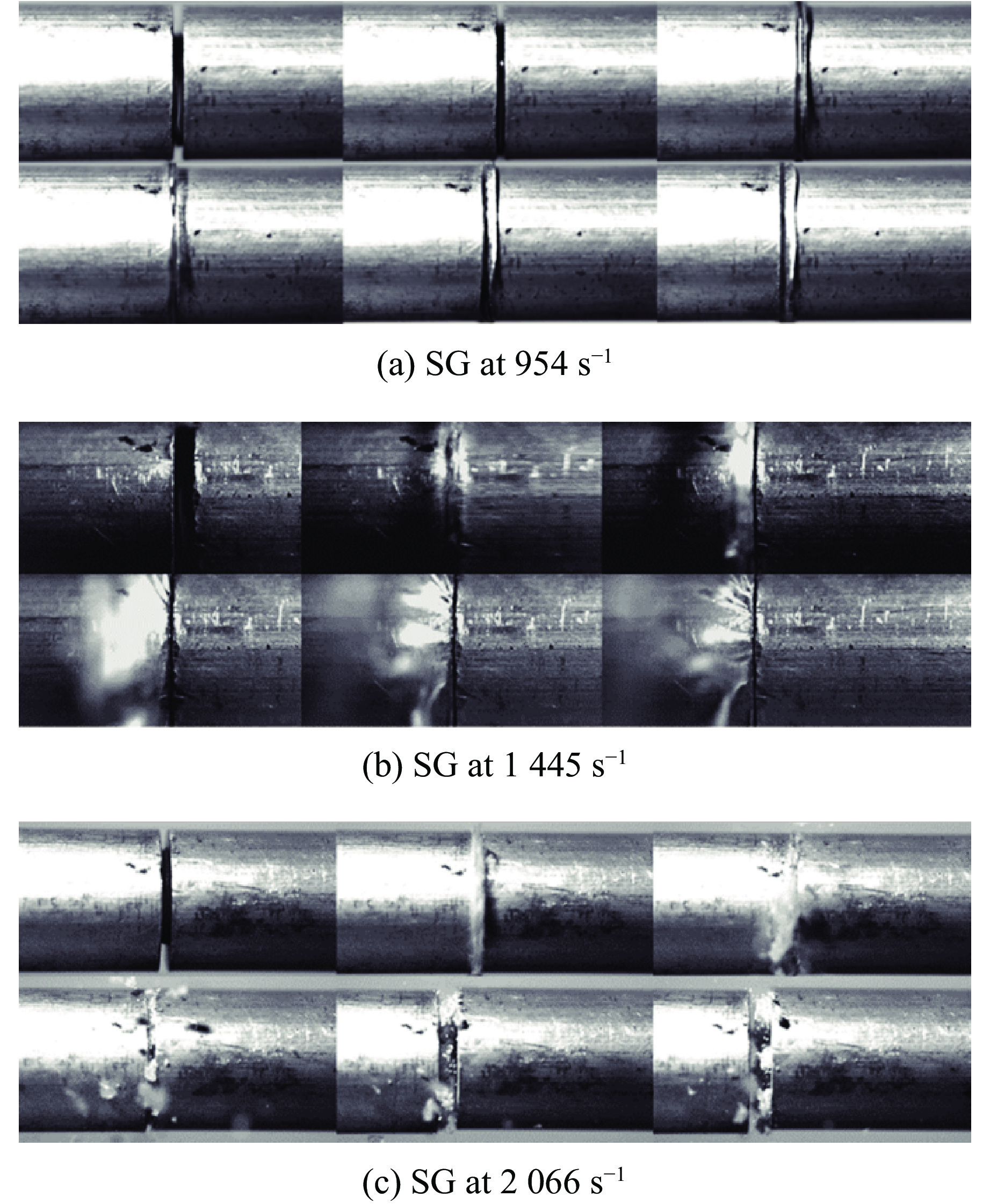
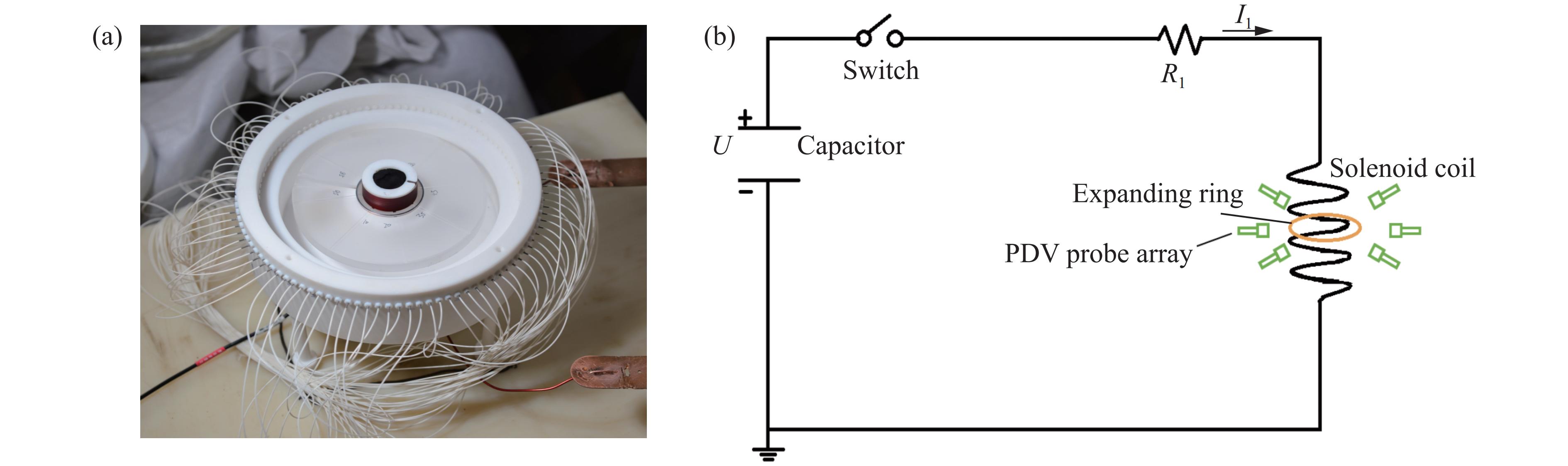
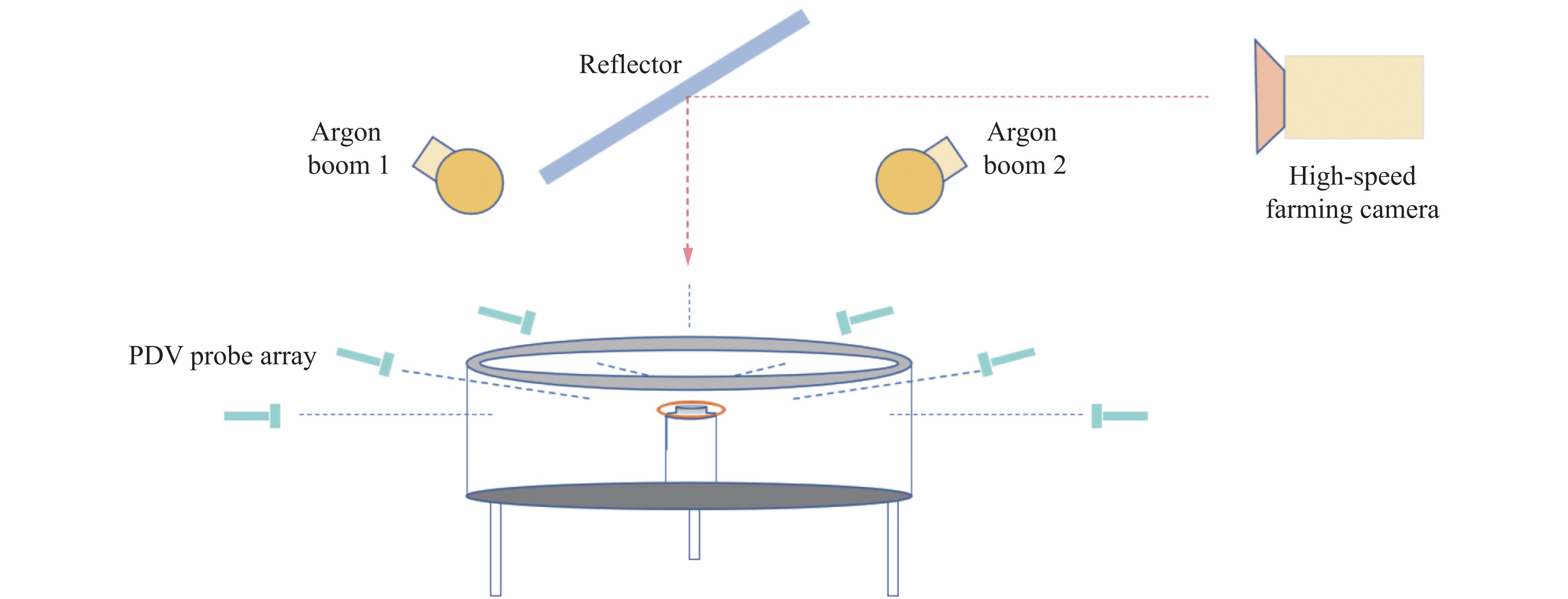
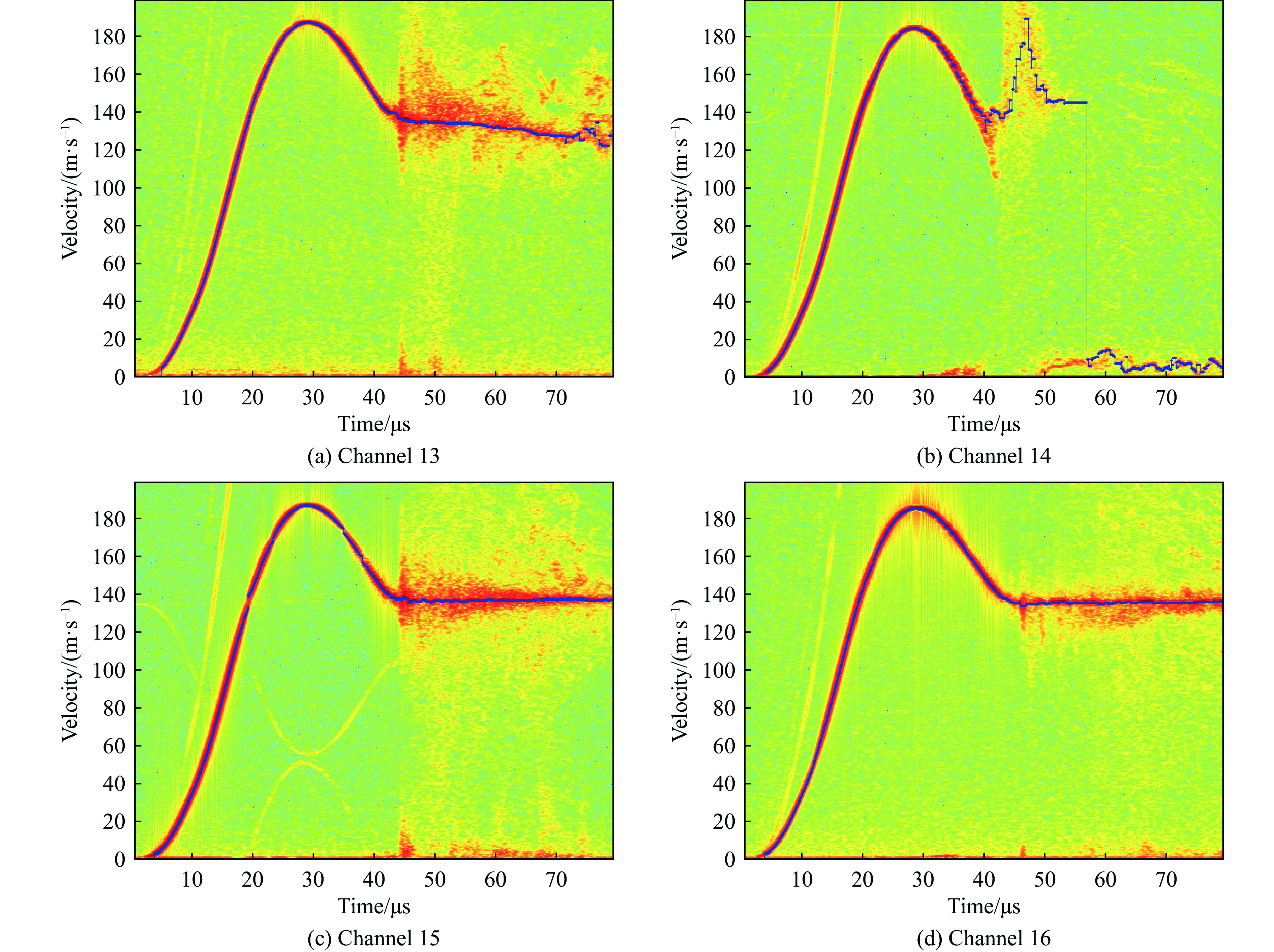
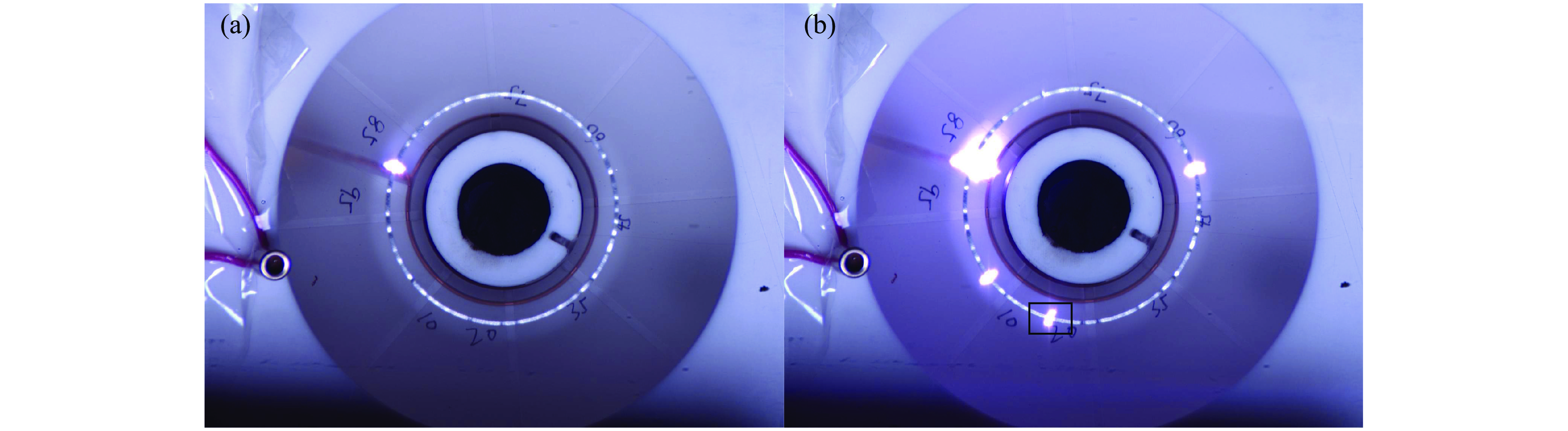
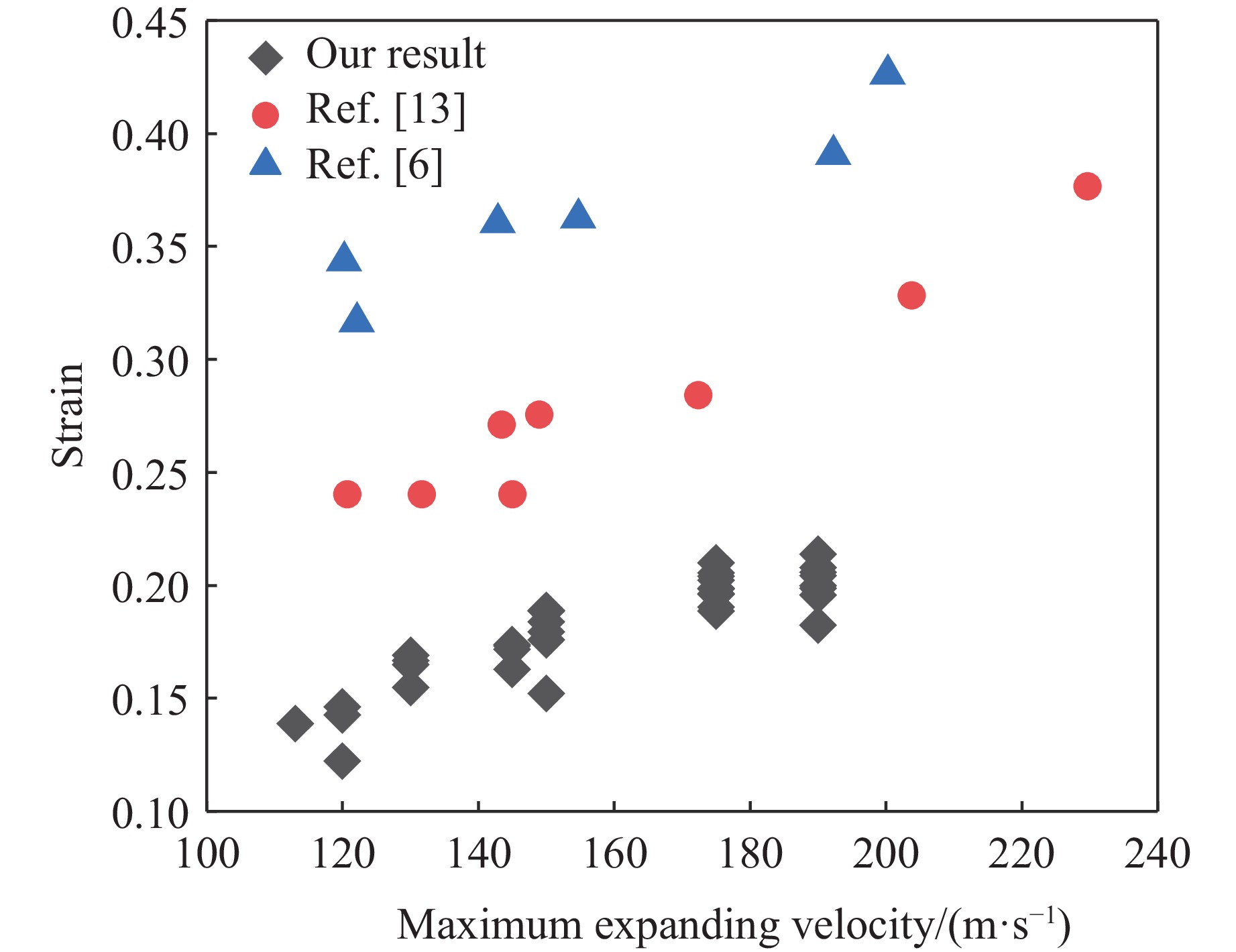
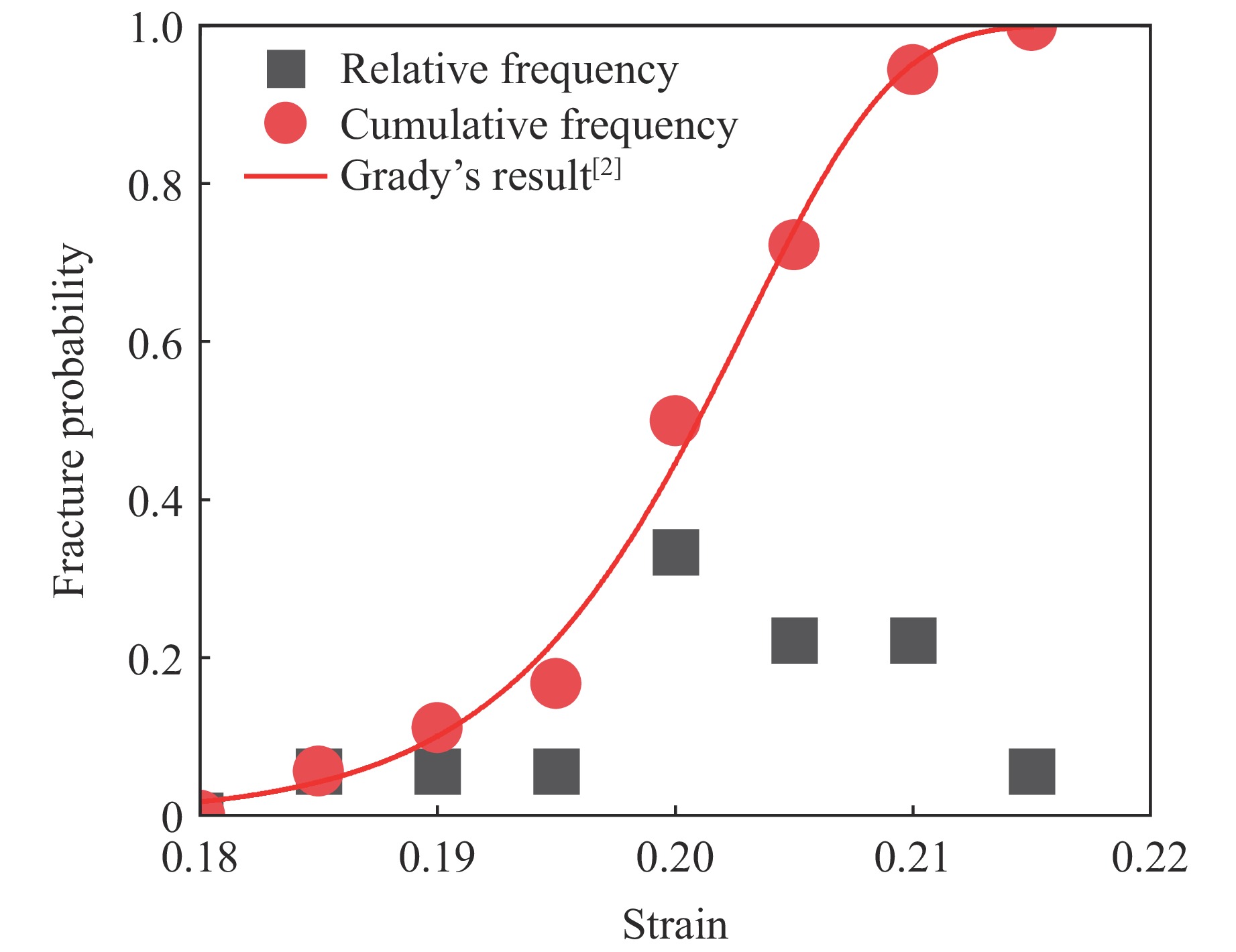
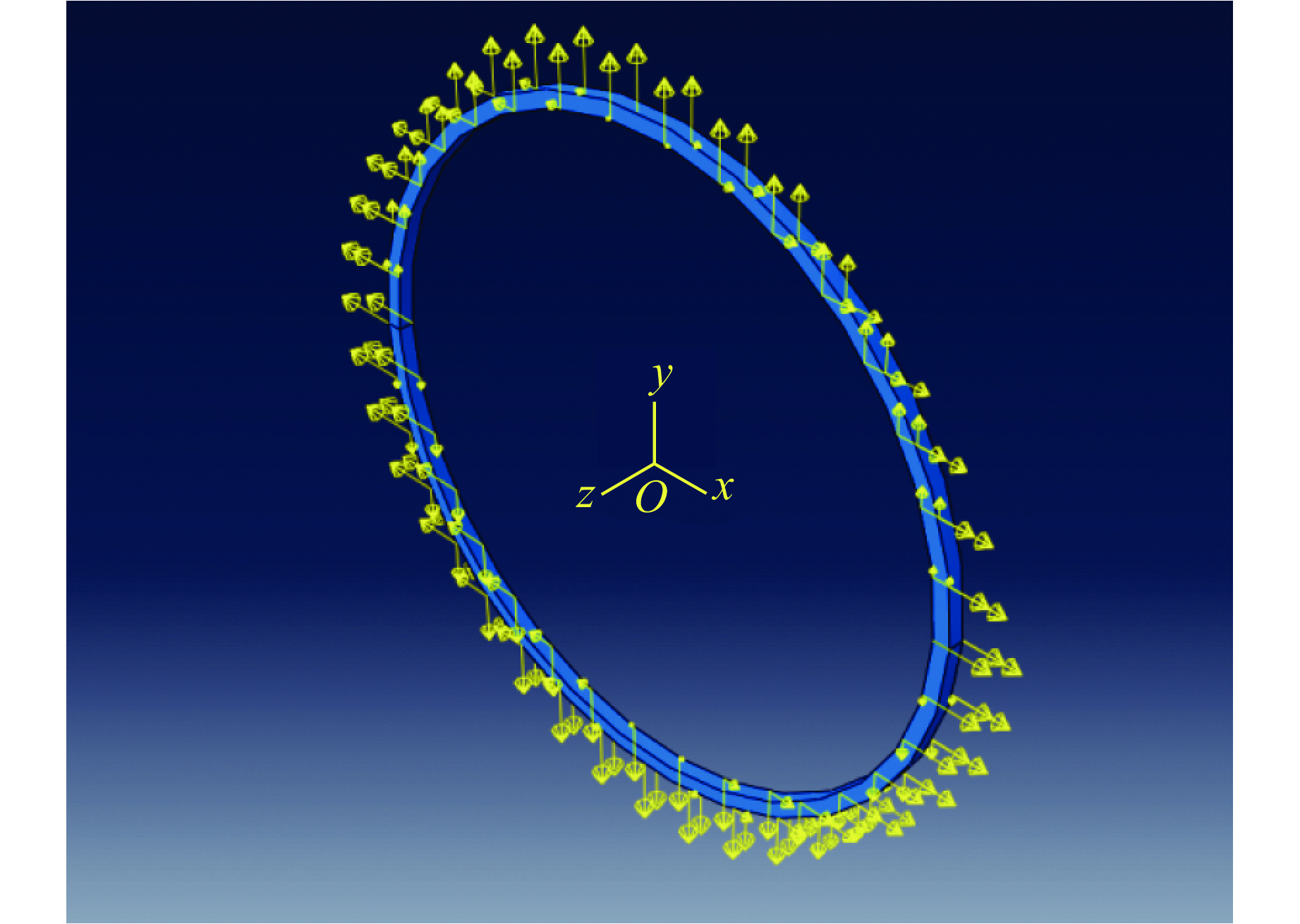
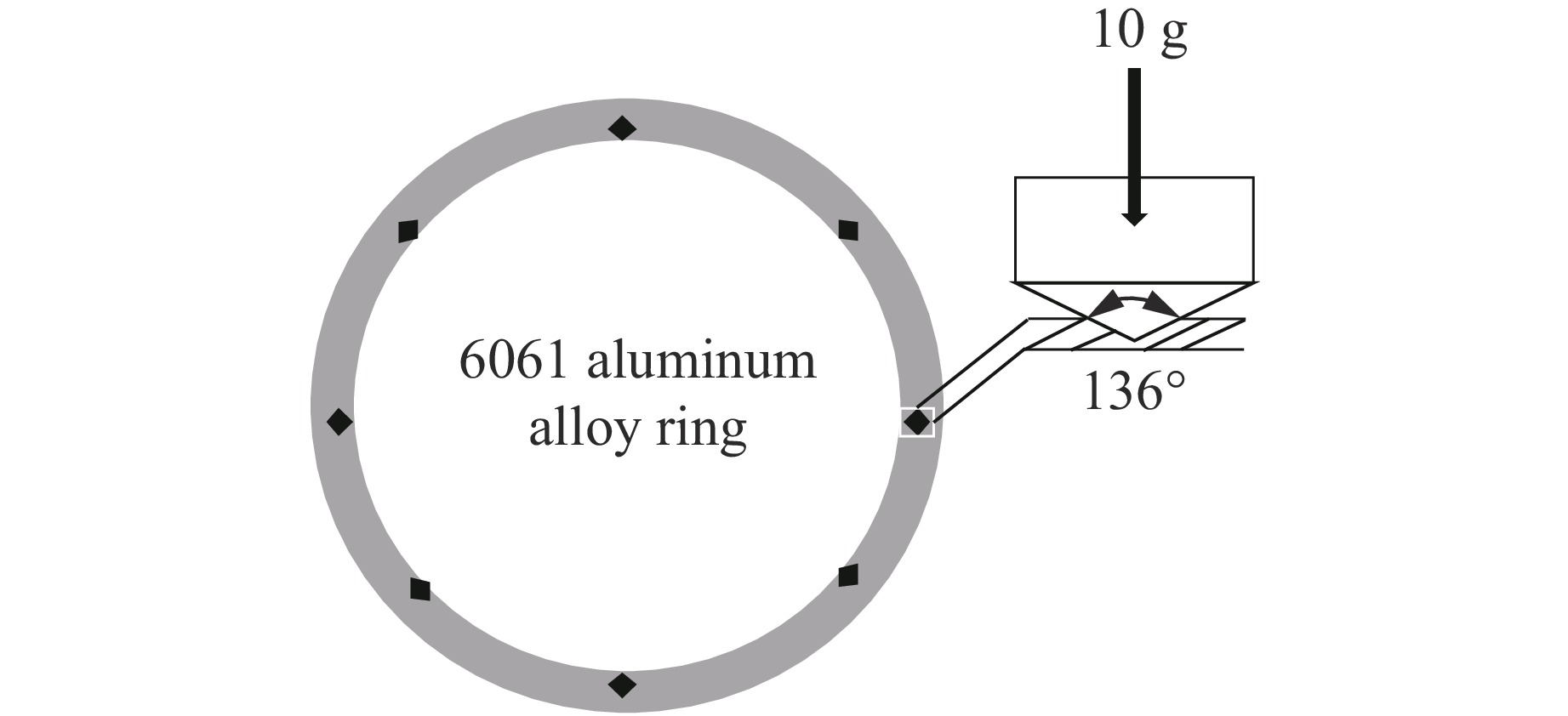
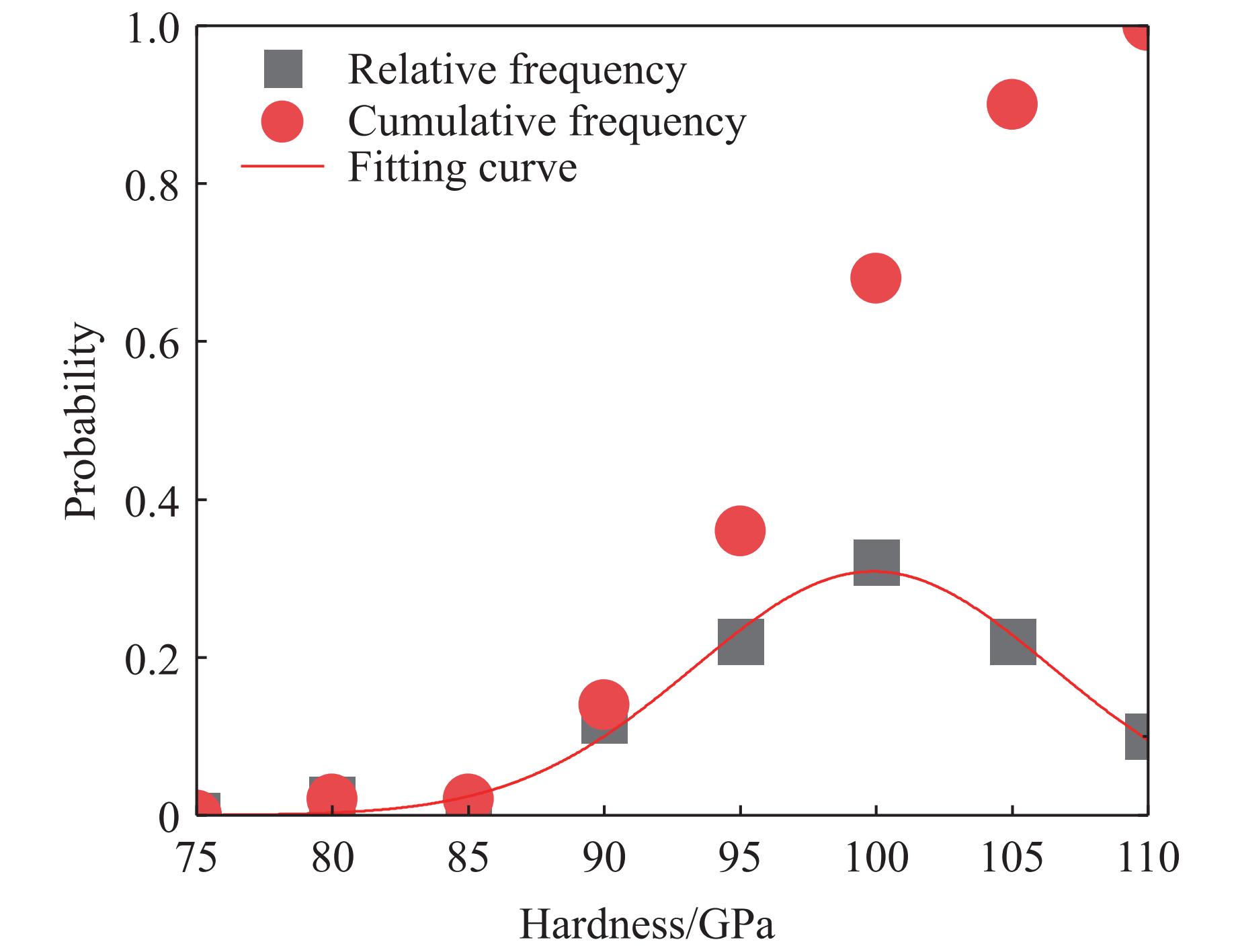
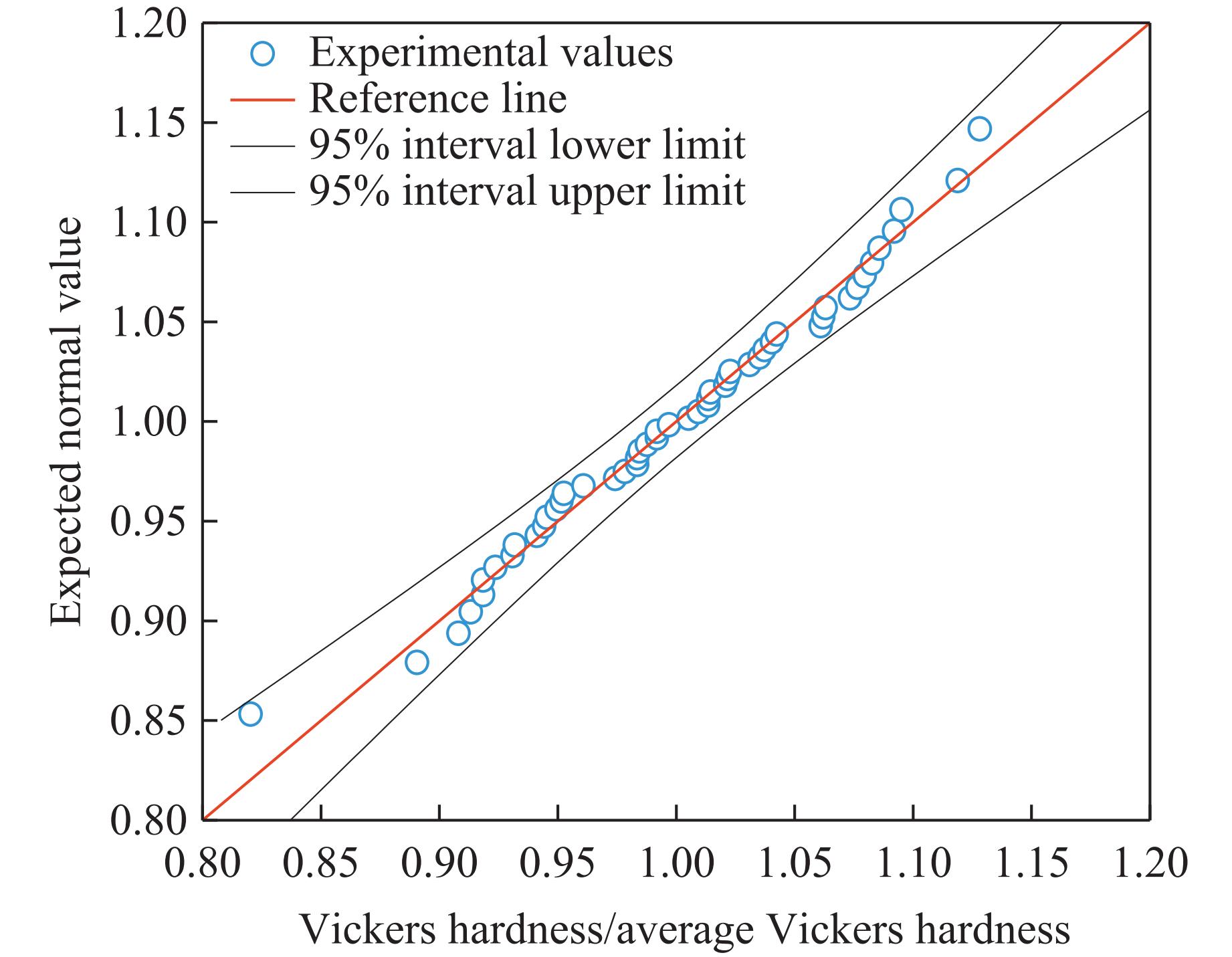
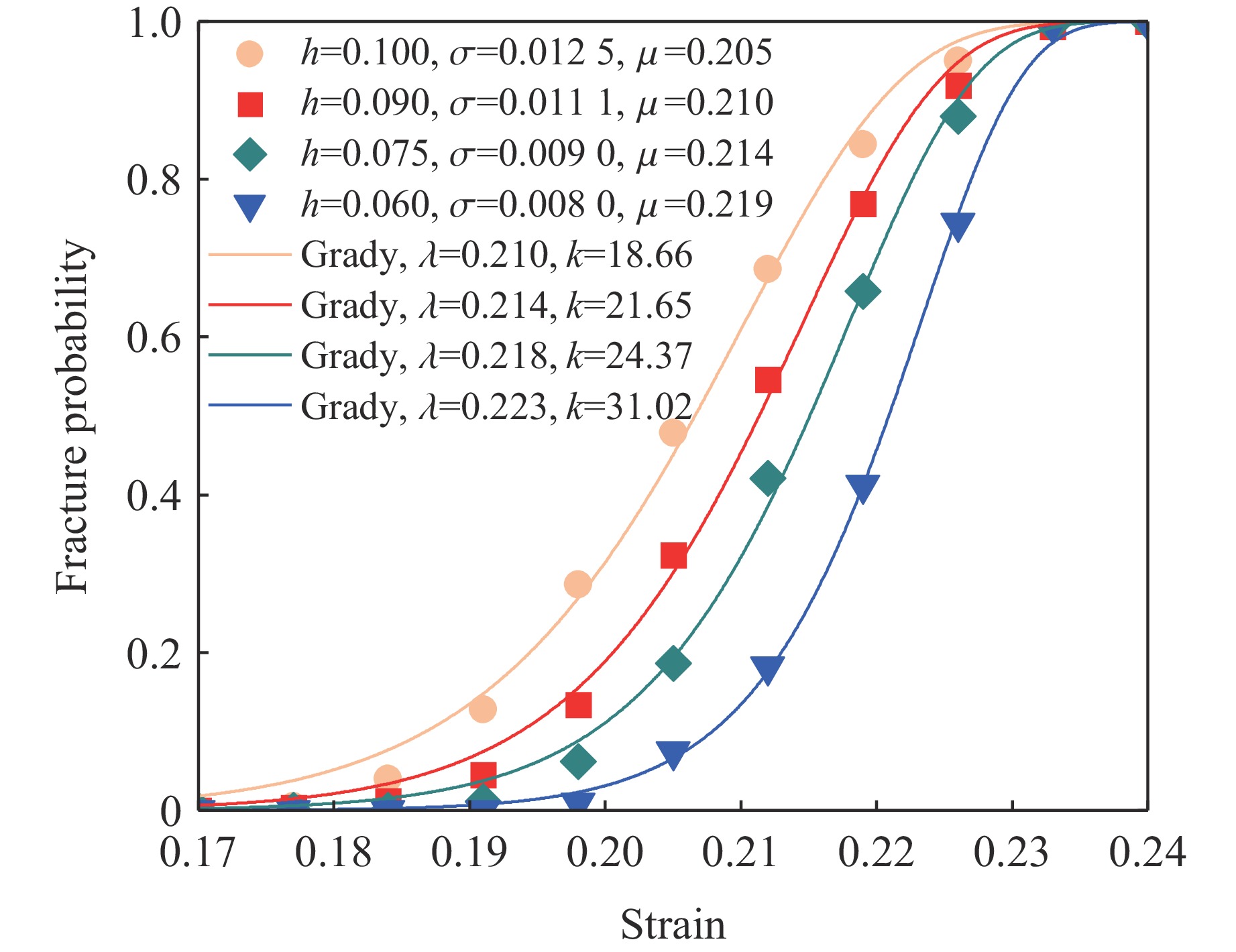
The fracture strain distribution of ductile metal rings under dynamic loading has significant application value, and the electromagnetic expansion ring is a commonly used experimental loading method. However, currently there is a lack of effective in-situ observation technology in experiments, making it impossible to obtain high-precision fracture strain statistical data. In this paper, the newly developed close-packed photonic Doppler velocimetry (PDV) array testing technology was applied to the electromagnetic expanding ring experiment, and a large amount of high-confidence fracture strain experimental data were obtained. The statistical distribution of material yield strength was obtained through hardness measurements, a probabilistic constitutive model was established, and large-scale computations were carried out to obtain a wealth of fracture strain simulation results. By combining experiments with simulations, the strain rate effect of dynamic fracture strain in 6061 aluminum electromagnetic expanding ring and the rationality of the Weibull distribution assumption for fracture strain were analyzed.

Optimization and Mechanical Performance Analysis of FCCZ Lattice Structure
LIU Hongwei, QIU Ji, WANG Yu, LI Zhiqiang
2025, 39(9): 094201. doi: 10.11858/gywlxb.20251044
HTML PDF (25)
Abstract:

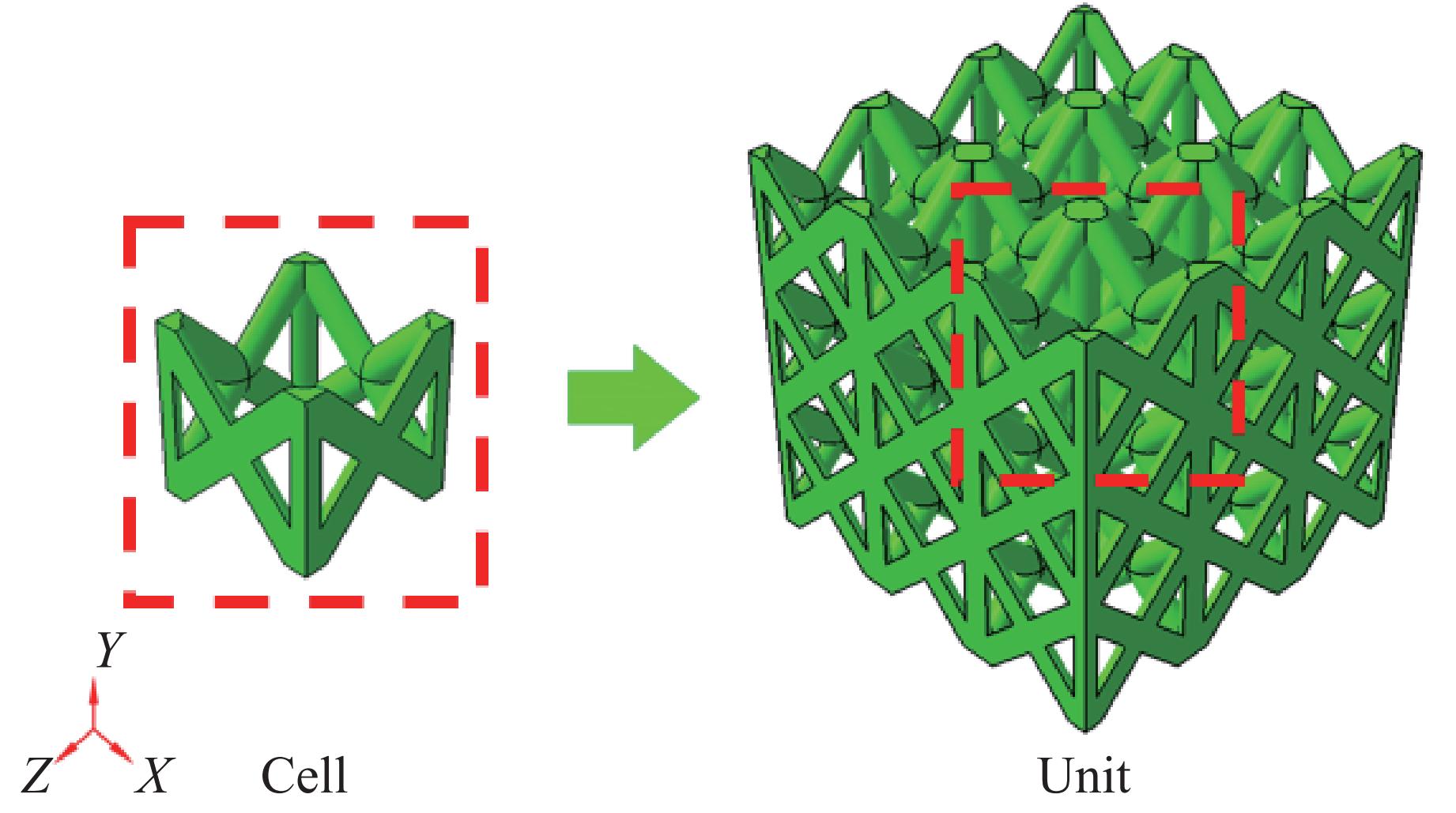
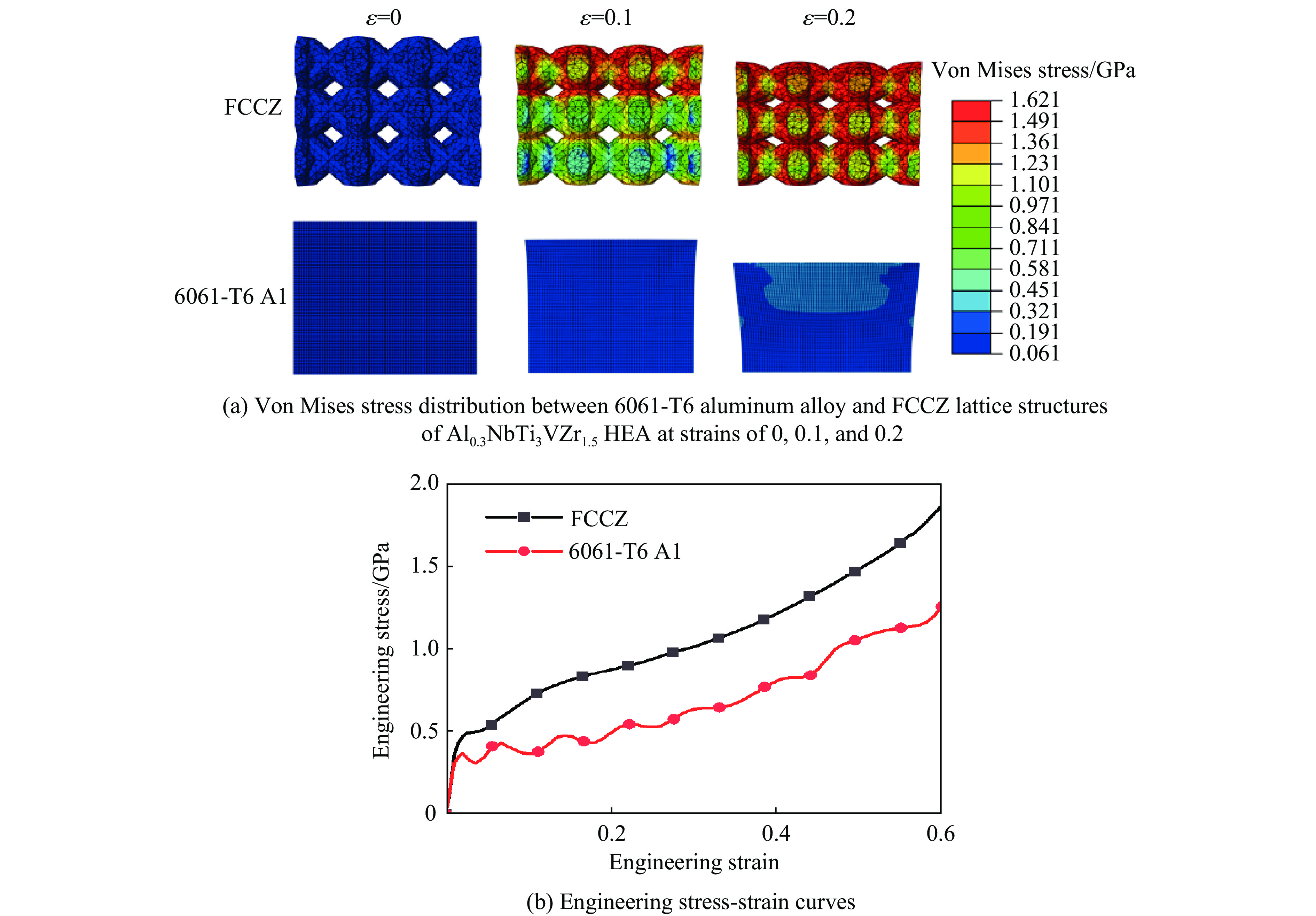
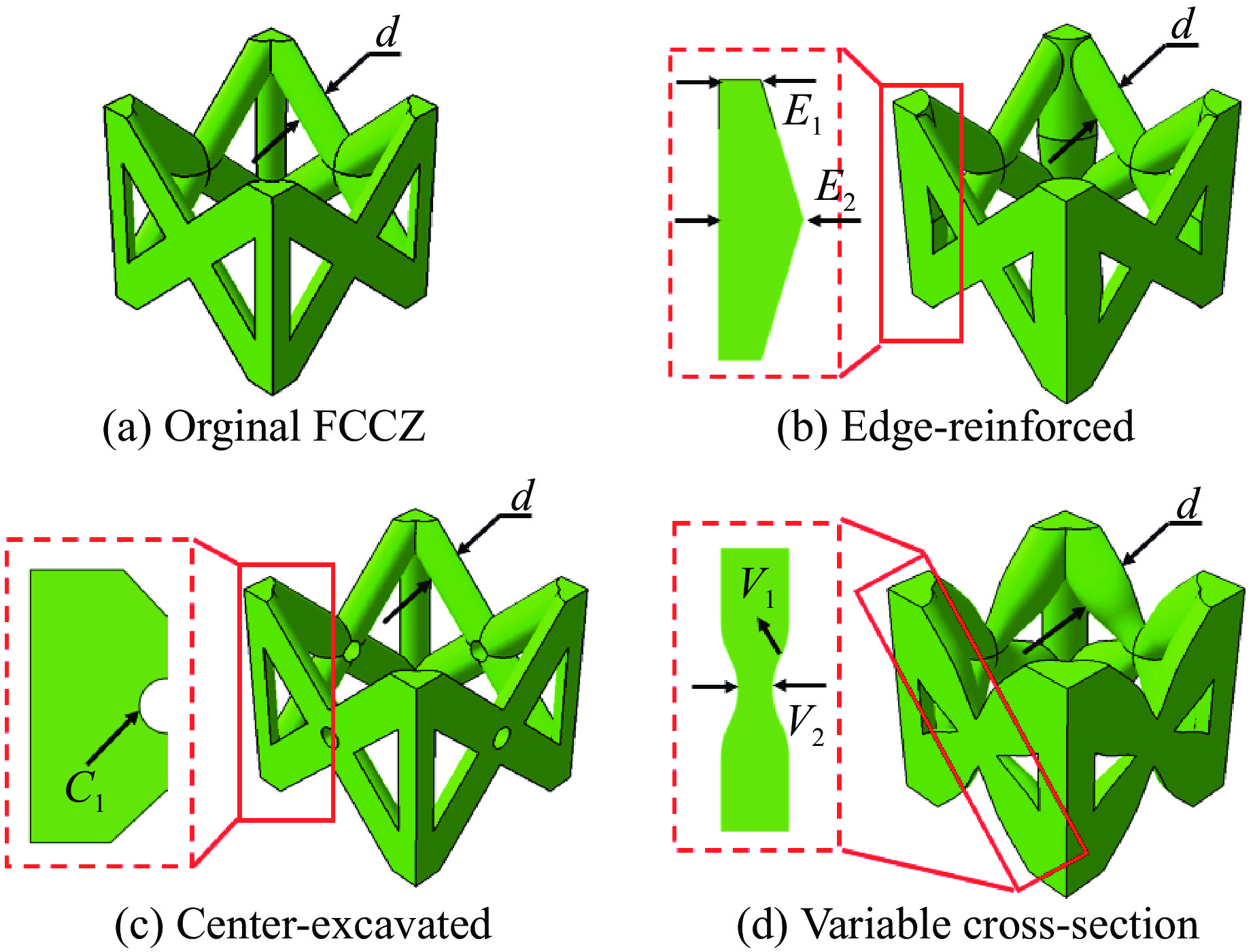
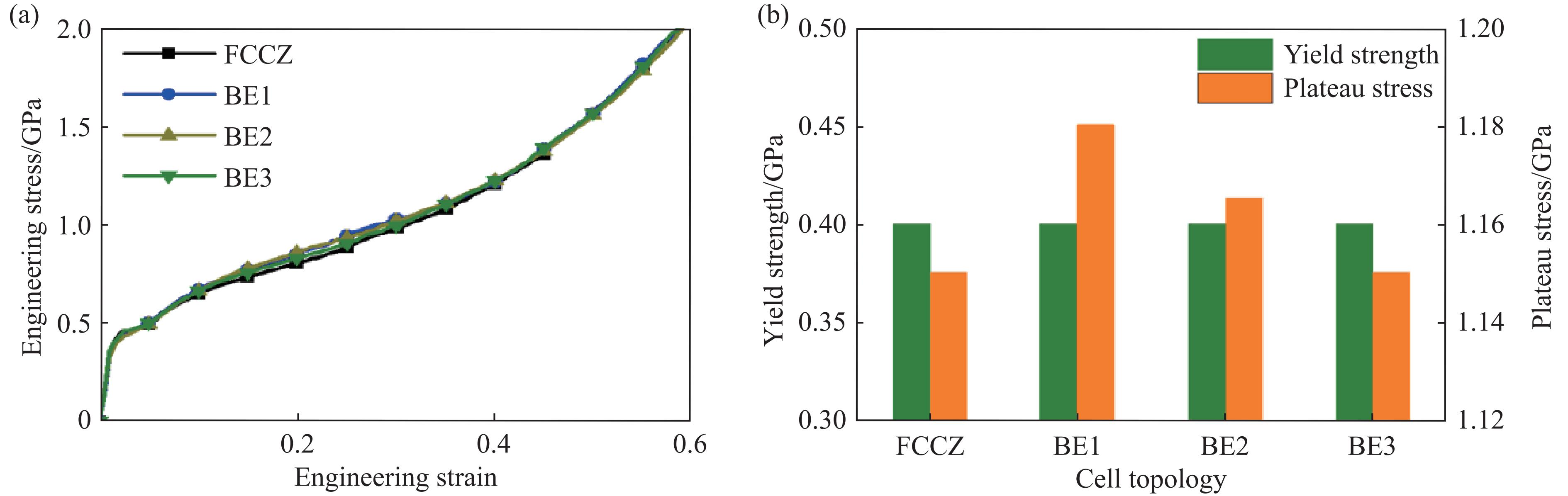
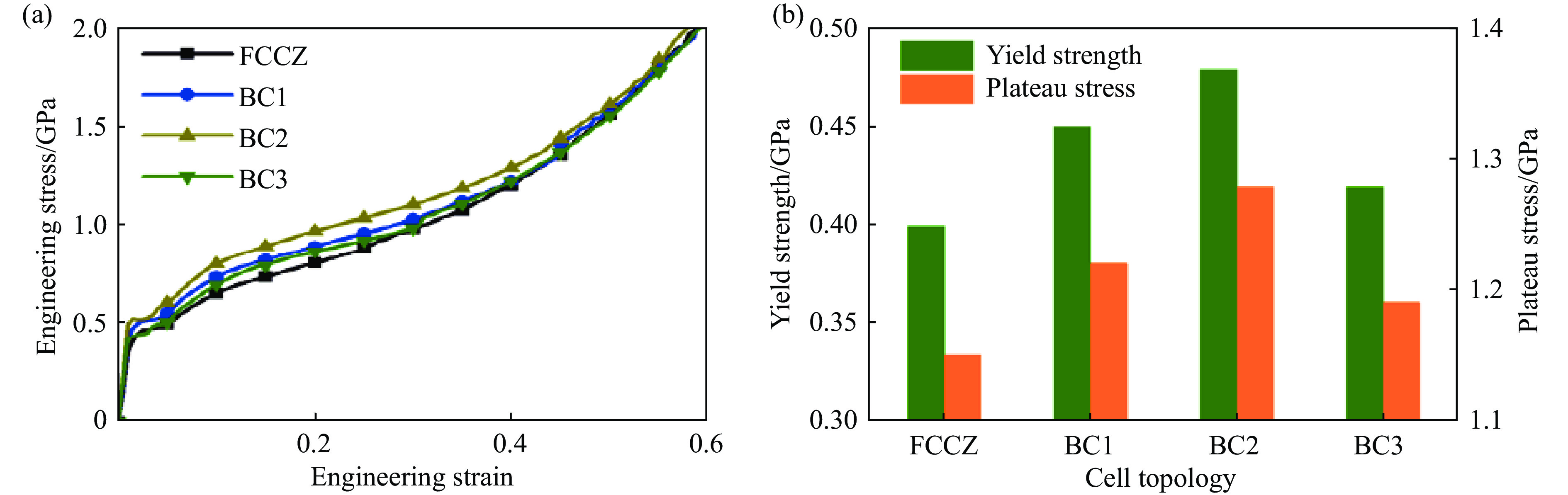
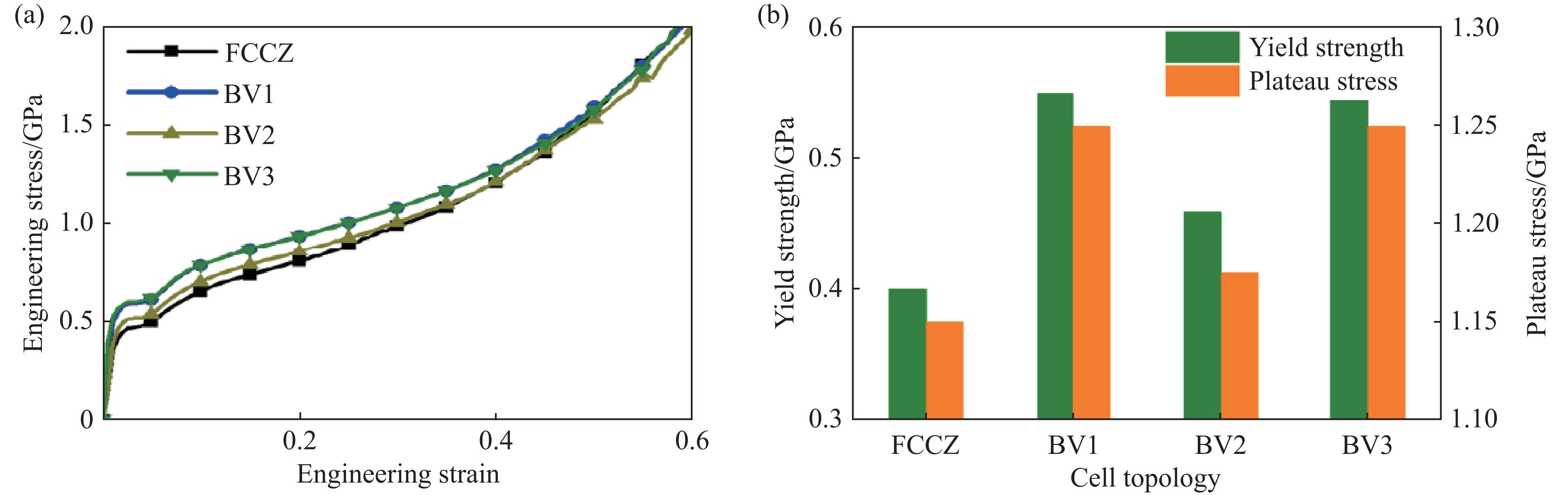
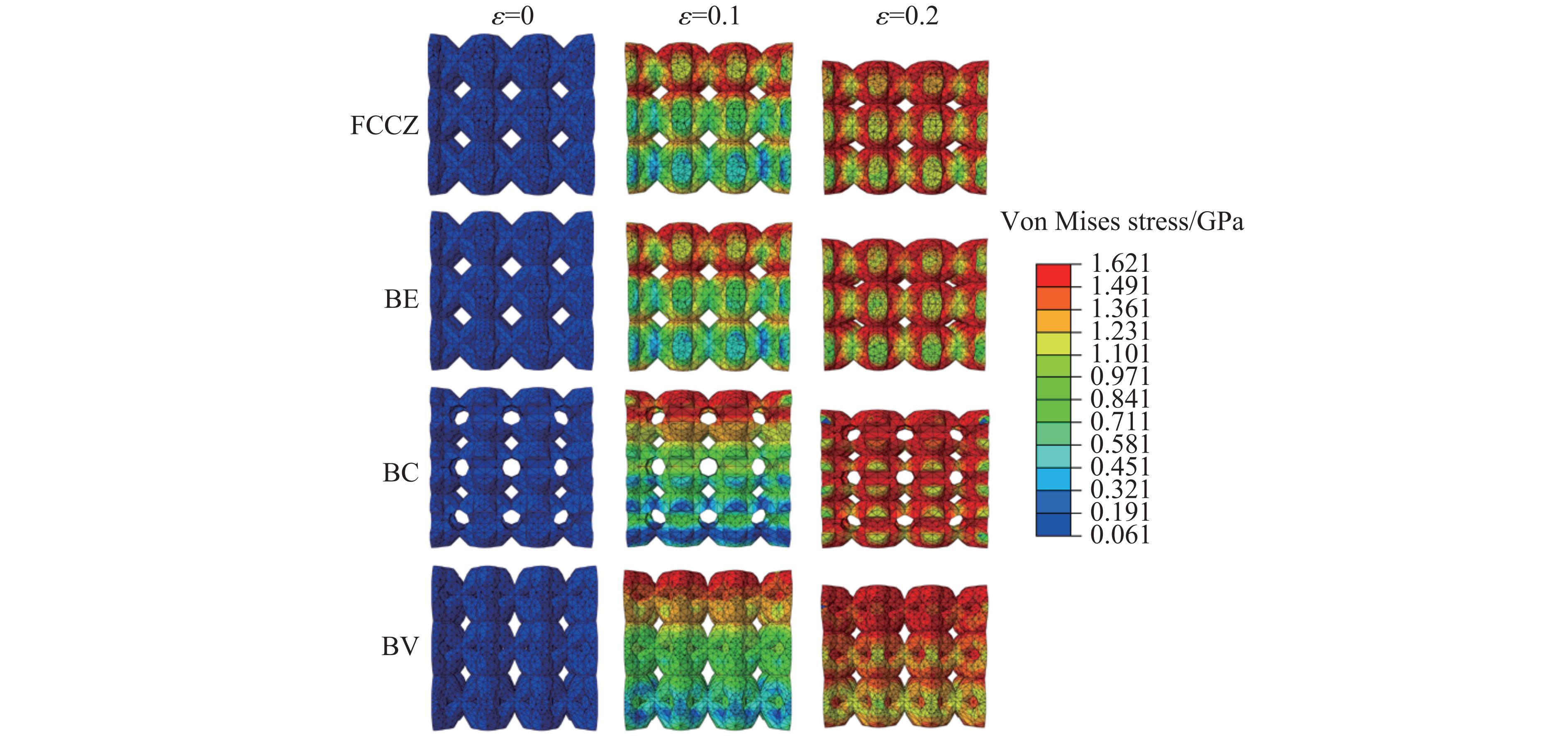
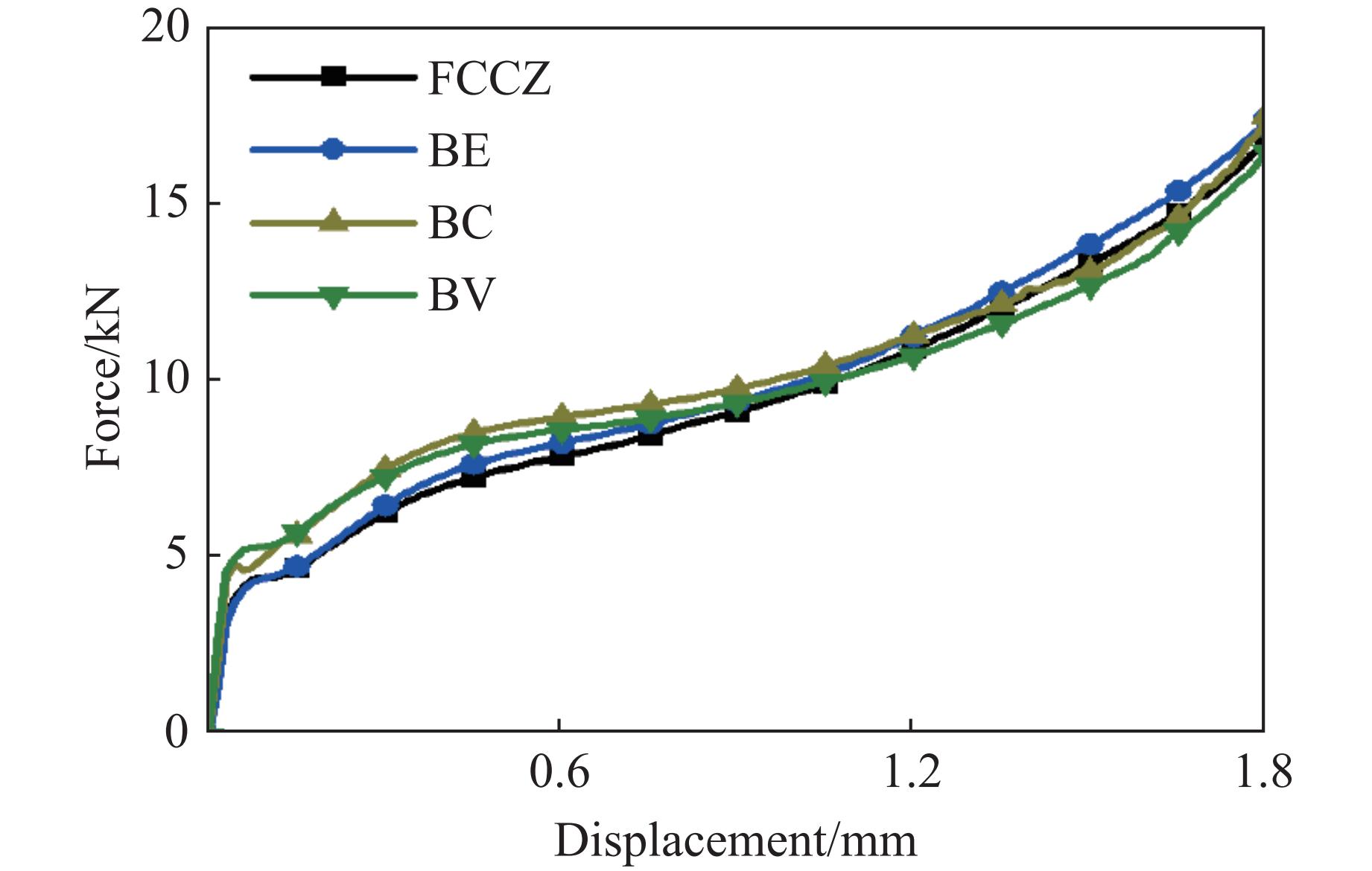
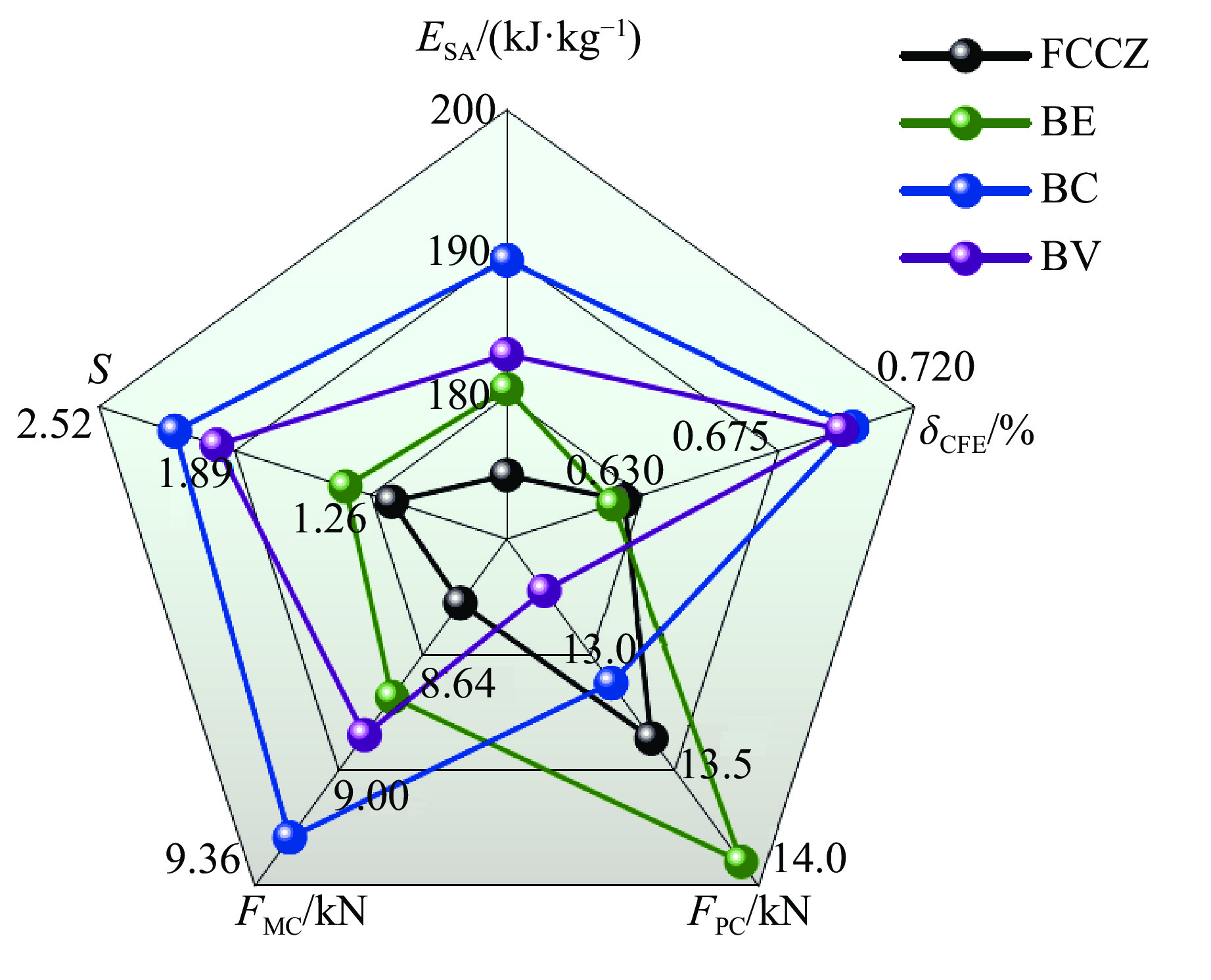
This study addresses the urgent demand for high-performance materials in aerospace and other fields, exploring the dynamic compression behavior and energy absorption characteristics of a new high entropy alloy (HEA) Al0.3NbTi3VZr1.5 combined with optimized lattice structures. To solve the problem of insufficient performance of traditional face centered cubic unit cell with Z-struts (FCCZ) lattice structures under complex load conditions, a geometric optimization design was conducted based on finite element analysis. The mechanical response of the structure was then systematically investigated. The results indicate that the optimized BC and BV lattice structures significantly enhance stress distribution, specific strength, and energy absorption characteristics of the material. In the optimized configuration, the BC2 type exhibits a 9% increase in specific energy absorption, demonstrating the best overall performance. Meanwhile, the BV1 type shows a 31% improvement in specific strength compared to the original structure. Additionally, the optimization design demonstrates significant sensitivity to two key parameters: aperture and variable cross-section fillet. These findings provide a theoretical basis and design reference for efficiently combining HEA with lattice structures, offering important guidance for the design and optimization of lightweight structures in aerospace, automotive manufacturing, and other fields.

High Pressure Applications
Damage Effect of RC Frame-Masonry Wall Structures Subjected to Internal Explosion
ZHOU Ye, ZHENG Rongyue, WANG Wei, HU Yutao, BAI Zhun, YAO Hang, LI Xian
2025, 39(9): 095301. doi: 10.11858/gywlxb.20240962
HTML PDF (19)
Abstract:

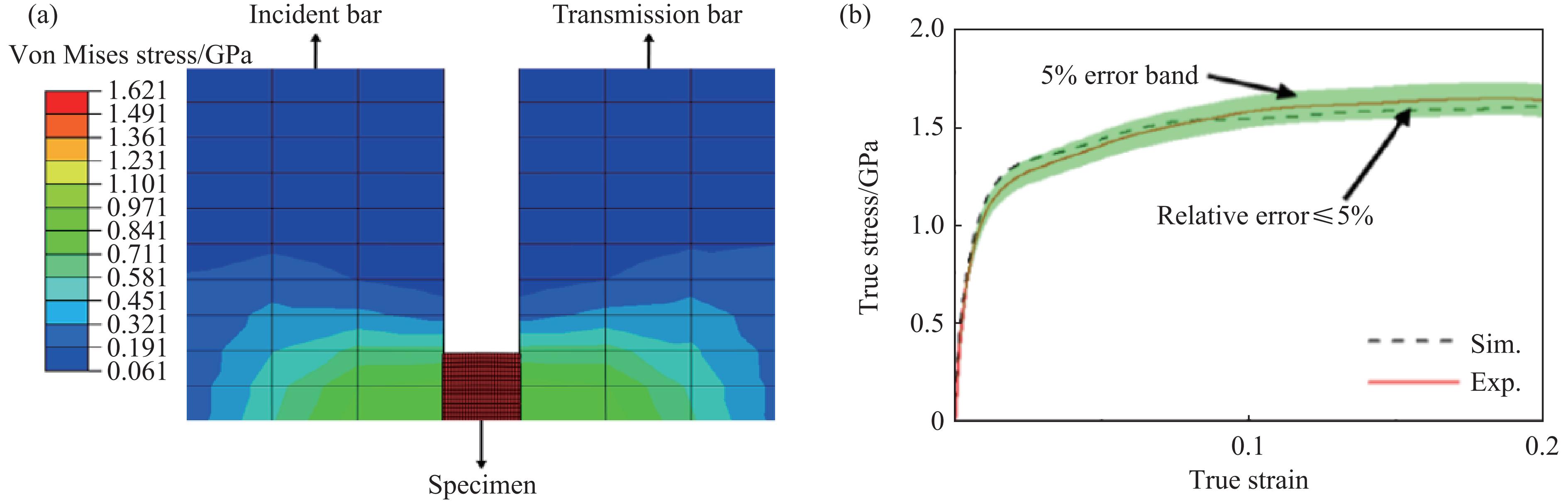
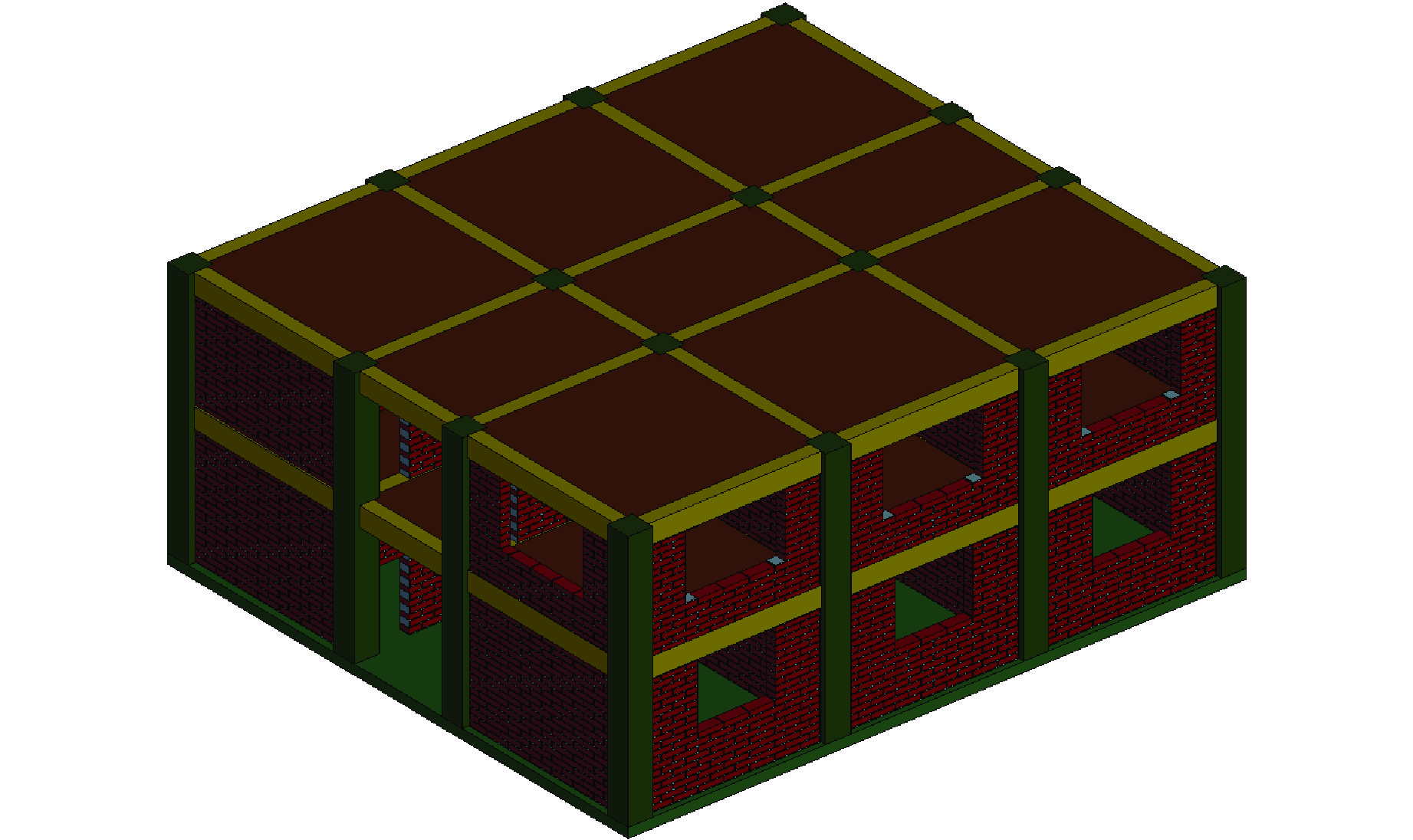
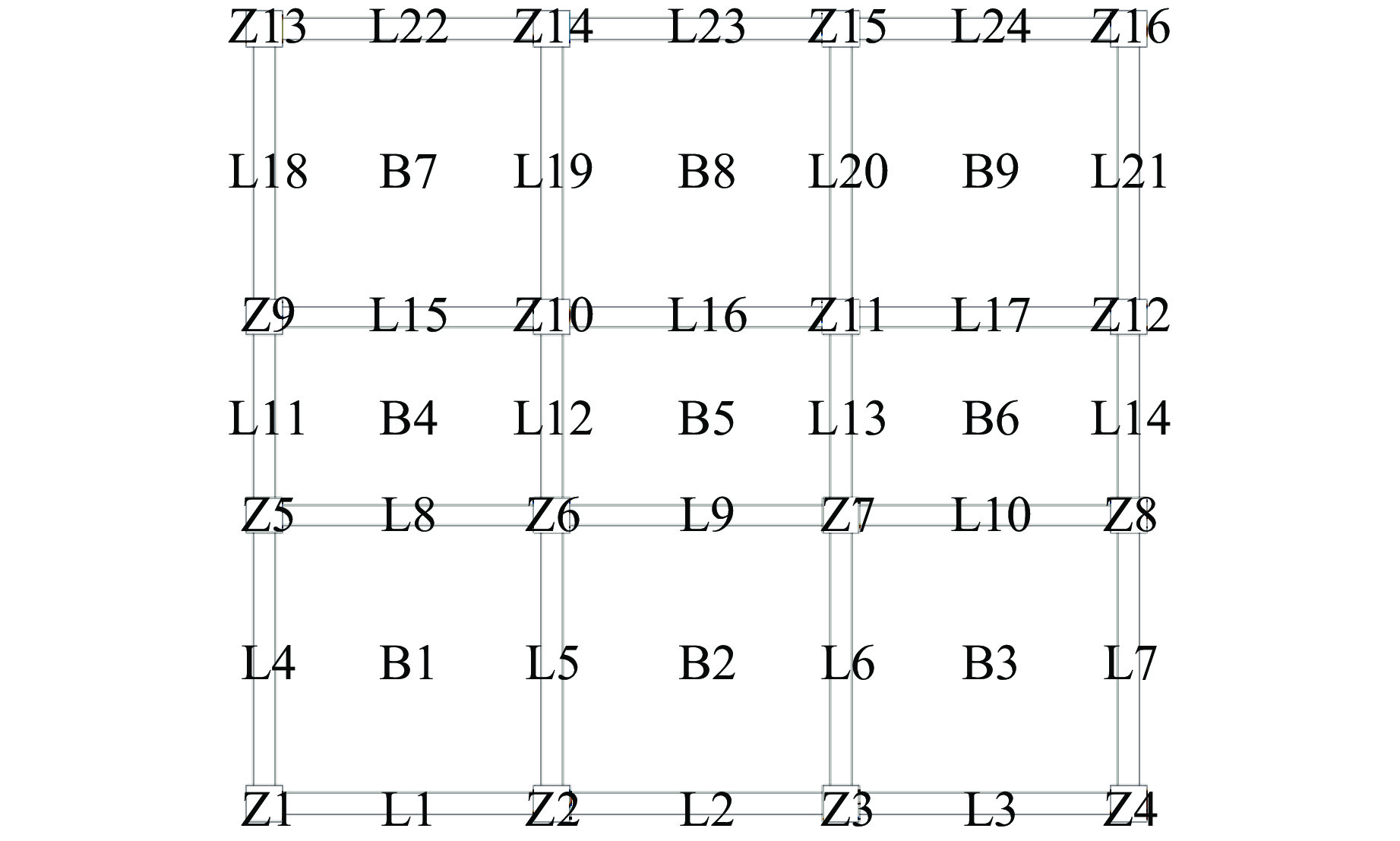
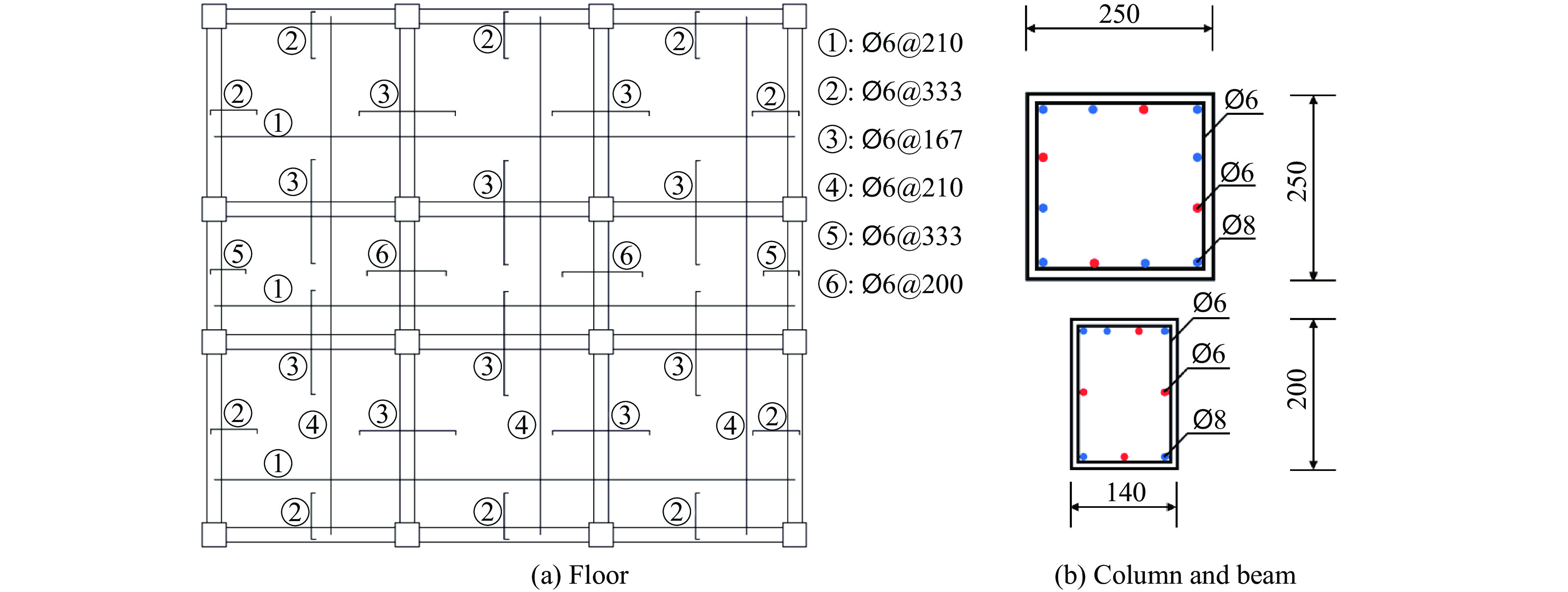
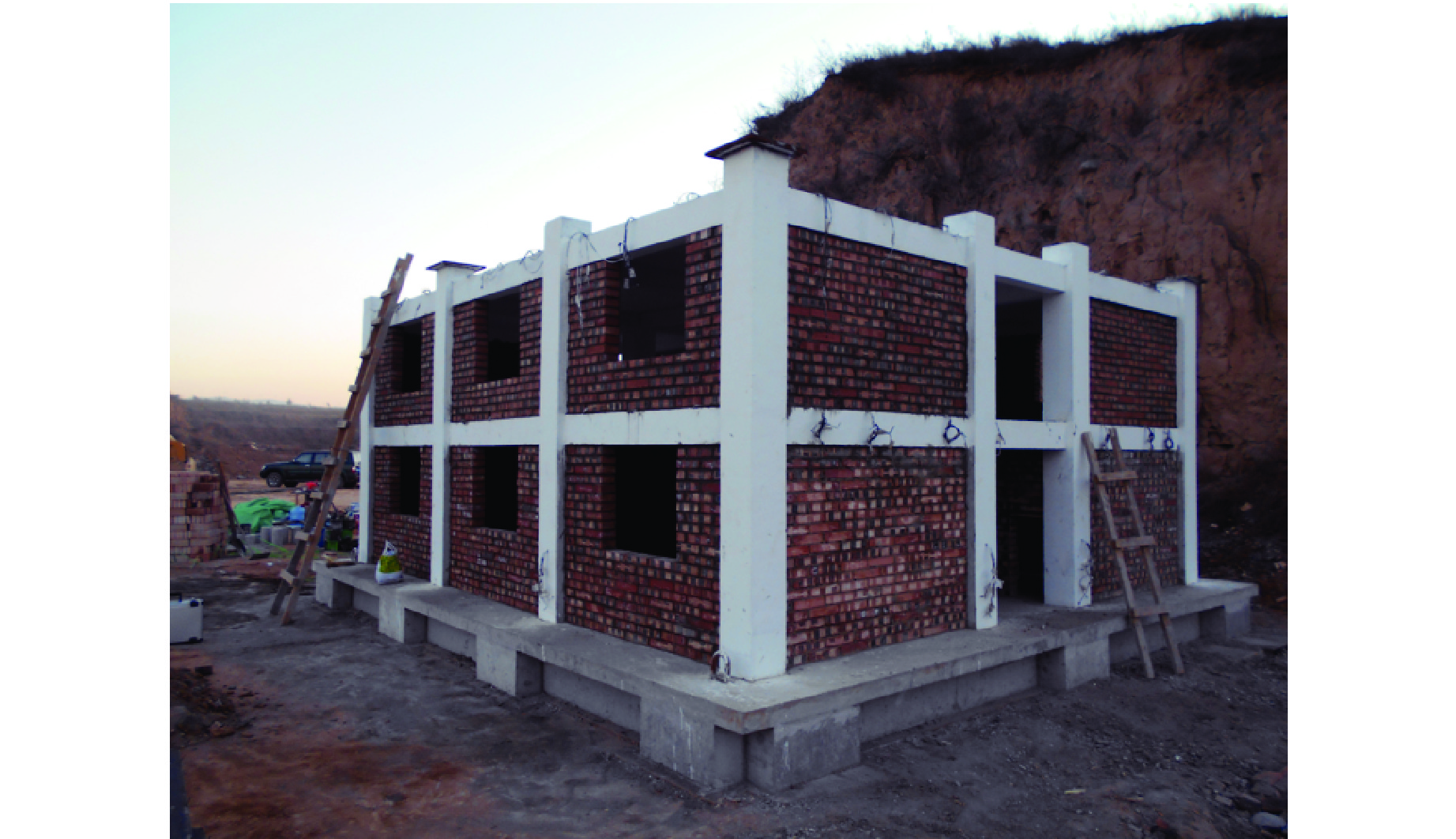
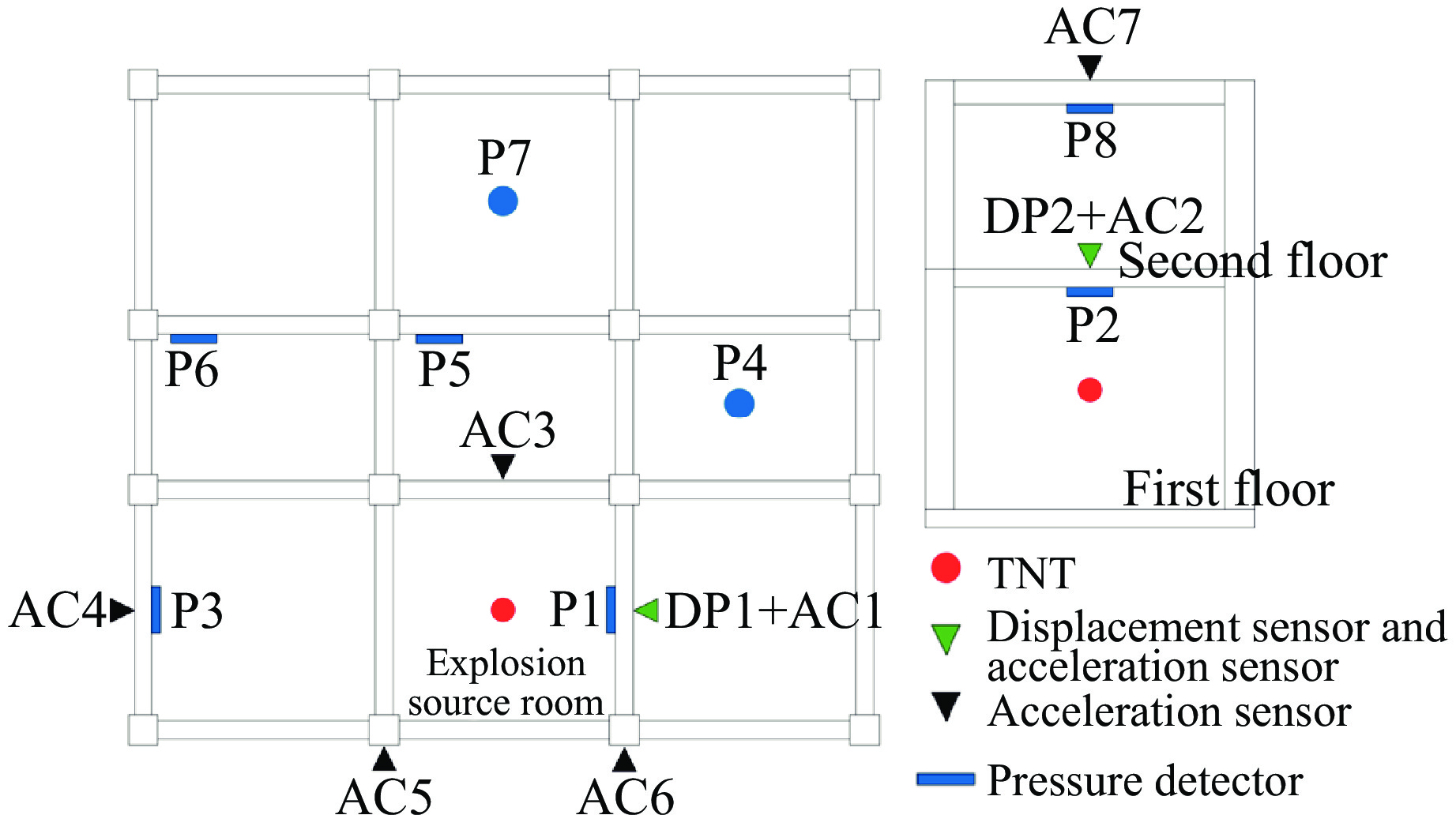
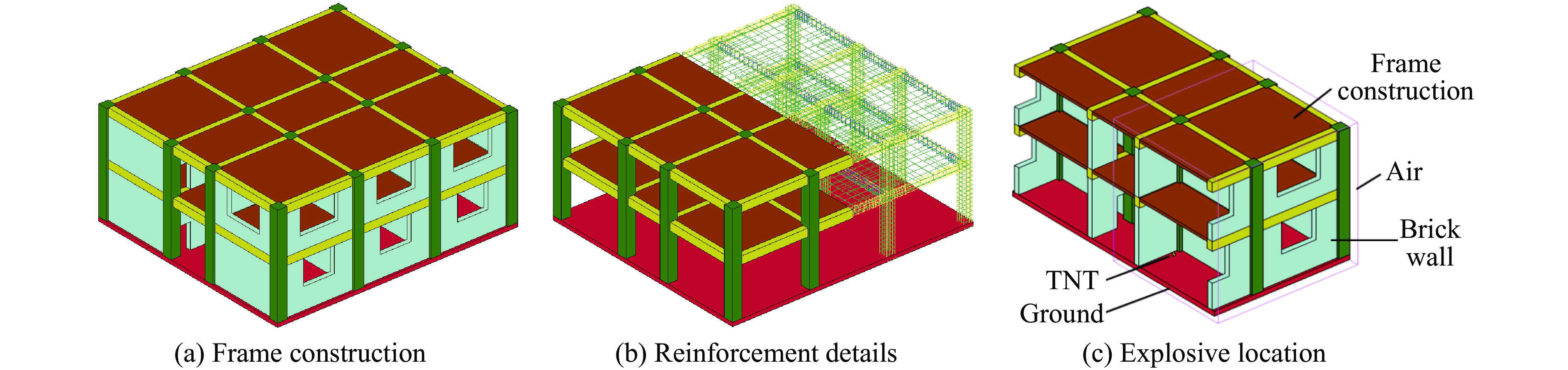
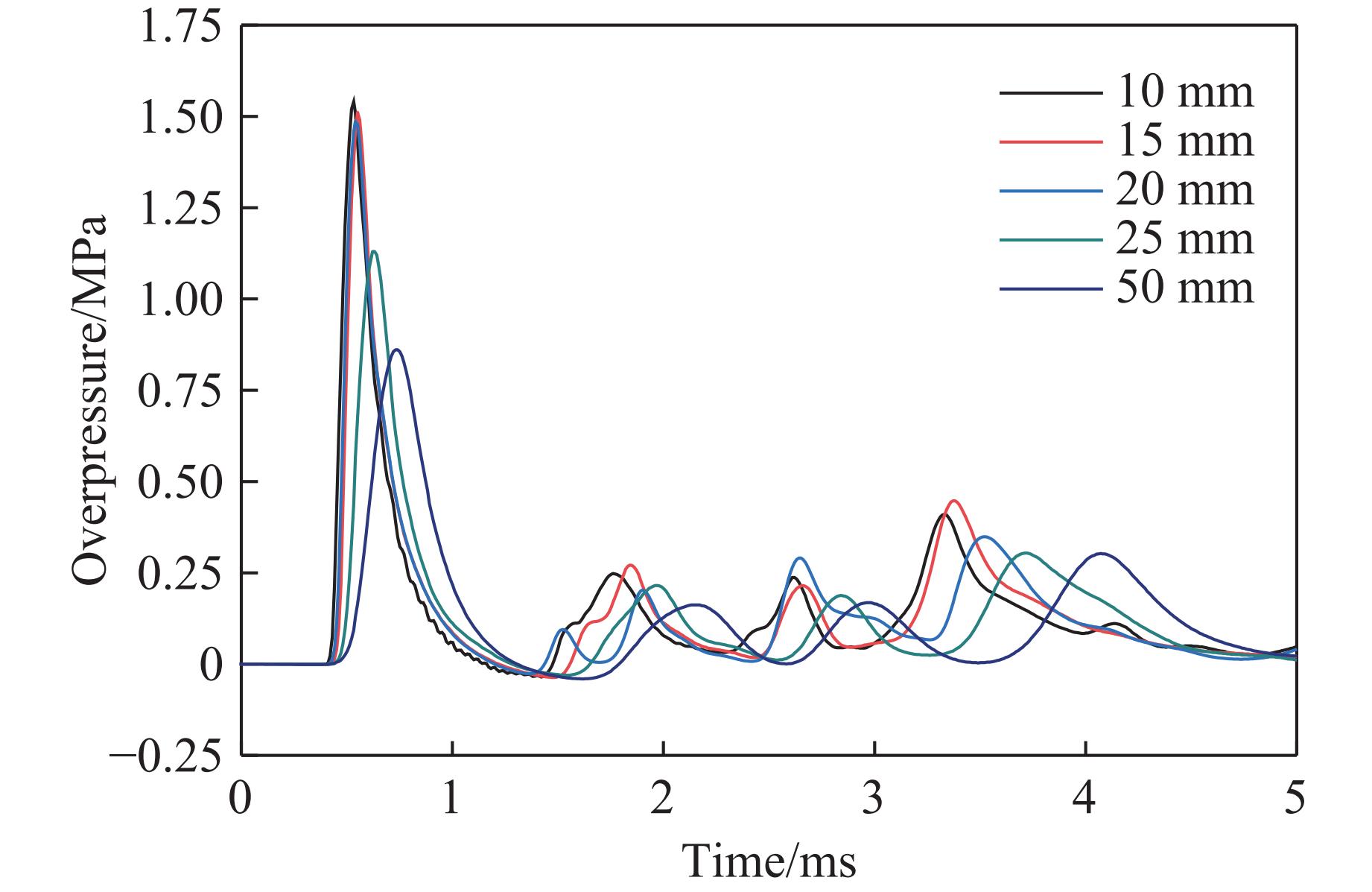
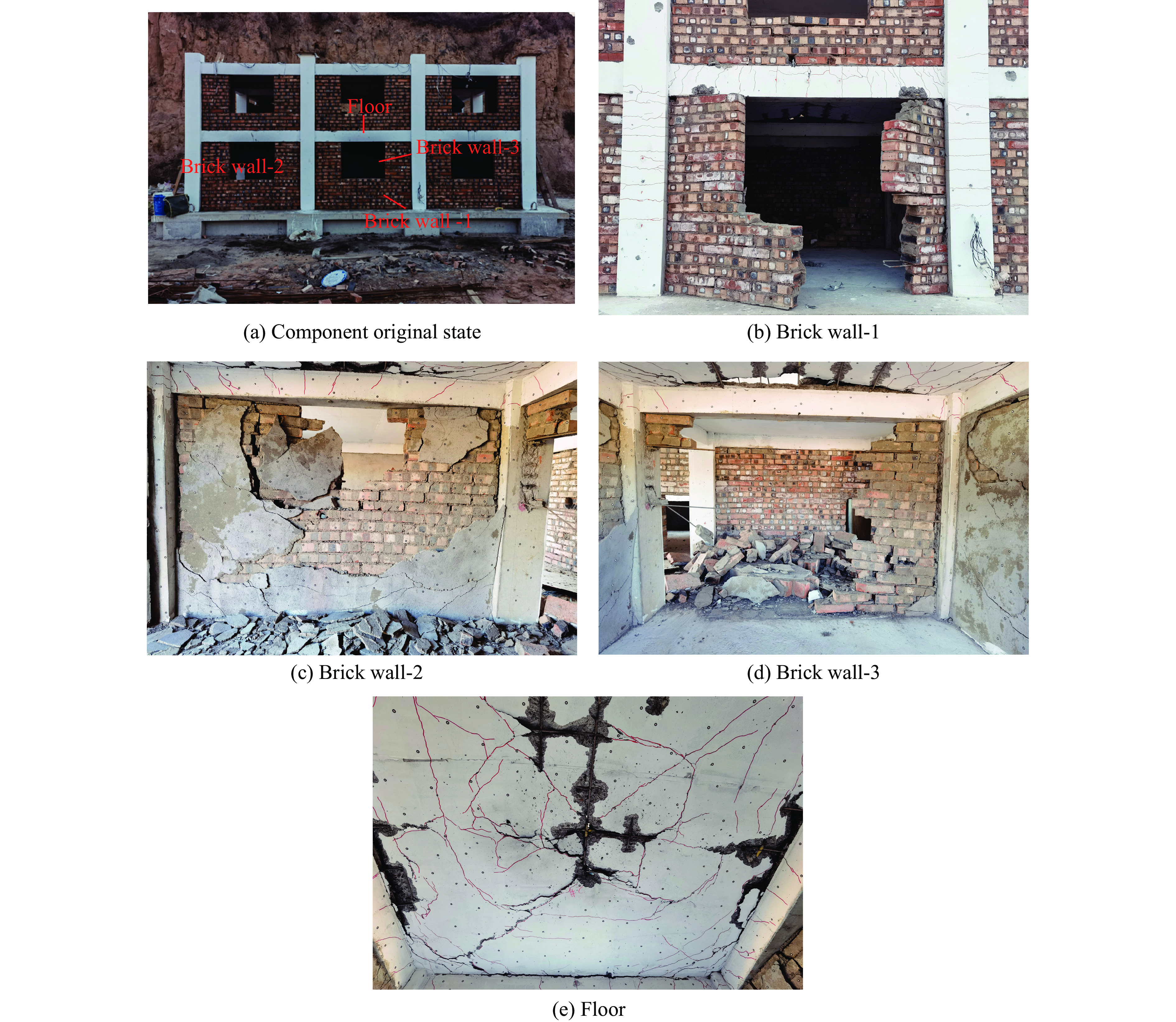
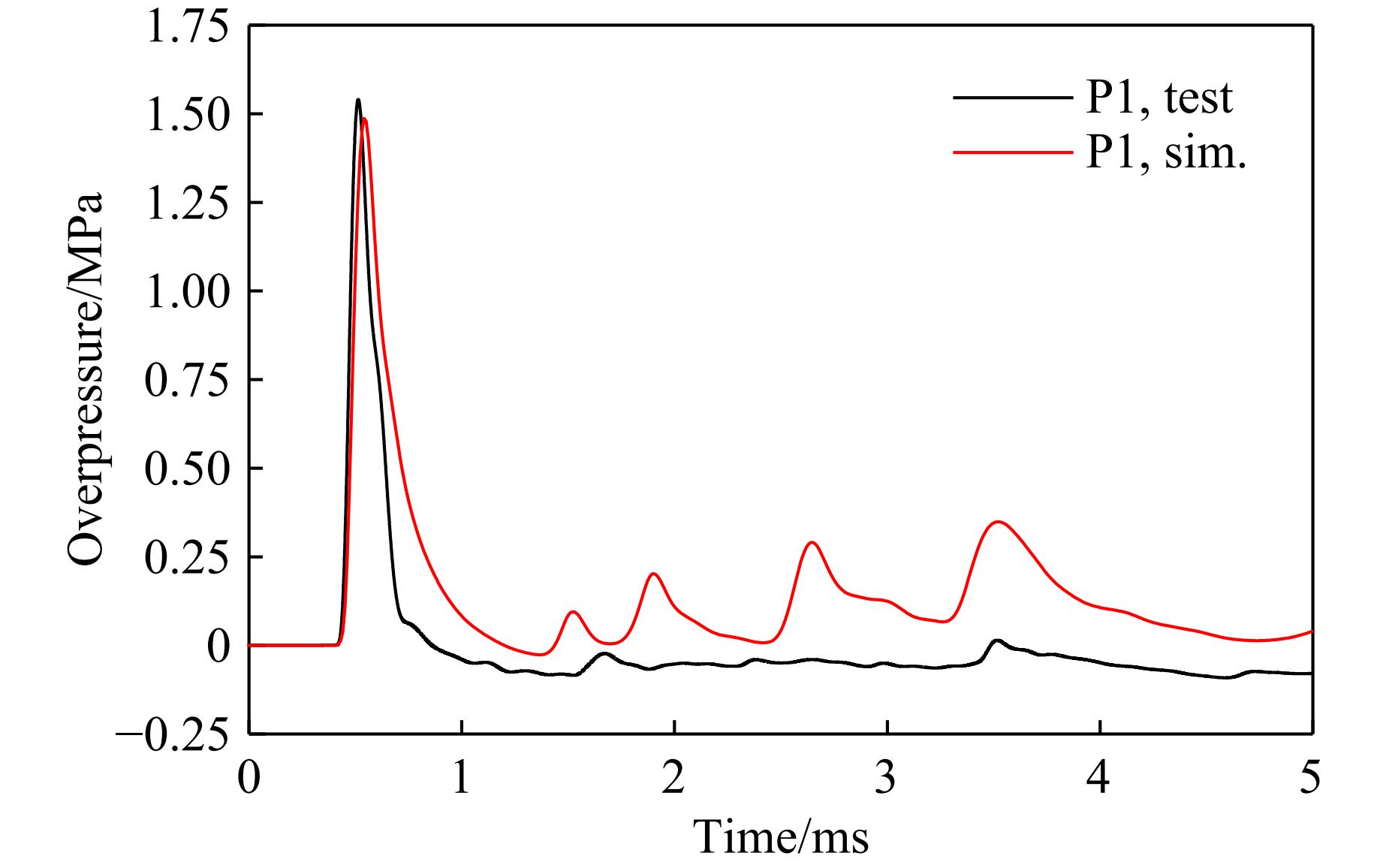
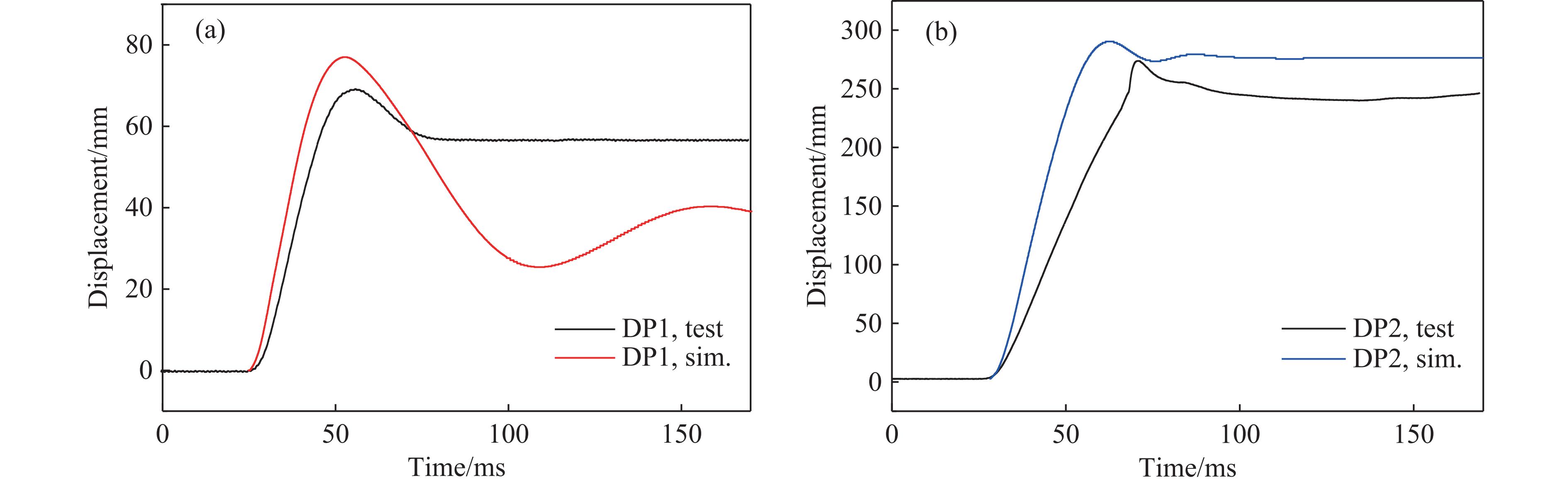
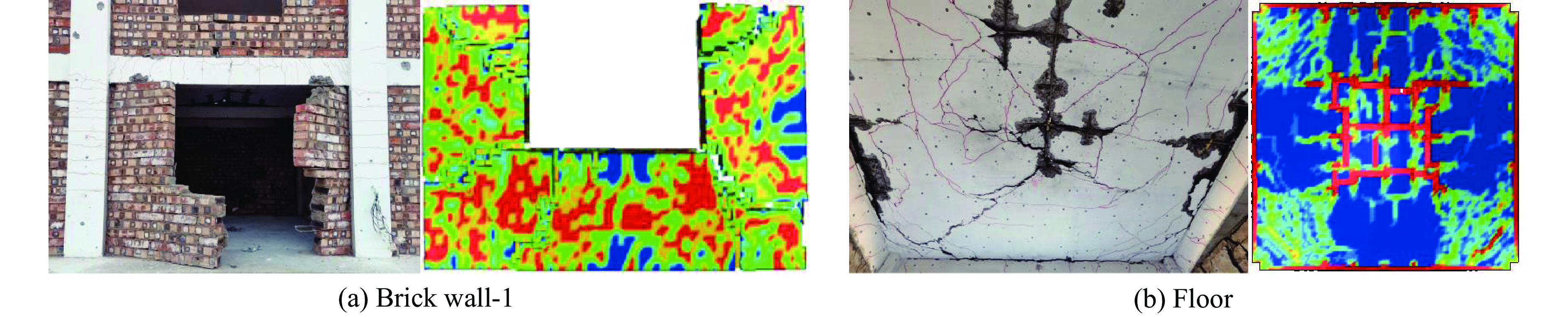
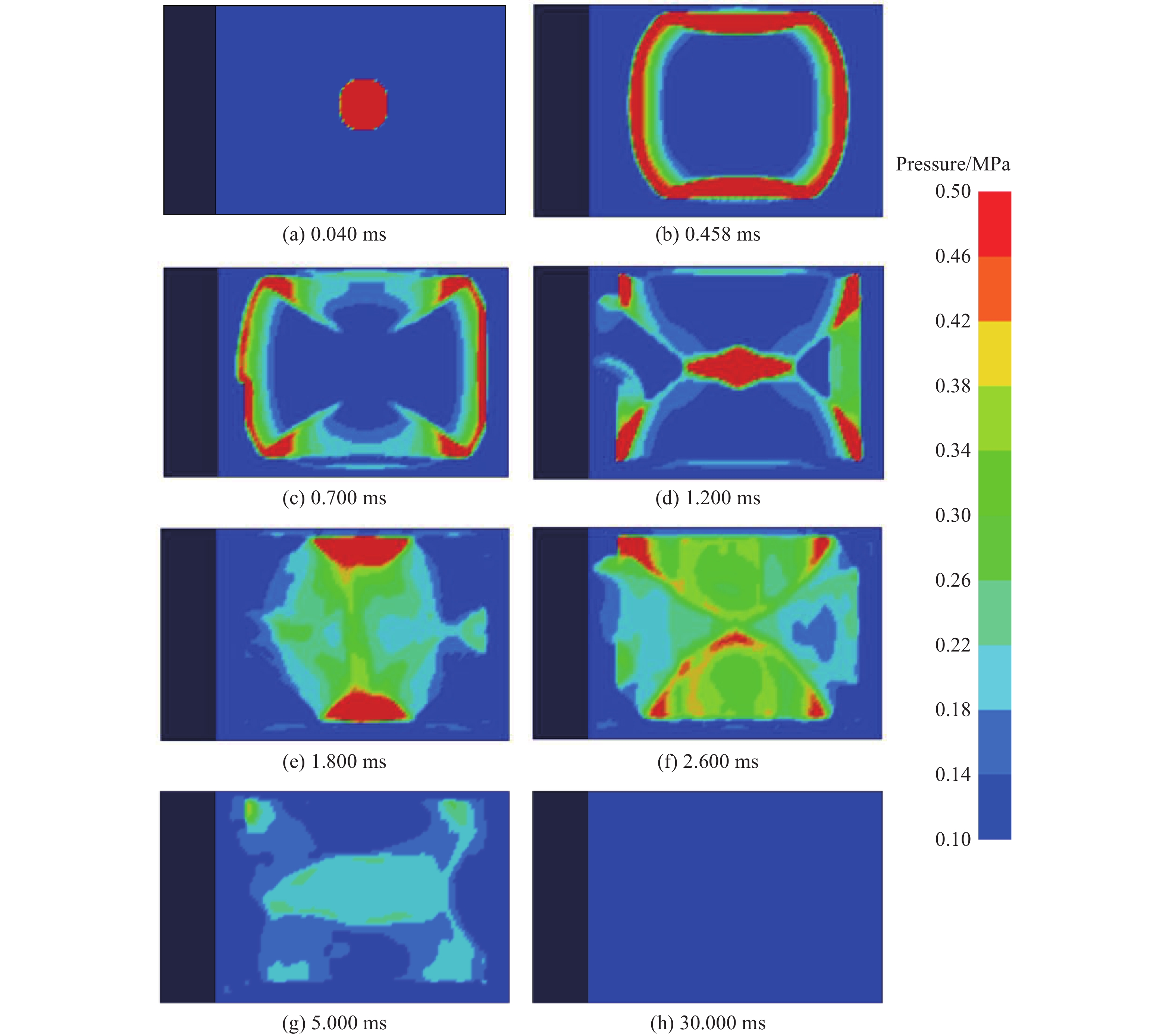
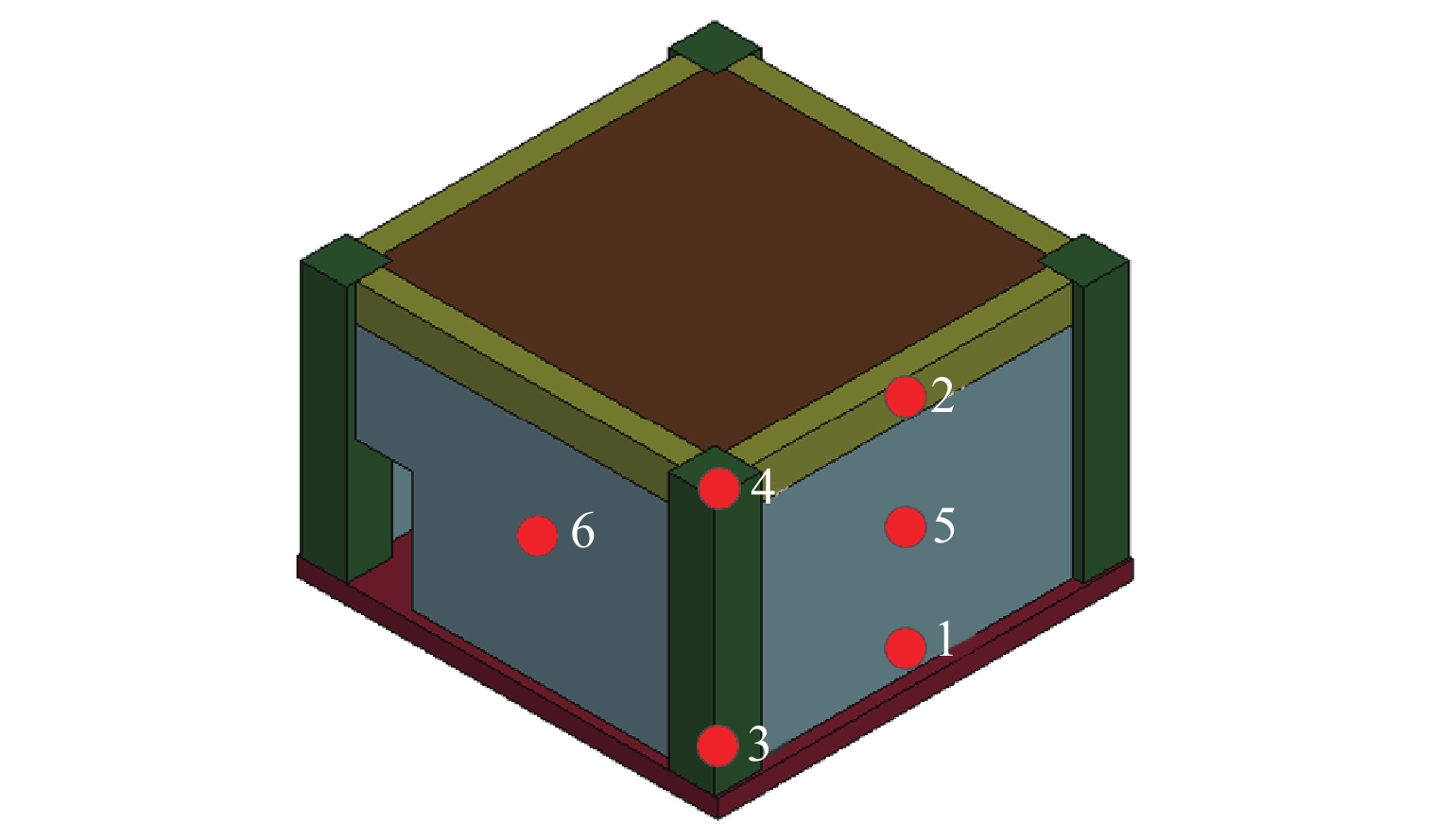
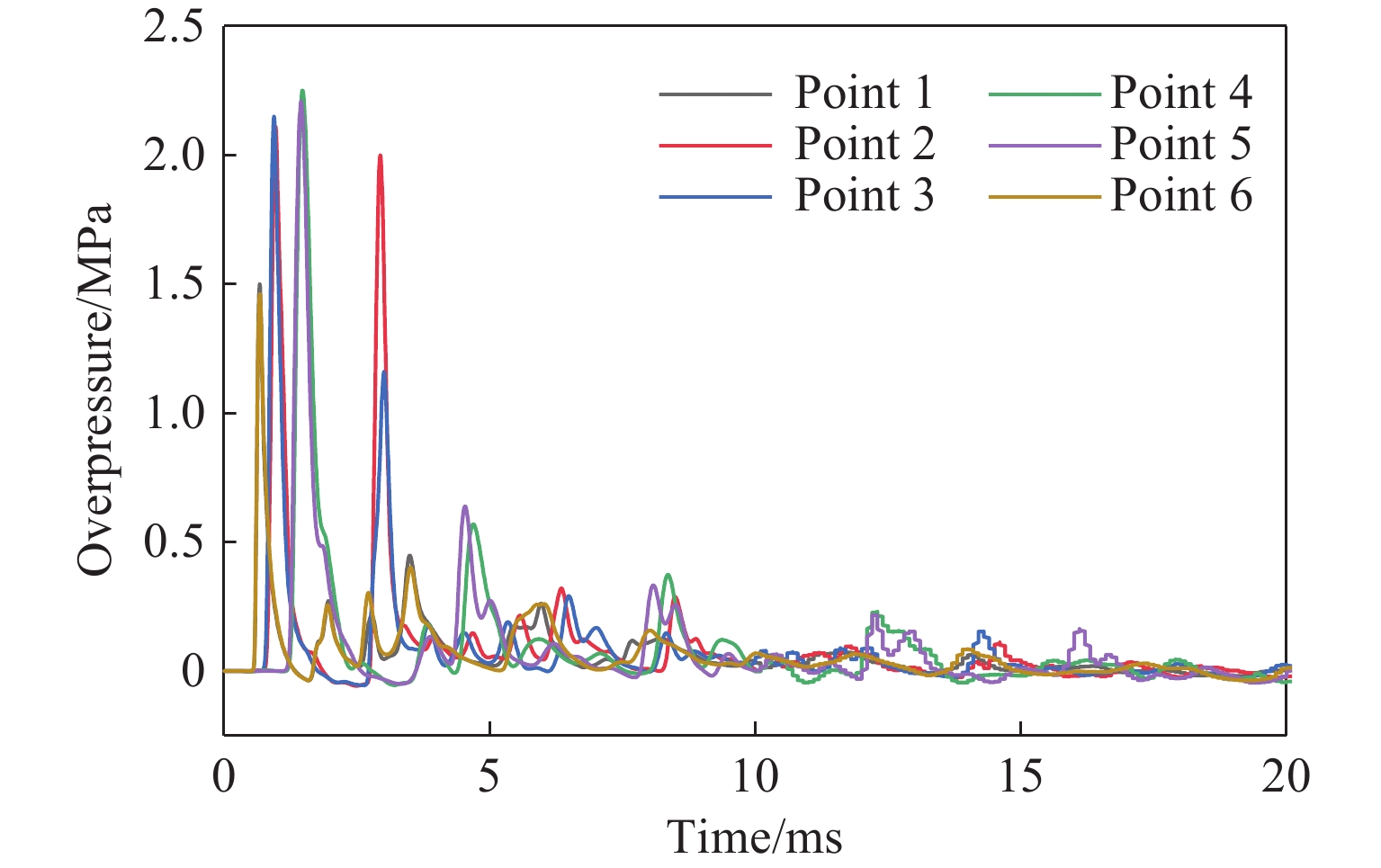
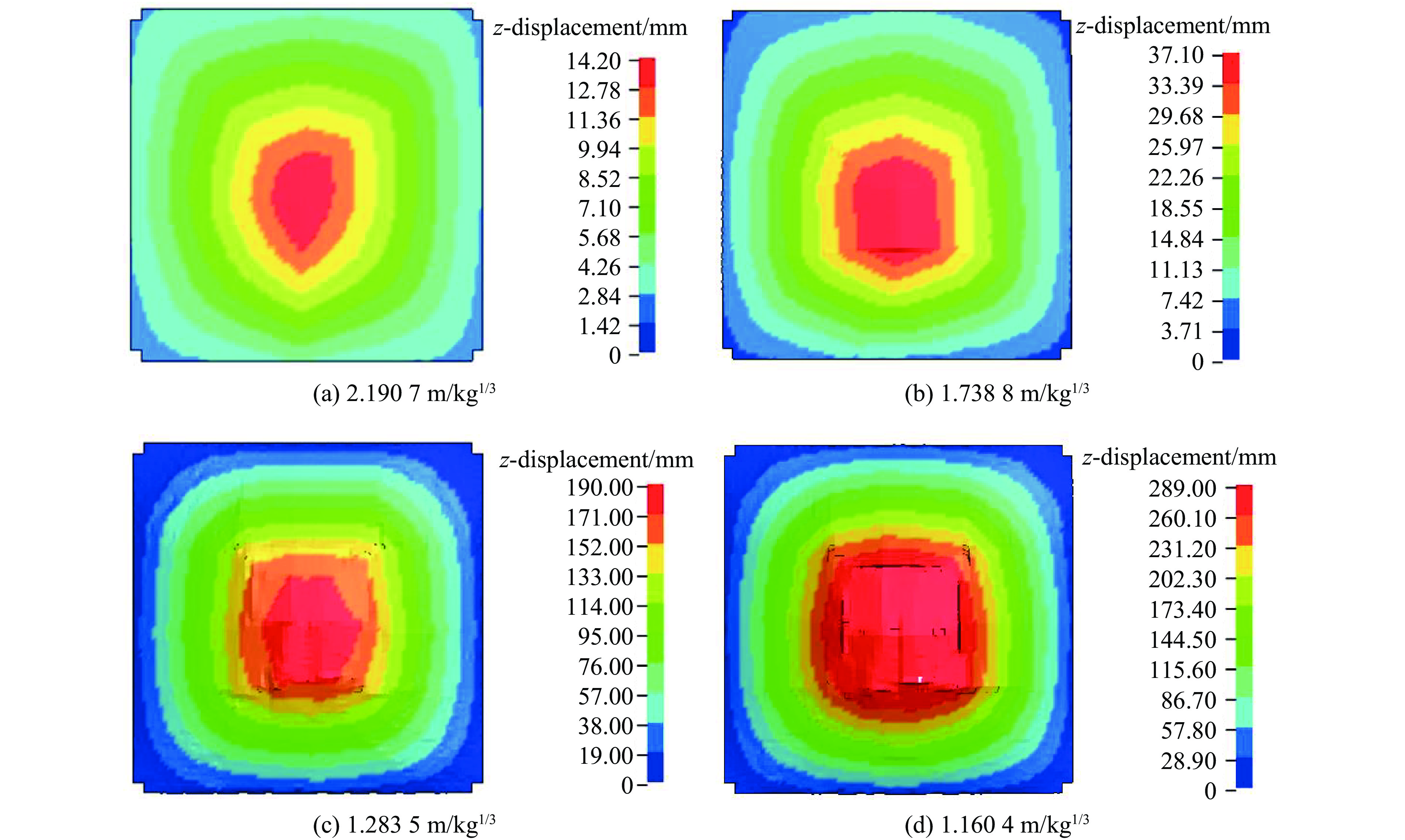
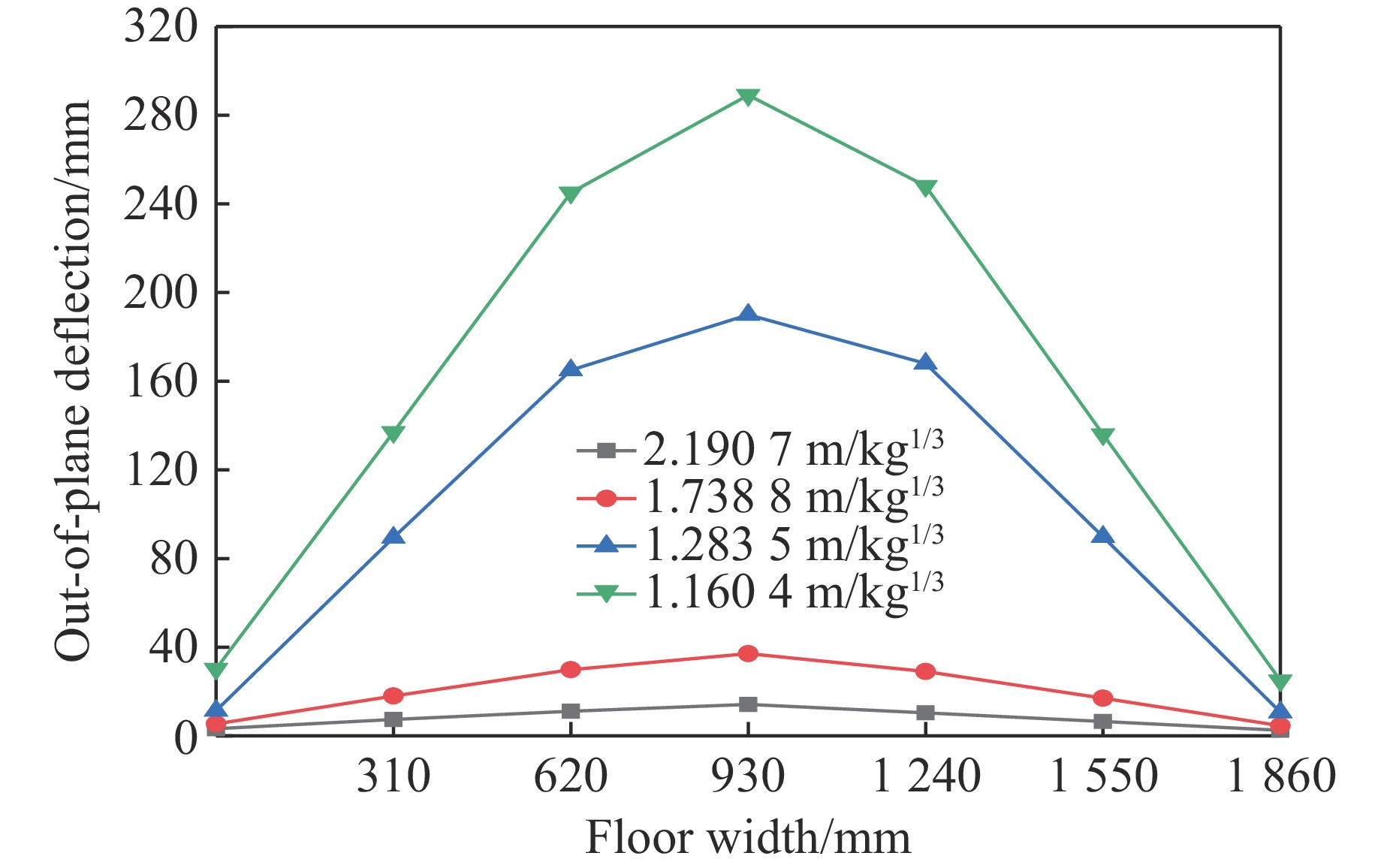
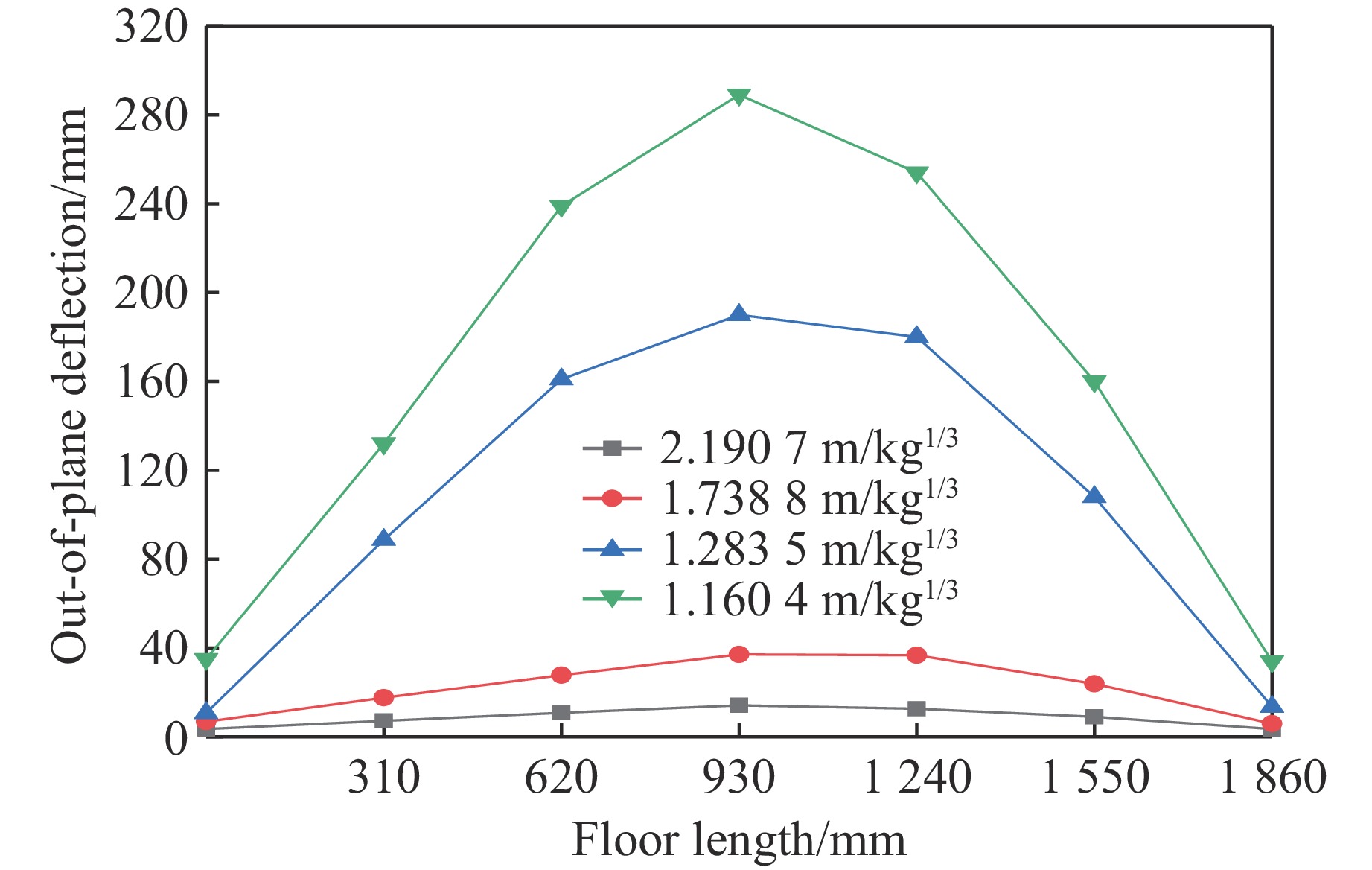
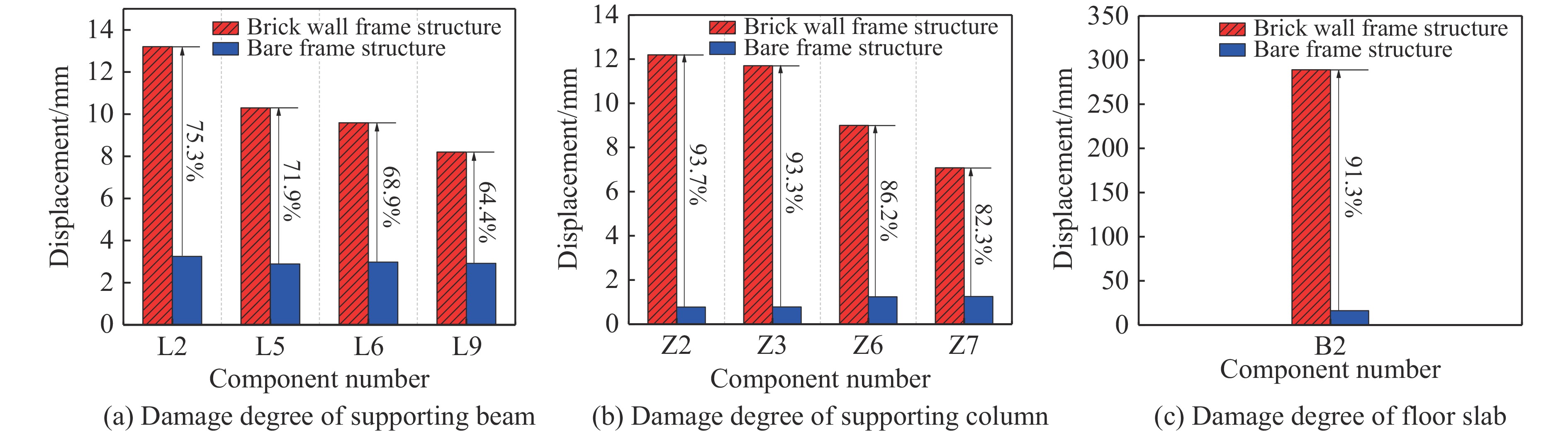
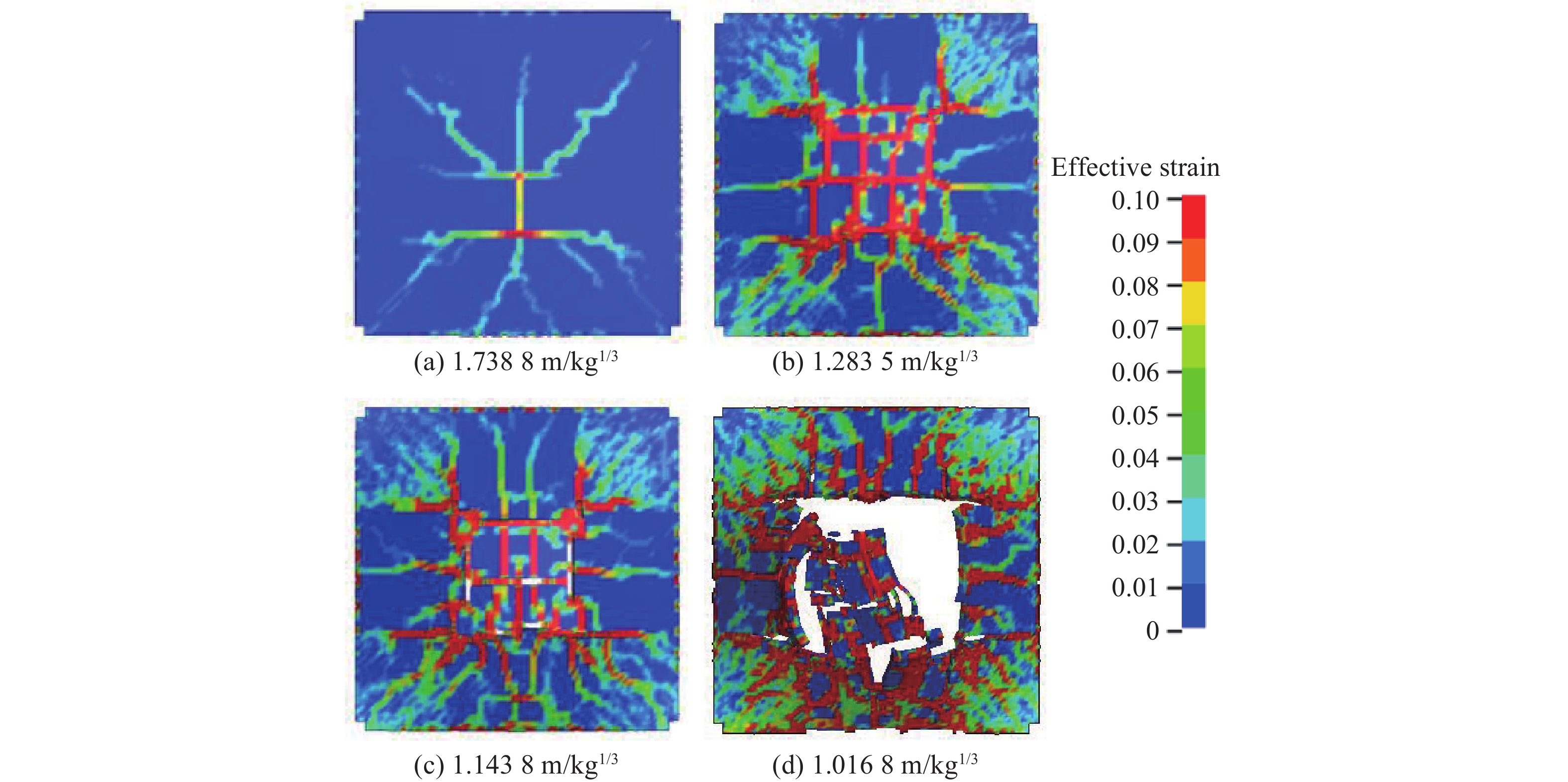
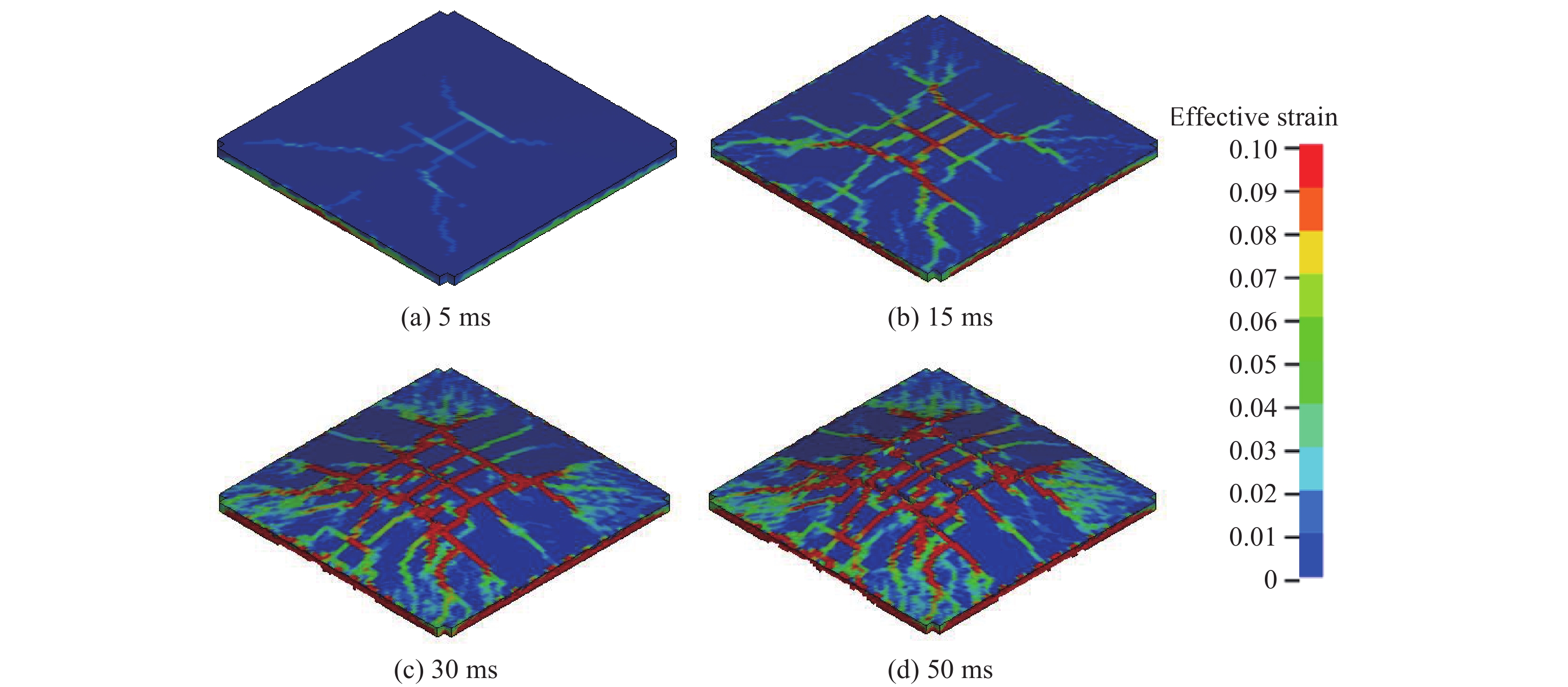
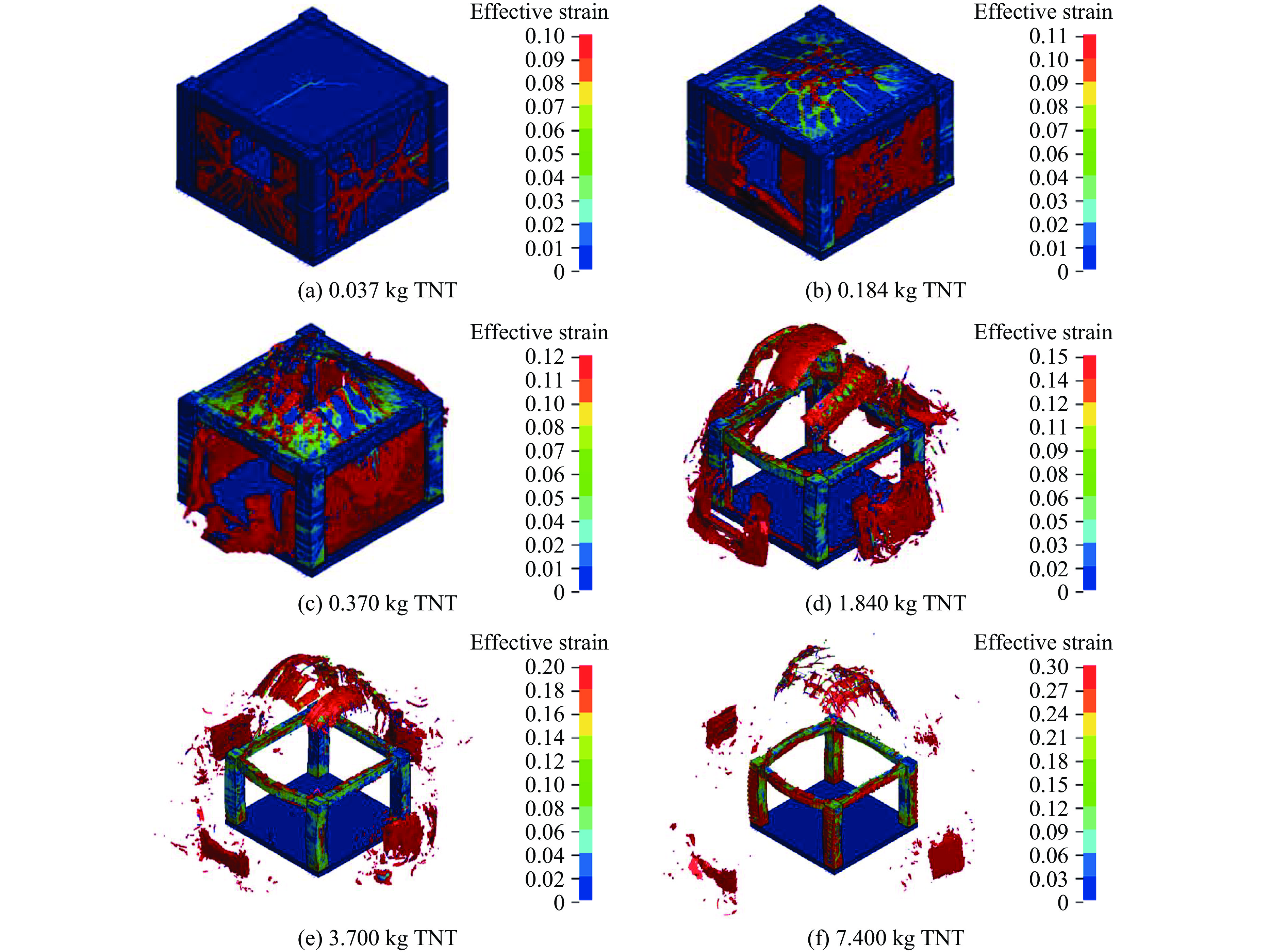
Conducting 1/3 scale two-story reinforced concrete frame-masonry wall structure internal explosion tests and simulation, the dynamic response, damage characteristics and failure modes of structural components under internal explosion loads were studied. Firstly, the modeling method and the material constitutive model in the numerical simulation were verified by internal explosion test results. Secondly, the propagation process of the internal explosion shock wave and the influence of infill walls on the damage degree of building components were analyzed through the numerical simulation. Finally, frame structures with infill walls under different equivalent charges were carried out to investigate the dynamic response and damage of structural components. Taking 0.249 kg equivalent condition as an example, the damage of masonry wall and floor is more serious than that of beam and column, which is in a state of severe damage. Compared with beam and column joints, the beam-slab transition area is more prone to damage and produce punching cracks. The peak displacement of the pure frame structure member is reduced by more than 60% compared with the peak displacement of the corresponding position of the frame with masonry infilled wall. The failure mode of the floor varies with the increase in the equivalent proportional distance. Specifically, the bending failure occurs when the proportional distance exceeds 1.283 5 m/kg1/3, while the flexural-shear failure is observed at a proportional distance of 1.143 8 m/kg1/3. Additionally, when the proportional distance reaches 1.016 8 m/kg1/3, the punching failure occurs. In the case where the explosive charge amounts to 0.370 kg, the floor slabs and masonry walls are subjected to complete devastation. The vast majority of the beam-slab junction areas are completely severed, whereas the beams and columns merely incur slight damage. When the equivalent charge reaches 7.400 kg, the vast majority of building components reach a state of severe damage or even complete destruction. For the anti-explosion design, the masonry wall should be coated with explosion-proof materials, the floor reinforcement should be designed in double-layer two-way, and the tie bar should be appropriately added in the beam-slab transition area to improve the integrity of the structure when it faces small equivalent internal explosion load.