

2025 Vol. 39, No. 5

2025, 39(5): 1-1.
HTML PDF (22)
Abstract:
2025, 39(5): 1-2.
Abstract:
Cover Feature
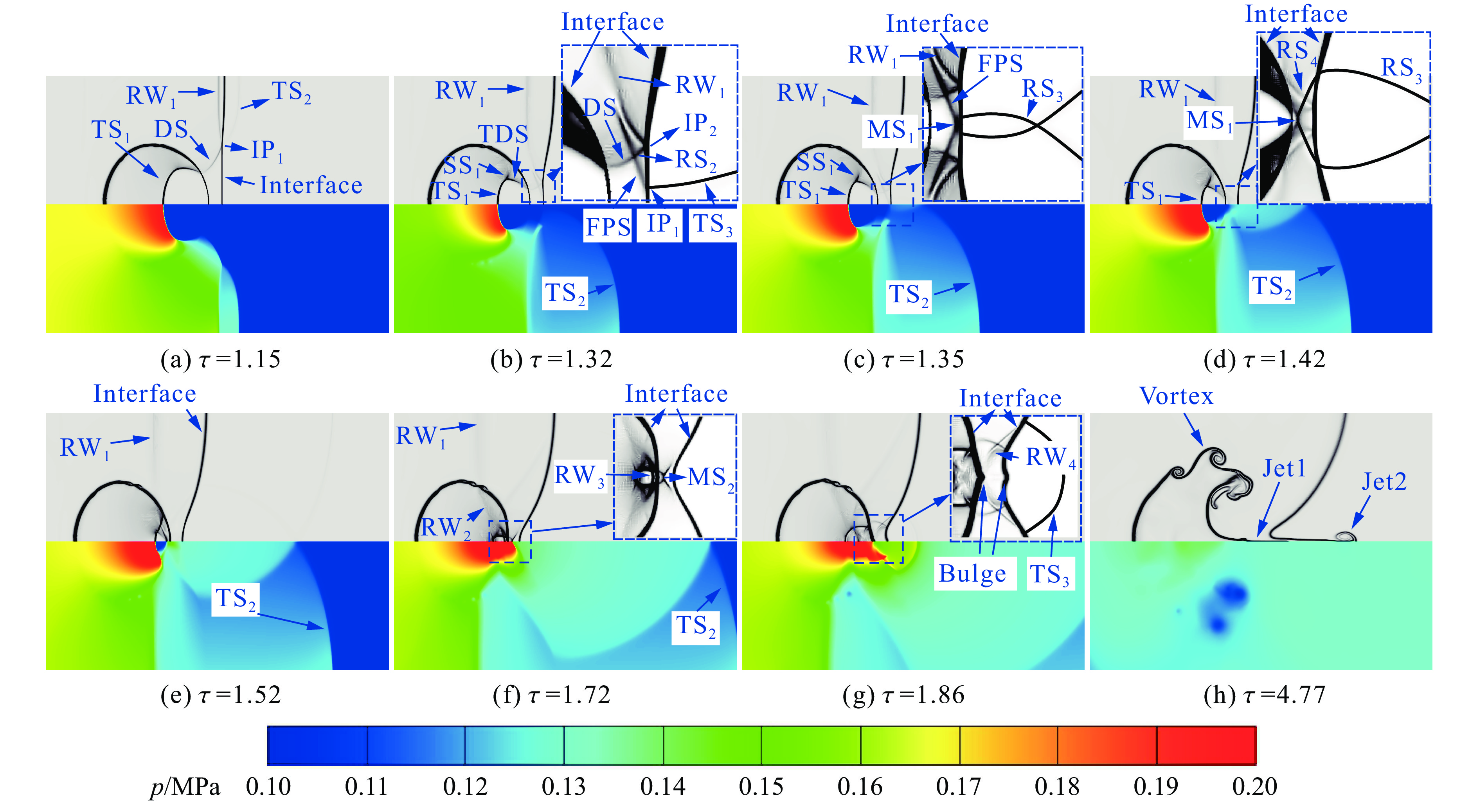
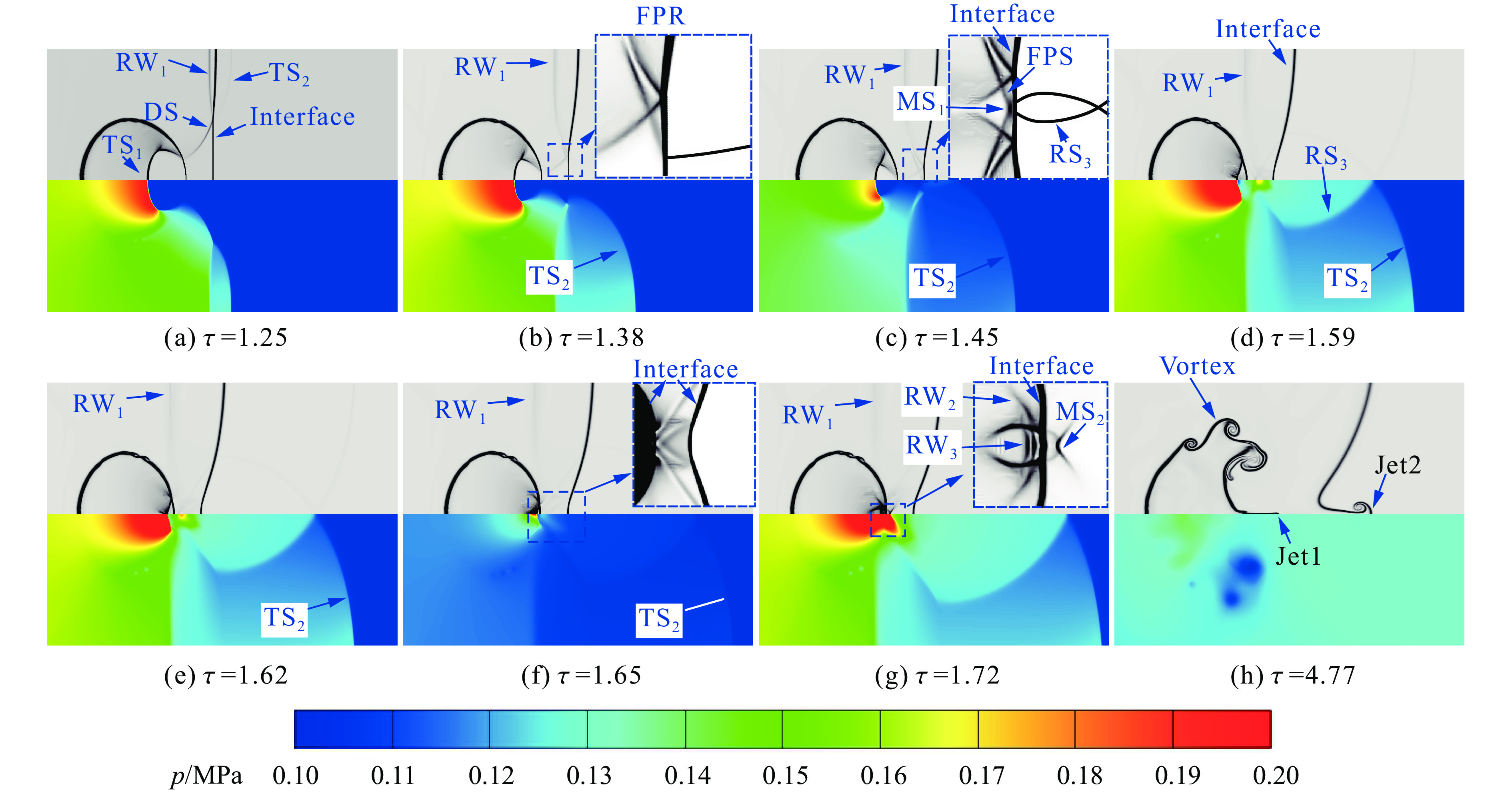
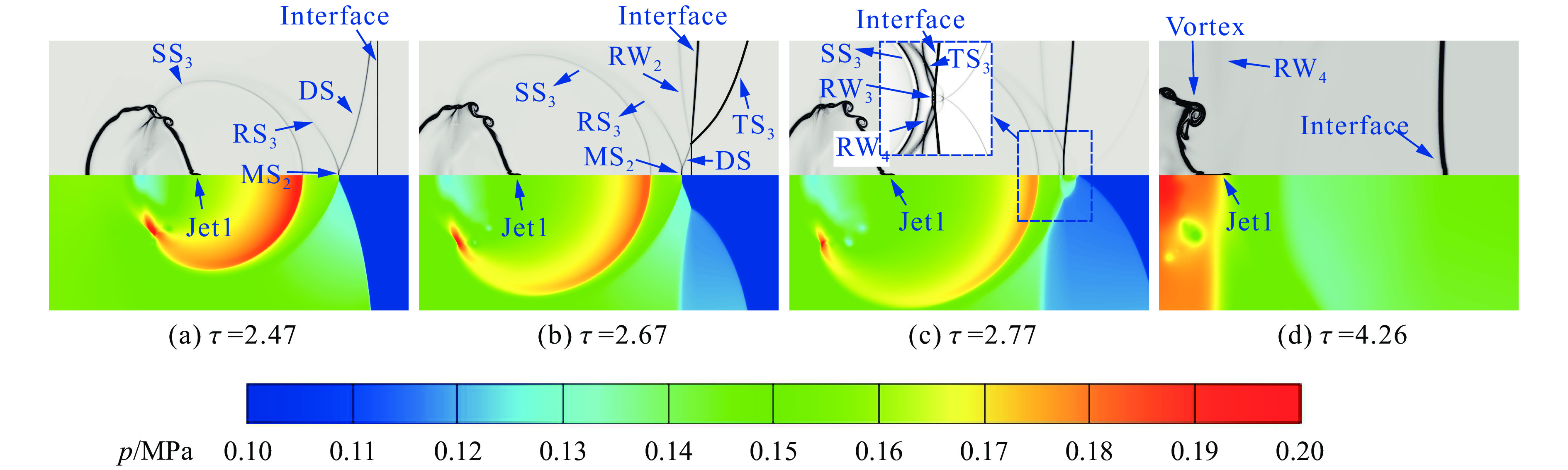
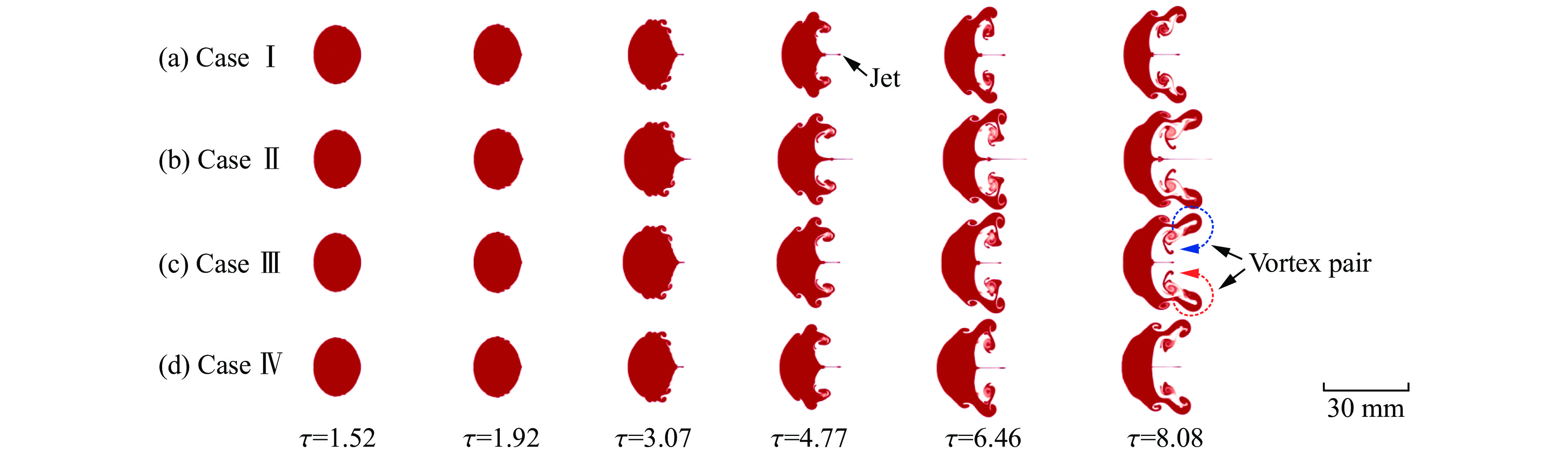
Interface Proximity Effect on the Evolution of a Shock-Accelerated Heavy Gas Cylinder
YANG Huanhuan, ZHANG Enlai, LI Xinzhu, ZOU Liyong
2025, 39(5): 050101. doi: 10.11858/gywlxb.20251008
HTML PDF (64)
Abstract:

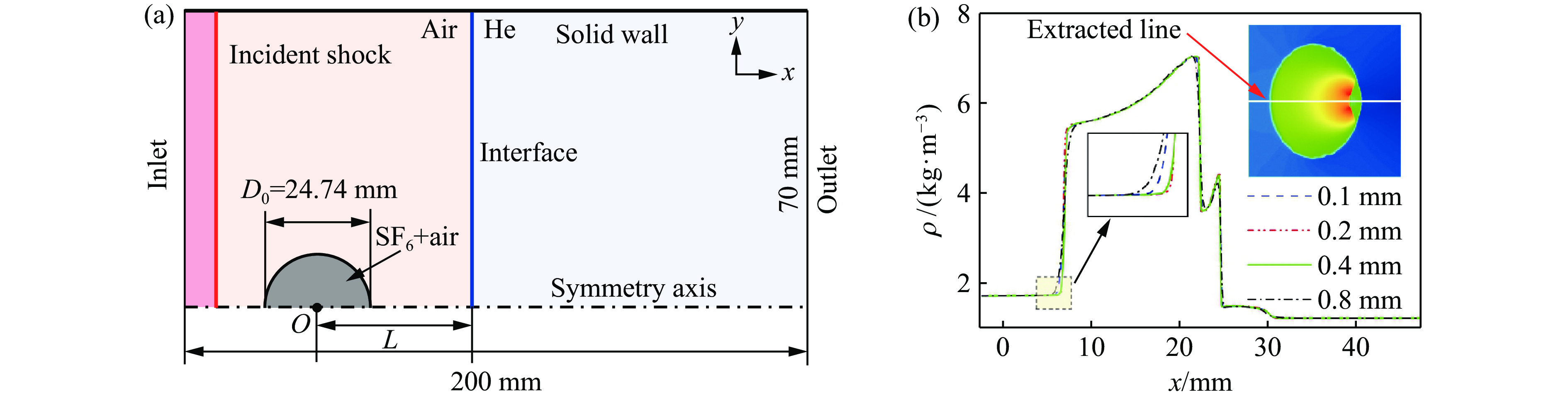
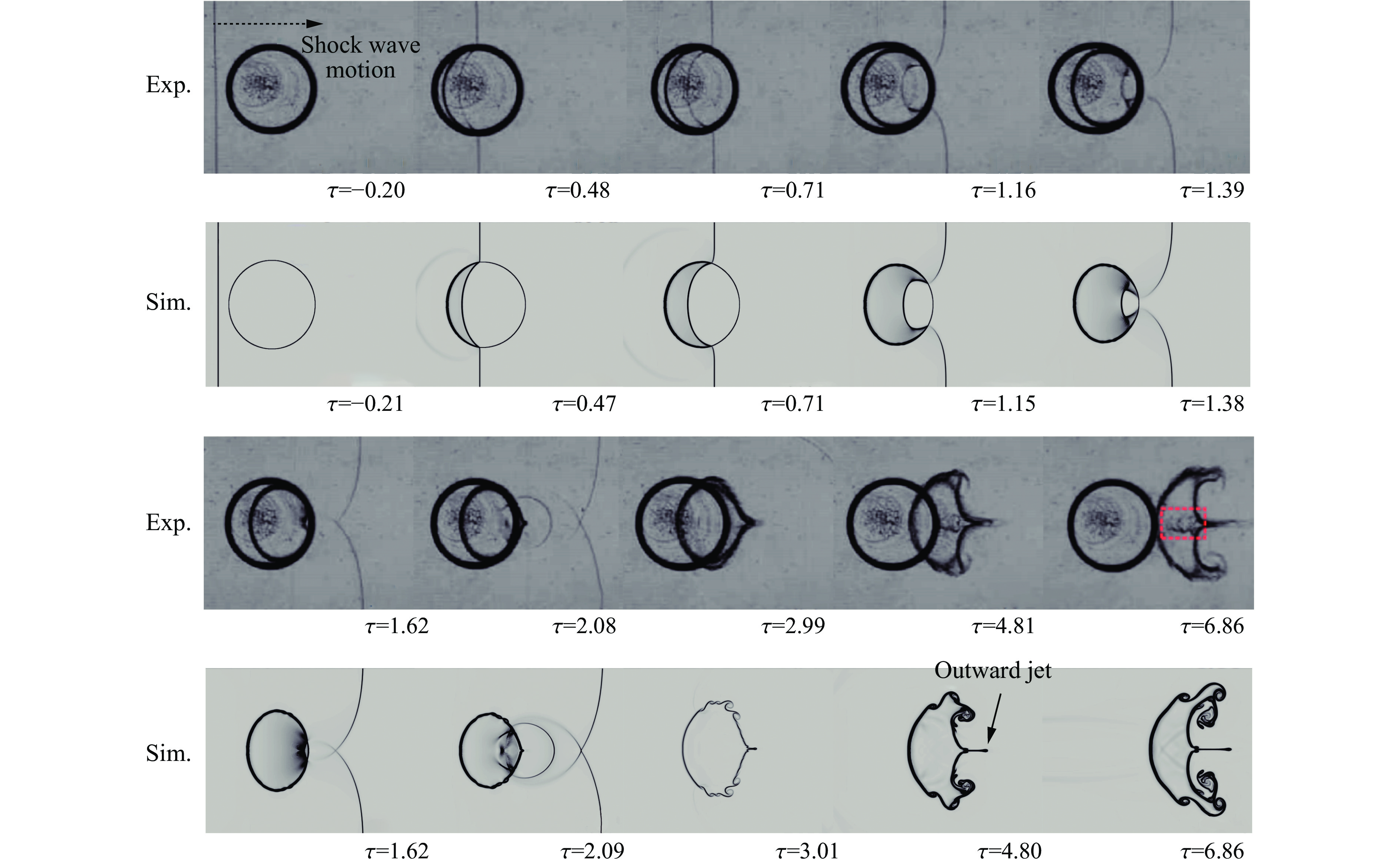
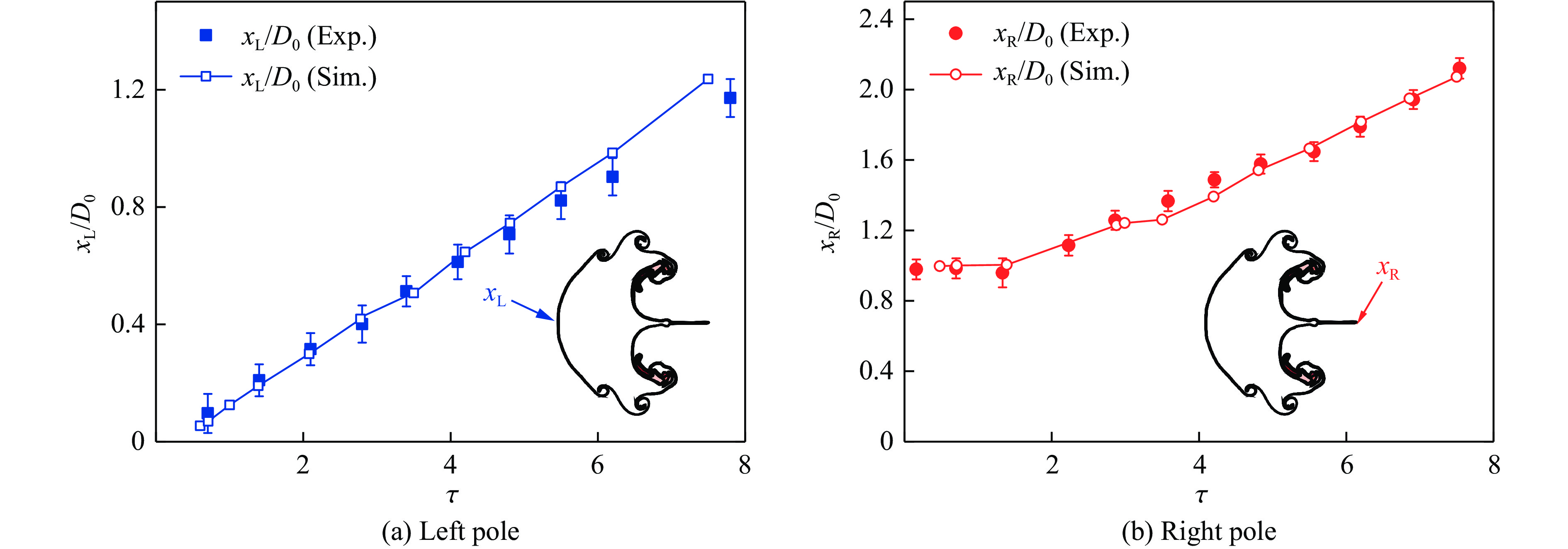
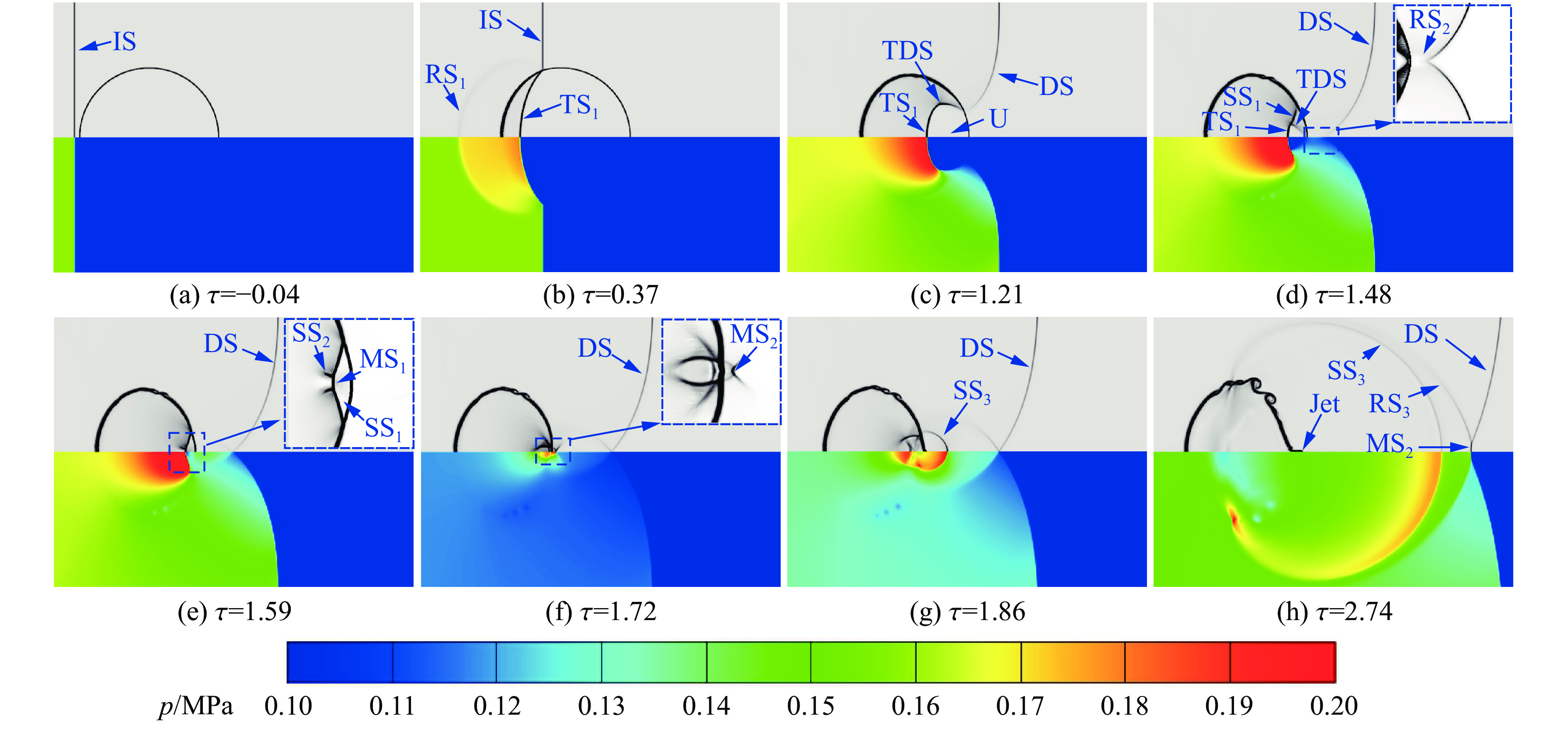
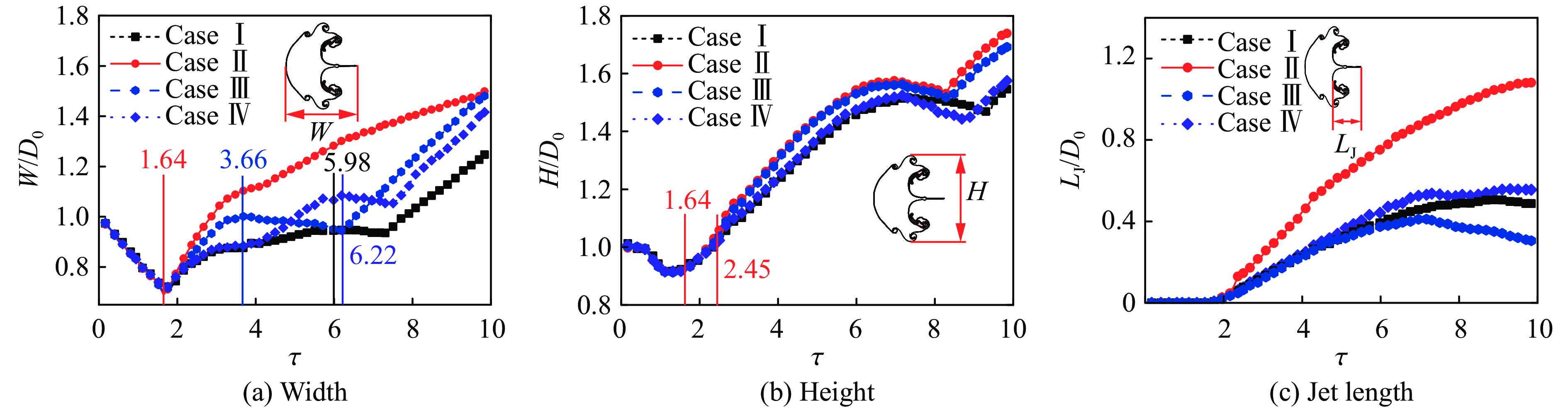
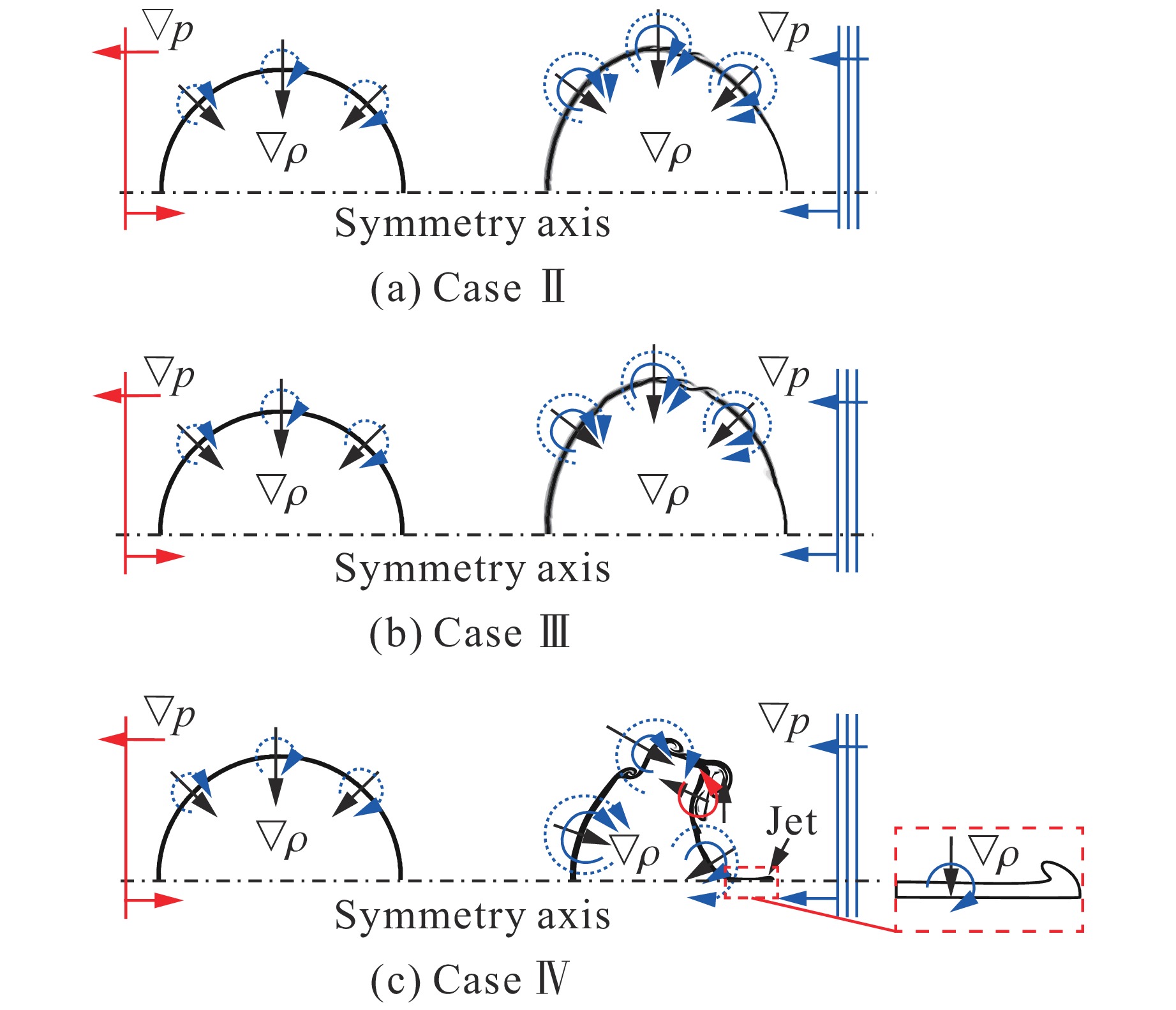
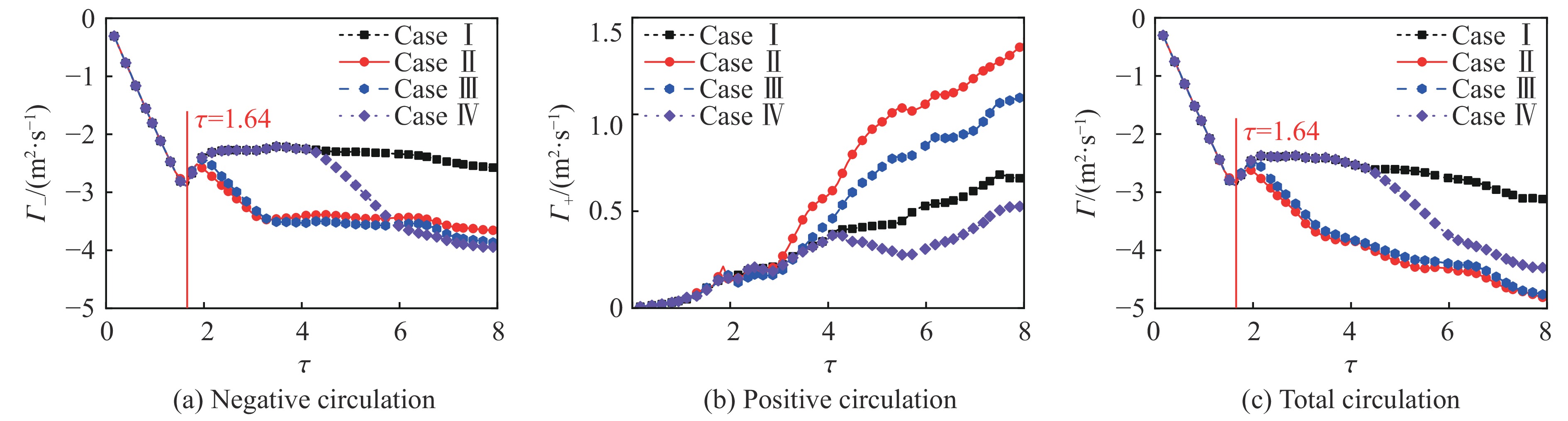
To uncover the interface proximity effect arising from the interaction between shock wave and near-surface impurity and hole of material in practical applications, a simplified mechanism study on the influence of downstream planar heavy-light interfaces on the evolution of a shock-accelerated heavy gas cylinder was carried out through numerical simulation. The findings reveal that the diffracted and transmitted wave systems formed by the incident shock impacting the heavy gas cylinders successively interact with the downstream planar slow-fast interface, leading to the formation of wave systems that reflect back and forth between the gas cylinder and the downstream planar slow-fast interface. Significantly, these wave systems not only govern the evolution of the gas cylinder interface but also trigger the generation of jets at the downstream planar slow-fast interfaces. Under diverse interfacial spacing conditions, the type of reflected waves originating from the diffracted wave system outside the gas cylinder varies at the downstream interface, and the sequence of the reflected wave system and the focused wave system inside the gas cylinder interacting with the right pole of the gas cylinder is different. When the interfacial distance is narrow, the gas cylinder jet can permeate the gap fluid sandwiched between the gas cylinder and the downstream slow-fast interface and couple with the jet at the downstream planar slow-fast interface, which significantly promotes the evolution of the gas cylinder jet. As the interfacial distance increases, the jet coupling phenomenon progressively wanes, and the gas cylinder jet succumbs to the inhibitory effect of the vortex pair within the gas cylinder. With a further augmentation in interfacial distance, the gas cylinder jet will be promoted by the stretching effect of the reflected rarefaction wave system at the downstream interface. In addition, under different interface spacing conditions, the presence of a downstream planar slow-fast interface invariably augments the development of interfacial width, height, as well as circulation deposition.

Theory and Calculation
Study and Preliminary Application of the Thermochemical Equation of State of C3N4
CHEN Yulan, PEI Hongbo, GUO Wencan, LIU Fusheng, GAN Yundan, LI Xinghan
2025, 39(5): 052101. doi: 10.11858/gywlxb.20251006
HTML PDF (50)
Abstract:

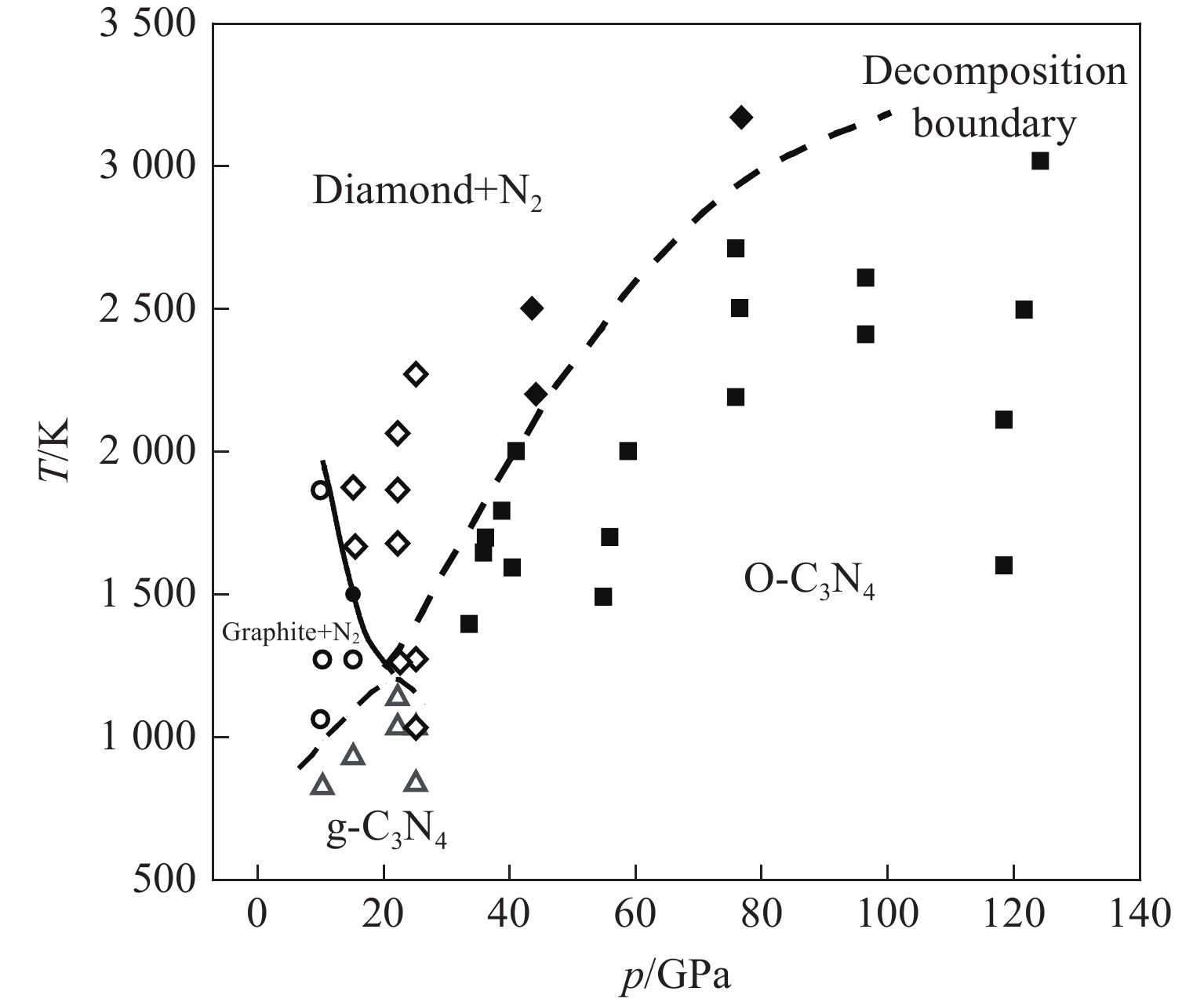
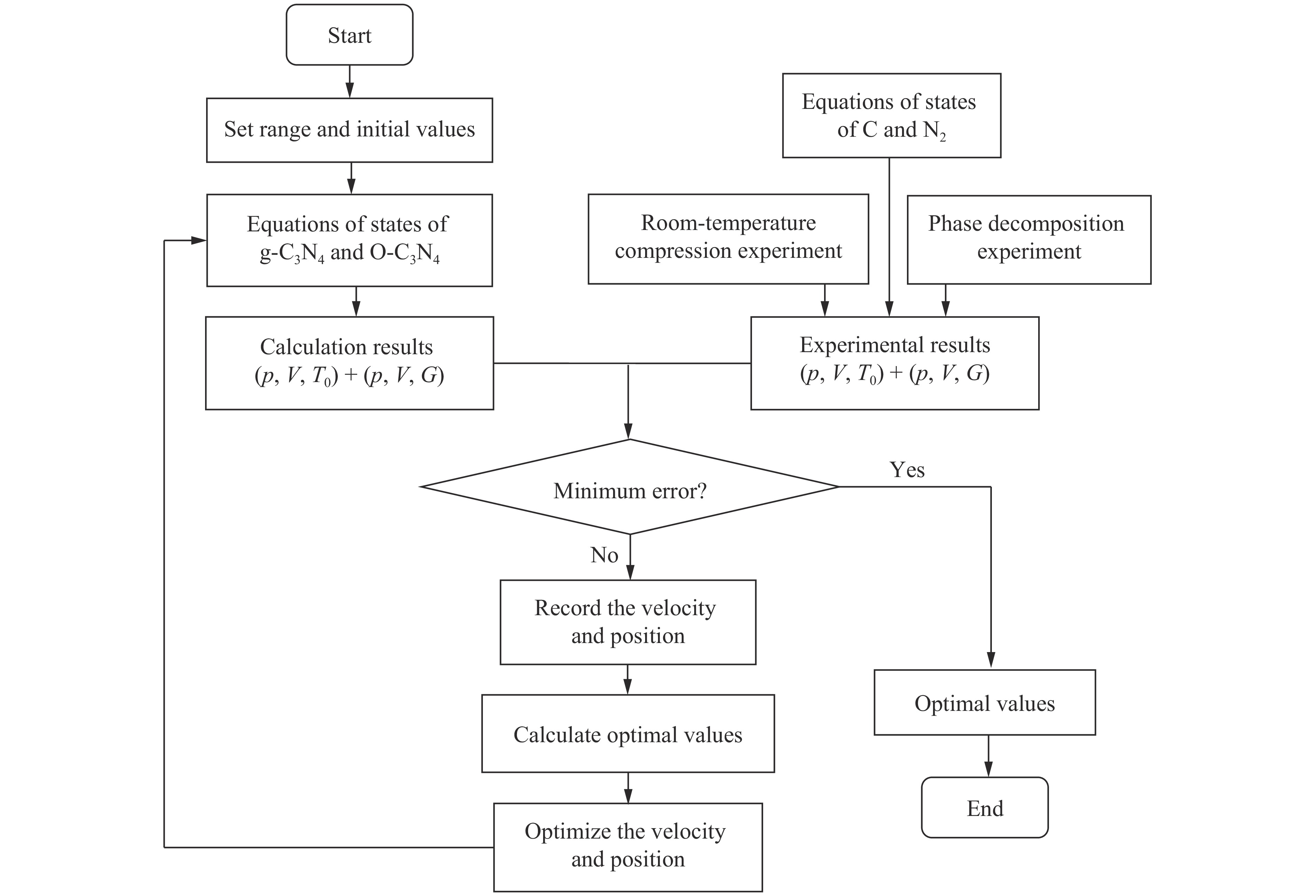
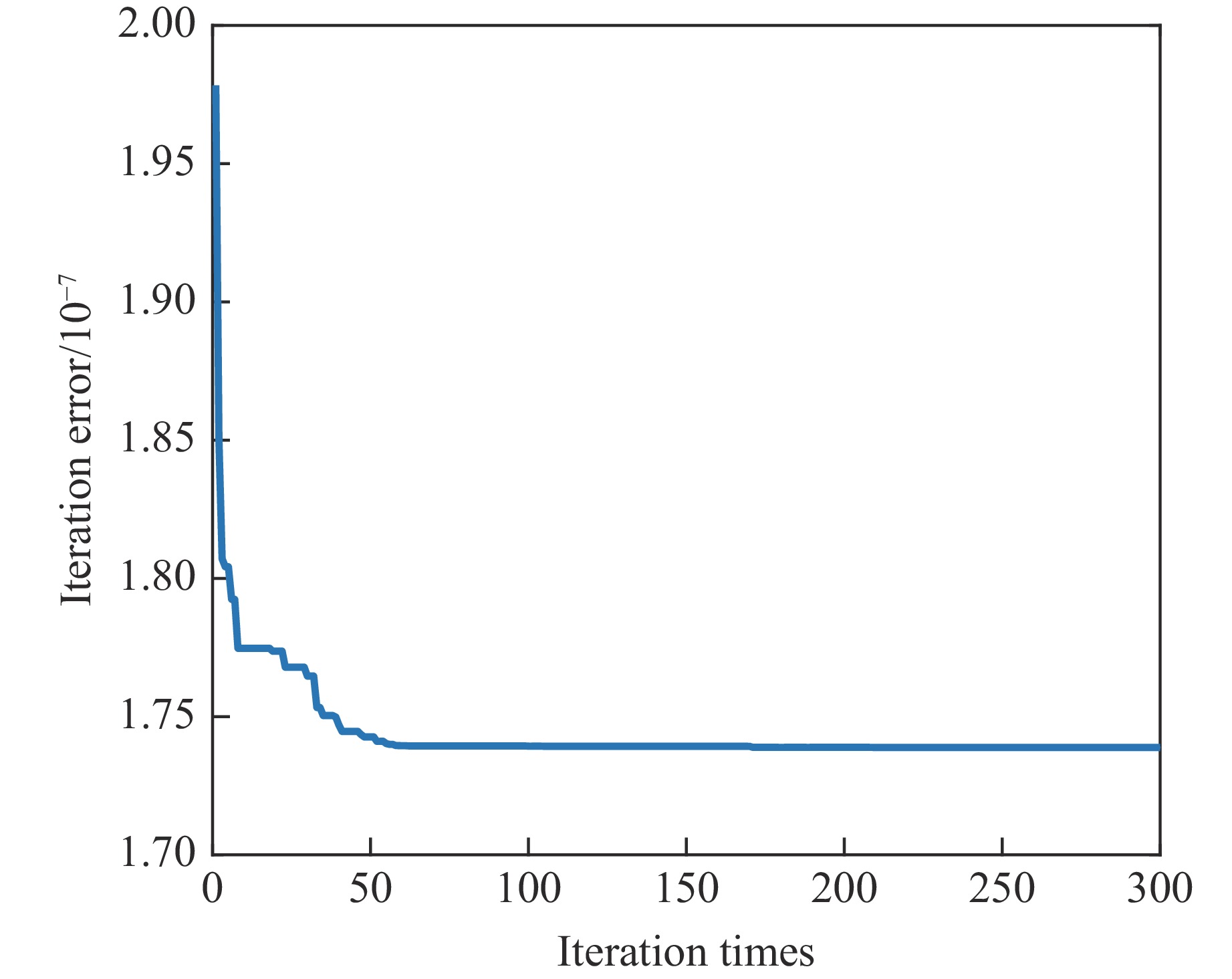
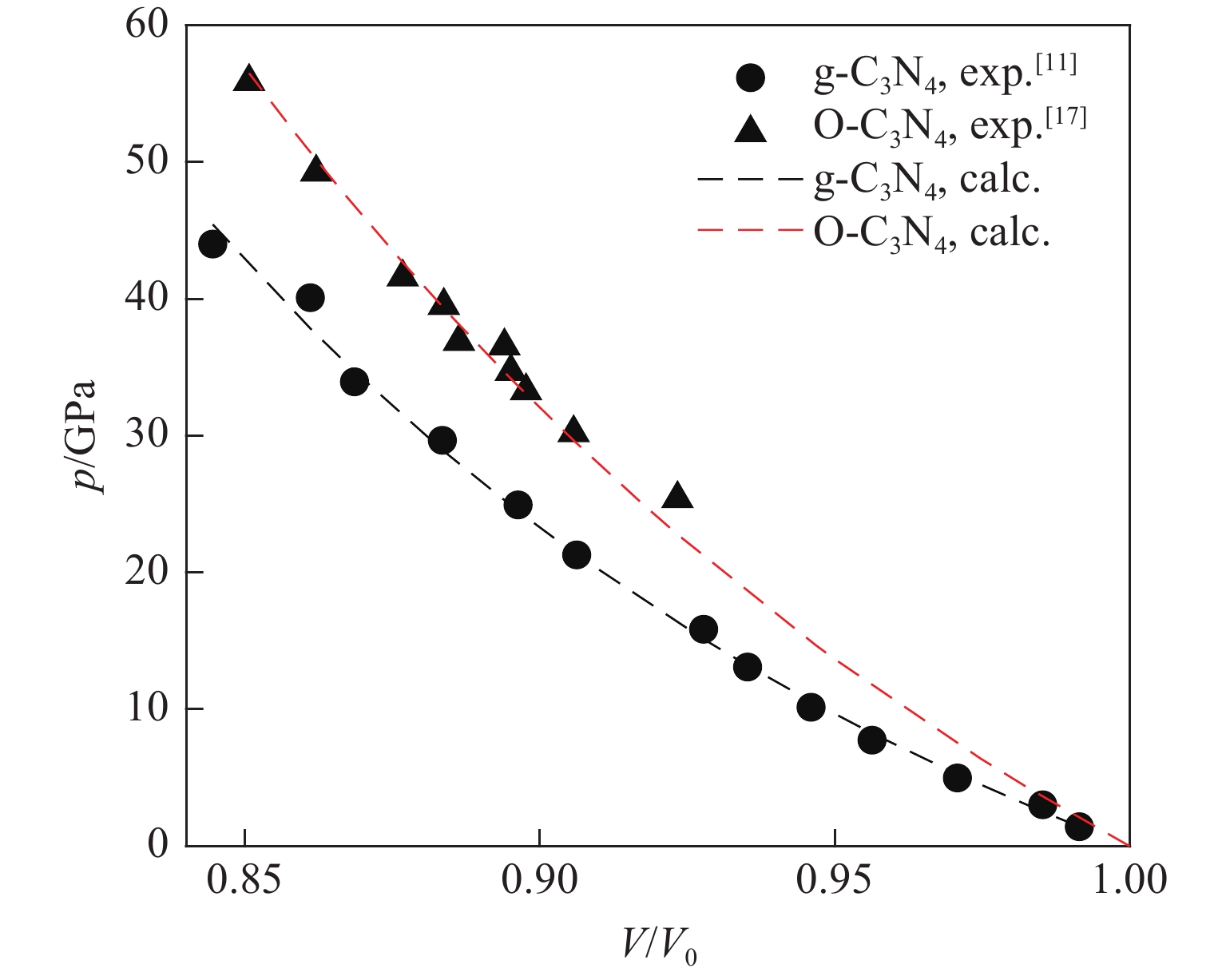
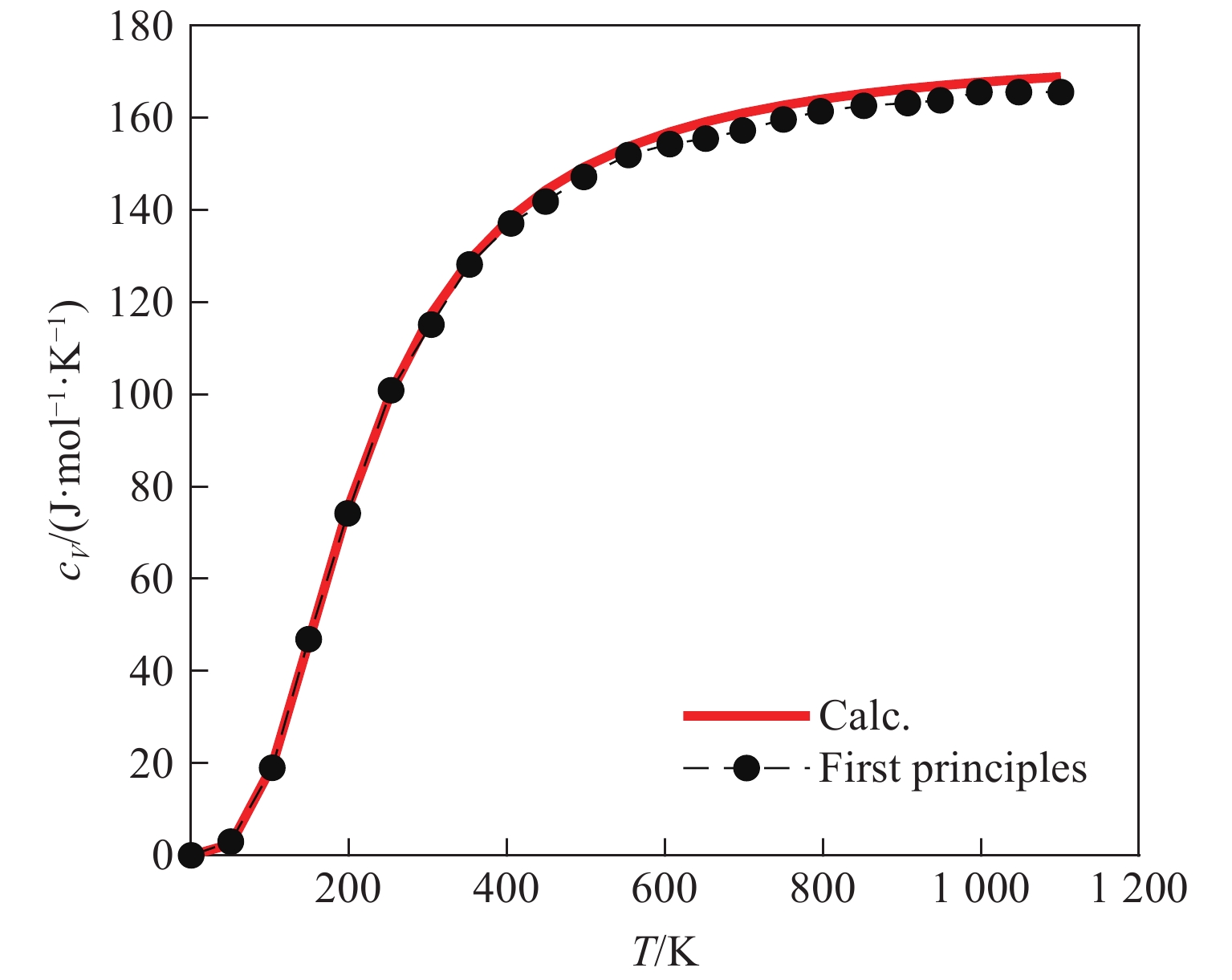
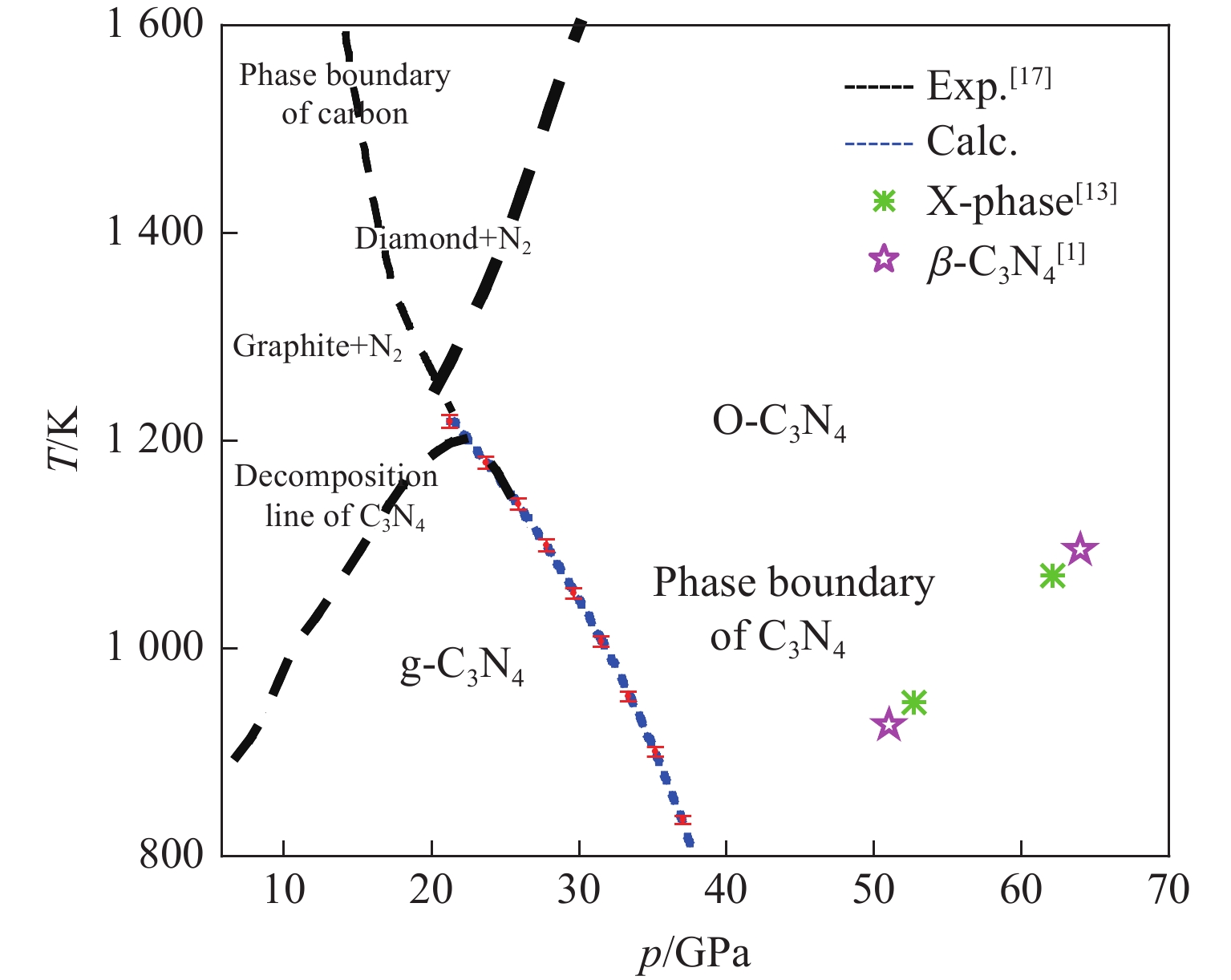
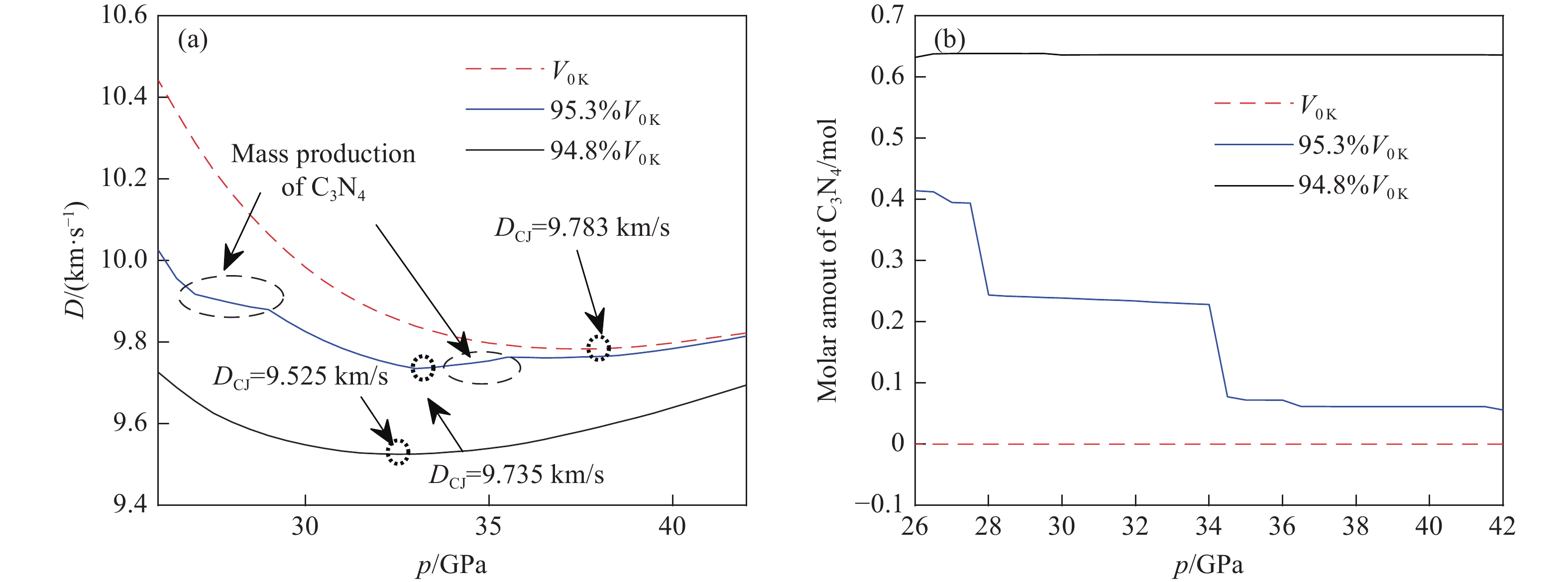
C3N4 has a wide range of applications in the synthesis of superhard materials and photocatalysis materials, but its phase transitions and physical behaviors under high pressure and high temperature conditions are not fully understood. Therefore, it is necessary to study its thermochemical equation of state. In this paper, we propose a novel, high-precision and low-cost method for quantitatively determining the equation of state of C3N4, based on decomposition phase boundary and compression line at room temperature. We constructs the equation of state for two phases of C3N4, and the corresponding physical quantities match well with first-principles calculations and experimental values, proving the reliability of the equation of state. Based on the equation of state of C3N4, we make a preliminary judgment on the phase state of the controversial points. Furthermore, this study attempts to incorporate the equation of state of C3N4 into the research on the detonation mechanism of novel nitrogen-rich explosives. It significantly reduces the long-standing errors between the calculated values and experimental values of the detonation parameters of the explosives, and provides a new reference direction for the research on the detonation parameter calculations of new explosives.

Dynamic Response of Matter
Dynamic Mechanical Behavior and Ignition Characteristics of DNAN-Based Melt-Cast Explosives
ZHAO Dong, QU Kepeng, HU Xueyao, HE Na, WANG Yixin, XIAO Wei
2025, 39(5): 054101. doi: 10.11858/gywlxb.20240936
HTML PDF (41)
Abstract:

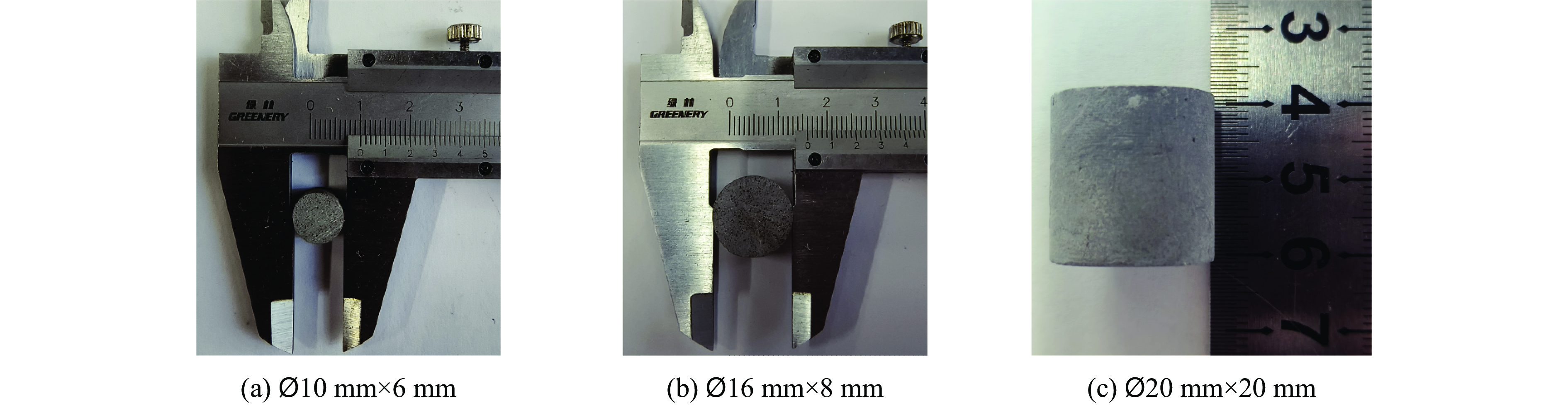
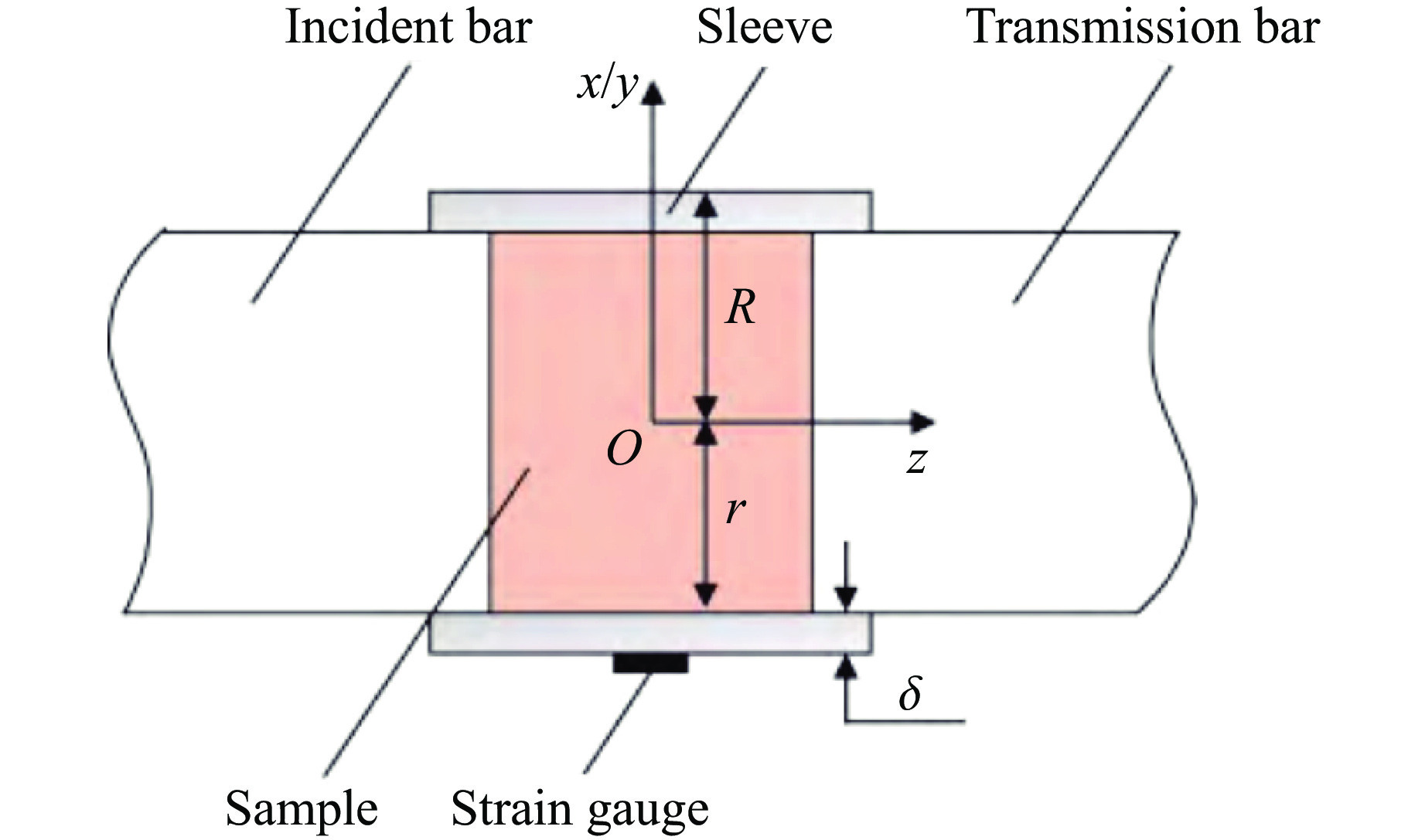
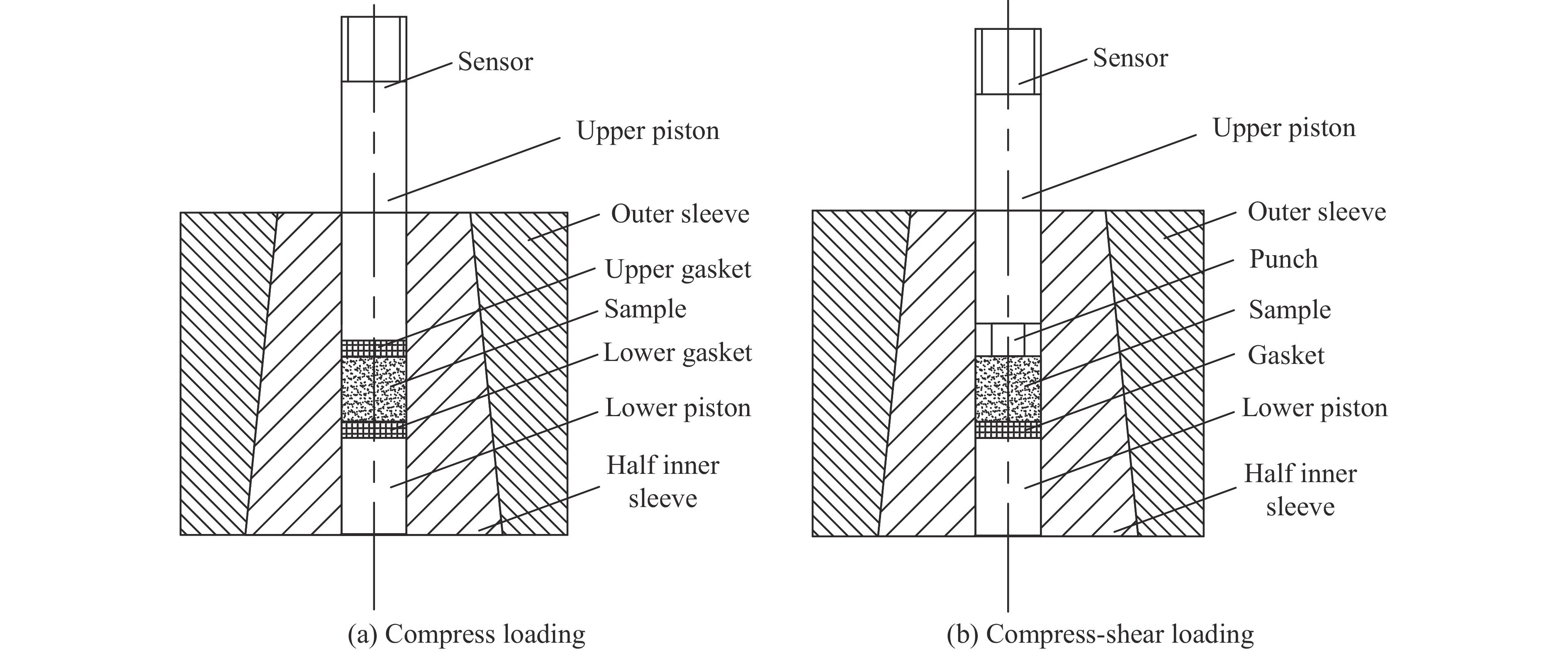
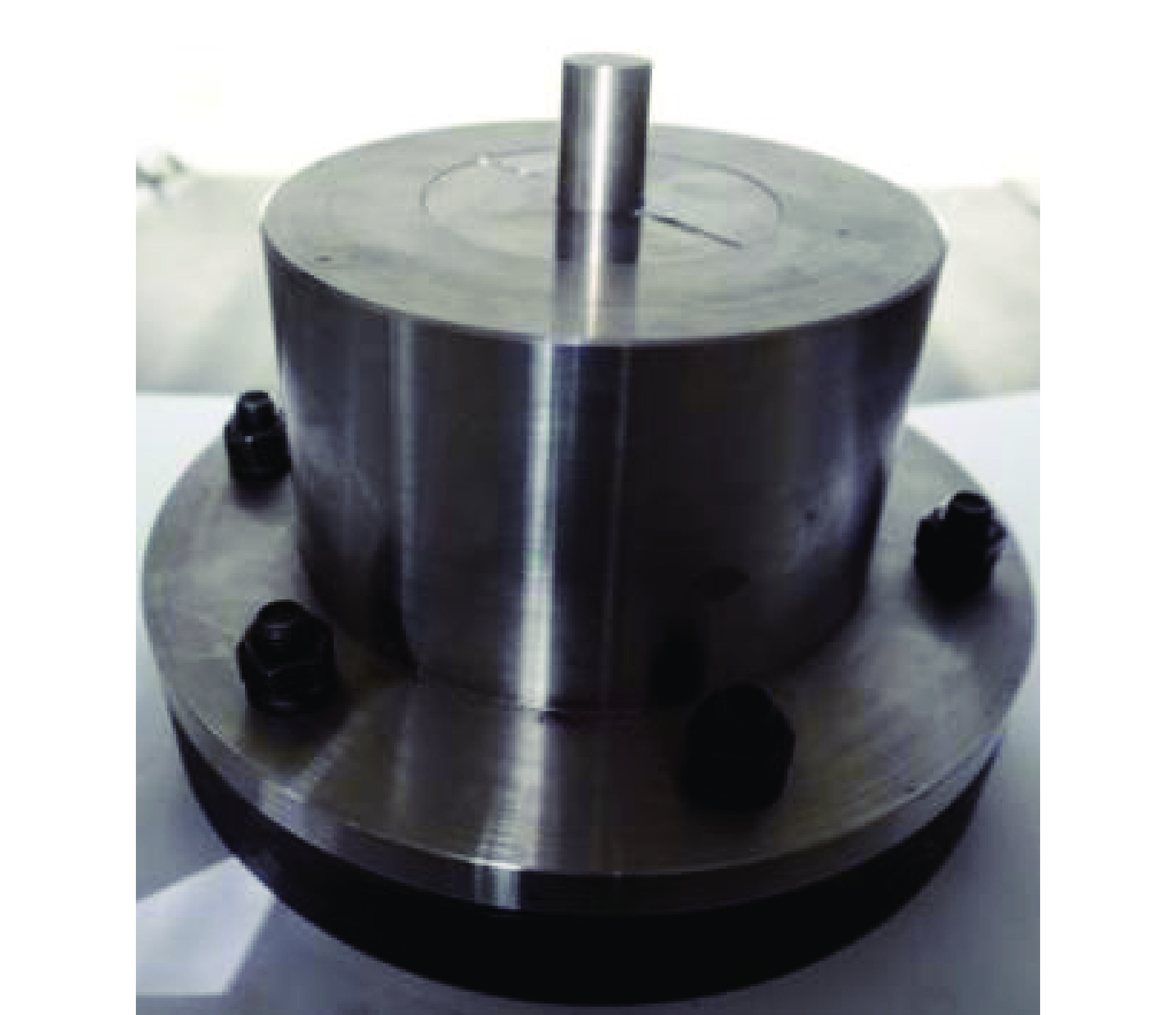
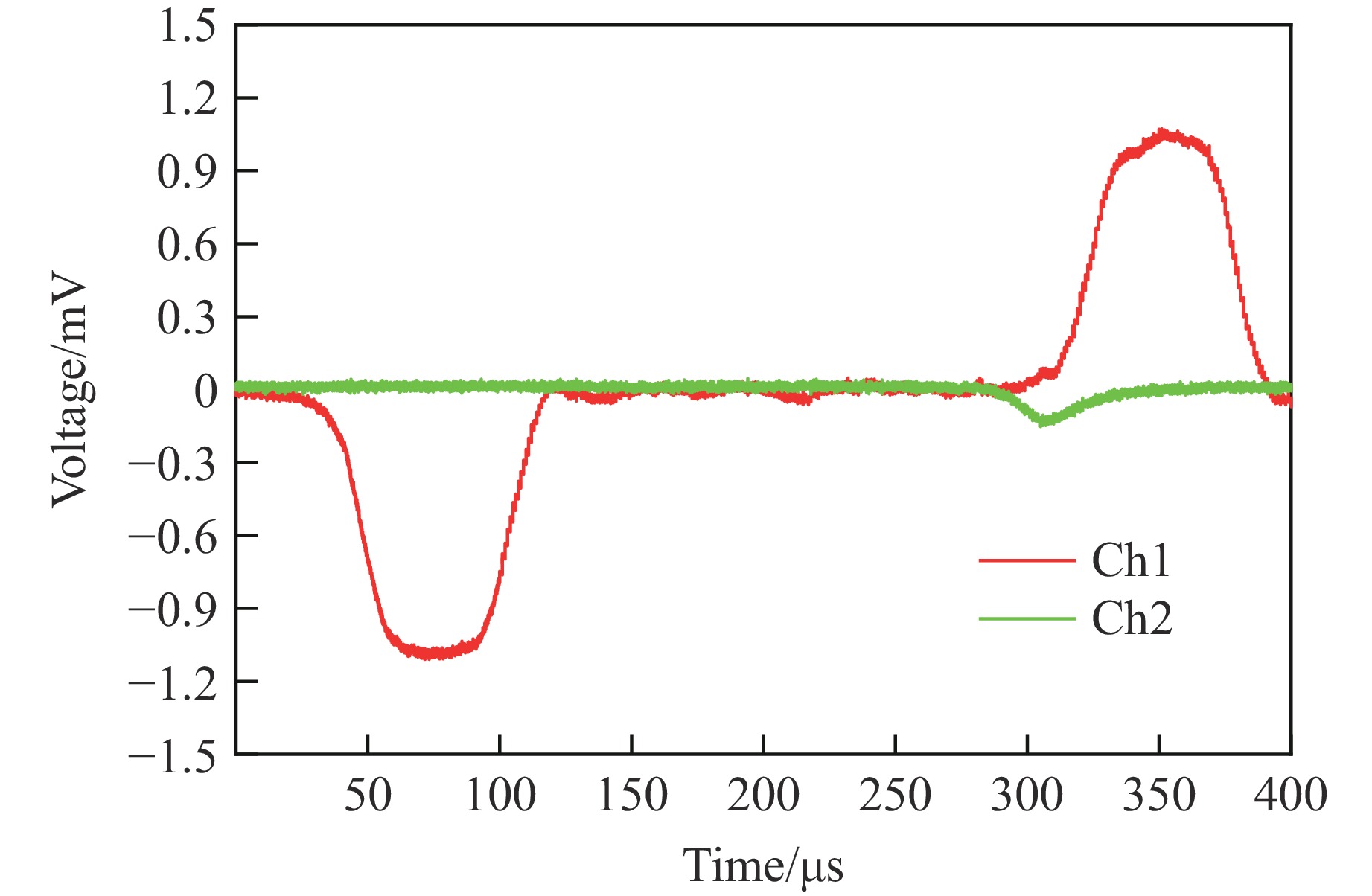
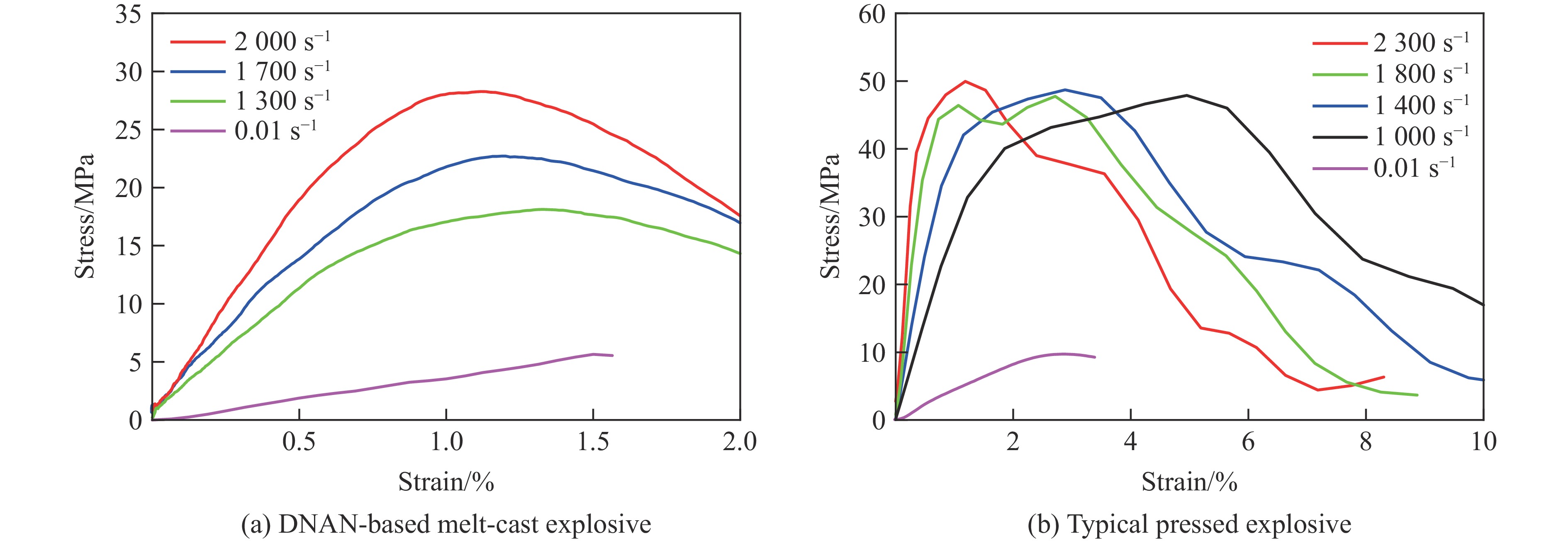
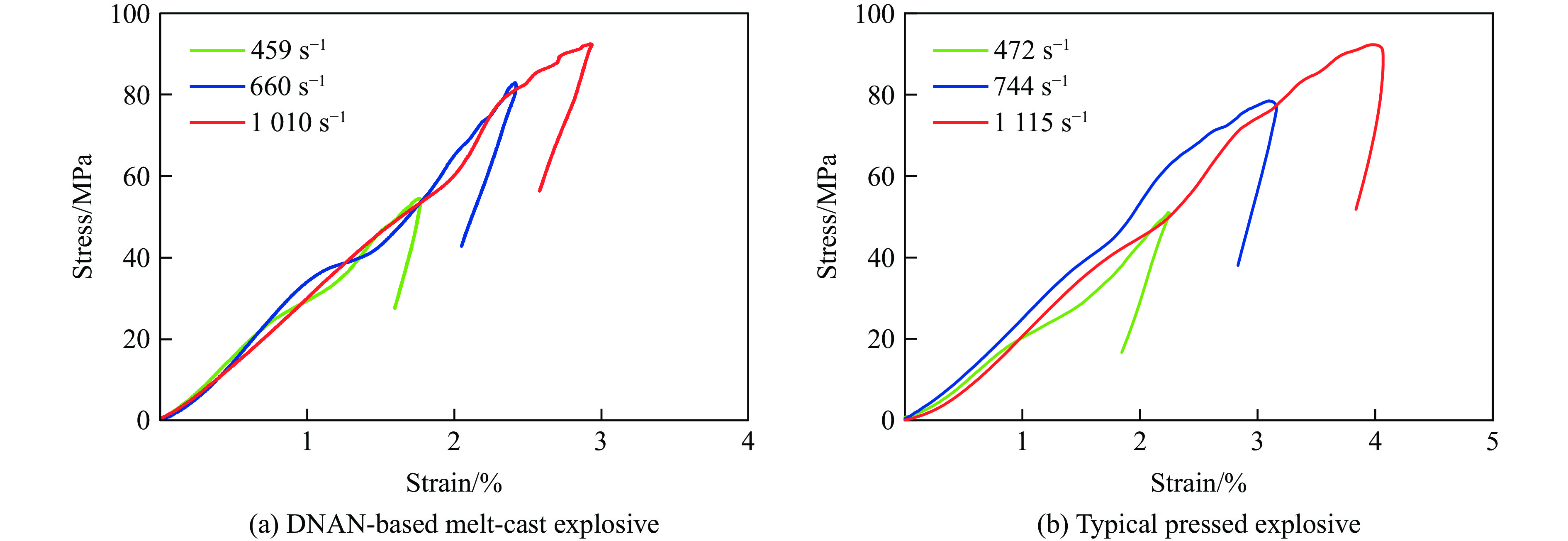
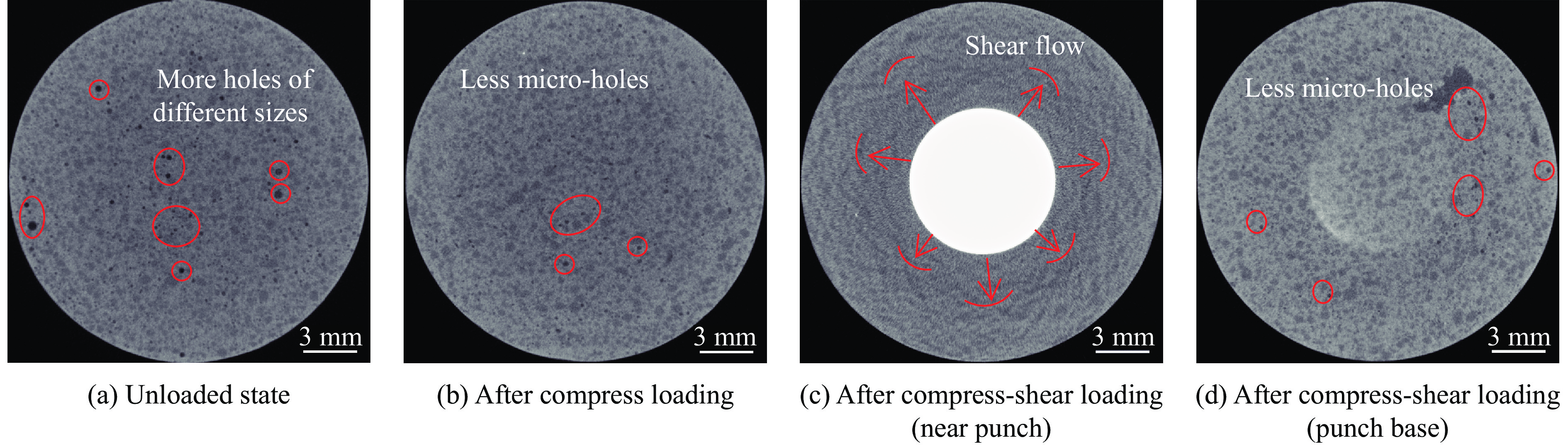
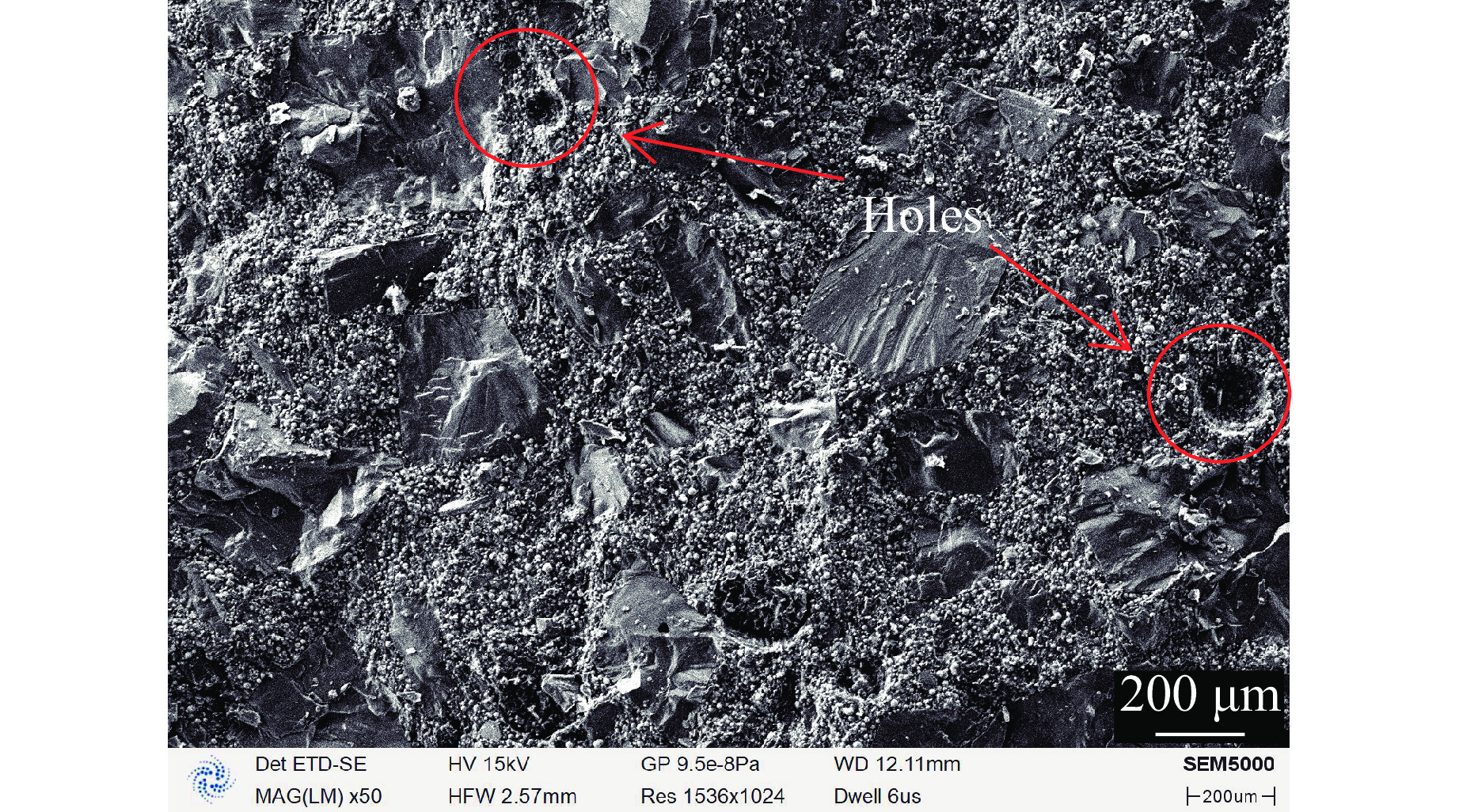
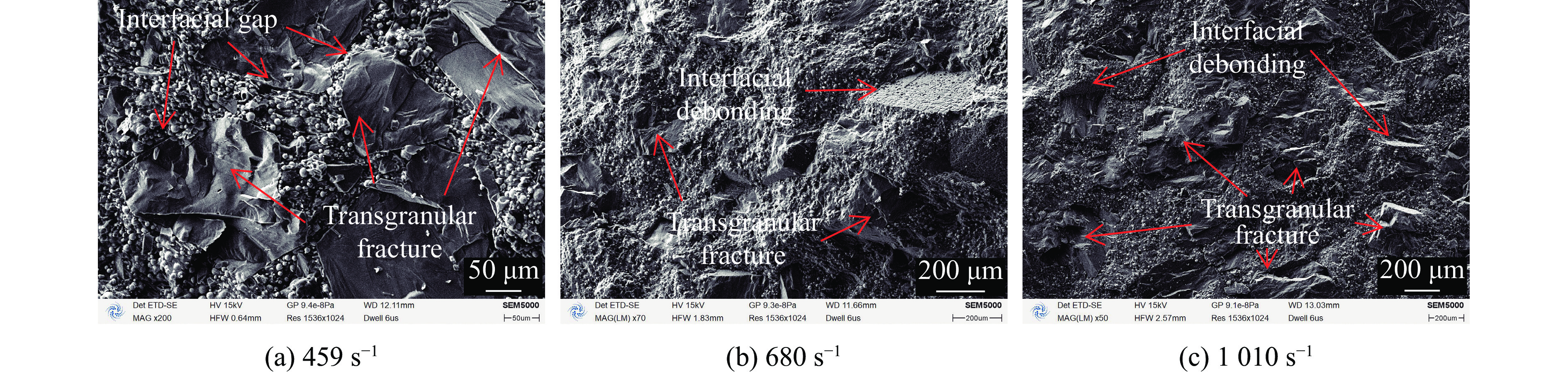
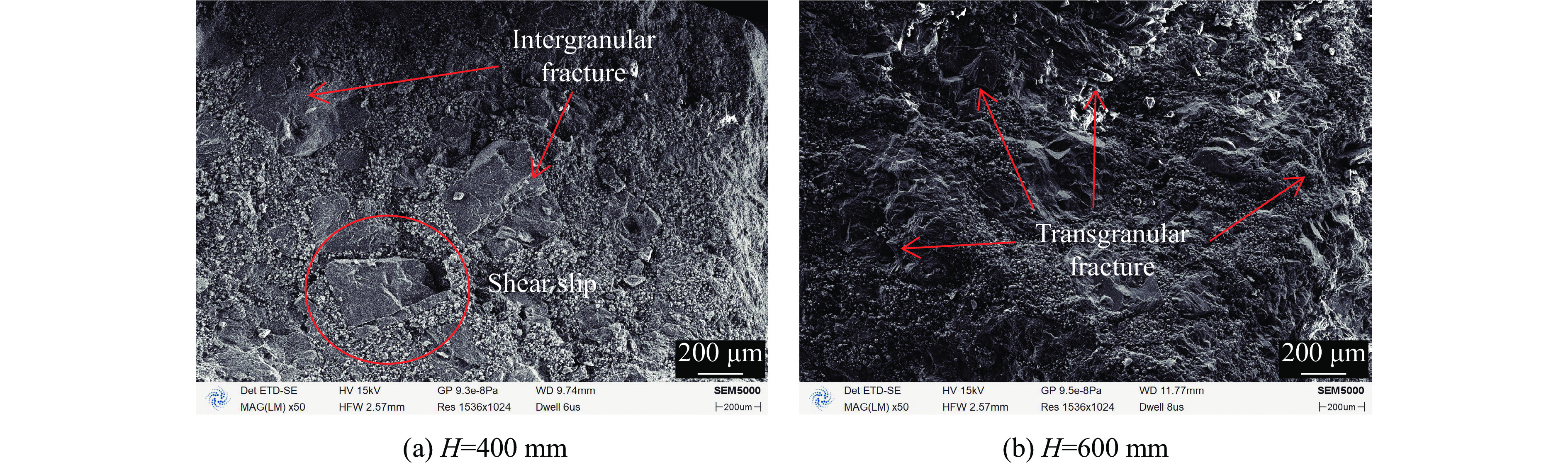
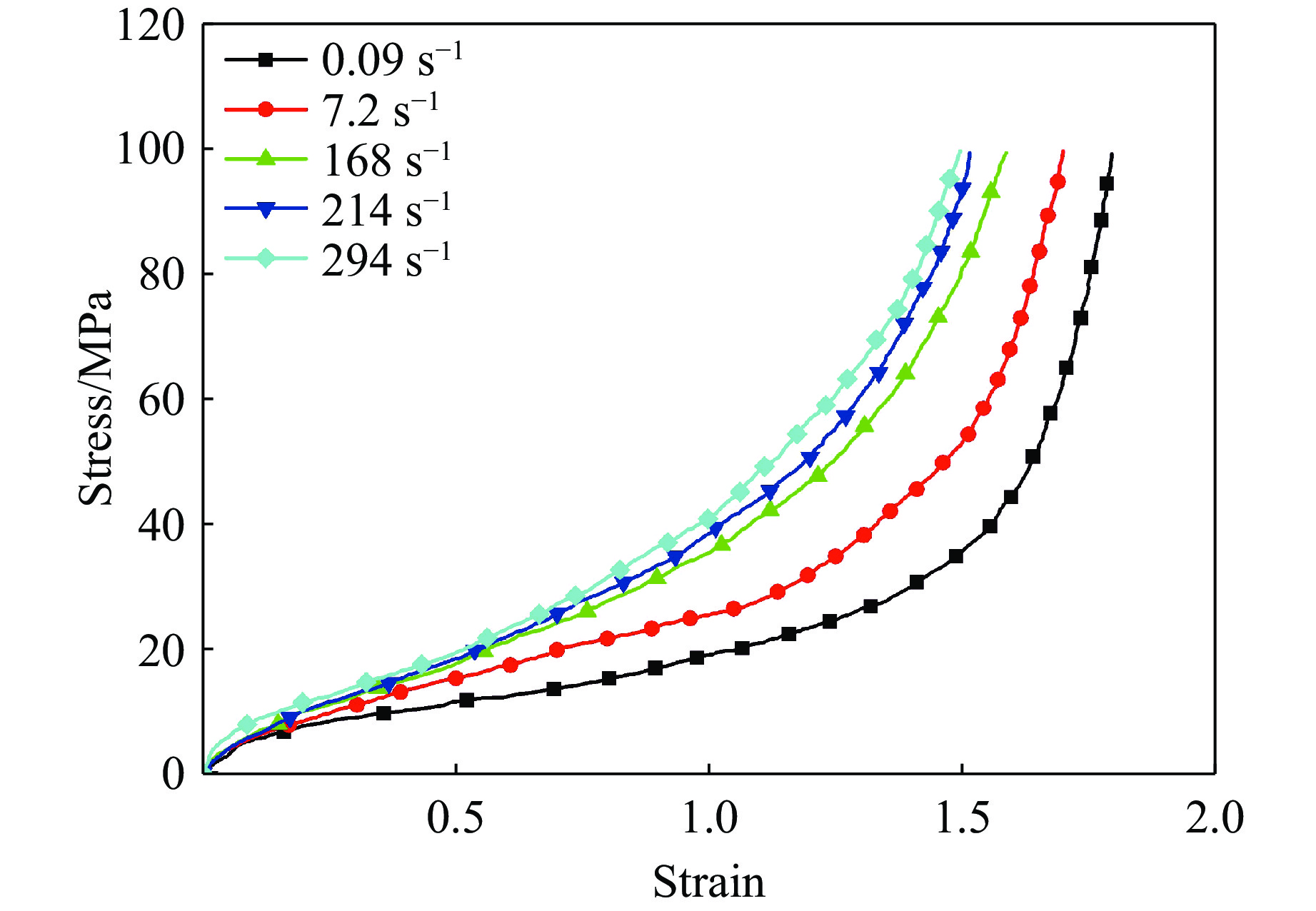
In order to study the dynamic mechanical behavior and ignition characteristics of a DNAN-based melt-cast explosive, quasi-static and dynamic compression tests, as well as passive confining pressure tests were carried out using a universal material testing machine and a split Hopkinson pressure bar (SHPB). Impact ignition test was carried out using a drop hammer. Scanning electron microscope (SEM) and industrial computed tomography (CT) were used to examine the morphology changes in the samples before and after loading. The stress-strain curves, ignition thresholds and damage characteristics of DNAN-based melt-cast explosive under different loading conditions were obtained. The dynamic mechanical behavior, ignition characteristics and damage mechanism of the explosive under different loading conditions were obtained. The results show that the dynamic mechanical behavior of the DNAN-based melt-cast explosive exhibits a strain-rate dependence, demonstrating more pronounced brittleness compared to typical press-loaded explosives, lower strength under uniaxial compression, and peak stresses comparable to those observed in multi-axial compression. The holes are the main initial damage form of the explosive. The holes are filled and compacted under compressive loading. The main damage mechanisms are transgranular fracture and interfacial debonding. Under coupled compress-shear loading, shear flow occurs in the charge and the particles are rearranged. With the increase of loading strength, the main damage mechanism changes from intergranular fracture to transgranular fracture. In the drop-weight impact ignition test, DNAN-based melt-cast explosives are more sensitive to compression loading. The maximum unreacted drop heights and peak stresses under compress and compress-shear loading are 500 mm, 556 MPa and 600 mm, 622 MPa, respectively. The primary ignition mechanism is likely attributable to either the adiabatic compression of bubbles or the thermal energy generated by the impact collapse of voids resulting from compressive damage.

Multiscale Simulation Method for Anti-Penetration of Fiber-Reinforced Composite Laminates
LI Han, CHEN Changhai, LU Cheng
2025, 39(5): 054201. doi: 10.11858/gywlxb.20240940
HTML PDF (36)
Abstract:

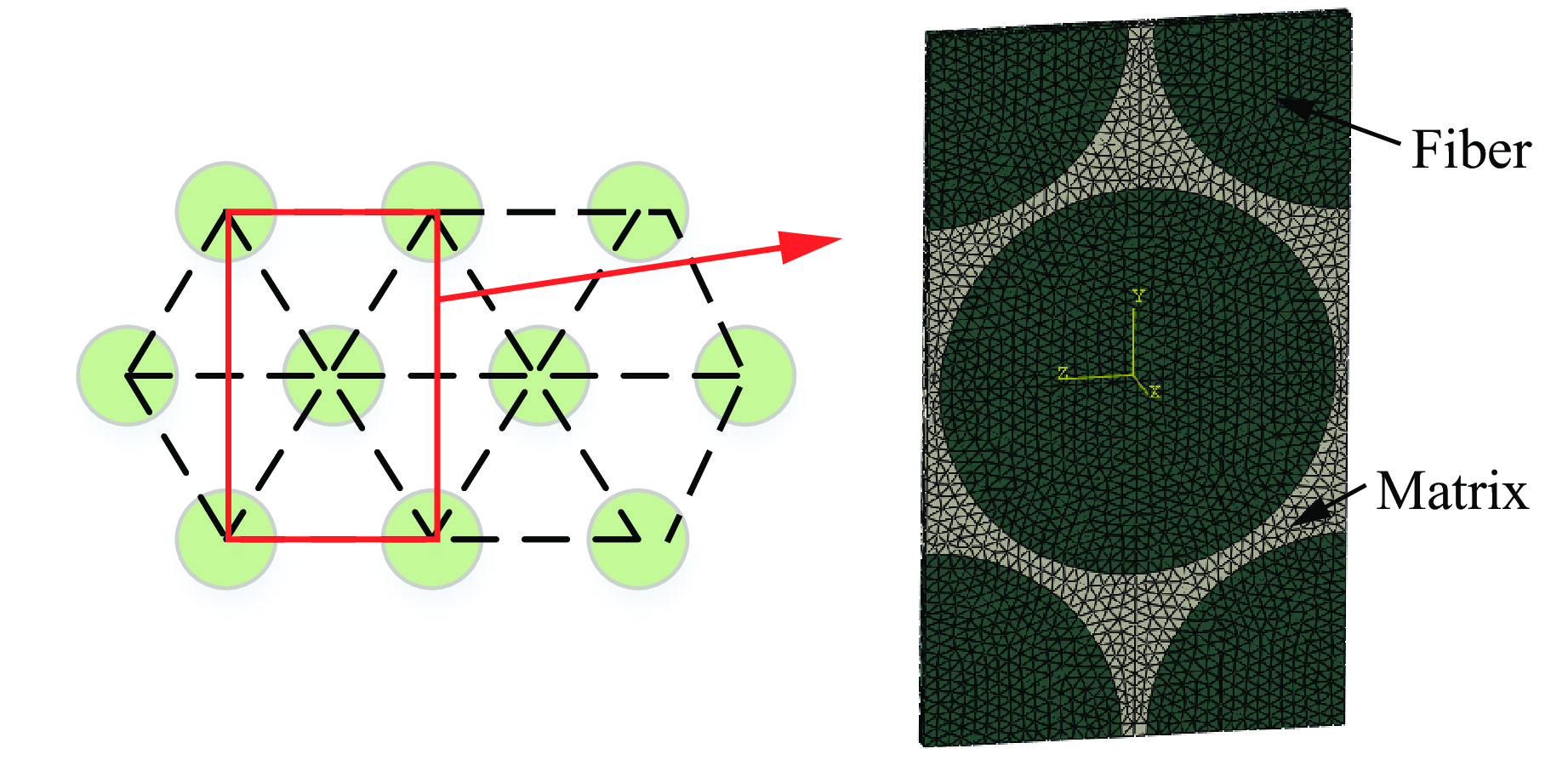
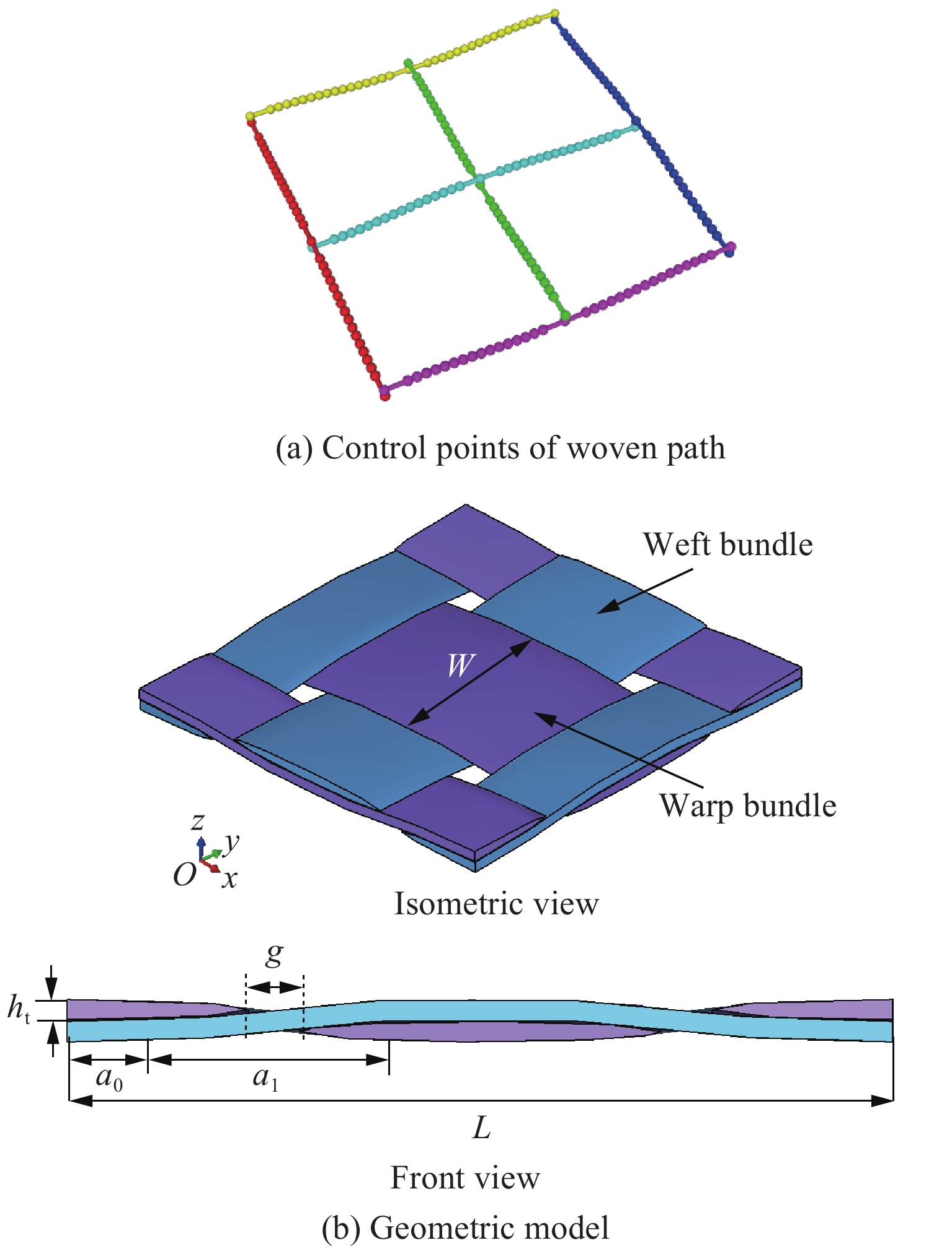
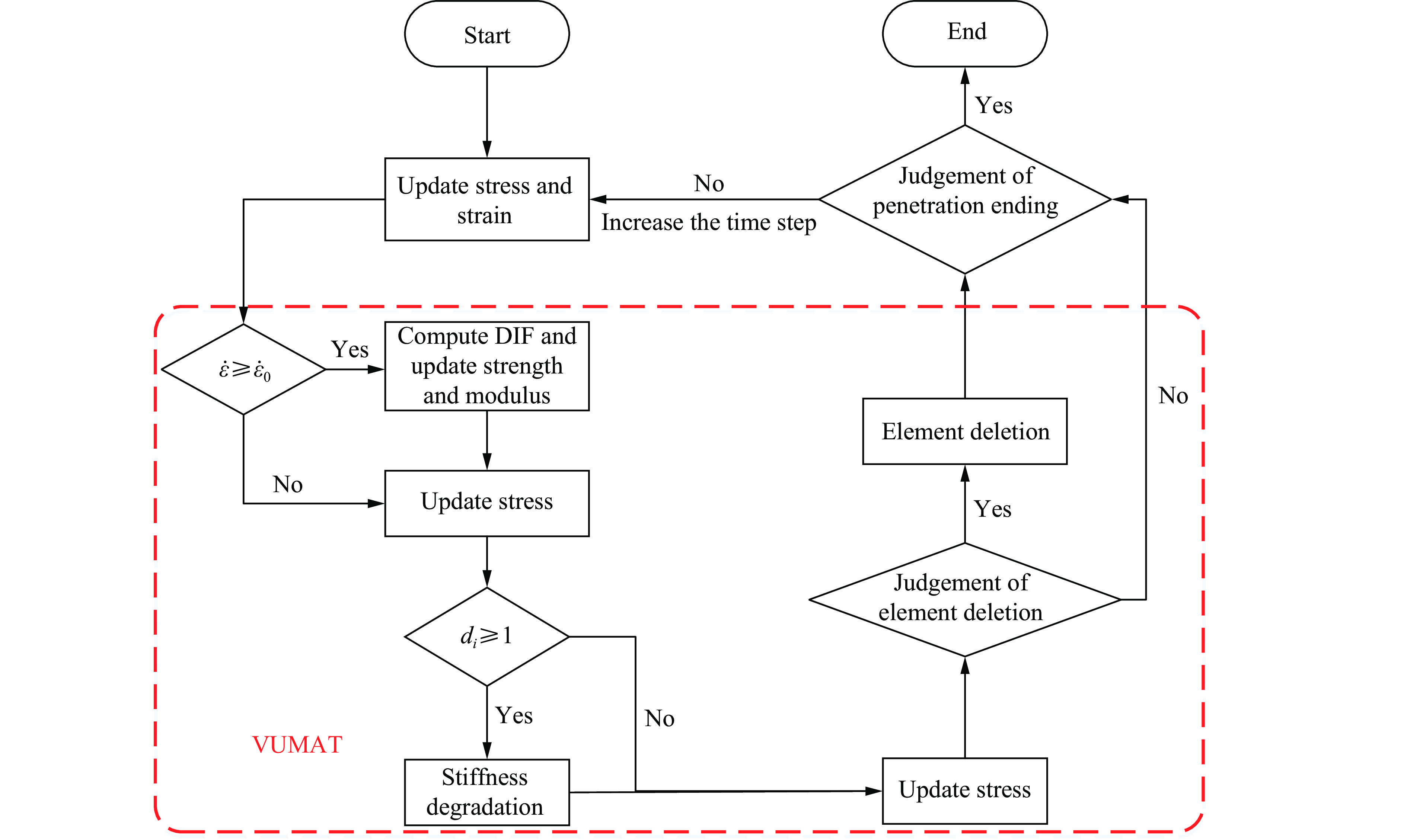
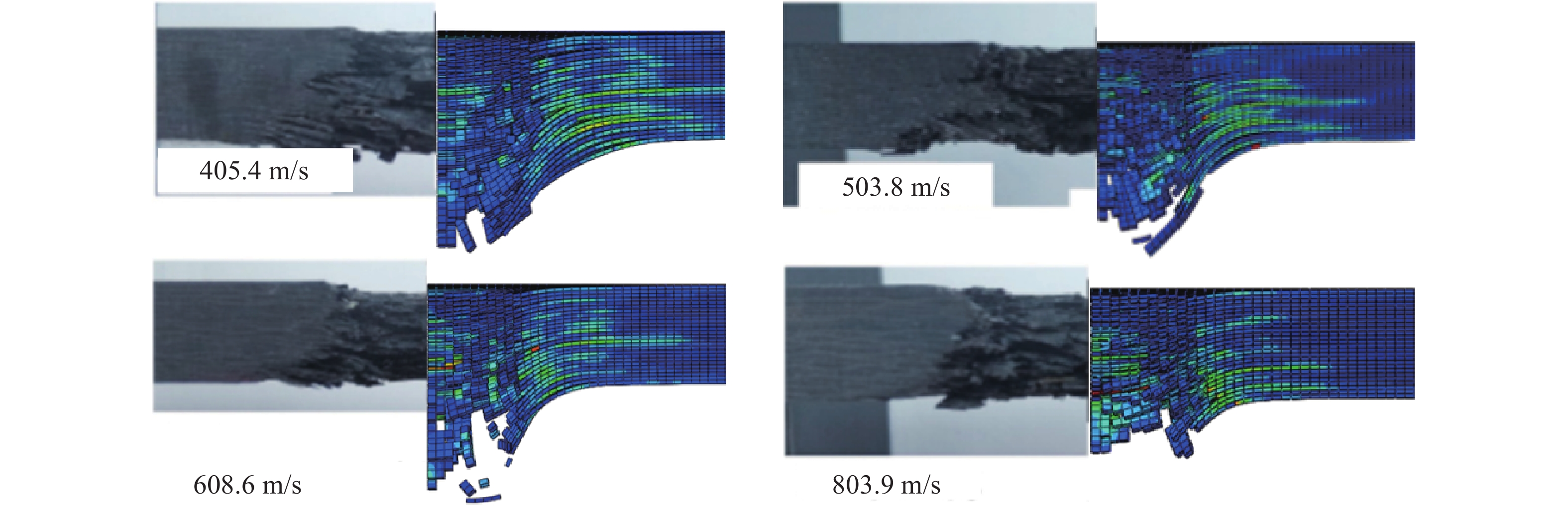
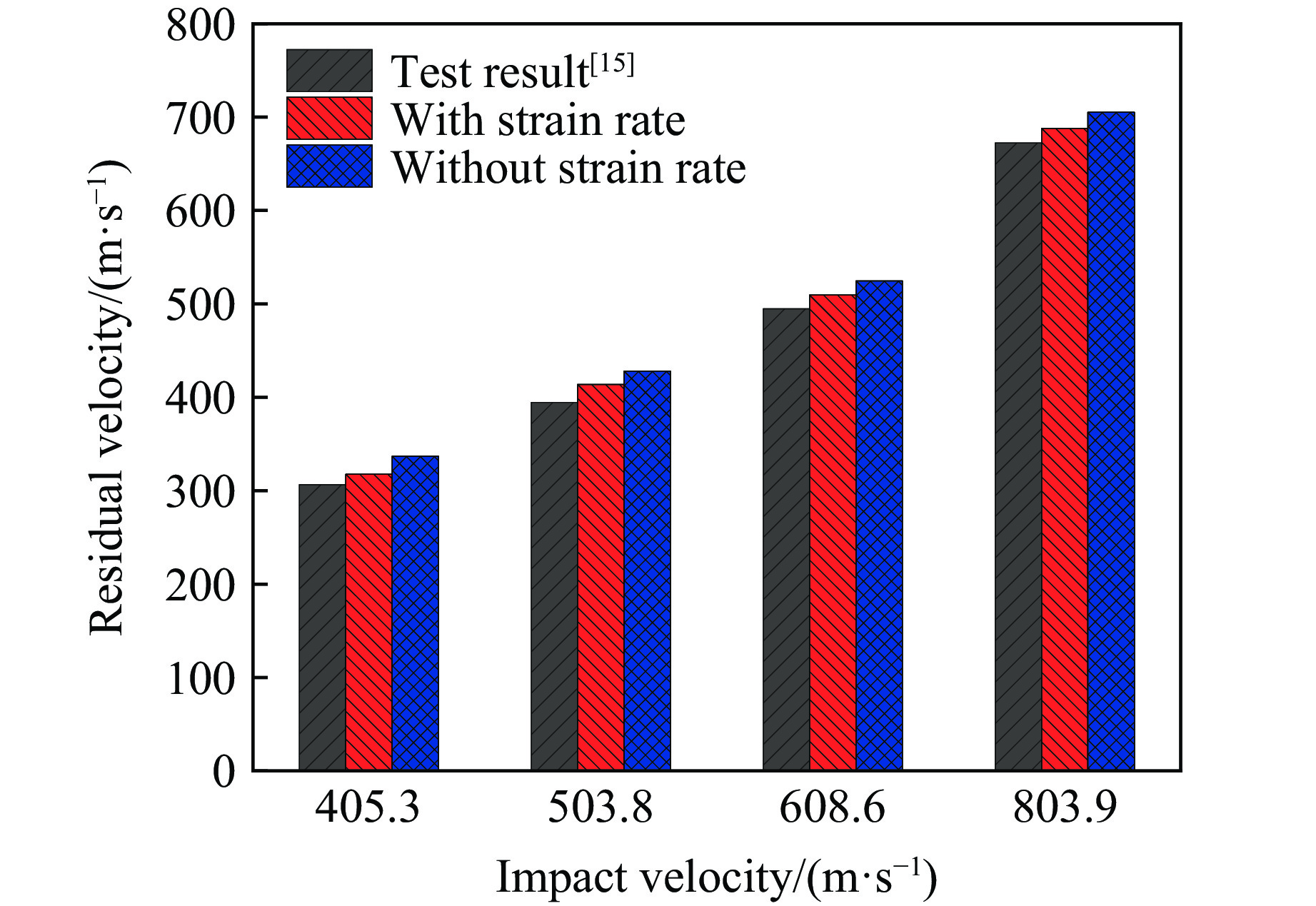
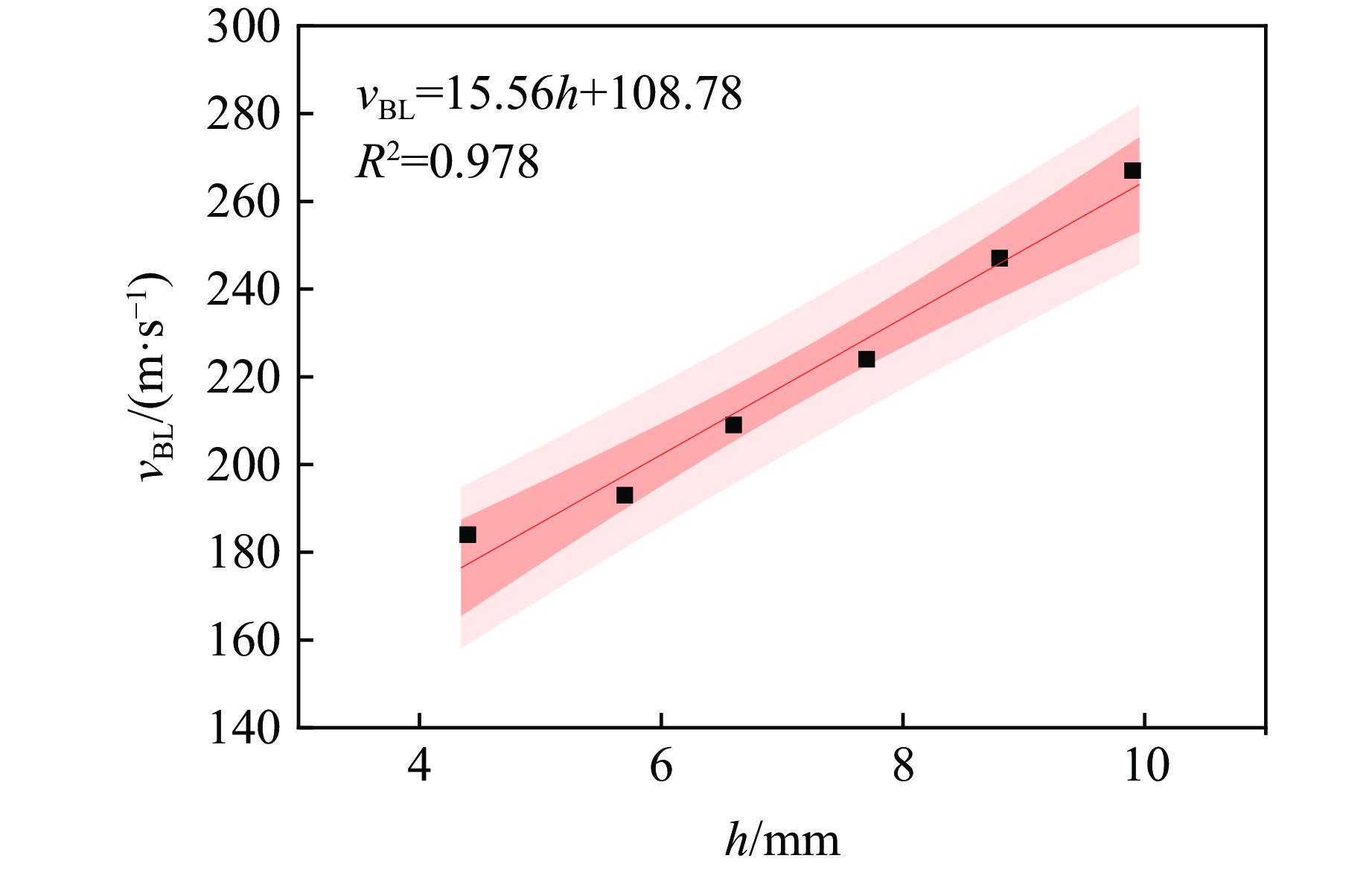
Aiming at the problem that a large number of material parameters and required for the structural design and numerical simulation of penetration resistance of fiber reinforced composite laminates, this article takes carbon fiber reinforced composite laminates as the research object, and adopts multi-scale simulation method to realize the whole process numerical simulation prediction of micro-, meso-, and macro-scale mechanical properties and penetration resistance of fiber-bundle-laminates. Firstly, microscopic representative volume elements (RVE) were established to predict the mechanical properties of fiber bundles based on the maximum stress criterion. Then, based on Hashin and Hou’s failure criteria, the macroscopic equivalent mechanical properties were predicted by the mesoscopic RVE models established according to the spatial characteristics of braided structures. Finally, an improved Hashin failure criterion considering the strain rate effect was proposed, and the numerical model of ballistic penetration was established based on the literature tests to study the residual velocities and damage characteristics. The results show that the errors of residual velocity results are less than 5%, and the macroscopic numerical models can accurately simulate the damage modes such as fiber fracture as well as interlayer delamination, which verifies the rationality and accuracy of multi-scale simulation method in this article. The relationship between the ballistic limit velocity and the thickness of the plate is linear and the correlation coefficient is above 0.97. The findings of this paper can help to realize the design of low-cost and short-period fiber reinforced composite laminates, which has important scientific and engineering application values for property prediction and inverse structural design of fiber reinforced composite laminates.

Frequency Characterization of Stress Wave Vibration Signals in Rock Mass under Impact Loading
FENG Jiaxing, YUAN Liwei, PENG Ji, CHEN Minghui, CHEN Di, QI Zhuo
2025, 39(5): 054202. doi: 10.11858/gywlxb.20240897
HTML PDF (28)
Abstract:

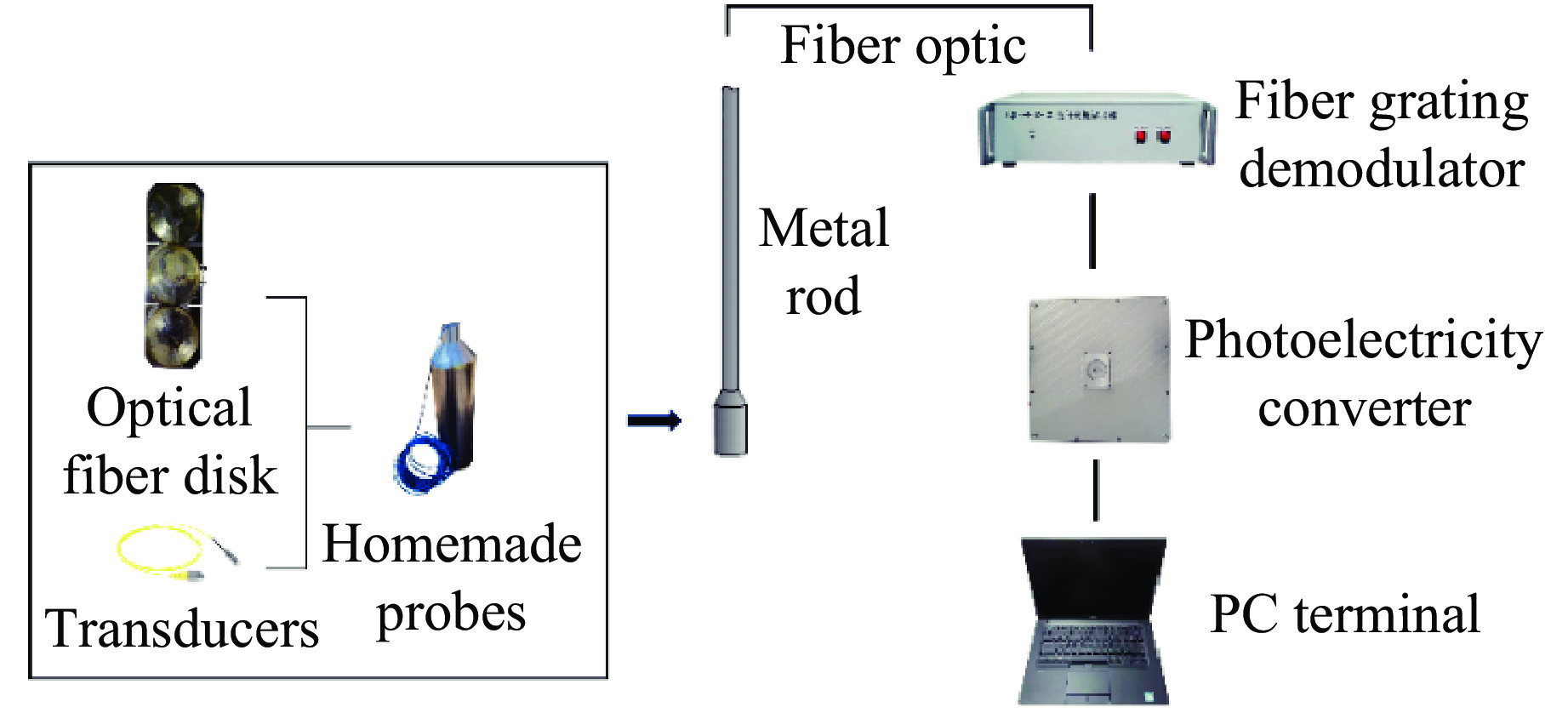
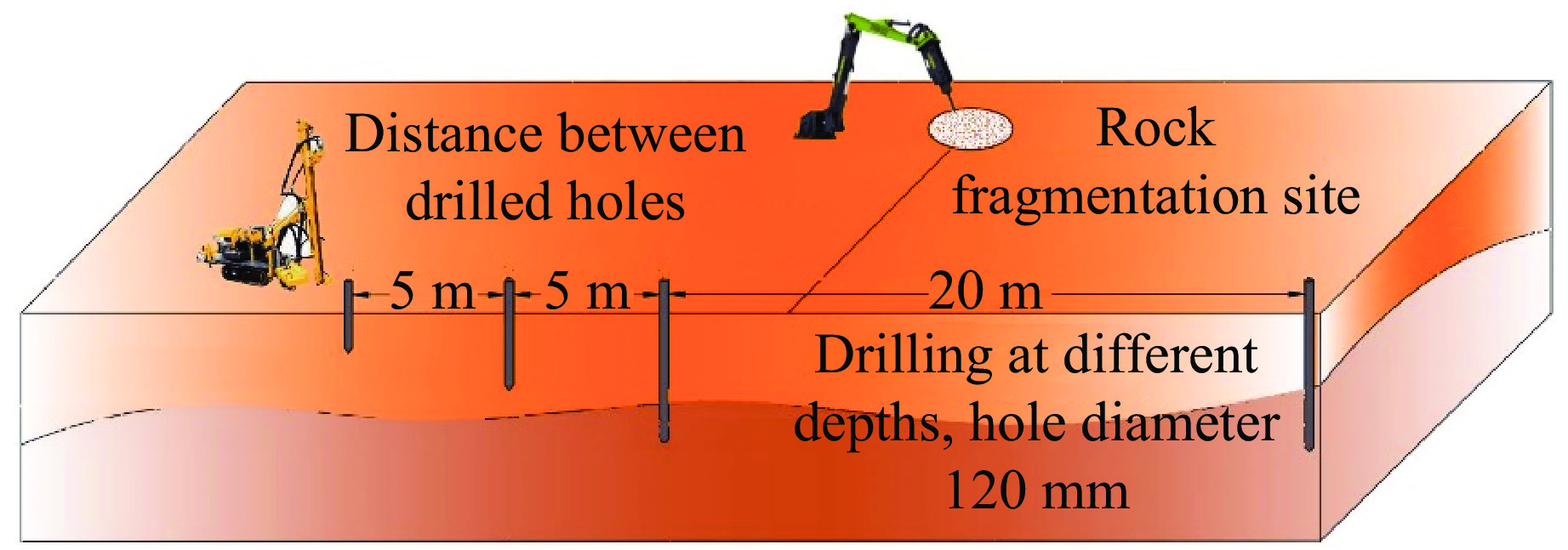
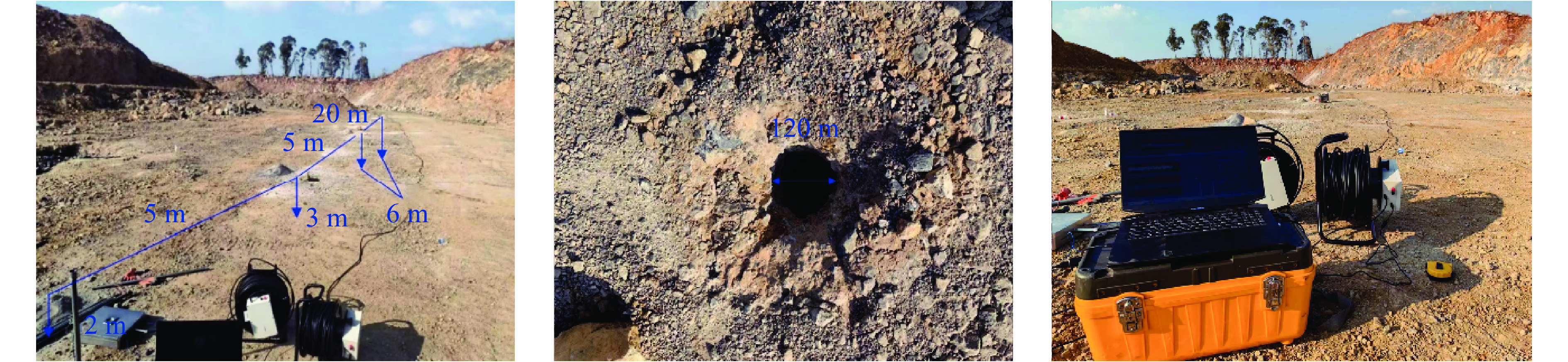
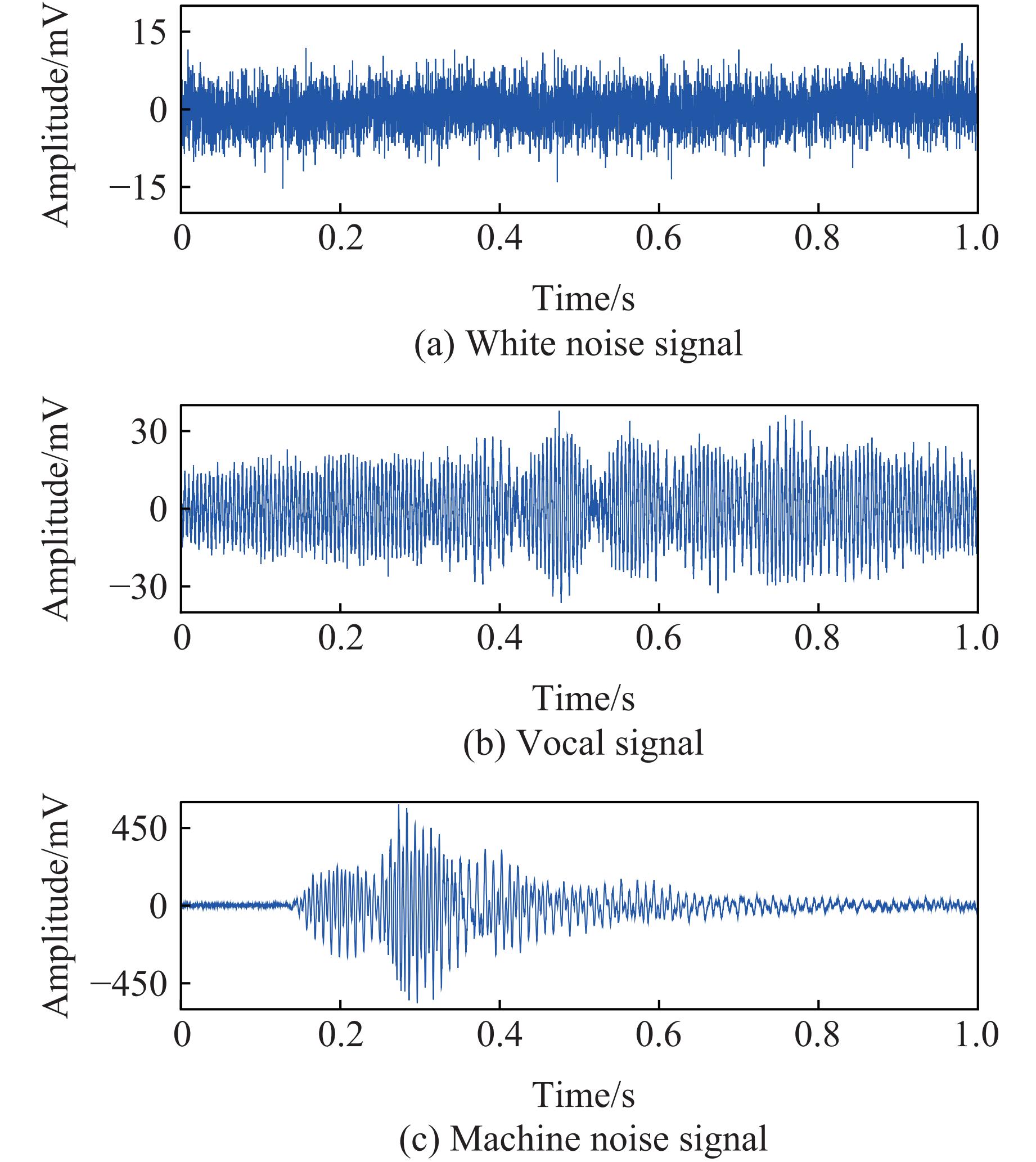
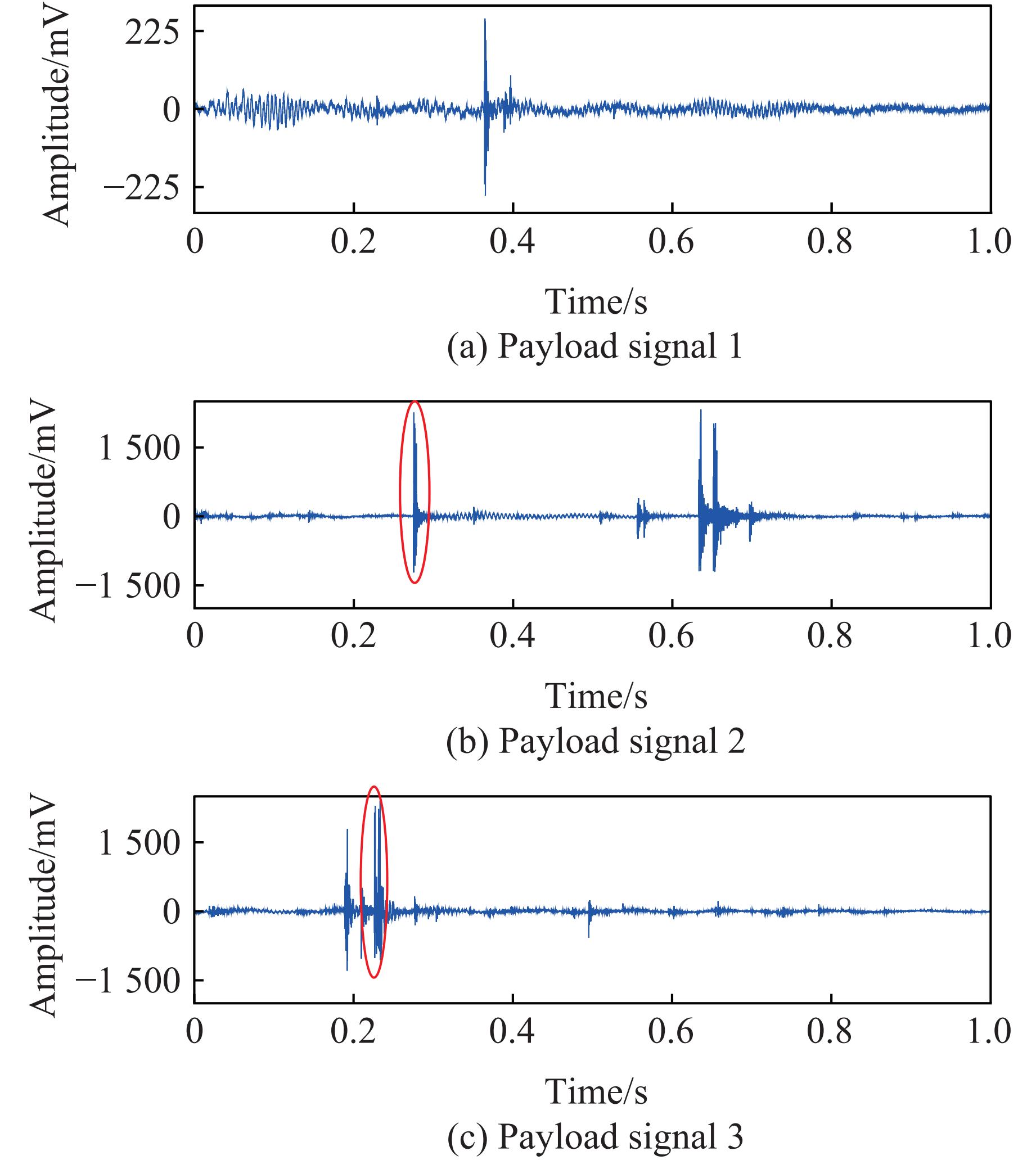
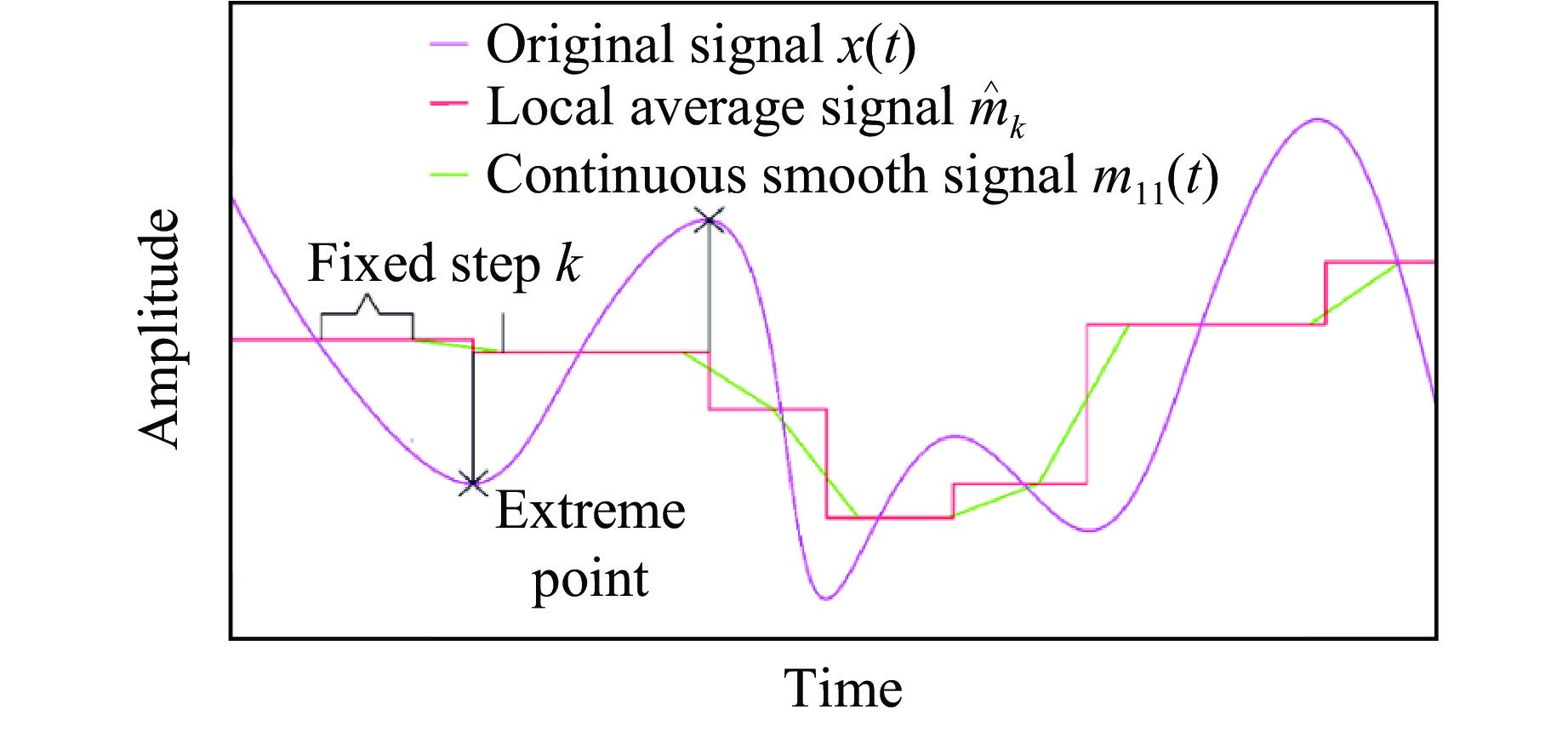
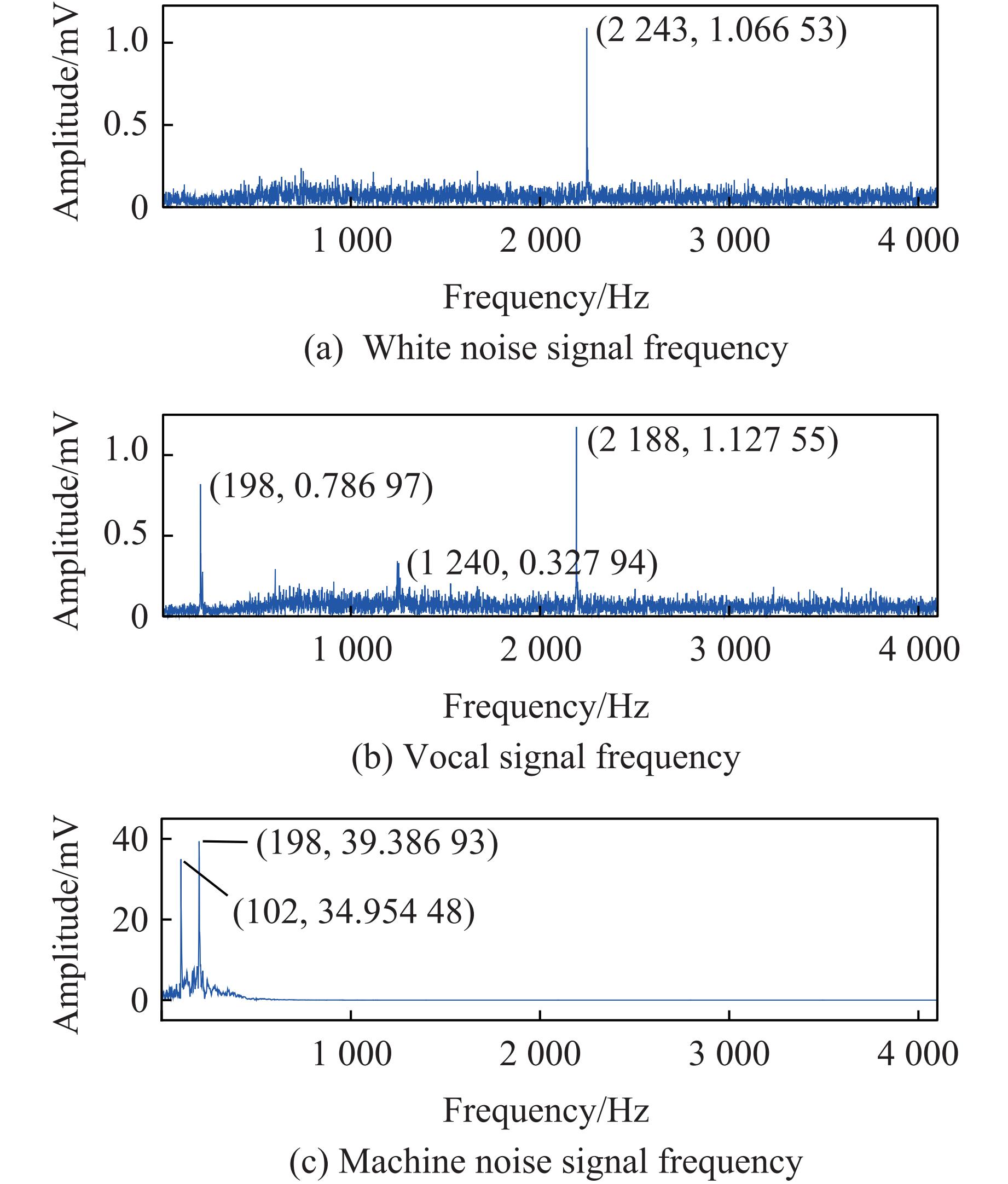
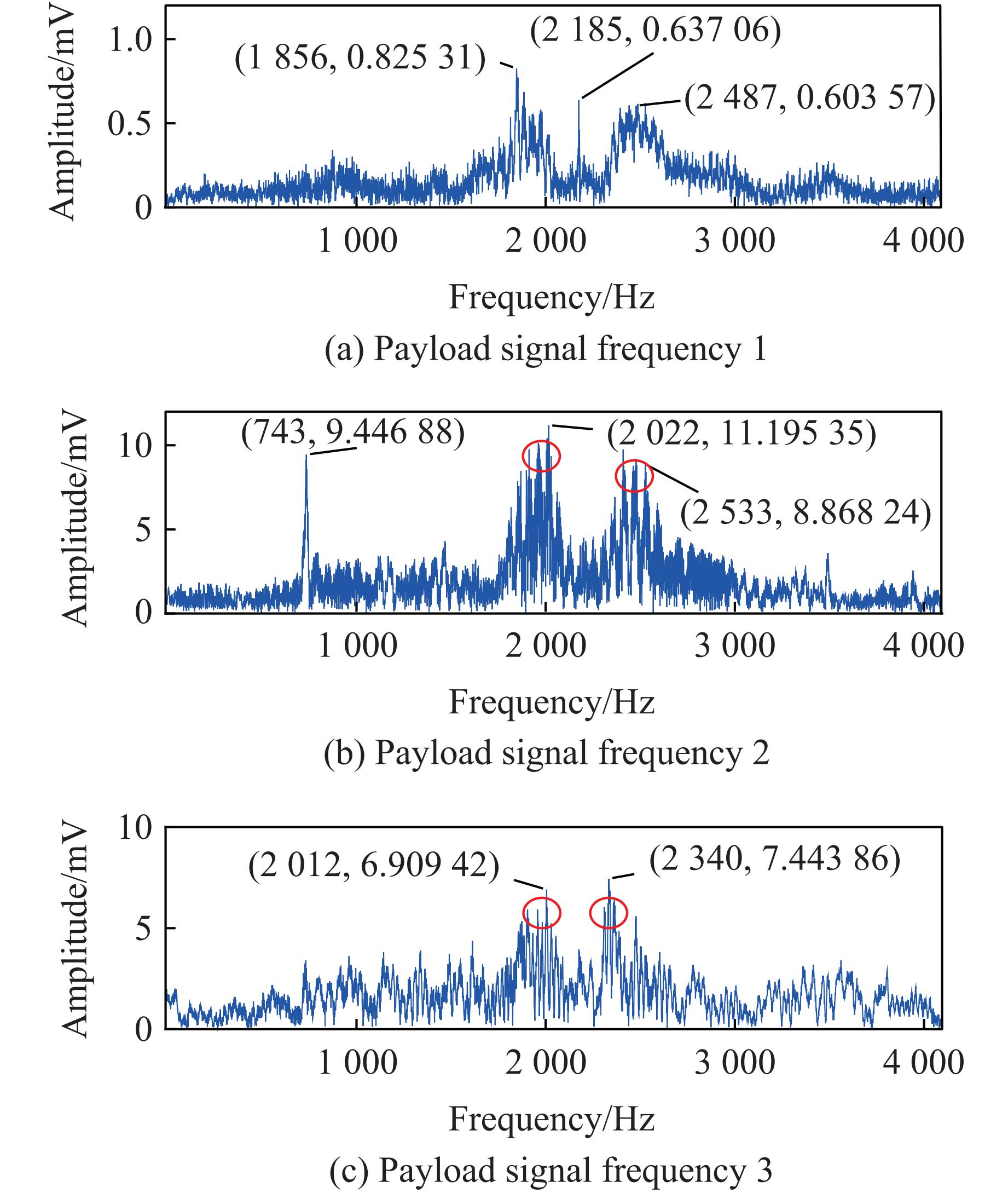
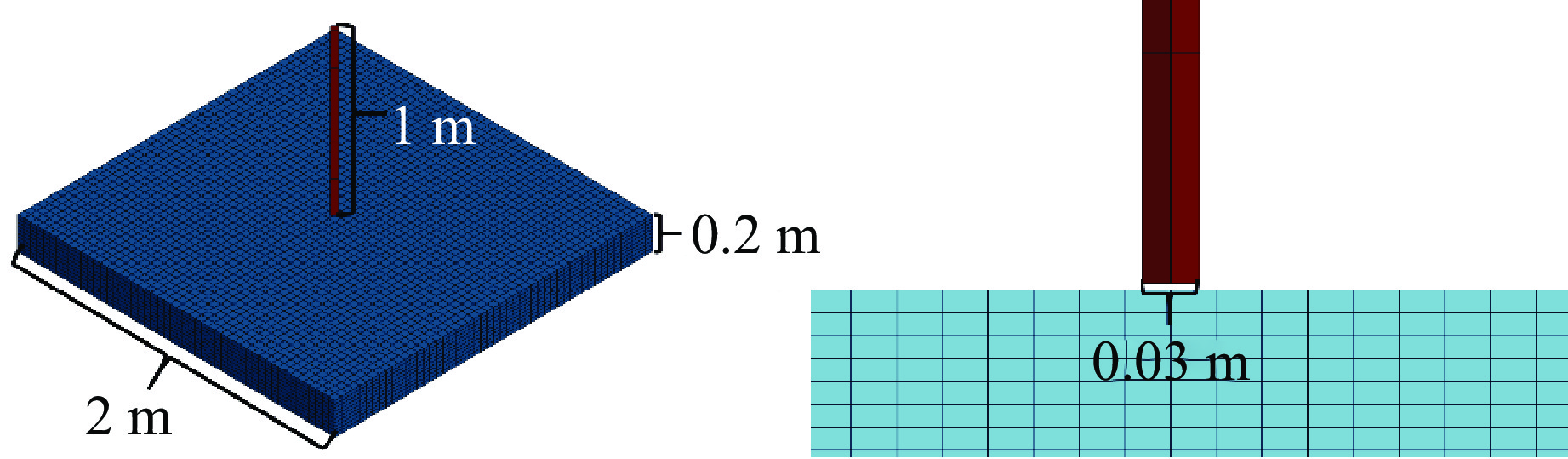
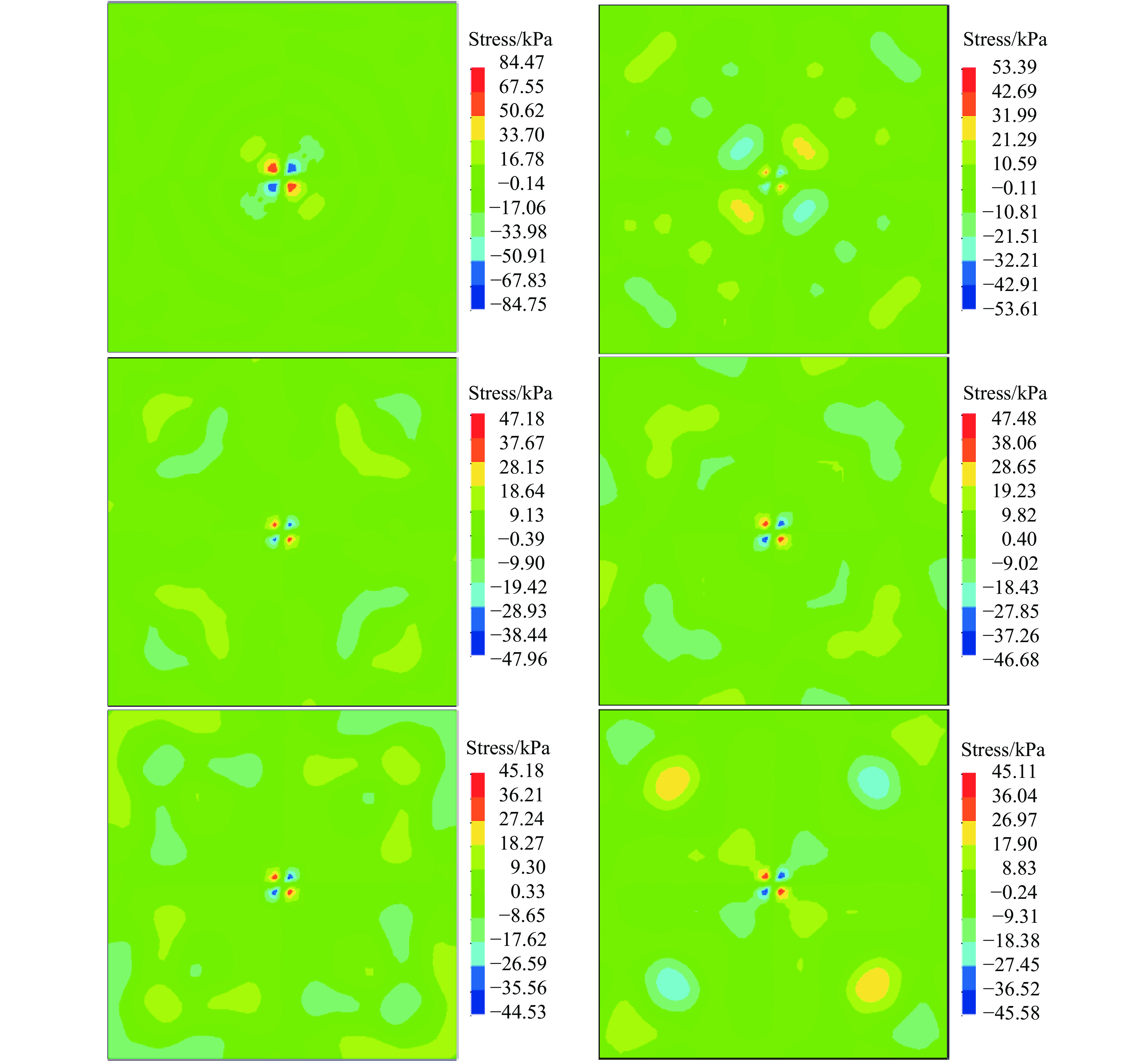
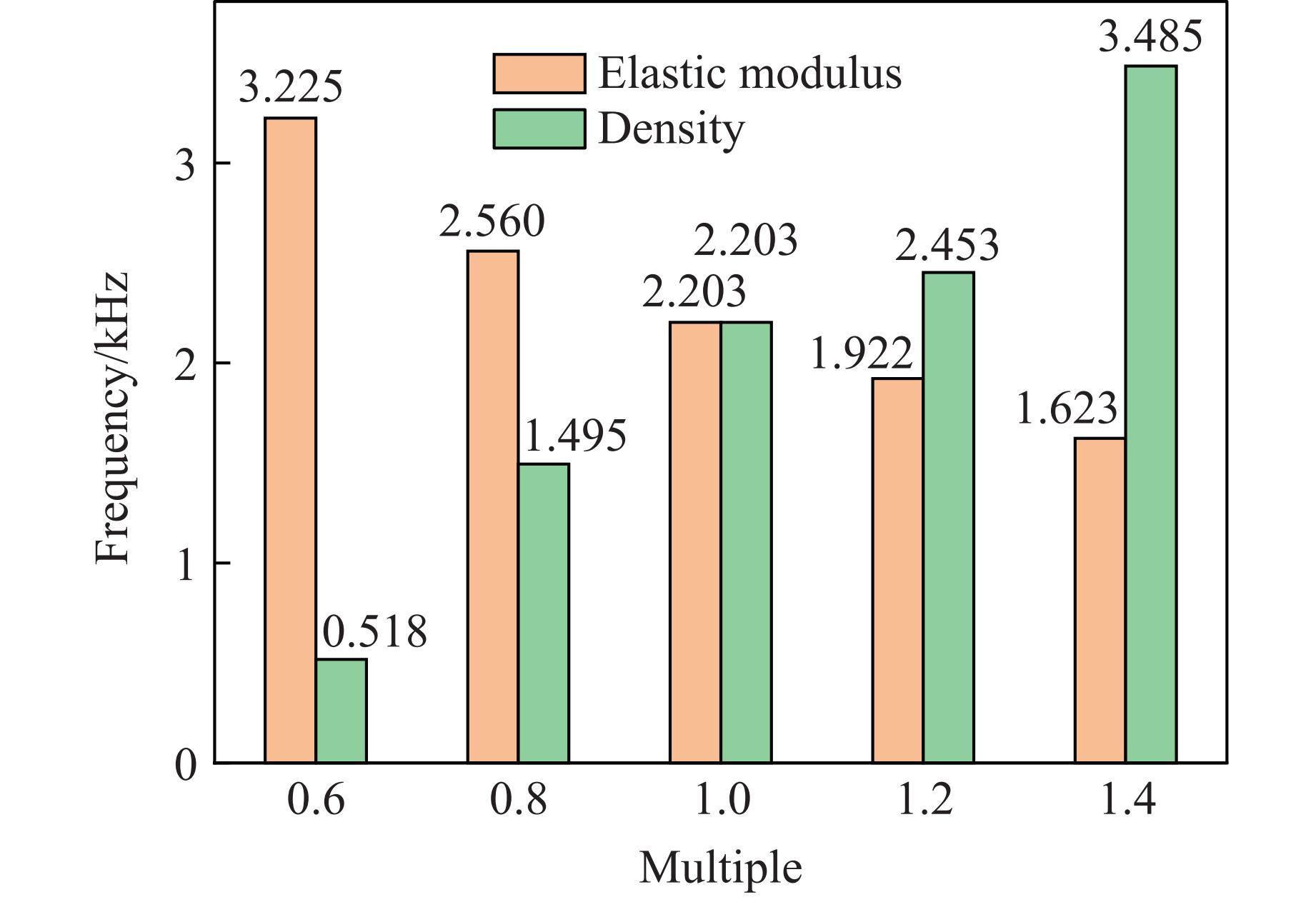
Rock body will generate signals with different frequencies under the impact of external loads. This paper monitors the stress wave signals before and after the rock body is subjected to transient impact loads through the fiber-optic monitoring system with homemade probes, and conducts time-frequency analysis of the experimental monitoring signals using the robust local mean decomposition (RLMD) method combined with the fast Fourier transform (FFT). After that, LS-DYNA software is used to simulate the impact load applied to the rock body and generate the stress wave, and the frequency of the stress wave is verified against the frequency of the experimentally monitored stress wave. Finally, the relationship between the simulated stress wave frequency change under the change of elastic modulus and density is analyzed. Results show that the signals monitored in the field will appear as multiple signals with great amplitude after spectral decomposition of 15002300 Hz after the impact is applied in the field, which is consistent with the simulation result of the time-frequency analysis of the stress wave in the main frequency signal of 2203 Hz, and the opposite trend to the frequency change indicated by the one-dimensional planar stress wave derivation, which will be the next step of the research issue.

Blast Resistance of POZD-Coated Reinforced Concrete Beams under Contact Explosion
XUE Jianfeng, ZHANG Qiyue, XU Honghao, WANG Wei, LIU Tao, XIA Tao
2025, 39(5): 054203. doi: 10.11858/gywlxb.20240881
HTML PDF (34)
Abstract:

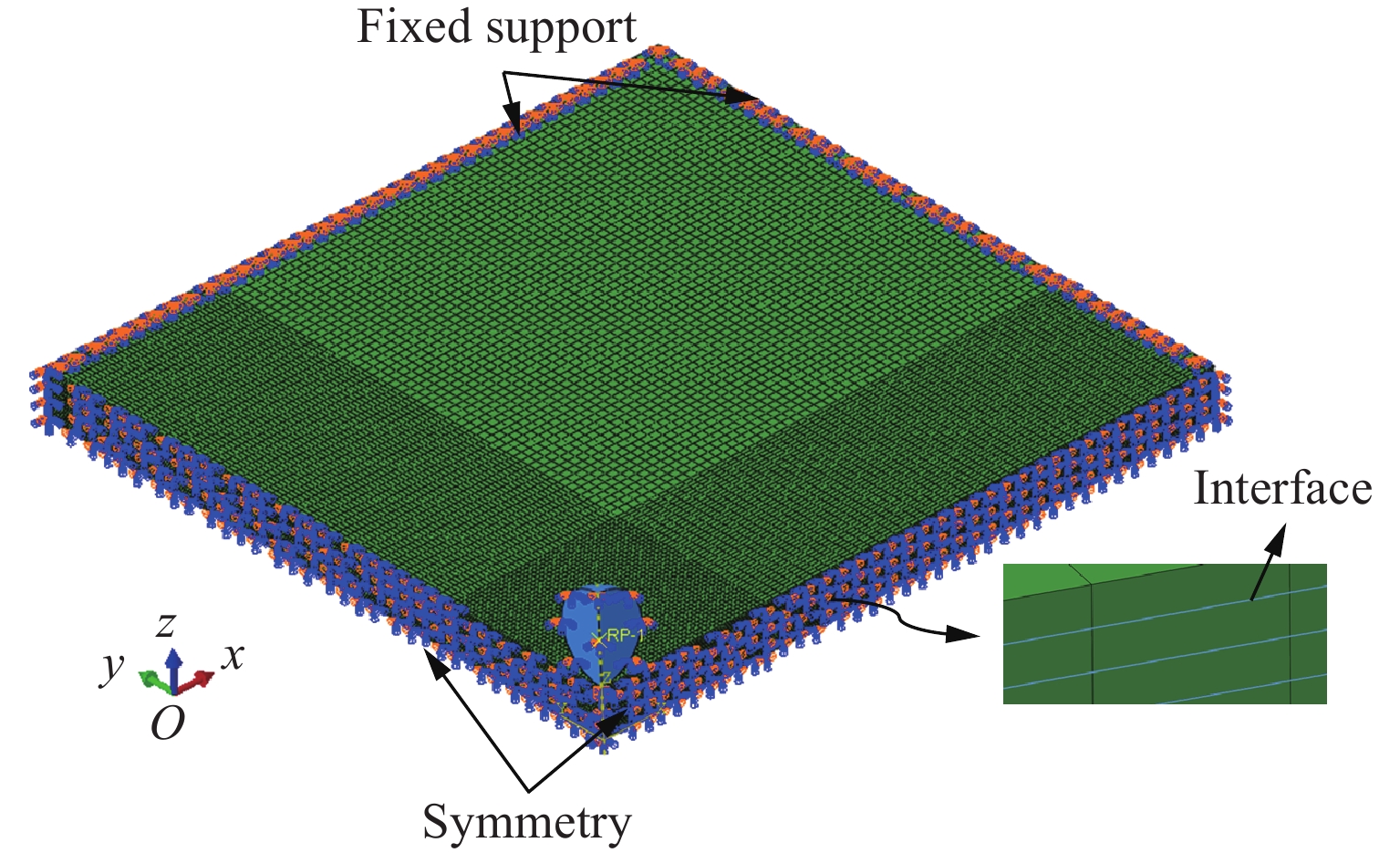
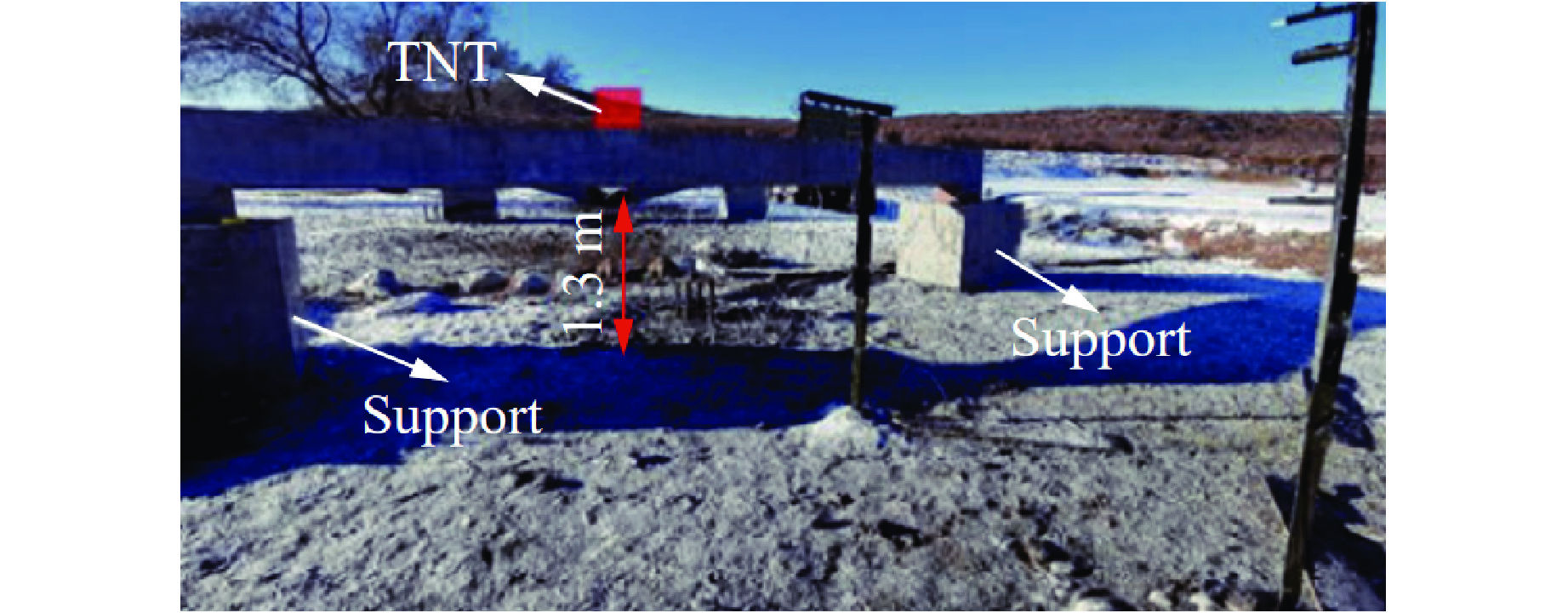
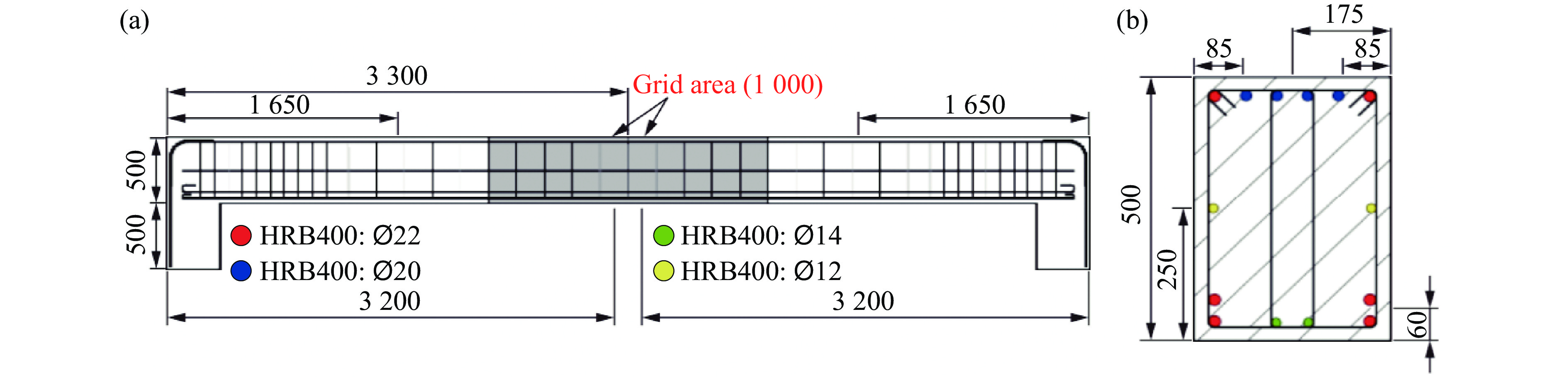
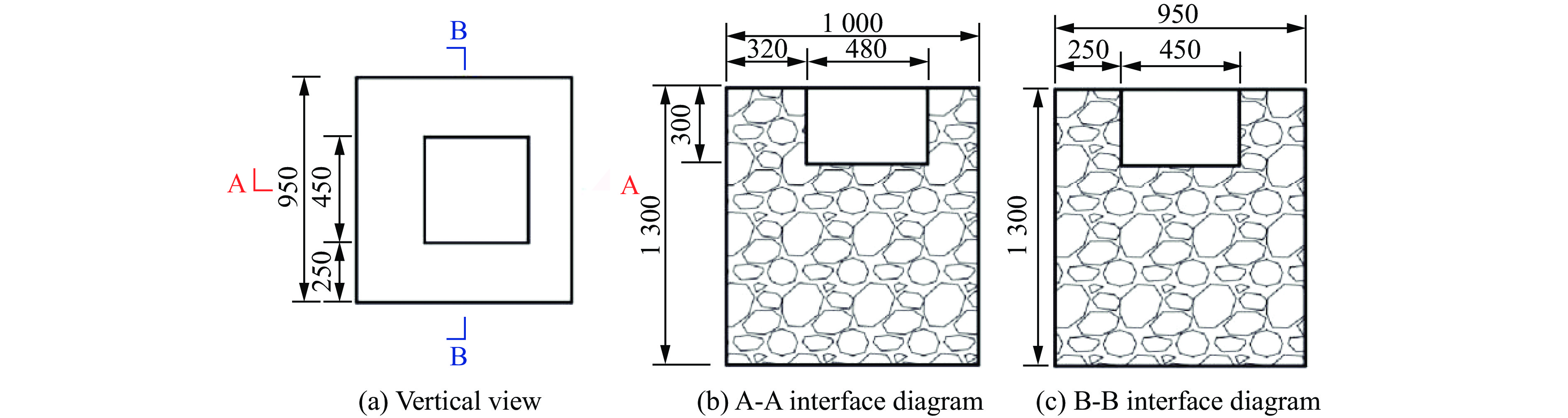
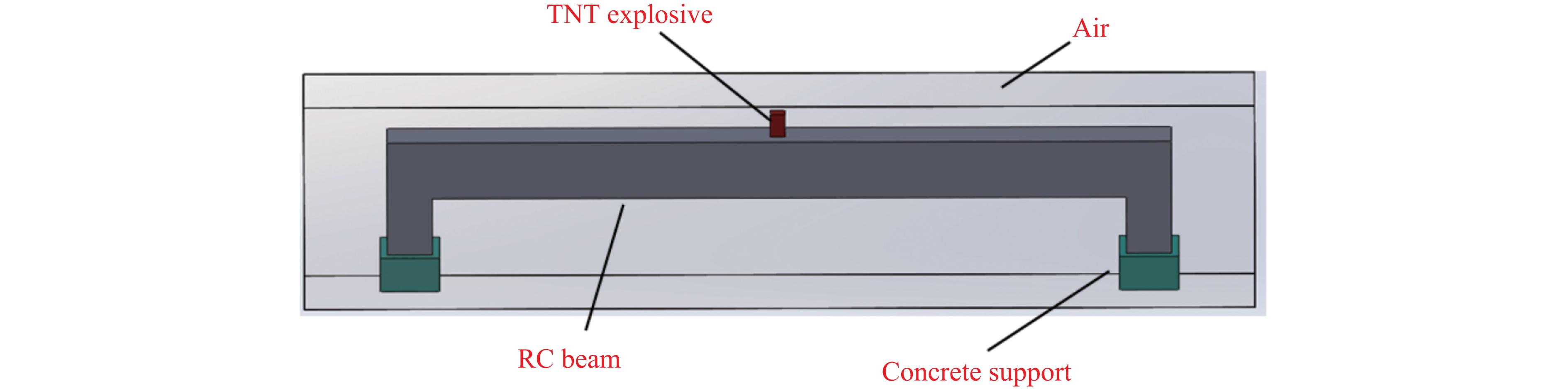
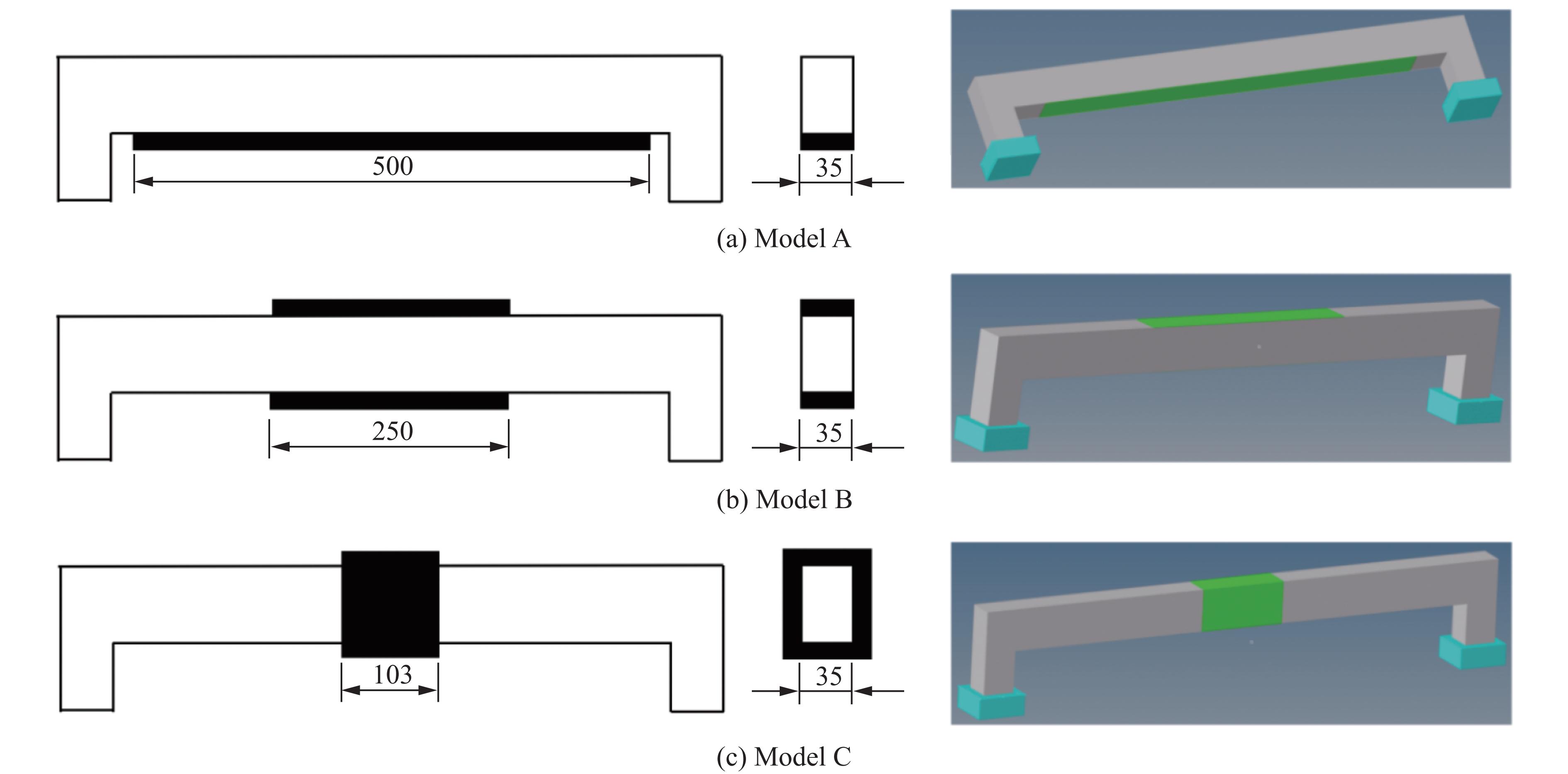
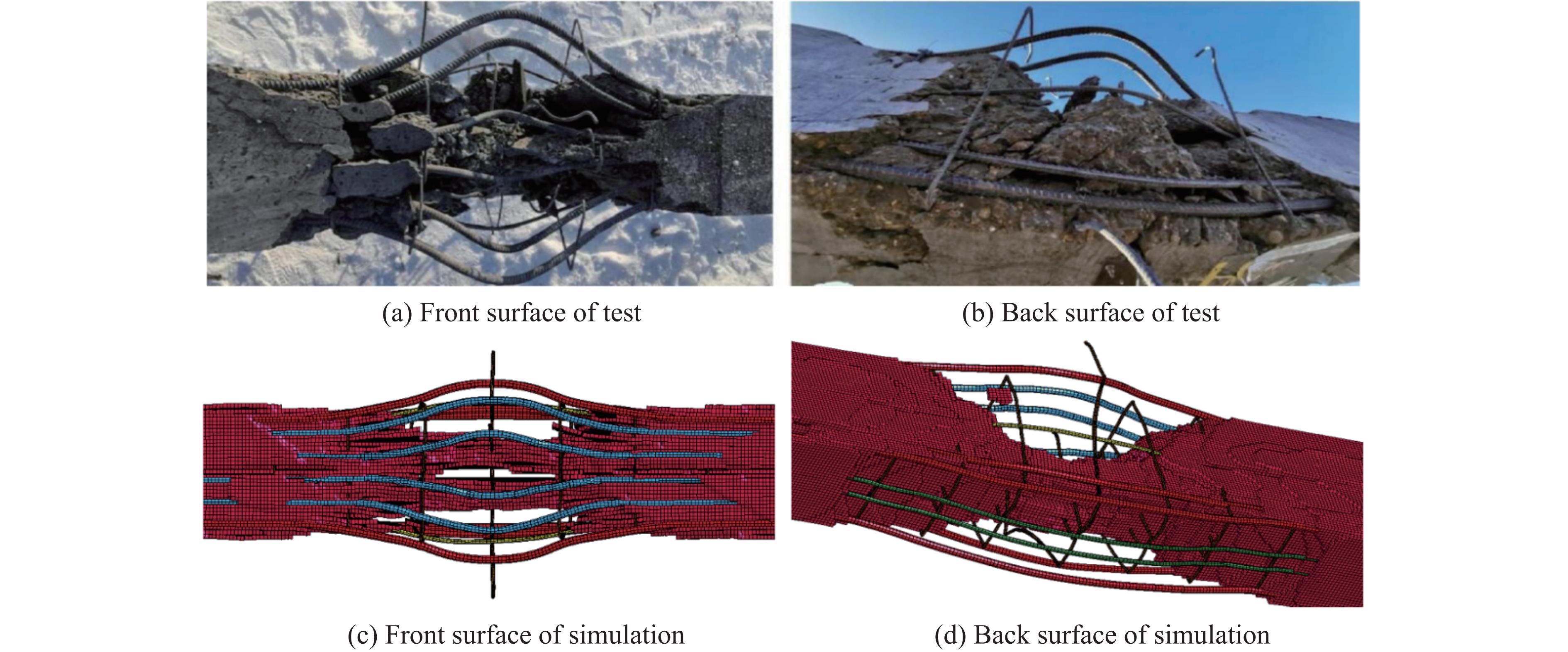
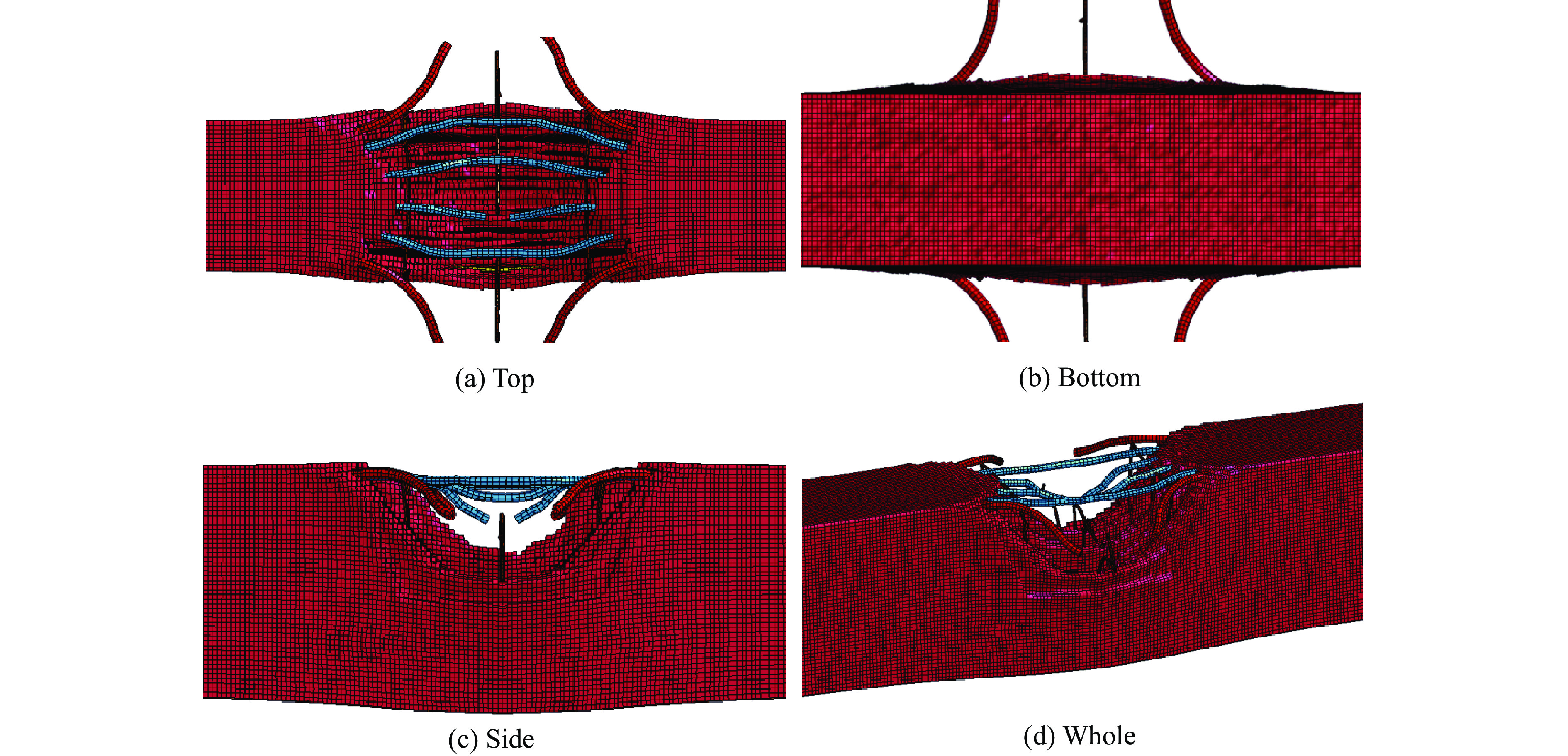
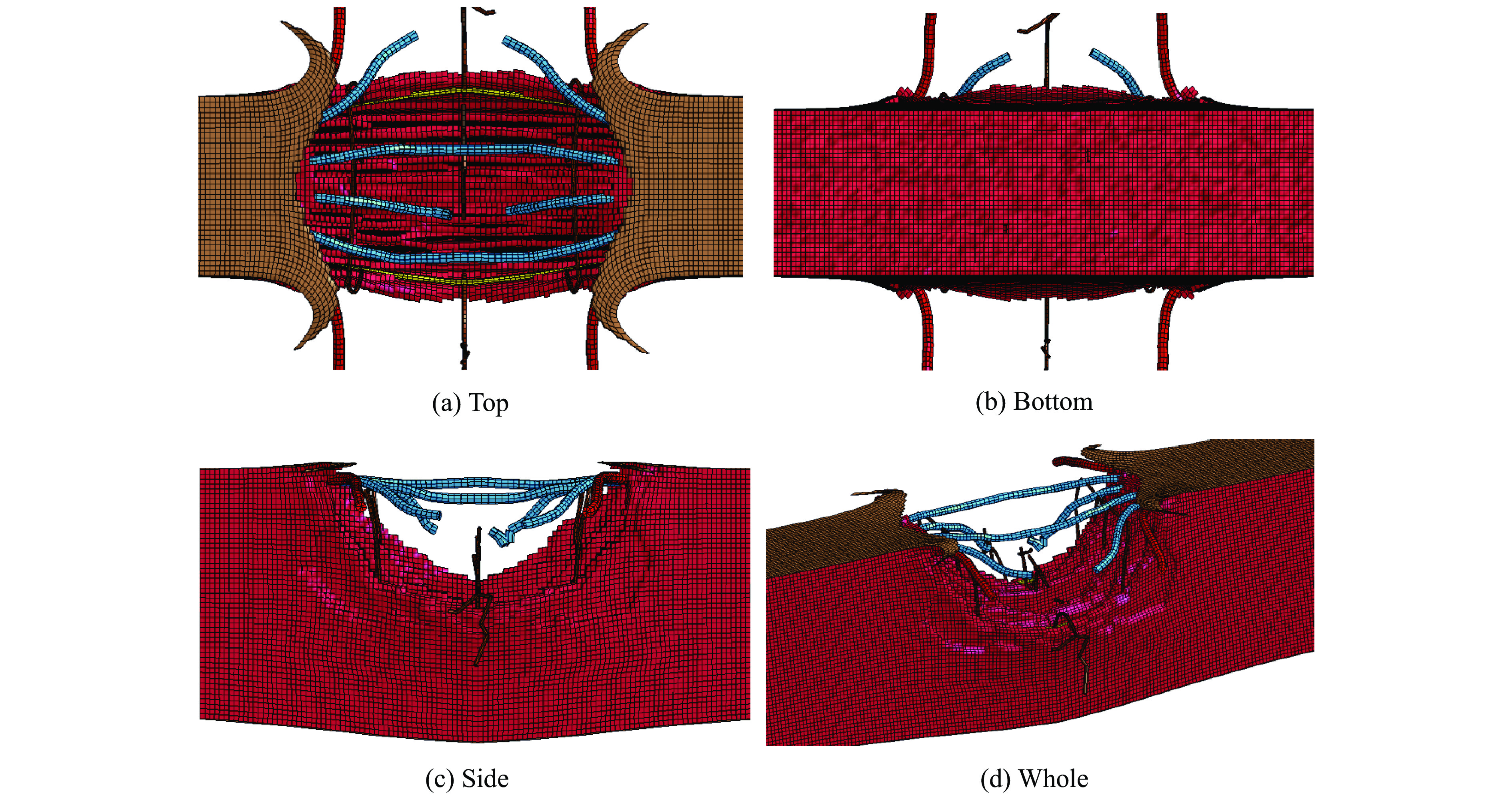
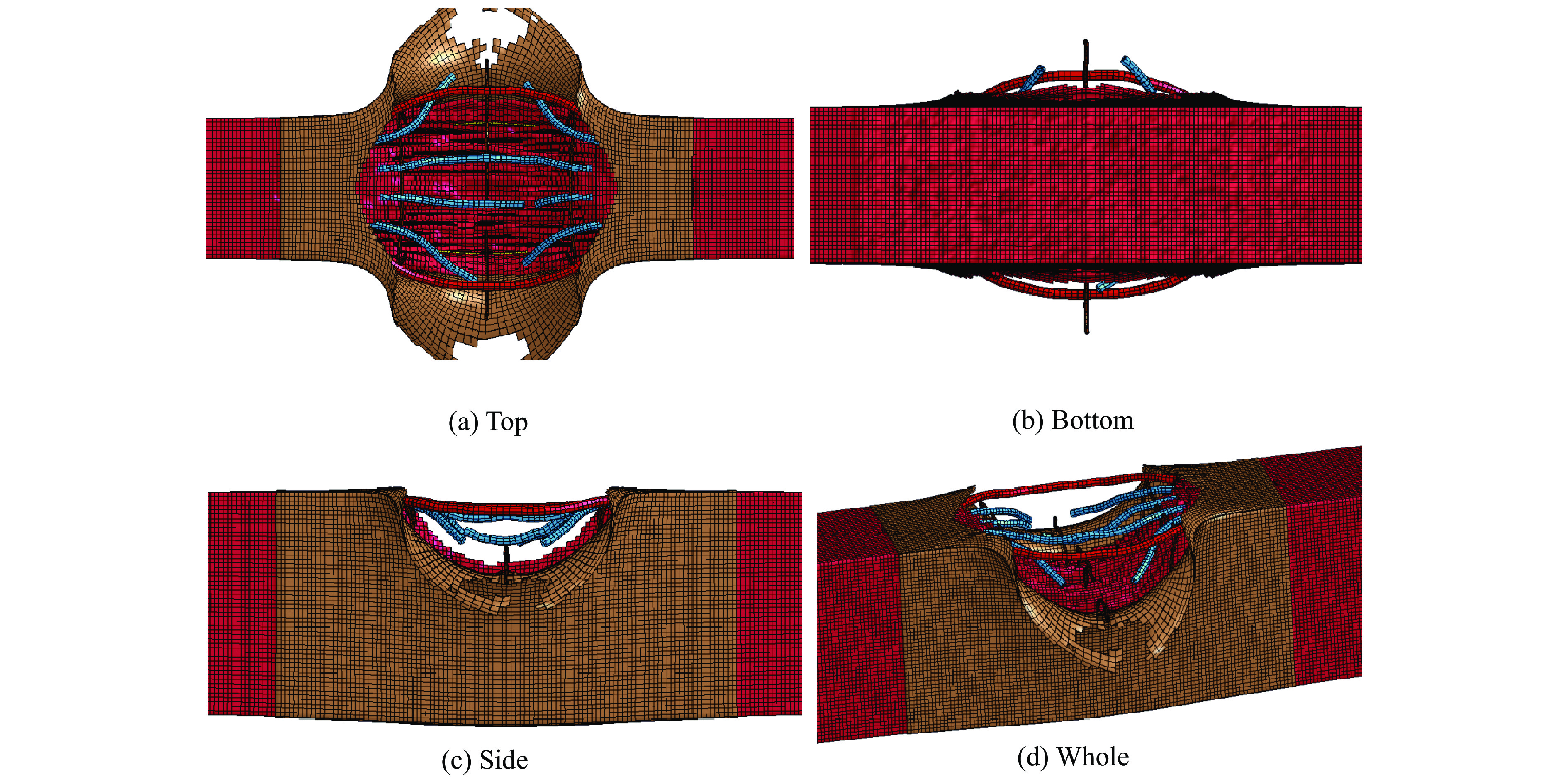
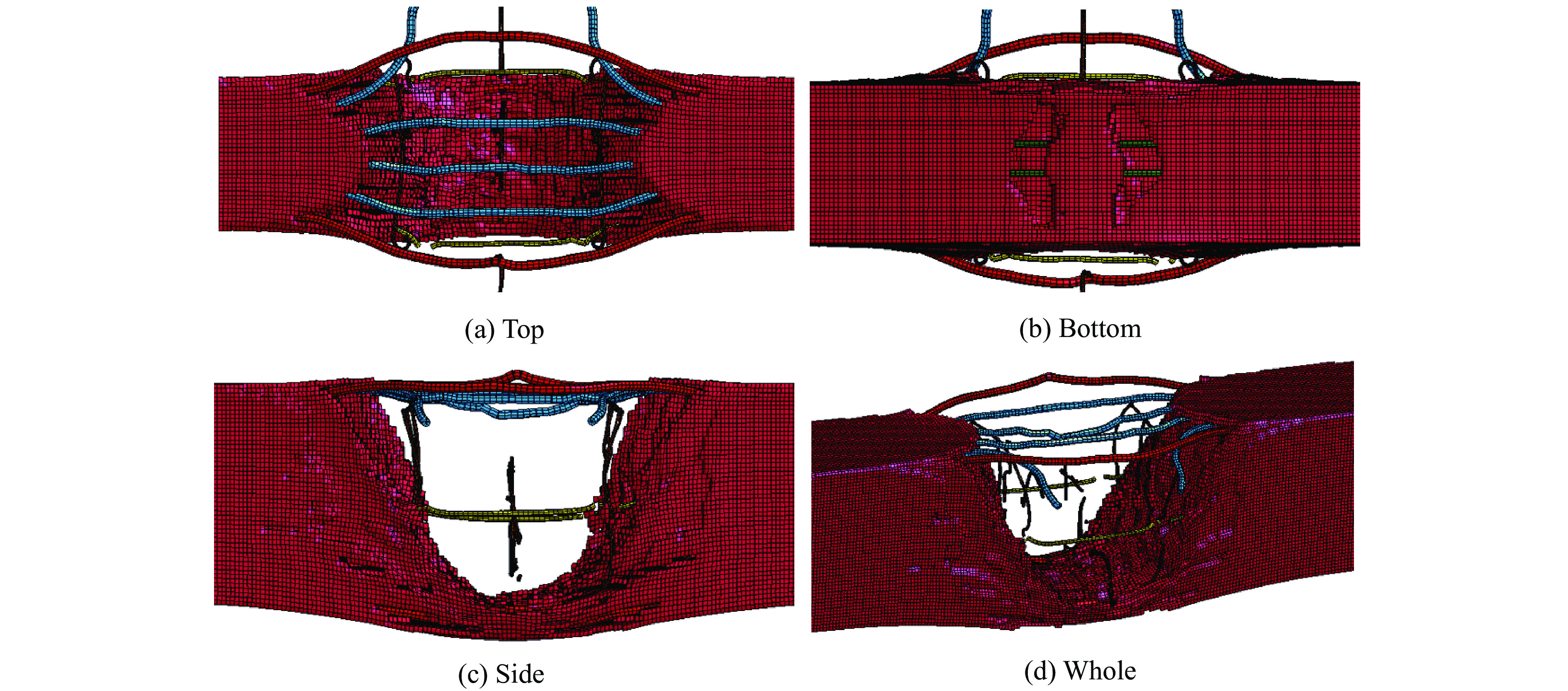
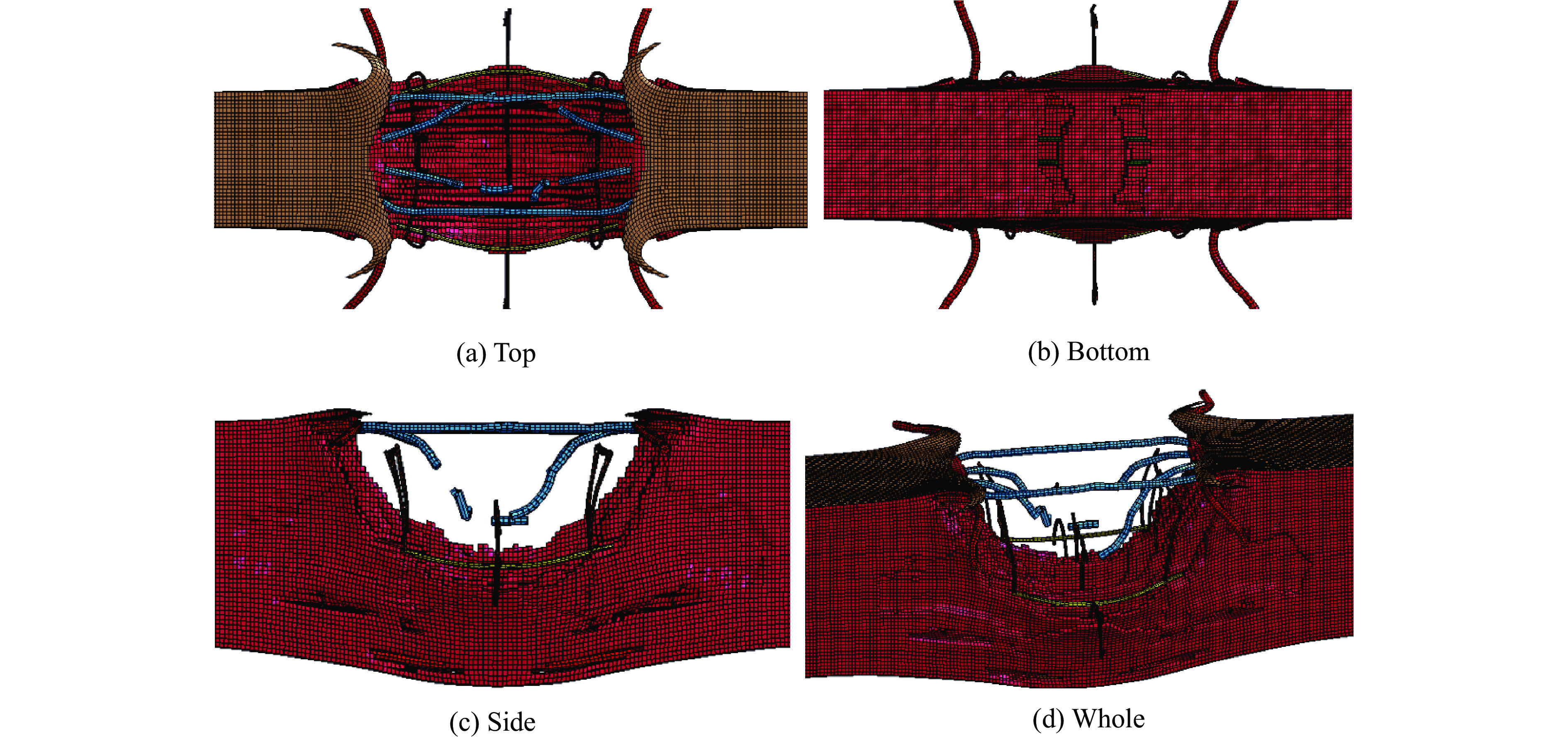
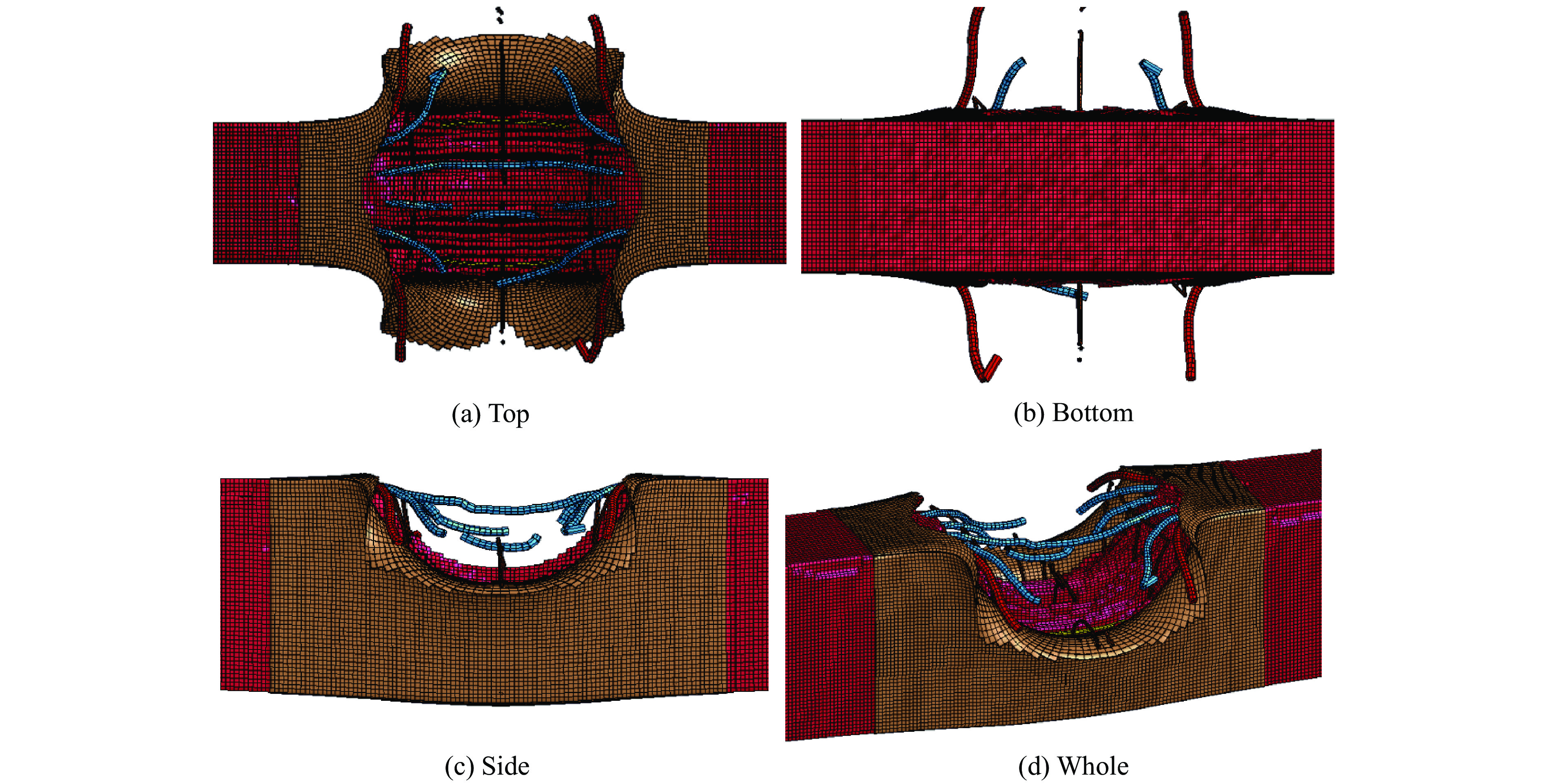
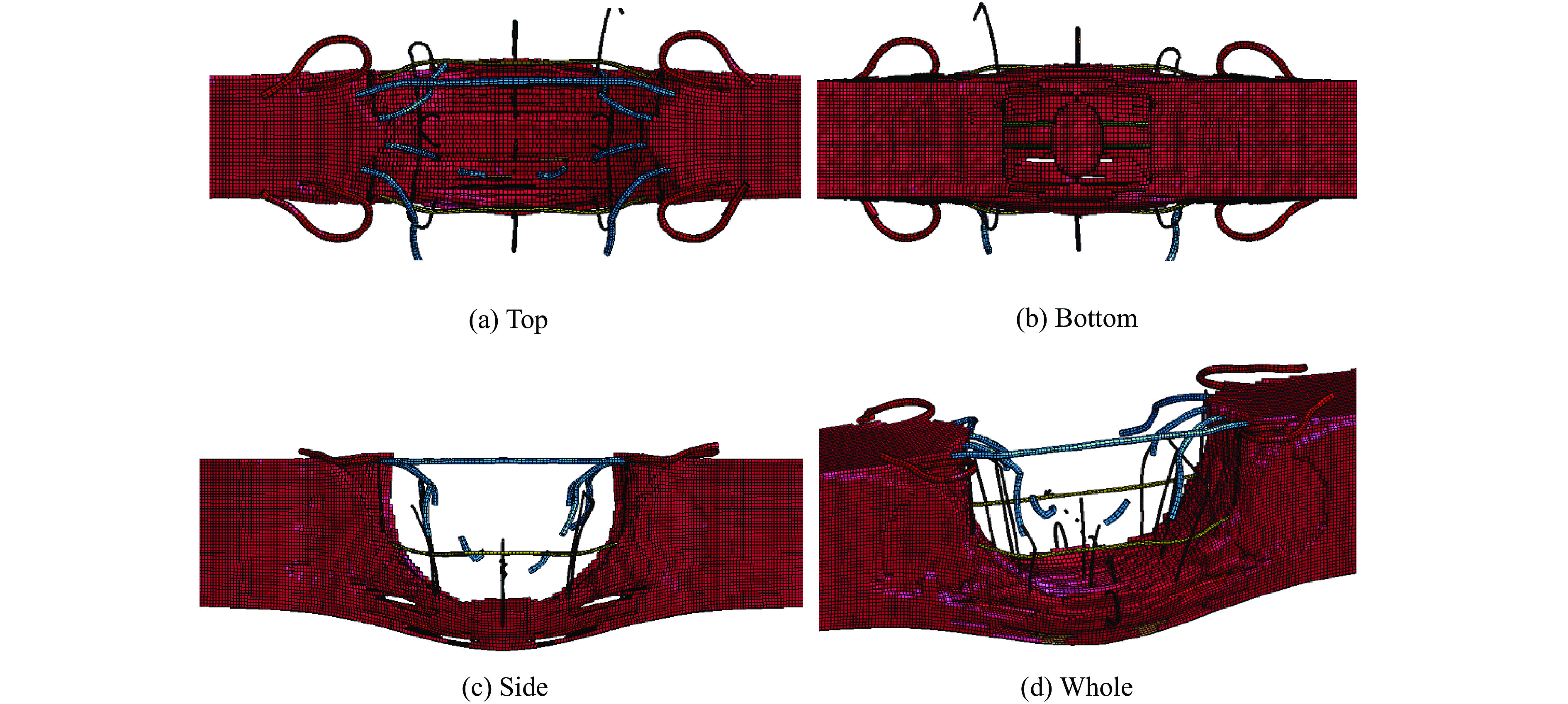
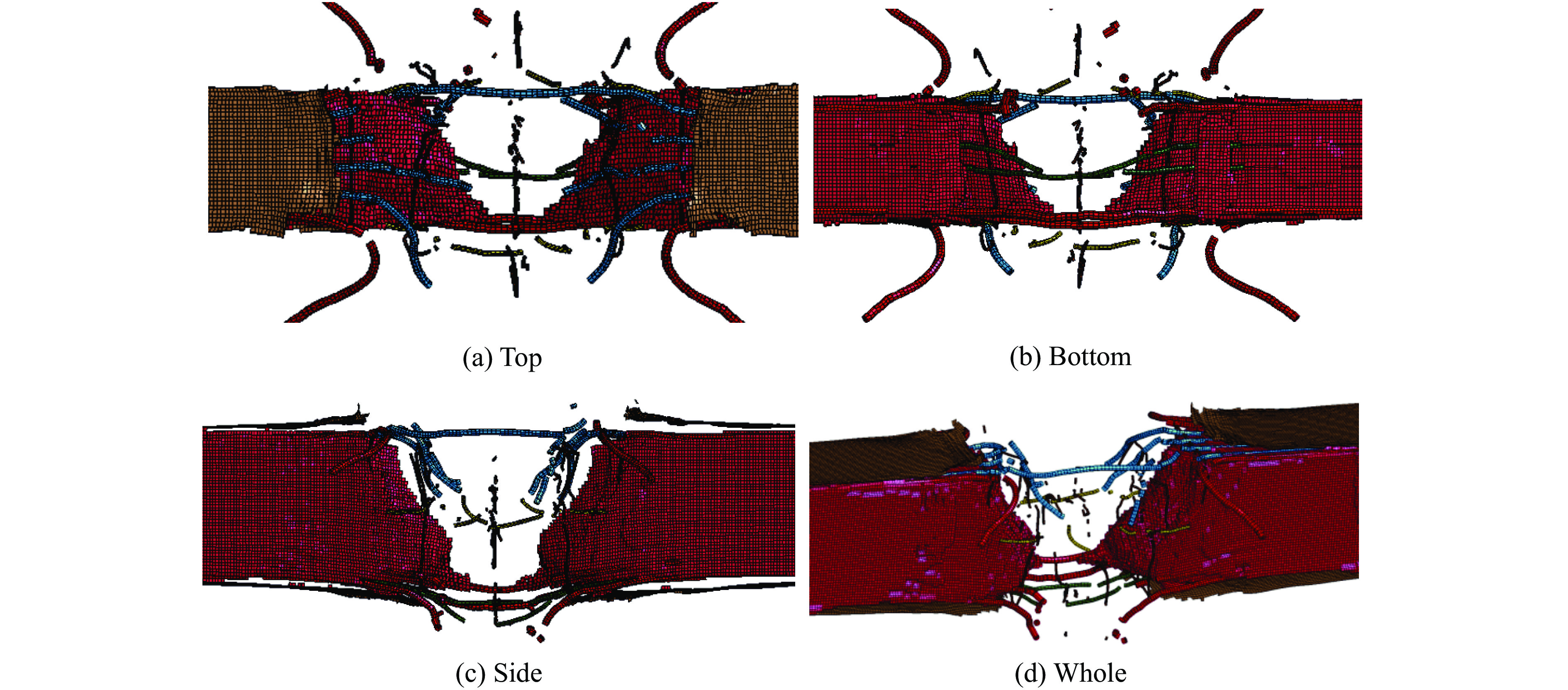
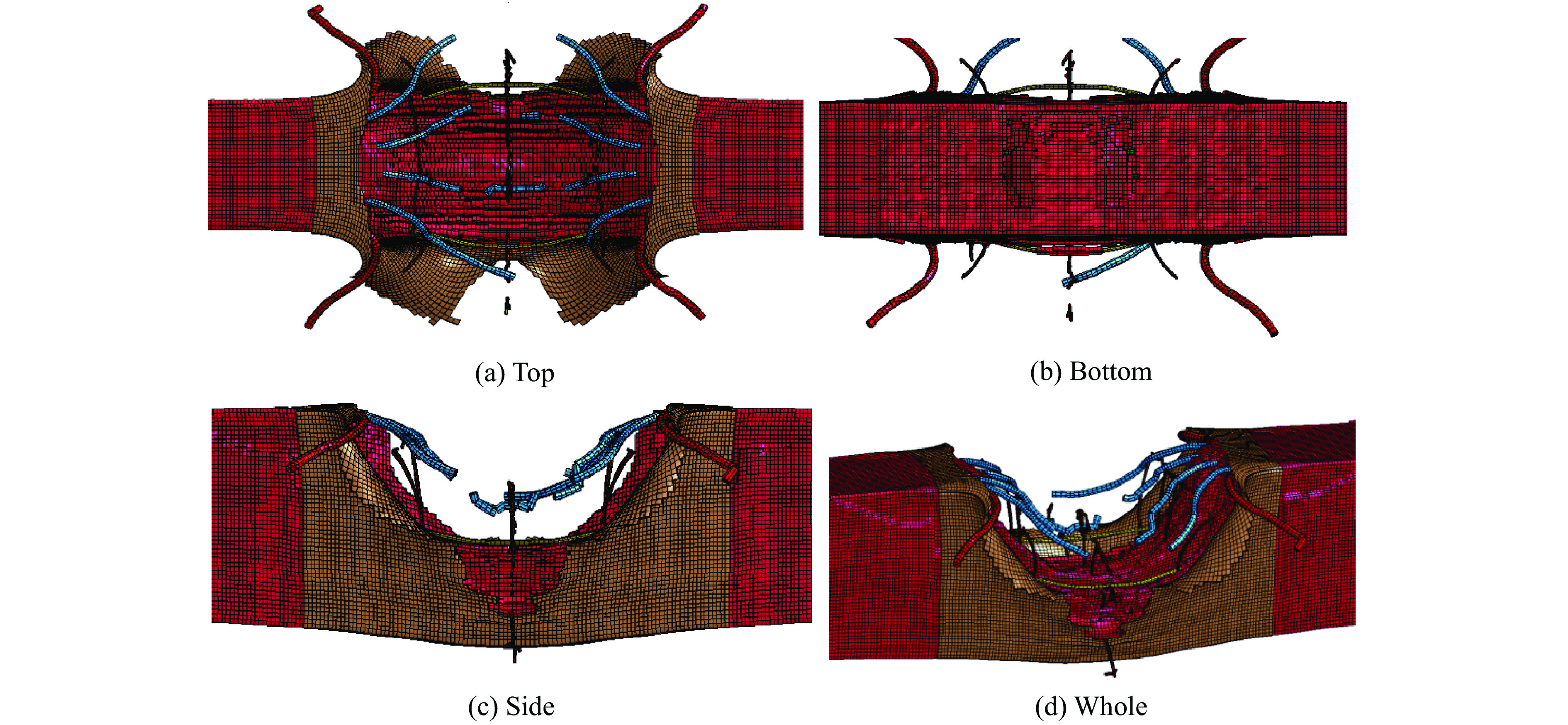
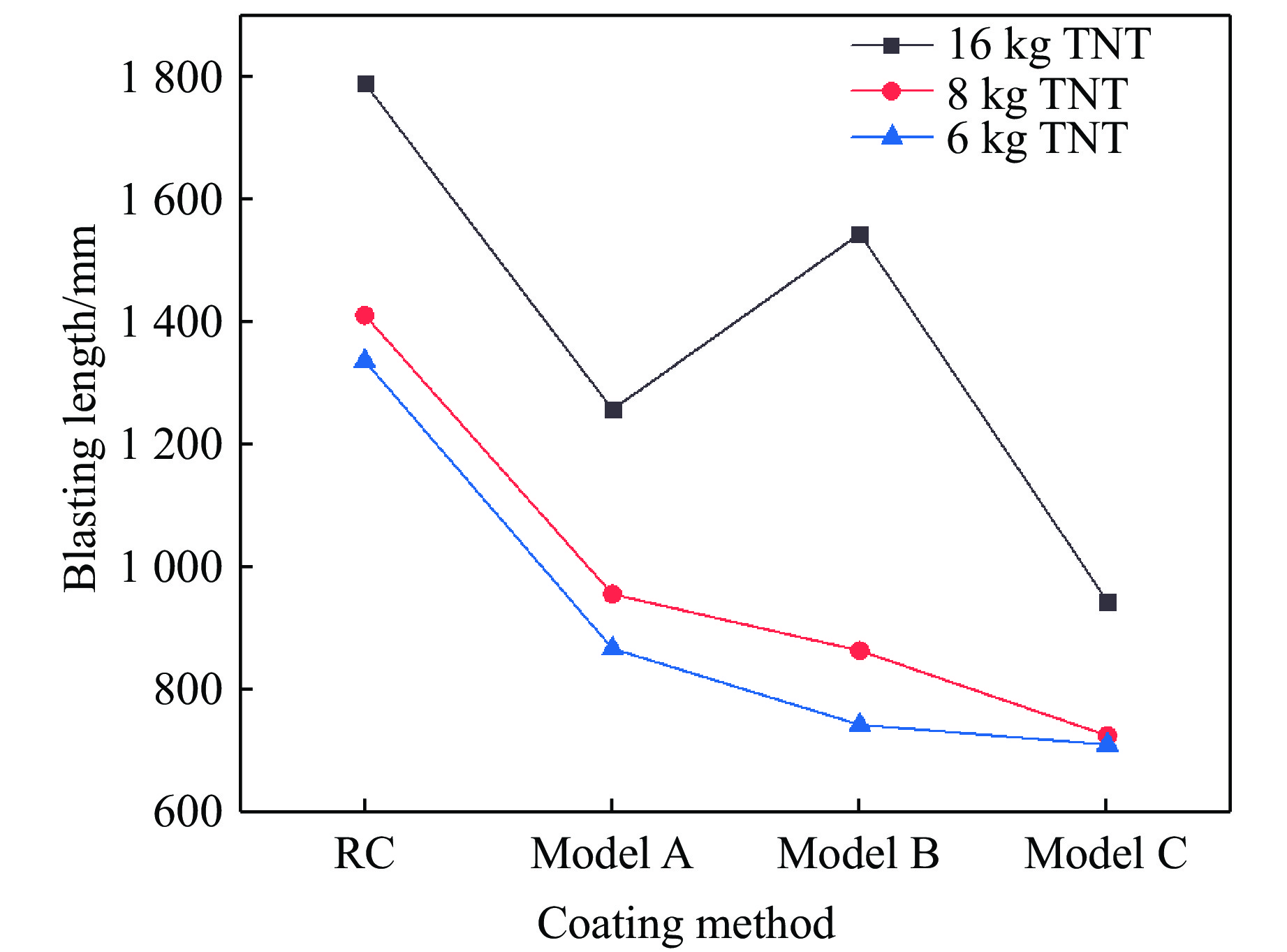
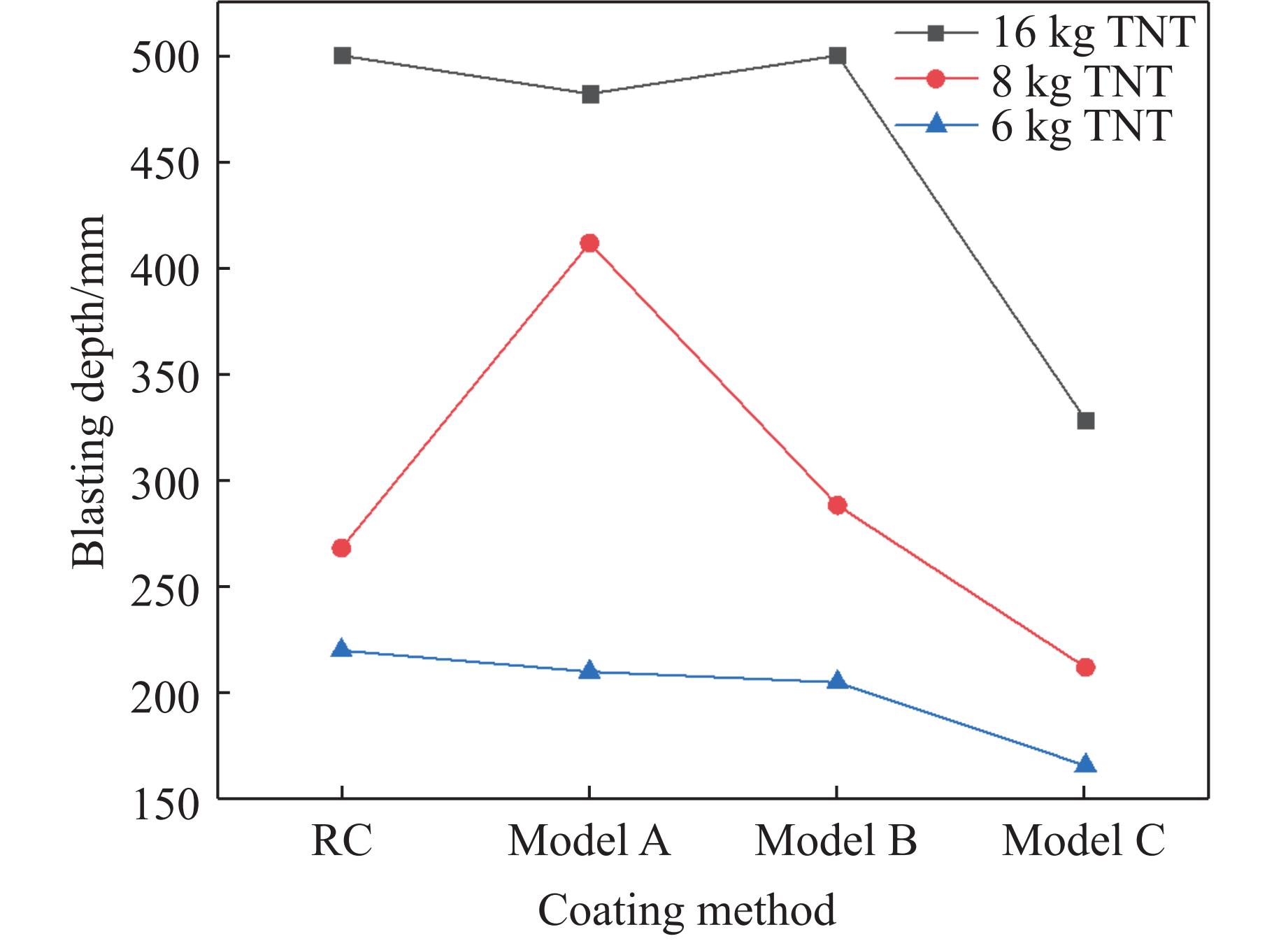
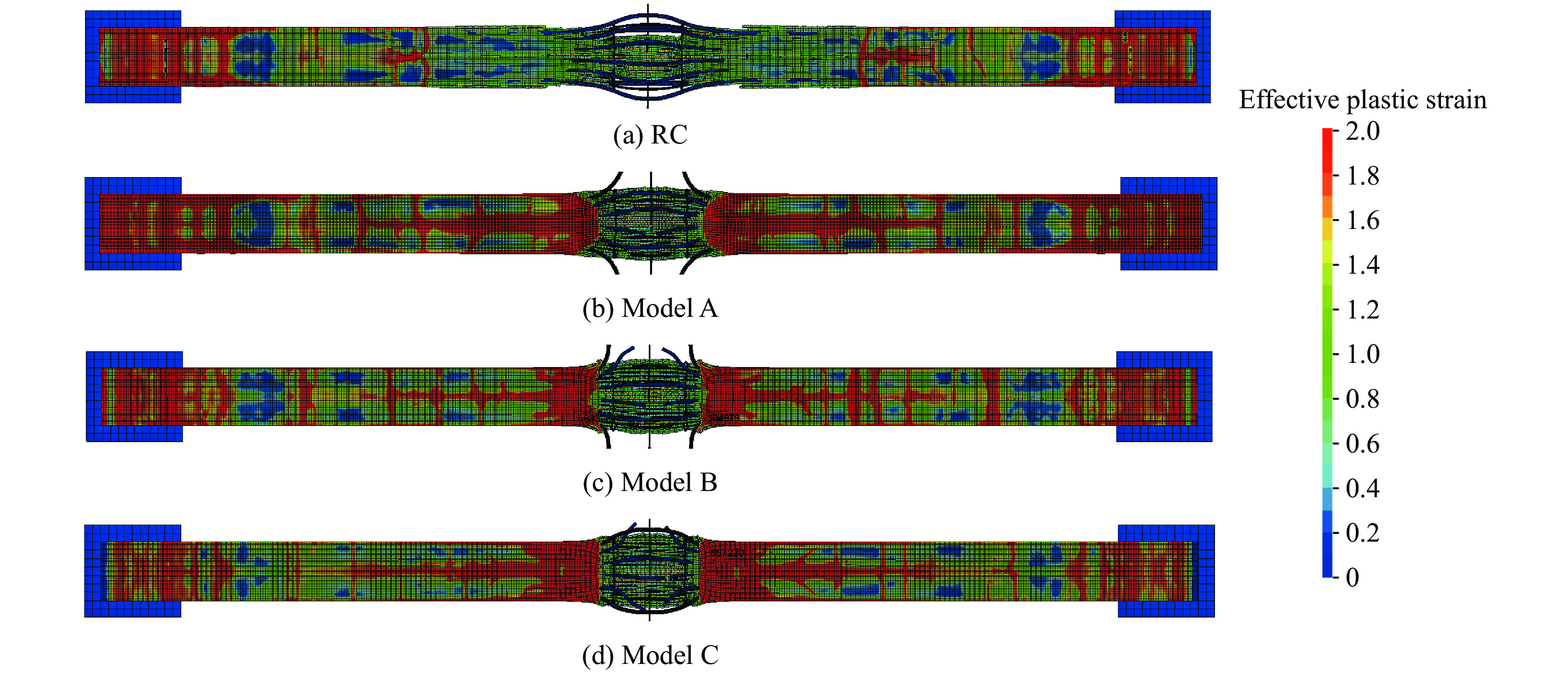
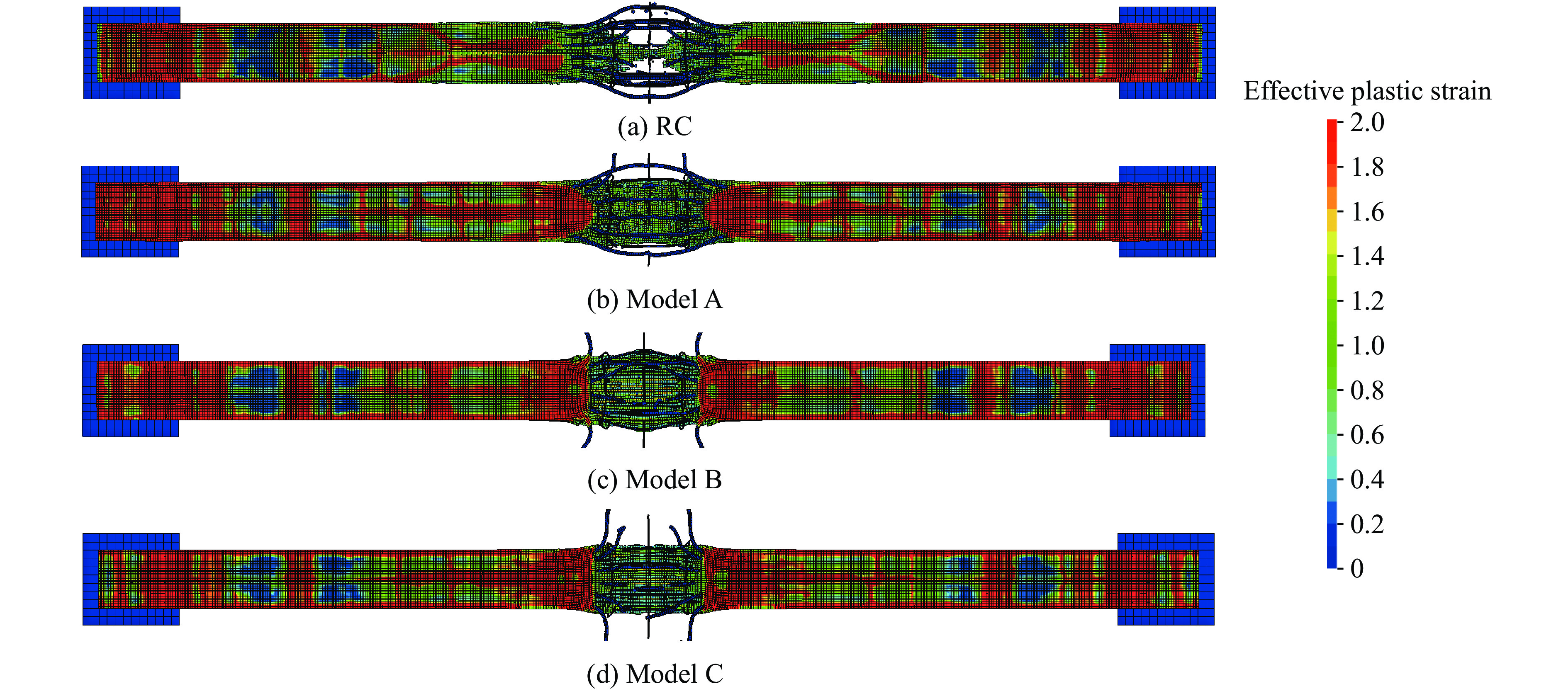
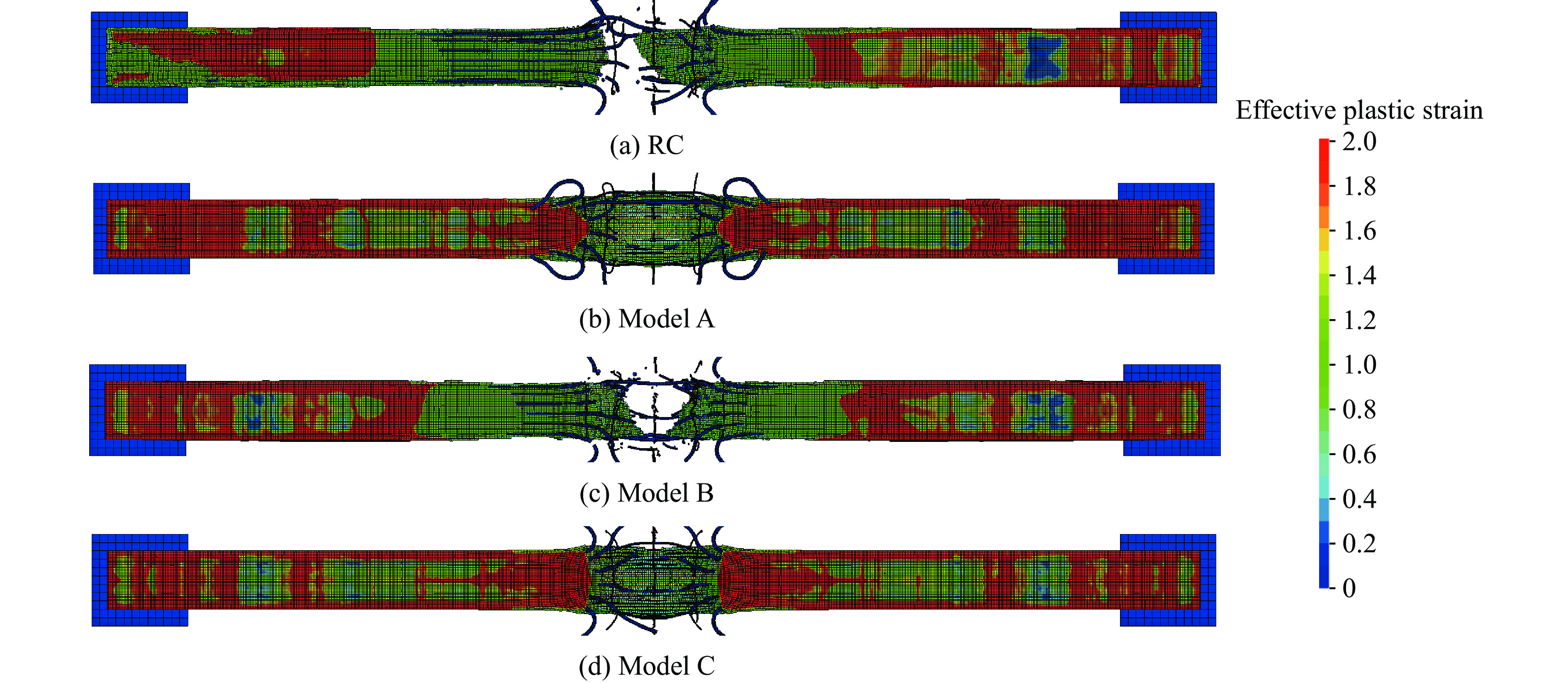
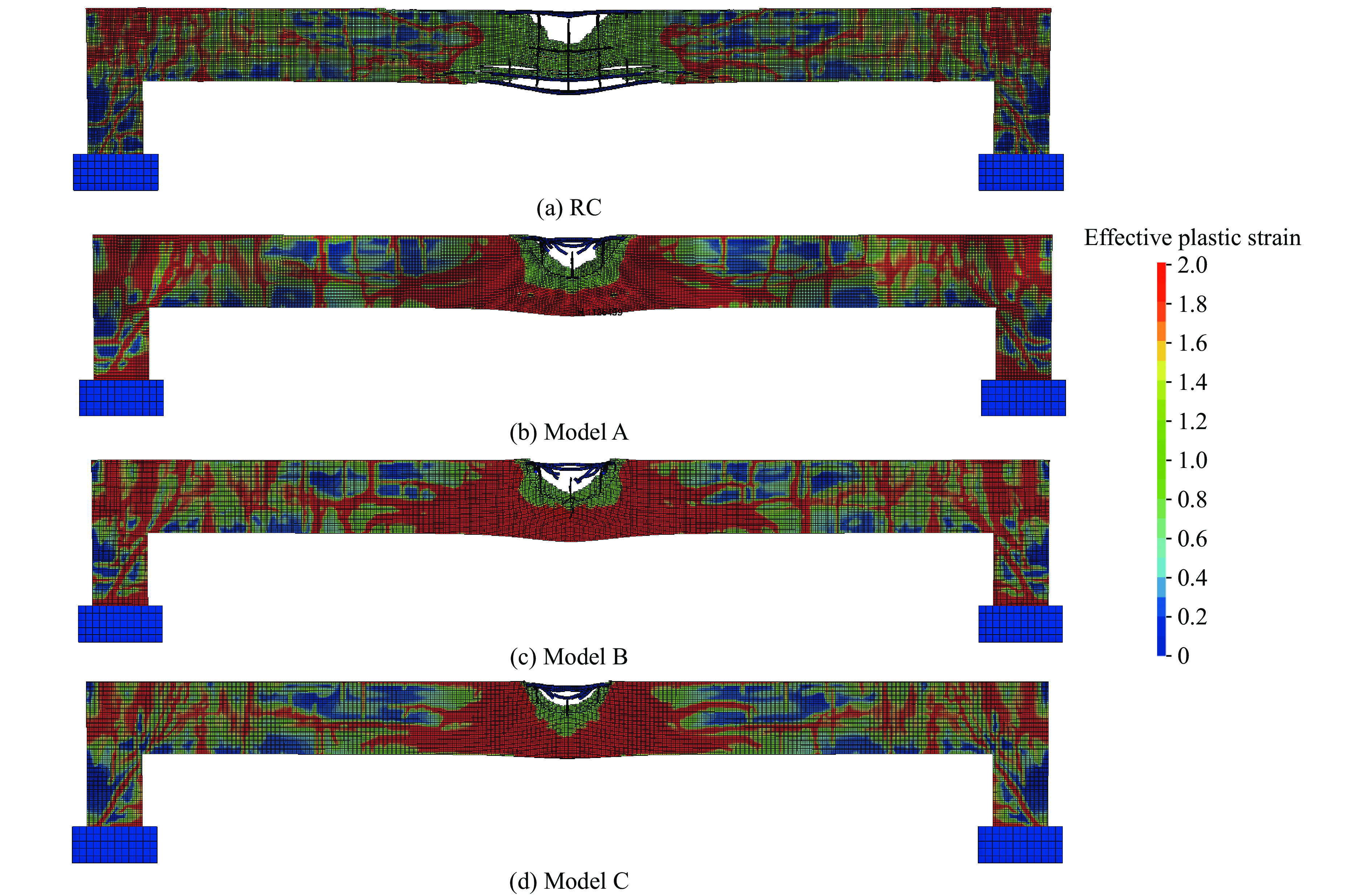
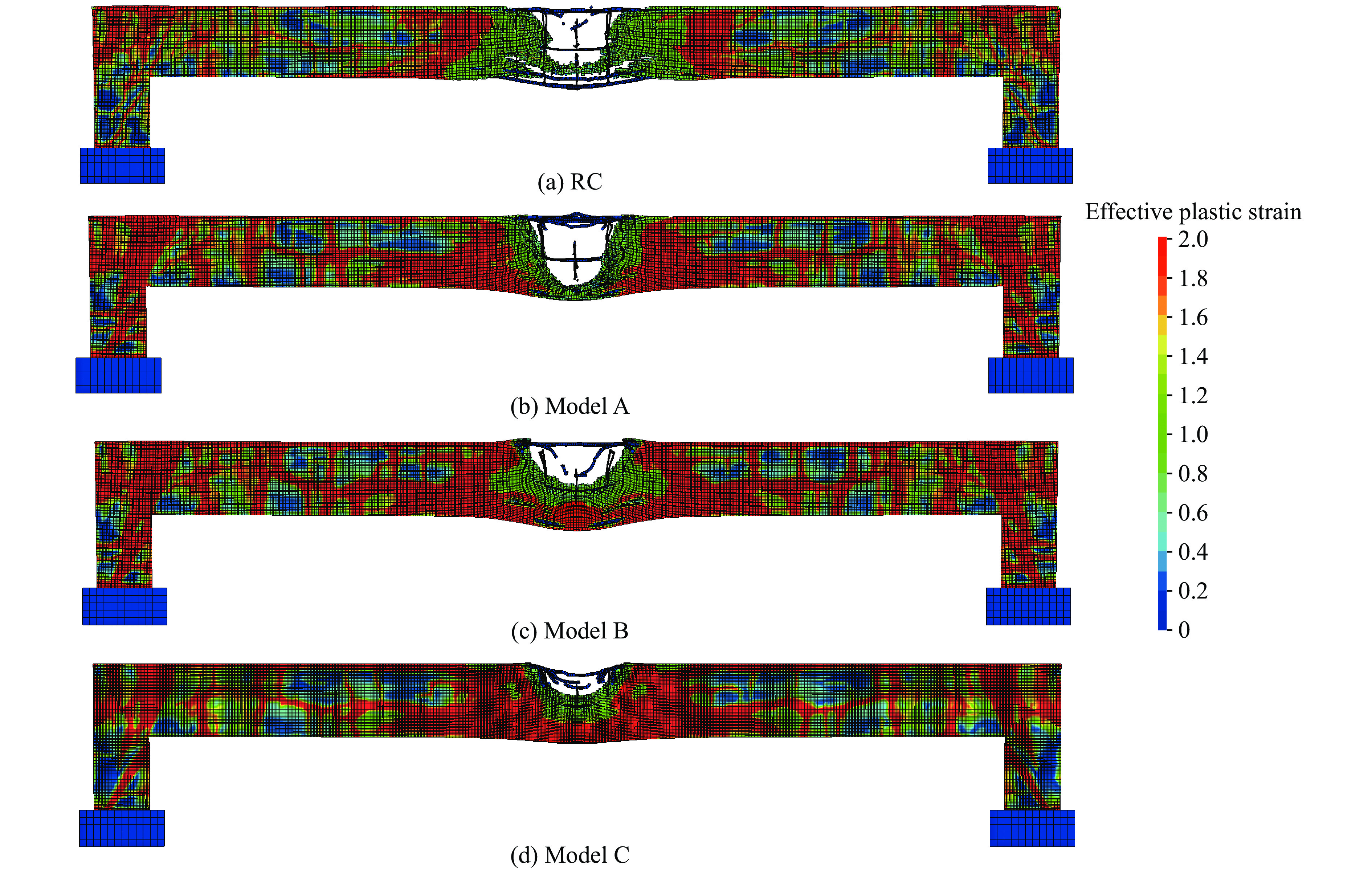
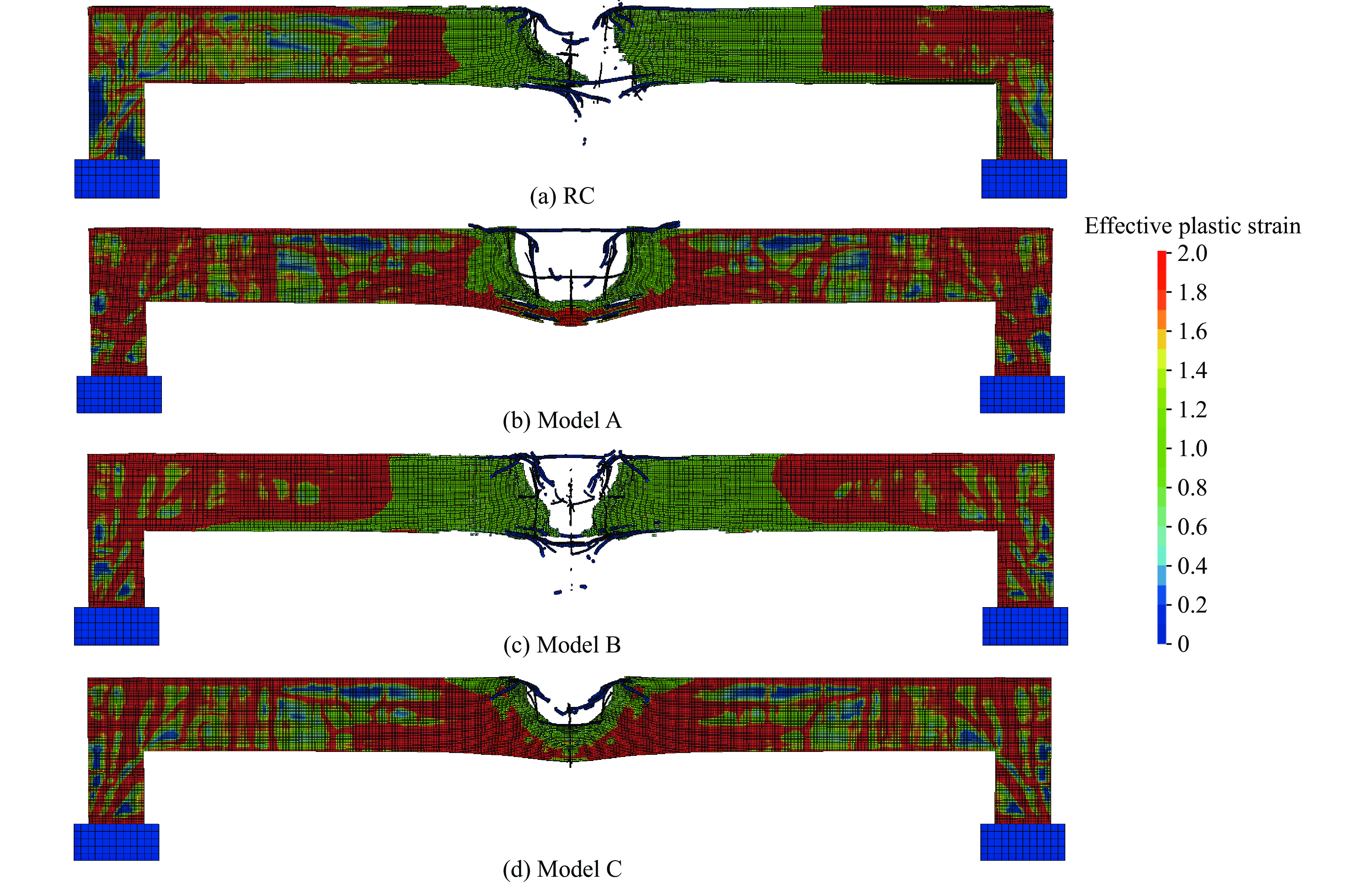
In order to obtain the anti-blast performance of polyisocyanate-oxazodone (POZD) coated reinforced concrete beams under contact explosion, numerical simulation studies were carried out on reinforced concrete beams of the same size. Hypemesh and LS-DYNA were used to establish the model of POZD-coated reinforced concrete beams, and the failure modes and damage effects of POZD-coated reinforced concrete beams under contact explosion were analyzed. The failure mode of ordinary reinforced concrete beams under contact explosion was simulated and verified, the failure modes and damage conditions of reinforced concrete beams under different POZD coating positions and different charge amounts were studied, and the protective effects of different POZD coating positions were evaluated.

High Pressure Applications
Pressure Rise Effect of Hydrogen-Methane Mixture Combustion under Dual Heterogeneous Obstacles
XU Yang, LI Mian, LI Yuanbing, LONG Fengying
2025, 39(5): 055201. doi: 10.11858/gywlxb.20240944
HTML PDF (30)
Abstract:

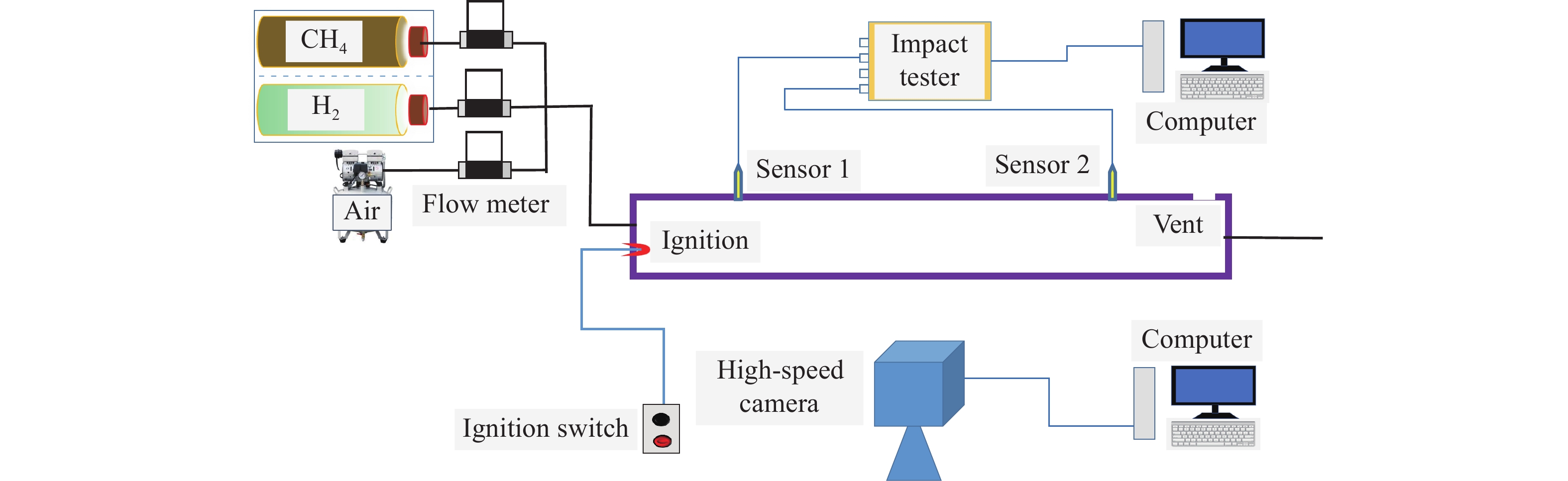
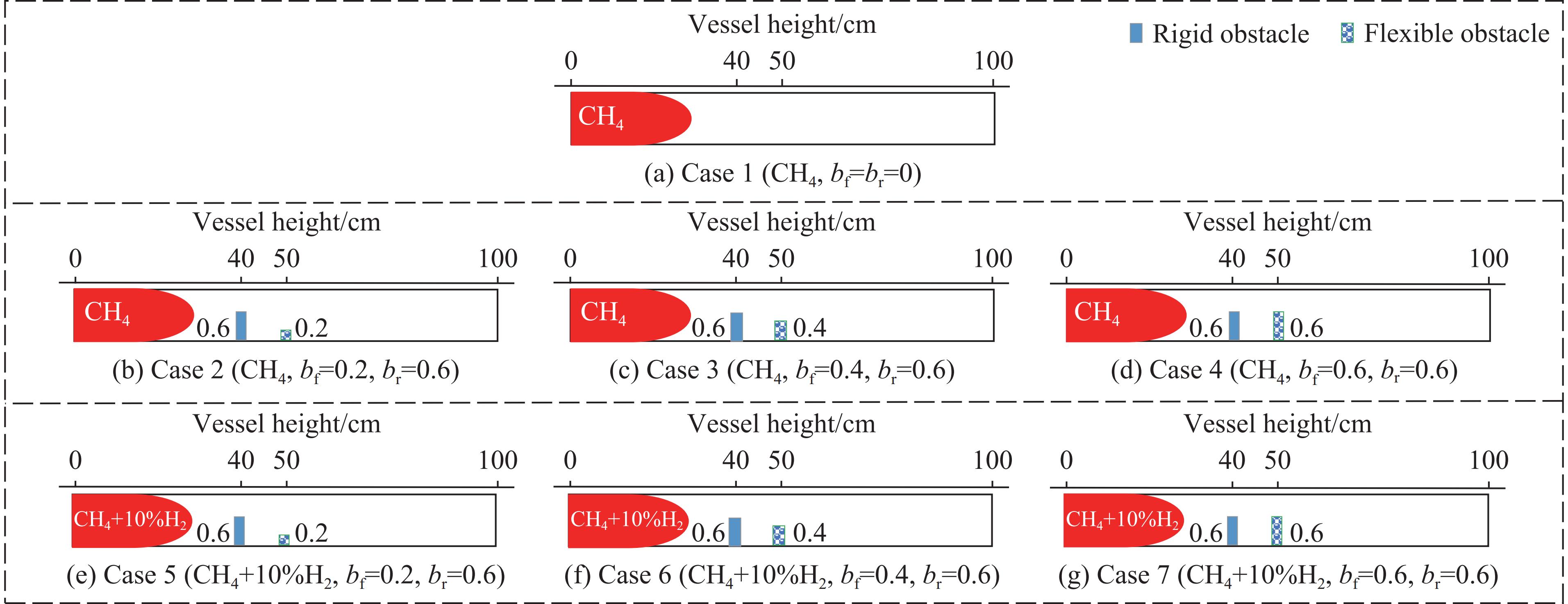
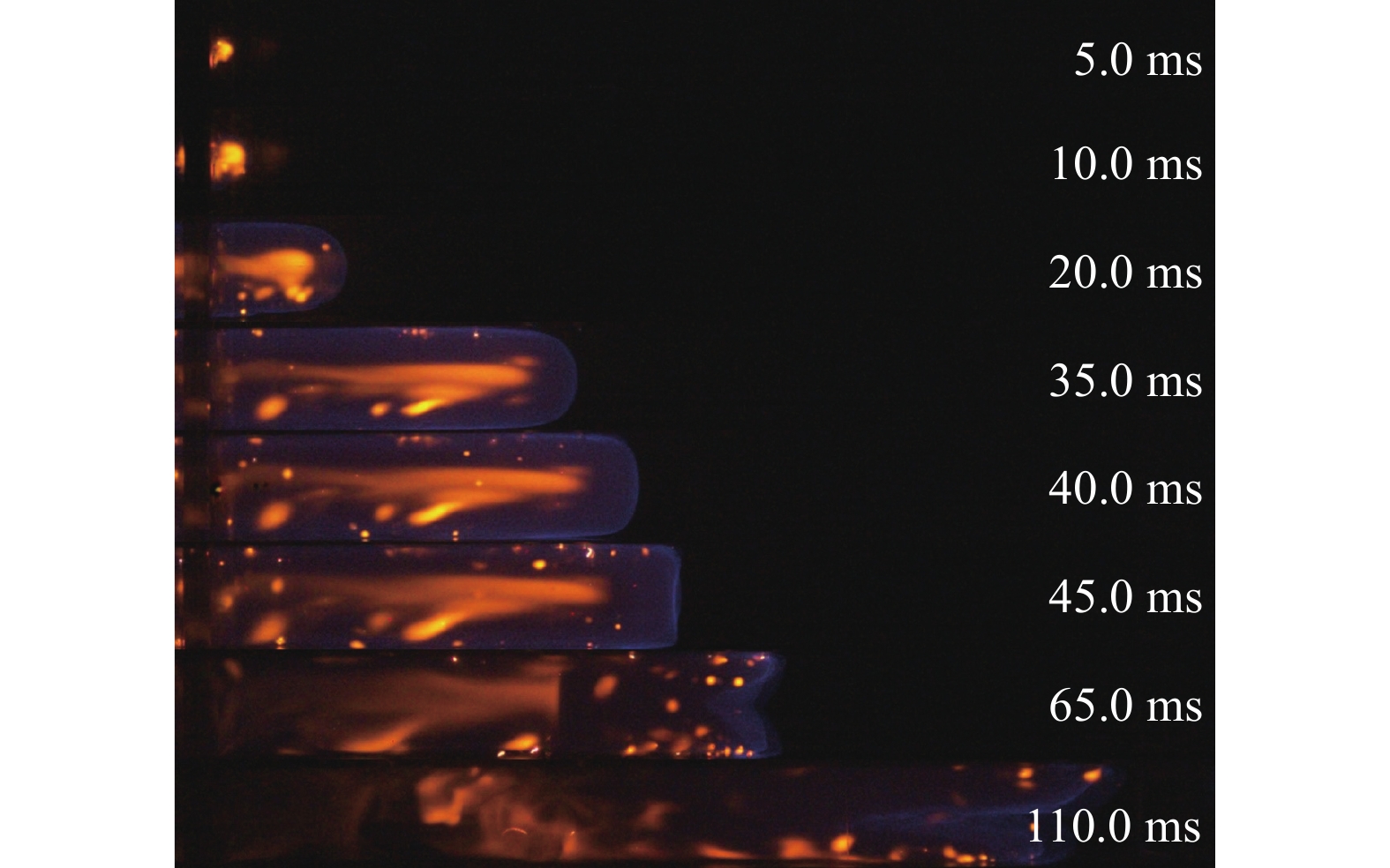
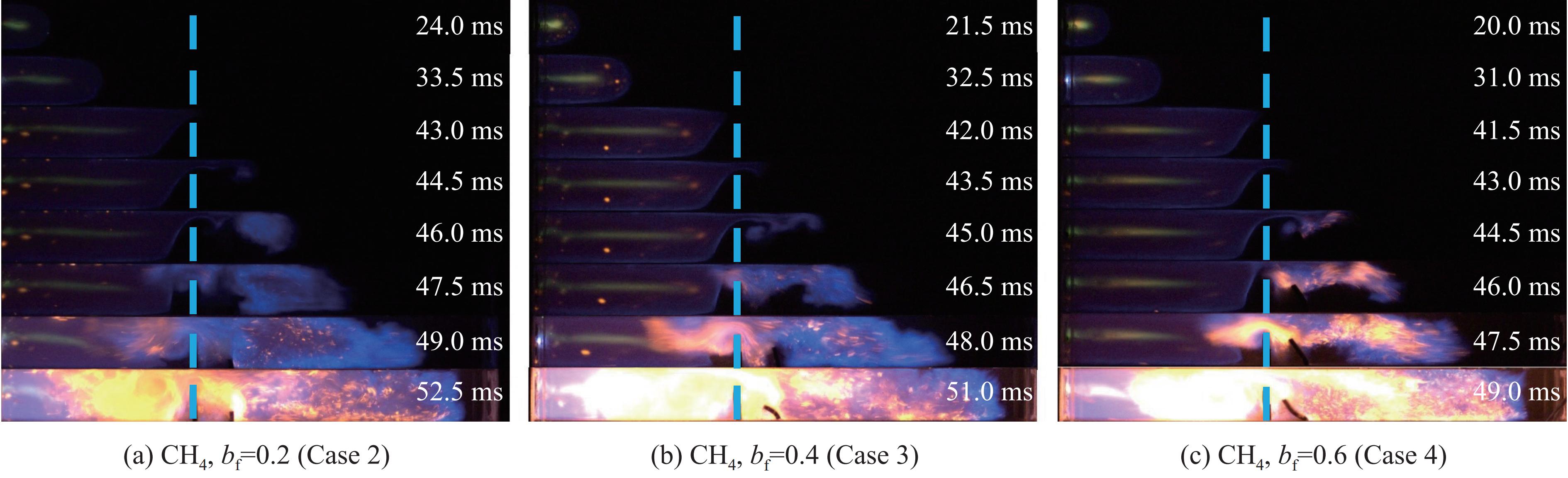
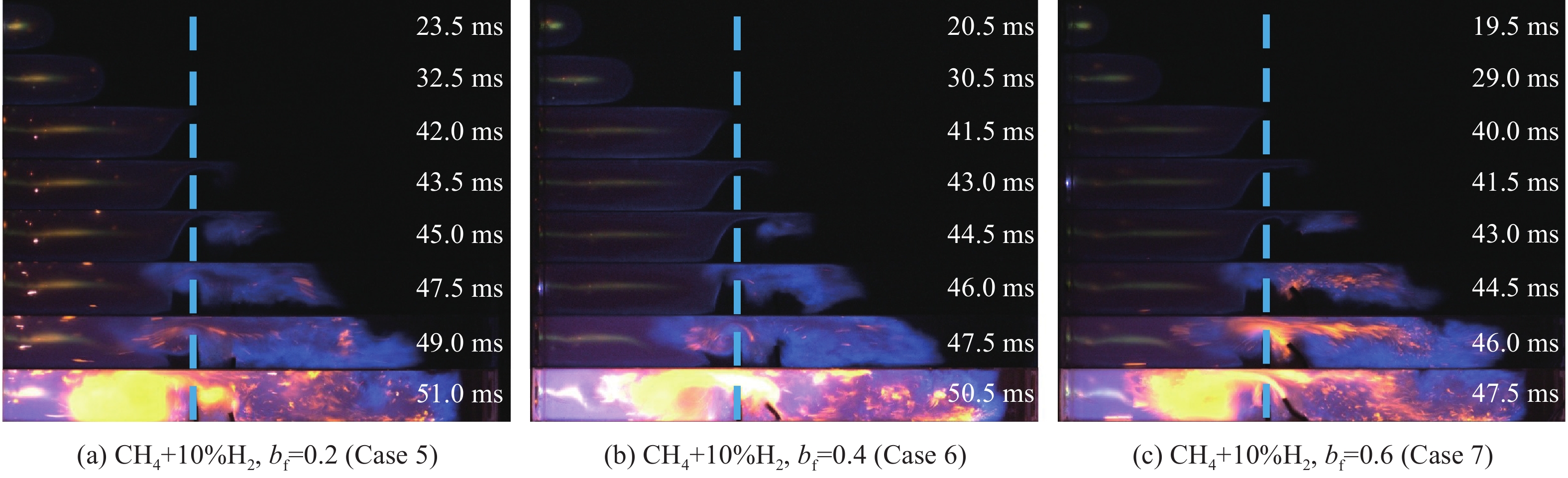
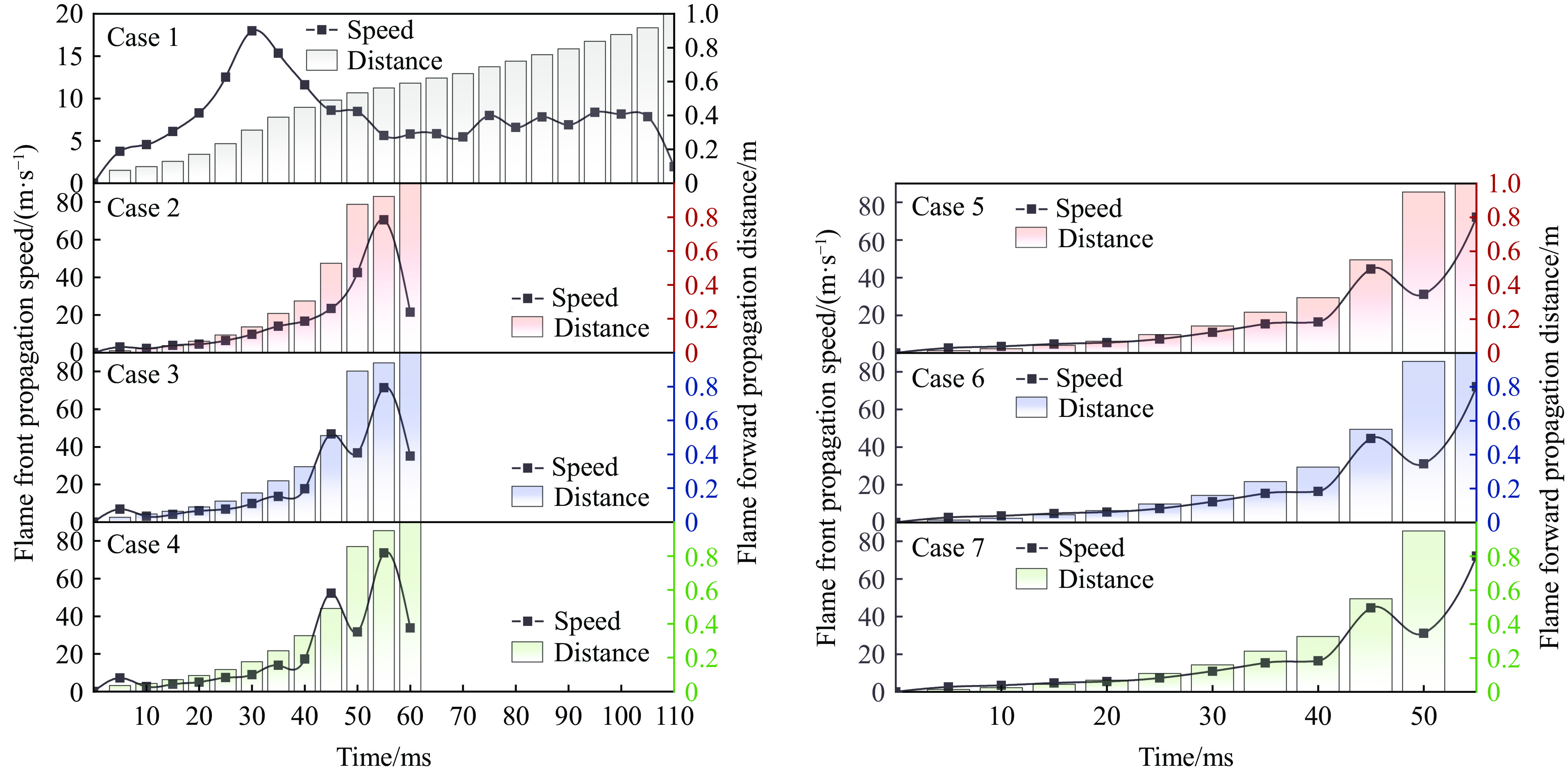
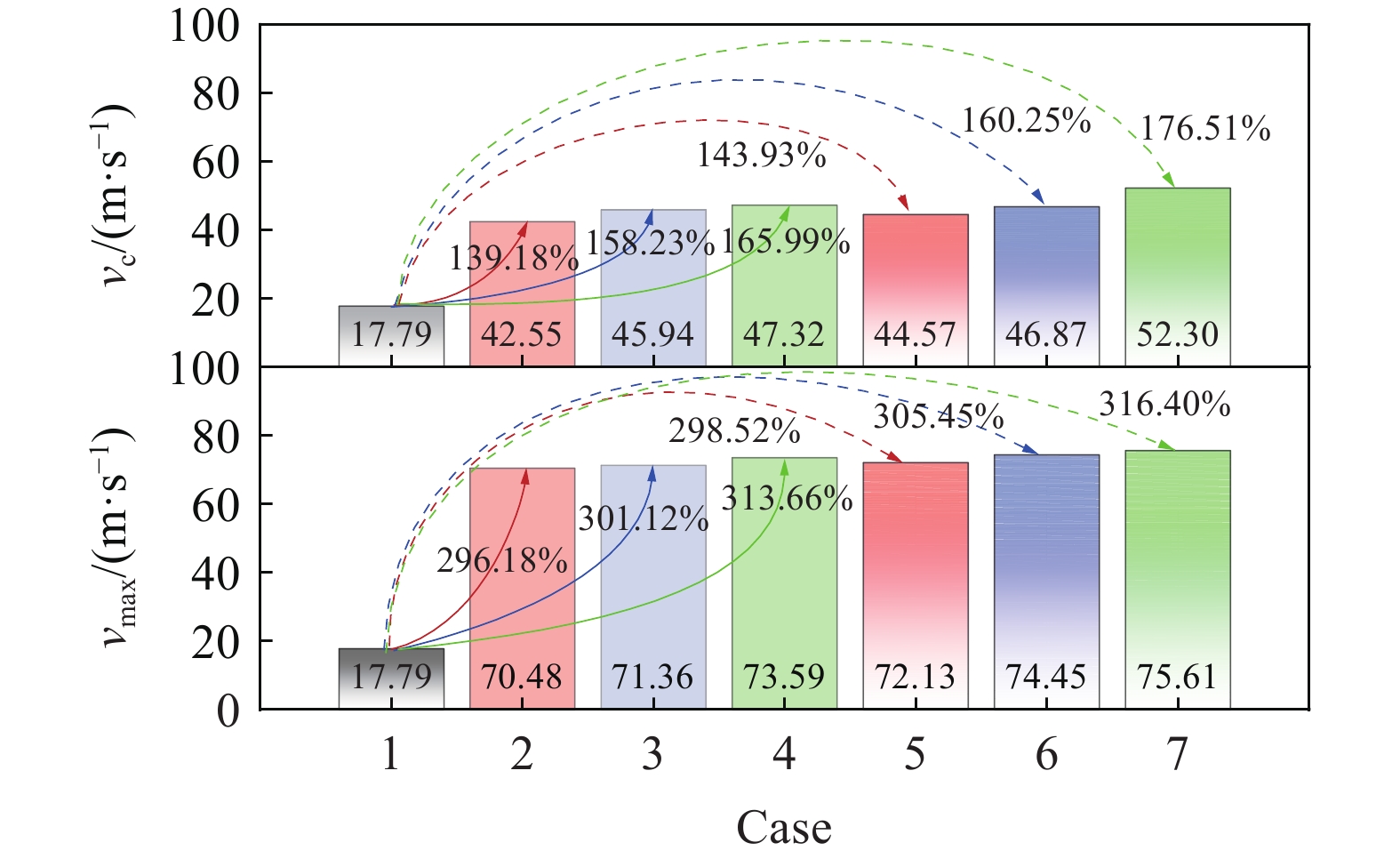
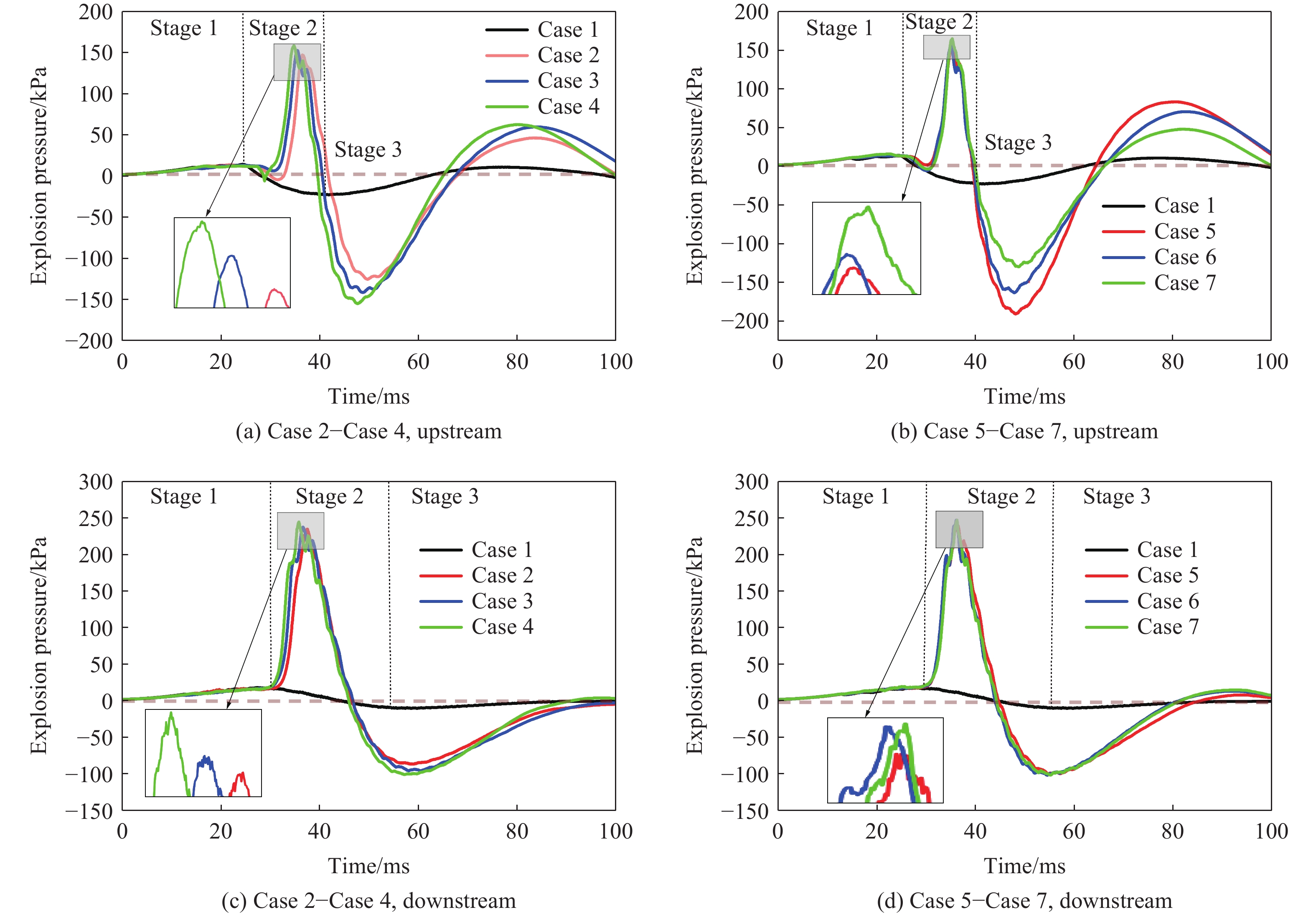
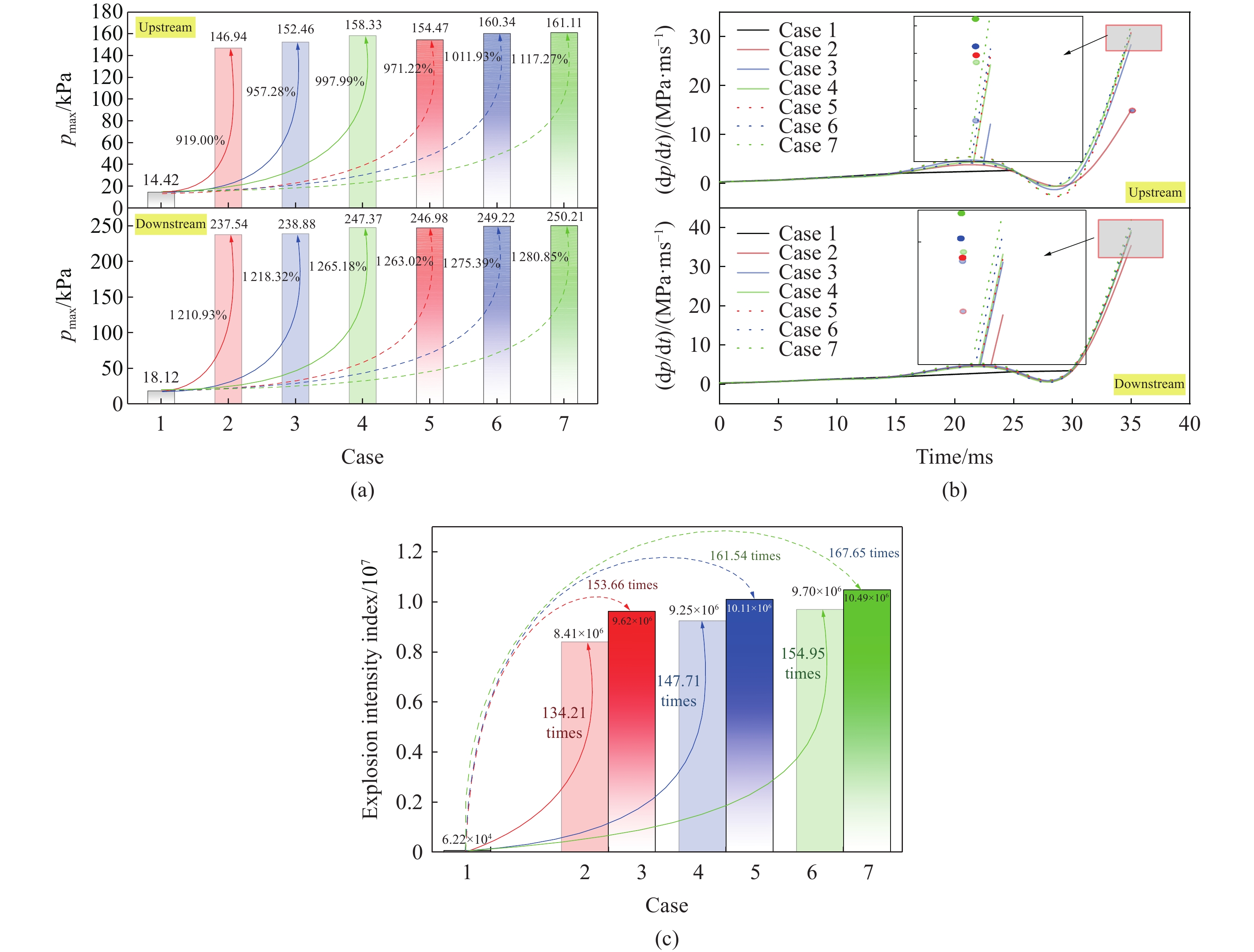
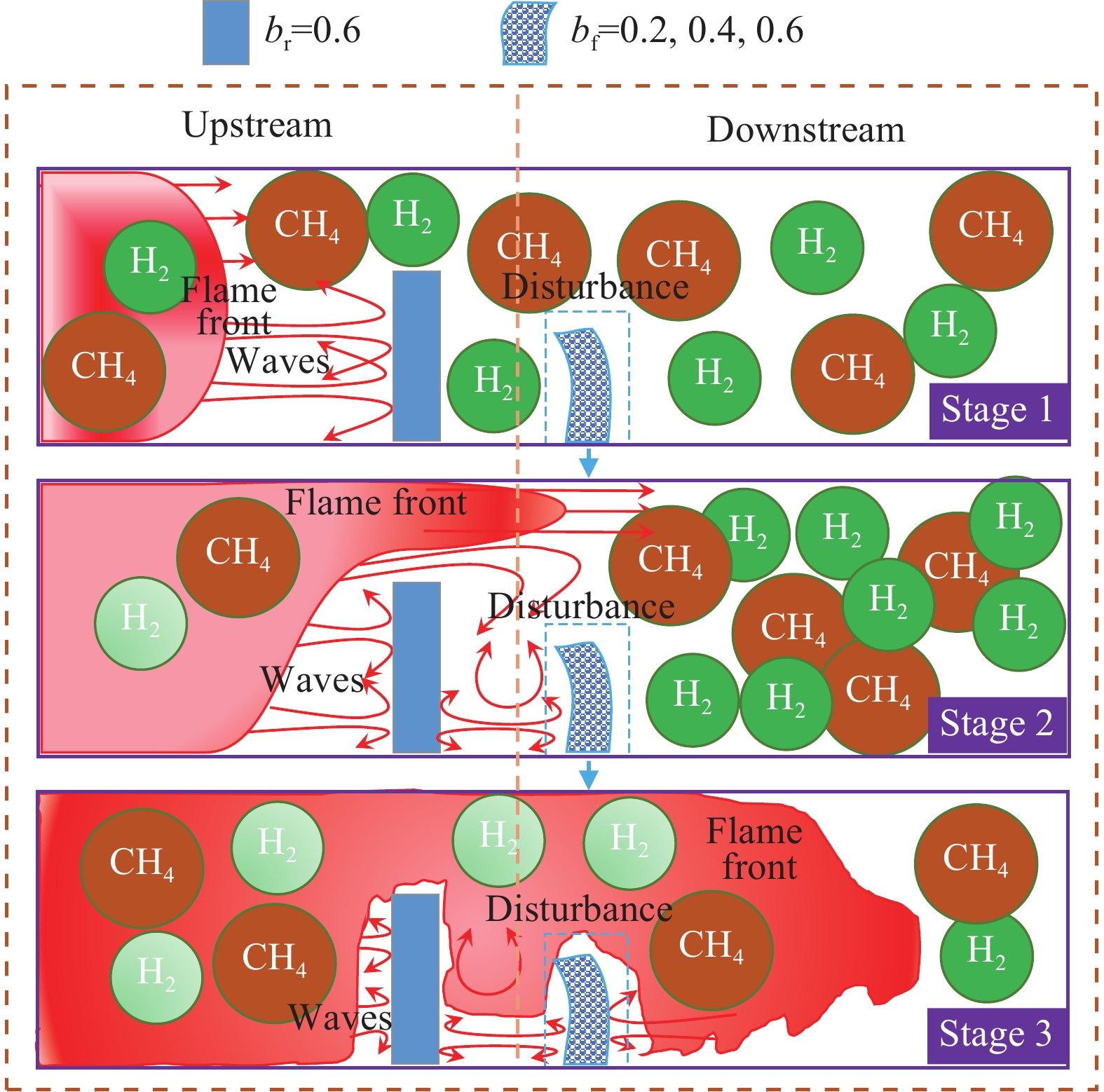
The disaster characteristics of gas combustion and explosion are hot and key topics in domestic and international research. Studying the combustion and explosion characteristics under complex constraint conditions is of great significance. Regarding rigid and flexible obstacles, the combustion and explosion process of hydrogen-doped methane gas in a long straight pipeline with double heterogeneous obstacles was explored through experiments. The results show that, compared with the obstacle-free environment, the influence of double obstacles on the flame speed, explosion pressure, and explosion intensity index increases with the increase in the blockage ratio of the flexible obstacle and the addition of hydrogen. Moreover, the increase in explosion pressure and explosion intensity index is greater than that of the flame speed. Under the combined action of hydrogen addition and double obstacles, the flame contact speed can increase by up to 176.51%, and the maximum speed can increase by up to 316.40%. The double obstacles cause the pressure in the upstream region to rise first and then fall, and the pressure oscillation in the downstream region is obvious. After hydrogen addition, compared with the obstacle-free environment, the maximum explosion pressure in the pipeline can increase by up to 1280.9%, and the maximum explosion intensity index can increase to 167.65 times. In the layout engineering projects of constraint facilities, flexible obstacles with a smaller blockage ratio should be preferred to effectively mitigate the consequences of explosion hazards.

Effect of Bench Blasting on Vibration in Underground Roadways during Open Pit-Underground Combined Mining
XU Jie, LI Xianglong, WANG Jianguo, HU Tao, ZHANG Biao, LIU Jinbao
2025, 39(5): 055301. doi: 10.11858/gywlxb.20240942
HTML PDF (27)
Abstract:

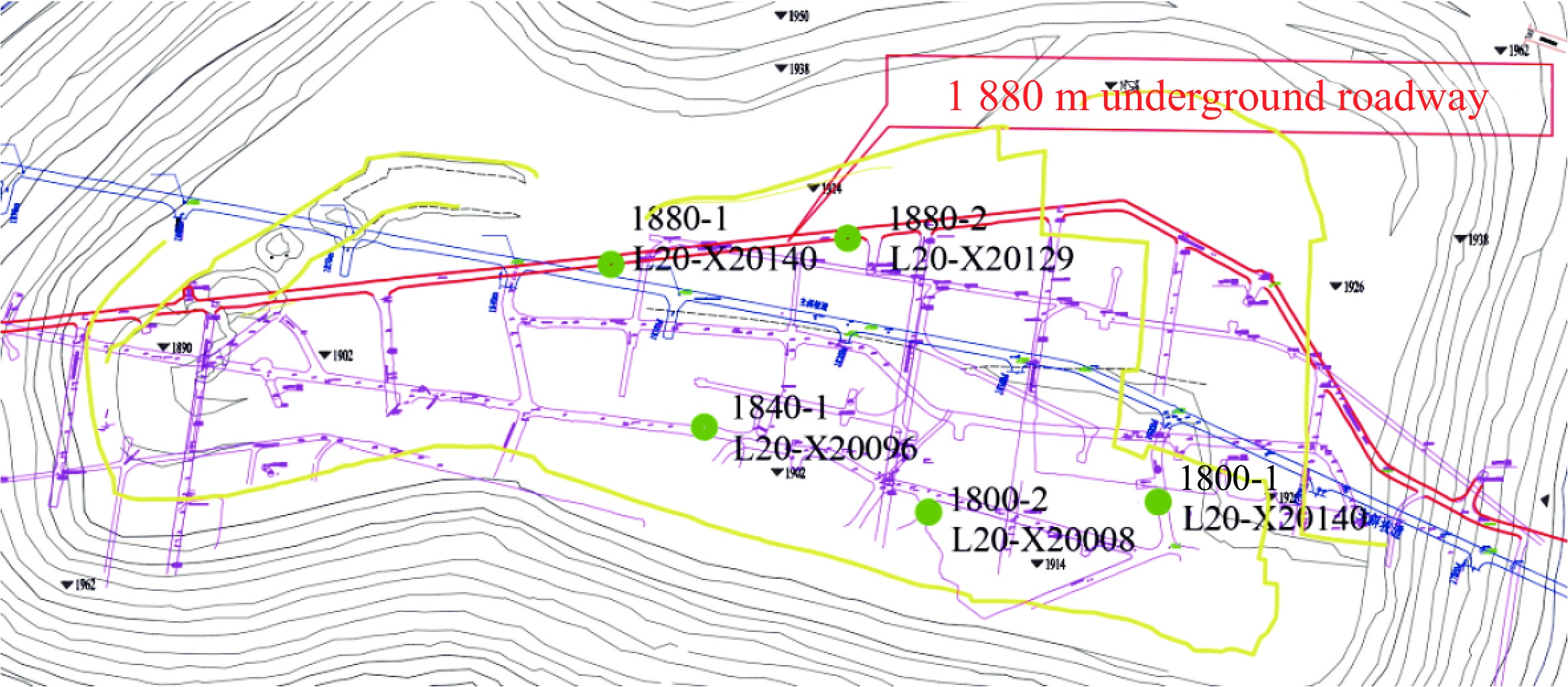
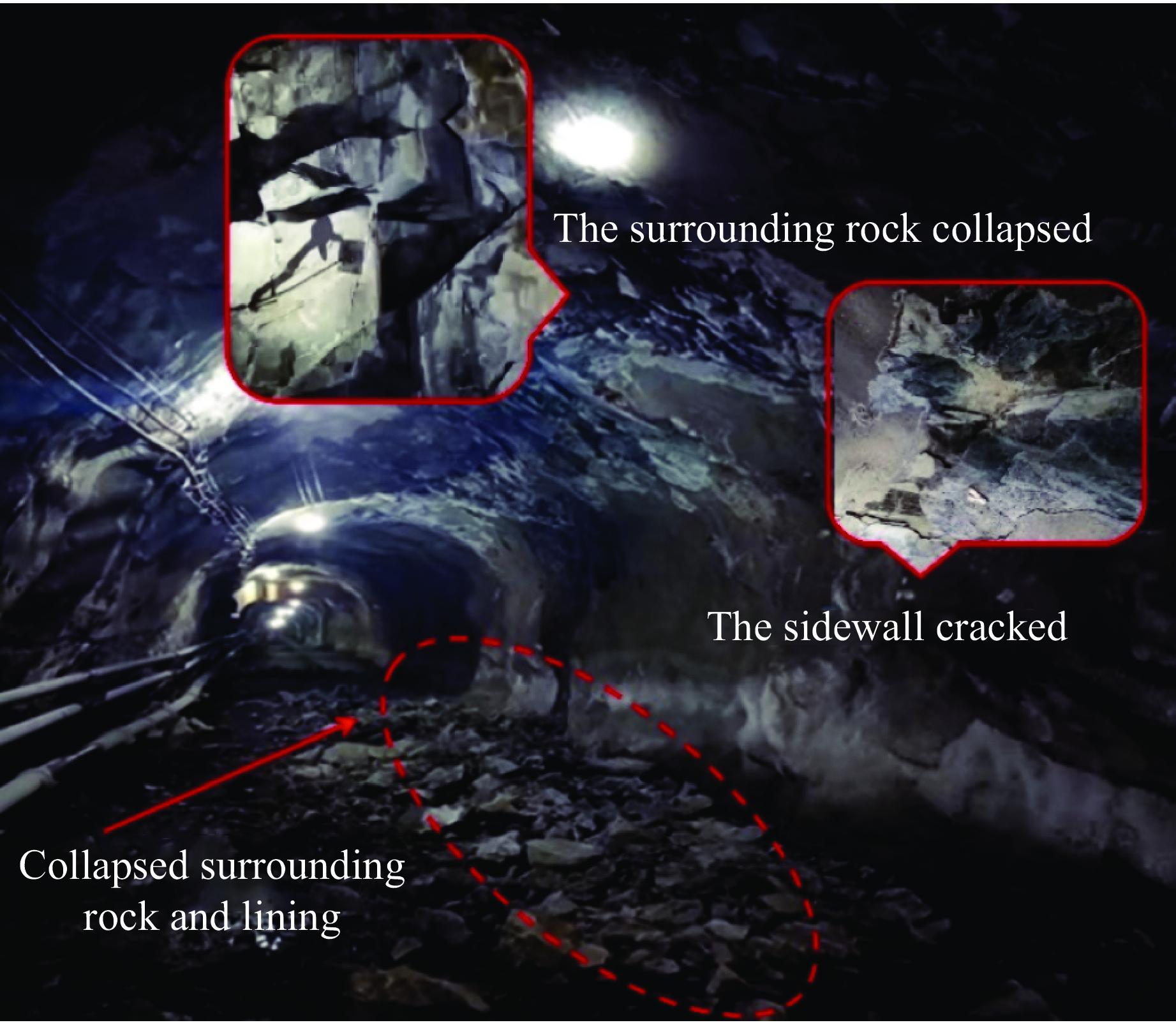
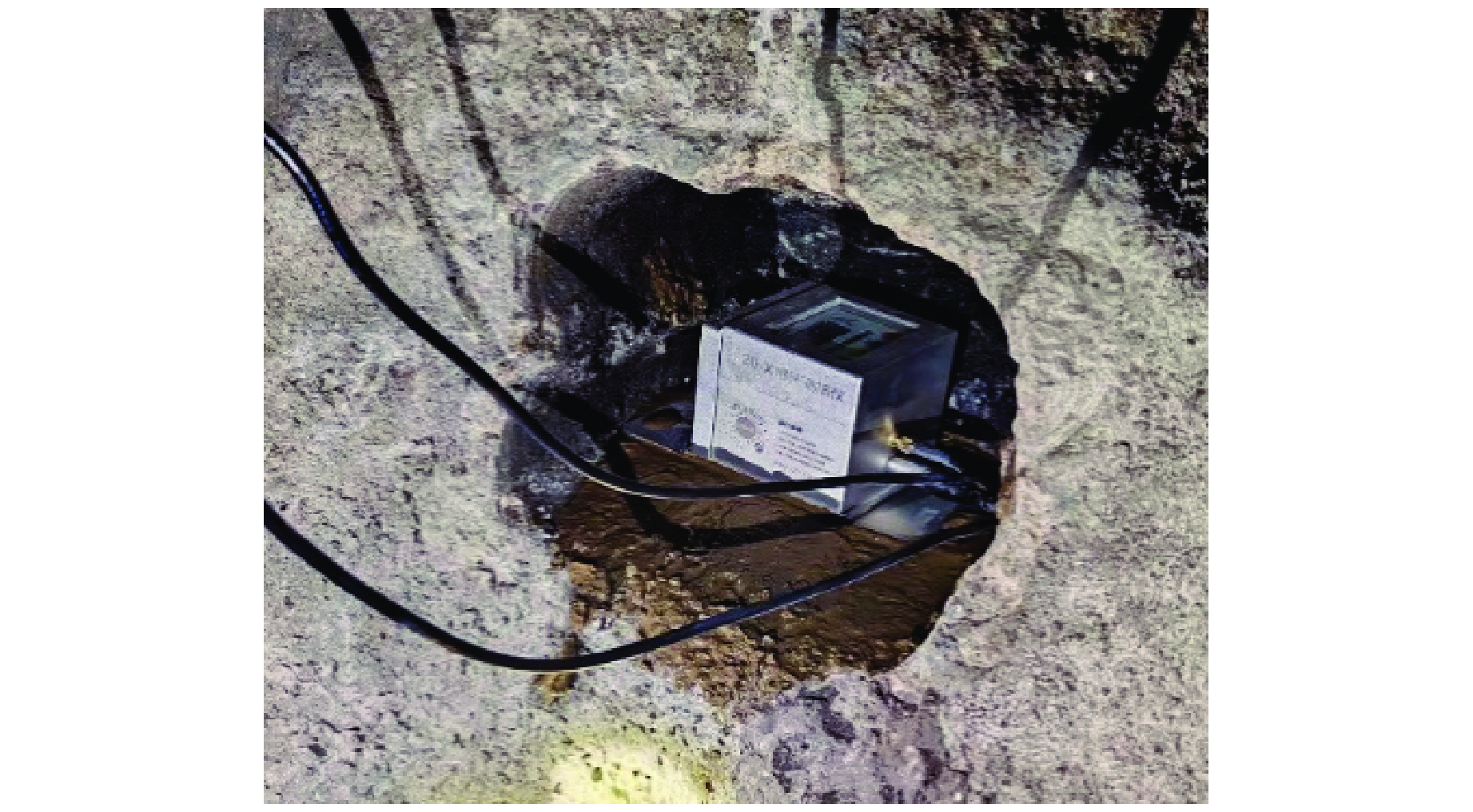
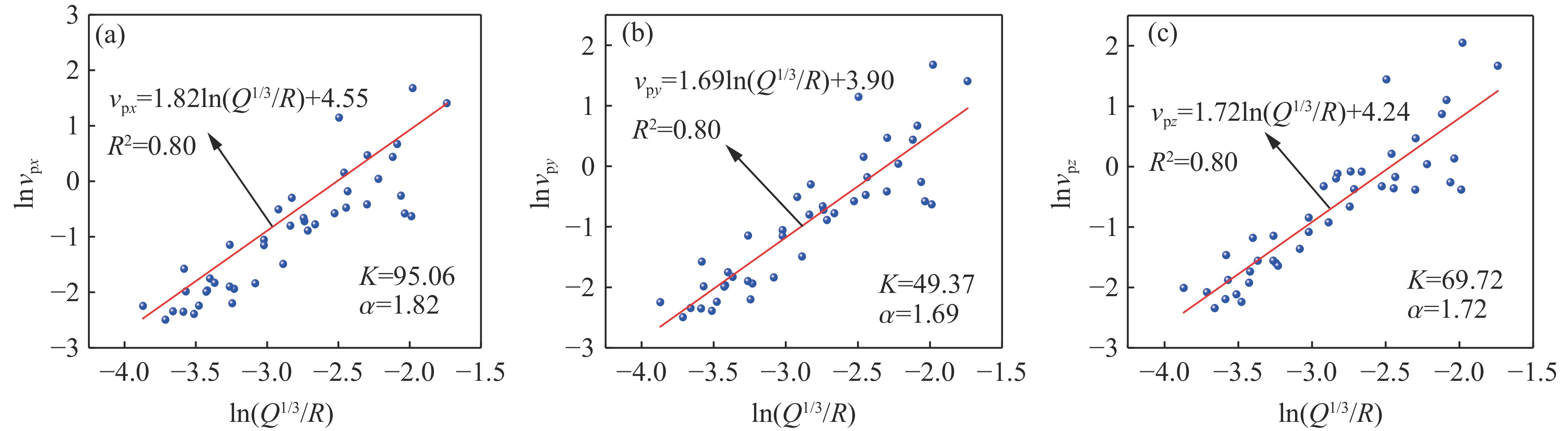
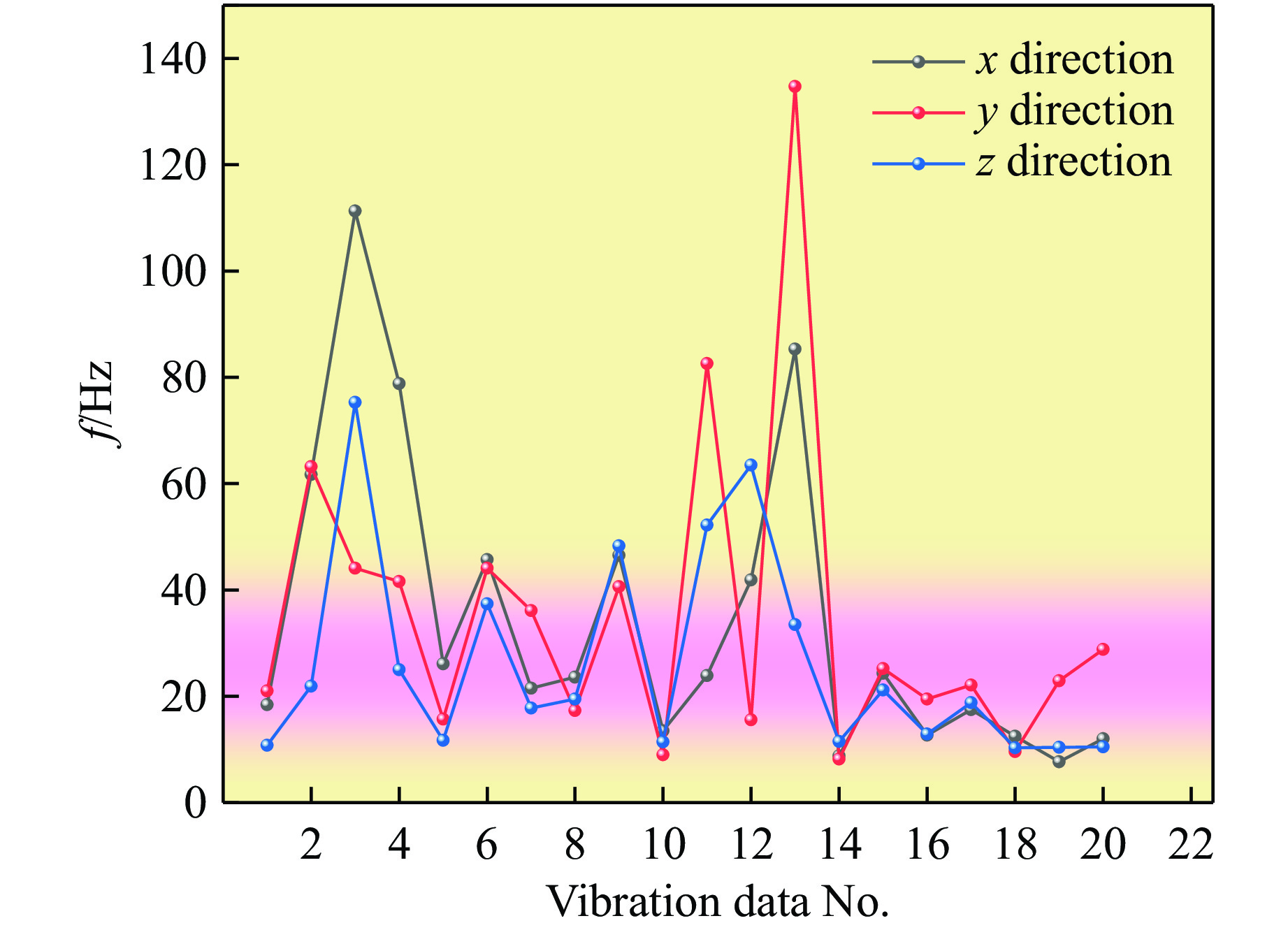
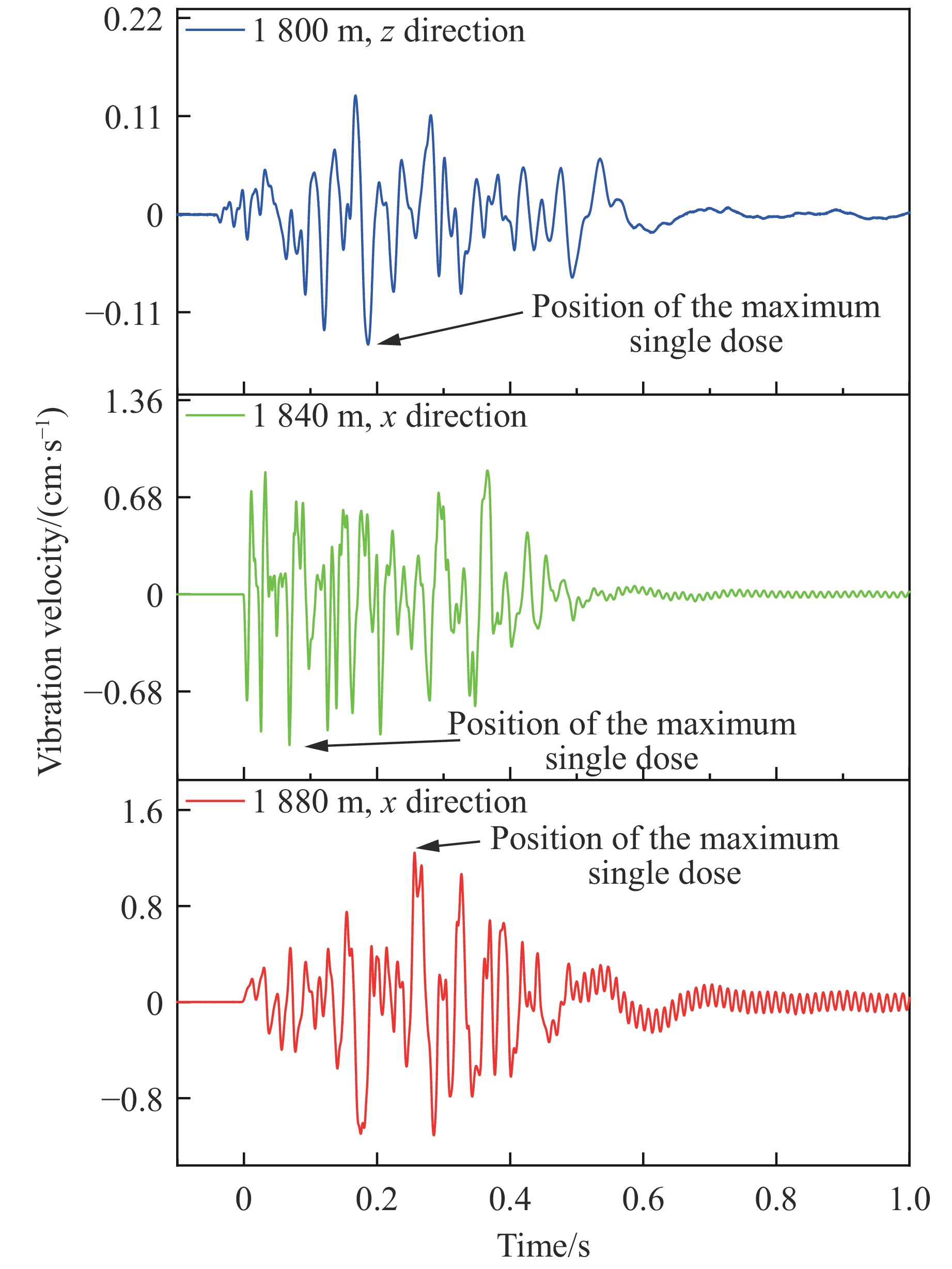
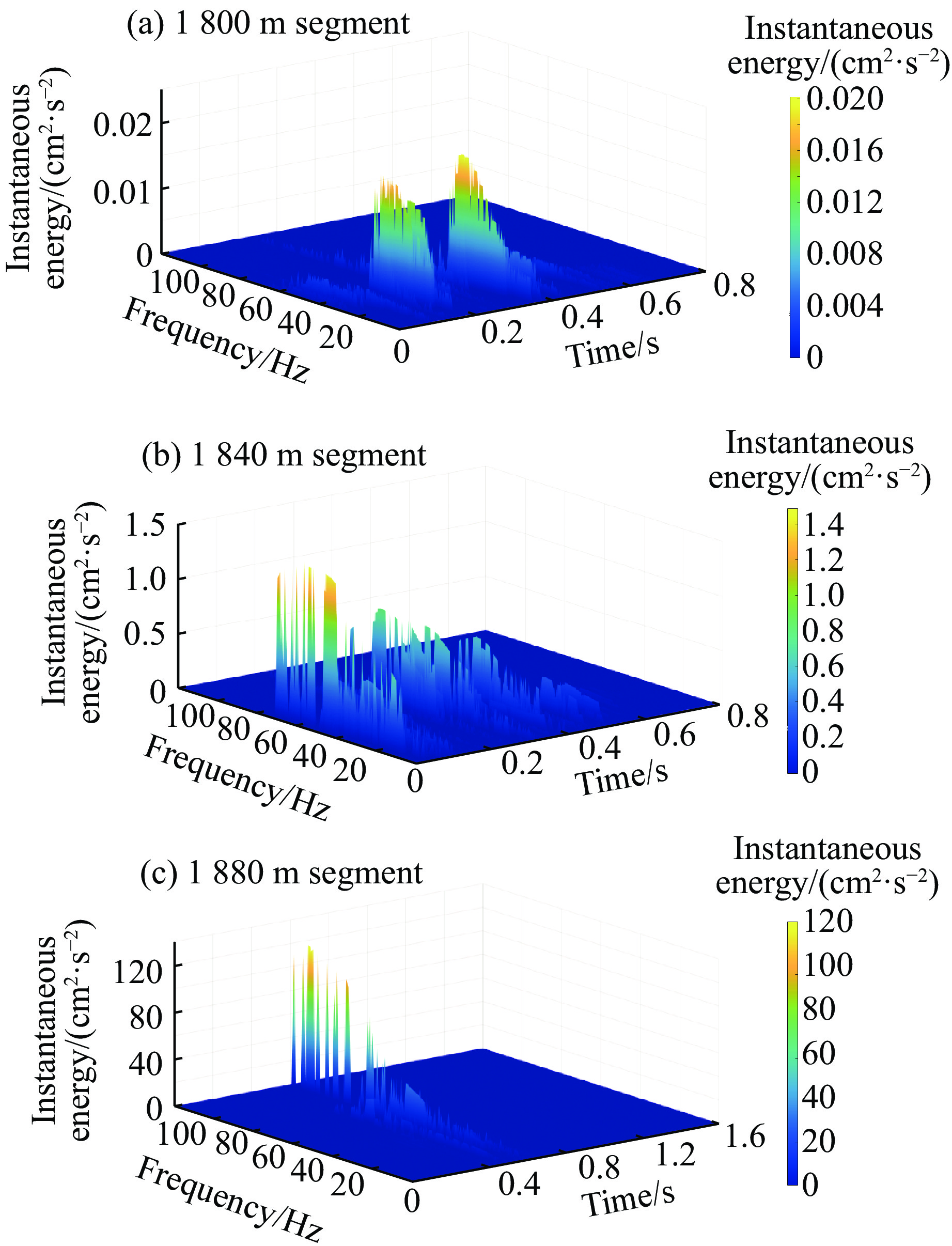
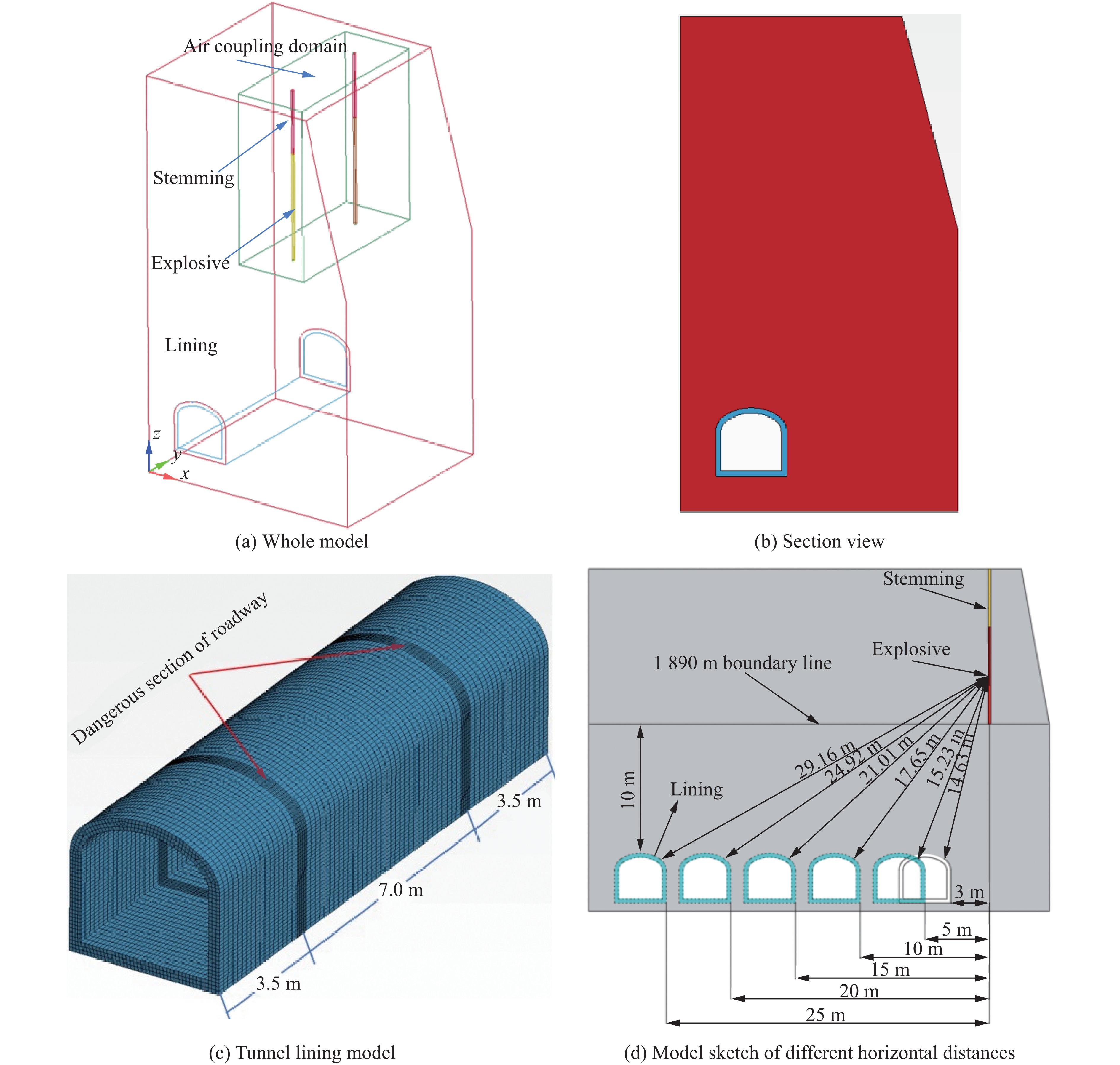
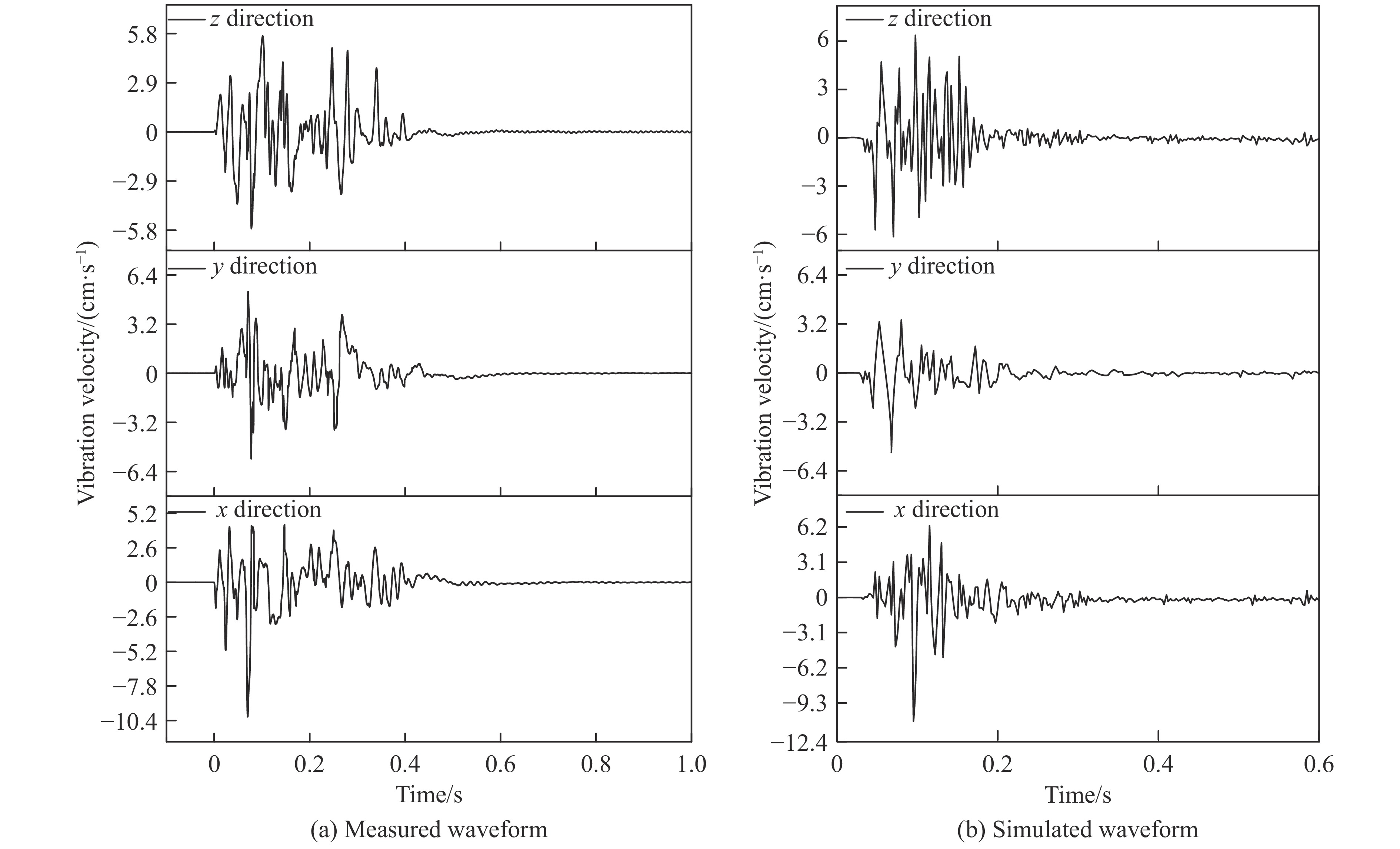
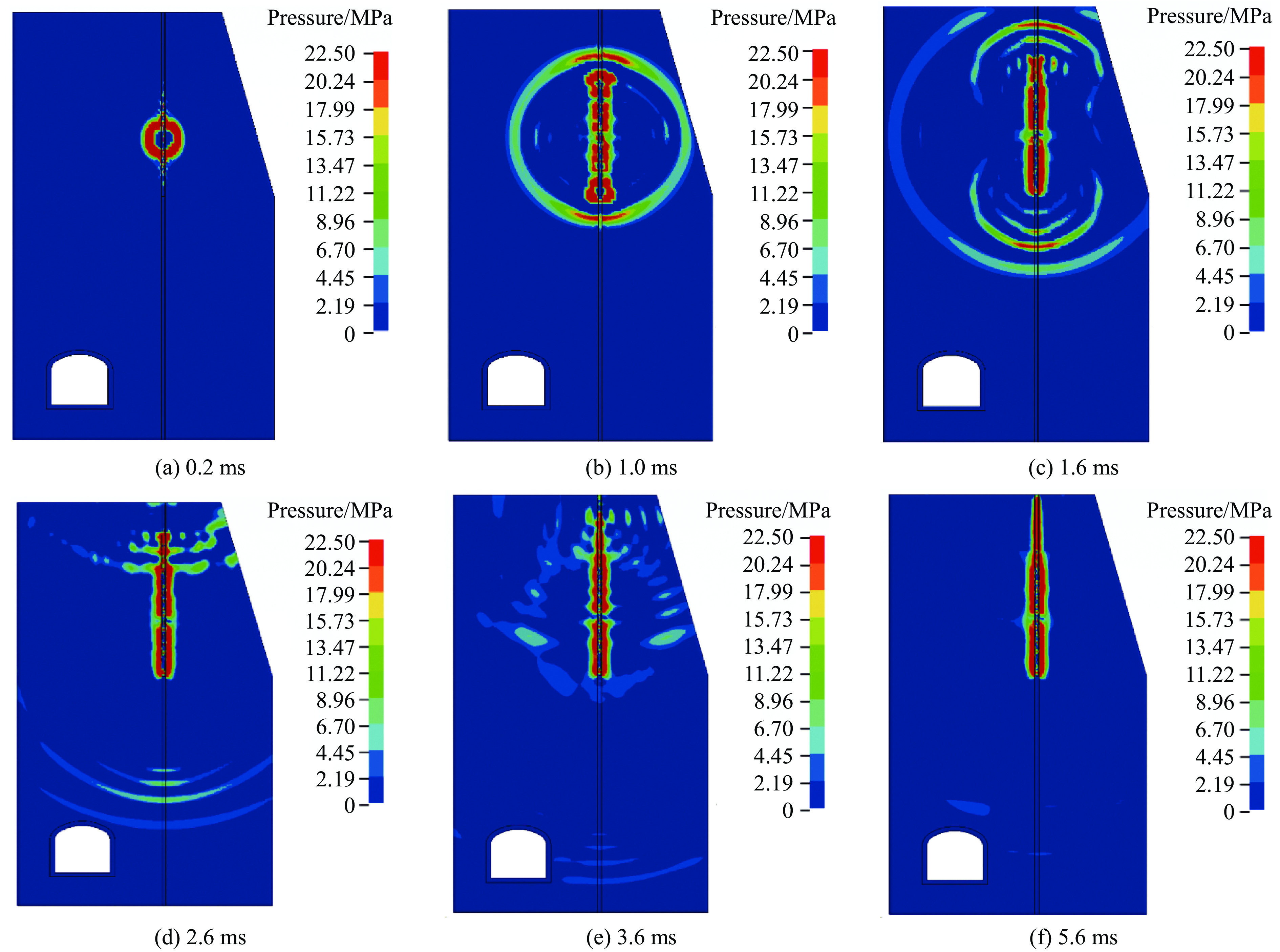
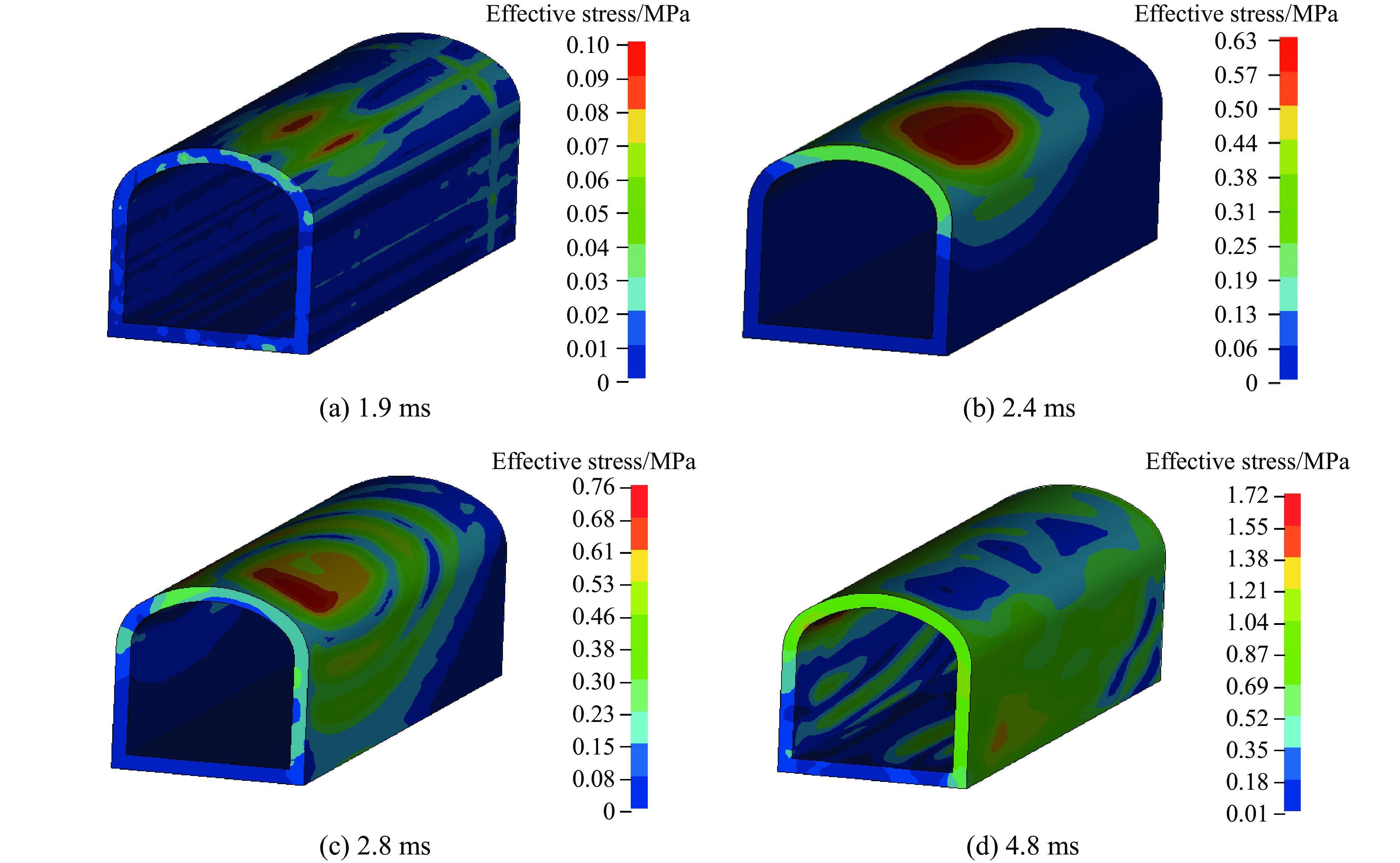
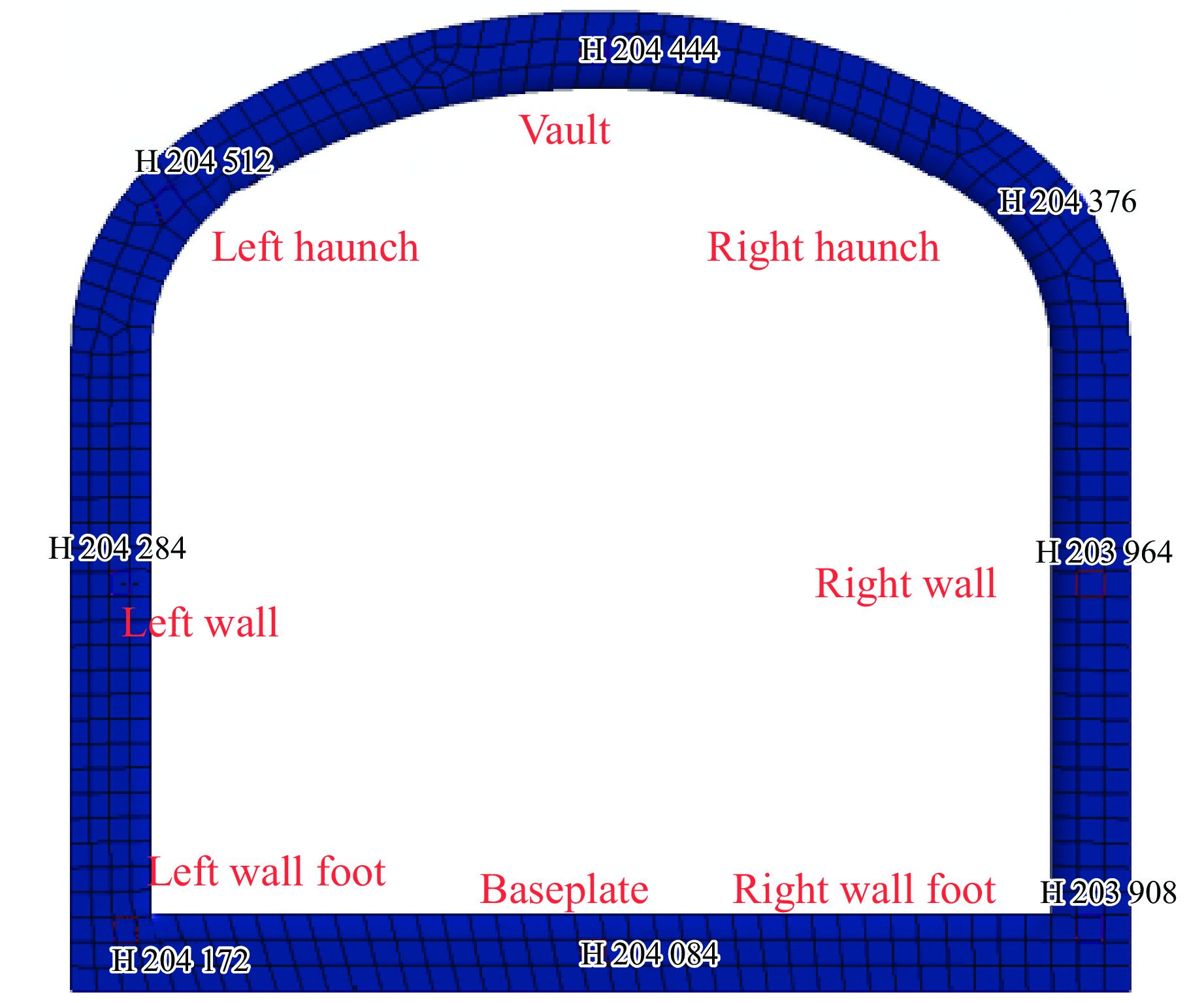
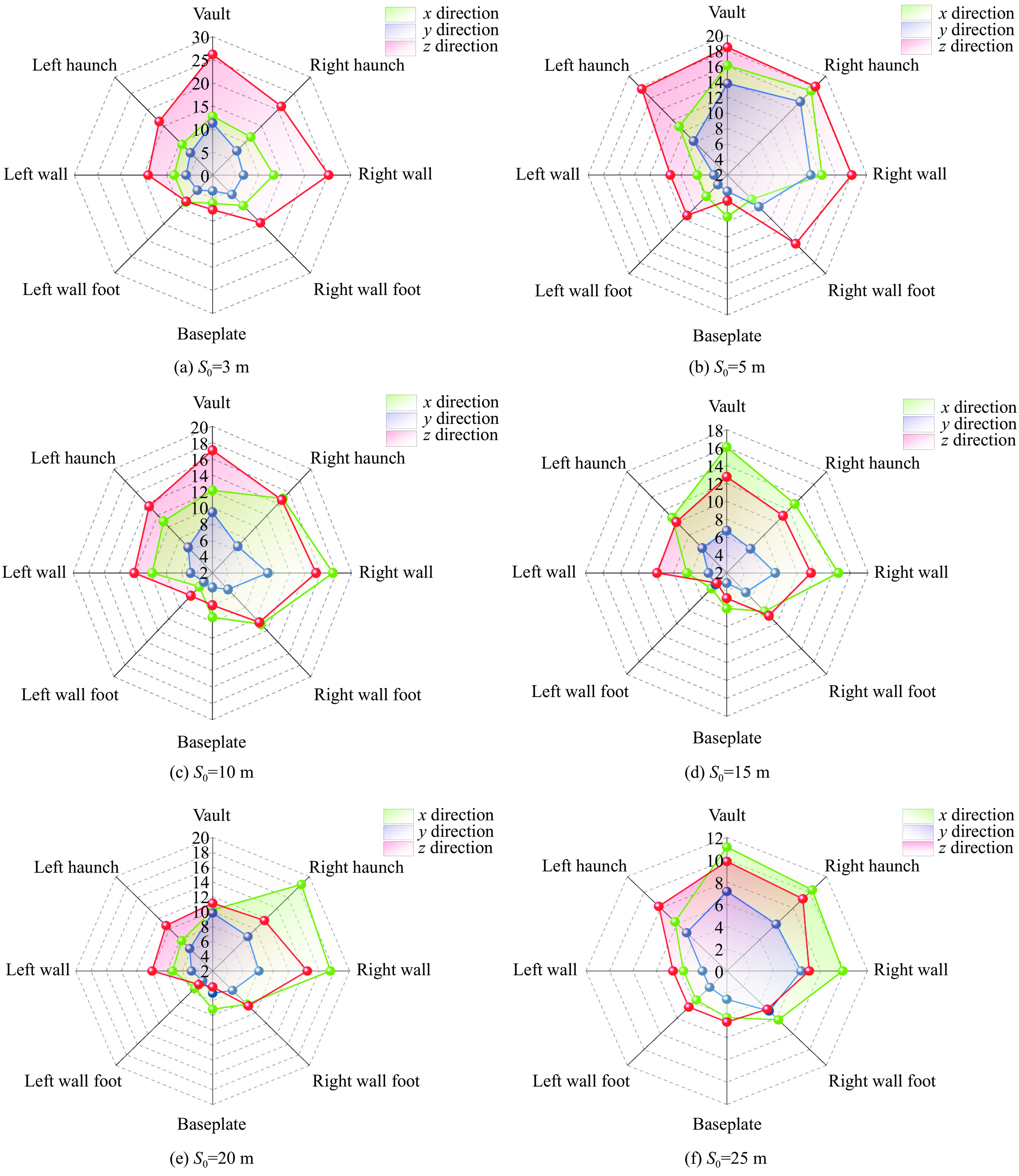
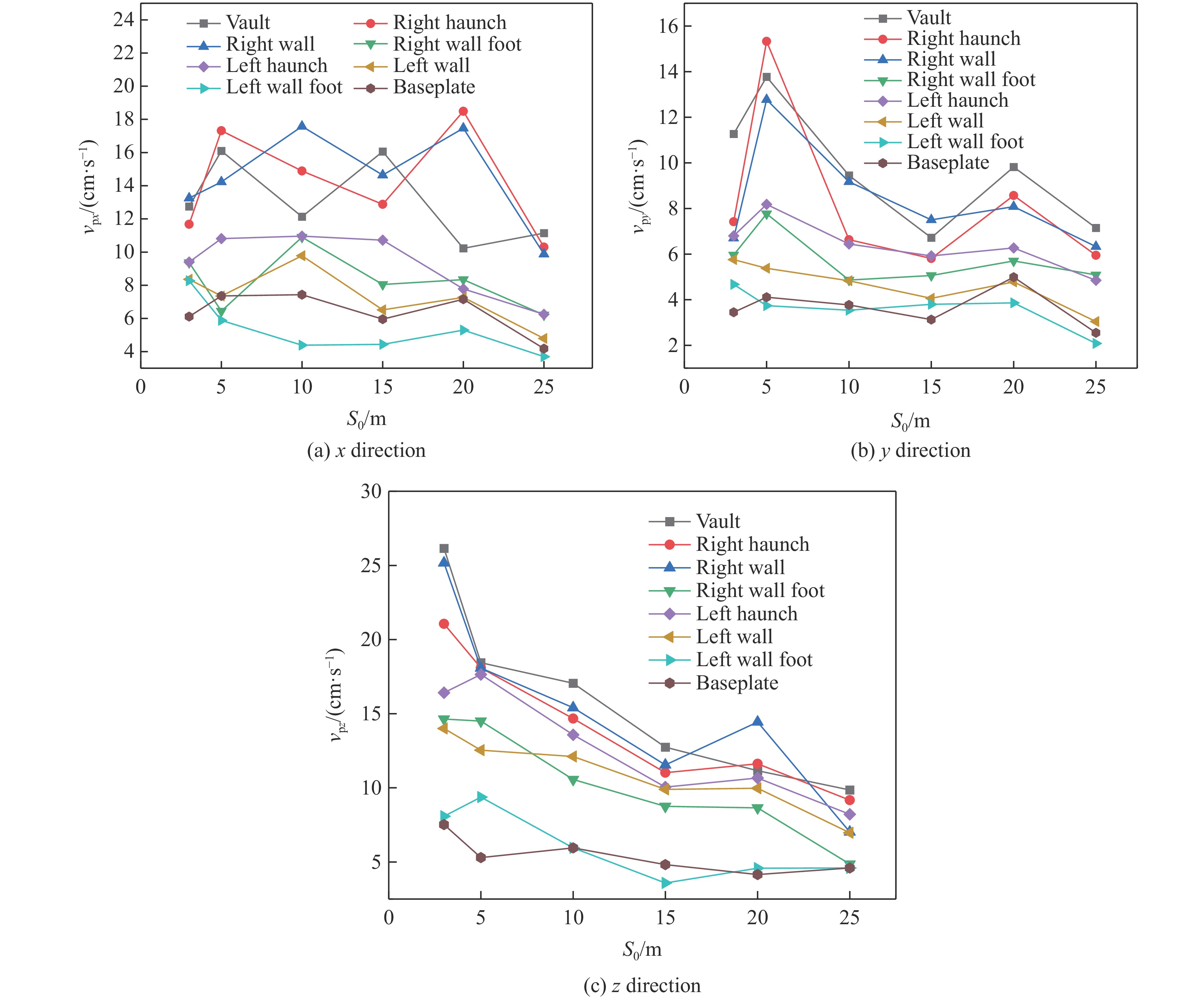
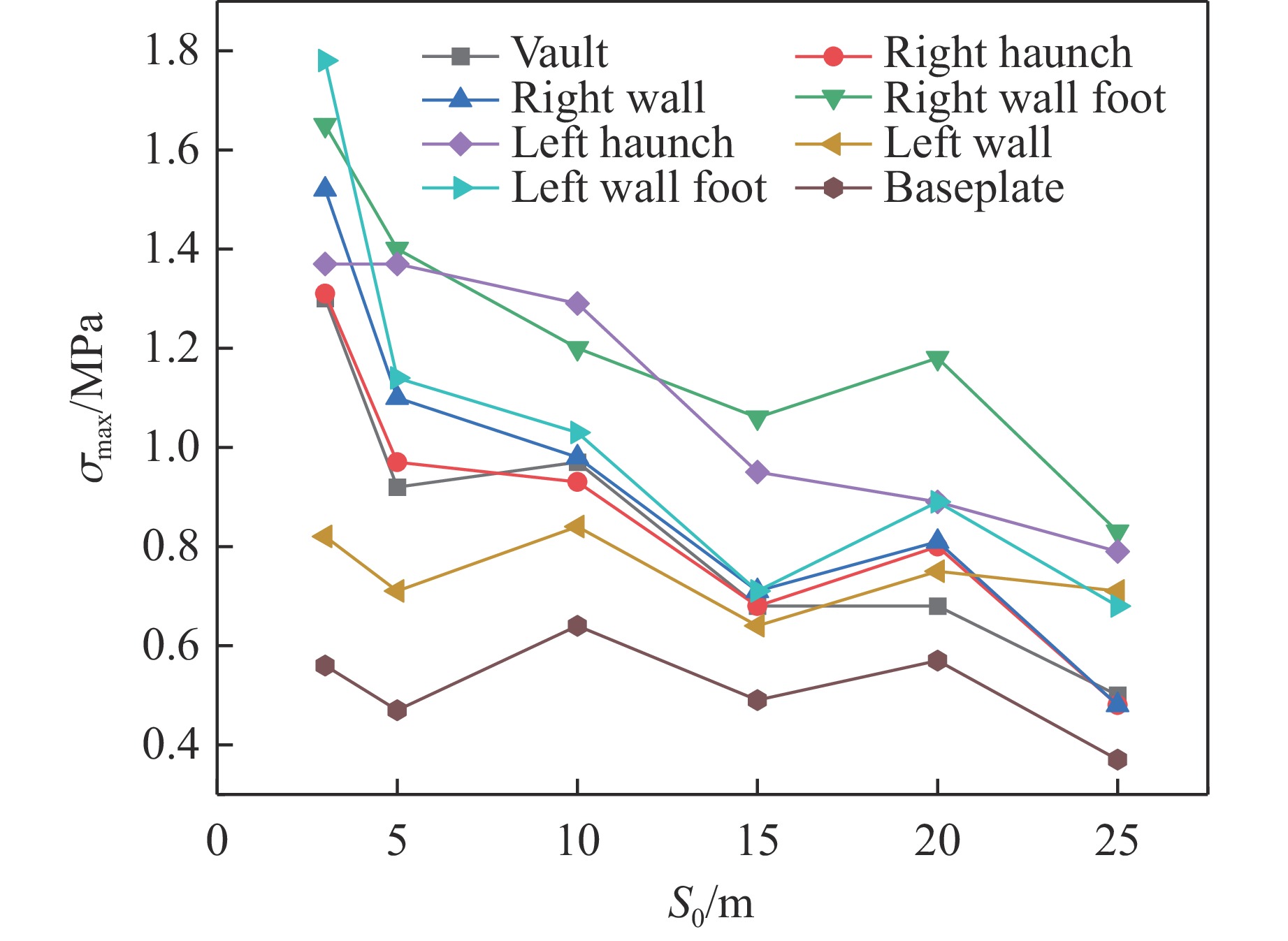
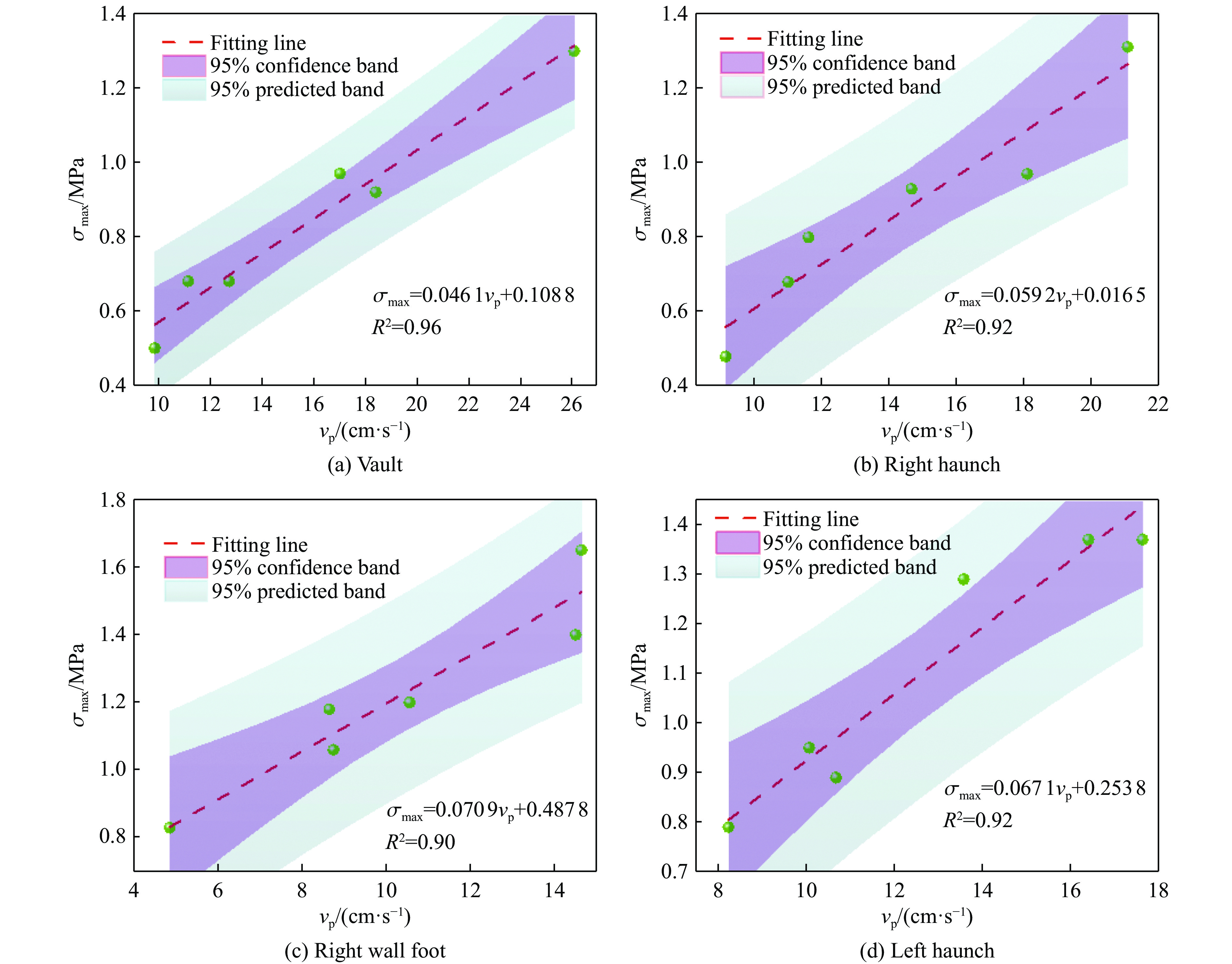
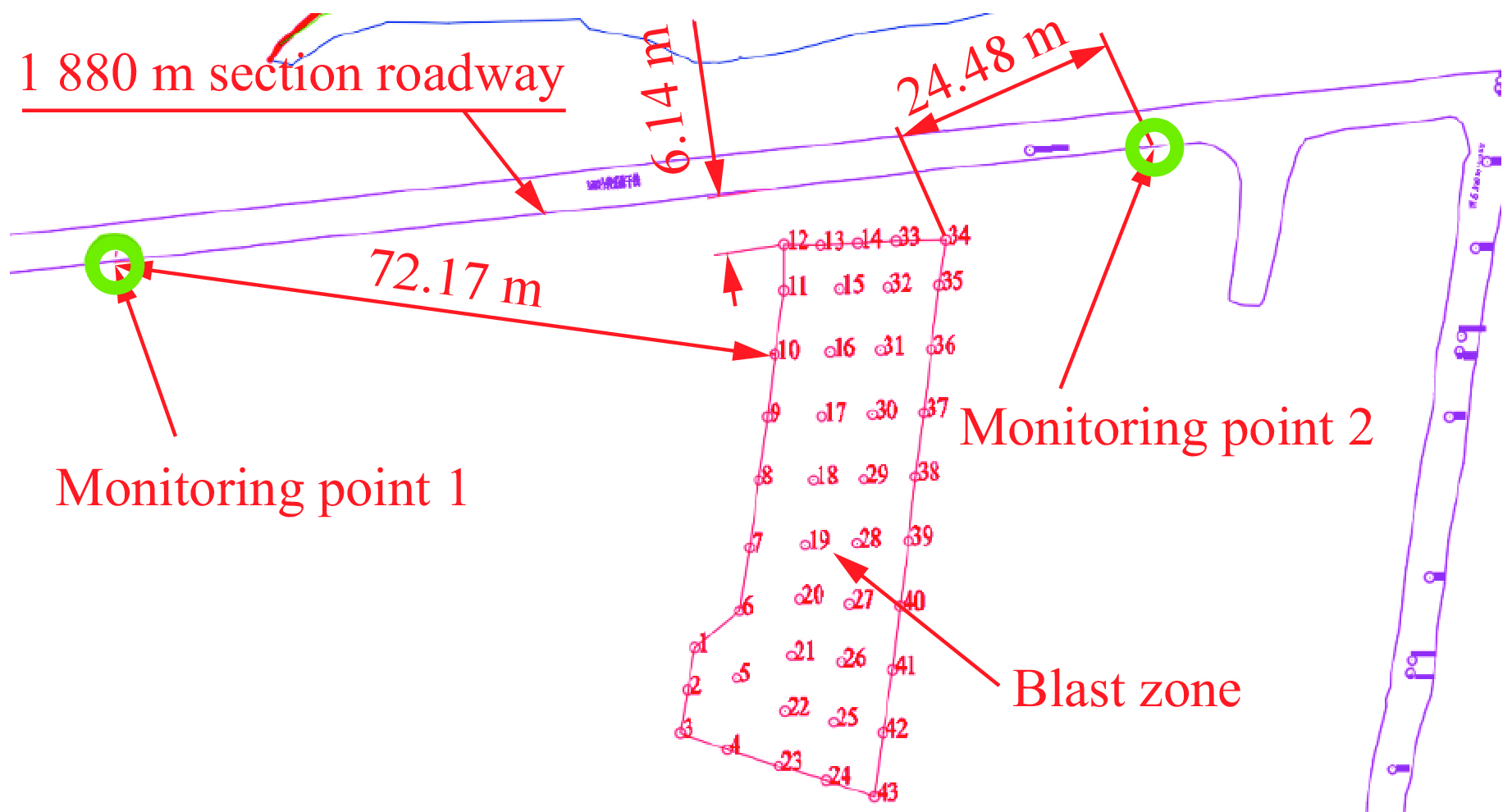
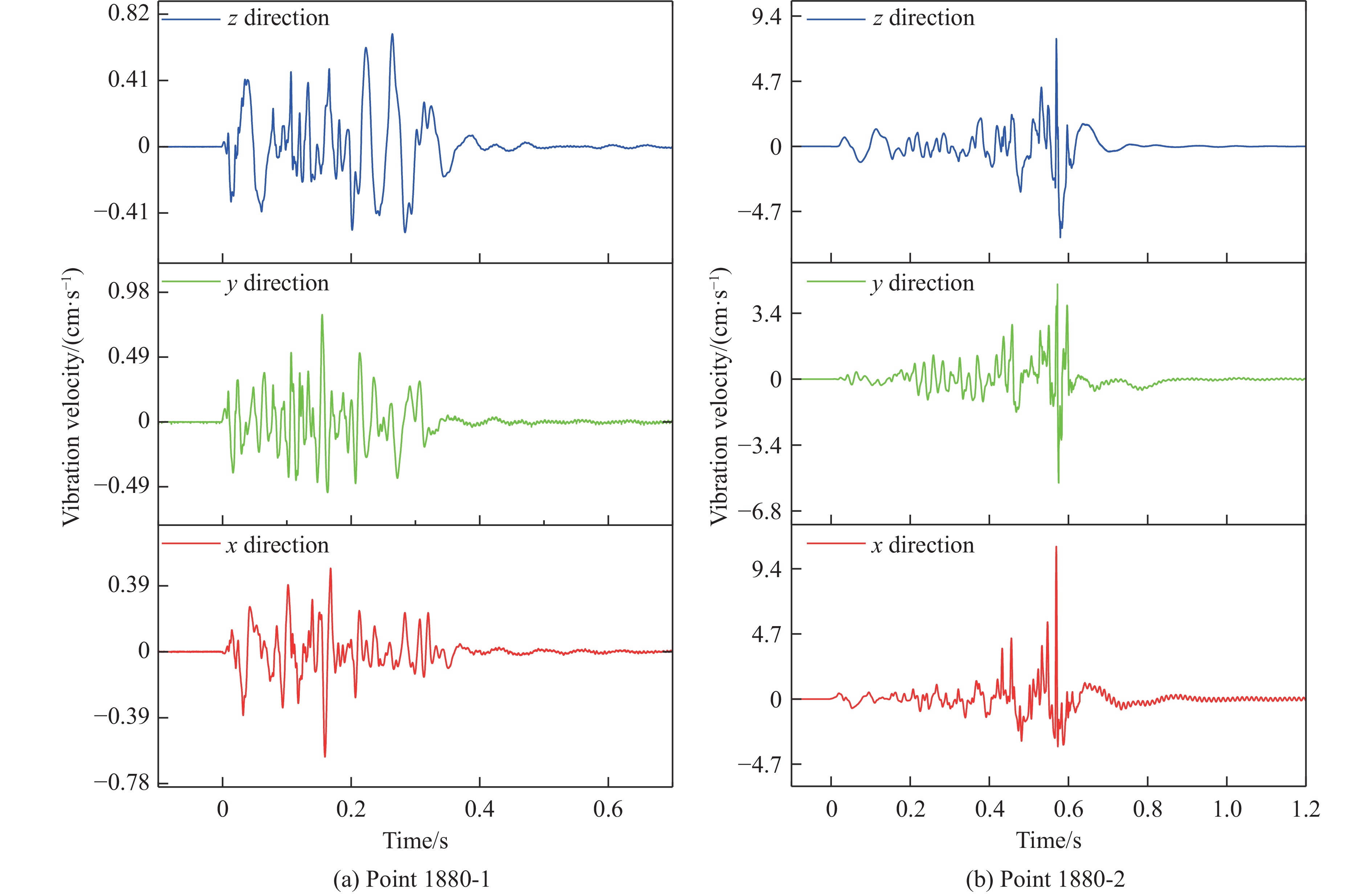
In order to control the lining damage of underground roadways induced by the vibration effect of bench blasting in an open-pit quarry, the dynamic response of the existing adjacent roadway at the transition mining stage from open pit to underground in Lara Copper Mine were studied by means of field vibration monitoring, theoretical calculation and numerical simulation. Through regression analysis of the monitoring data, the vibration attenuation law was obtained, and the dominant frequency and instantaneous energy of the vibration were analyzed. Six models with different relative spatial positions between the open-pit bench and underground roadway were established using the LS-DYNA software. Subsequently, double-hole delayed blasting models were developed to investigate the dynamic response of adjacent existing roadways under blasting loads. The results show that for the existing roadway located below the explosion source of the open pit bench, its maximum vibration velocity mainly appears in the arch and the side wall on the explosion-facing side. The direction and position of the peak vibration velocity change with the different relative spatial position of the roadway and the explosion source. When the vertical distance between the roadway vault and the bottom of the blast hole is fixed at 10 m, and the horizontal distance between the roadway sidewall and the blast hole is less than 15 m, the vibration velocity in the vertical direction of the tunnel structure is greater after explosion. Beyond this 15 m horizontal distance, the vibration velocity in the horizontal and radial directions of the tunnel structure is larger. By fitting the relationship between peak effective stress and peak particle velocity and utilizing the ultimate dynamic tensile strength of the roadway, a vibration velocity threshold of 19 cm/s was derived. After adjusting blasting parameters according to the safety threshold, the safety of adjacent existing roadway can be ensured.

Prediction of Rockburst Grade Based on BKA-CNN-SVM Model
MU Huiwen, ZHOU Zonghong, ZHENG Faping, LIU Jian, ZENG Shunhong, DUAN Yong
2025, 39(5): 055302. doi: 10.11858/gywlxb.20240880
HTML PDF (30)
Abstract:

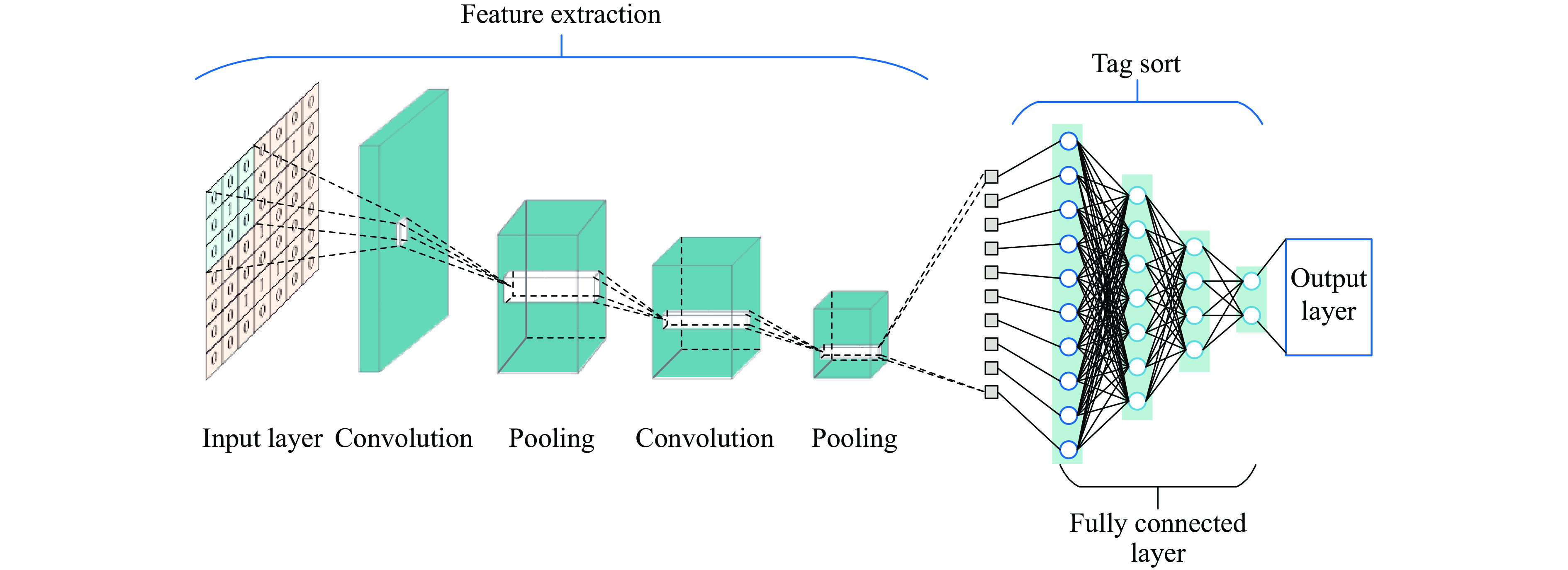
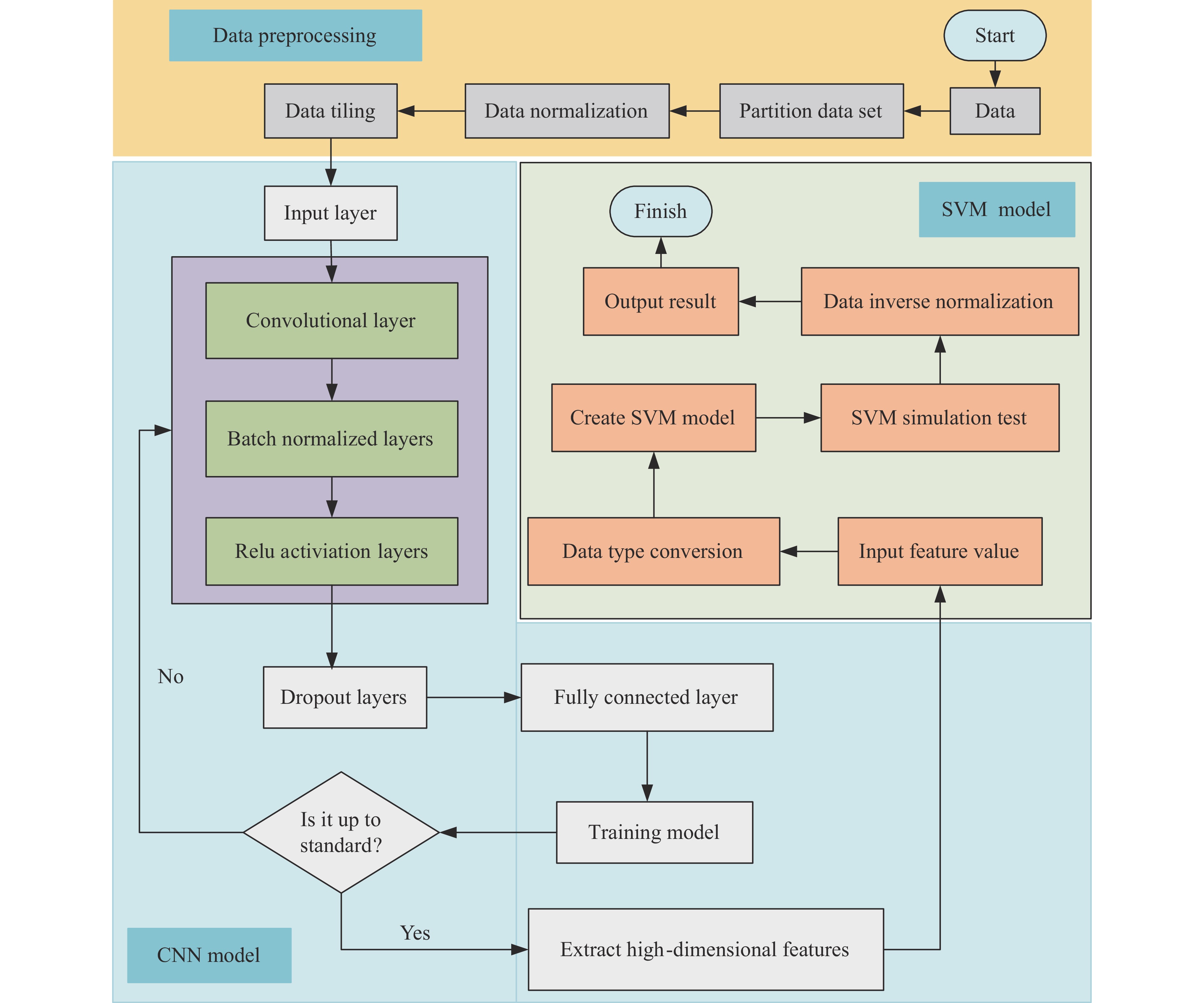
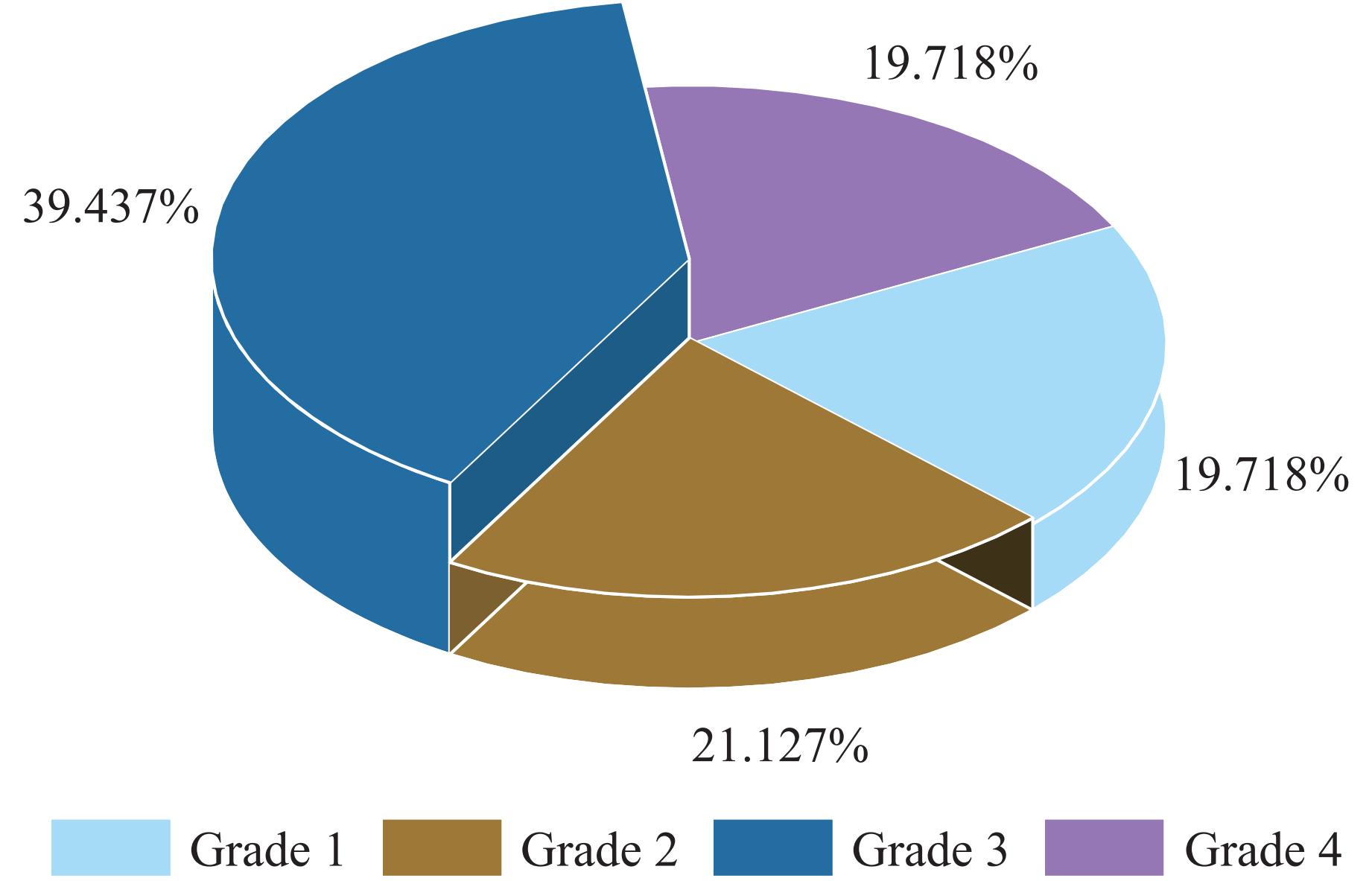
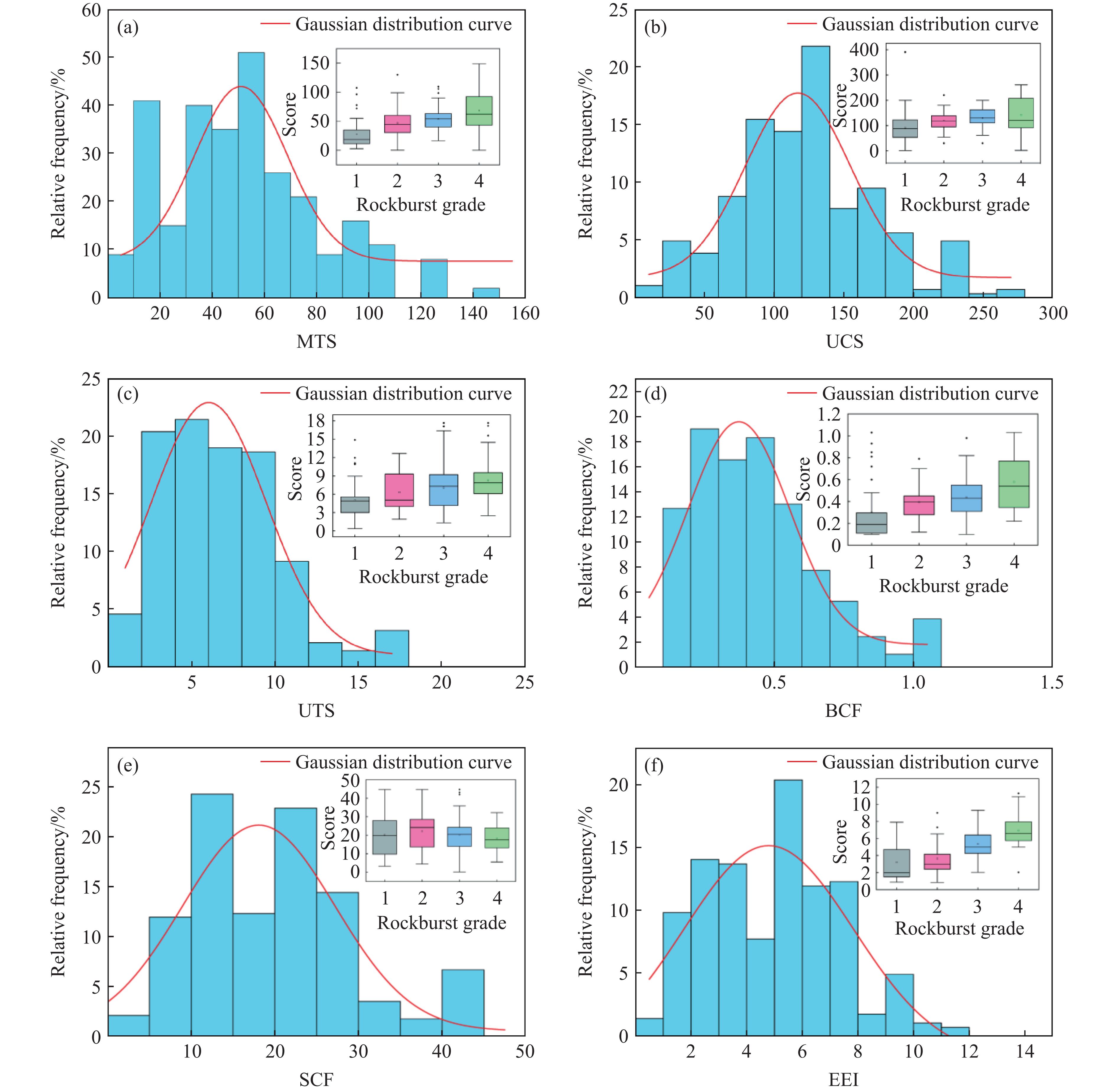
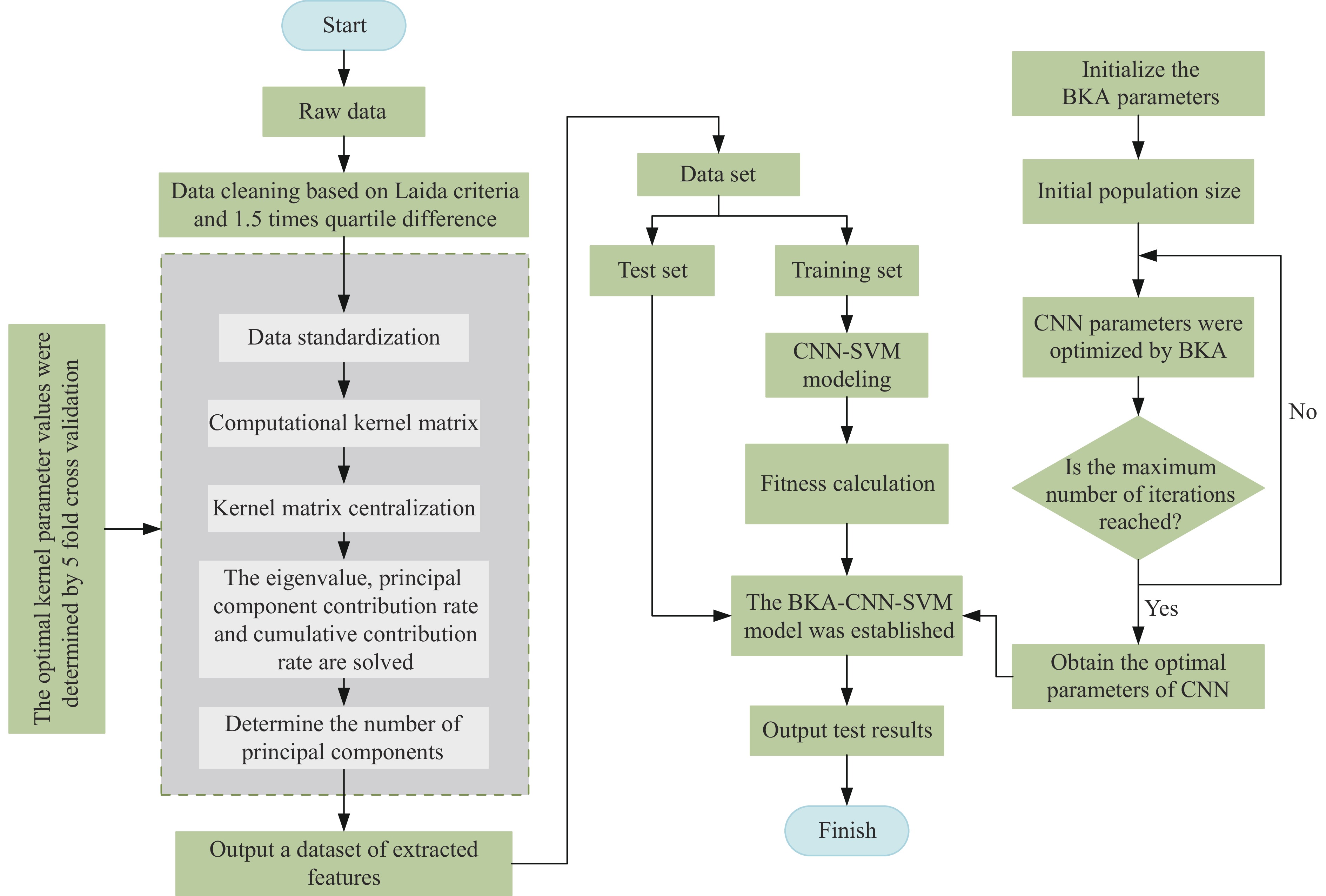
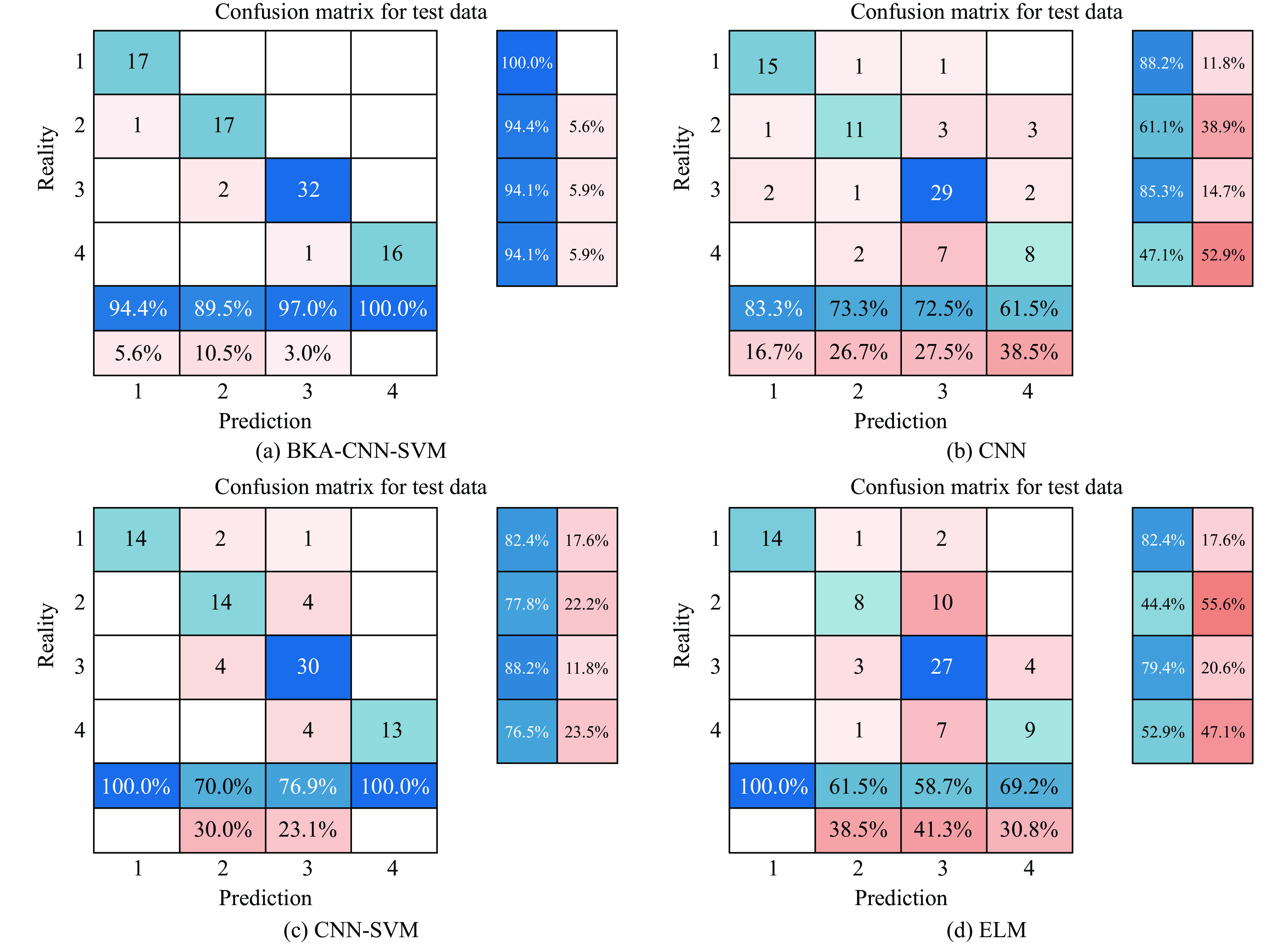
In order to realize efficient and accurate rockburst grade prediction, and prevent underground engineering disasters, this paper proposes a prediction model based on black-winged kite optimization algorithm-convolutional neural network-support vector machine (BKA-CNN-SVM). Firstly, the prediction index system was established according to six influence factors of rockburst, and 284 groups of rockburst cases at home and abroad were collected to establish a rockburst database. Secondly, Laida criterion and 1.5 times quartile difference were introduced to remove and replace the outliers in the data. The kernel principal component analysis (KPCA) was used to reduce the dimension of the data and extract the features. The extracted features were used as the model inputs. Finally, the confusion matrix was used to evaluate the model performance in terms of accuracy, precision, recall, and F1 value. BKA-CNN-SVM model was compared with convolutional neural network (CNN) model, extreme learning machine (ELM) model, and convolutional neural network and support vector machine (CNN-SVM) integrated model. The results showed that the accuracy, precision, F1 value, and recall of BKA-CNN-SVM model are 95.35%, 0.89, 0.92, and 0.94, respectively, which are significantly better than the other models in terms of prediction accuracy and generalization degree. In order to verify the feasibility of the BKA-CNN-SVM model, it was used to prediction the rockburst grade of the Jinping secondary hydro-power station. The prediction results have high consistency with the actual field conditions. This research can provides a new method for rockburst grade prediction.