

2025 Vol. 39, No. 6

Cover
Cover
2025, 39(6)
PDF (22)
Abstract:
2025, 39(6): 1-2.
Abstract:
Cover Feature
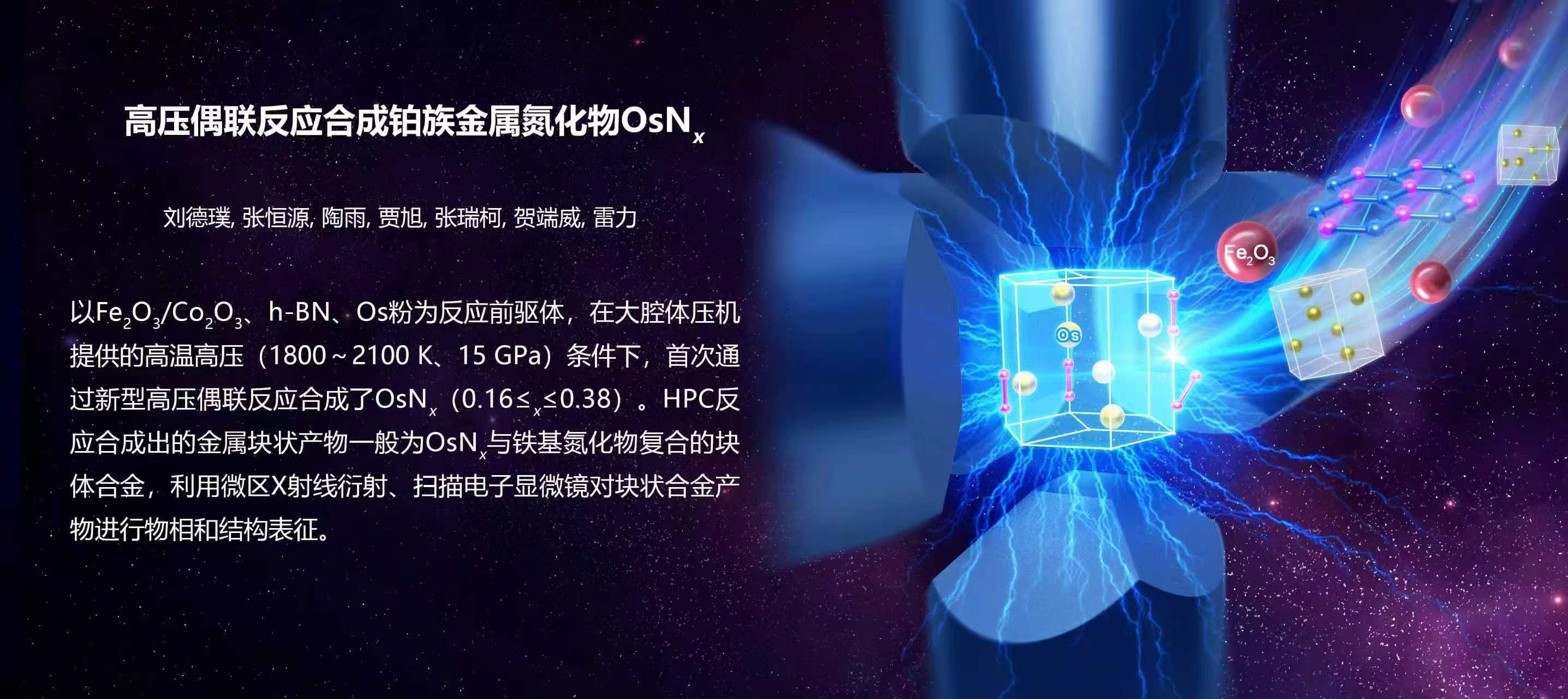
Synthesis of Platinum-Group Metal Nitride OsNx through High-Pressure Coupling Reaction
LIU Depu, ZHANG Hengyuan, TAO Yu, JIA Xu, ZHANG Ruike, HE Duanwei, LEI Li
2025, 39(6): 060101. doi: 10.11858/gywlxb.20251020
HTML PDF (80)
Abstract:

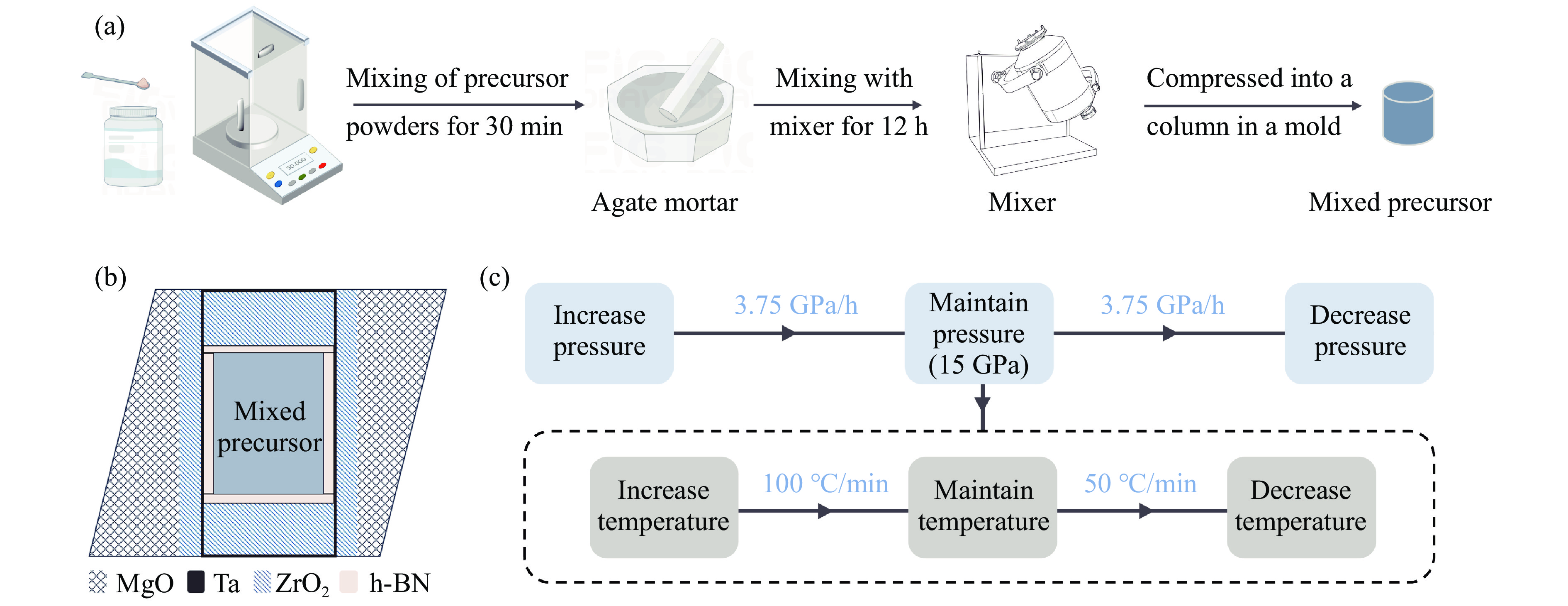
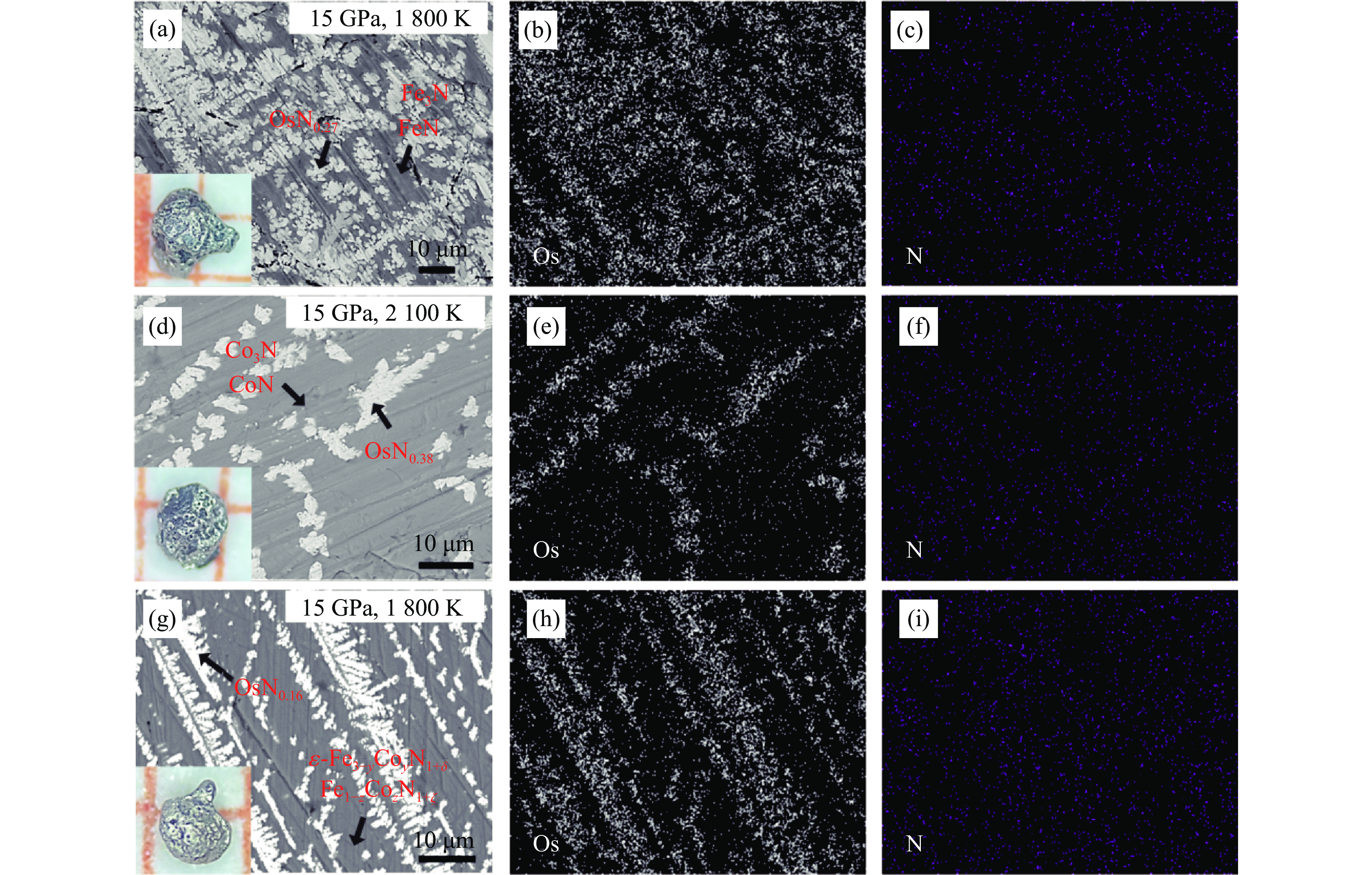
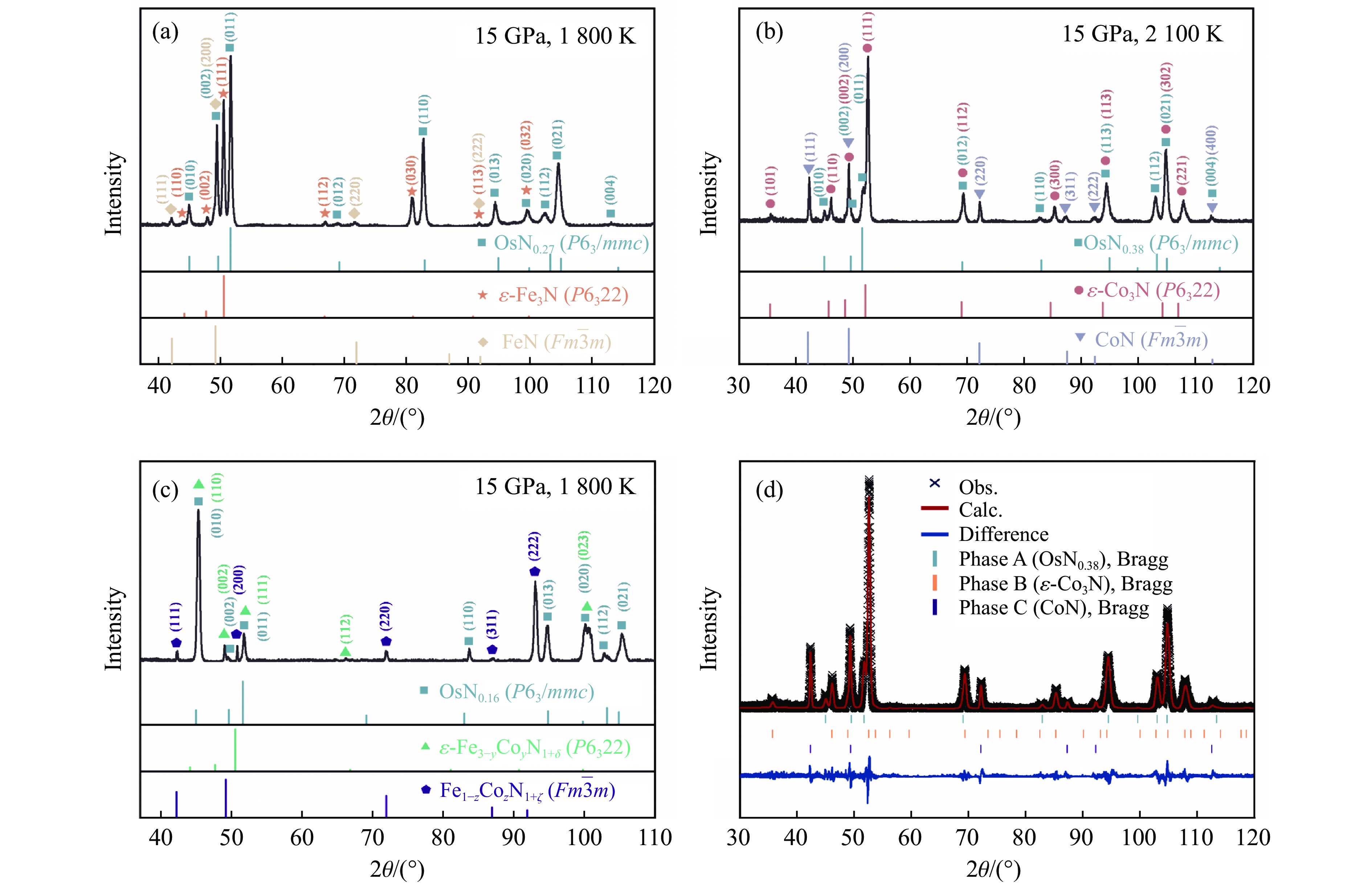
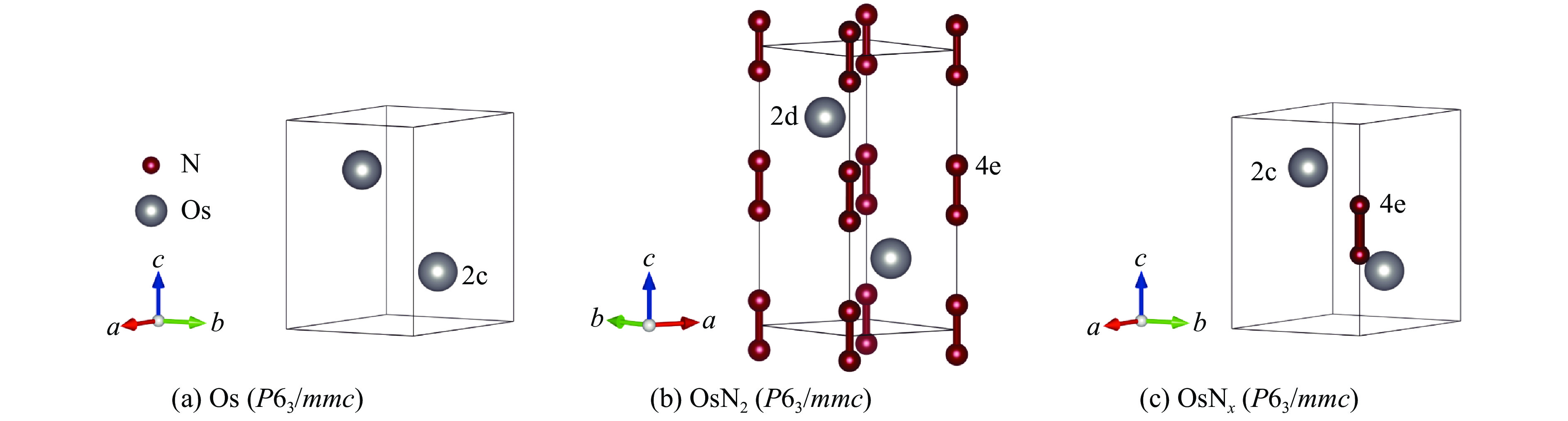
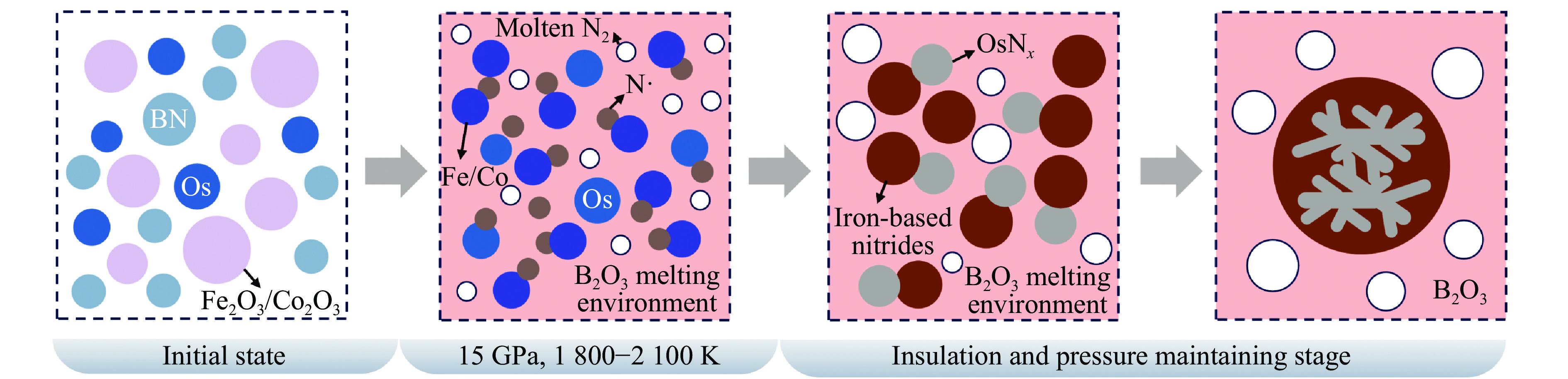
Platinum-group metals (PGMs) nitrides represent a new class of super incompressible superhard materials, typically synthesized under extreme conditions (above 45 GPa, 2000 K) using laser-heated diamond anvil cell (LHDAC) technology via monatomic elemental chemosynthesis (A+B=AB). Exploring non-conventional synthesis methods that significantly reduce the required pressures is crucial for advancing the development and application of PGMs nitrides. In this work, OsNx (0.16≤x≤0.38) was synthesized for the first time via a novel high-pressure coupling (HPC) reaction, using Fe2O3/Co2O3, h-BN, and Os powders as precursors under high-temperature and high-pressure conditions (15 GPa, 18002100 K) in a large-volume press. The HPC-synthesized metal bulk products primarily consist of OsNx alloyed with iron-based nitrides. Phase composition and structural characterization via X-ray powder diffraction (XRD) and scanning electron microscope (SEM) confirm the formation of hexagonal OsN2 (space group P63/mmc), as theoretically predicted, at pressures well below the 50 GPa threshold typically required for high-pressure monatomic elemental combination reactions. The nitrogen atoms partially occupy interstitial sites within the Os crystal structure. This study demonstrates that the HPC reaction effectively lowers the energy barrier for Os nitration, facilitating the formation of non-stoichiometric OsNx compounds. These findings open a new synthetic route for bulk PGM nitride materials under significantly reduced pressure conditions.

Physical Property and Structure
Crystal Structure and Superconducting Properties of LuThH10 at High Pressure
DENG Yuxin, WANG Zexi, LI Tianyuan, WANG Shida, WANG Jinhua
2025, 39(6): 061101. doi: 10.11858/gywlxb.20240906
HTML PDF (48)
Abstract:

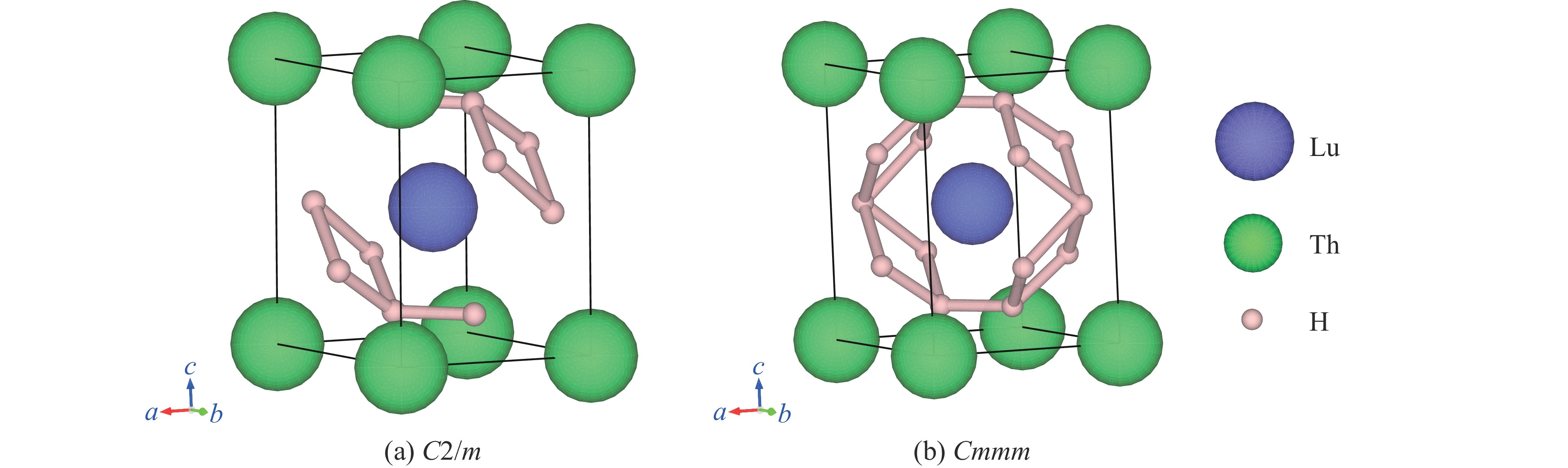
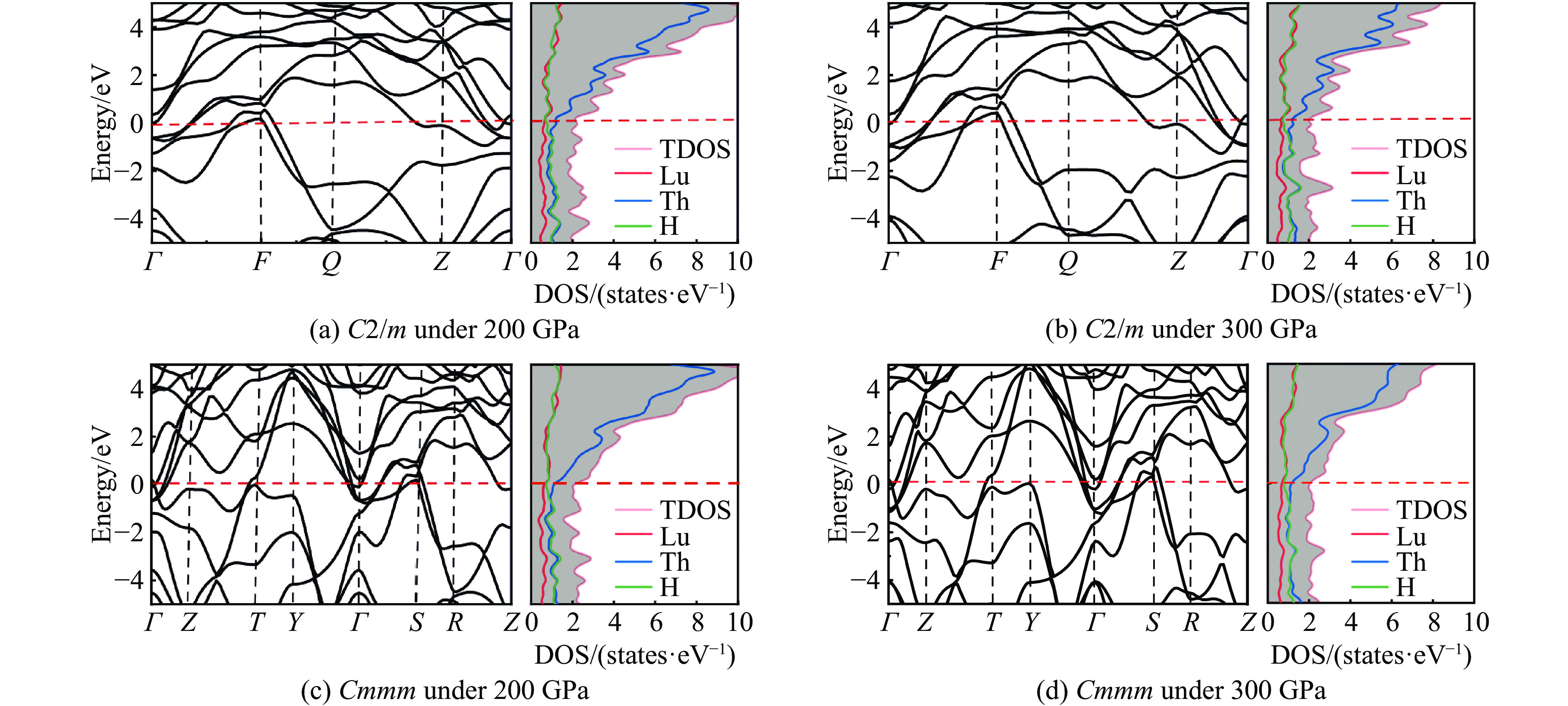
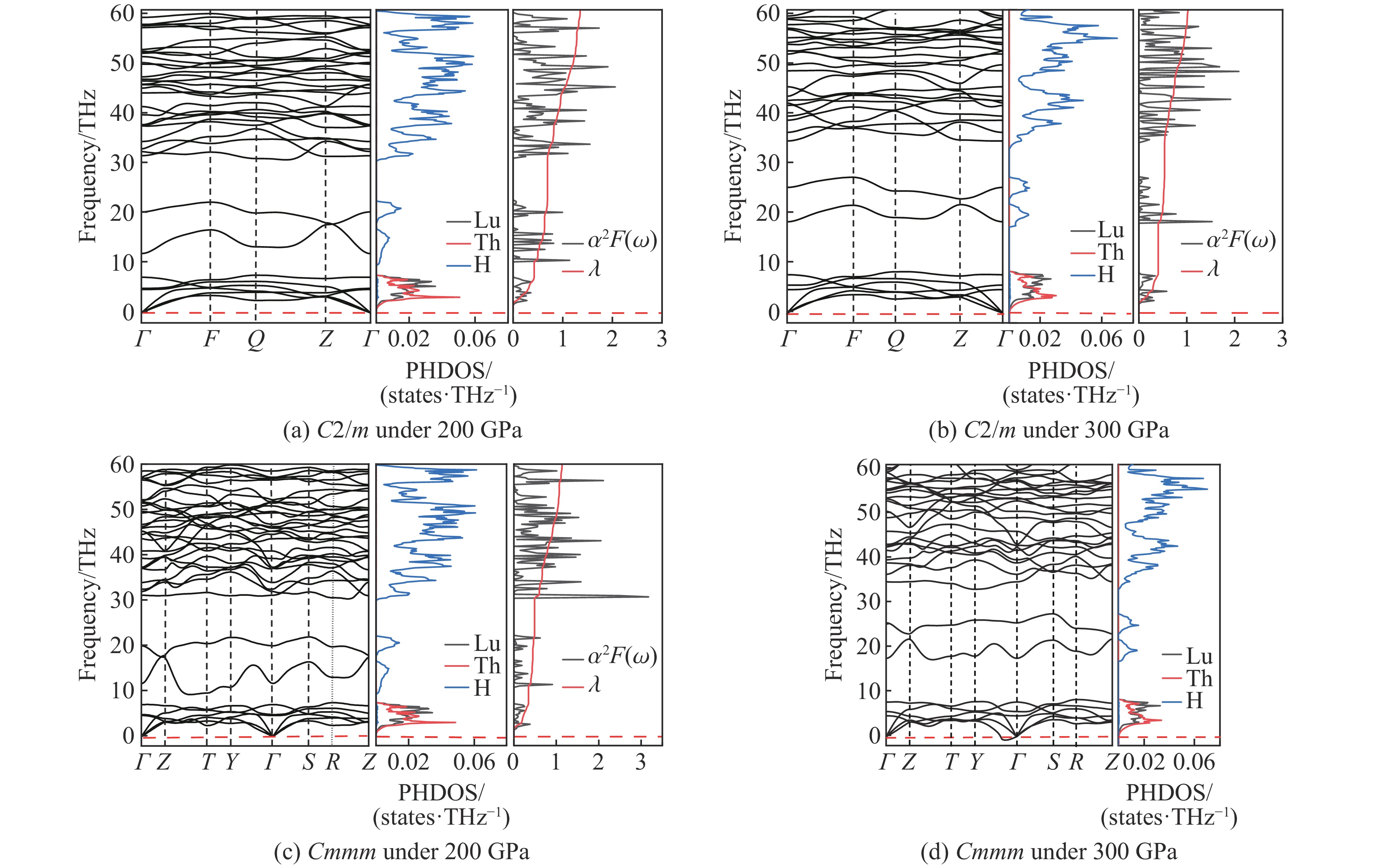
Using particle swarm optimization and first-principles calculations, the crystal structures, electronic properties, and superconducting behavior of the ternary hydride LuThH10 under high pressure are investigated. Our study uncovers two thermodynamically stable phases with space group symmetries of C2/m and Cmmm. Spectral function and electron-phonon coupling calculations show superconducting transition temperatures (Tc) of 65.8 K and 70.7 K under 200 GPa for the C2/m and Cmmm phases of LuThH10, respectively. At 300 GPa, the Tc of the C2/m phase reaches 60.0 K. Further analysis reveals that the H atoms make critical contributions to the superconducting properties of LuThH10, by which the high-frequency vibration of the H atoms enhances Tc.

Dynamic Response of Matter
Dynamic Mechanical Behaviors of High Strength Steel Based on Taylor Rod
CHU Jianpeng, FENG Jiancheng, ZHOU Fangyi, JU Xiangyu, BAI Guoxia
2025, 39(6): 064101. doi: 10.11858/gywlxb.20240935
HTML PDF (44)
Abstract:

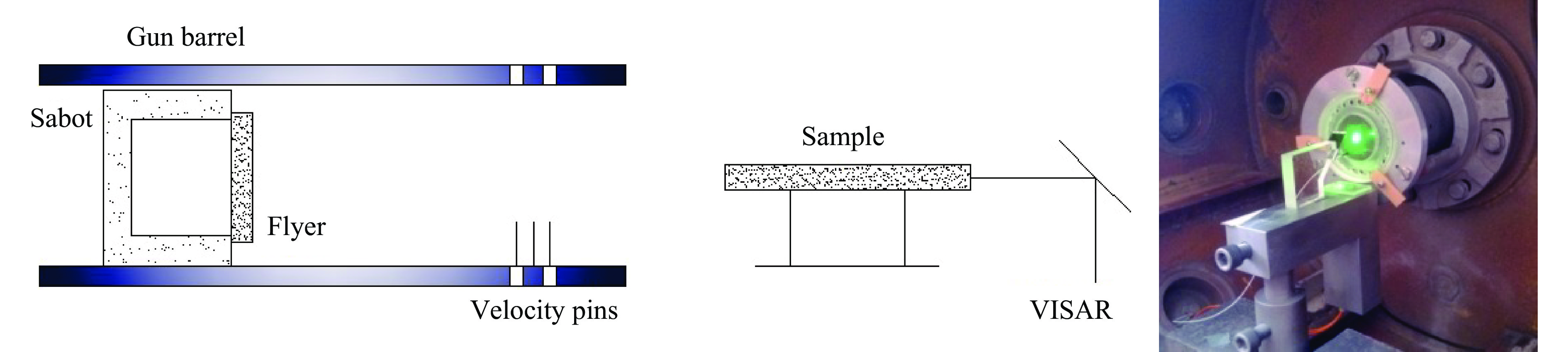
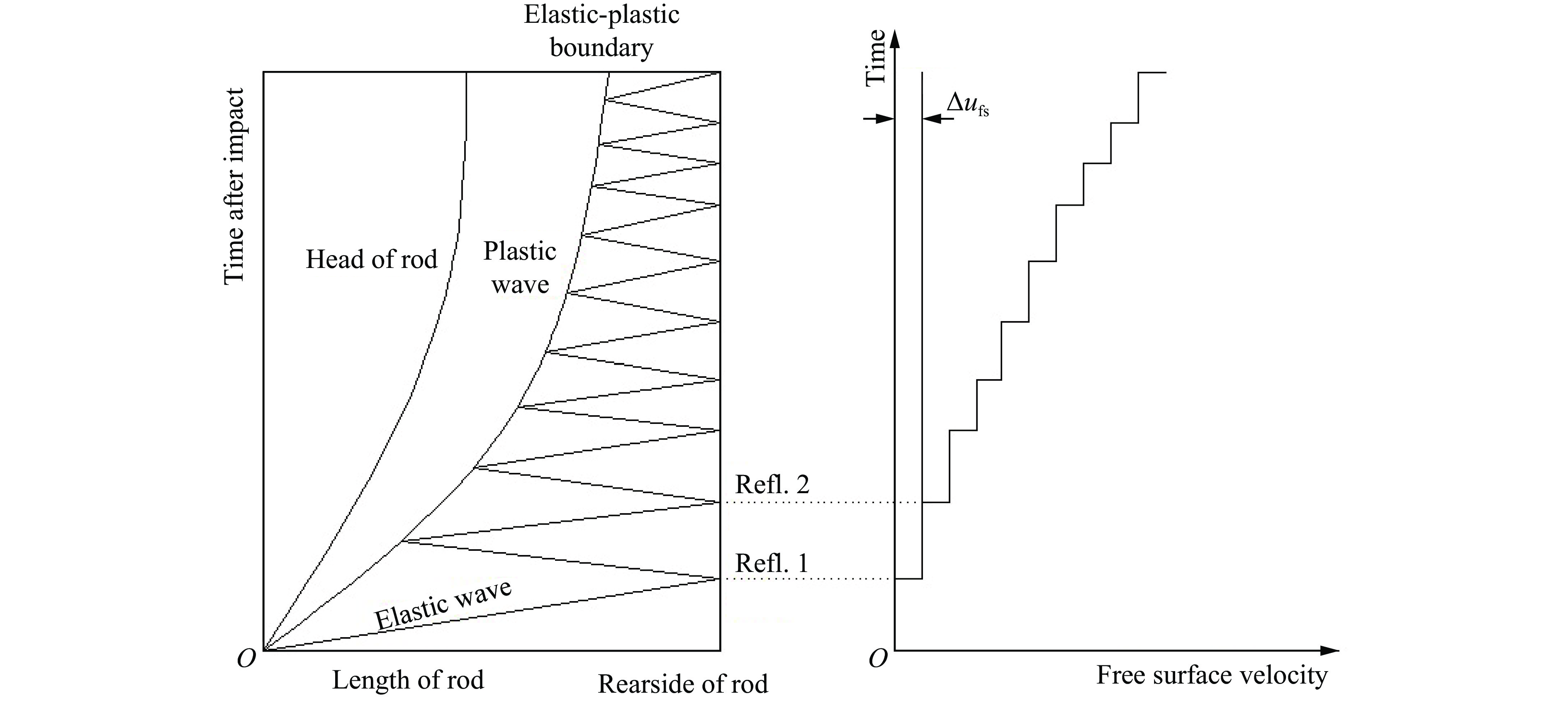
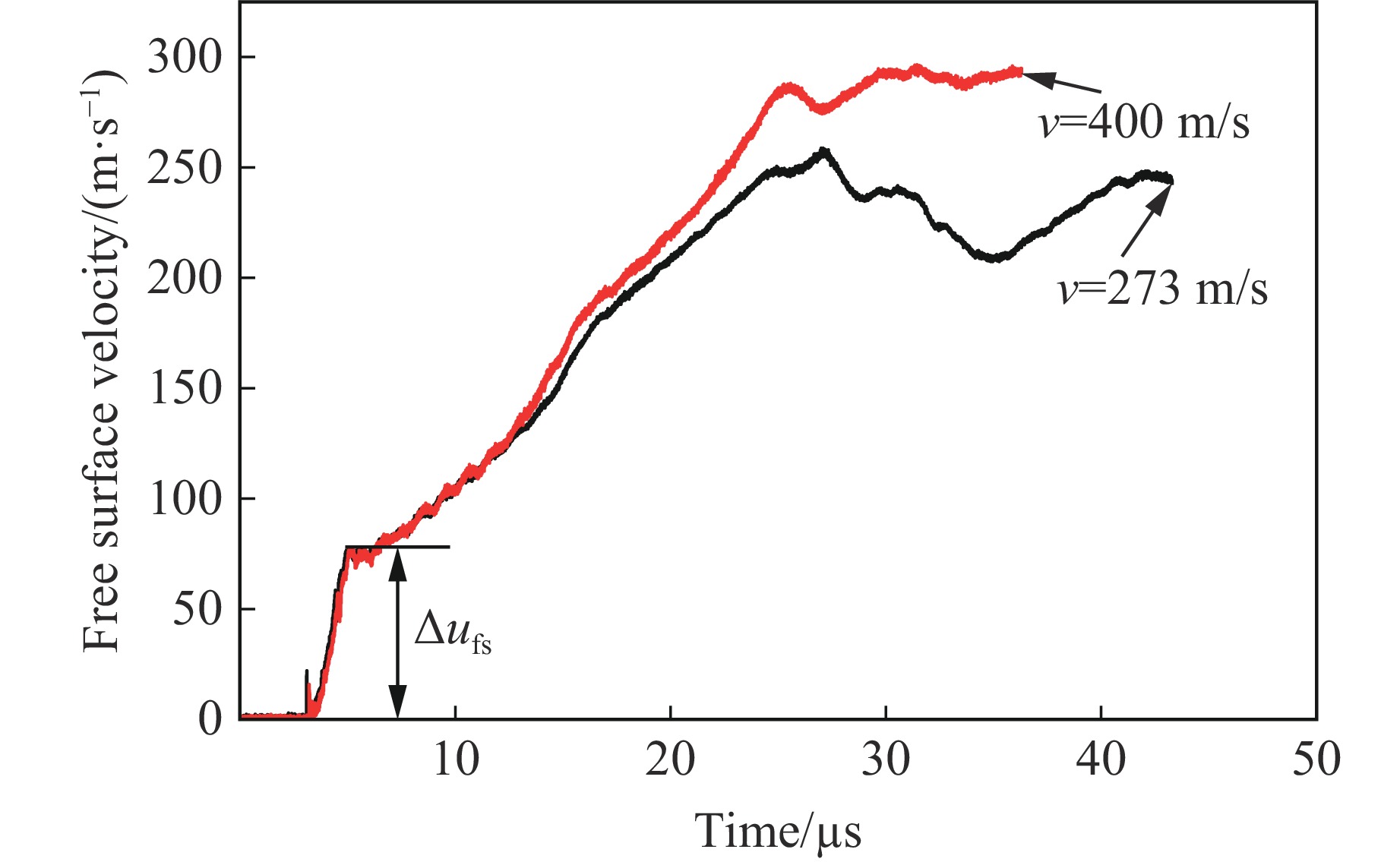
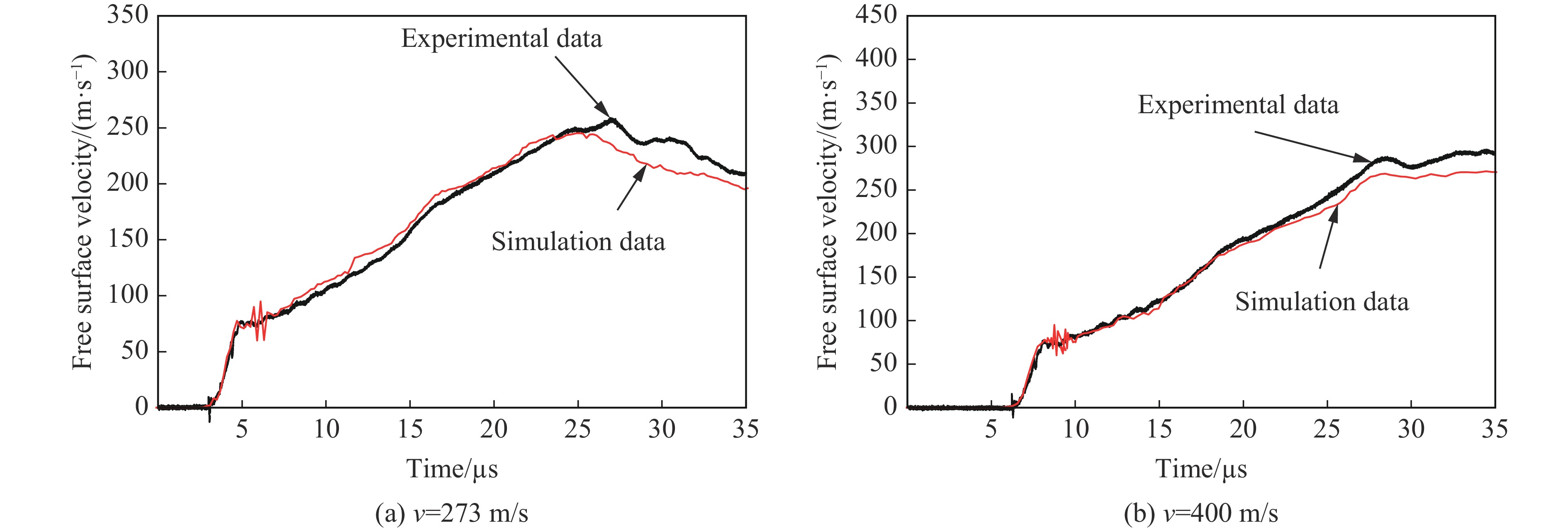
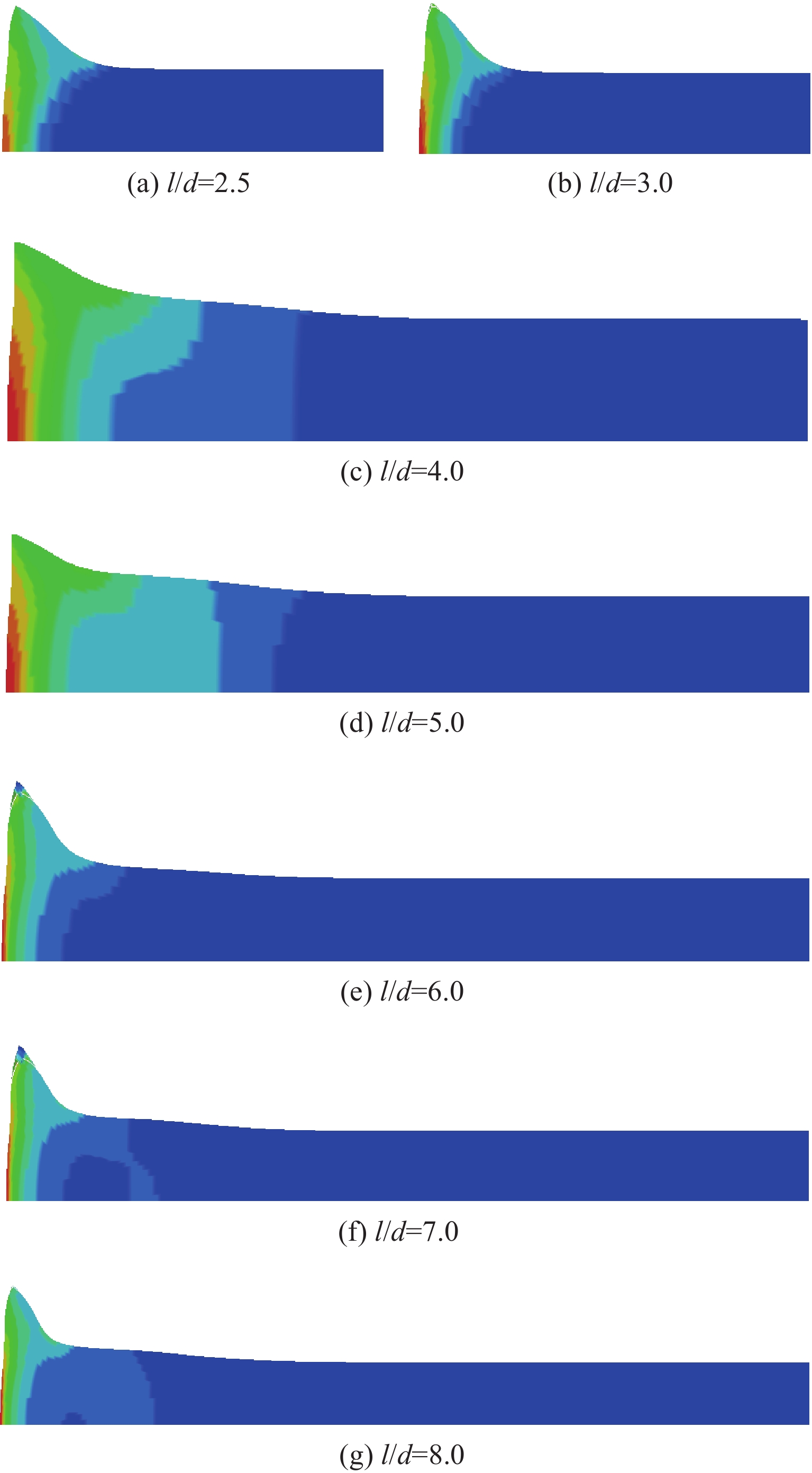
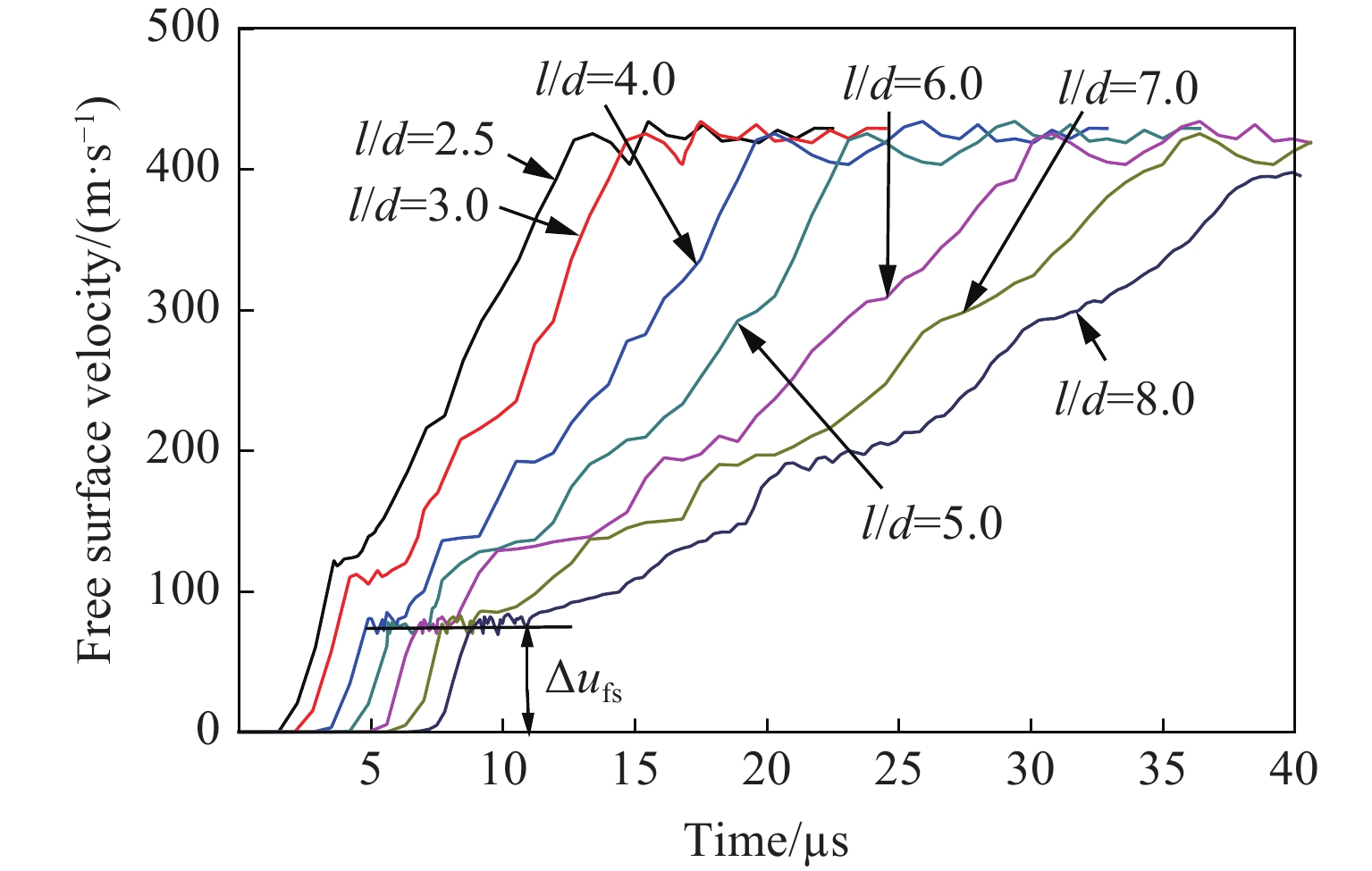
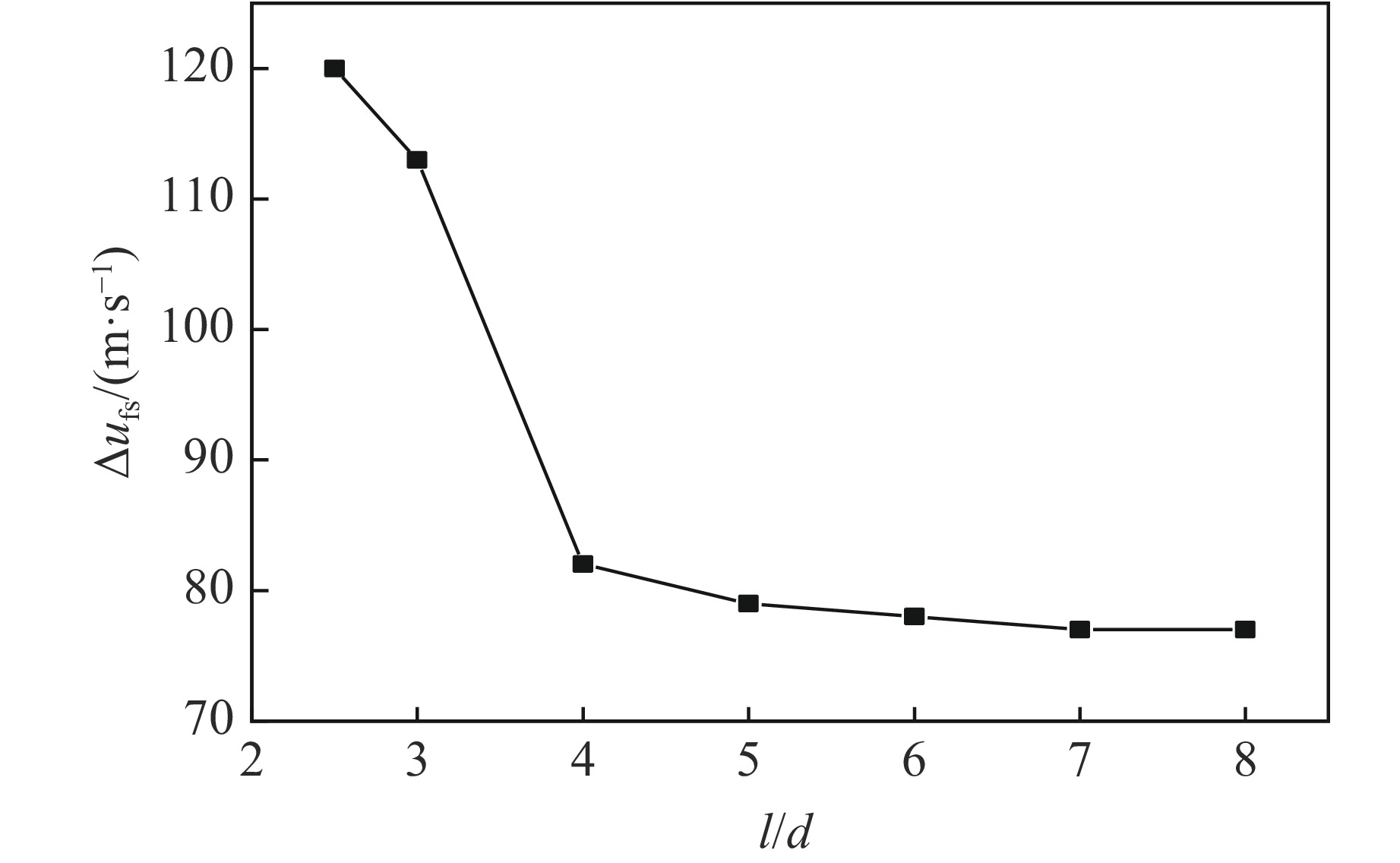
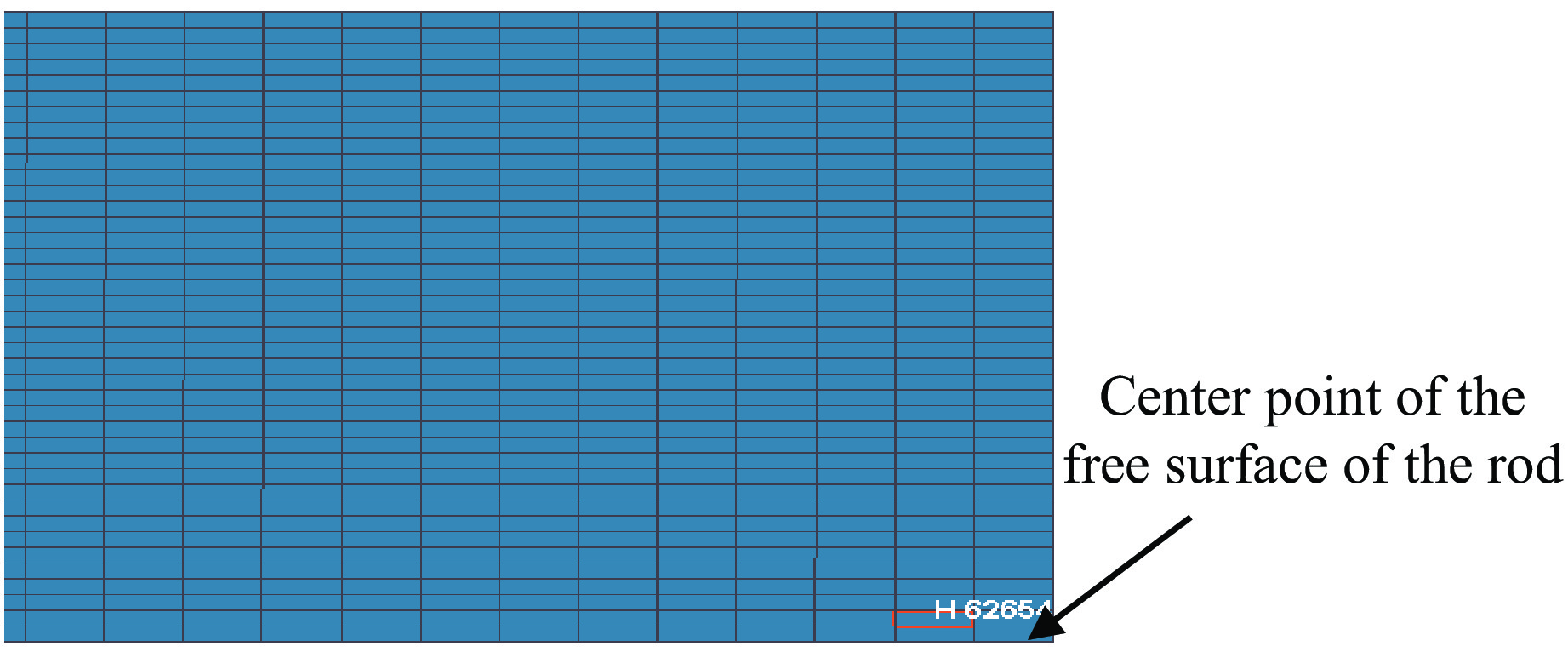
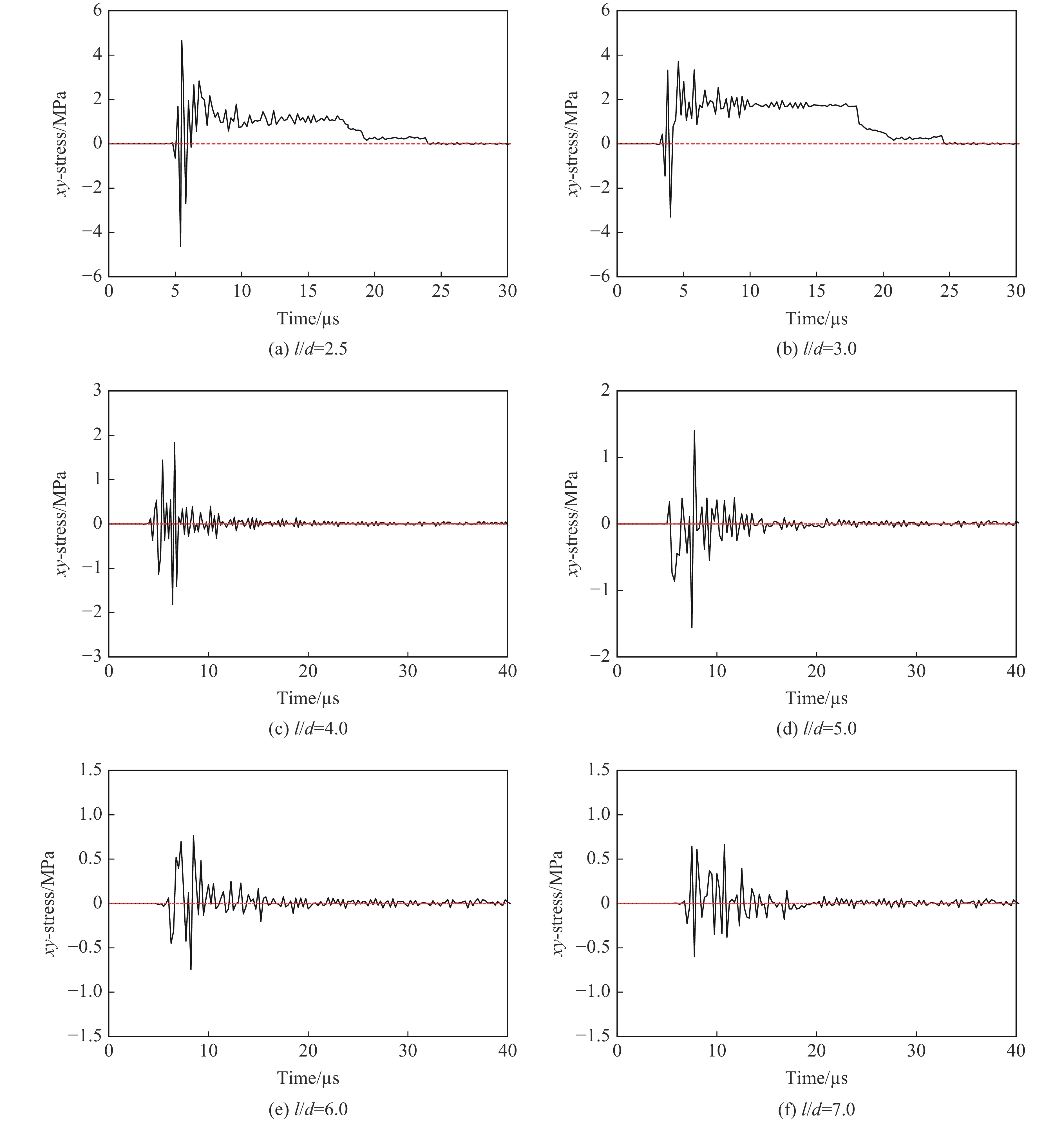
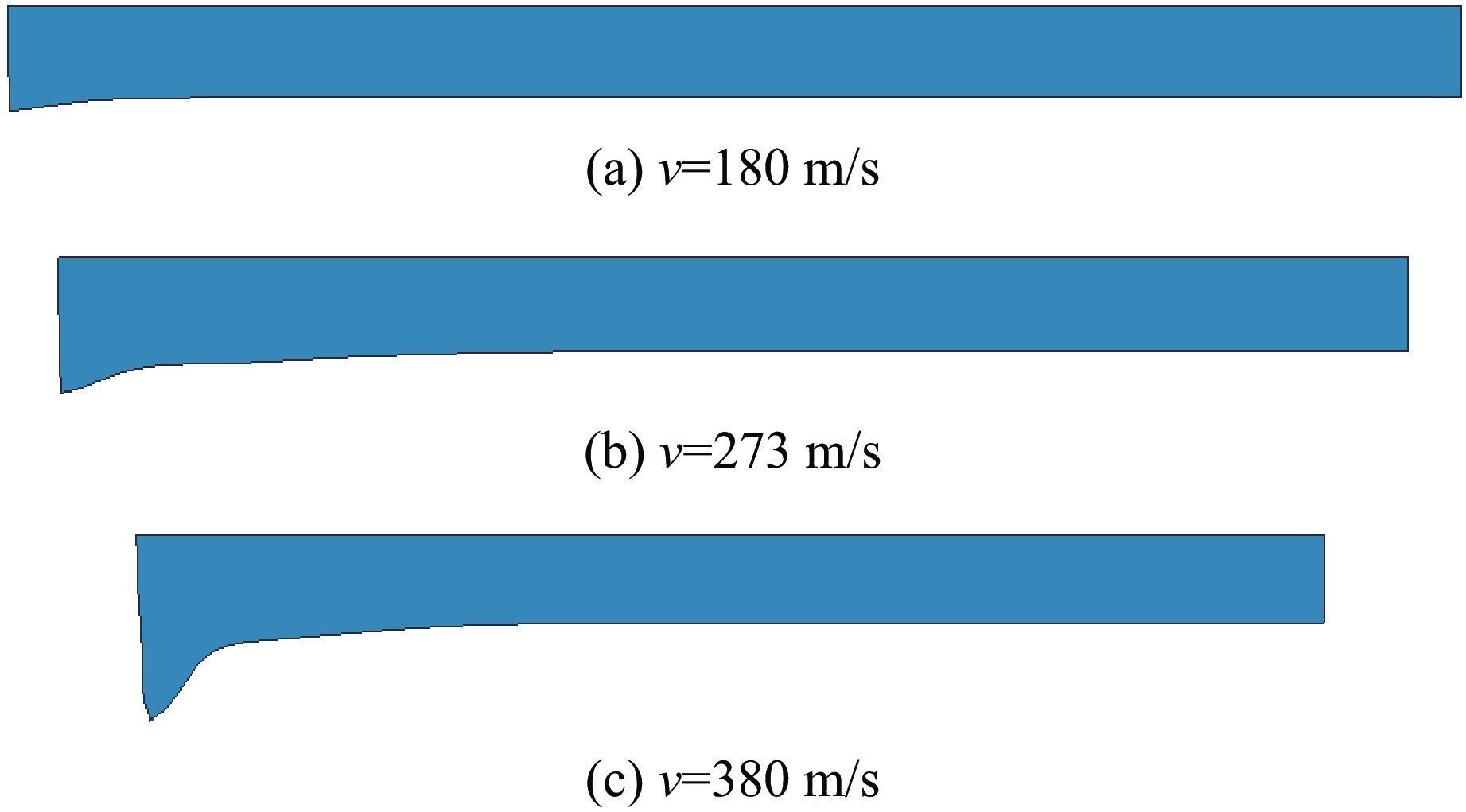
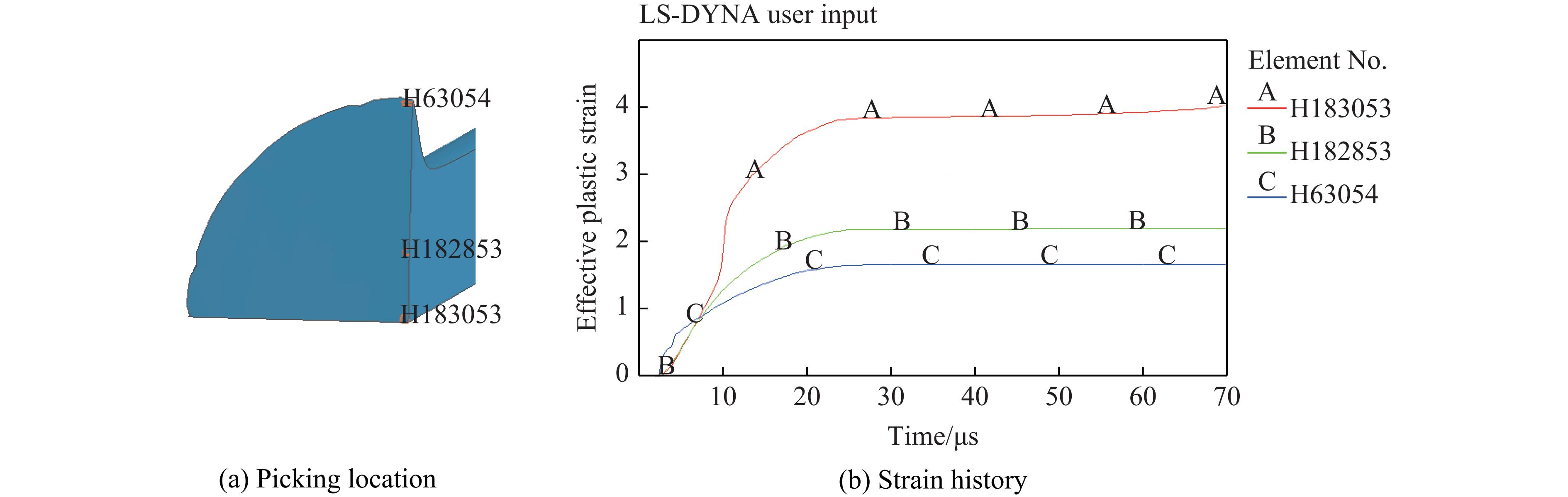
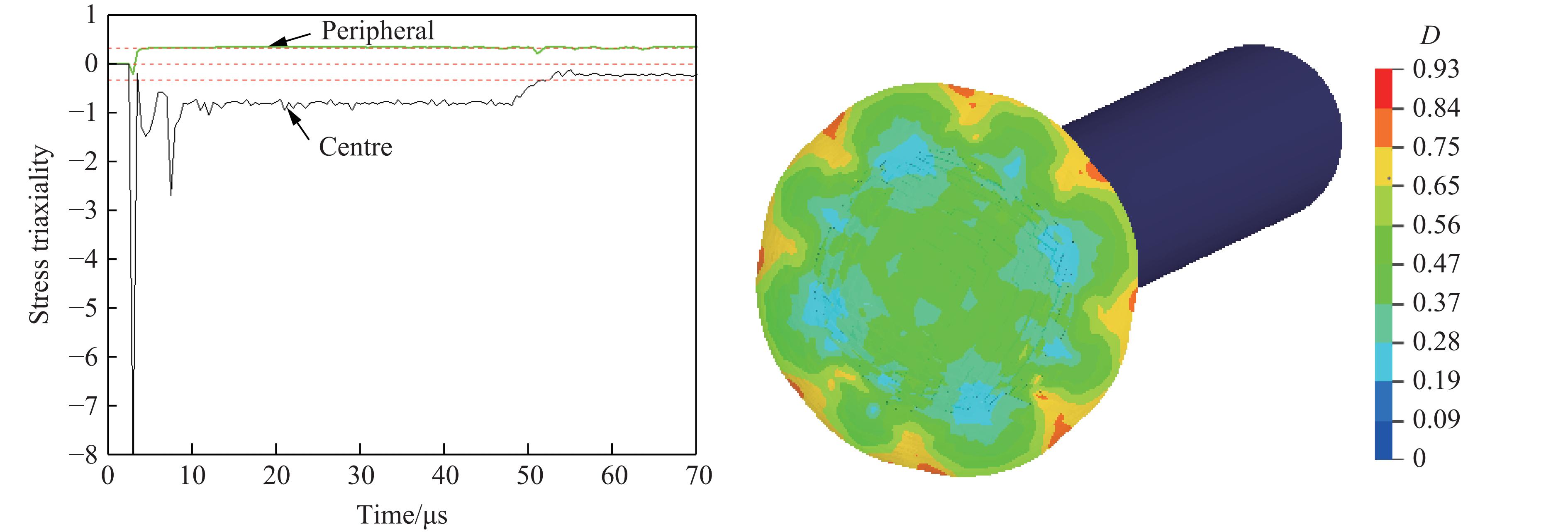
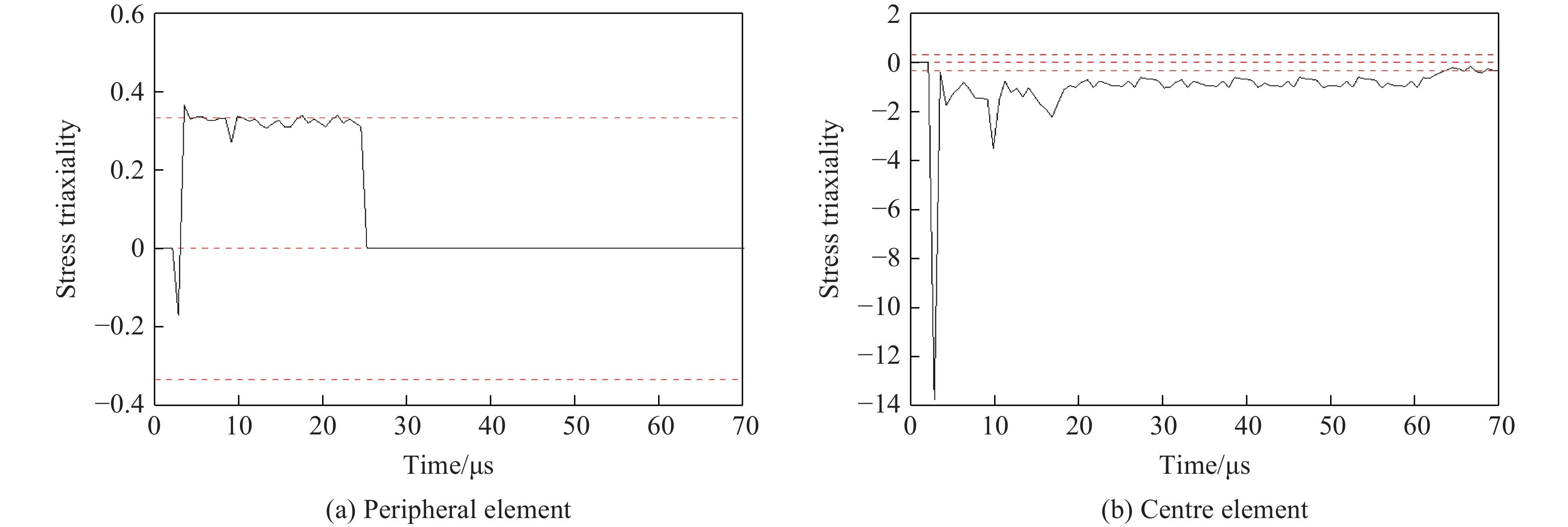
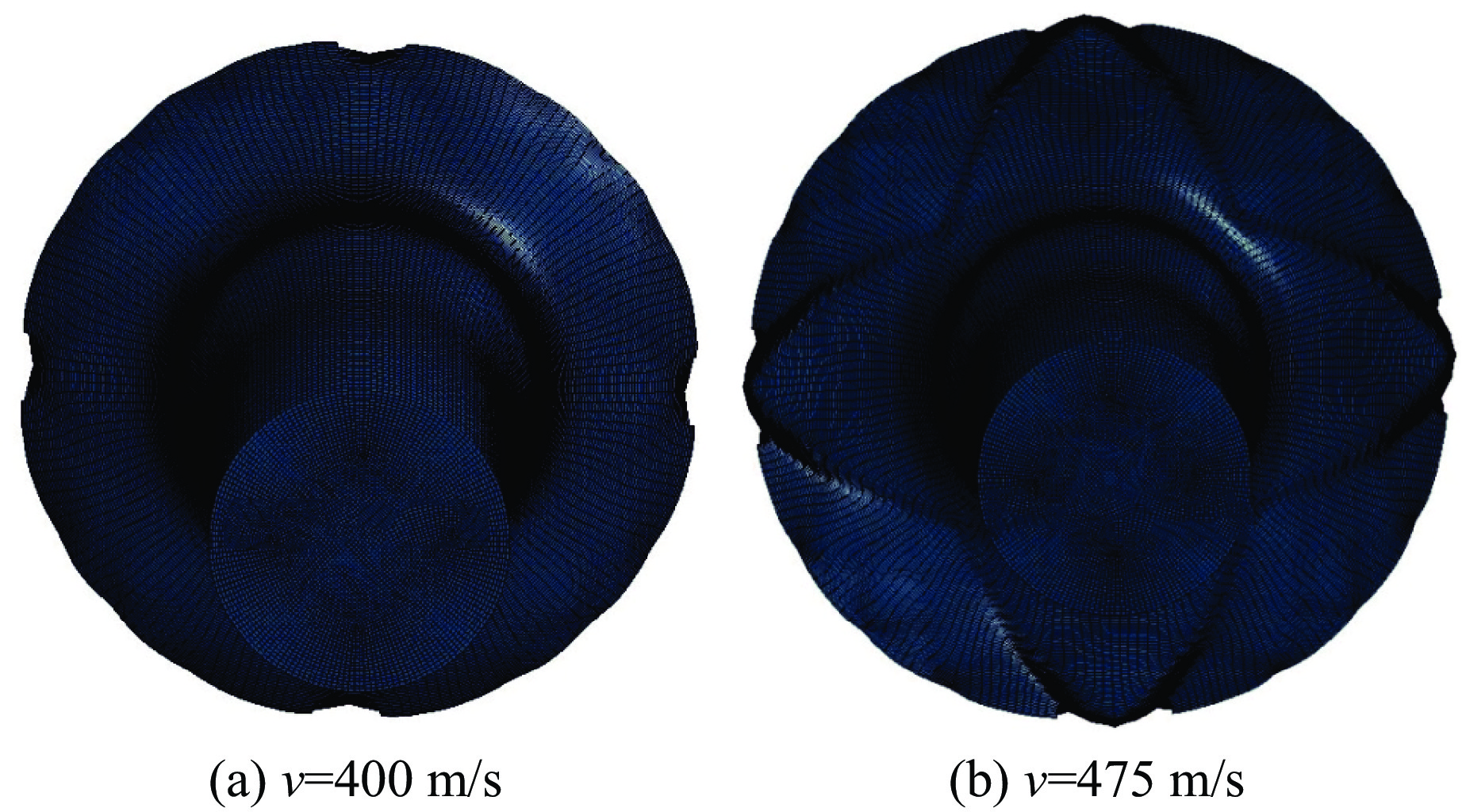
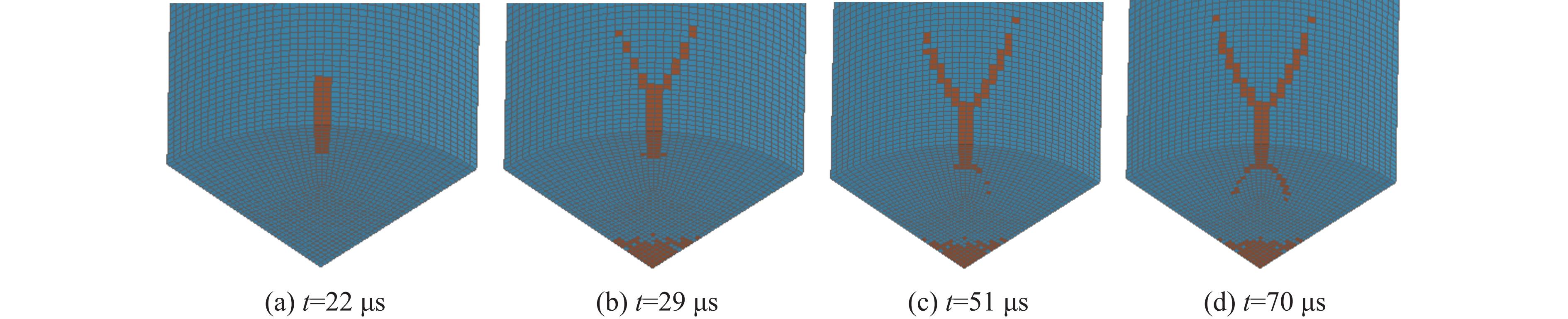
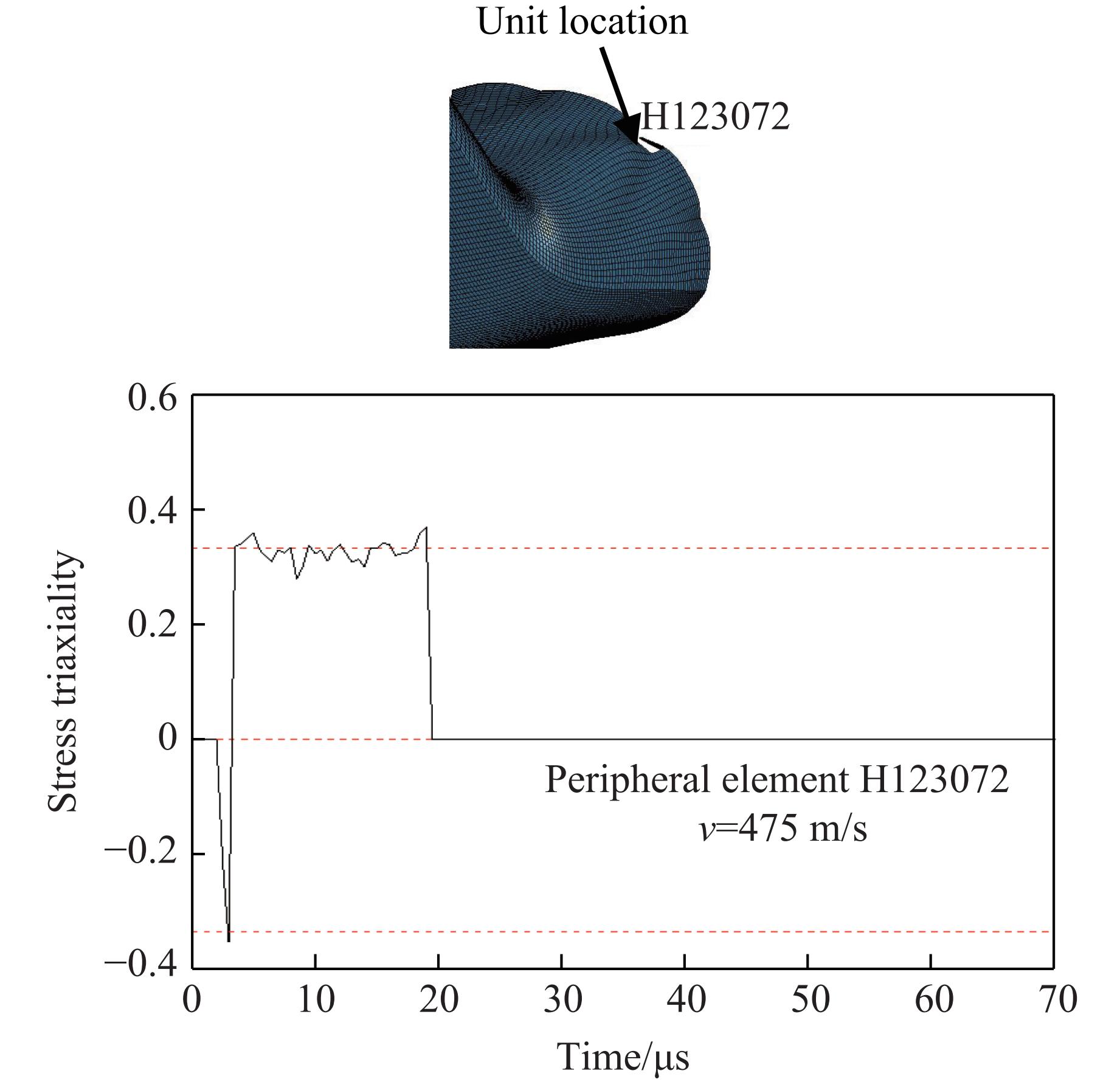
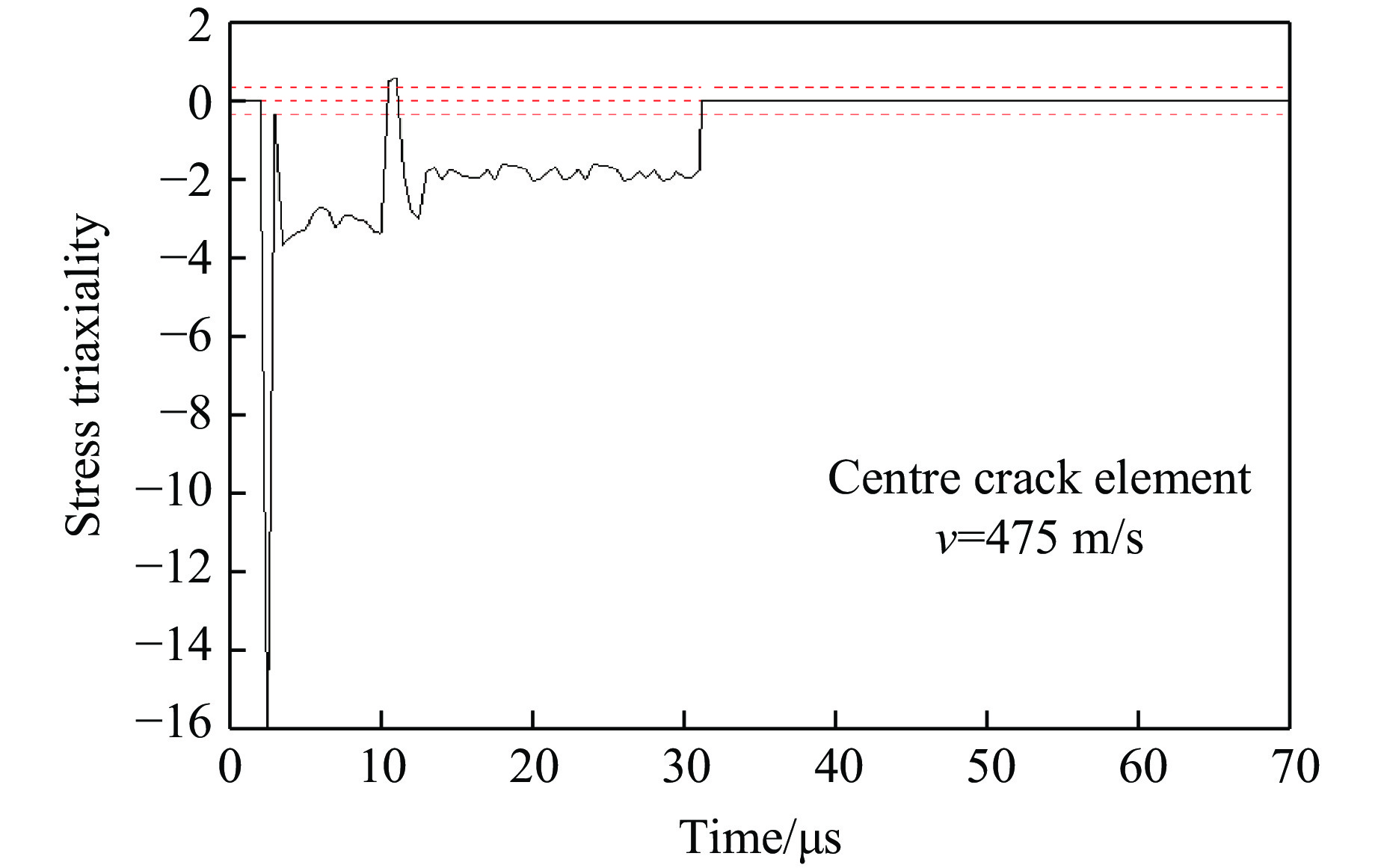
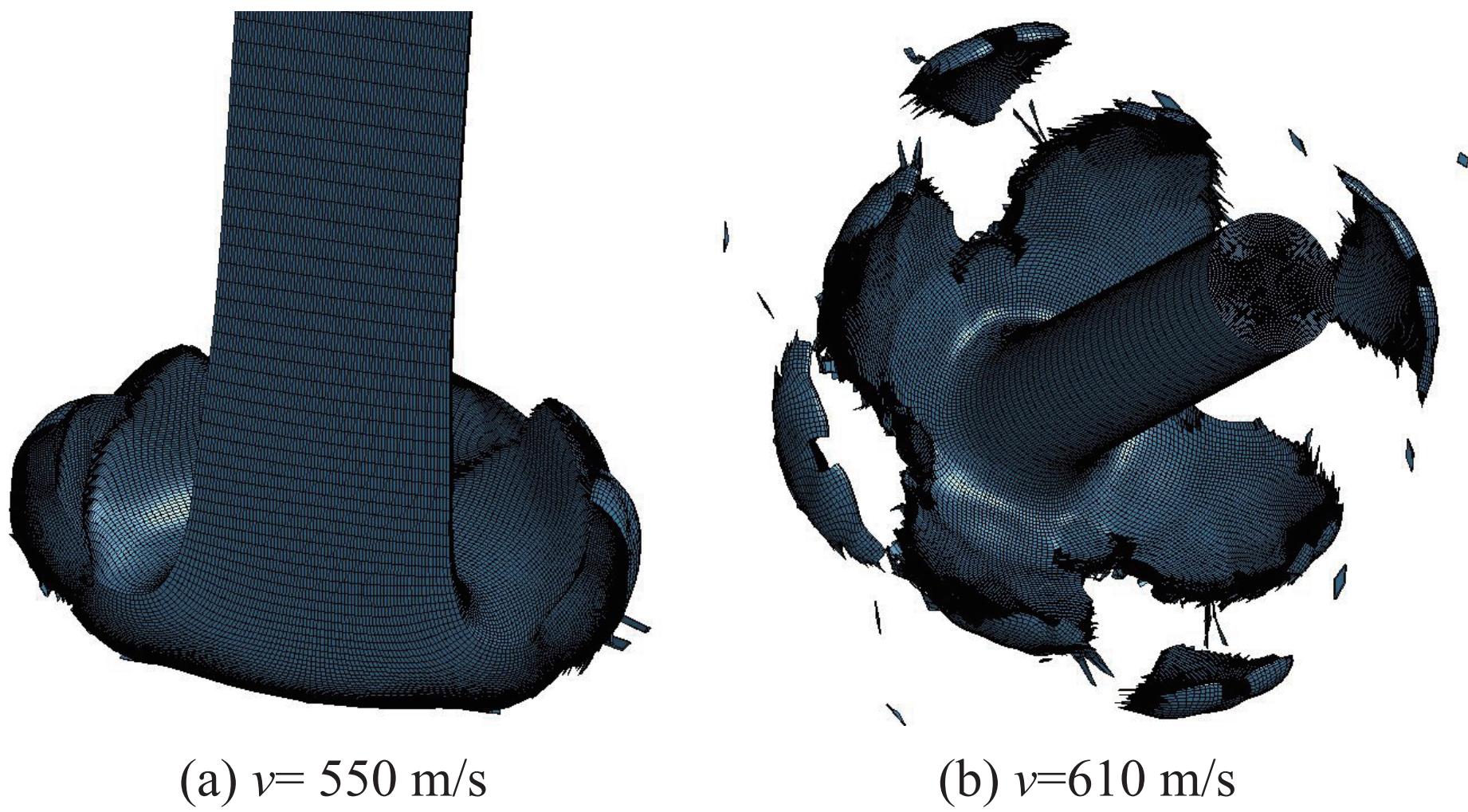
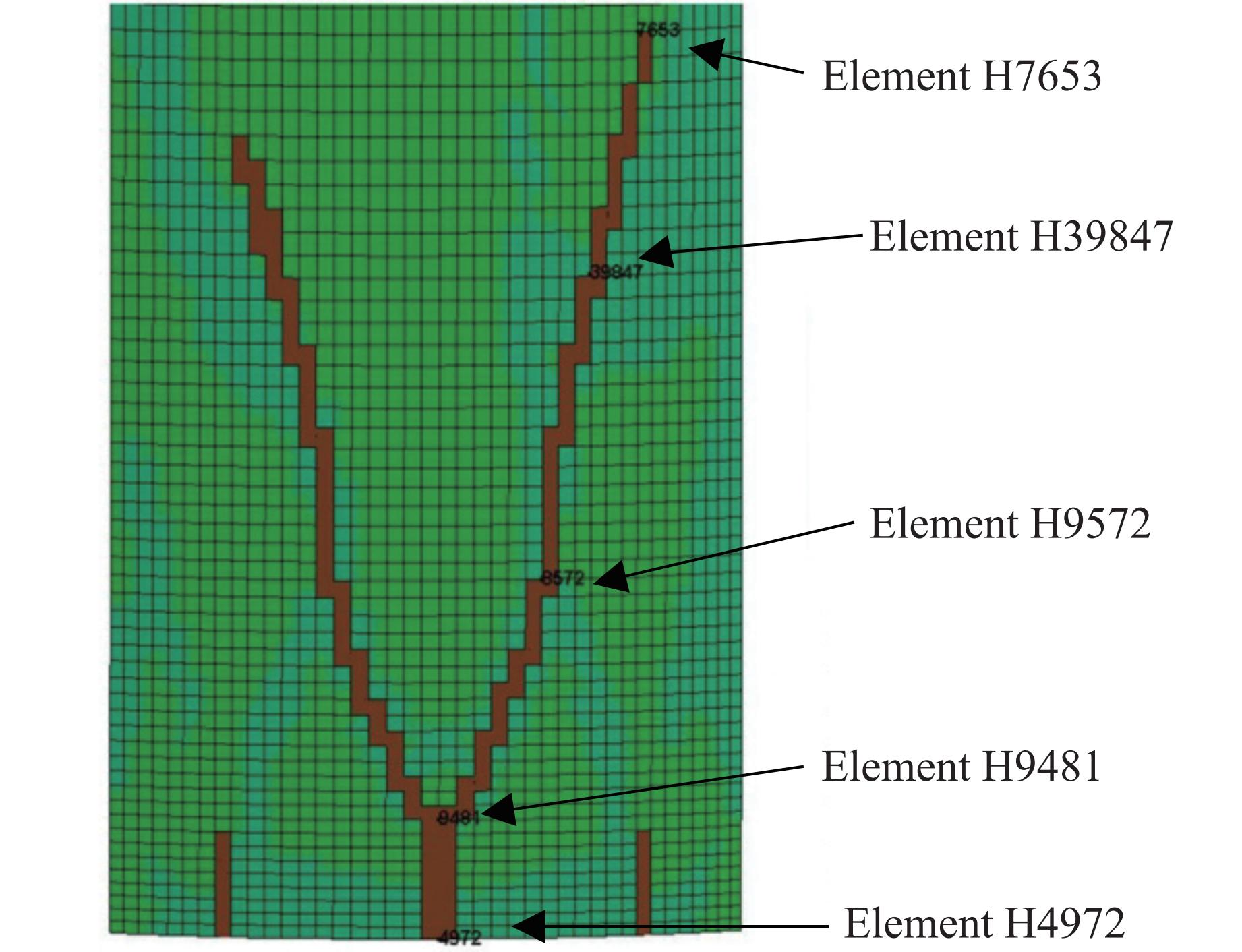
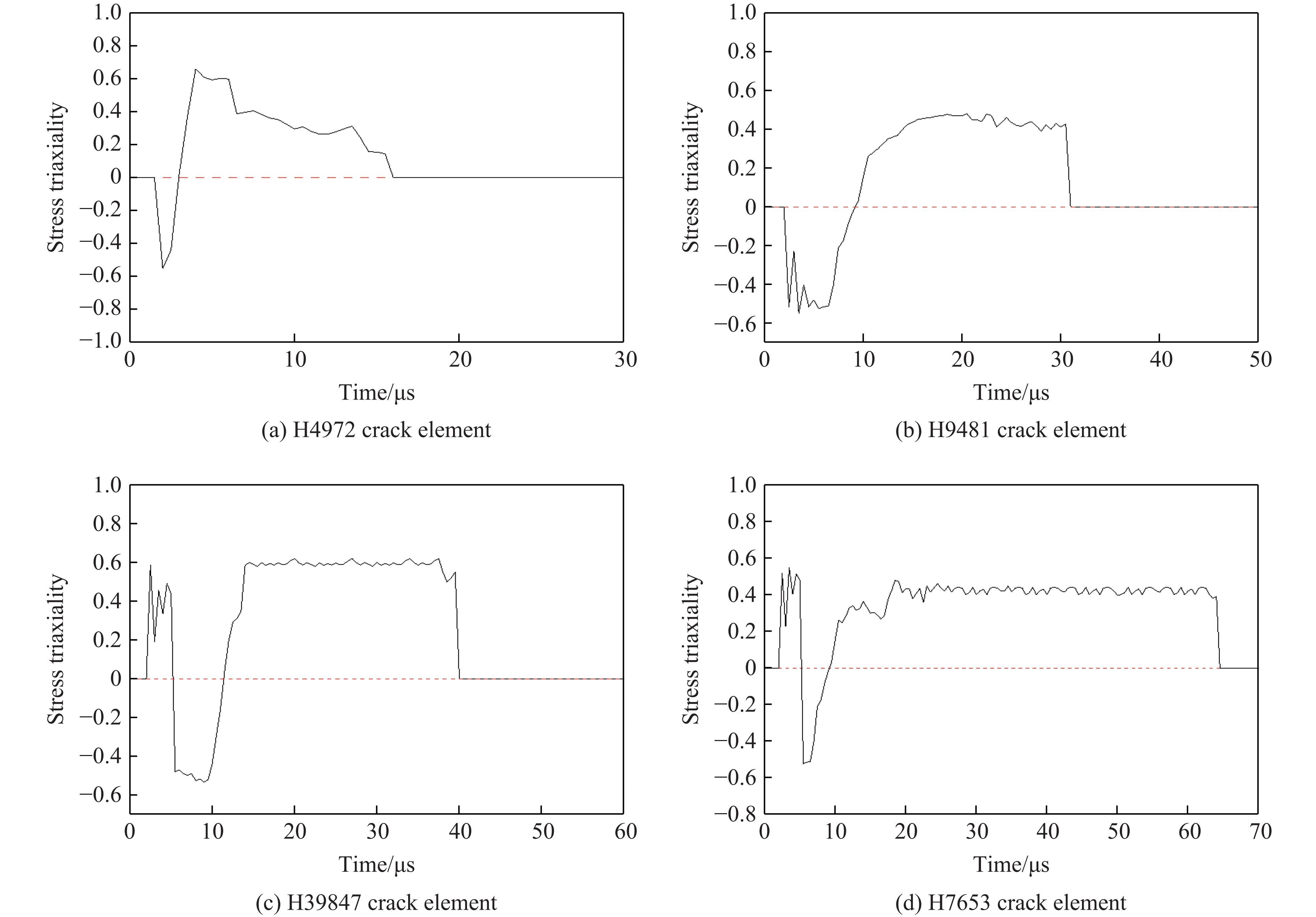
The dynamic mechanical properties of 30CrMnSiNi2A steel under high strain rate impact were studied using both Taylor rod impact experiment and numerical simulation. Based on the result of Taylor rod impact experiment, the Johnson-Cook constitutive model and failure model were utilized to simulate the free surface velocity of 30CrMnSiNi2A steel under Taylor rod impact. The numerical simulation results were then compared with the experimental free surface velocity profiles obtained, demonstrating a high degree of congruence. Subsequently, the influence of Taylor rod specimens with varying length-to-diameter ratios (l/d) on the outcome of velocity interferometer system for any reflector (VISAR) test within the reverse Taylor rod impact test was examined. The study identified the optimal l/d range for Taylor rod that are suitable for VISAR testing. Employing the concepts of stress traxiality and damage number, the fracture failure mechanism and deformation mode of the Taylor rod were analyzed. Three distinct deformation modes were identified: rough deformation, mushroom deformation, and petal cracking. The analysis of the Taylor rod’s fracture failure mechanism has elucidated that the failure occurring at the central region of the sample is predominantly a result of compressive forces. Conversely, the cracking observed at the periphery of the sample is primarily attributed to the influence of tensile forces. It was also observed that fractures of the Taylor rod initiate preferentially at the edge.

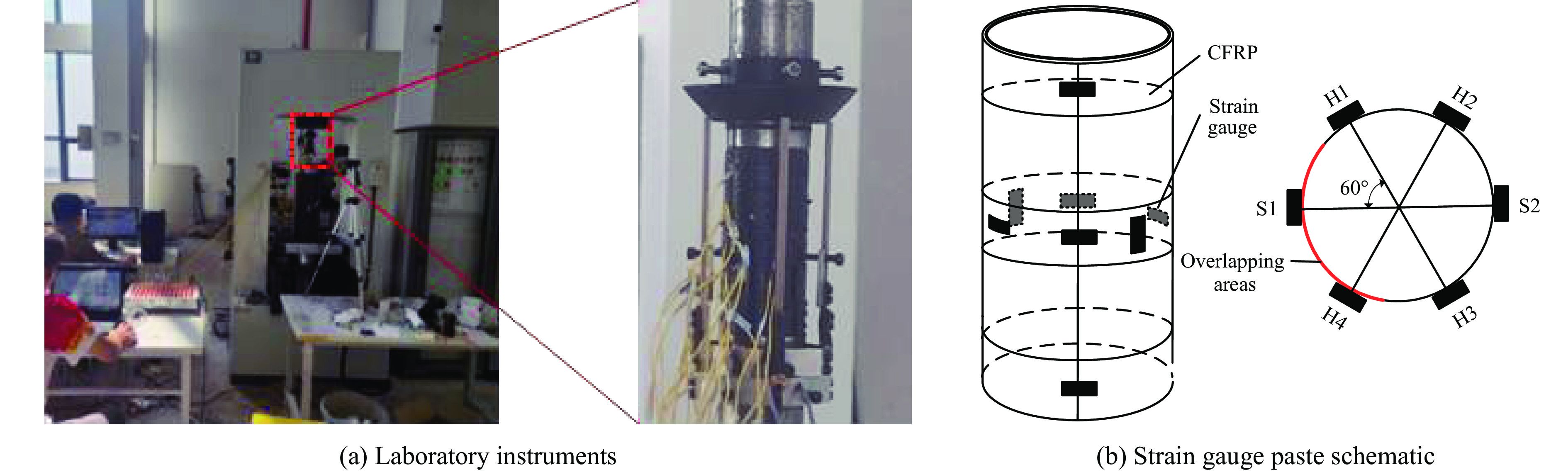
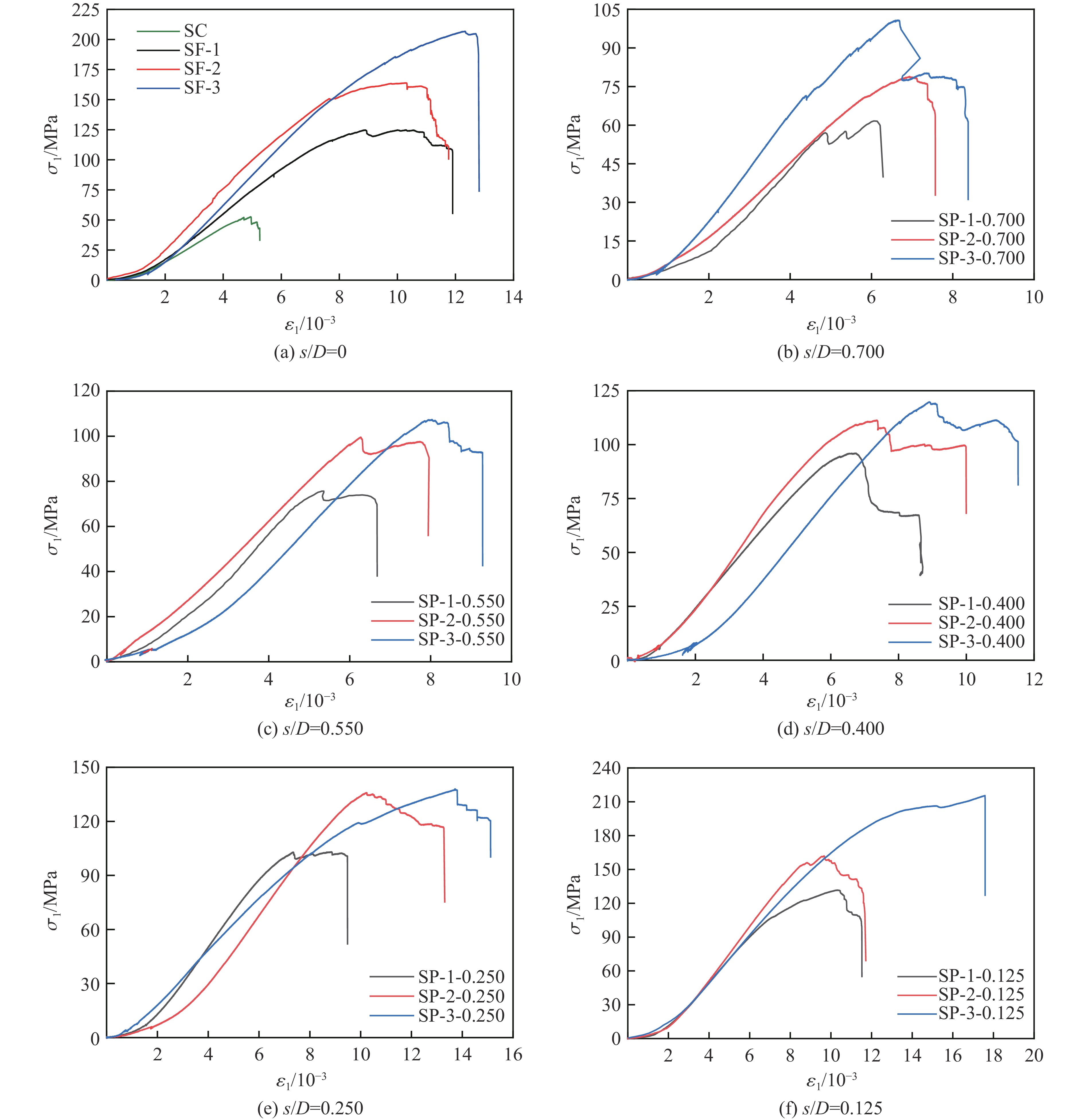
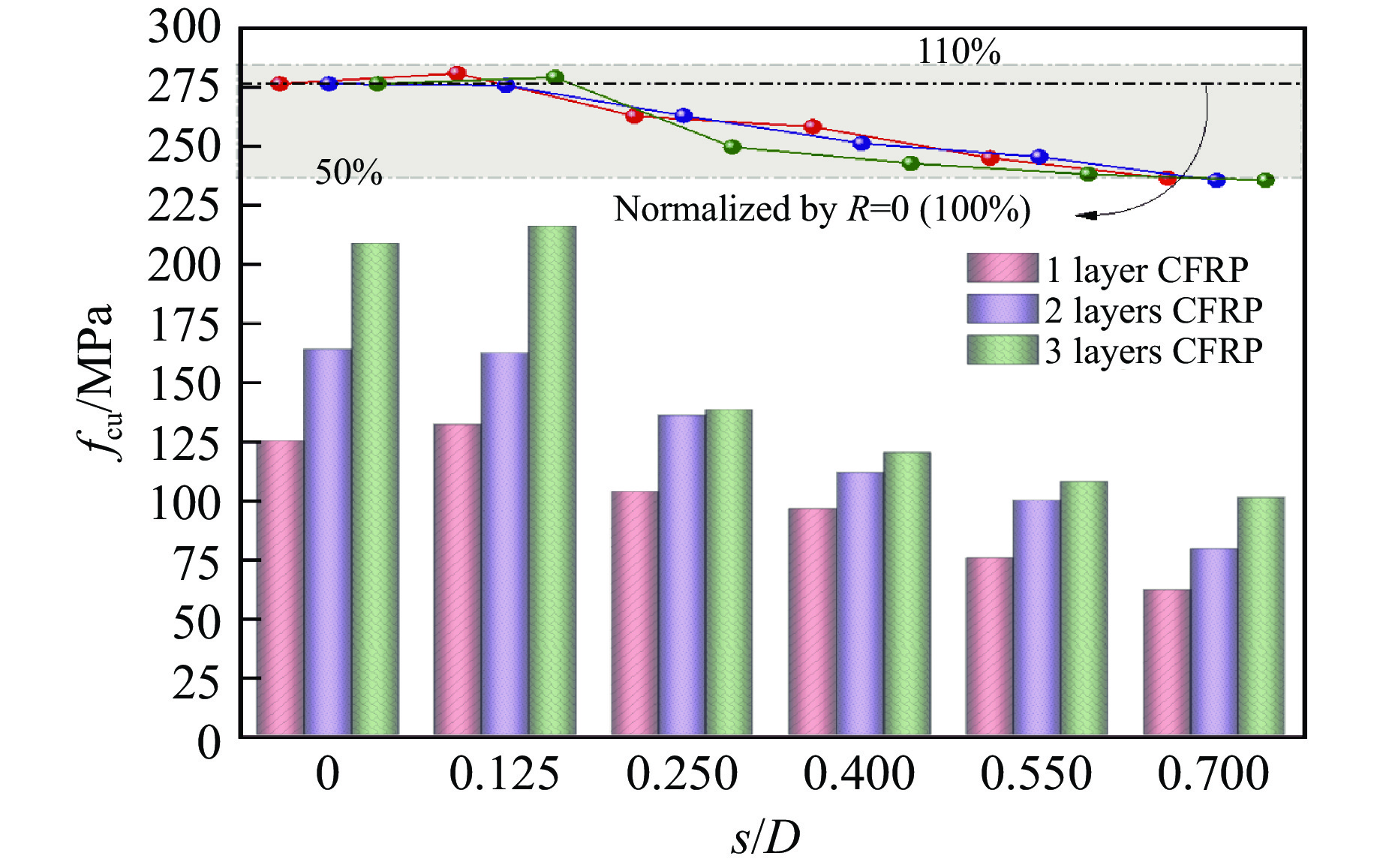
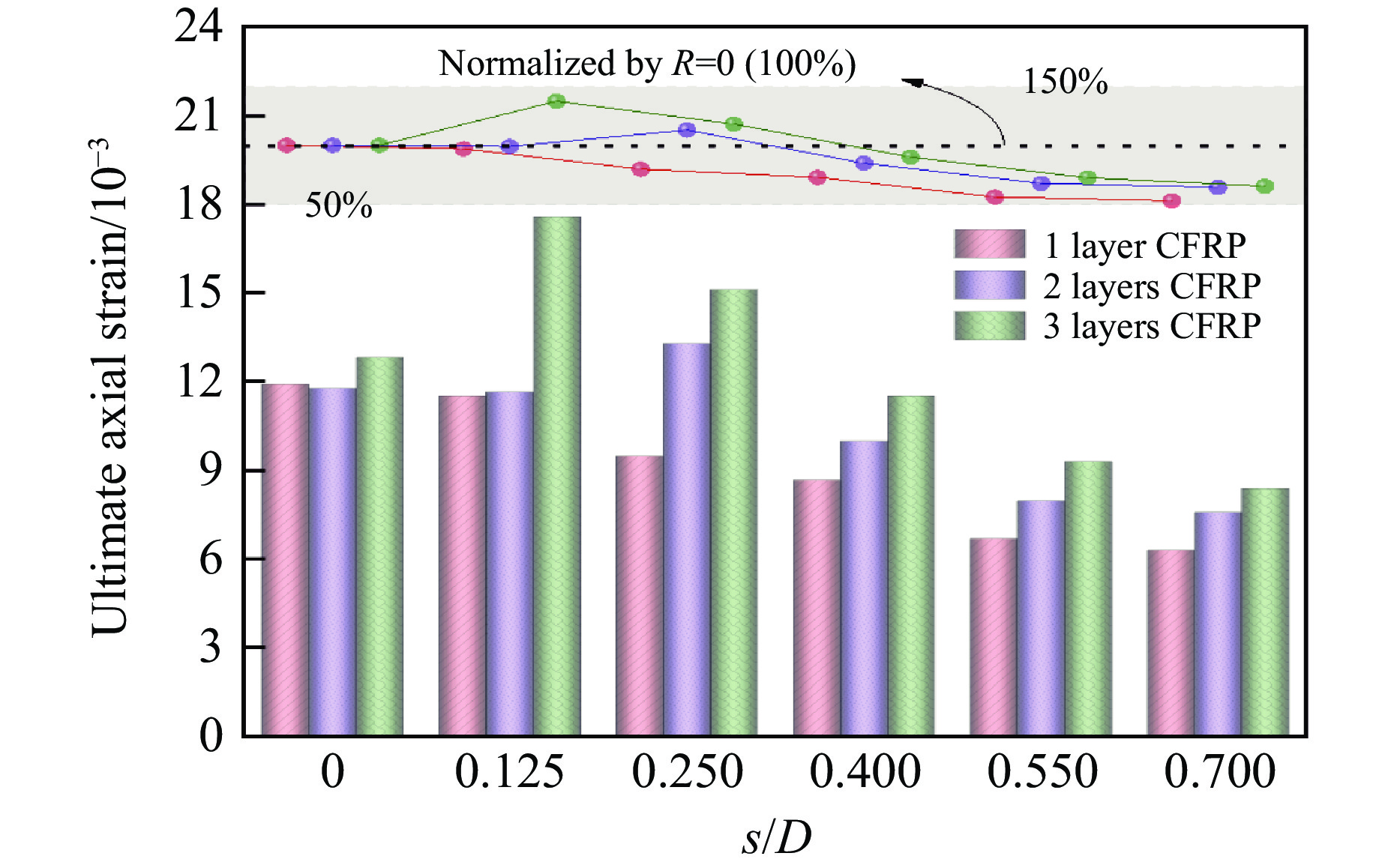
Constraint Mechanism and Mechanical Characteristics of CFRP Partially Wrapped Coal Columns
LI Qingwen, LI Ling, PAN Chuangchuang, ZHONG Yuqi, NIE Fanfan, YANG Hao
2025, 39(6): 064102. doi: 10.11858/gywlxb.20240919
HTML PDF (24)
Abstract:

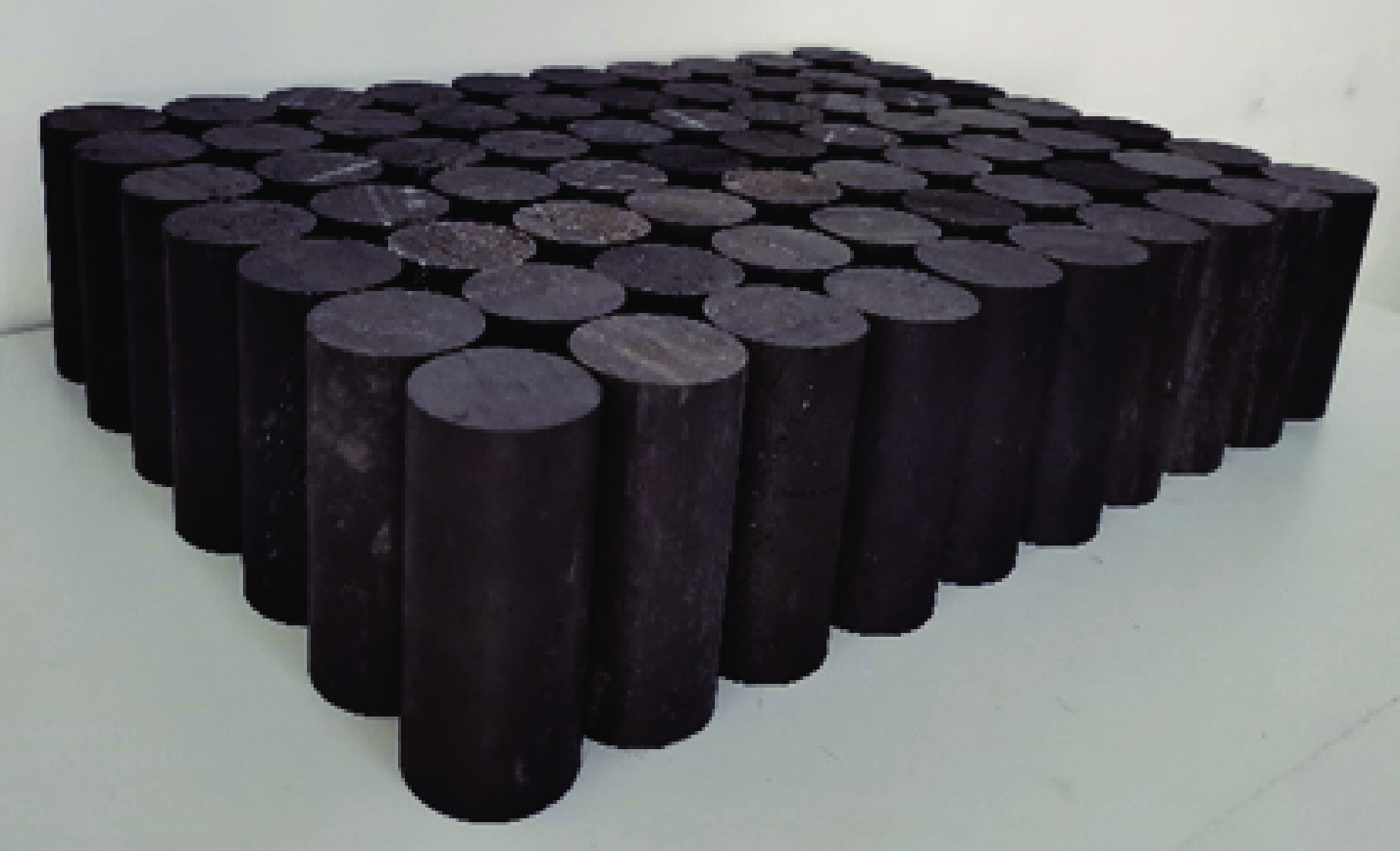
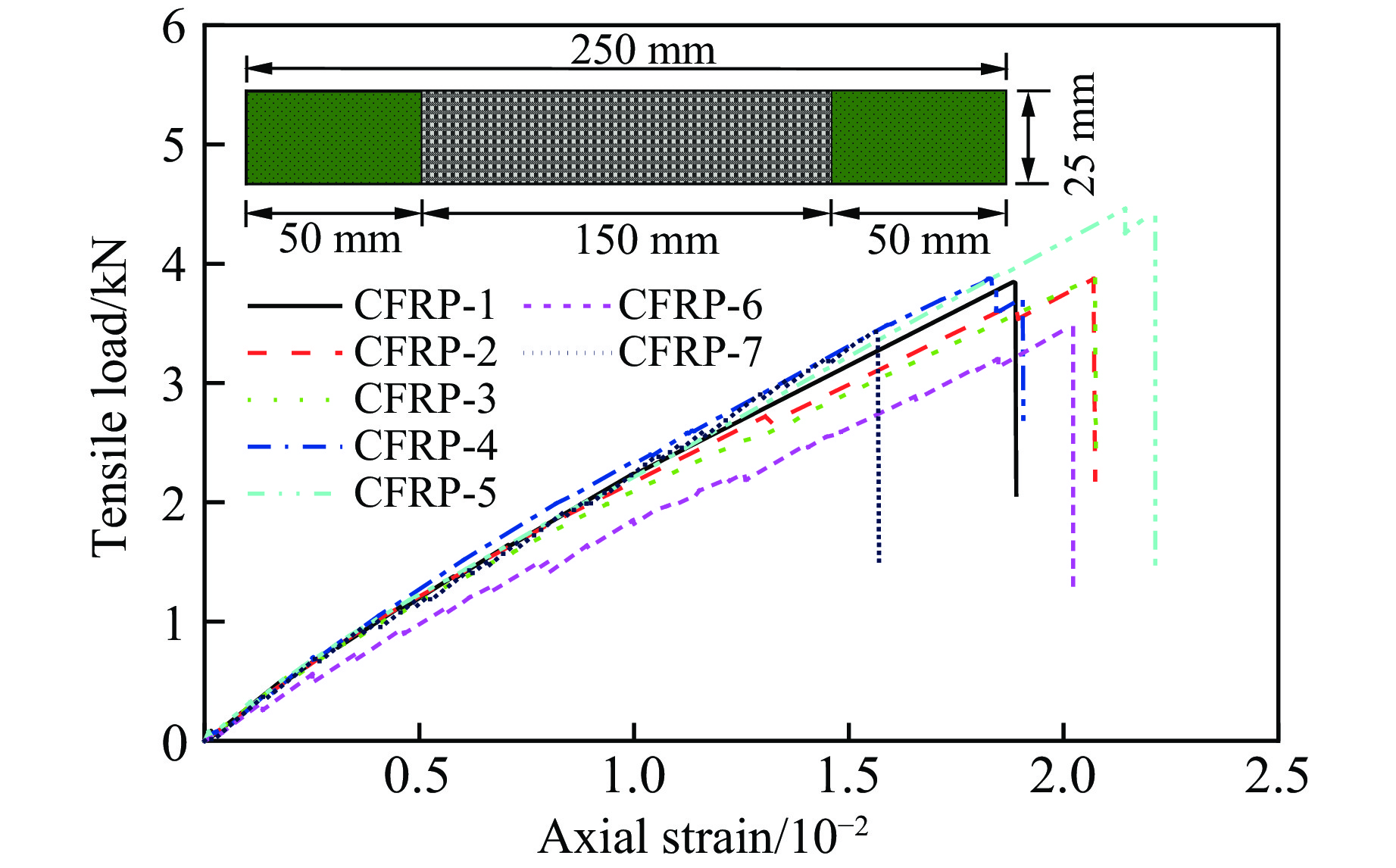
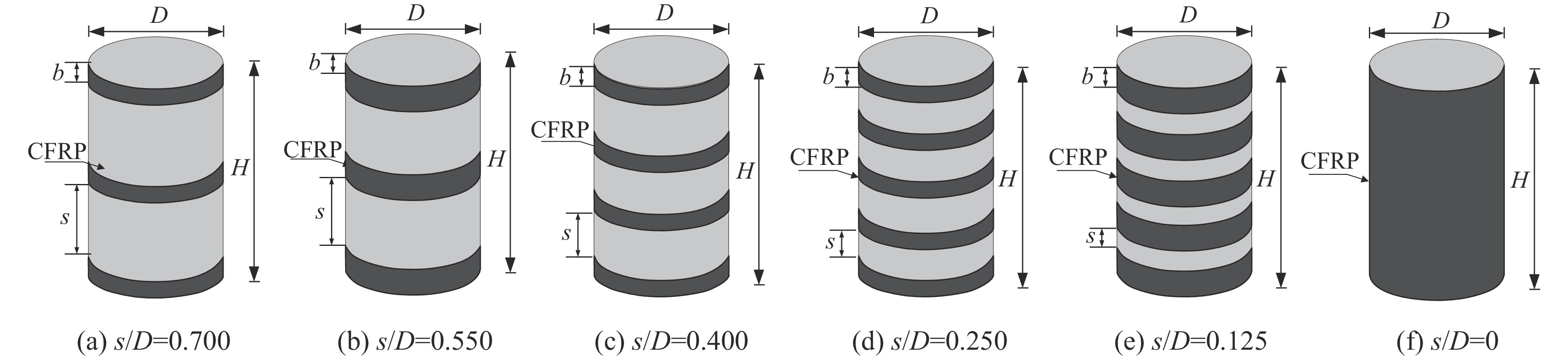
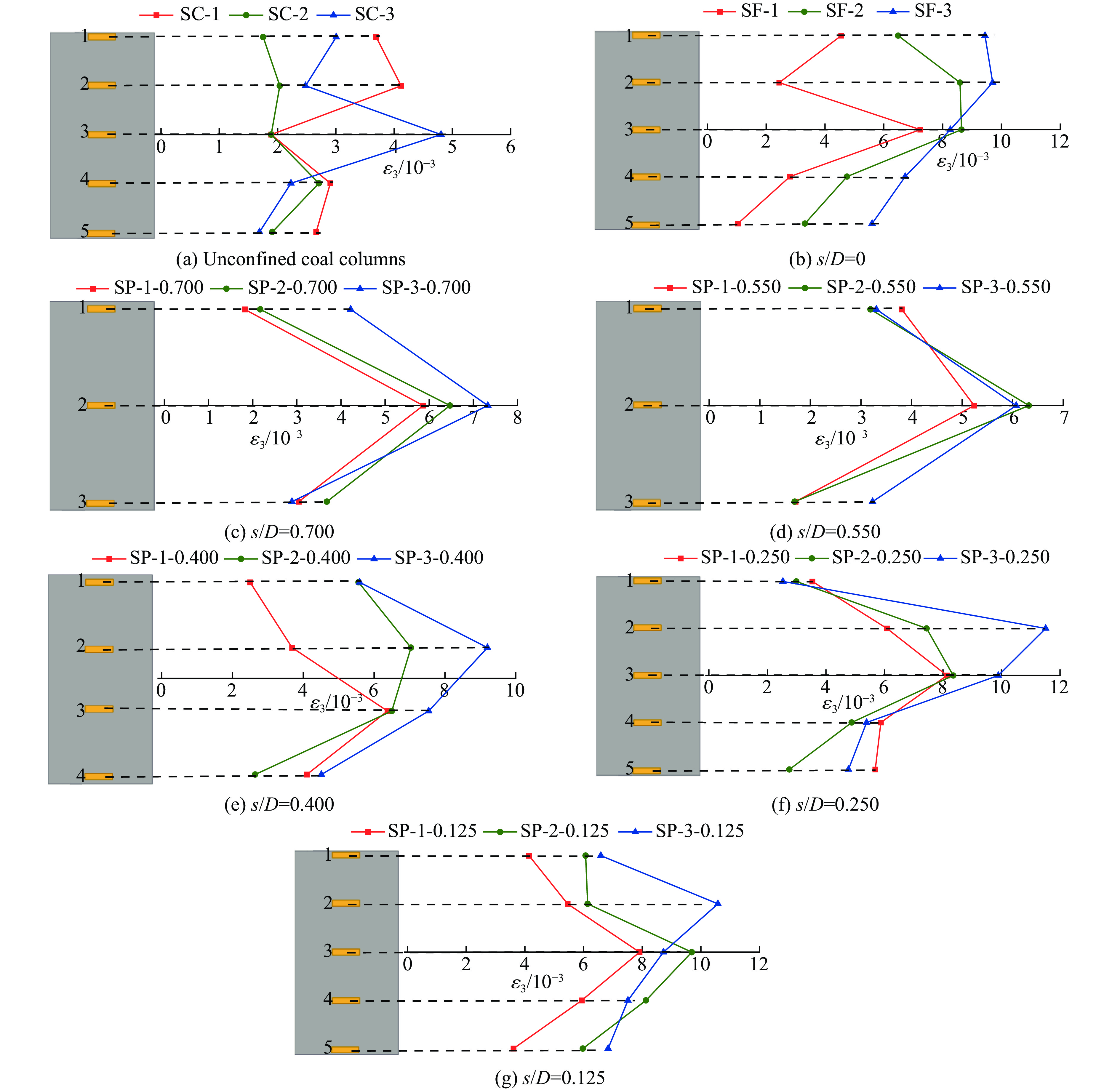
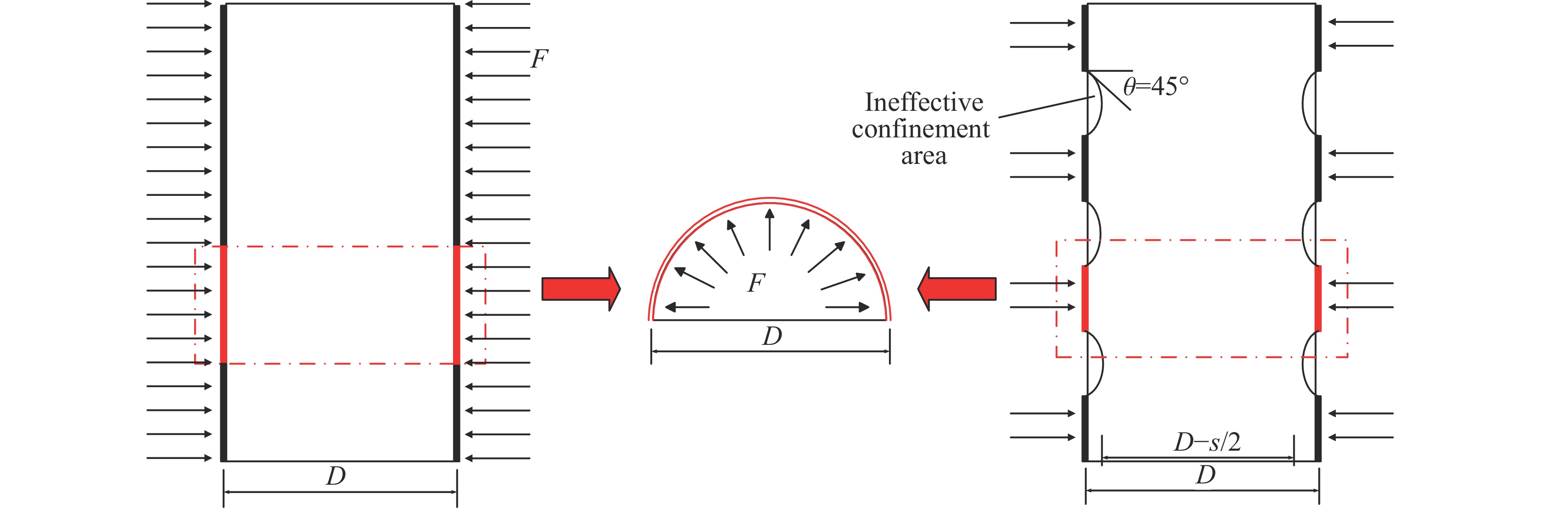
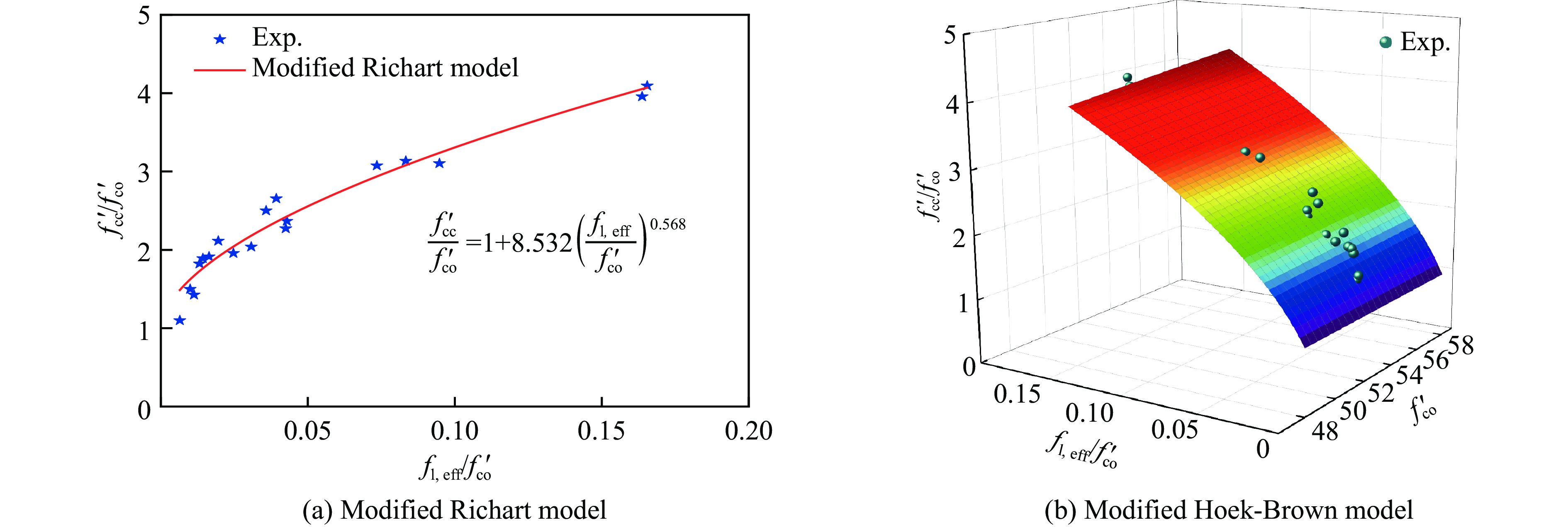
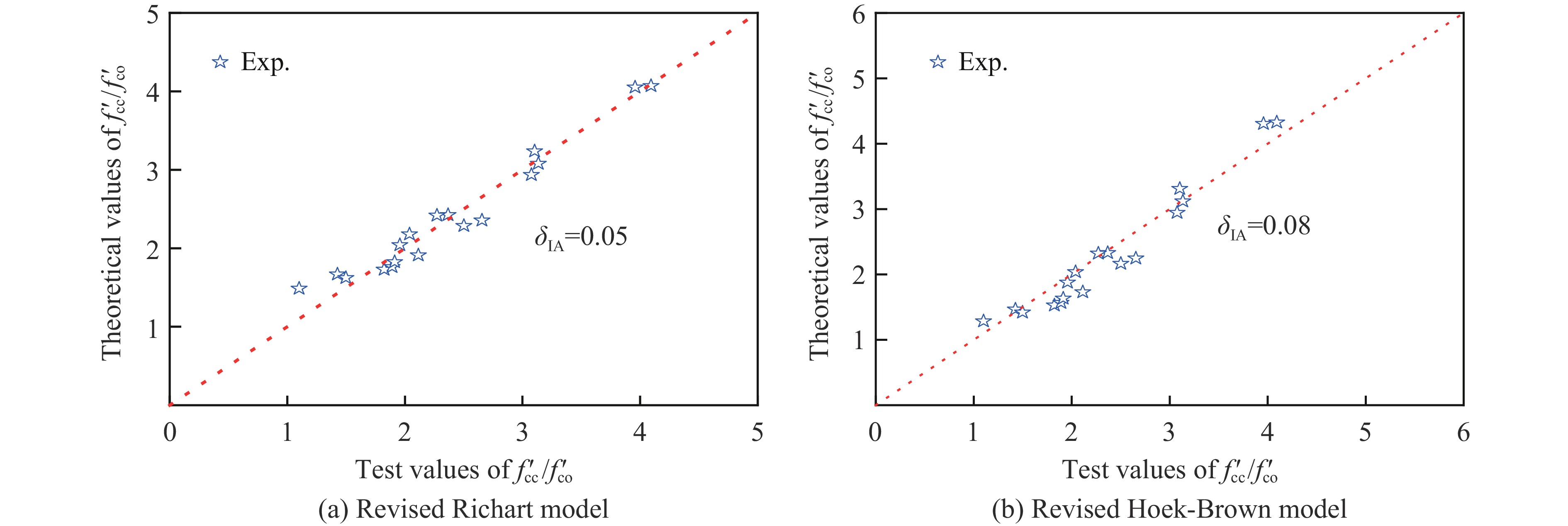
Carbon fiber-reinforced plastic (CFRP) wrapping is a promising technique for enhancing the structural integrity of coal columns. When applied to coal columns in roadway environments, CFRP reinforcement offers significant advantages over unreinforced columns. Specifically, the compressive strength of coal columns subjected to triaxial compression is markedly higher than that of columns subjected to uniaxial compression, primarily due to the restricted lateral expansion in the former case. This study investigates coal column specimens with varying CFRP layer configurations and net spacing ratios, evaluating mechanical properties such as stress-strain behavior, peak strength, and ultimate strain through uniaxial compression testing. The research explores the impact of CFRP confinement on the mechanical performance and damage modes of coal columns under different conditions. The results indicate that coal columns confined by CFRP strips or fully wrapped with CFRP exhibit similar mechanical behaviors. CFRP strip confinement provides a notable strengthening effect under uniaxial compression, with peak strength and deformation resistant capacity significantly improved as the net spacing ratio decreases and the number of CFRP layers increases. Additionally, the CFRP reinforcement effectively mitigates lateral expansion, alters the failure mode, and delays the onset of damage. Furthermore, using the Richart and Hoek-Brown models, the study incorporates the test data for model refinement and comparative analysis, leading to the development of a modified Richart strength model for CFRP-constrained coal columns.

Analysis and Modeling of Plastic Deformation Characteristics of Sheet Metal under the Combined Action of Overpressure and Impulse
SHANG Guihao, SHANG Fei, PAN Zhengwei
2025, 39(6): 064201. doi: 10.11858/gywlxb.20240958
HTML PDF (51)
Abstract:

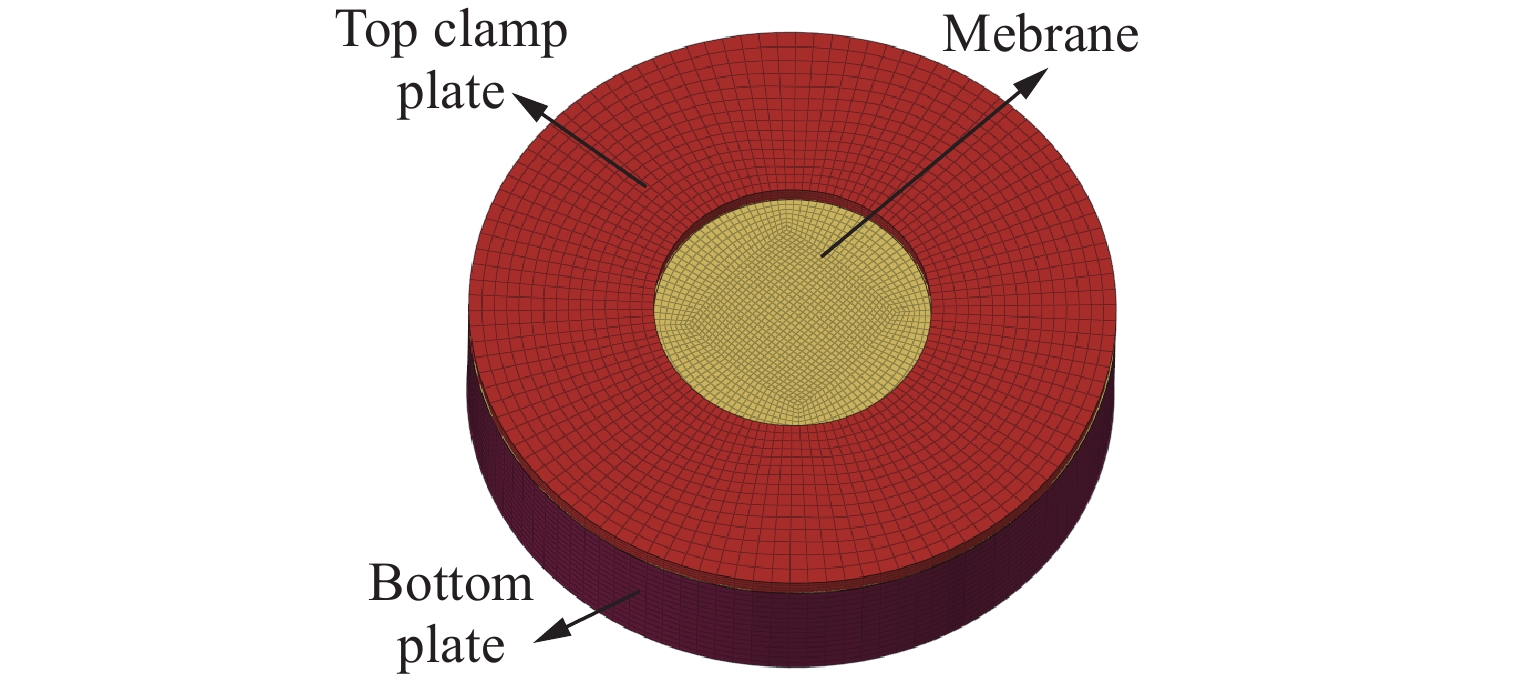
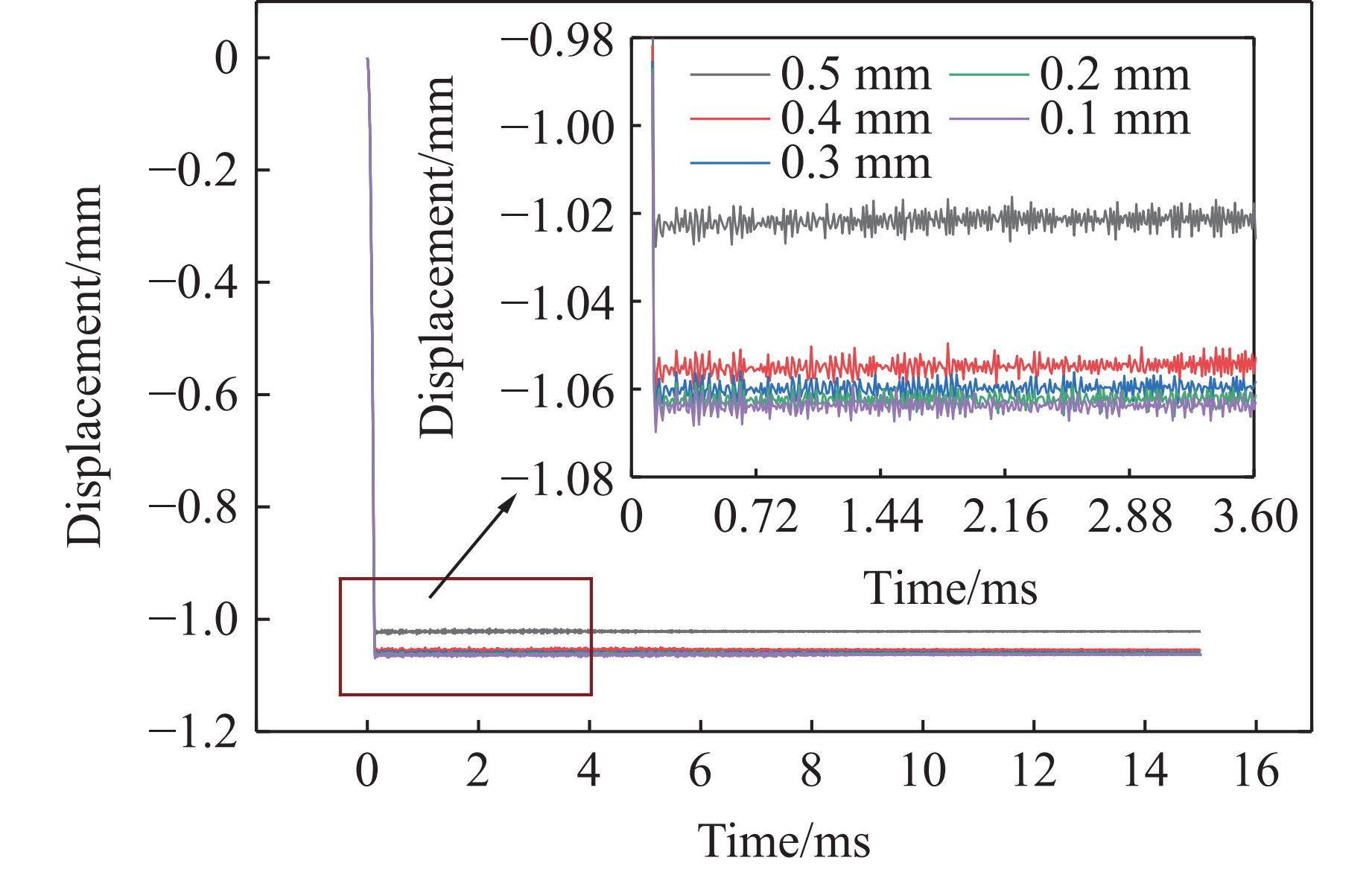
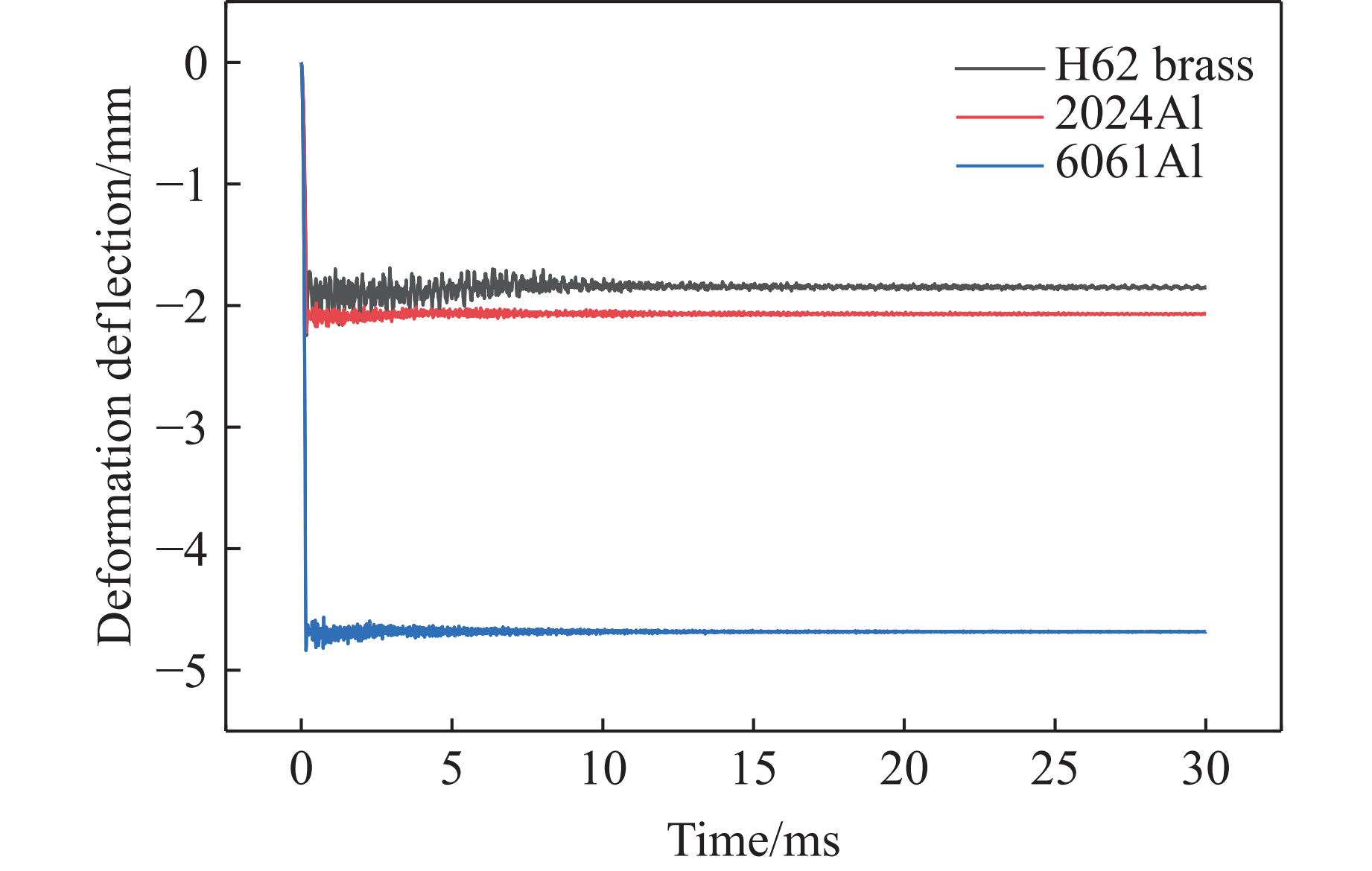
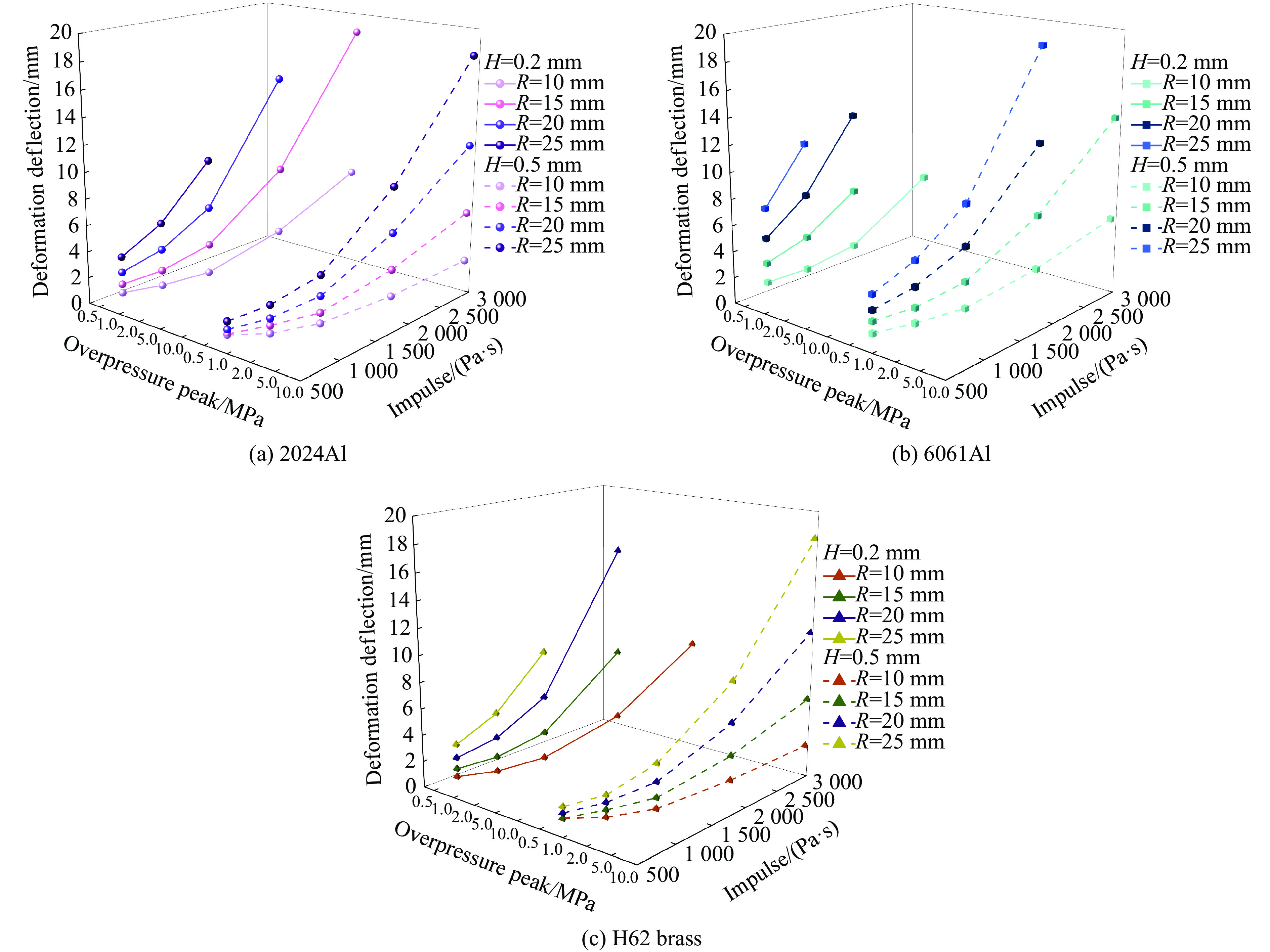
The current research of shock wave pressure testing based on plastic deformation neglects the combined effect of overpressure peak and impulse on metal sheet, and the application range of the model is limited. To solve the above problems, the simulation analysis of three typical metal plates with different thicknesses and diameters under different impact loads is carried out, and the positive and negative correlations between the deformation of the plates and overpressure, impulse, diameter and thickness are revealed. Considering the influence of overpressure and impulse on thin plate deformation, the relationship model of deflection of circular plate deformation-overpressure/impulse is established by using dimensional analysis method. The verification test data show that the average error of the model is 4.84%, which meets the requirement of test accuracy in explosion field and can be used for actual shock wave test. The research provides an effective test method and accurate data support for the evaluation of shock wave damage power of high energy warhead.

A Brief Discussion on the Perforation of Steel Plates Impacted by Flat-Nosed Projectiles
YANG Lanfu, WEN Heming
2025, 39(6): 064202. doi: 10.11858/gywlxb.20240912
HTML PDF (54)
Abstract:

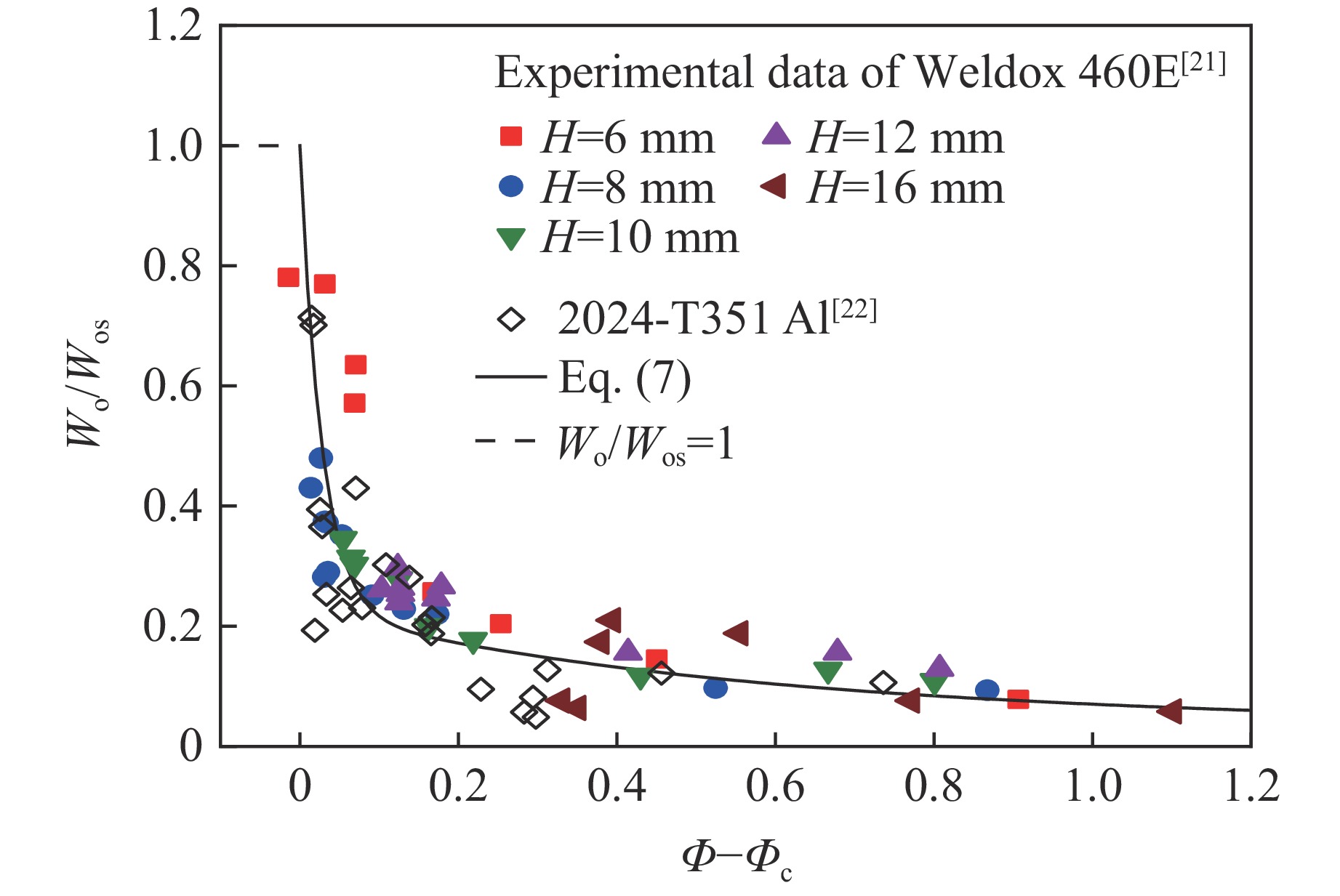
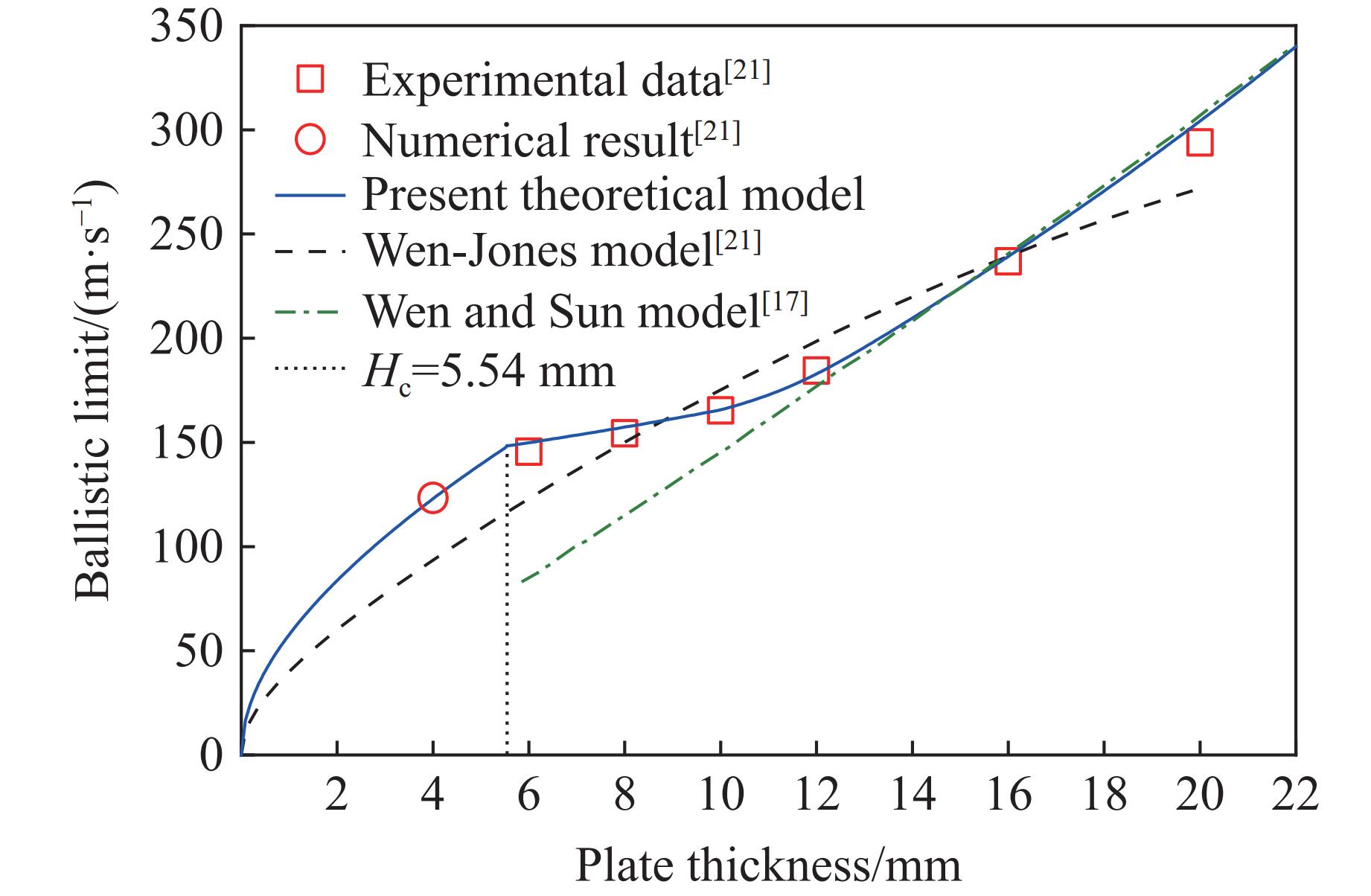
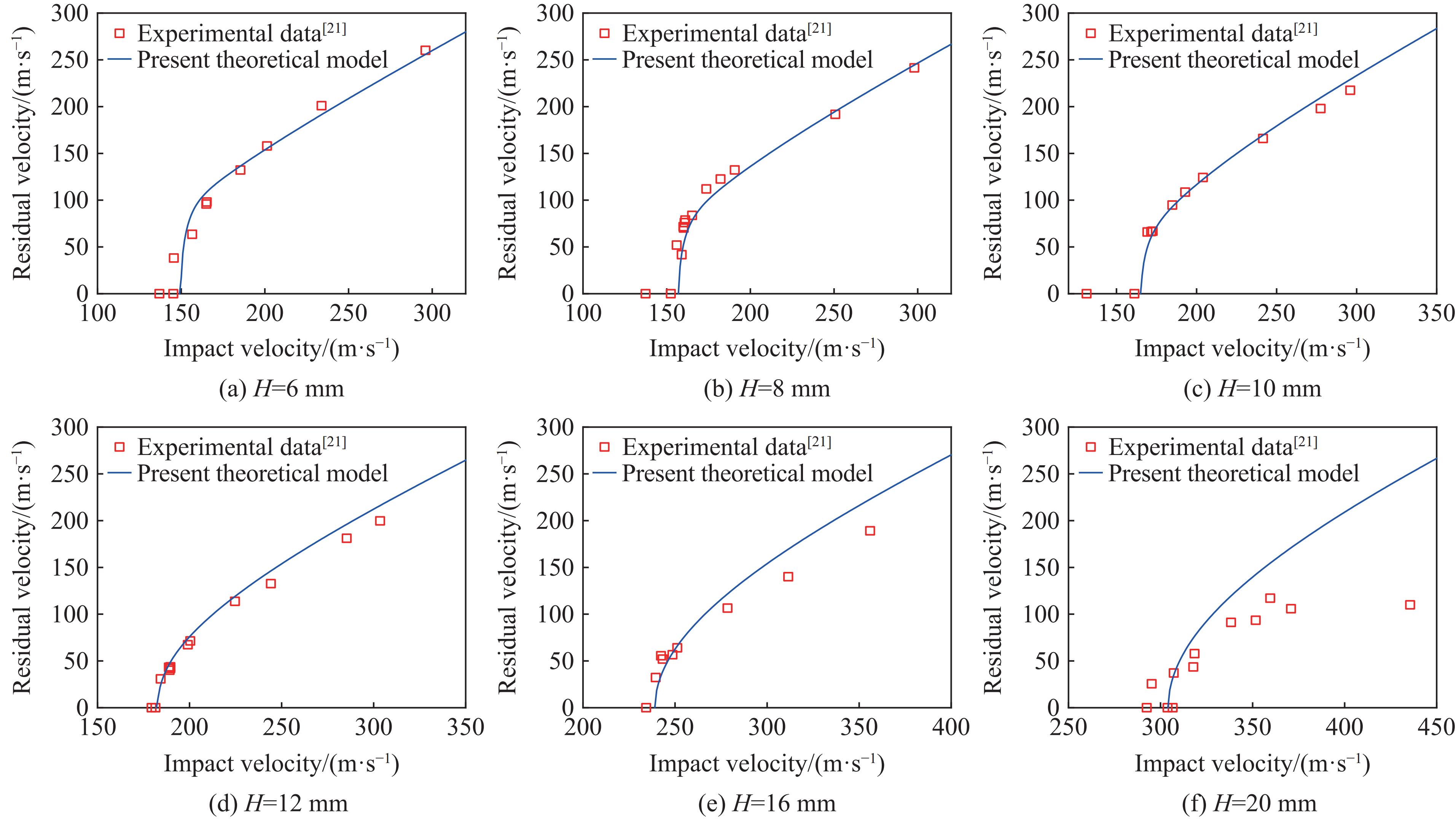
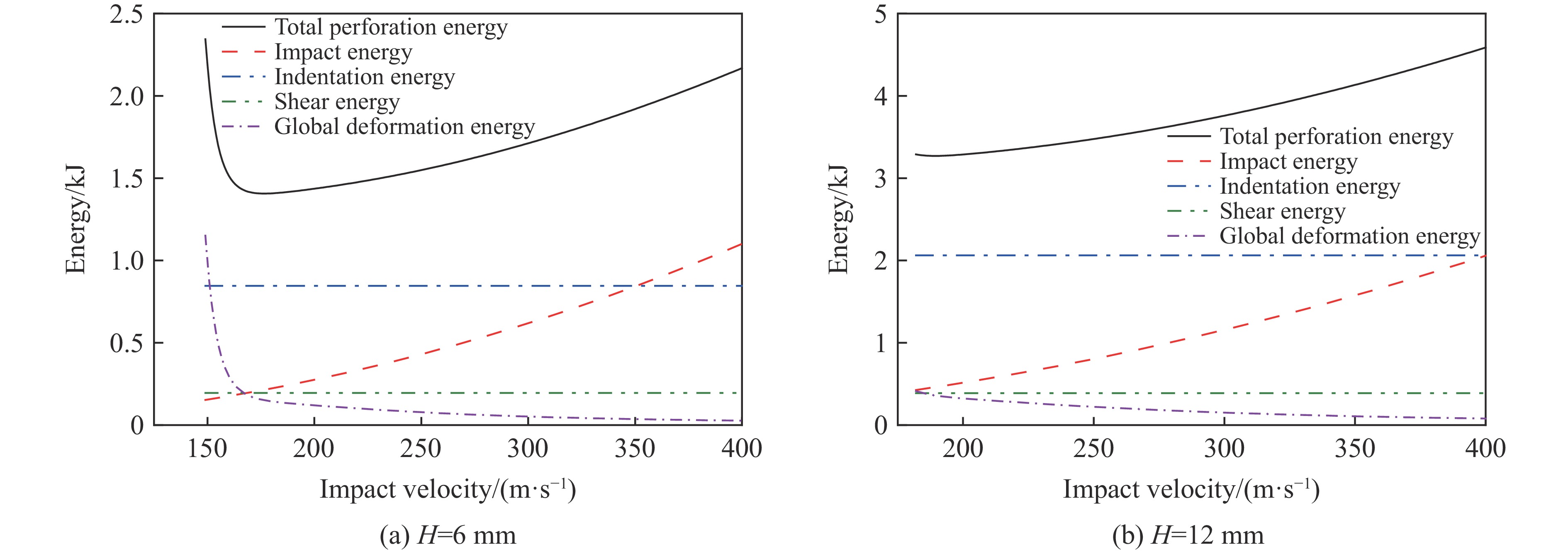
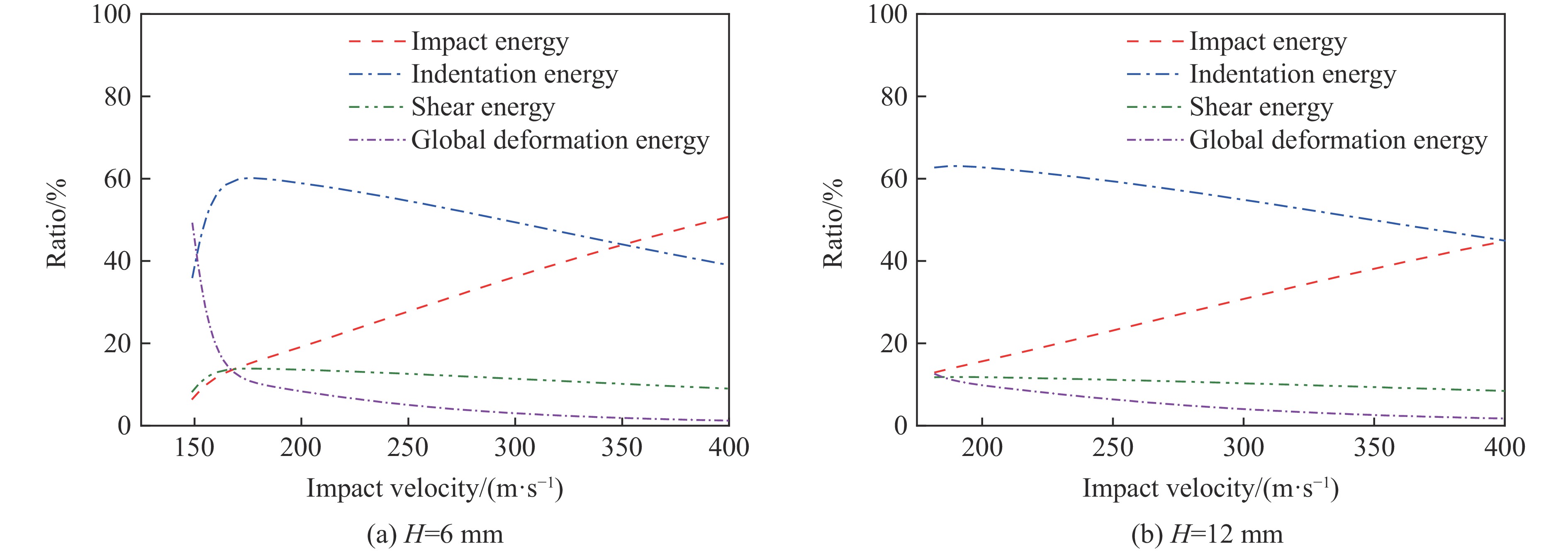
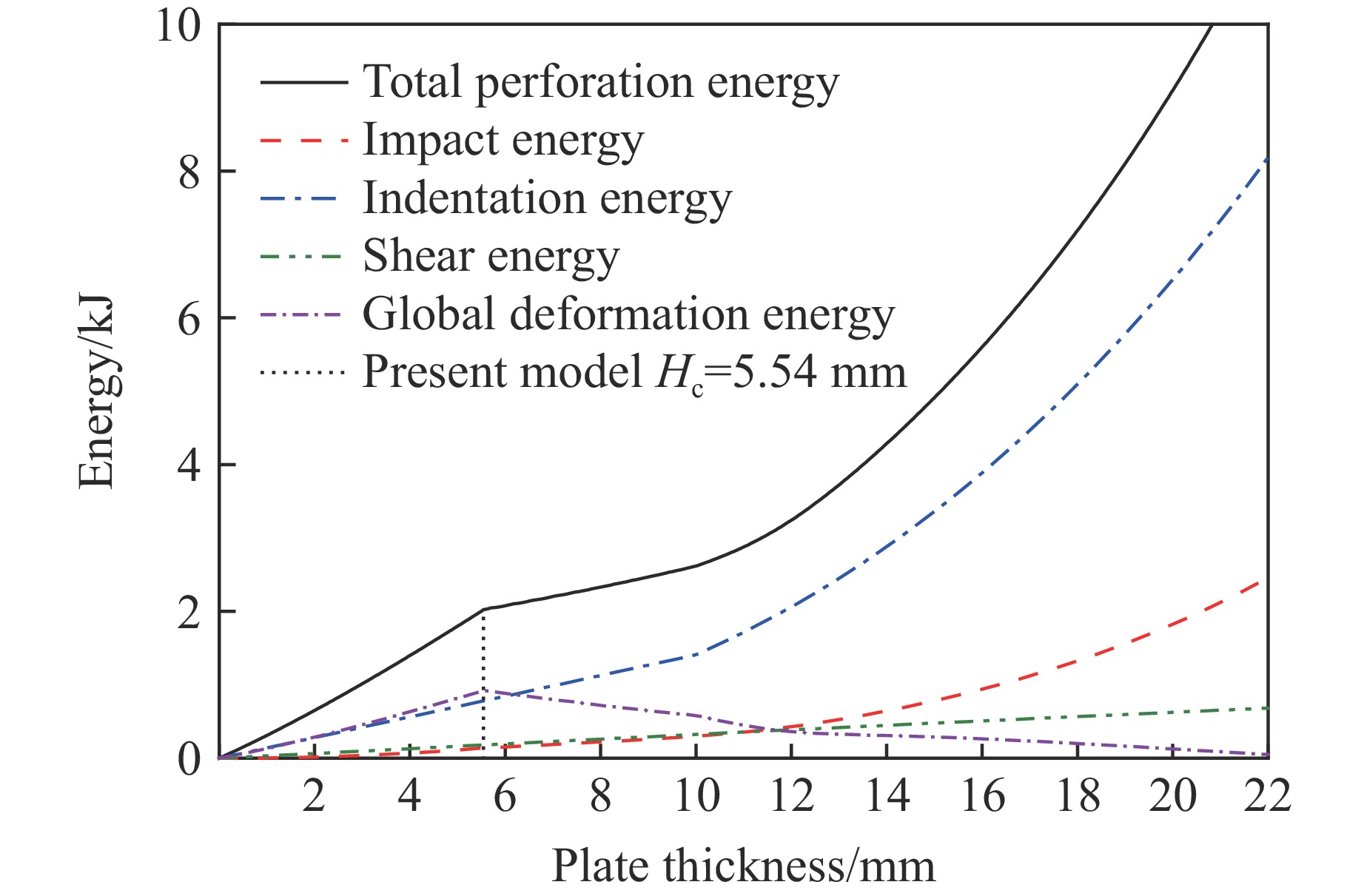
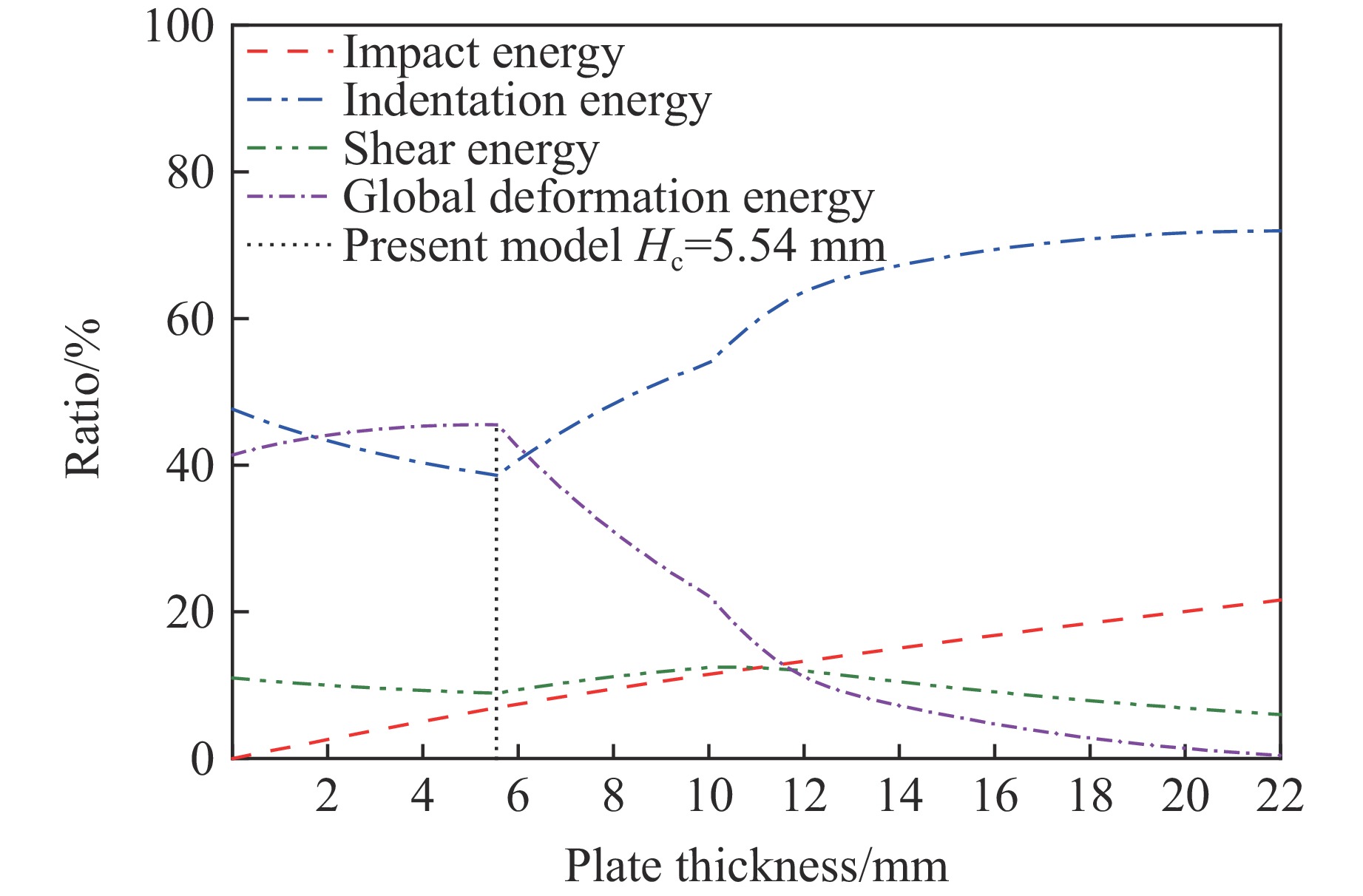
A theoretical analysis on the perforation of Weldox 460E steel plates struck by flat-nosed projectiles is presented using a previously developed model within a unified framework. This model contains a dimensionless empirical equation to describe the variation of energy absorbed through global deformation as a function of impact velocity. The study further investigates the energy absorption mechanisms of Weldox 460E steel plates, with particular focus on the “plateau” phenomenon, i. e., limited increase in ballistic limit with increasing plate thickness. This phenomenon is explained and compared with results from previously studied 2024-T351 aluminium plates. The model predictions agree well with experimental data for Weldox 460E steel plates impacted by flat-nosed projectiles, including: relationship between global deformation and impact velocity, ballistic limit, residual velocity, and critical conditions for the transition of failure modes. Moreover, the model effectively predicts the “plateau” phenomenon observed in intermediate plate thickness range. It is also found that the indentation absorption energy contributes a significantly larger fraction of the total absorption energy in Weldox 460E steel plates perforated by flat-nosed projectiles than in 2024-T351 aluminium plates, due to the differences in material properties.

Sensitivity Analysis and Determination of Some Parameters of the Rock RHT Model
LI Hongchao, WANG Fuqi, ZHANG Ji, LIANG Rui, WEN Yiming
2025, 39(6): 064203. doi: 10.11858/gywlxb.20240965
HTML PDF (64)
Abstract:

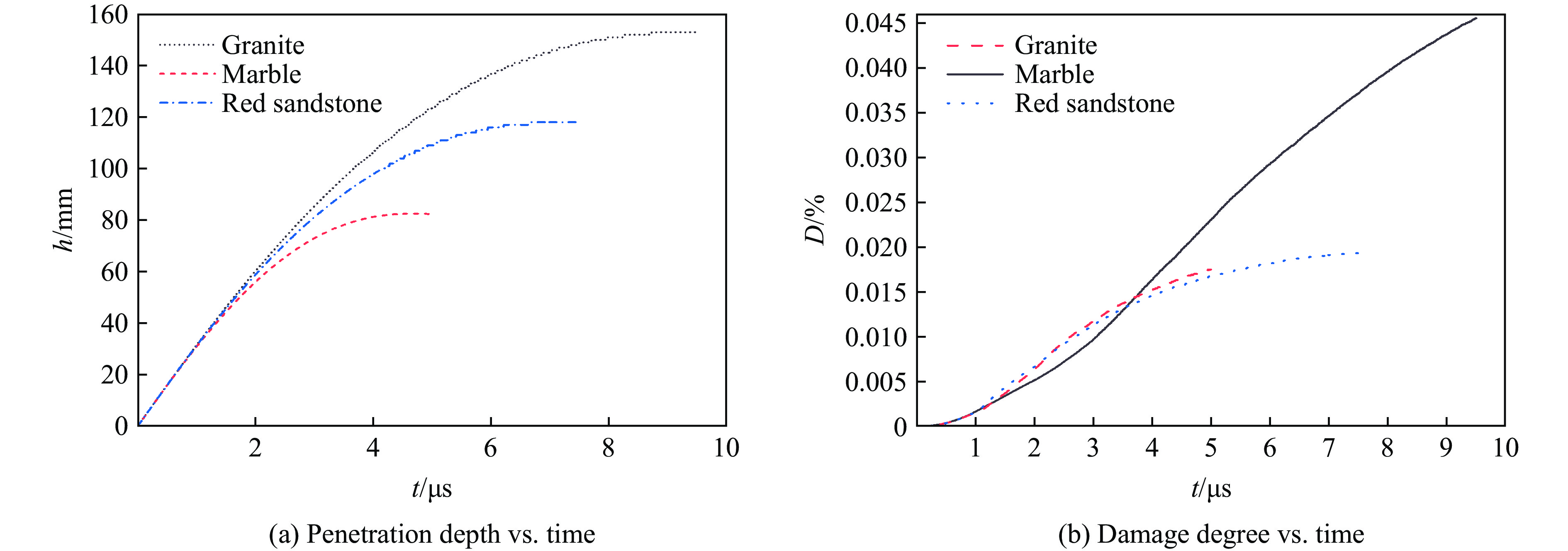
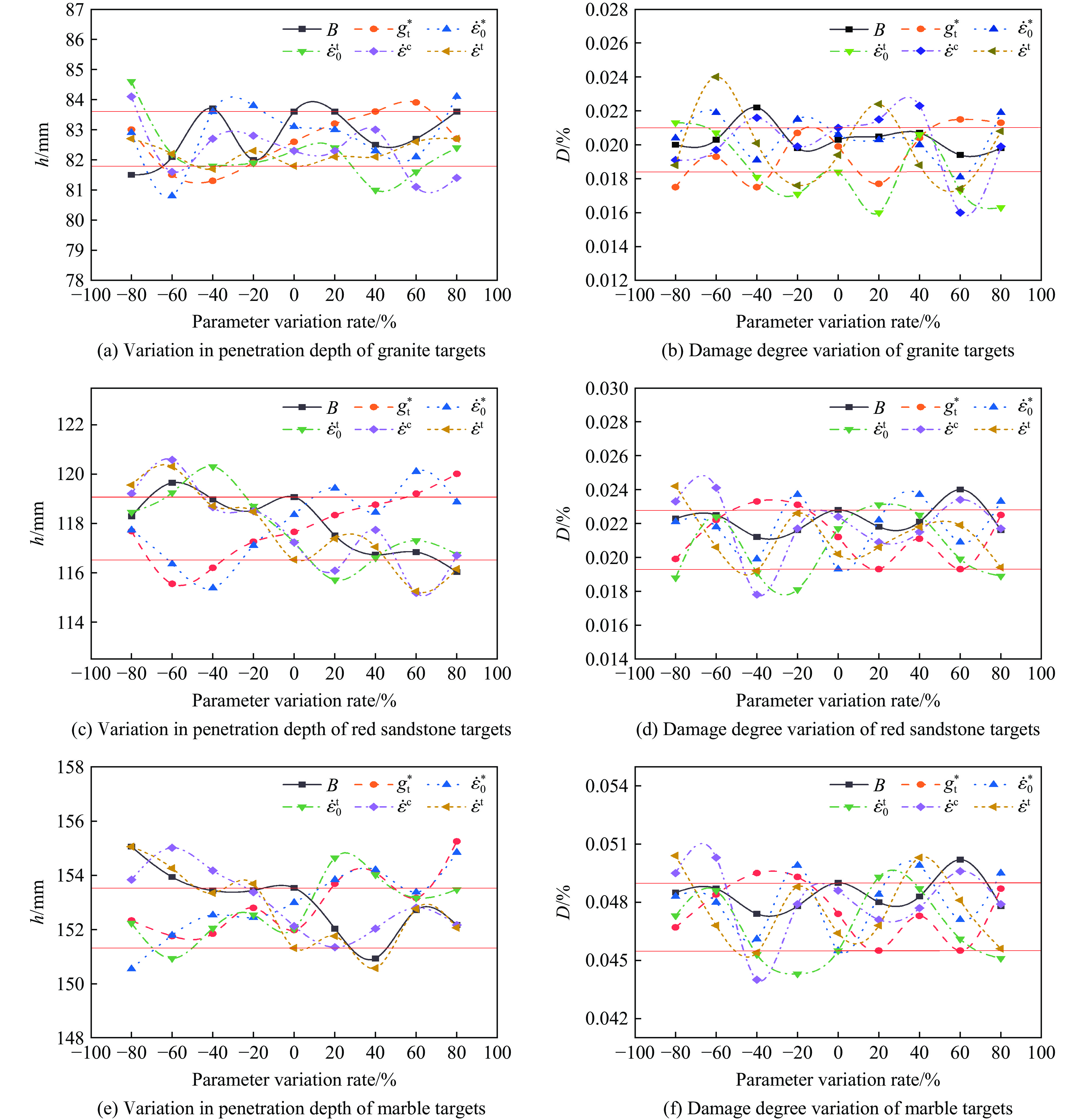
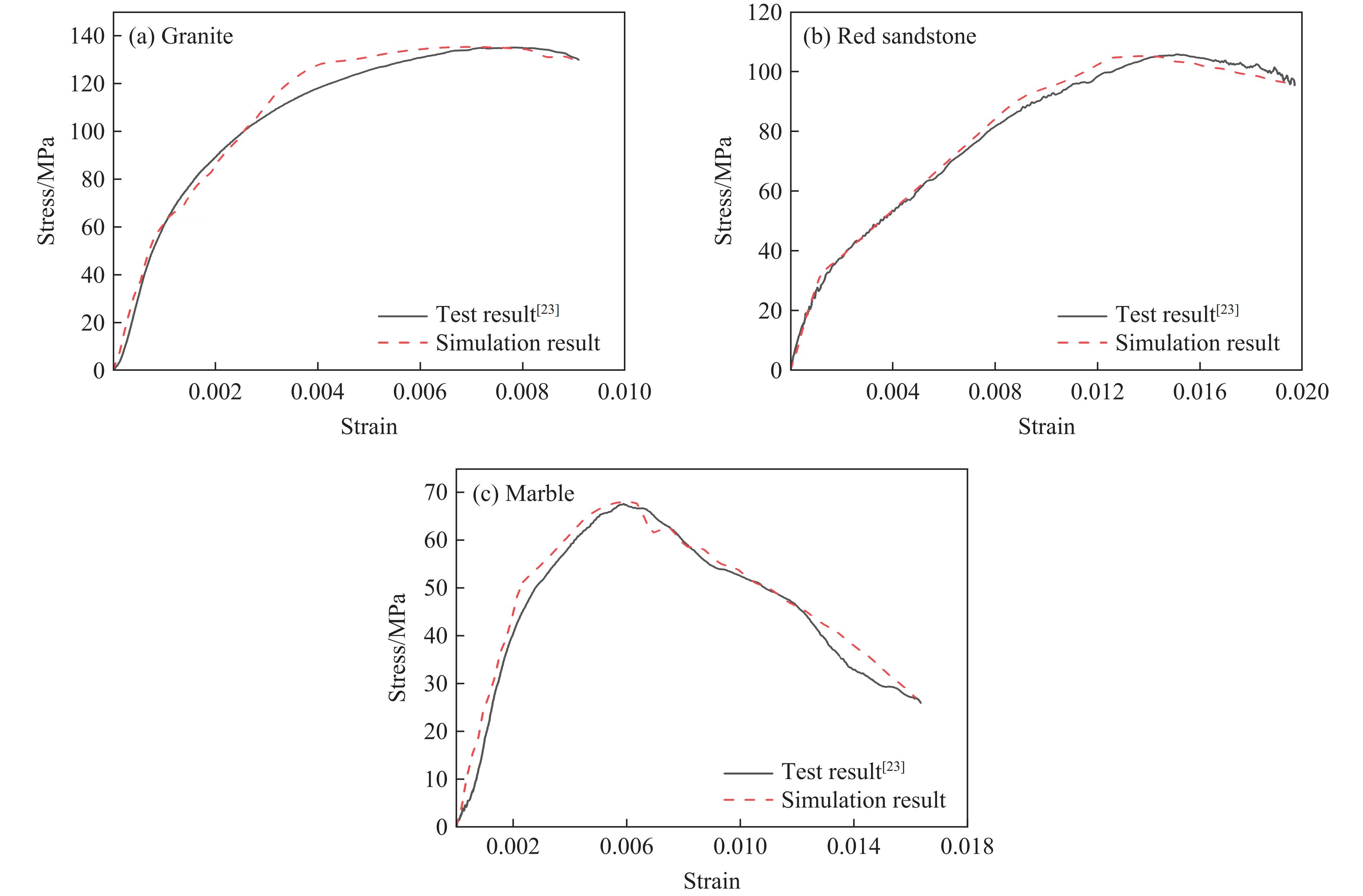
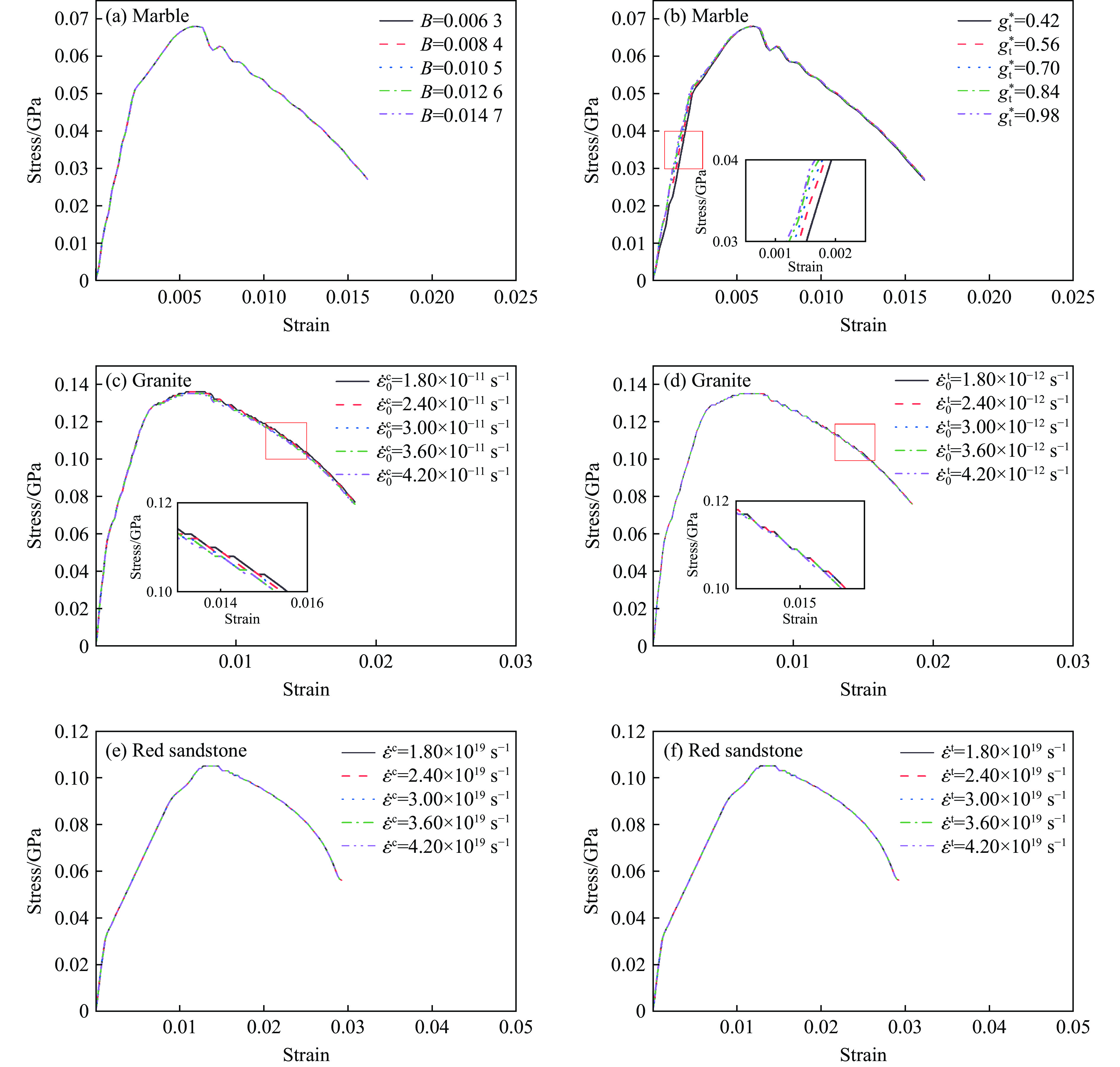
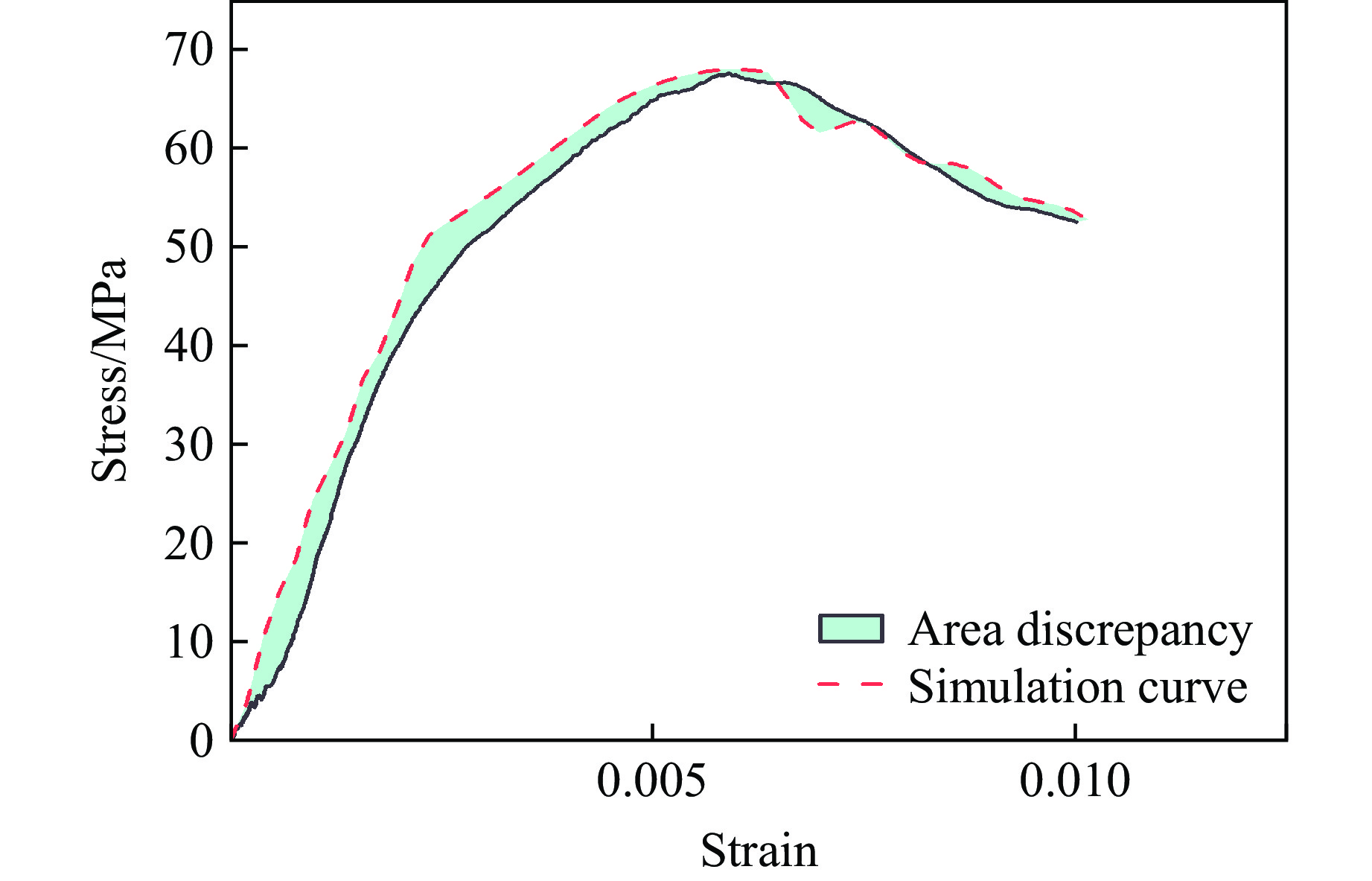
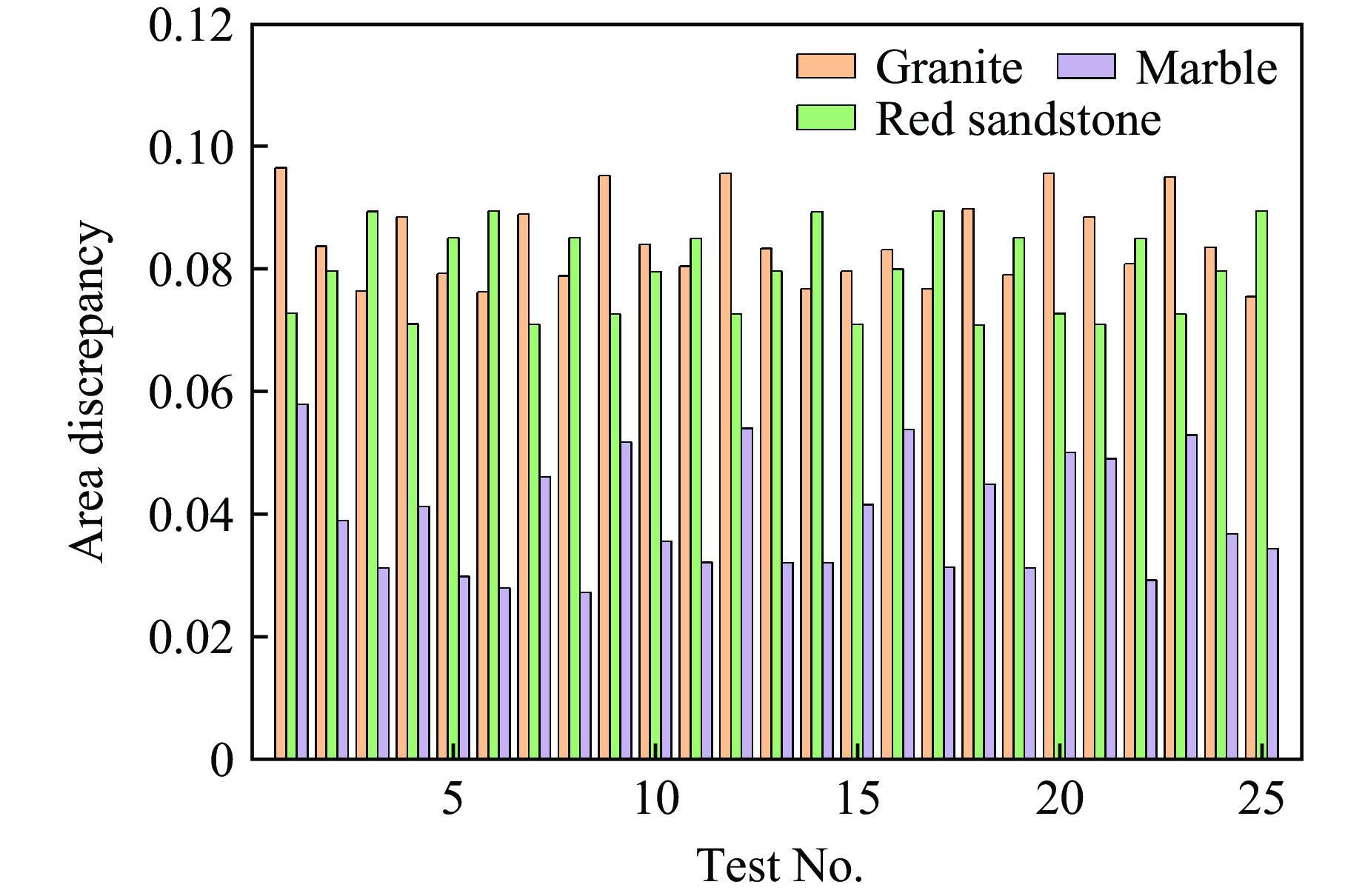
The Riedel-Hiermaier-Thoma (RHT) model is extensively used in the numerical simulation and analysis of phenomena such as explosive impacts and penetration. The accuracy of the simulation results is primarily dependent on the constitutive model and the parameter values used within it. To perform sensitivity analysis and parameter determination for Lode angle correlation coefficient, the tensile yield surface parameter, the reference compressive strain rate, the reference tensile strain rate, the failure compressive strain rate and the failure tensile strain rate in the RHT model for various rock types, LS-DYNA was employed to simulate the projectile penetration into a target and split Hopkinson pressure bar (SHPB) impact tests under single-factor variations. The effects of changes in parameter values on the simulation results were analyzed, followed by an orthogonal test to assess the interaction effects between parameters and determine the optimal parameter values. The results indicate that the sensitivity ranking of the six parameters varies under different operational conditions, and the effects of these parameters on the elastic, linear strengthening, and damage-softening stages of the SHPB impact stress-strain curve were identified. Further orthogonal SHPB impact simulation tests confirm the absence of interaction between these parameters, validating that the single-factor sensitivity analysis results are effective. The optimal values for these parameters in the RHT models of granite, red sandstone, and marble are determined. This finding provides valuable insights for the sensitivity analysis and parameter determination in rock-type RHT models.

Dynamic Response of Prefabricated Wall Panels for a Whole-Indoor Substation under Blast Loading Based on Finite Element Simulation
LI Lin, LIU Yong, WEI Zhenzhong, MA Xiaomin, LEI Jianyin, LI Shiqiang
2025, 39(6): 064204. doi: 10.11858/gywlxb.20240934
HTML PDF (27)
Abstract:

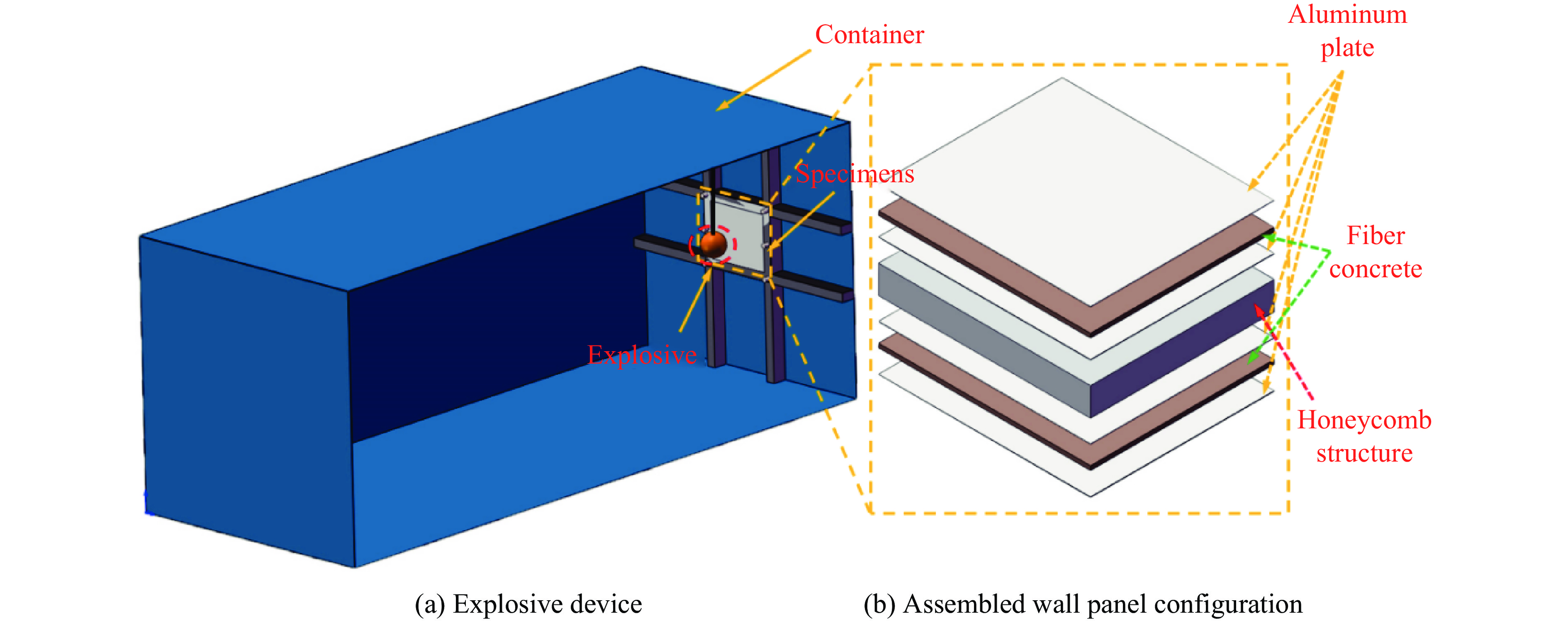
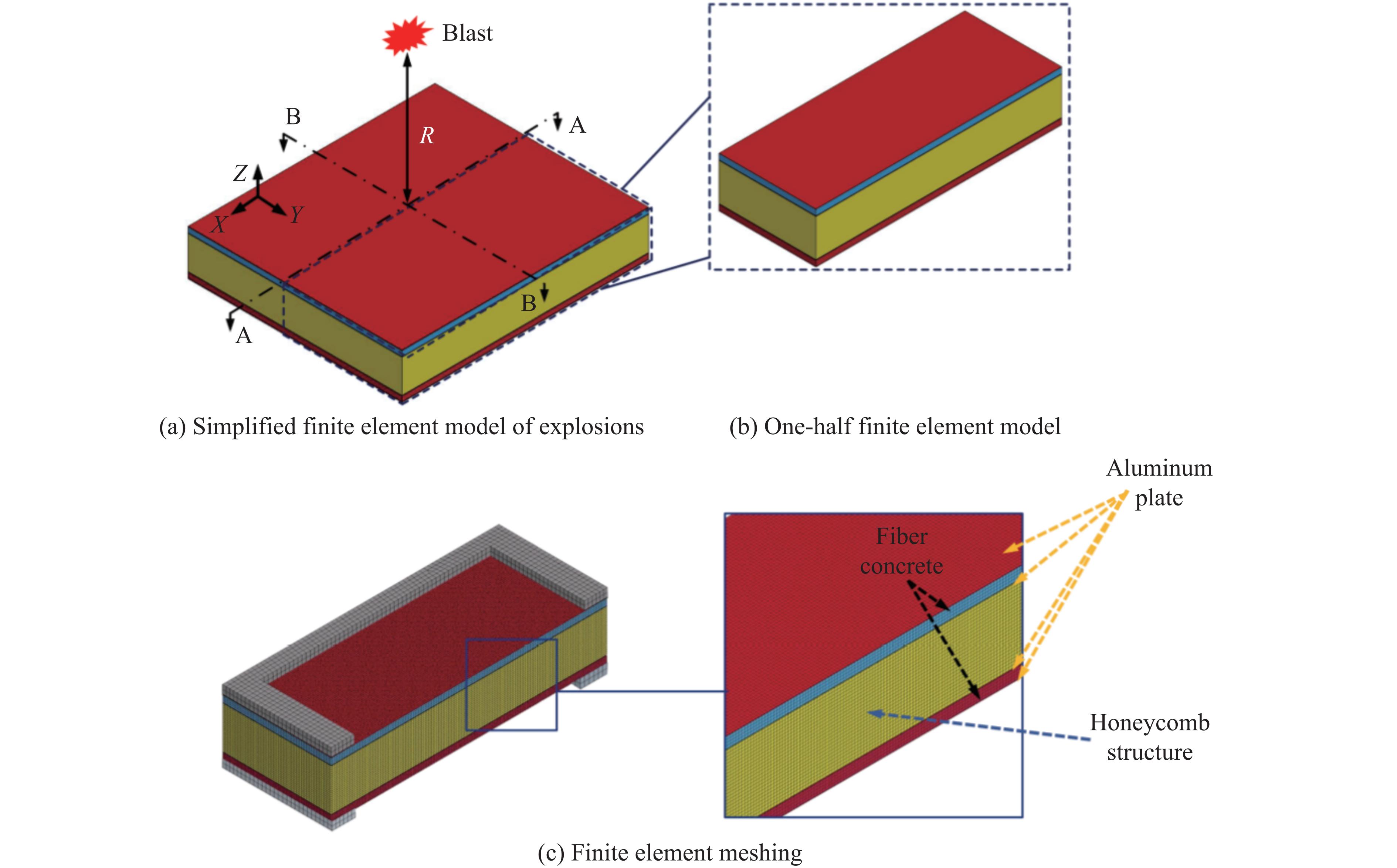
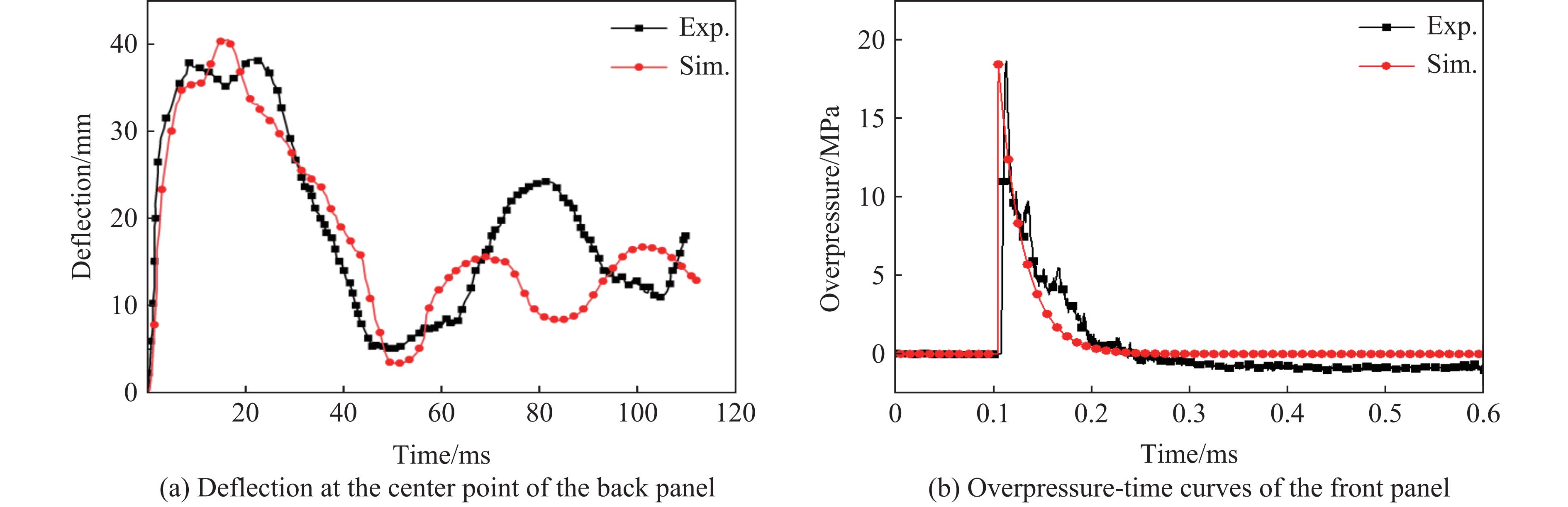
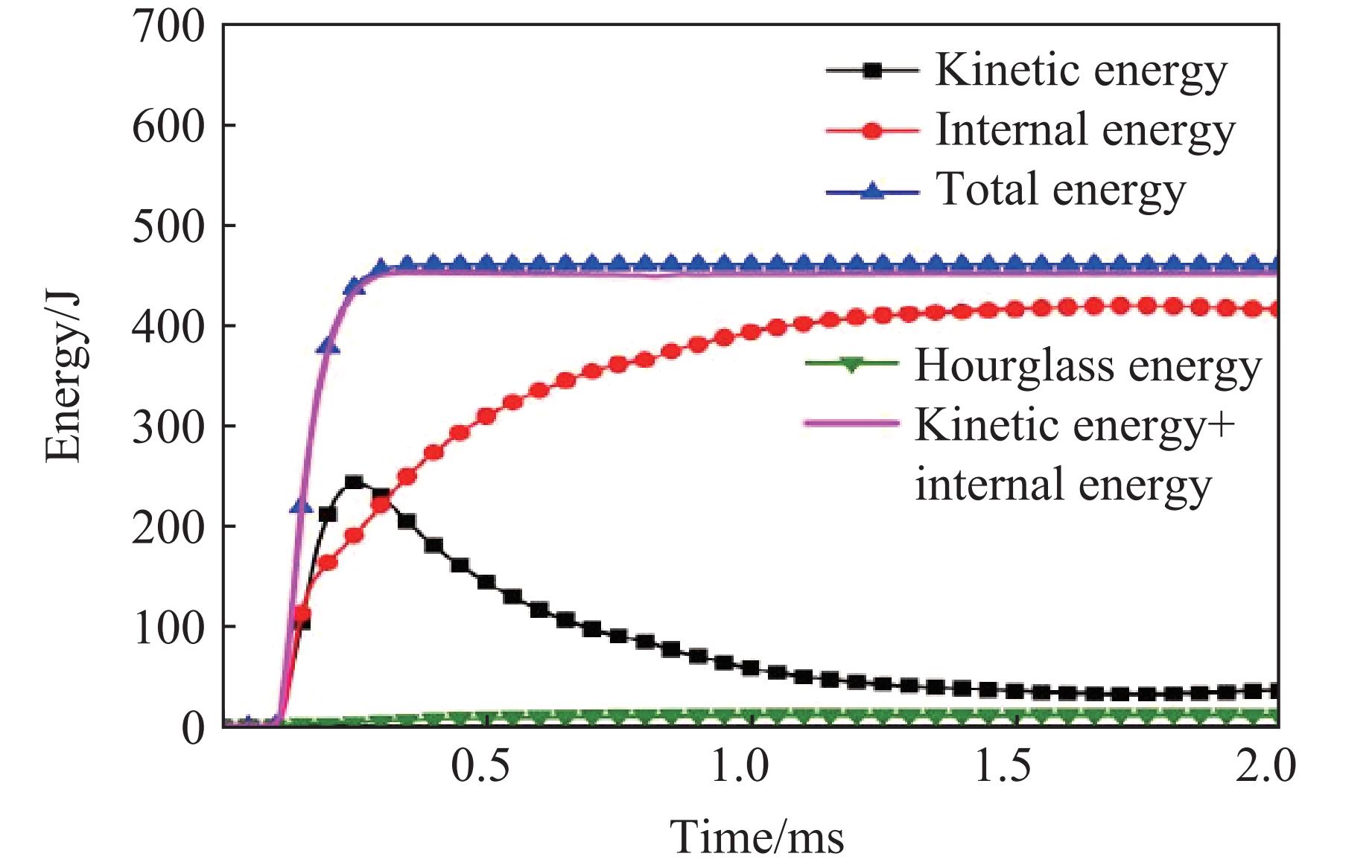
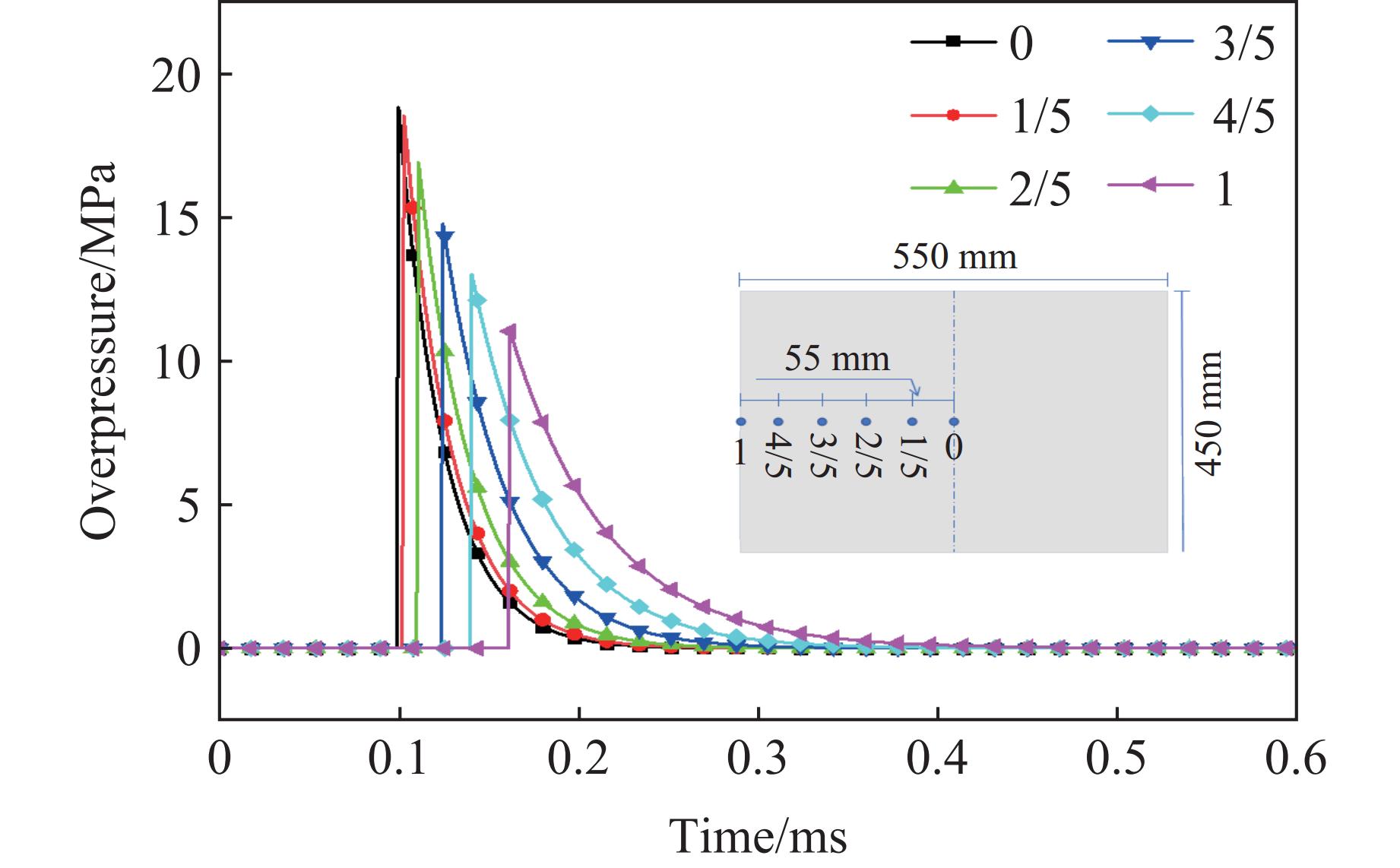
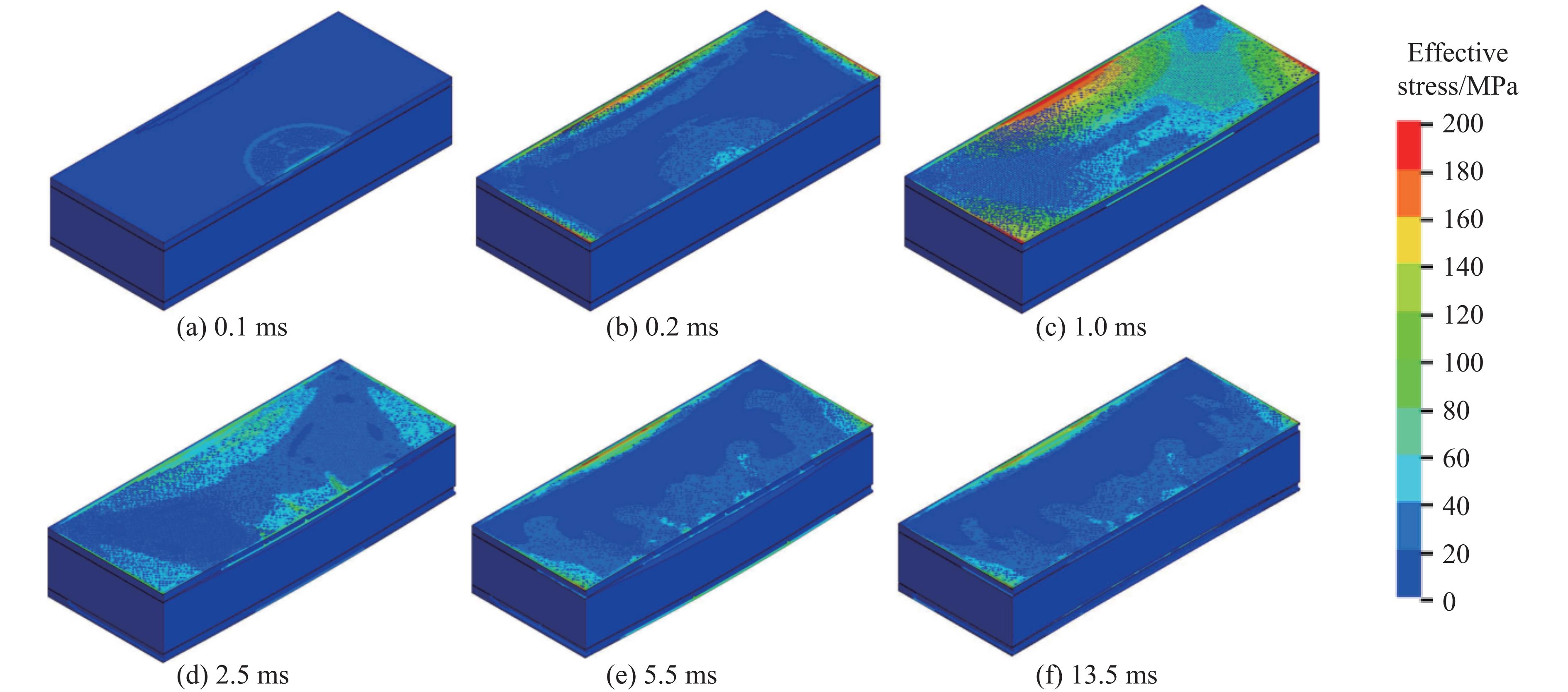
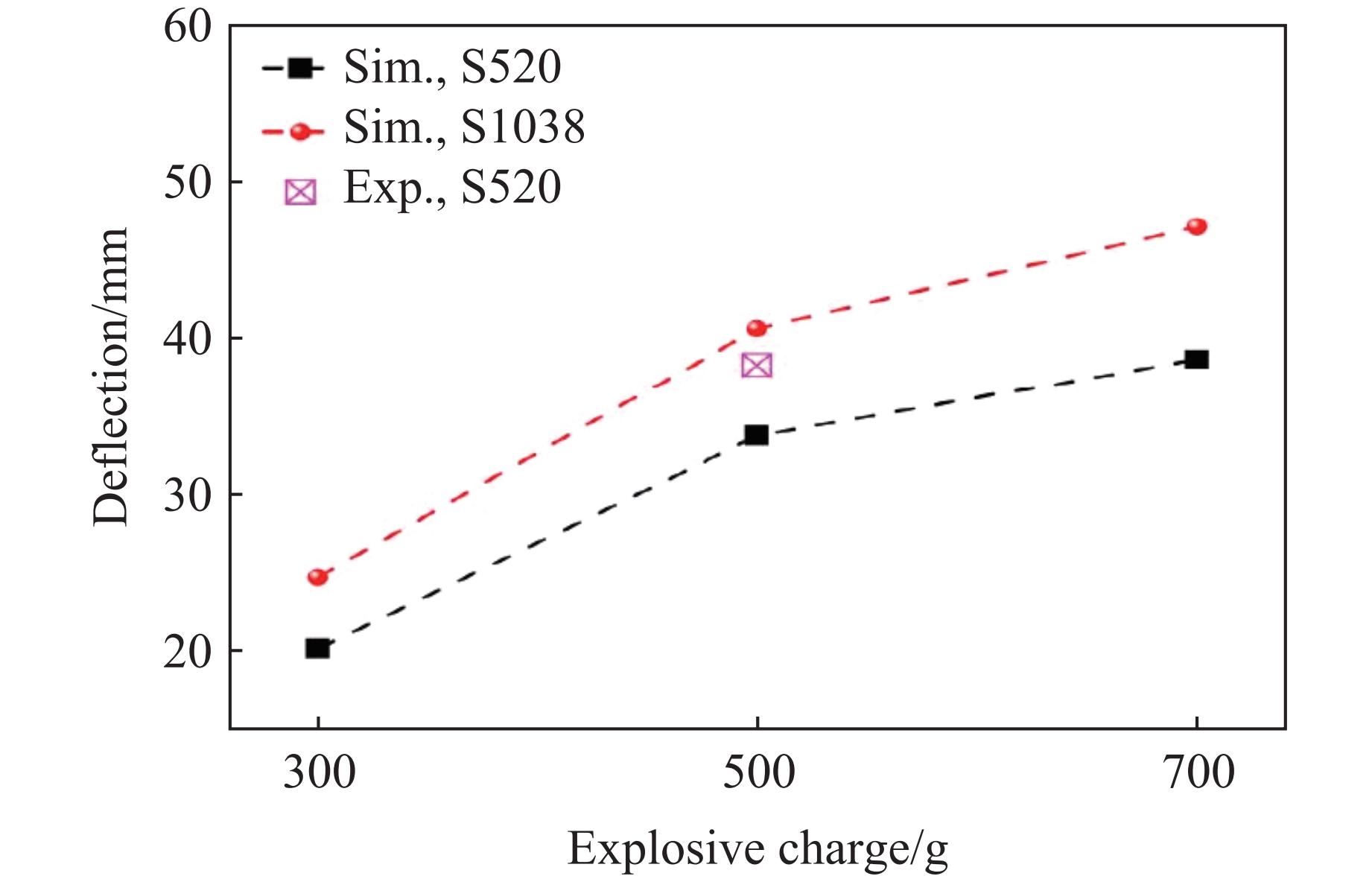
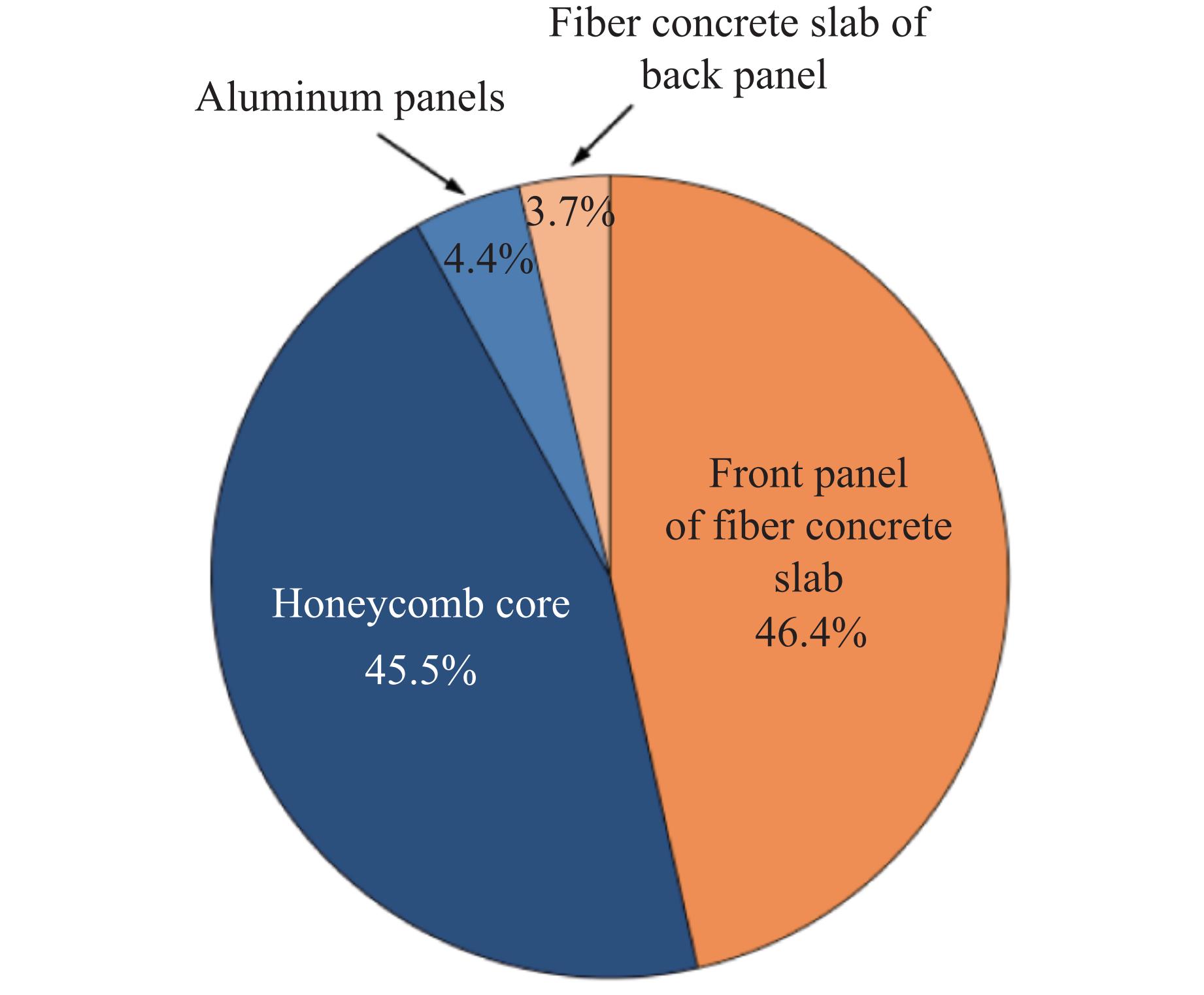
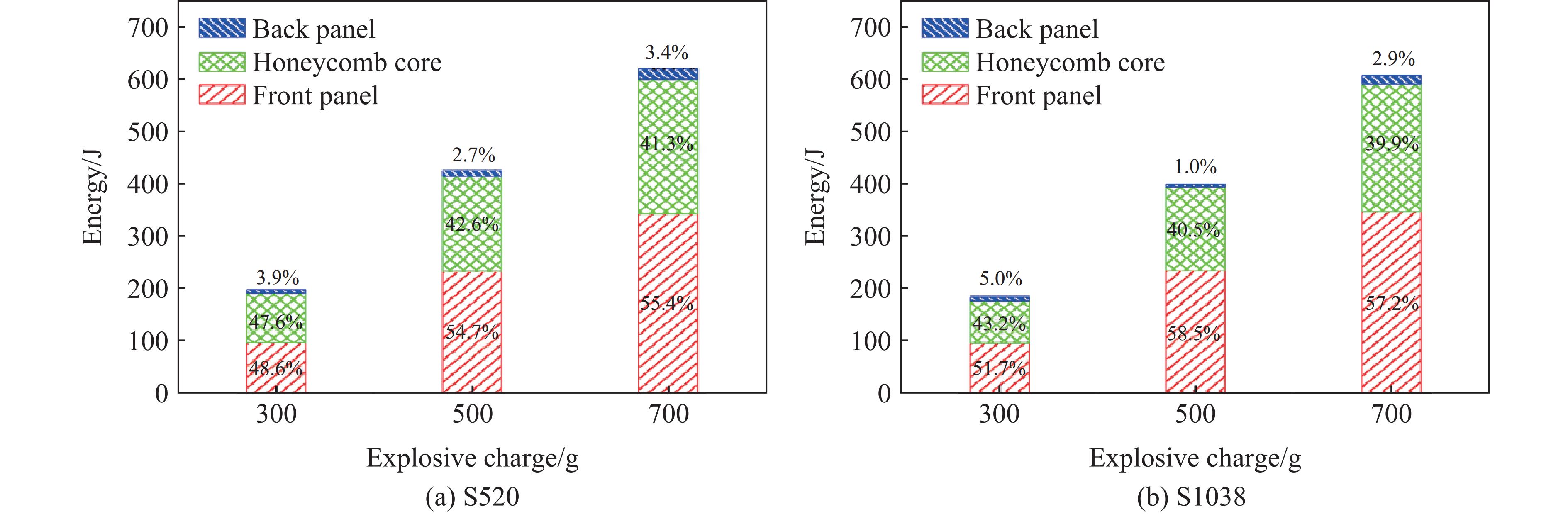
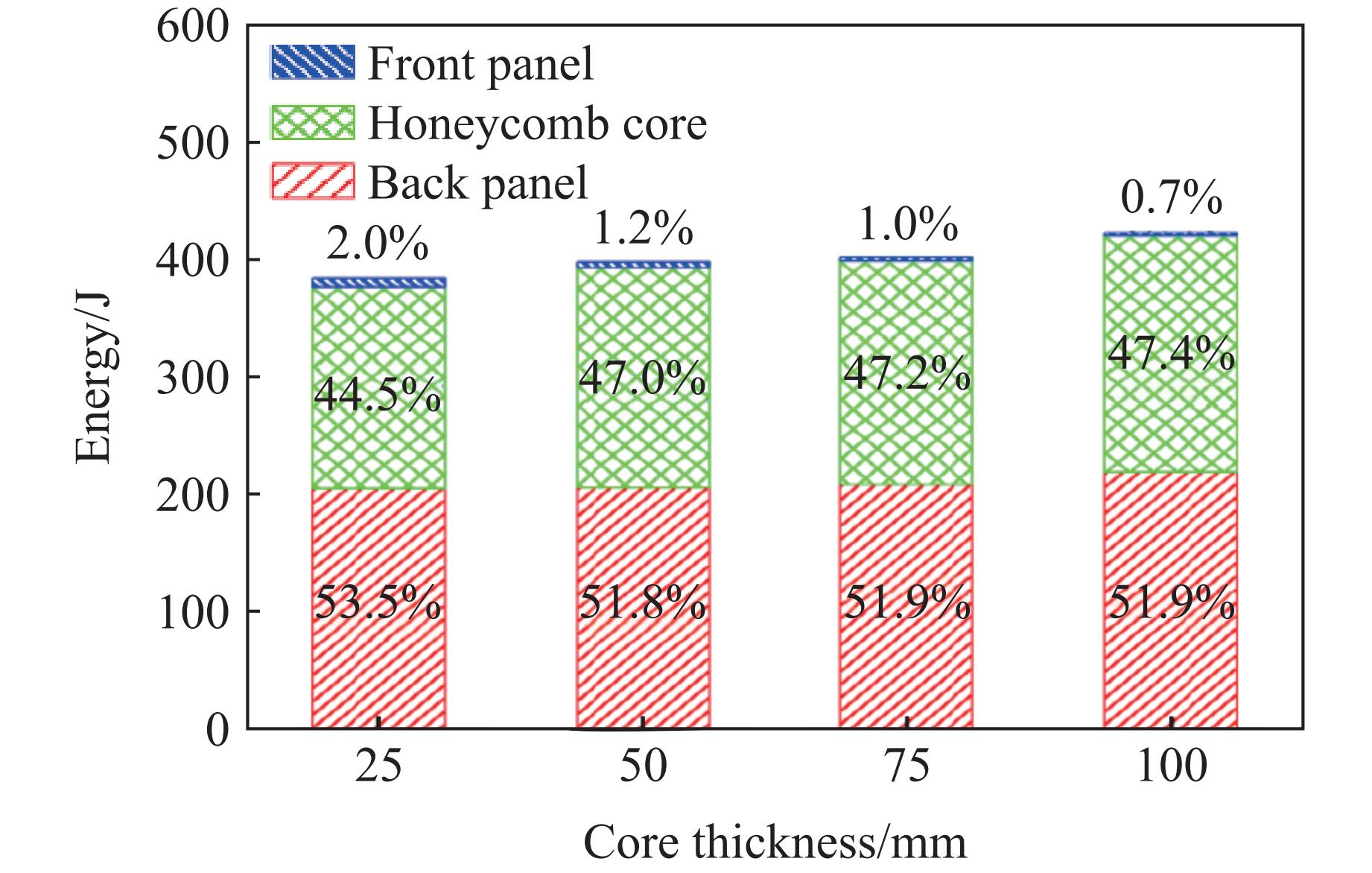
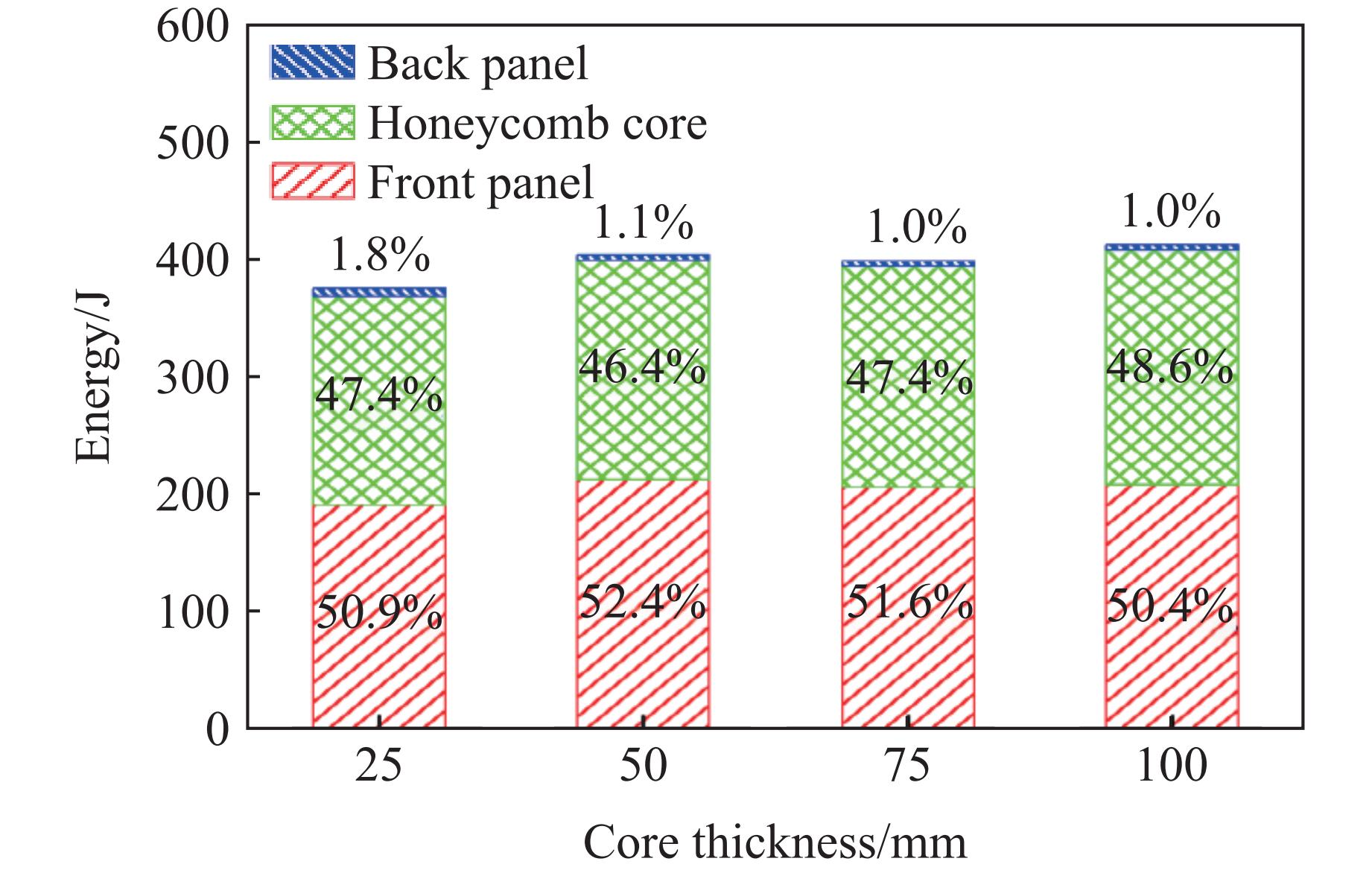
The honeycomb core layer is light and has the advantage of high specific stiffness, specific strength and specific energy absorption. A novel prefabricated wall panel structure for substations was designed by combining fiber-reinforced concrete panels, honeycomb core layers, and aluminum alloy panels. The dynamic response of the structure under the blast load was investigated, as well as the effect of the explosive mass and the size of the honeycomb core. In this paper, a finite element model was established and compared with the experimental results, which was found to be in good agreement with each other, thus validating the model. On this basis, the effects of explosive mass and honeycomb core layer on the structural deformation failure mode, midpoint deflection of back panel and energy absorption were investigated. It is shown that the deformation pattern of the structure is mainly concave at the front and convex at the back, and the honeycomb core layer is compressed, resulting in the whole deformation. Then the fiber cement of the front panel is separated with the honeycomb core layer, and the fiber-reinforced concrete panels of the back panel have failure at the center and diagonal, and the crack expandes, and the compression of the core layer increases. It was found that for the same amount of explosion, the center deflection of the back panel of the honeycomb structure with small size was reduced by 18.5%, 17.1%, and 18.1% compared to the honeycomb structure with large size. Meanwhile, the energy absorption of the honeycomb structure with small size was increased by 7.8%, 6.7%, and 2.2% respectively compared with that of the honeycomb structure with large size. Thus, the honeycomb structure with small size has better impact resistance. Under blast load, the fiber-reinforced concrete panels on the front panel absorbs the most energy, accounting for more than 50%, followed by the honeycomb core layer, accounting for about 45%, and the back panel fiber-reinforced concrete panels absorbs less energy, and the energy absorption is within 5%.

High Pressure Applications
Effect of Explosive Impact on Ignition Head Damage and Ignition Time of Electronic Detonator
YANG Lin, LI Hongwei, LIANG Hao, ZHOU En, LIU Yanhong, ZHANG Liguo, LU Shaobao
2025, 39(6): 065301. doi: 10.11858/gywlxb.20240945
HTML PDF (35)
Abstract:

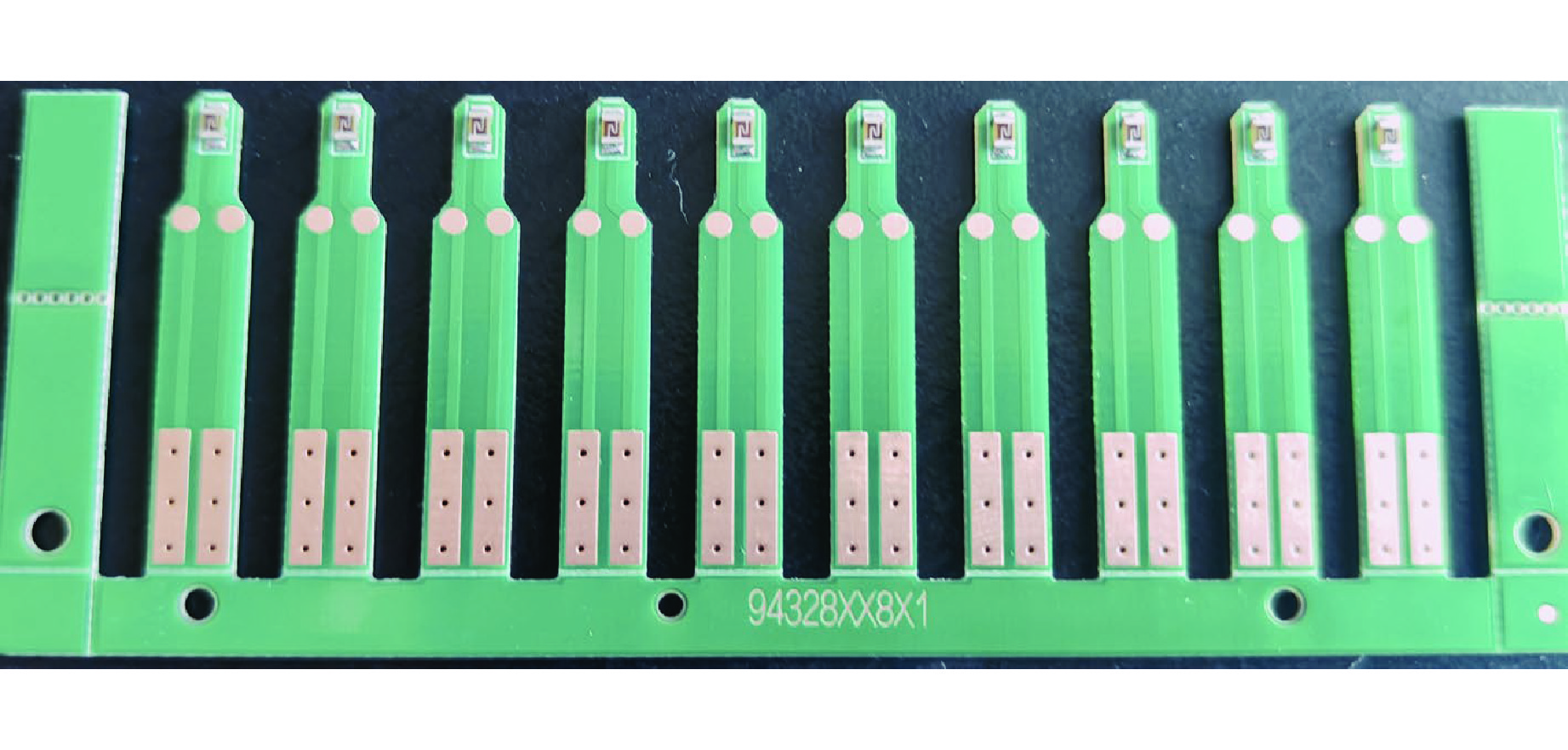
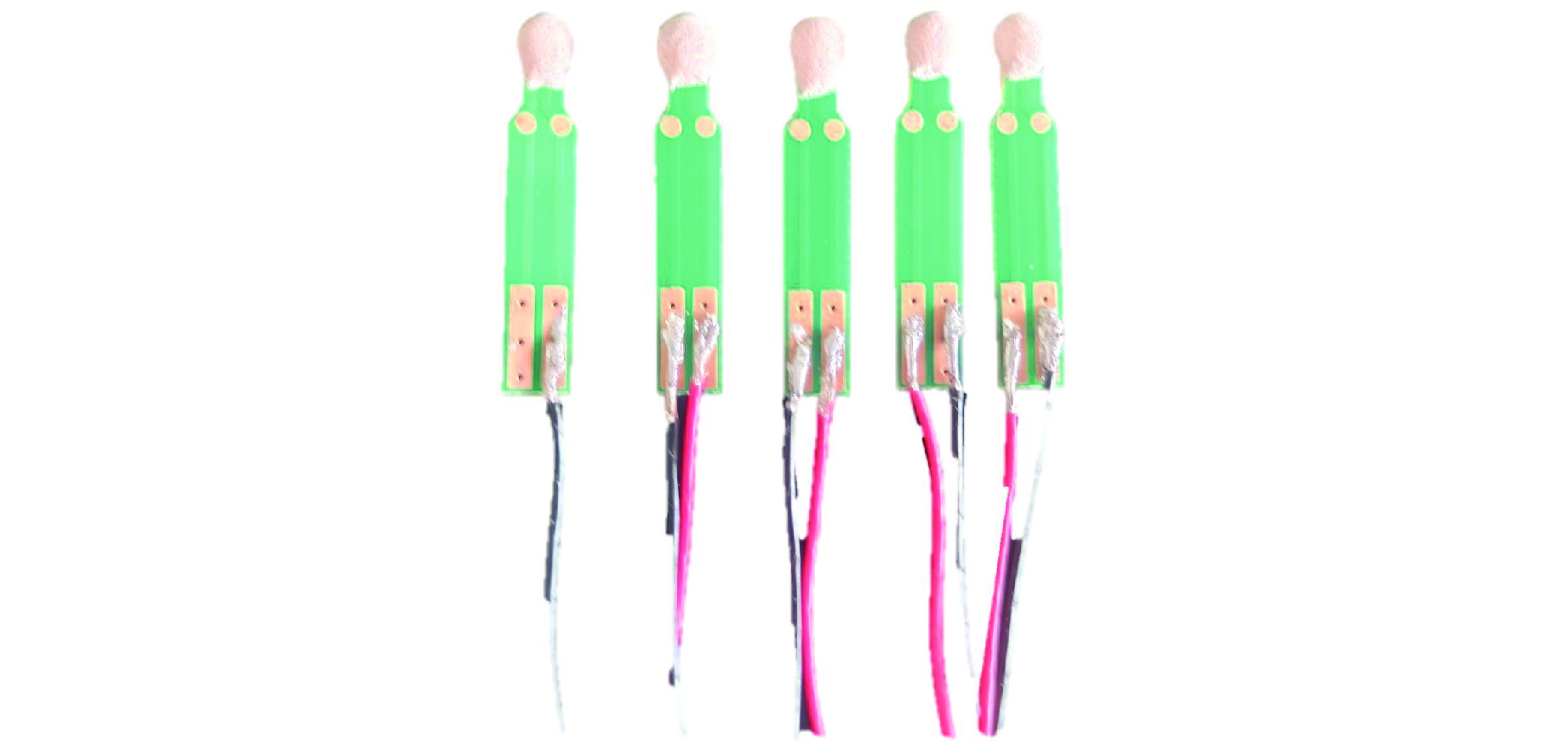
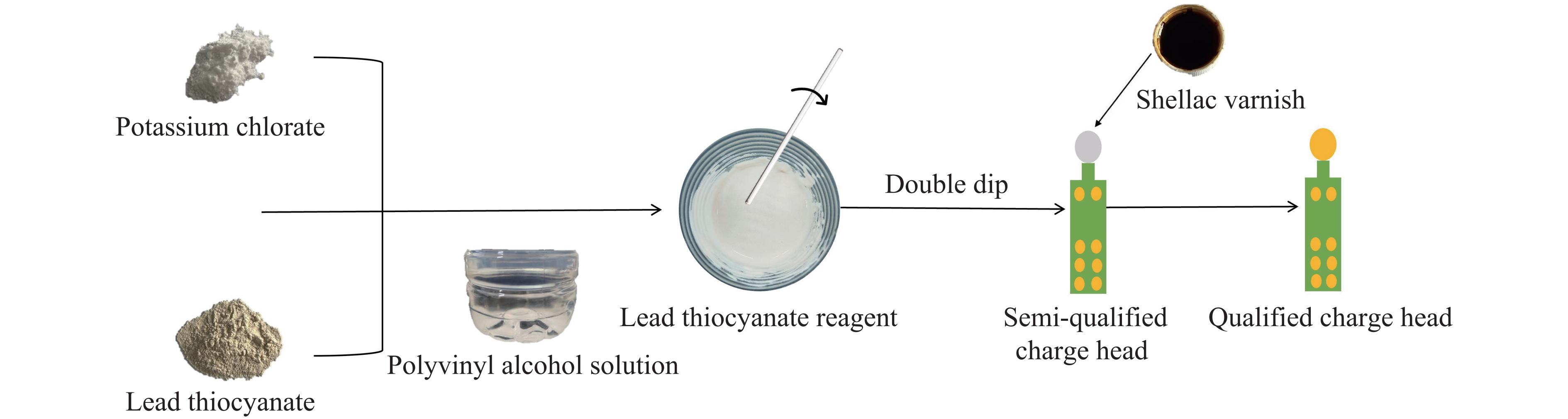
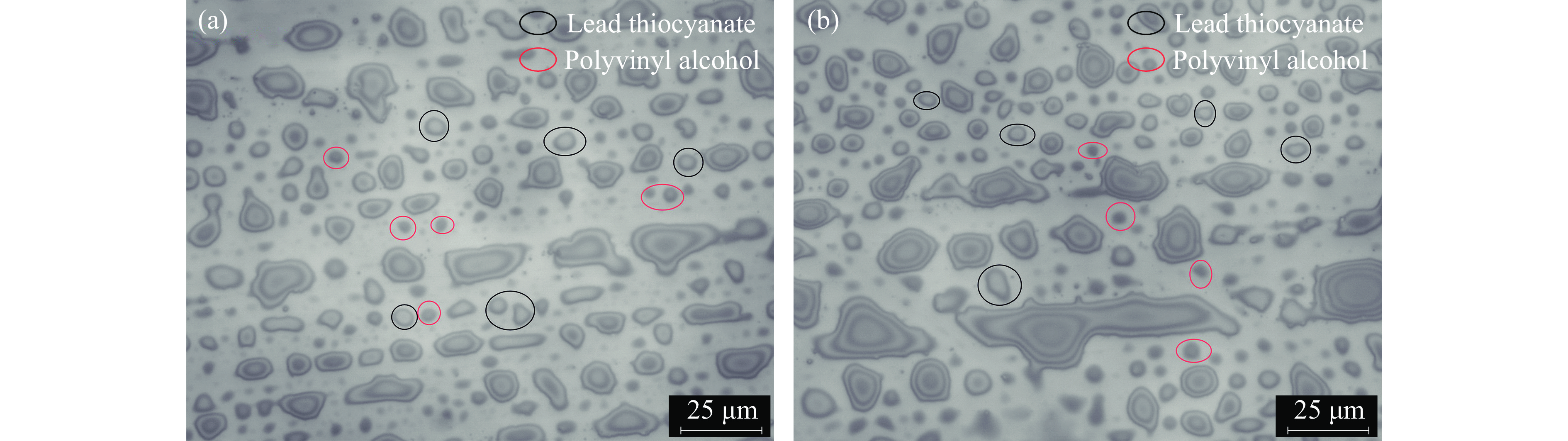
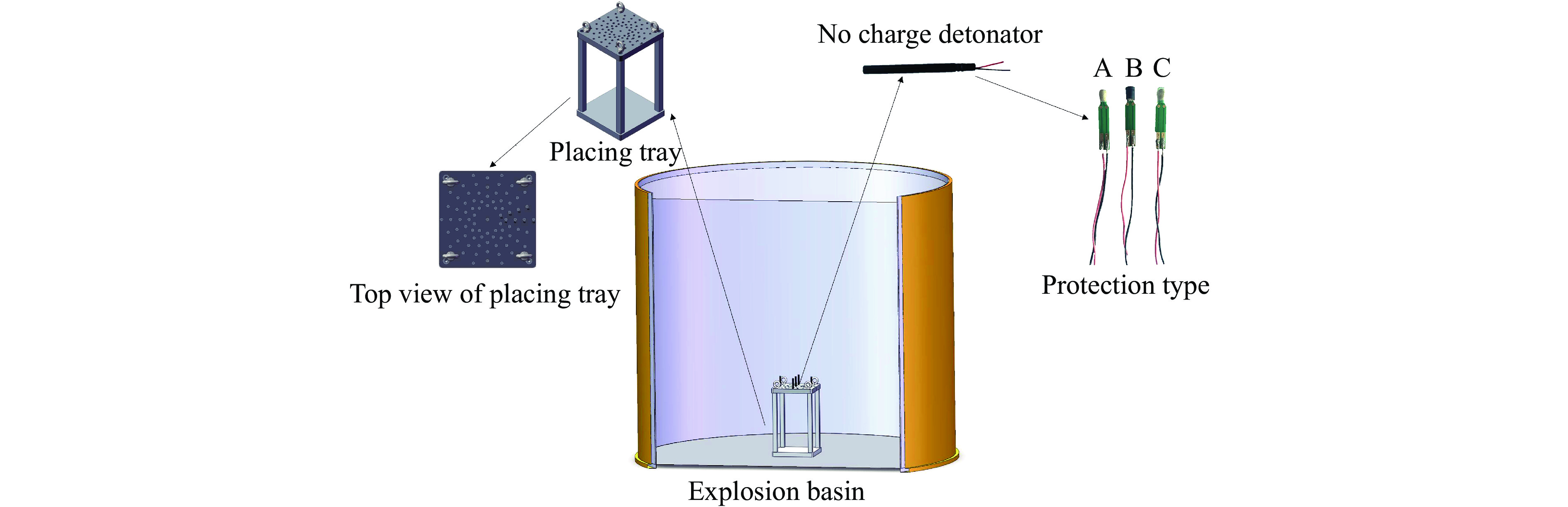
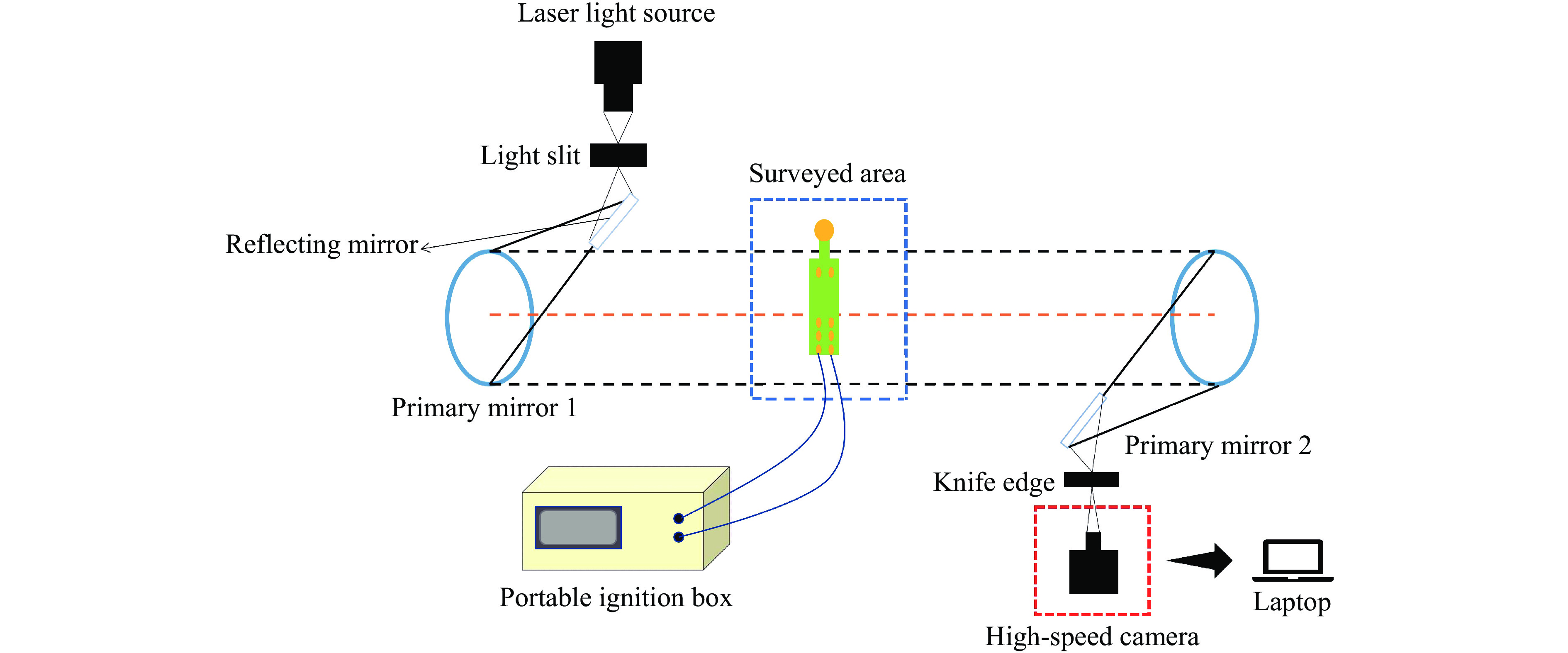
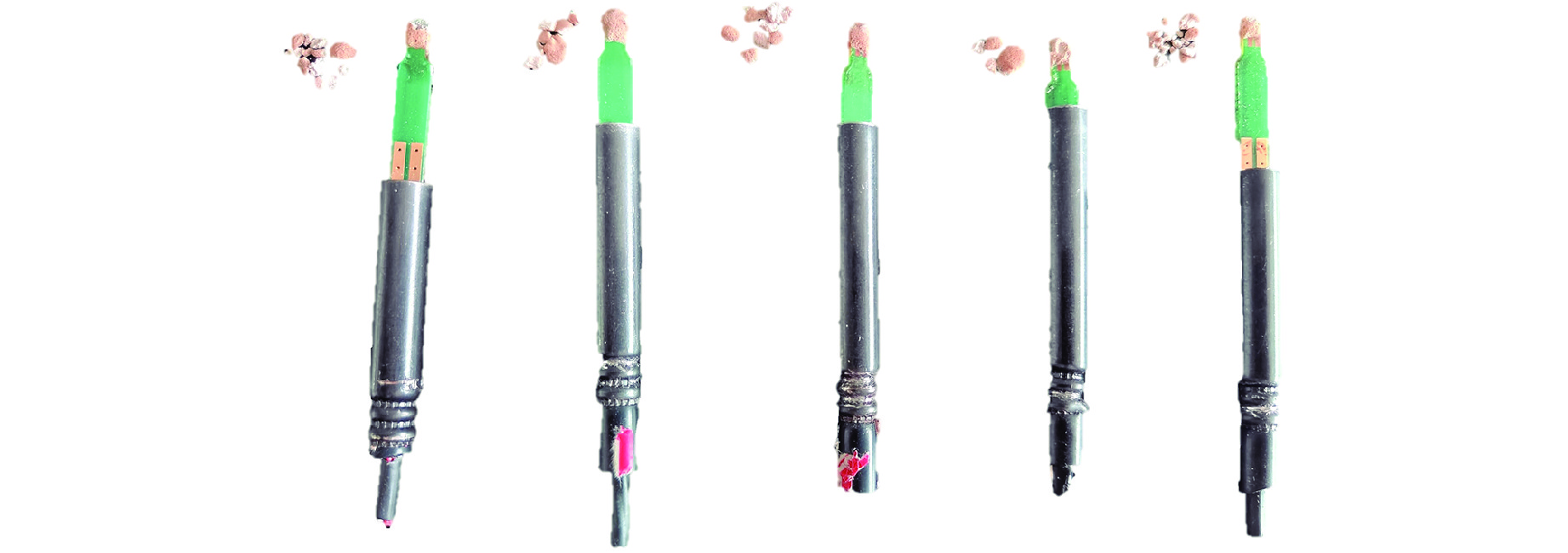
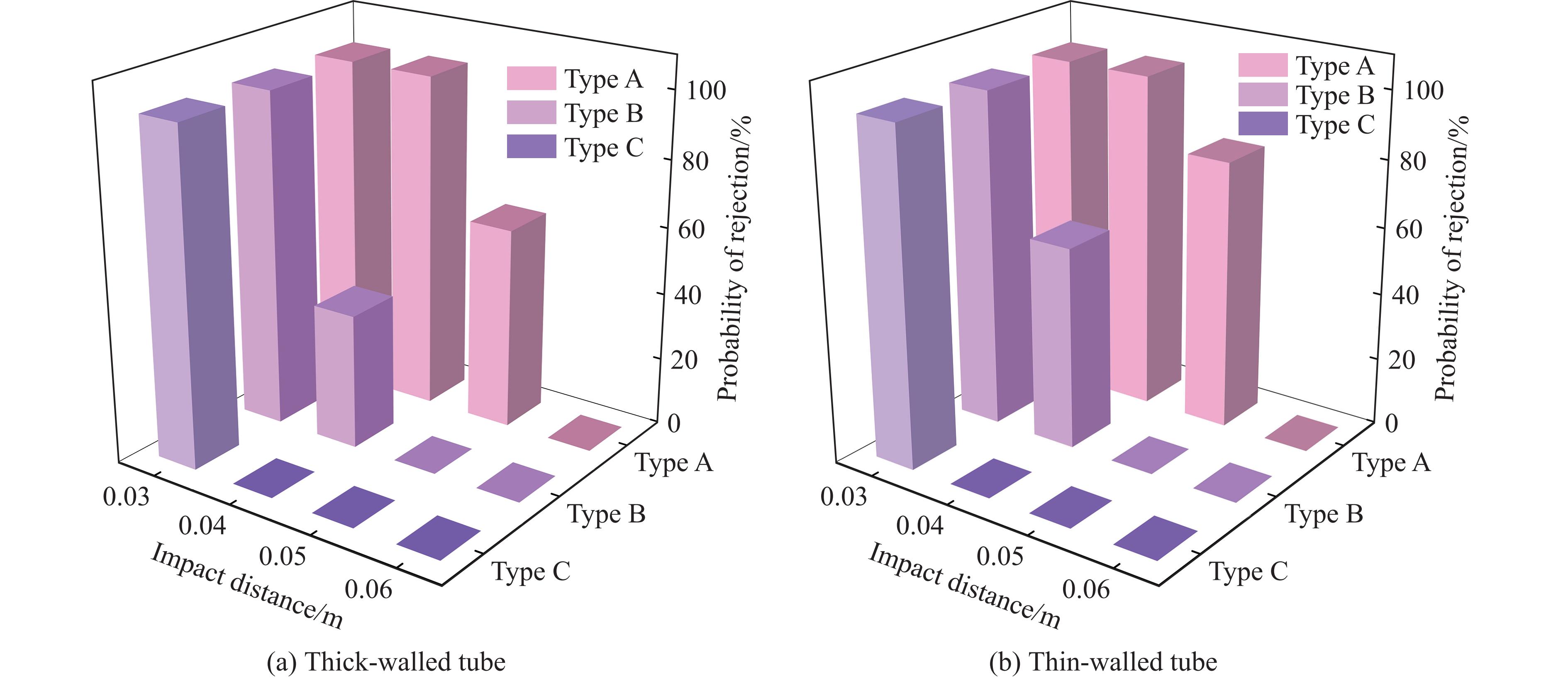
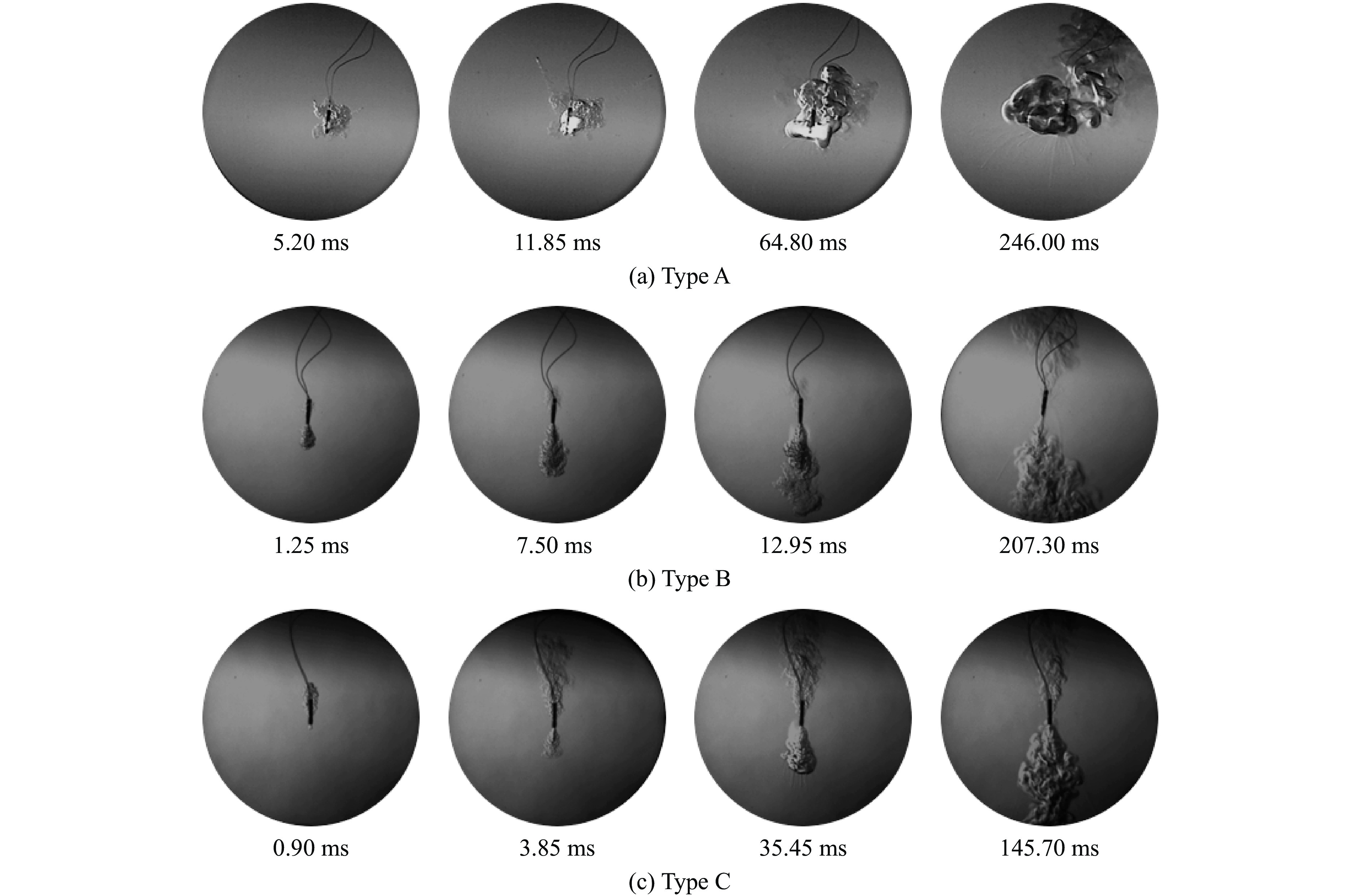
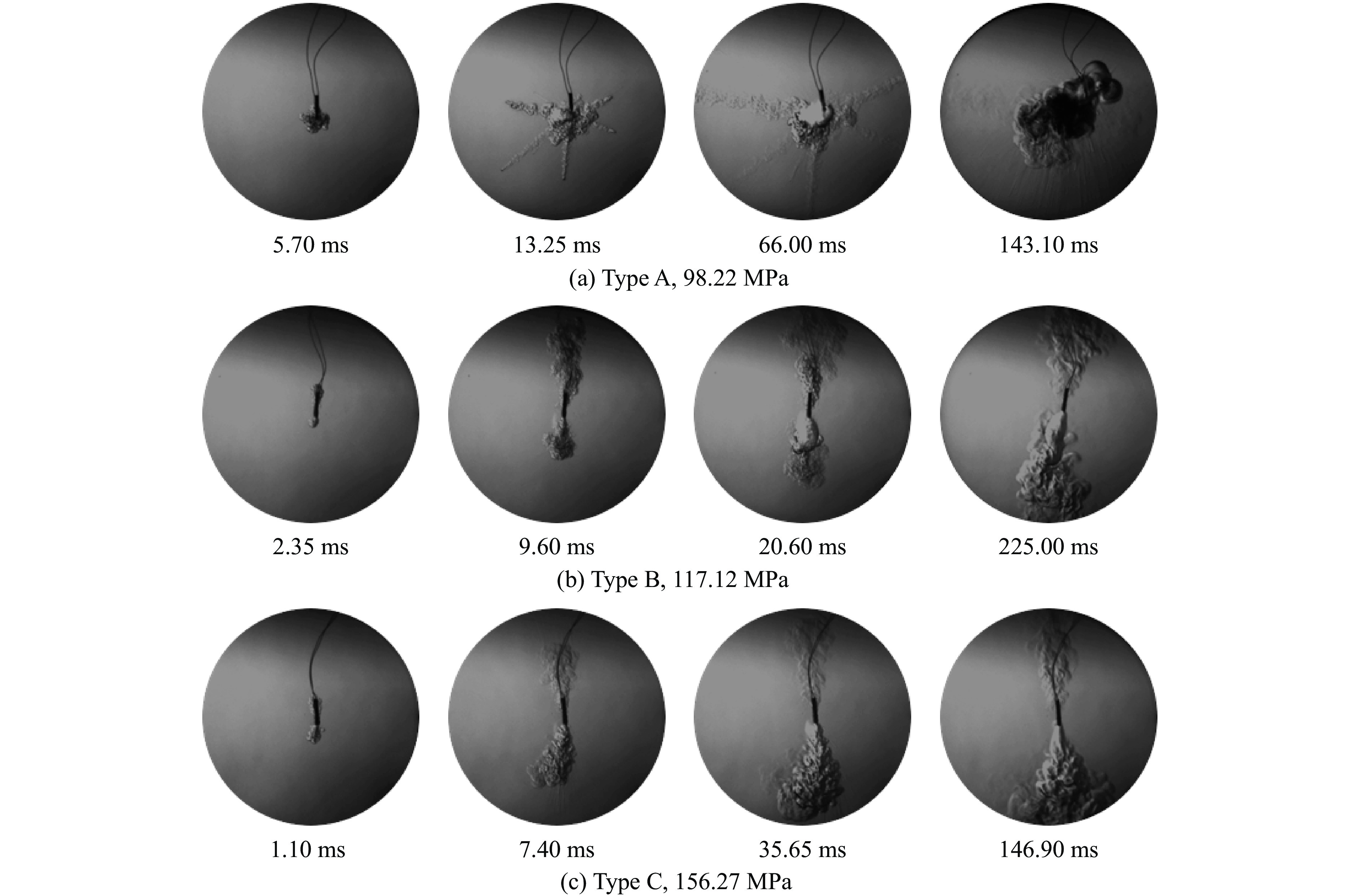
In order to study the effect of explosion impact on the damage and ignition time of the ignition head of the electronic detonator, the lead thiocyanate ignition agent was prepared and its microstructure was observed, and the ignition voltage of the ignition head sample dipped in was measured to test its quality. The underwater explosion method was used to impact the sample detonator without basic charge, and the damage of the ignition head was observed by disassembling the impact detonator, and the high-speed schlieren system was used to carry out the ignition test on the ignition head without obvious damage. The results show that the ultimate pressures of the unguarded, heat-shrinkable and silica gel ignition heads were 98.22, 117.12 and 156.27 MPa, respectively. The three types of protection ignition heads were damaged to varying degrees above the ultimate pressure. Under the wall thickness of 0.38 and 0.50 mm, the explosion miss-fire rate of the three types of protective ignition head showed a trend of decreasing with the decrease of impact strength, and the protective effect of silicone type was better than heat shrinkable type, and the effect of non-protective type was the worst. Under 98.22 MPa, the high pressure gas causes the fragments of the ignition head to fly away, resulting in the reduction of the quality of the ignition head used for ignition, the reduction of the intensity of ignition, and finally the obvious shortening of the ignition time. The ignition time of the heat-shrinkable ignition head at 117.12 MPa was increased by 8.30% compared with no impact, which may affect the delay accuracy of the electronic detonator. The ignition time of the silicone ignition head at 156.27 MPa was almost unaffected.