

2025 Vol. 39, No. 10

Cover
2025, 39(10): 1-105301.
PDF (21)
Abstract:
2025, 39(10): 1-2.
HTML PDF (16)
Abstract:
High Pressure Earth and Planetary Science
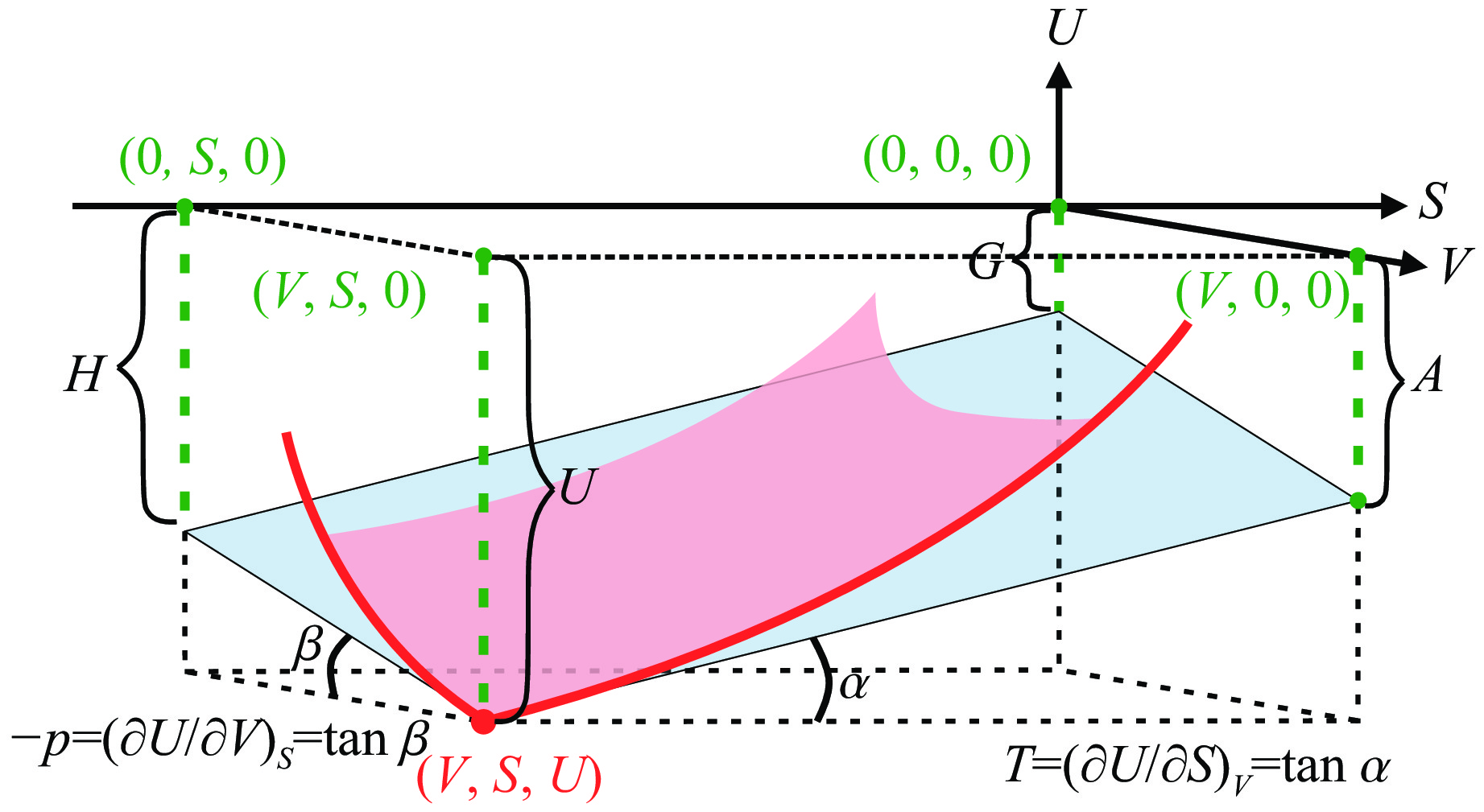
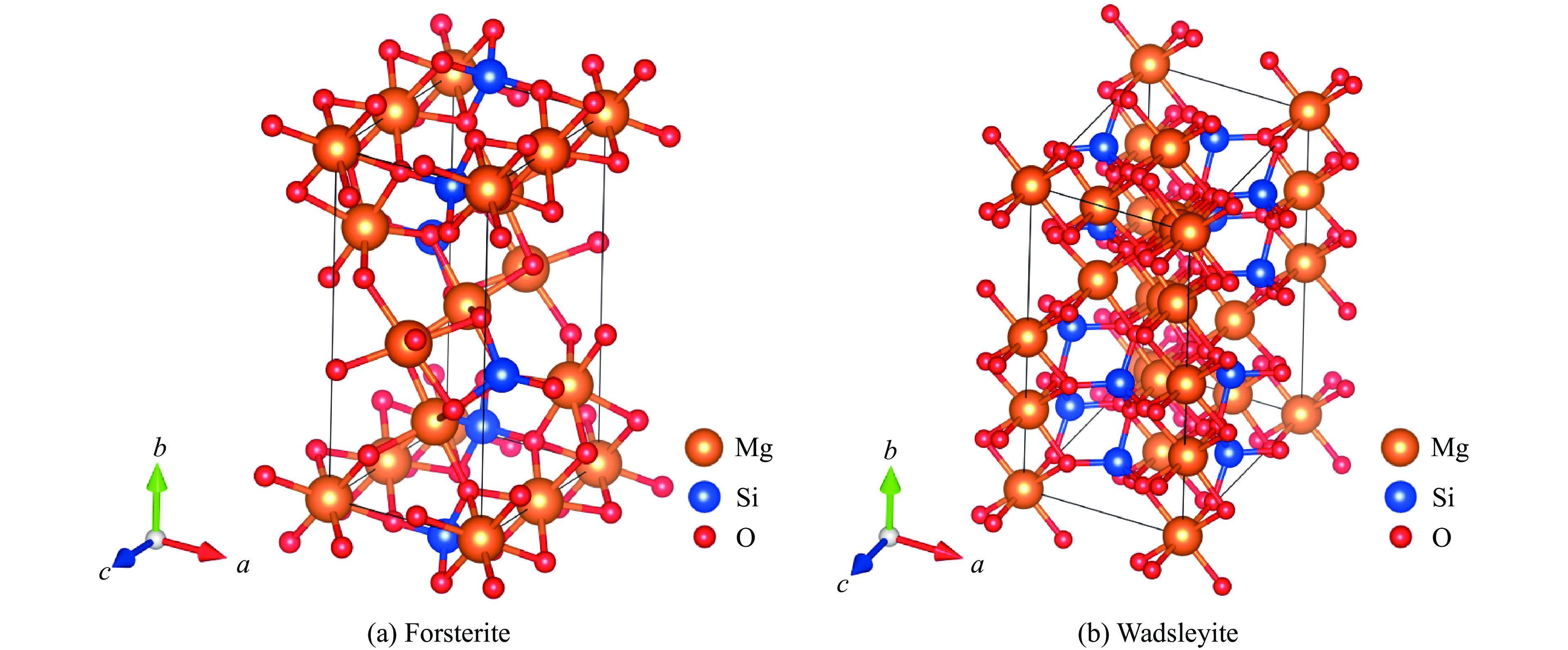
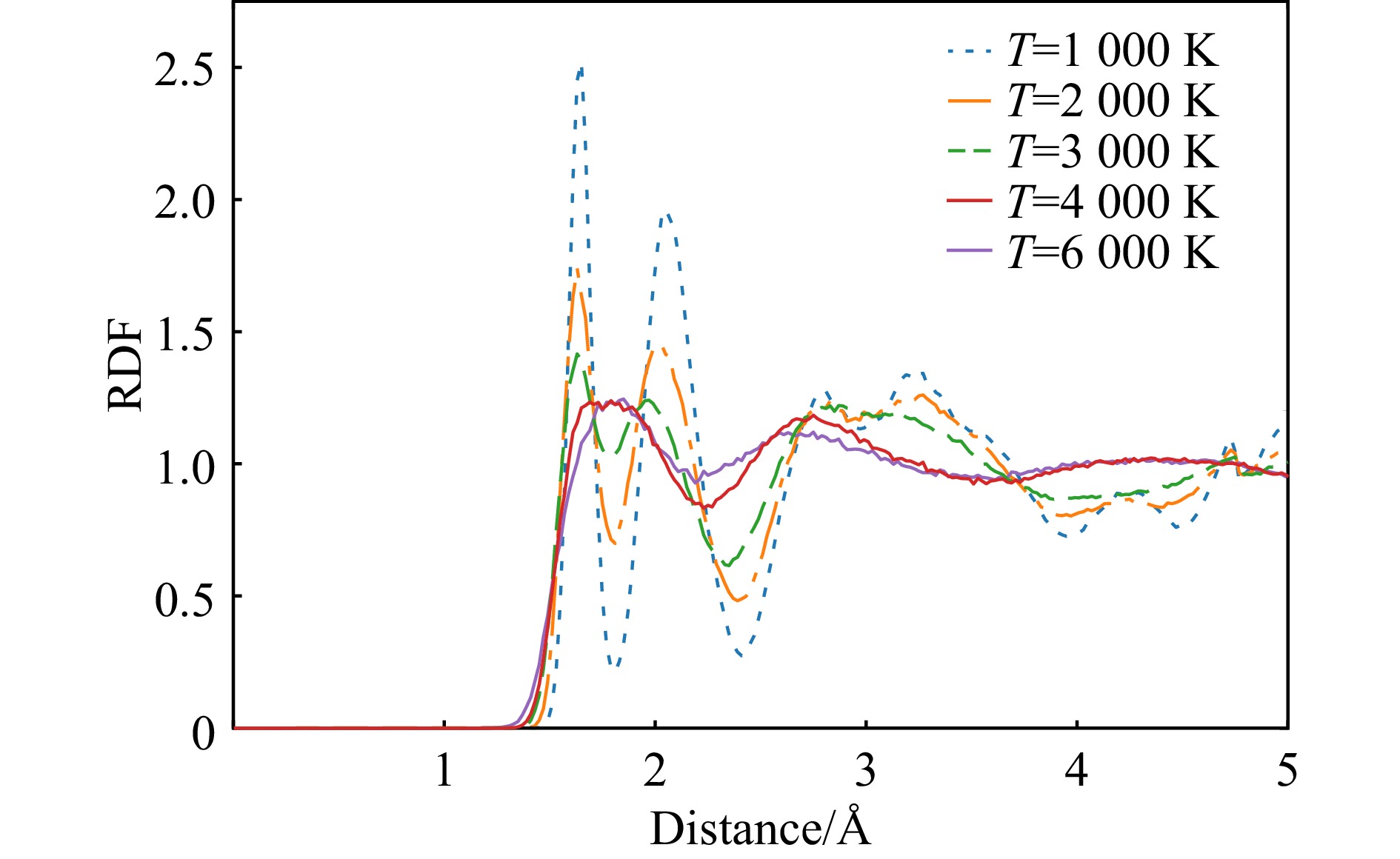
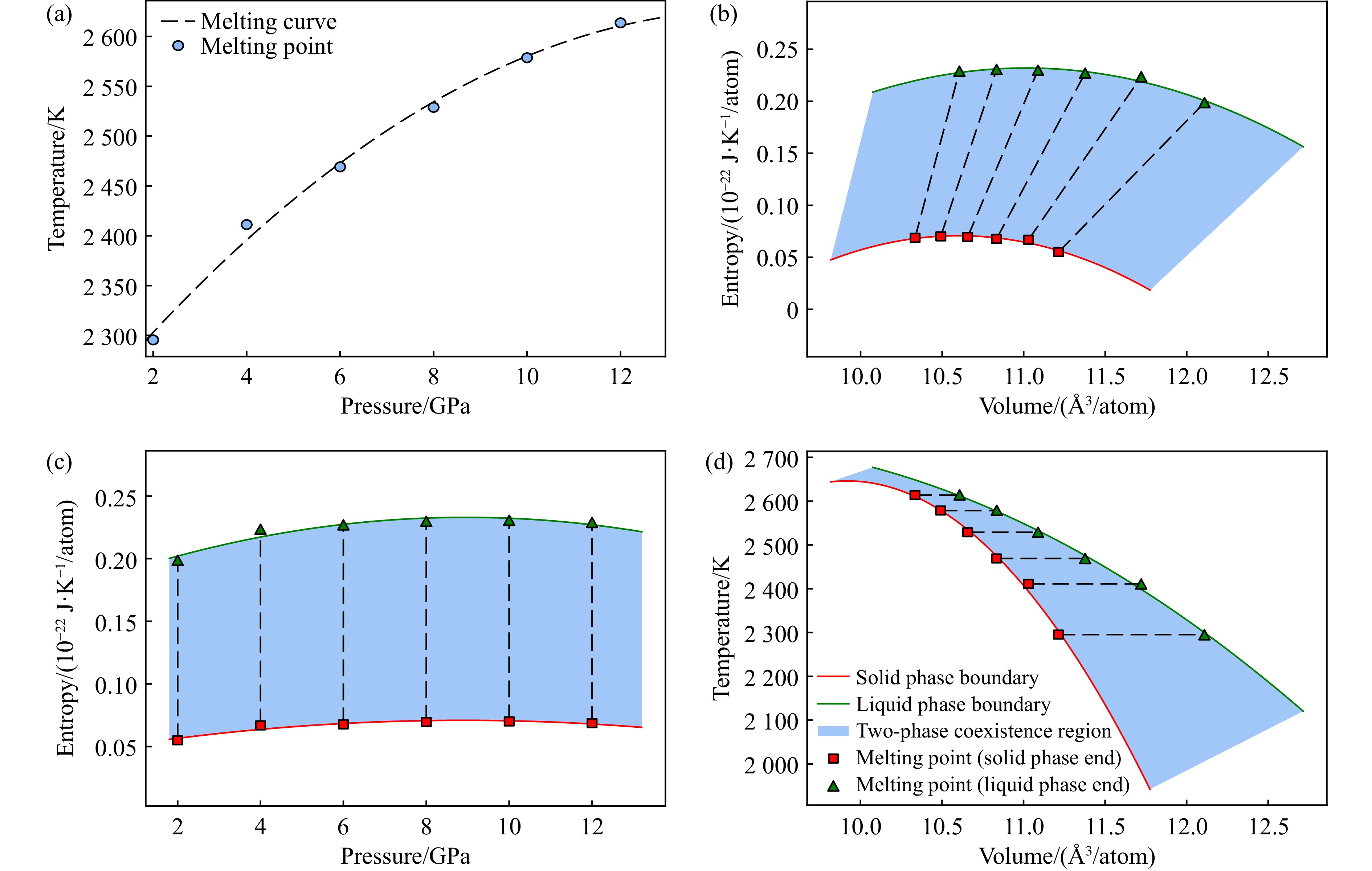
A Gibbs Thermodynamic Surface Approach to Modeling the Melting of Forsterite
ZHAO Xuan, YIN Kun
2025, 39(10): 100101. doi: 10.11858/gywlxb.20251130
HTML PDF (57)
Abstract:

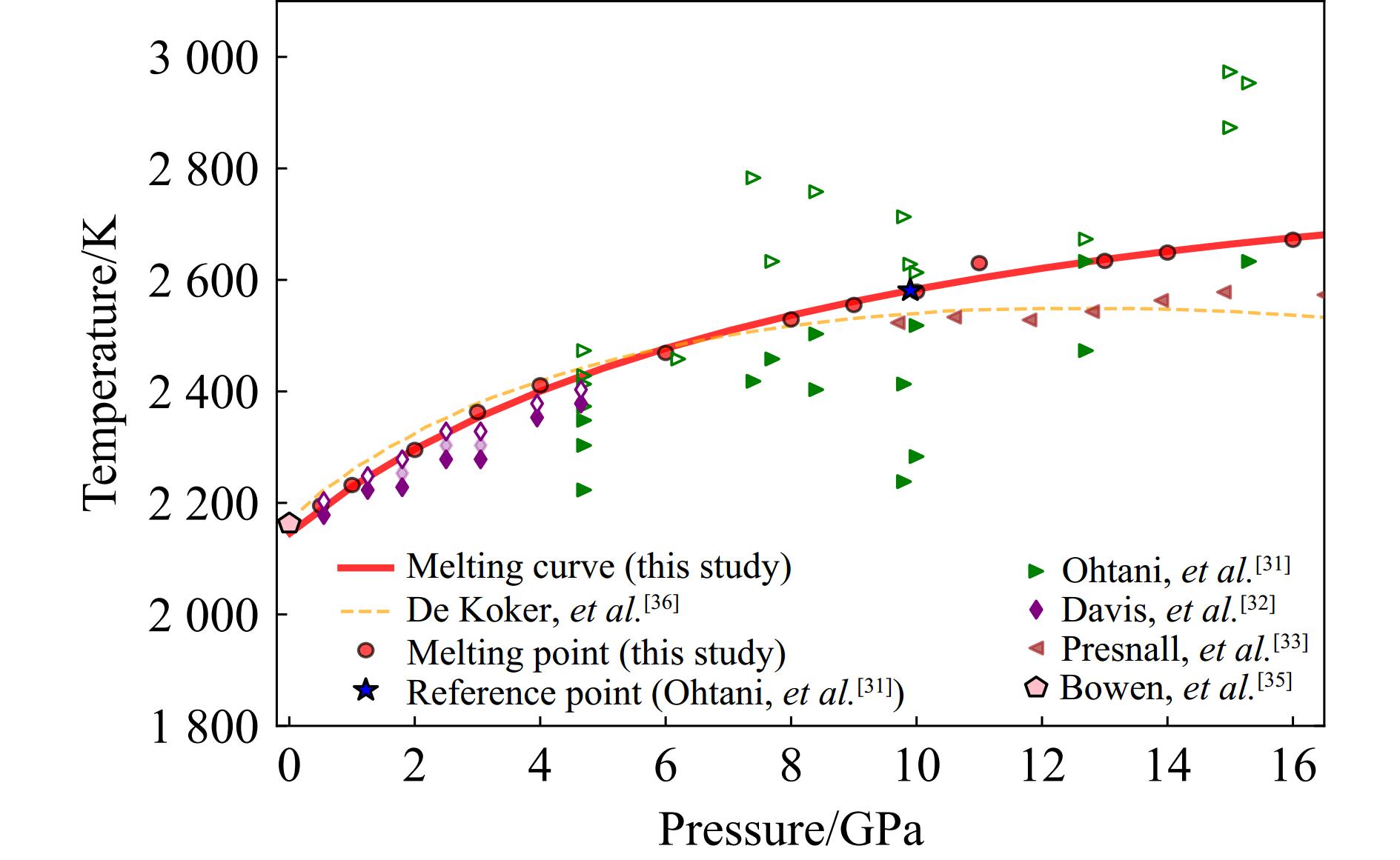
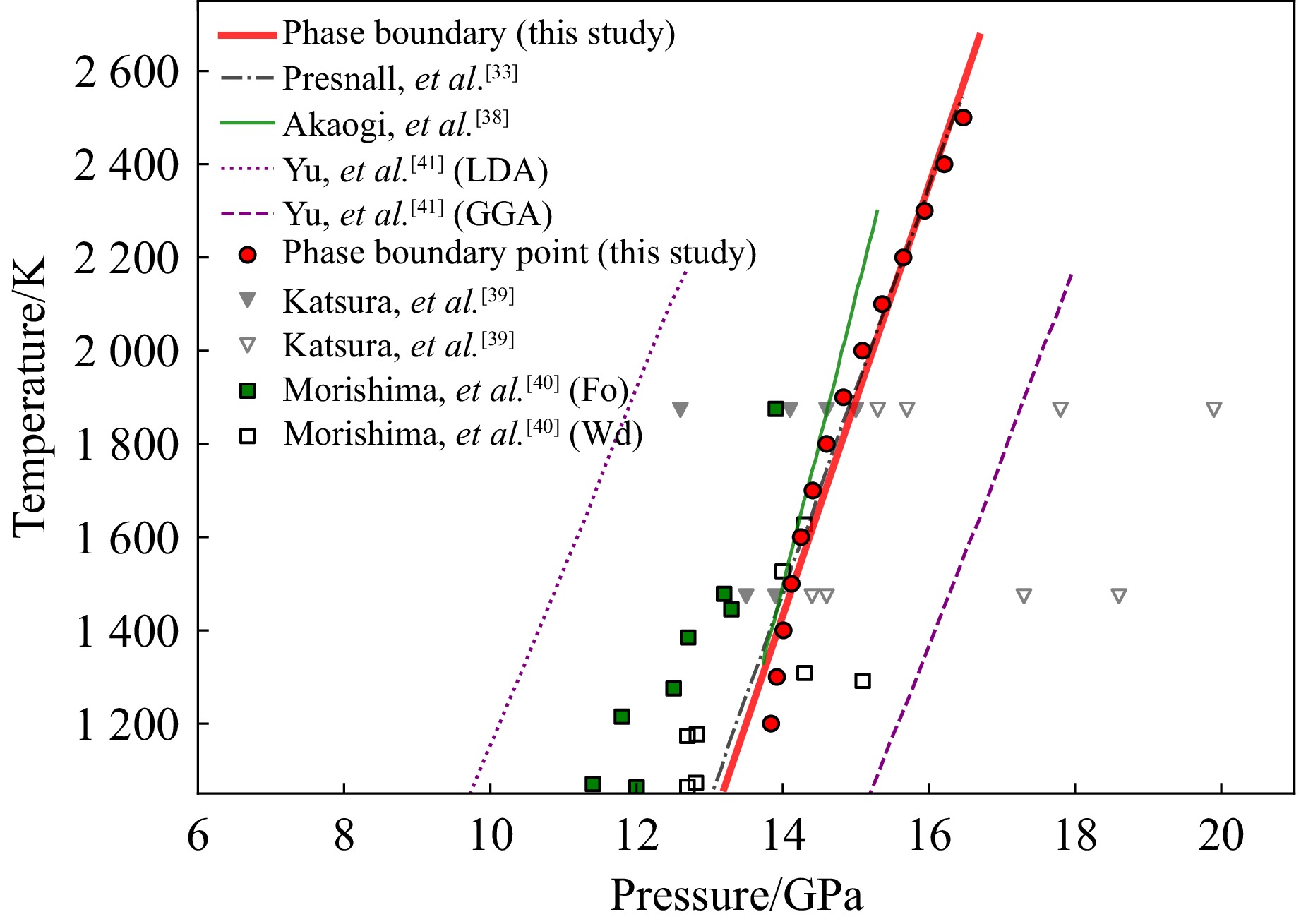
The process of melting is widespread in nature and plays a crucial role in the evolution of magma oceans on Earth and other planetary bodies. Given that planetary interiors are generally subjected to high-pressure conditions, the study of melting behavior under high-pressure conditions is essential for understanding the composition and dynamic evolution of planetary interiors. Based on the theory of the Gibbs thermodynamic surface and previous research, this study employs ab initio molecular dynamics simulation combined with a geometric model to obtain the melting data of forsterite (Mg2SiO4) within the pressure range of 0 to 16 GPa. Under limited computational resources, this method enables the efficient and accurate acquisition of melting-related properties at any point within a given pressure range, including the Gibbs free energy, Helmholtz free energy, enthalpy, internal energy, entropy, and volume of solid and liquid phases. This approach is also used to determine the phase boundary between forsterite and wadsleyite within the temperature range of 1200 to 1500 K. The calculated results show high consistency with existing experimental and computational data, validating the reliability and accuracy of this method for obtaining melting data under high pressure. This approach overcomes the bottleneck of existing methods in efficiently obtaining complete high-pressure melting data with limited computational resources.

Elastic Wave Velocity of Brucite and Its Implications for Water Cycling in Subduction Zones
ZHANG Rui, WANG Duojun, CAI Nao
2025, 39(10): 100102. doi: 10.11858/gywlxb.20251026
HTML PDF (51)
Abstract:

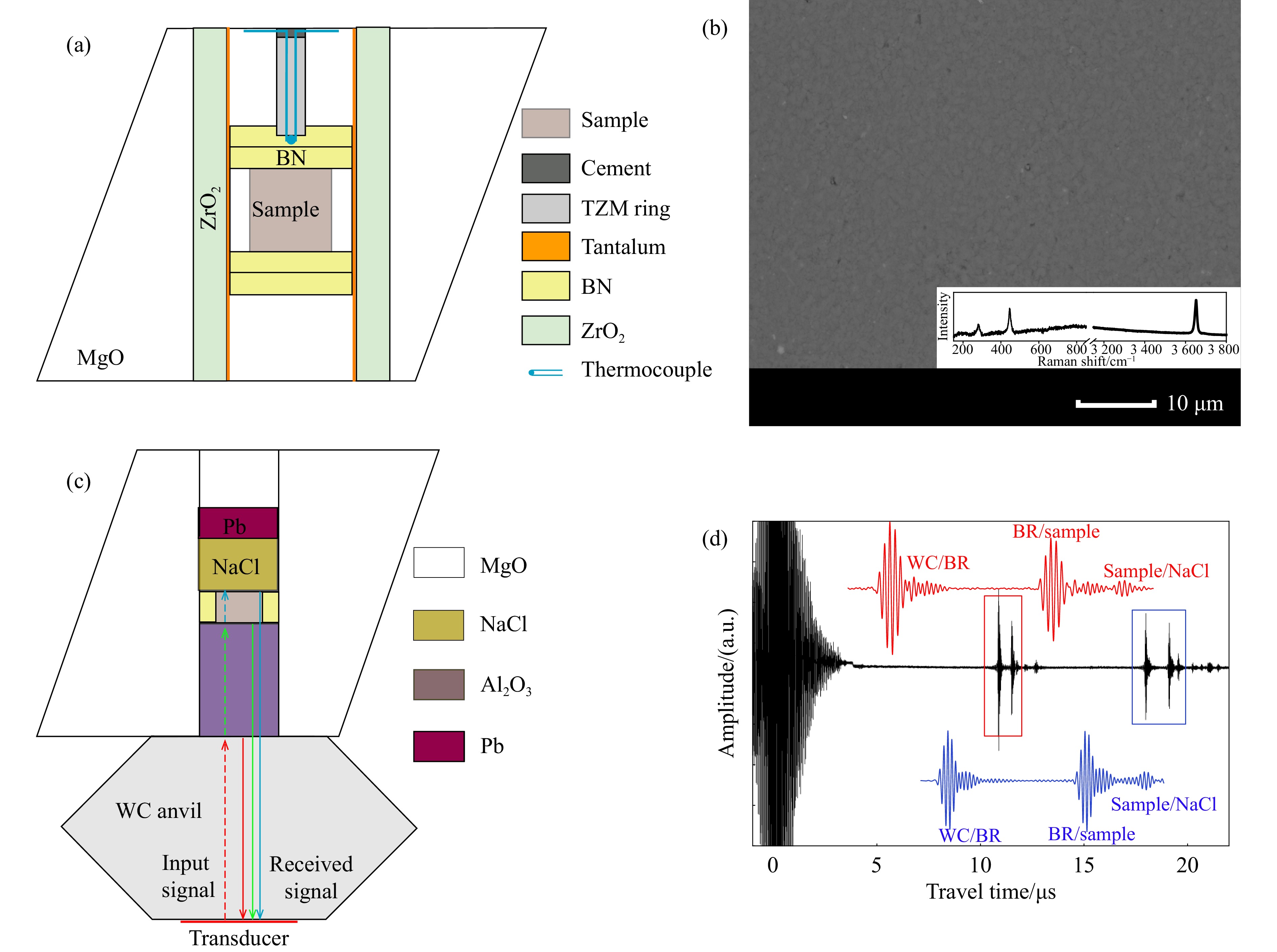
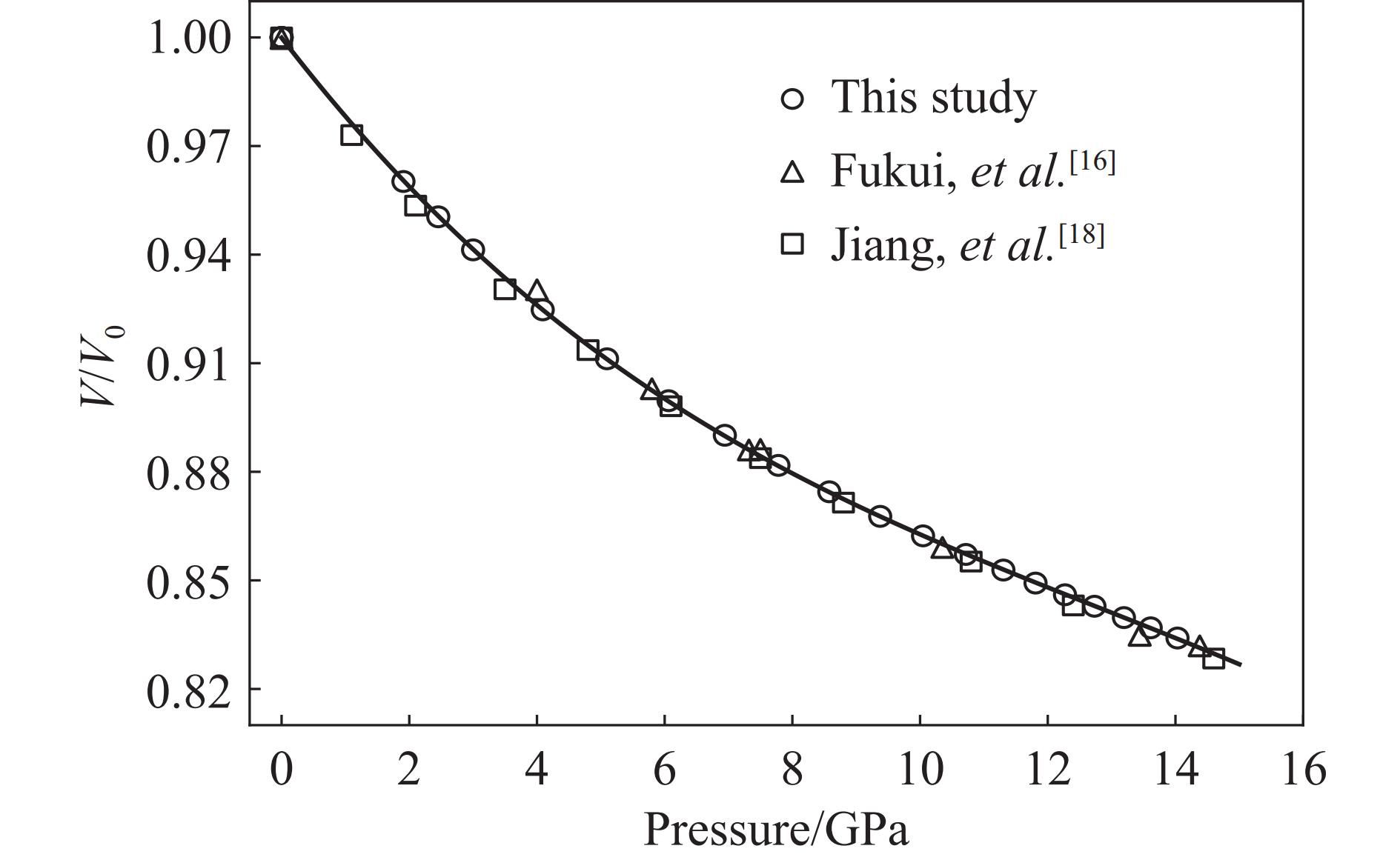
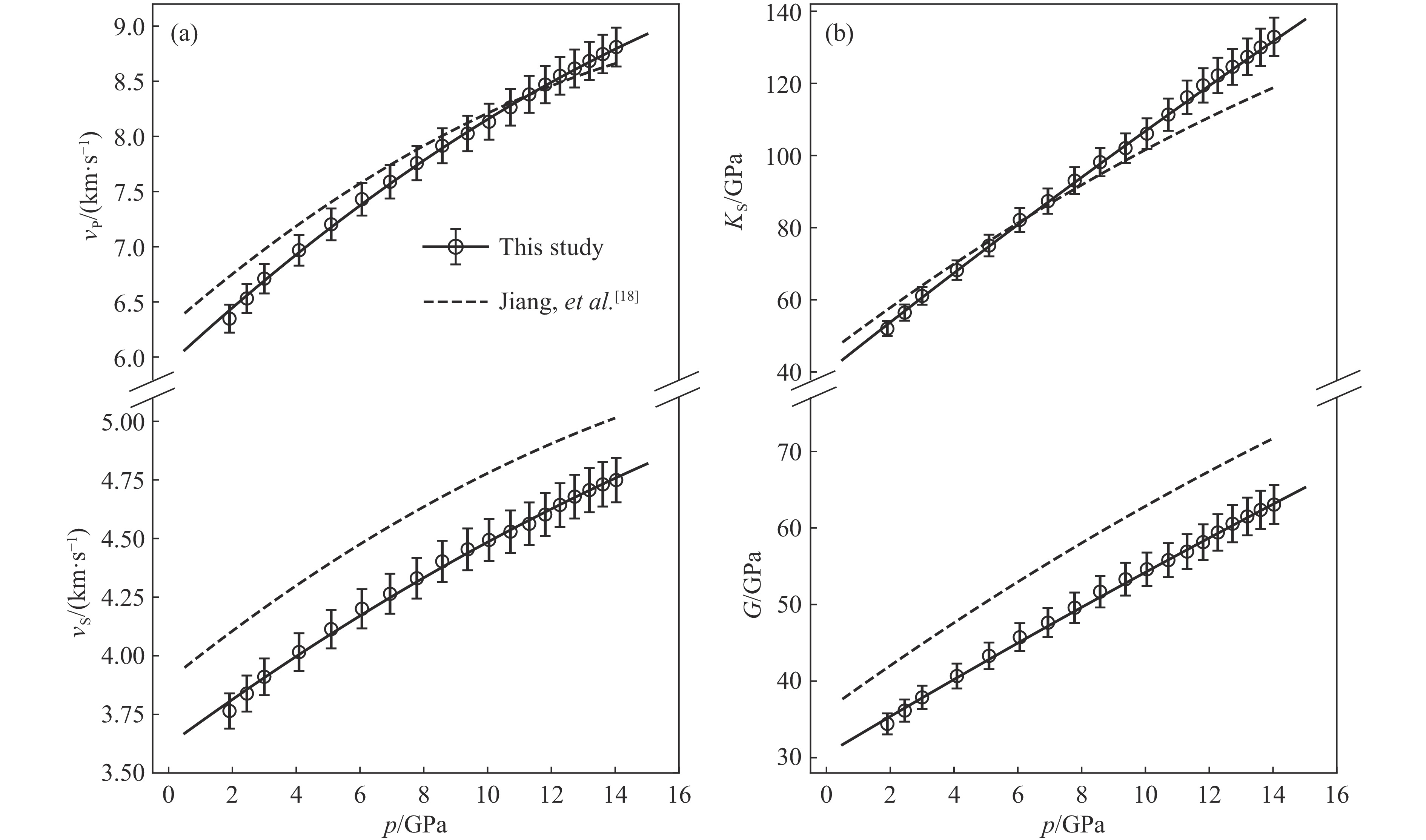
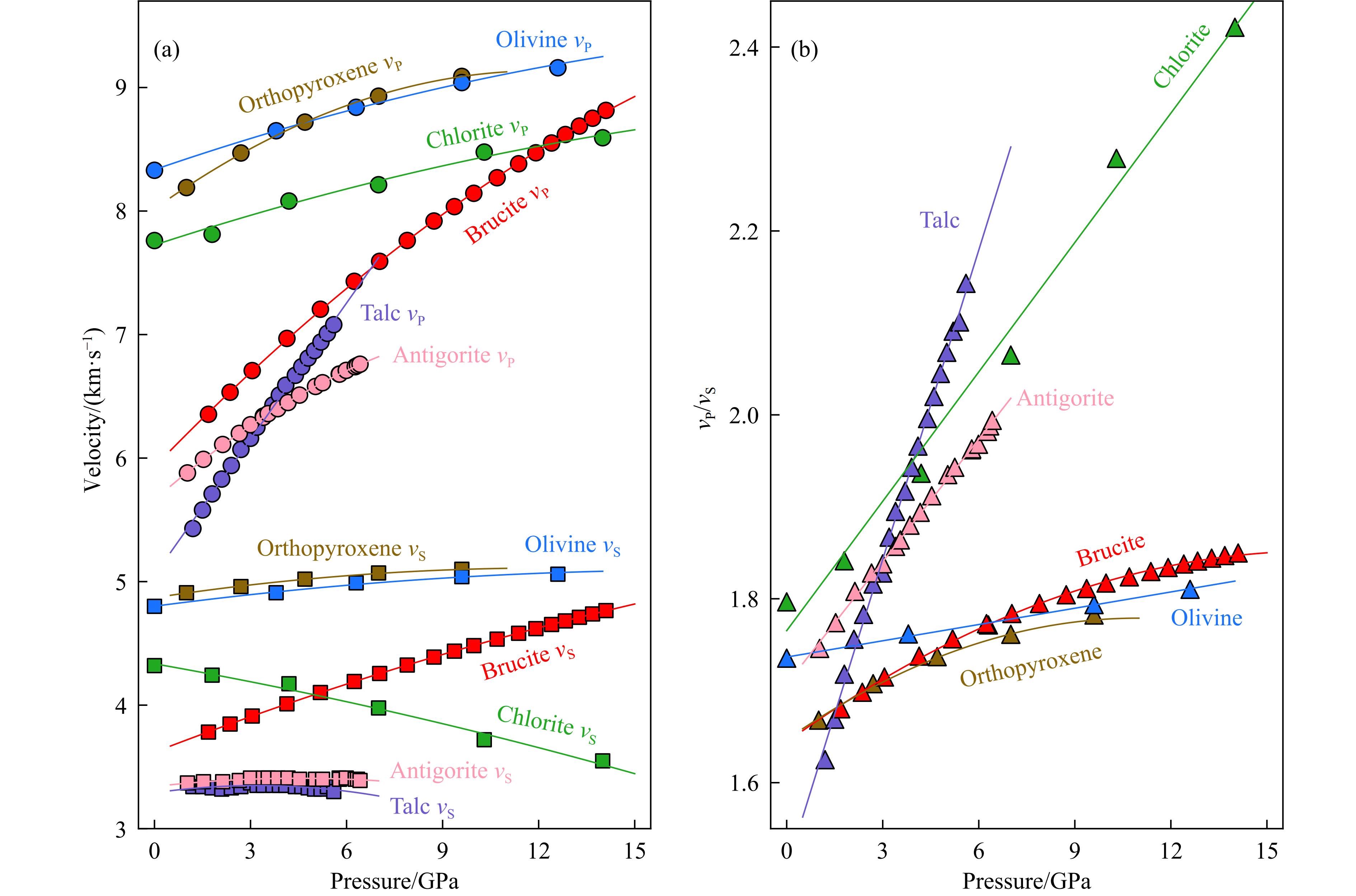
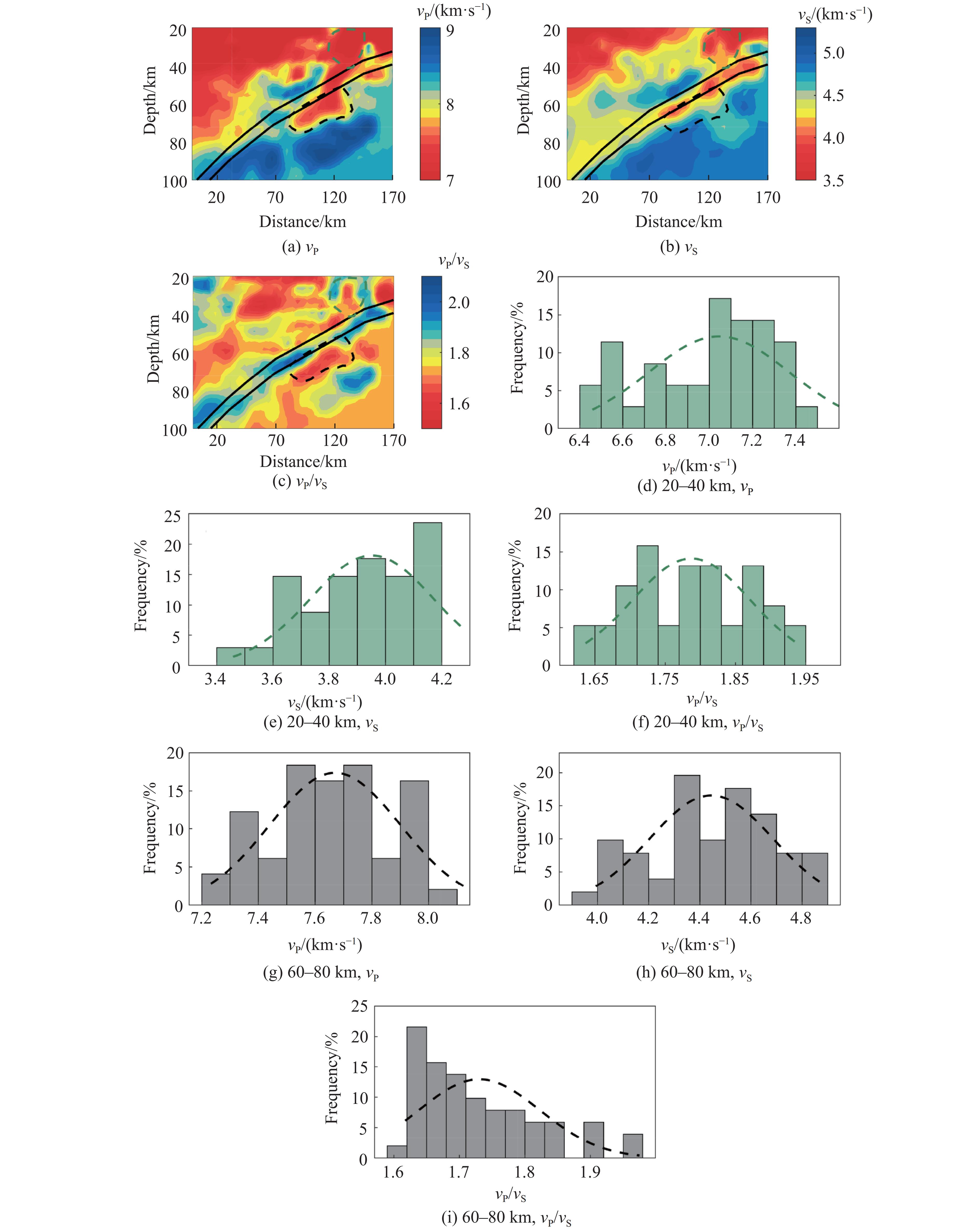
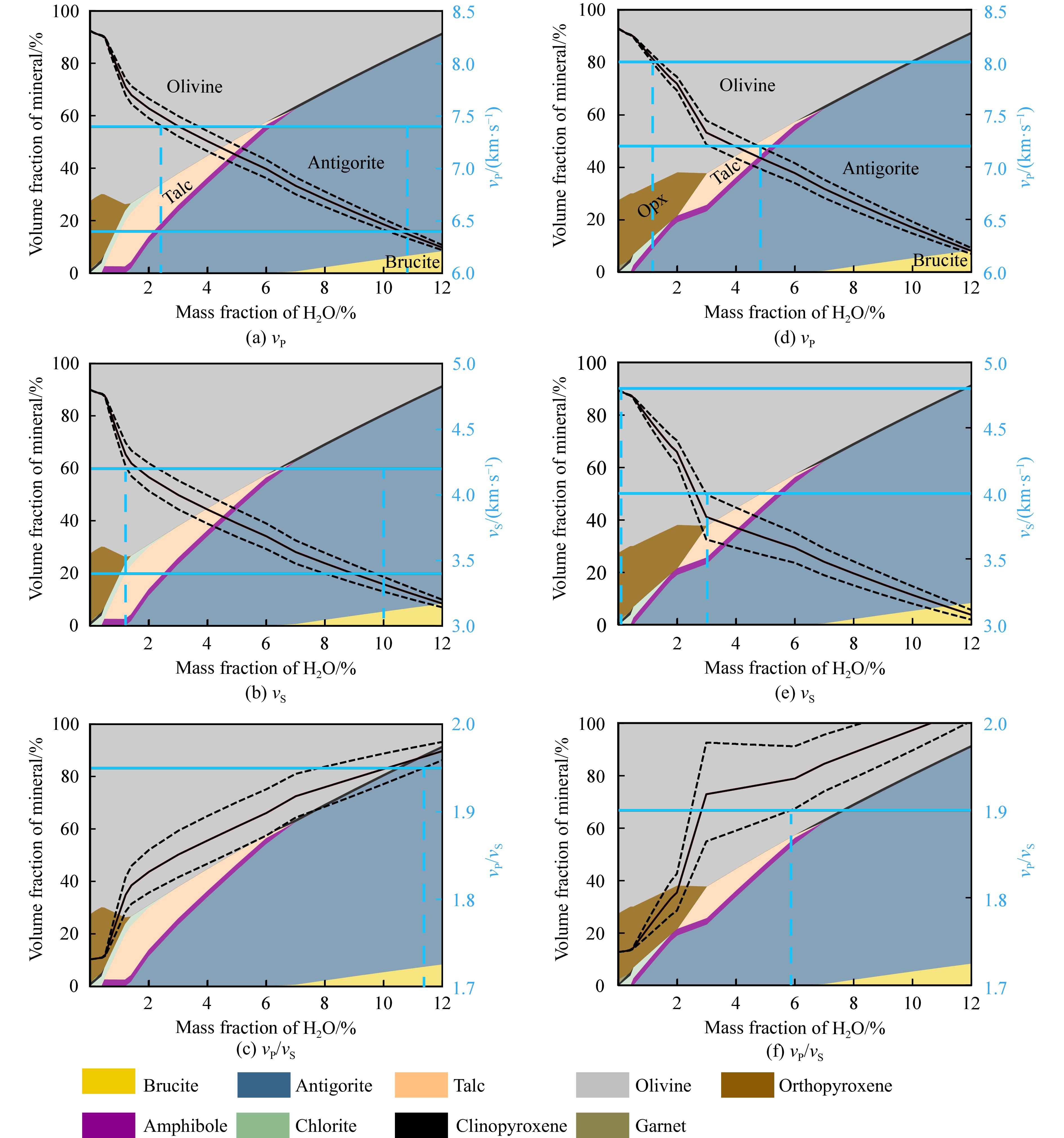
Brucite, a key constituent mineral in hydrated peridotites within subduction zones, can occupy up to the volume fraction of 15% of these water-saturated rocks. Investigating the high-pressure elastic wave velocities of brucite is thus crucial for understanding the composition, seismic velocity structure, and deep-water cycling processes of hydrated peridotites in subduction zones. In this study, dense polycrystalline brucite was synthesized from Mg(OH)2 reagent under 4 GPa and 523 K for 2 h. The elastic wave velocities and moduli of brucite were measured up to 14 GPa using ultrasonic interferometry. The results demonstrate that the elastic wave velocities and moduli of brucite increase with increasing pressure. By integrating seismic tomography with mineral assemblage modeling, we constrained the water content in the low-velocity anomaly regions of the mantle wedge using the Voigt-Reuss-Hill (VRH) model. Our estimations indicate that the water mass fraction ranges from 3.0%–10.0% in low-velocity anomaly zones of the mantle wedge above the subducting slab at depths of 20–40 km, and 1.0%–3.0% within the subducting slab at depths of 60–80 km beneath northeastern Japan.

High-Temperature and High-Pressure Experimental Study on the Thermal Conductivity and Thermal Diffusivity of Gneiss
XIONG Zili, ZHANG Baohua, LIU Hongmei
2025, 39(10): 100103. doi: 10.11858/gywlxb.20251076
HTML PDF (30)
Abstract:

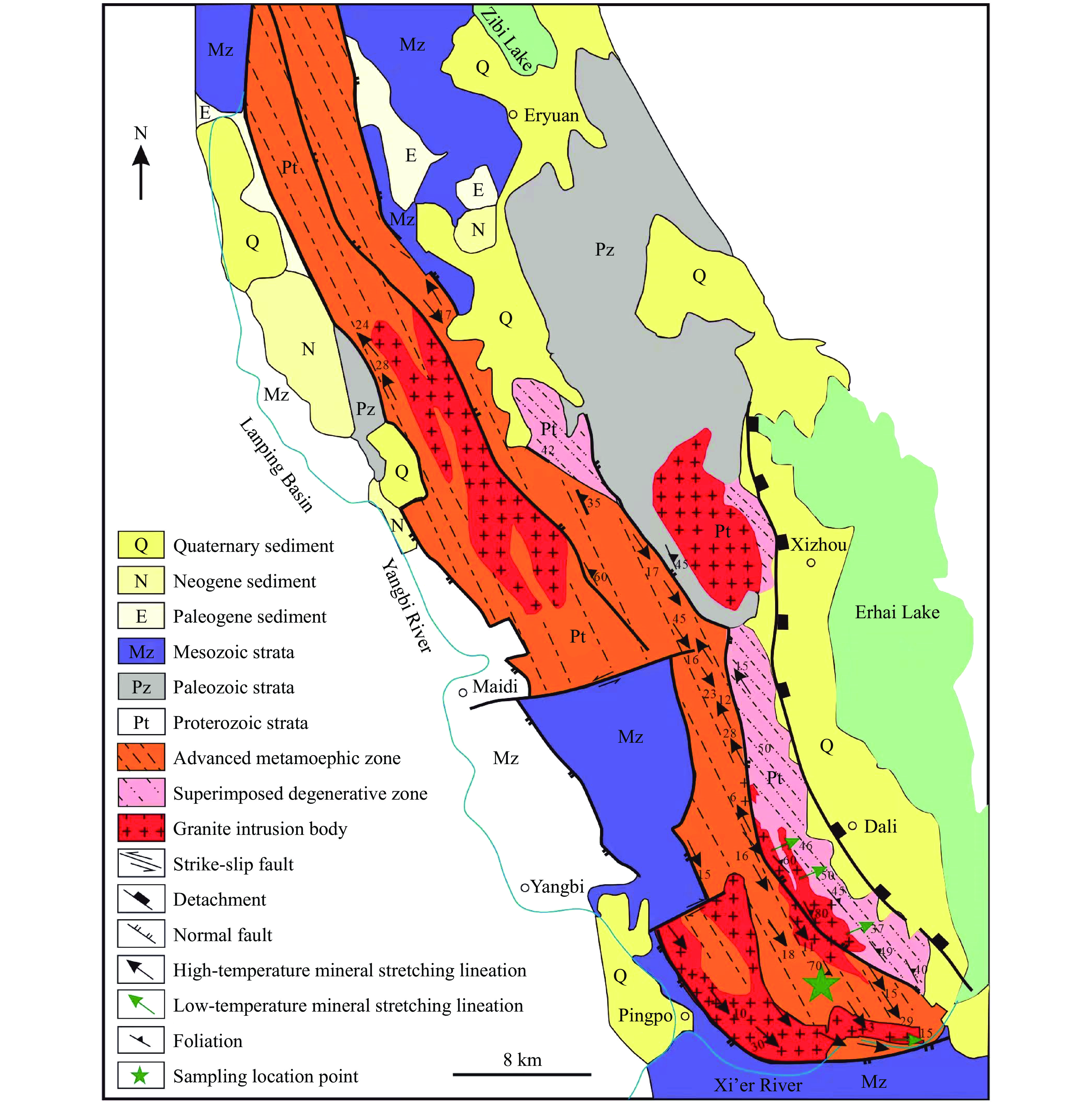
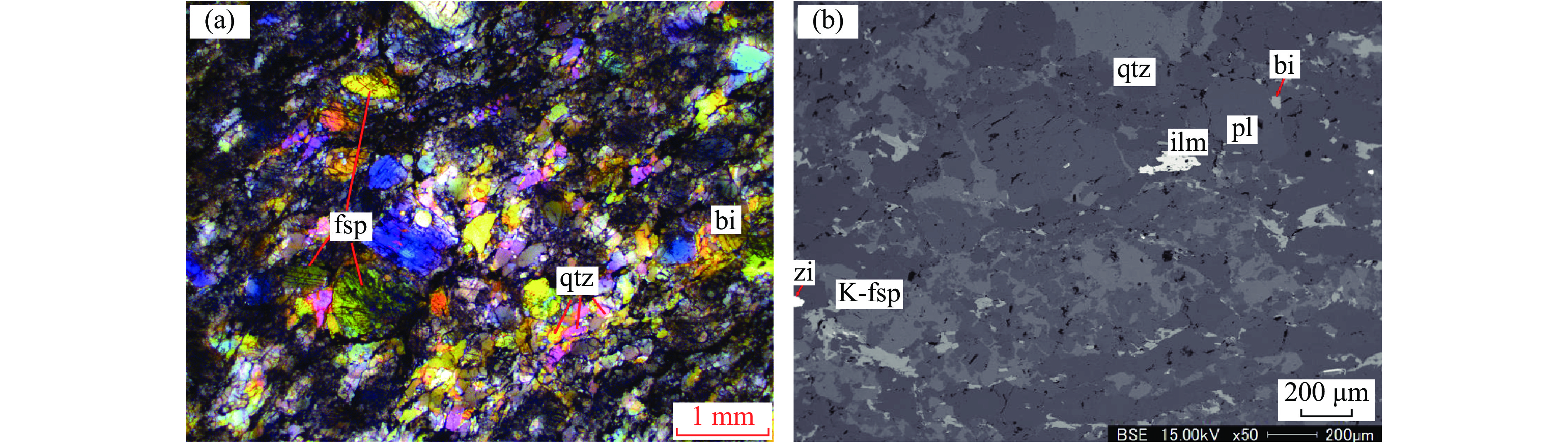
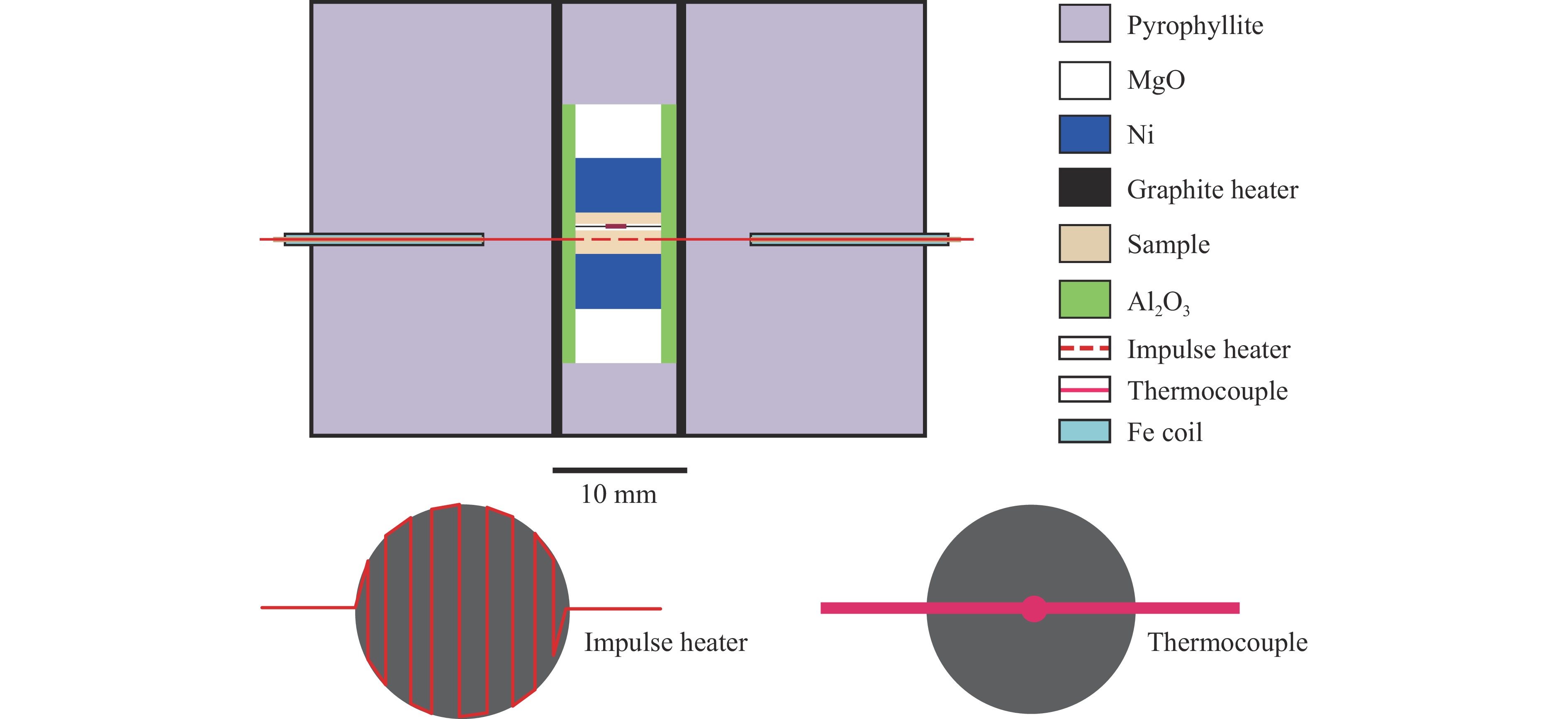
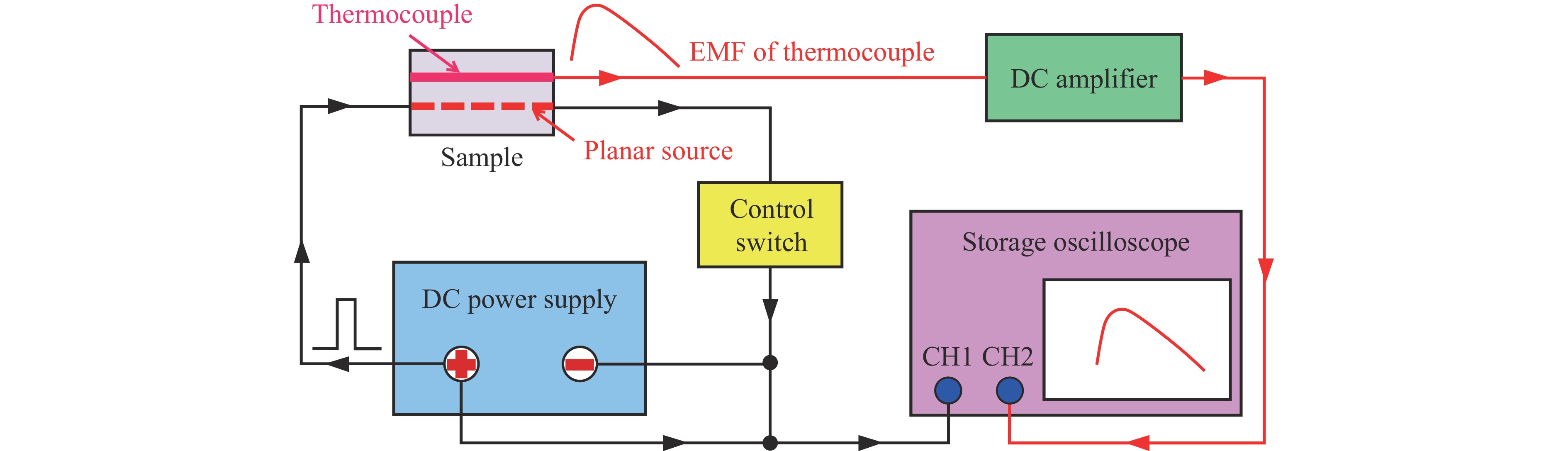
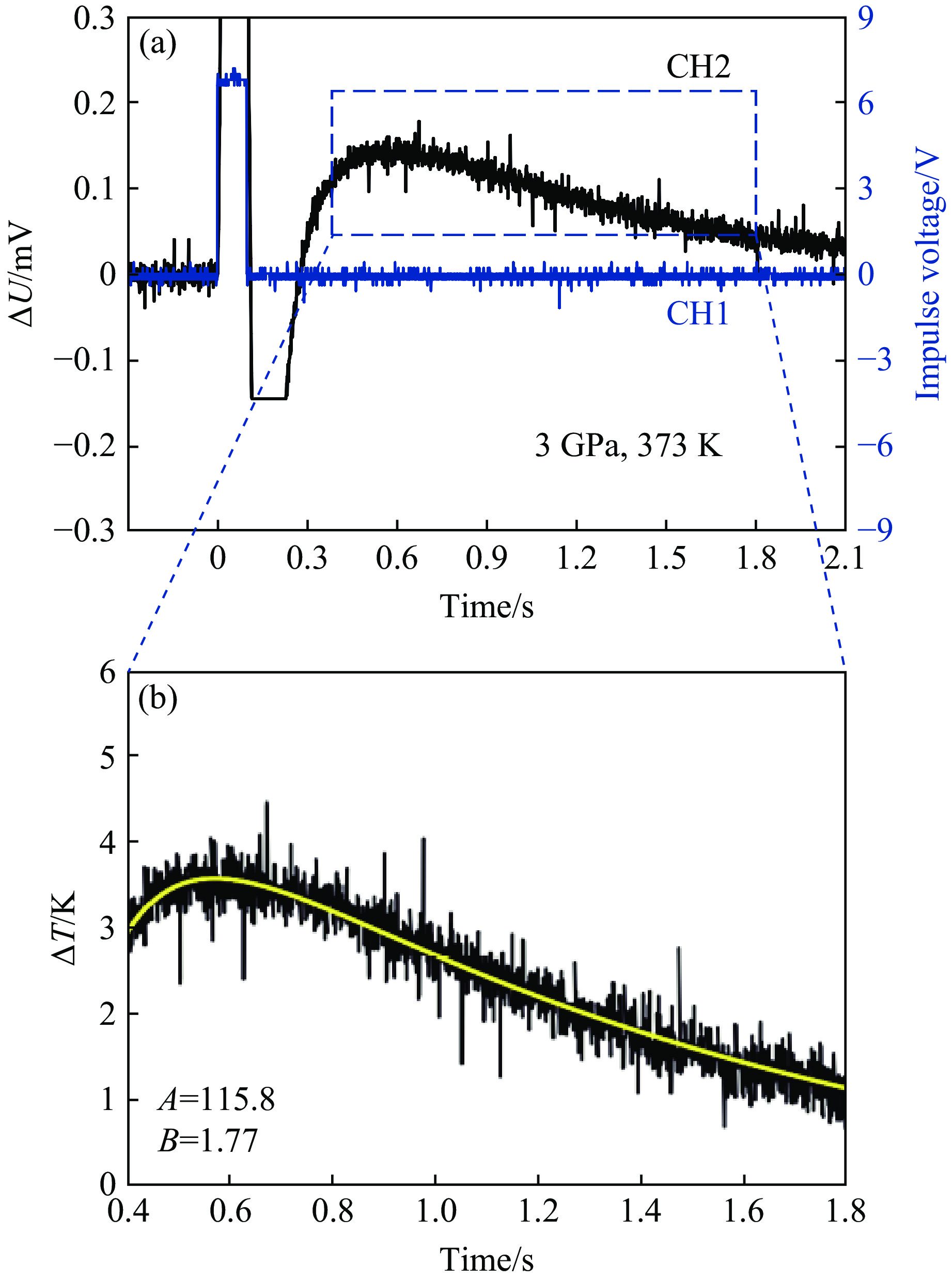
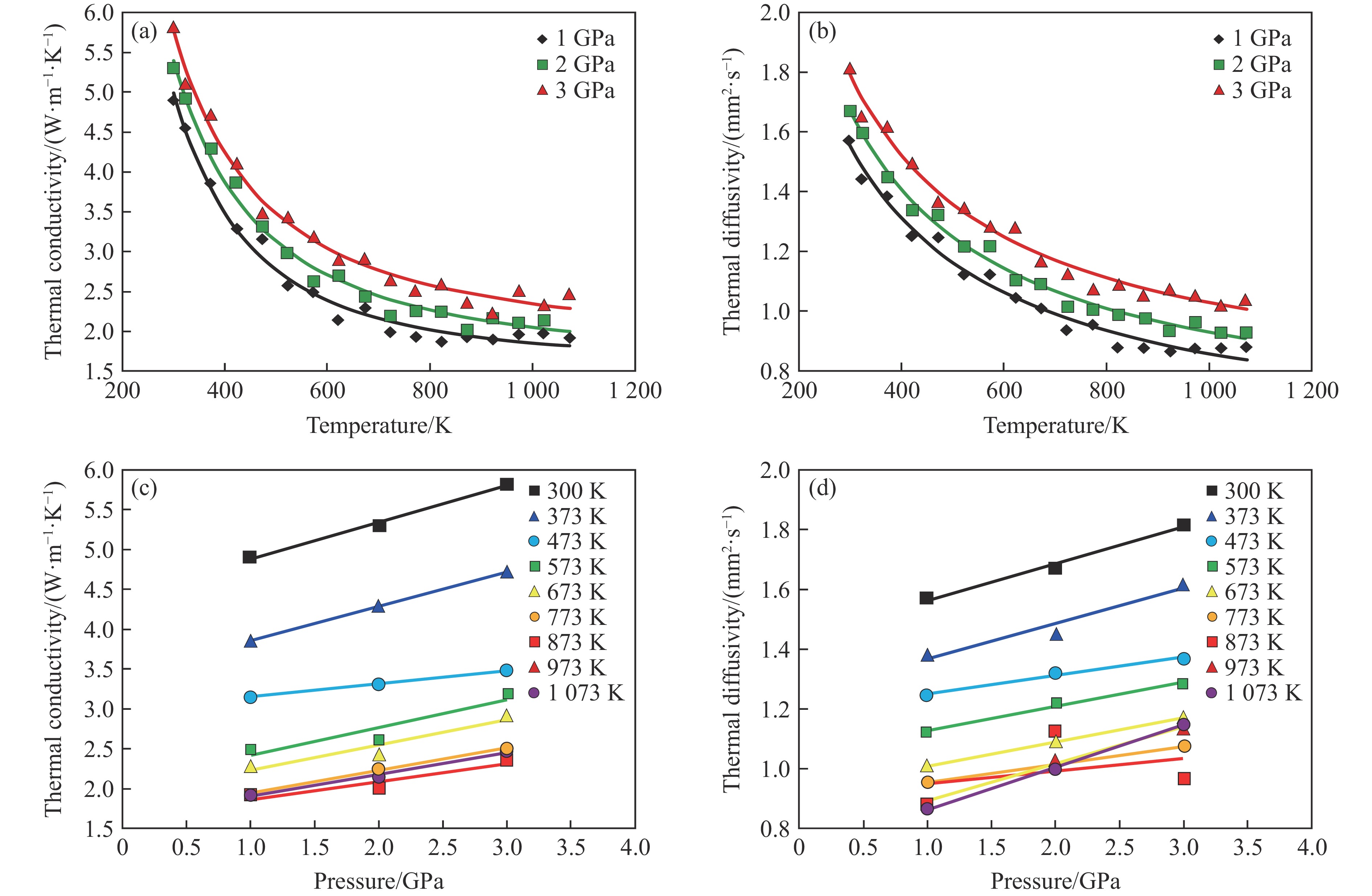
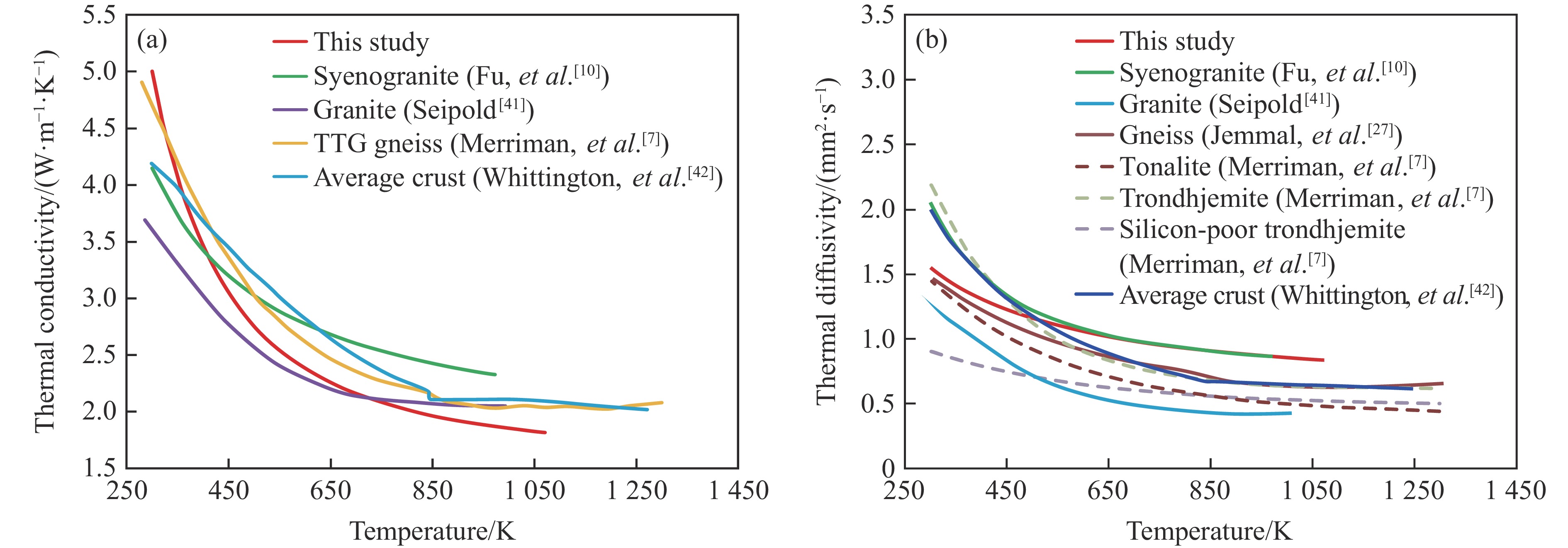
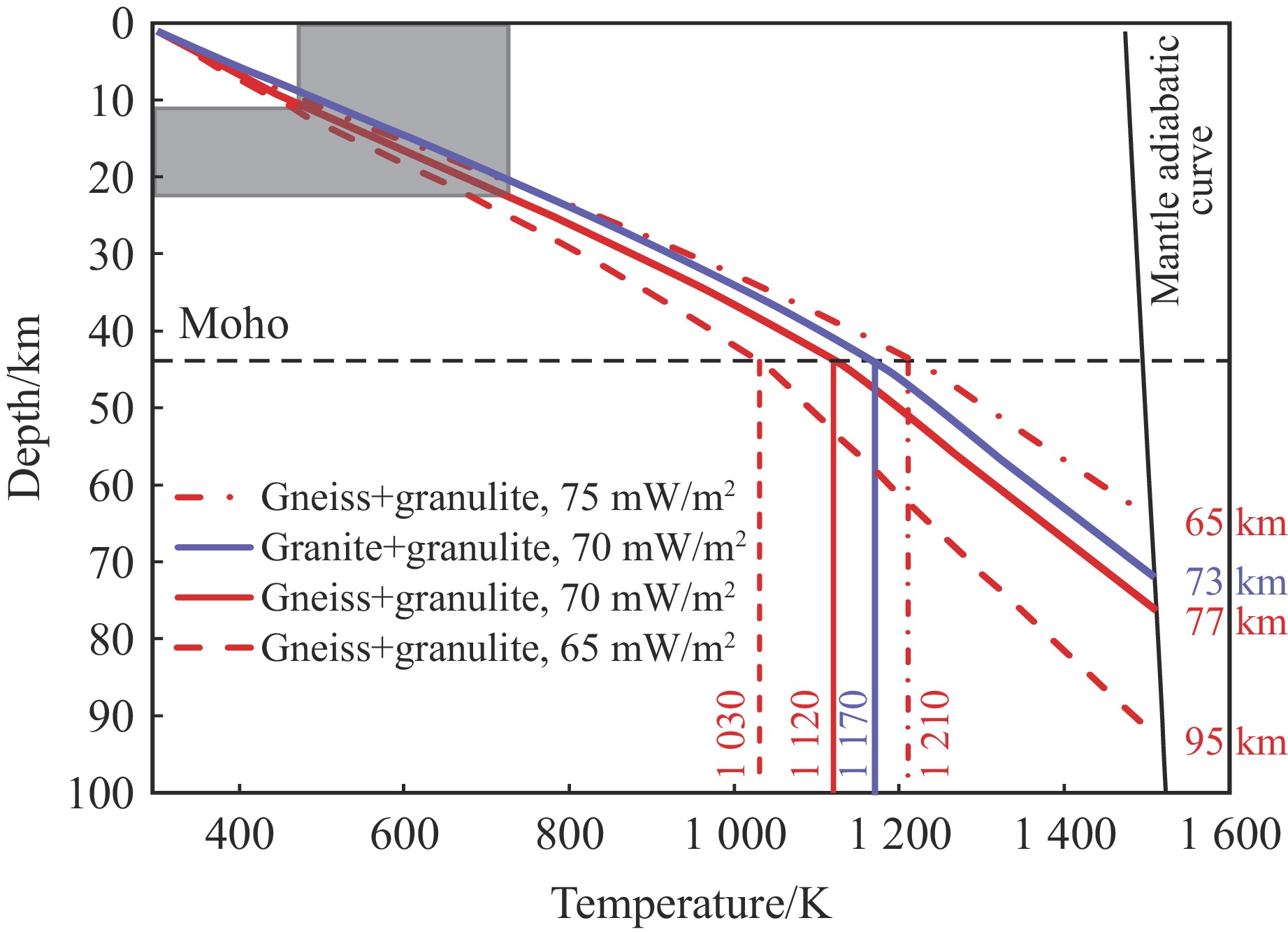
As a representative rock type of the ancient continental crustal basement, gneiss plays a crucial role in understanding the thermal structure and tectonic evolution of the lithosphere due to its thermal transport properties. In this study, the thermal conductivity (κ) and thermal diffusivity (D) of precambrian metamorphic basement gneiss from Dali, Yunnan, located at the southeastern margin of the Tibetan Plateau, were simultaneously measured for the first time under high-temperature (300–1073 K) and high-pressure (1.0–3.0 GPa) conditions using the transient plane source technique. Experimental results demonstrate that both κ and D decrease with increasing temperature, indicating that the heat transfer mechanism of gneiss is phonon thermal conduction, where phonon scattering is the primary mechanism leading to the decrease in κ and D. When the temperature exceeds 950 K, the saturation effect of phonon scattering causes κ and D of gneiss to no longer decrease but tend to stabilize. Empirical fitting reveals a significant positive linear correlation between pressure and the thermal transport properties of gneiss, suggesting that pressure enhances thermal transport. Based on these results, we infer that the middle to lower continental crust may exhibit relatively uniform thermal conductivity ((2.0±0.3) W/(m·K)). A lithospheric thermal structure model derived from the experimental data indicates that the Moho temperature range of 10301210 K at 44 km depth and the lithospheric thickness range of 65–95 km in the study area, demonstrating a pronounced thermal gradient. Furthermore, by integrating the temperature-depth relationship of the brittle-ductile transition zone, the focal depths of large earthquakes in this region are constrained to 11–23 km. These findings provide novel thermodynamic constraints for understanding tectonic deformation mechanisms and seismic hazard assessment in the southeastern Tibetan Plateau.

A First-Principles Study of Indium Migration in ZnS Minerals
HUANG Yu, LIU Hong, LIU Lei
2025, 39(10): 100104. doi: 10.11858/gywlxb.20251096
HTML PDF (26)
Abstract:

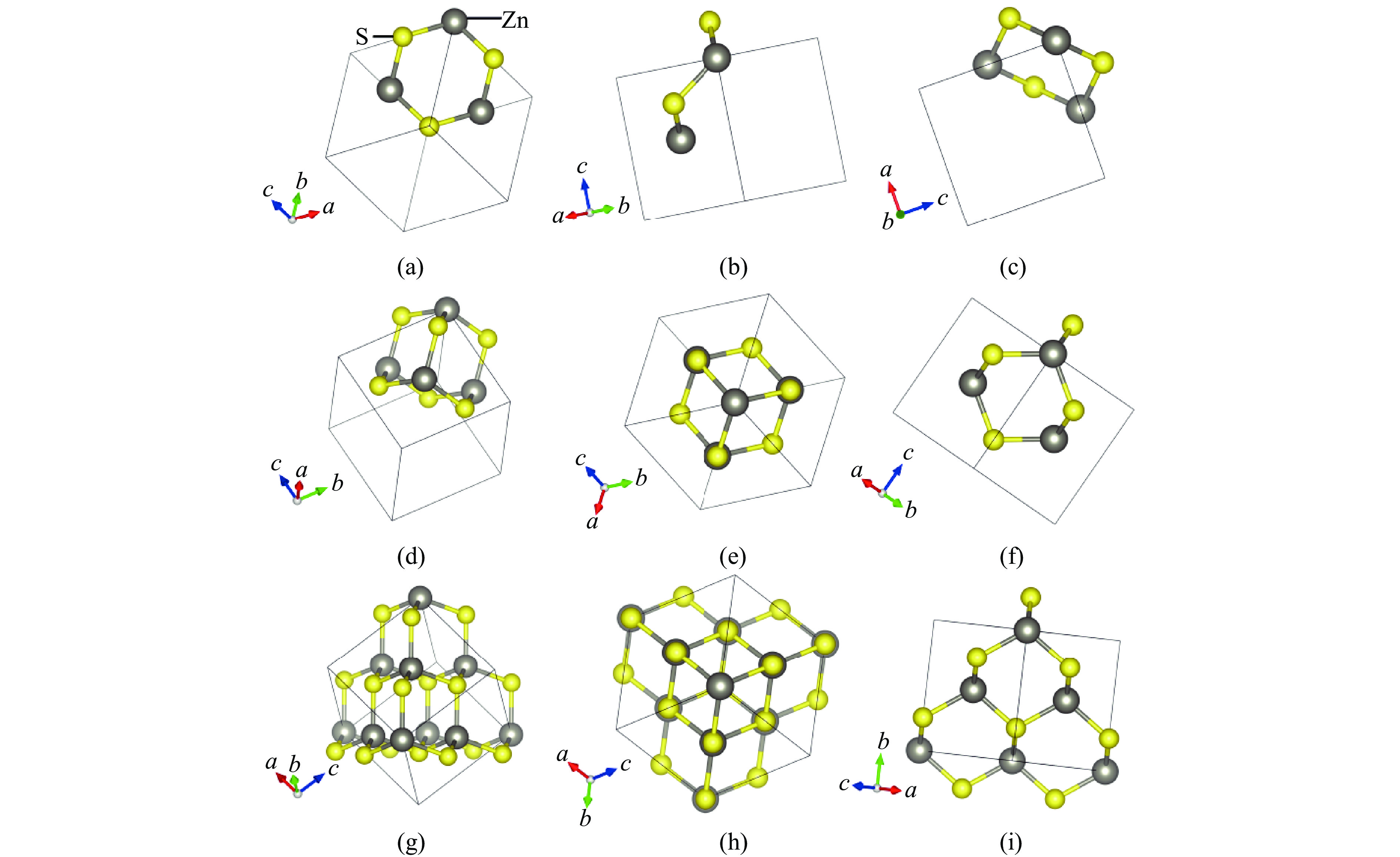
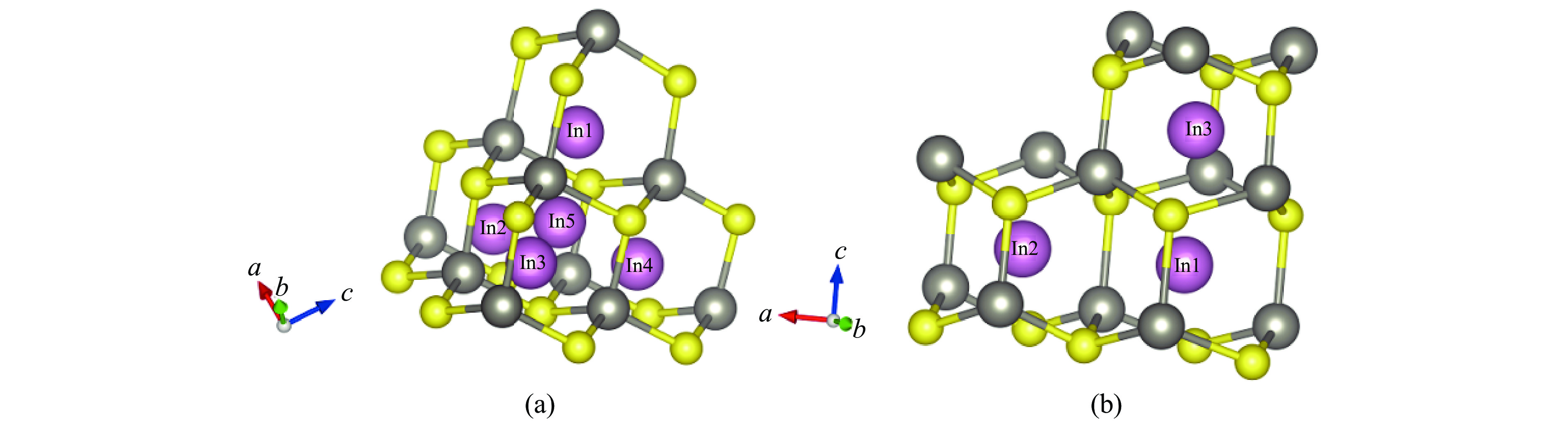
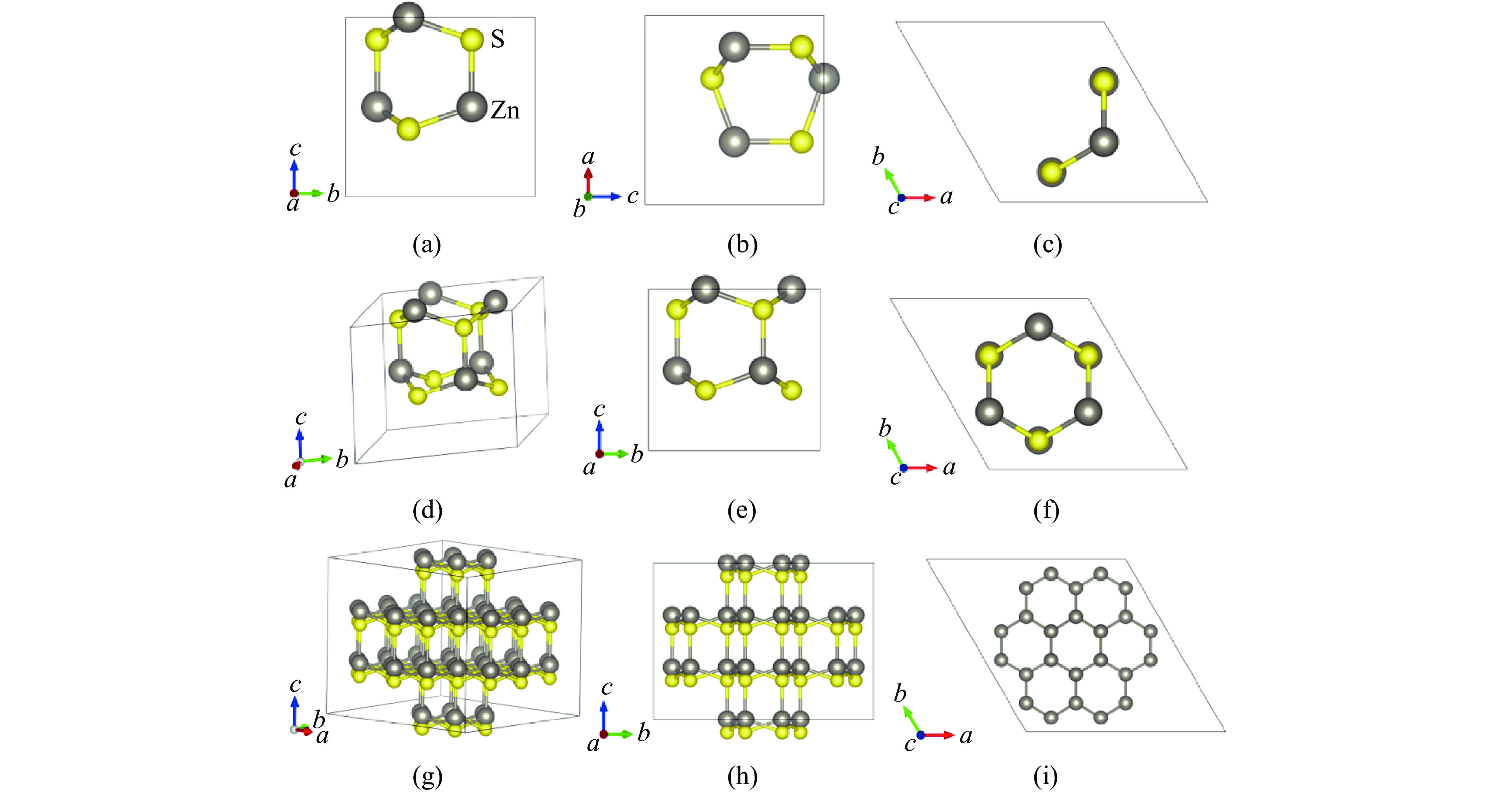
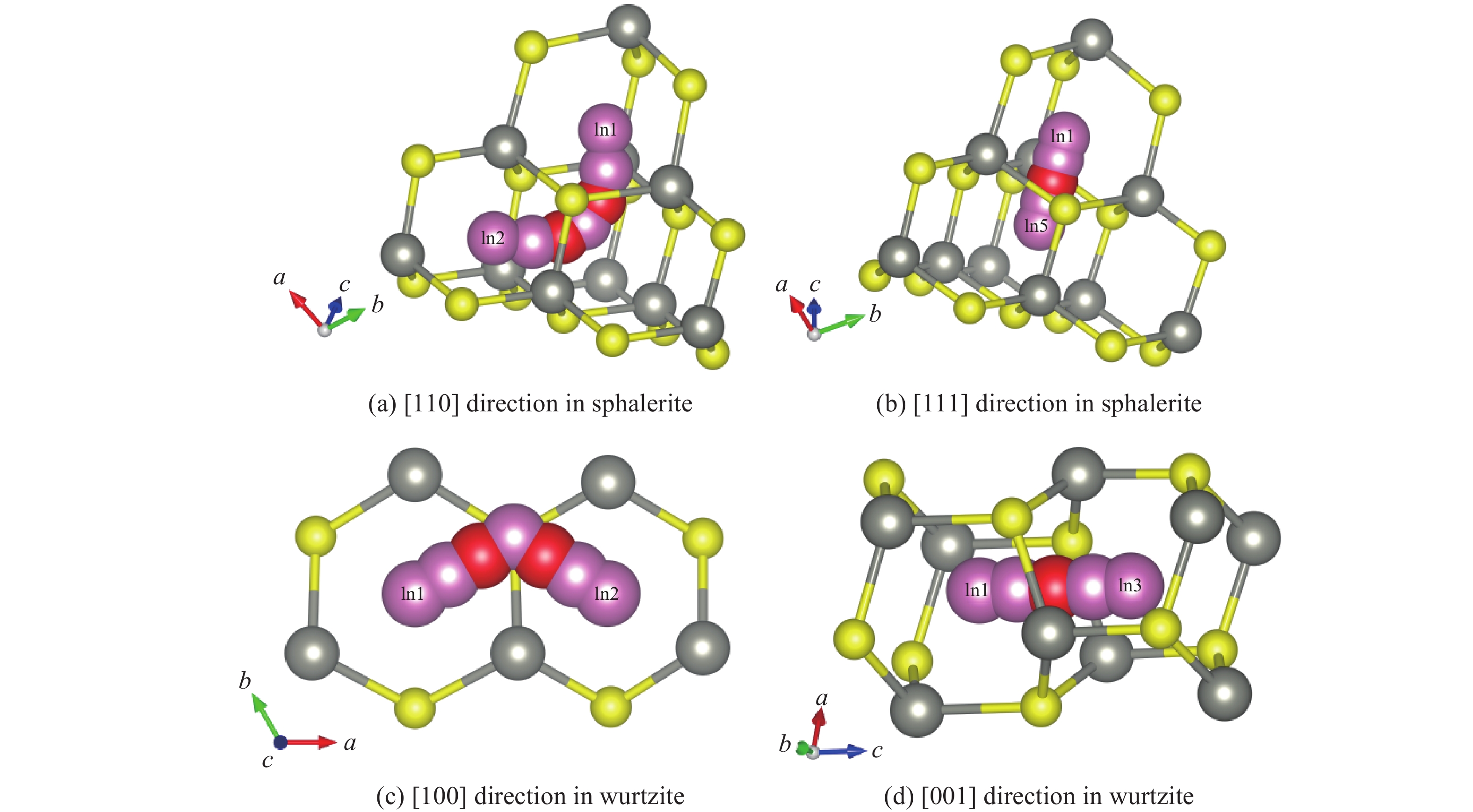
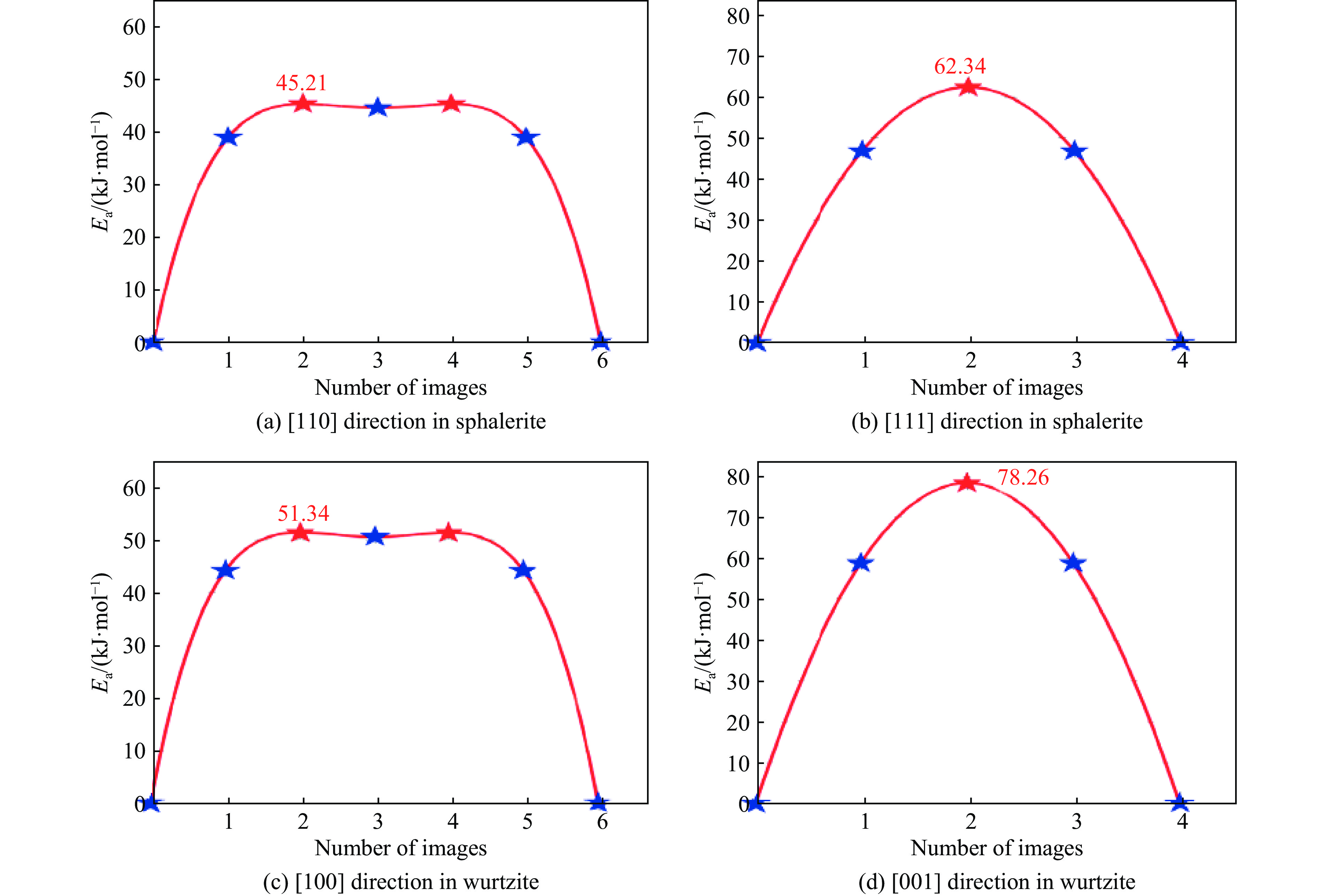
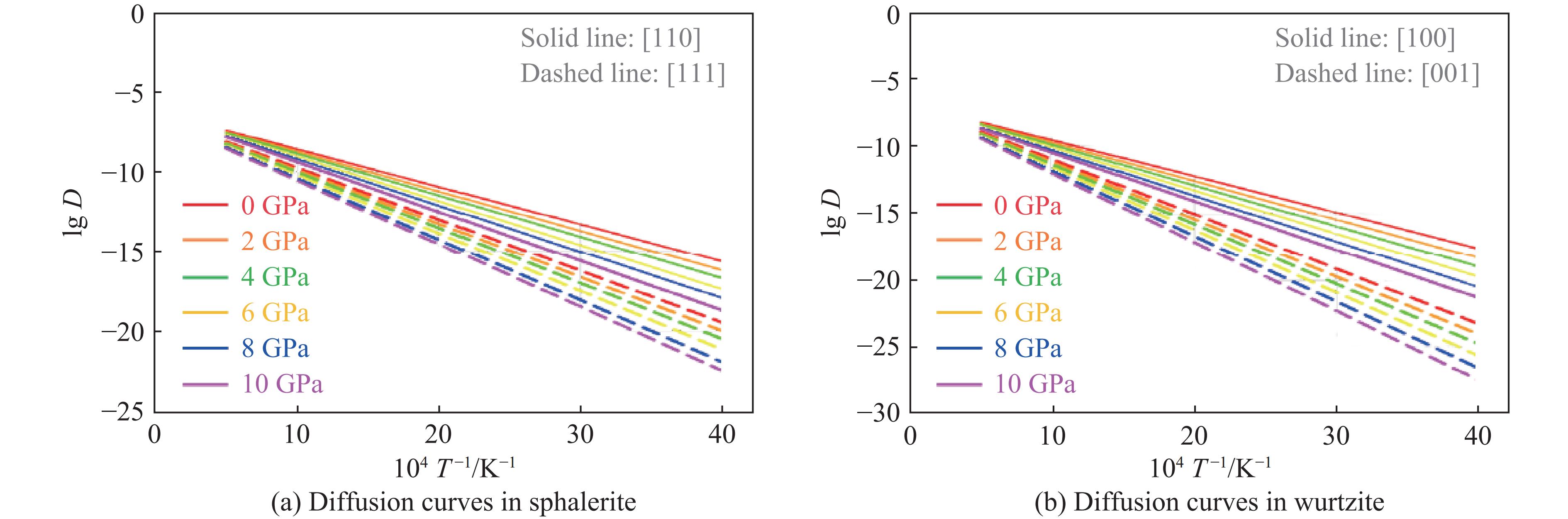
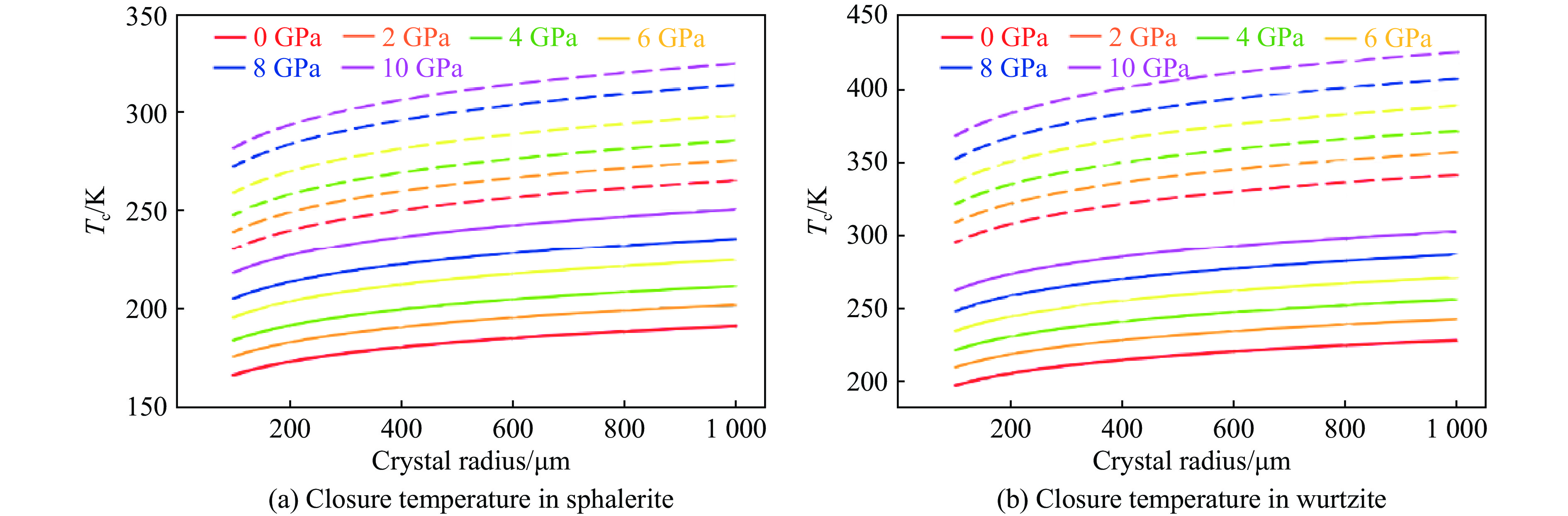
Understanding the diffusion mechanisms of indium (In) in ZnS minerals can clarify the kinetic processes governing its migration, enrichment, or depletion in these typical In-host minerals, thereby establishing a theoretical foundation for the exploration of high-grade In deposits. This study investigates sphalerite and wurtzite to identify stable In incorporation sites and diffusion pathways, and systematically calculates In transport properties in two types of ZnS minerals using first-principles calculations combined with the climbing image-nudged elastic band (CI-NEB) method. The results demonstrate that structural anisotropy significantly governs In diffusion characteristics, with wurtzite exhibiting stronger direction-dependent diffusion behavior and superior In retention capacity compared to sphalerite. Across the 0−10 GPa pressure range, In diffusion in wurtzite shows markedly higher anisotropy (2−3 orders of magnitude greater than in sphalerite) and consistently lower diffusion rates. Furthermore, closure temperature calculations reveal spatial heterogeneity, with the [111] direction in sphalerite (about 65 K higher than [110] direction) and the [001] direction in wurtzite (about 100 K higher than [100] direction) displaying elevated closure thresholds. Overall, wurtzite achieves higher closure temperatures than sphalerite. These computational findings indicate that wurtzite exhibits stronger In retention capabilities than sphalerite, suggesting its potential as a critical host mineral for In. These insights provide valuable implications for understanding In geochemical cycling and offer some guidance for mineral exploration and ore genesis studies.

Phase Transition of α-FePO4 under High Pressure: A Raman Spectroscopy Study
WANG Yue, XU Chaowen, LI Ying, GAO Jing
2025, 39(10): 100105. doi: 10.11858/gywlxb.20251100
HTML PDF (37)
Abstract:

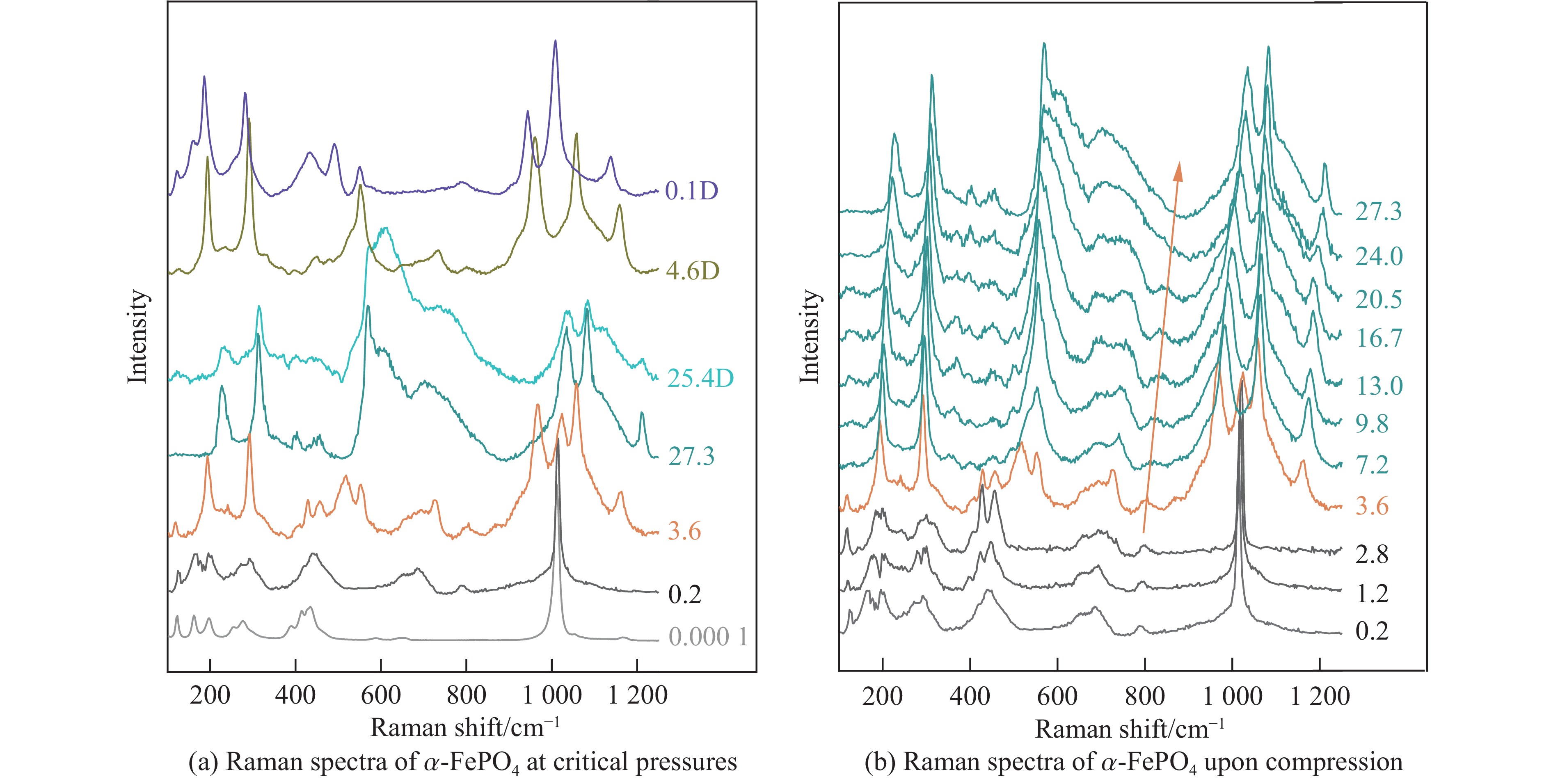
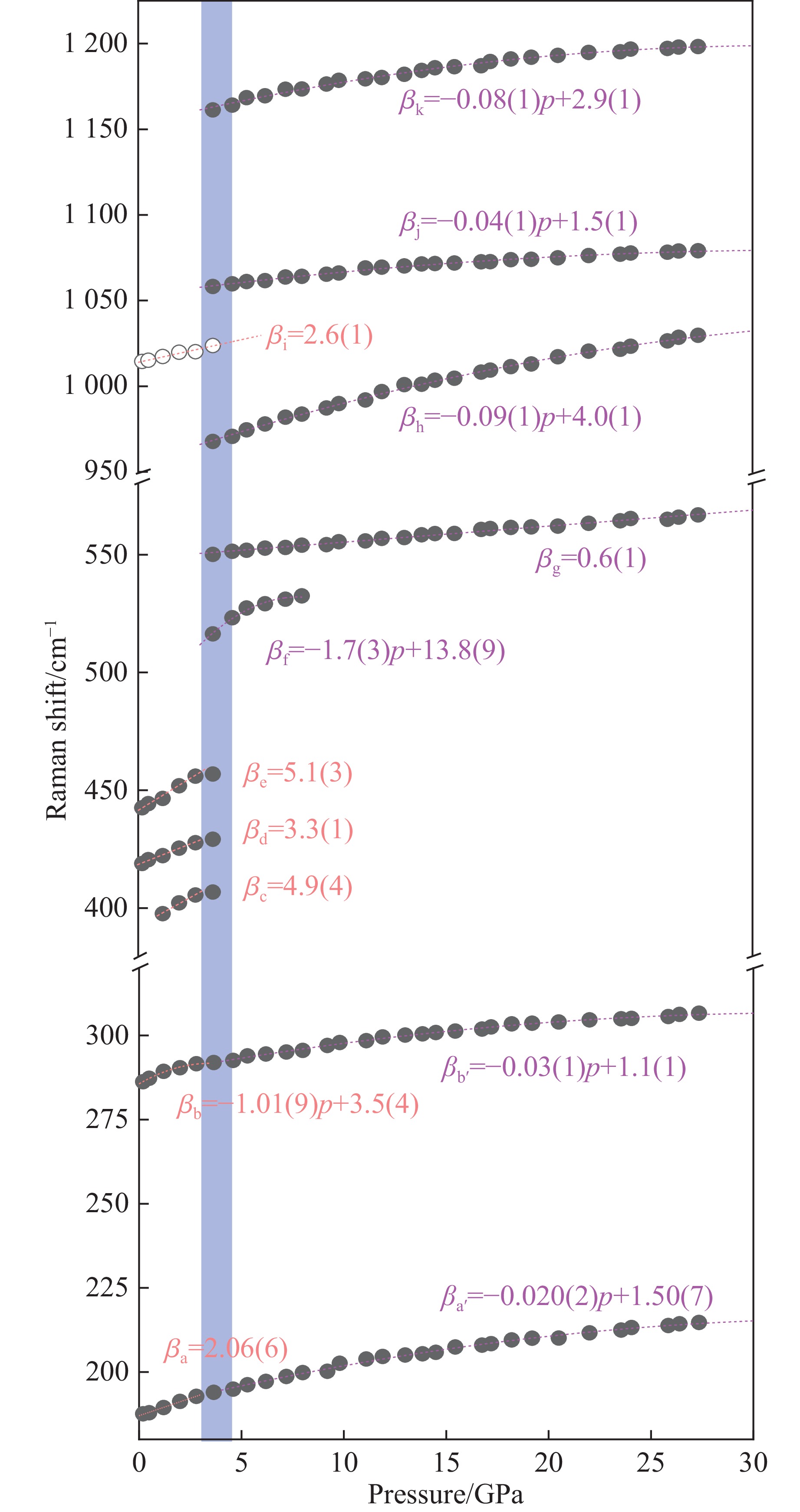
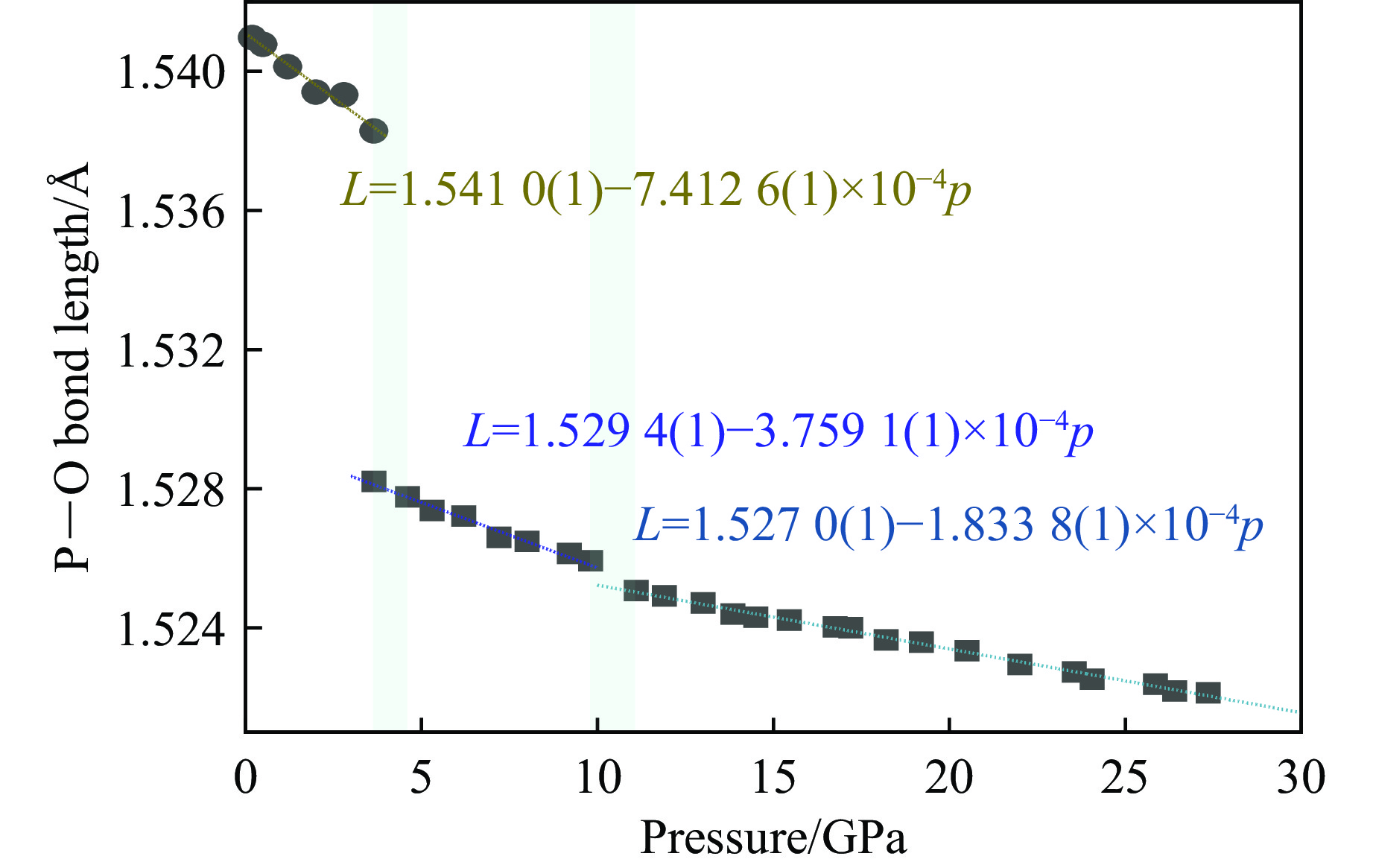
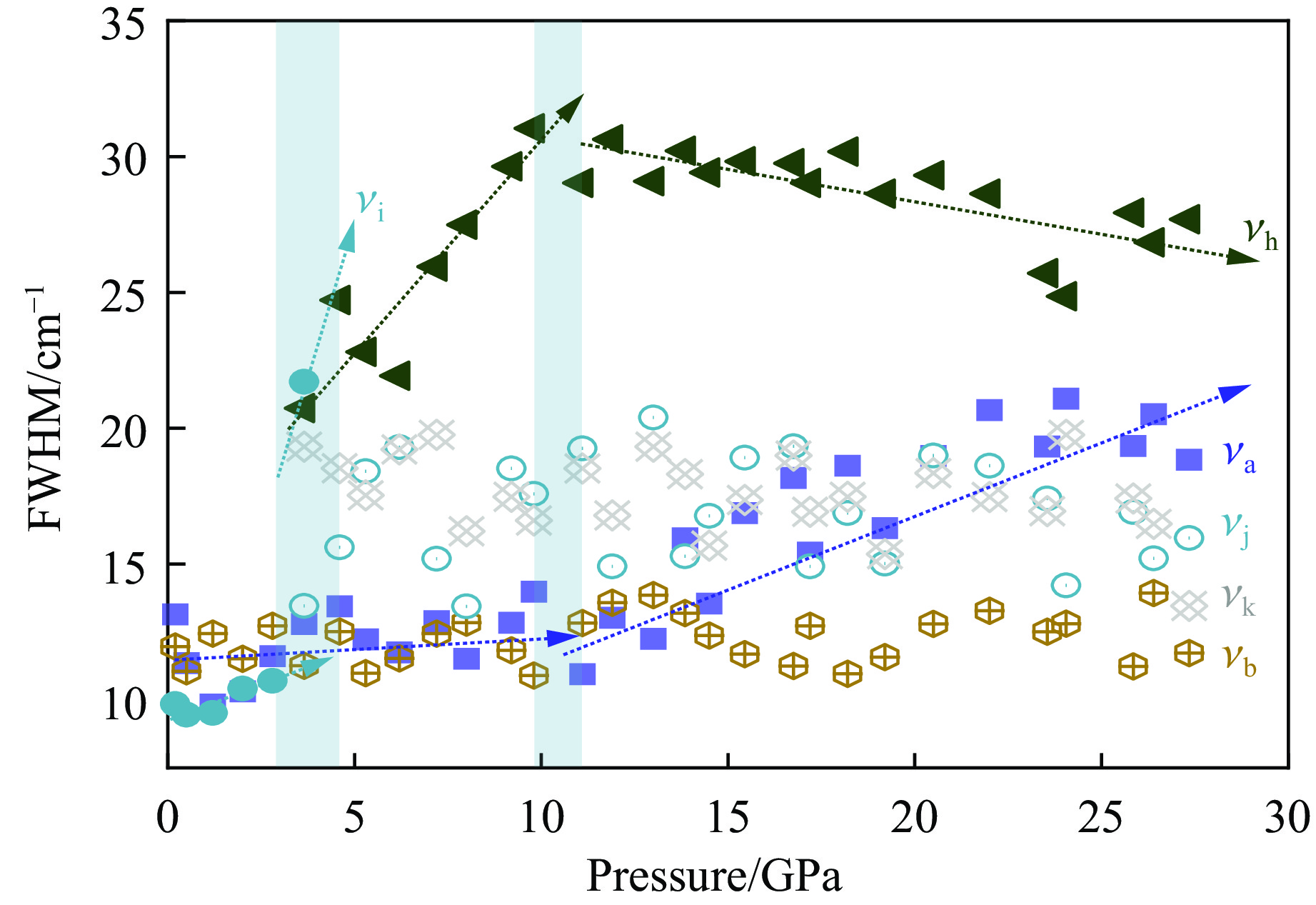
Given the topological isomorphism between α-FePO4 and α-quartz, this study employed a diamond anvil cell coupled with Raman spectroscopy to examine the phase transition of α-FePO4. The structural evolution across a pressure range of 0.2−27.3 GPa was delineated into three stages. At 2.8−3.6 GPa, α-FePO4 initiates a phase transition, achieving a complete transformation to FePO4-Ⅱ at 4.6 GPa. Between 4.6−27.3 GPa, the (meta) stability of FePO4-Ⅱ is predicated on the cooperative deformation of the adaptable [FeO6] octahedra and the rigid [PO4] tetrahedra. The progressive increase in structural disorder and the slowing of vibrational frequency shifts signify a transition to a non-linear compression regime. Notably, in the 9.8−11.1 GPa threshold, discontinuous variations in P―O bond lengths and mode widths serve as evidences of pressure-induced heterogeneous strain within the [FeO6]-[PO4] network, suggesting entry into a metastable region. Upon decompression to 4.6 GPa, FePO4-Ⅱ exhibits partial recovery of structural order, maintaining metastability at ambient conditions, which underscores its unique pressure memory characteristics. This study demarcates the stability boundary of α-FePO4, elucidates the fundamental mechanisms underpinning stability in orthophosphates, and forecasts structural evolution pathways. The findings offer insights into high-pressure dynamic response of quartz-like minerals.

Dynamic Response of Matter
Anti-Explosion Performance of Composite Blast-Resistant Walls Containing an Aluminum Foam Energy-Absorbing Layer
NIU Yining, WU Yue, WANG Tiangen, LI Gan
2025, 39(10): 104101. doi: 10.11858/gywlxb.20251027
HTML PDF (53)
Abstract:

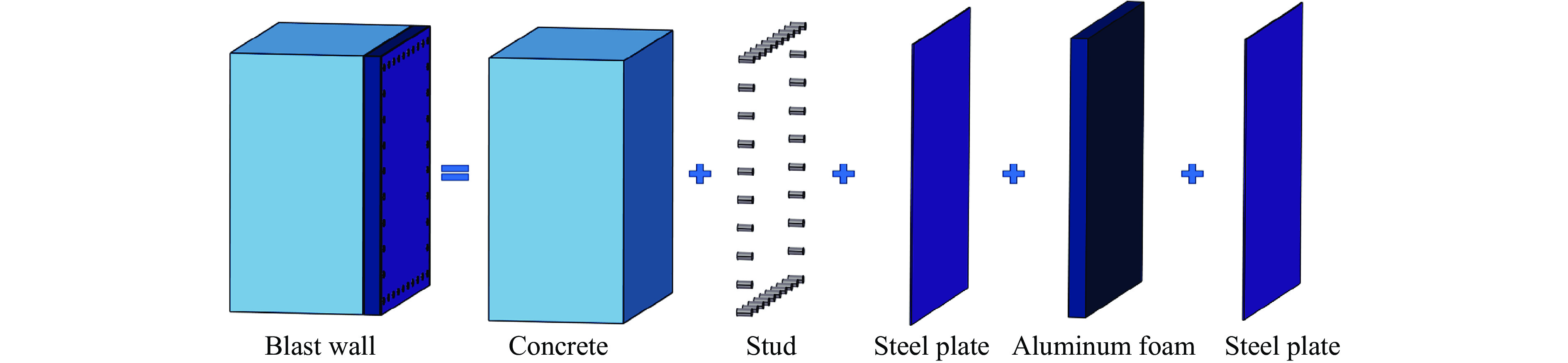
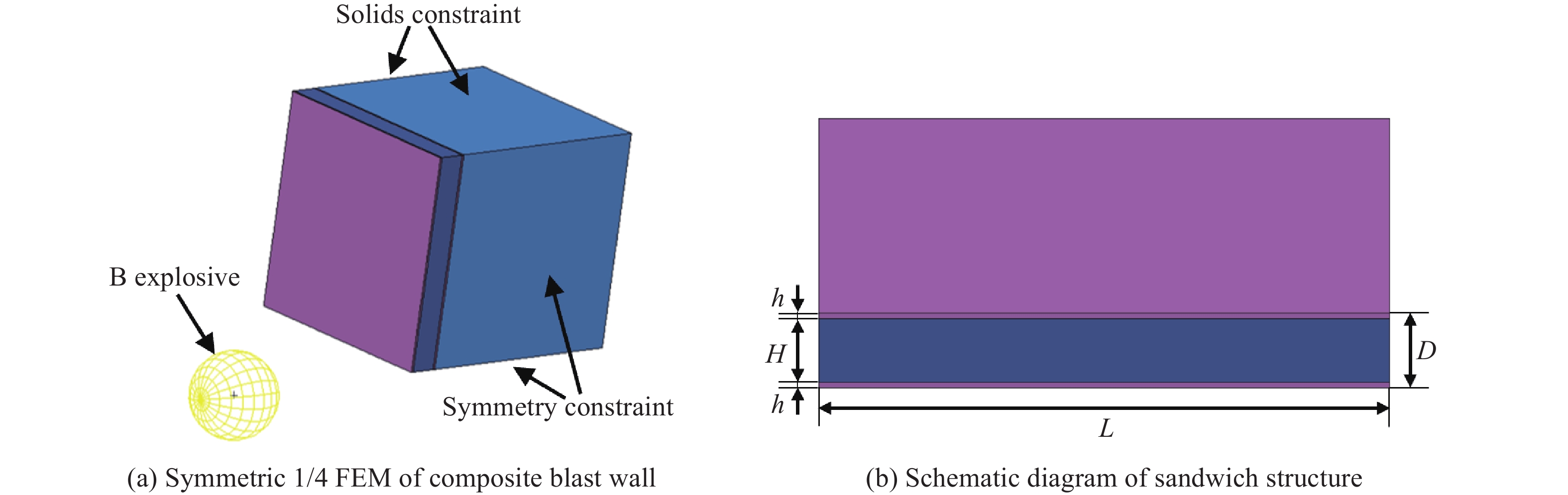
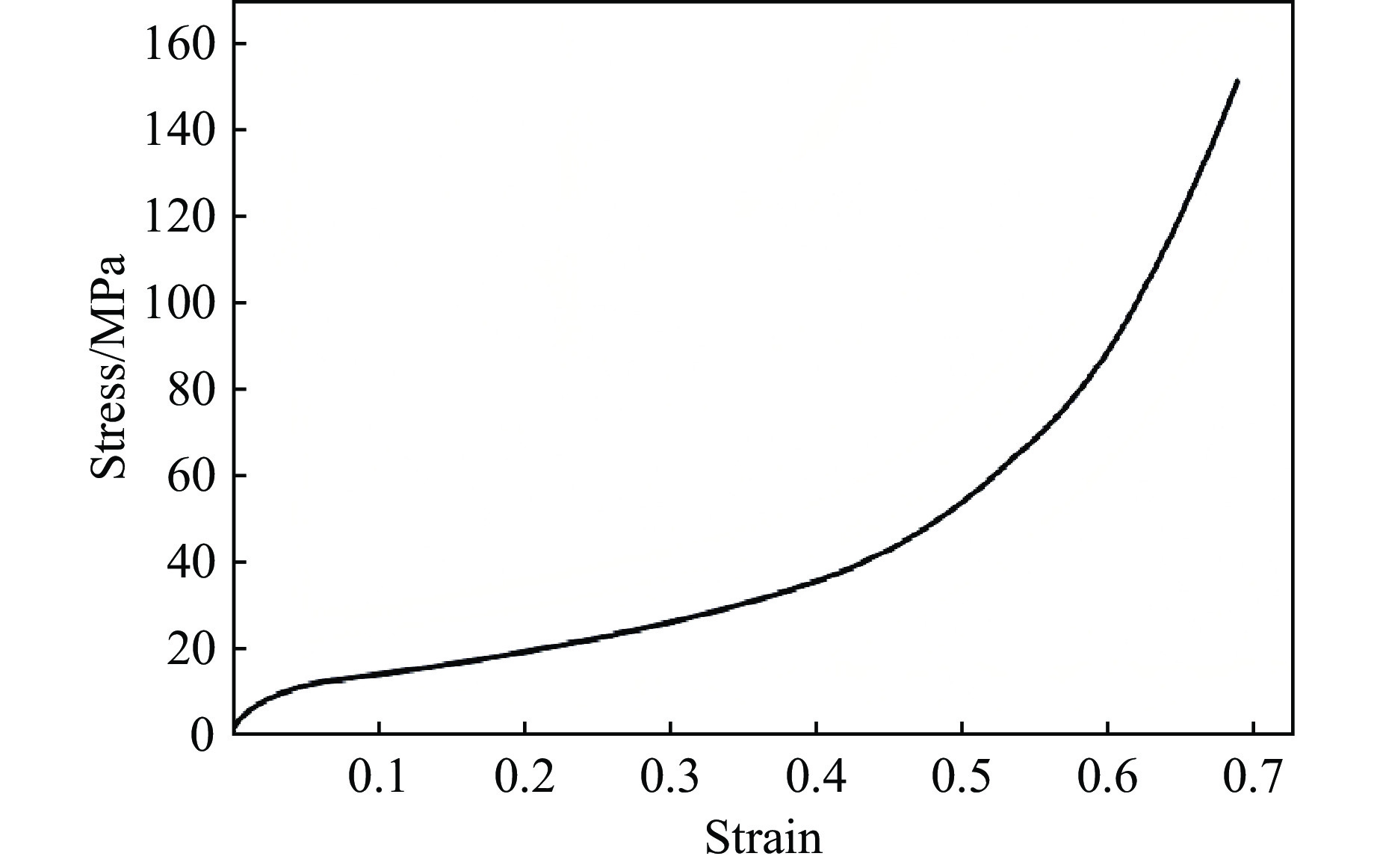
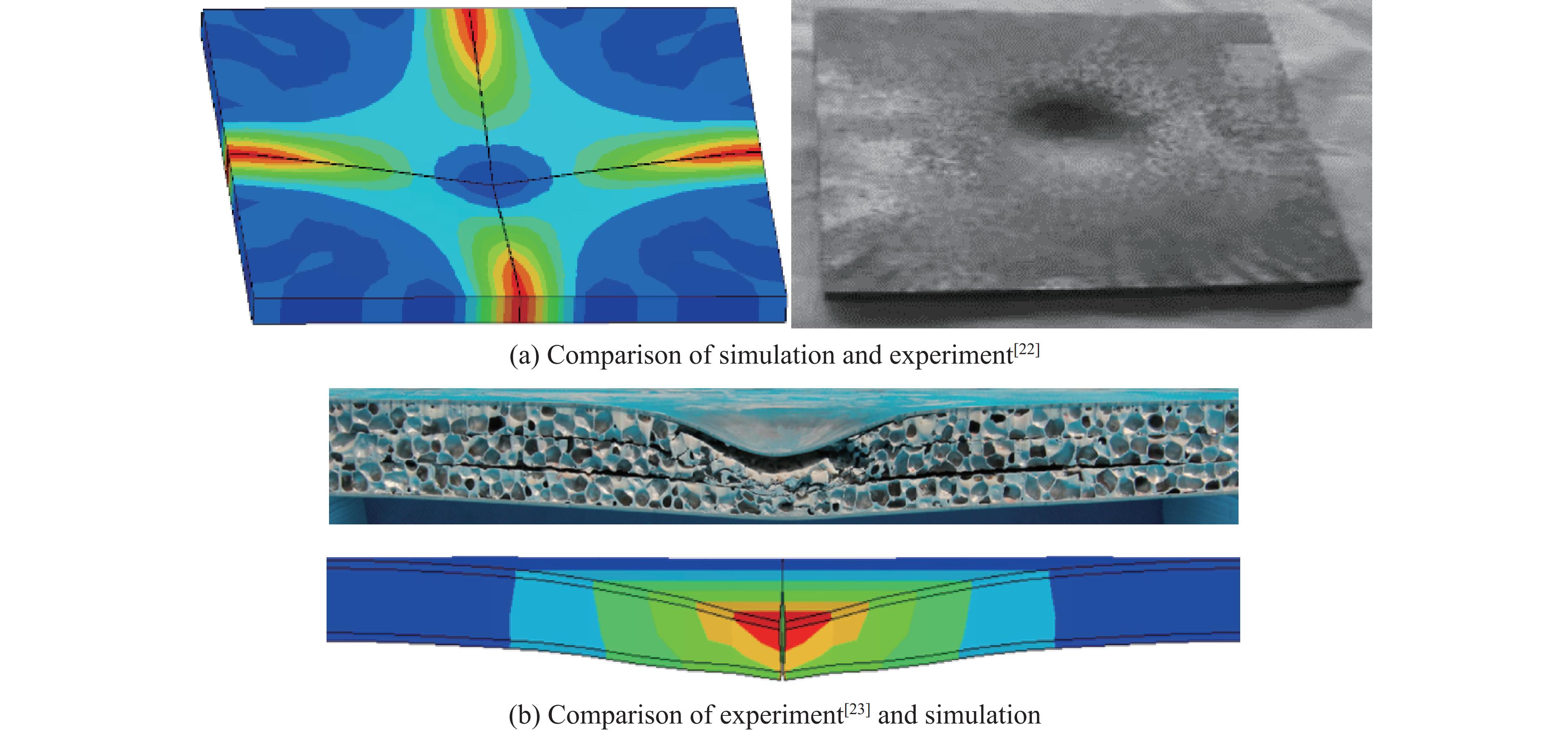
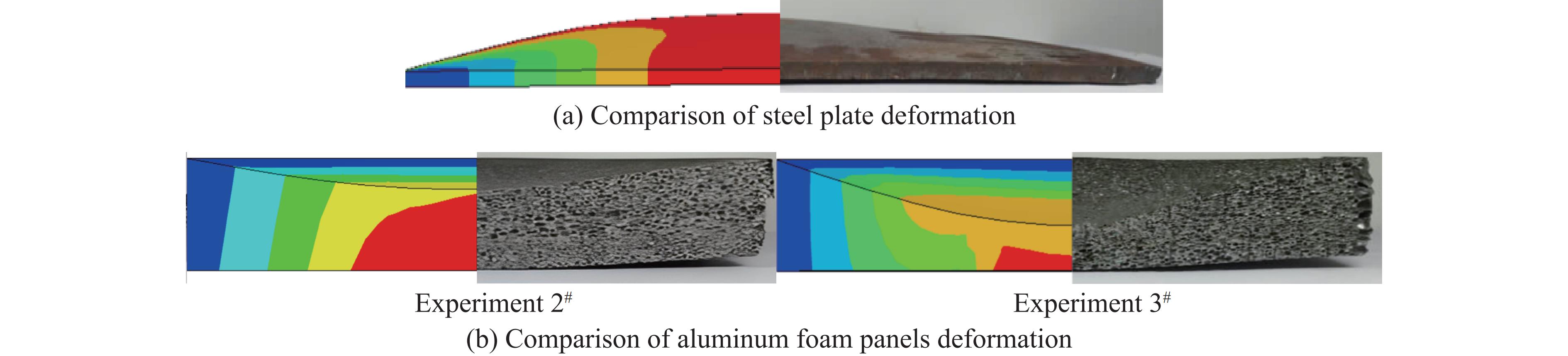
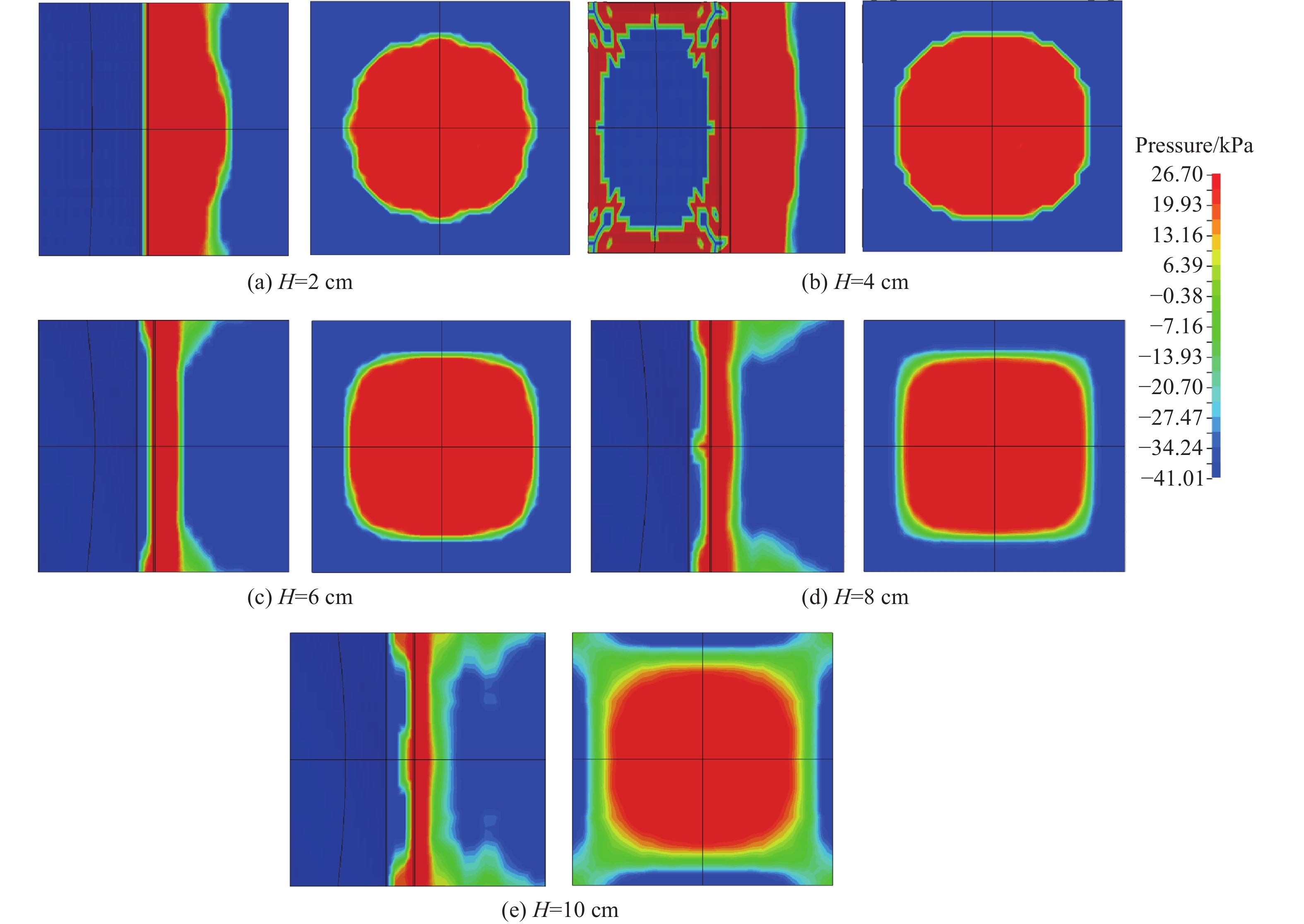
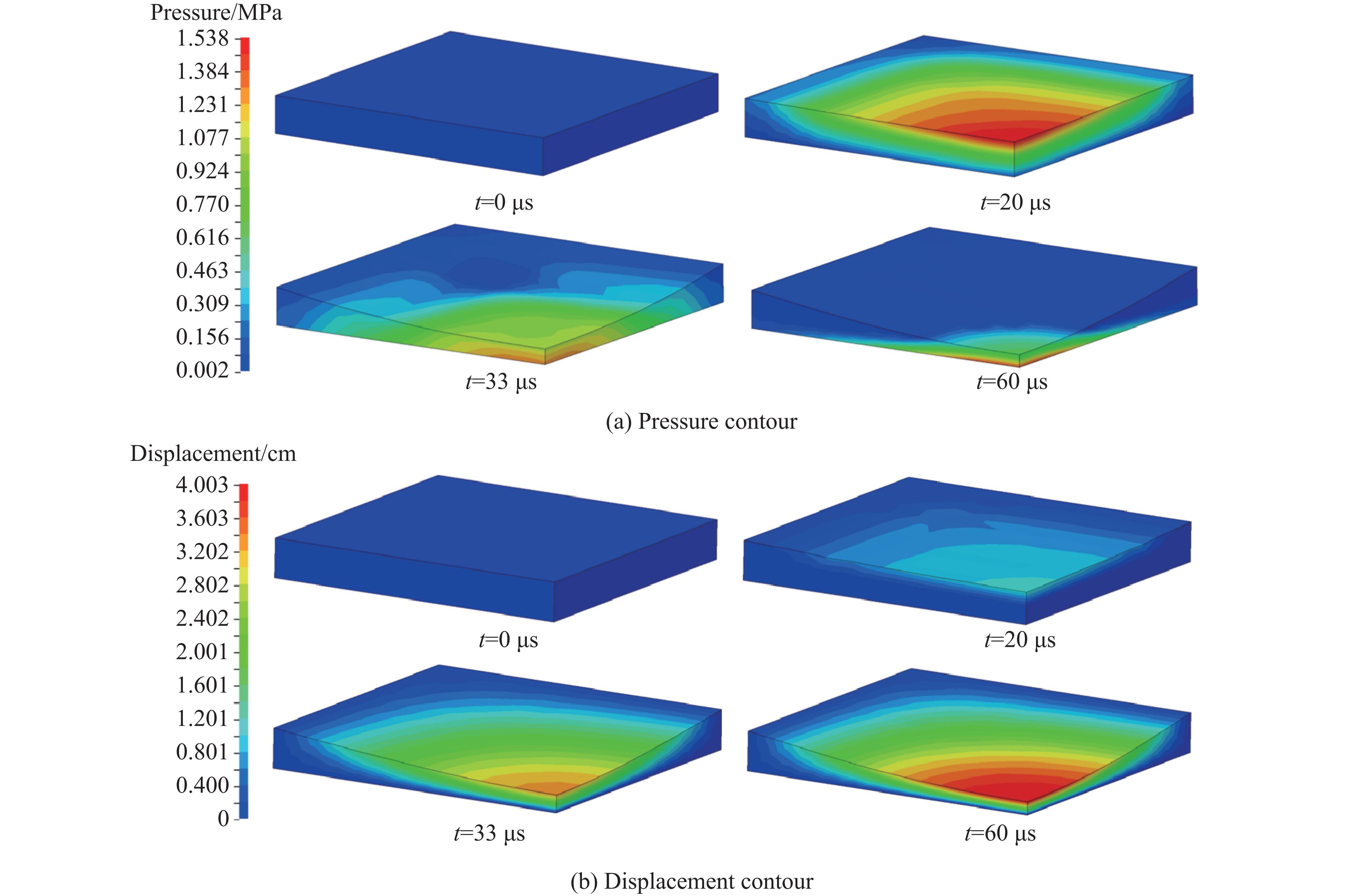
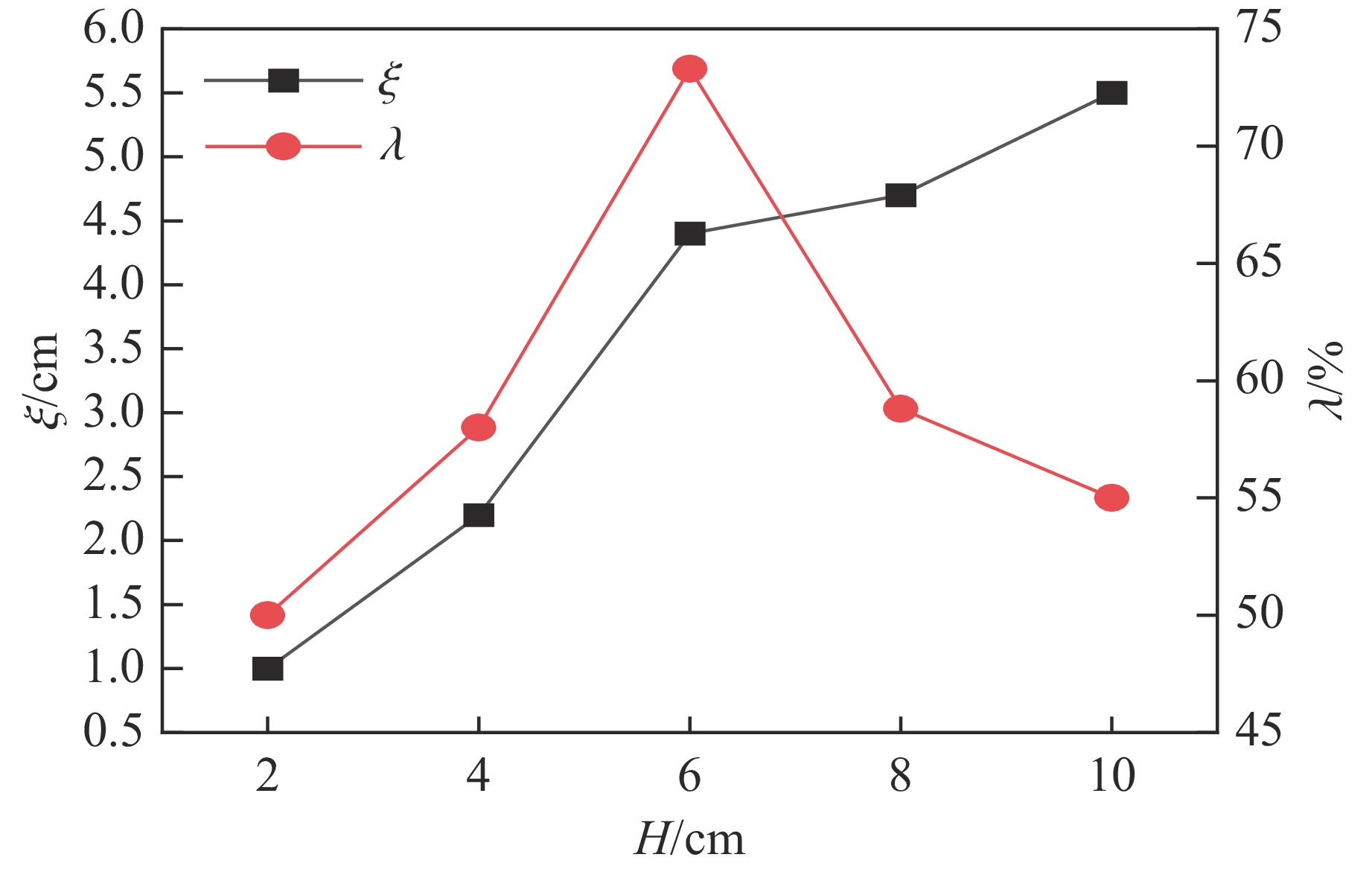
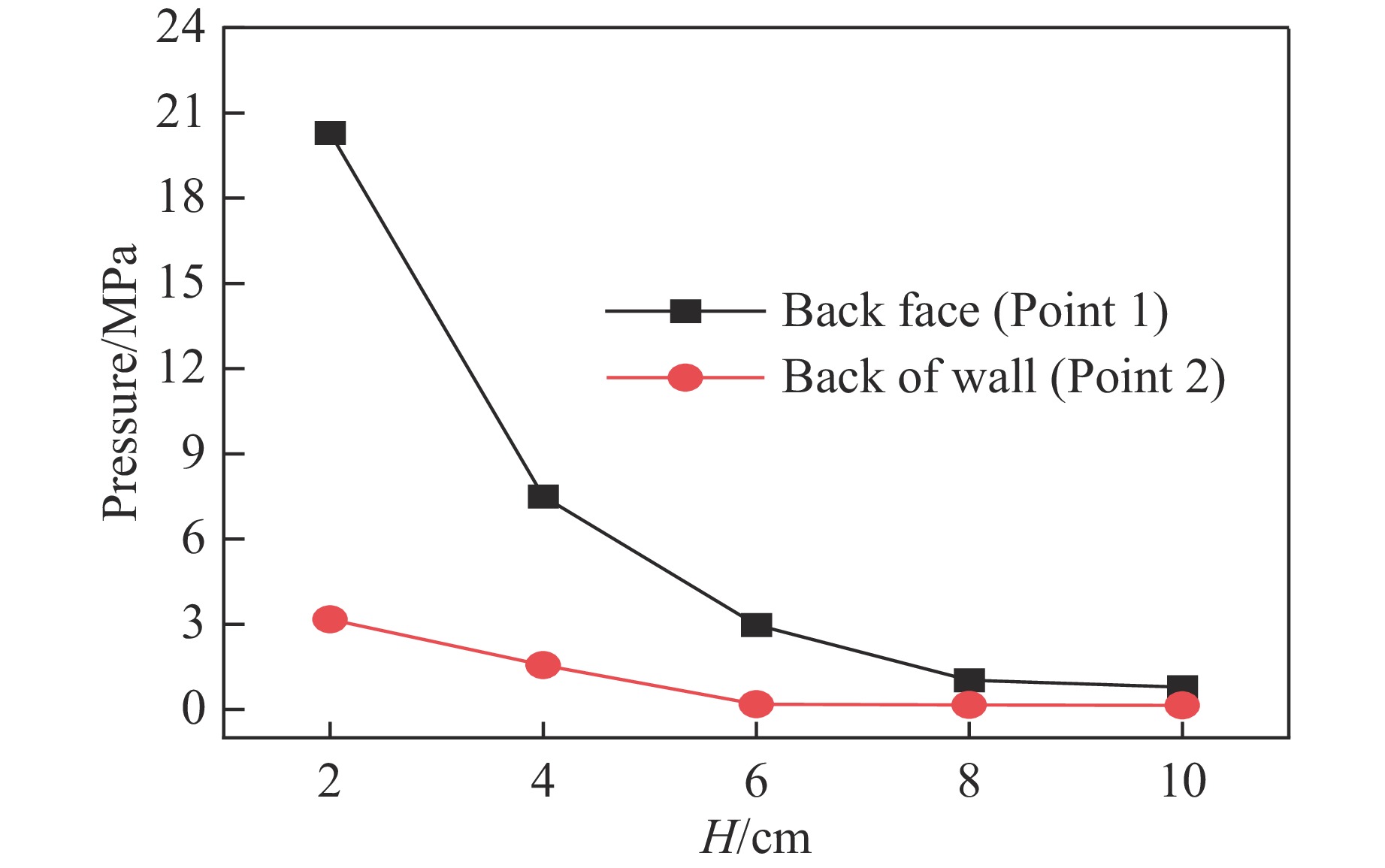
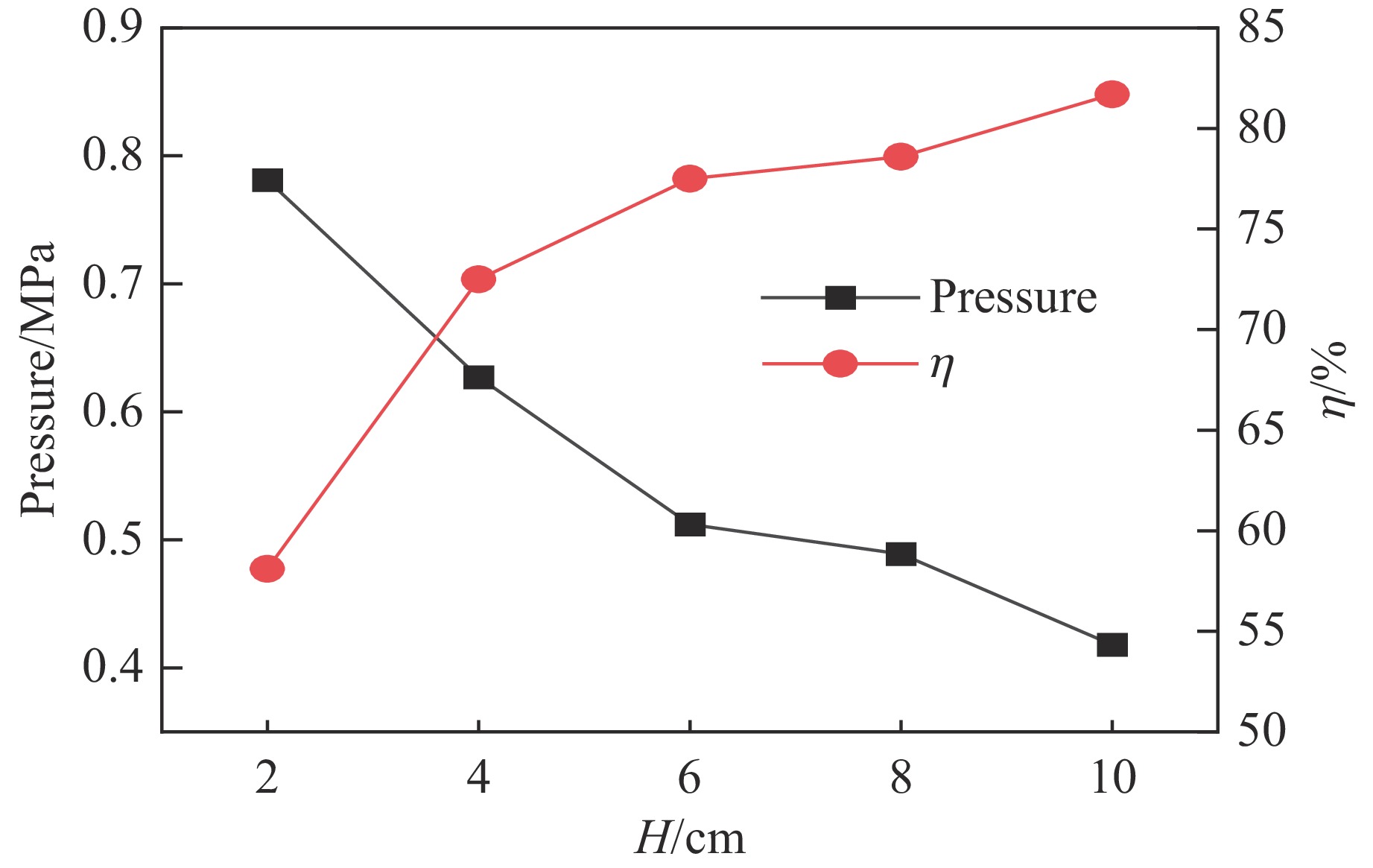
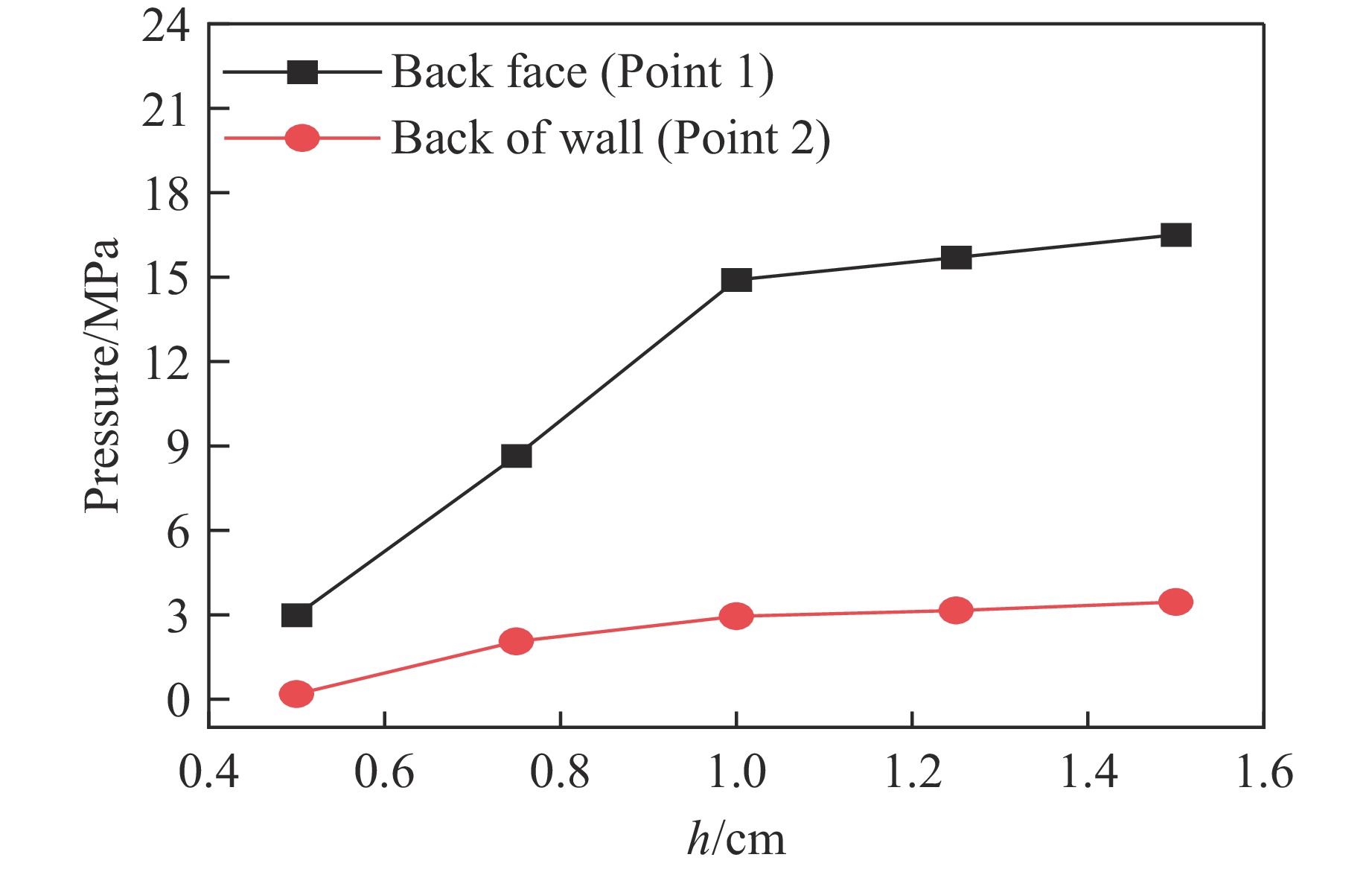
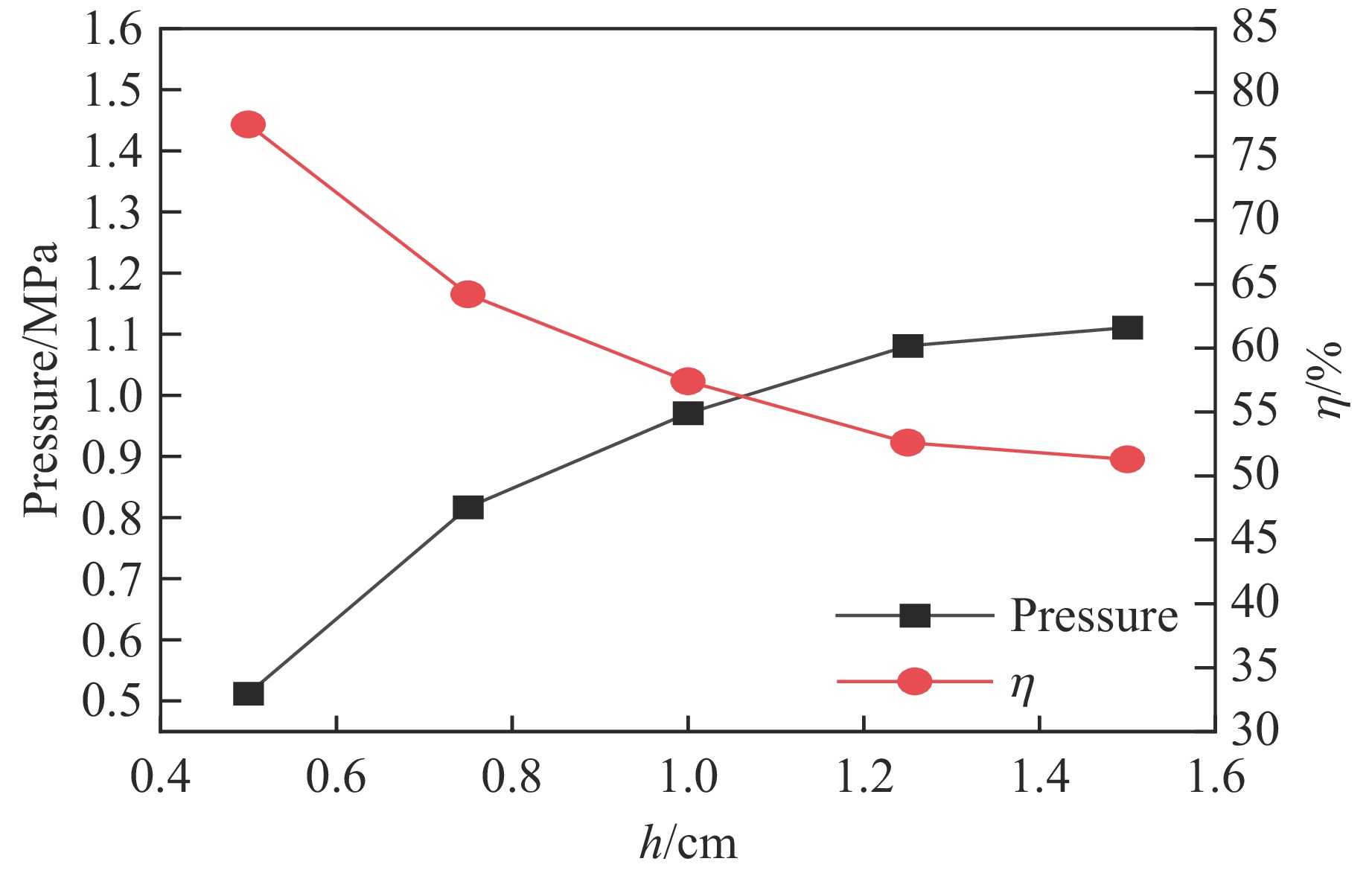
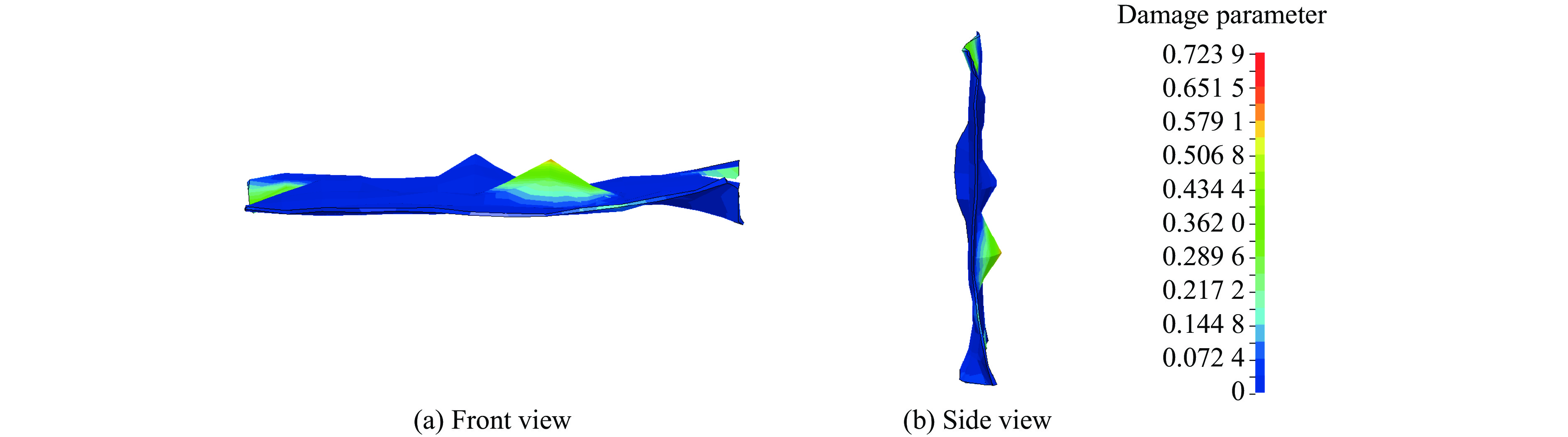
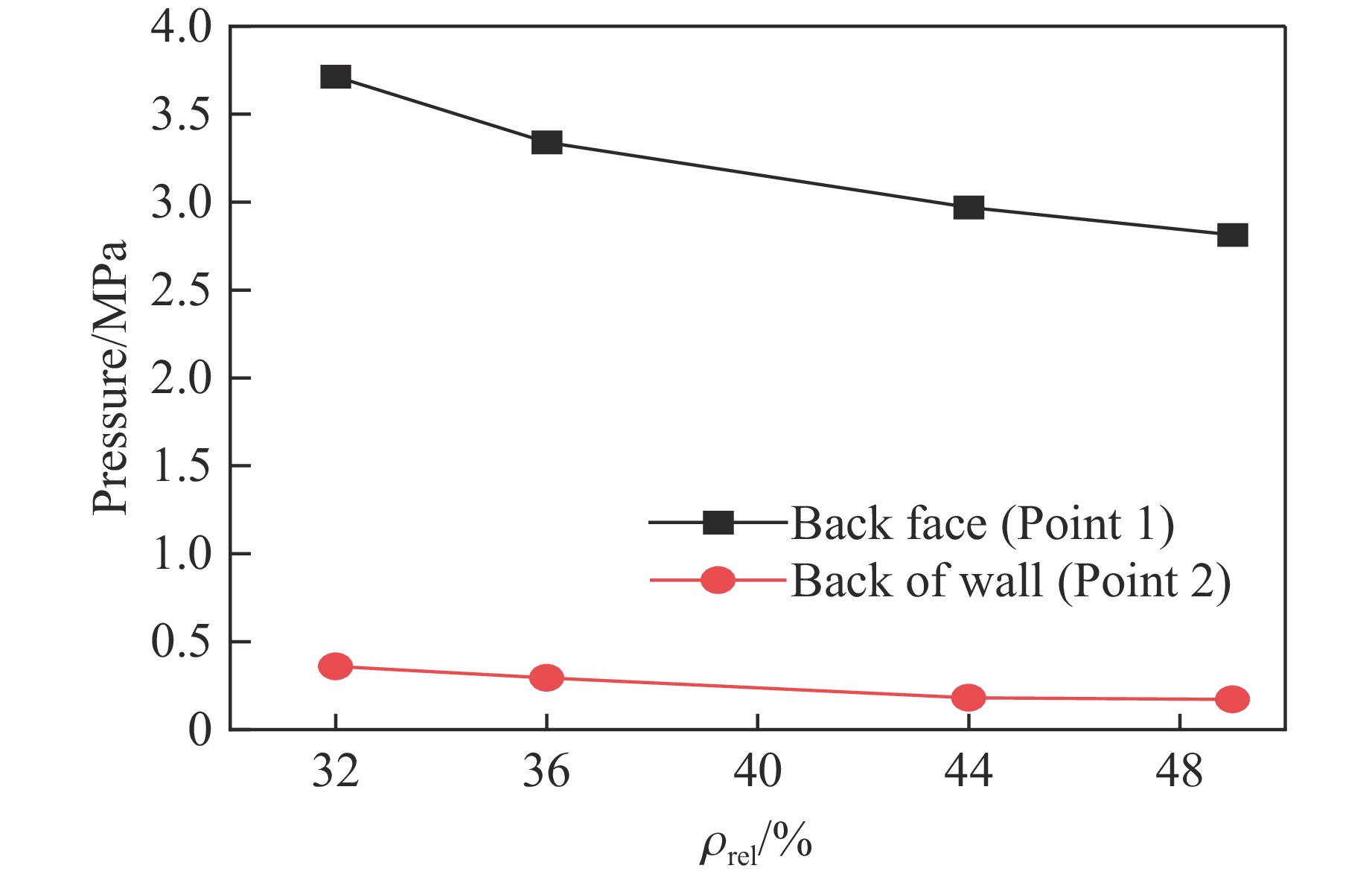
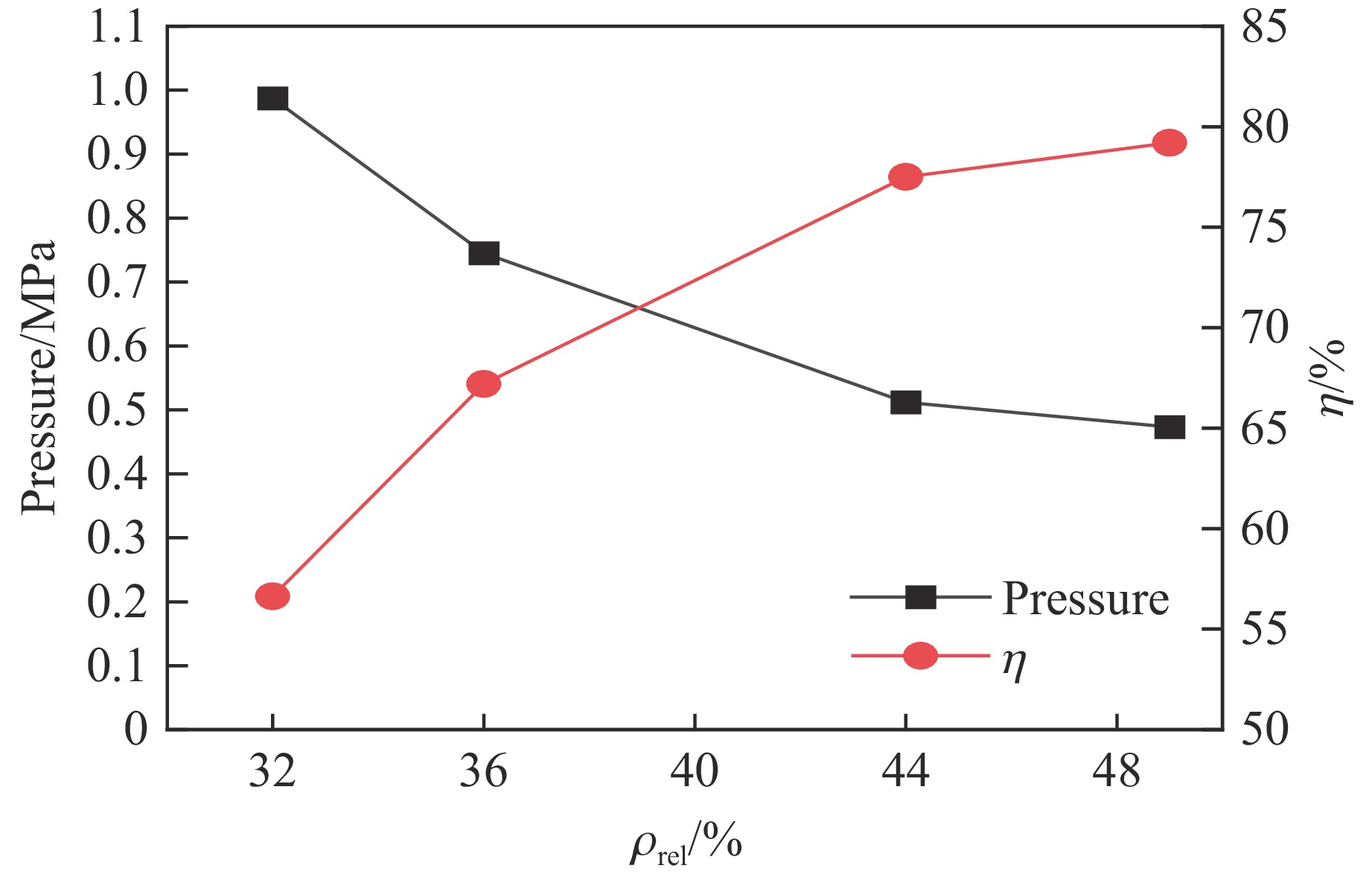
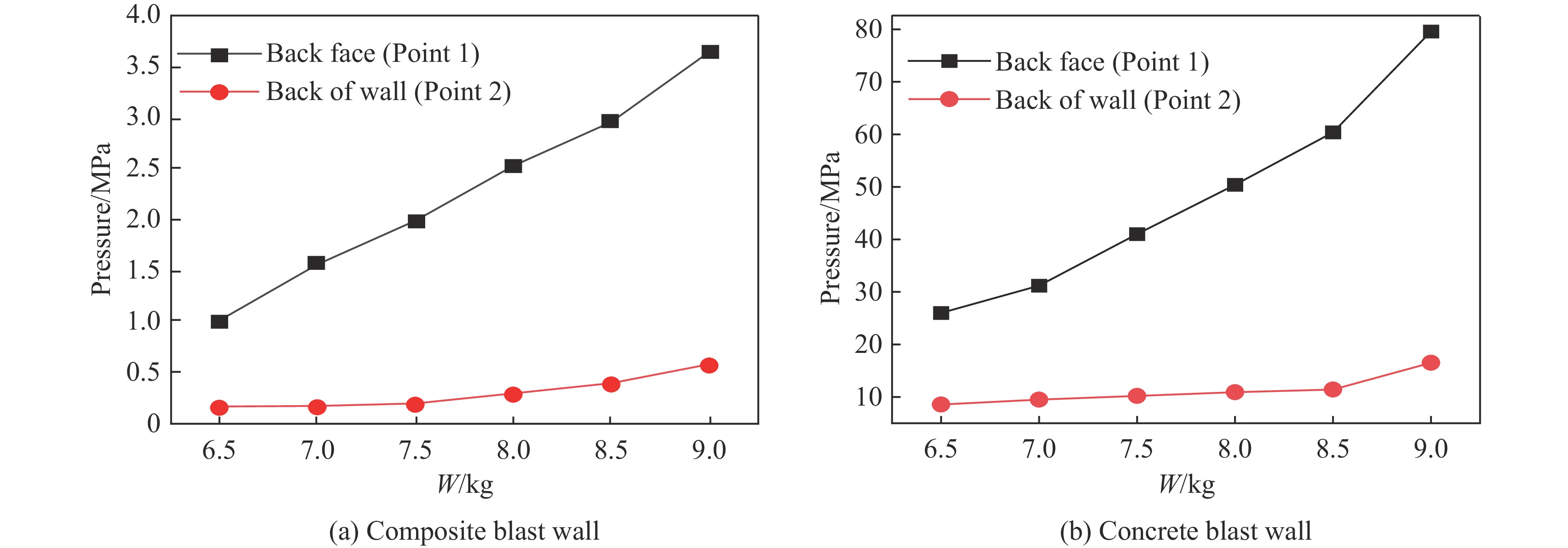
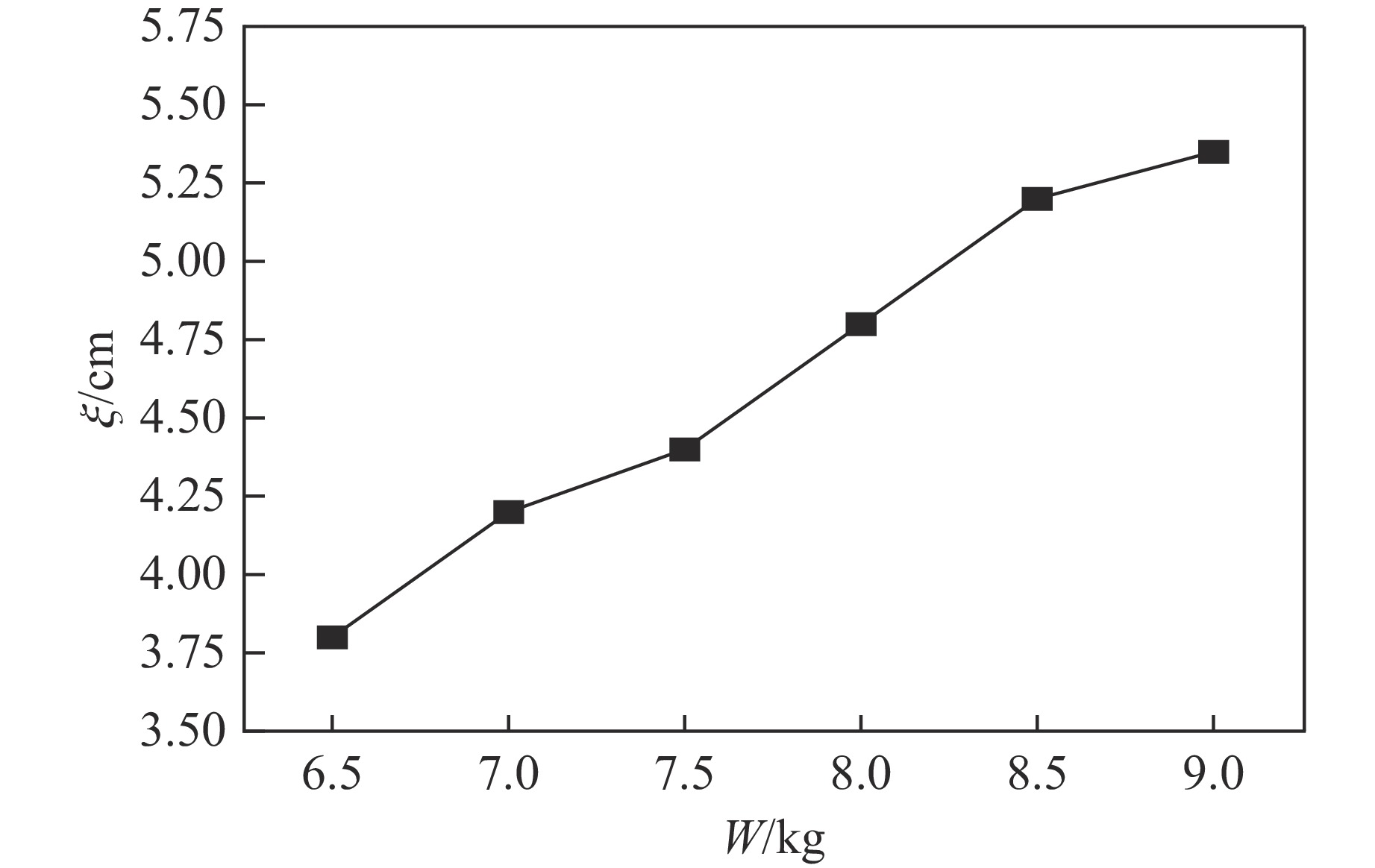
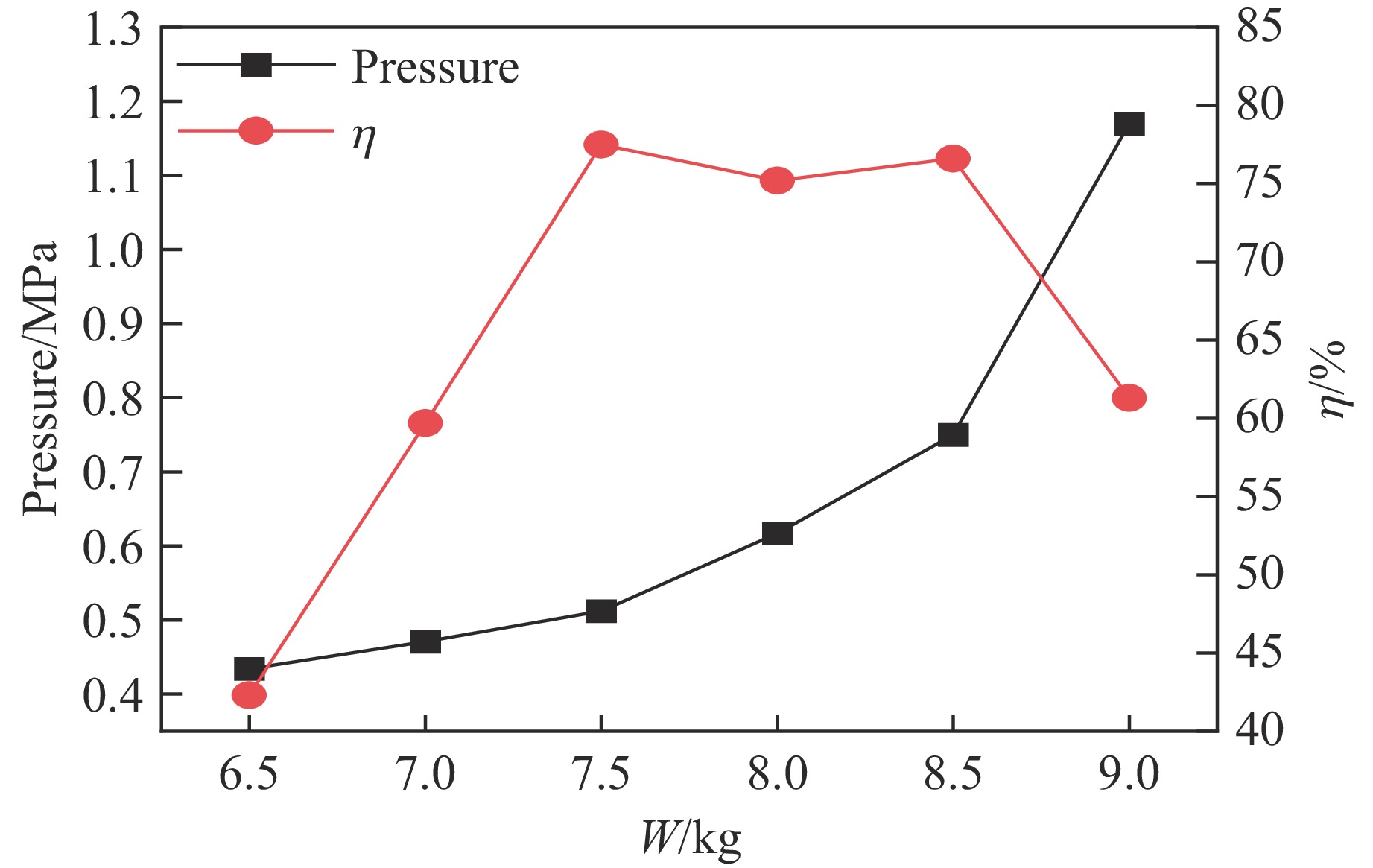
To investigate the effect of the aluminum foam energy-absorbing layer on the blast-resistance performance of concrete blast walls, LS-DYNA was used to simulate the dynamic response of composite explosion-proof walls with aluminum foam energy-absorbing layers. The study analyzed the influences of the structural parameters of the aluminum foam sandwich panel, the relative density of the aluminum foam, and the intensity of the explosive load on the deformation patterns and the blast-resistance performance. The results show that during the explosion, the composite blast wall mainly absorbs blast-wave energy through the local bending deformation of the front panel and the plastic collapse deformation of the core layer. The blast-resistance performance of the composite blast wall is positively correlated with the core layer thickness and negatively correlated with the panel thickness. However, if the panel is too thin, it will experience localized fracture failure due to insufficient strength. As the relative density of the aluminum foam increases, the anti-explosive properties of the explosion-proof wall initially improve significantly but then tend to level off. When the relative density exceeds the critical threshold, the decrease in the material’s wave impedance gradient significantly weakens its protective effectiveness. Under an explosive loading condition with a 7.5 kg charge and a burst distance of 50 cm, when the core layer thickness is 6 cm, the panel thickness is 0.5 cm, and the relative density of the aluminum foam is 44%, the energy-absorbing properties of the material can be fully utilized. The core layer has a compression ratio of 73.3%, and the composite explosion-proof wall has a wave-attenuation coefficient of 77.5%. As the blast load increases, the clipping coefficient of the composite blast wall exhibits a changing trend of “strengthening-equilibrium-destabilization”. This study provides valuable references for the application of aluminum foam in blast-protection systems.

Mechanical Behavior Analysis of Porous Nested Structures with Negative Poisson’s Ratio
BAI Junzhe, LI Xinbo, DENG Qingtian, SONG Xueli, ZHAO Jianhua
2025, 39(10): 104201. doi: 10.11858/gywlxb.20251021
HTML PDF (27)
Abstract:

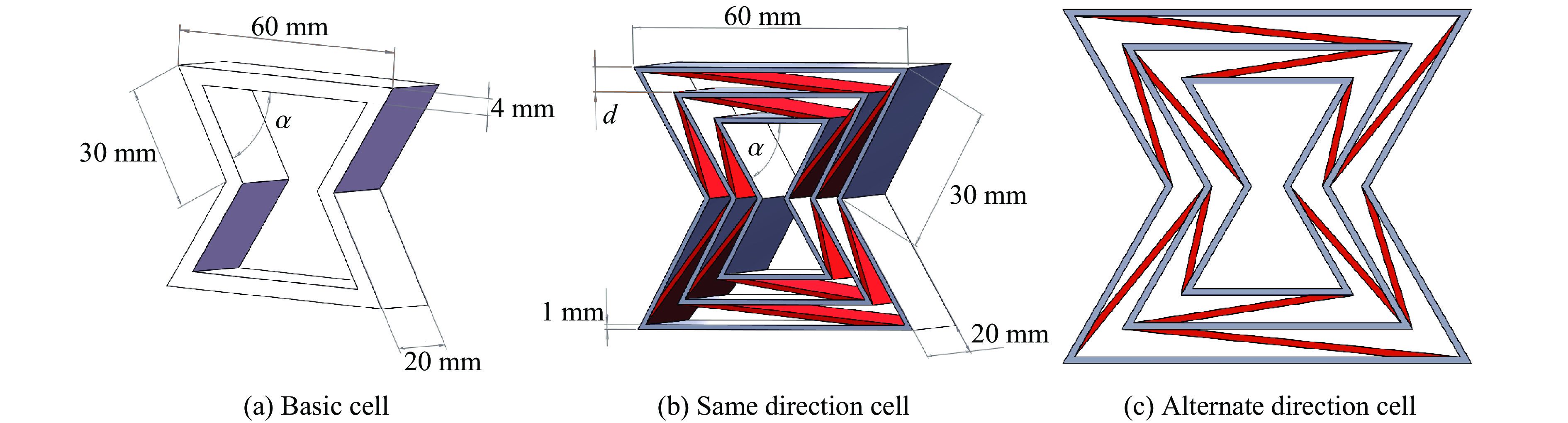
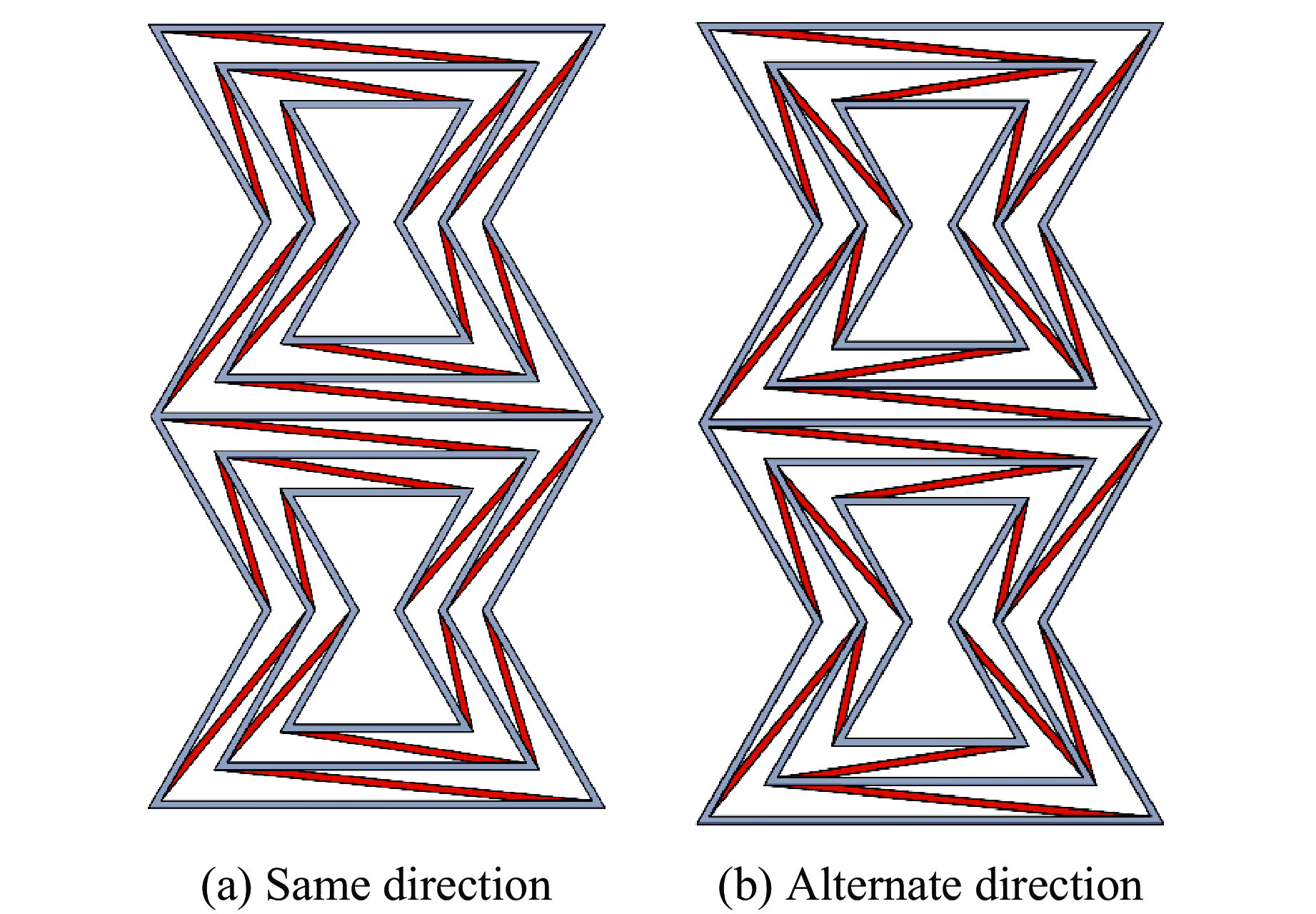
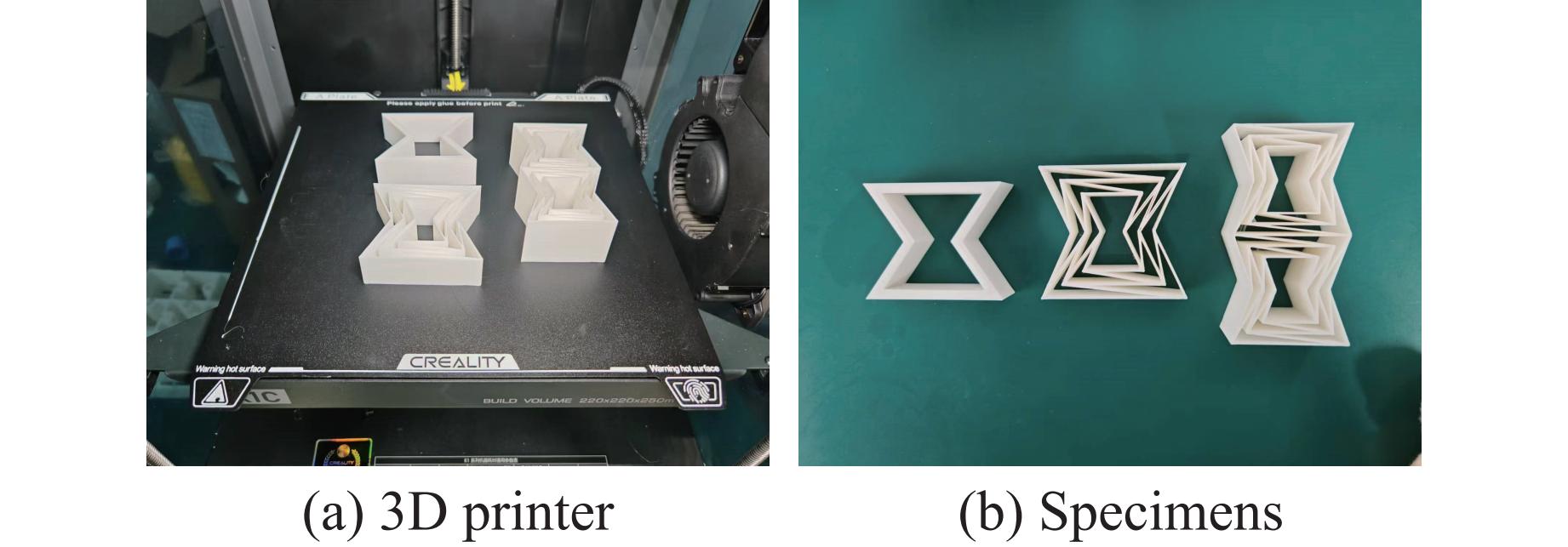
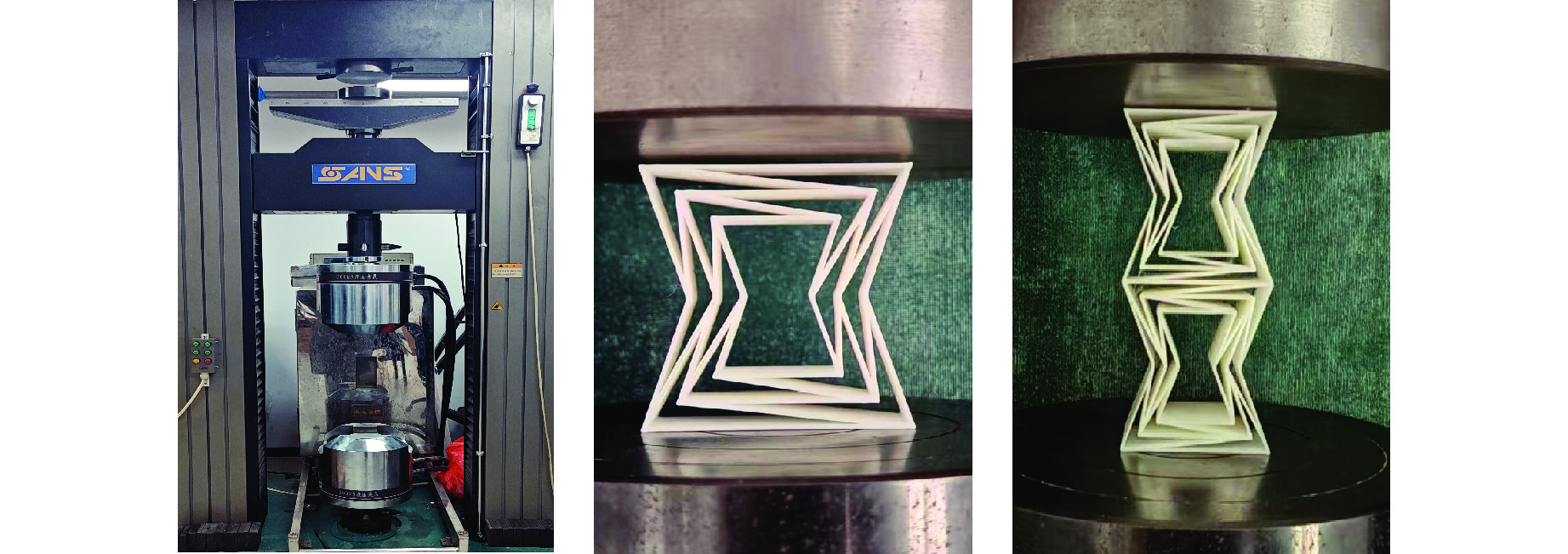
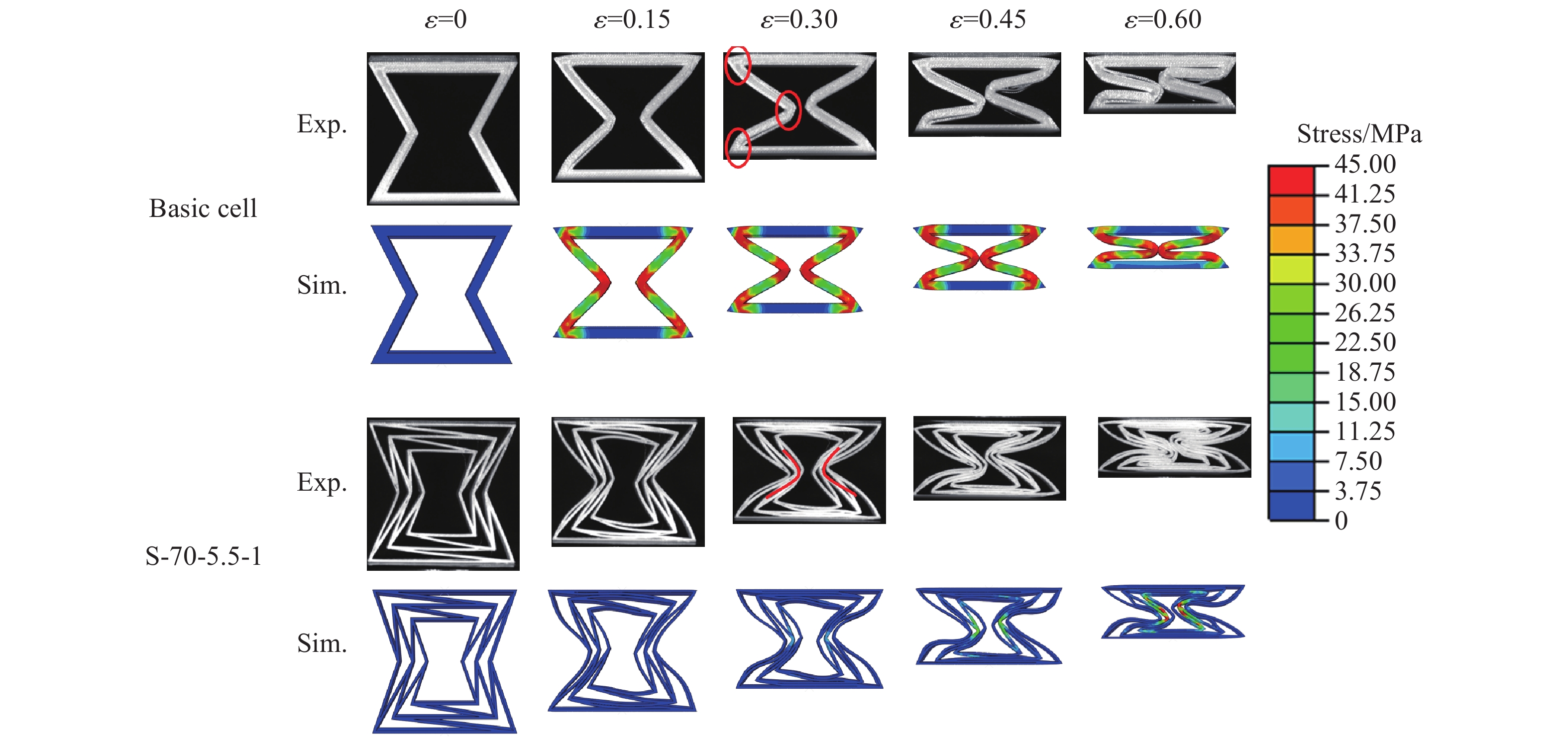
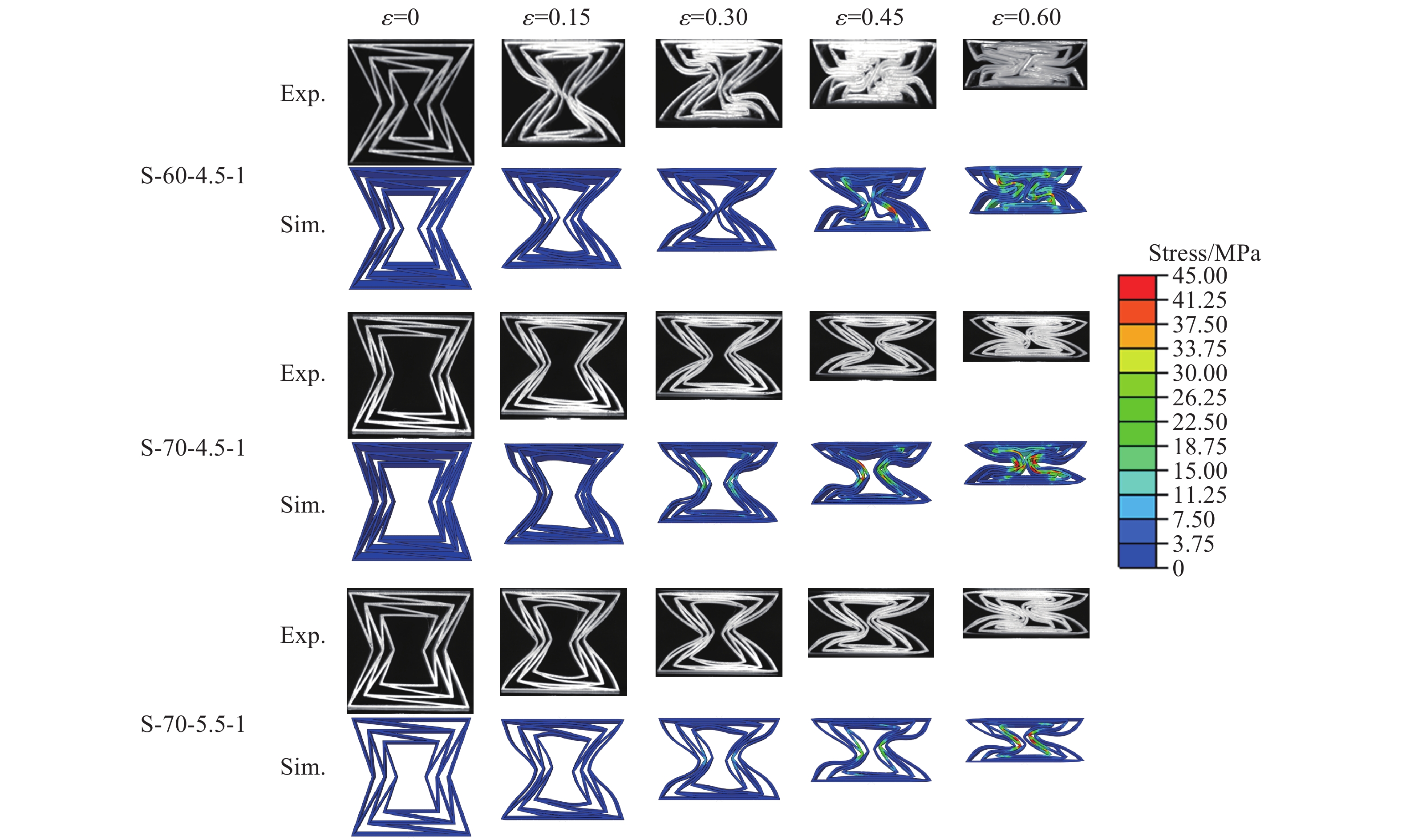
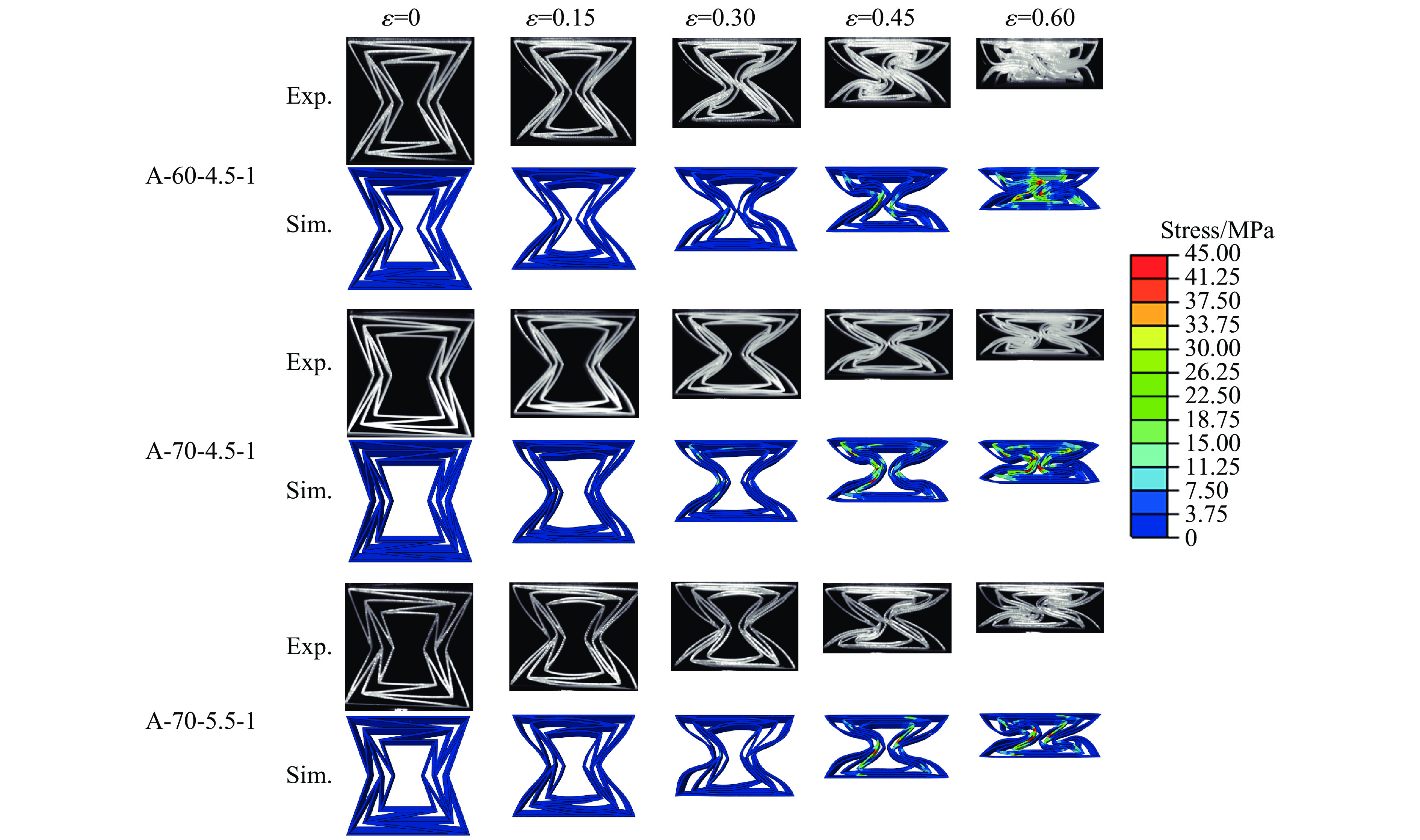
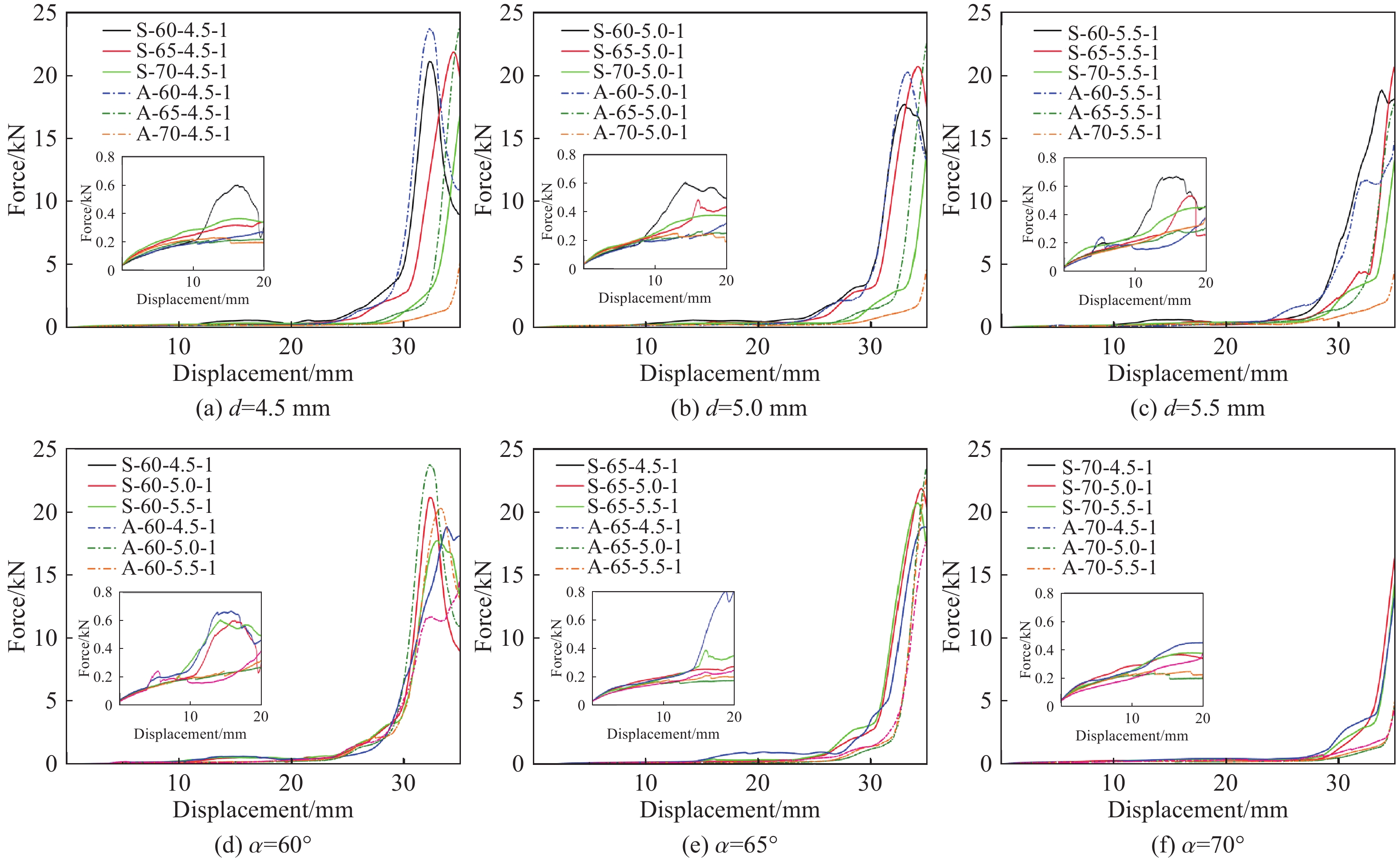
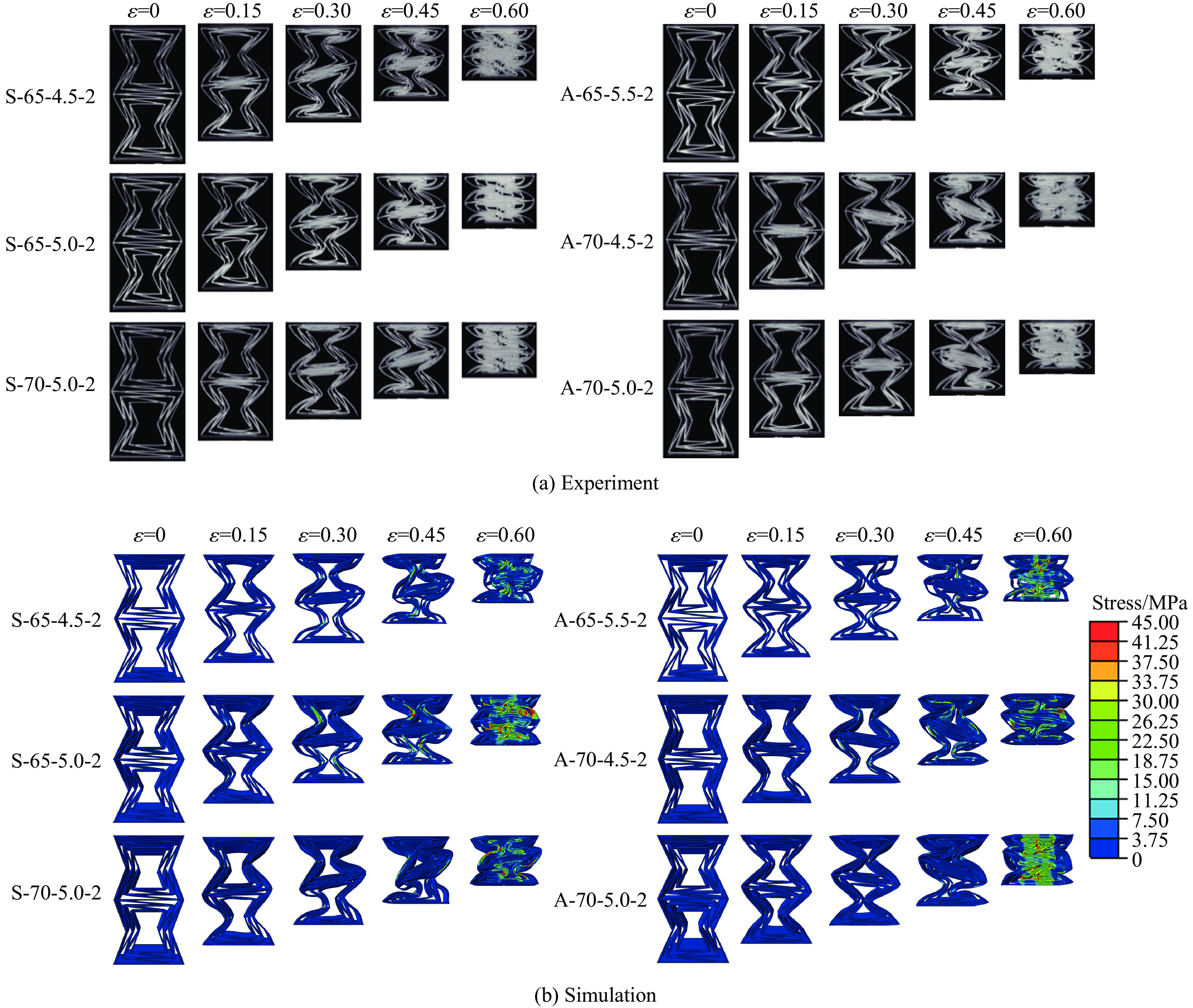
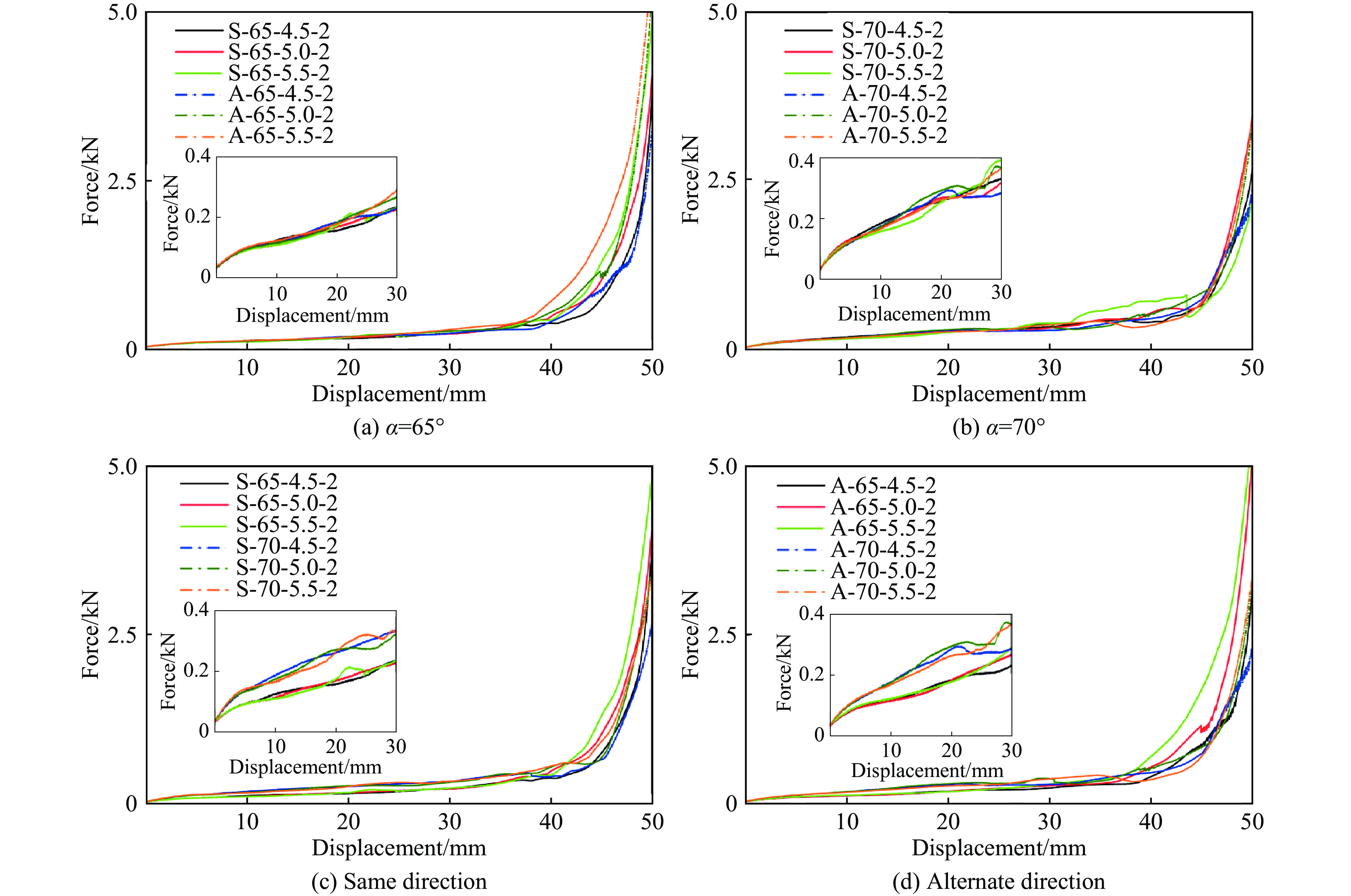
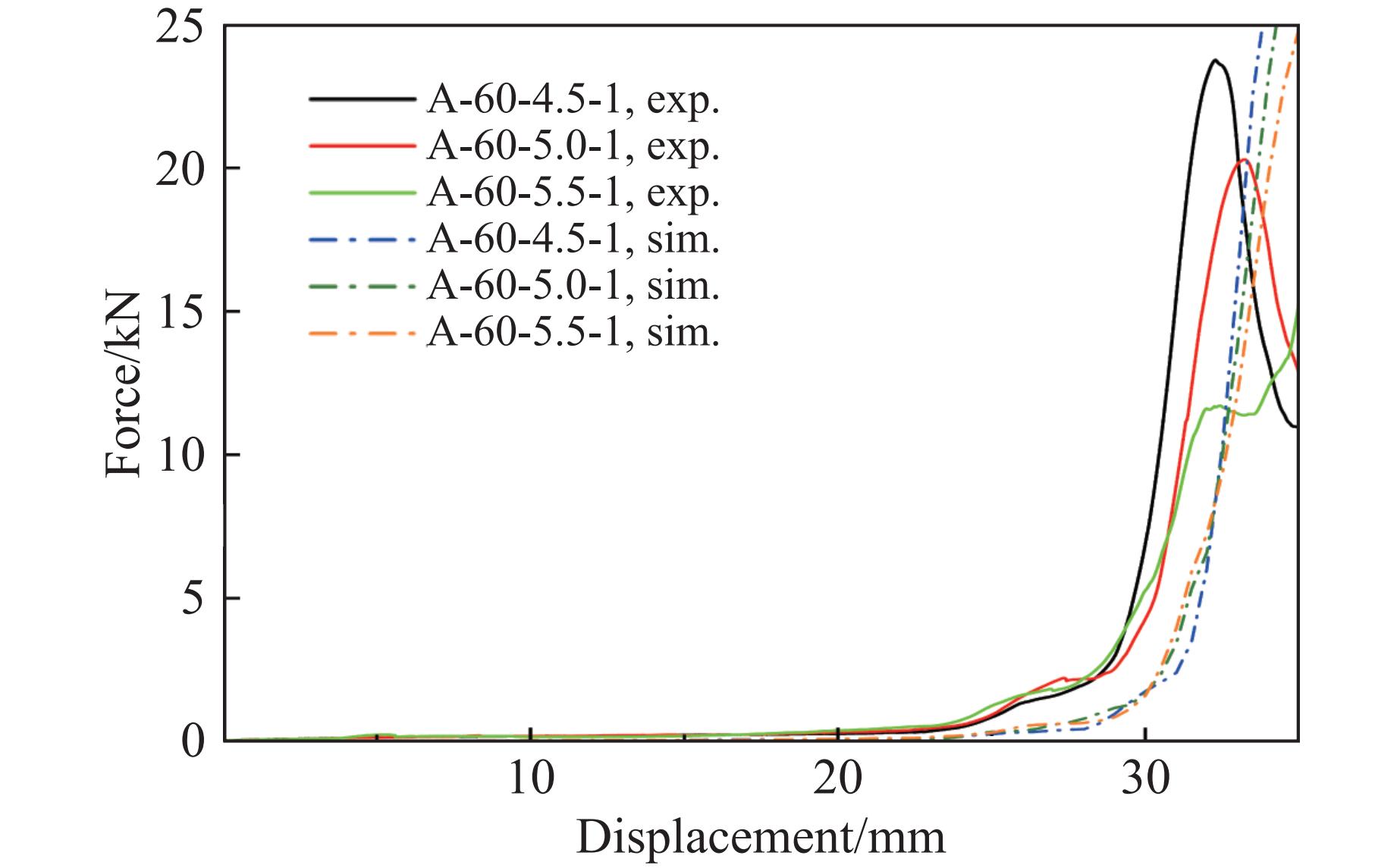
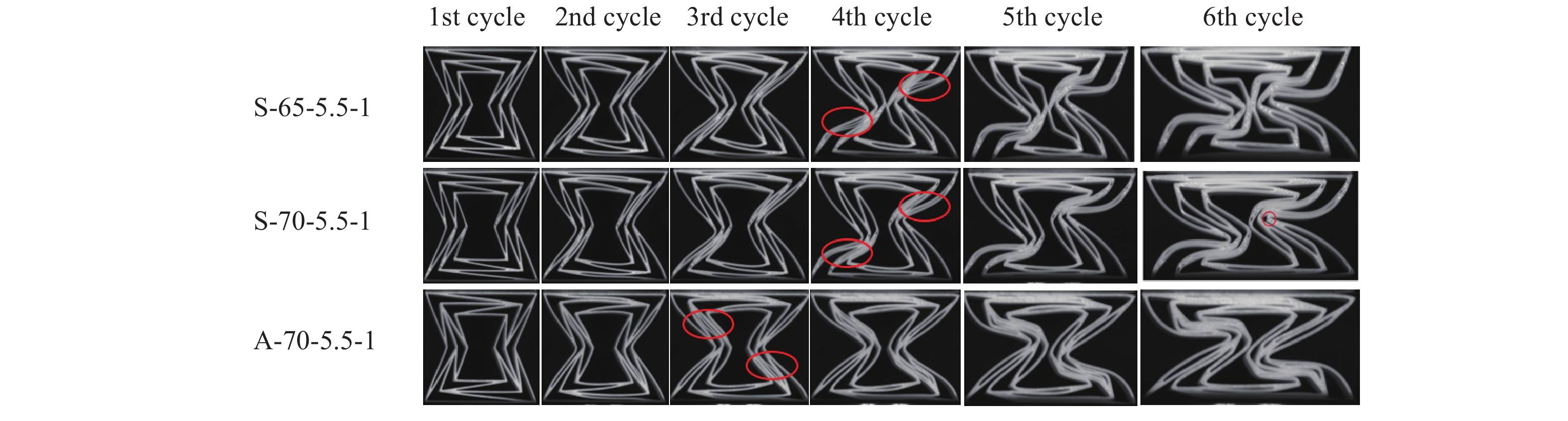
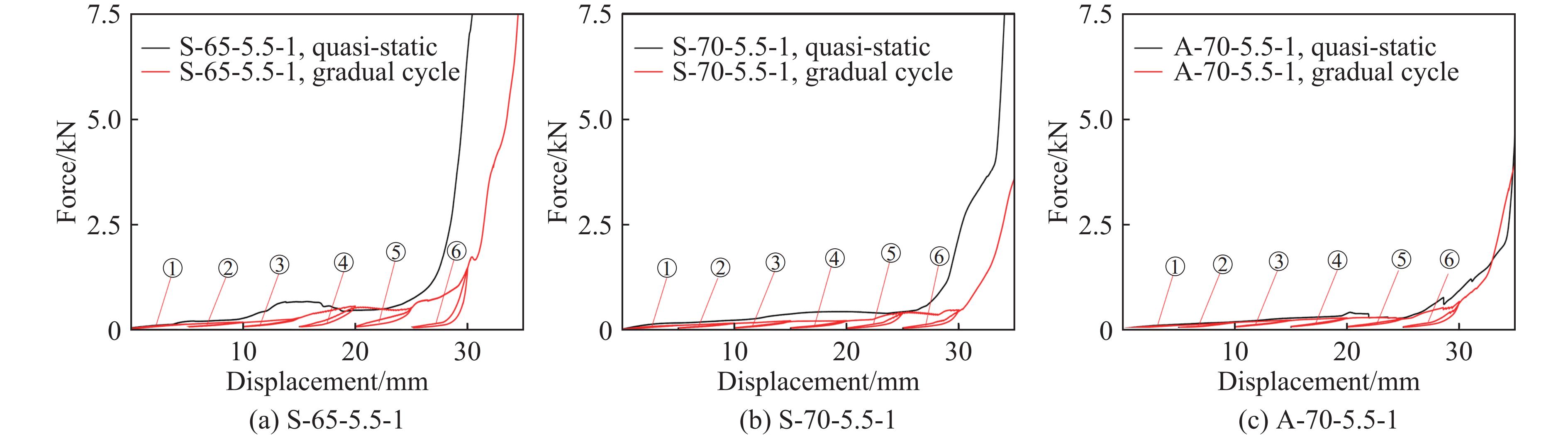
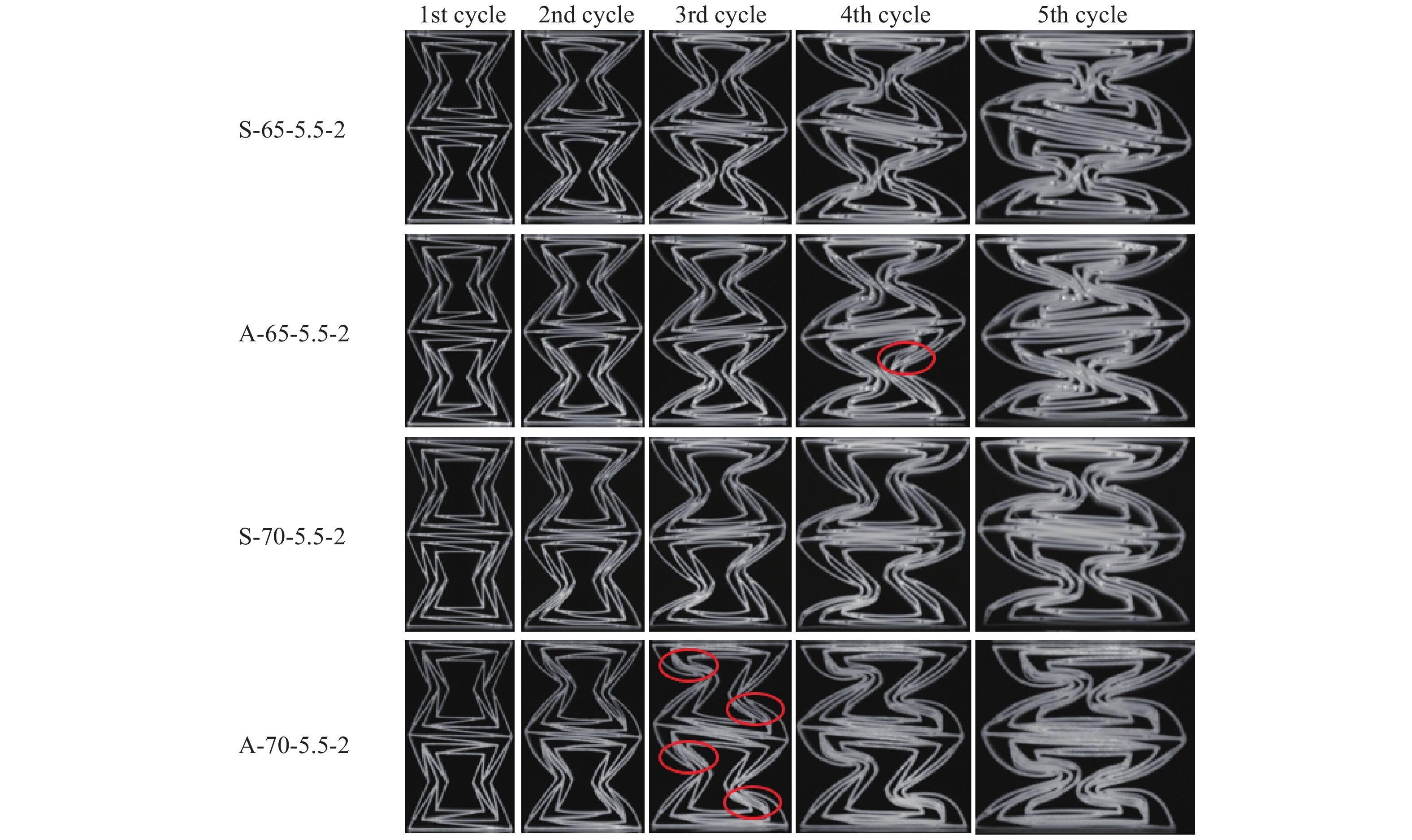
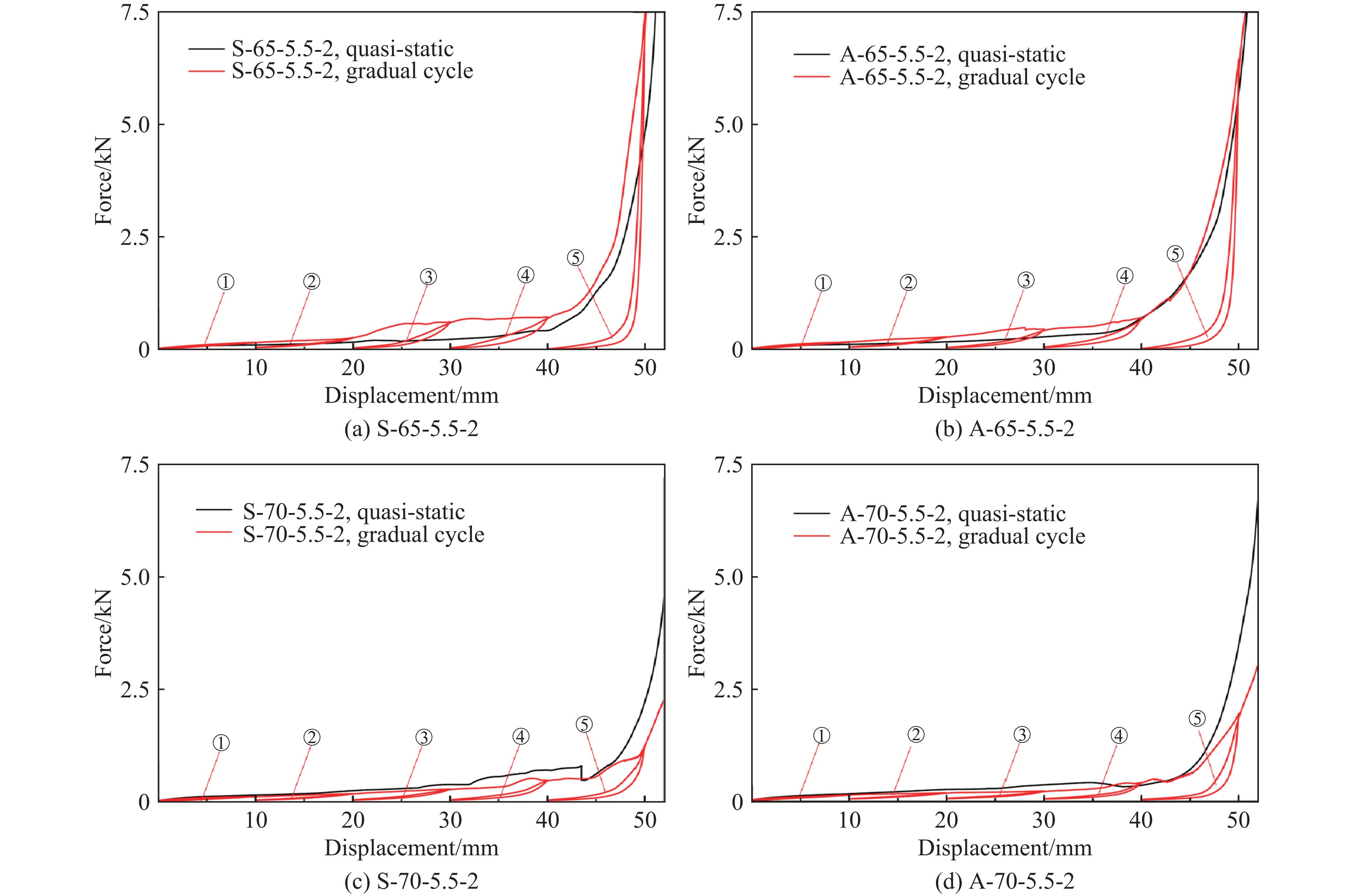
The deformation behavior and energy absorption characteristics of multilayer nested auxetic hexagonal single-cell structures and tandem configurations with different angles, spacing and connection modes were analyzed through quasi-static uniaxial compression experiments, cyclic compression experiments and finite element simulations. The results show that the multilayer nested structure exhibits predominant shear deformation with localized stress concentration at diagonal bar connections, demonstrating lower stress magnitude distribution. The single-cell structures featuring alternating connections with larger angle and reduced spacing exhibit extended plateau phase duration. The specimen with α=65° achieves better energy absorption, where the isotropic connection and increasing spacing enhance the energy absorption capacity. The angle and spacing present analogous effects on the plateau period of both tandem and single-cell structures, while the connection mode demonstrate contrasting influences. Meanwhile, the energy absorption is positively correlated with increased angles and spacing, as well as the variation of the connection mode. Cyclic compression testing induces progressive delamination and plastic fracture in the specimen, predominantly initiating from the second cycle onward, accompanied by stress softening and energy dissipation behaviors that intensify with cycle repetition.

High Pressure Applications
Influence of Silicon Nitride Content on Explosive Performance of Bulk Emulsion Explosive
ZHU Zhengde, LIU Feng, KUANG Zhao, FU Jiakun
2025, 39(10): 105101. doi: 10.11858/gywlxb.20251031
HTML PDF (19)
Abstract:

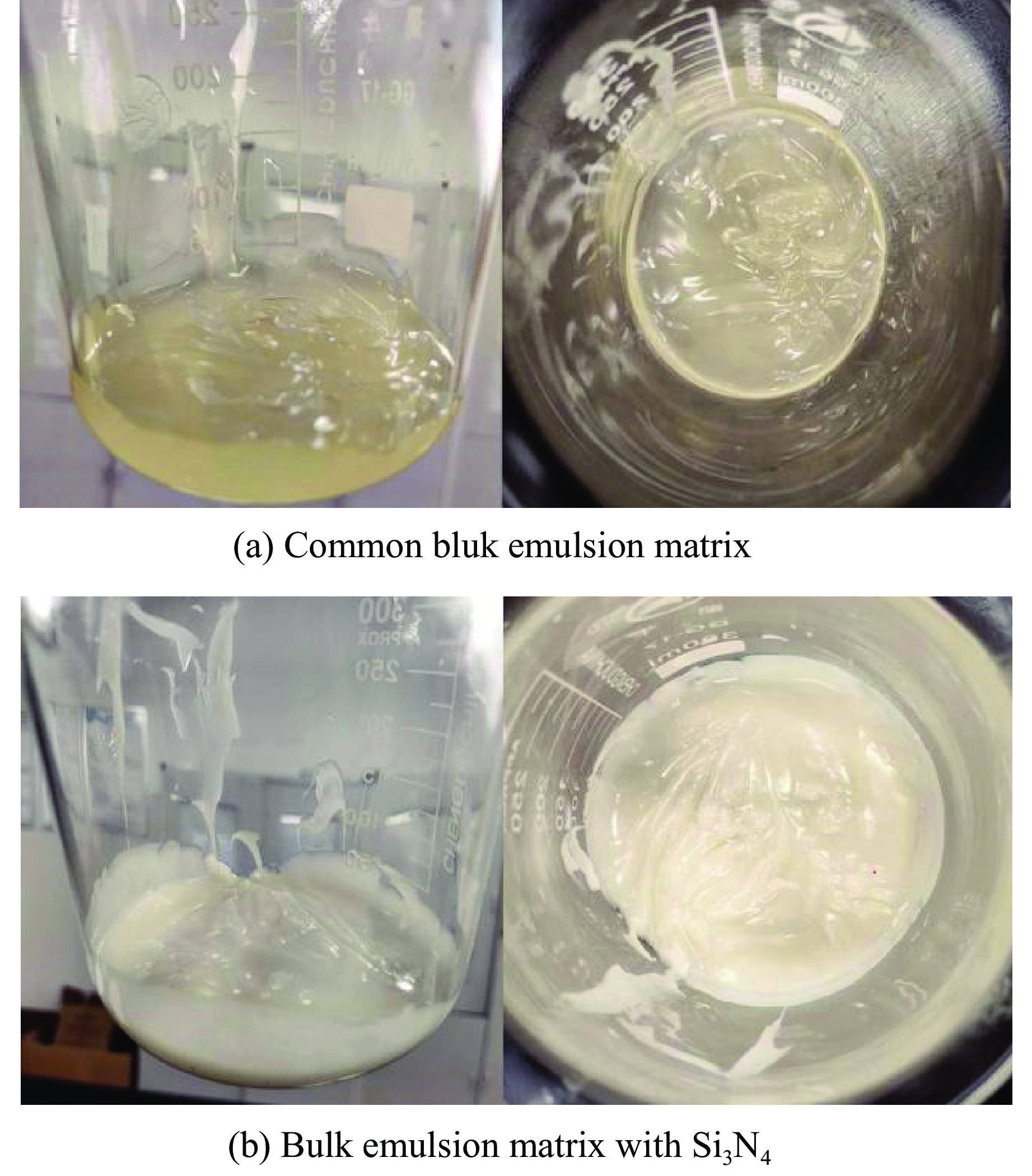
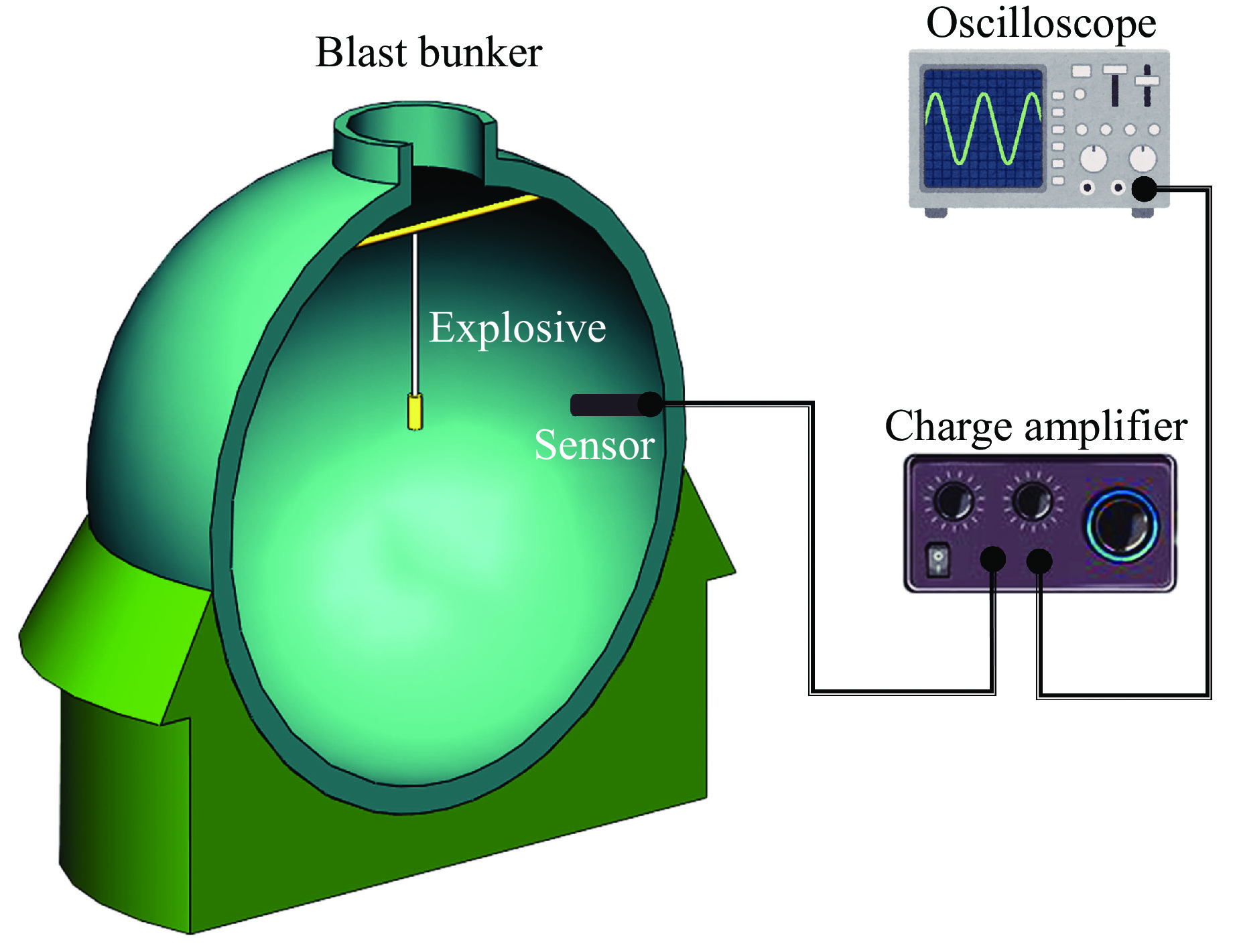
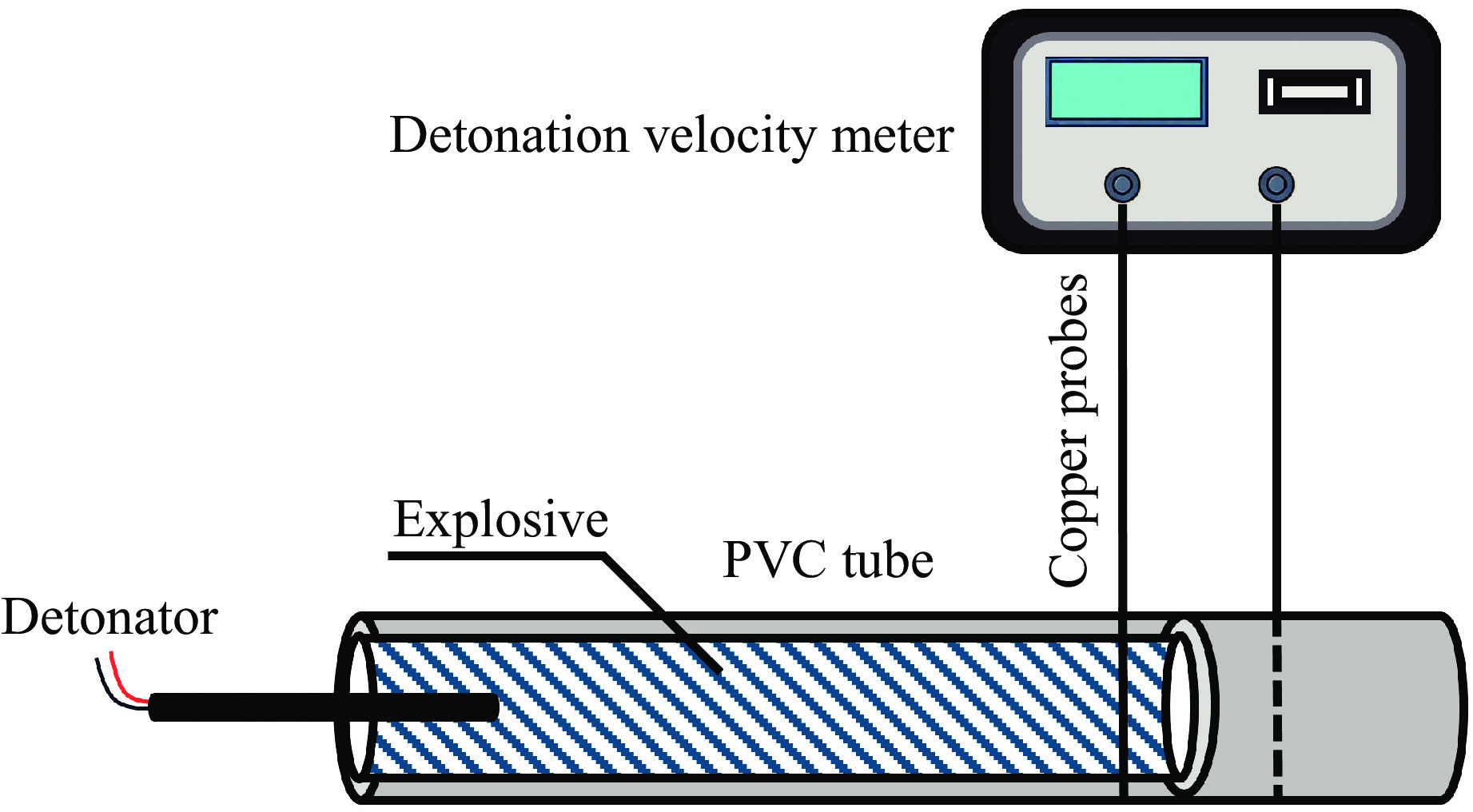
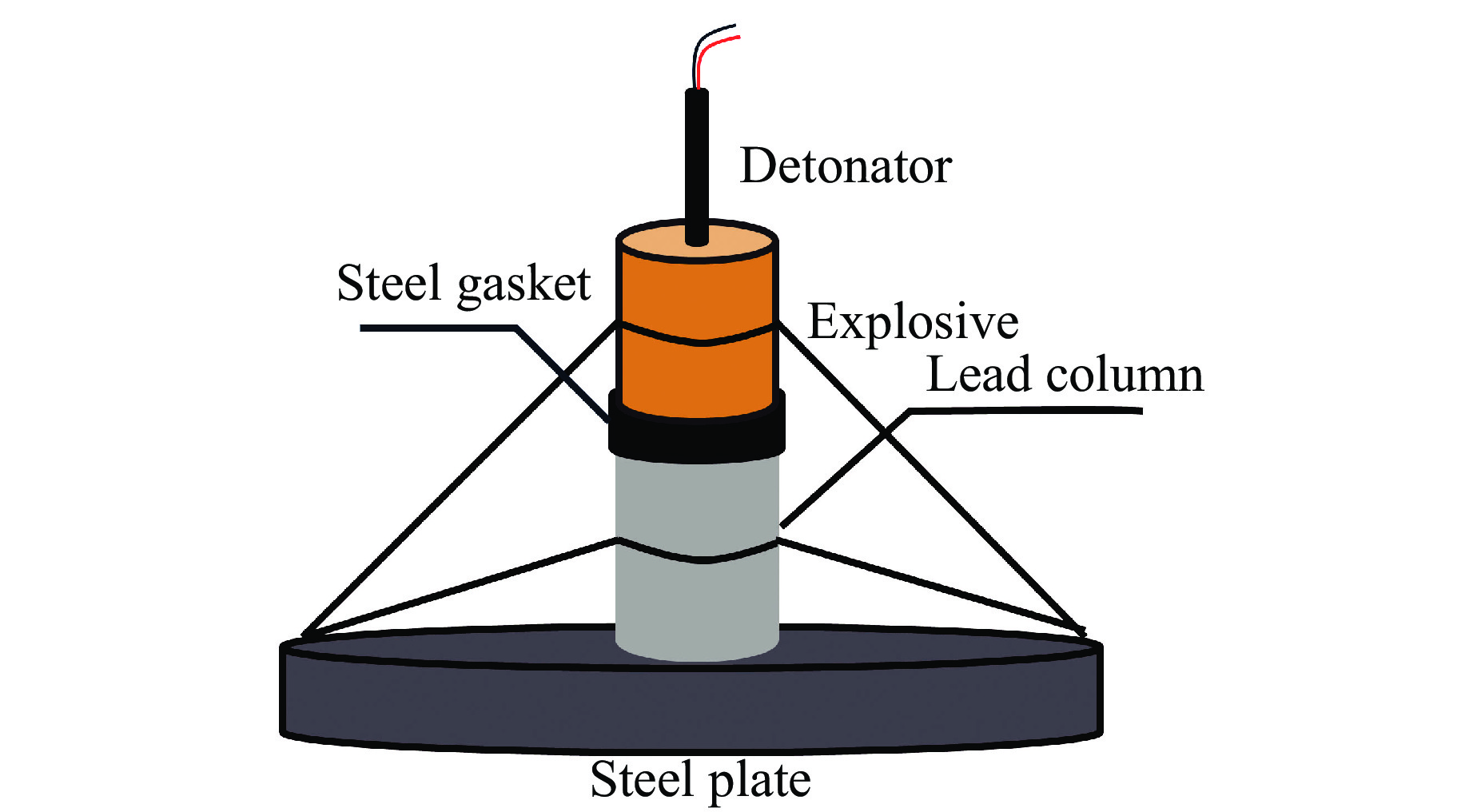
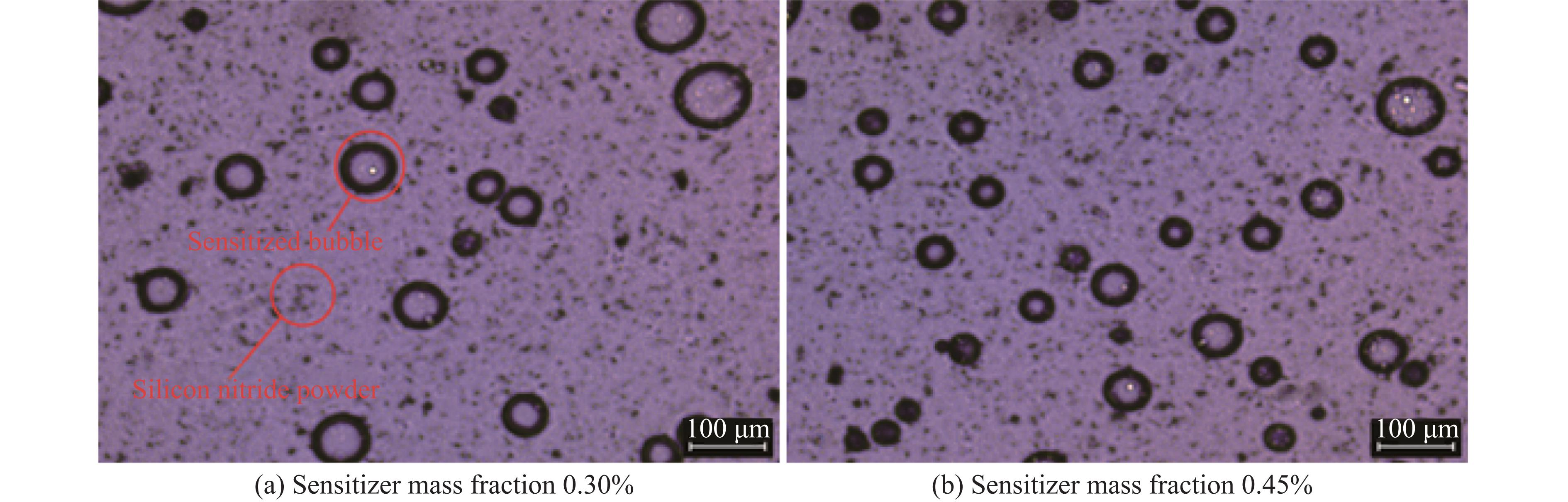
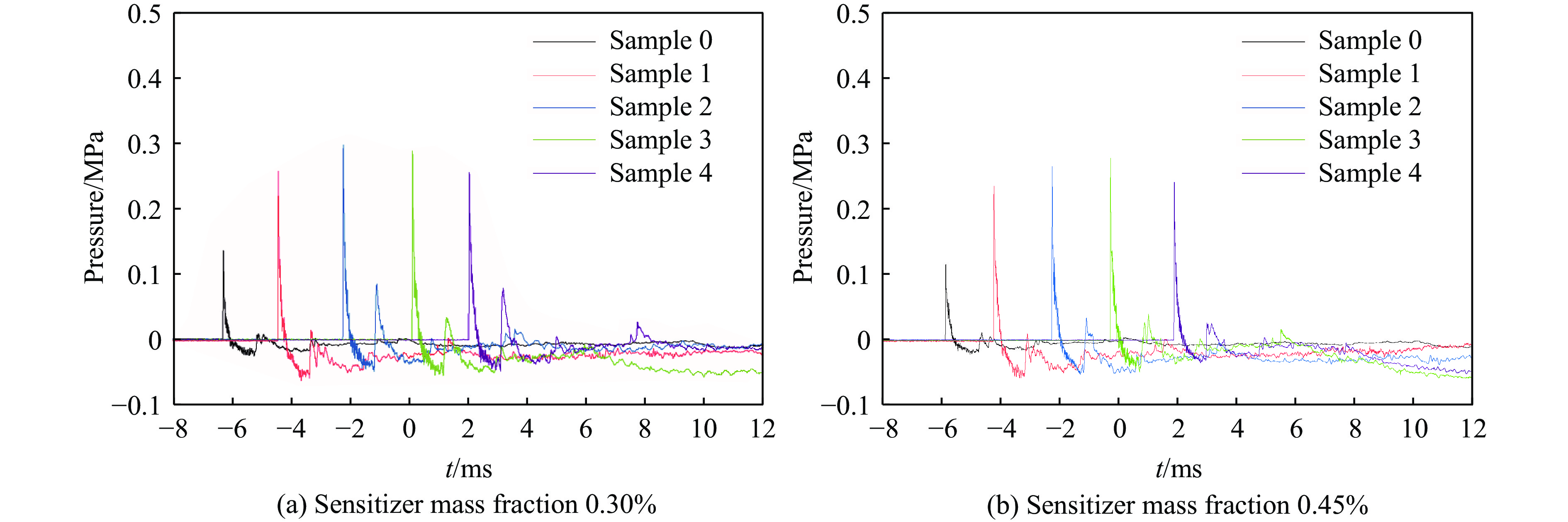
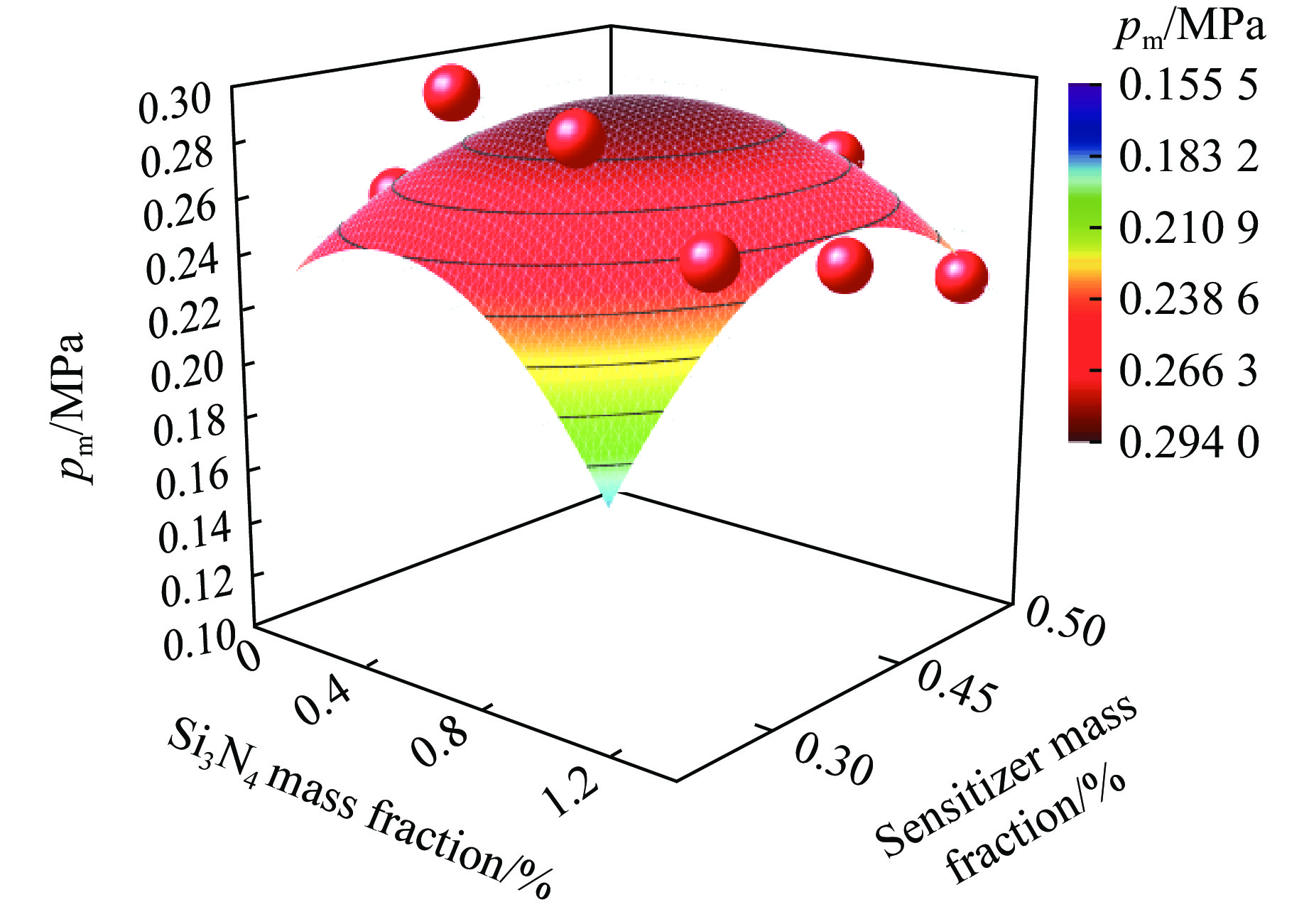
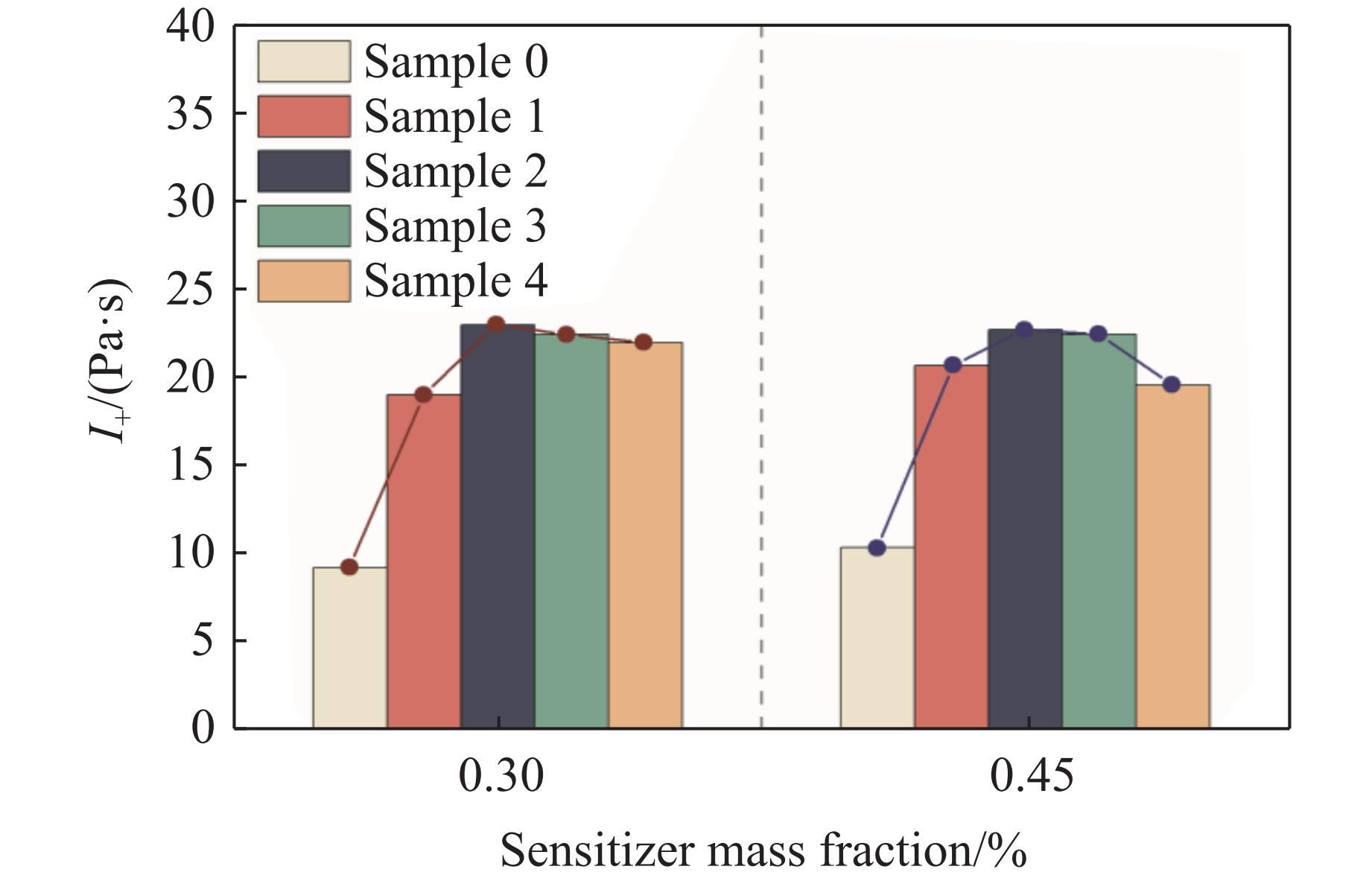
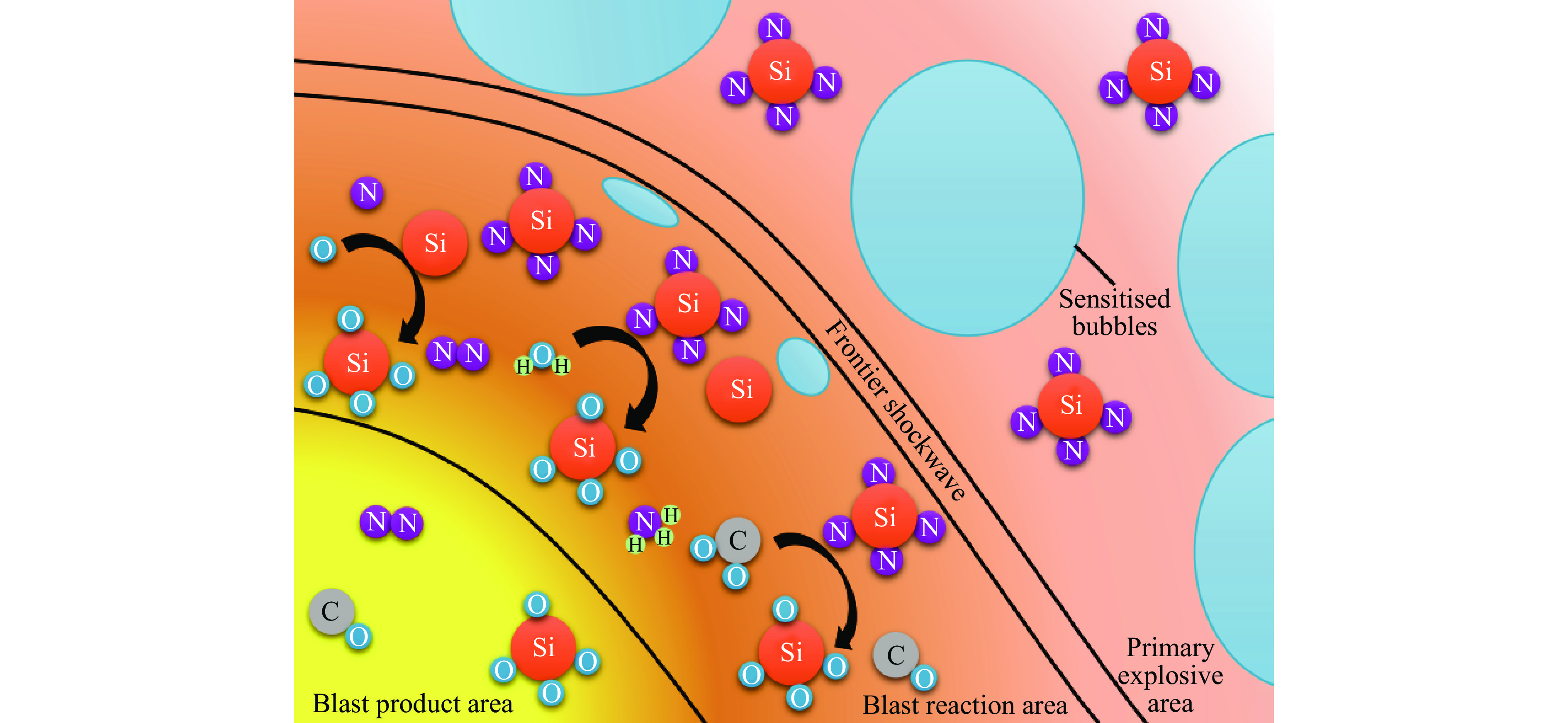
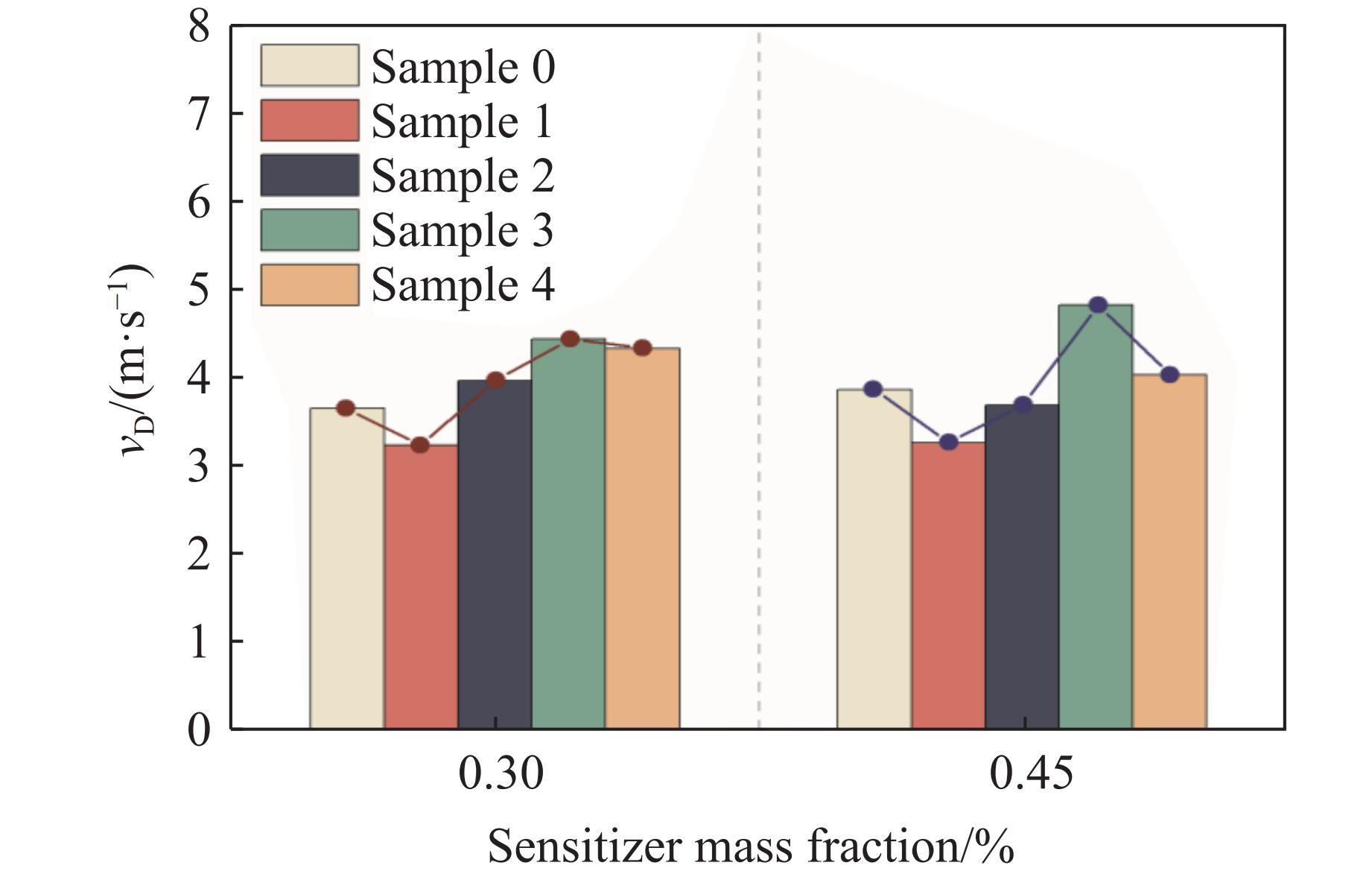
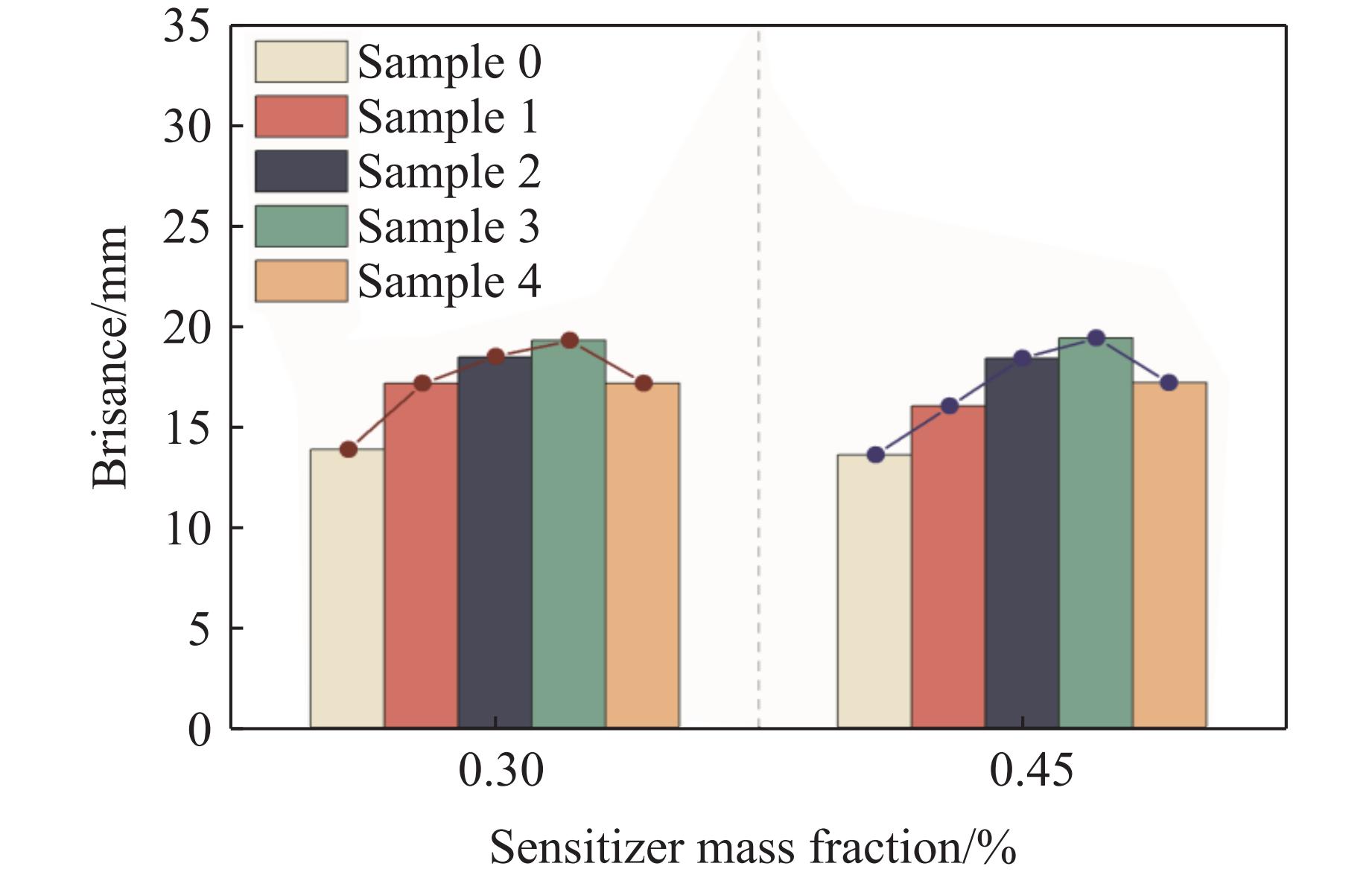
Silicon nitride, with high nitrogen content, was added to improve the explosive performance of bulk emulsion explosive. The influence of silicon nitride content on the air shock wave parameters, detonation velocity, and brisance was investigated by air blast experiments, detonation velocity tests, and lead column compression experiments. The results showed that: with the silicon nitride mass fraction increasing from 0% to 1.2%, the density of the explosive increased from 1.02 g/cm3 to 1.11 g/cm3, the air shock wave pressure peak increased from 0.1156 MPa to 0.2977 MPa and then decreased to 0.2408 MPa, with the maximum peak value being 2.58 times that of the minimum. The specific impulse increased from 9.22 Pa·s to 23.00 Pa·s and then decreased to 19.59 Pa·s, with the maximum specific impulse being 2.49 times that of the minimum value. The detonation velocity showed a trend of decreasing to 3265.66 m/s, then increasing to 4830.60 m/s, and finally decreasing to 4541.51 m/s, with the maximum detonation velocity being 1.48 times that of the minimum. The brisance increased from 13.86 mm to 19.40 mm and then decreased to 17.18 mm, with the maximum brisance being 1.40 times that of the minimum. From the experimental results, it can be concluded that silicon nitride can improve the explosive performance of bulk emulsion explosives, which is of reference significance for the optimal design of bulk emulsion explosives formulations.

Detonation Propagation Behaviors in an Obstructed Bent Tube
LIU Jiawei, MA Honghao, GE Yun, WANG Luqing
2025, 39(10): 105201. doi: 10.11858/gywlxb.20251055
HTML PDF (23)
Abstract:

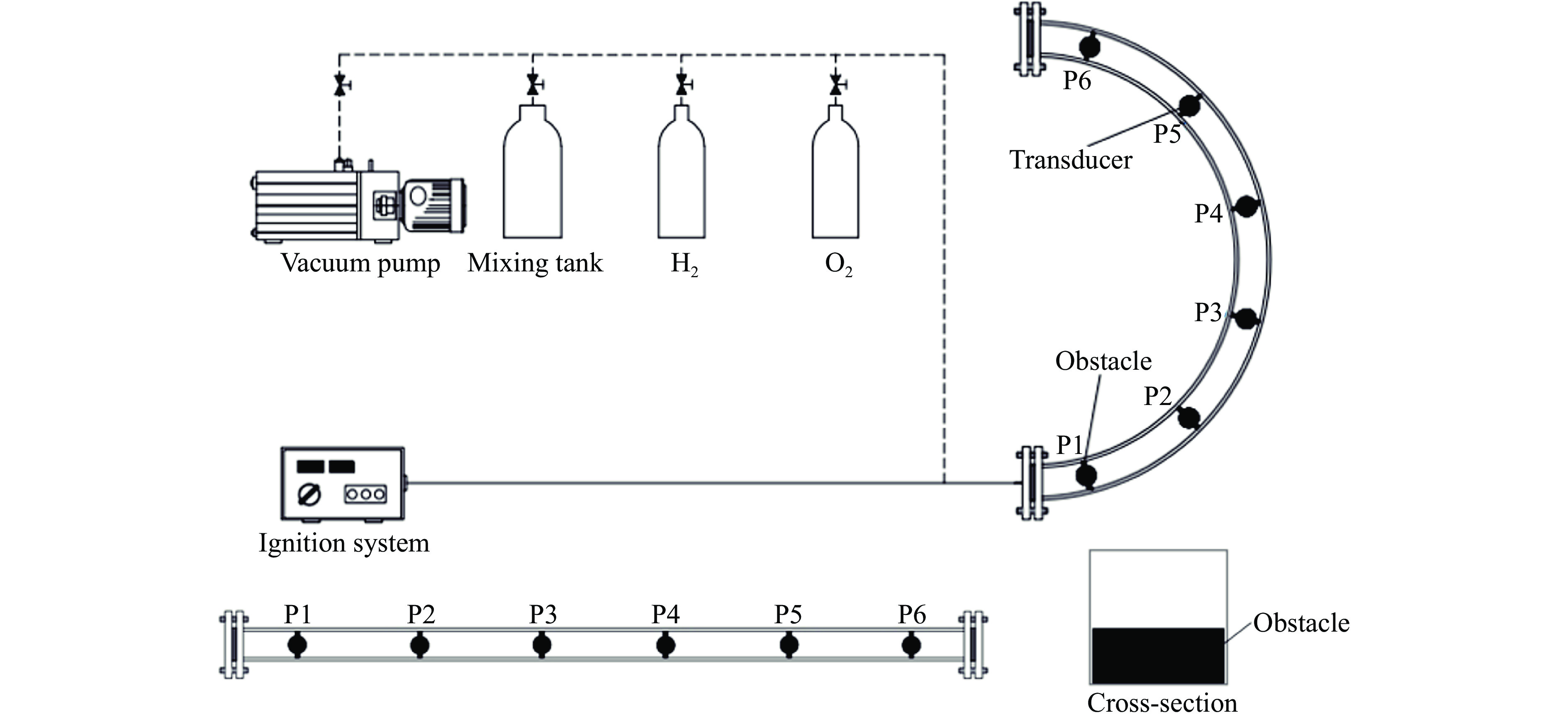
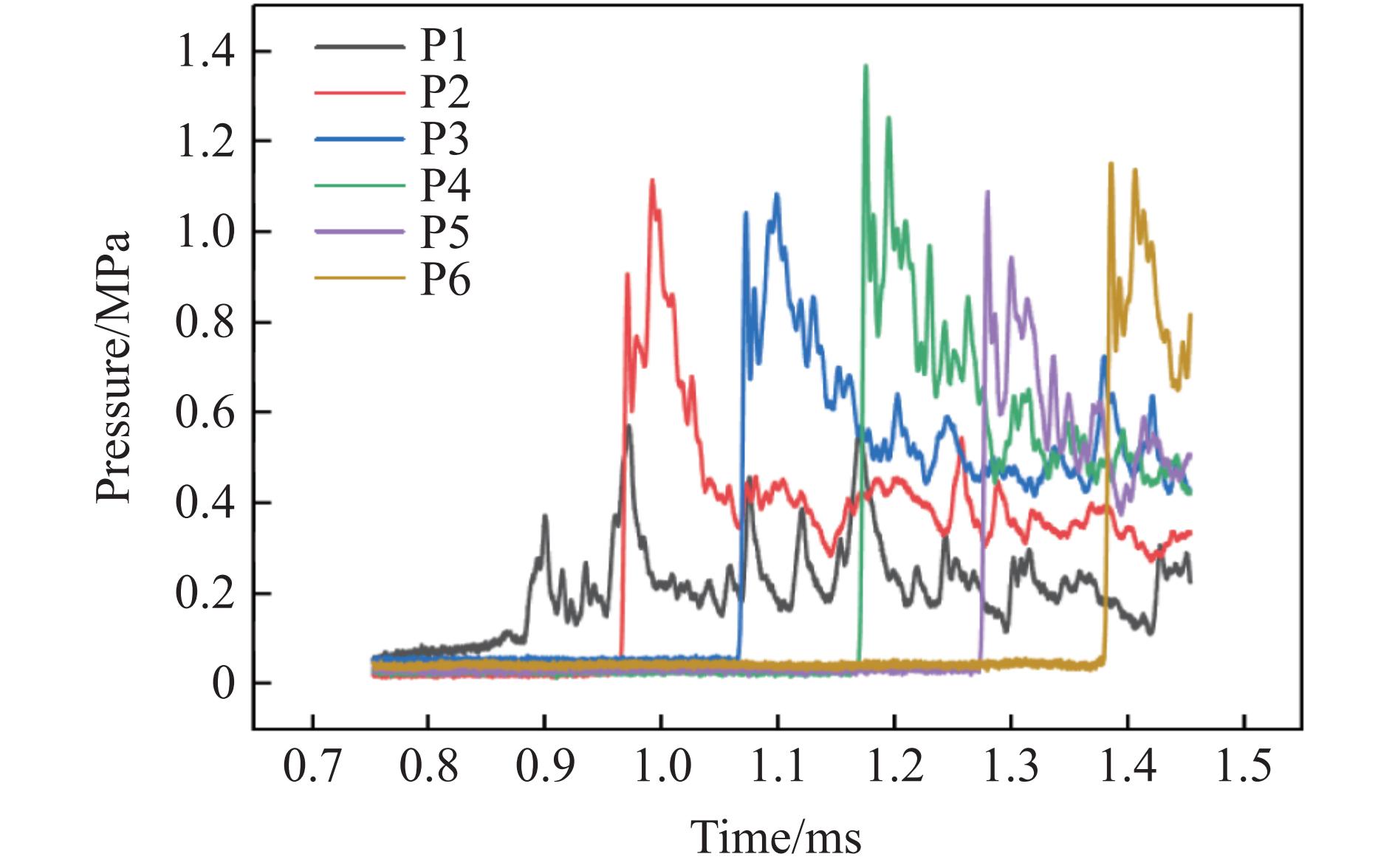
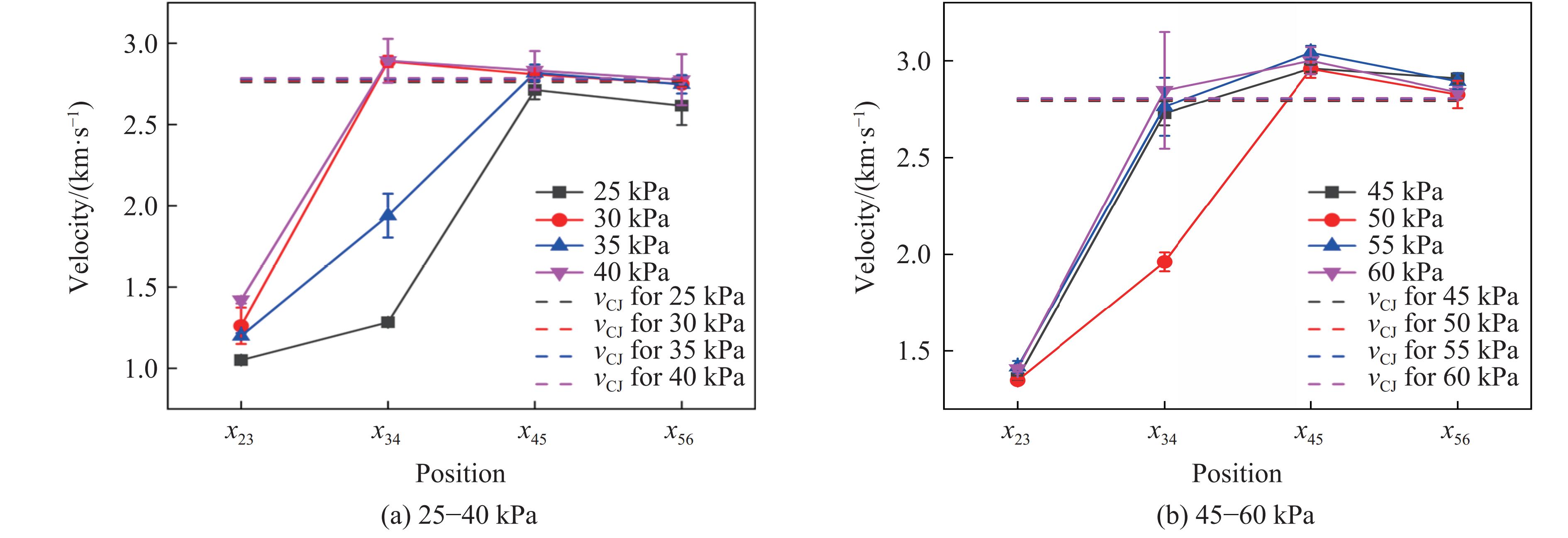
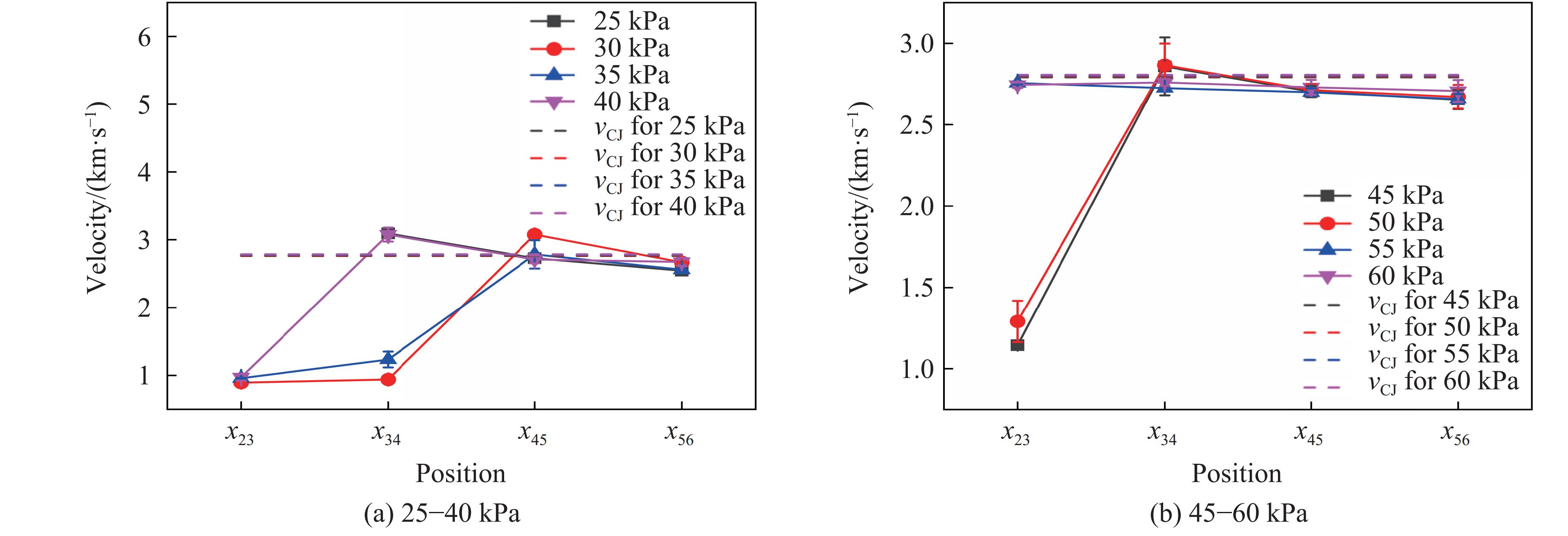
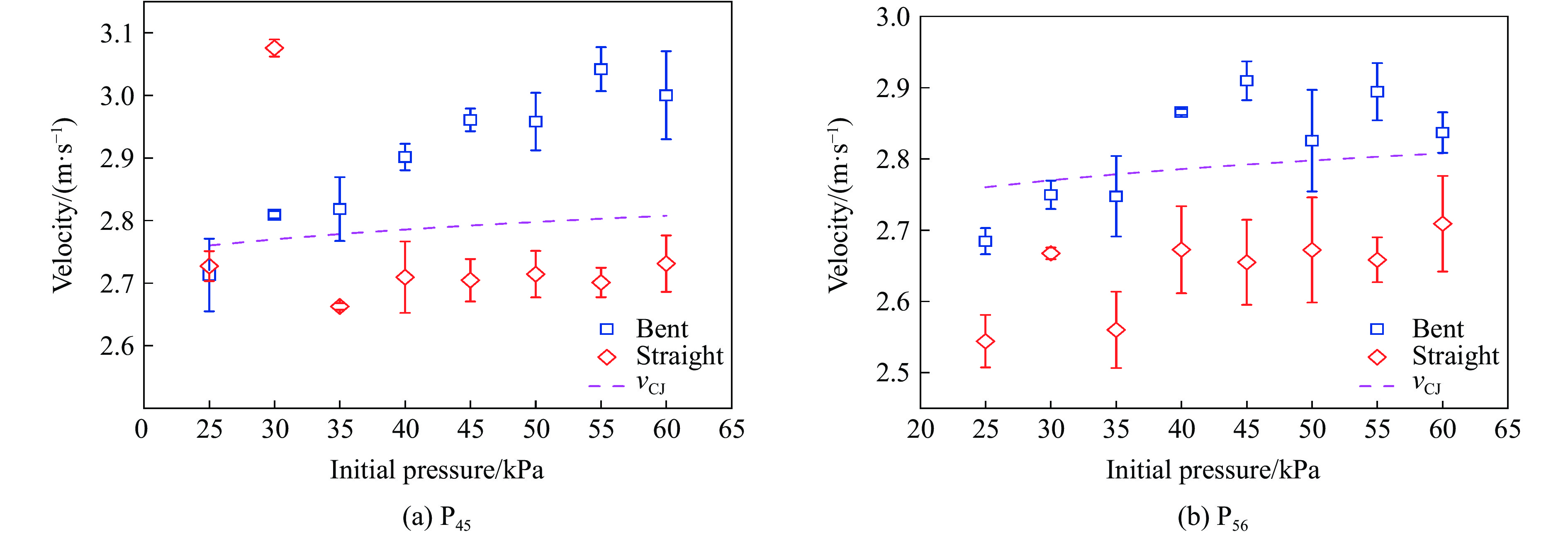
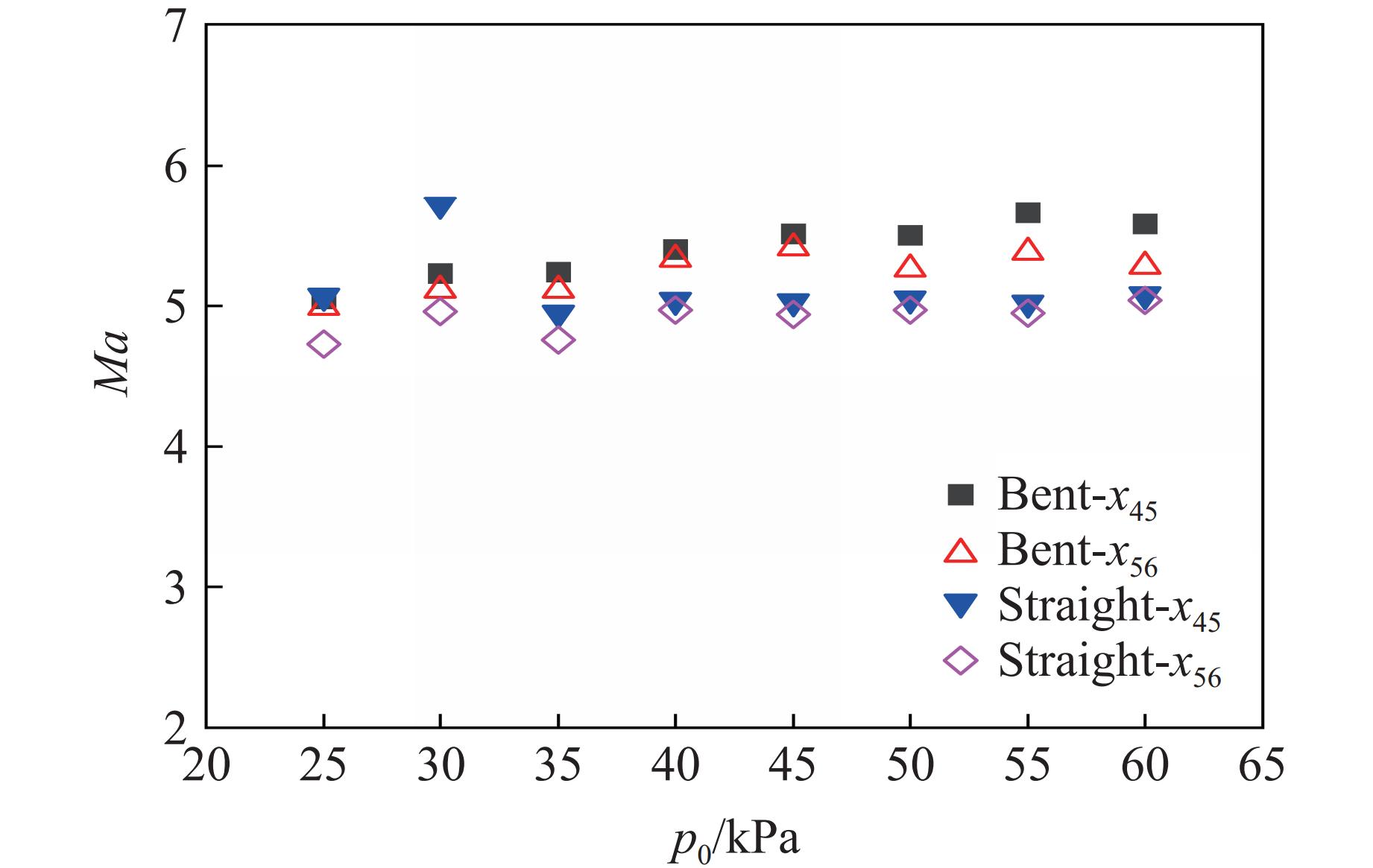
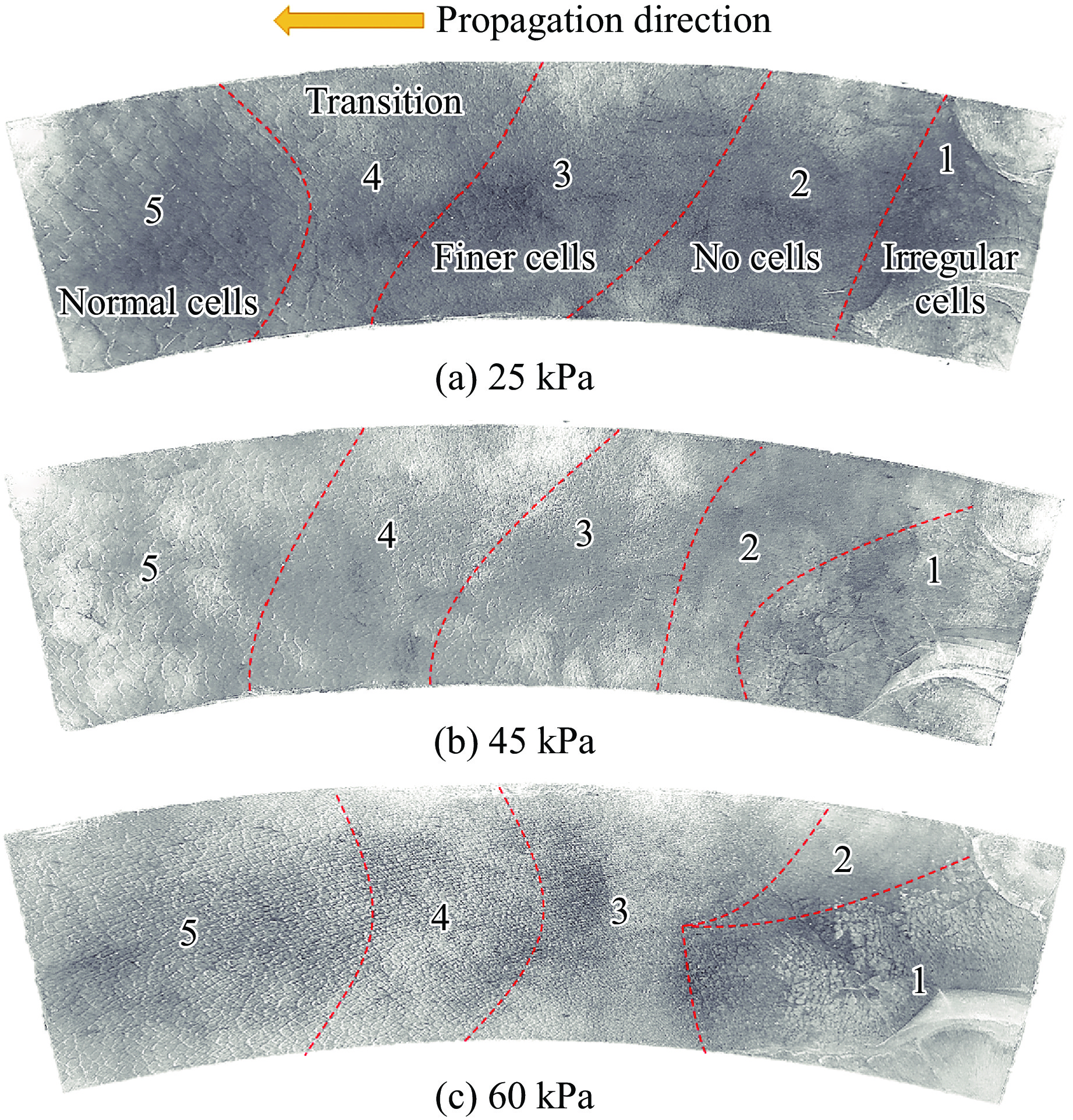
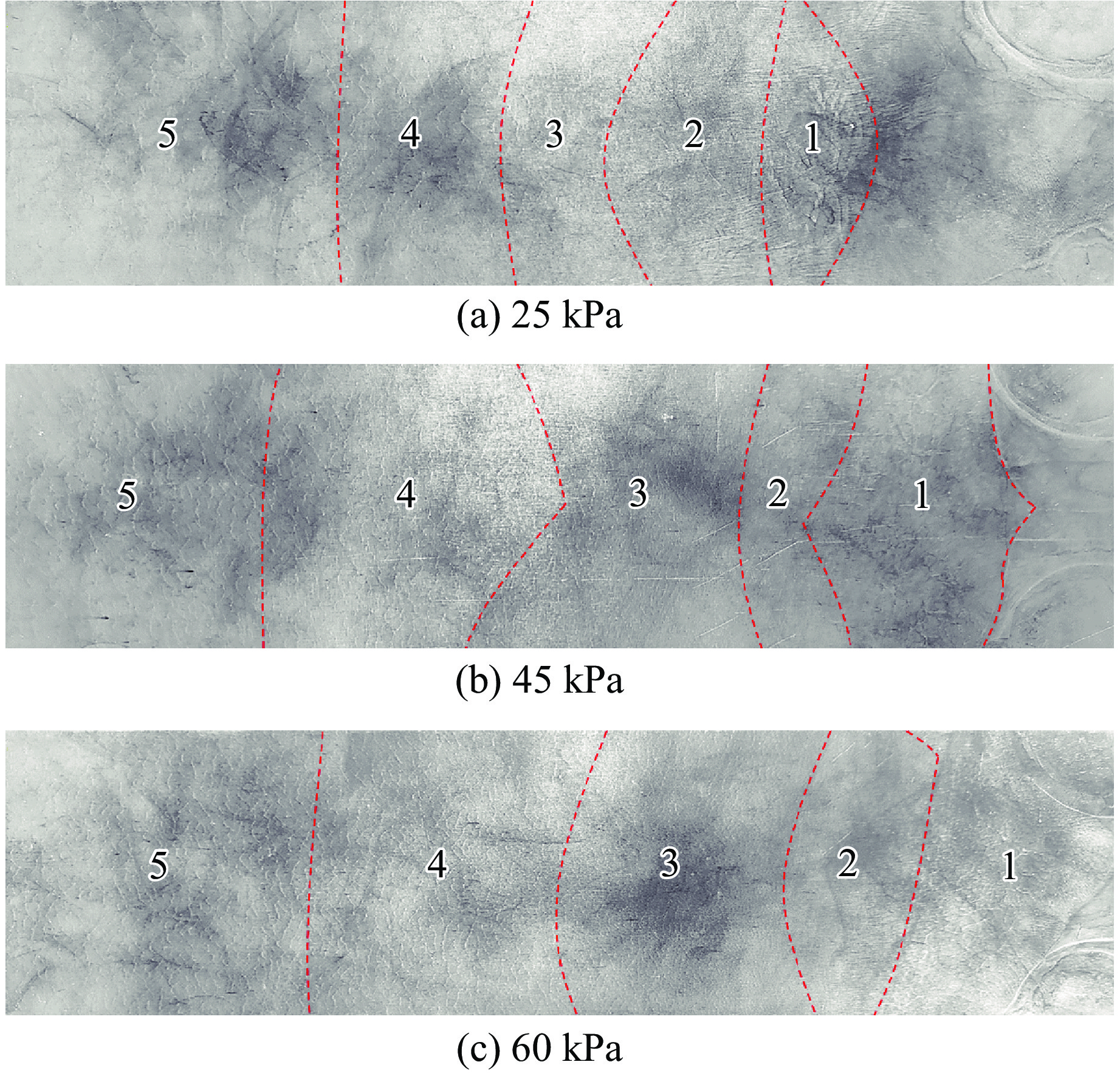
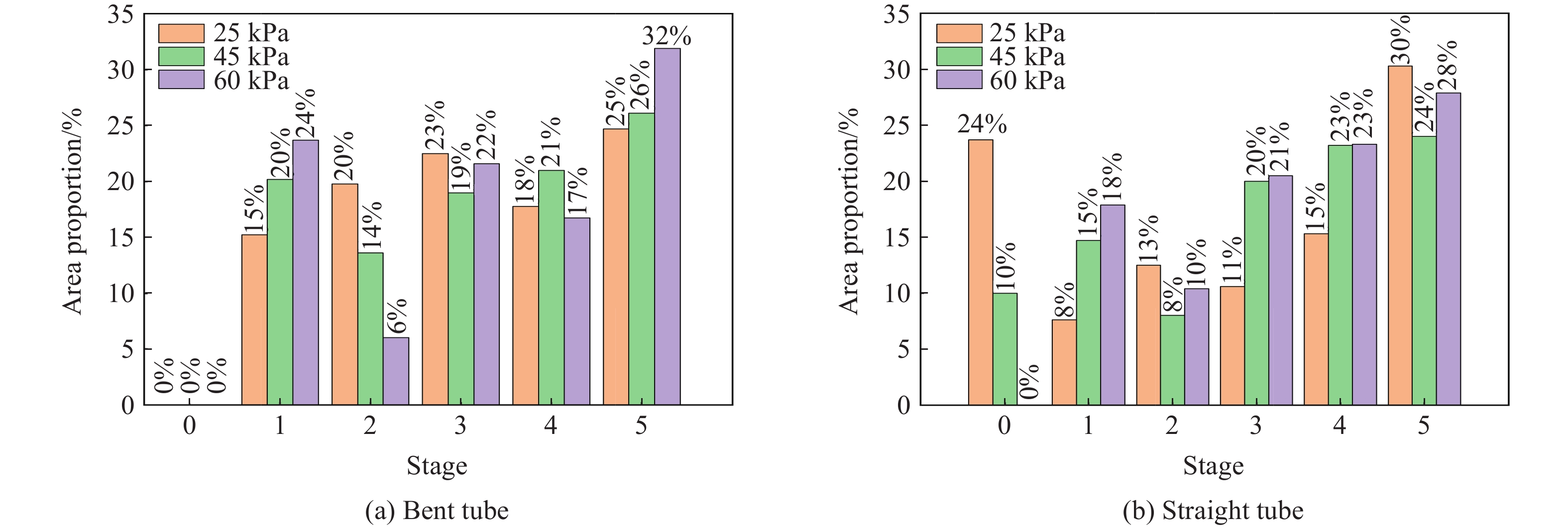
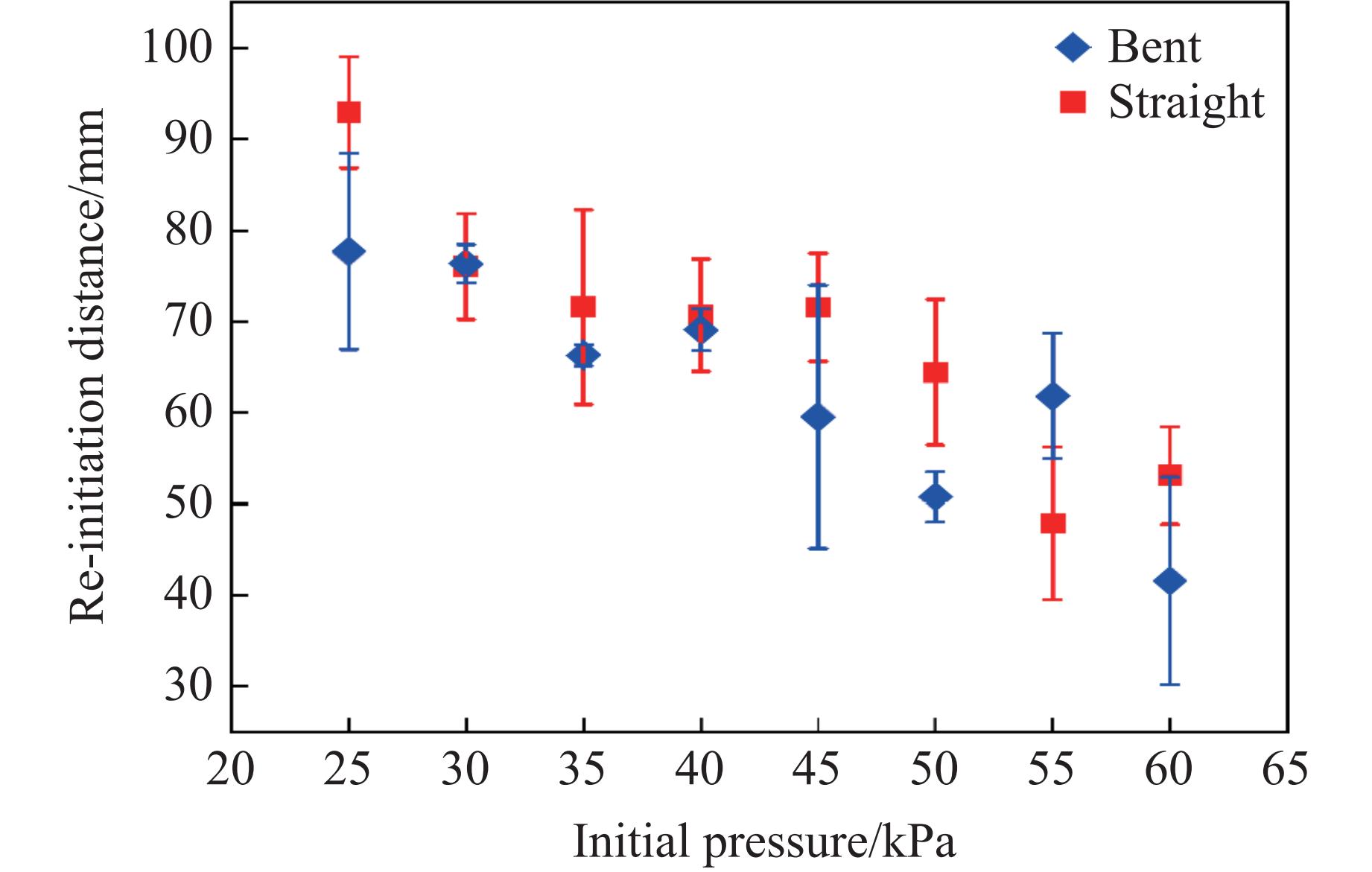
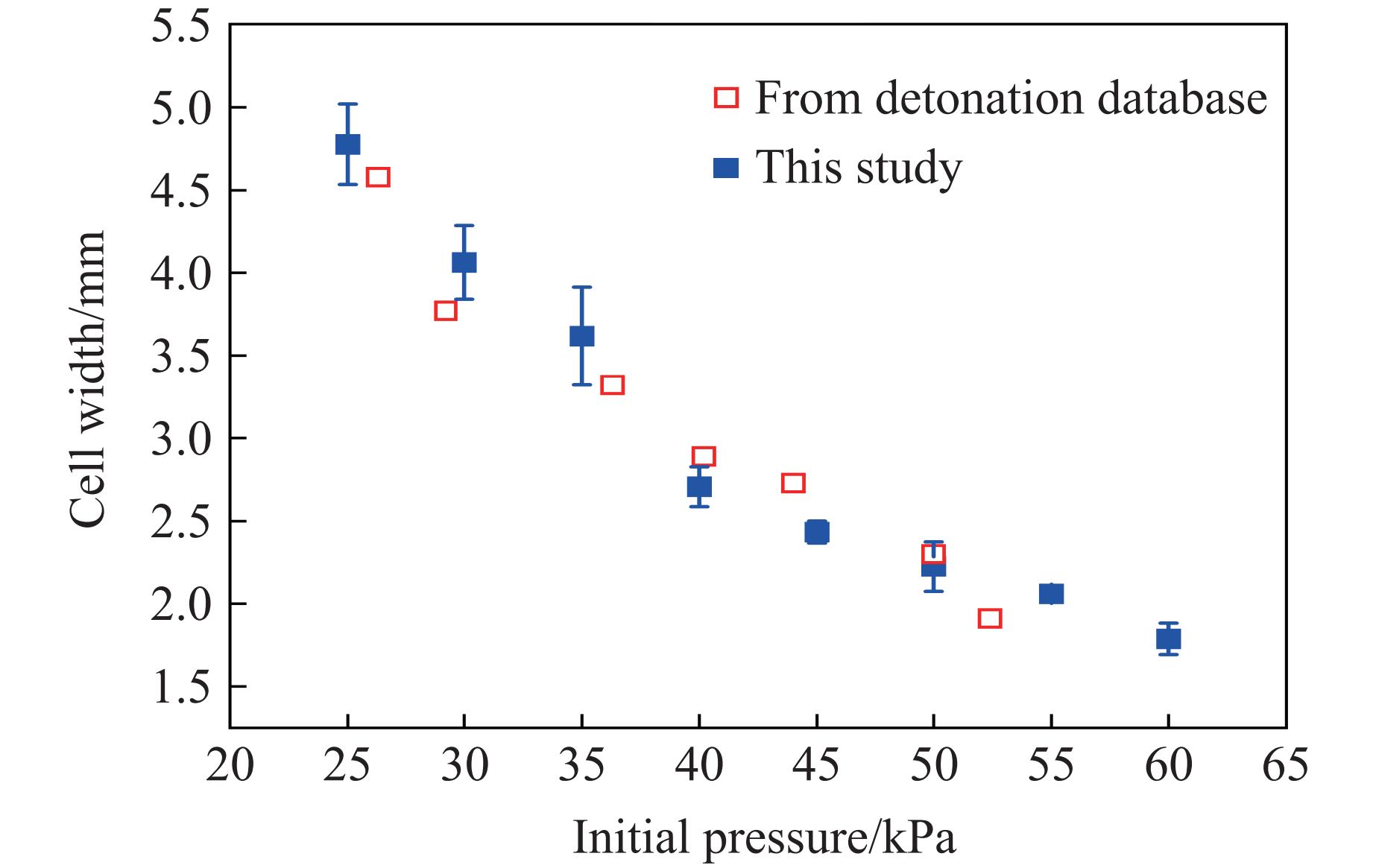
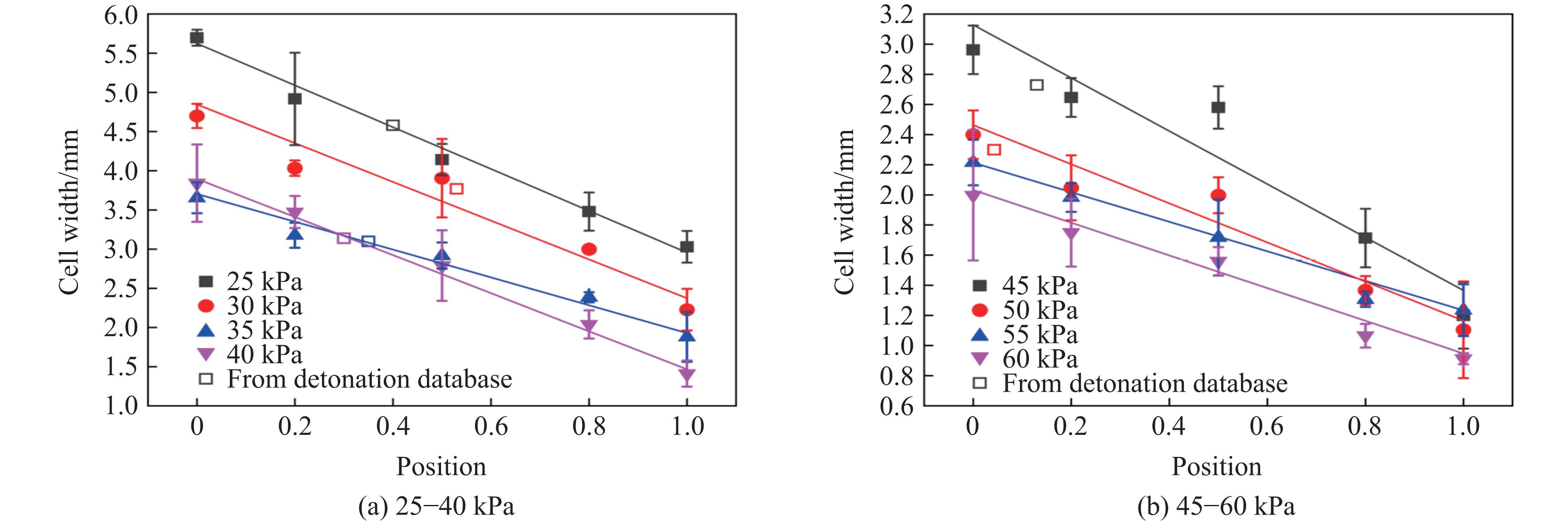
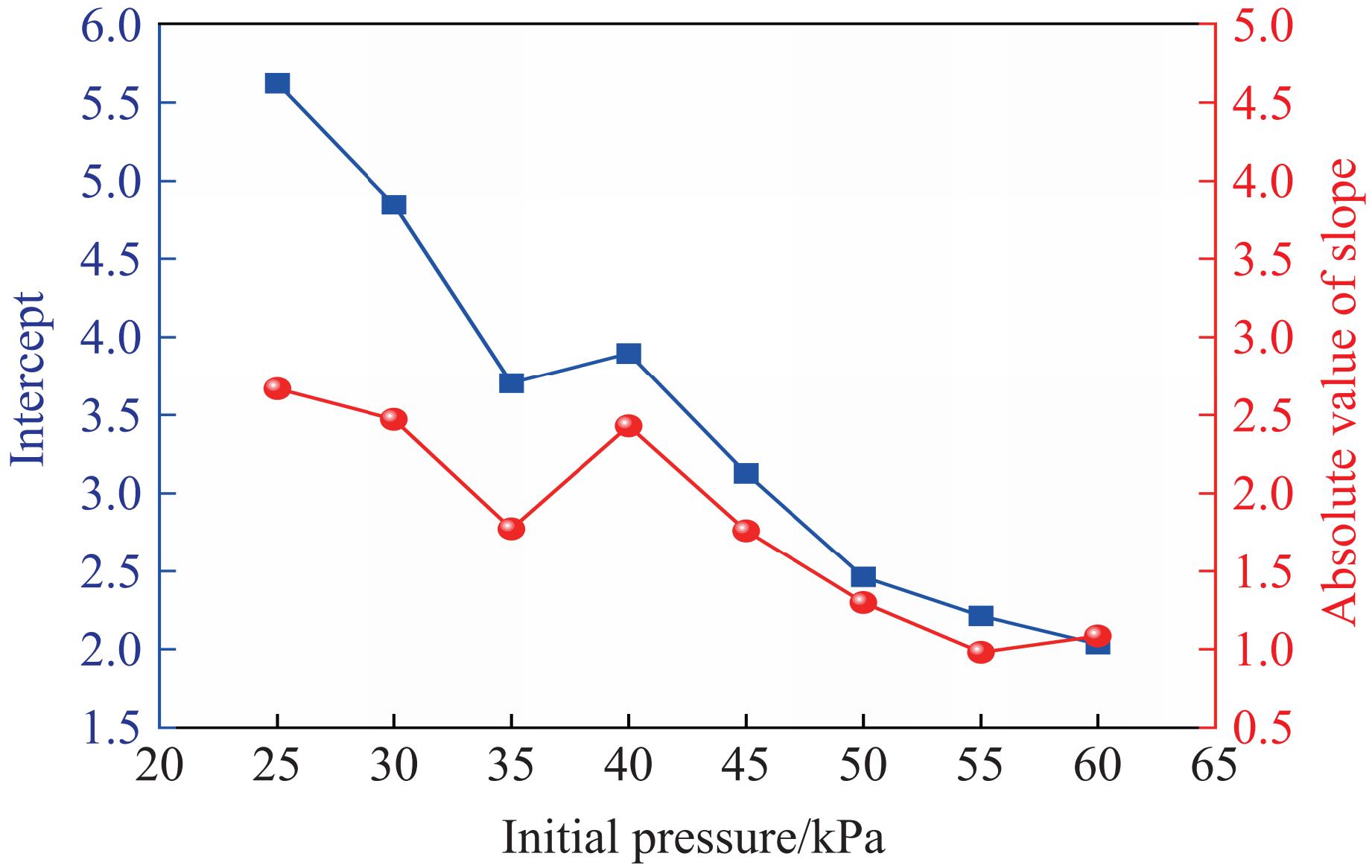
The propagation behaviors of hydrogen-oxygen detonation wave in a bent tube containing an array of obstacles were experimentally investigated at different initial pressures. A straight tube with the same configuration was chosen as the control group. The bent tube was a semicircular tube with a square cross-section. The obstacles were rectangular and the blockage ratio was 40%. Through pressure monitoring and soot foil recording, the results show that the propagation process of the detonation wave between obstacles can be roughly divided into five stages, which are irregular cells, no cells, finer cells, transition zone and normal cells, respectively. Firstly, after the detonation wave in the bent tube diffracts along the obstacle, it does not decouple immediately. The detonation wave undergoes a transient failure due to the action of the rarefaction wave after a head-on impact with the bottom wall to form irregular cells. Then a planar overdriven detonation wave is formed at the outer wall and gradually expands to the inner wall. Afterwards, the overdriven detonation gradually decays into a stable detonation. However, when the initial pressure decreases gradually in the straight tube, local decoupling occurs after the detonation wave diffracts along the obstacle. This results in the formation of a no cells region on the bottom wall first, then the five stages mentioned above occur. In addition, during the stable detonation stage, the detonation cell width in the bent tube decreases gradually from the inner wall to the outer wall and is approximately linearly distributed. The cell width from the detonation database at the corresponding initial pressure is closer to that at the inner wall. The cell width in the straight tube is in good agreement with the data from the detonation database.

Experimental Study and Numerical Simulation of Explosive Welding of Nickel/304 Stainless Steel
ZHUO Ran, XIE Xinghua, WANG Can
2025, 39(10): 105301. doi: 10.11858/gywlxb.20251041
HTML PDF (41)
Abstract:

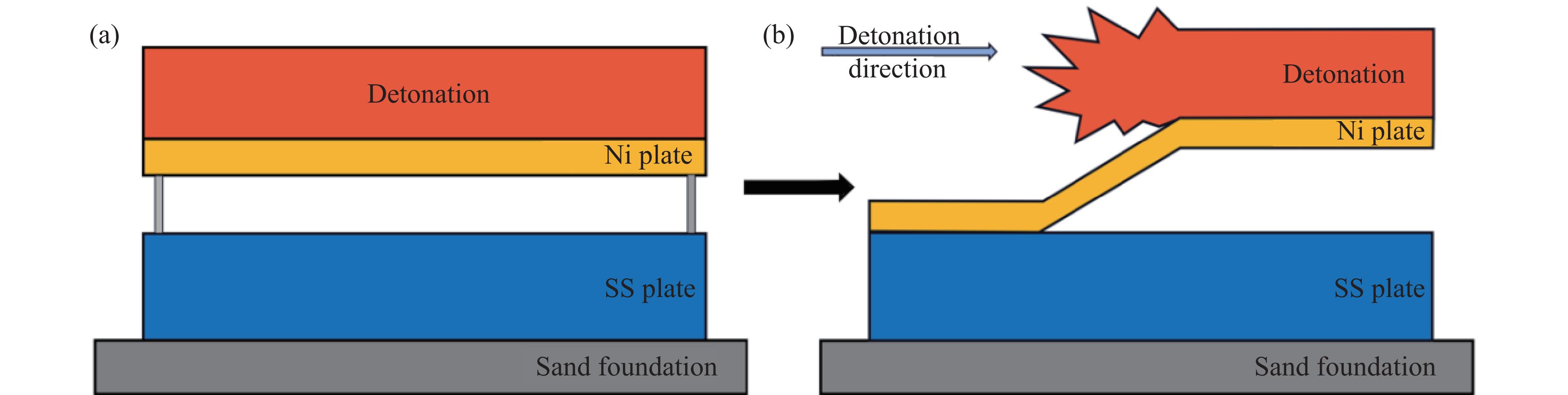
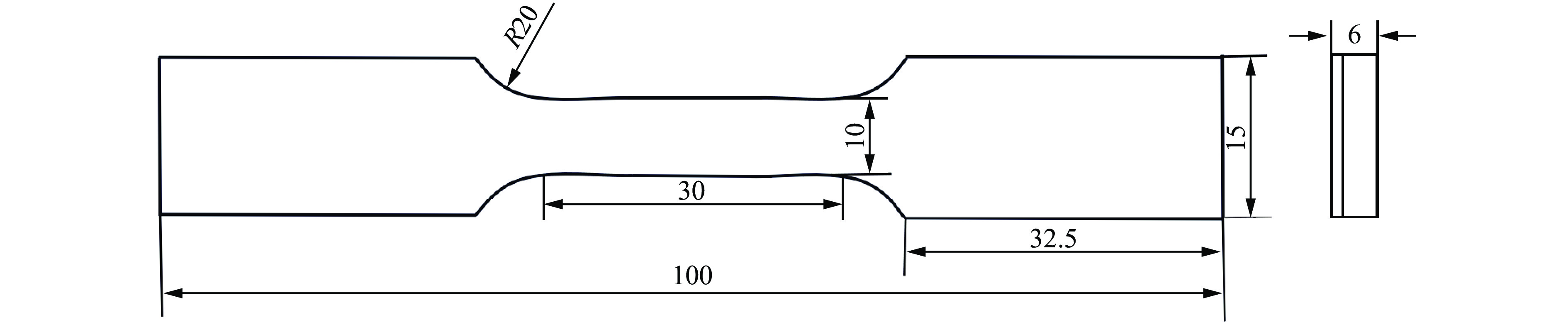
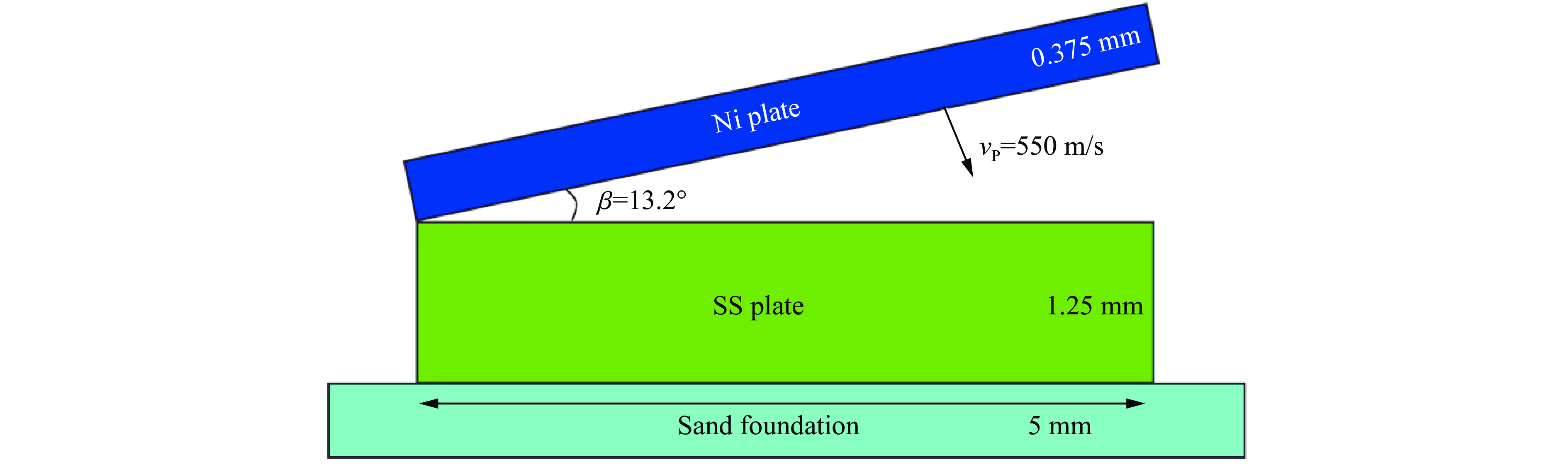
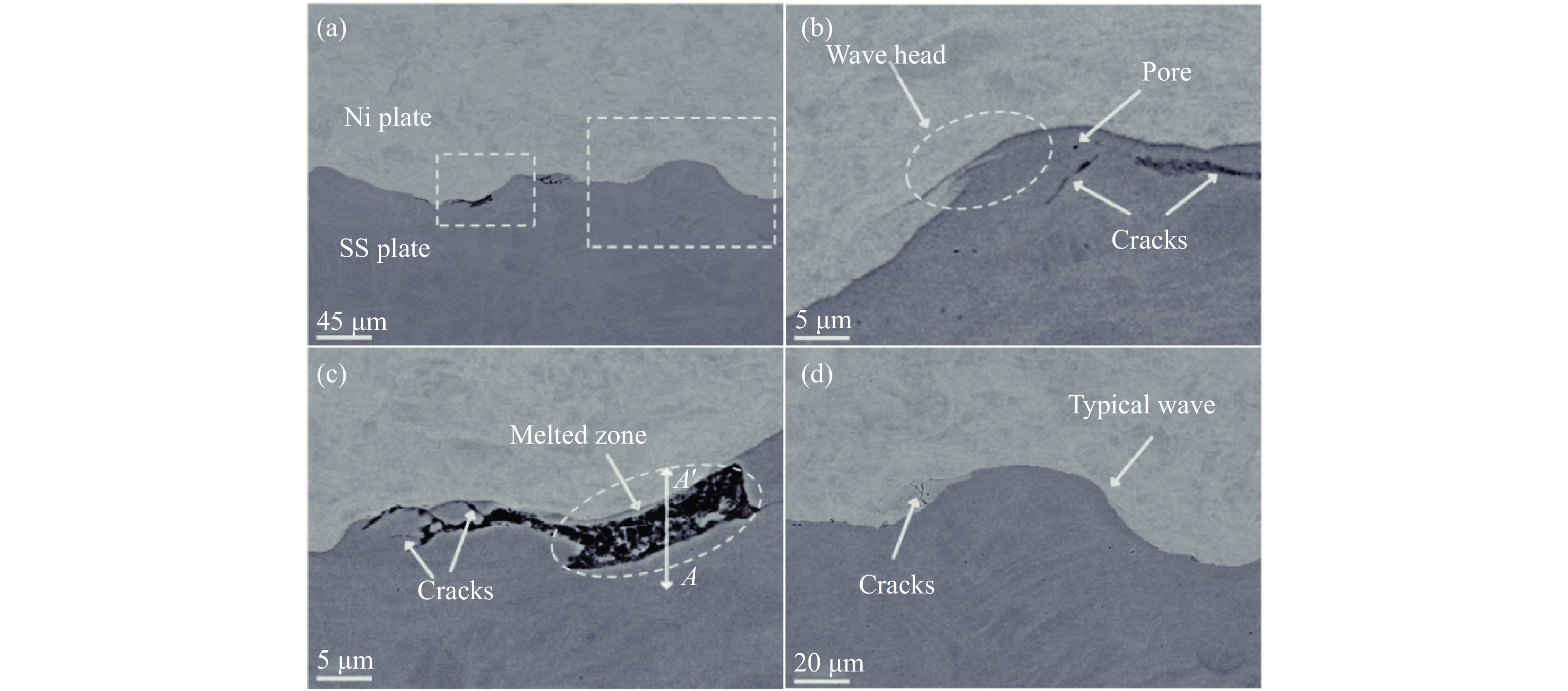
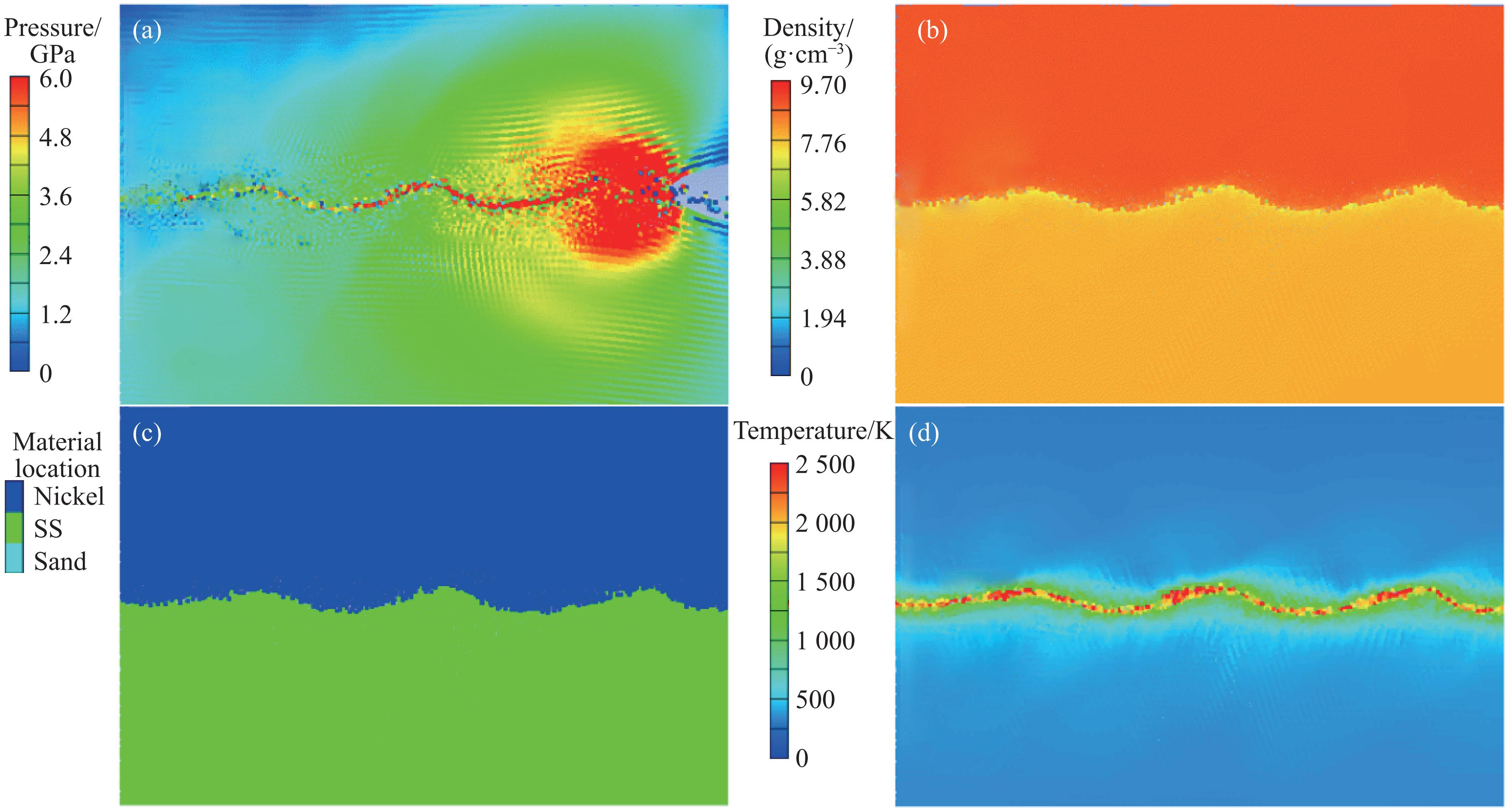
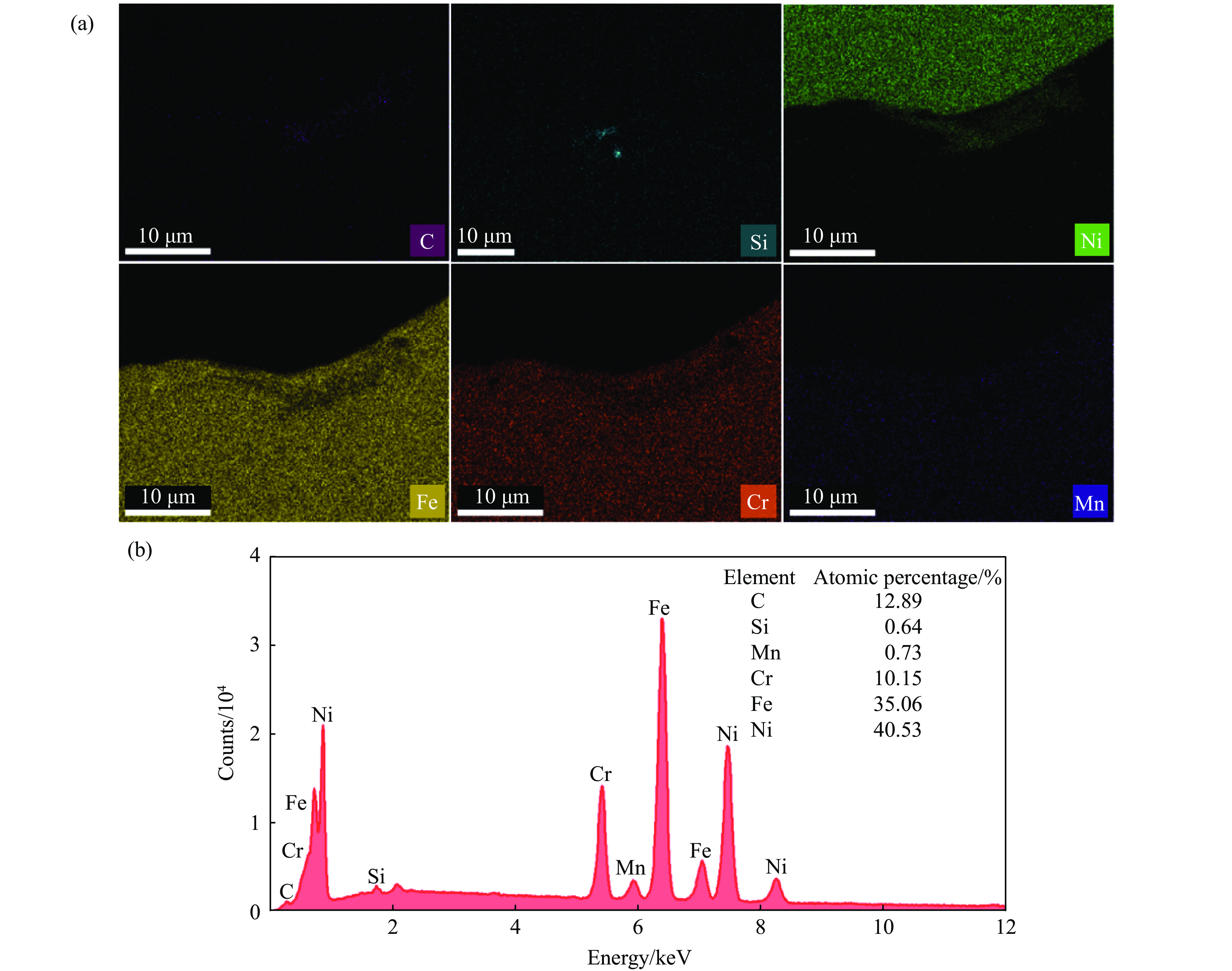
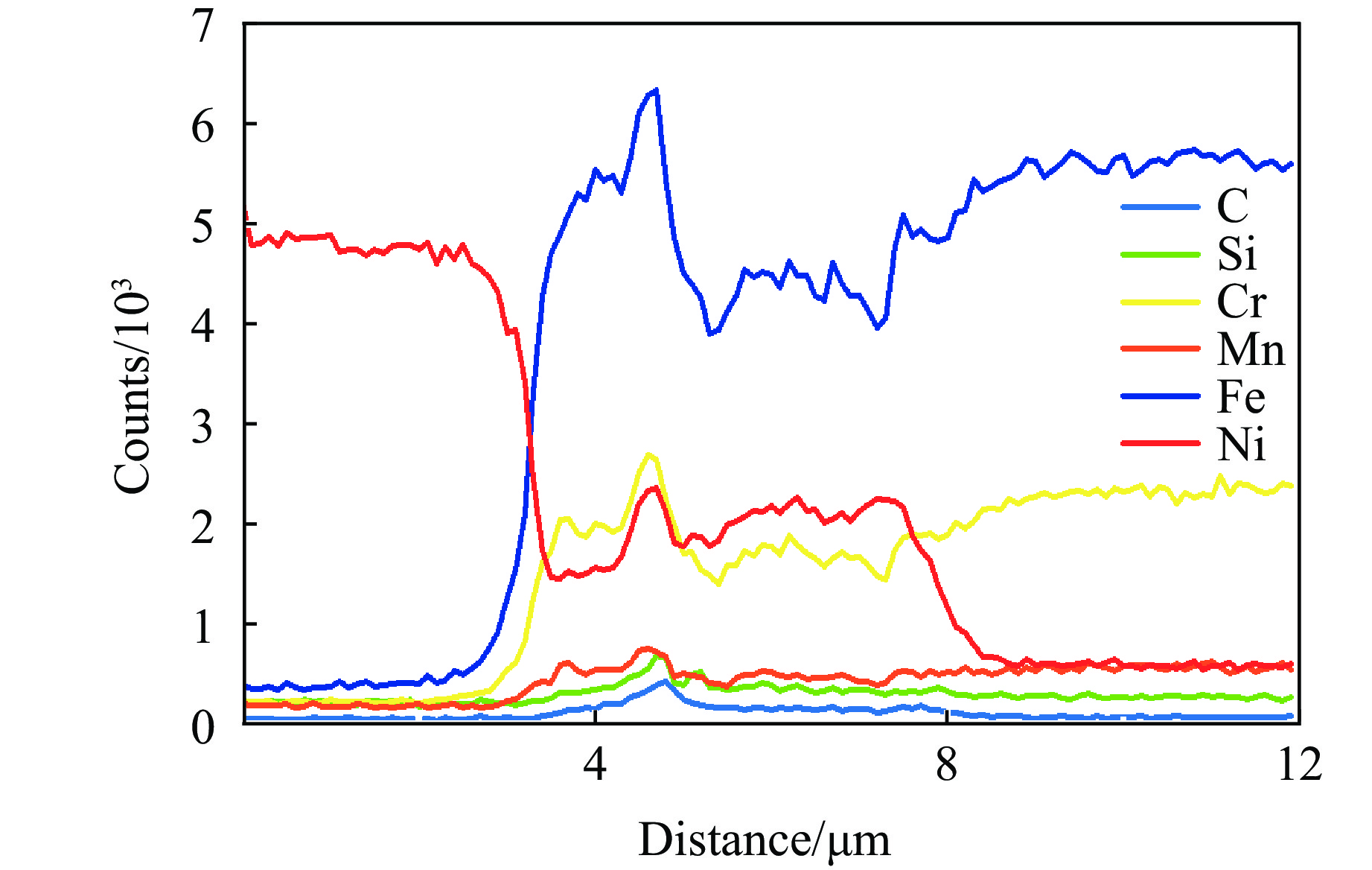
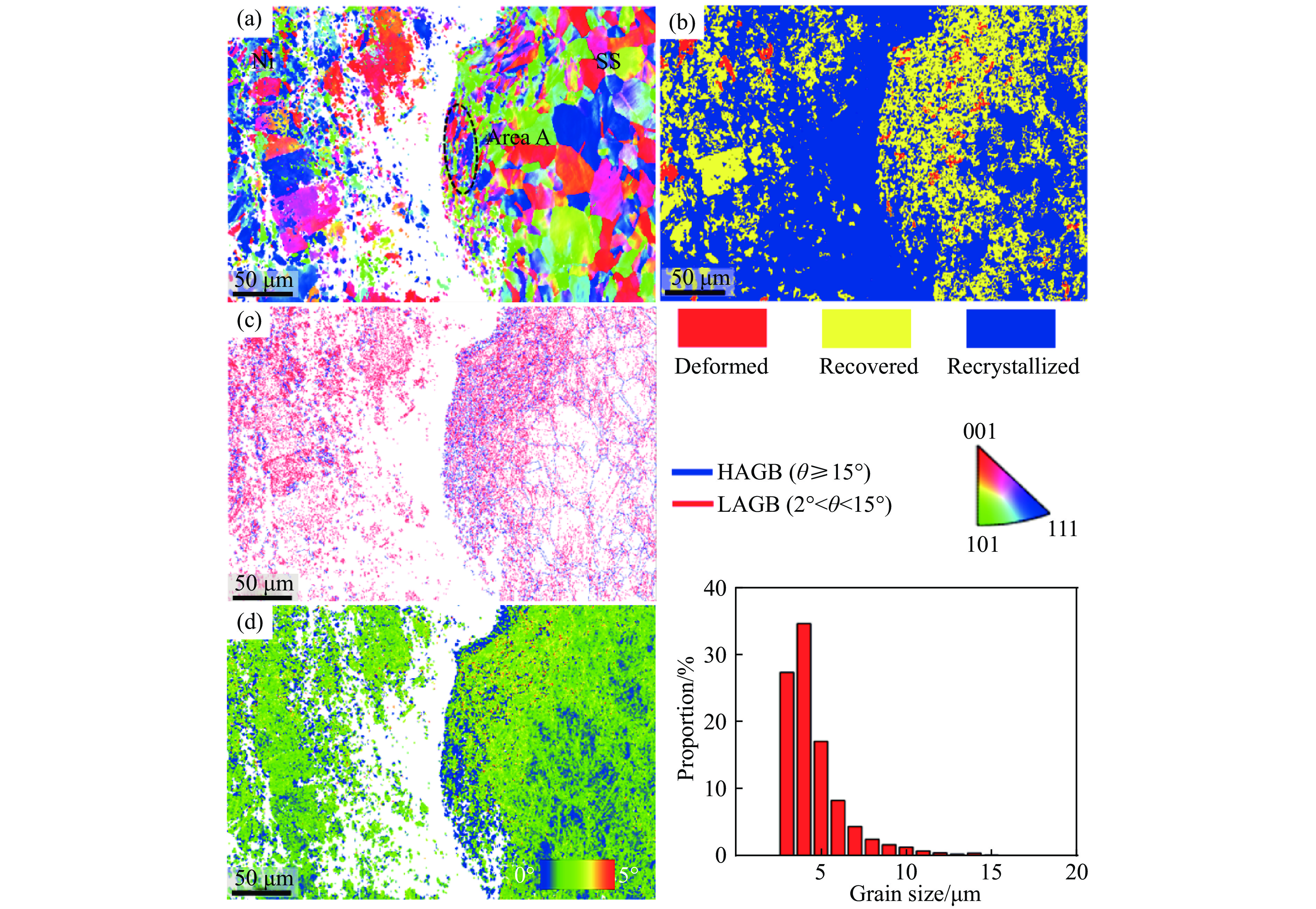
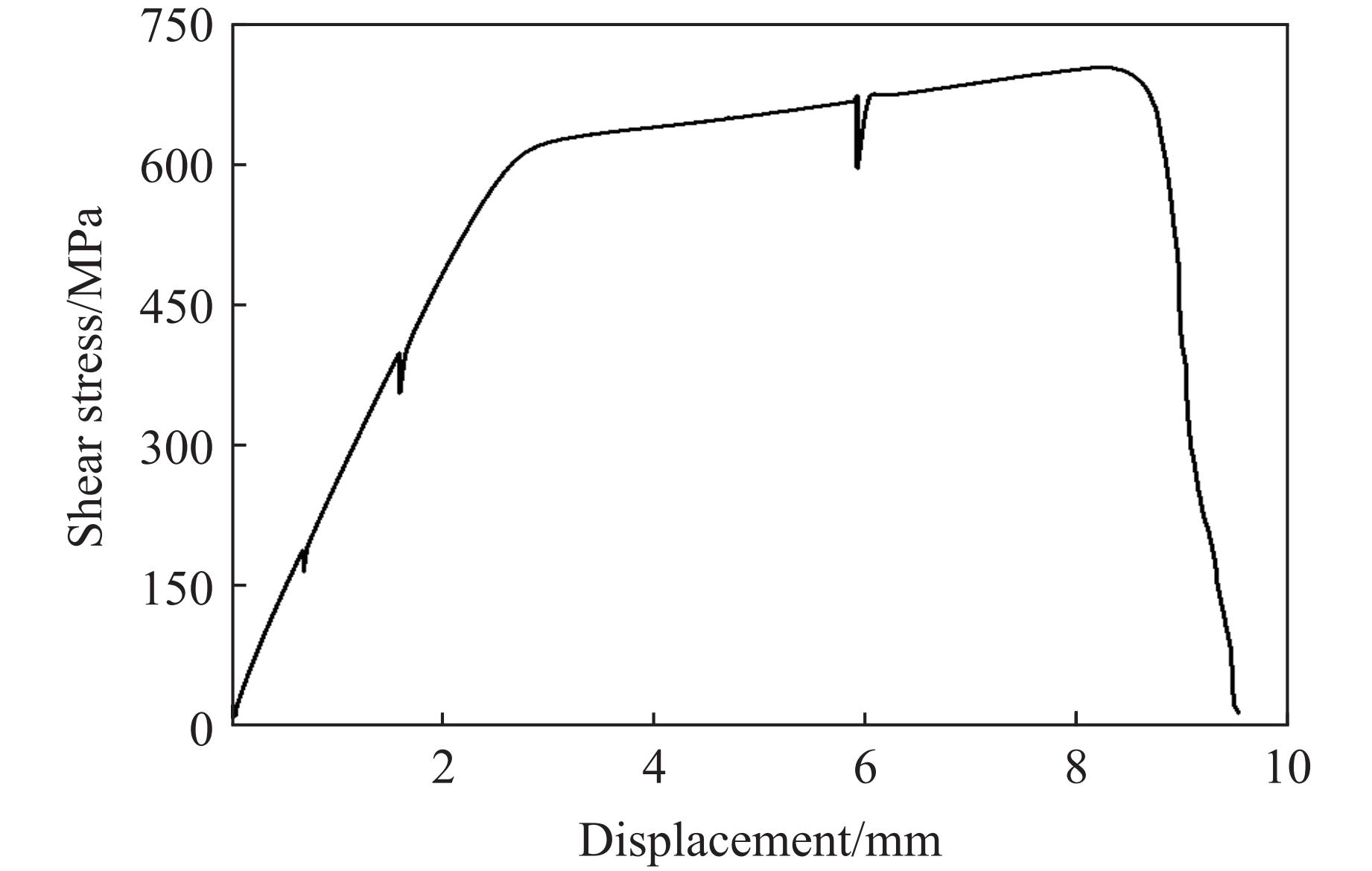
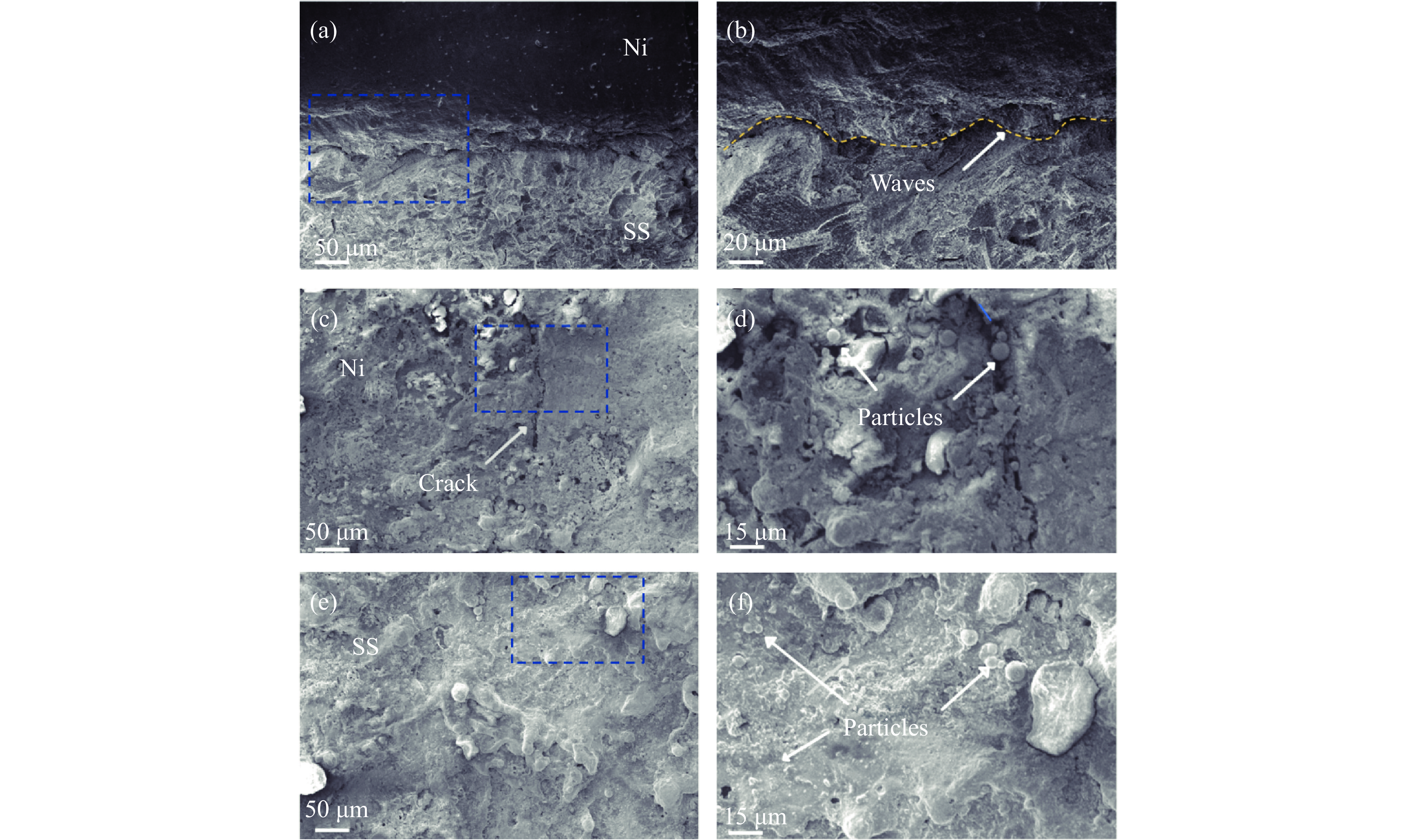
Ni/304 stainless steel laminated composite materials were successfully fabricated using explosive welding to investigate the microstructural characteristics and the formation mechanism of interface. The microstructural characteristics of the composite plate were analyzed using scanning electron microscope (SEM), energy-dispersive spectroscopy (EDS), and electron backscatter diffraction (EBSD). The mechanical properties of the composite plate were evaluated through tensile tests. Additionally, the smooth particle hydrodynamics (SPH) method was employed to numerically simulate the high-speed oblique impact welding process. The results indicate that the Ni/304 stainless steel composite plate exhibits a continuous wave bonding interface, which is consistent with the numerical simulation results. The variation in interface density promotes elemental diffusion, while the bending of grains reflects the material movement characteristics during wave formation. The recrystallization process is influenced by dislocation density, leading to the formation of fine-grained regions at the Ni/304 stainless steel interface. The tensile strength and elongation at fracture of the composite plate reach 705 MPa and 24%, respectively. The high bonding strength is primarily attributed to the formation of a continuous wavy interface structure.