

2025 Vol. 39, No. 11

Cover
2025, 39(11)
PDF (15)
Abstract:
2025, 39(11): 1-2.
Abstract:
preface
2025, 39(11): 1-1.
HTML PDF (30)
Abstract:
Machine Learning and High-Throughput Research on Material Properties under Dynamic Loading
Review on Stress-Strain Rate Controllable Loading of Functionally Graded Materials
GUO Chengcheng, ZHANG Ruizhi, LIU Zhiqiang, HUANG Zihao, ZHANG Jian, LUO Guoqiang, SHEN Qiang
2025, 39(11): 110101. doi: 10.11858/gywlxb.20251212
HTML PDF (32)
Abstract:

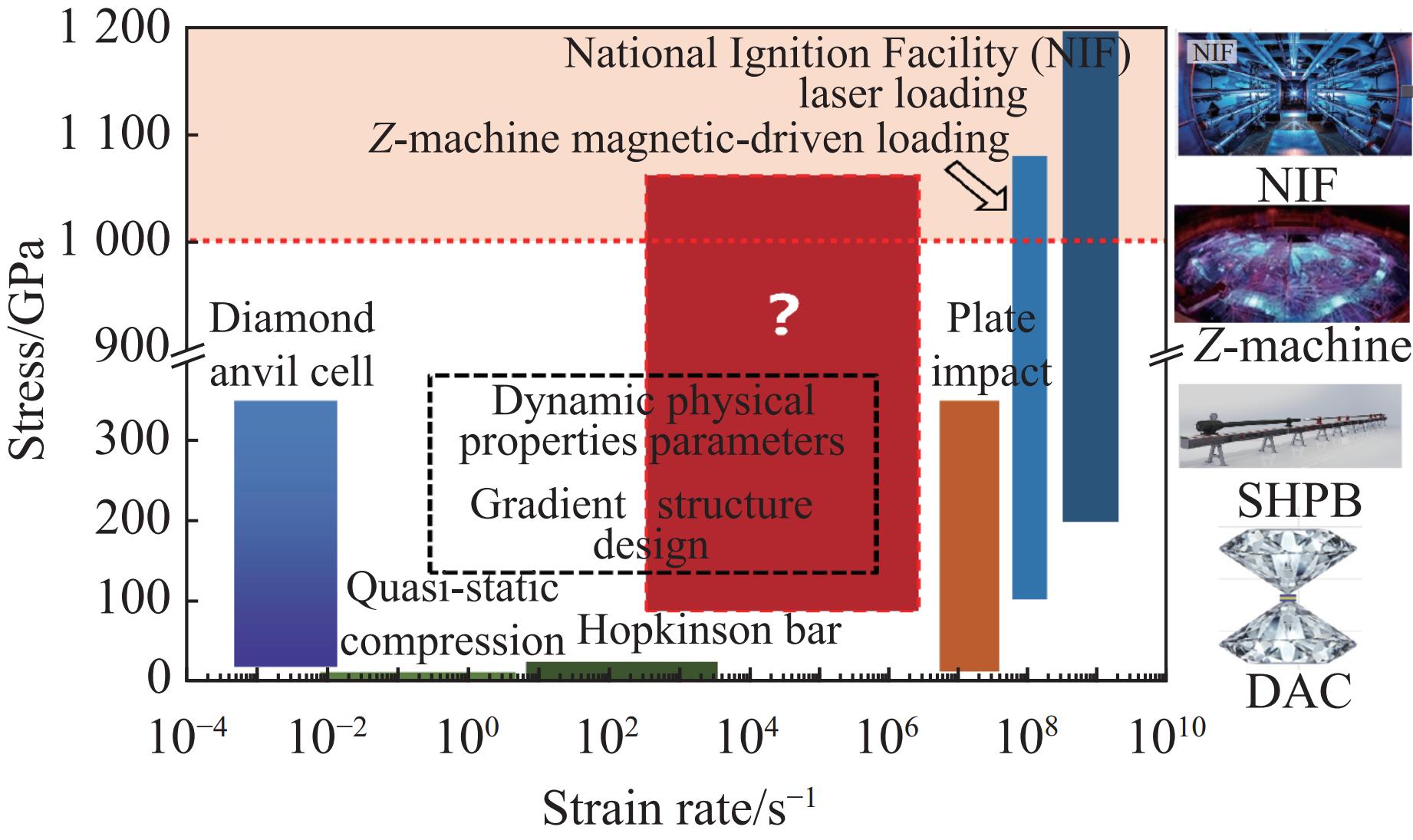
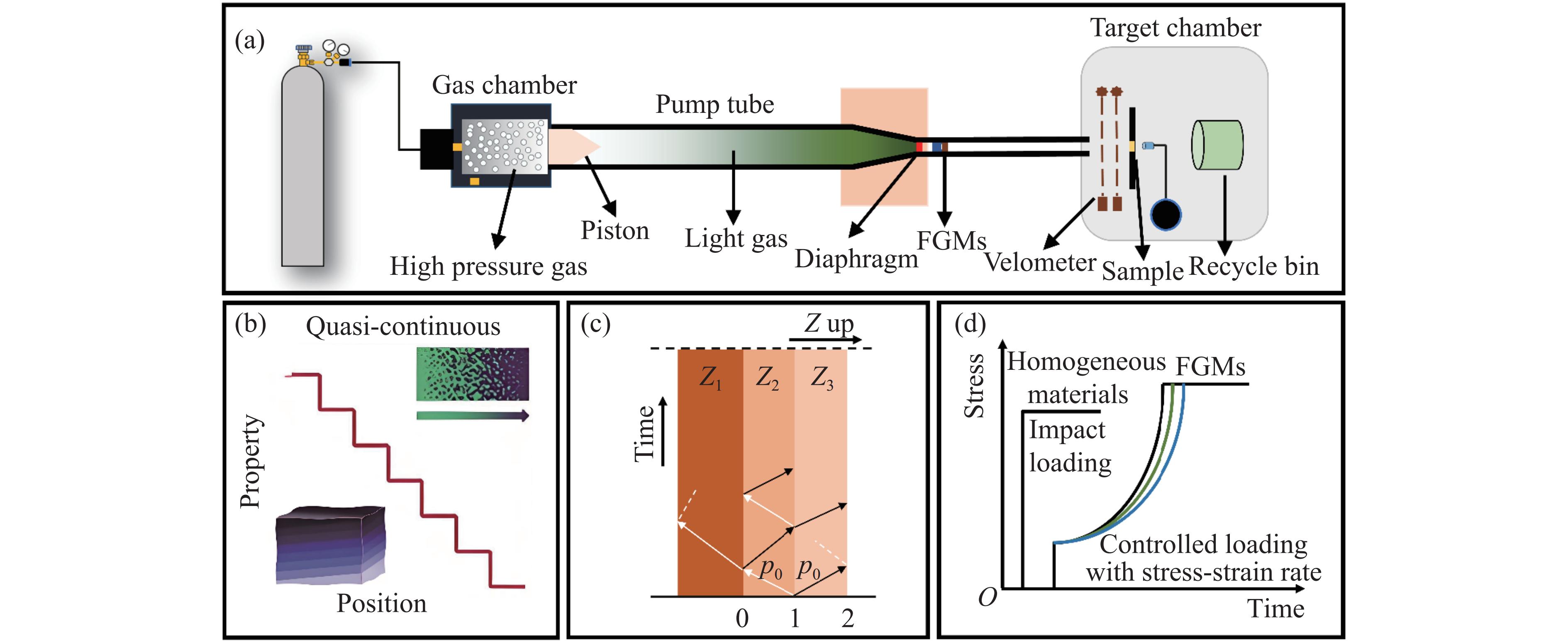
Given the dependence that key material dynamic properties in critical fields (e.g., national defense security and high-end manufacturing) have on stress-strain rate-controlled loading. This paper briefly reviews and summarizes domestic and international research progress on achieving stress-strain rate-controlled loading for functionally graded materials. This review focuses on advances in studying dynamic material properties related to controlled stress-strain rate loading in functionally graded composites. It outlines the influence of material dynamic properties on controlled stress-strain rate loading and methods for obtaining composite dynamic properties, providing a reference for understanding controlled stress-strain rate loading technology.

Dynamical Mechanical Behaviors and Enhanced Ductility Mechanisms of Boron Carbide Based on Deep Potential Molecular Dynamics Simulations
LI Jun, SONG Jiahe, JI Wei, LIU Lisheng
2025, 39(11): 110102. doi: 10.11858/gywlxb.20251129
HTML PDF (24)
Abstract:

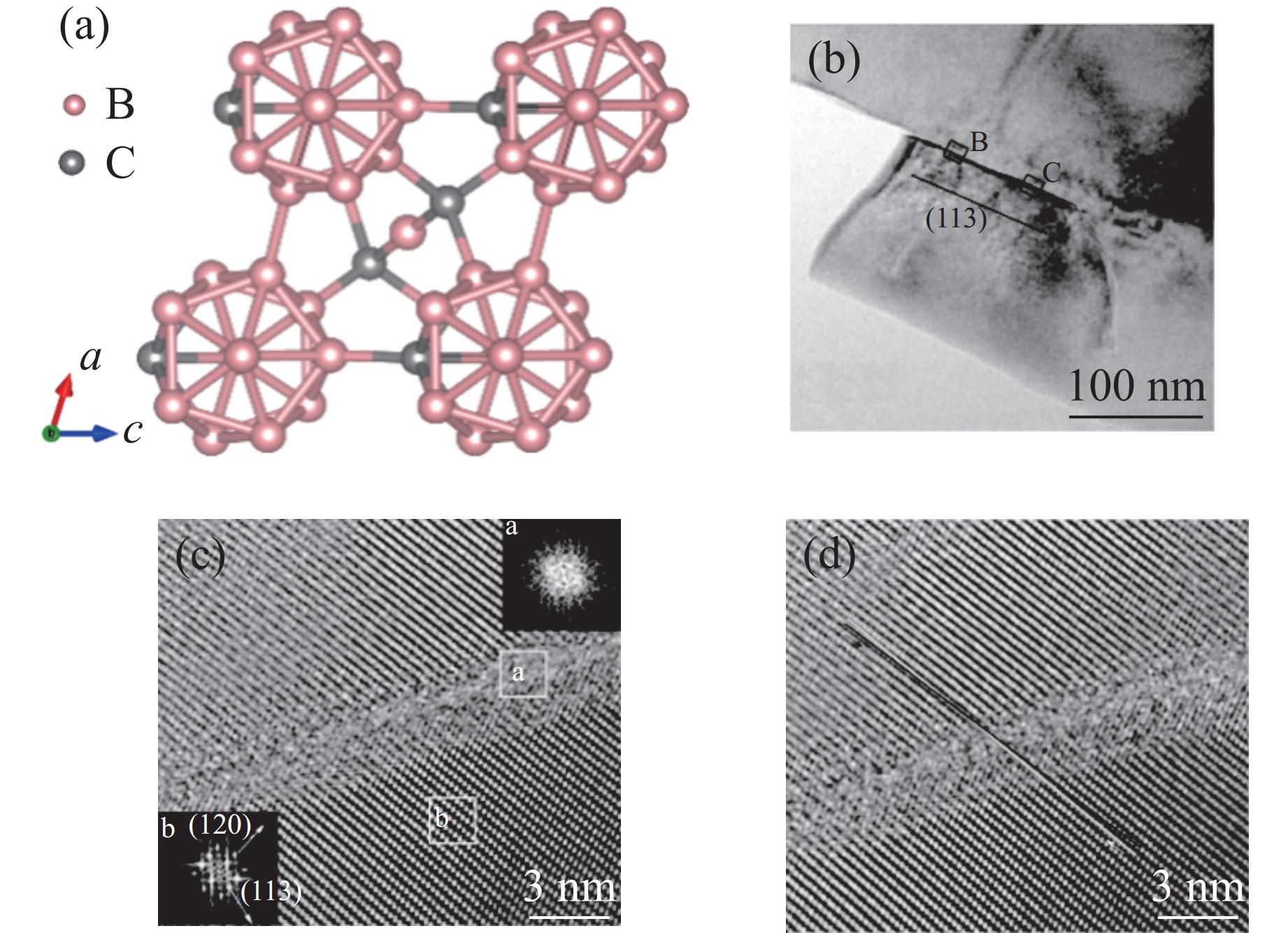
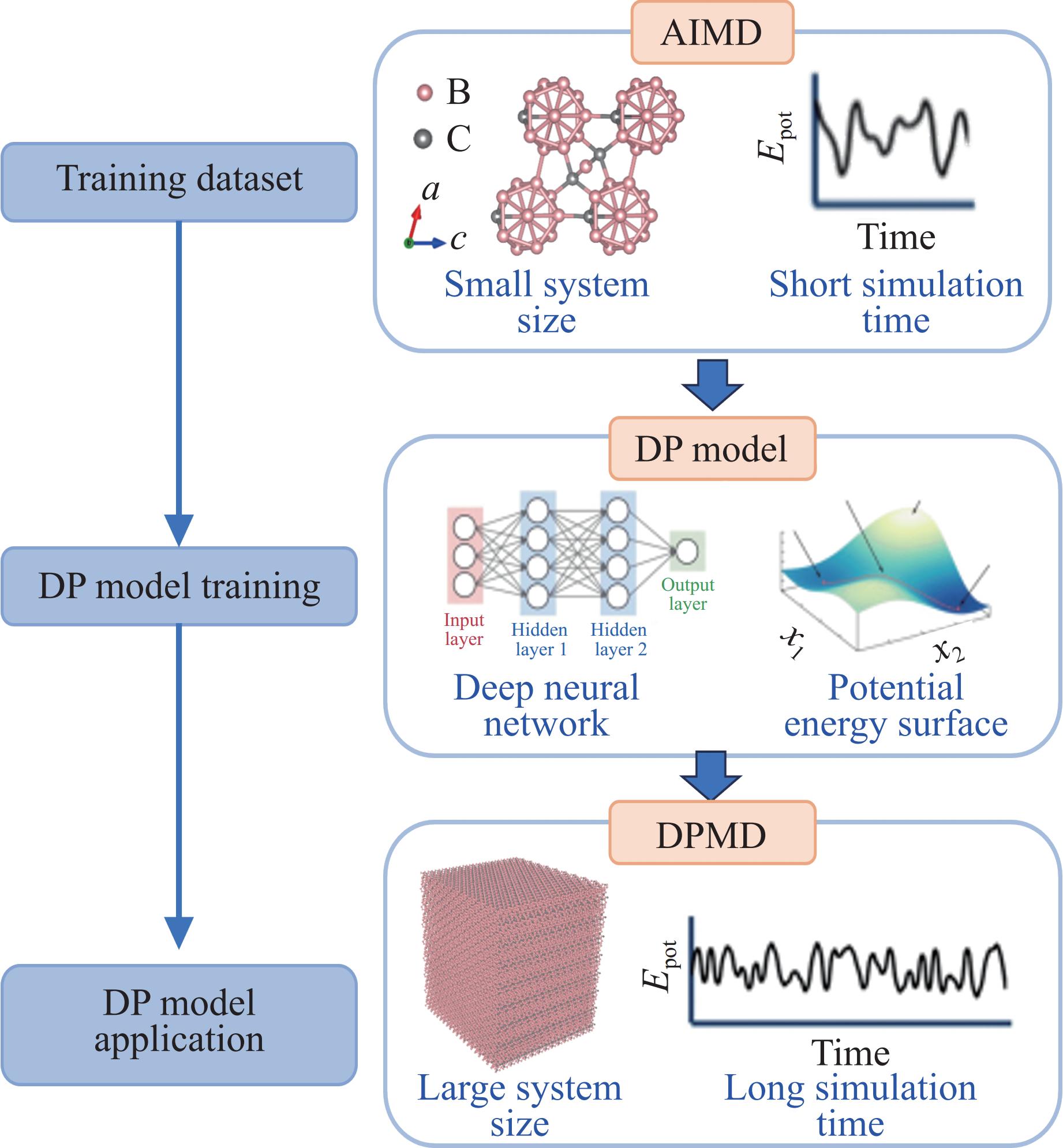
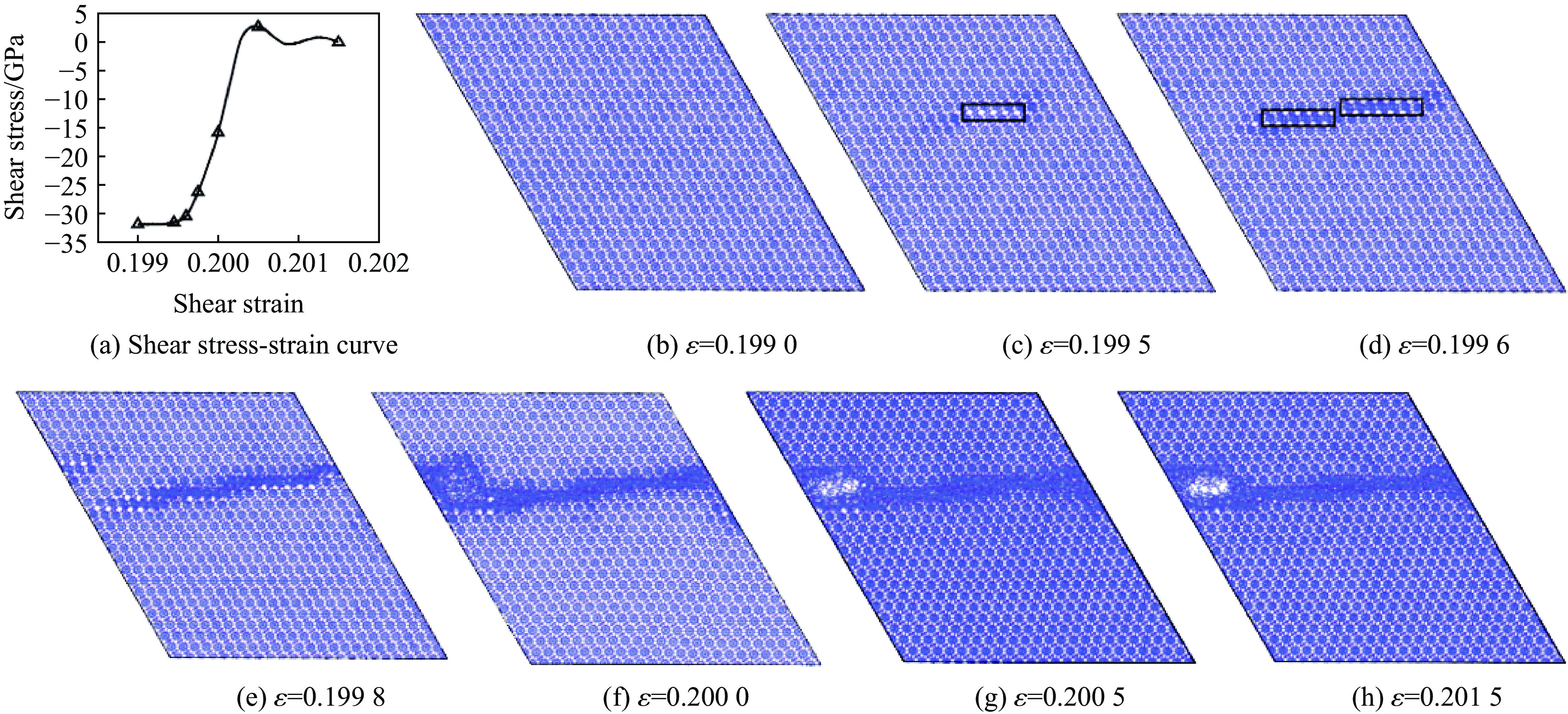
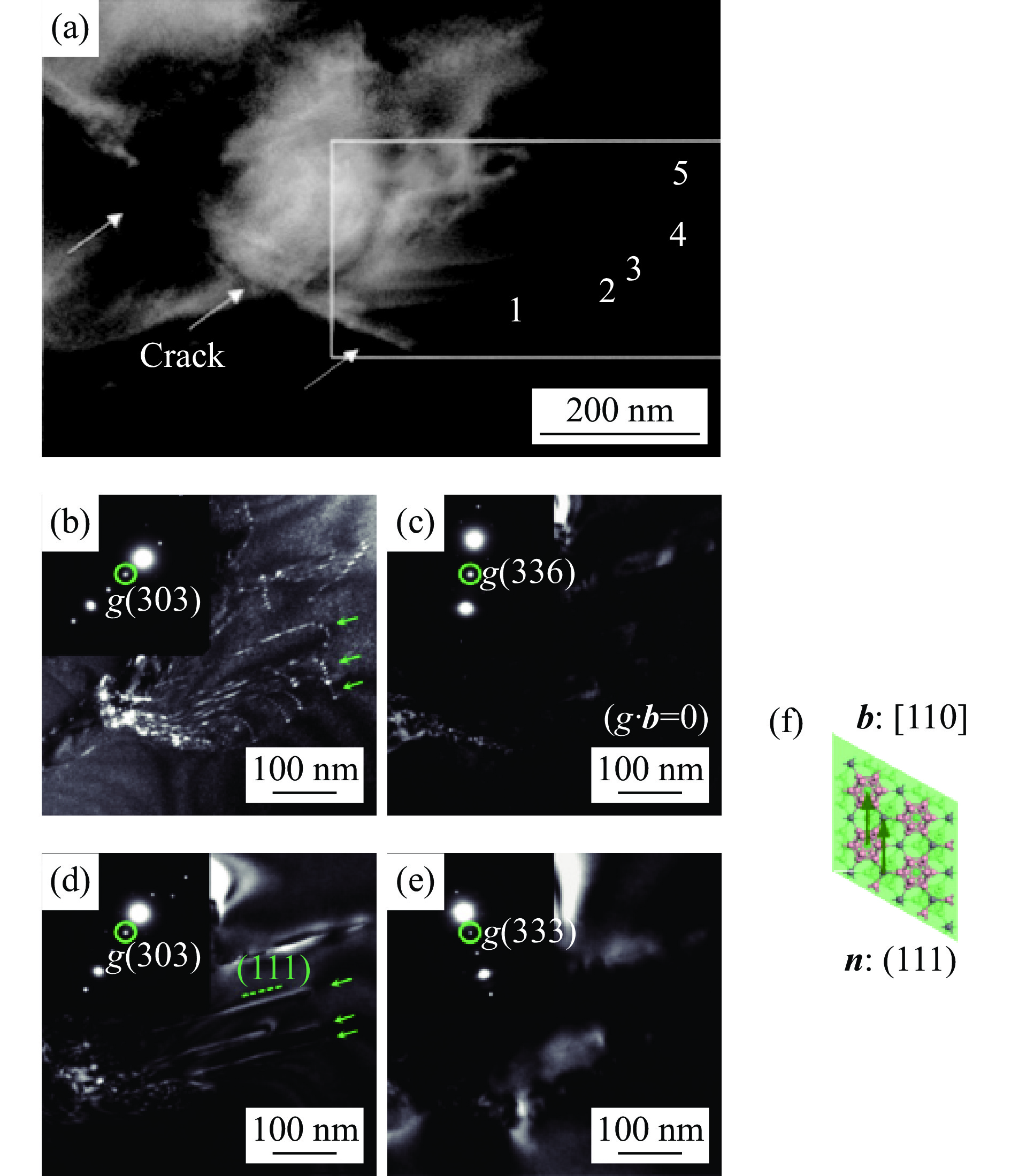
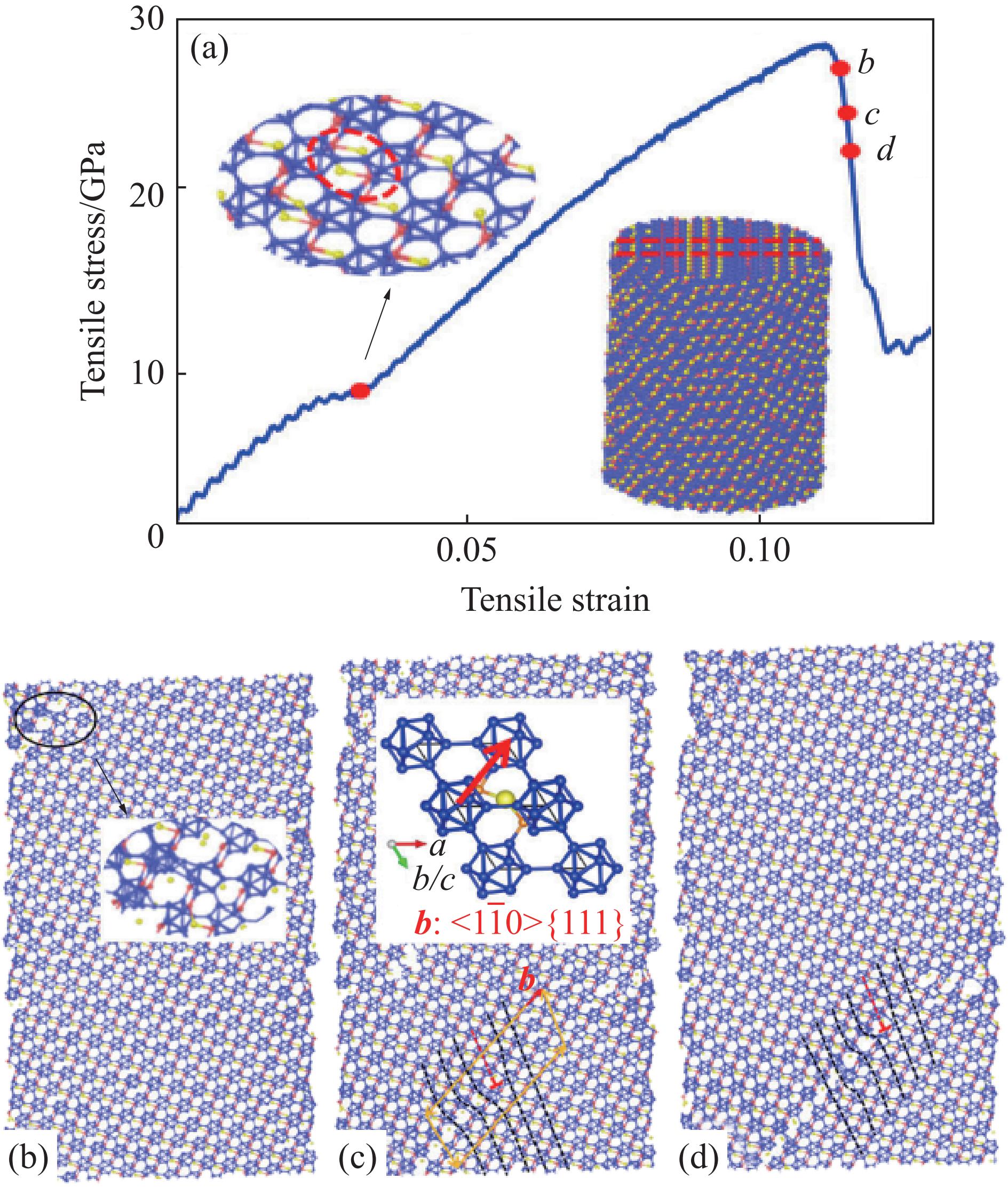
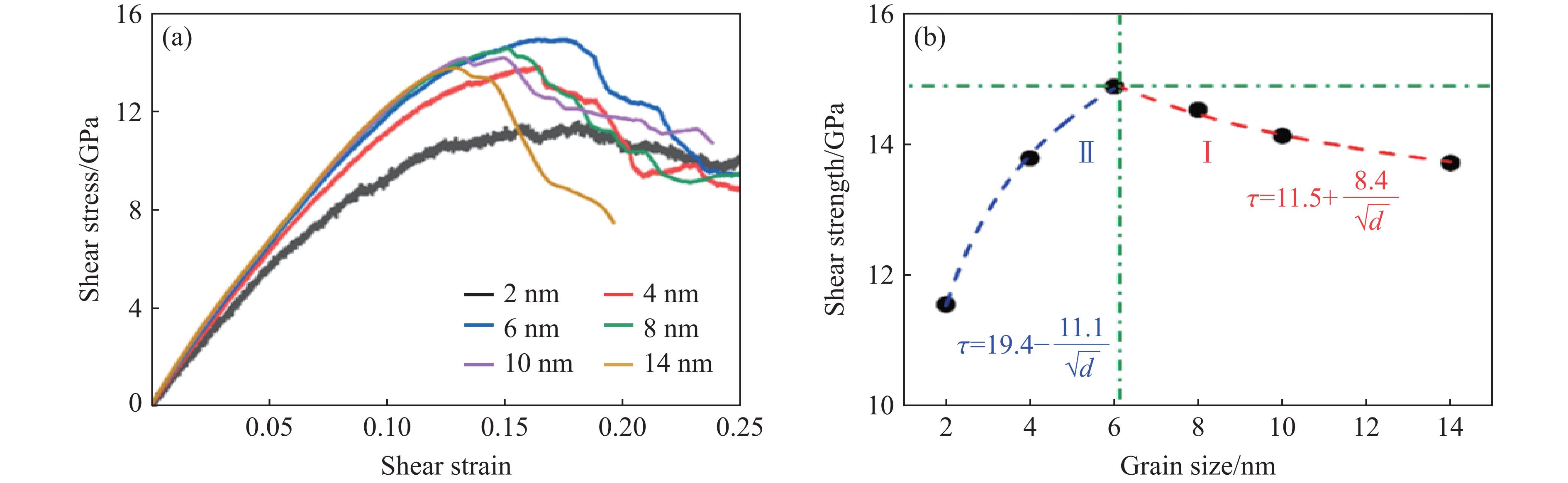
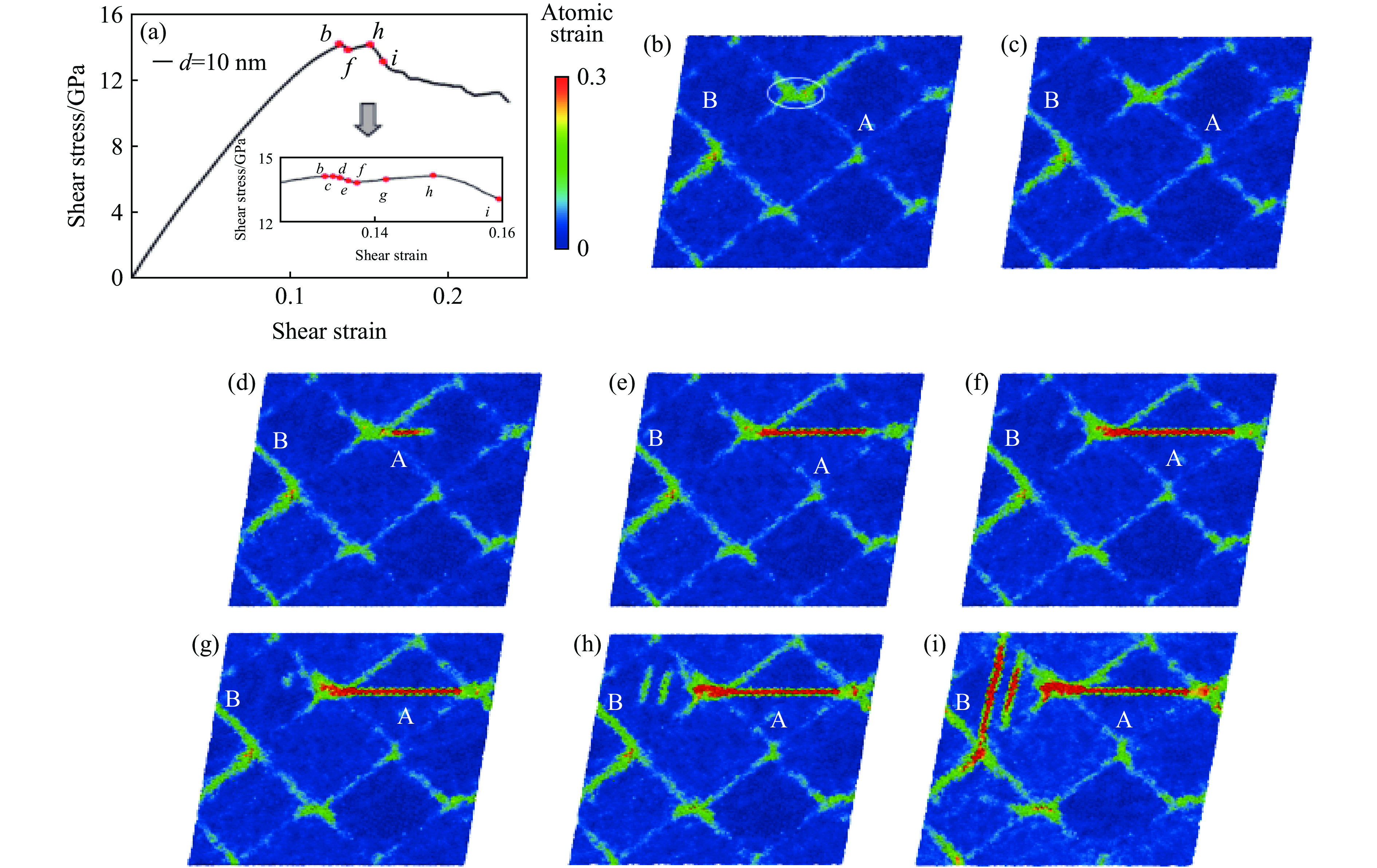
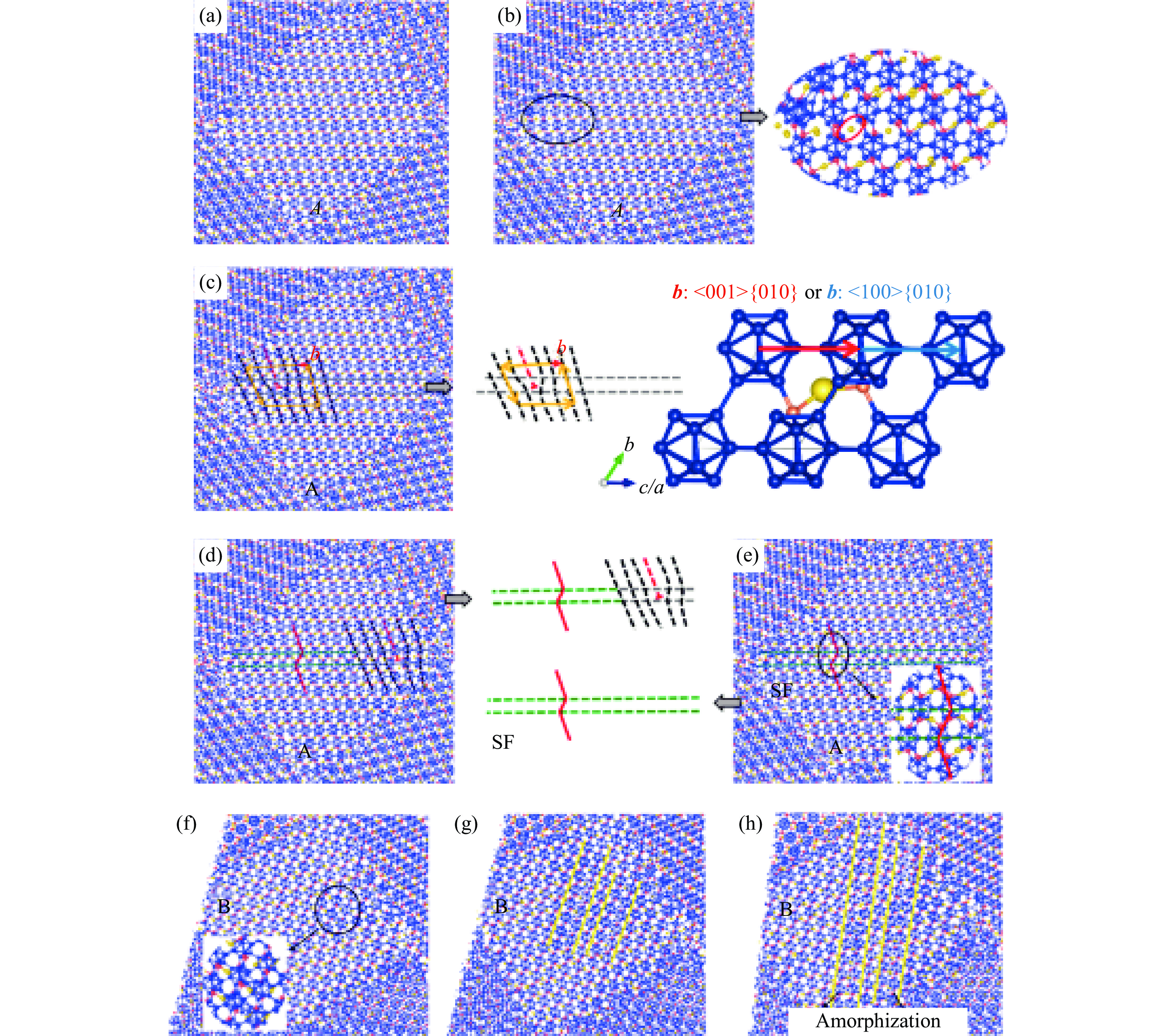
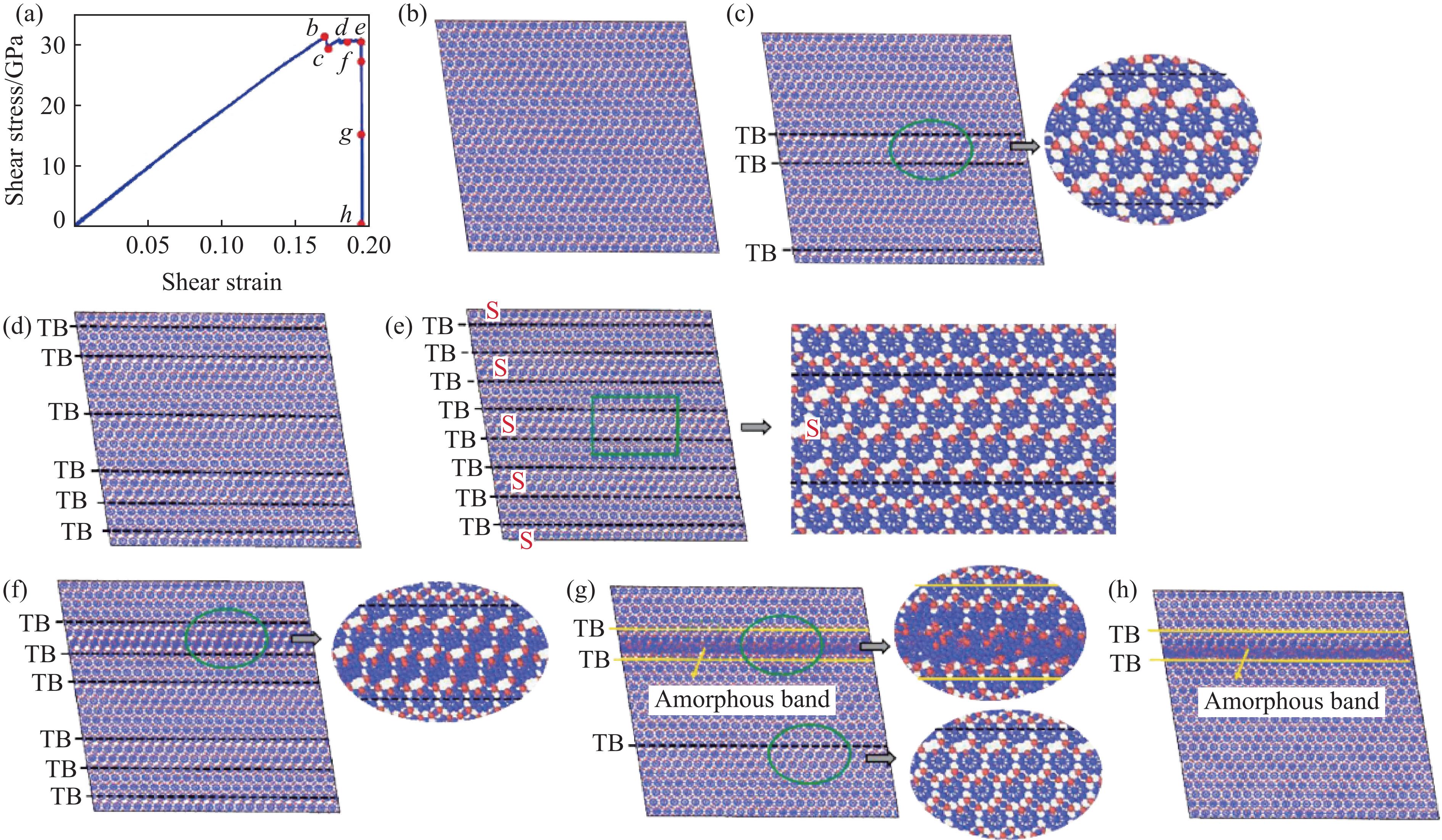
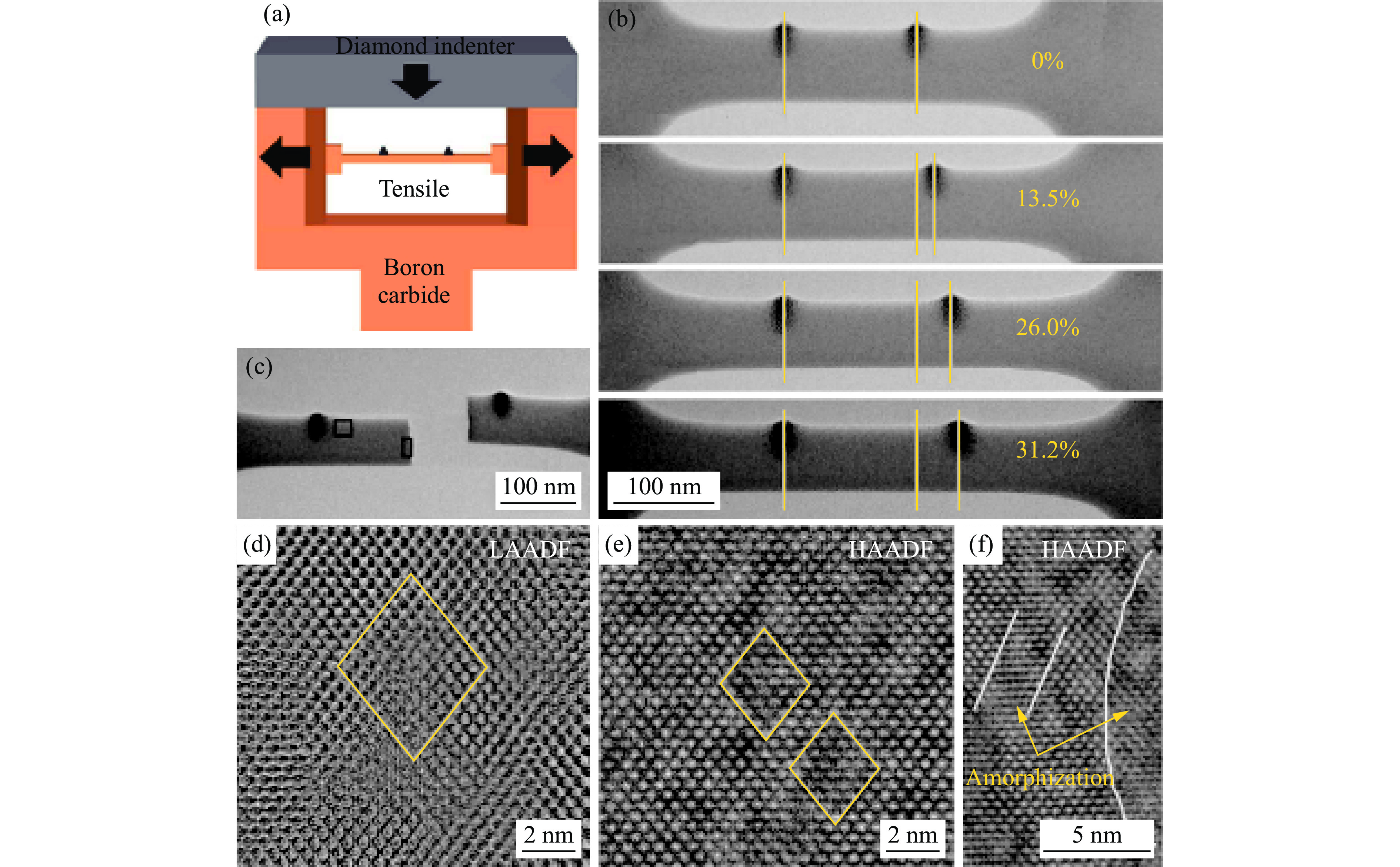
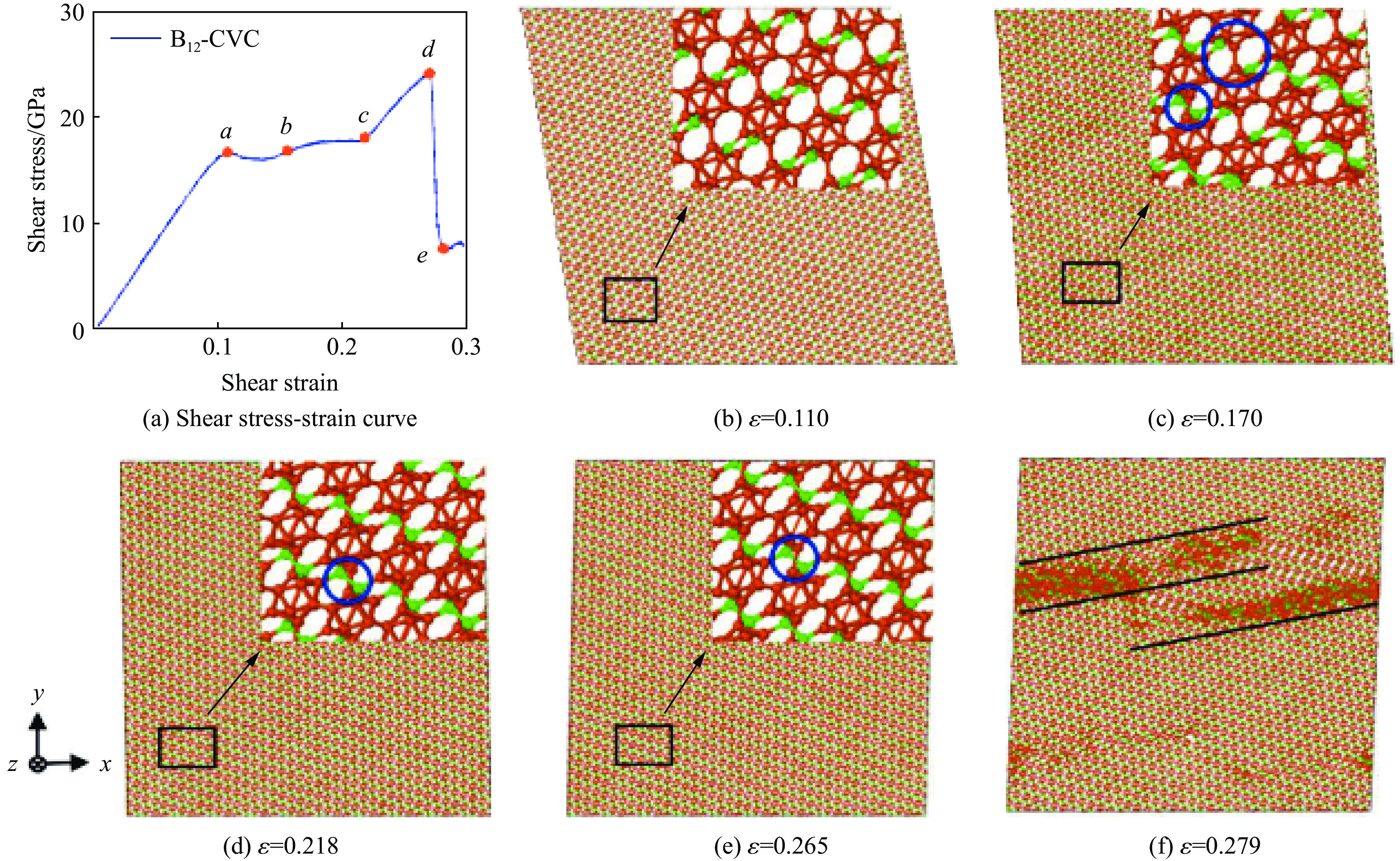
Boron carbide, a typical lightweight and high-strength ceramic material, has broad application prospects in national defense, military, and aerospace. However, the nanoscale amorphous shear band, which mainly arises from the destruction of icosahedra, is easily formed in boron carbide under impact, thereby causing its catastrophic shear failure. Since the formation of amorphous shear band of boron carbide significantly depends on its microstructures, molecular dynamics simulations have become a key approach to reveal the microstructural evolutions and mechanisms. However, due to the insufficient accuracy of classical atomistic potentials, classical molecular dynamics simulations face significant challenges in simulating complex material systems, such as boron carbide. In recent years, the development of machine learning methods has provided a new research paradigm for the development of atomic potentials. Among numerous machine-learning atomistic potentials, the deep potential (DP) model, which is based on deep neural networks, is particularly widely applied. This DP model can not only maintain the accuracy comparable to that of ab initio simulations, but also exhibits the efficiency comparable to that of classical molecular dynamics simulations. Thus, the DP model has become an effective strategy to examine complex material systems. In the present study, we systematically examine the research of the DP method on boron carbide ceramics. Firstly, the theoretical framework, development process of the DP model, and the construction and validation of the DP model for boron carbide are summarized. Subsequently, the mechanical responses and the localized amorphization mechanisms of boron carbide are revealed using deep potential molecular dynamics simulations. Then, some strategies are proposed to enhance the ductility of boron carbide, including microalloying, stoichiometry regulation, grain boundary engineering, and defect control. Finally, the application prospects of the DP model in the research of complex material systems, such as boron carbide, are explored.

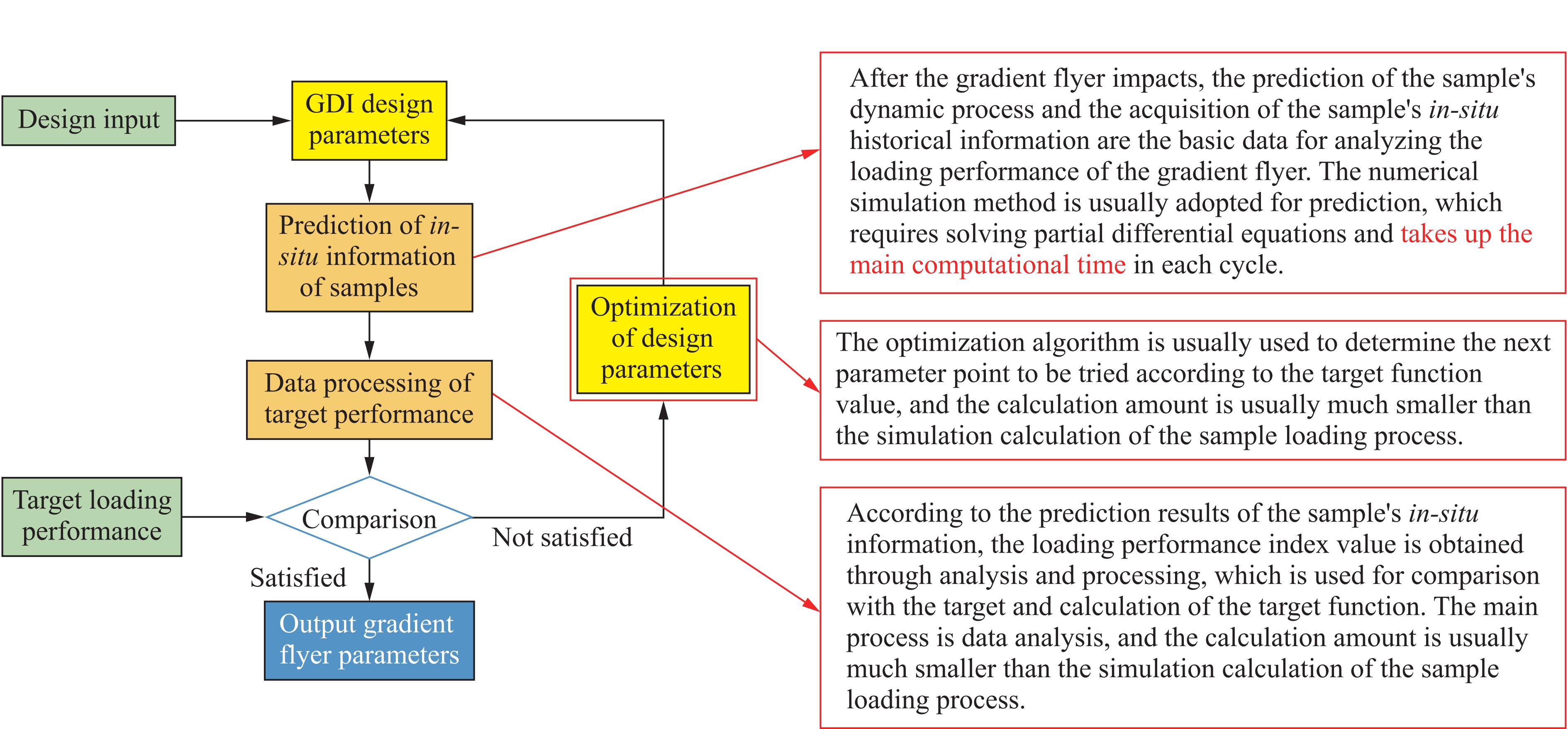
Improvement of the Design Program for Functionally Graded Materials with Controllable Loading and High-Throughput Optimization Design
LI Lei, CHEN Han, BAI Jinsong, ZHANG Ruizhi, ZHANG Jian, WU Dun
2025, 39(11): 110103. doi: 10.11858/gywlxb.20251188
HTML PDF (10)
Abstract:

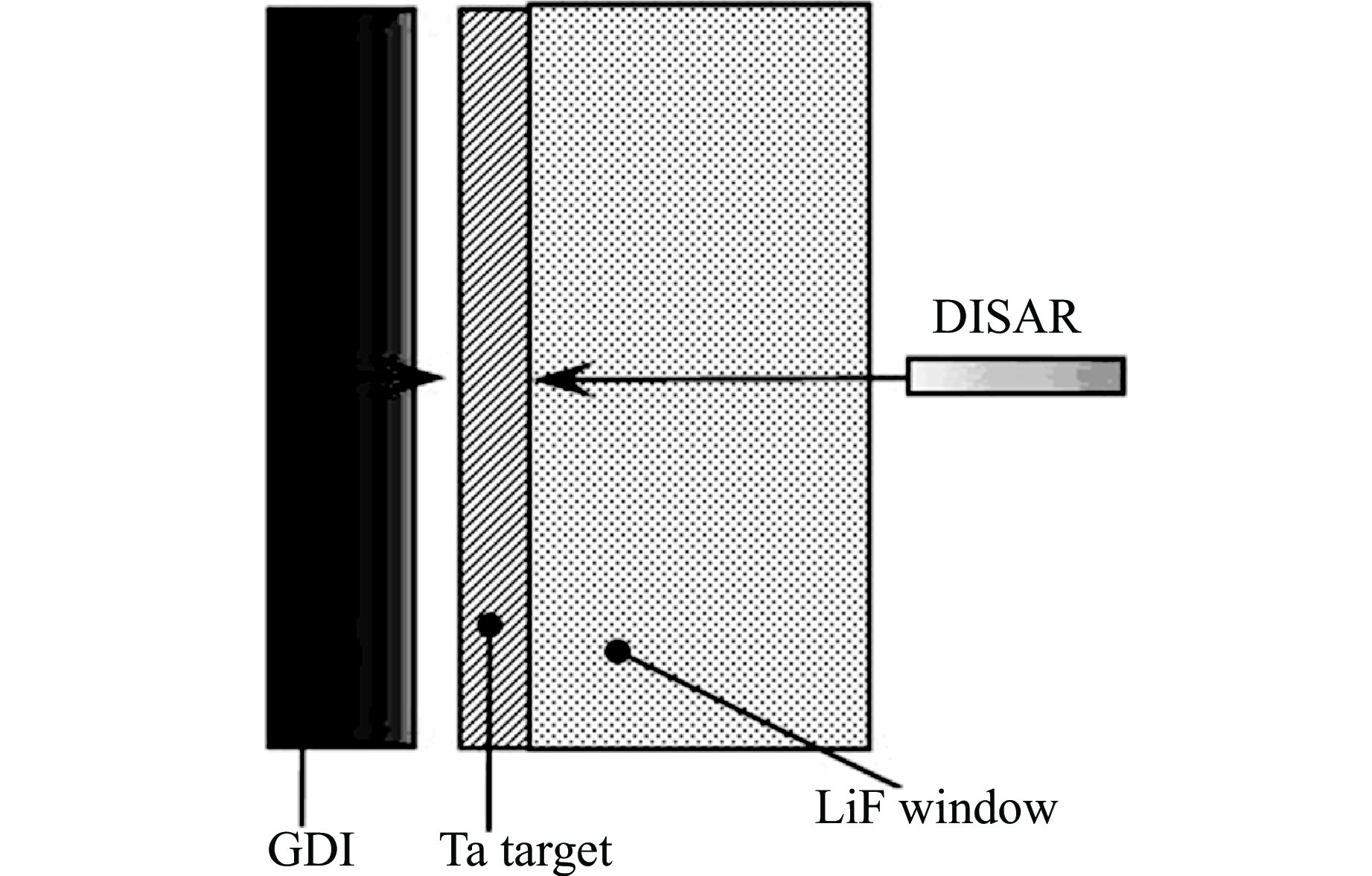
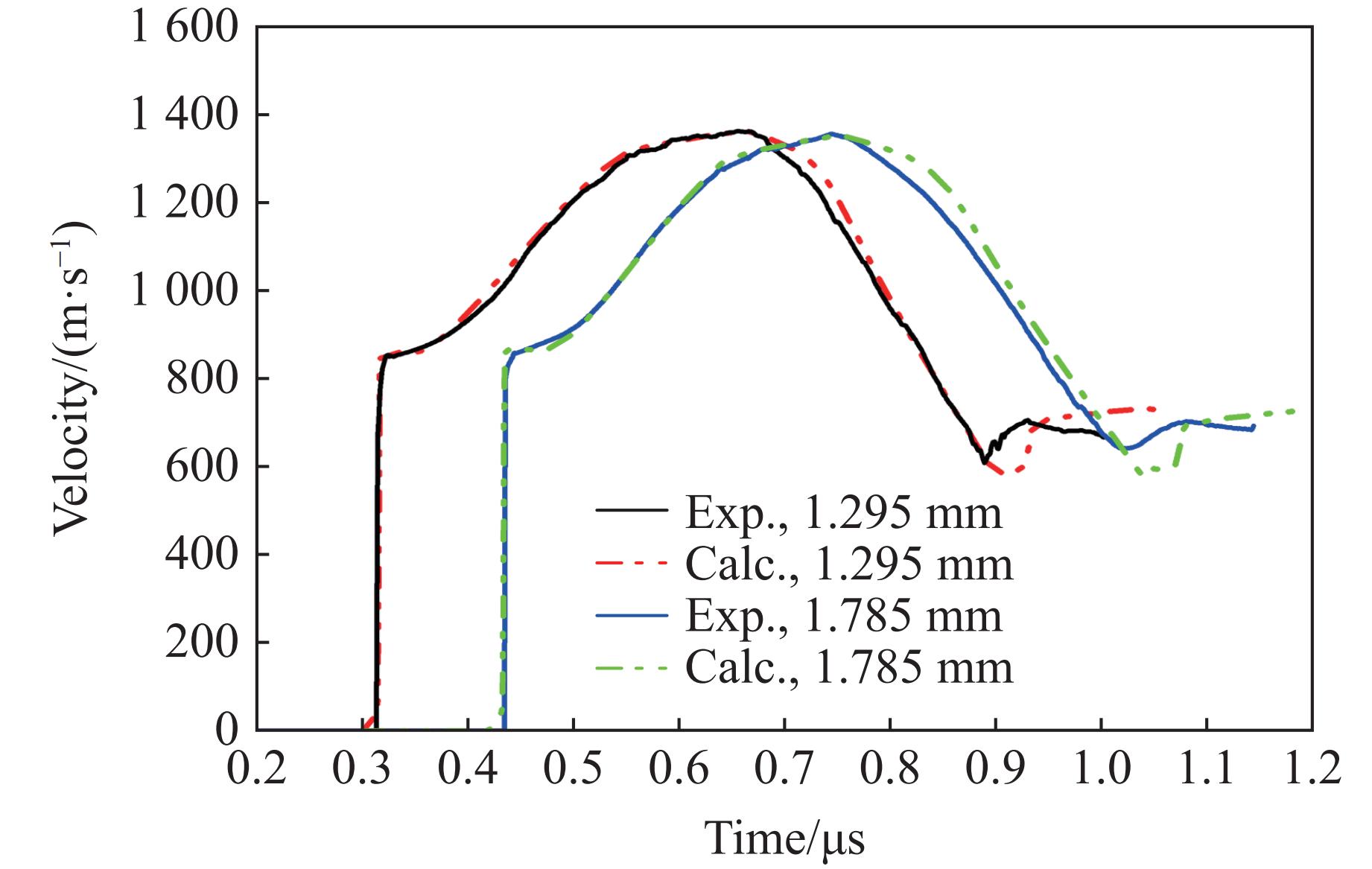
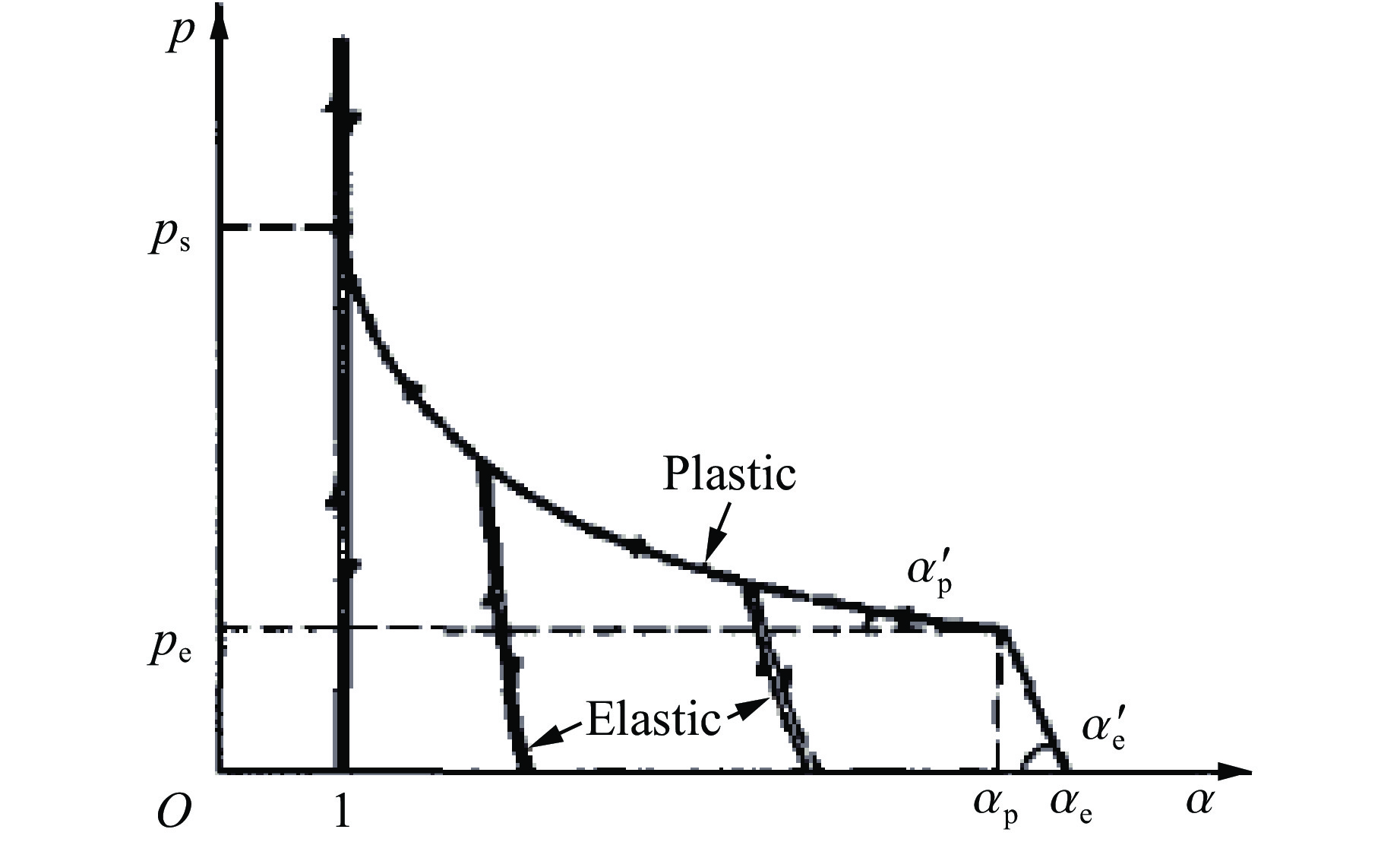
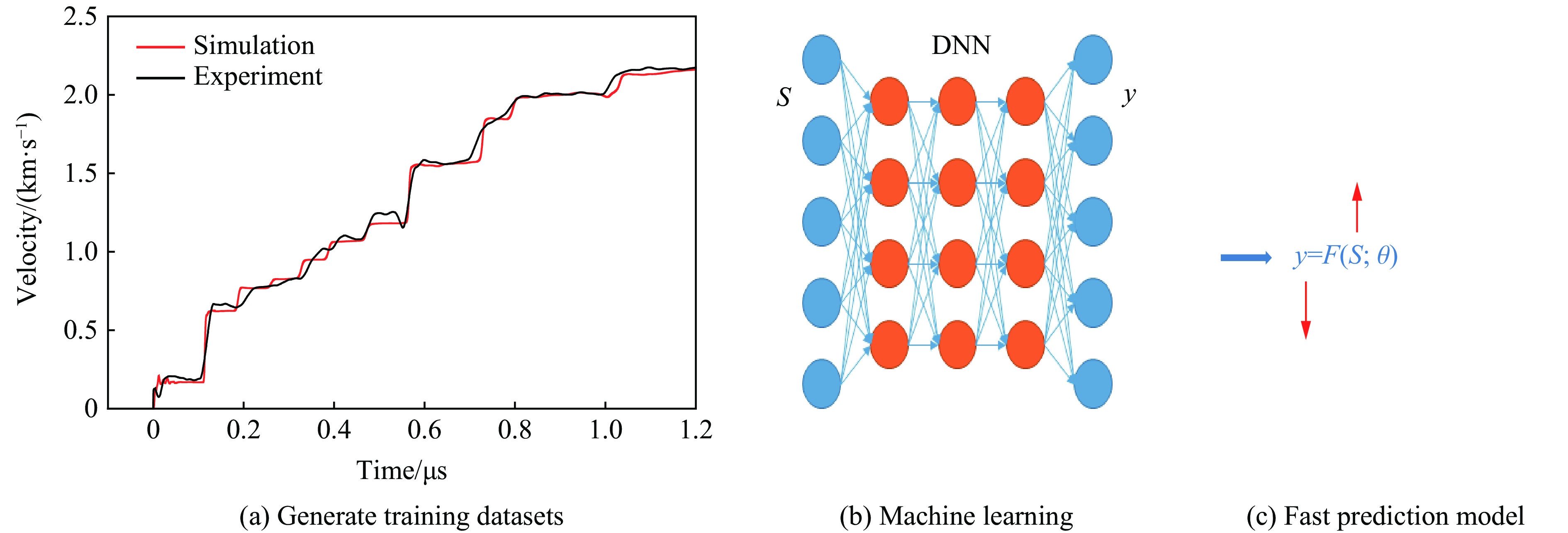
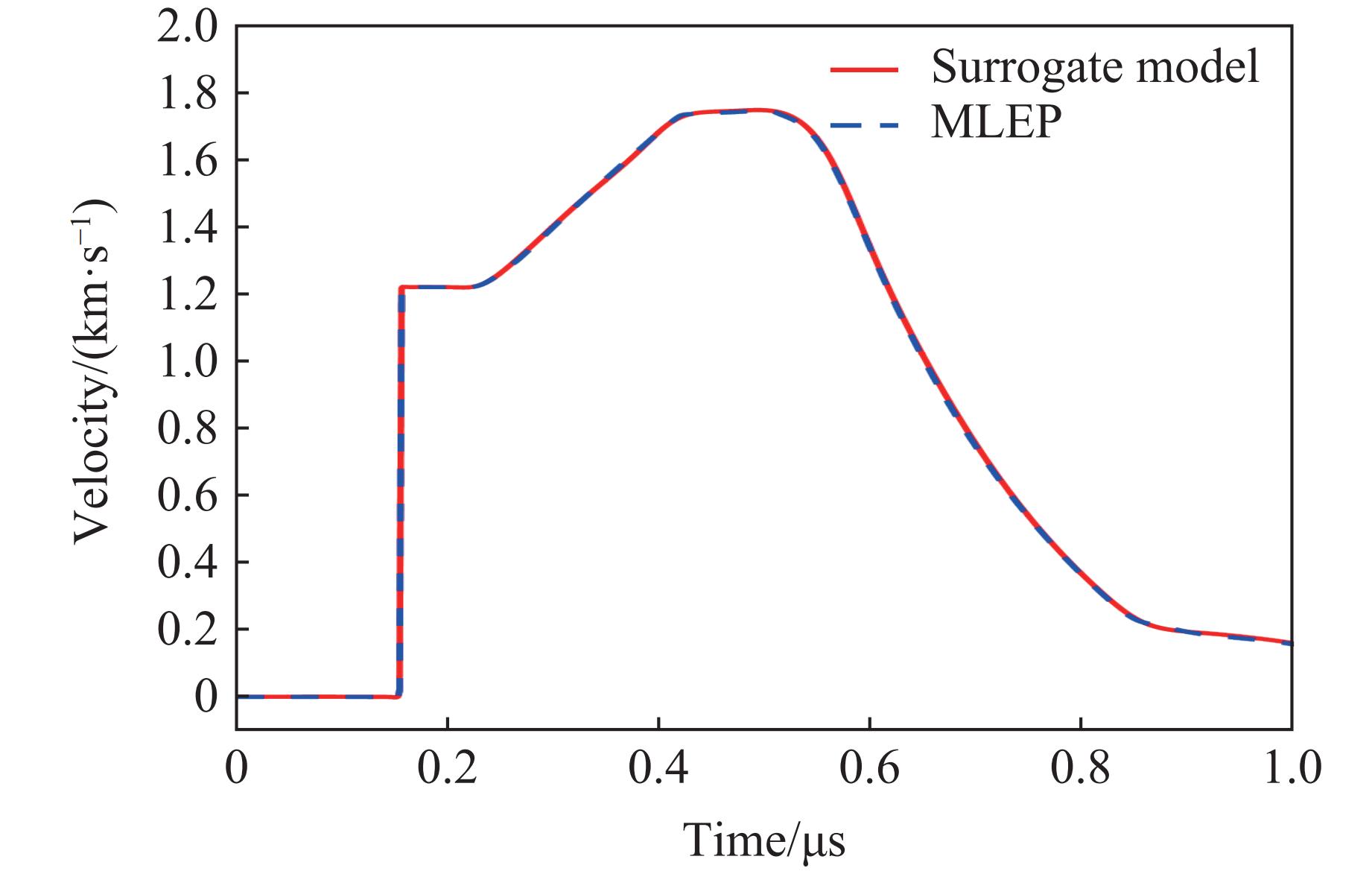
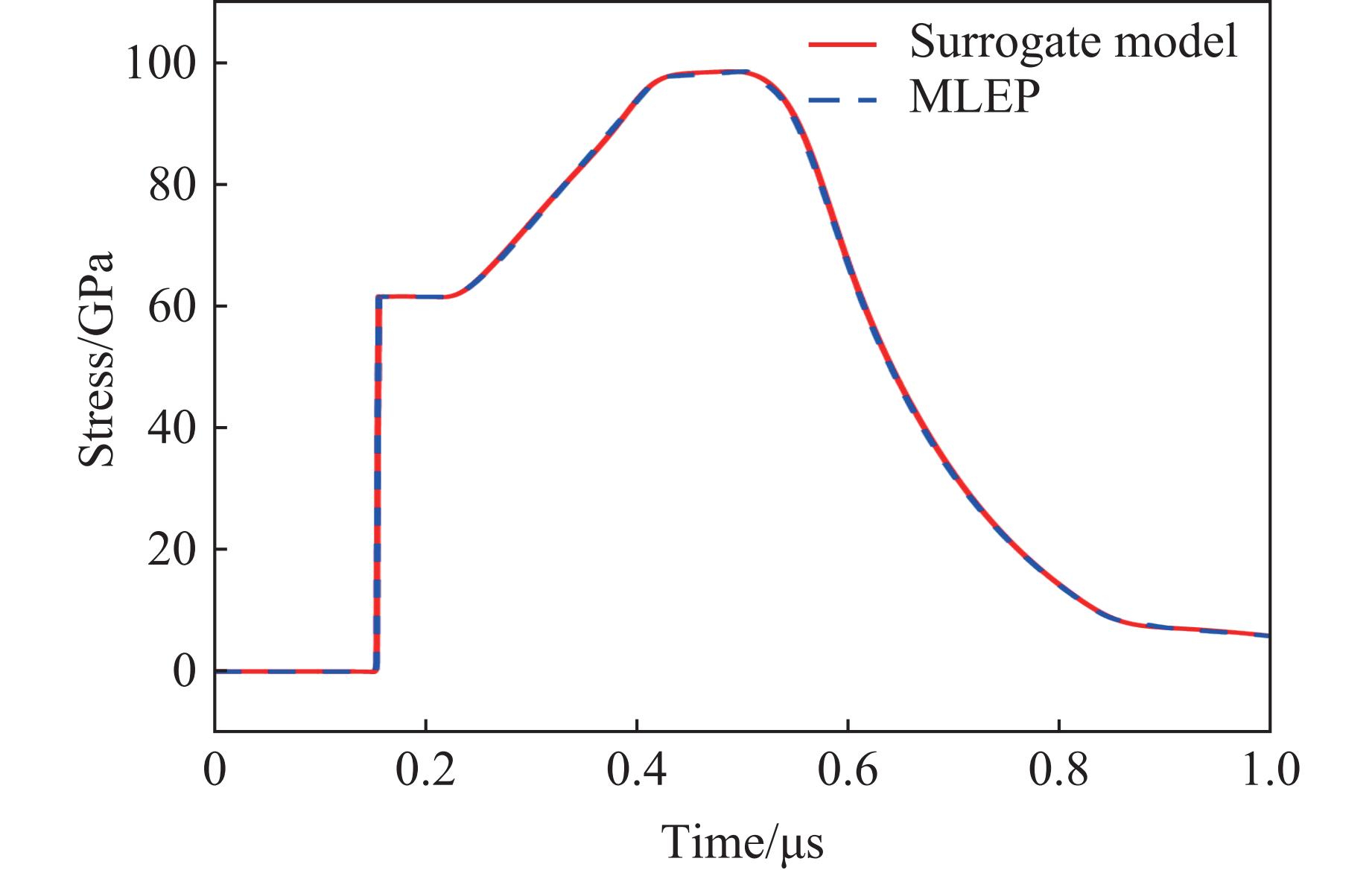
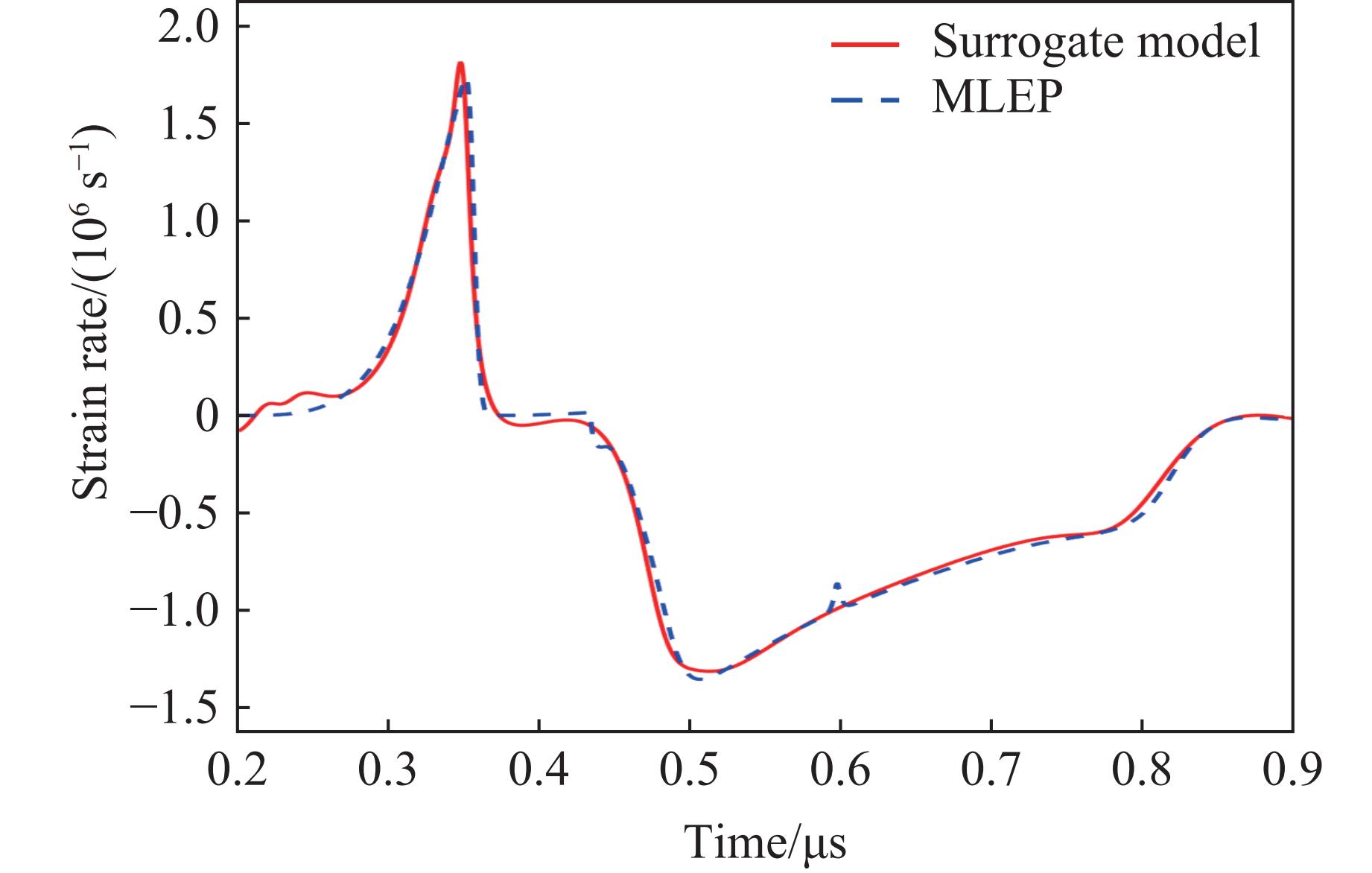
To achieve high-throughput optimization design of gradient materials, it is essential to establish accurate and rapid predictive capabilities for the loading performance of such materials. The rapid advancement of artificial intelligence technology combined with hardware development has gradually become a revolutionary research tool across various scientific fields. In materials science, machine learning methods play a significant role in high-throughput material design and performance prediction. This study introduces machine learning methods into the optimization design of functionally graded materials with controllable loading. By integrating computational results from physics-based models, a relatively accurate rapid prediction model was established, significantly enhancing optimization throughput. The multi-material fluid-elastoplastic computational program MLEP has undergone multiple rounds of validation in the experimental design and data interpretation of gradient materials, demonstrating high predictive accuracy for experimental results. Numerical experimental samples based on this program can be used to construct high-precision surrogate models. To extend MLEP’s applicability to a broader range of density-gradient material design and experimental prediction, the p-α model has been incorporated into the existing simulation framework. This model describes the mechanical behavior of low-density polymers under shock/quasi-isentropic loading, enabling the expansion of flyer plate density from approximately 0.5 g/cm3 to 15.0 g/cm3.

Optimization and Uncertainty Quantification of High-Fidelity Material Model Parameters for Dynamic Loading Simulation
XIANG Shikai, XIAN Yunting, WU Run, SUN Yi, GAN Yuanchao, GENG Huayun, LUO Guoqiang, ZHANG Jian, ZHANG Ruizhi
2025, 39(11): 110104. doi: 10.11858/gywlxb.20251195
HTML PDF (26)
Abstract:

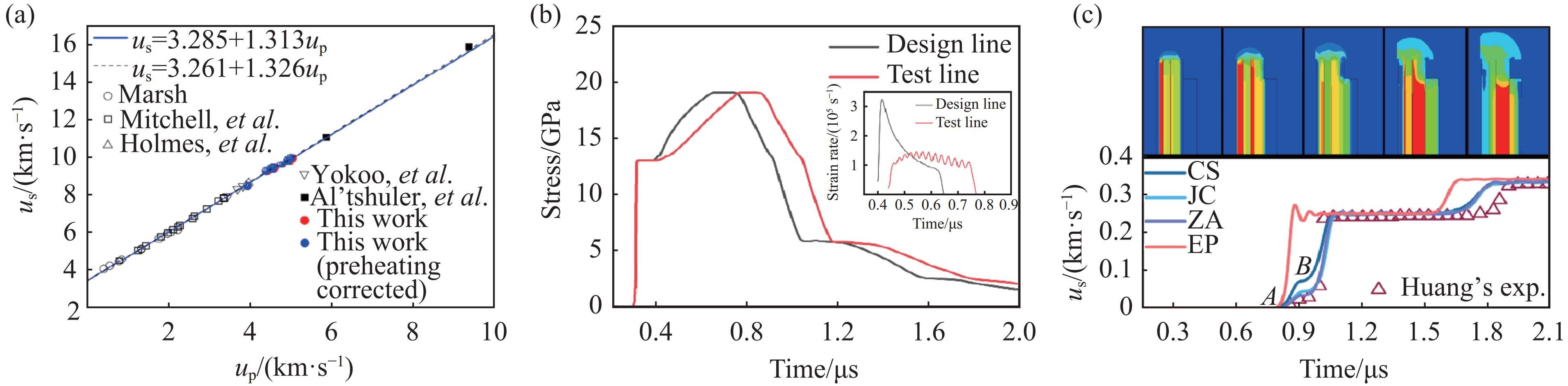
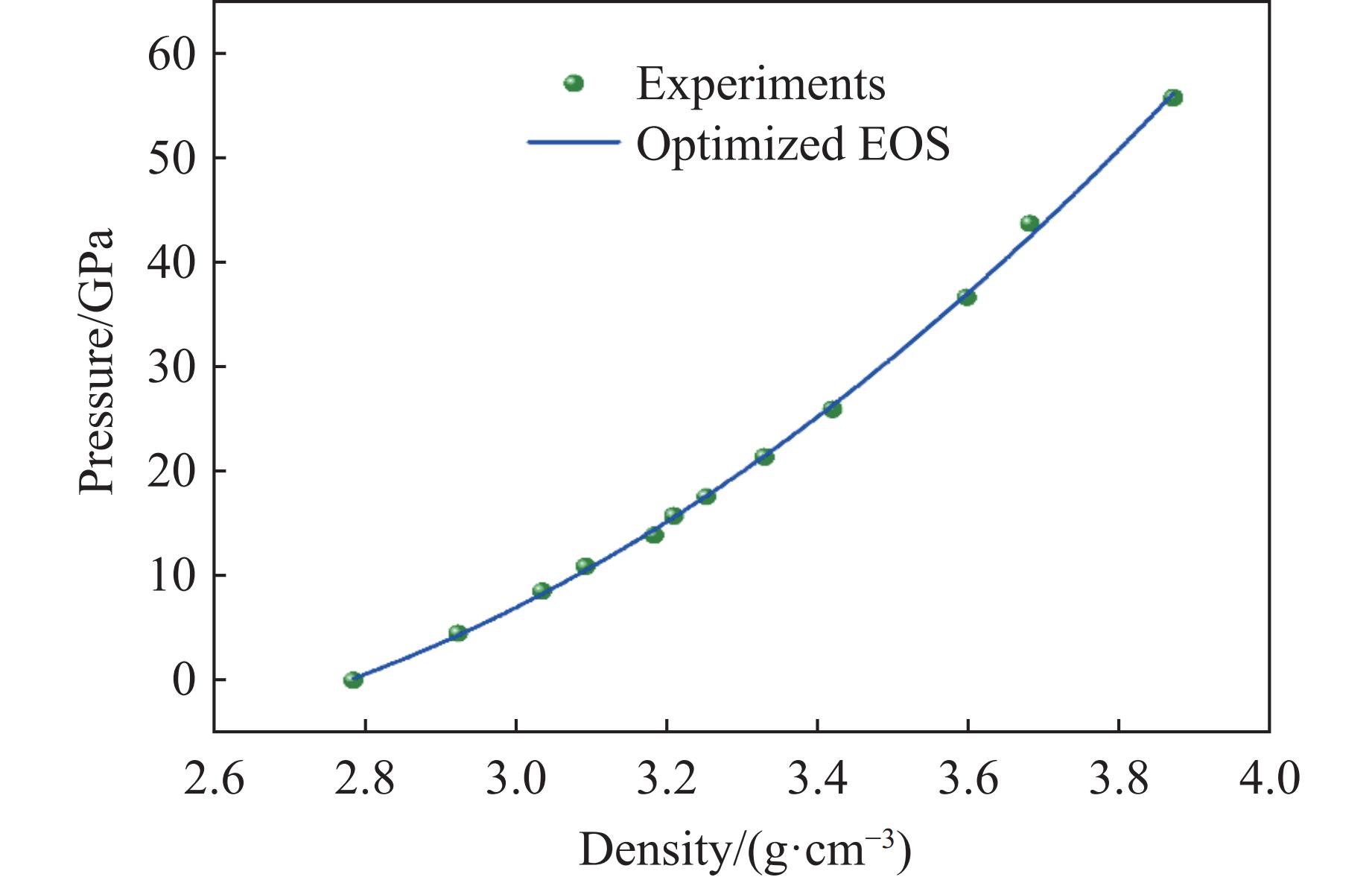
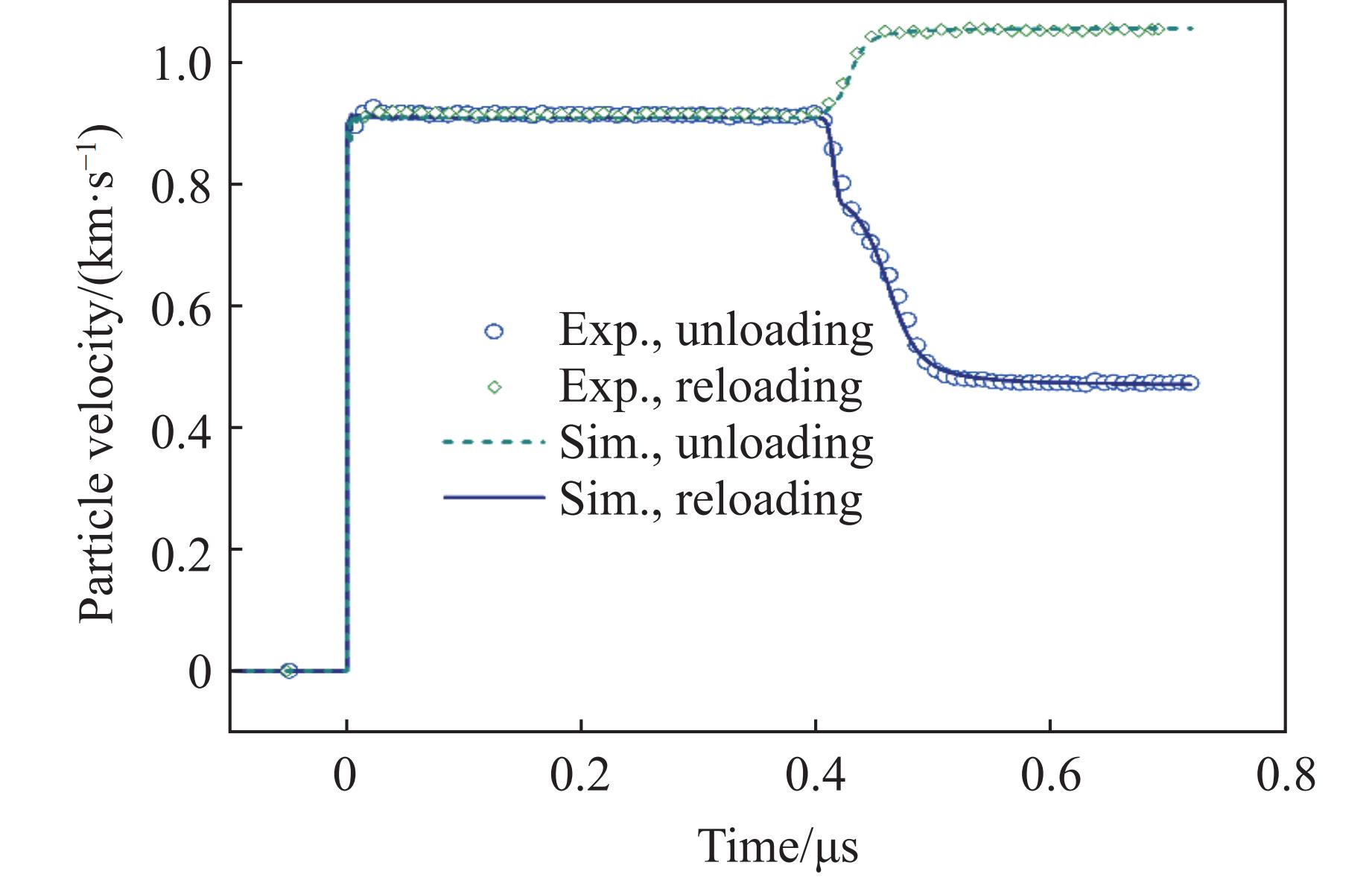
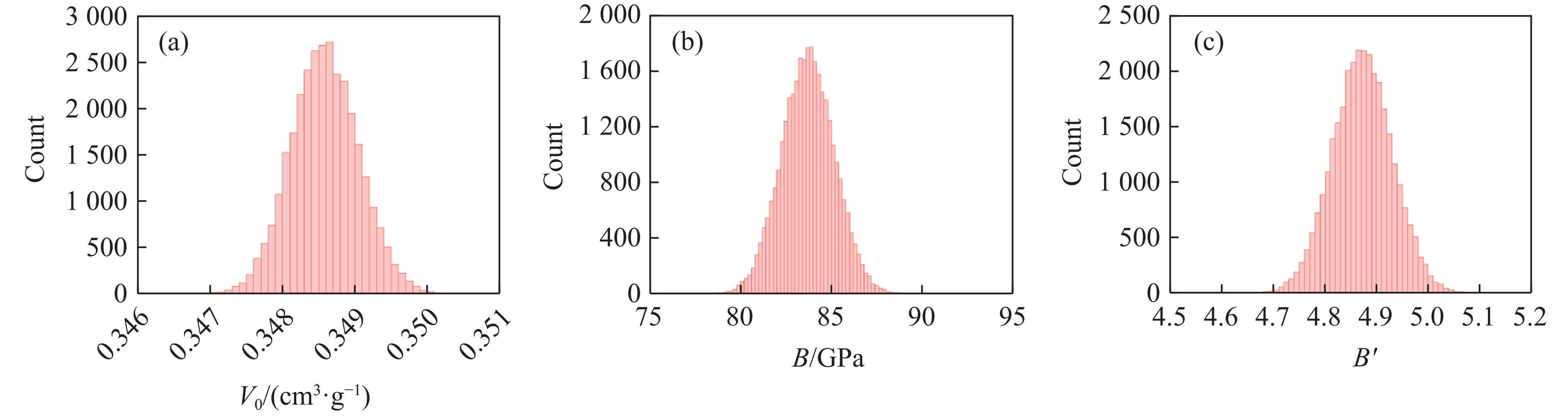
Systematic construction, optimization, and validation of high-fidelity material models are crucial for dynamic load simulations. This study details a methodology for building and validating such models on the Dayu Digital Platform. First, a parameterized equation of state (EOS) framework is constructed, integrating all available experimental data with associated uncertainties. Global optimization methods are then employed to determine the optimal EOS parameters. Second, the optimized EOS is coupled with a constitutive model containing undetermined parameters. One-dimensional or two-dimensional numerical simulations are conducted, reproducing experimental conditions. Optimization algorithms iteratively adjust the constitutive model parameters to achieve a globally optimal match between simulated waveforms and experimental waveforms, thereby precisely calibrating the constitutive parameters. Finally, the optimized EOS and calibrated constitutive model are integrated to form a complete material model, and standardized interfaces are developed for both in-house and commercial simulation software. The validation of material models is accomplished by comparing simulated predictions under new experimental conditions with experimental results. Within this process, the optimization of theoretical model parameters constrained by experimental data is achieved using the self-developed novel importance cross-optimization (ICON) algorithm. The uncertainty in material model parameters and its propagation to computed physical quantities are rigorously quantified using a self-developed Bayesian uncertainty quantification (UQ) program.

Structural Phase Transition of Single-Crystalline Iron under Shock Loading along the [110] Direction: Molecular Dynamics Simulations Based on Different Potential Functions
WU Meiqi, ZHAN Jinhui, LI Jiangtao, WANG Kun, LIU Xiaoxing
2025, 39(11): 110105. doi: 10.11858/gywlxb.20251037
HTML PDF (41)
Abstract:

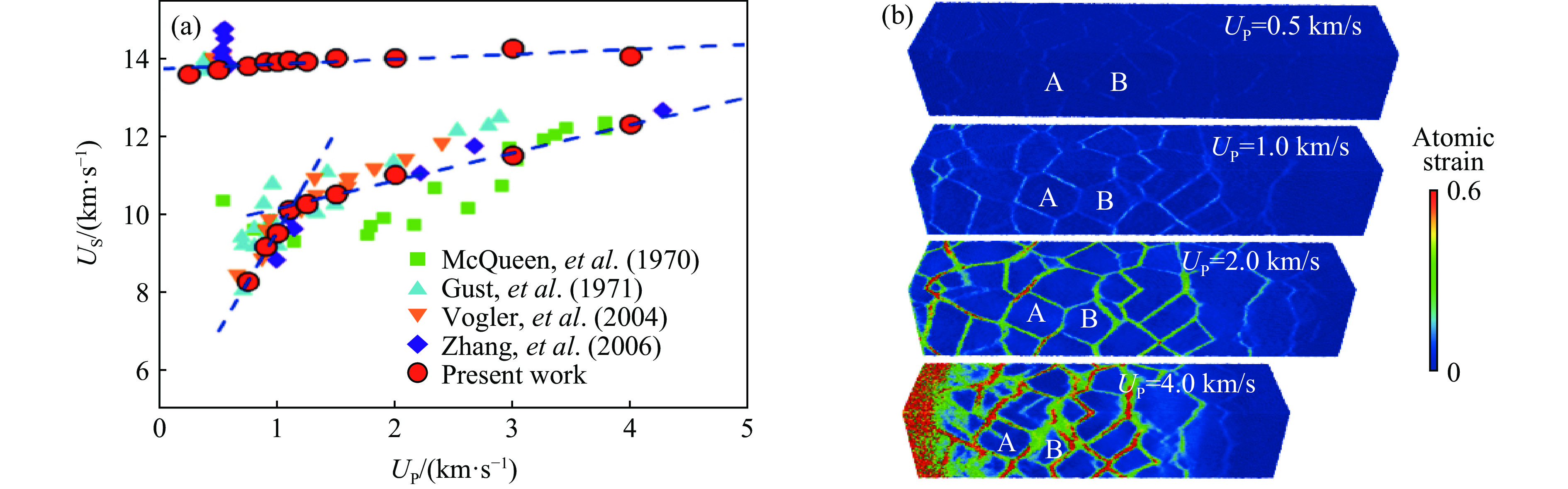
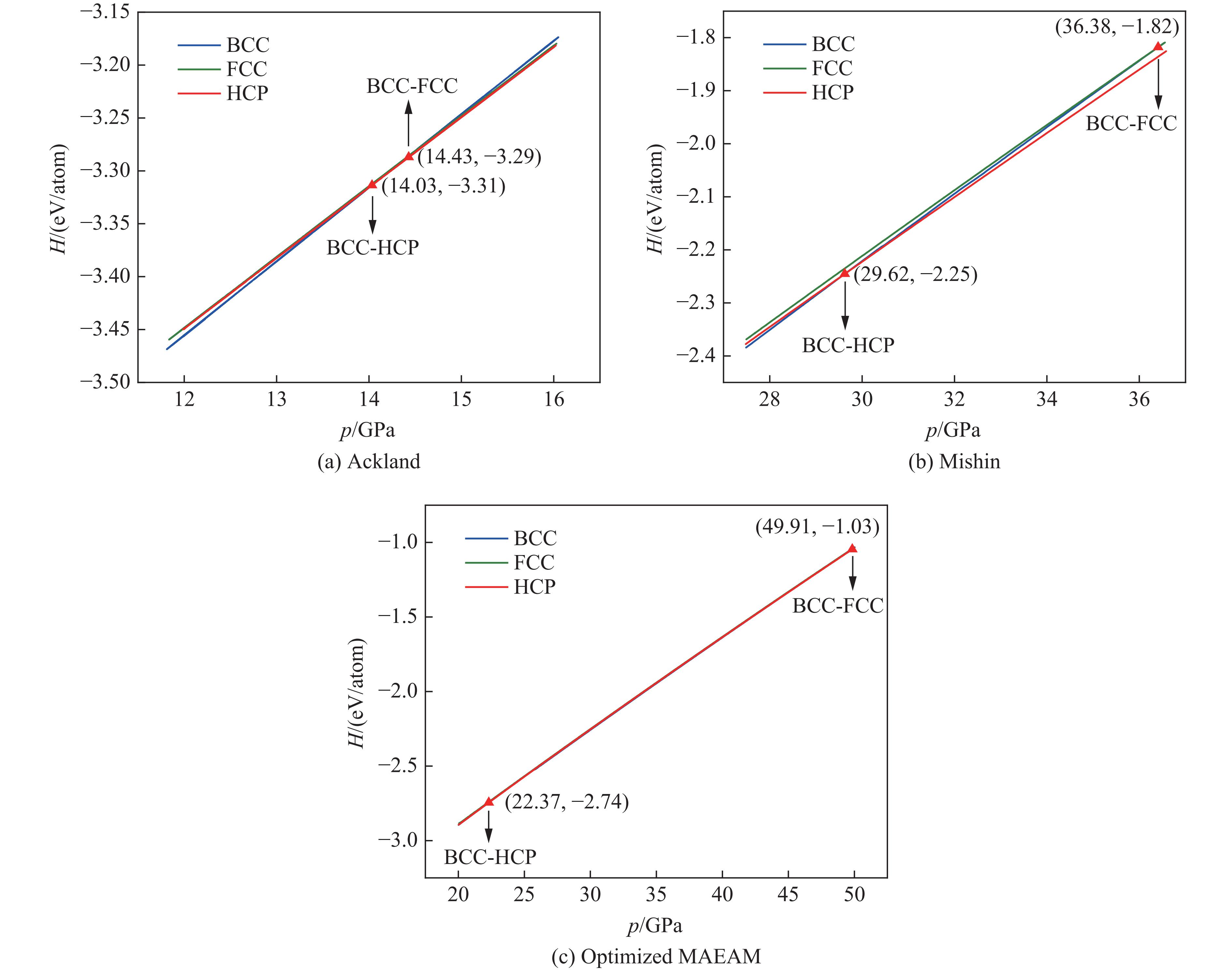
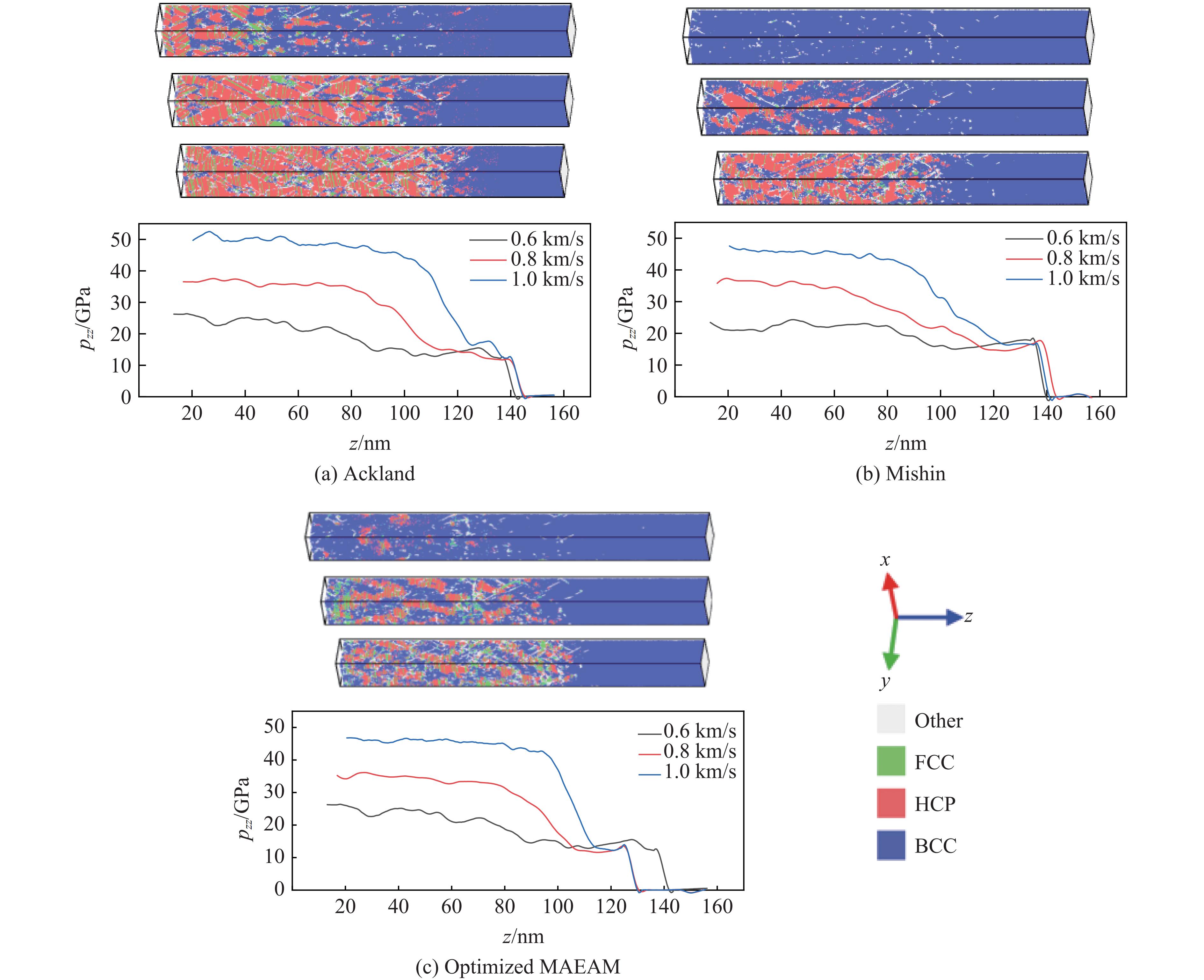
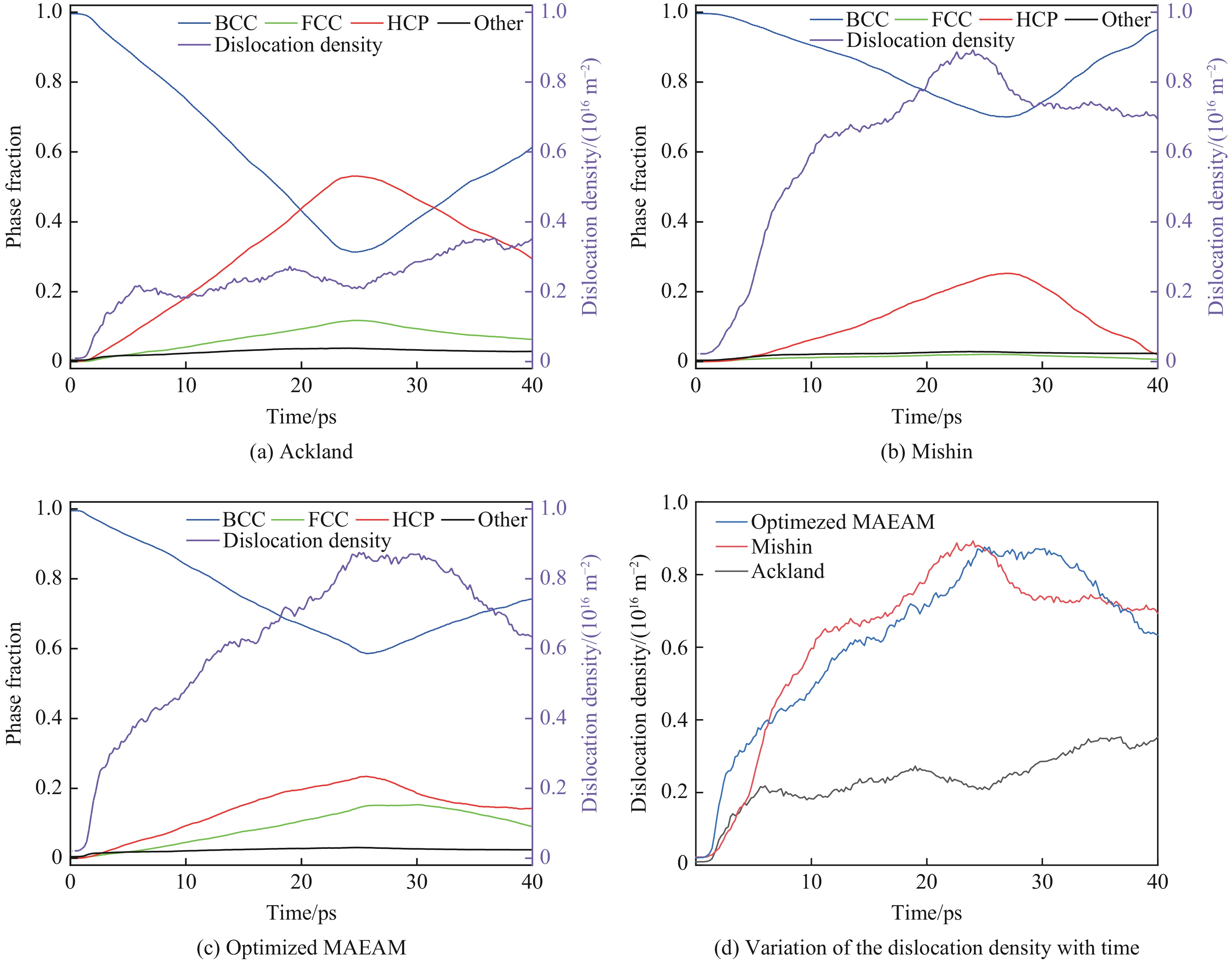
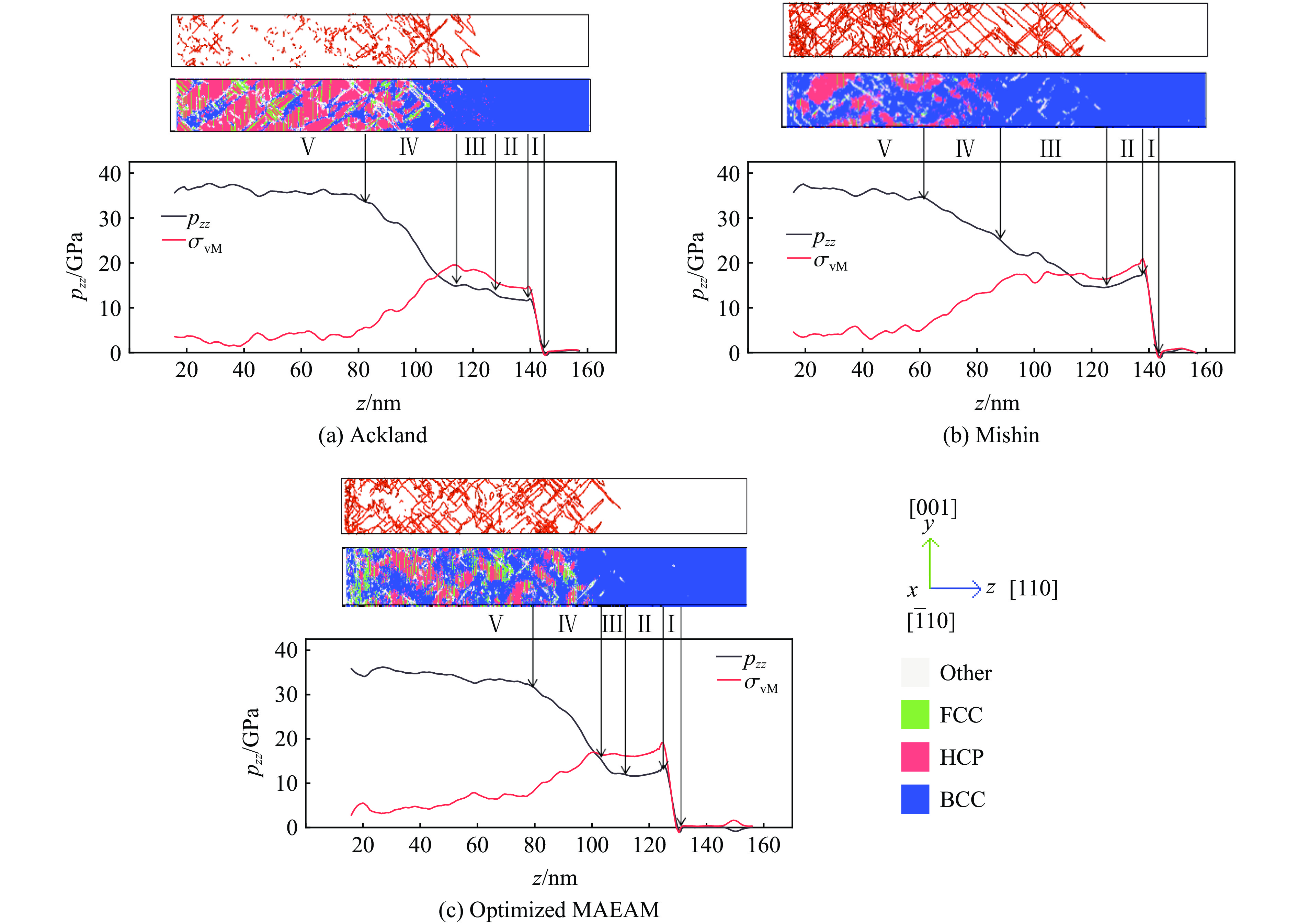
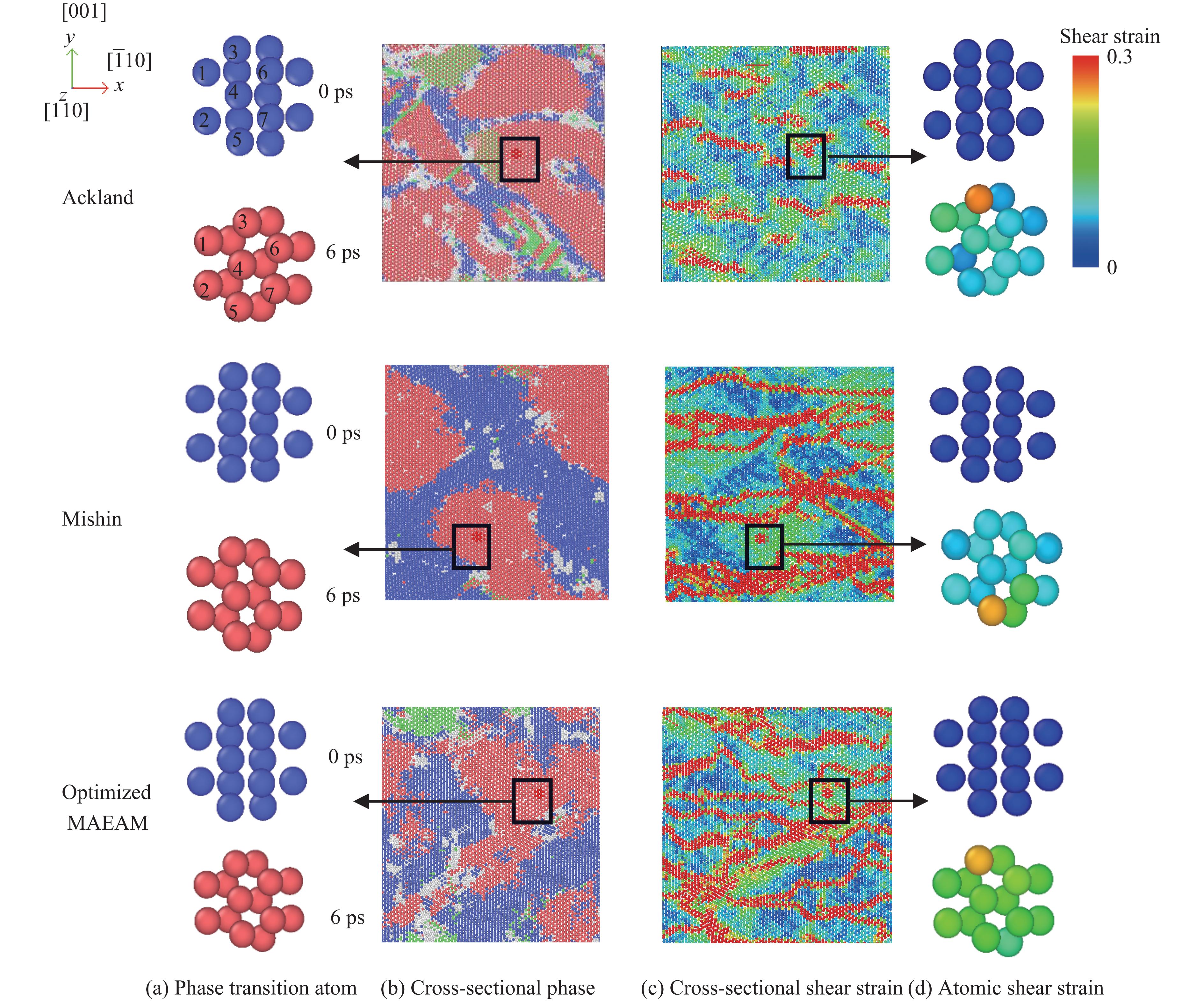
Single-crystal iron is a prototypical system for studying the dynamic behavior of metallic materials under shock loading, which is of great significance in high-pressure phase transition research due to its phase transformation mechanisms and mechanical response characteristics. In this work, molecular dynamics simulations were performed to investigate the mechanical response of single-crystal iron under shock loading along the [110] crystallographic direction. Three different potential functions (Ackland, Mishin, optimized MAEAM) were employed to examine differences in stress transmission, dislocation activity, and new phase formation, as well as to explore the coupling mechanisms between plasticity and phase transformation. The research results show that the body-centered cubic-hexagonalclose-packed (BCC-HCP) phase transition pressure (14.03 GPa) predicted by the Ackland potential function is closest to the experimental data and can better describe the coupling of plastic deformation and phase transition; the Mishin potential function shows an independent plastic stage at high strain rates; the optimized MAEAM potential function gives a higher BCC-FCC (face-centered cubic) phase transition pressure threshold (49.91 GPa), which is more consistent with the phenomenon that the FCC phase was not observed in the experiment. In addition, the three potential functions all show the same phase transition mechanism: from BCC compression to shear-induced stacking fault formation and its reorientation.

Machine Learning Potential Construction and Compressive Mechanical Properties of Al-Cu Intermetallic Compounds
JING Linshuo, SHAO Jianli, XUE Fengning, WANG Pei, XU Lichun
2025, 39(11): 110106. doi: 10.11858/gywlxb.20251141
HTML PDF (16)
Abstract:

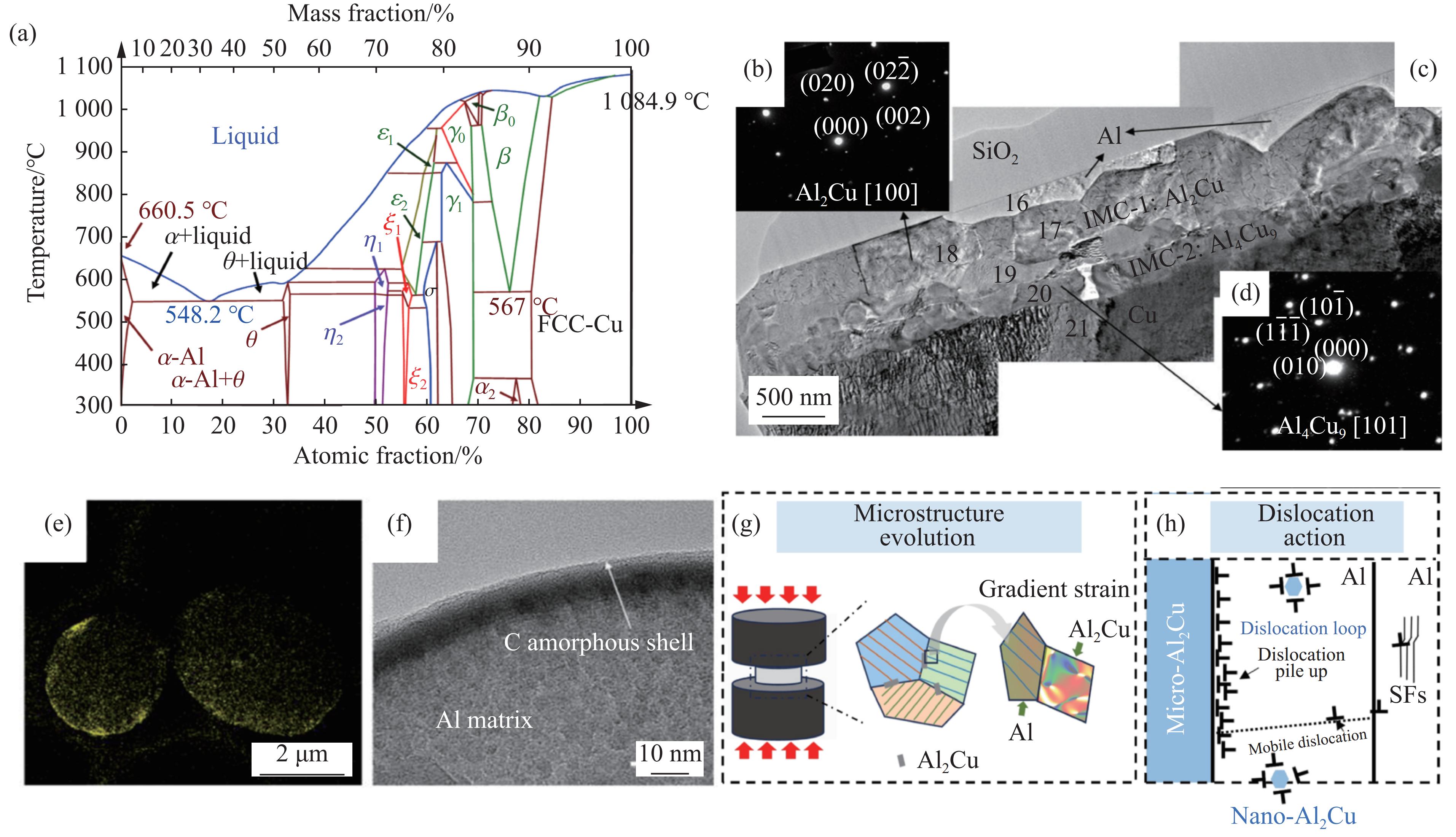
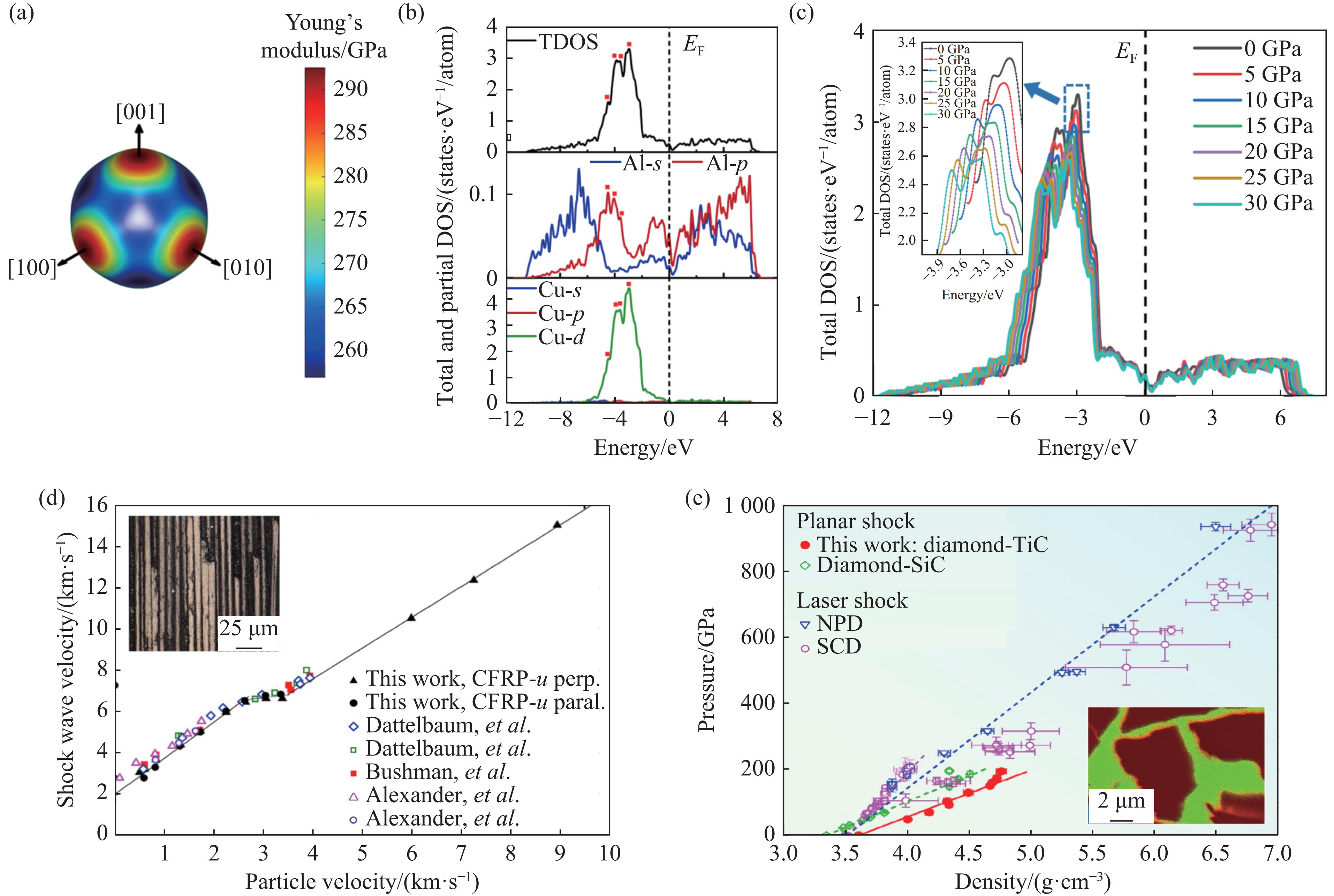
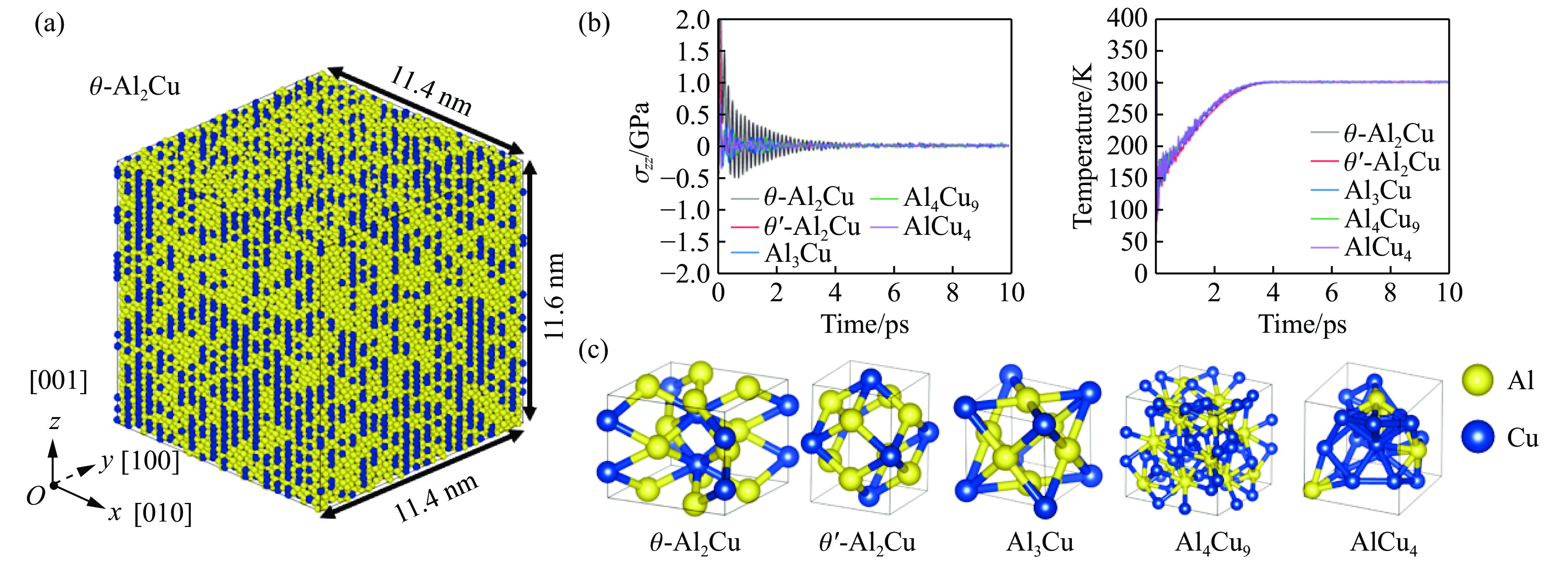
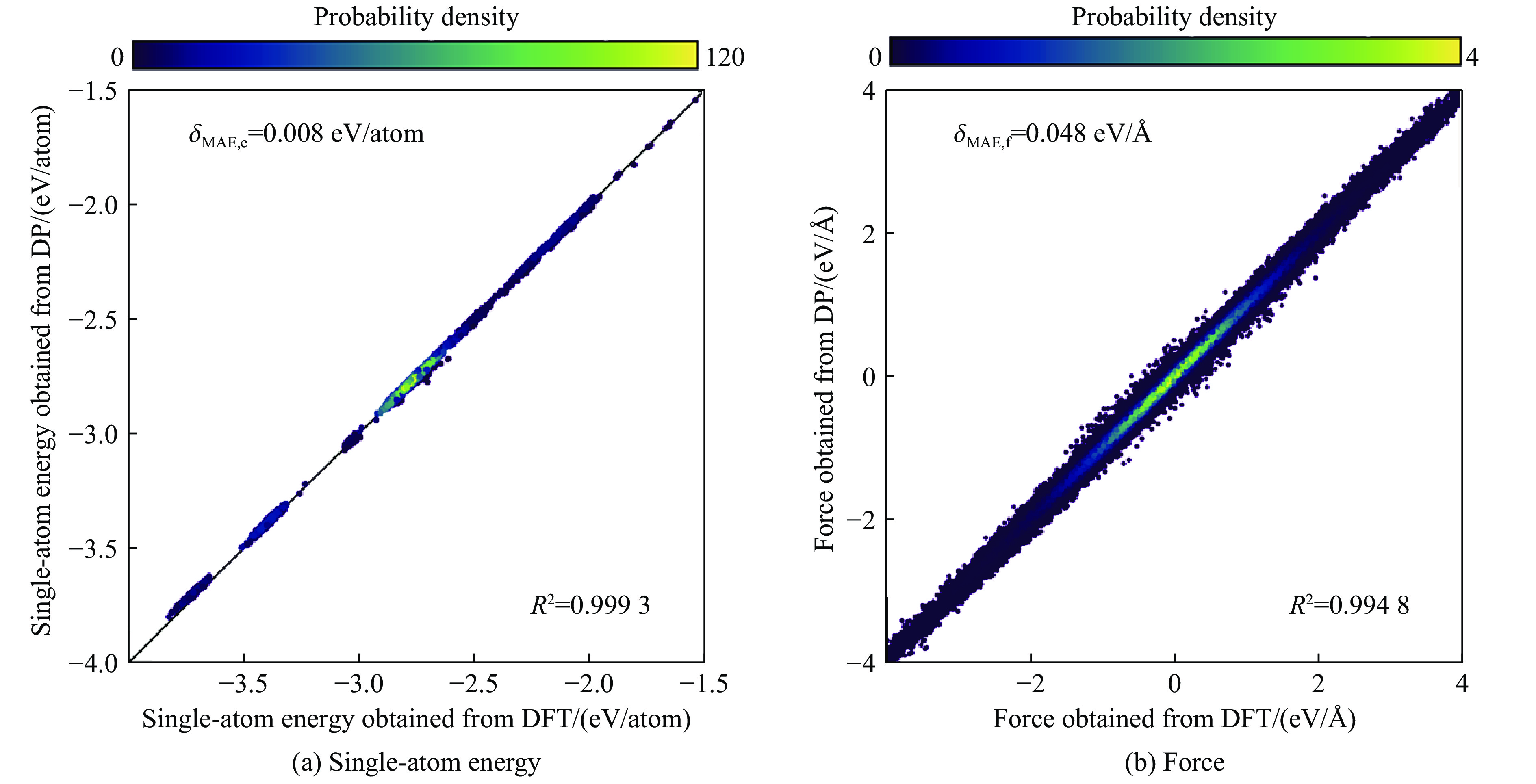
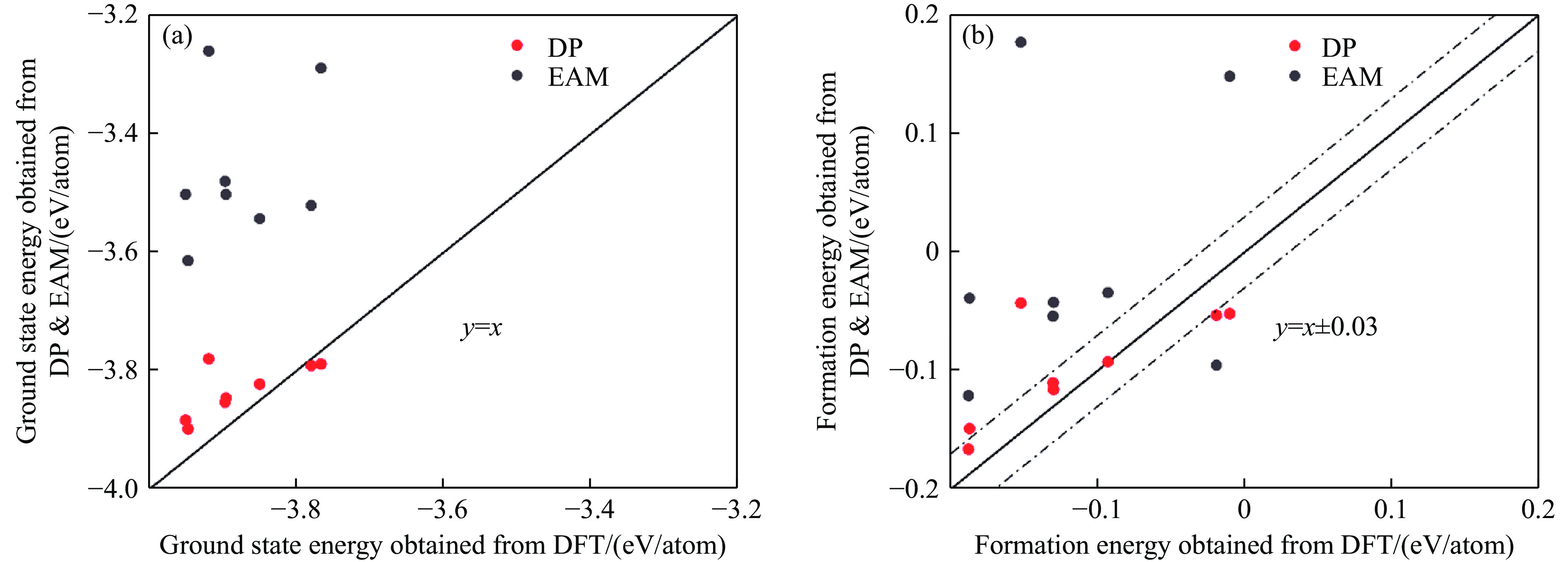
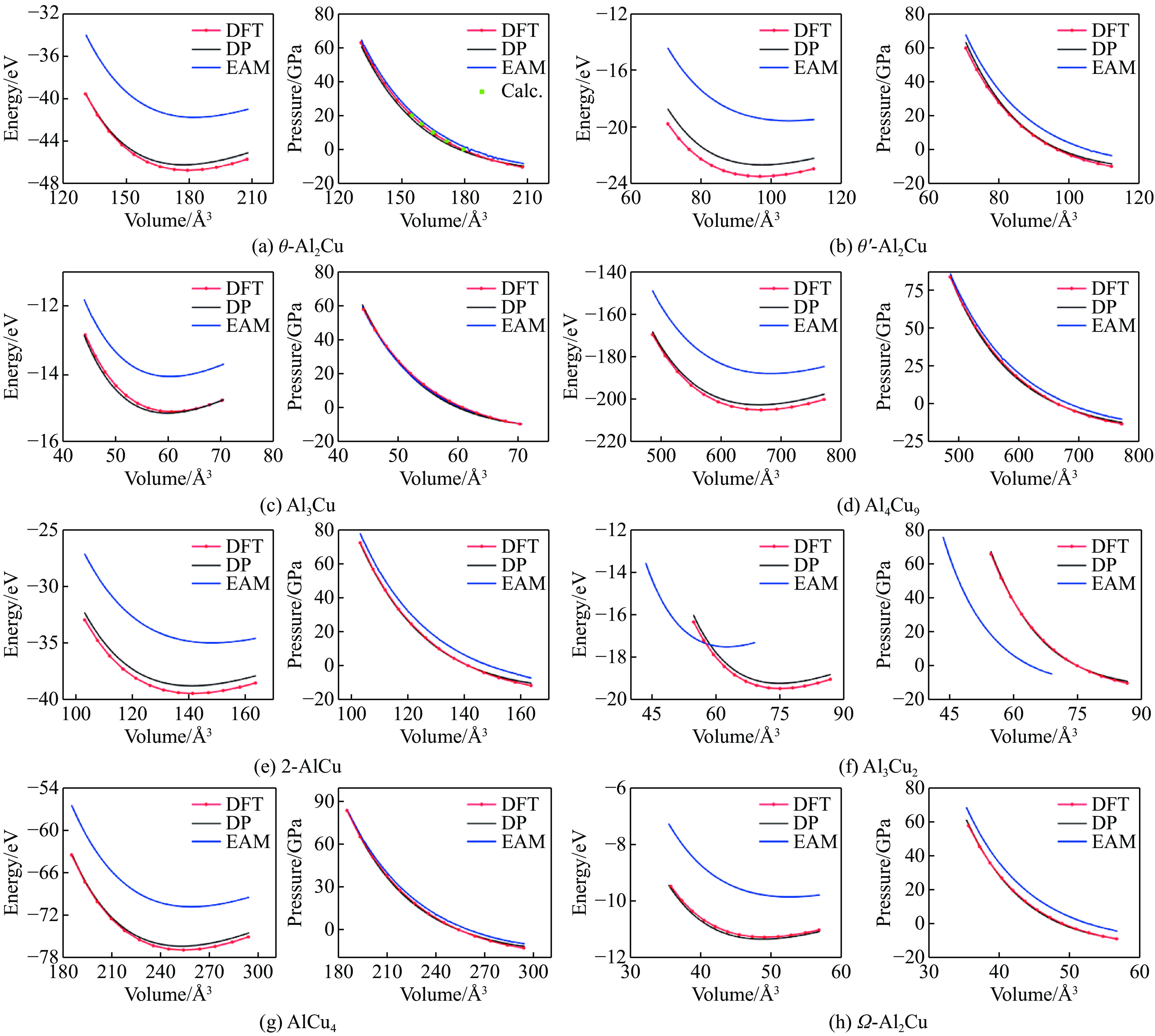
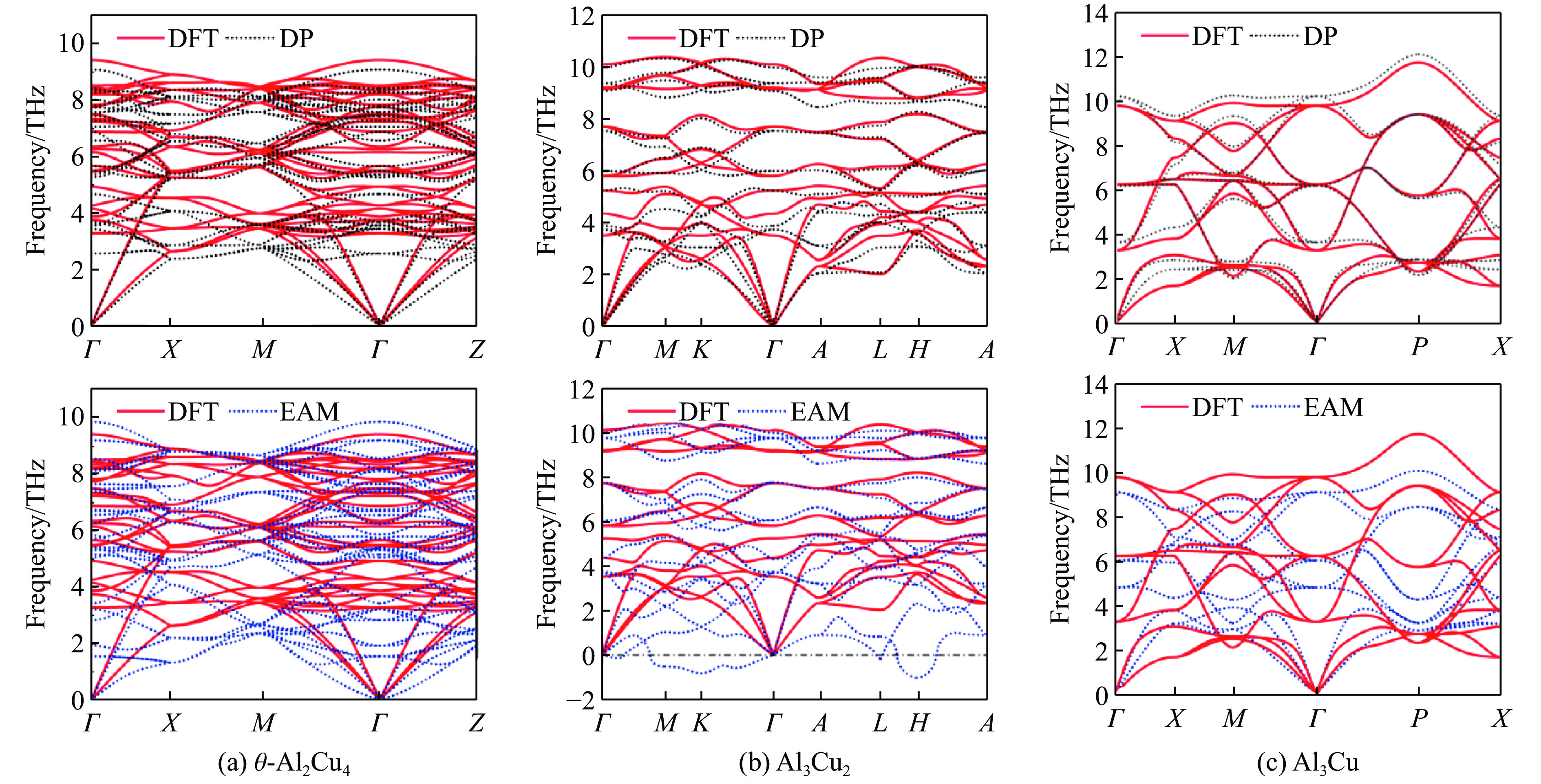
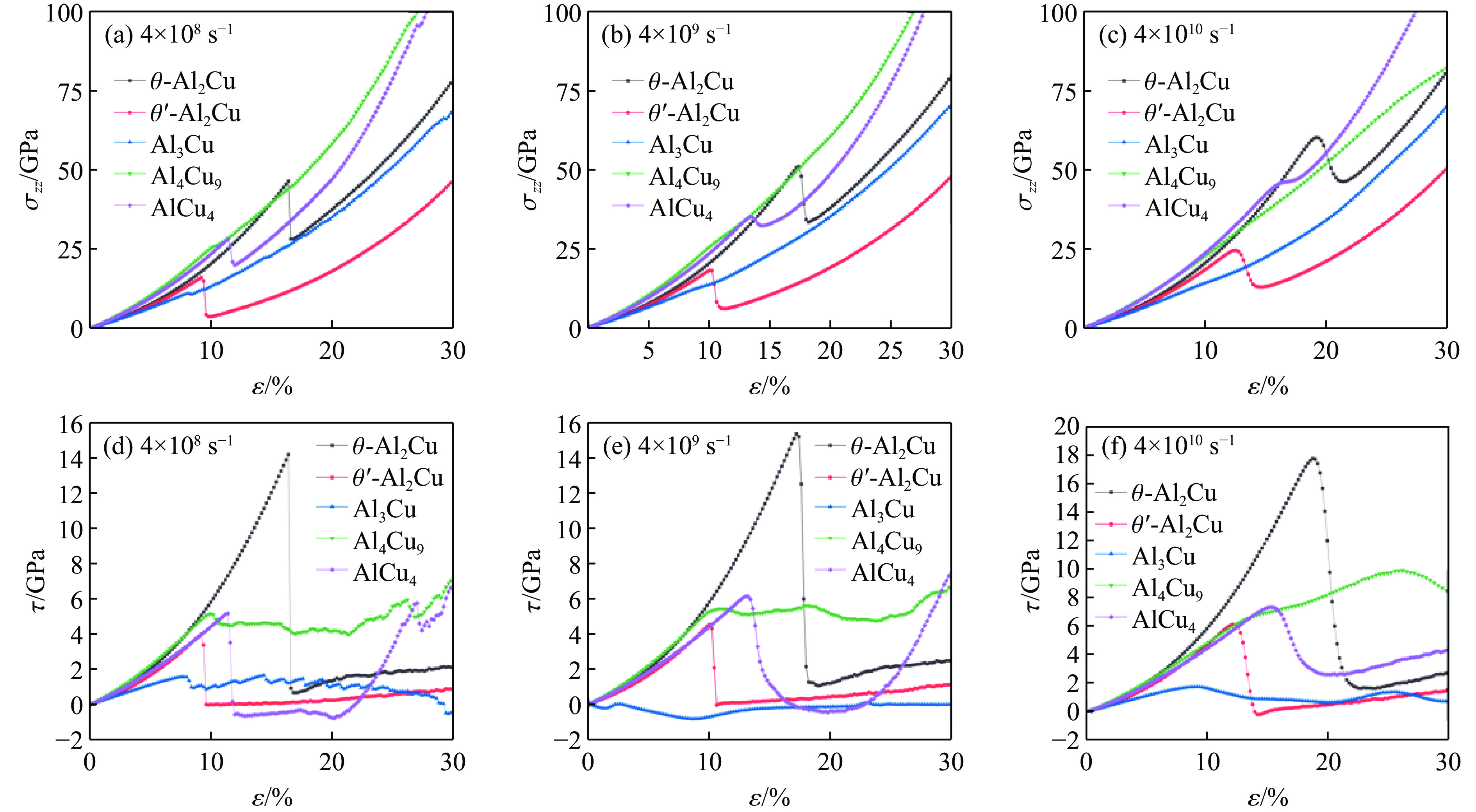
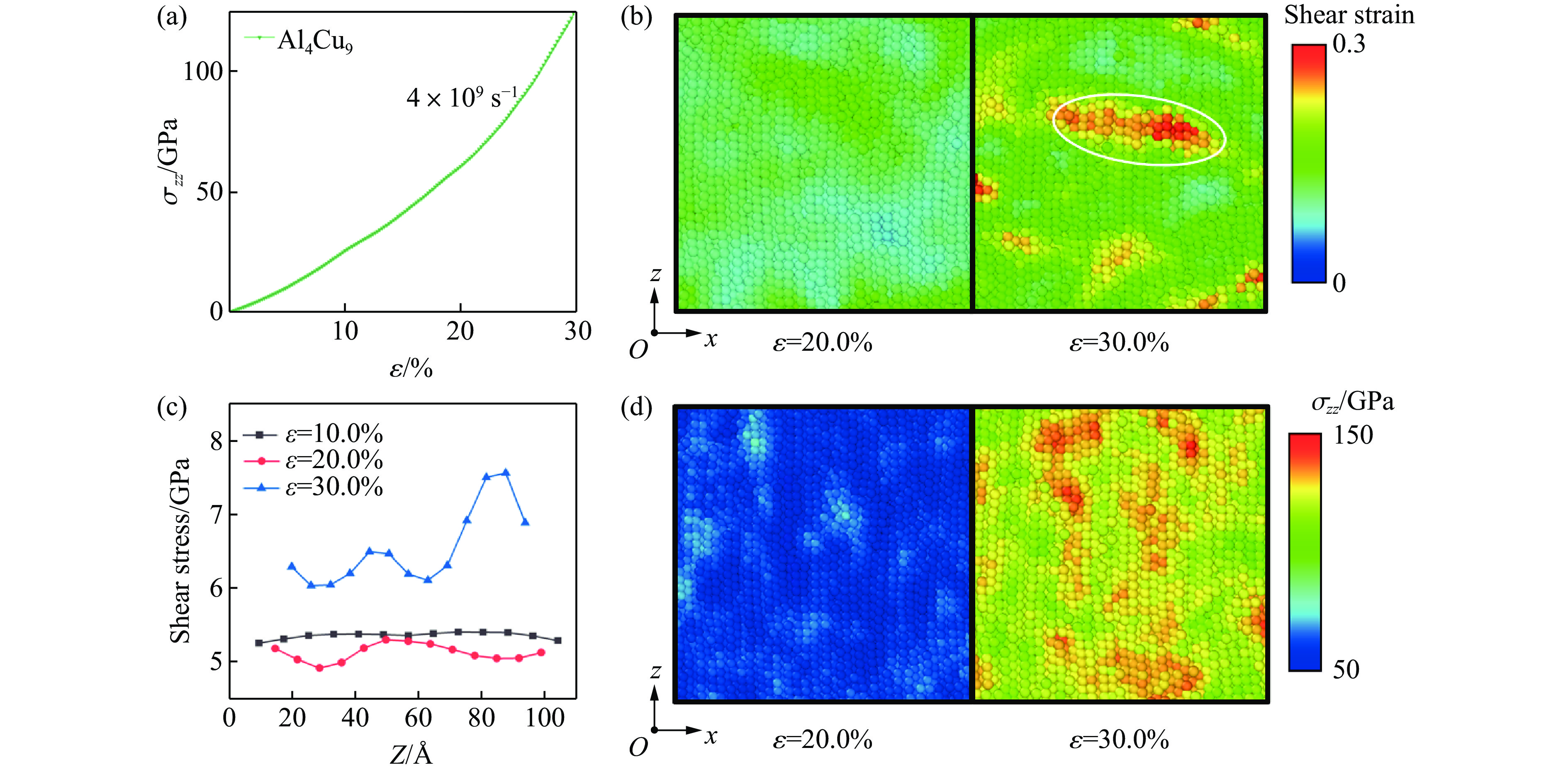
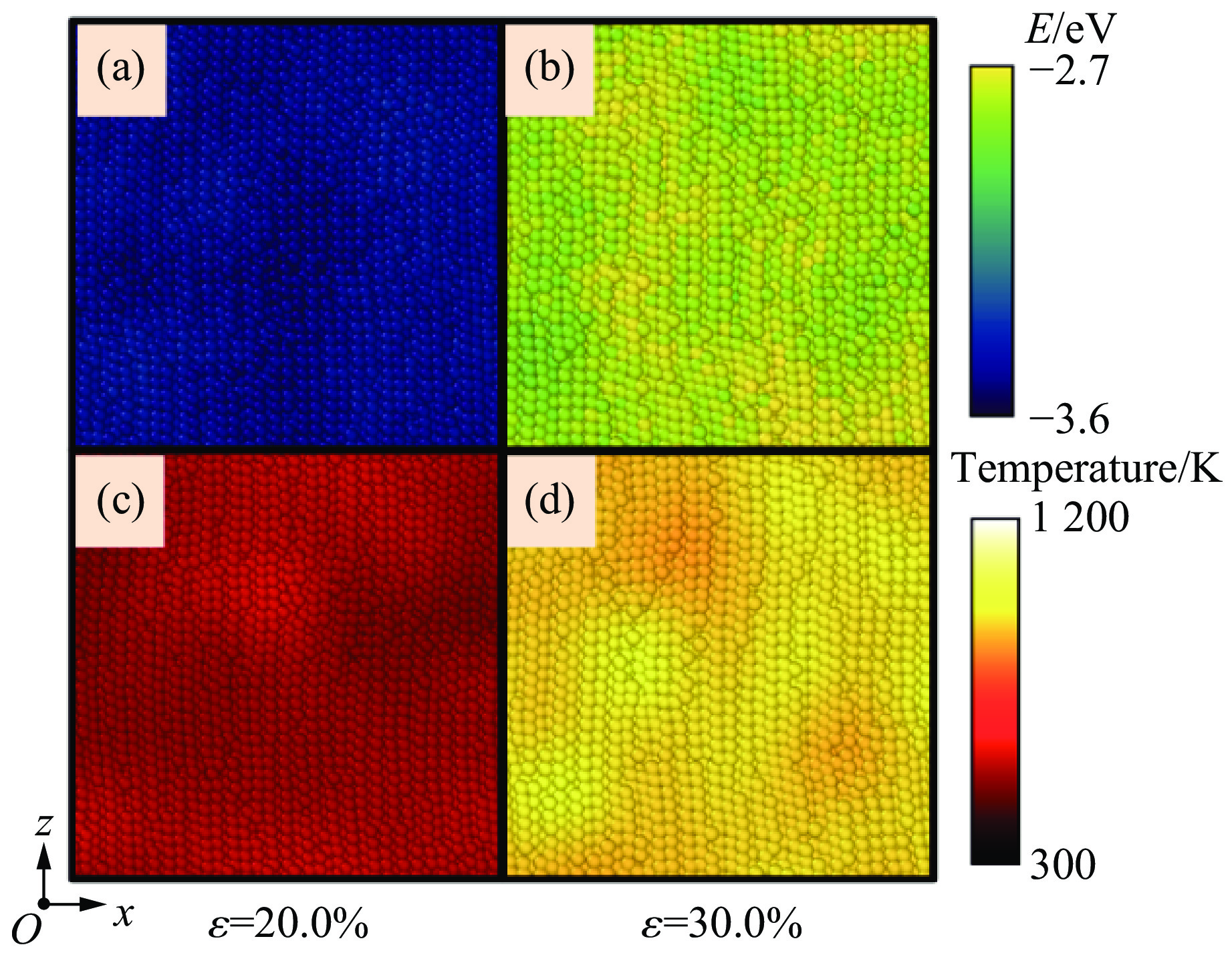
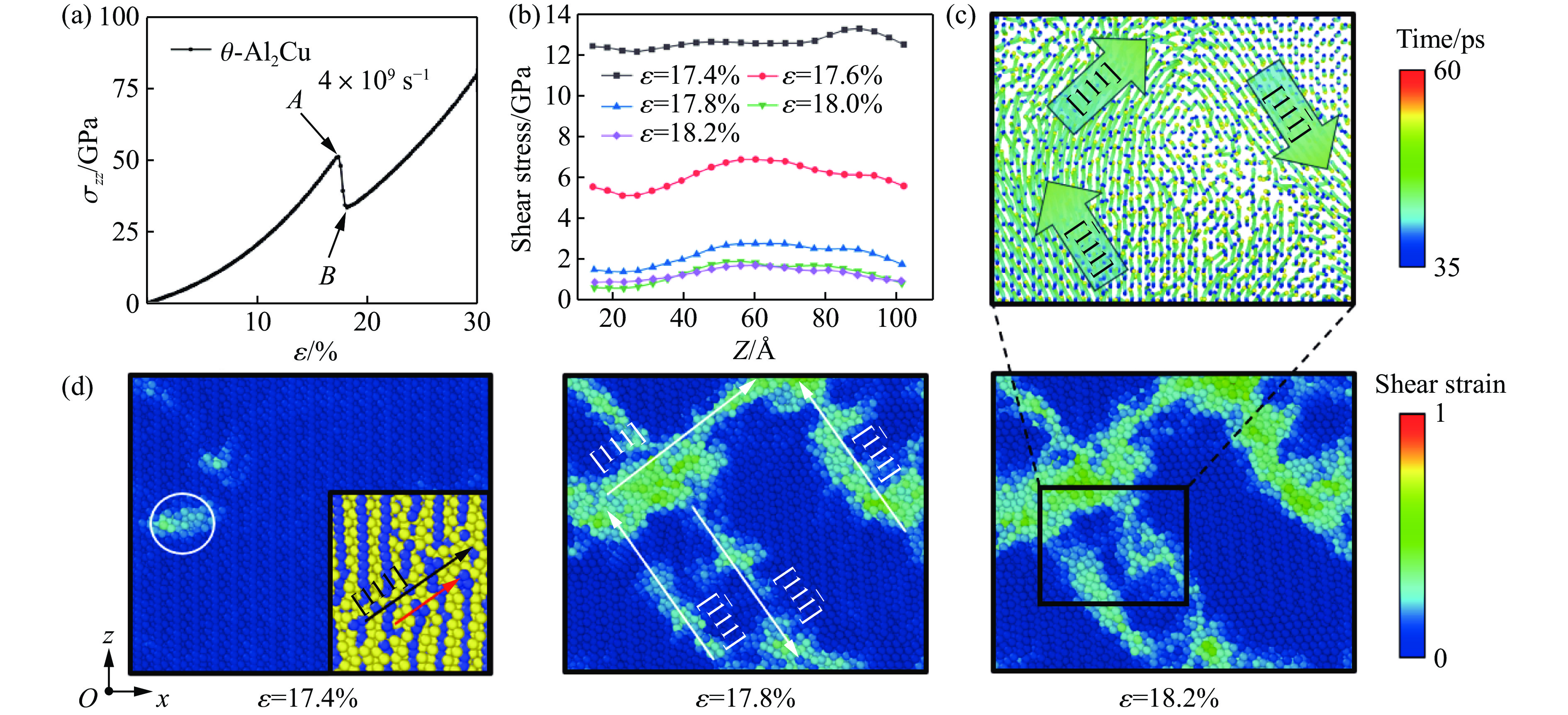
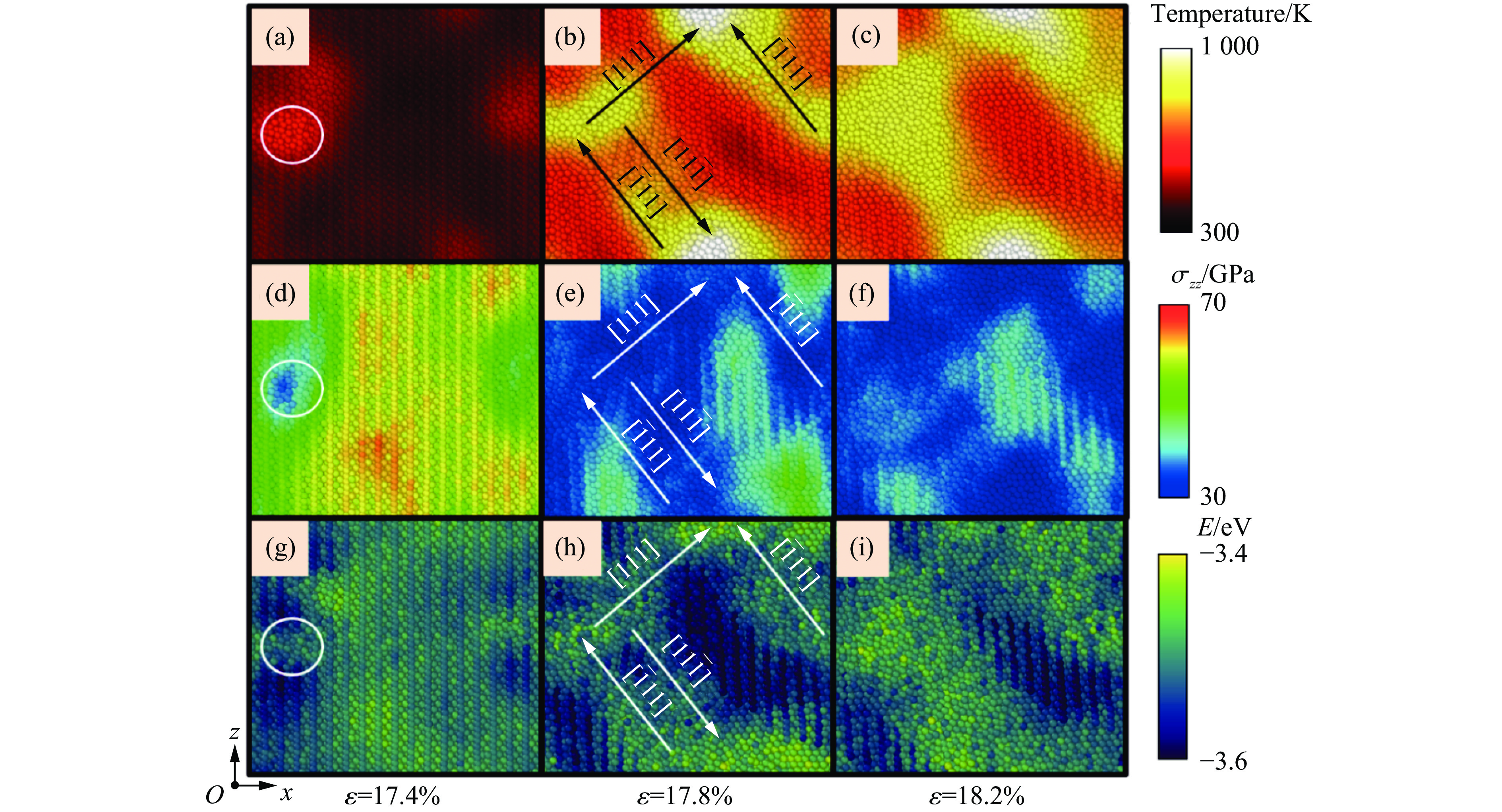
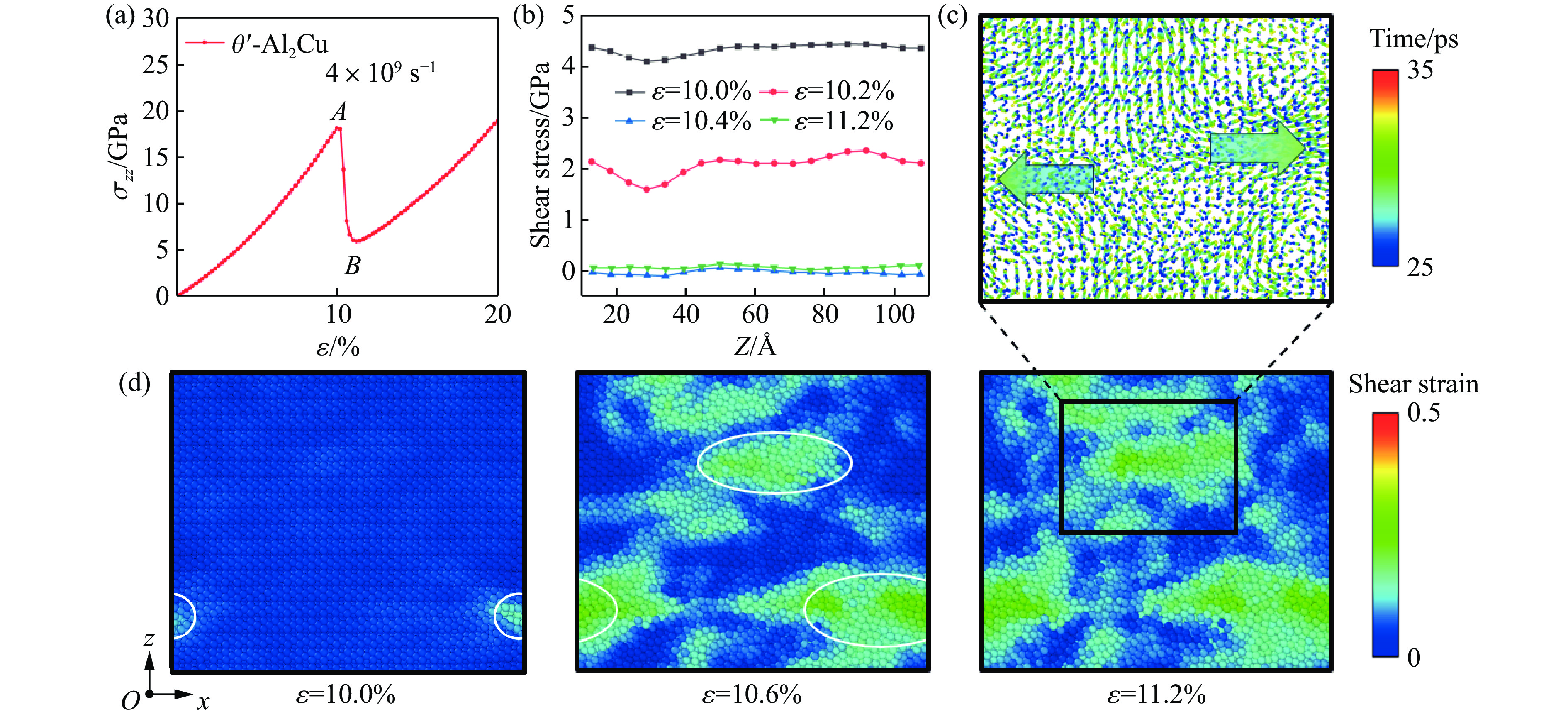
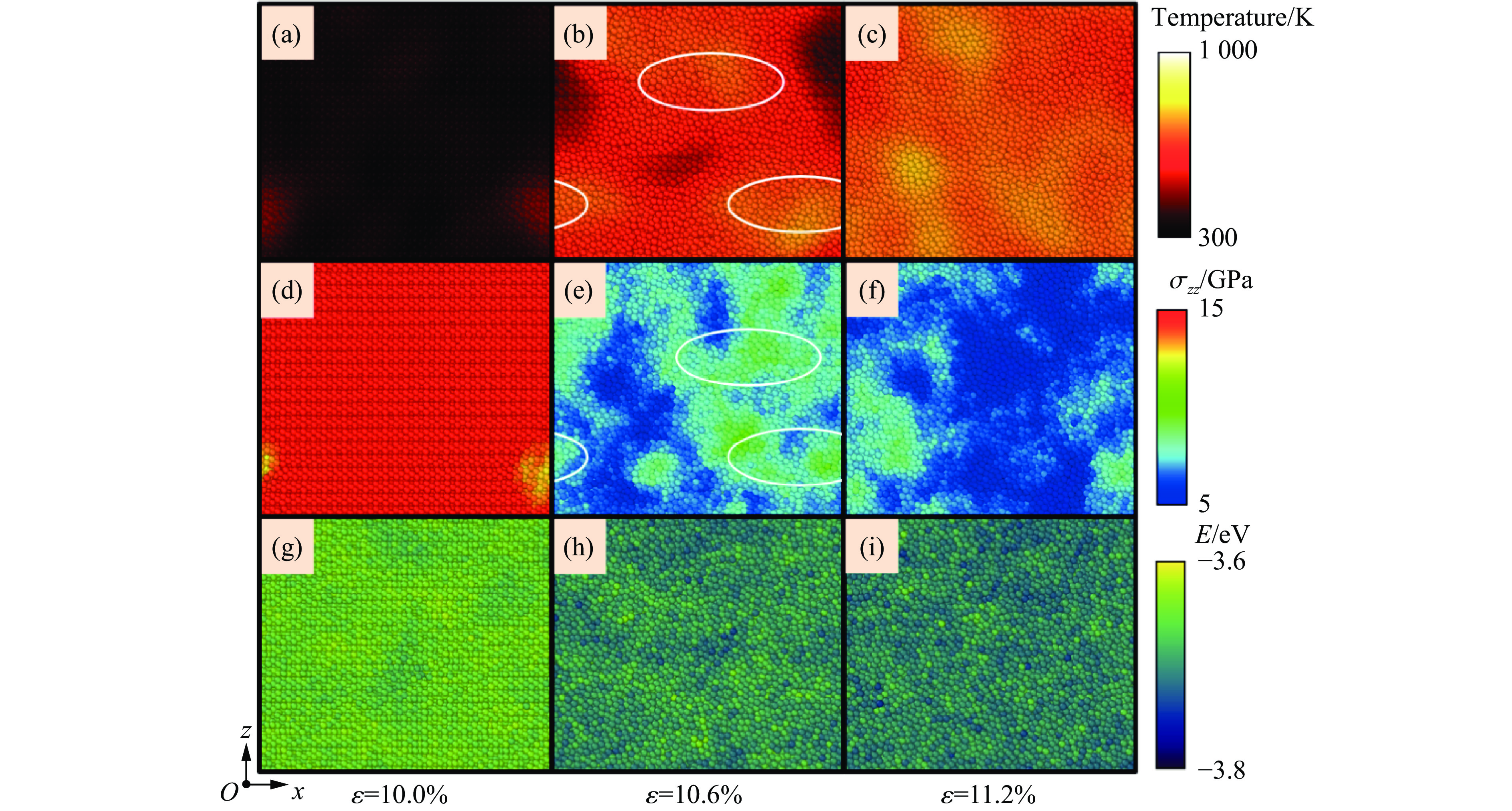
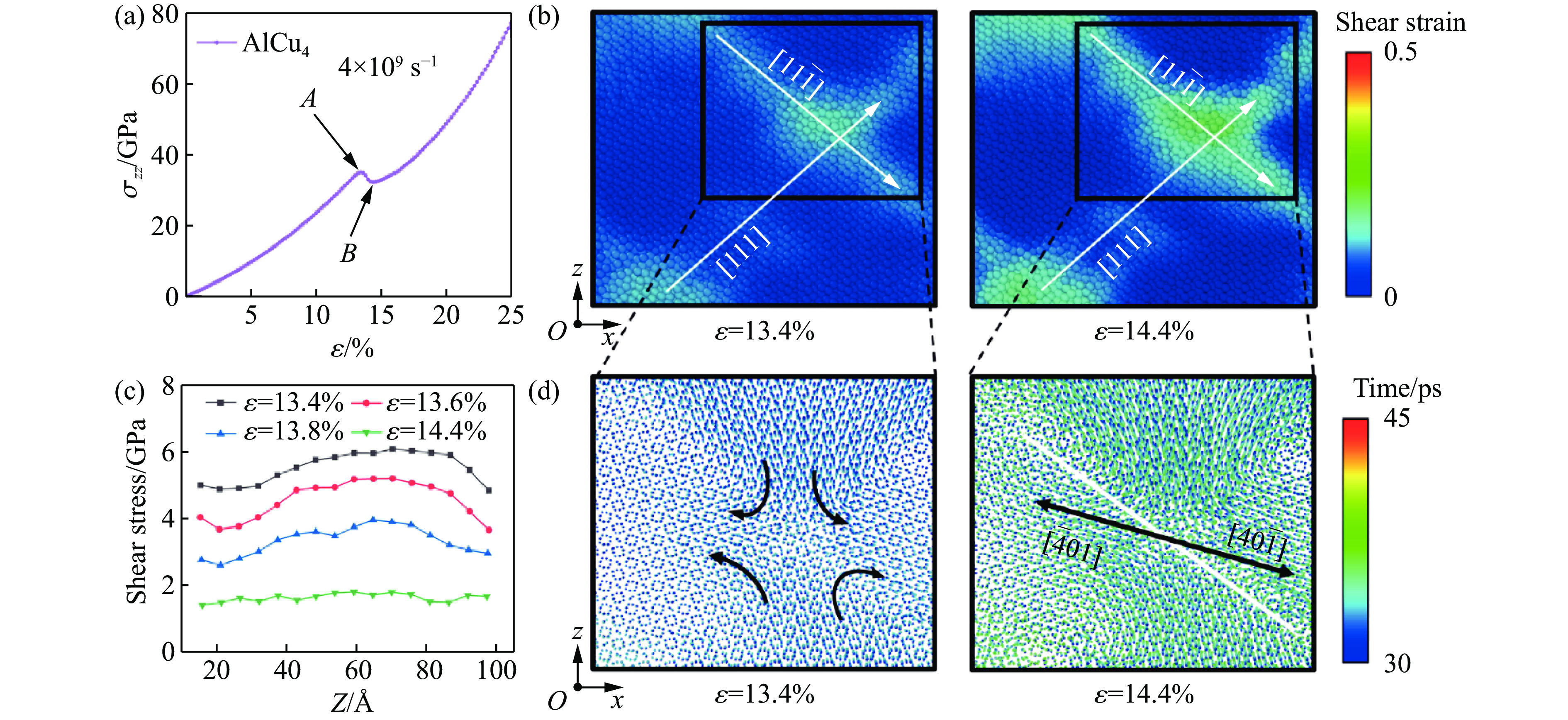
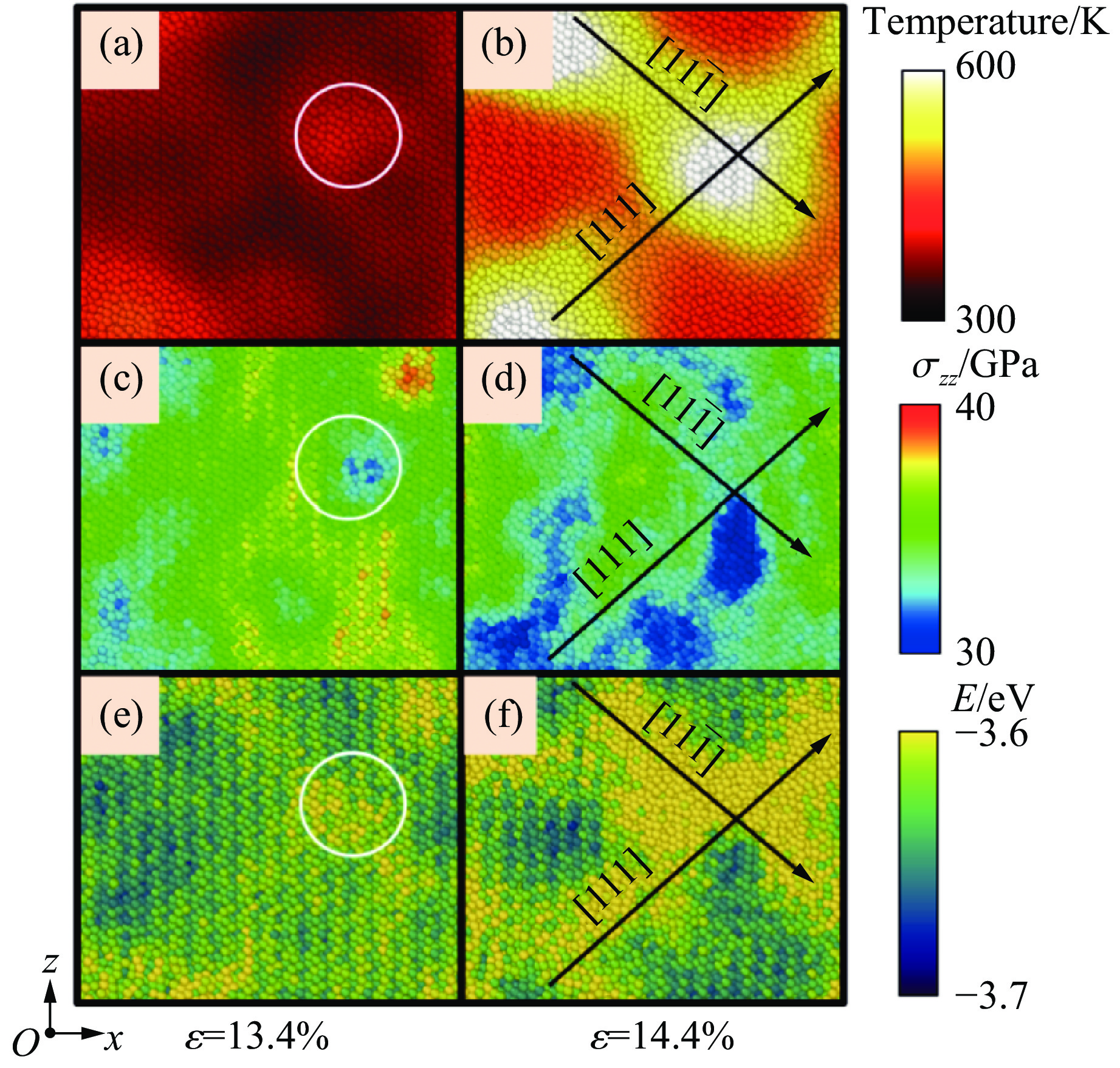
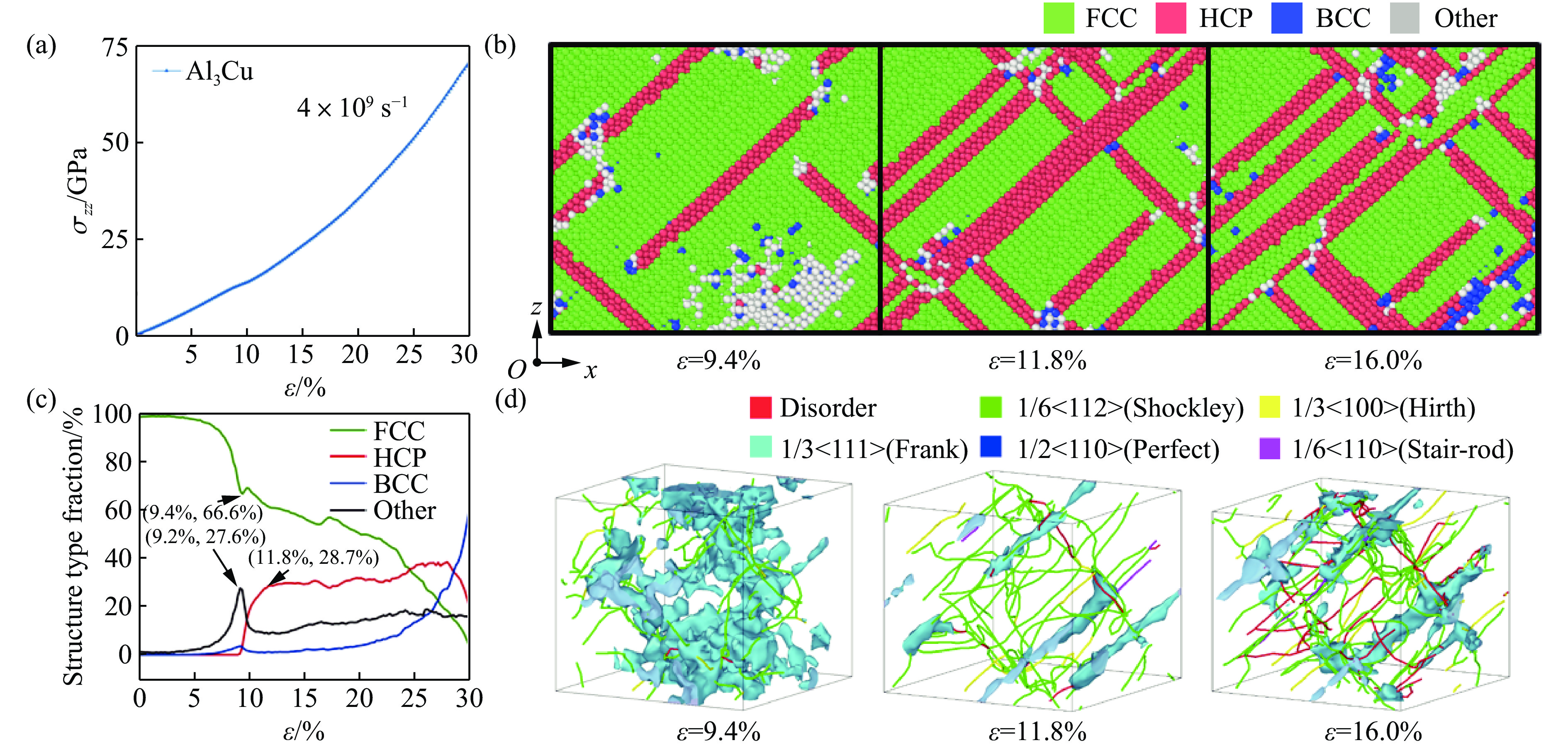
The optimization design of Al-Cu intermetallic compounds is crucial for the mechanical properties of Al-Cu alloys. Molecular dynamics (MD) simulation can provide microscopic processes of the mechanical behavior of Al-Cu alloys, and the interatomic potential is the key physical basis to ensure the reliability of the MD simulation. This work constructed a depth potential (DP) function for the Al-Cu system based on first-principles calculations, and compared the physical properties predicted by DP (crystal structure, energy-volume curve, pressure-volume curve, and phonon spectrum) with density functional theory (DFT) and embedded atom method (EAM) results. The generalization ability and accuracy of the DP model were verified. Based on the DP potential, MD simulations were conducted on the compression process of five Al-Cu intermetallic compounds (θ-Al2Cu, θ′-Al2Cu, Al3Cu, Al4Cu9, and AlCu4 phases). The characteristics and laws of yielding phenomena in structures such as θ-Al2Cu, θ′-Al2Cu and AlCu4 were presented. The yield stress and shear stress of θ-Al2Cu, θ′-Al2Cu and AlCu4 increase with the increase of strain rate, and the yield strain also increases correspondingly. This phenomenon arises from the enhancement of phonon drag obstruction to atomic slip. Among them, θ-Al2Cu has the best compressive performance, yielding at a strain rate of 4×10⁹ s−1 when compressed to 17.4%, with a yield strength of 51.15 GPa. Screw dislocations are produced, and the atoms slip along the [$ \overline{1} 11$], [111] and [$11 \overline{1} $] directions. θ′-Al2Cu yields when compressed to 10.0%, and the atoms slip in the plane perpendicular to the compression. Yielding occurs when the AlCu4 phase is compressed to 13.4% and the atoms slip along the [401] and [$40 \overline{1} $] directions.

Spinodal Decomposition in (Ti, Zr)(C, N) Ceramics: Data-Driven Efficient Design and Hardness-Toughness Synergy
ZHANG Zhixuan, ZHANG Zongyao, CHANG Guorui, WANG Weili, LI Na, ZHANG Weibin
2025, 39(11): 110107. doi: 10.11858/gywlxb.20251134
HTML PDF (16)
Abstract:

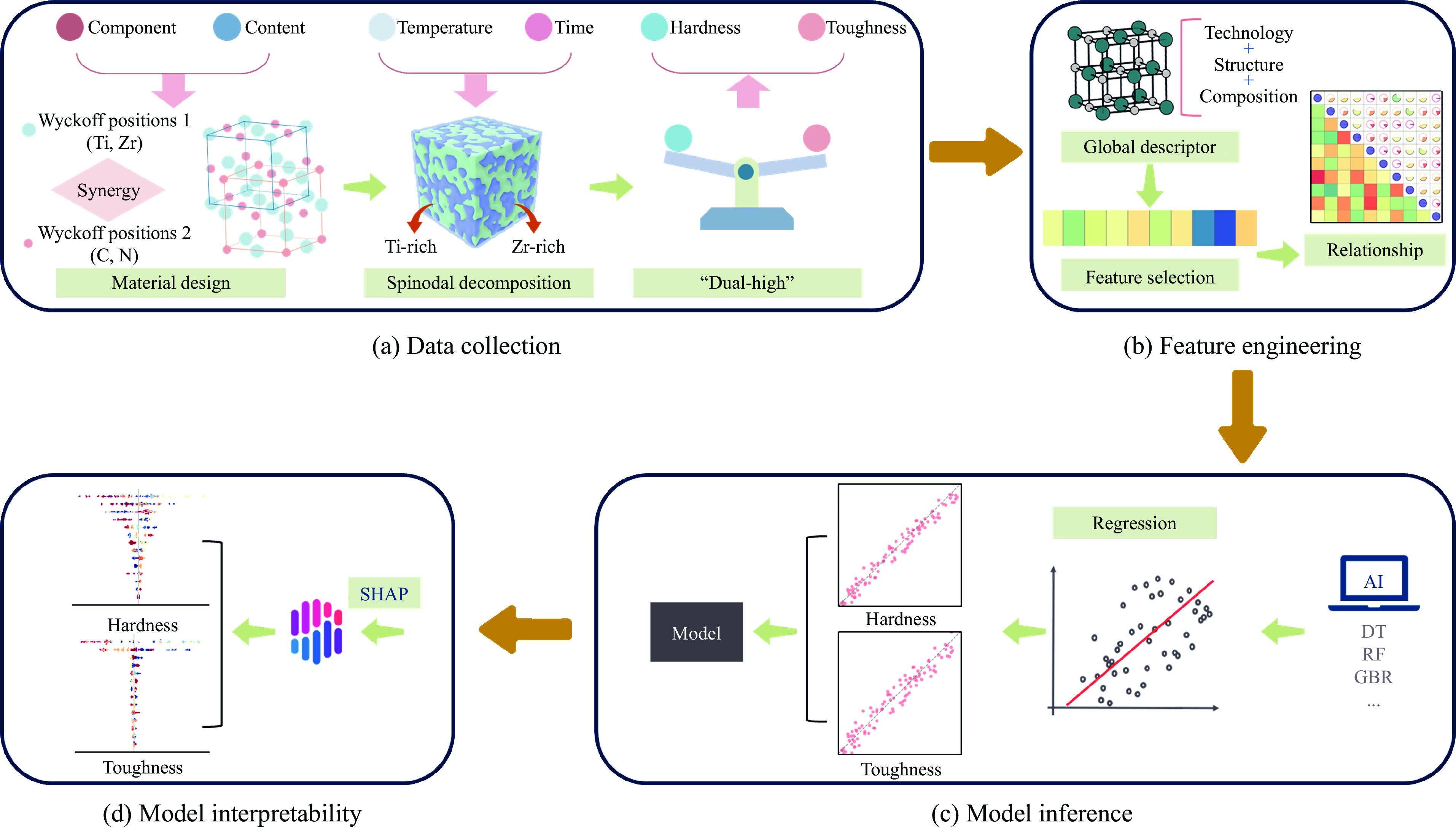
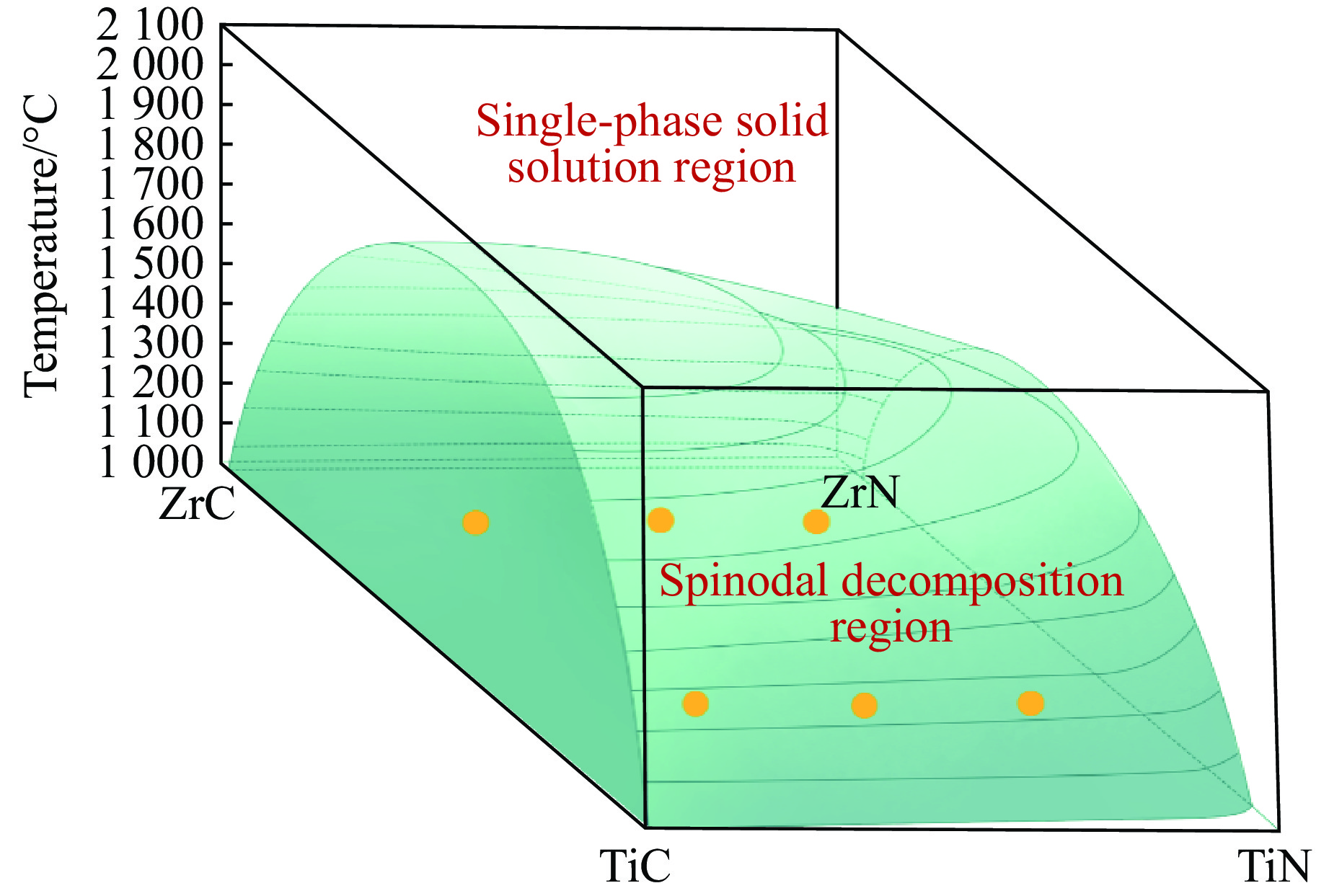
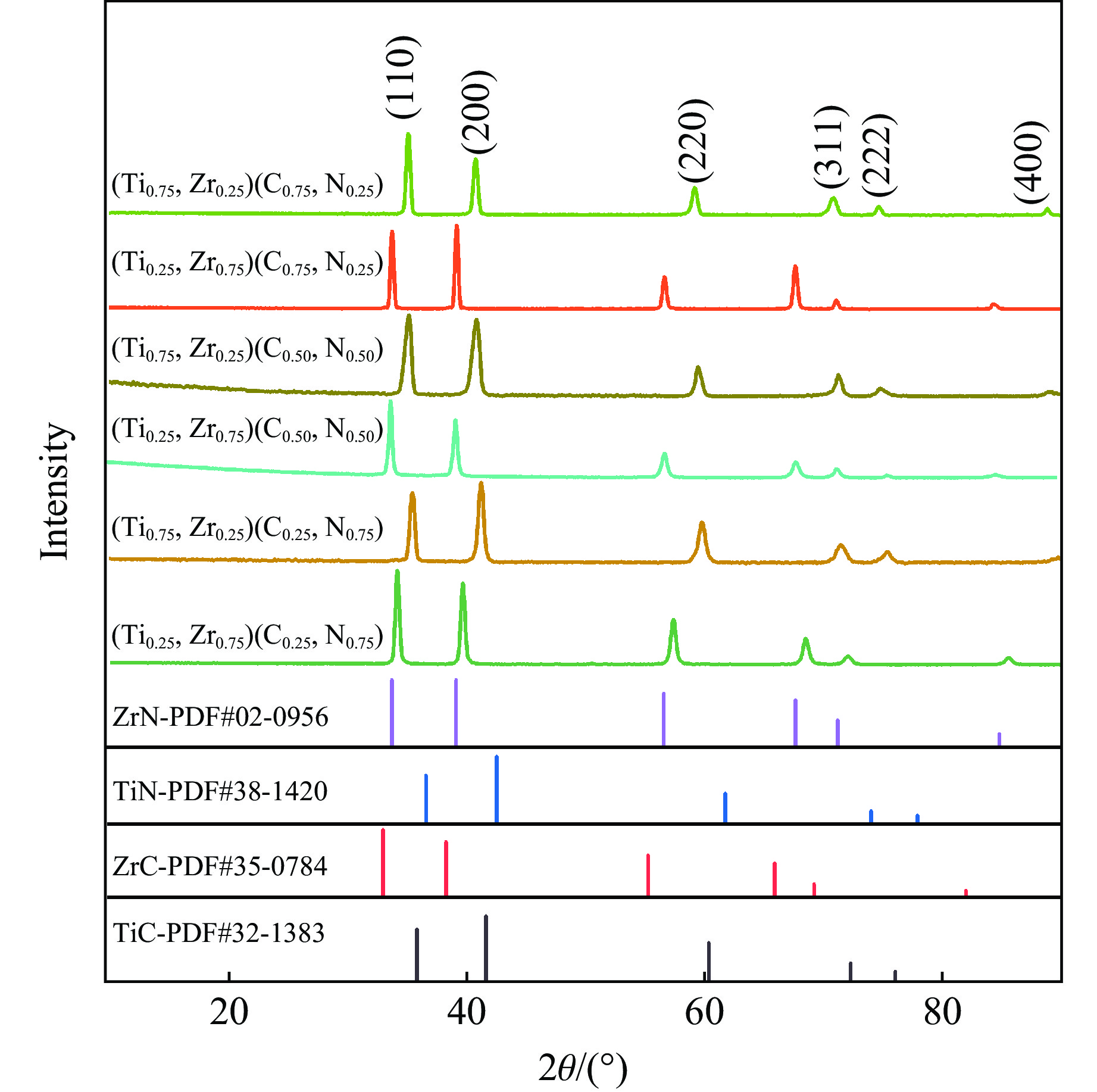
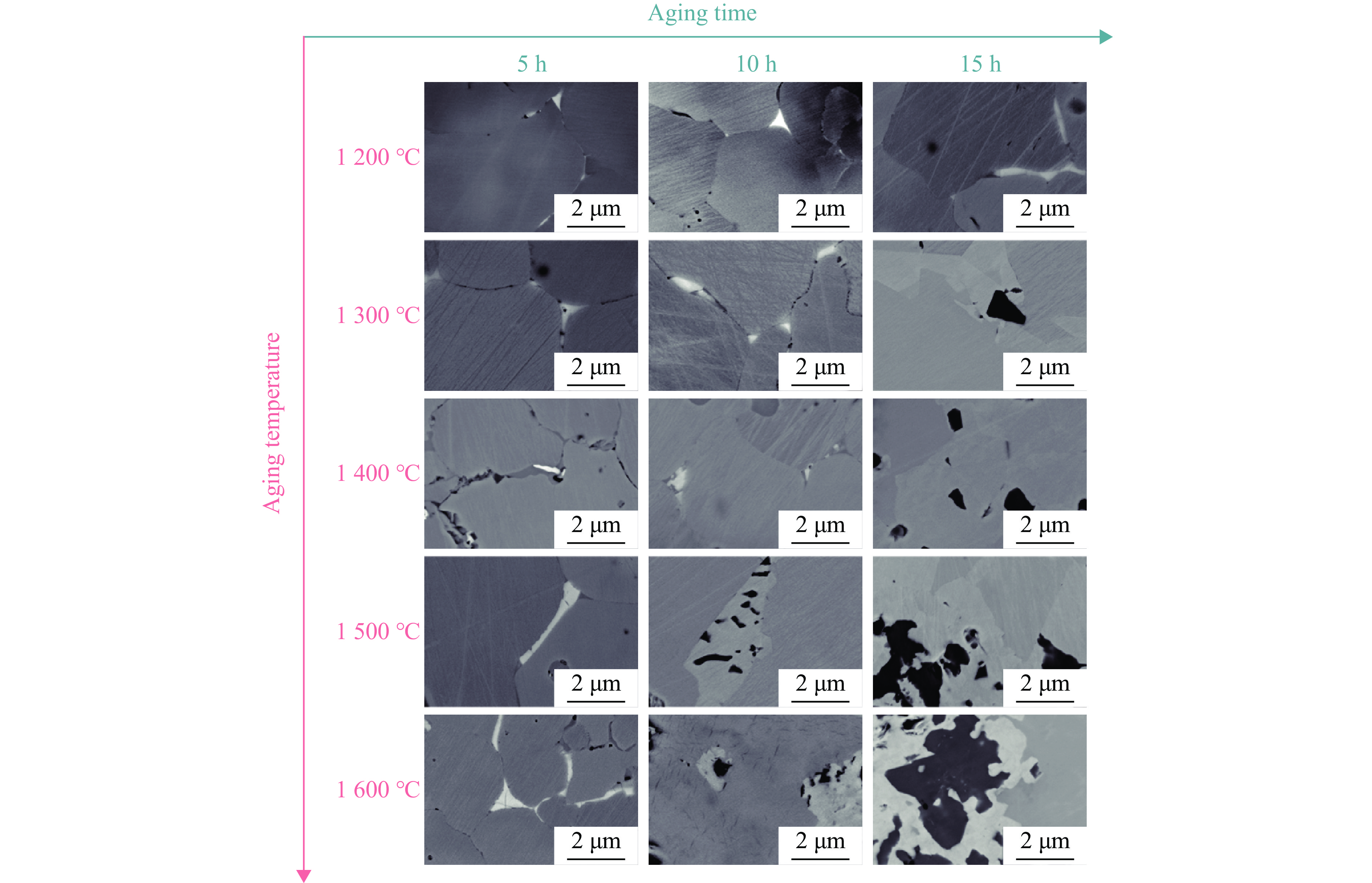
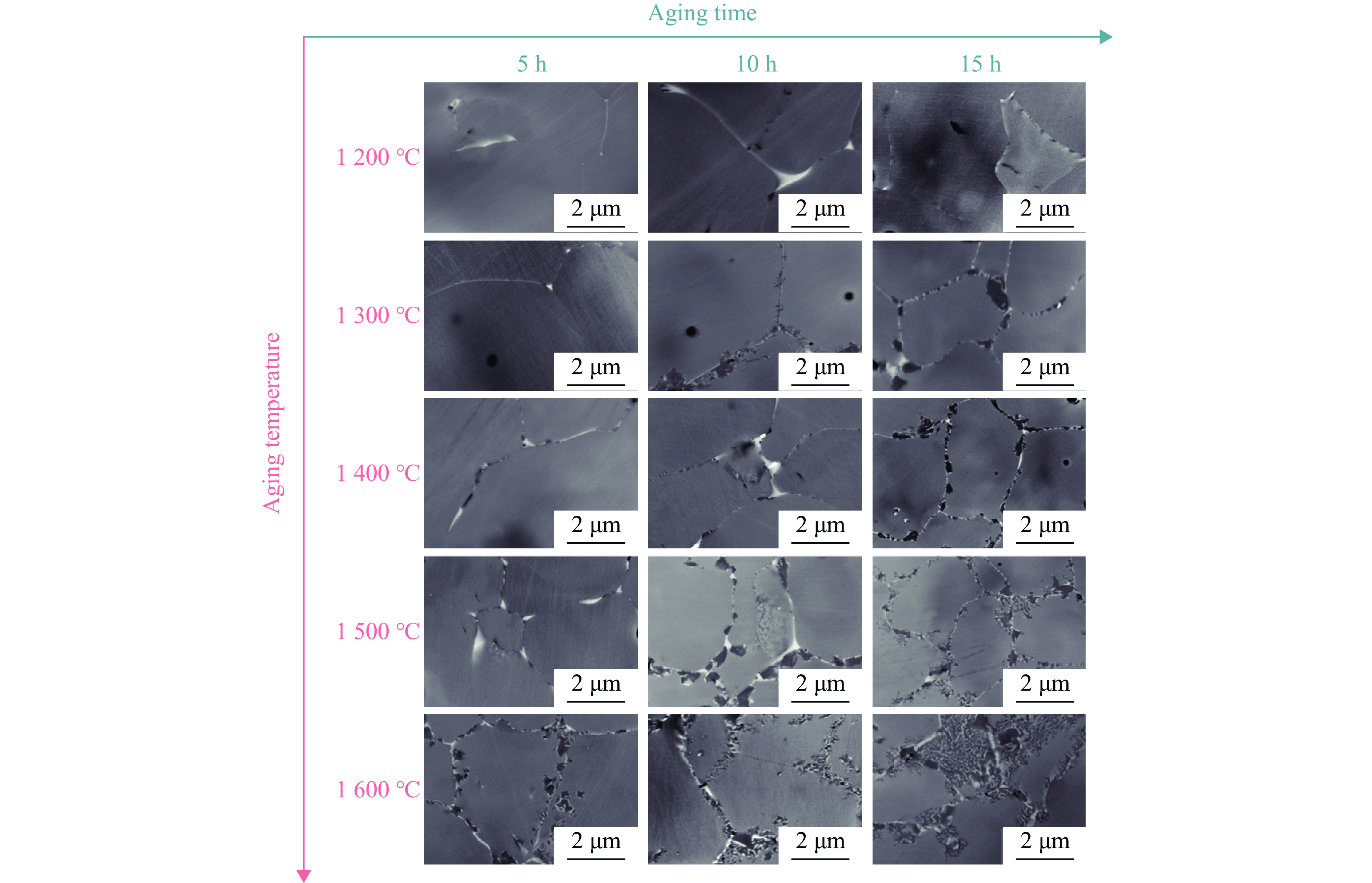
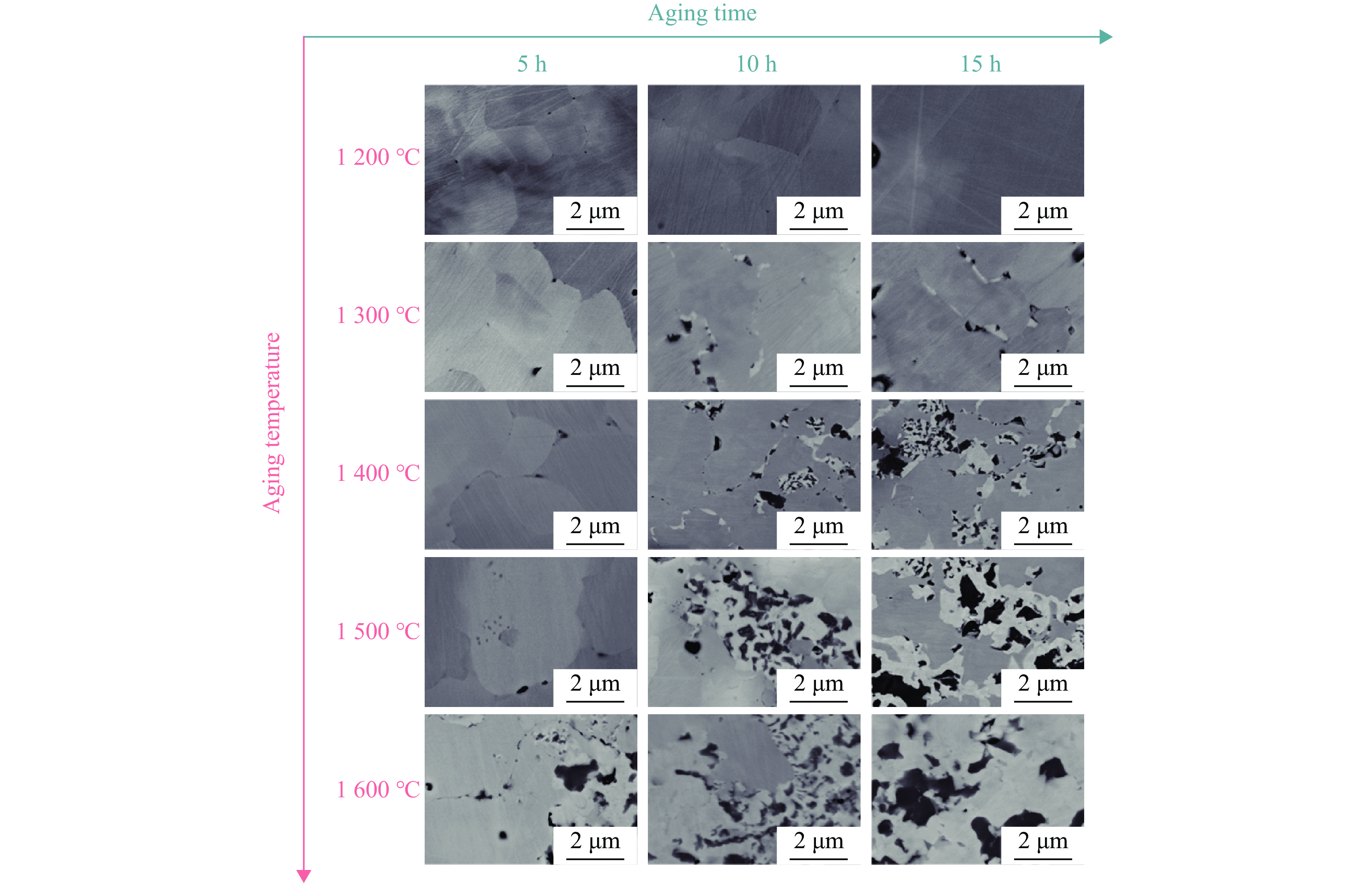
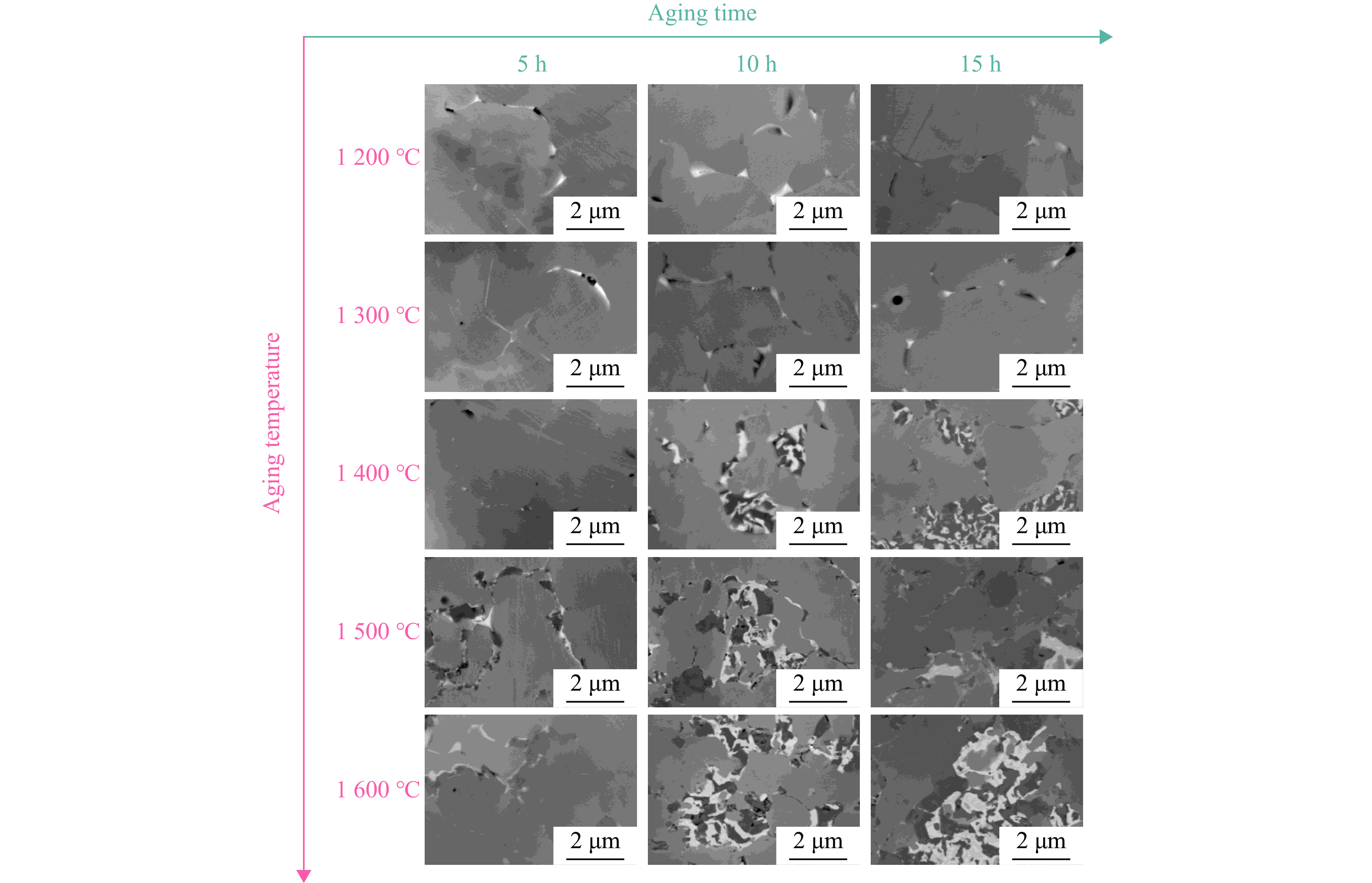
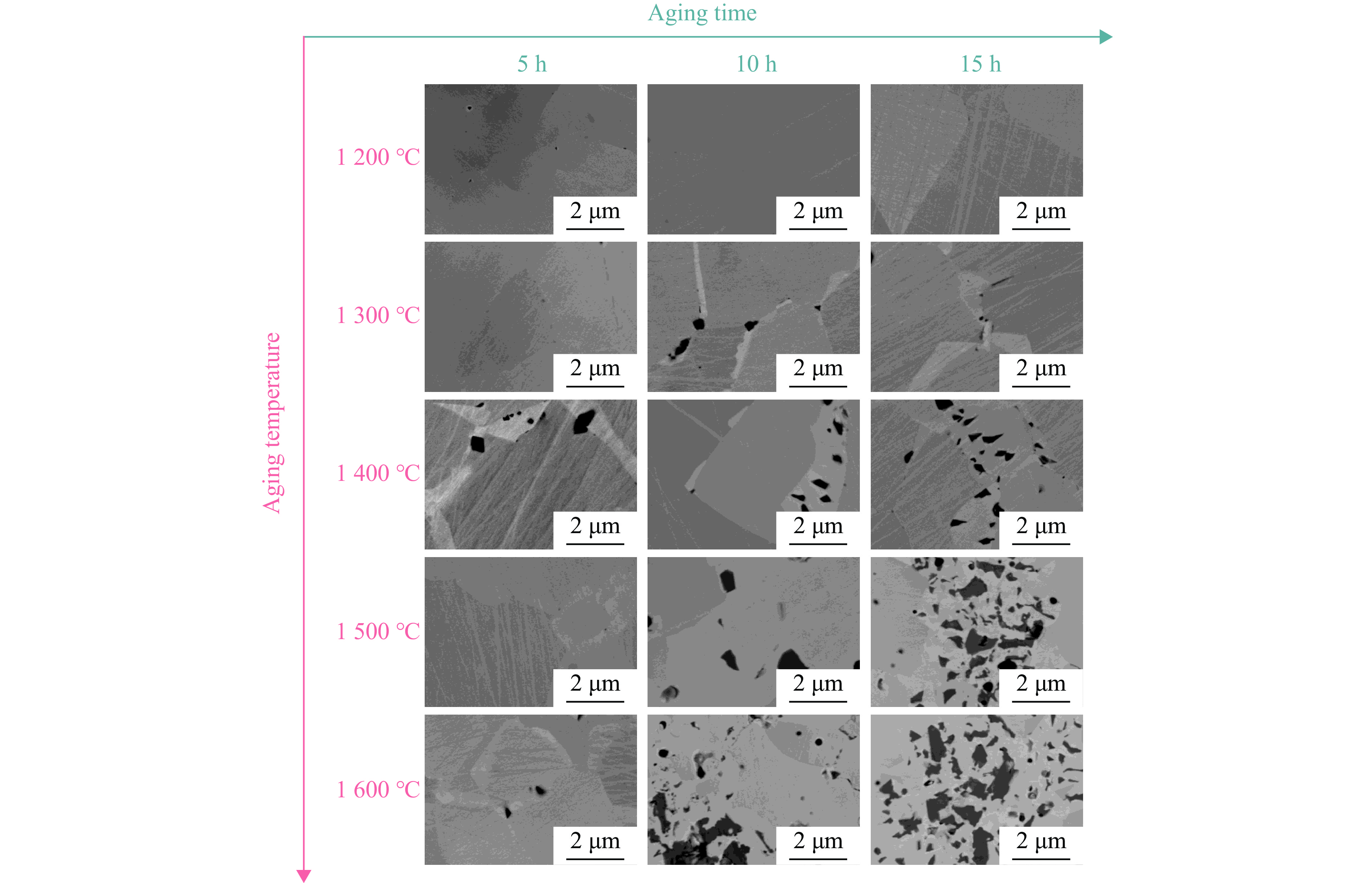
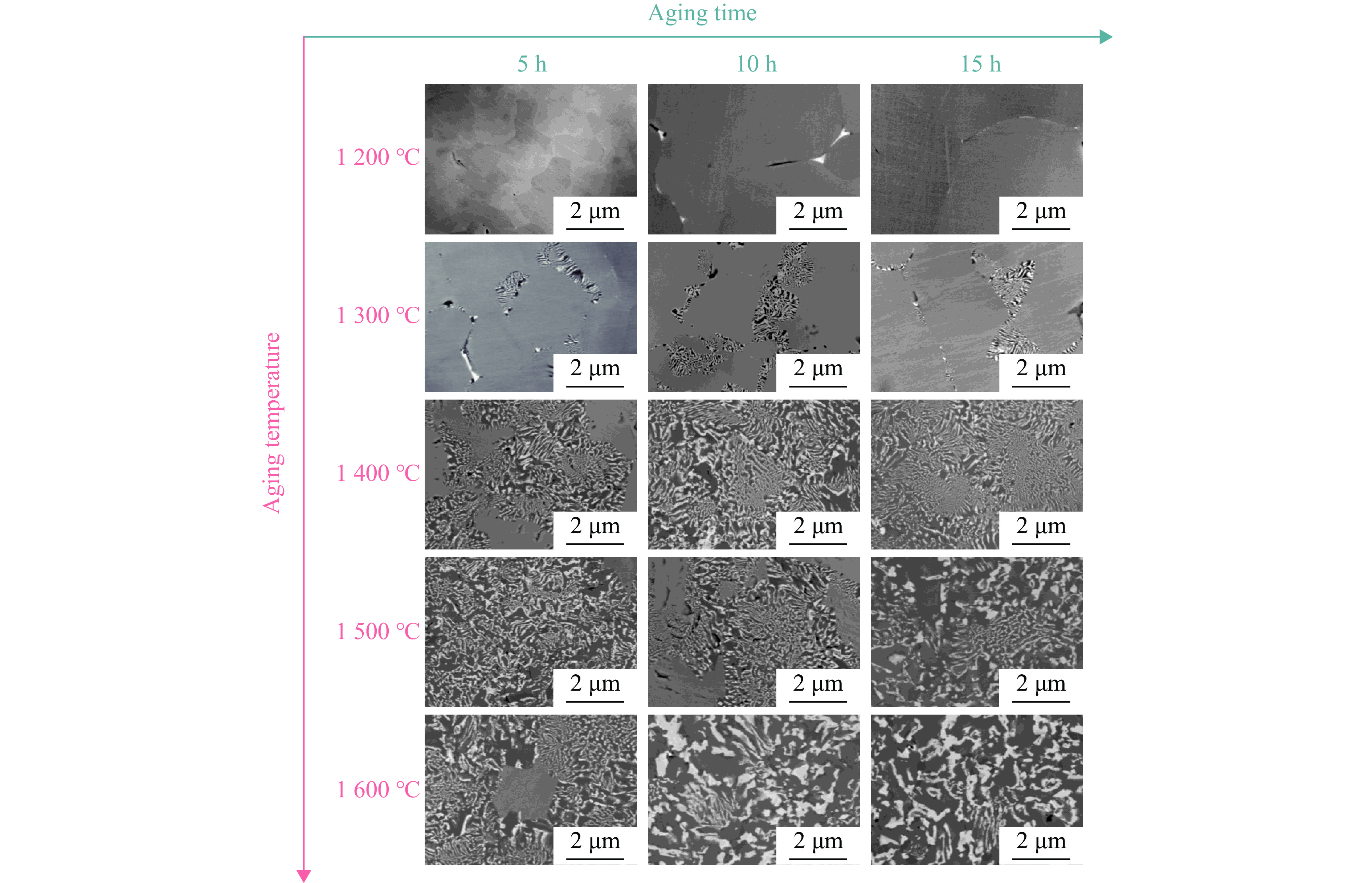
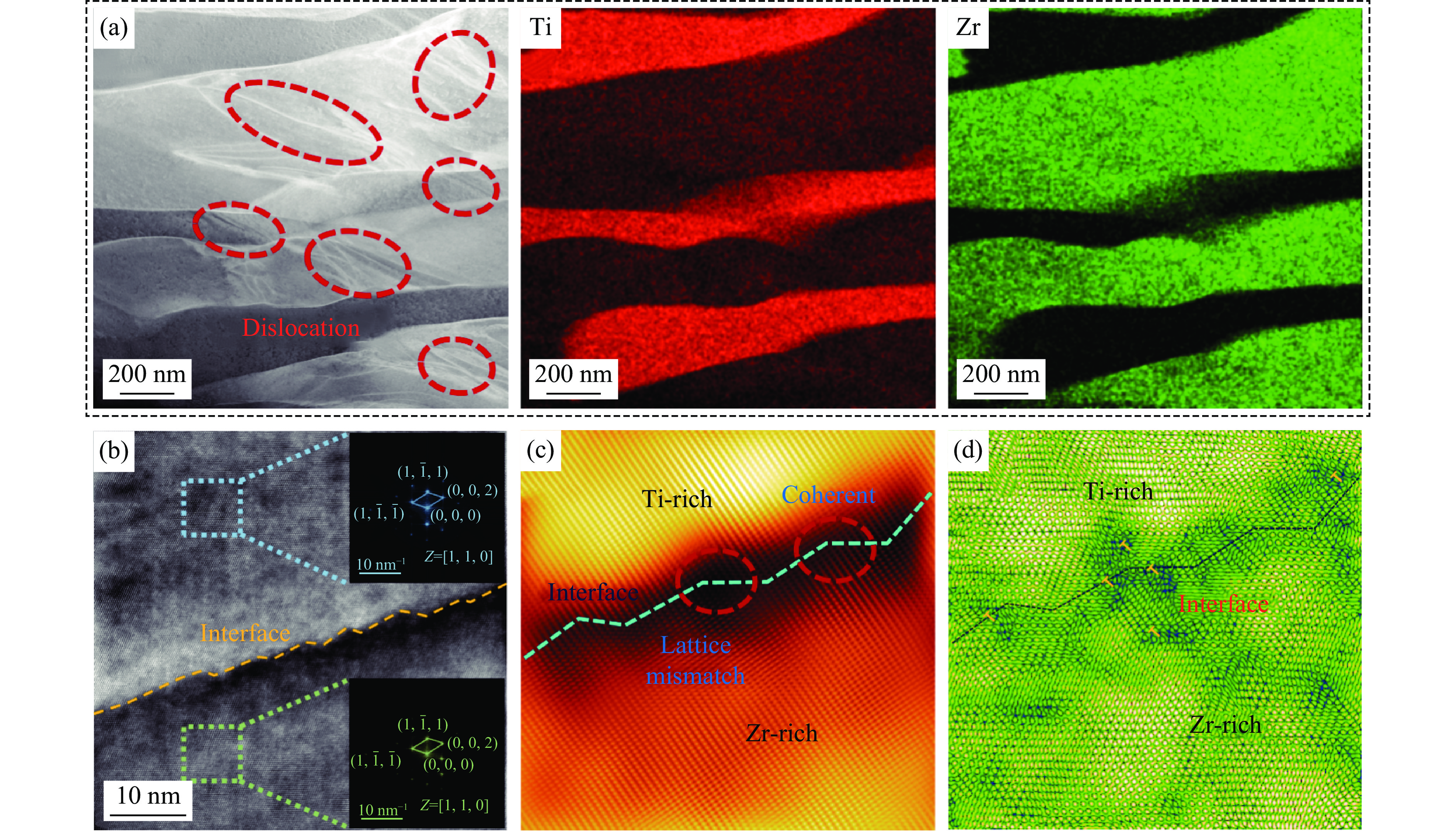
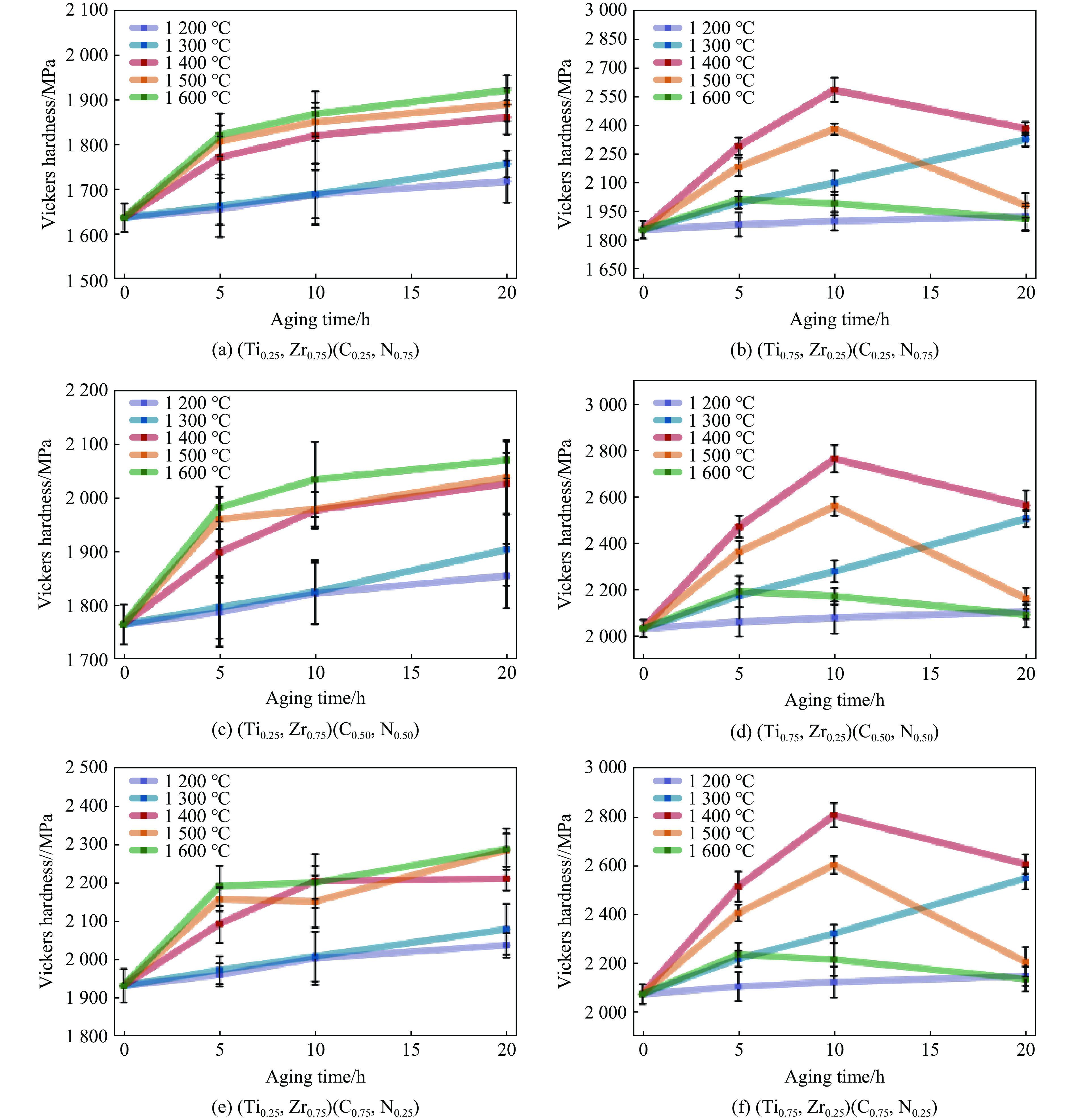
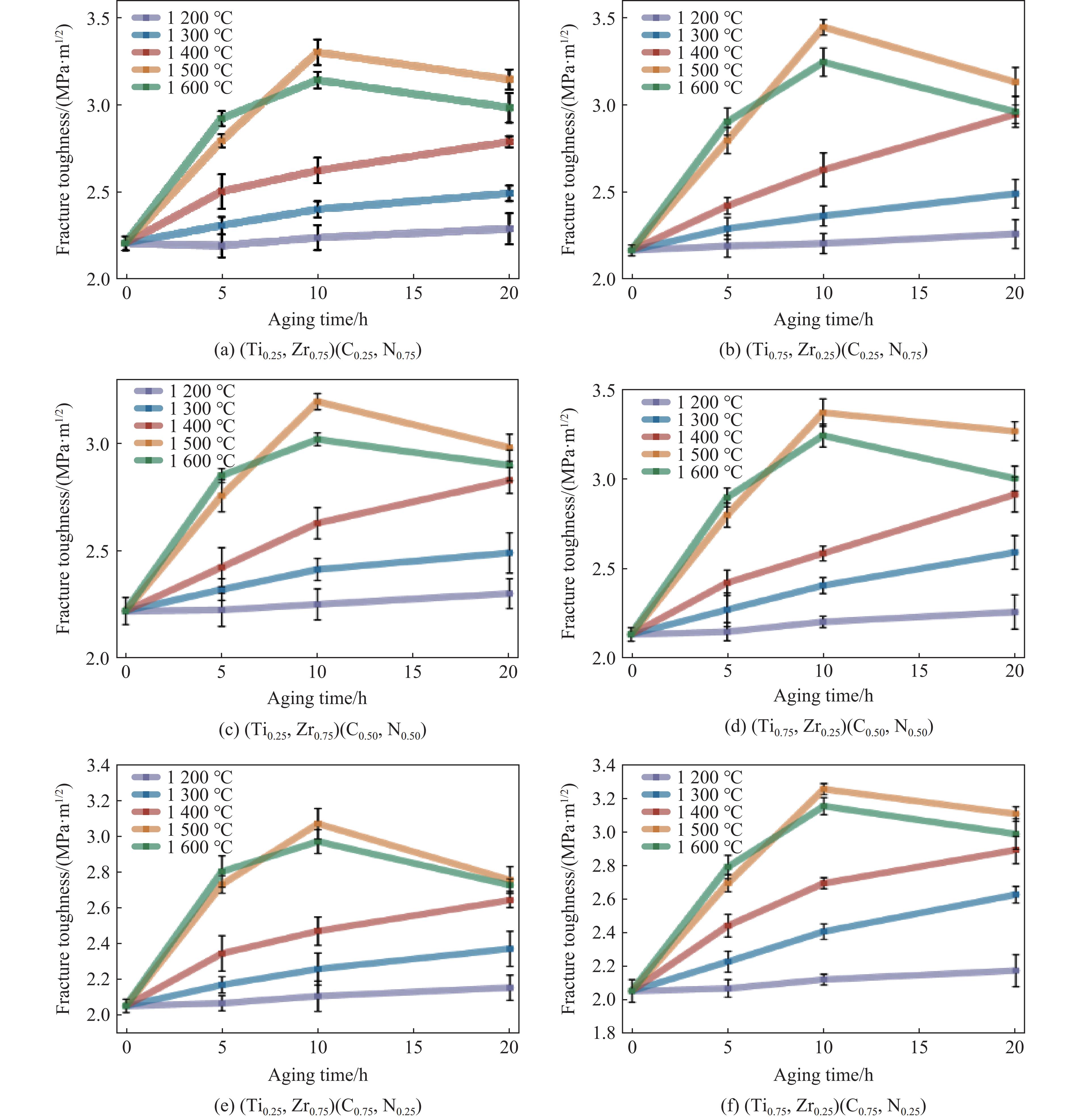
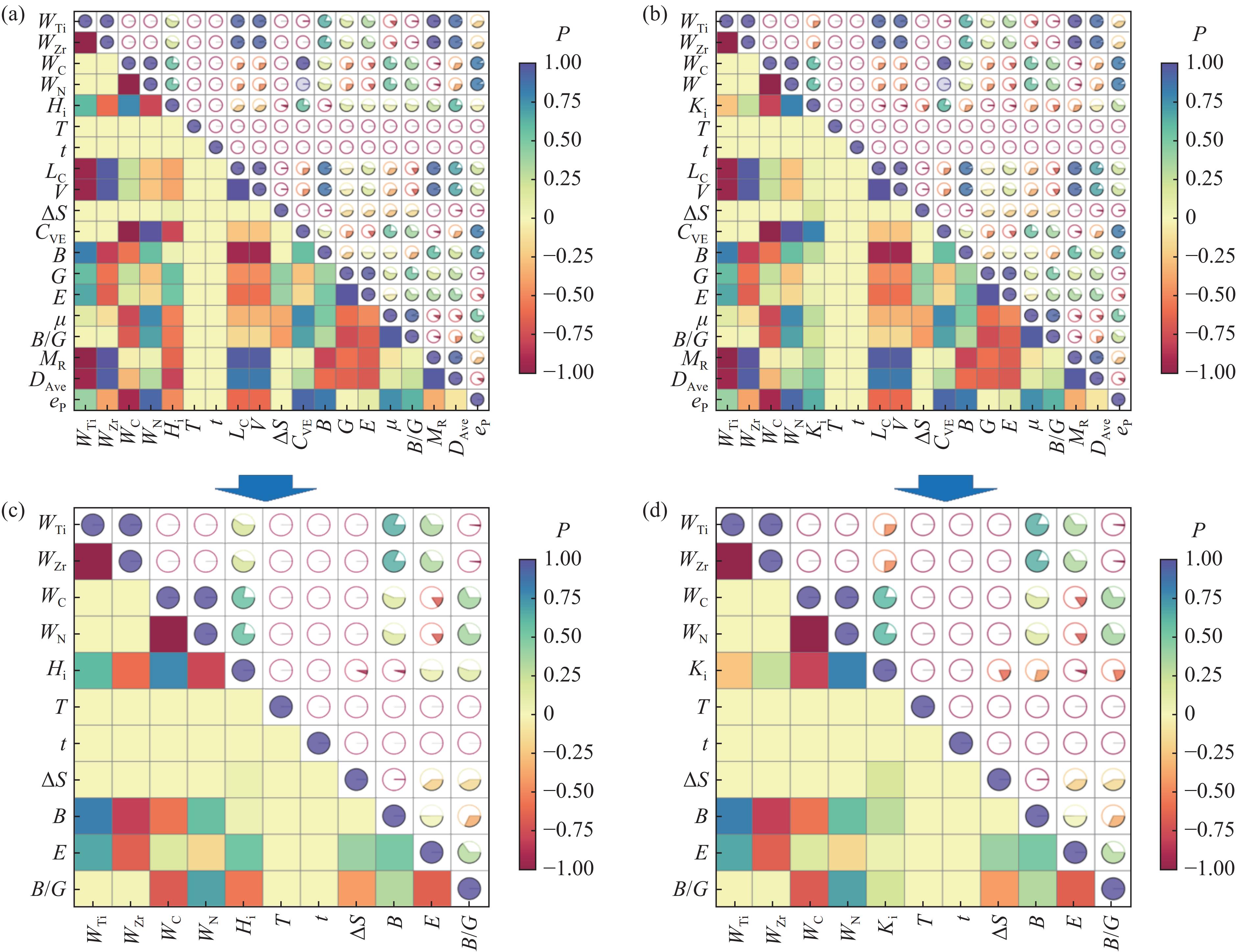
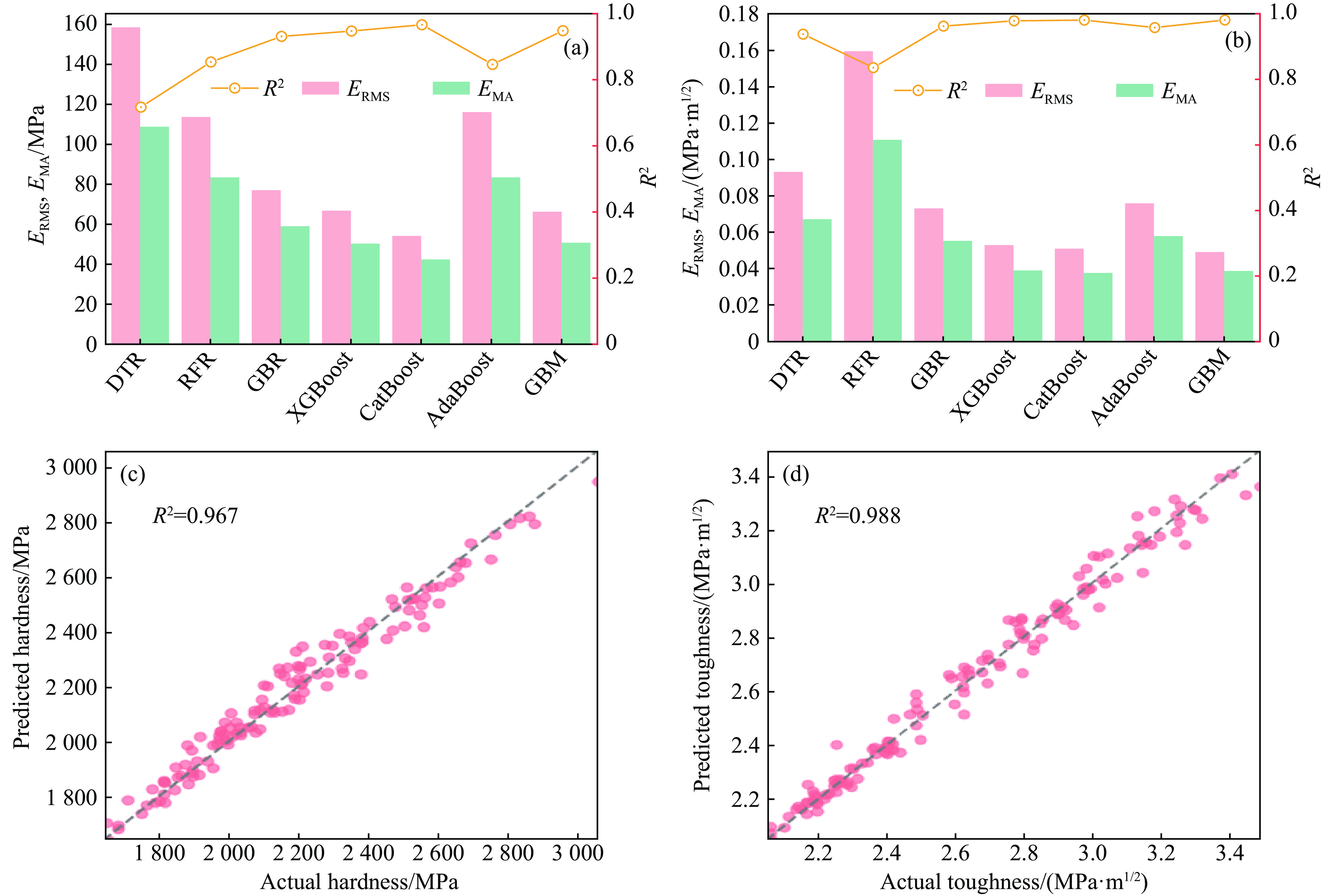
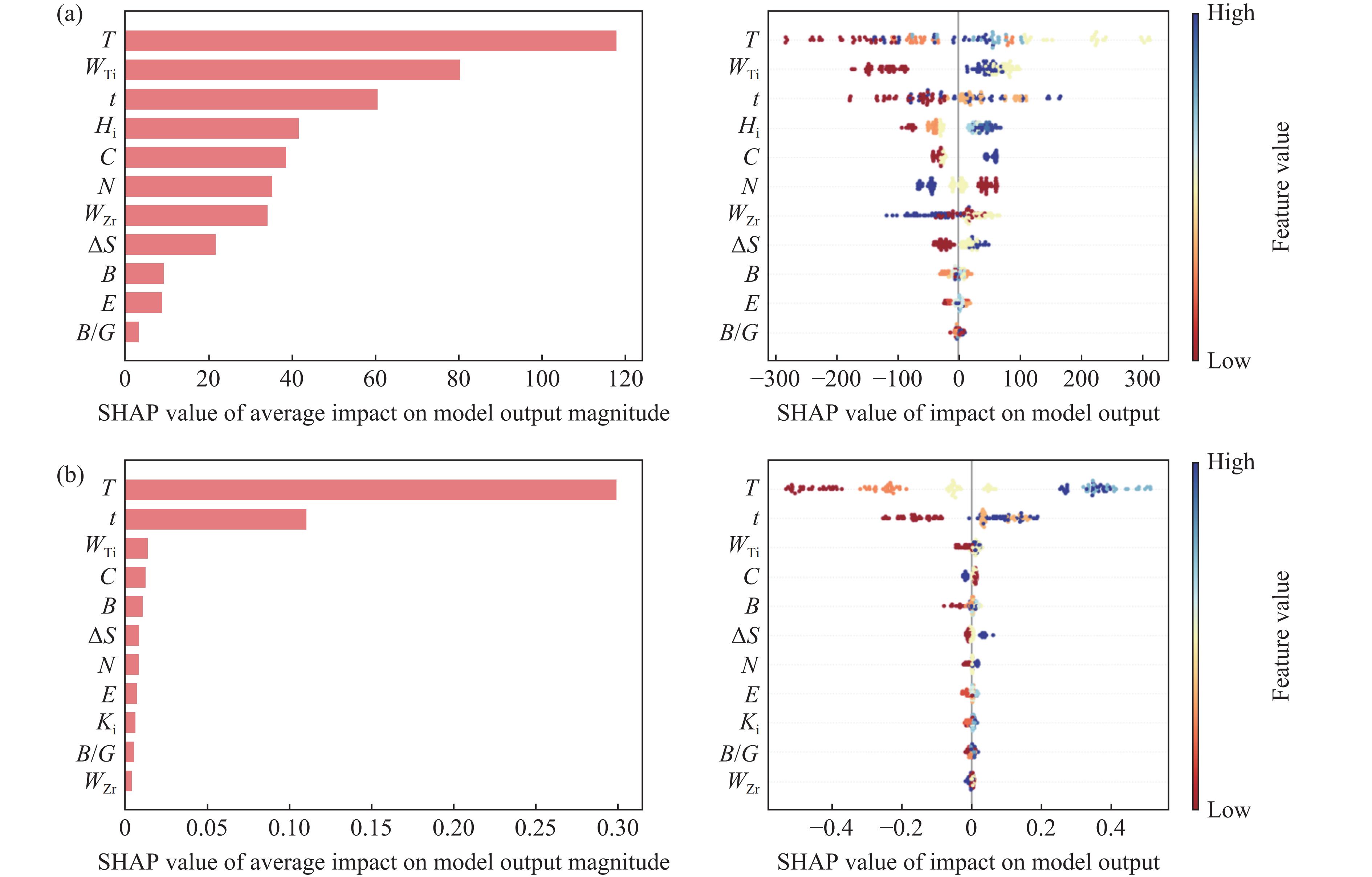
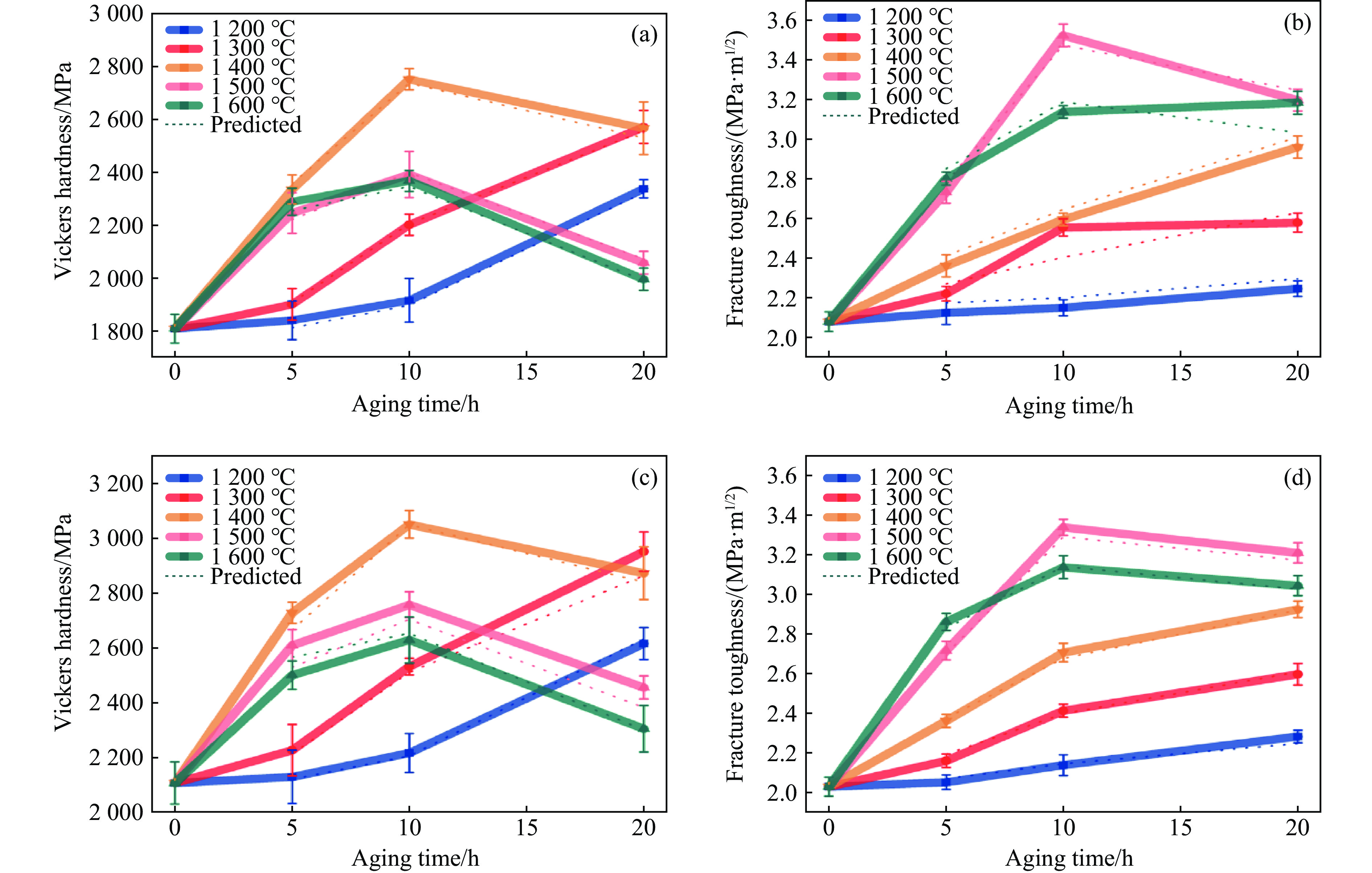
Traditional transition-metal carbide and nitride ceramics often exhibit a trade-off between hardness and toughness, leading to significantly reduced service life under severe conditions such as wear, corrosion, and high temperature. In this study, a spinodal decomposition-induced phasese paration strategy was employed to simultaneously enhance the hardness and toughness of (Ti, Zr)(C, N) carbonitride ceramics. Guided by thermodynamic calculations, a series of compositional variants of (Ti, Zr)(C, N) ceramics were synthesized, and the effects of aging temperature and duration on the microstructural evolution were systematically investigated. The experimental results demonstrate that spinodal decomposition induces the formation of a nanoscale phase-separated network, which strengthens the material while preserving fracture resistance. Furthermore, machine-learning models were developed to quantitatively correlate composition, microstructural features, and mechanical properties, enabling efficient screening and optimization of carbonitride ceramics. This work not only elucidates the intrinsic mechanisms by which spinodal decomposition enhances ceramic mechanical performance but also provides a data-driven framework for the rational design of high-performance ceramics for extreme environments.

Accelerating Finite Element Analysis of Dynamic Impact Response of TiN/Ti Multilayer Coatings Based on Small Sample Machine Learning
ZHAN Yan, XU Bingquan, PENG Jian, WANG Chuanbin
2025, 39(11): 110108. doi: 10.11858/gywlxb.20251132
HTML PDF (20)
Abstract:

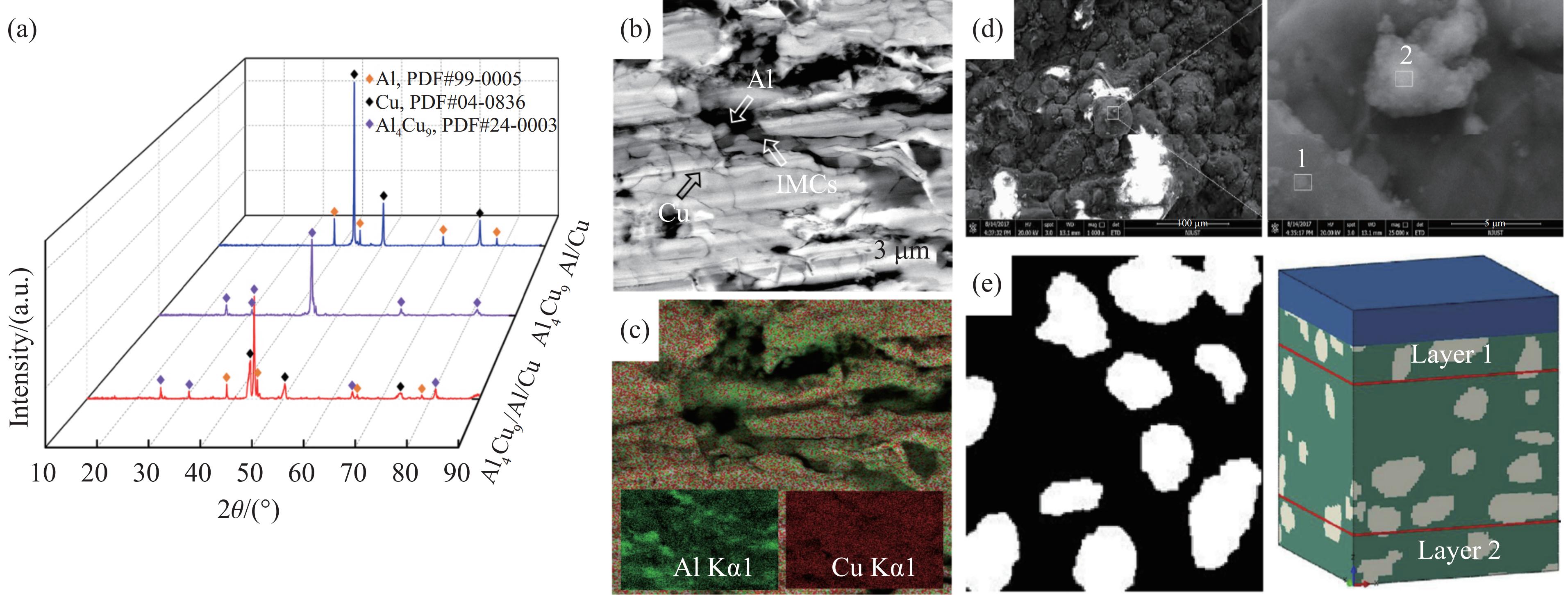
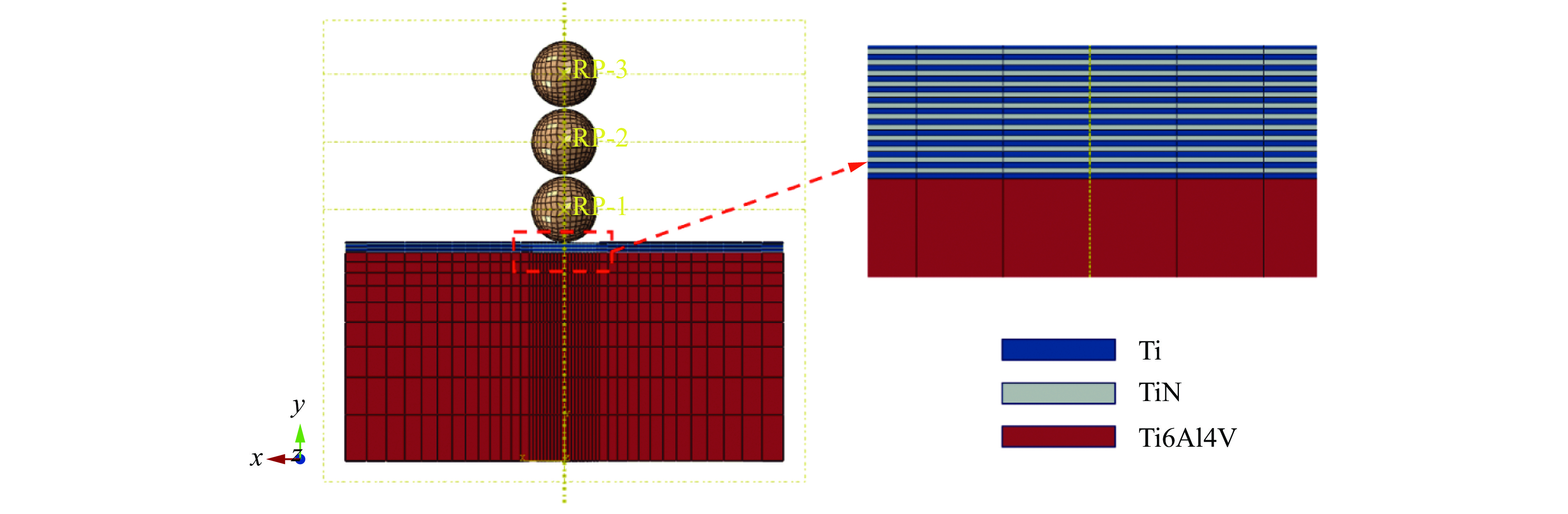
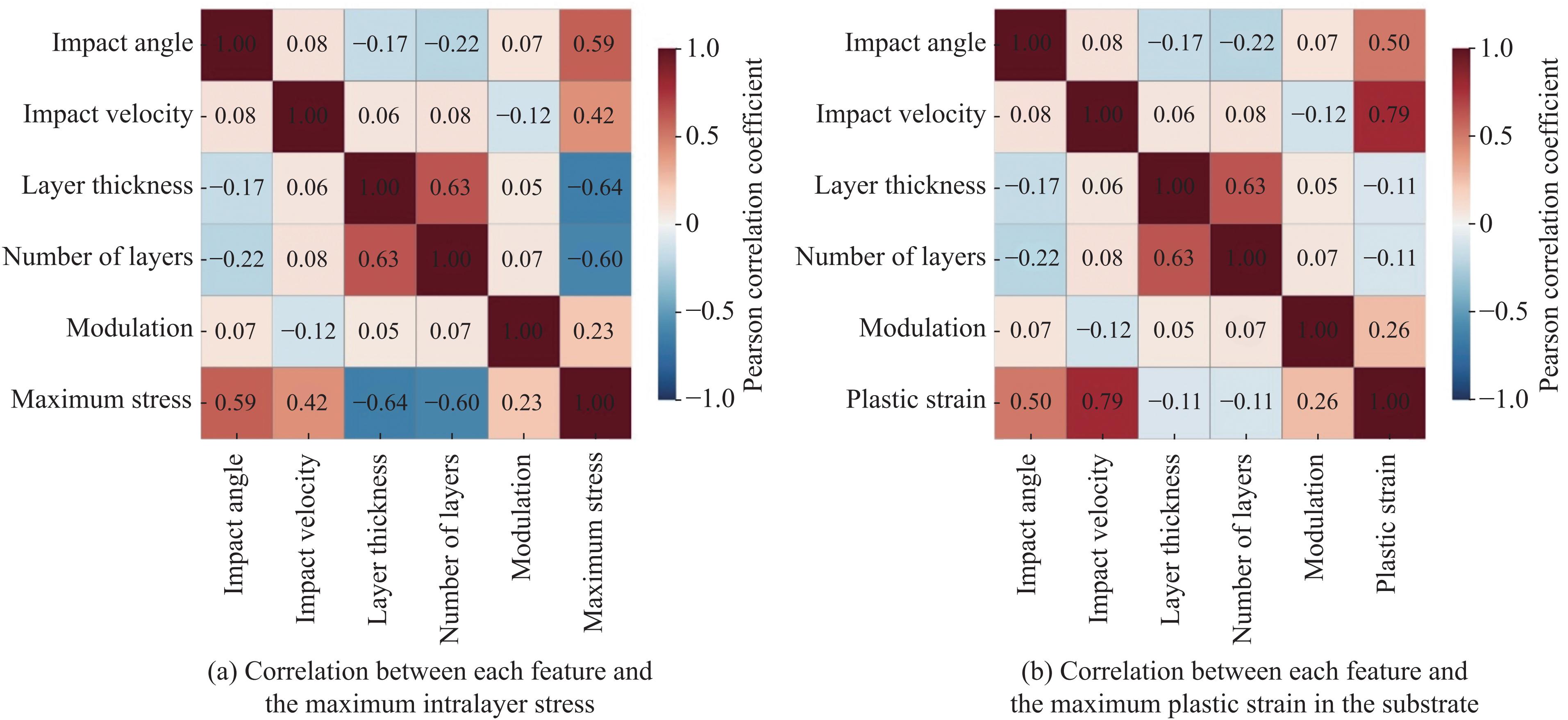
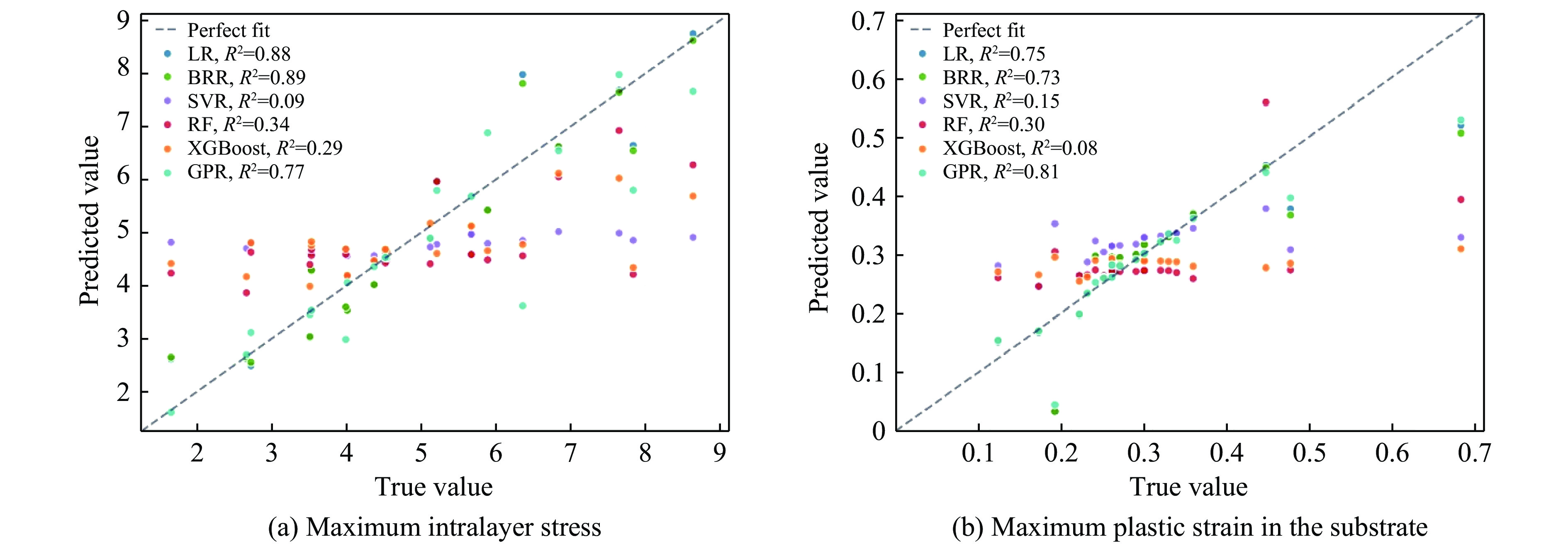
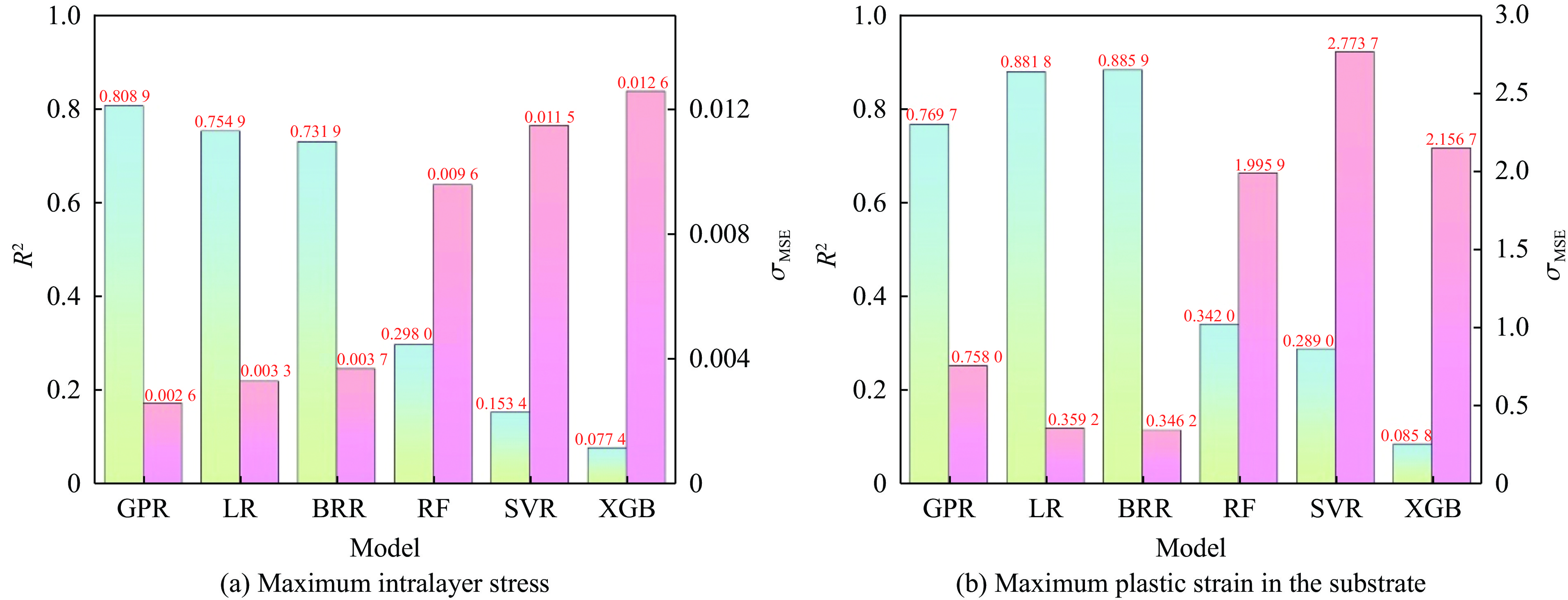
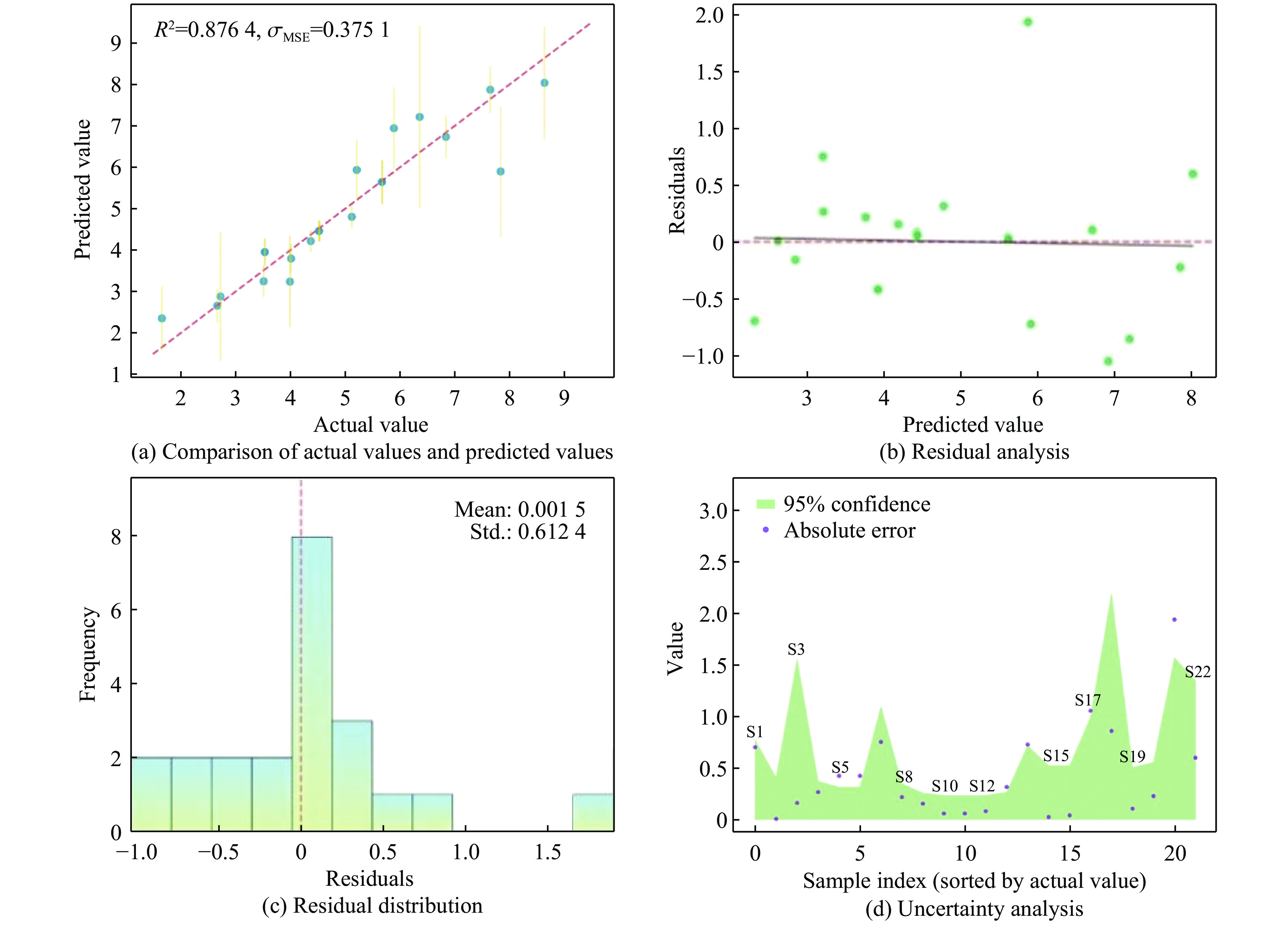
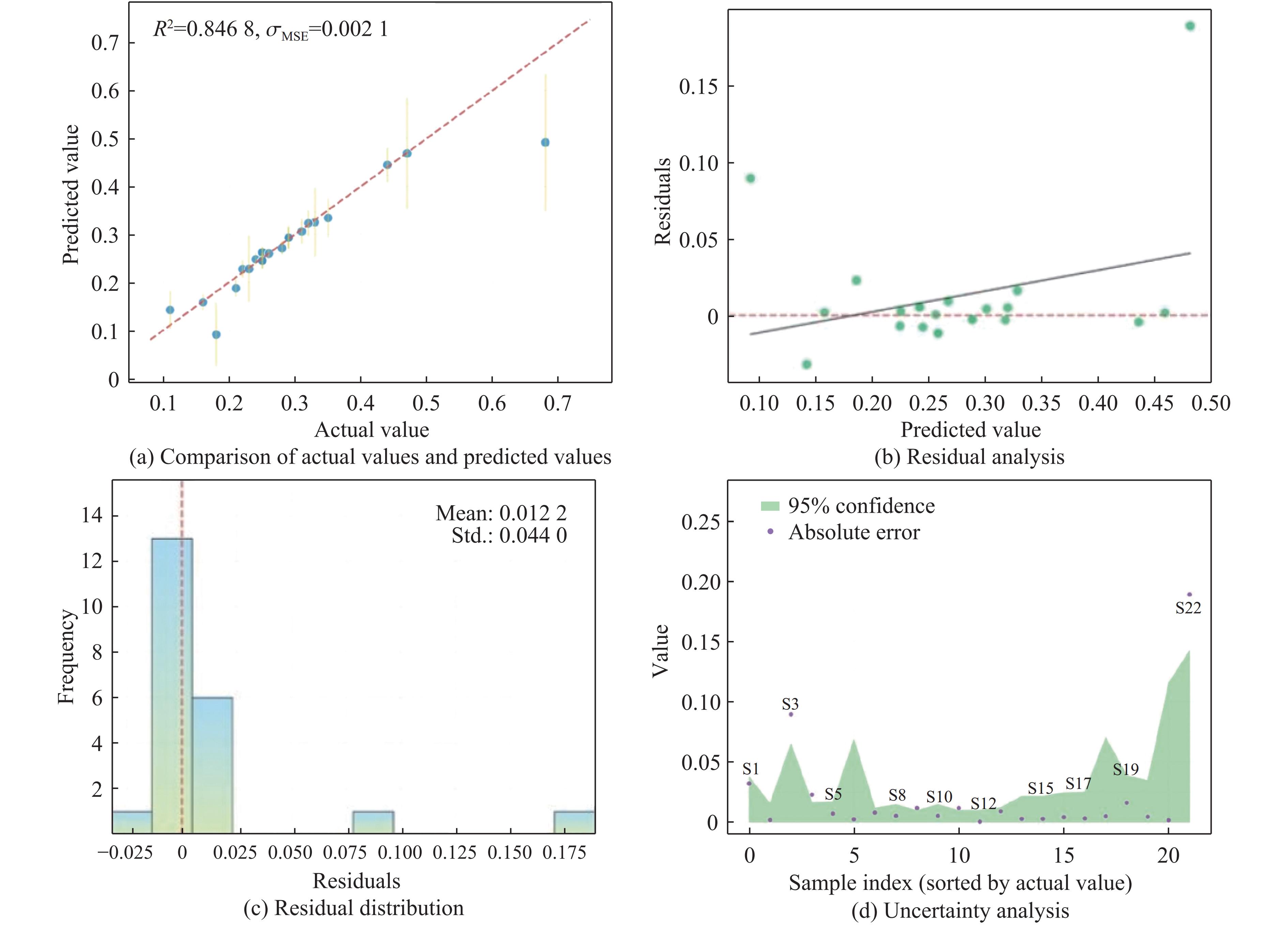
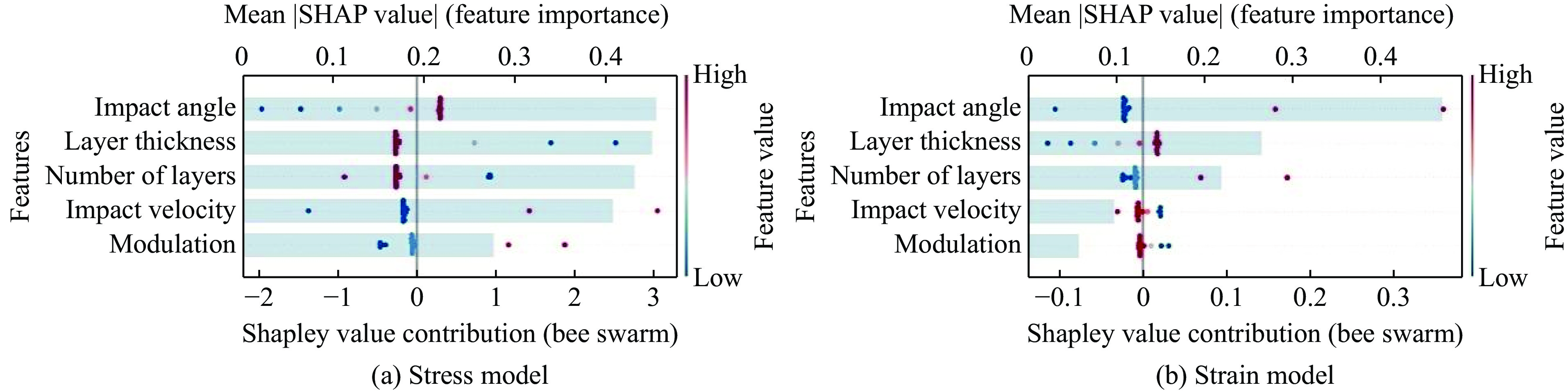
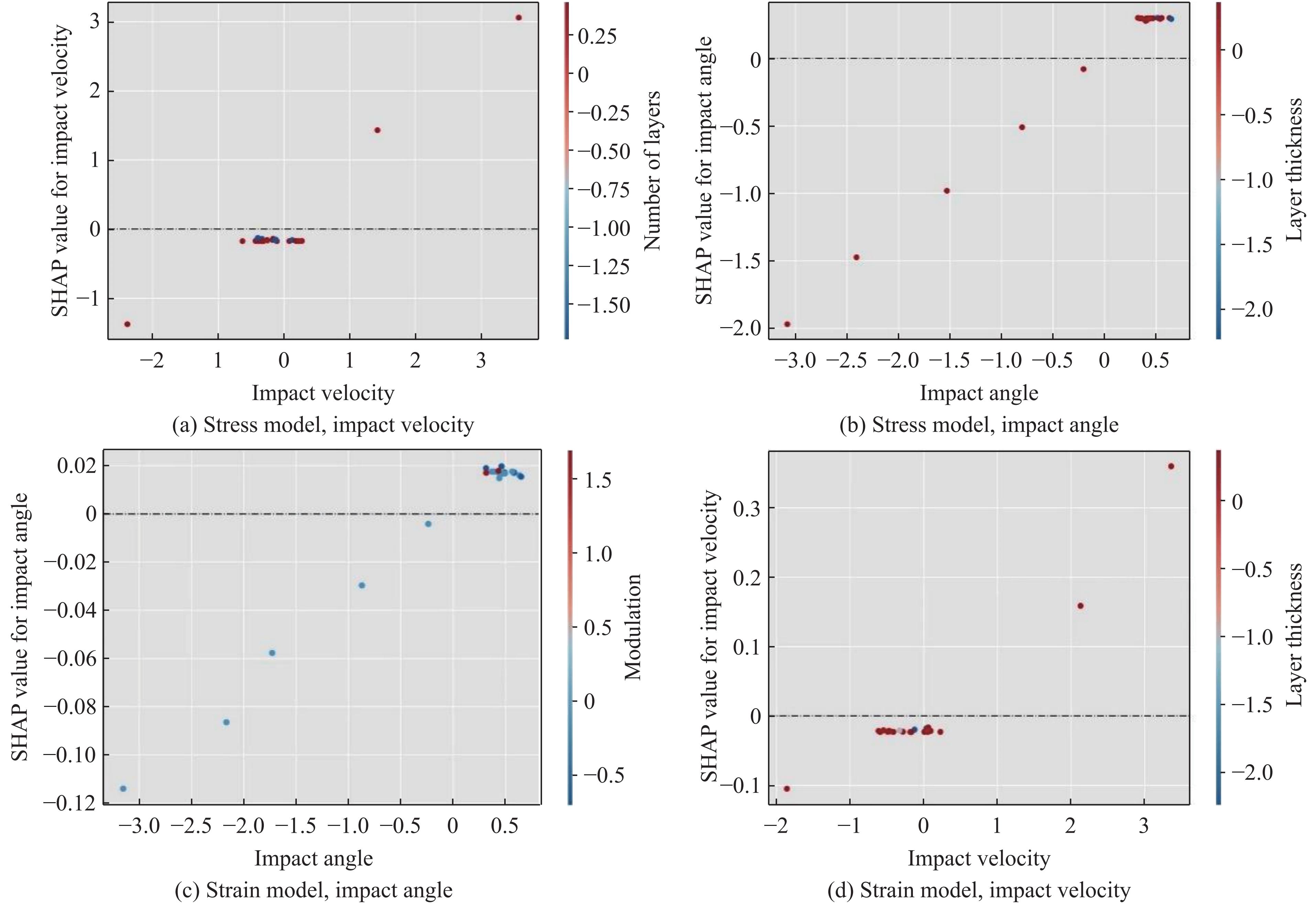
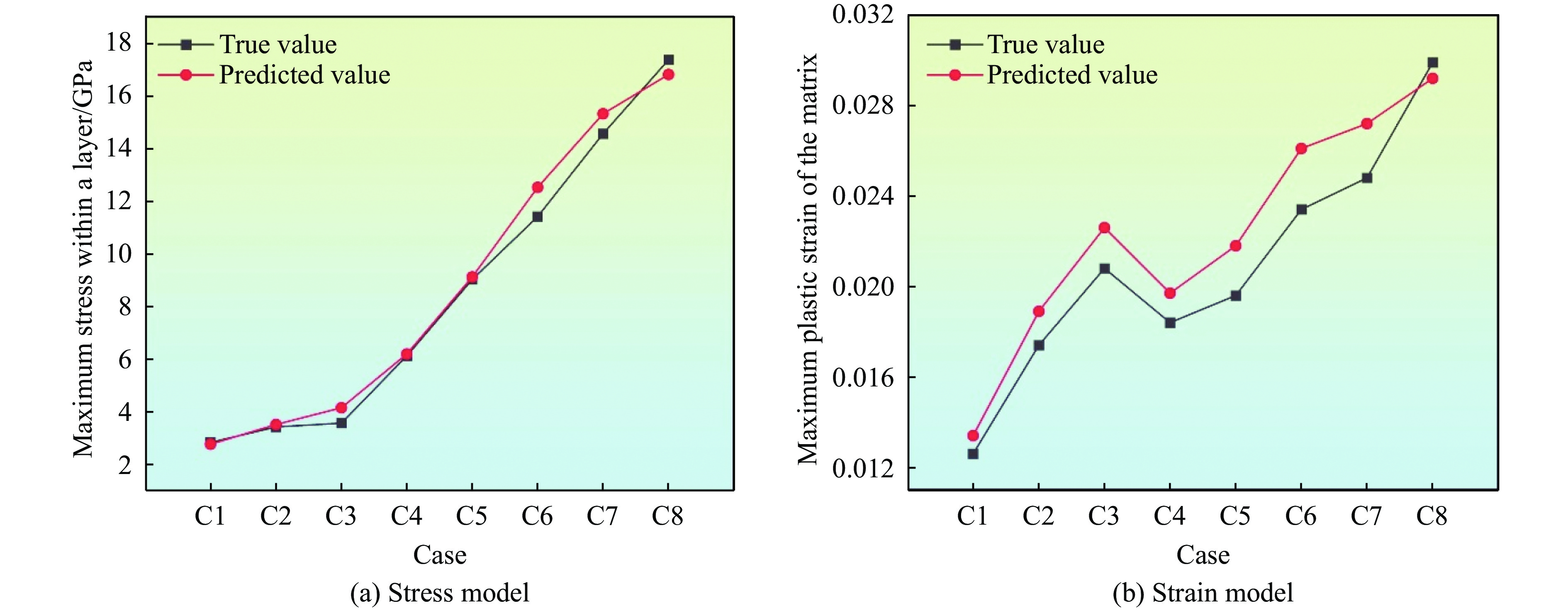
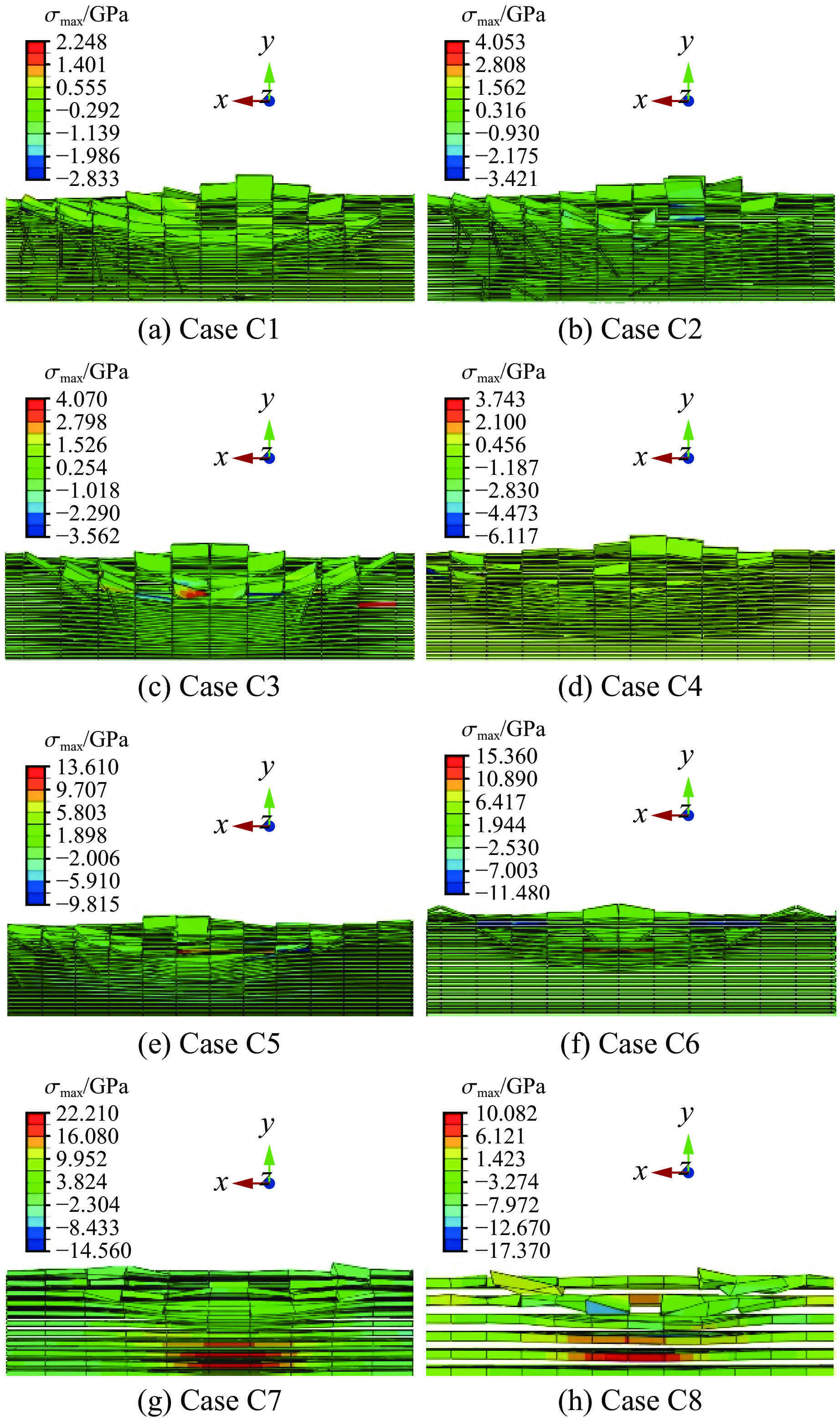
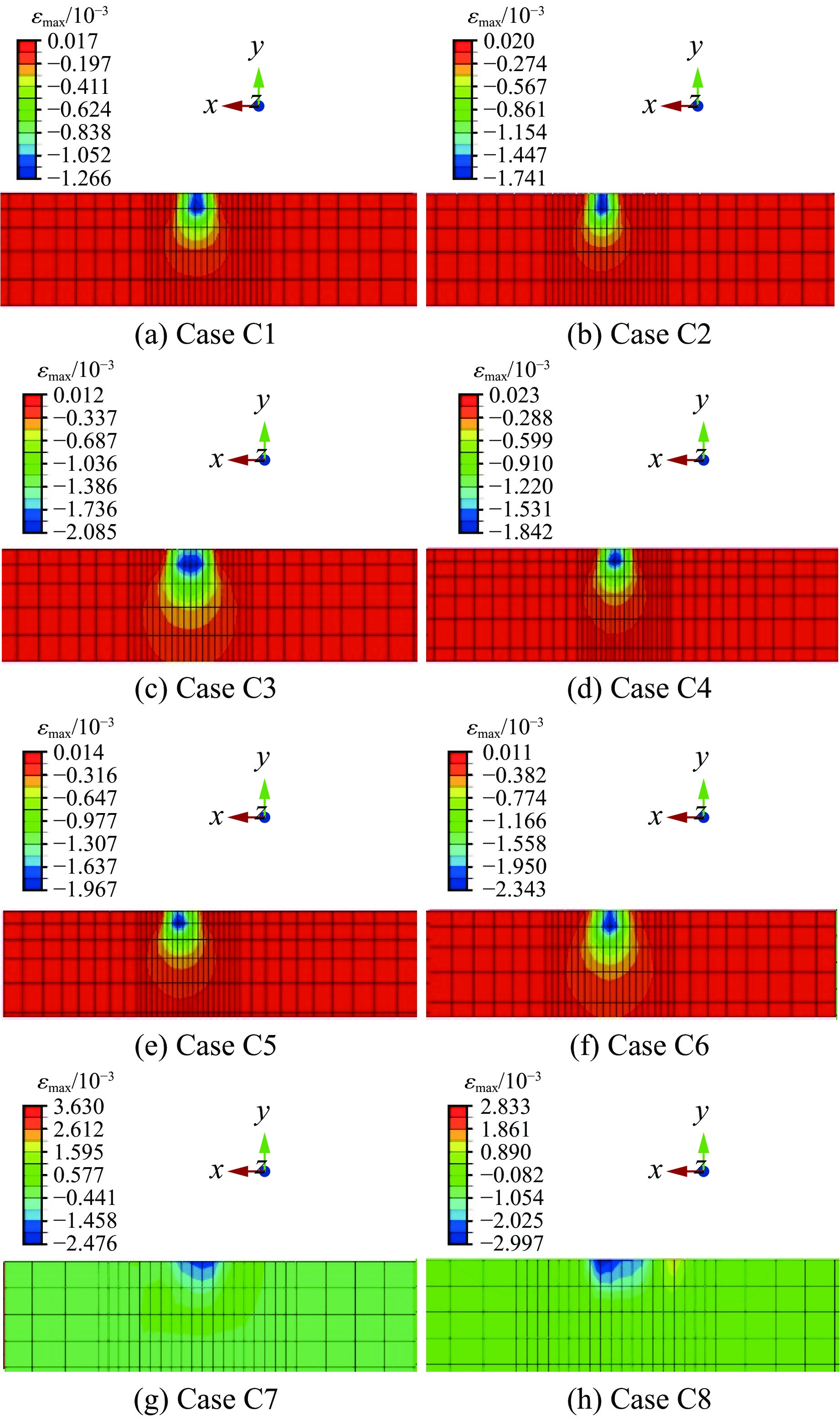
Engine high-pressure turbine blades operating in extreme environments, such as deserts, are subjected to long-term high-velocity impacts from sand particles carried by hot combustion gases, significantly reducing their service life. Owing to its high hardness and toughness, the TiN/Ti multilayer coating has emerged as a preferred surface coating material for such blades. However, its erosion resistance is highly dependent on structural parameters, and traditional experimental trial-and-error methods and finite element simulations are often time-consuming and labor-intensive. To address this challenge, this study proposes a TiN/Ti multilayer coating design framework that integrates small-sample machine learning (ML) with finite element analysis. Multiple regression algorithms were evaluated, and Gaussian process regression (GPR) was selected for its superior performance, enabling high-accuracy prediction of the maximum intralayer stress and the maximum plastic strain in the substrate under dynamic impact conditions (with R2 values of 0.88 and 0.85, respectively). The modelʼs fitting capability was further enhanced through residual and uncertainty analyses. Moreover, shapley additive explanations (SHAP) analysis was employed to elucidate the contribution of each feature to the target variables. Finally, eight new coating structures under varying impact conditions were designed and simulated to validate the predictive accuracy of the ML model. This framework offers a data-efficient and computationally economical solution for impact-resistant coating design in high-dimensional parameter spaces.

Crushing Law of Rocks in the Area Near Blasting Source under Ultra-High Pressure
HU Jianian, FANG Shi, ZHANG Haotian, CHEN Xiang, YANG Gang, DONG Qian, DU Yuxiang, JIA Yongsheng
2025, 39(11): 110109. doi: 10.11858/gywlxb.20251113
HTML PDF (25)
Abstract:

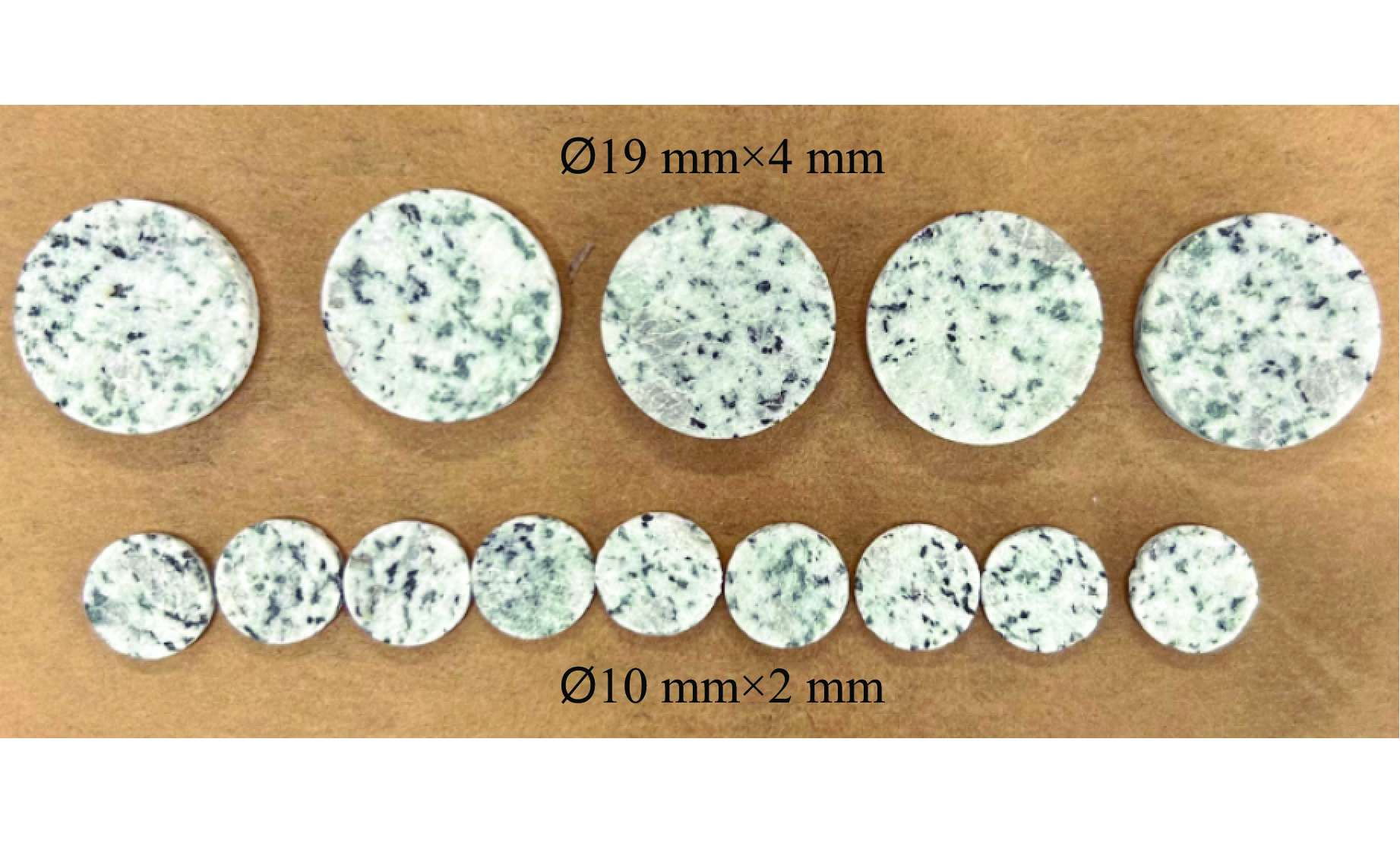
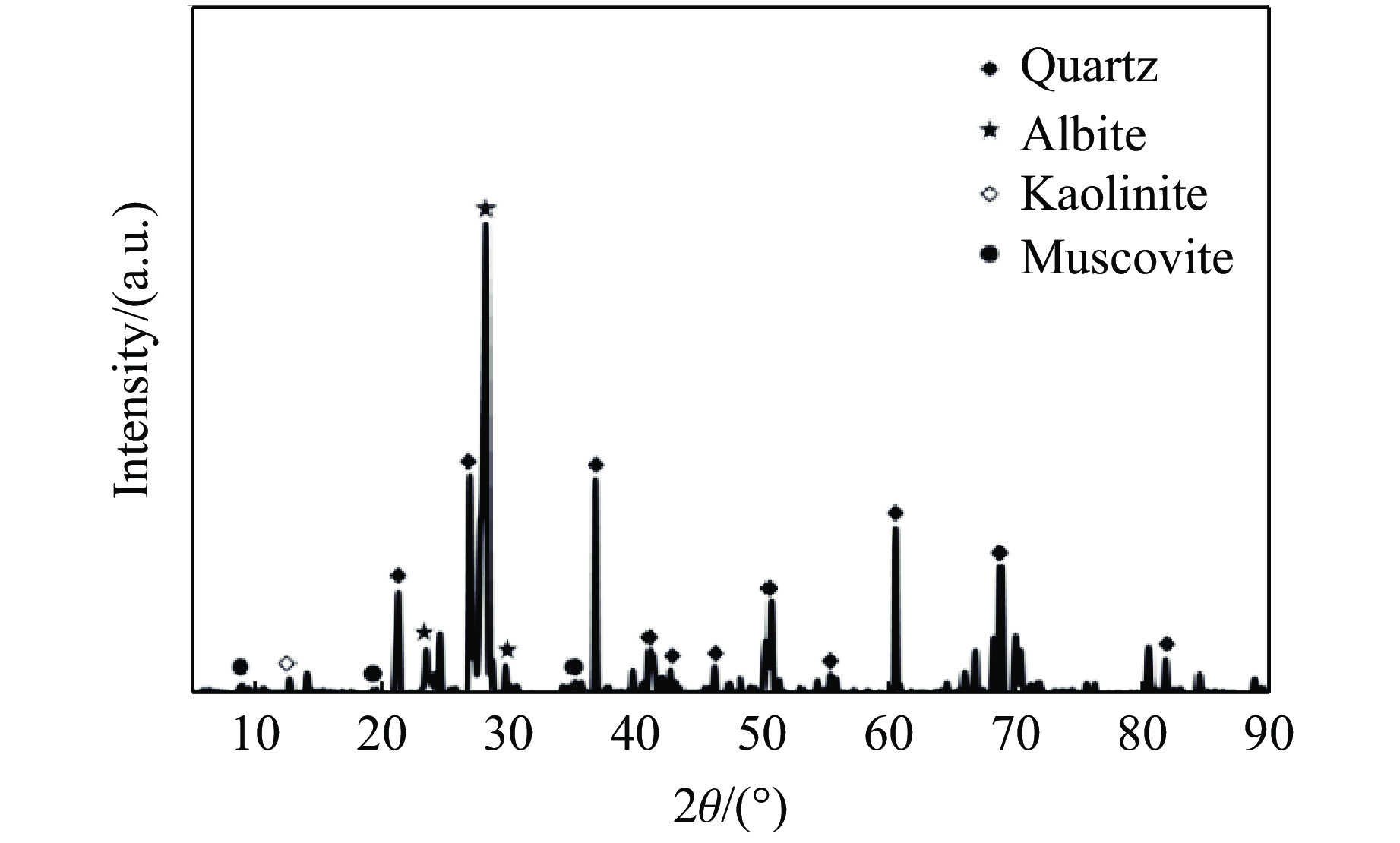
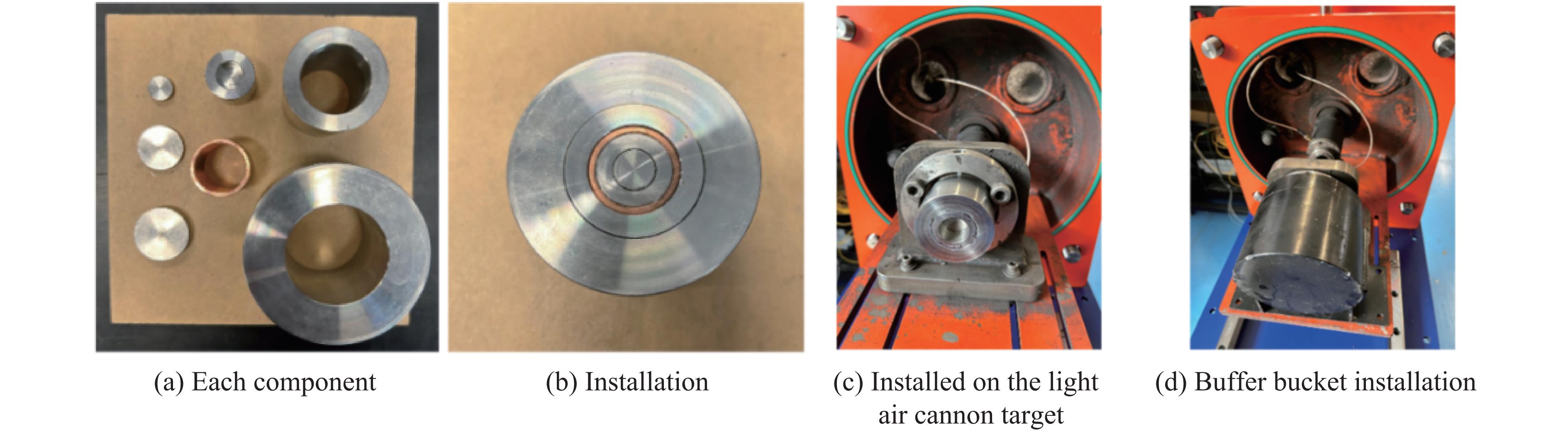
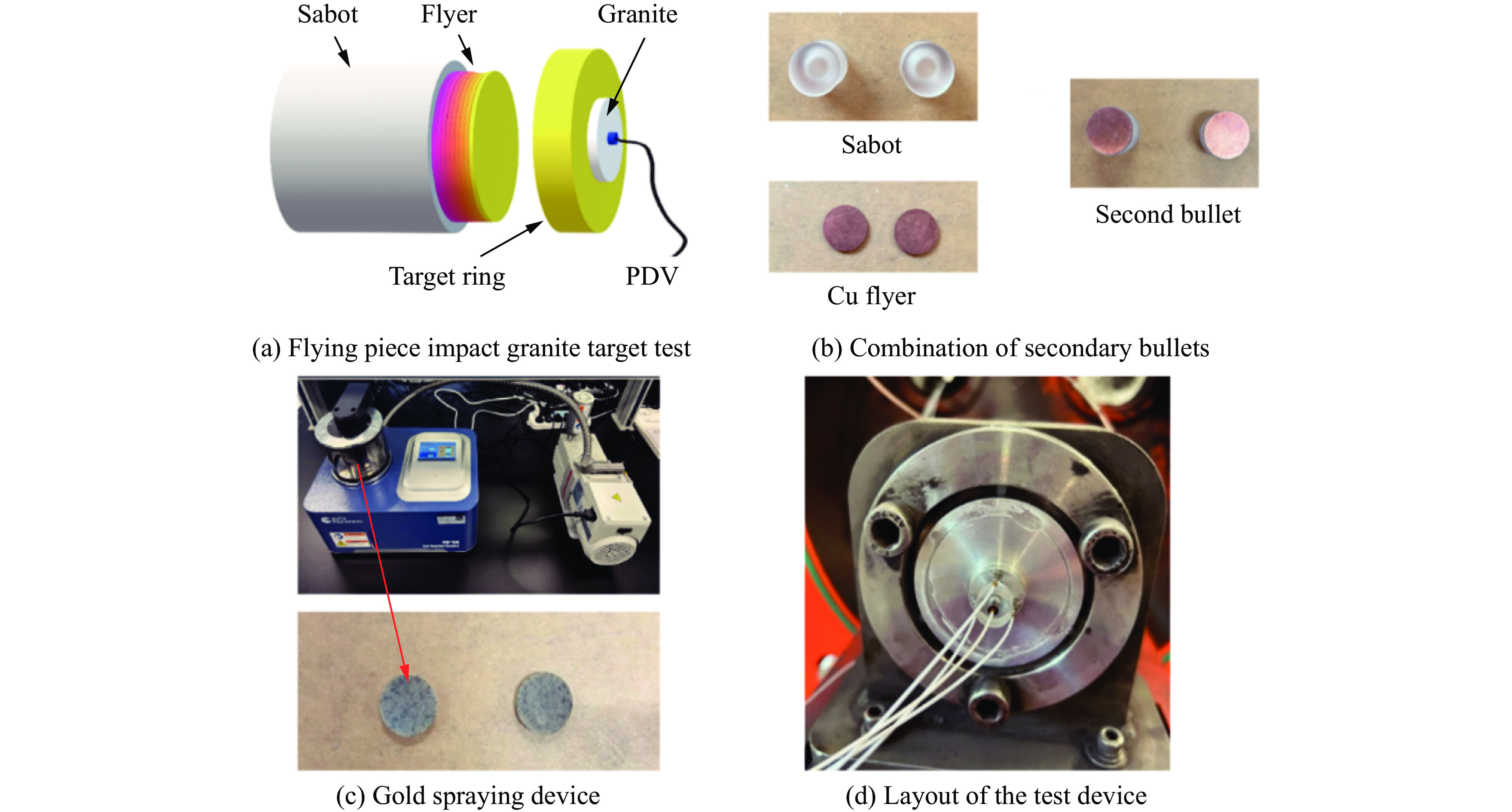
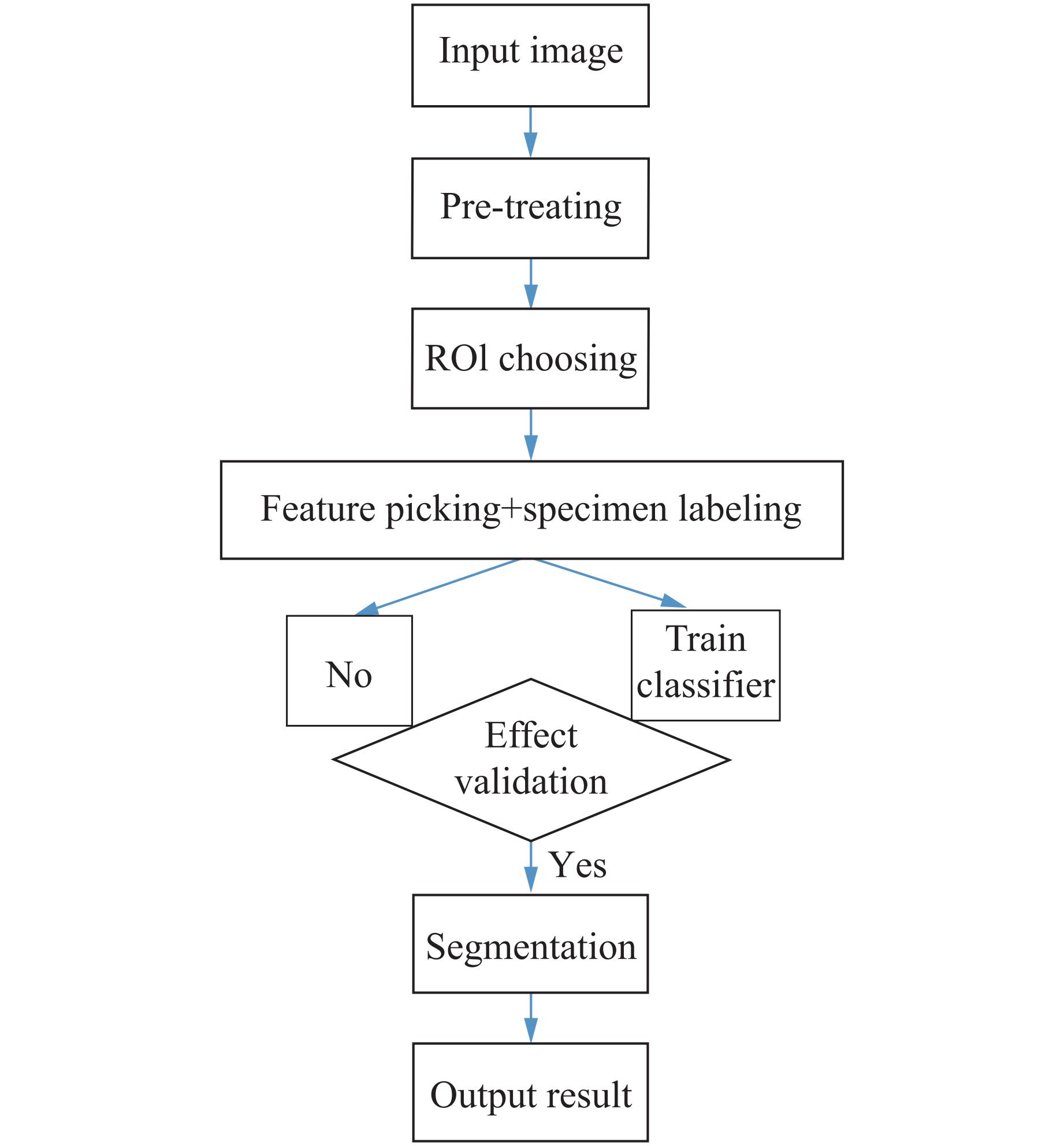
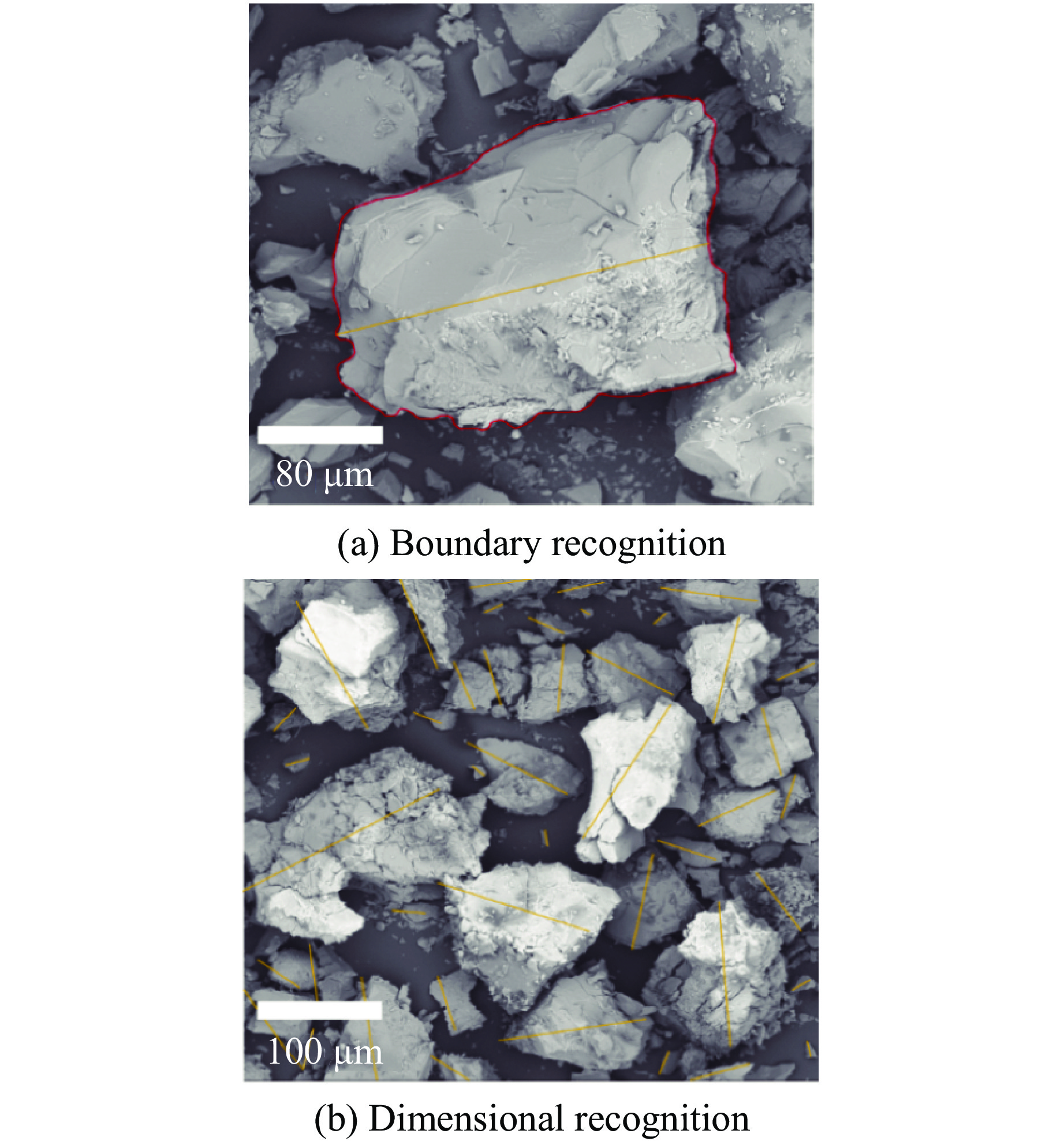
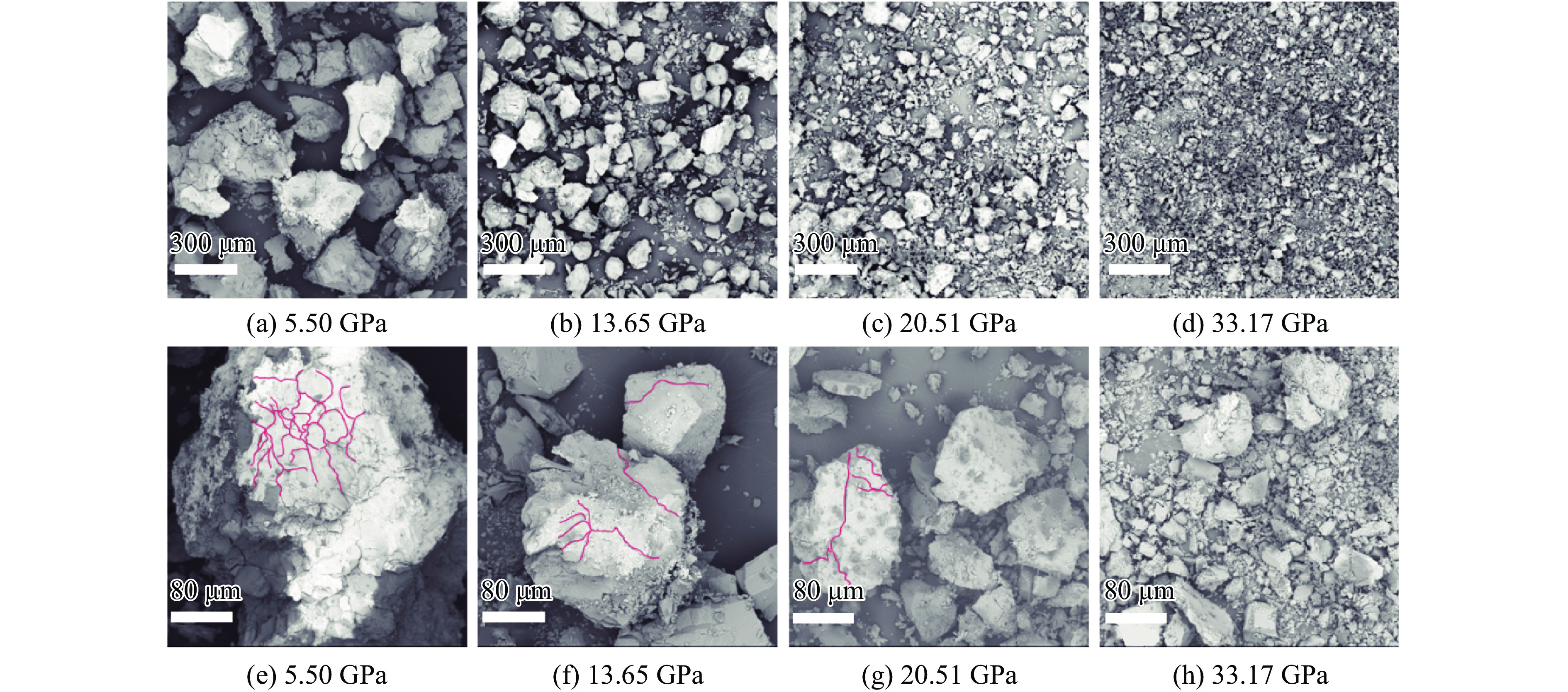
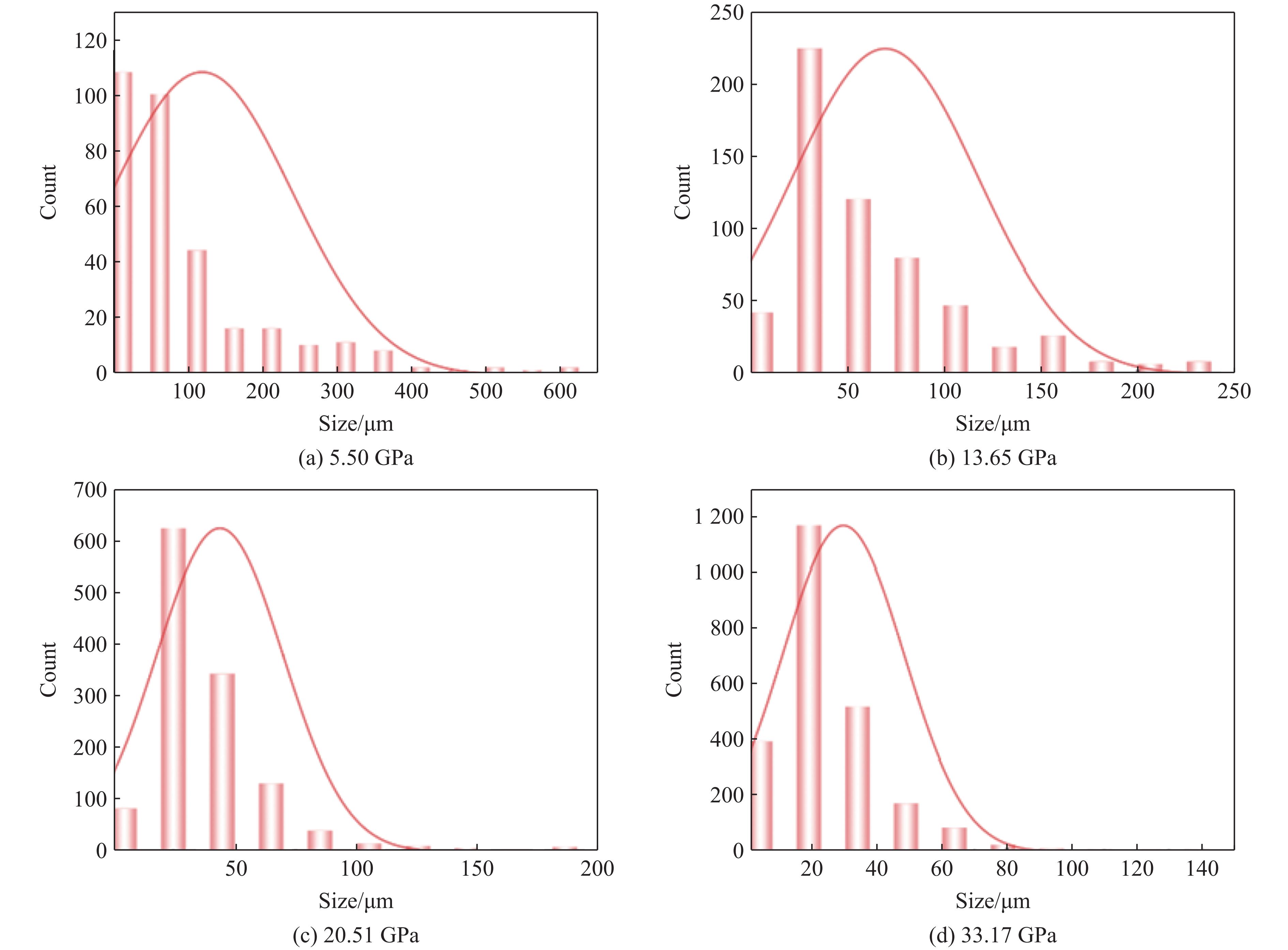
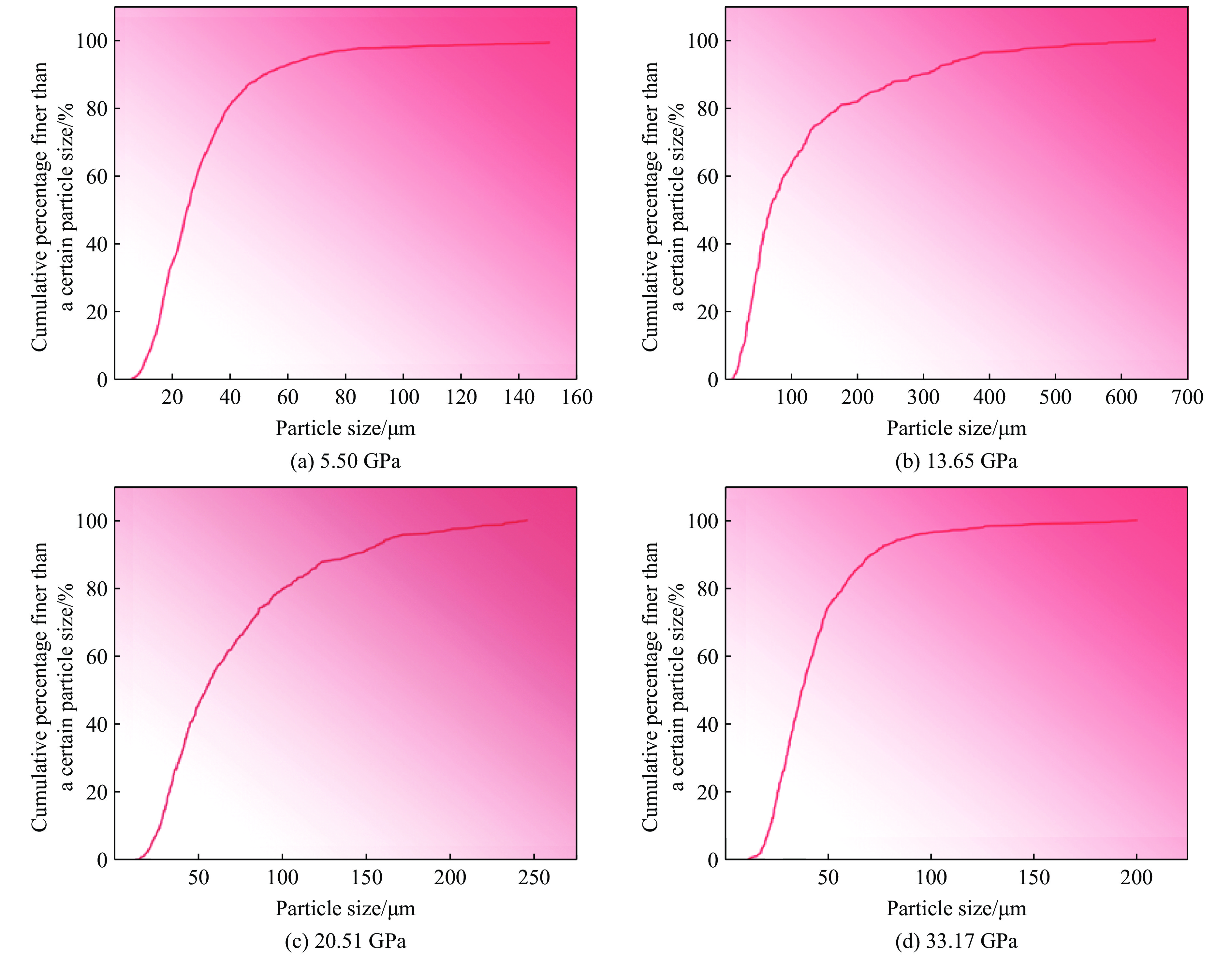
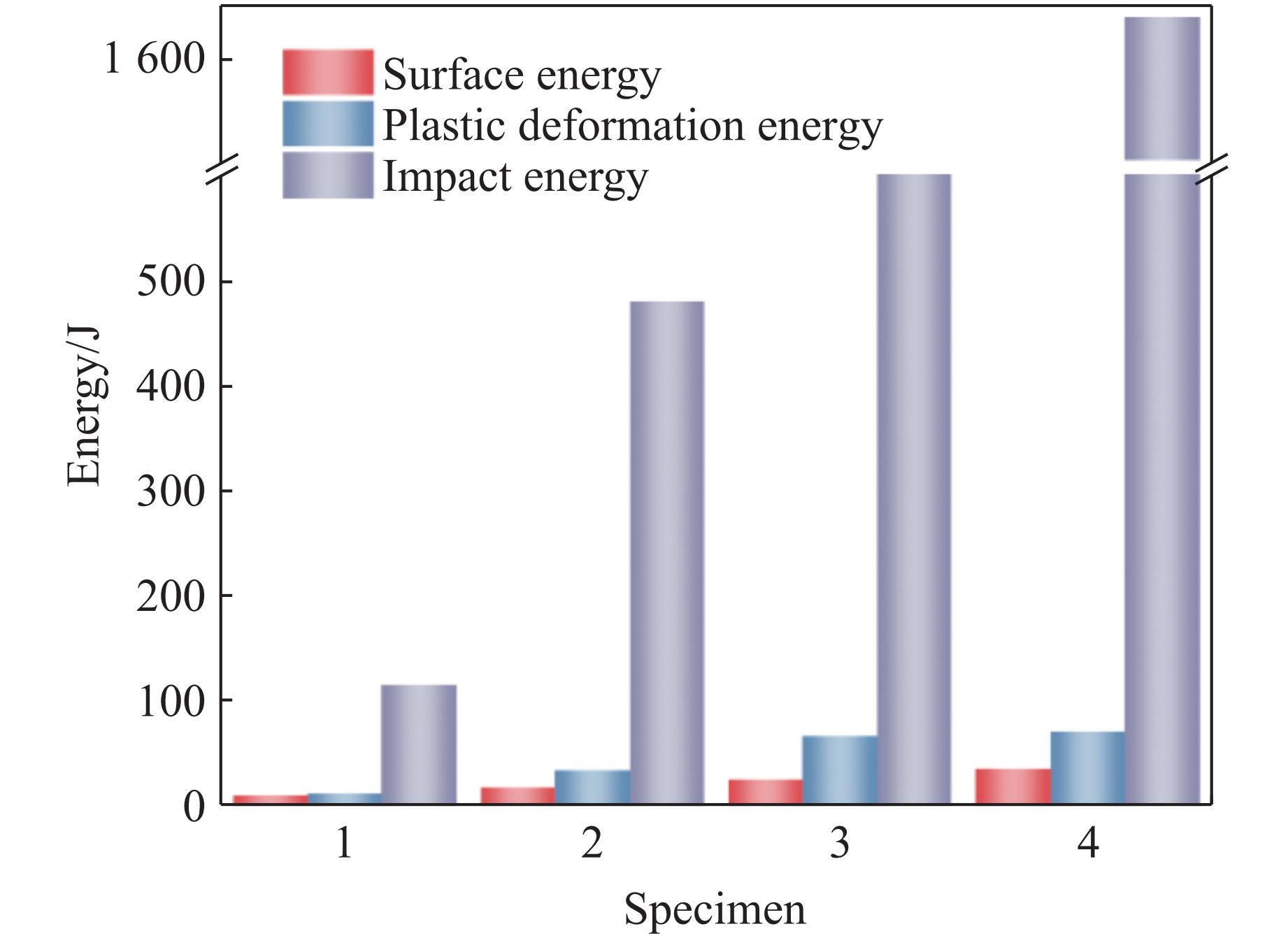
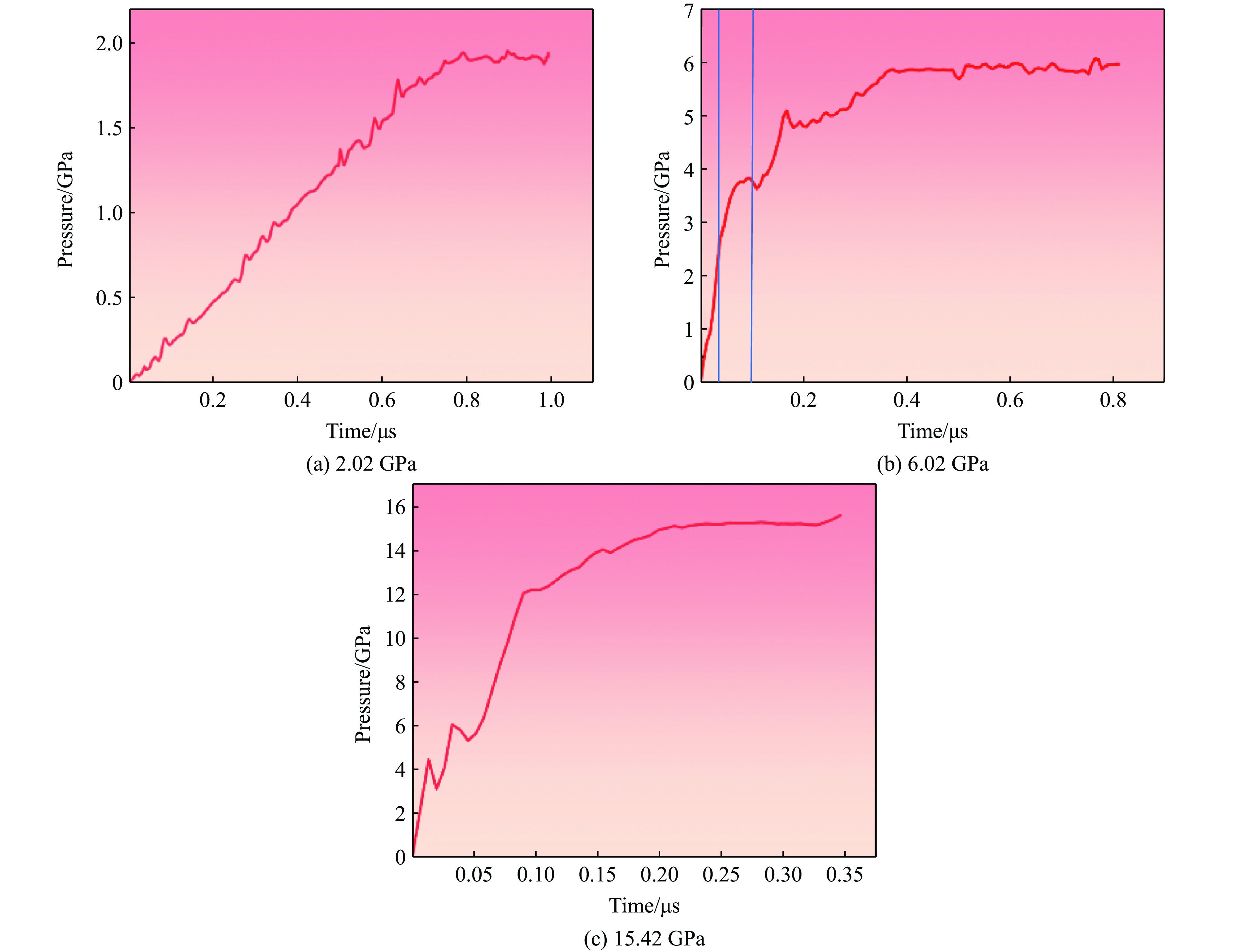
Addressing the engineering challenge where excessive rock fragmentation in the area near blasting source leads to over 50% energy loss of explosives, this study conducts an in-depth experimental investigation into the mechanism of rock over-fragmentation under ultra-high pressure conditions. Using granite as the research subject, soft-recovery techniques were employed to collect fragmented granite samples from the near-blasting area under varying pressures. Statistical analysis of micron-sized fragment distribution under ultra-high pressure was performed via an interactive machine learning-based image segmentation tool, with a focus on elucidating elastoplastic transitions in granite under different loading pressures and energy distribution during fragmentation. The results reveal that ultra-high pressure in the near-blasting area induces complex fracture phenomena in granite. Experiments demonstrate a shift from stepped fracture patterns to micro-cracking characteristics with increasing pressure, indicating that fragmentation energy accounts for no more than 23.68% of the total impact energy at 5.50 GPa. As impact pressure rises, rock fragment size decreases significantly while the proportion of fragmentation energy declines substantially. This research provides theoretical support and practical guidance for high-fidelity simulation of blasting processes and optimized blast design

Hugoniot Equation of State Model for Mixtures
YANG Gang, ZHAO Zhengyang, LIU Xun, HU Jianian, JIA Yongsheng
2025, 39(11): 110110. doi: 10.11858/gywlxb.20251120
HTML PDF (23)
Abstract:

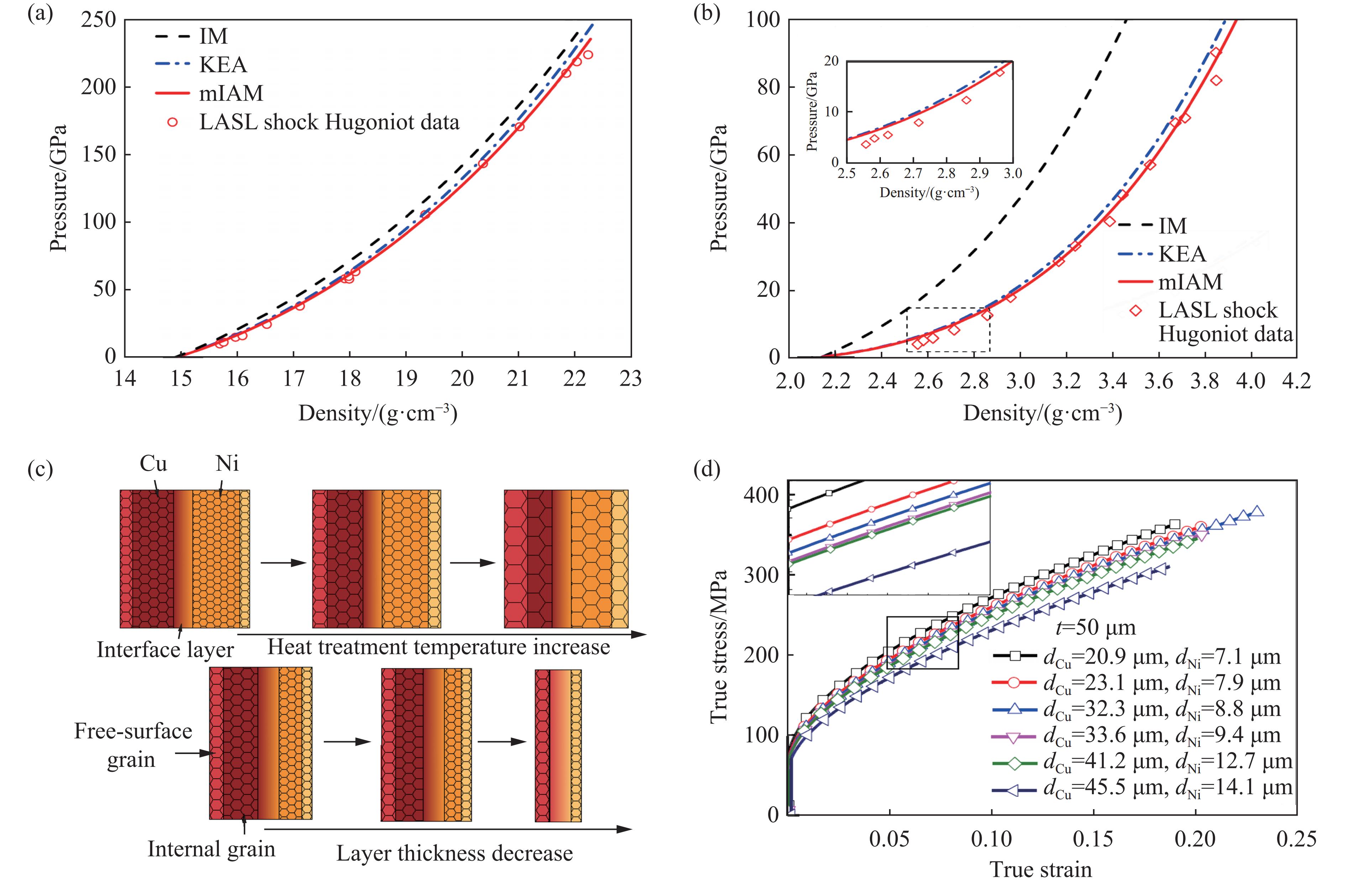
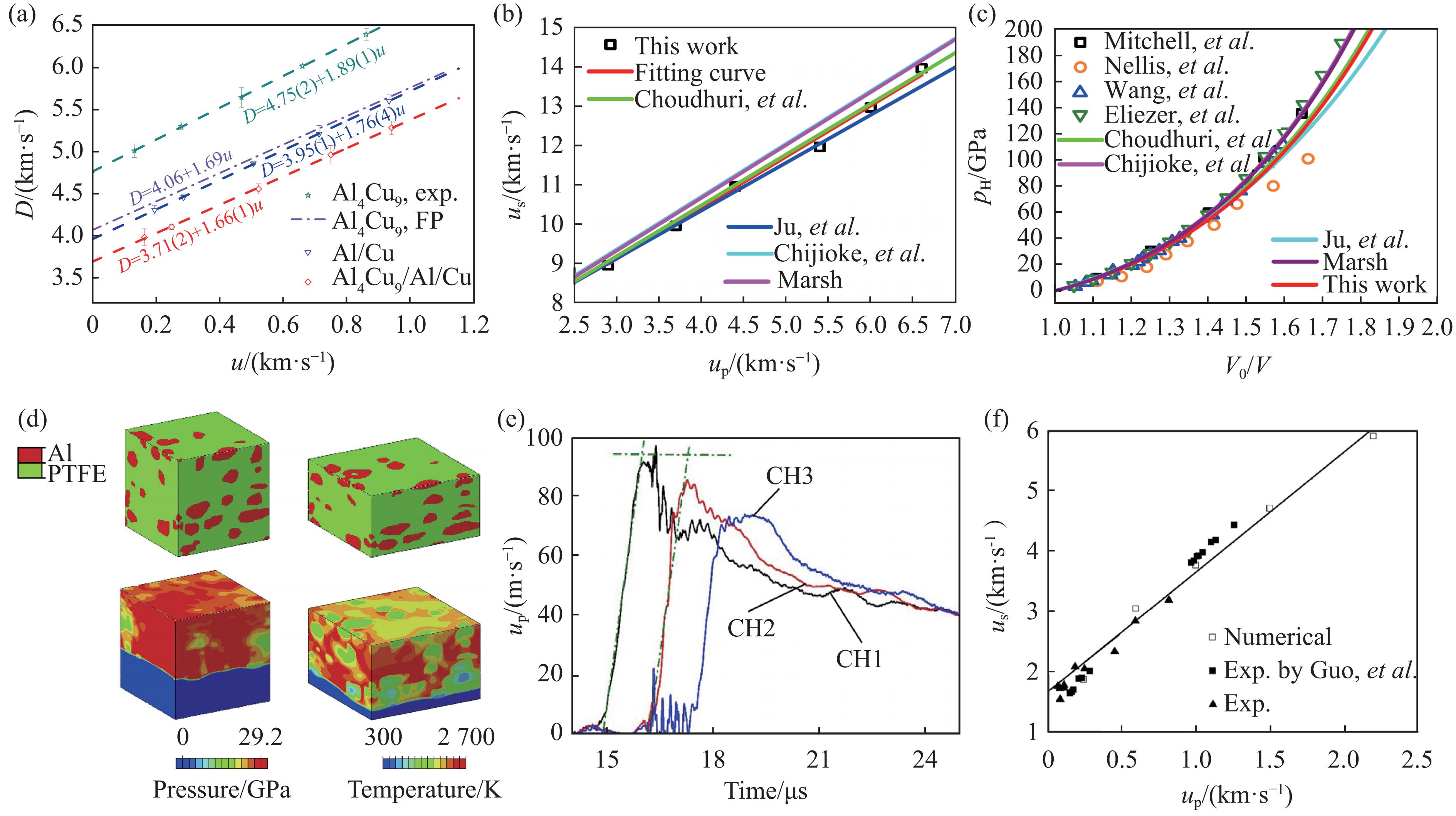
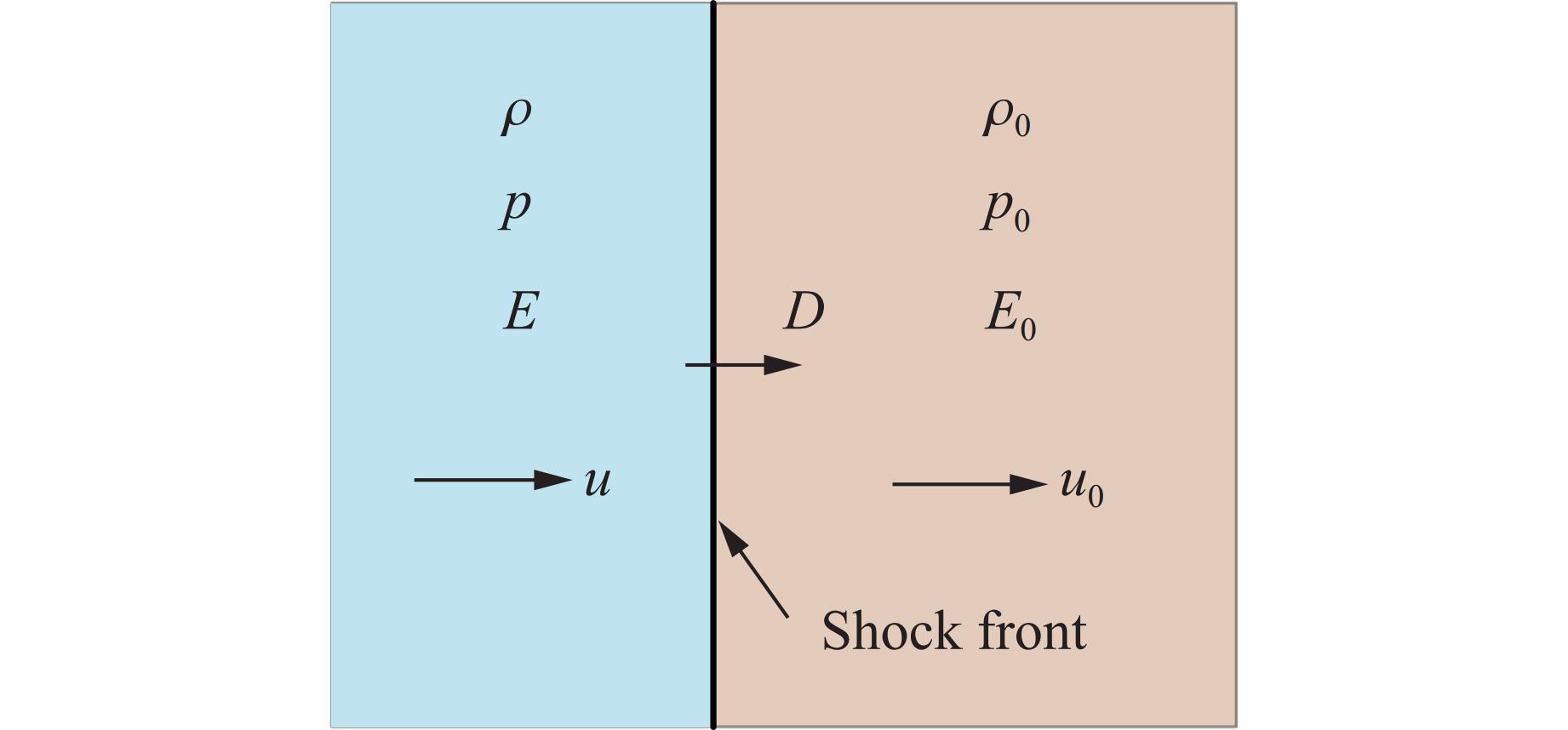
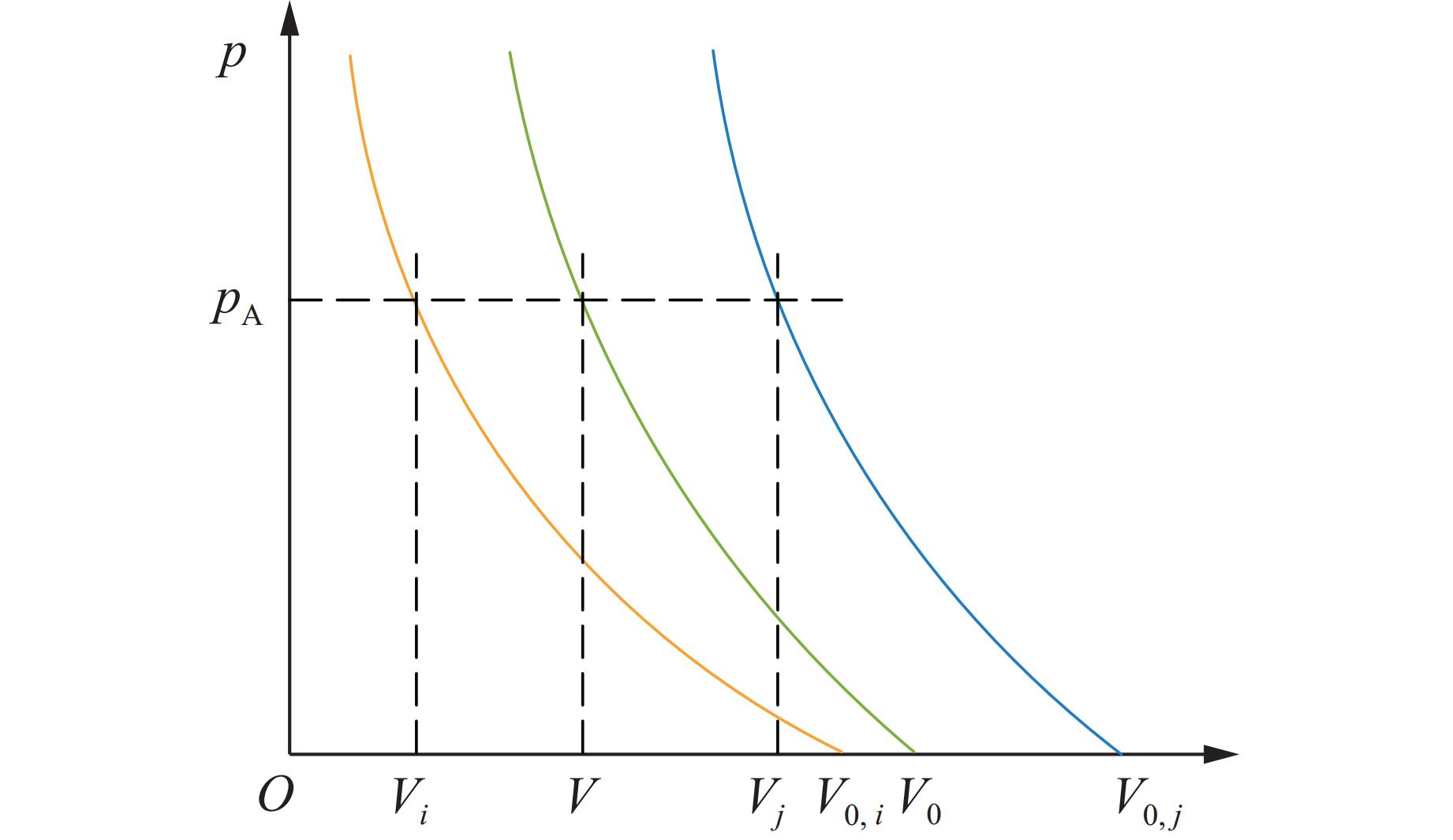
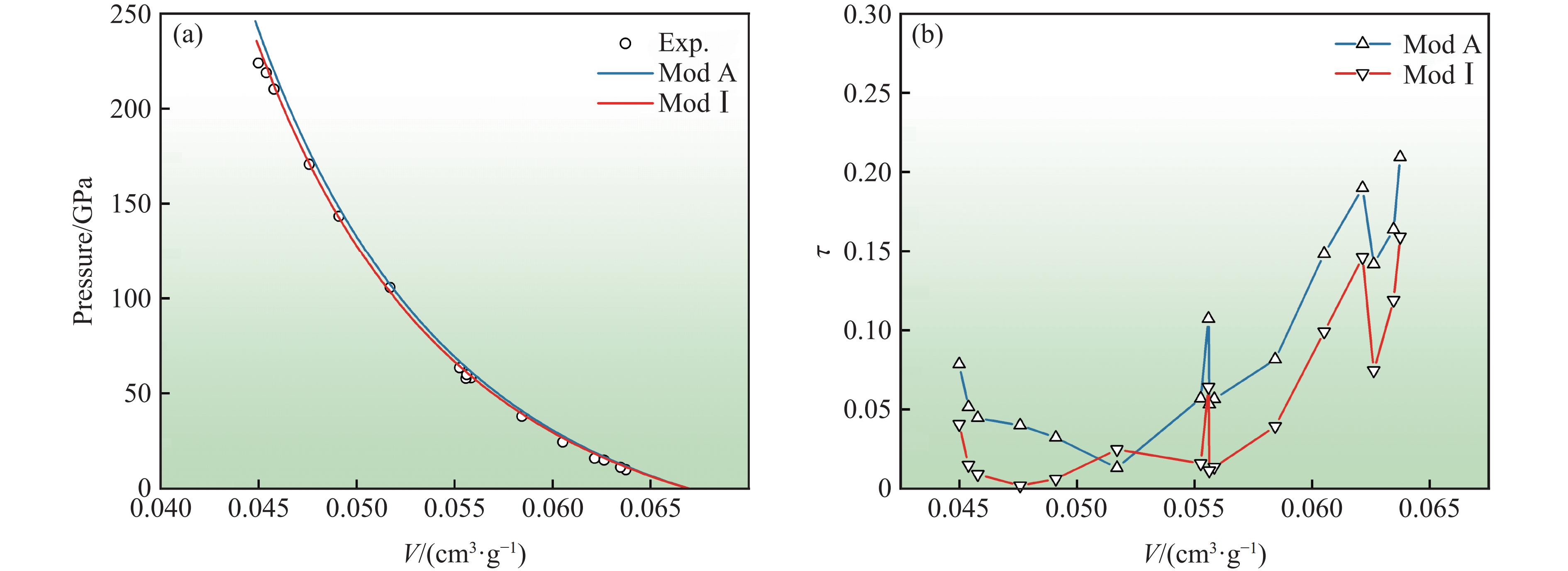
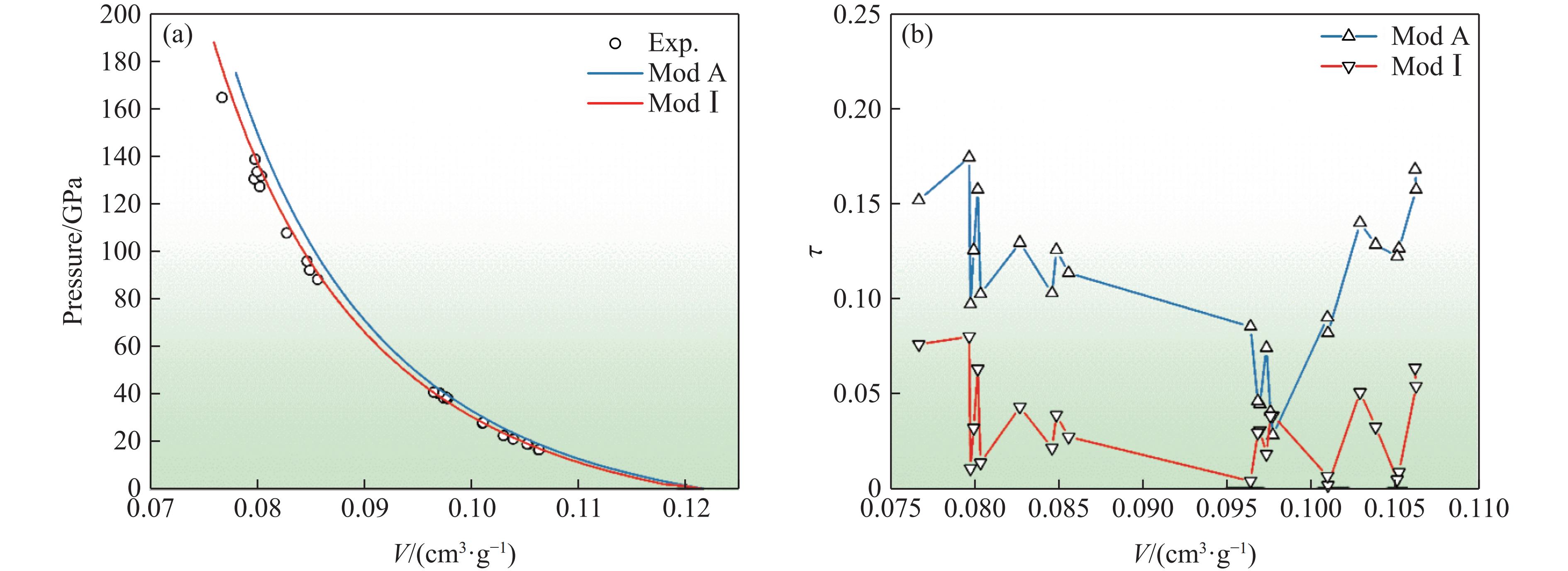
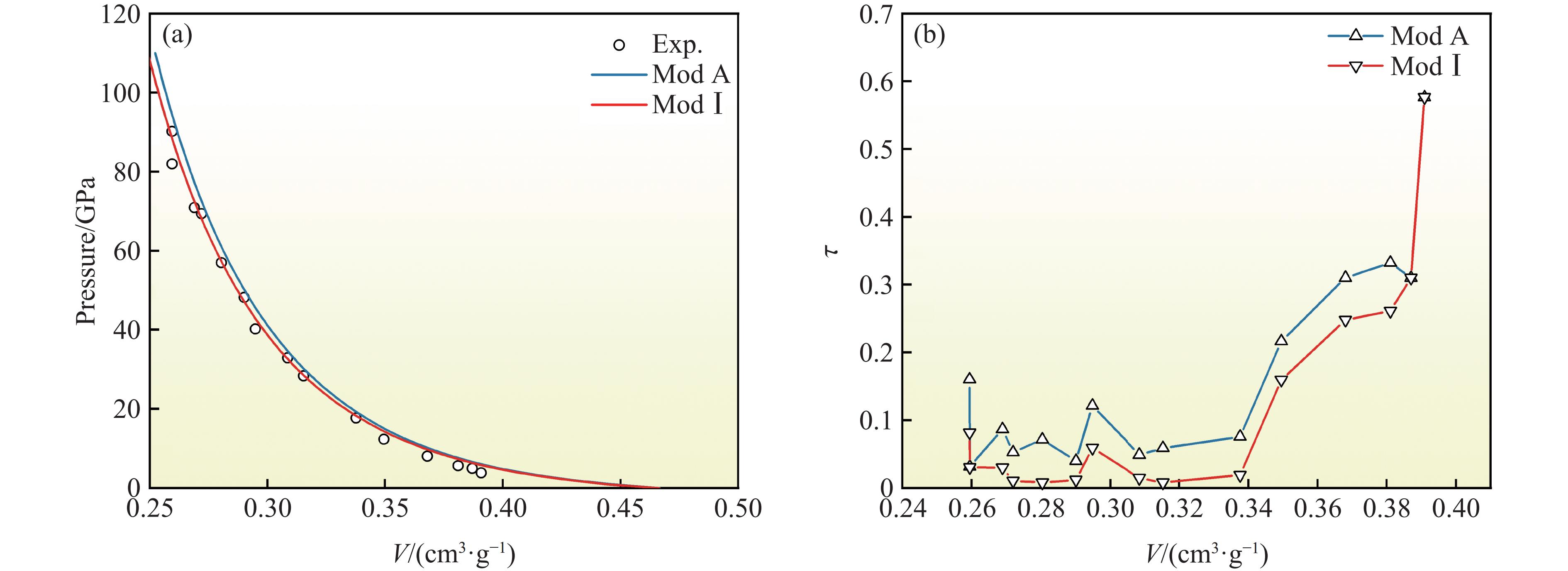
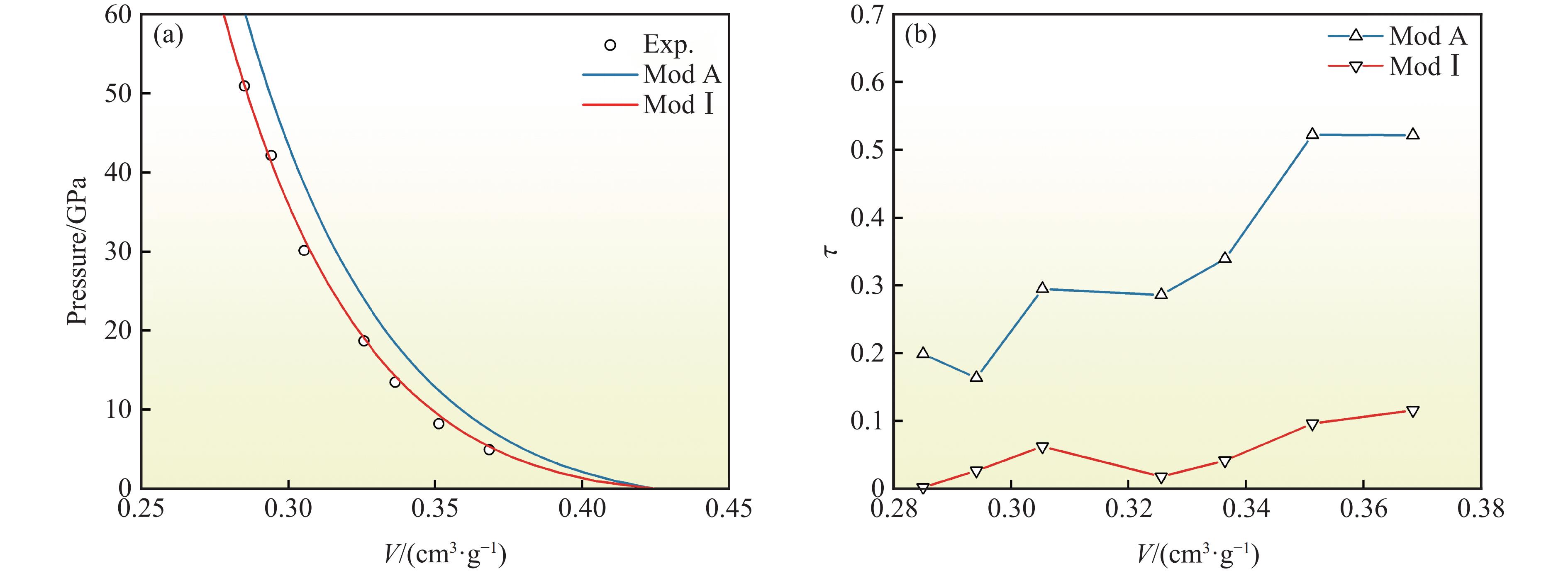
High-throughput computing has become a cornerstone of modern materials design and is driving new advances in the study of shock-compressed matter. Central to these efforts is an accurate Hugoniot equation of state (EOS) for mixtures, yet existing mixture models continue to show sizeable scatter. Here we benchmarked two widely used schemes—the volume-additive model (Mod A) and the isothermal-average model (ModⅠ)—against experimental Hugoniot data for binary alloys, ternary alloys and granular mixtures. The Mod A model assumes full thermodynamic equilibrium and neglects the temperature rise of individual constituents under shock compression. The ModⅠ model, by contrast, removes this thermal contribution by deriving the mixture Hugoniot from 0 K isotherms via the Mie-Grüneisen EOS. Systematic comparison between the predicted Hugoniot EOS of binary alloy, ternary alloy, granular mixtures and the experimental data reveals that the ModⅠ model reproduces measured Hugoniot states within about 10% error across the entire pressure range studied, outperforming the Mod A model in both accuracy and robustness. Both approaches exhibit moderately larger discrepancies at low shock pressures, where thermal effects are most pronounced.

Effect of Fabric Structure Hybrid on Penetration Resistance Performance of Fiber Reinforced Composite
ZHU Yuxuan, CAI Fengjiao, LIU Zhicheng, SUN Jiuxiao, WANG Jingnan, MA Yubin
2025, 39(11): 110111. doi: 10.11858/gywlxb.20251179
HTML PDF (29)
Abstract:

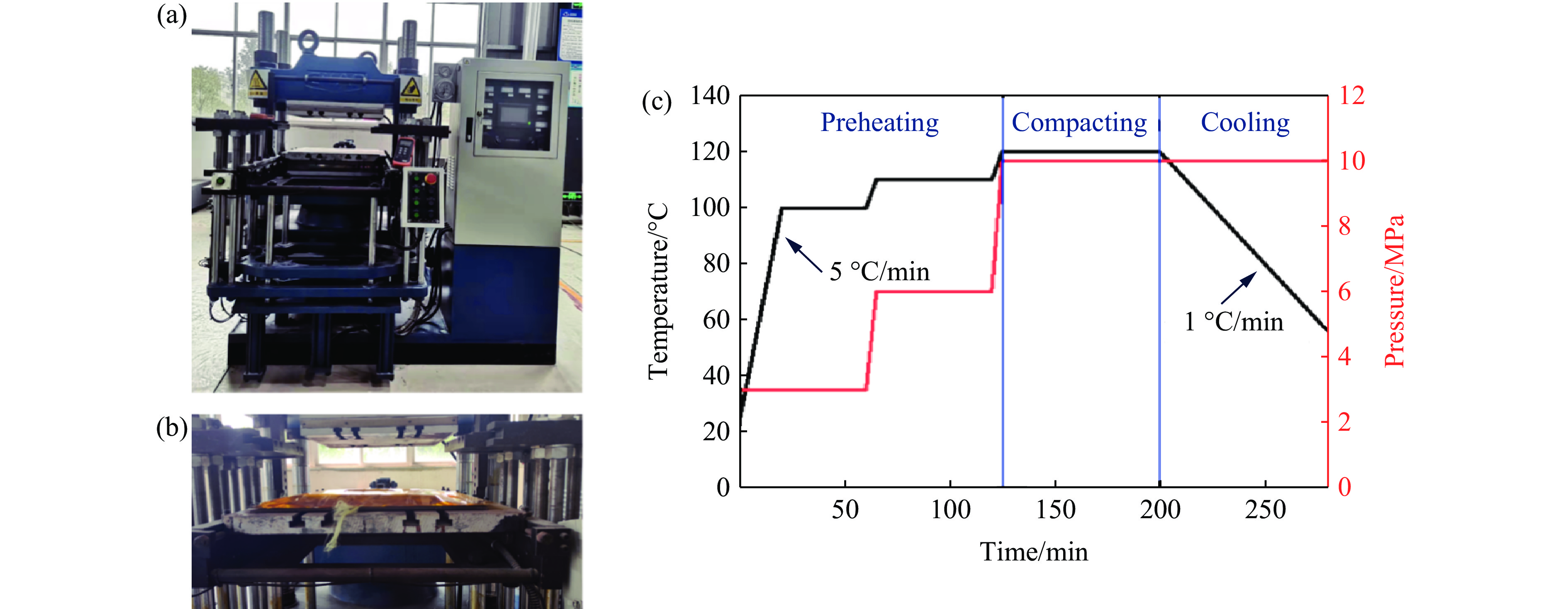
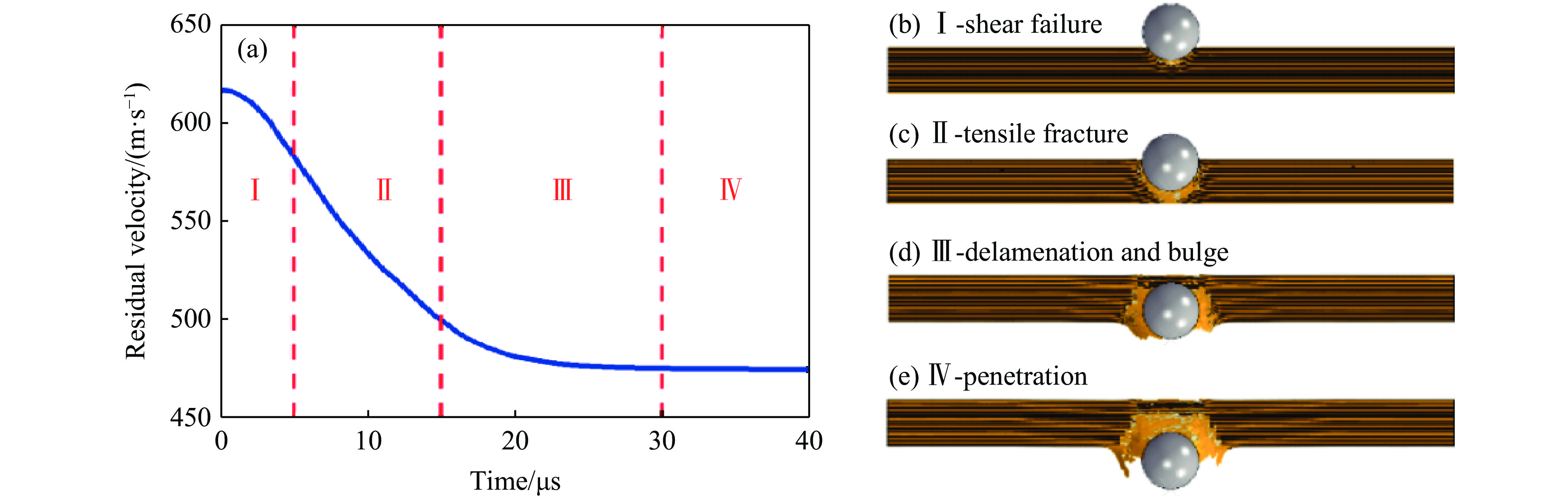
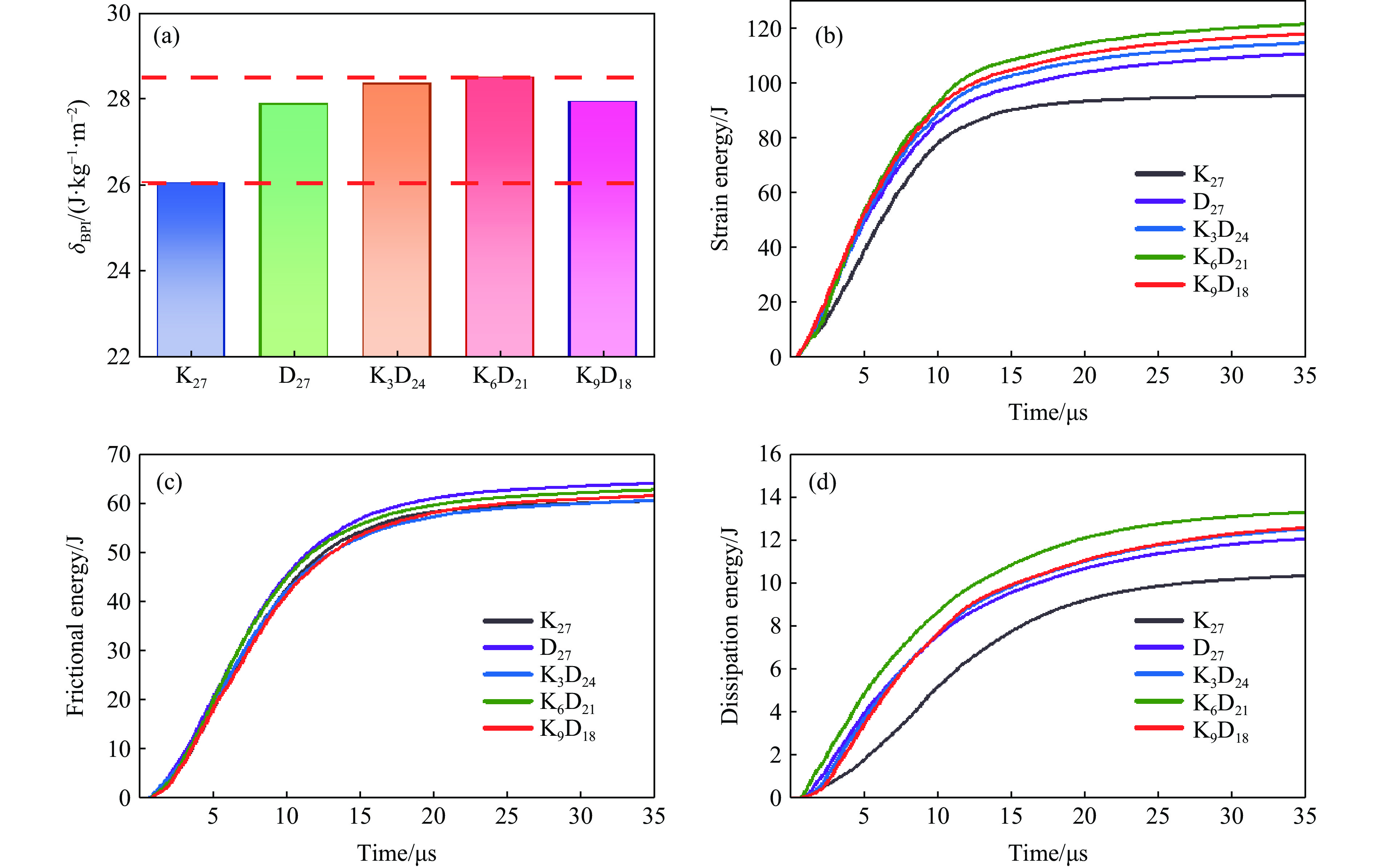
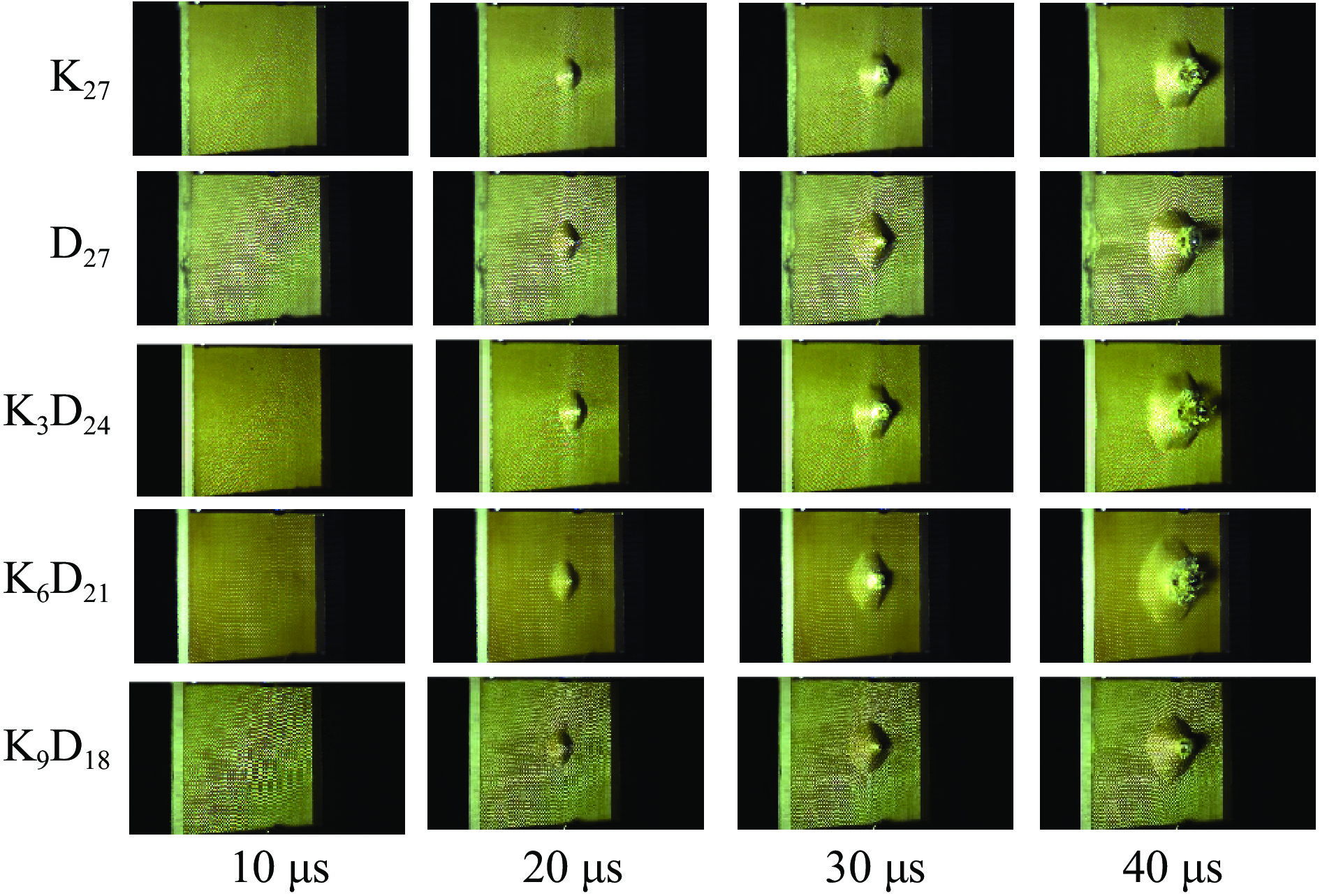
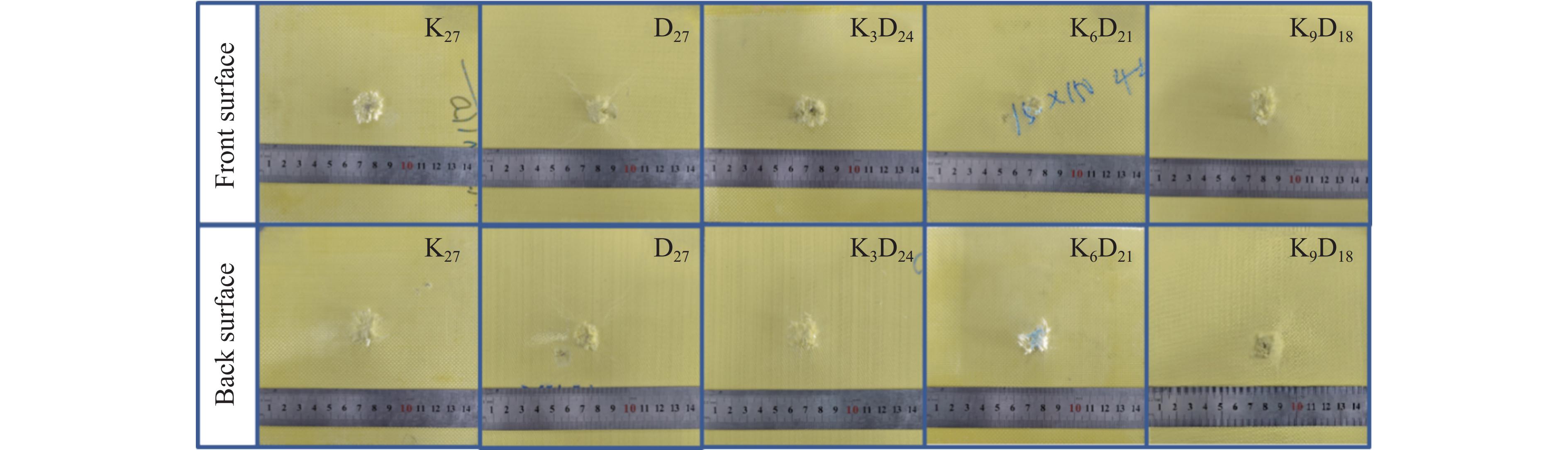
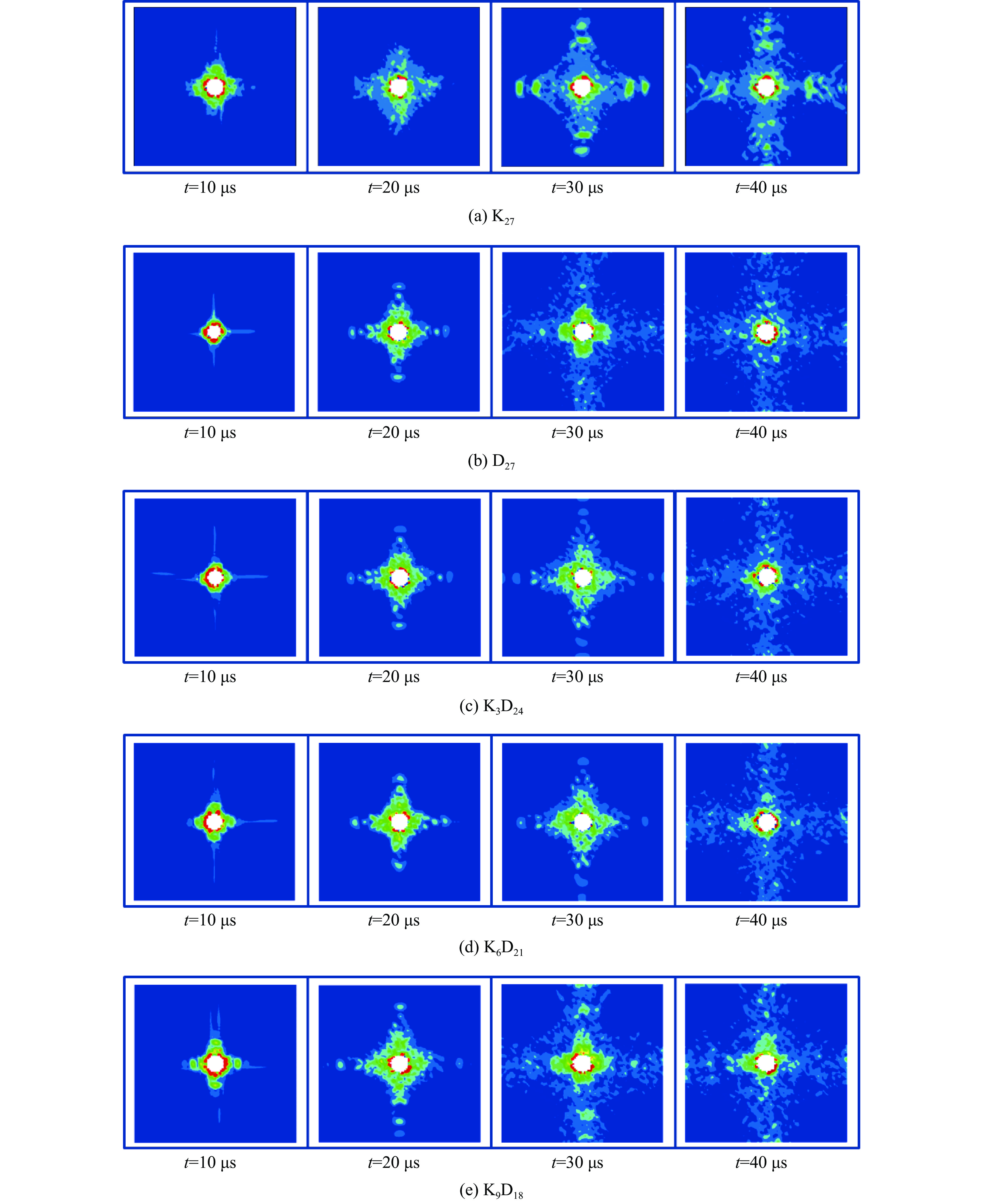
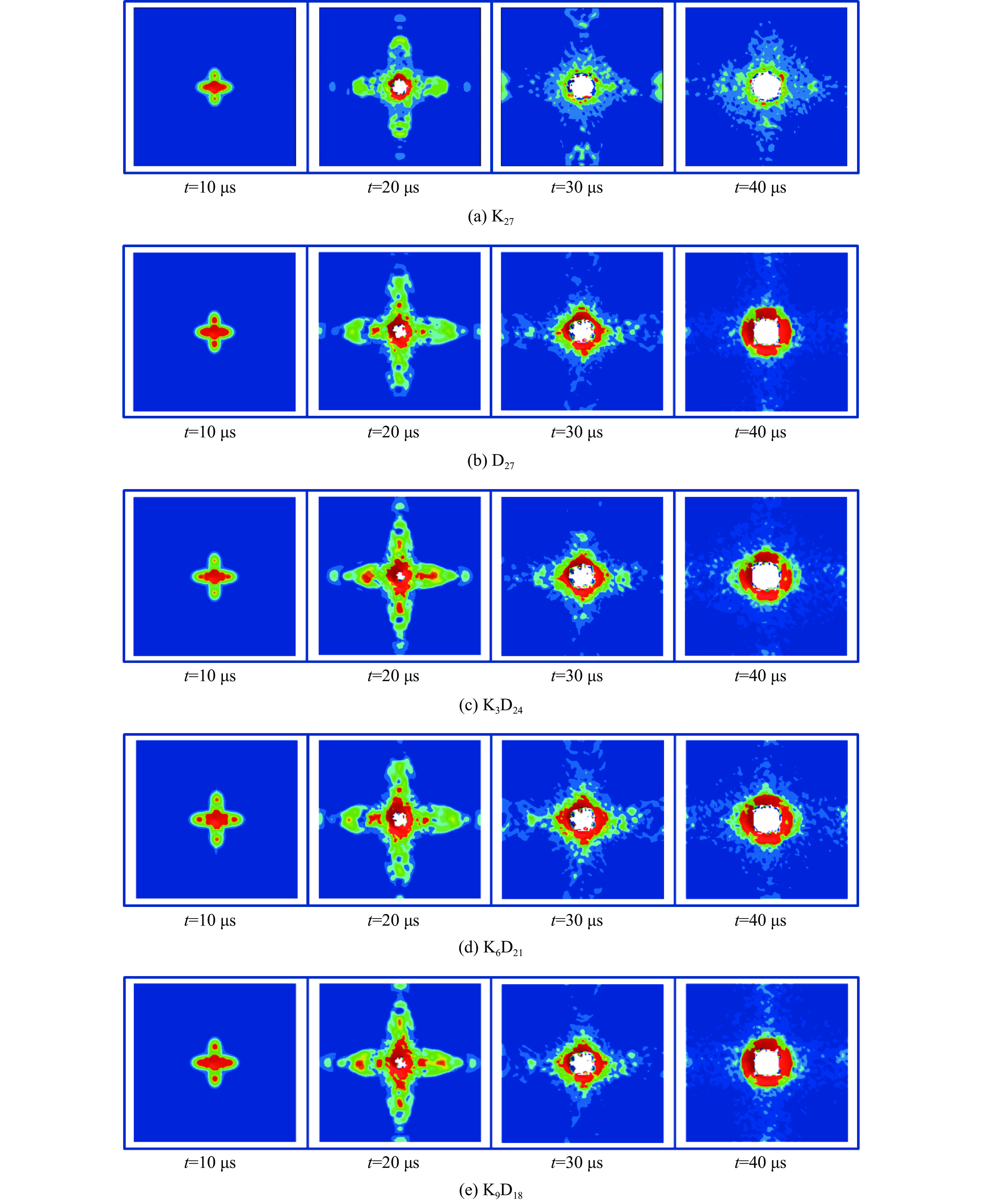
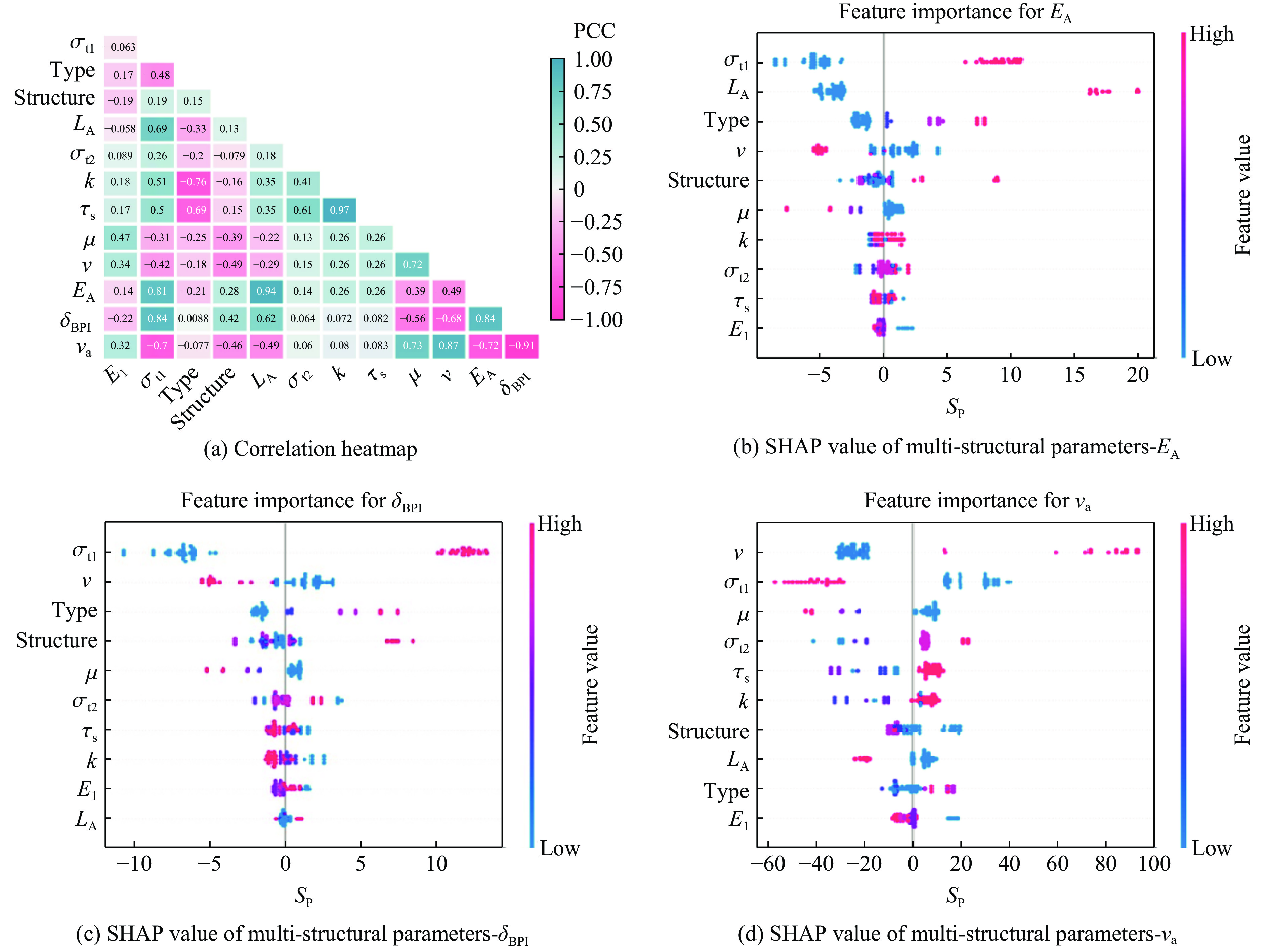
To enhance the penetration resistance performance of fiber-reinforced composite materials and improve the safety of military equipment, this study explores the influence and mechanism of fabric structure hybridization on the penetration resistance performance of fiber-reinforced composite materials, focusing on failure modes, damage evolution, and energy absorption. Through ballistic penetration experiments and multiscale calculations, the influence mechanism of the mixed structure of plain weave and satin weave on the penetration resistance performance of aramid/thermoplastic polyurethanes (TPU) composite materials was analyzed, and the residual velocity, damage mechanism, energy absorption characteristics, and failure morphology were investigated. The results indicate that plain weave fabrics provide high in-plane stiffness, while satin weave fabrics facilitate out of plane deformation and energy dissipation. The hybrid structure with plain weave fabric as the front surface and satin weave fabric as the back surface has better penetration resistance: the front layer (plain weave) passivates bullets and disperses impact energy, while the back layer (satin weave) maximizes energy dissipation. Among them, the aramid/TPU composite material arranged in the order of K6D21 has the best performance, with a residual velocity of 455.81 m/s and a specific energy absorption of 28.51 J/(kg·m2), which improved by 9.50% compared to the control group. By analyzing the shapley additive explanations (SHAP) values of multi feature parameters, the structural design of composite materials can be optimized based on fabric structure, fiber properties, and hybrid layers. Combined with multi-scale numerical calculations and experimental verification, the database can be expanded to provide a solid theoretical basis for improving the performance of composite materials.