

2026 Vol. 40, No. 2

Cover
2026, 40(2)
PDF (8)
Abstract:
2026, 40(2): 1-2.
HTML PDF (10)
Abstract:
Cover Feature
Physical Mechanisms of “Shock Cooling” at the Molecular Fluid/Window Interface under Shock Loading
LI Kewei, AKRAM Muhammad Sabeeh, YANG Lei, YUAN Wenshuo, LIU Fusheng
2026, 40(2): 020101. doi: 10.11858/gywlxb.20251092
Abstract:

The physical mechanism of “shock cooling” at the molecular fluid/window interface has troubled the shock wave physics community for many years and remains unsolved. There are three distinct viewpoints for explaining the cooling effect at the shock interface: thermal equilibrium between the molecular fluid and the window, extinction effect of the molten optical window, and specific shock response of the molecular fluid. This paper comparatively investigates the shock radiation and temperature variation characteristics of the interfaces between the chemically active fluid CHBr3/the inert liquid argon (LAr) and the LiF optical window. Under the same shock pressure, the interface radiation exhibits distinct evolution features for the two liquids, indicating that the interface cooling effect is closely related to the fluid medium and its chemical activity. Therefore, the experimental results of this paper strongly support that the interface cooling effect is caused by the shock response of the fluid itself, rather than heat conduction or window melting extinction.

Physical Property and Structure
Polyvinylidene Fluoride (PVDF) Phase Transitions under In-Situ High Pressure
ZHANG Shenghan, LI Ting, ZHANG Xiaojun, CHEN Zhiqiang
2026, 40(2): 021101. doi: 10.11858/gywlxb.20251174
HTML PDF (35)
Abstract:

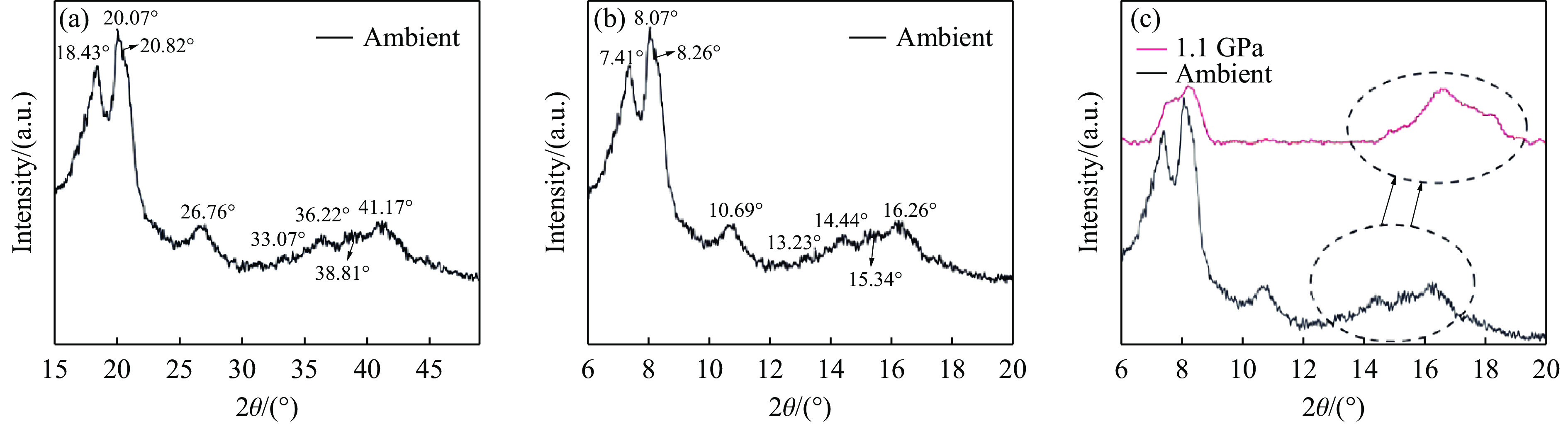
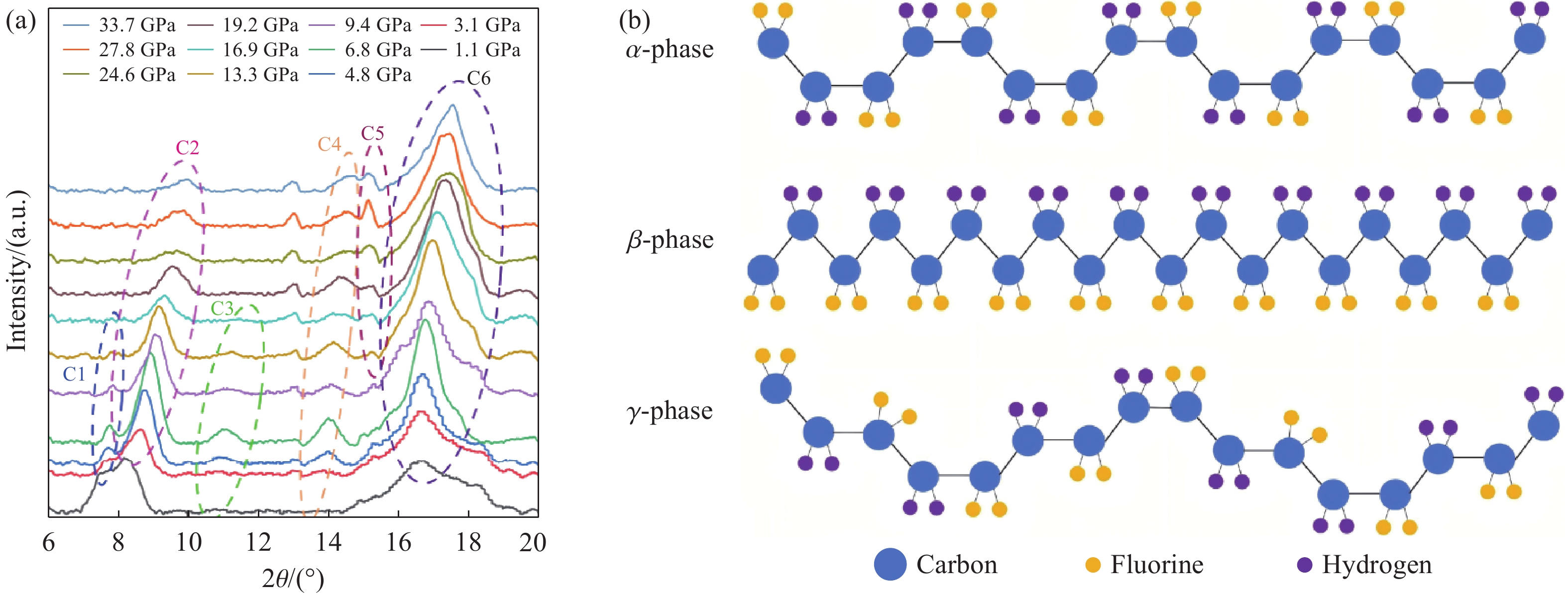
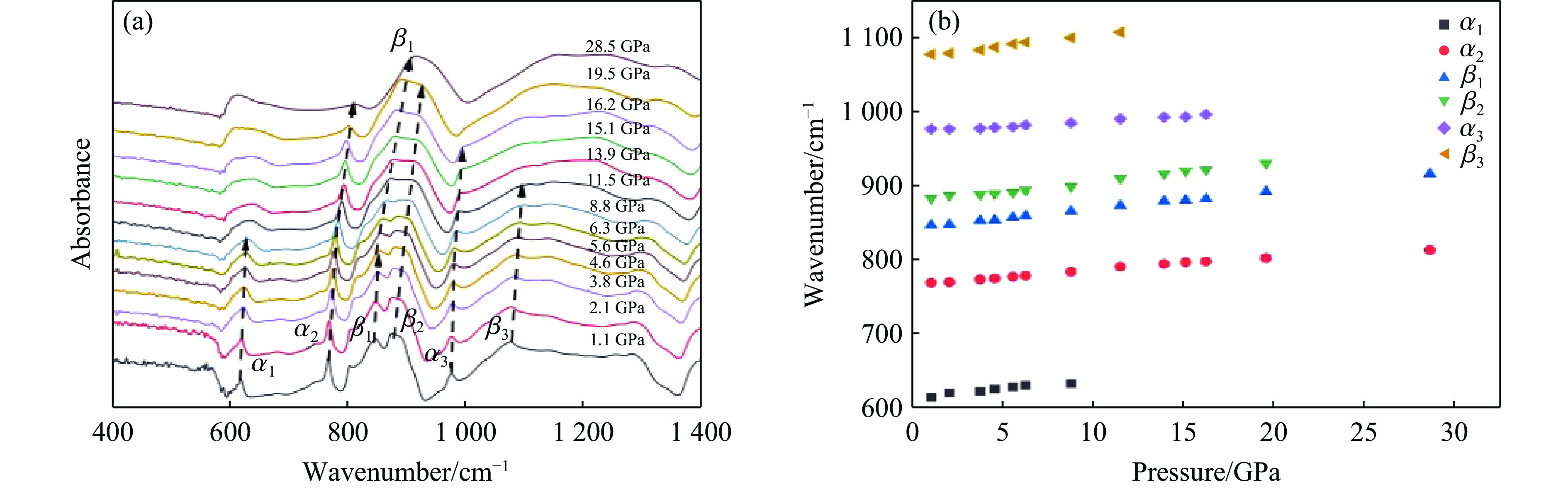
Polyvinylidene fluoride (PVDF) is a versatile semi-crystalline polymer exhibiting outstanding piezoelectric, pyroelectric and dielectric properties, and is therefore widely employed in sensors, energy devices and biomedical applications. Its performance is governed by crystallinity and the polymorphic constitutiona (α, β, γ, δ, ε), among which the polar β-phase possesses superior electromechanical characteristics compared with the non-polar α-phase. Nevertheless, the α-phase remains the most stable and the most readily obtained thermodynamical form. The structural evolution of PVDF under high pressure is investigated by means of in situ X-ray diffraction and Fourier-transform infrared spectroscopy. At ambient conditions the powder consists primarily of the α-phase with a minor fraction of β. Upon compression to 0–20 GPa, the α phase gradually diminishes; the emergence of new diffraction peaks and band shifts indicates sequential αβ and βγ transformations, accompanied by a pronounced increase in β content and concomitant formation of γ. When the pressure exceeds 20 GPa, severe lattice distortion destroys long-range crystalline order, resulting in peak broadening and eventual amorphization. The study unveils the intricate interplay between pressure-induced chain rearrangement and polymorphic transitions, clarifies the high-pressure phase-transformation pathway and structural evolution of PVDF, and thereby deepens the structure–property understanding of this polymer. The findings also provide a theoretical basis for tailoring its performance under extreme conditions and for designing high-pressure technologies.

Dynamic Response of Matter
Tensile Fracture Characteristics and Dynamic Crack Evolution Law of Concrete
LIU Jinhao, LI Jinzhu, YAO Zhiyan, ZHANG Liwei
2026, 40(2): 024101. doi: 10.11858/gywlxb.20251046
HTML PDF (32)
Abstract:

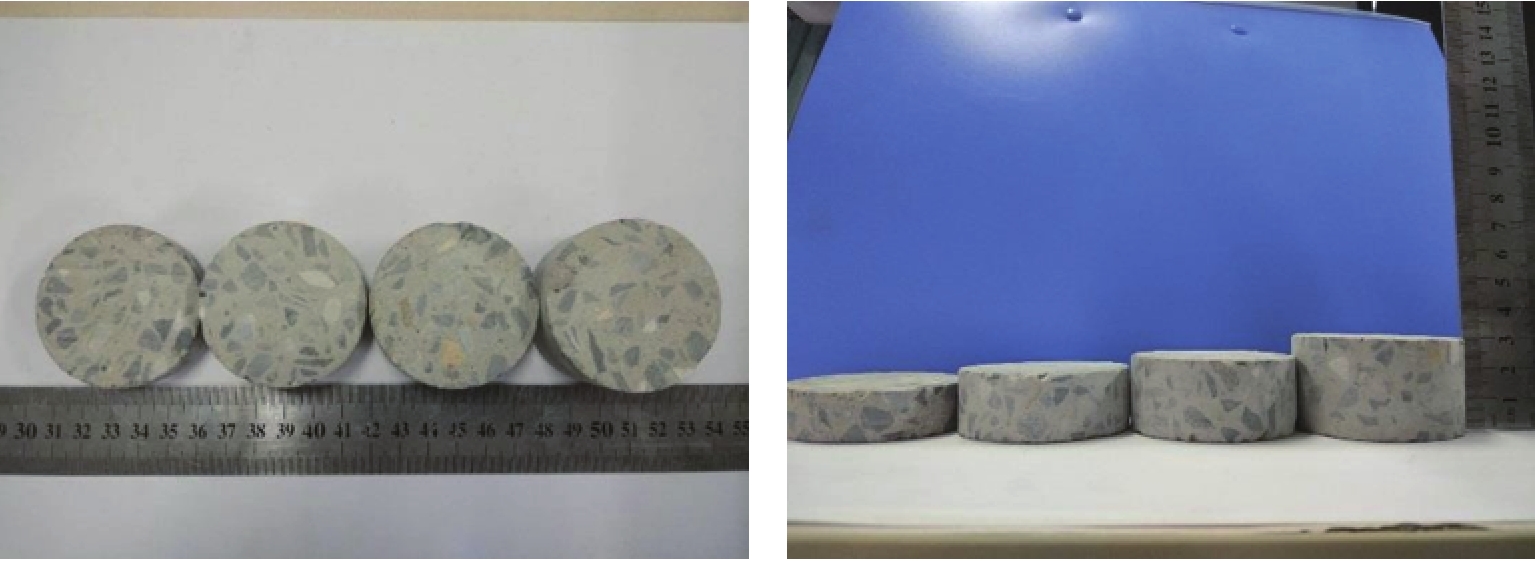
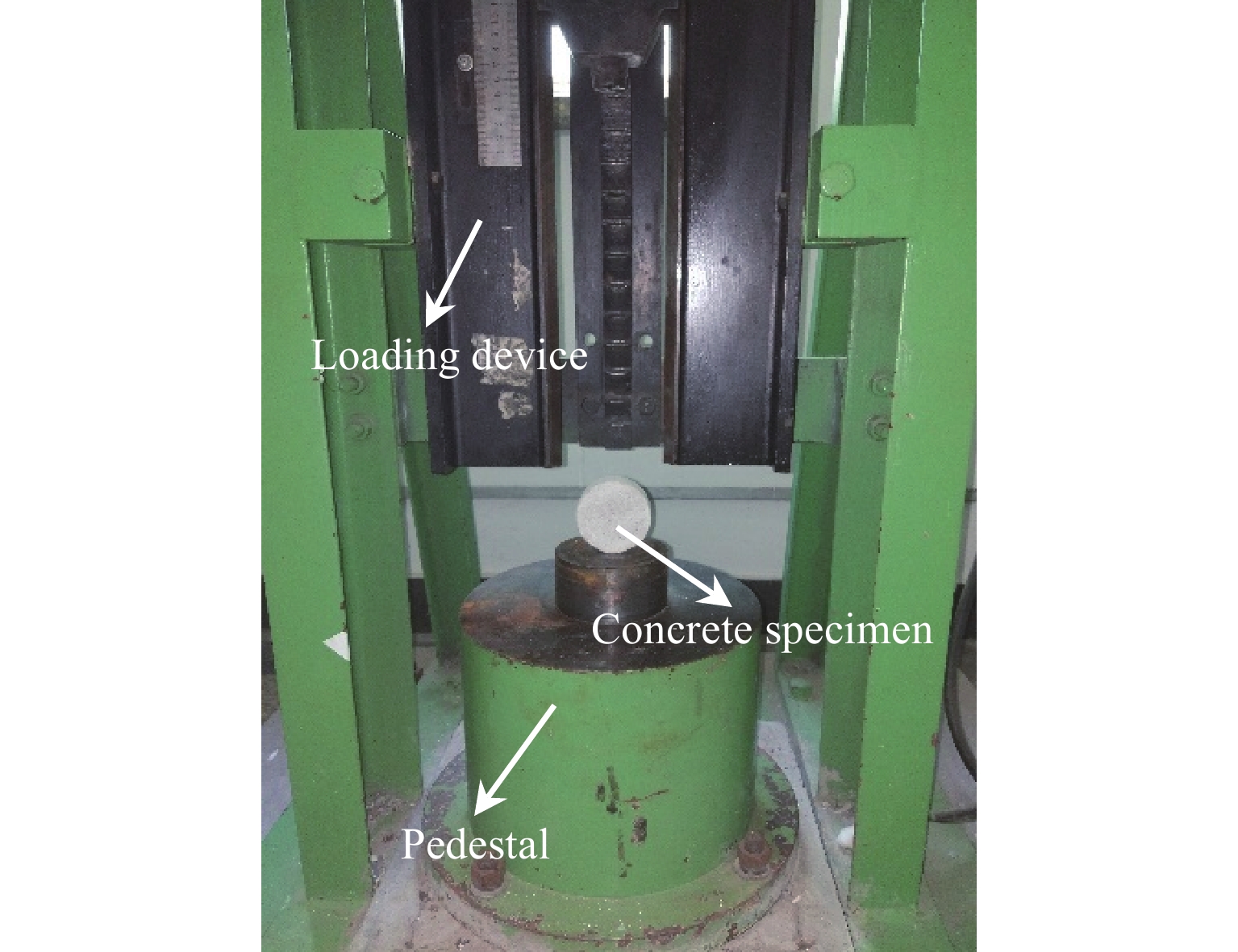
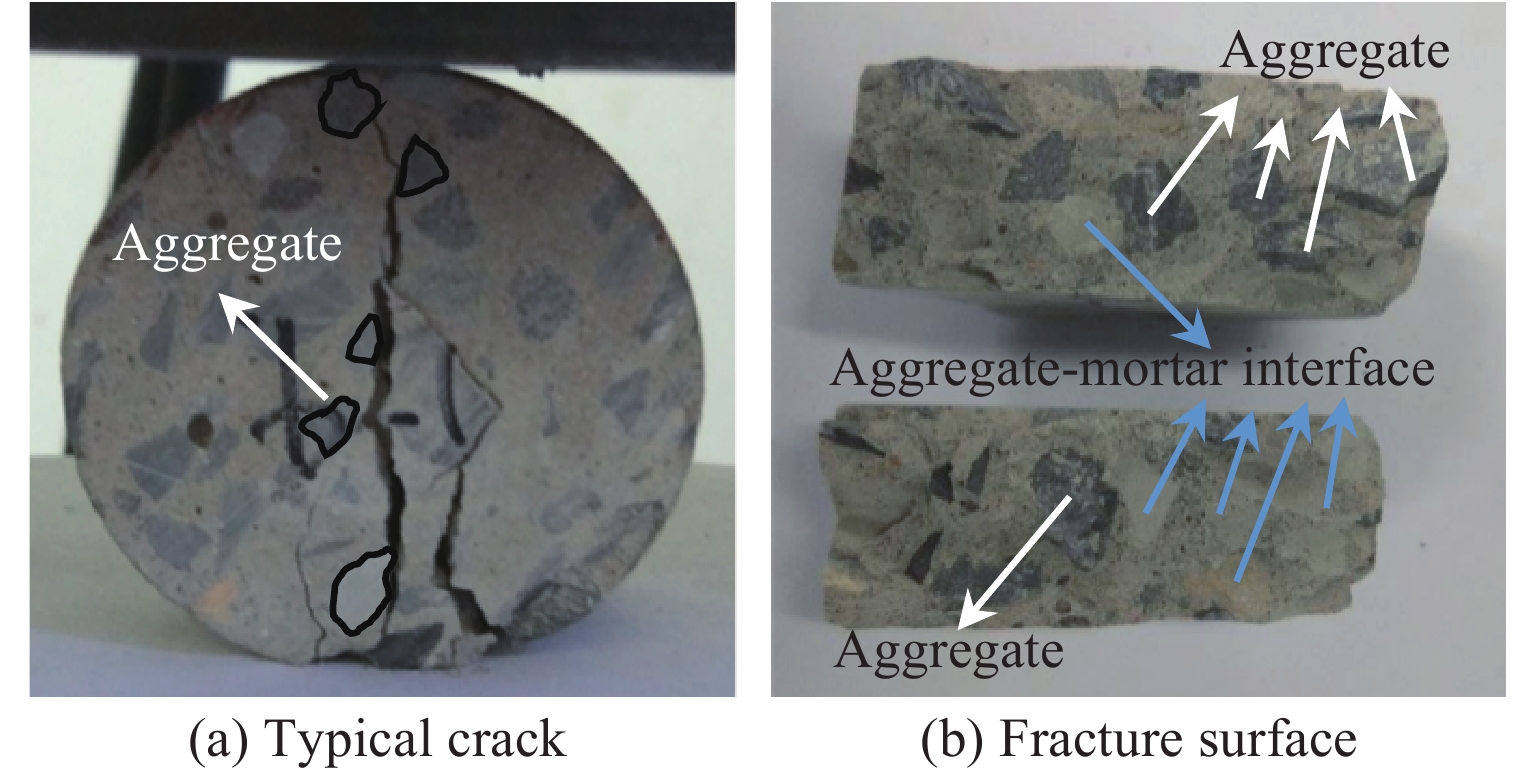
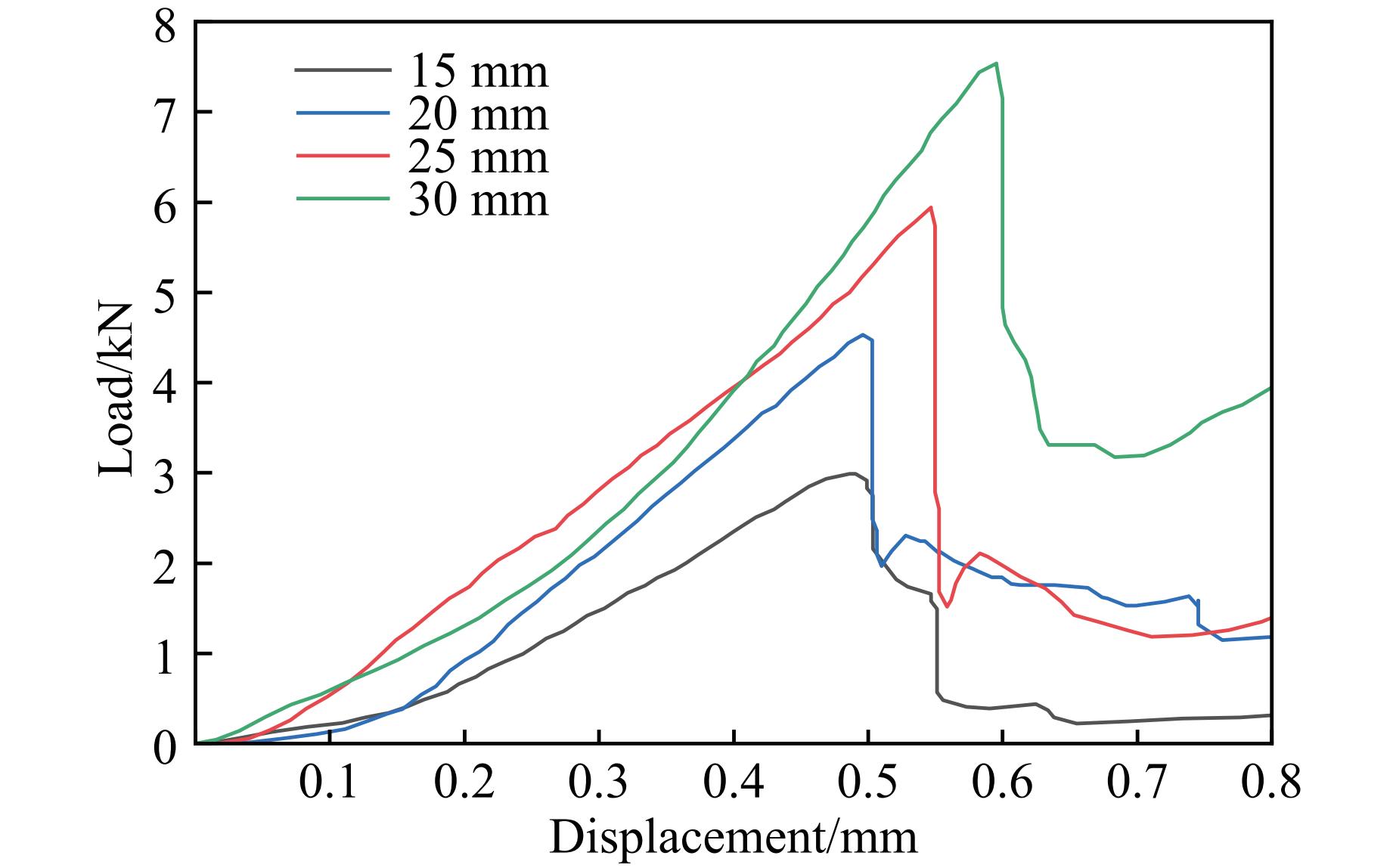
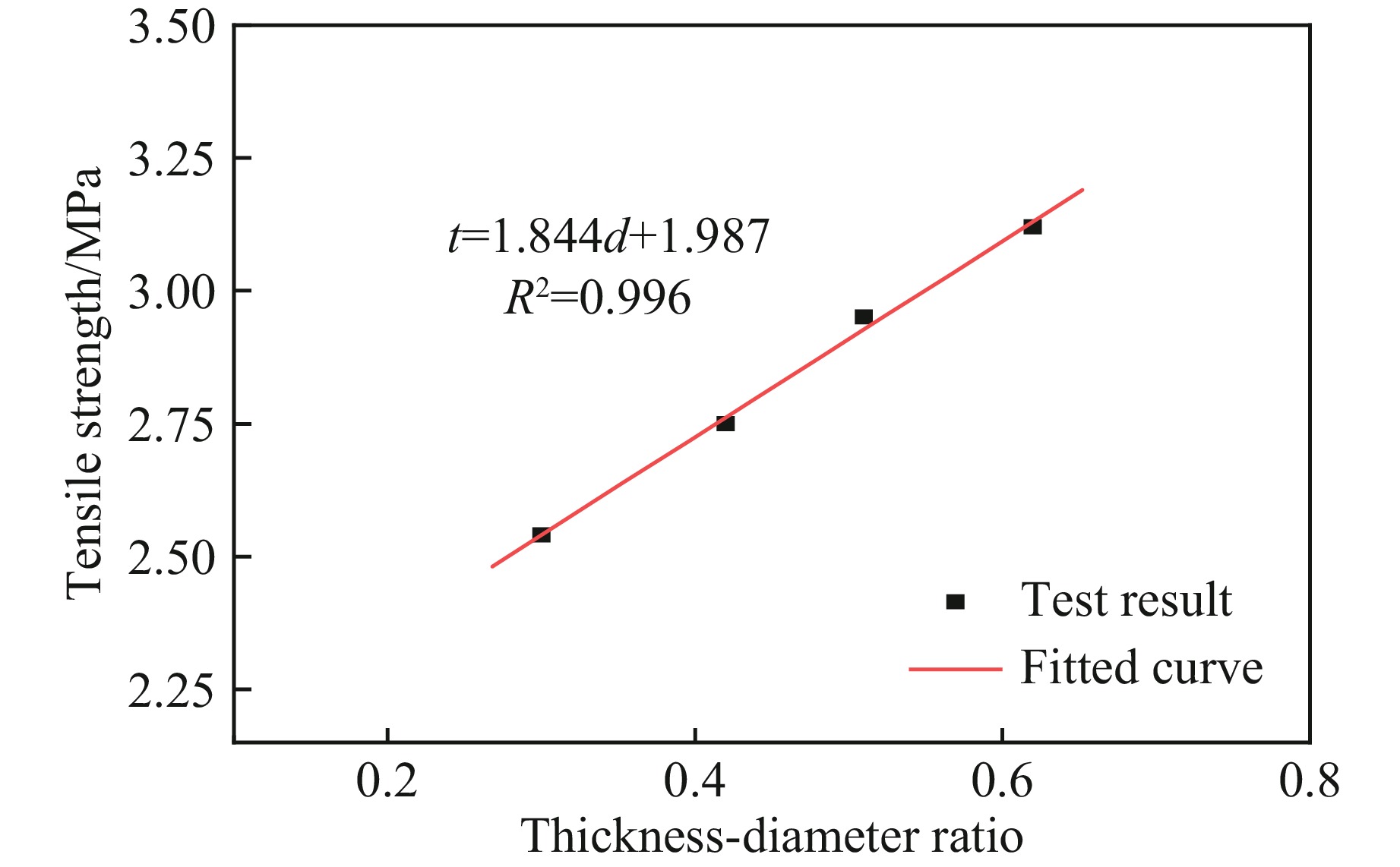
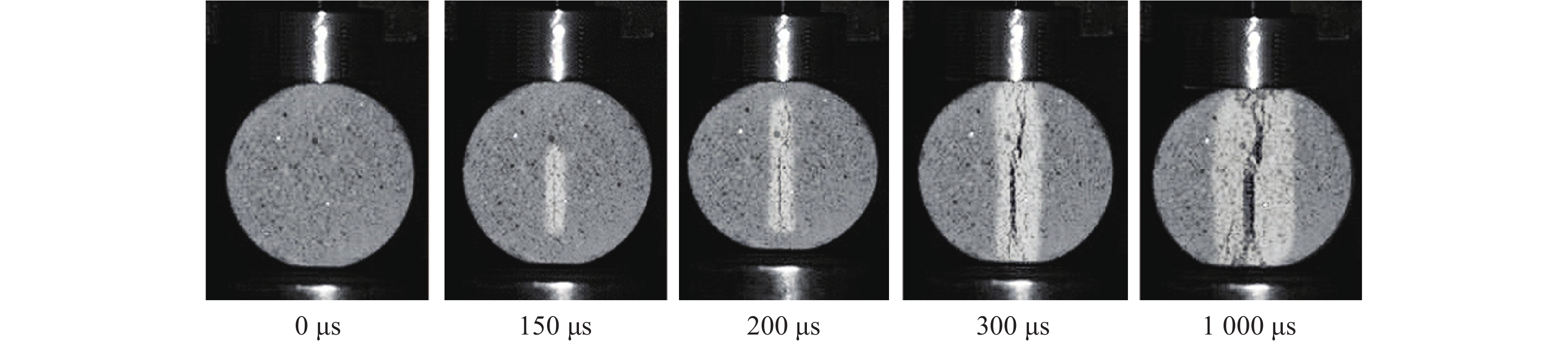
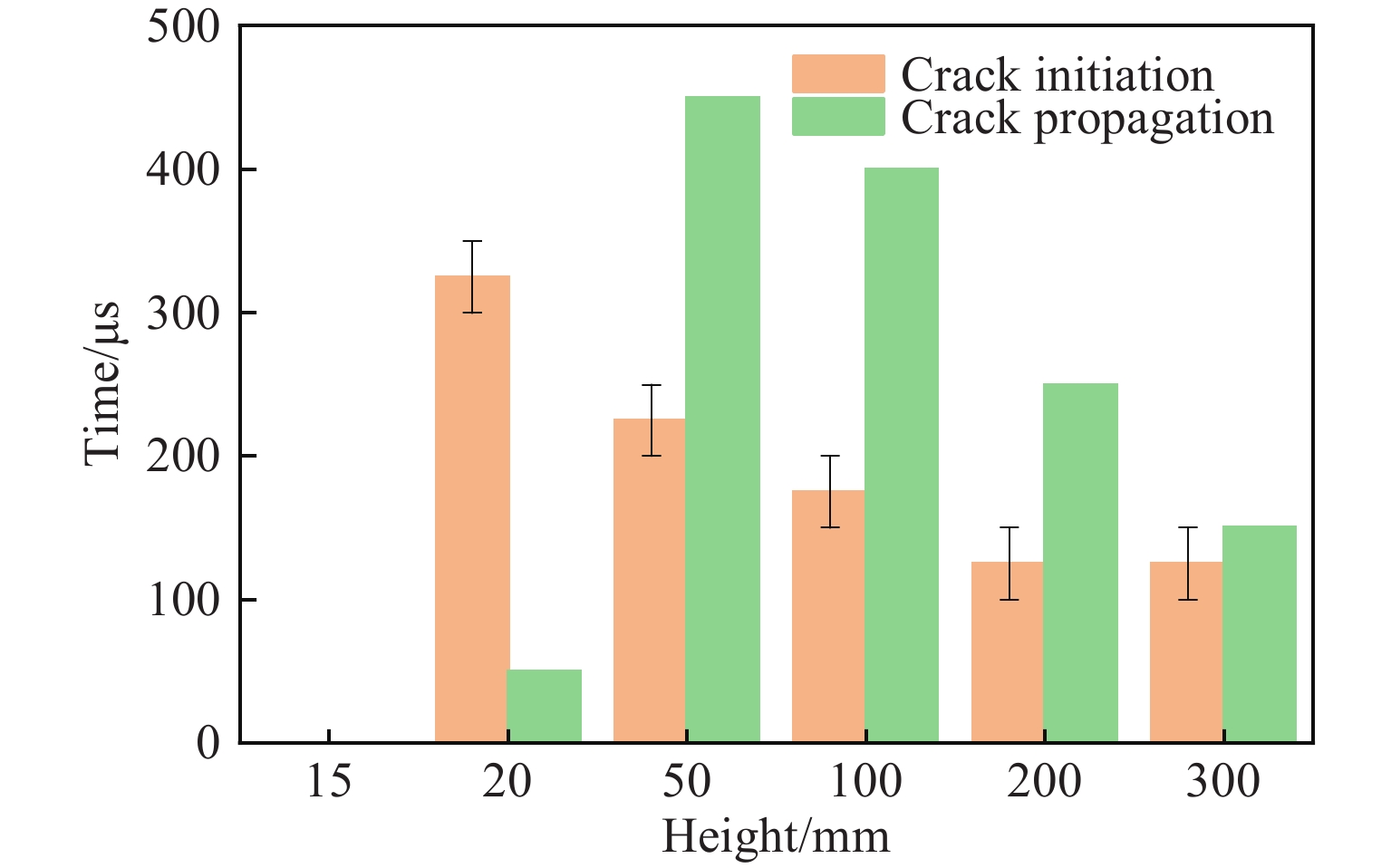
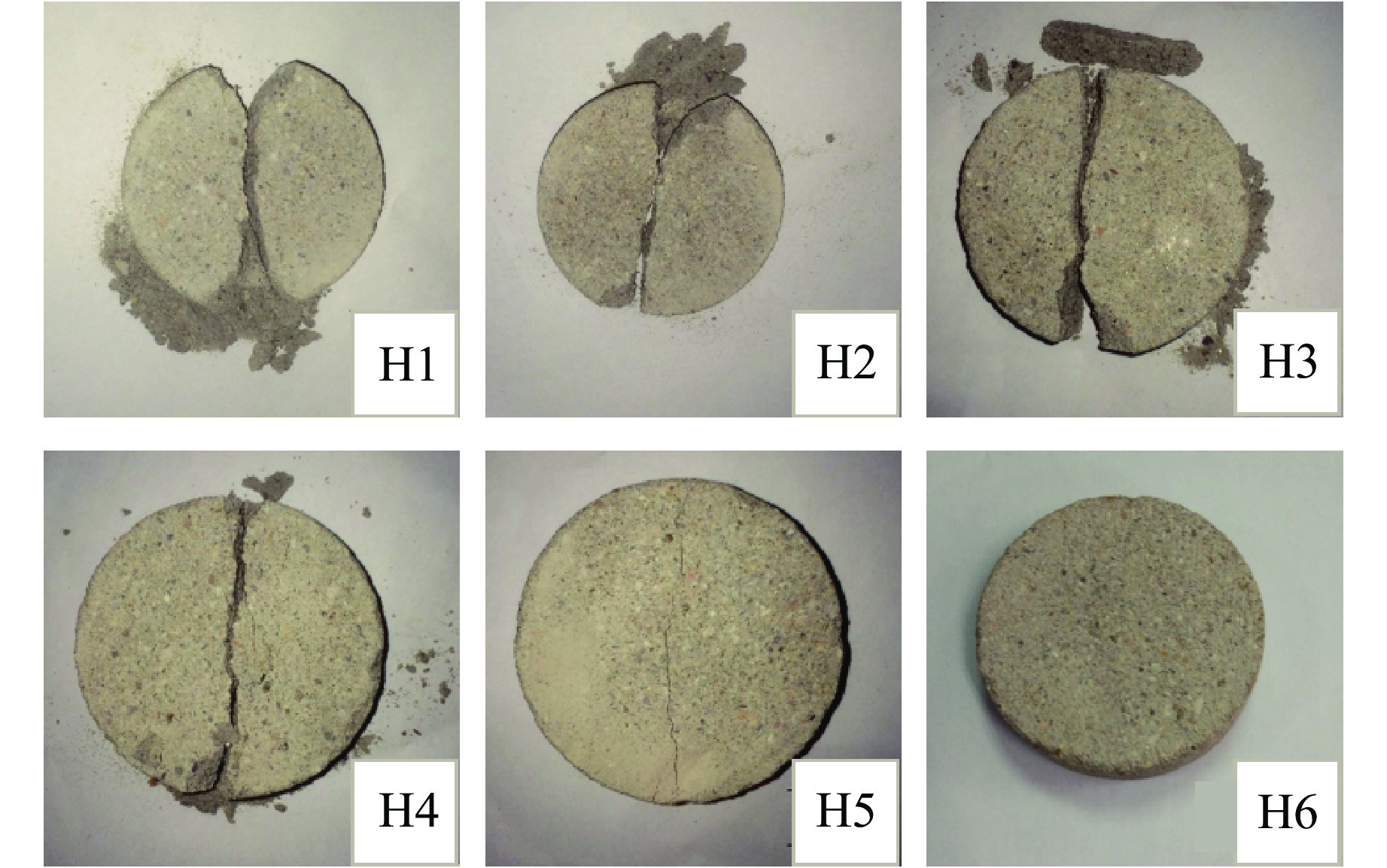
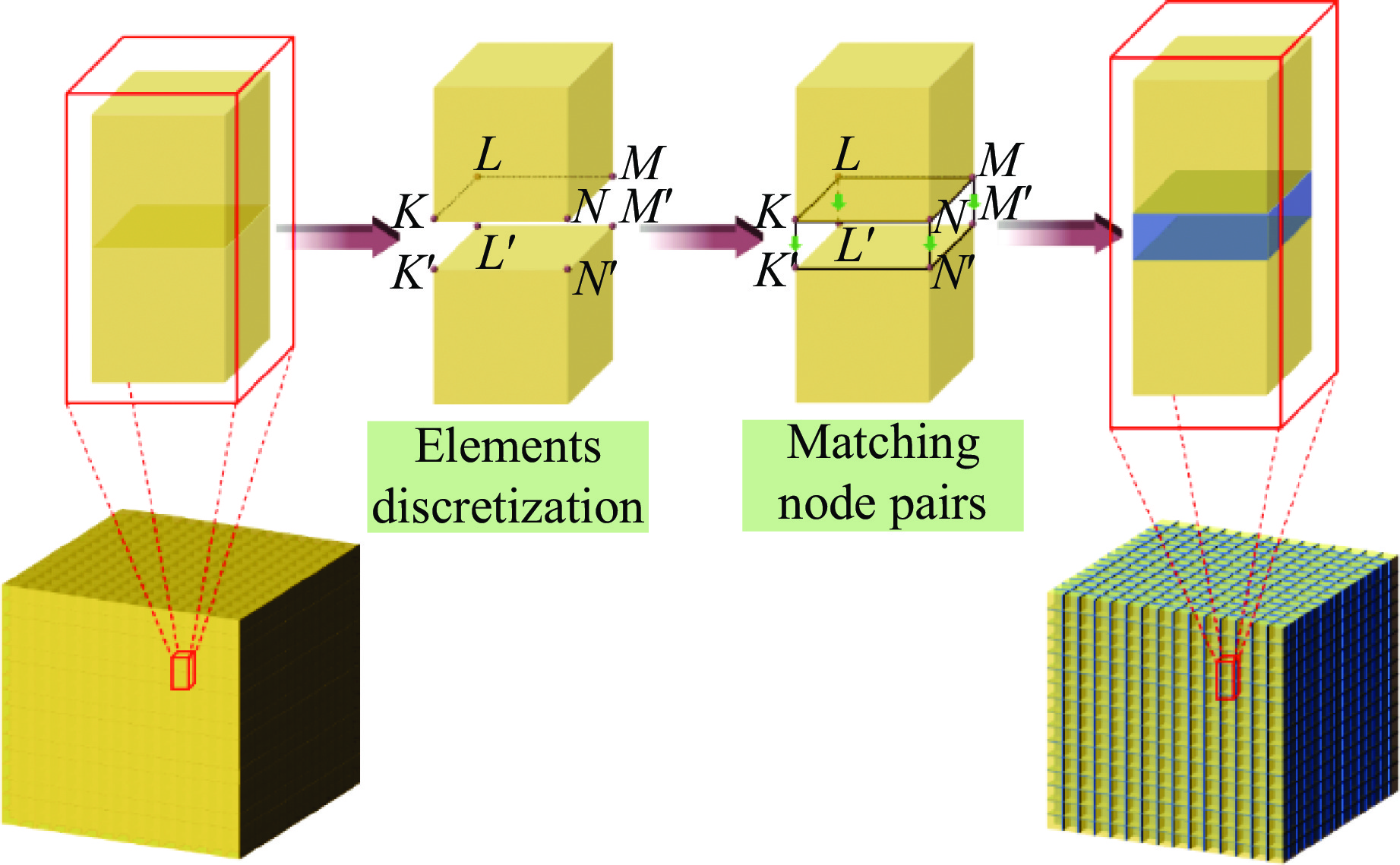
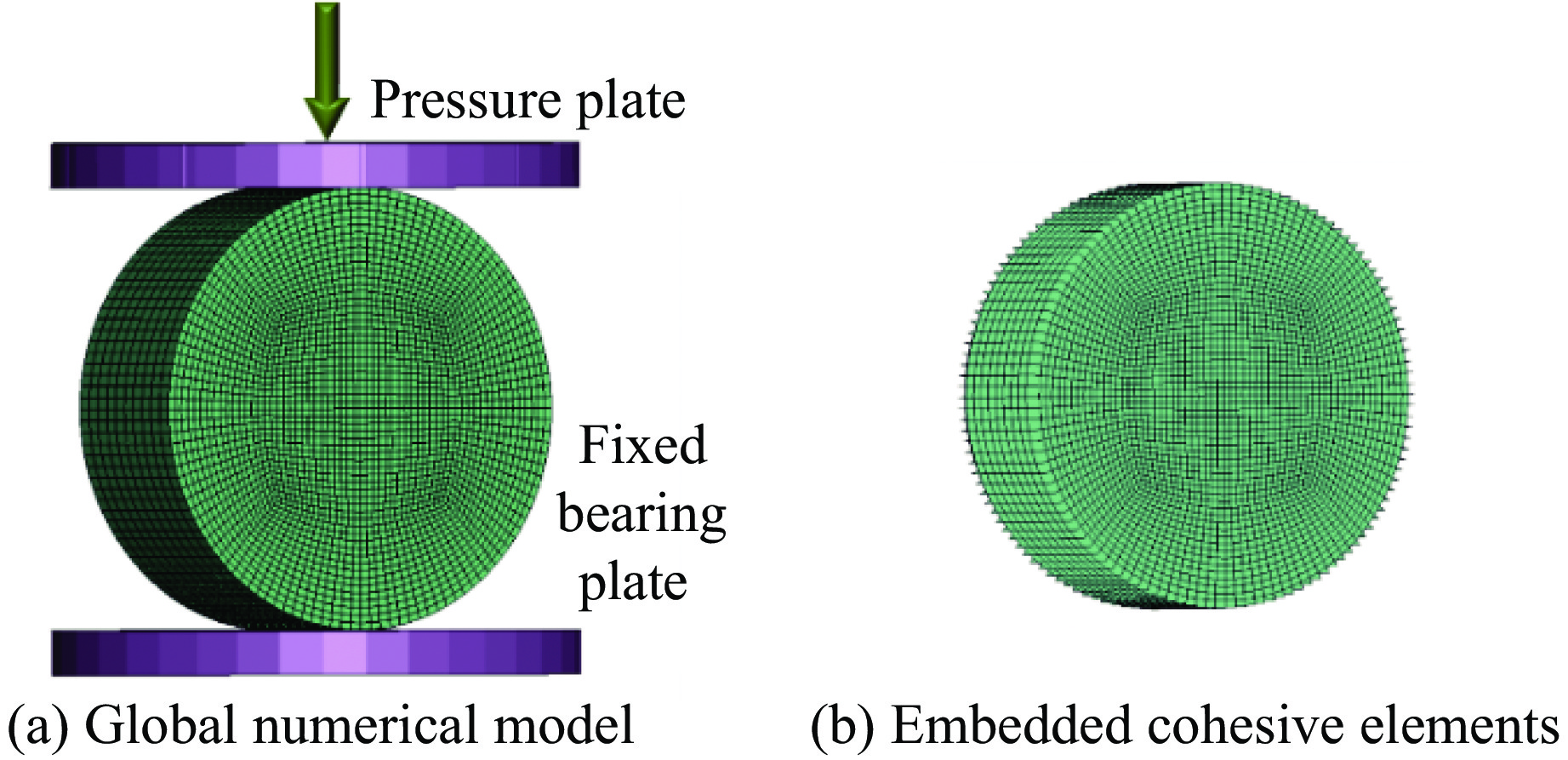
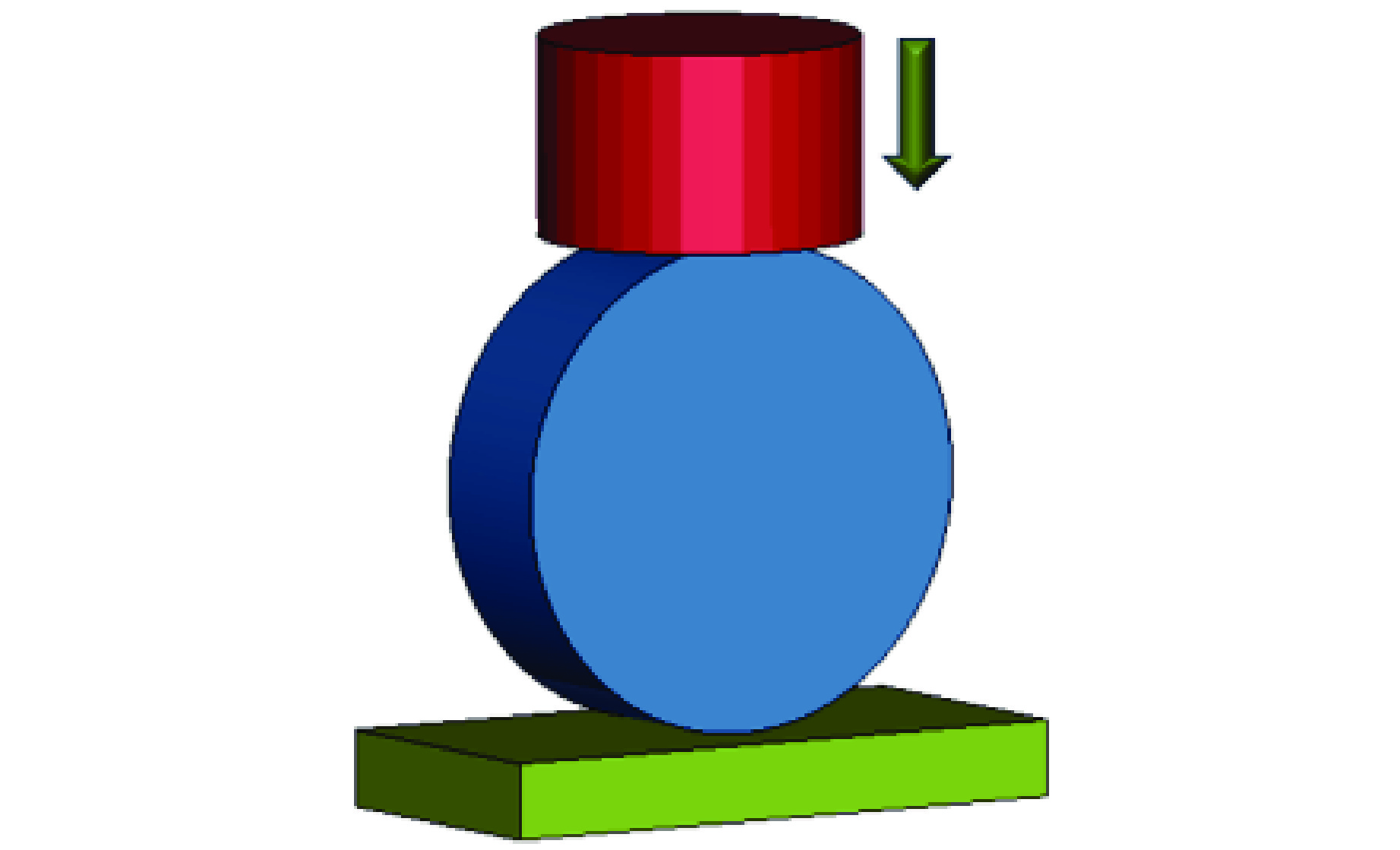
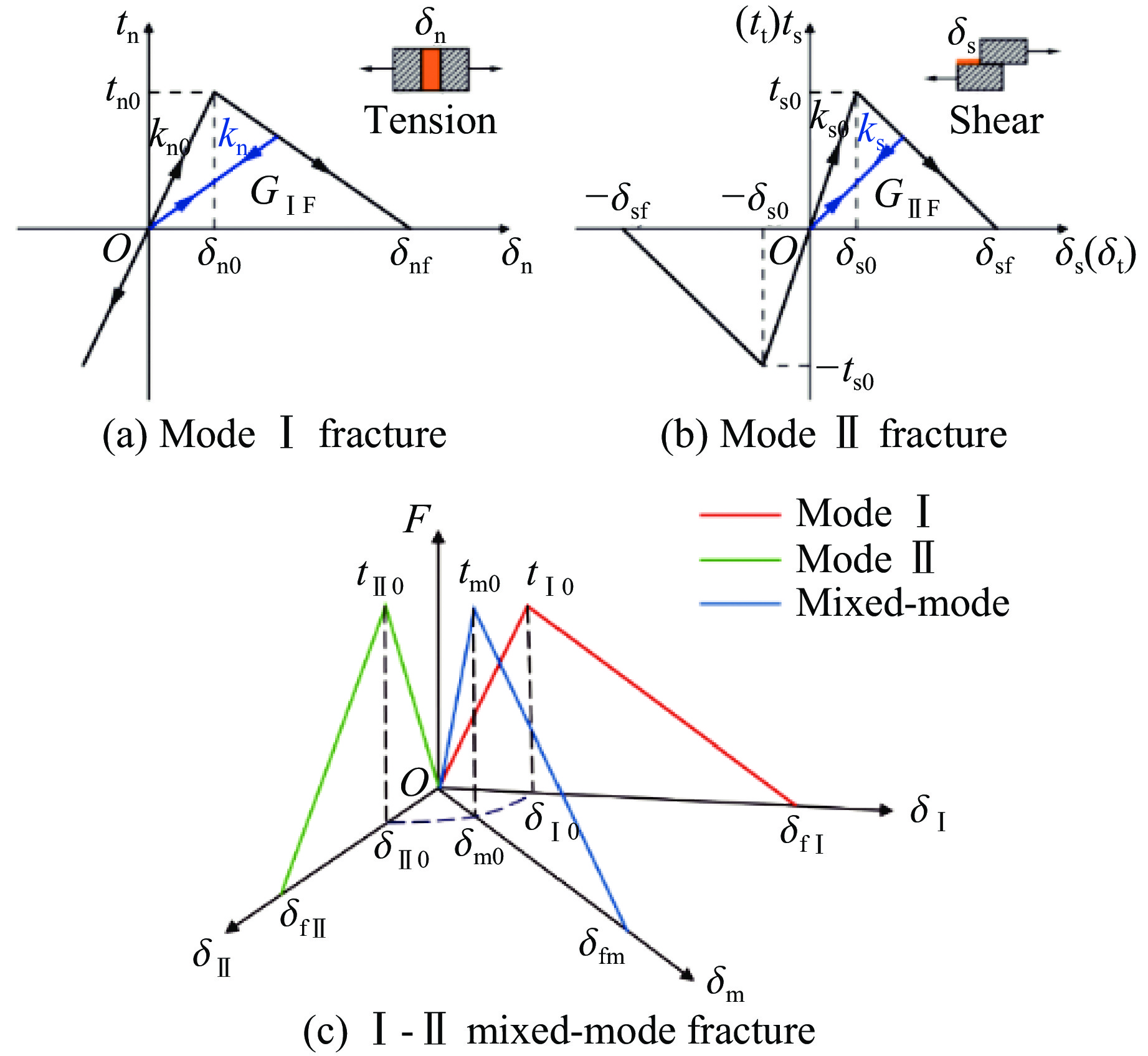
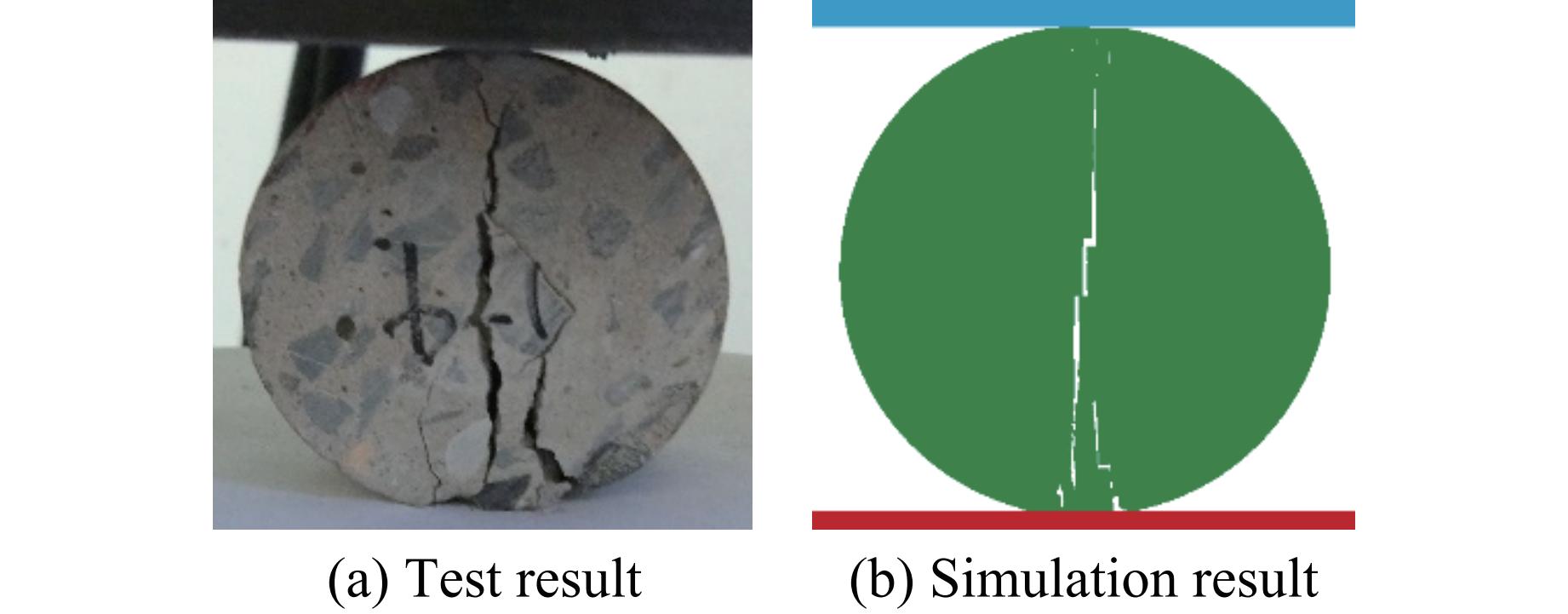
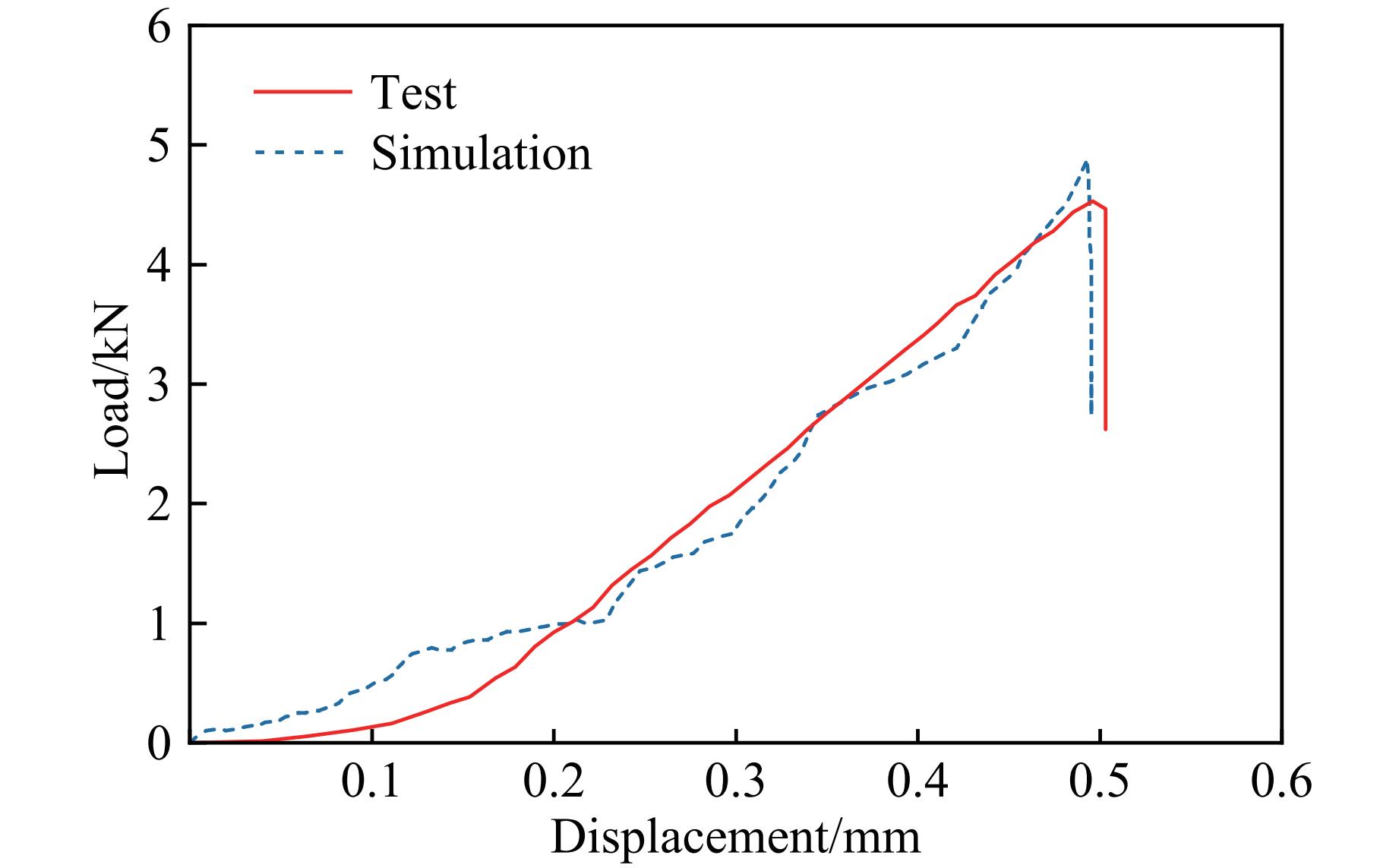
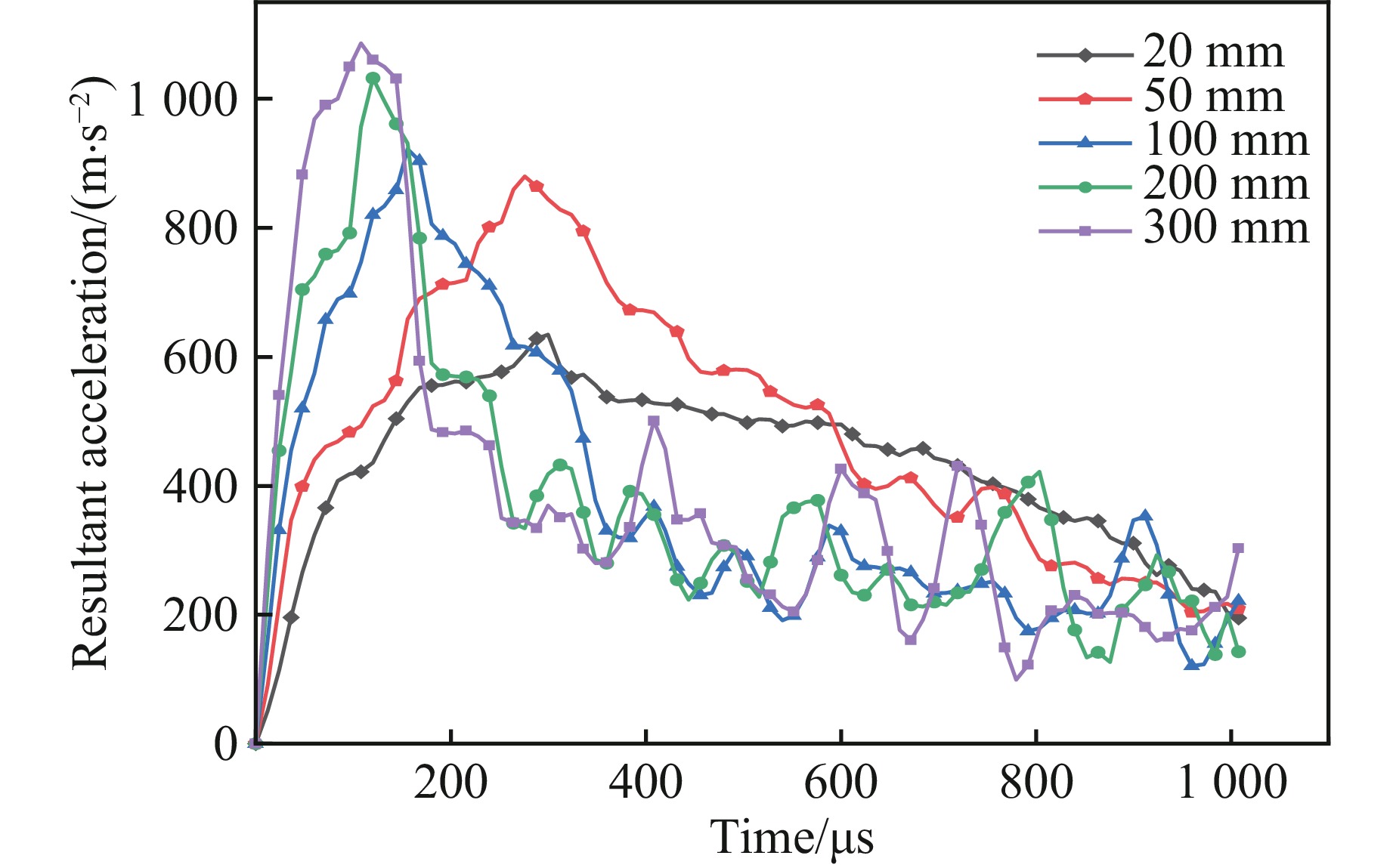
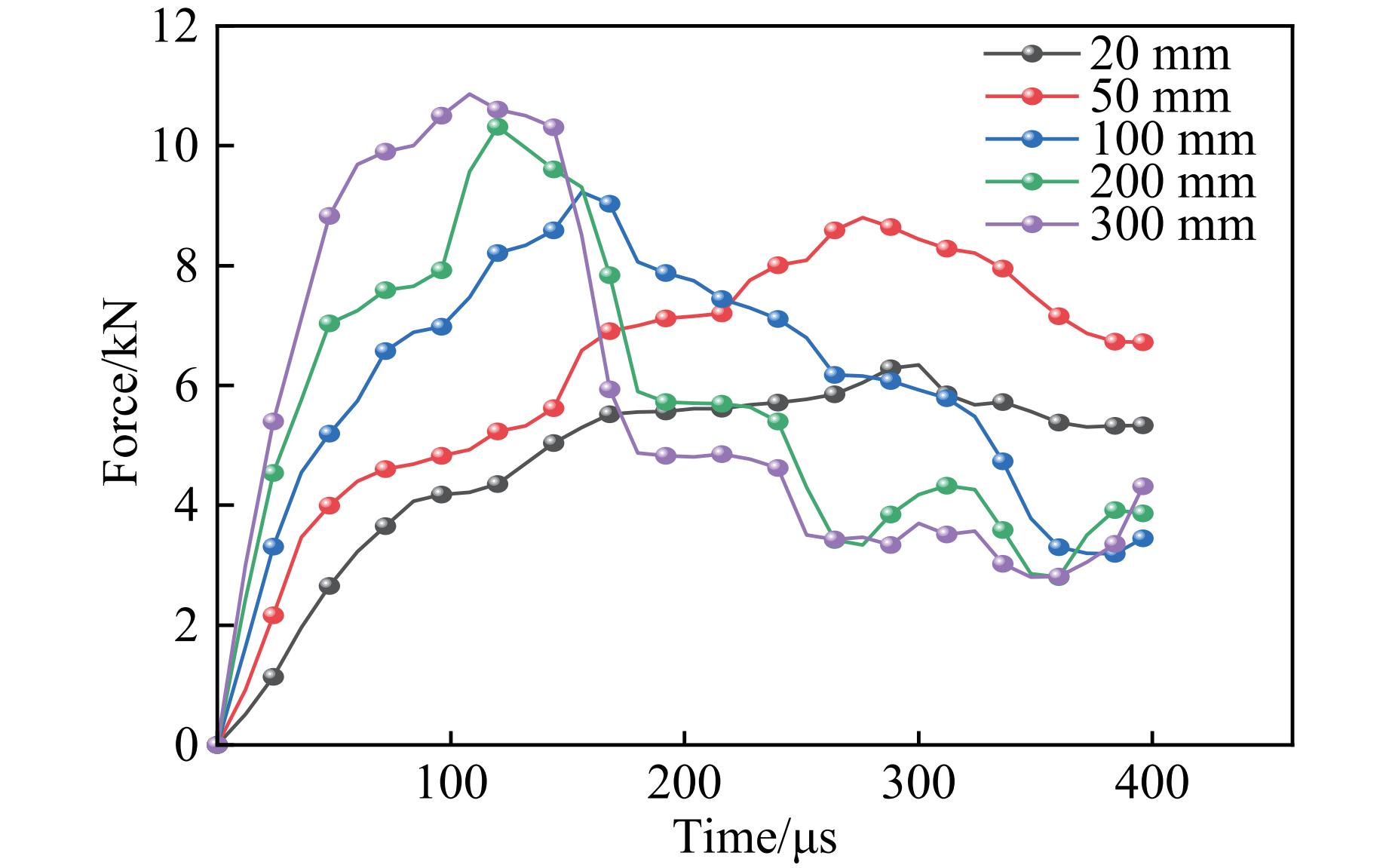
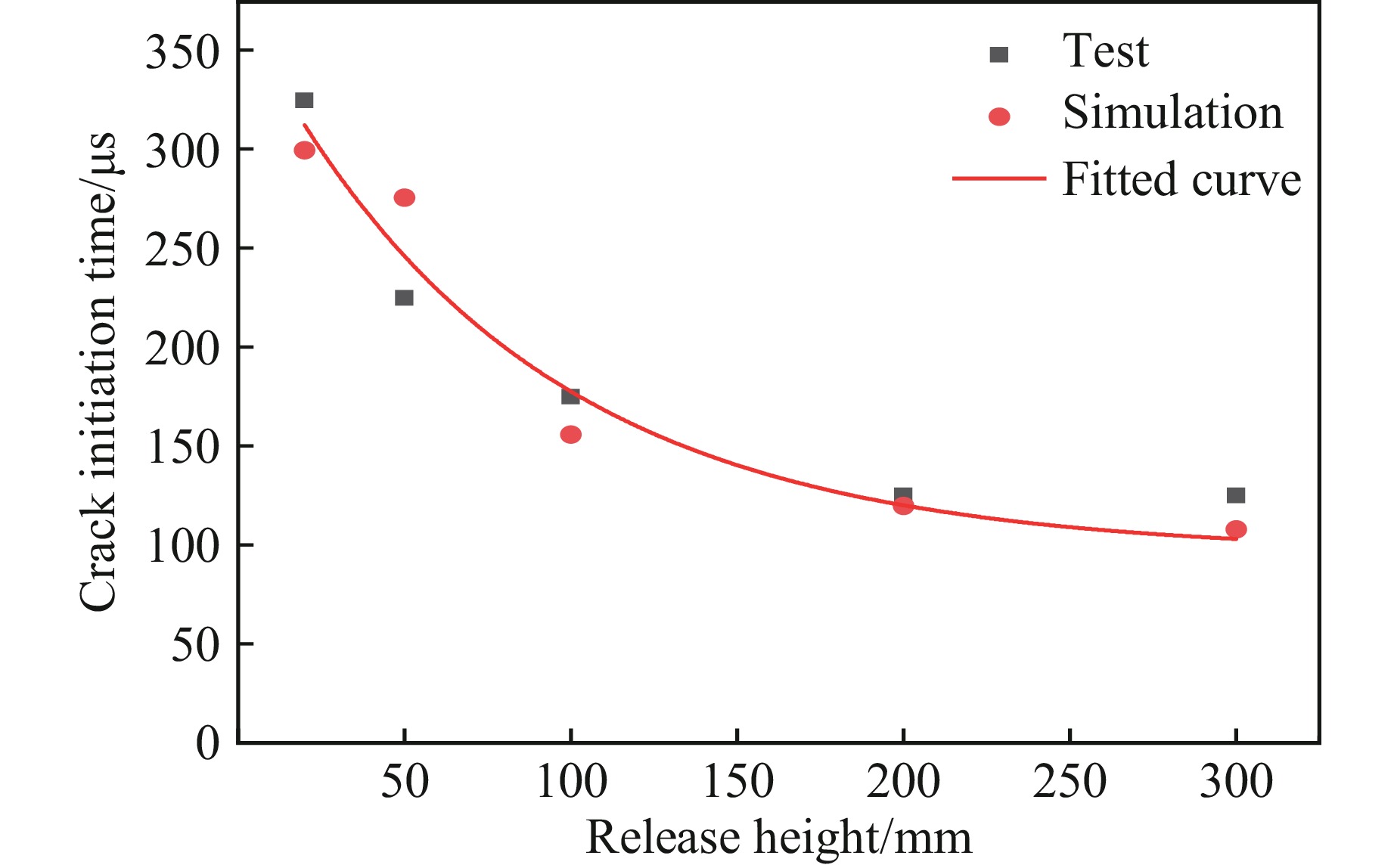
To investigate the tensile fracture characteristics and crack evolution mechanisms of concrete, Brazilian disc quasi-static splitting tests and falling weight impact tests were conducted. The crack propagation and mechanical responses were analyzed using the finite cohesive-element method (FCEM). Test results demonstrated that under quasi-static loading, concrete discs exhibited tensile fracture with a primary crack penetrating along the loading direction at the disc center, accompanied by minor parallel secondary cracks. Crack propagation primarily occurred within the mortar matrix and along aggregate-mortar interfaces. The tensile performance of three-dimensional concrete discs exhibited significant enhancement with increasing thickness-diameter ratio. Under dynamic impact loading, specimens maintained a center-initiated fracture pattern, where the main crack propagated along the loading diameter, while triangular crushing zones formed at the edges in contact with testing apparatus. With increasing drop height, the specimens sequentially exhibited four distinct failure modes: no crack initiation, crack initiation without penetration, complete crack penetration, and severe fragmentation. High-speed photography quantified time-dependent crack lengths, demonstrating prolonged crack propagation durations at reduced drop heights. Numerical simulations revealed a nonlinear decreasing trend in crack initiation time versus drop height, with an empirical formula established to describe their relationship.

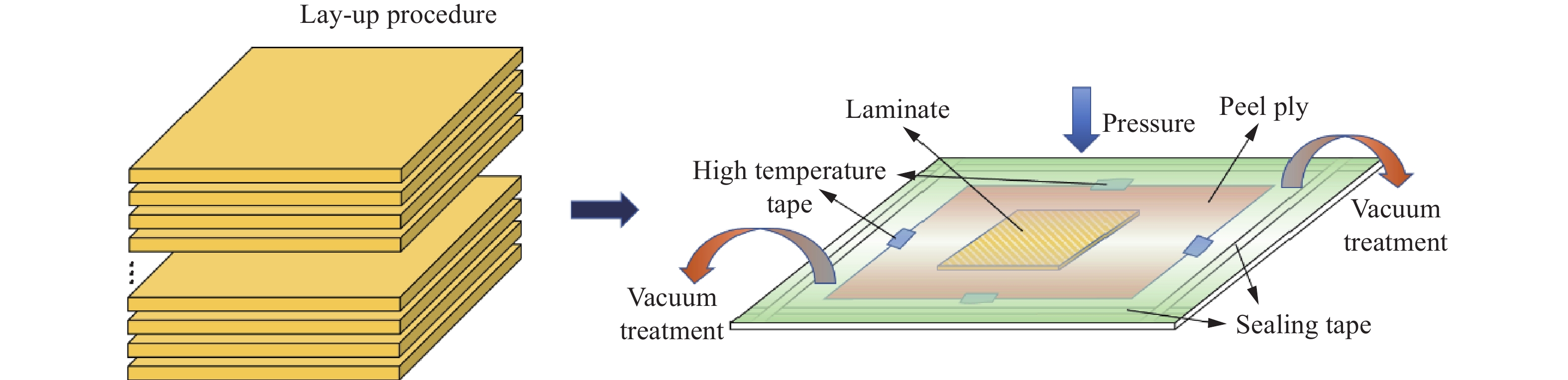
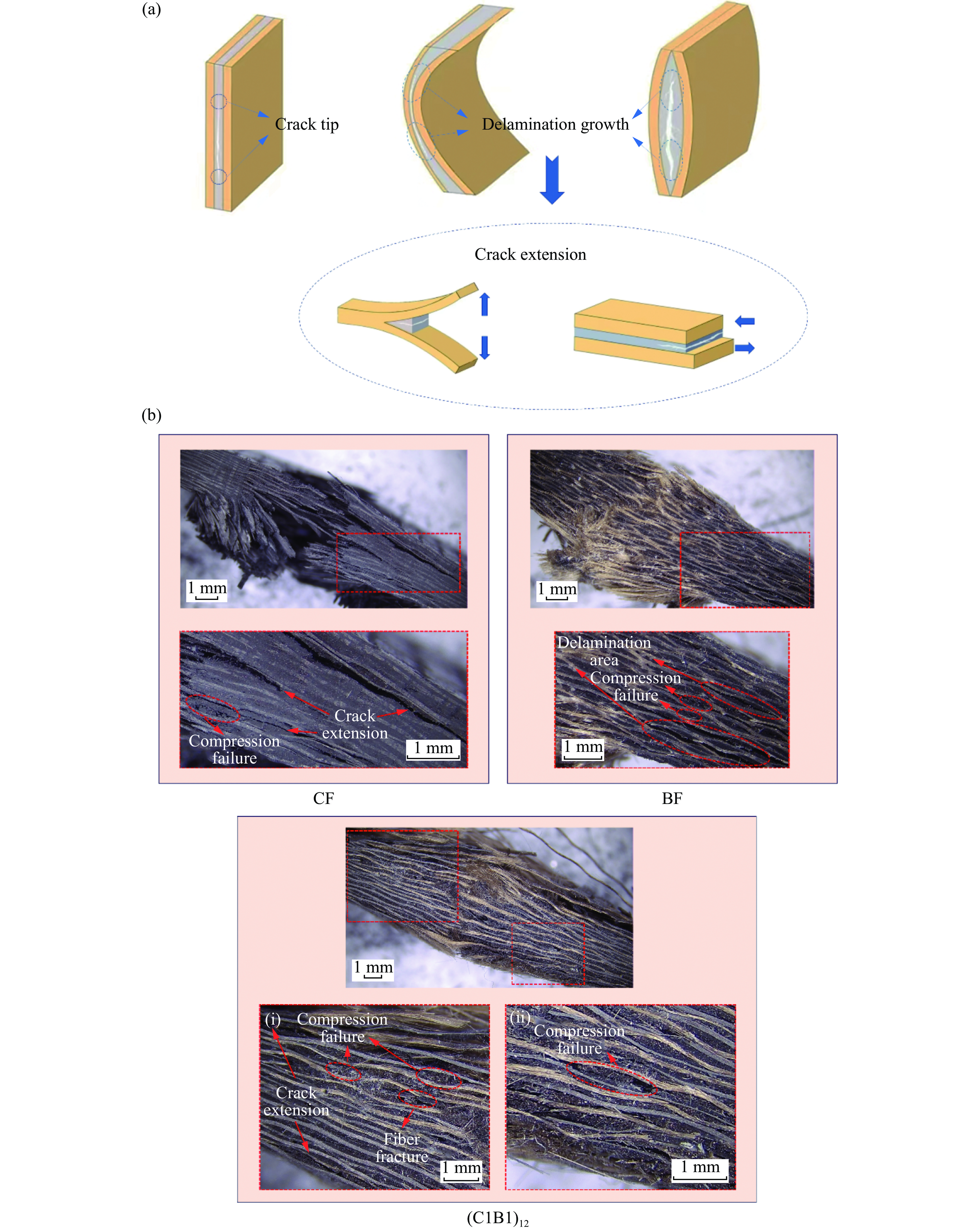
Ballistic and Compression after Impact Behaviors of Carbon/Basalt Fiber Hybrid Laminate
ZHANG Longfei, LIN Gaojian, YUAN Ye, ZHOU Zhipeng
2026, 40(2): 024102. doi: 10.11858/gywlxb.20251073
HTML PDF (27)
Abstract:

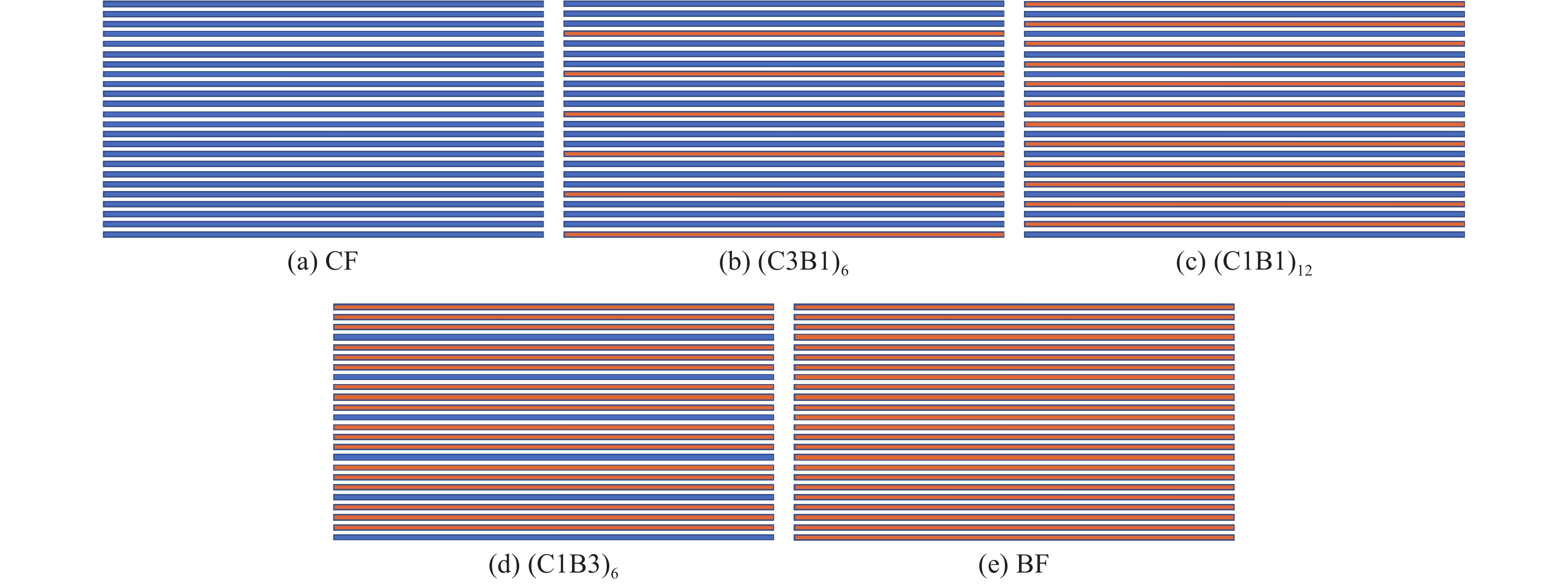
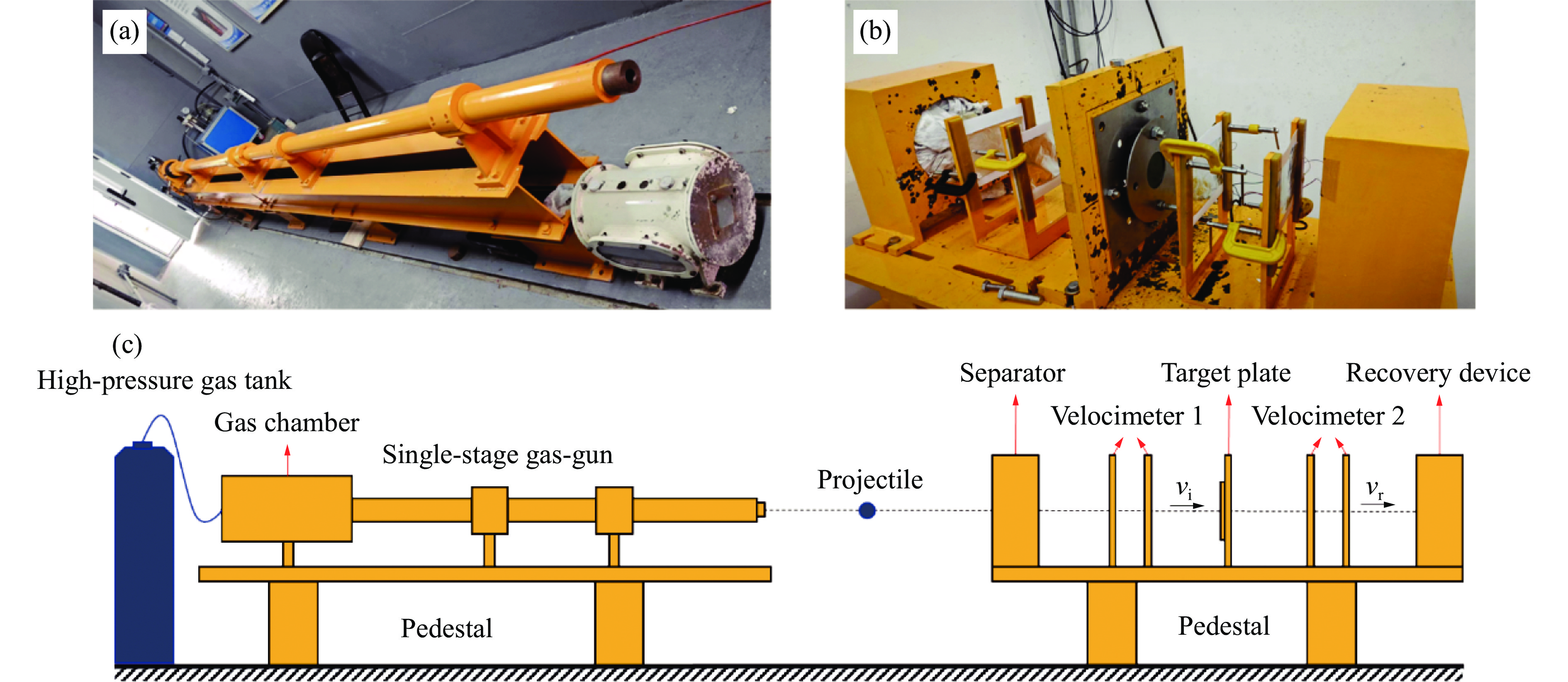
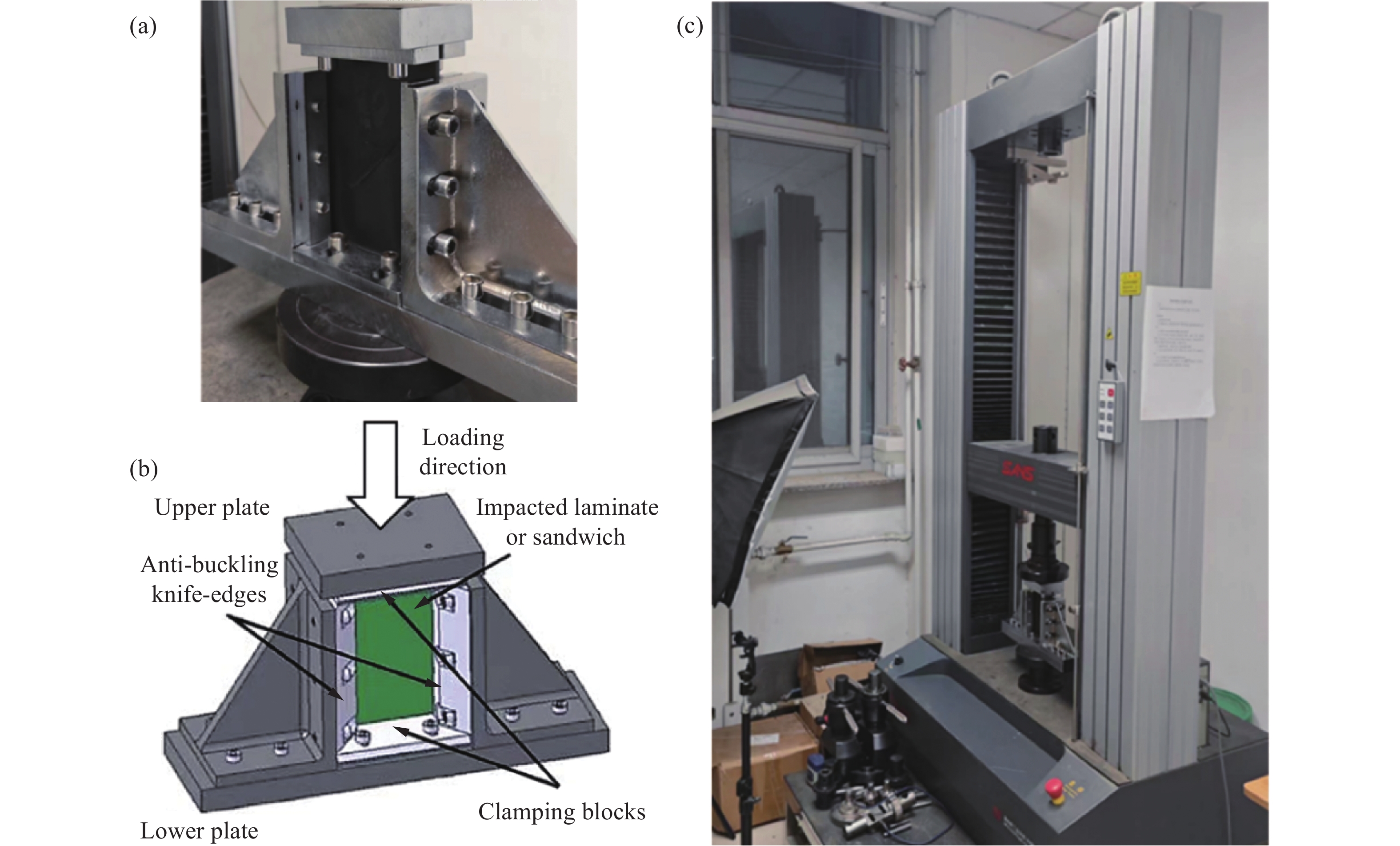
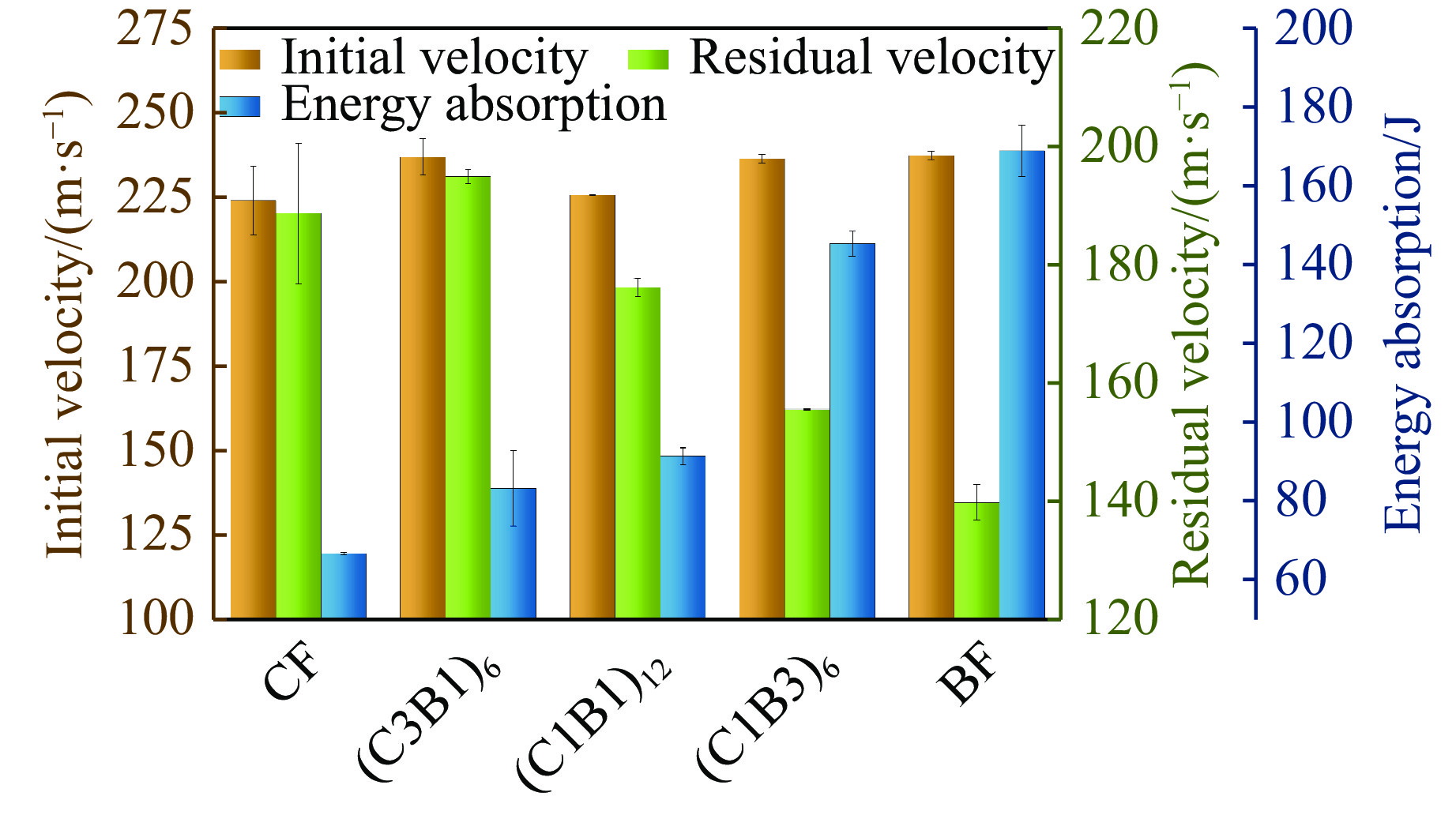
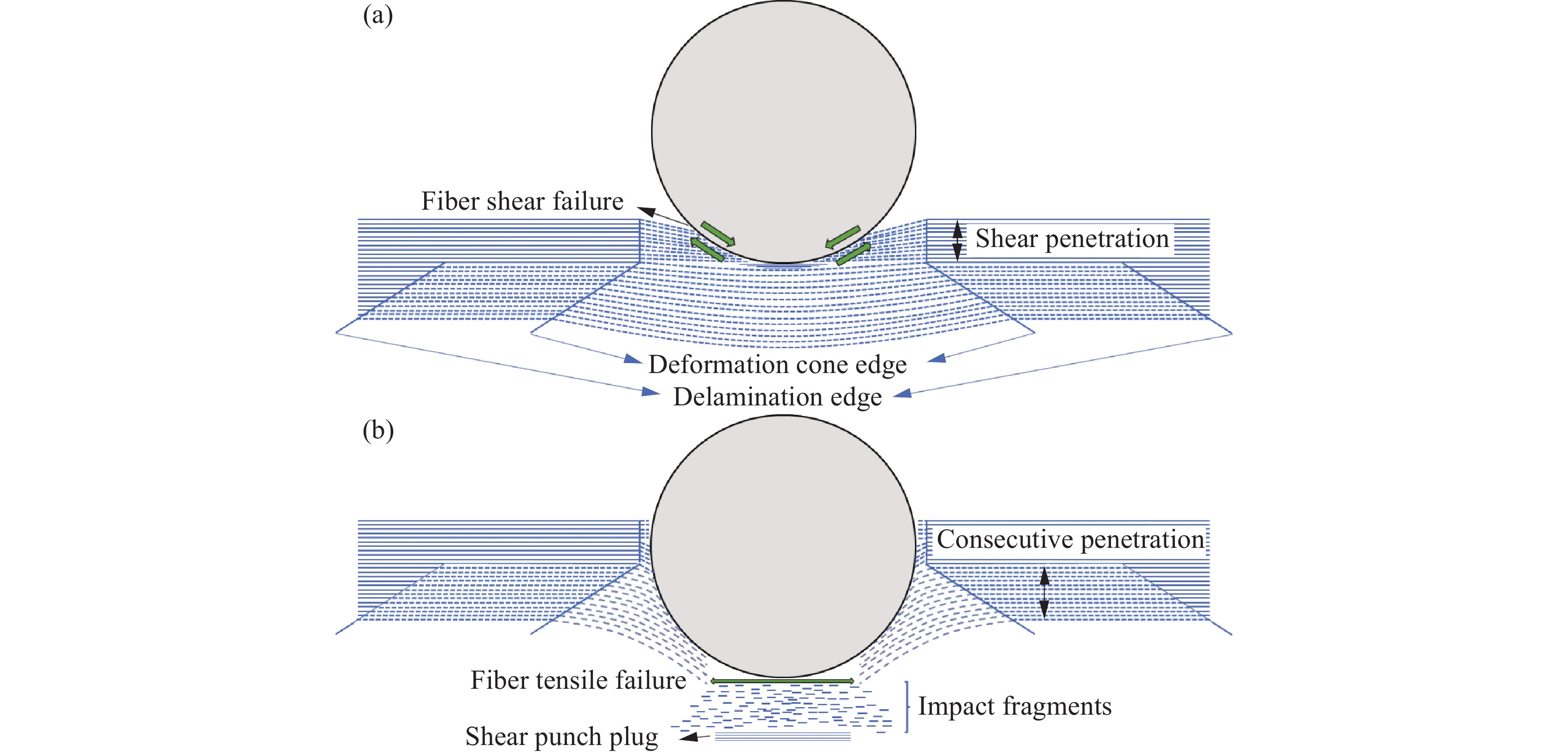
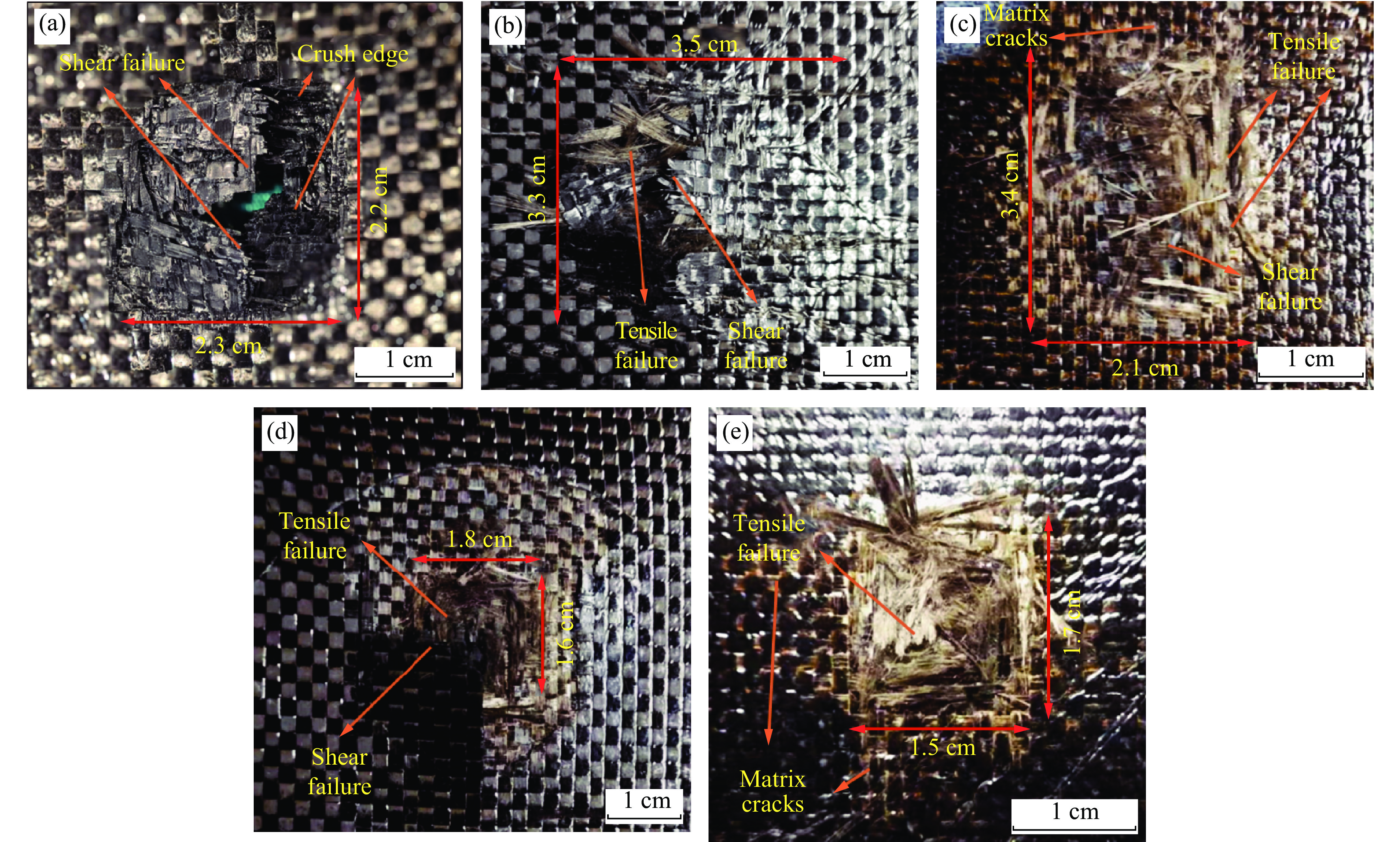
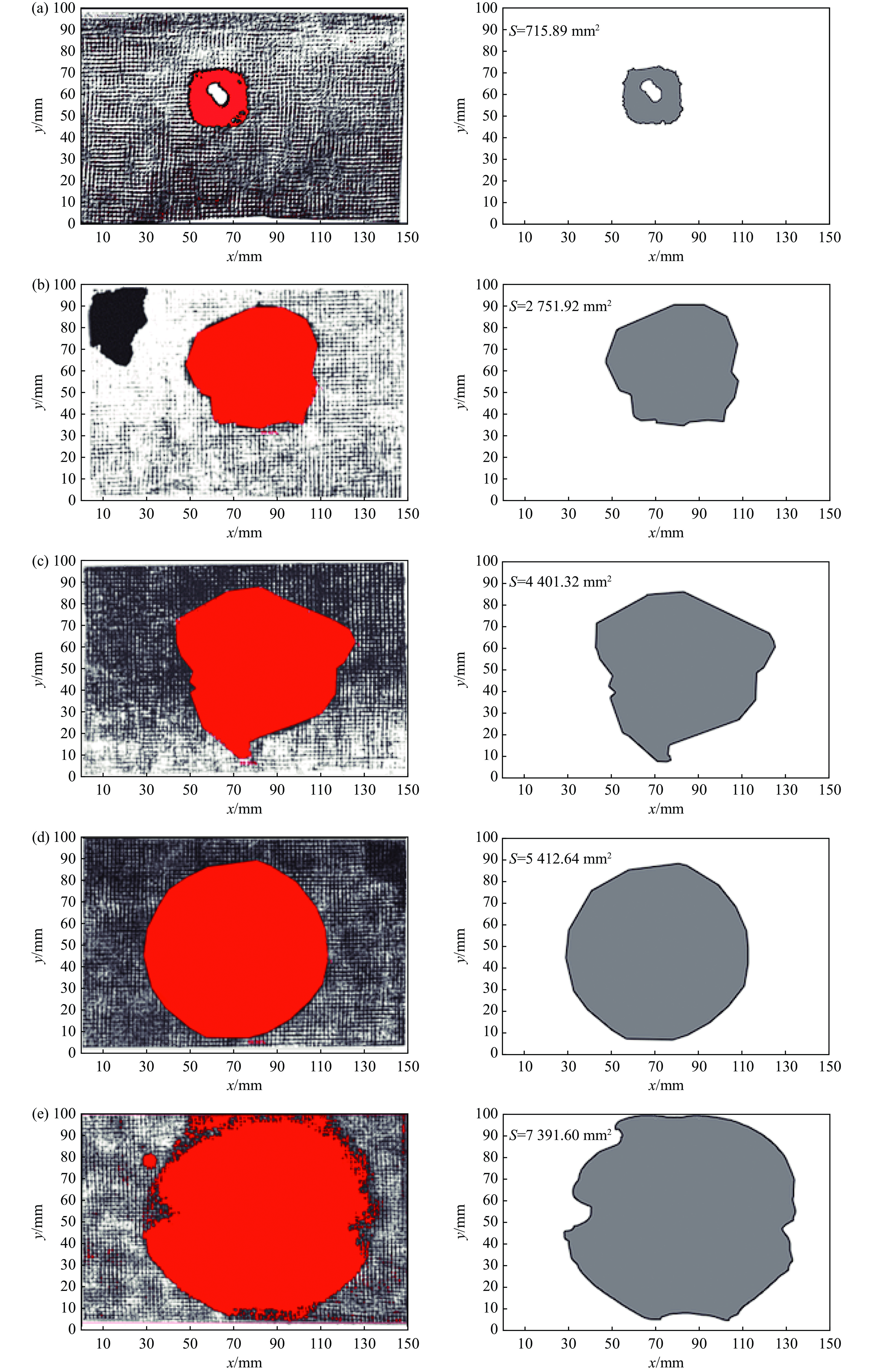
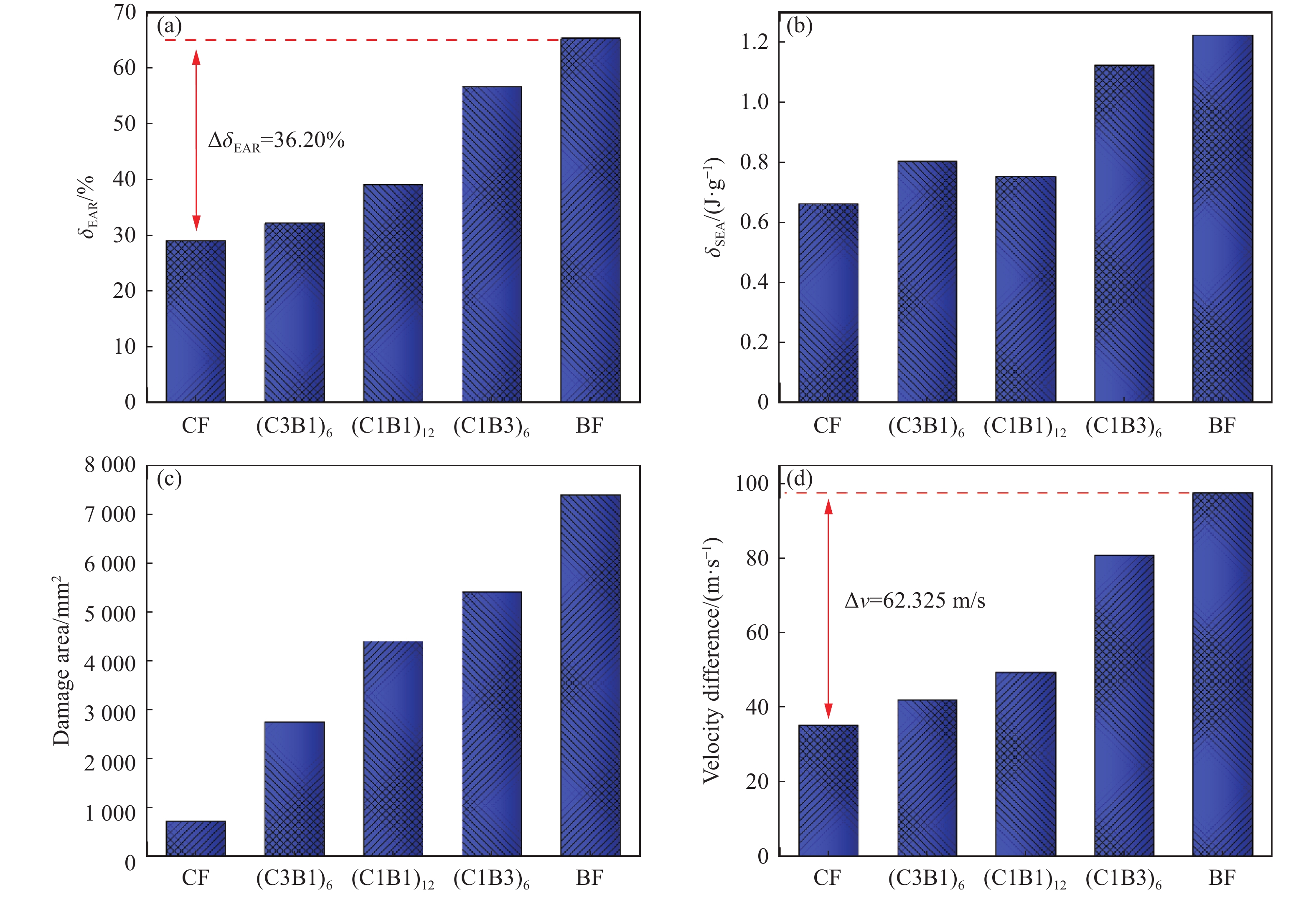
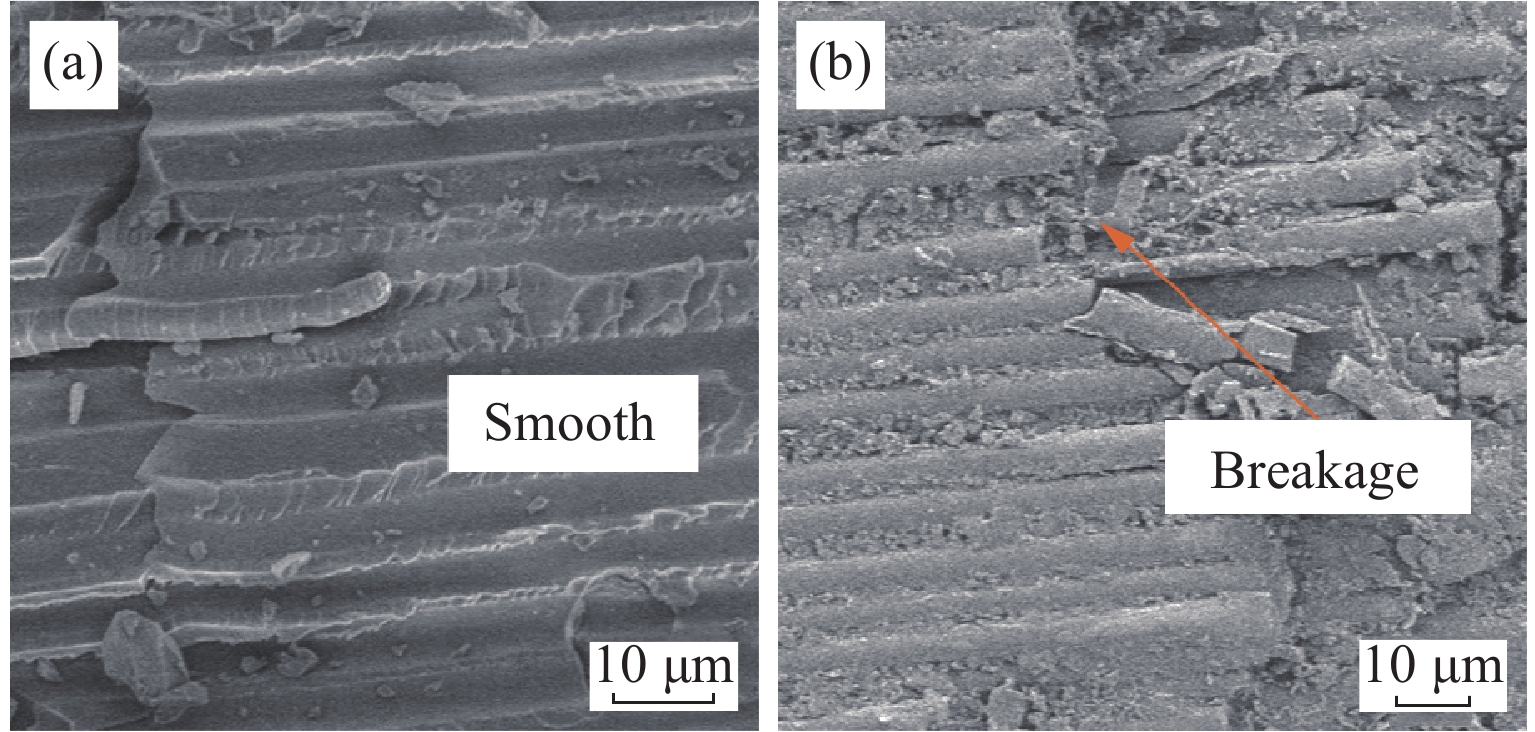
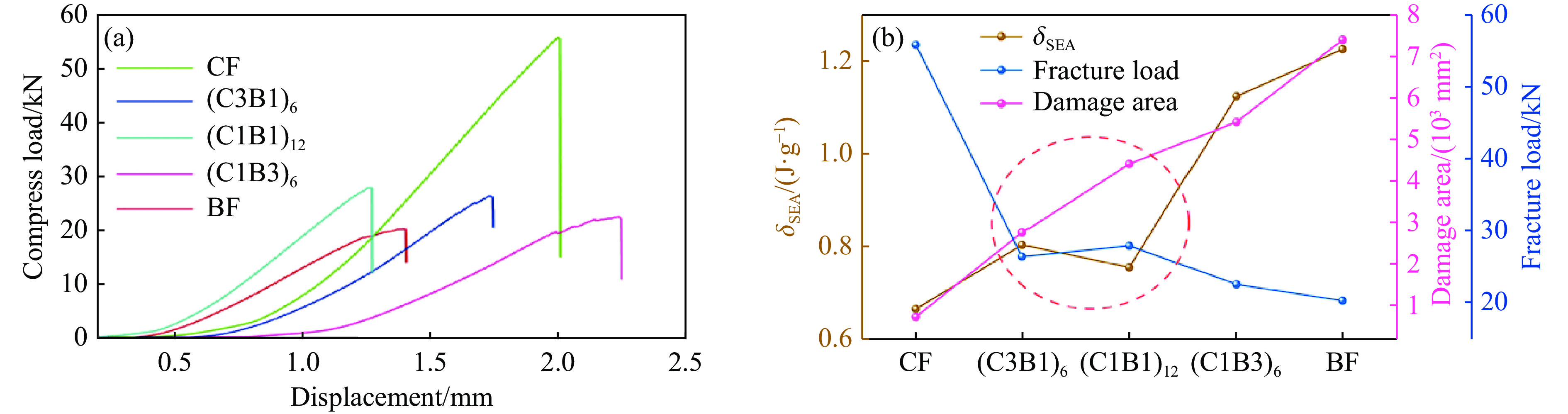
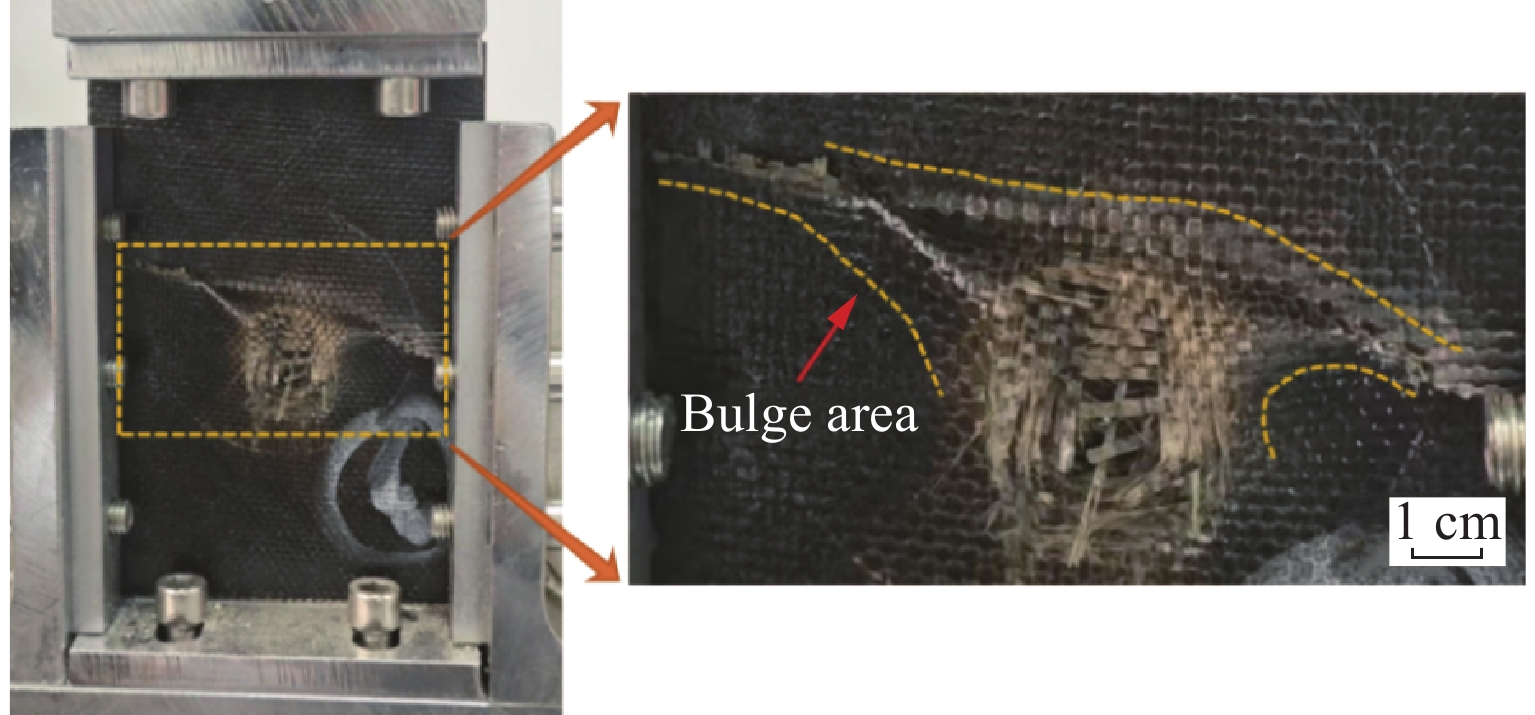
This study examines the ballistic and compression after impact (CAI) performance of carbon fiber/basalt fiber (CF/BF) hybrid laminates with different CF/BF ratios. C-scanning, electron microscopy, and scanning electron microscope were used to investigate the damage mechanisms, providing insights into the mechanism of the improved performance. The results show that the basalt fiber significantly enhances the energy absorption capacity of the hybrid laminates. Although the compression strength of the original hybrid laminates monotonically decreases with the increasing BF content ratio, the residual compression strength measured from CAI tests shows a locally wavy trend due to the competition between the increased energy absorption capacity and decreased original compression strength. This study offers guidance for designing lightweight, impact-resistant composite structures.

High Pressure Applications
Damage of a New Shaped Warhead to Water-Containing Composite Structure
CUI He, FU Jianping, REN Kai, MIAO Chunzhuang, GAO Xiaotao, LI Taotao, FENG Xiongbo
2026, 40(2): 025101. doi: 10.11858/gywlxb.20251102
HTML PDF (52)
Abstract:

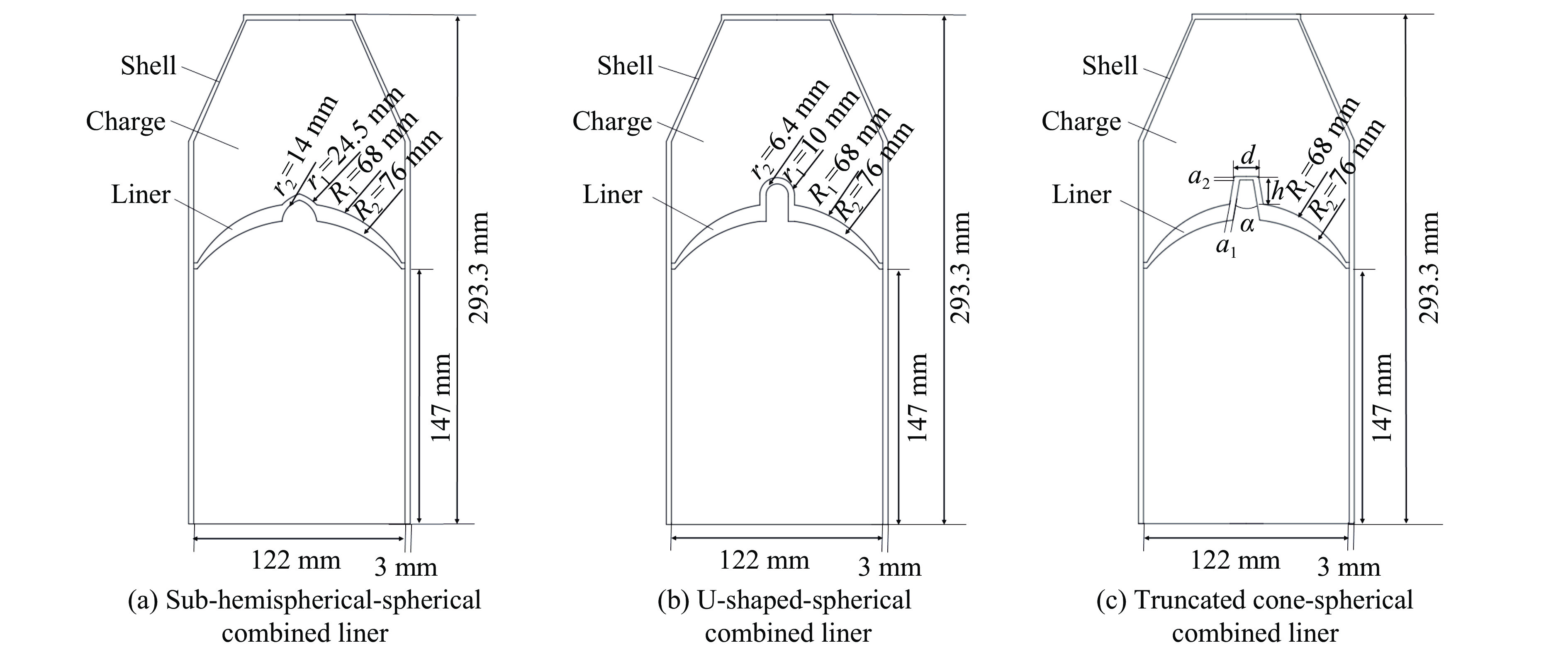
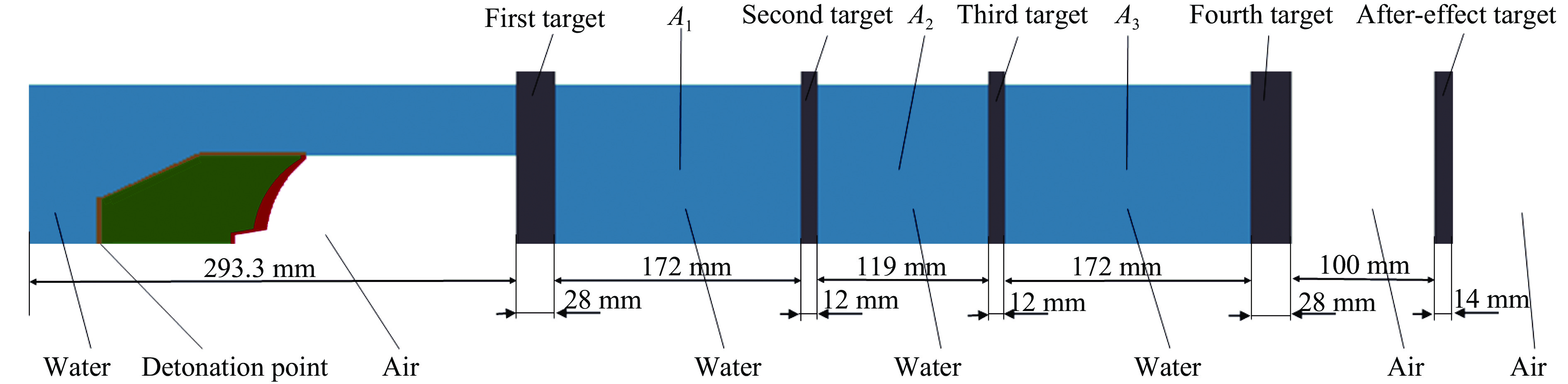
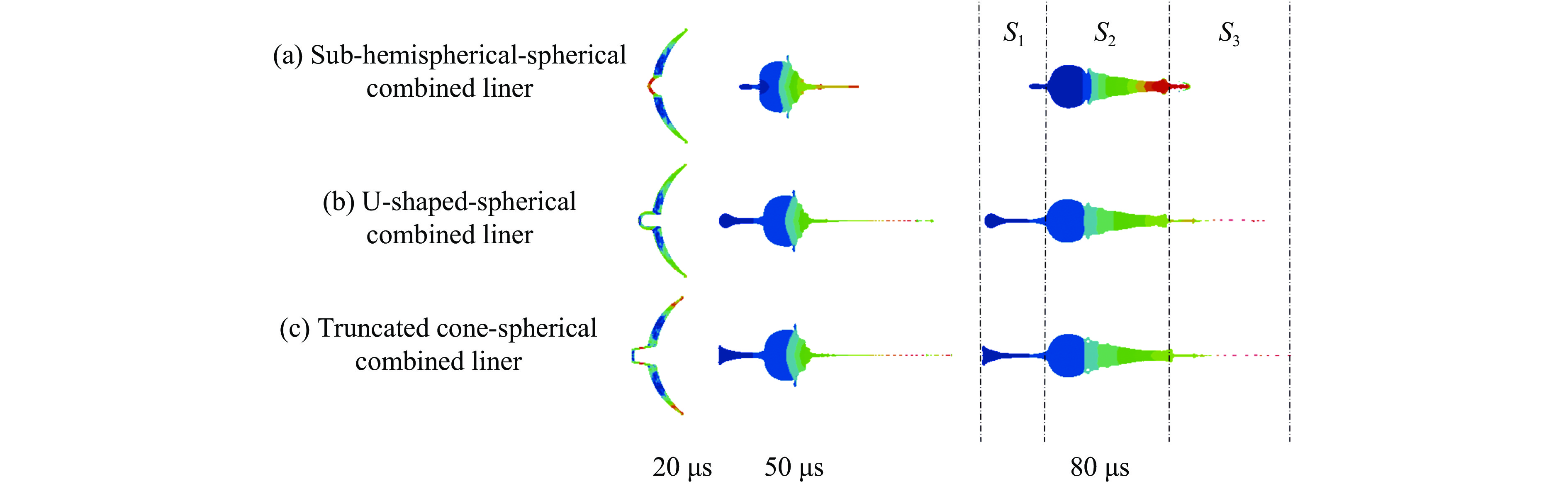
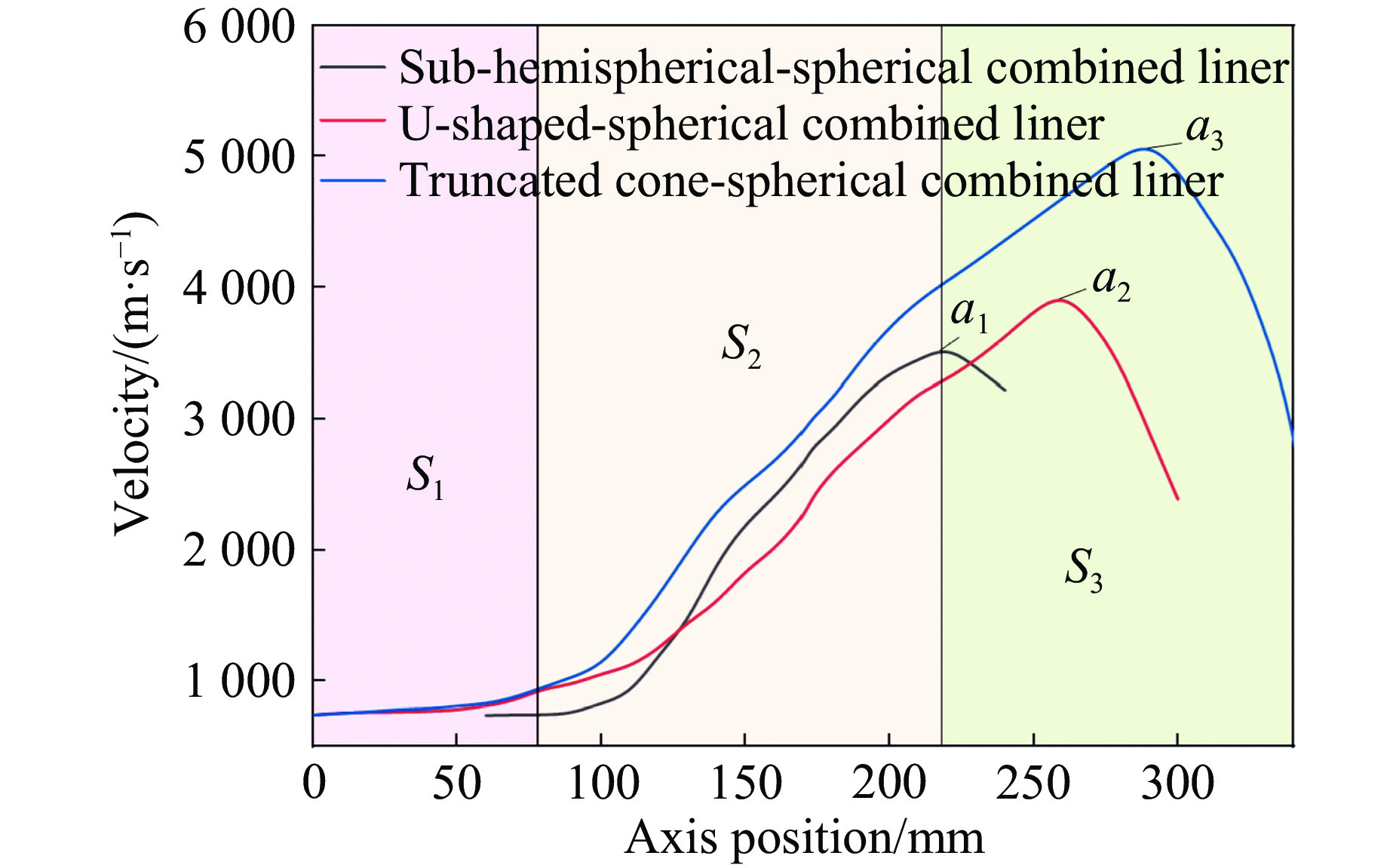
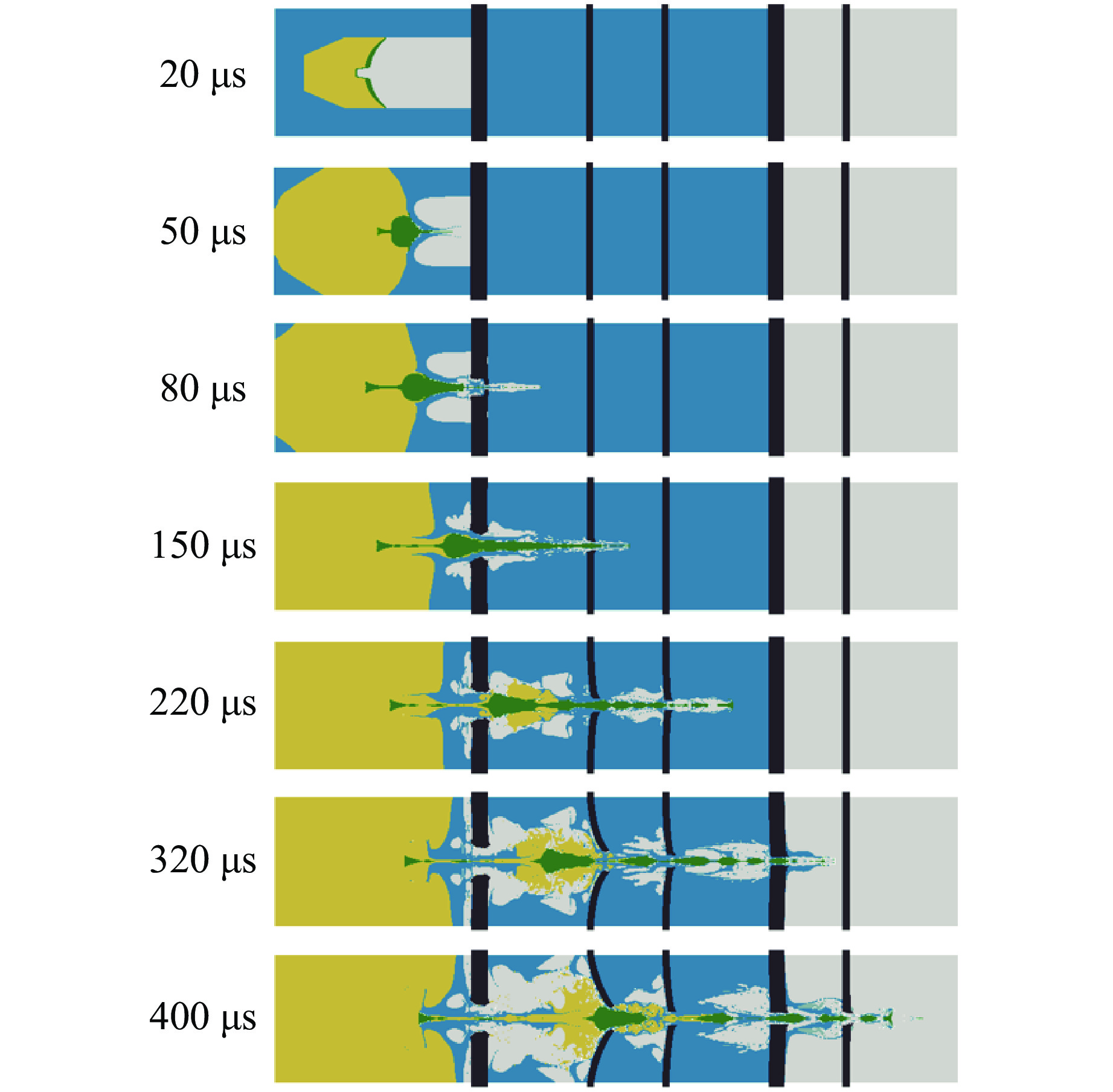
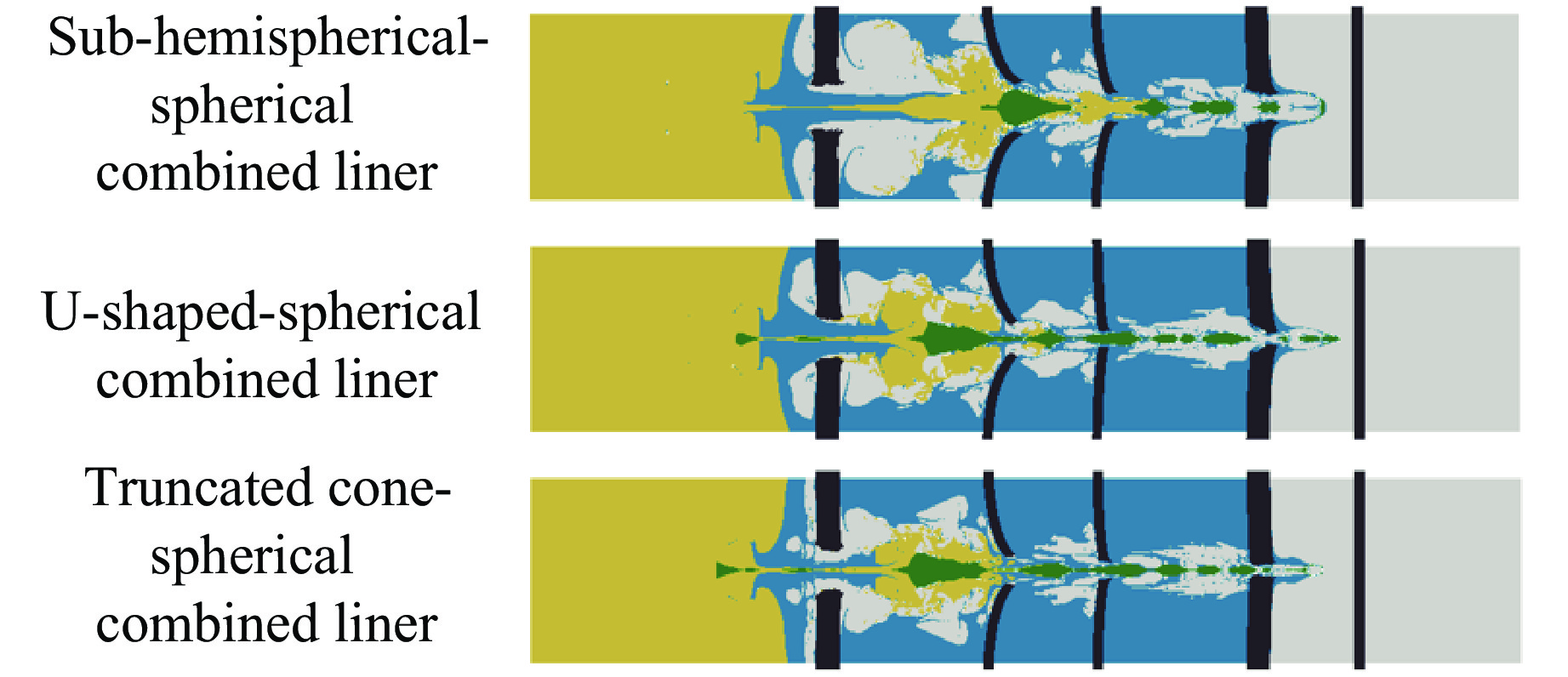
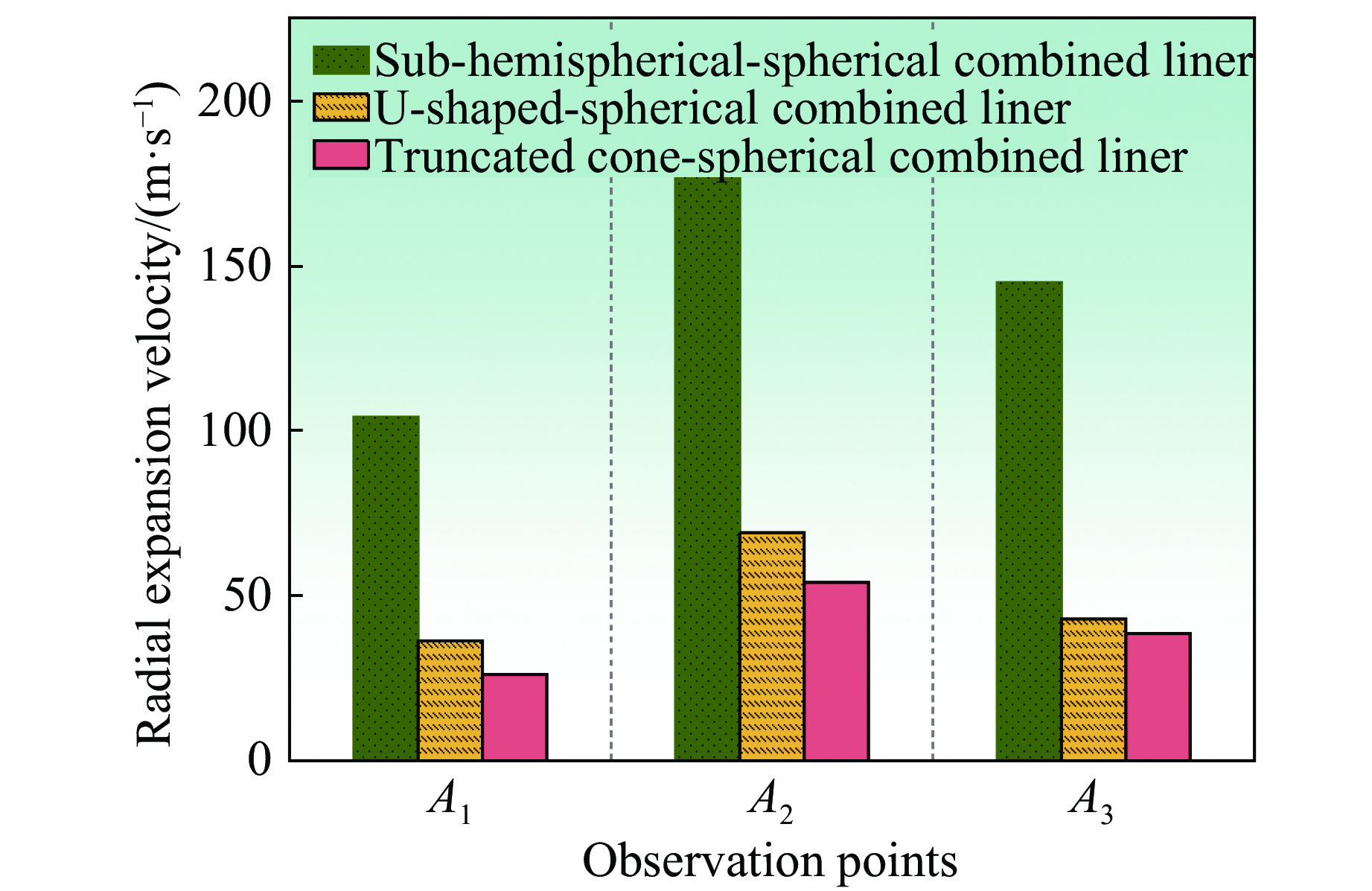
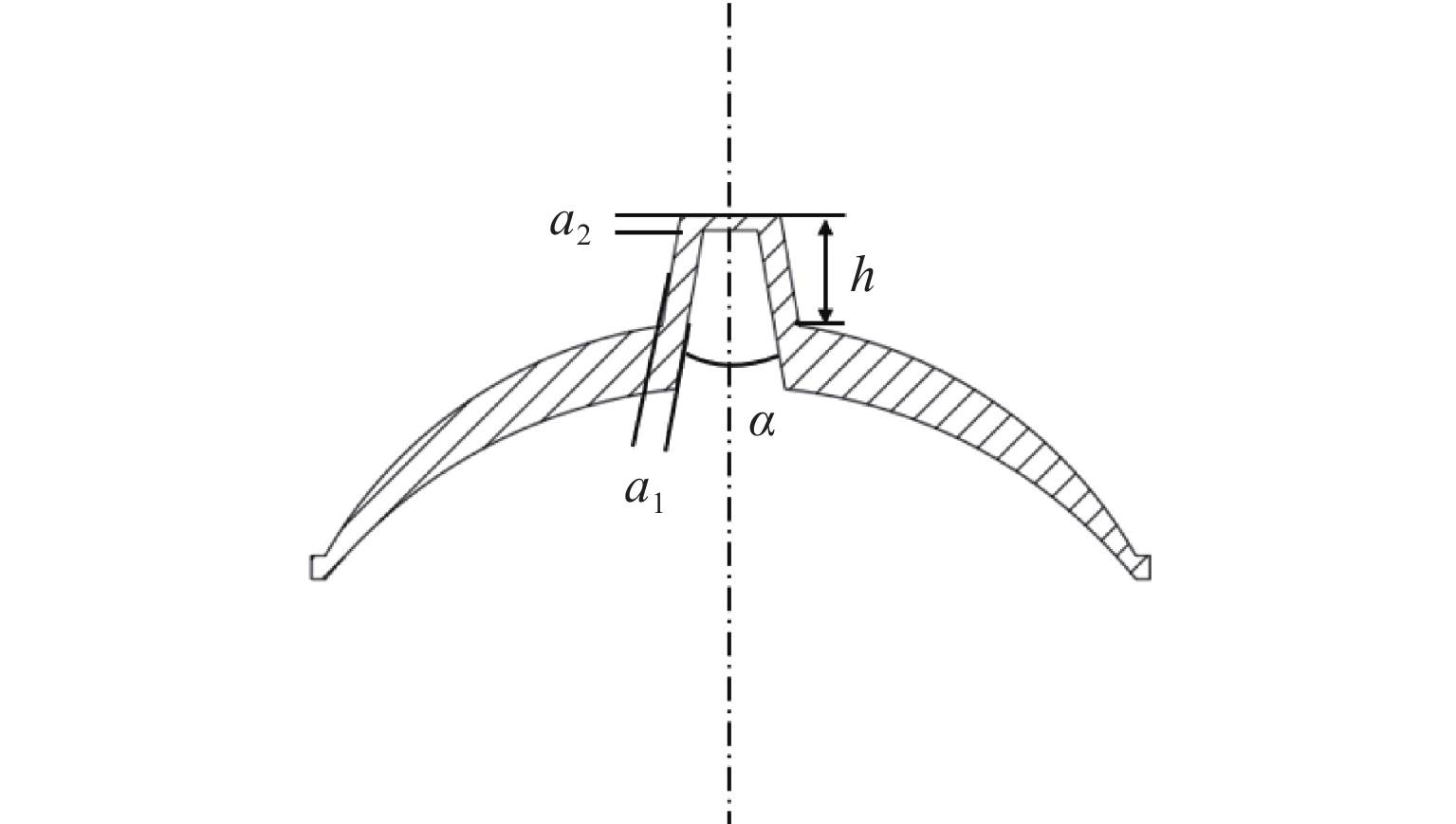
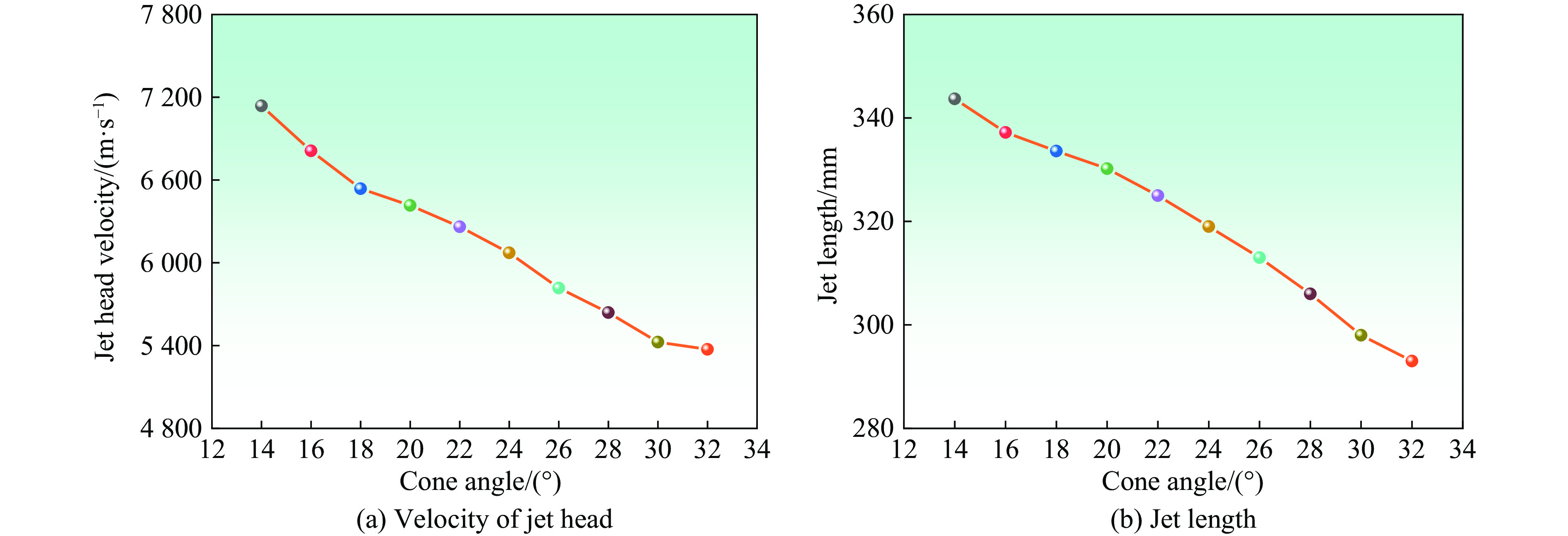
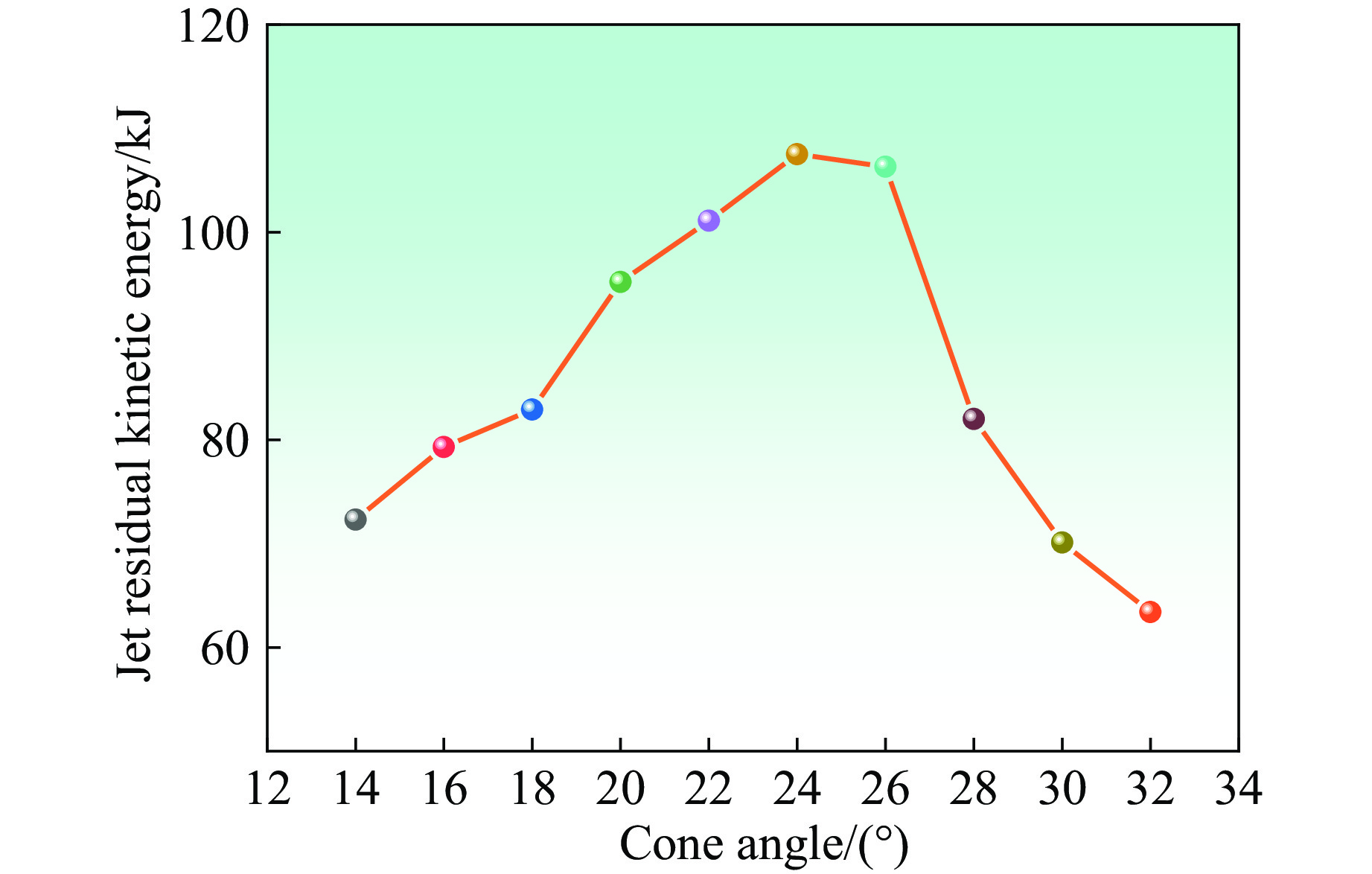
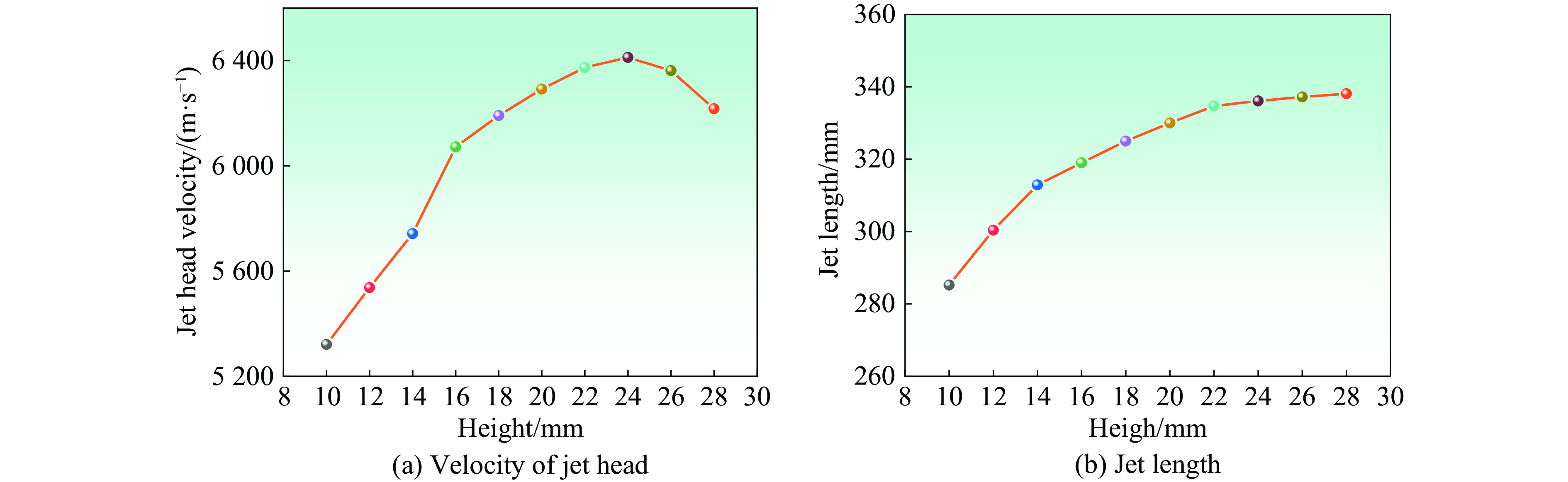
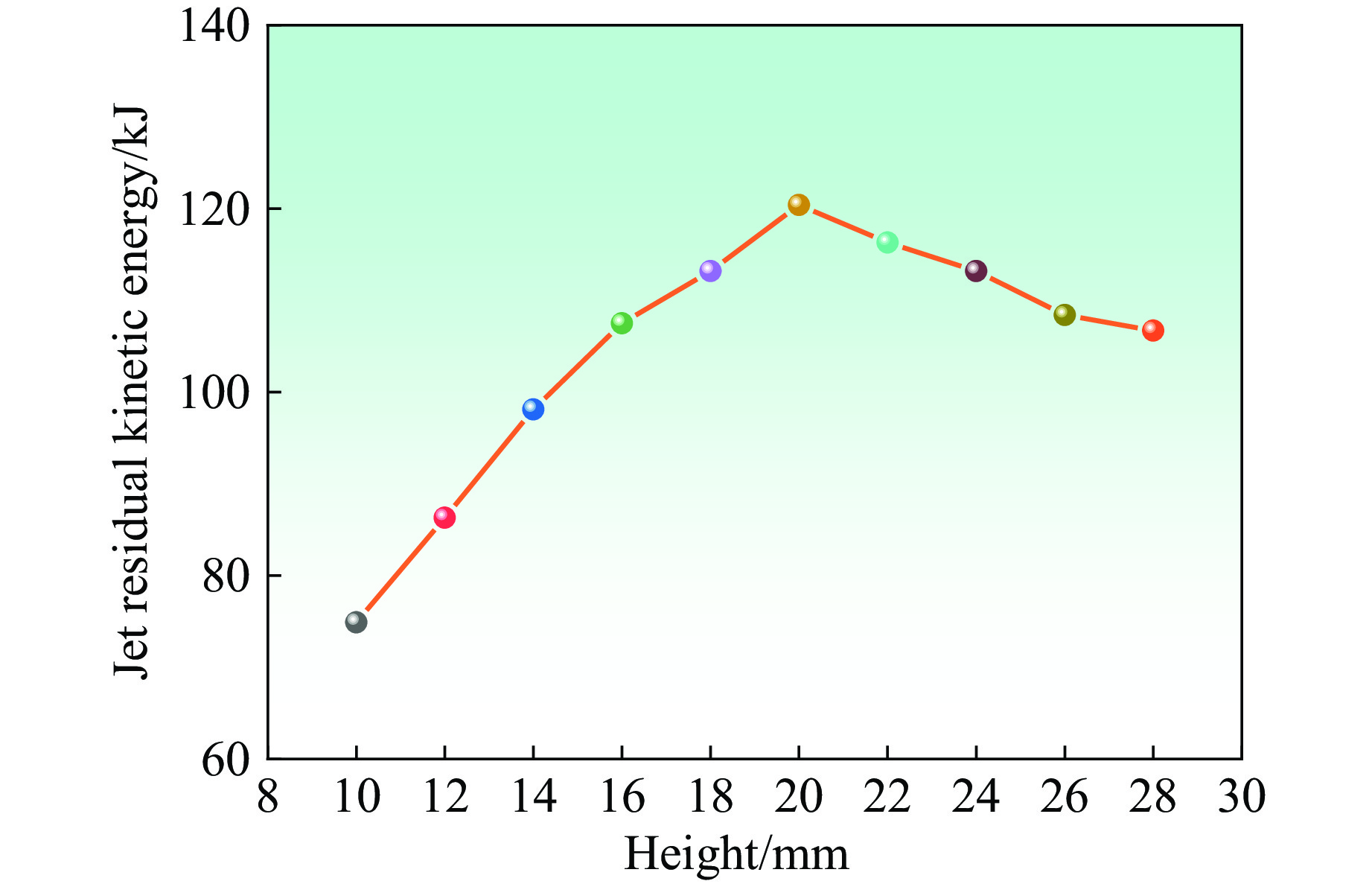
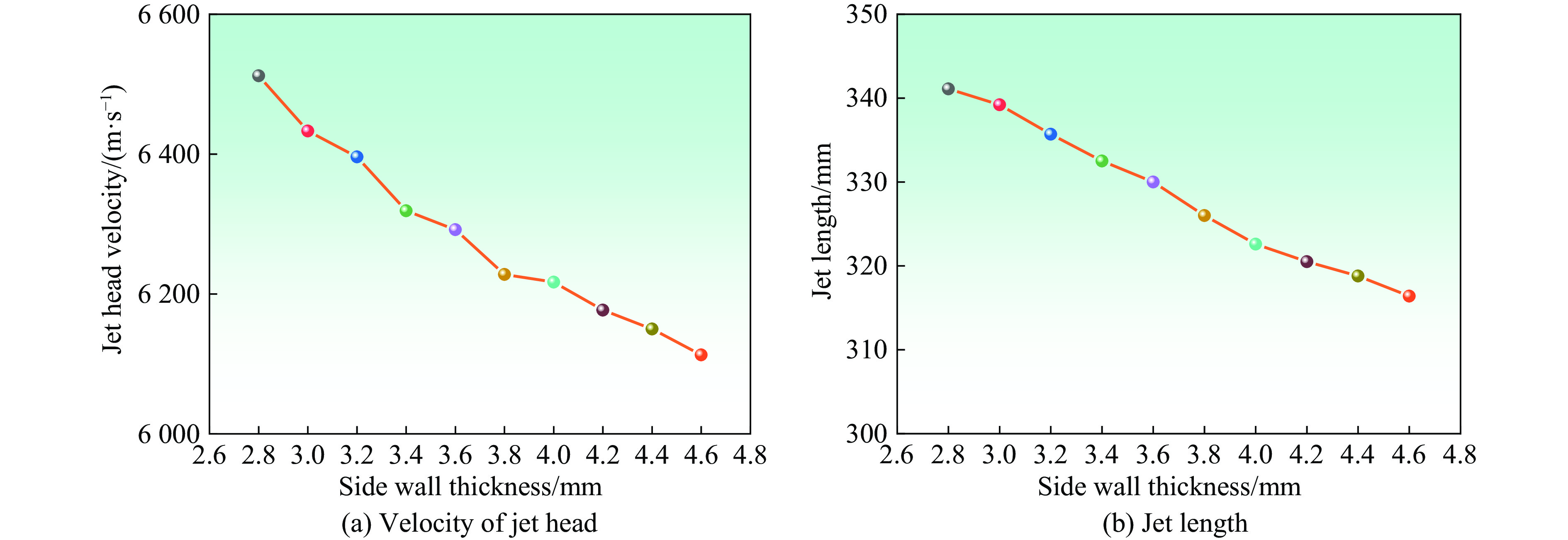
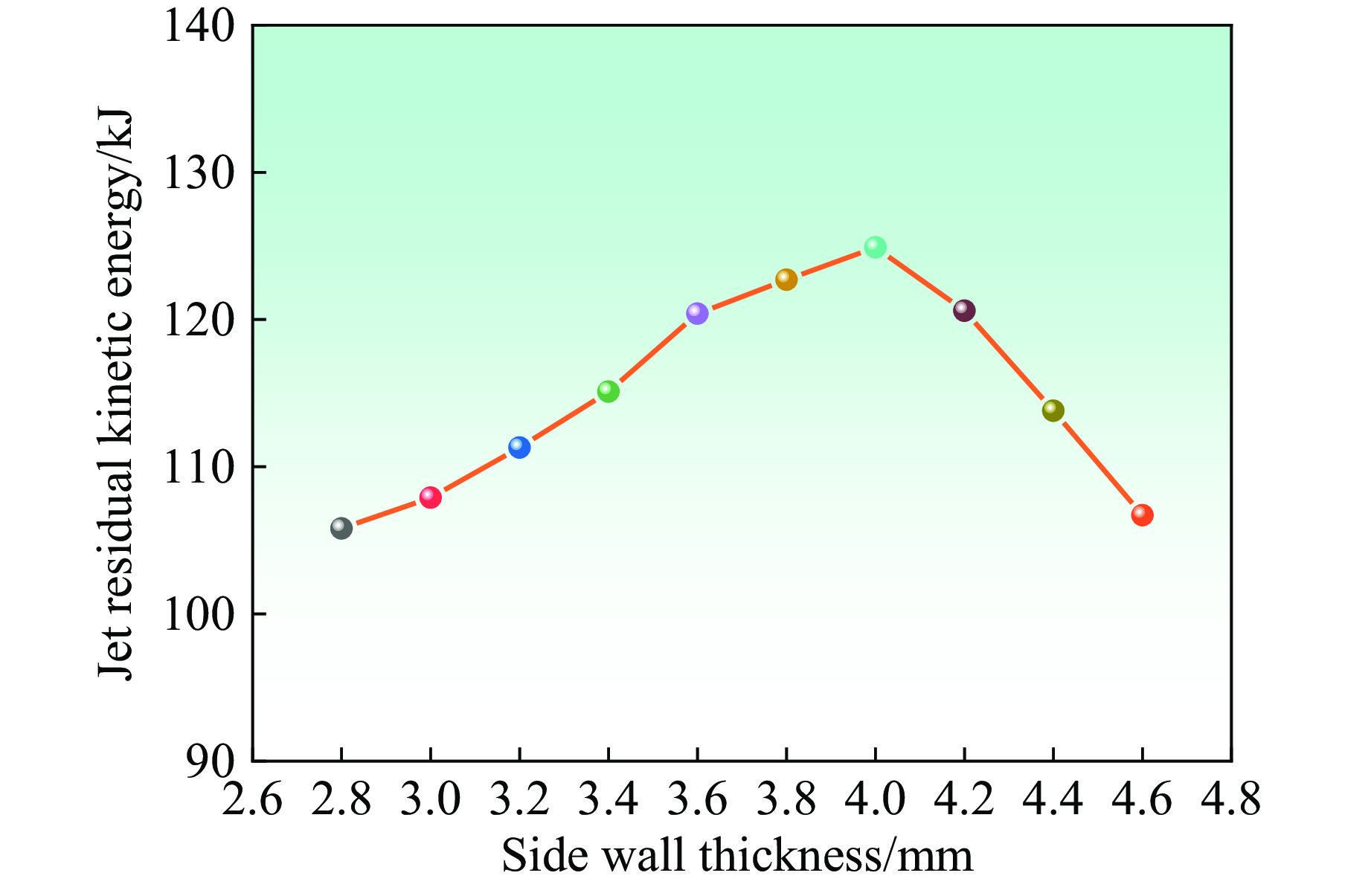
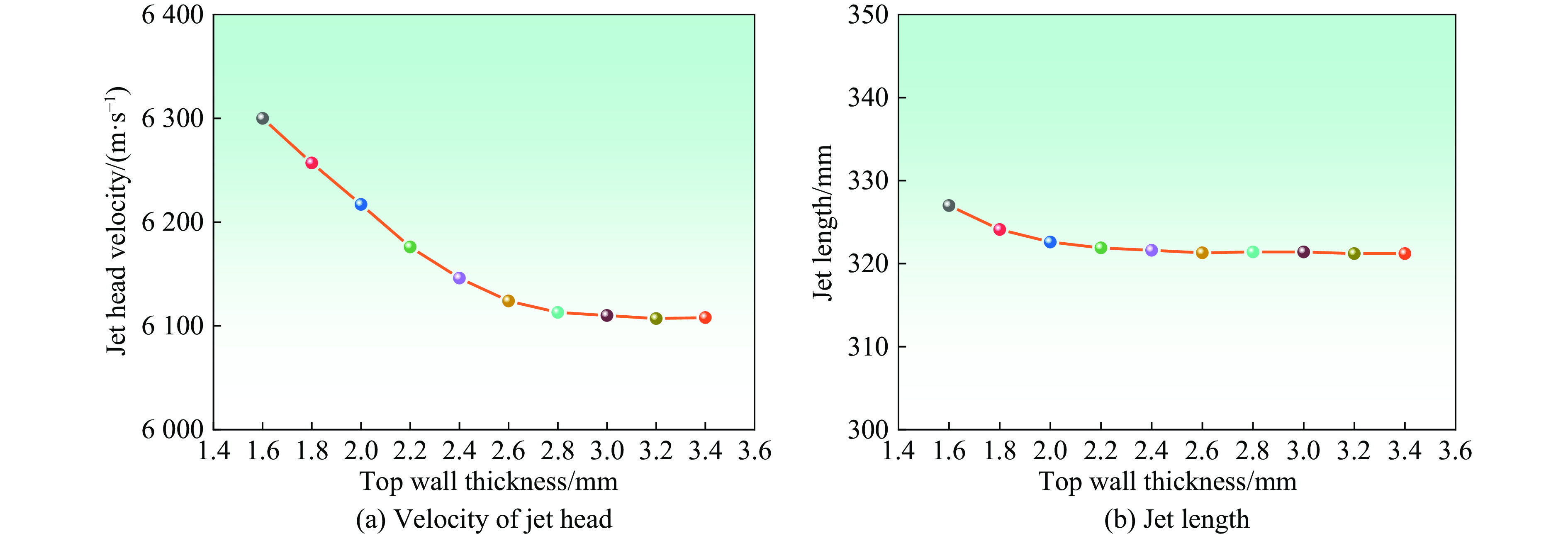
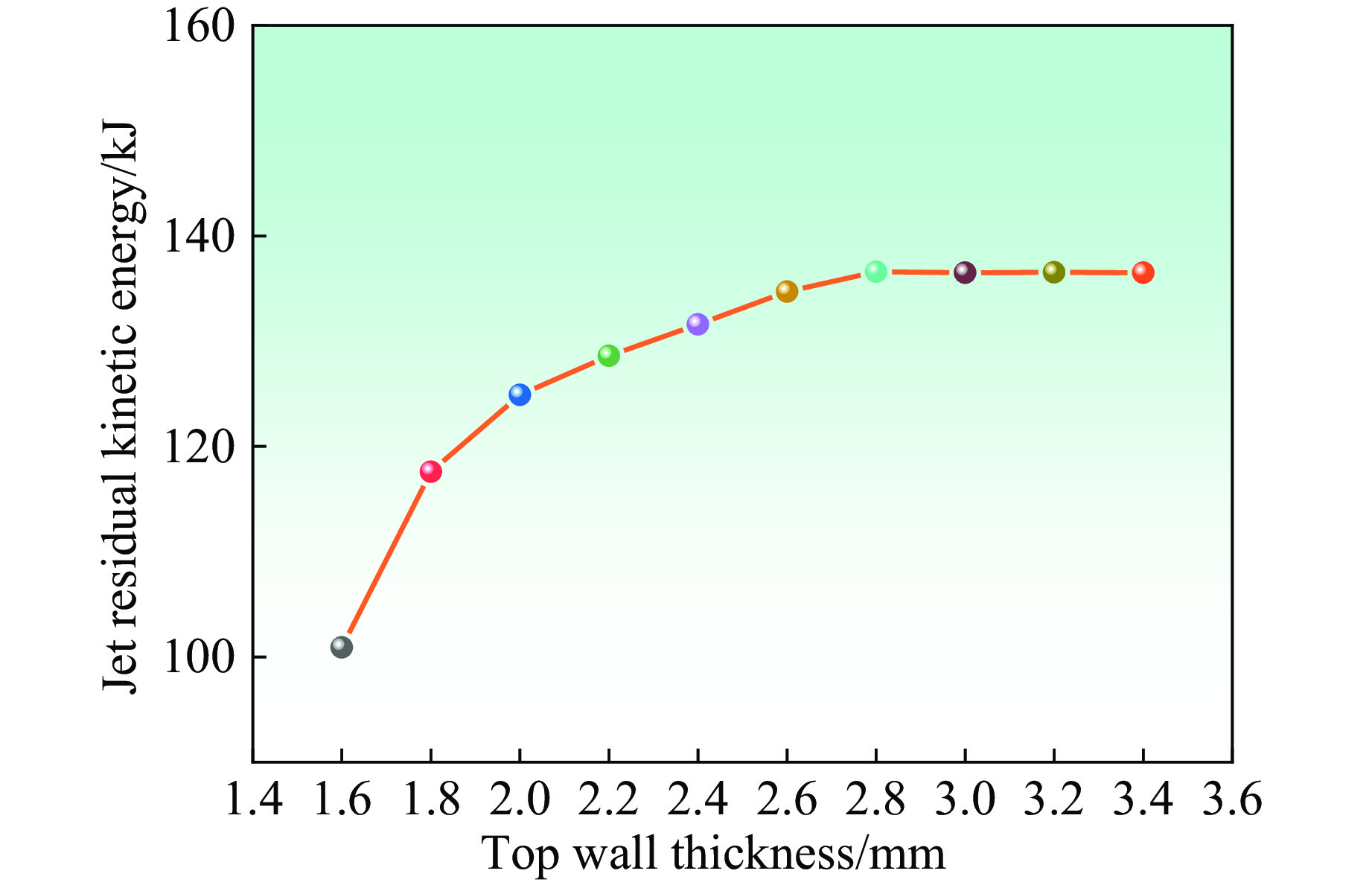
In order to improve the penetration capability of the shaped charge warhead to the water-containing composite structure, a truncated cone-sphere combined liner was designed, and its jet forming motion law in the water medium and the damage performance to the water-containing composite structure were explored by numerical simulation. It is found that in the process of penetrating the water-containing composite structure, the truncated cone-sphere combined liner has a larger jet length and a higher jet head velocity compared with the sub-hemisphere-sphere combined liner and the U-shaped-sphere combined liner. It also has the smallest cavity channel formed in the water medium and the radial expansion velocity of the water medium and the largest residual kinetic energy and jet velocity after the penetrated target plate. The influence of structural parameters such as cone angle α, height h, side wall thickness a1 and top wall thickness a2 on the jet shape and penetration performance of the truncated cone-spherical combined liner was investigated by simulation, and a orthogonal optimization test was designed. It is found that the influence of these structural parameters on the jet penetration performance decreases in the order of: the cone angle α, height h, side wall thickness a1, and top wall thickness a2. When α=26°, h=22 mm, a1=4.0 mm, and a2=3.2 mm, the penetration performance of the truncated cone-sphere combined liner is superior, and the residual kinetic energy of the jet in penetrating the after-effect target is 136.2 kJ. This study provides a valuable reference for the design of shaped torpedo warhead and the improvement of torpedo warhead damage power.

Effect of Empty-Hole on Blasting-Induced Damage Evolution and Dynamic Response of Rock
LI Tao, NI Yu, WANG Zhiliang
2026, 40(2): 025301. doi: 10.11858/gywlxb.20251116
HTML PDF (24)
Abstract:

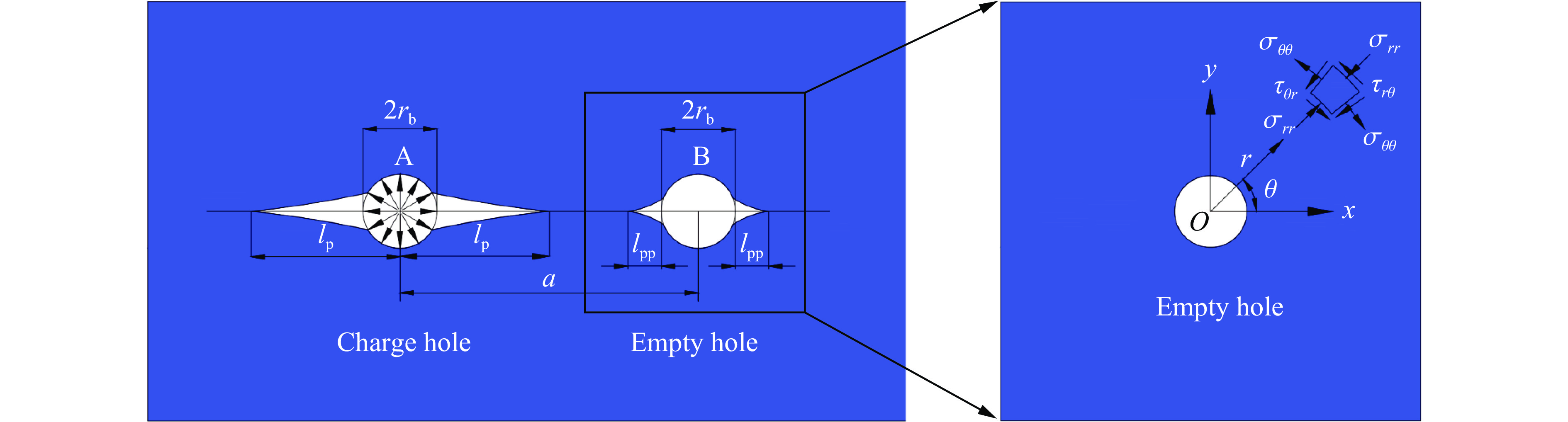
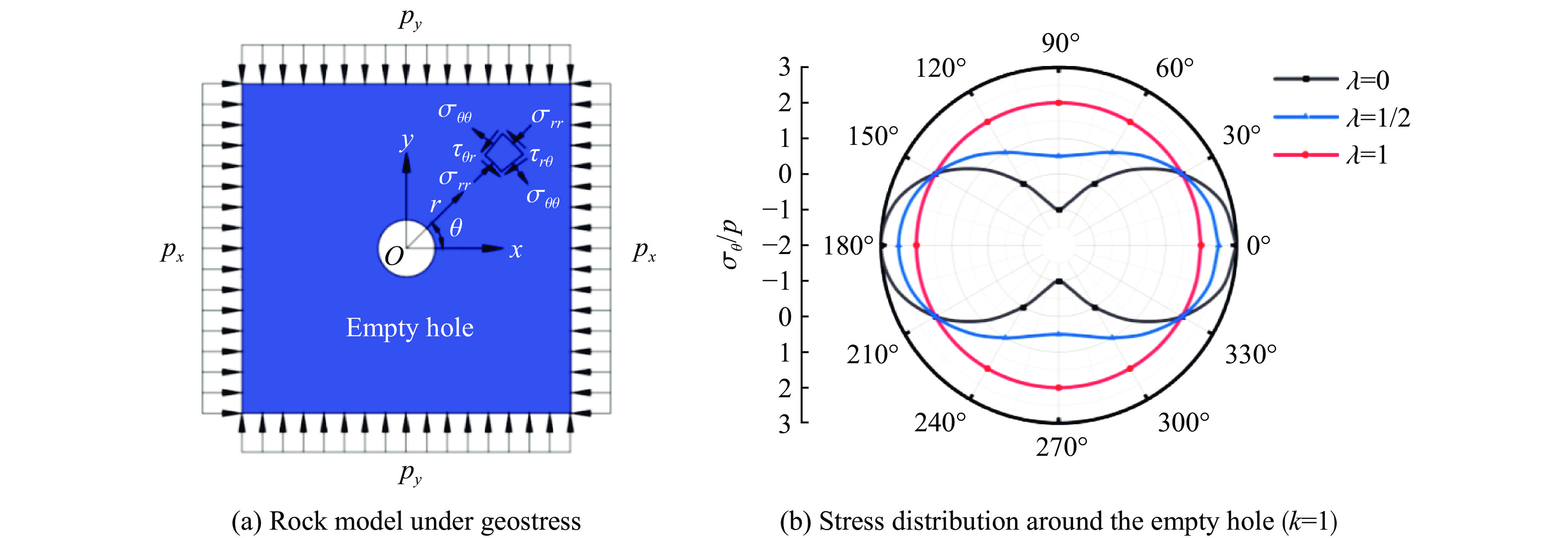
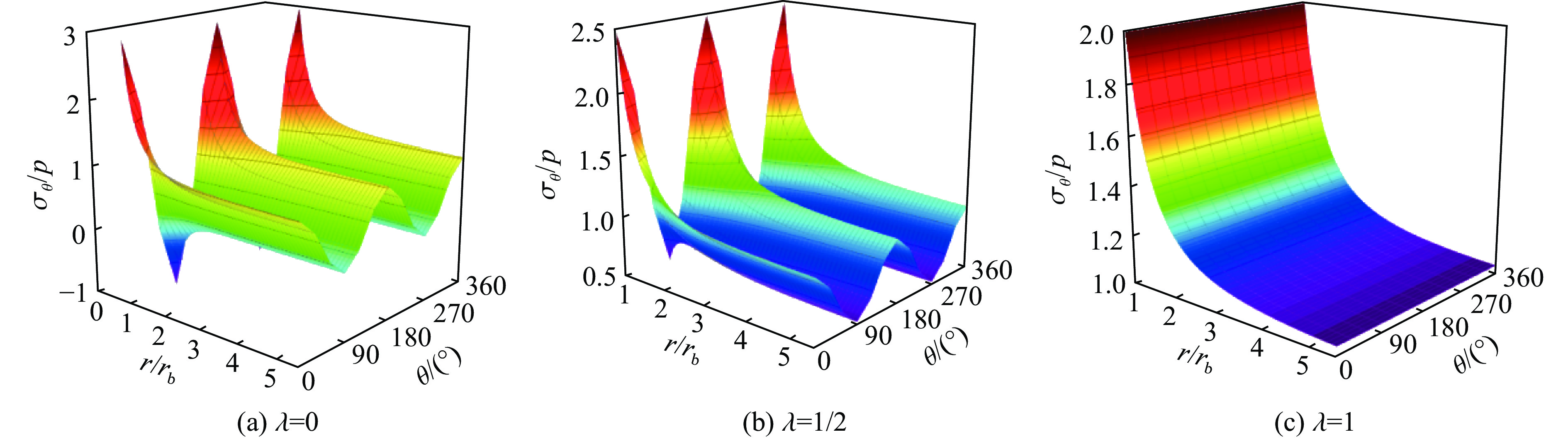
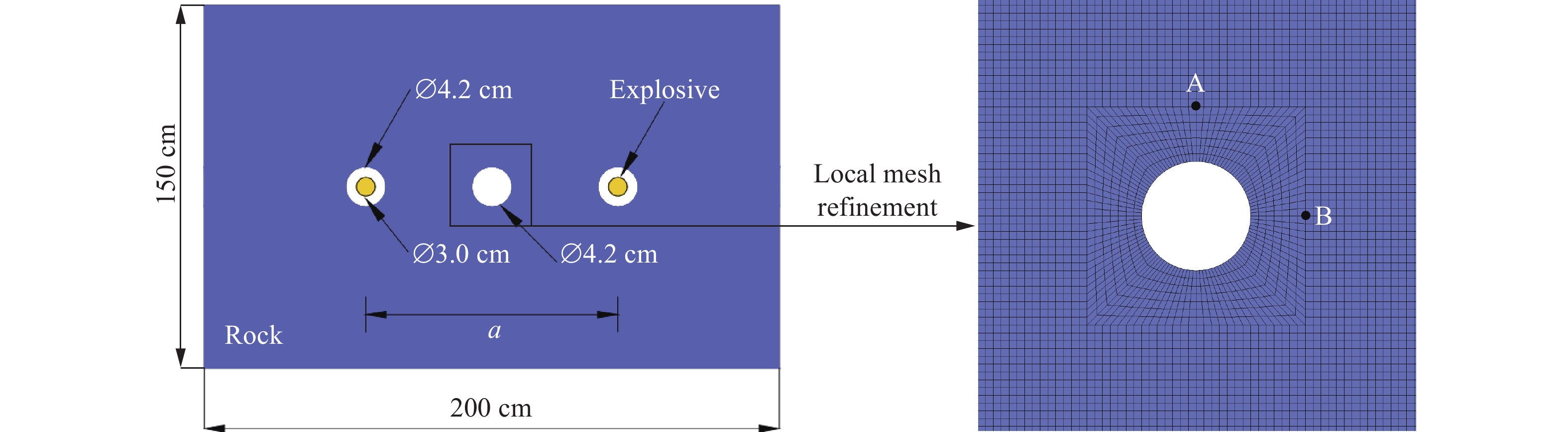
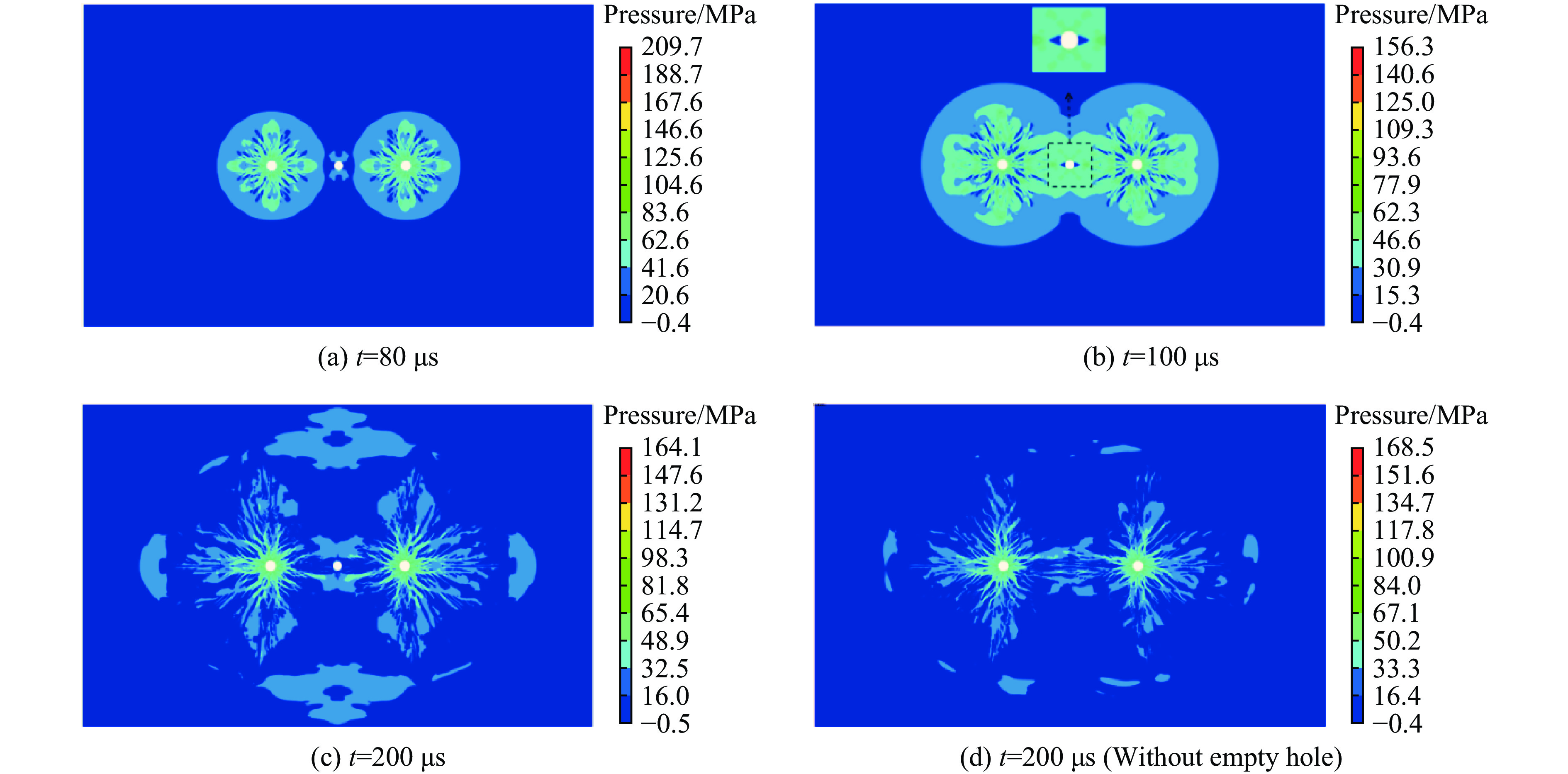
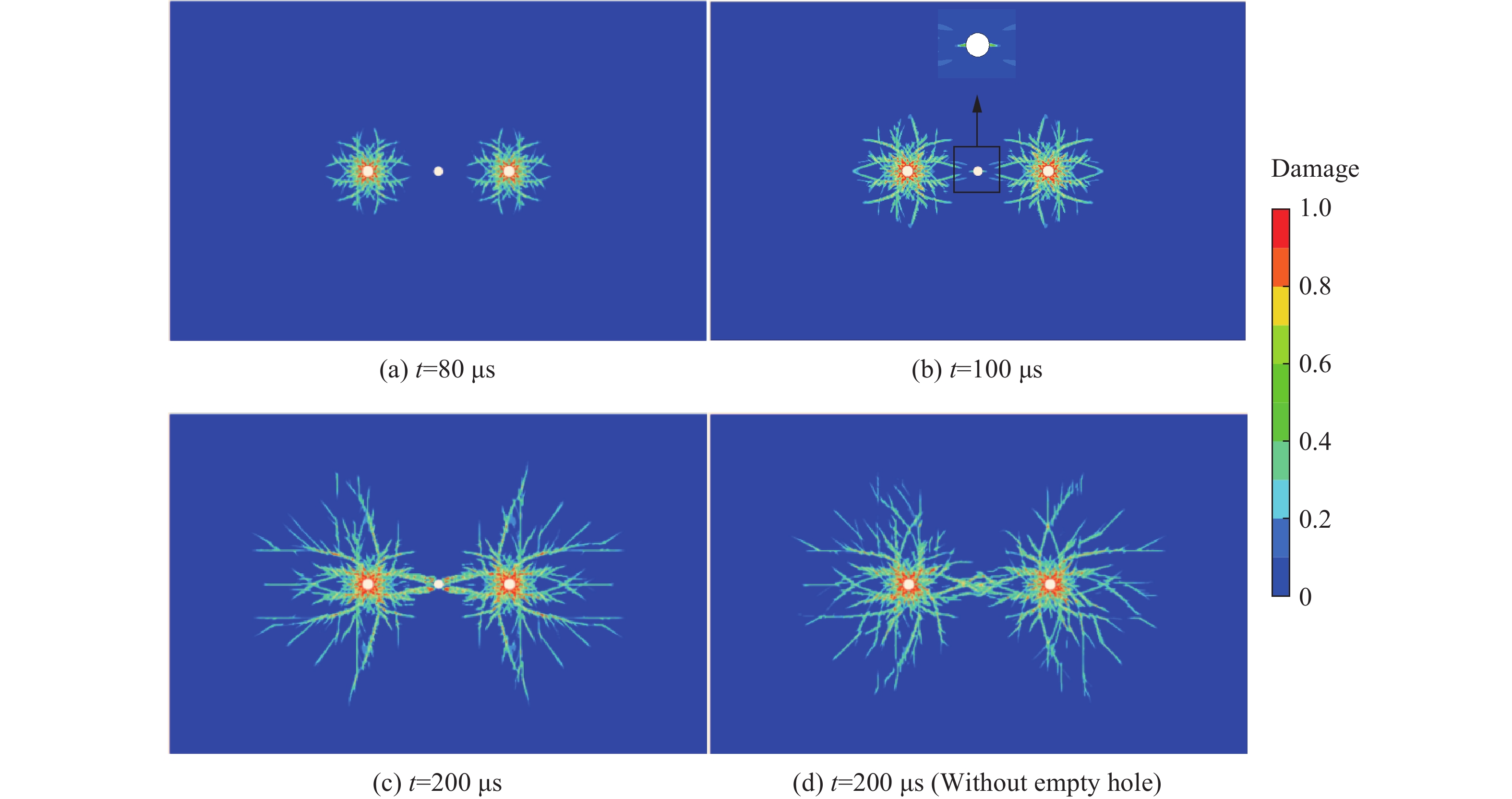
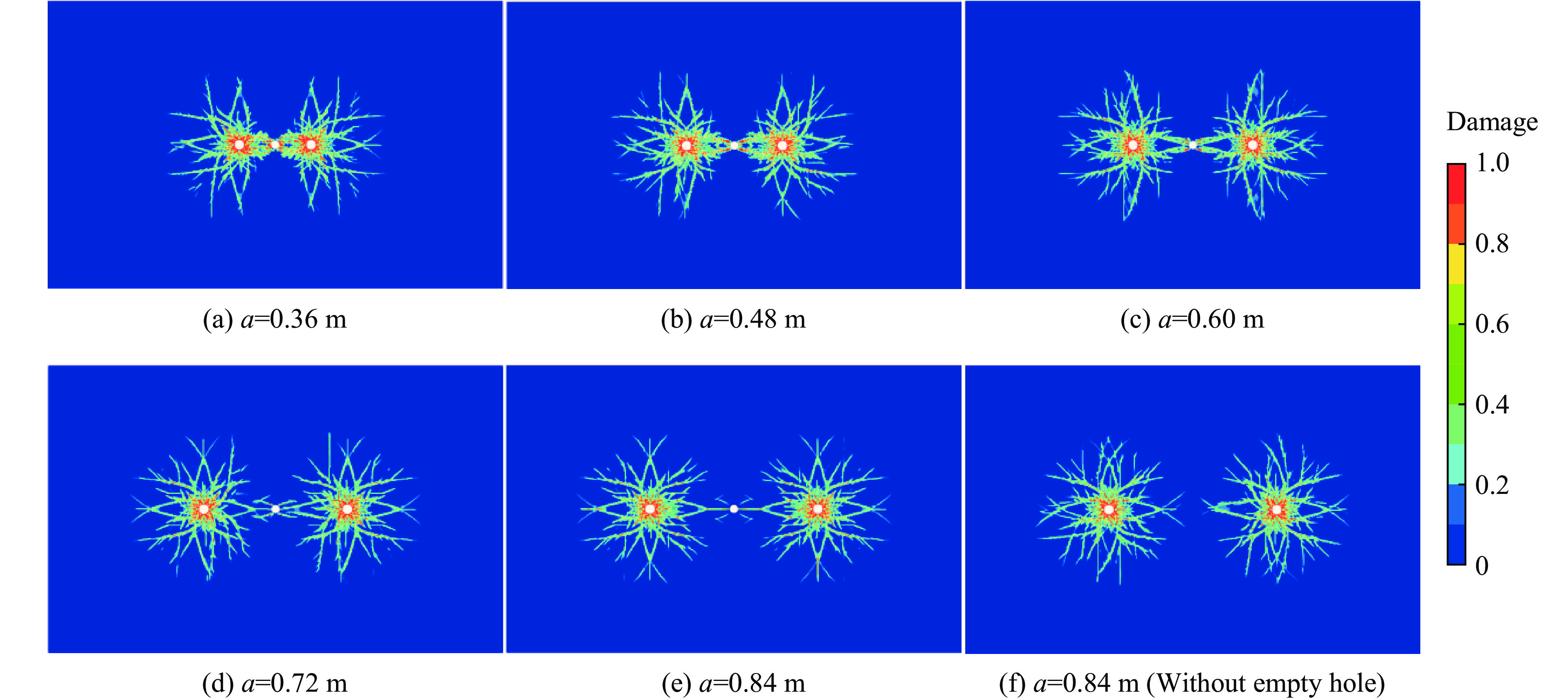
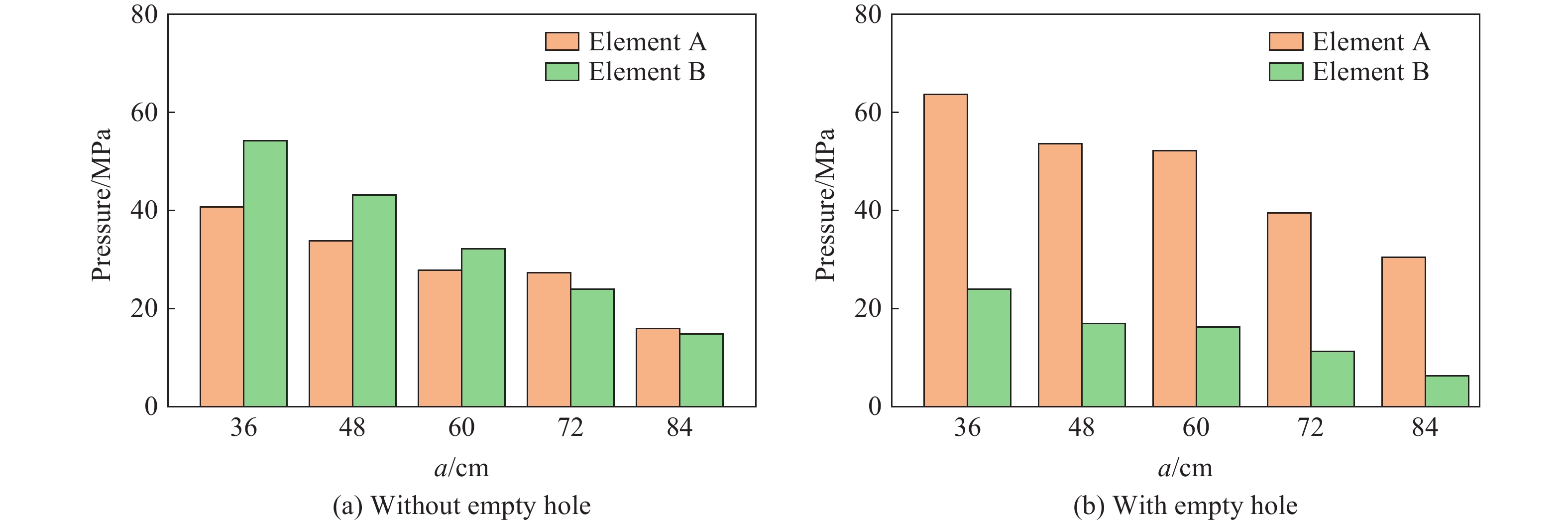
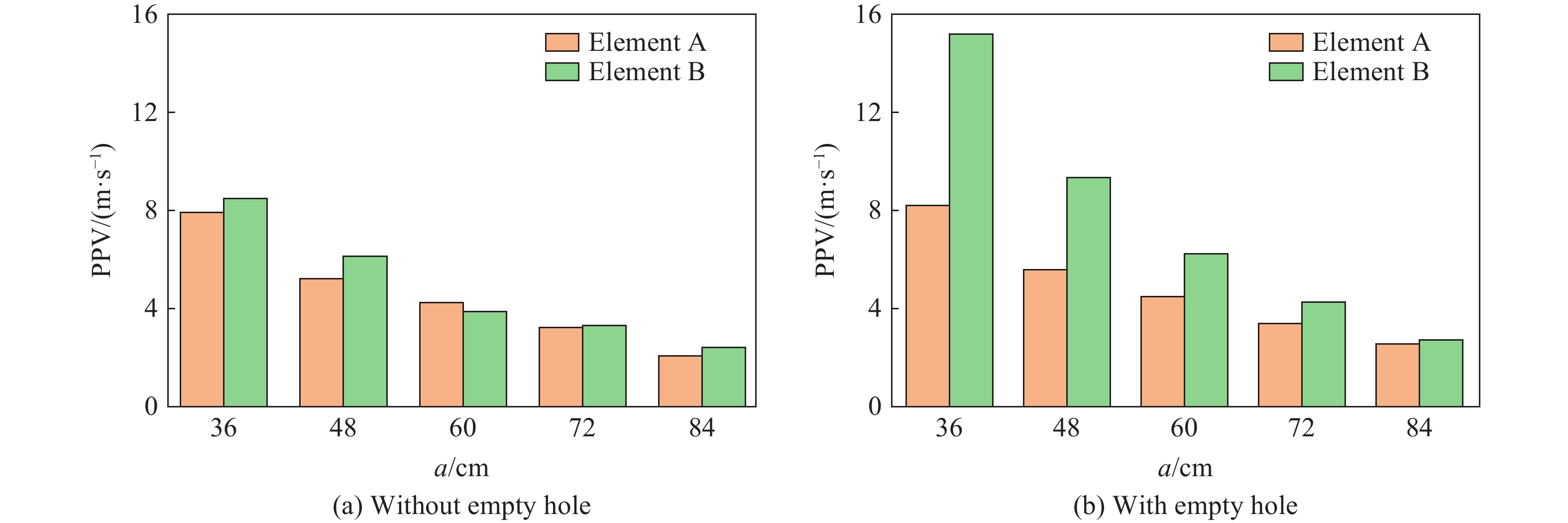
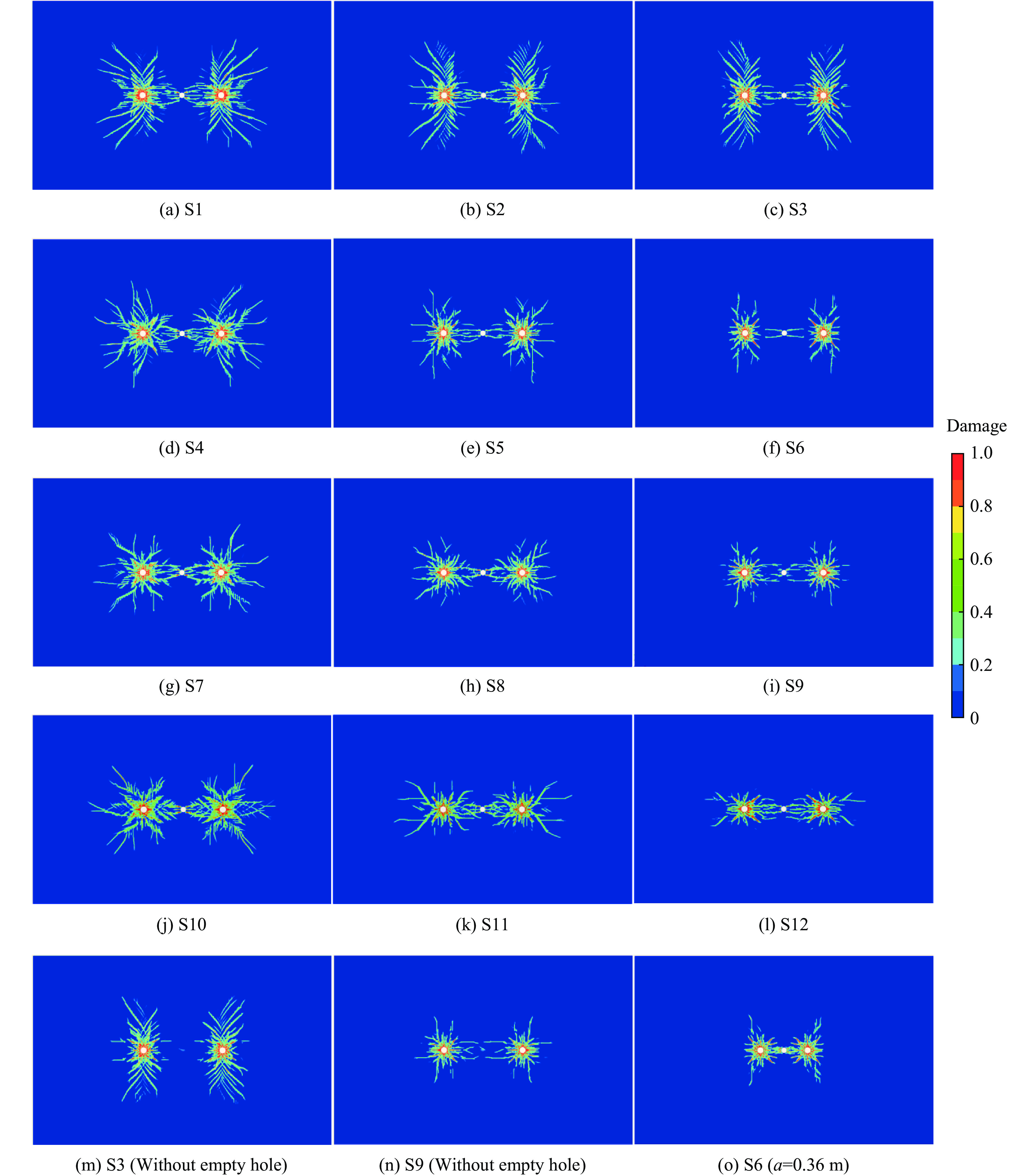
Aiming at the issue that traditional perimeter blasting easily induces random crack damage in surrounding rocks, this study conducts an in-depth analysis of the damage evolution laws and dynamic response characteristics in empty-hole directional blasting by integrating elastic mechanics theory with numerical simulation methods based on ANSYS/LS-DYNA. Firstly, drawing on the theory of elastic mechanics, the mechanical mechanism was elucidated whereby empty holes generate tensile stress concentration through stress wave reflection under explosive loading, thereby controlling the propagation of directional cracks. Subsequently, by establishing a numerical model of planar double-hole decoupled charge blasting, the effects of blasthole spacing and in-situ stress field on damage evolution were systematically investigated. Finally, the dynamic variation patterns of peak stress and peak particle vibration velocity near the empty hole were analyzed. The results indicate that empty holes can significantly alter the distribution of explosion energy, guiding it to concentrate along the line connecting the blastholes, thereby effectively suppressing the initiation and propagation of unintended cracks. The directional effect of empty holes is modulated by the in-situ stress field; high in-situ stress conditions reduce the degree of tensile stress concentration in the horizontal direction of the empty hole, thus inhibiting crack propagation between blastholes. Therefore, blastholes should be arranged parallel to the maximum principal stress direction of the rock mass to maximize the directional effect and mitigate the inhibitory influence of in-situ stress. When the blasthole spacing is 11−14 times the blasthole diameter, stable directional propagation of main cracks is promoted, the development of unintended cracks is suppressed, and the control of surrounding rock damage is significantly improved. Under high in-situ stress conditions, it is recommended to appropriately reduce the reference hole spacing to 8−11 times the blasthole diameter.

Prediction Model and Application of Rock Burst Tendency in Deep High Stress Areas
QI Yun, BAI Chenhao, DUAN Hongfei, DAI Lianpeng, LI Xuping, WANG Wei
2026, 40(2): 025302. doi: 10.11858/gywlxb.20251103
HTML PDF (33)
Abstract:

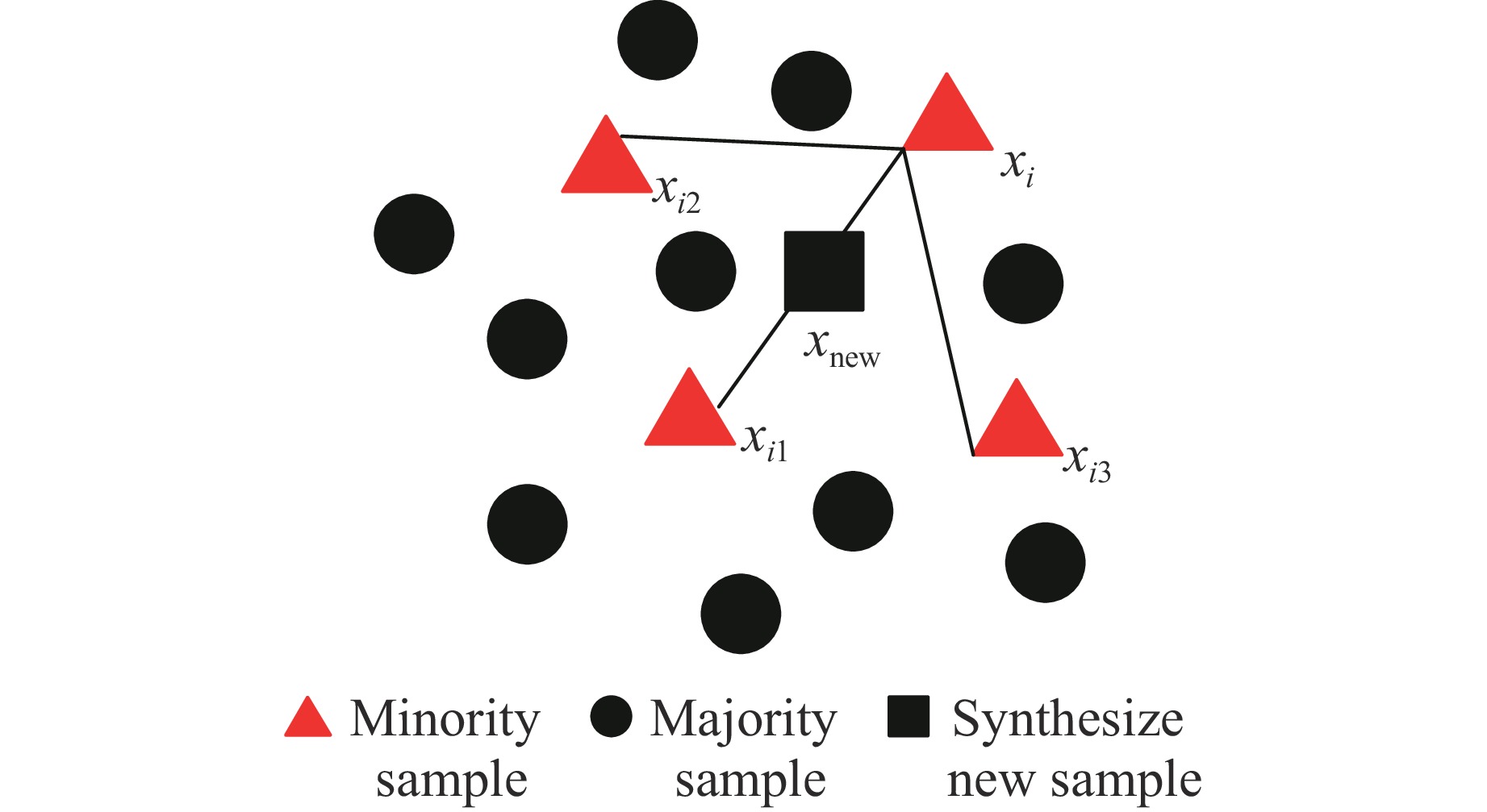
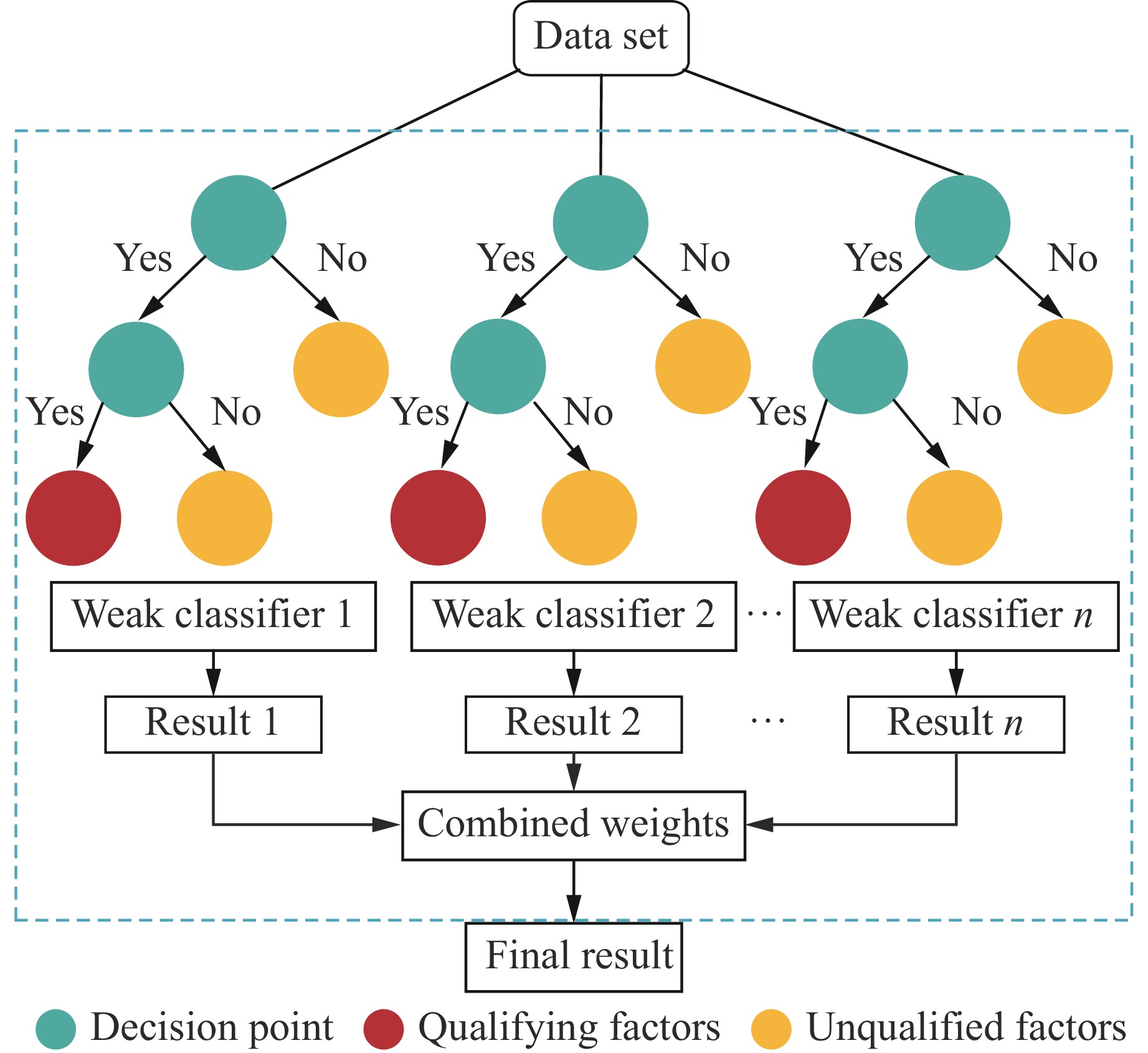
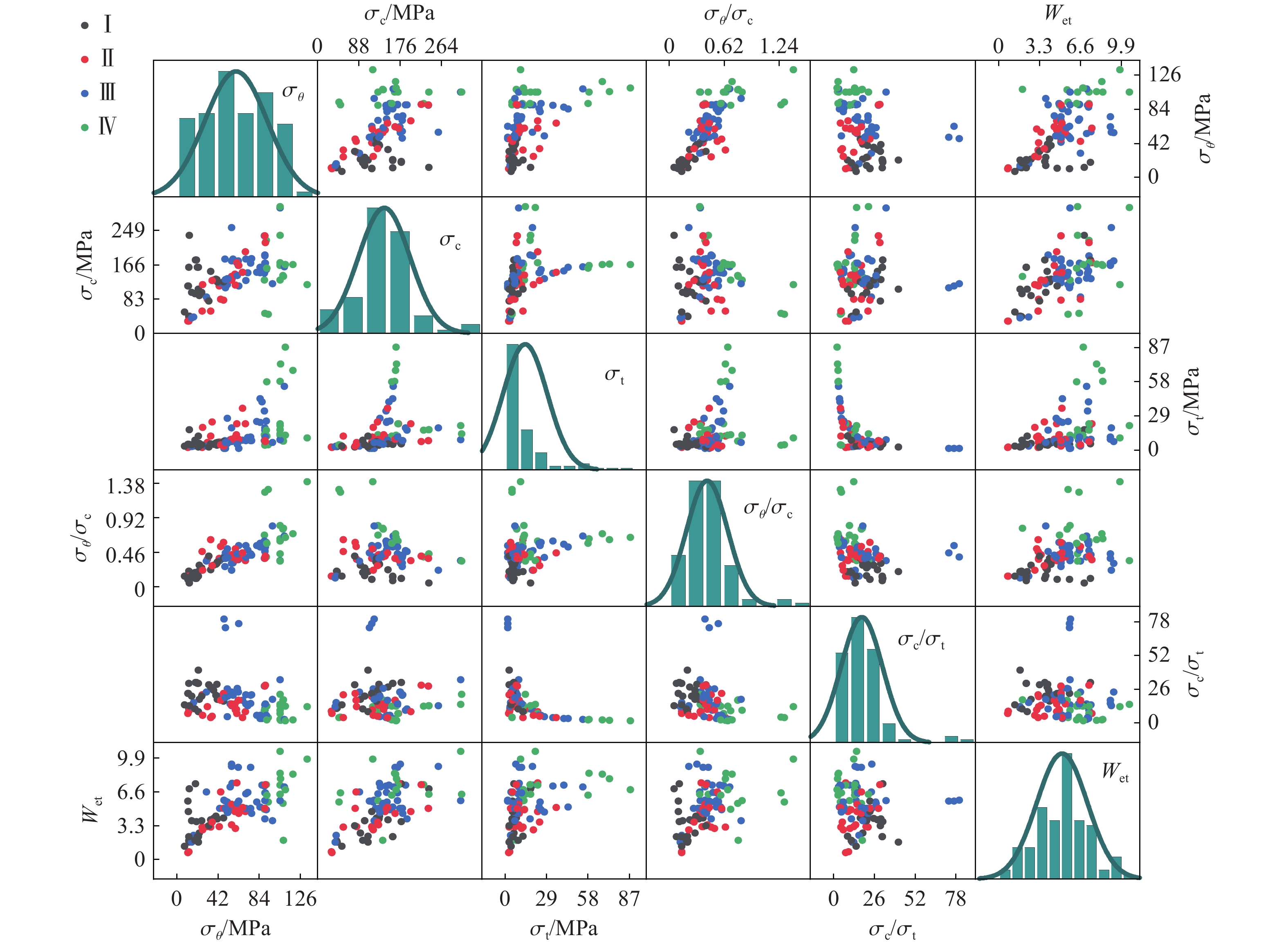
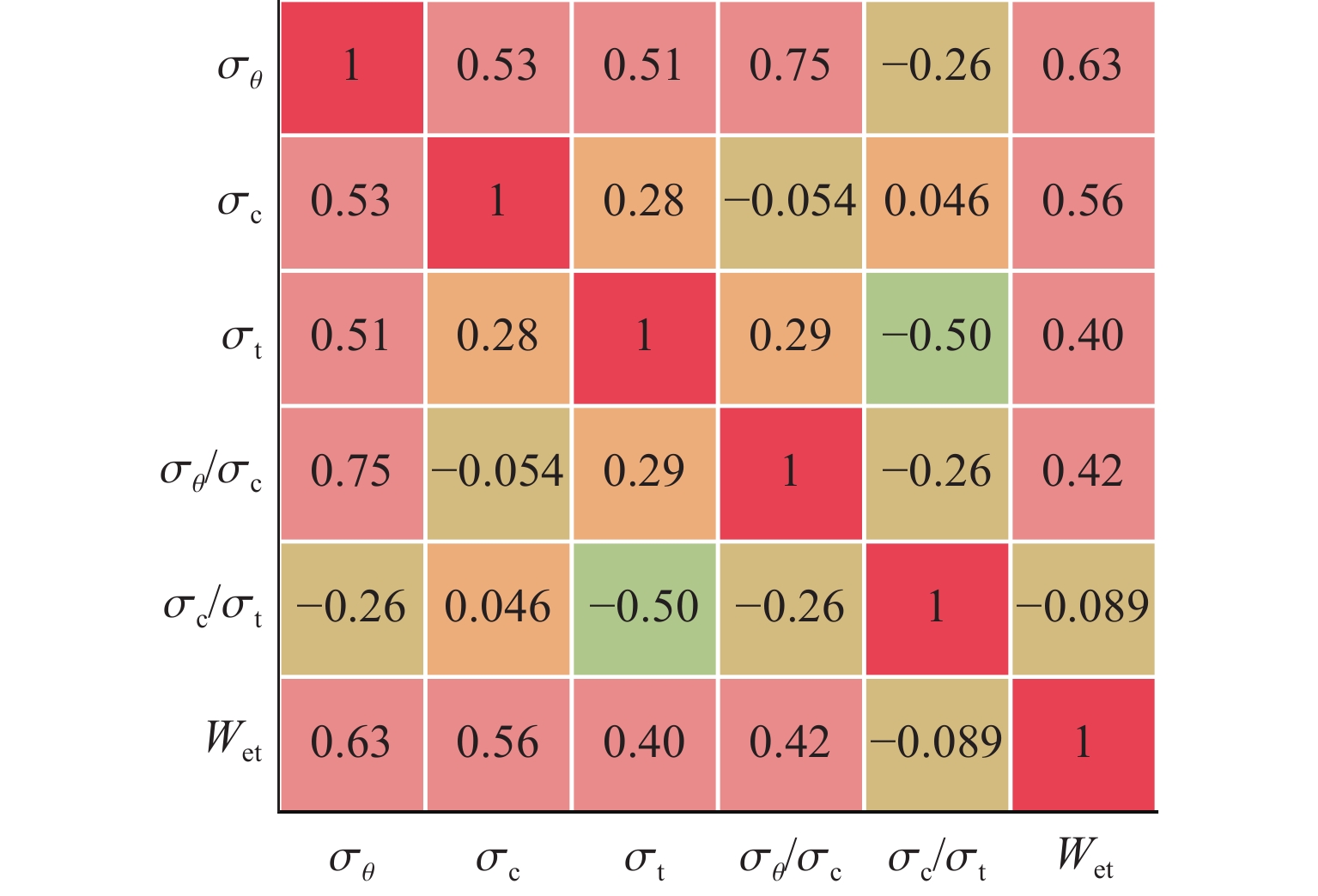
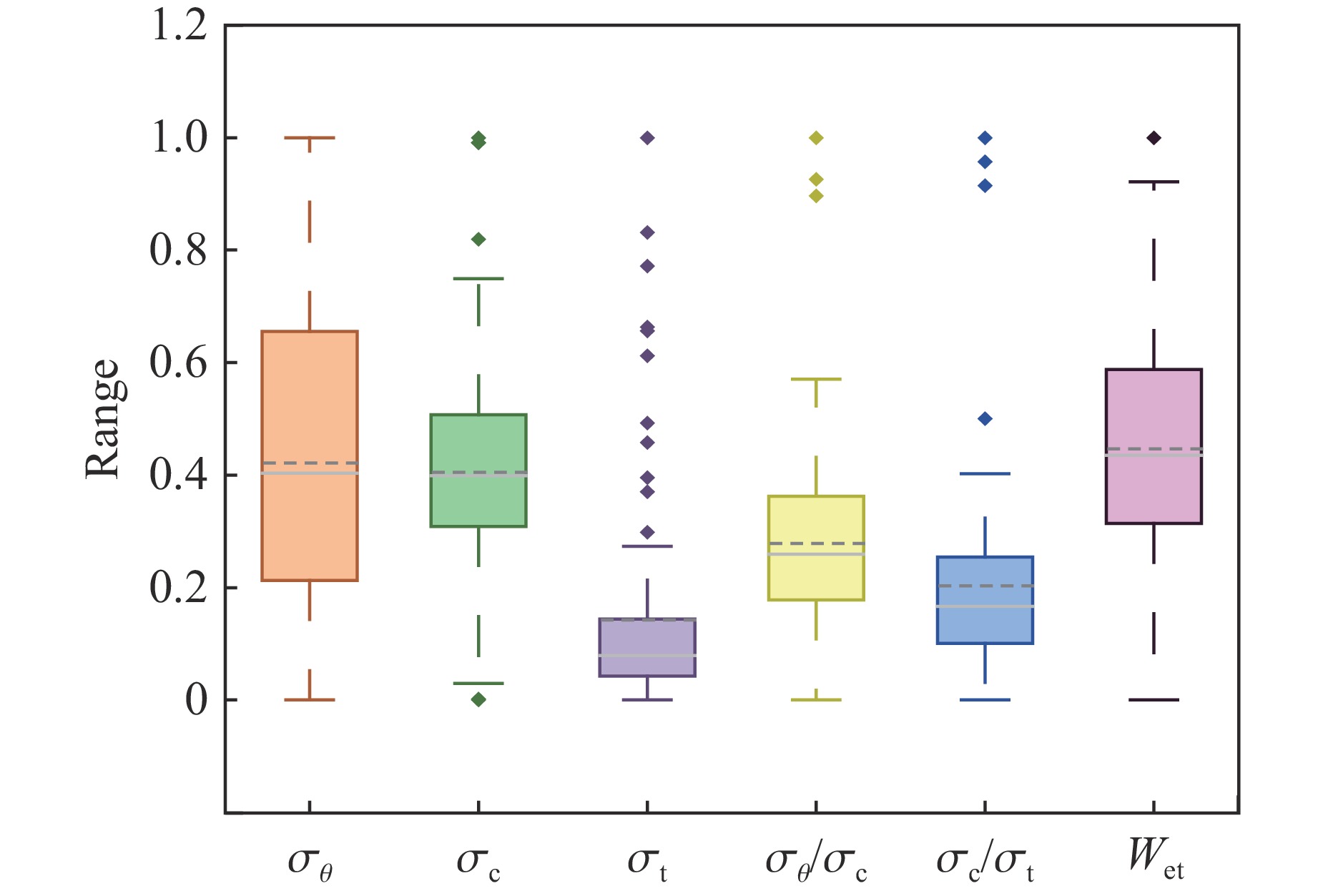
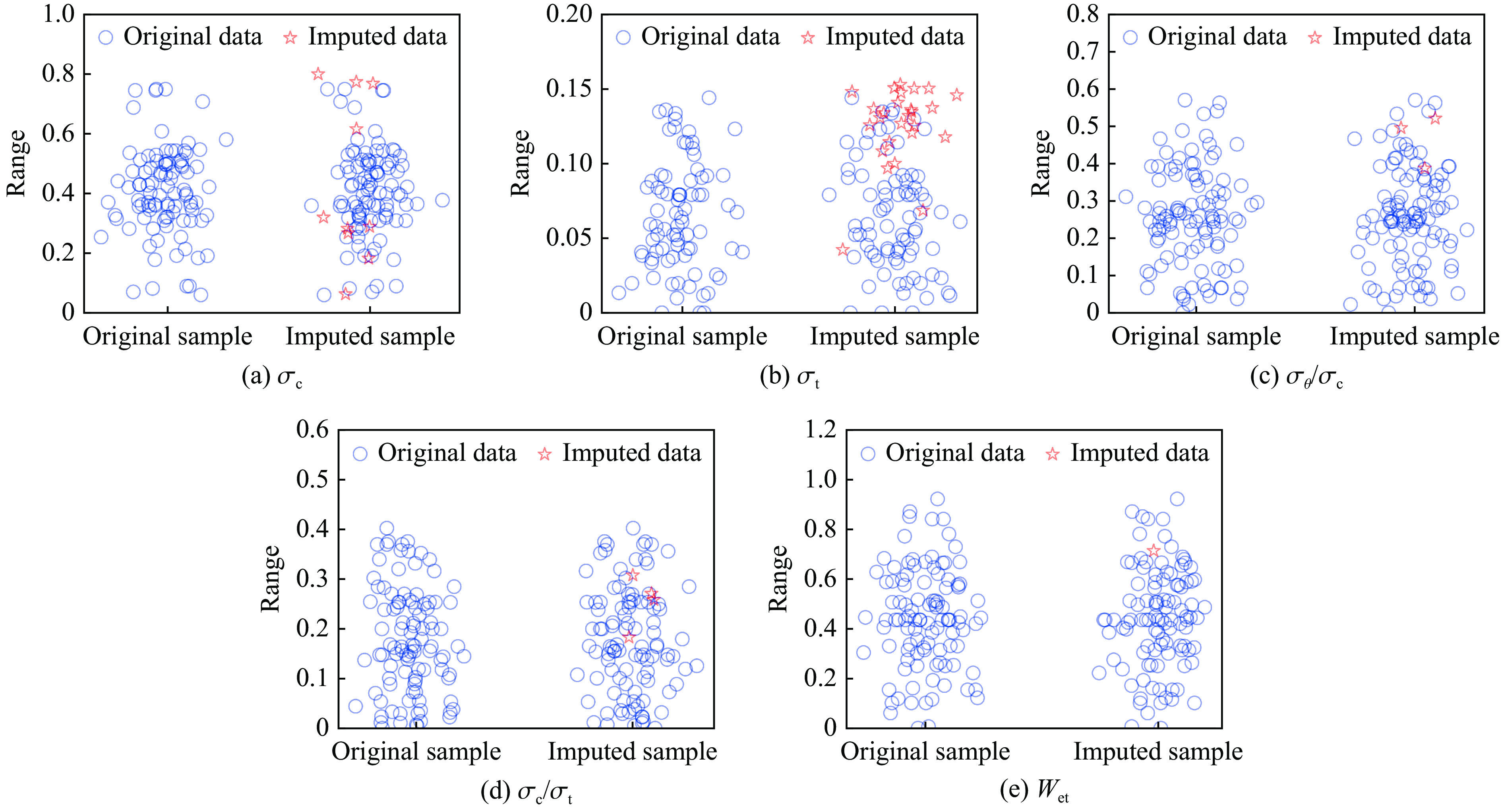
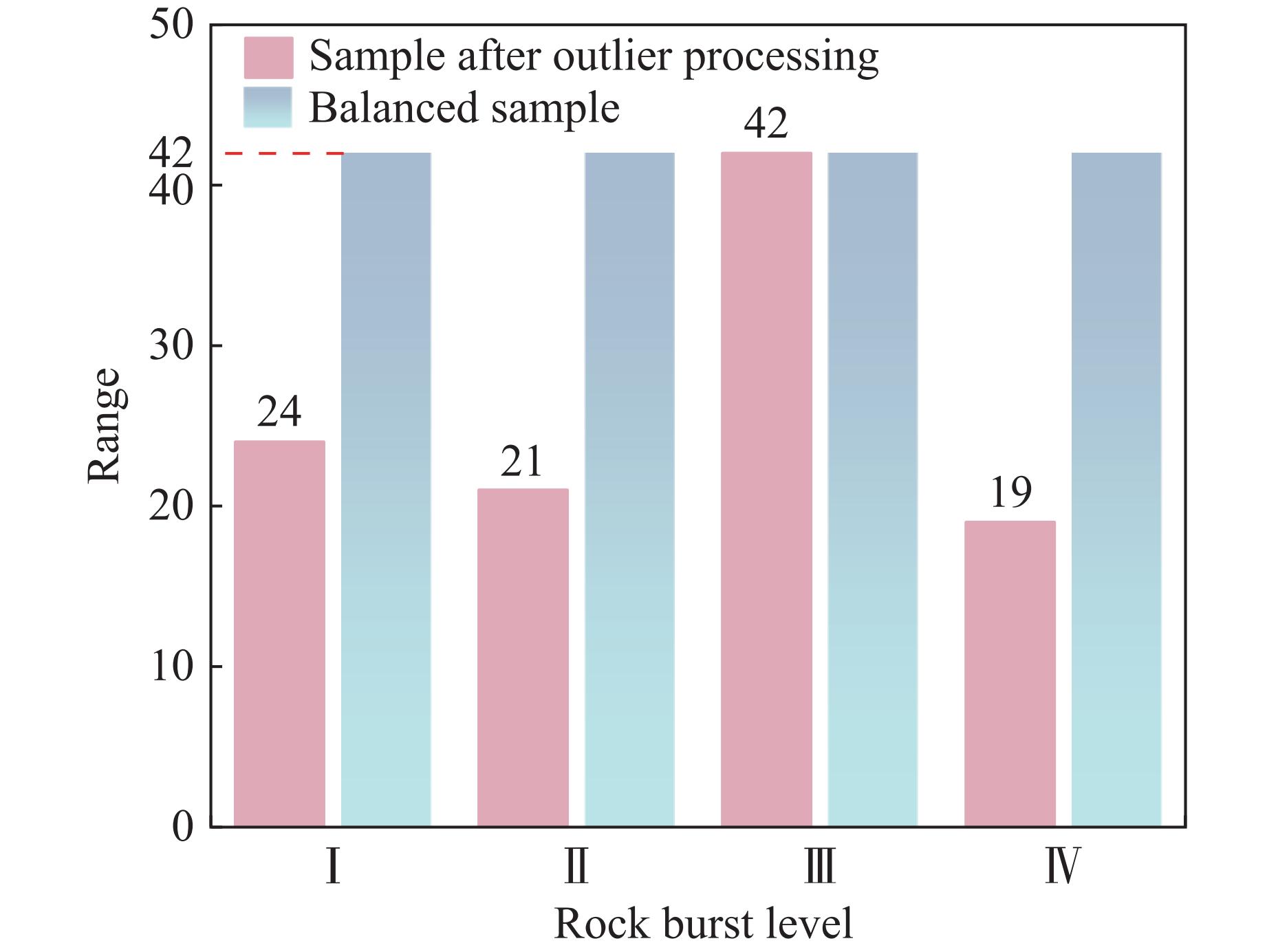
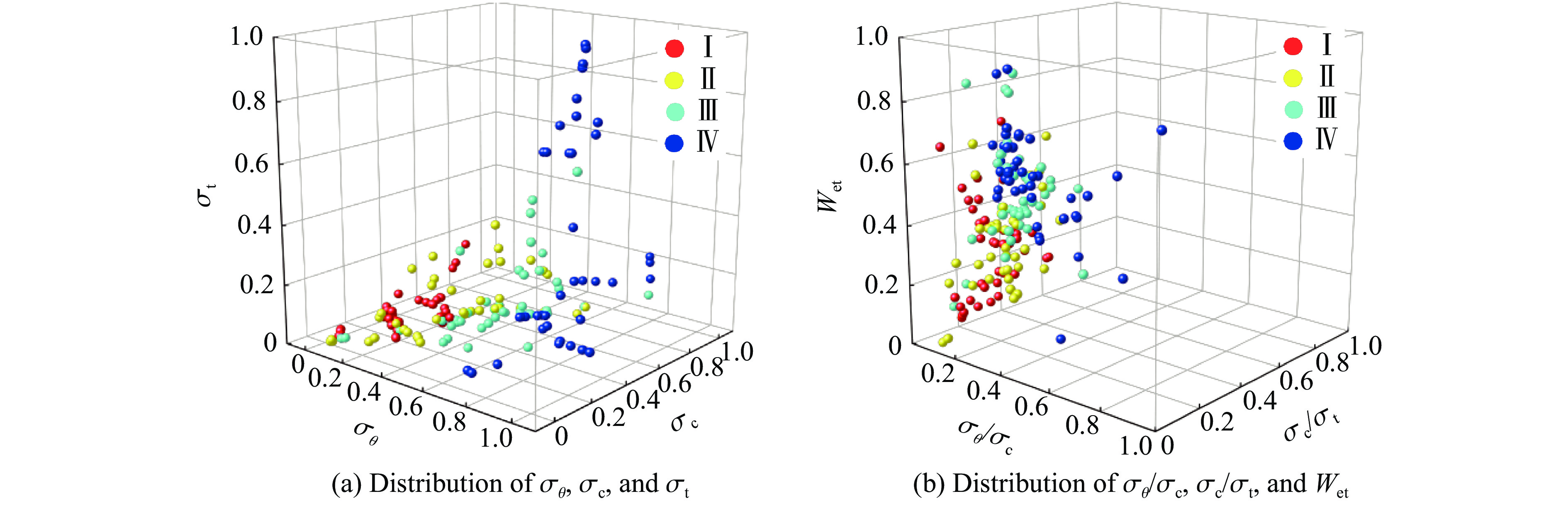
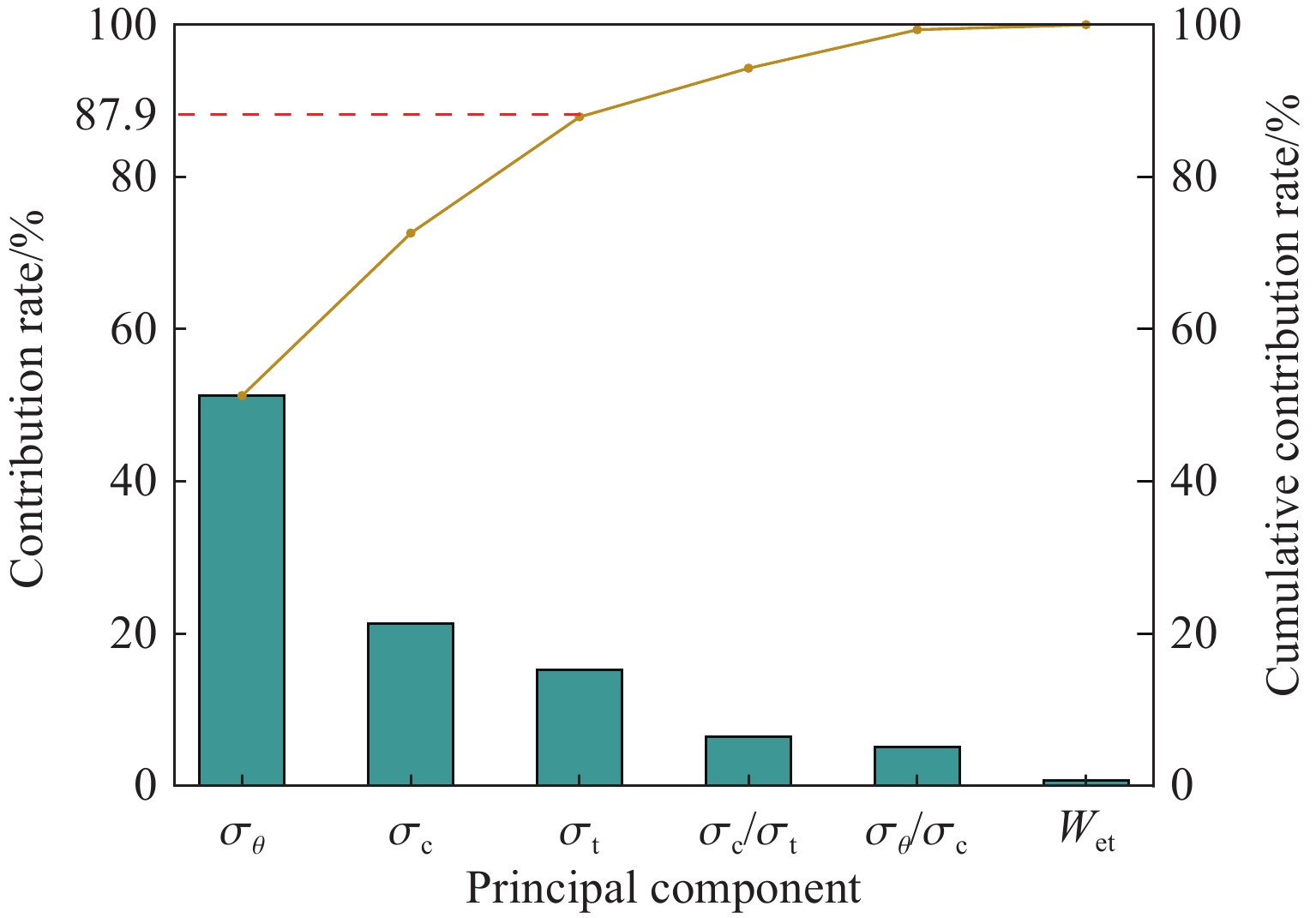
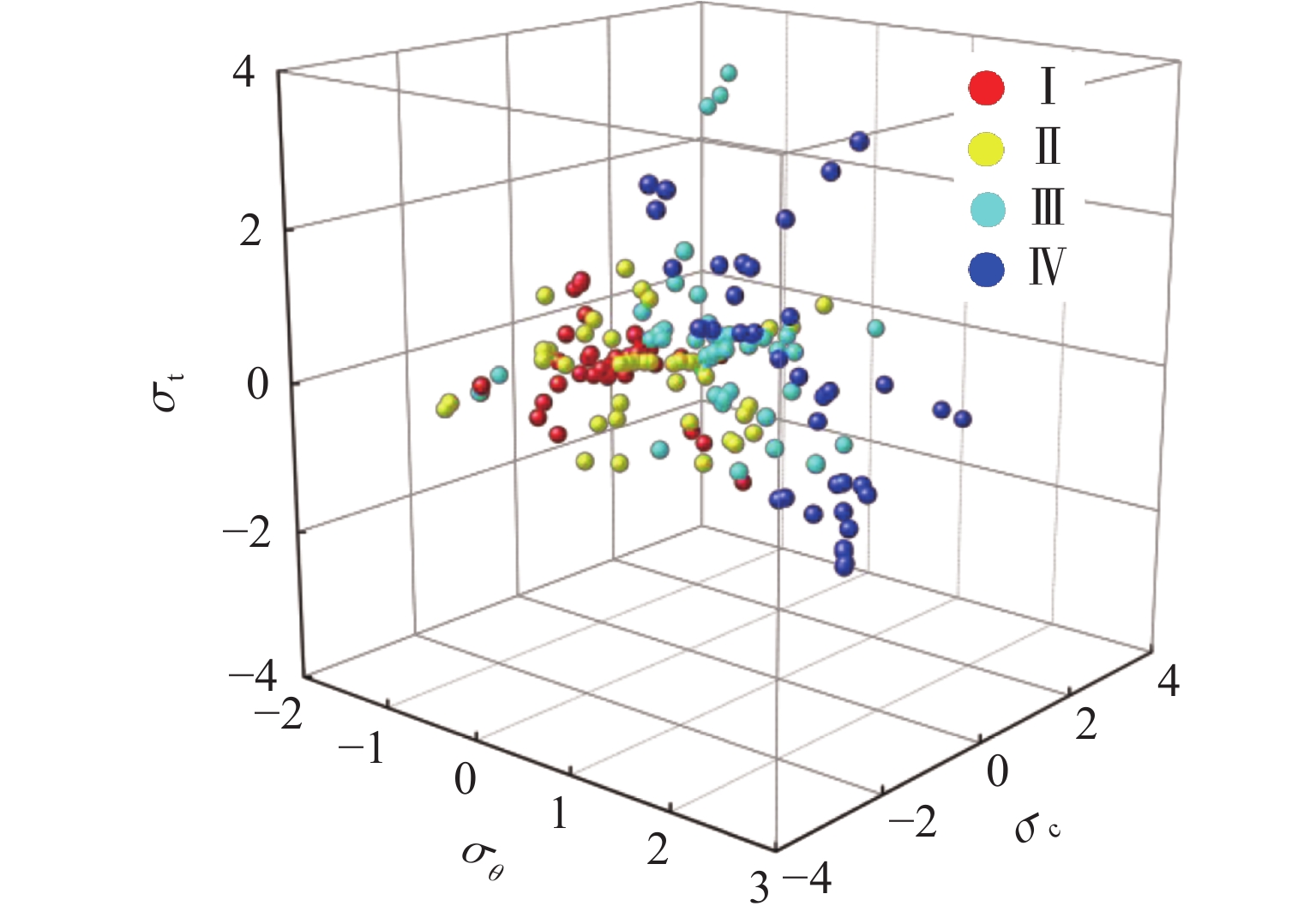
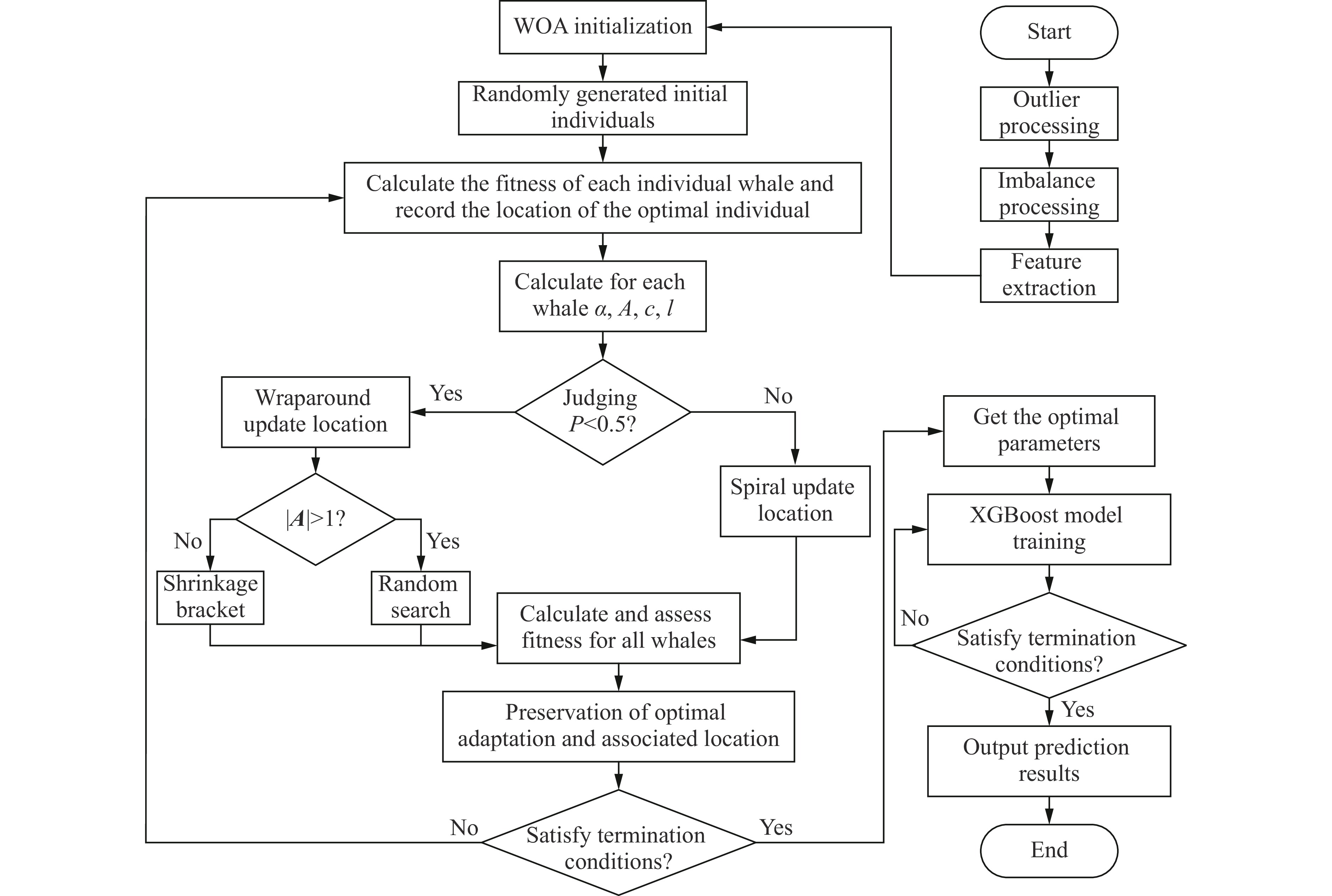
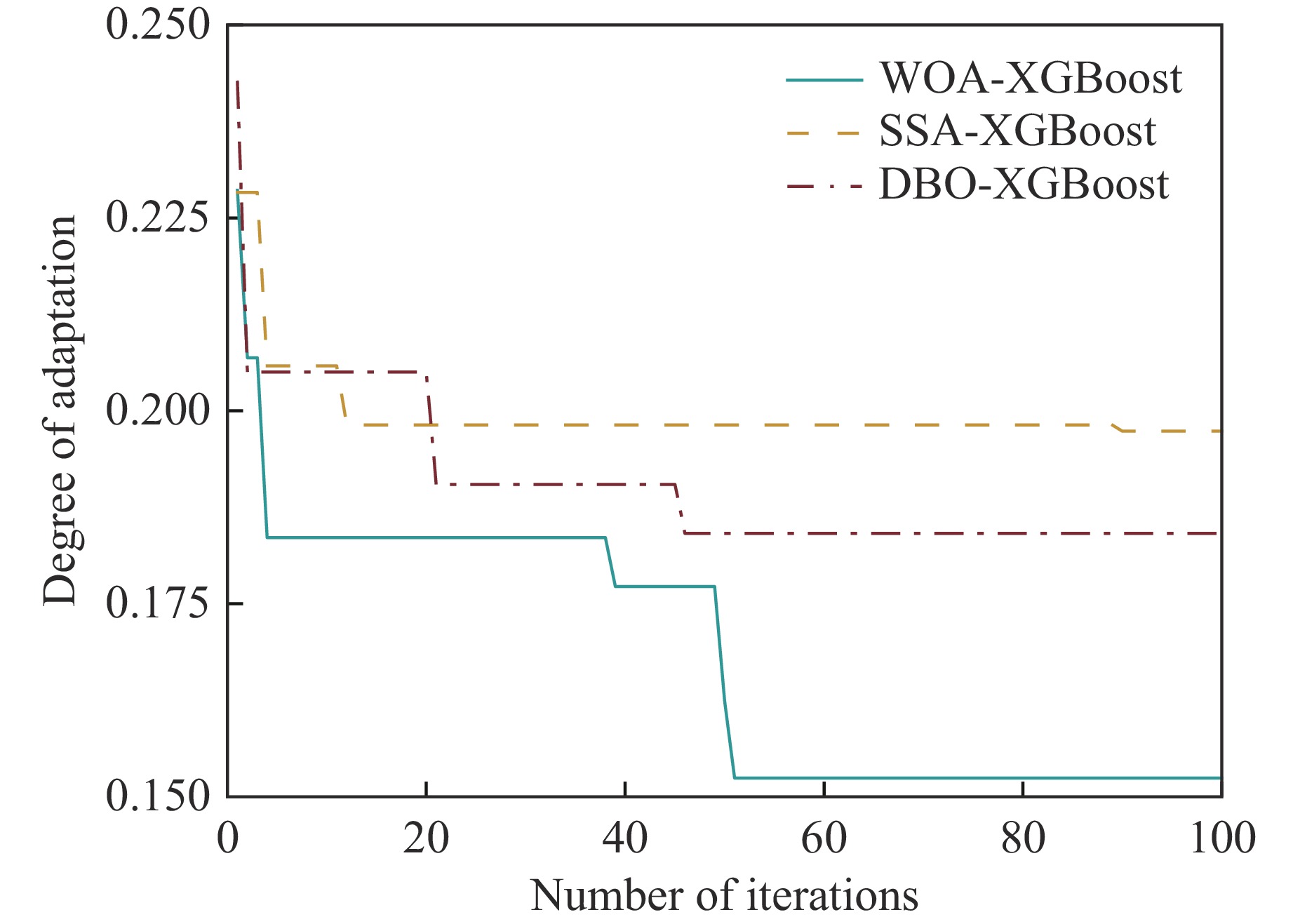
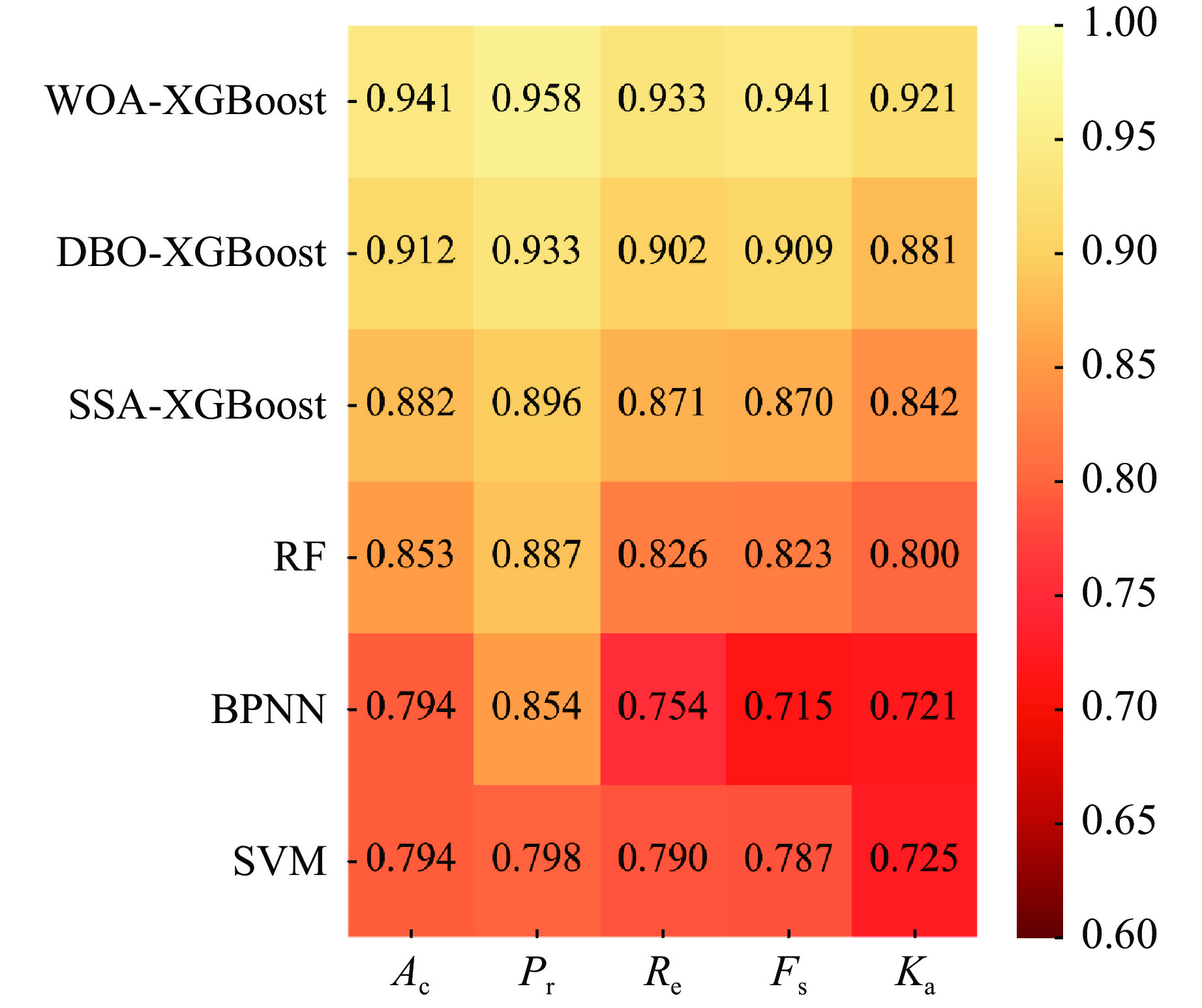
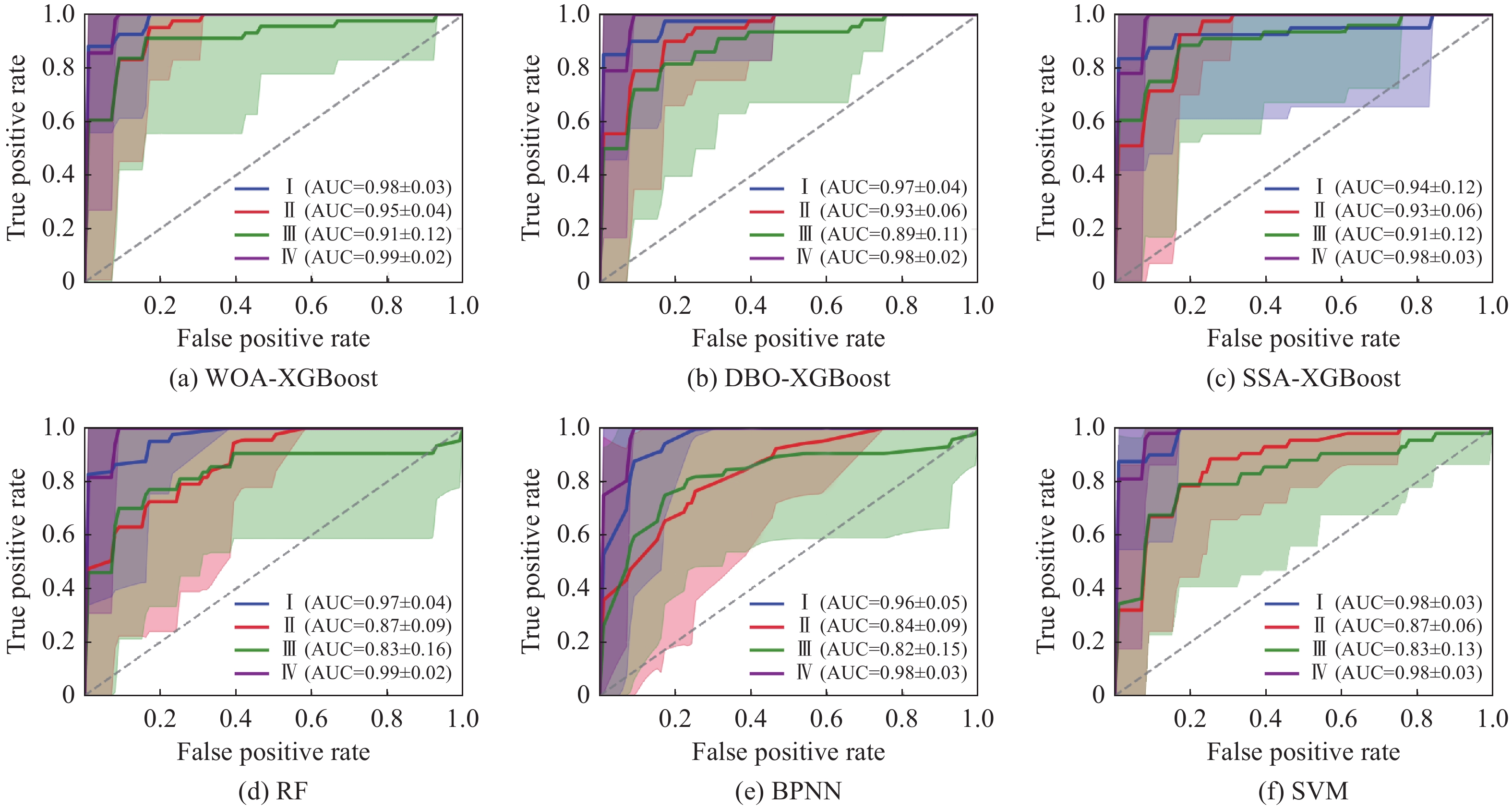
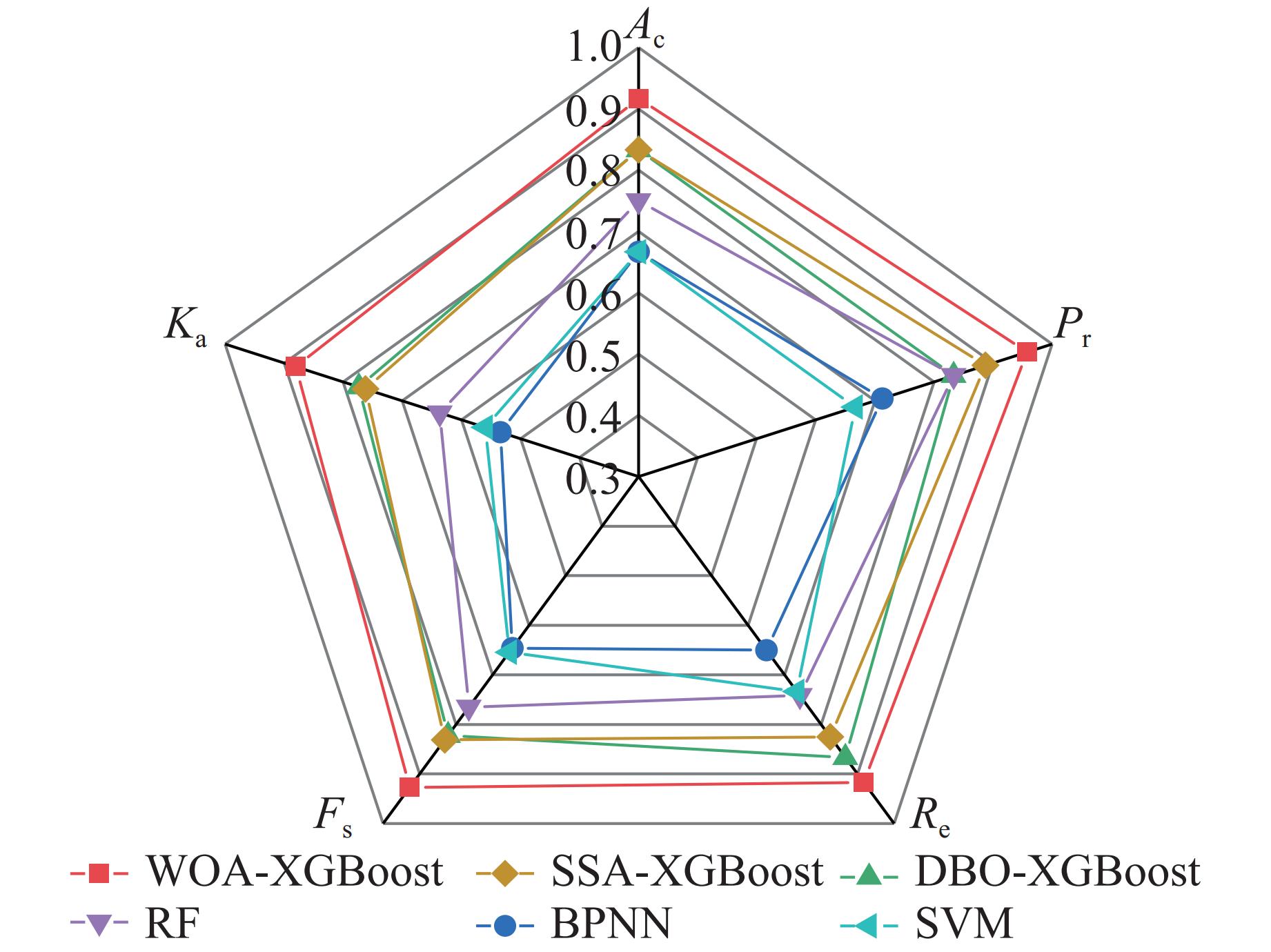
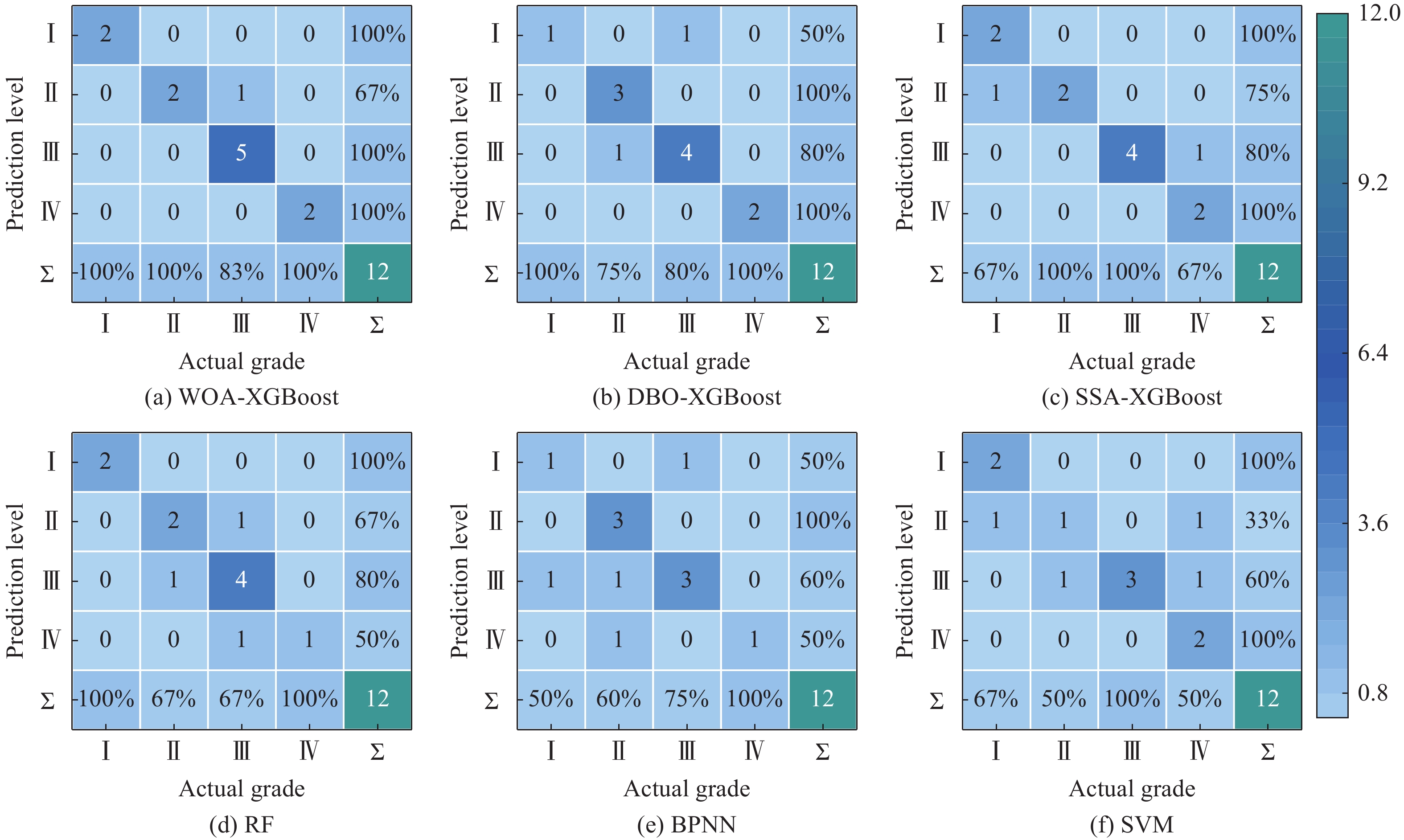
To ensure the construction safety of geotechnical engineering in deep high stress areas, a combined rock burst intensity prediction model based on whale optimization algorithm (WOA) and extreme gradient boosting (XGBoost) is proposed to address the suddenness and complexity of rock burst. Firstly, the main controlling factors that affect the intensity level of rock burst are analyzed, and the uniaxial compressive strength, maximum tangential stress, uniaxial tensile strength, brittleness coefficient, stress coefficient, and elastic energy index are selected to establish a prediction index system for rock burst intensity level. The original samples are processed using the Pearson correlation coefficient, multiple imputation by chained equations (MICE), synthetic minority oversampling technique (SMOTE), and principal component analysis (PCA). Secondly, the maximum number of iterations, maximum depth of the tree, and learning rate of the XGBoost model were optimized through WOA, and the prediction results of the model were comprehensively evaluated using accuracy, precision, recall, F1 score, and Cohen Kappa coefficient. Finally, the model was applied to predict the rock burst intensity level of the Qinlingzhongnanshan highway tunnel and the water diversion system for hydropower stations. Results show that the WOA-optimized XGBoost model achieves optimal performance when the maximum number of iterations, maximum tree depth, and learning rate are 51, 13, and 0.7325, respectively. Prediction results for rock burst intensity level using the WOA-XGBoost model outperform those of other intelligent algorithm models, verifying the model’s high accuracy and reliability in predicting rock burst intensity level.

Numerical Simulation Study of Dynamic Response of Salt Cavern Gas Storage under High-Velocity Penetration
HU Rongrong, FAN Jinyang, YANG Fan, LIANG Wuxing, JIANG Deyi
2026, 40(2): 025303. doi: 10.11858/gywlxb.20251119
HTML PDF (21)
Abstract:

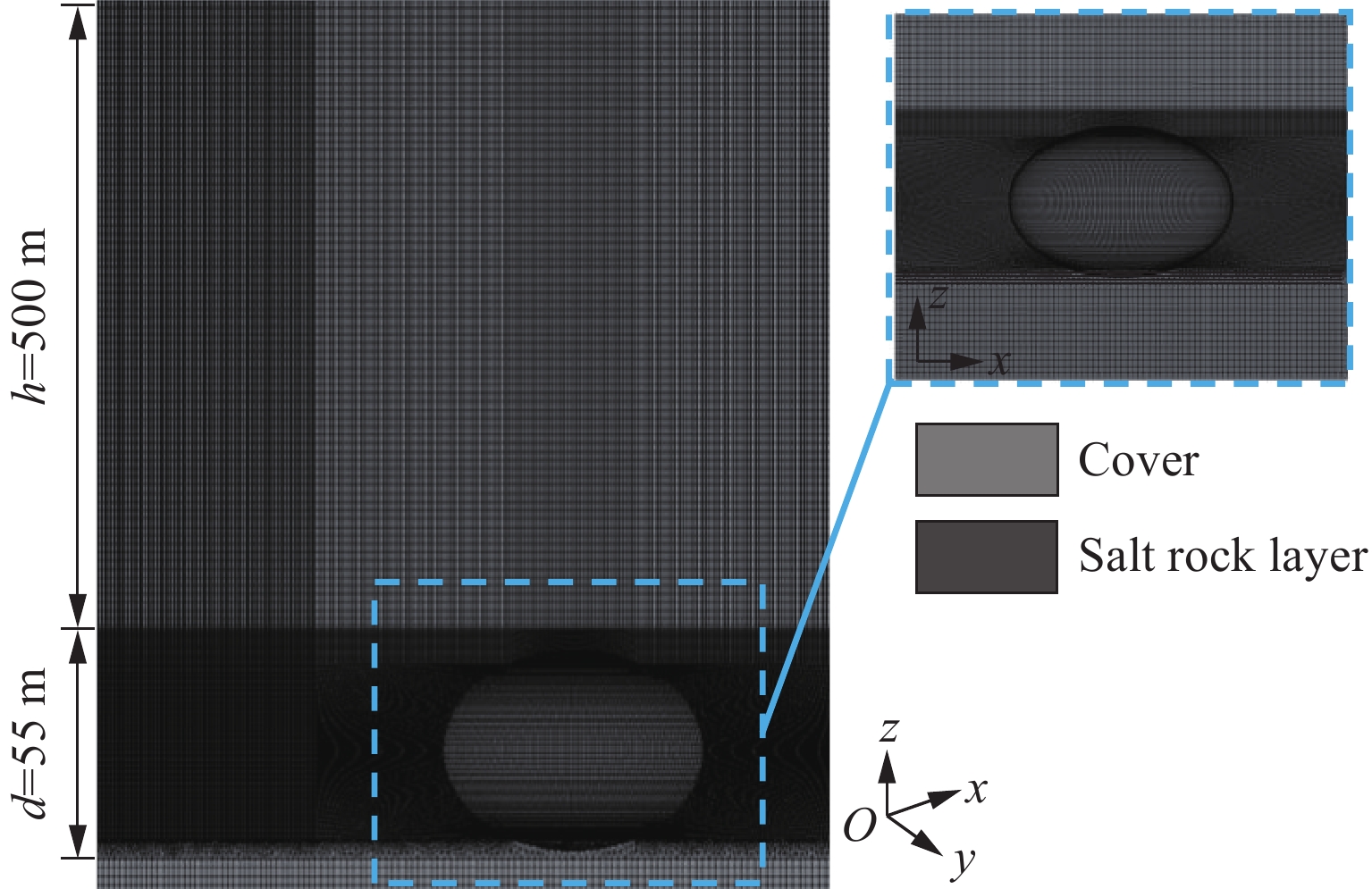
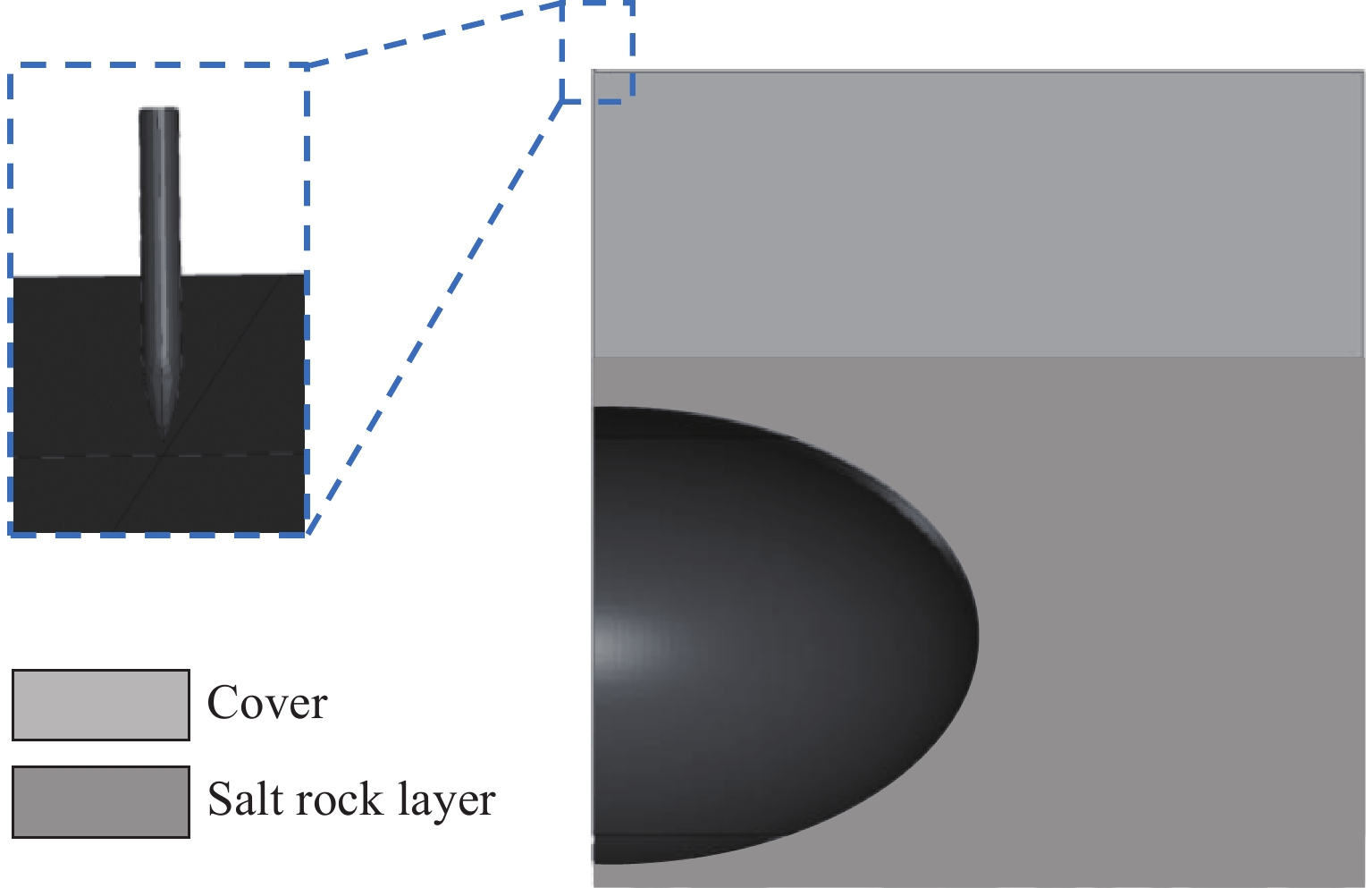
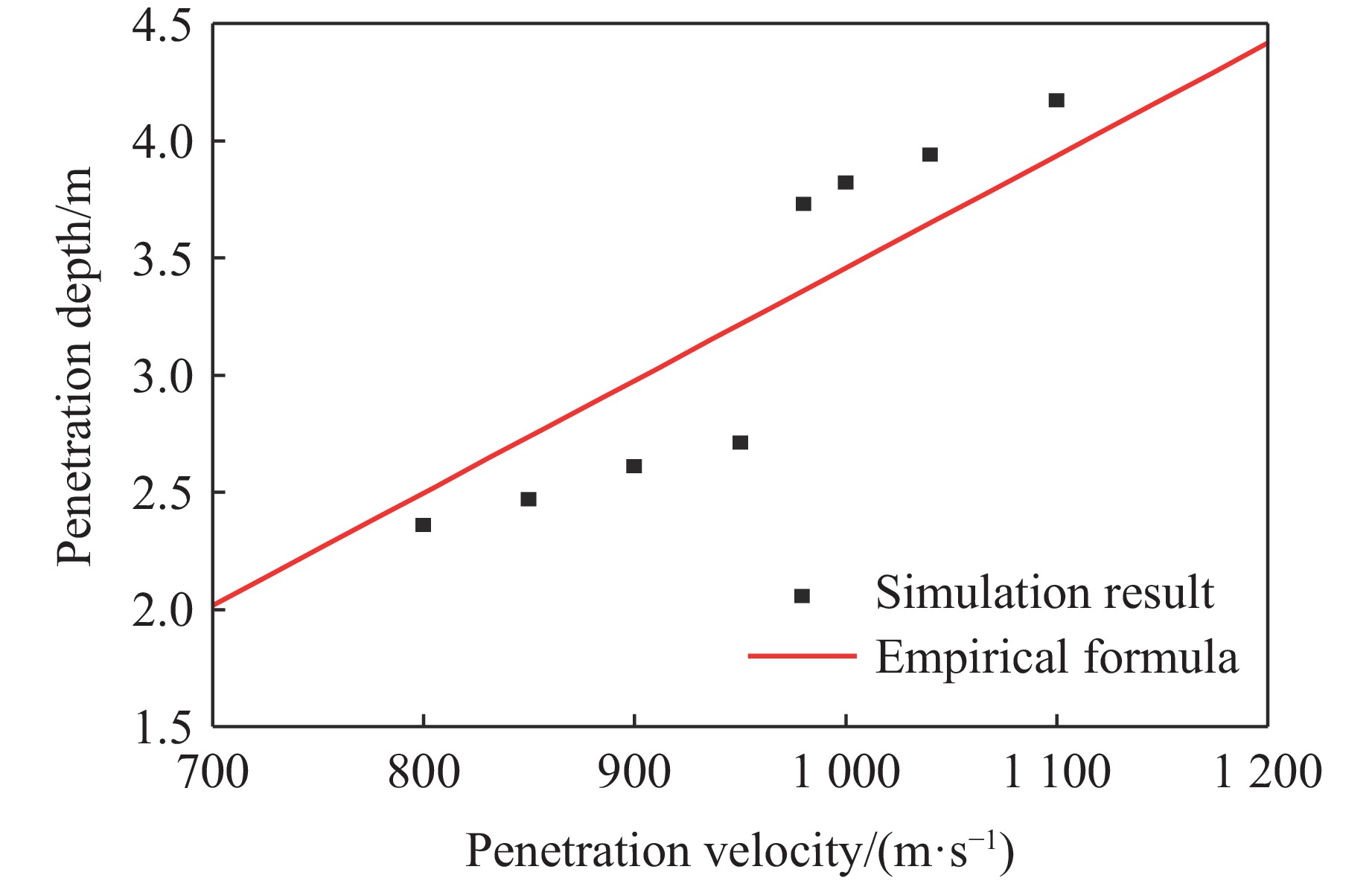
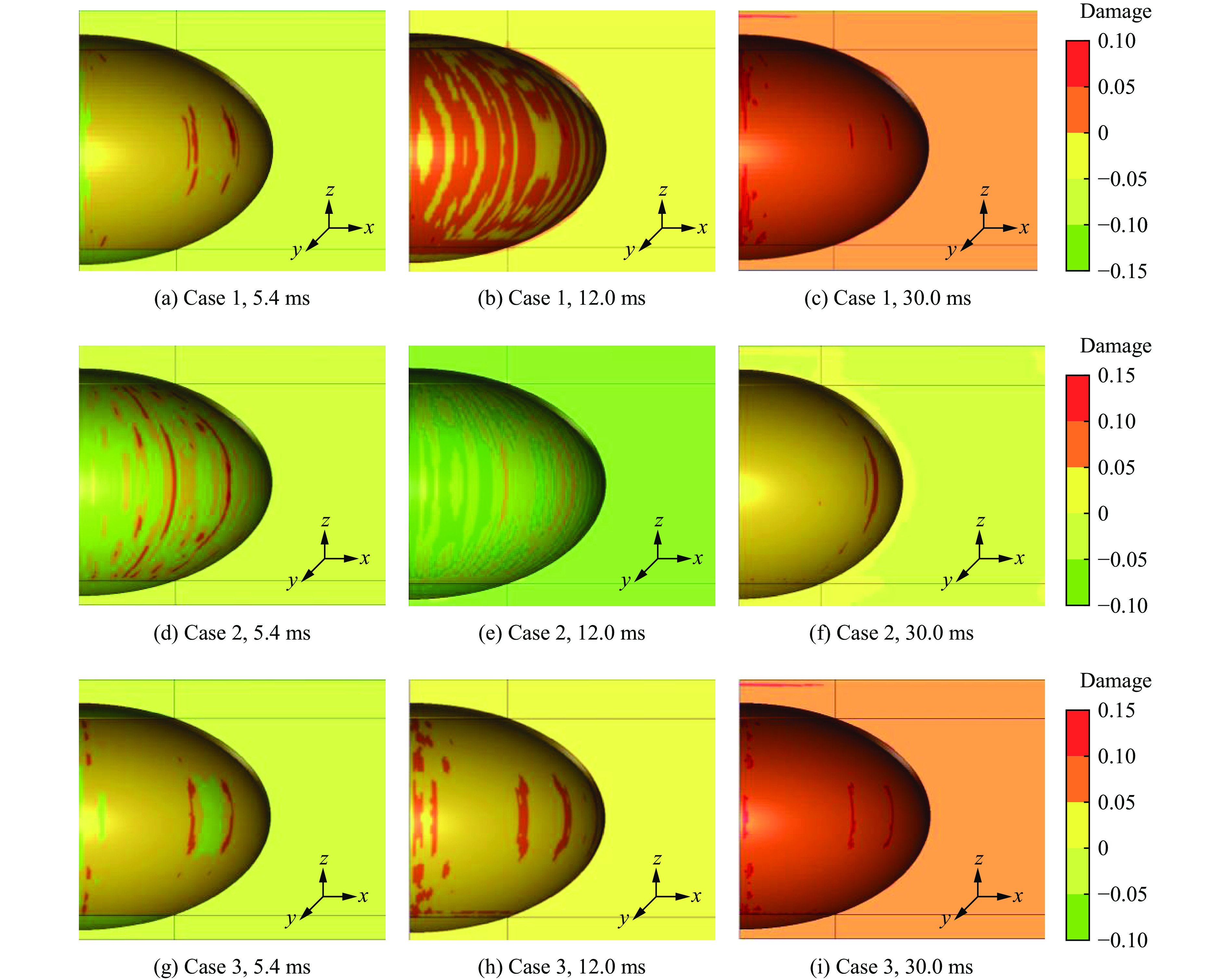
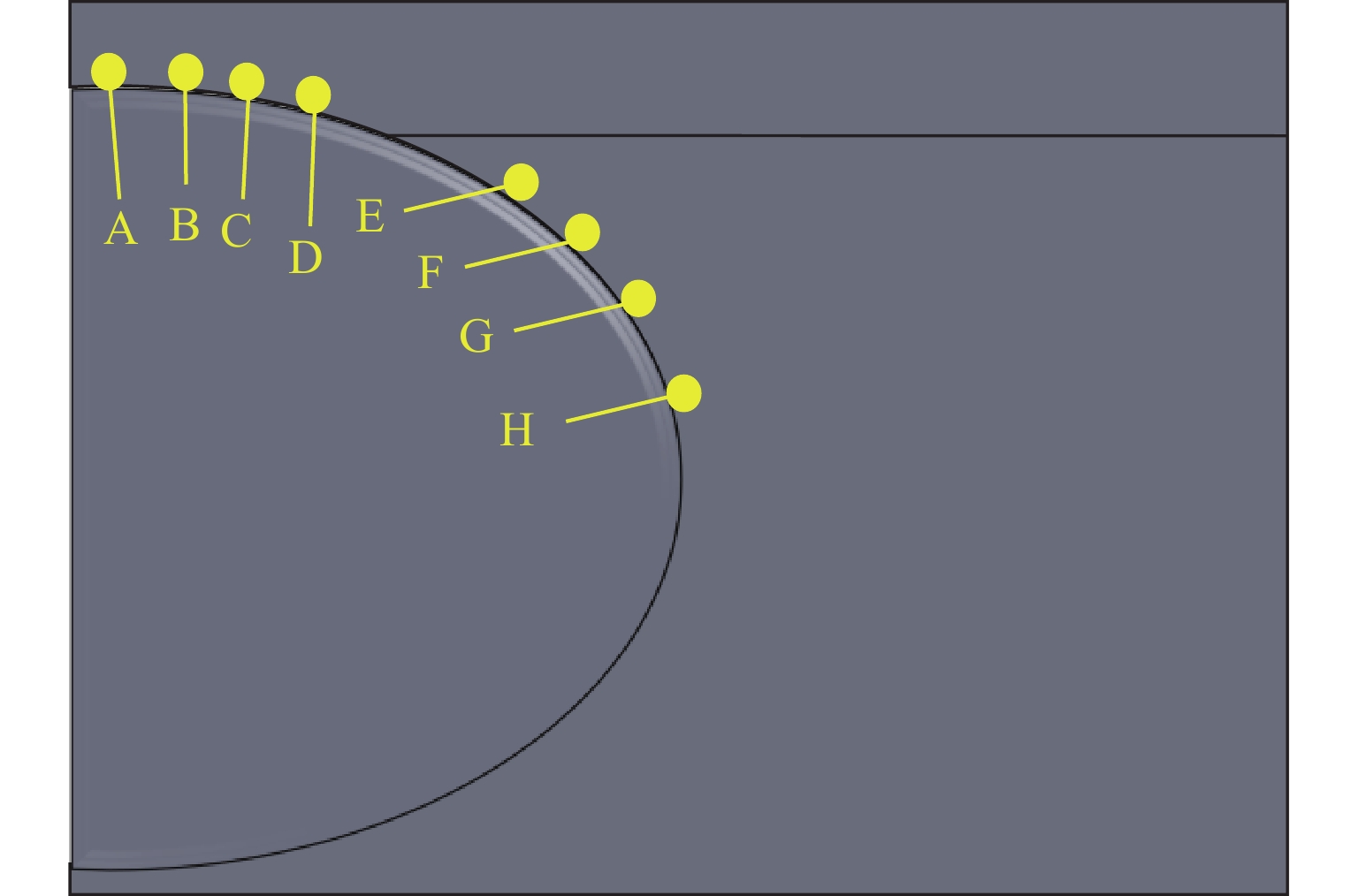
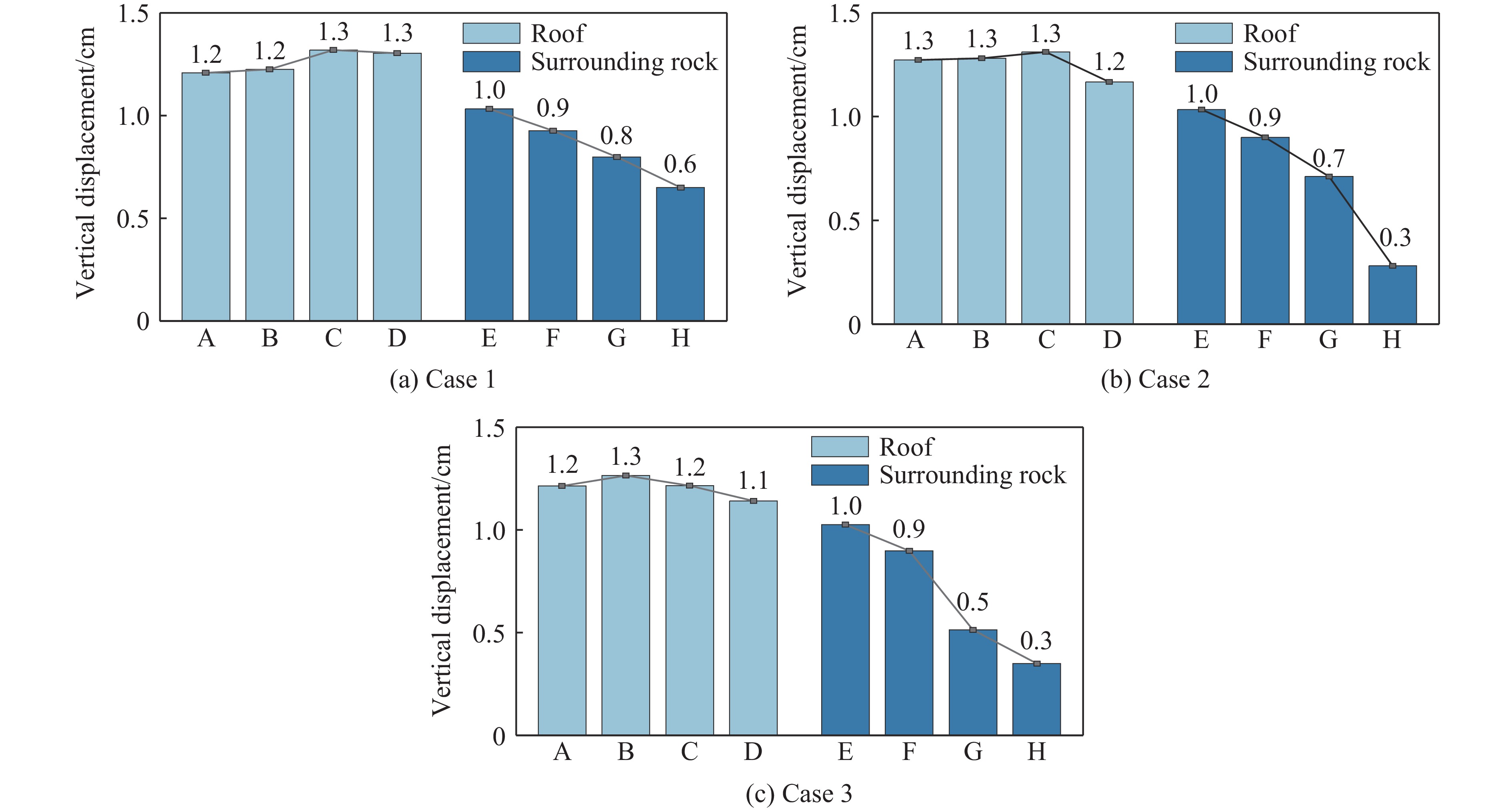
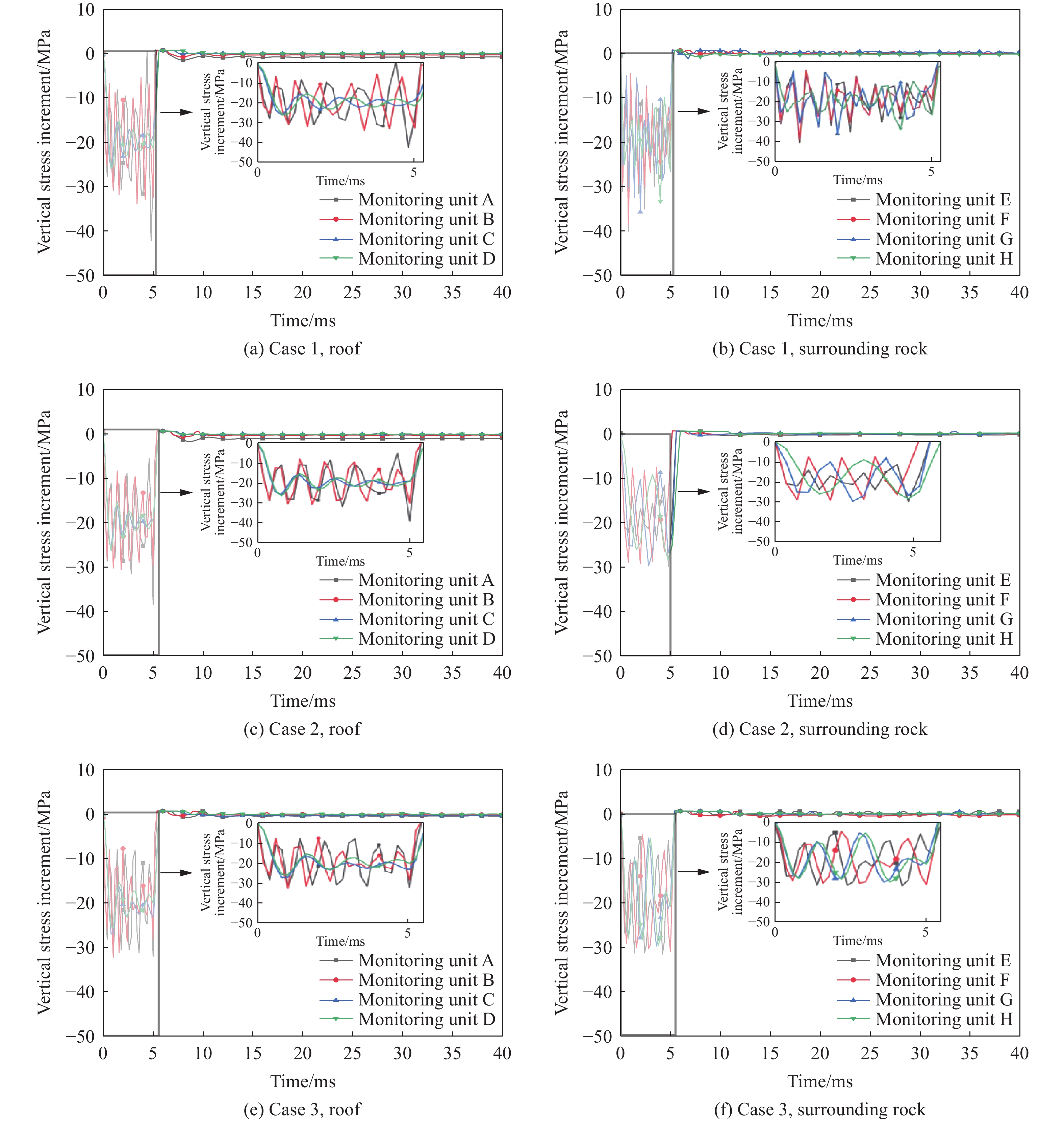
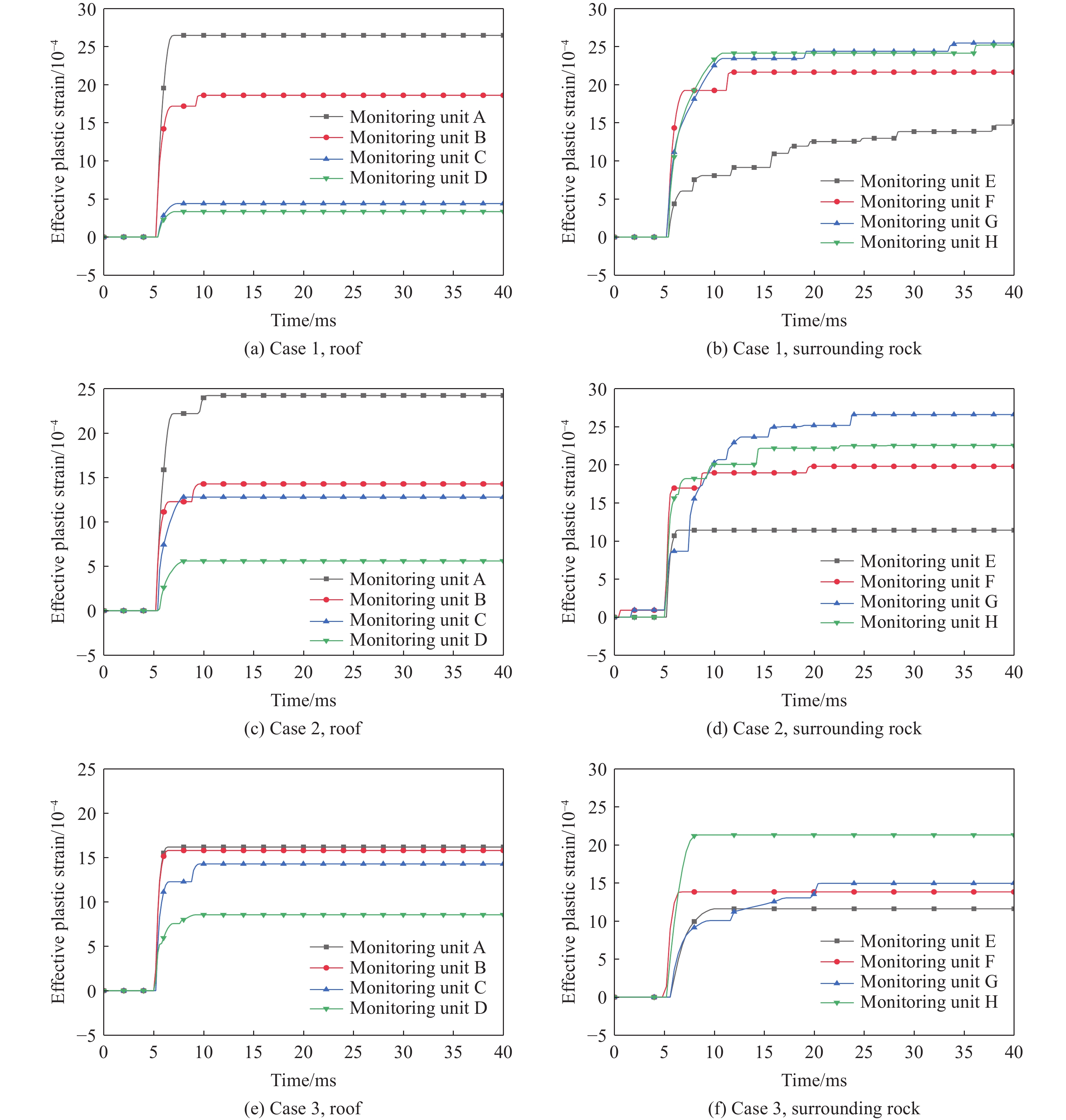
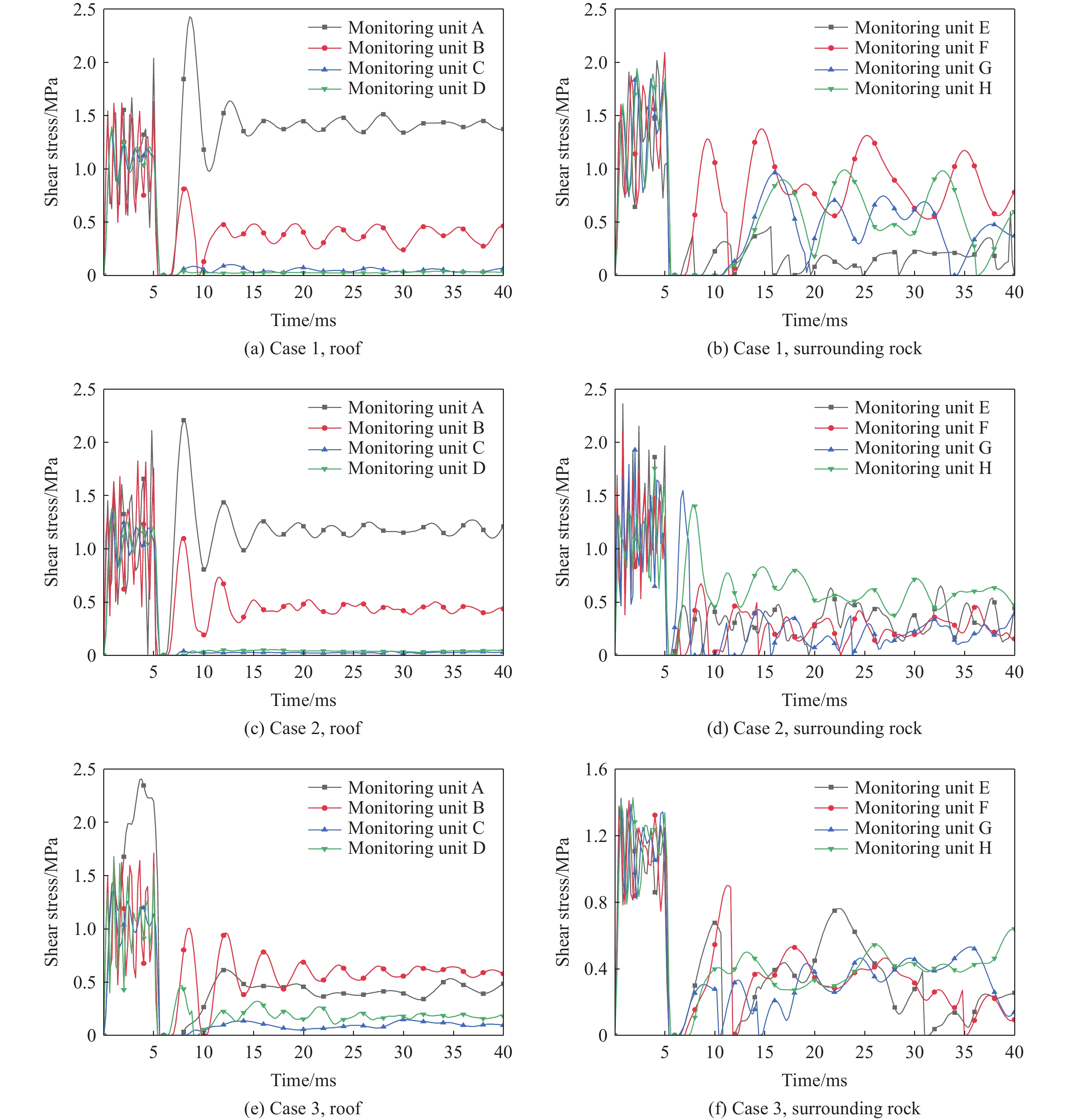
Underground salt cavern gas storage serves as a critical piece of energy infrastructure. Damage from impact events can cause irreparable losses, making it essential to establish key dynamic stability indicators for evaluating salt cavern safety under extreme impact loads. To investigate the dynamic response of salt cavern gas storage under high-velocity penetration, the salt rock material was modeled using the Riedel-Hiermaier-Thoma (RHT) constitutive model, and a finite element model of the gas storage structure was developed in ANSYS/LS-DYNA software to analyze the damage effects of a weapon on the salt cavern structure. Numerical simulations were conducted for three scenarios with different overburden thicknesses, monitoring four key parameters: vertical displacement, vertical stress, effective plastic strain, and shear stress. These simulations revealed the failure mechanisms of the cavern roof and surrounding rock under dynamic impact, as well as the variation patterns of the key stability indicators. The results demonstrate that reducing the overburden thickness intensifies the dynamic response of the surrounding rock and expands plastic deformation zones. Displacements of the roof and surrounding rock exhibited a trend of initial increase followed by a decrease. Salt rock in regions of low vertical stress experienced higher shear stresses, increasing its susceptibility to failure. Furthermore, the surrounding rock accumulated greater plastic strain, indicating heightened sensitivity to penetration-induced disturbances.

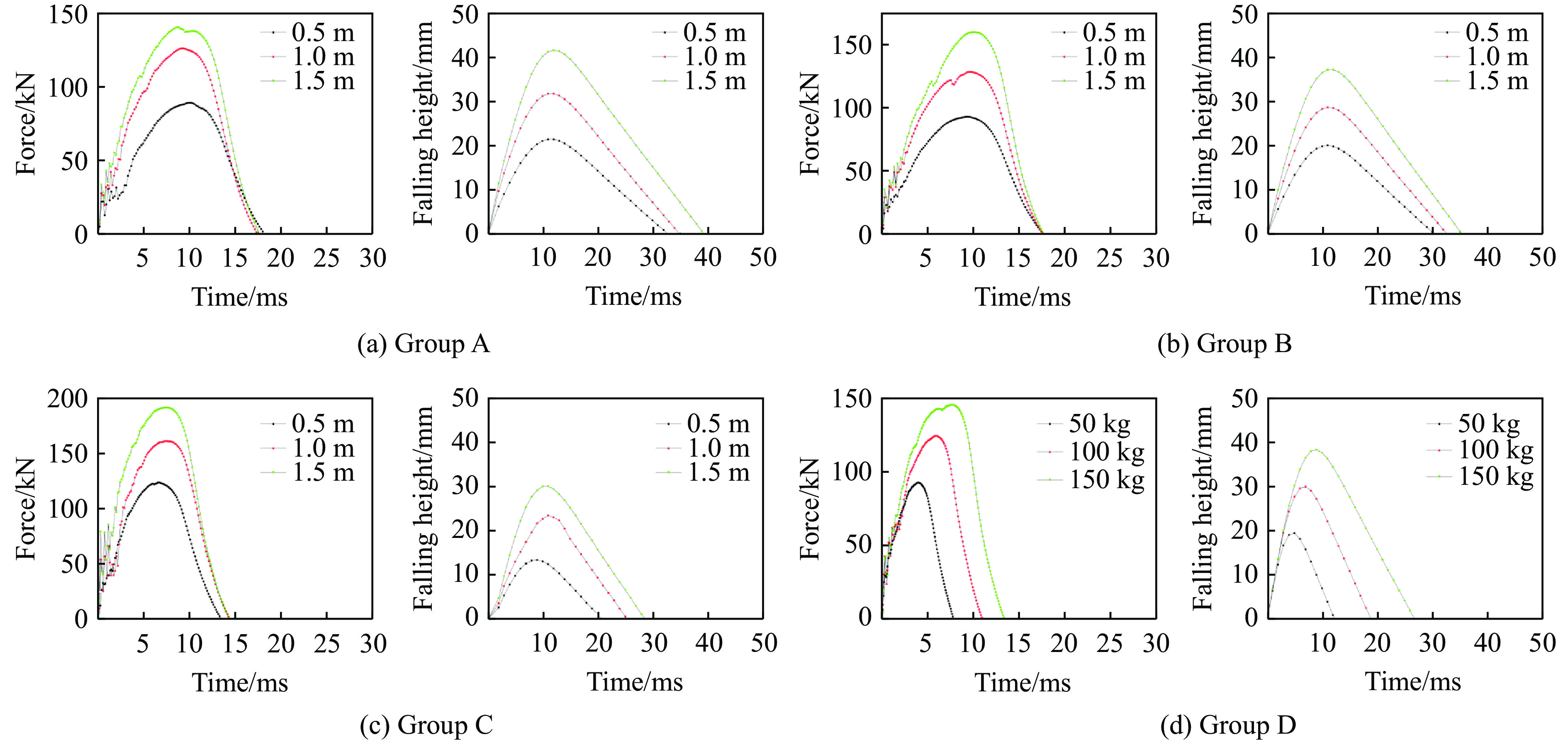
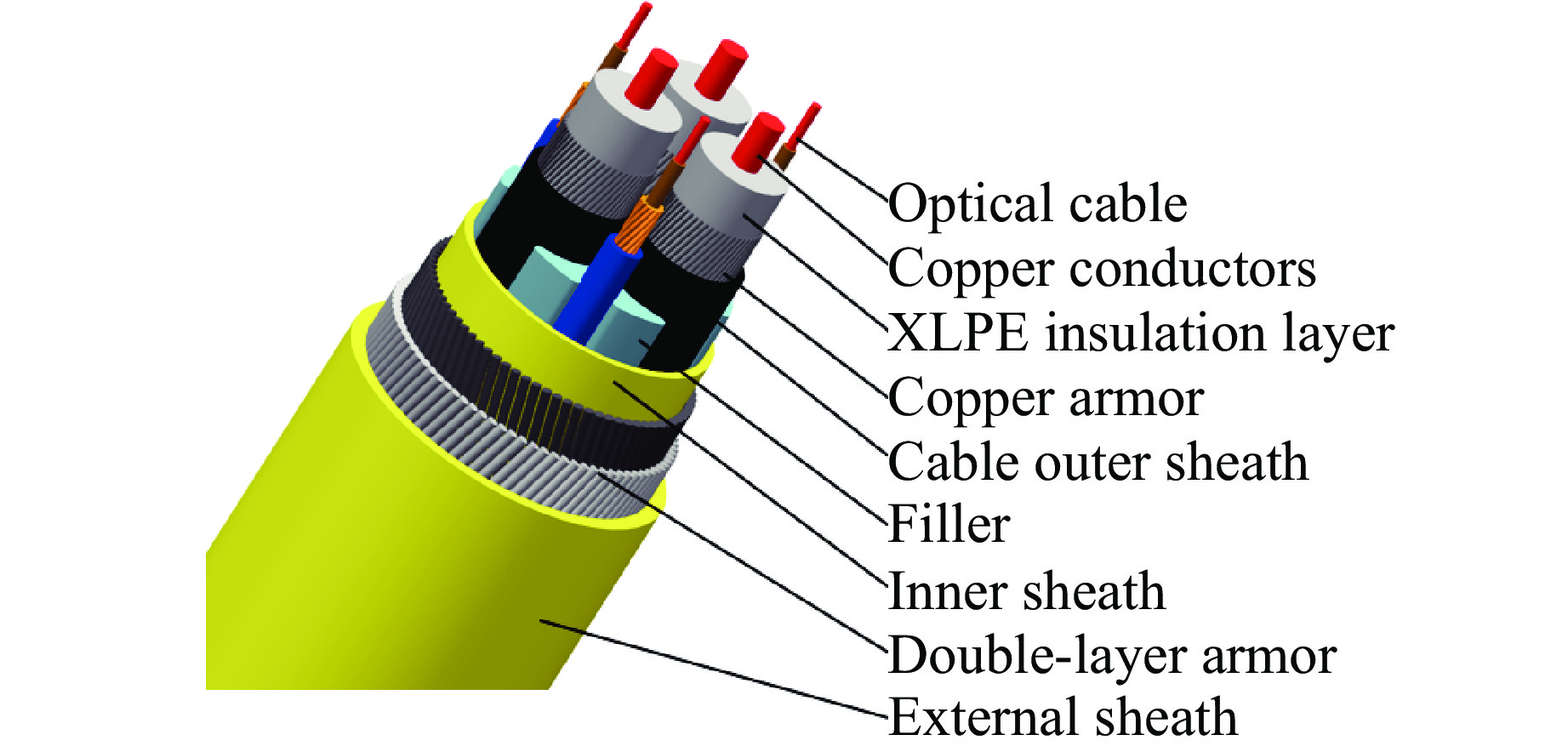
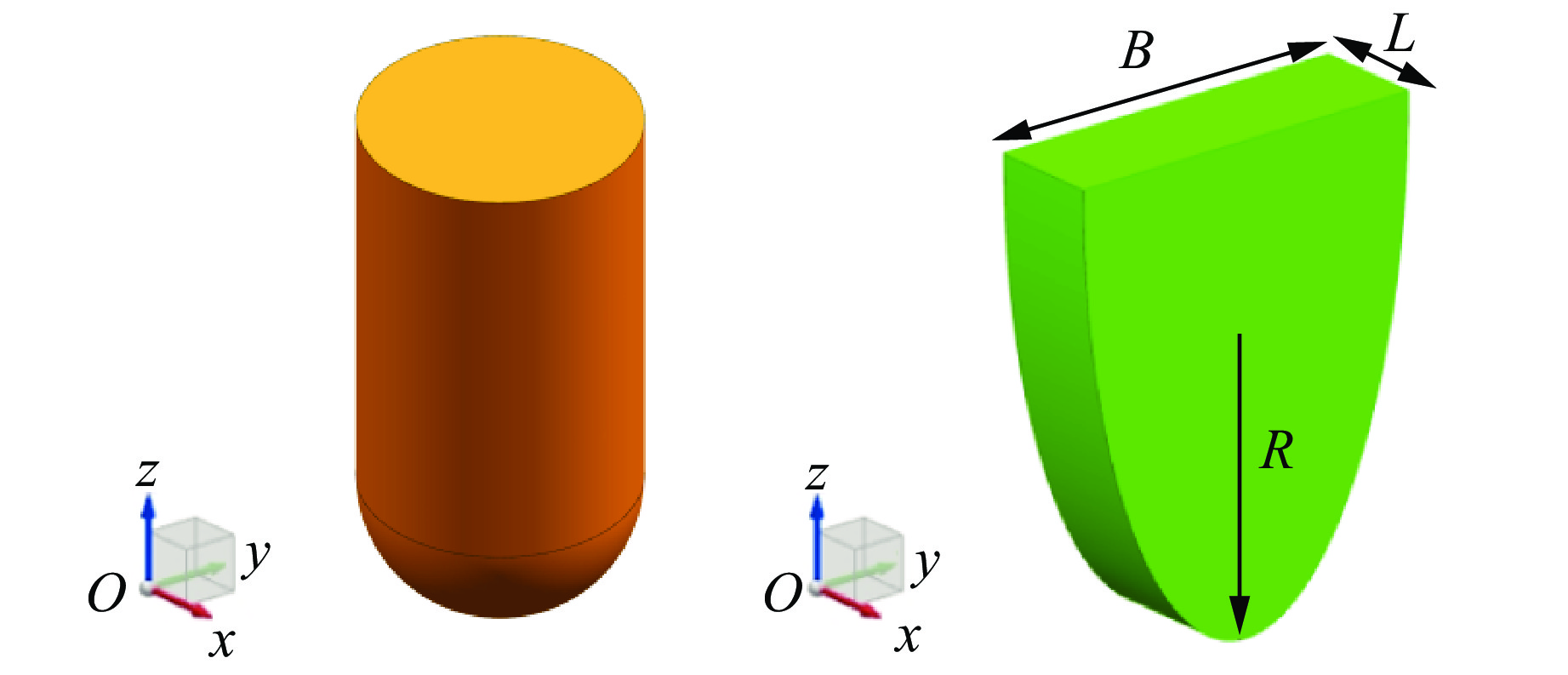
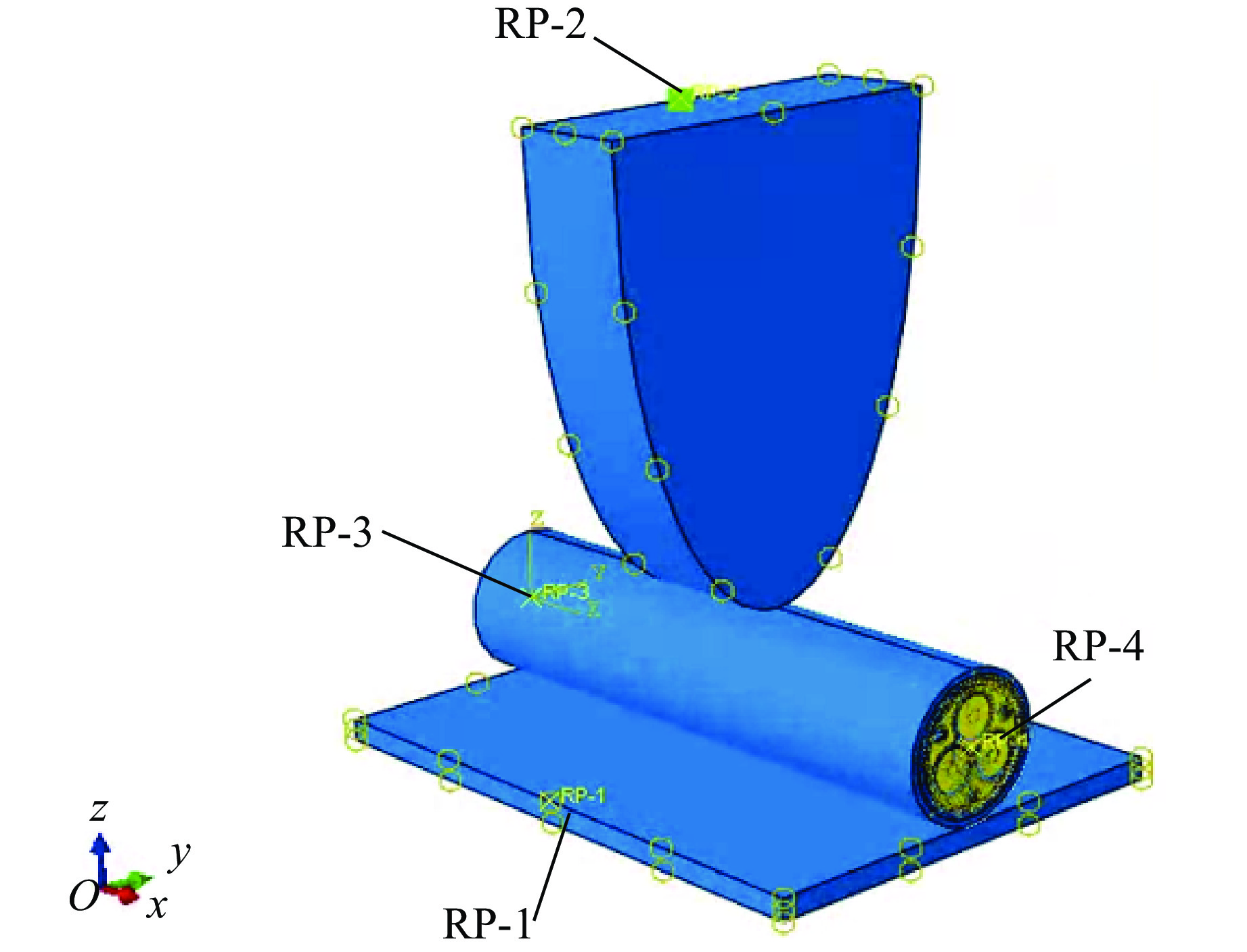
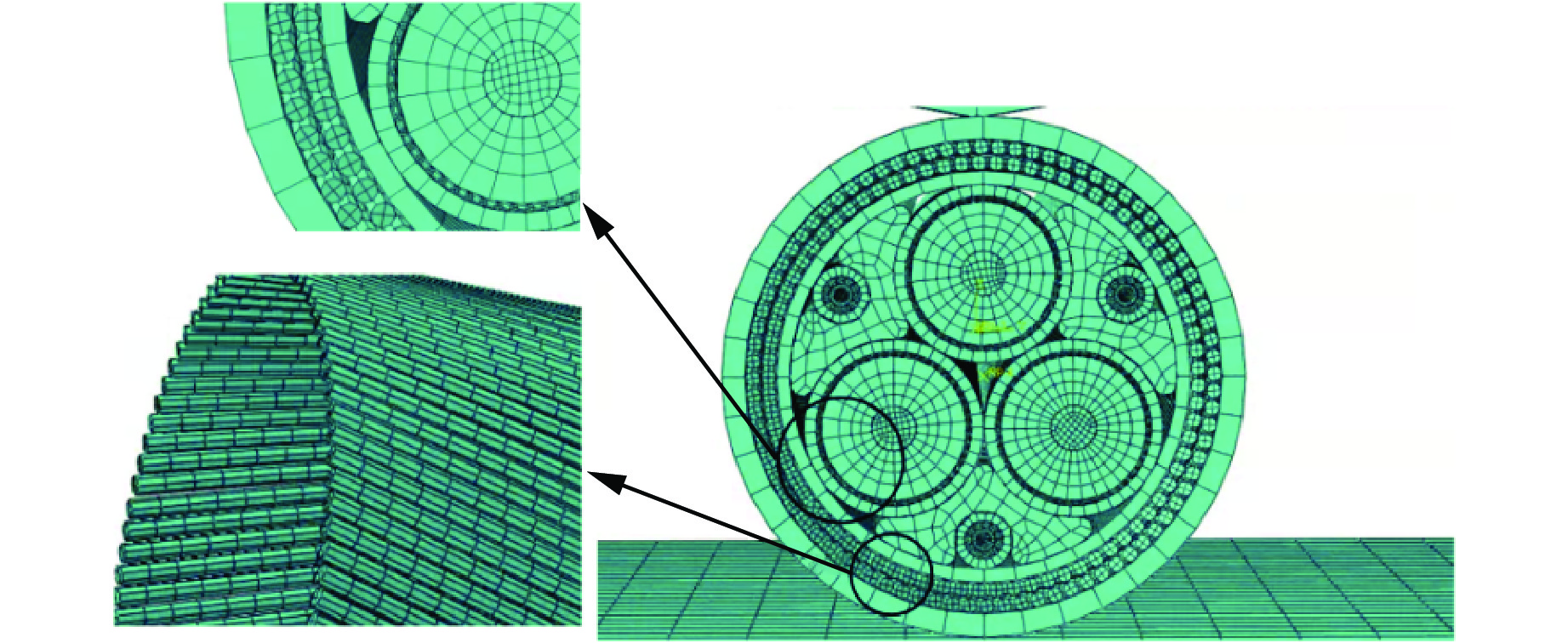
Test and Simulation Study on Impact Response of Submarine Optoelectronic Composite Cables
LUO Longqi, LI Kebin, ZHAO Yuantao, ZHOU Fenghua, ZHENG Yuxuan
2026, 40(2): 025304. doi: 10.11858/gywlxb.20251083
HTML PDF (30)
Abstract:

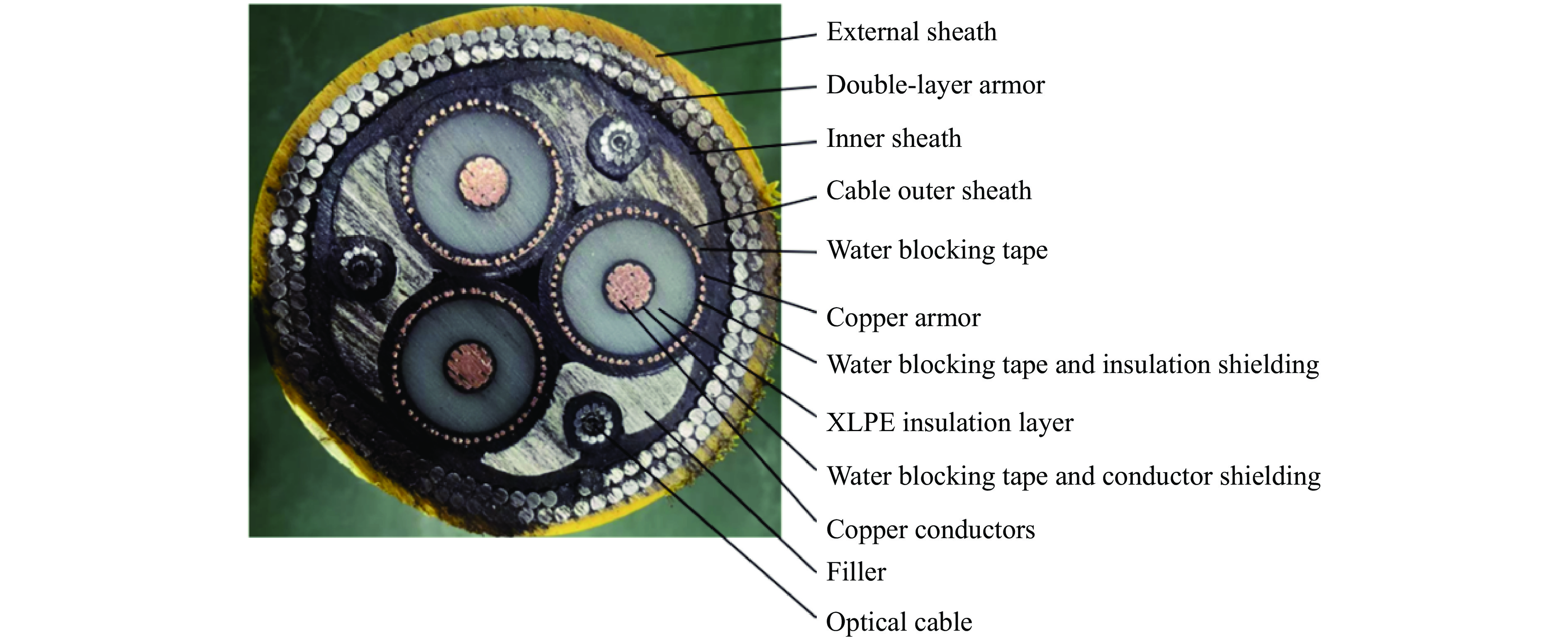
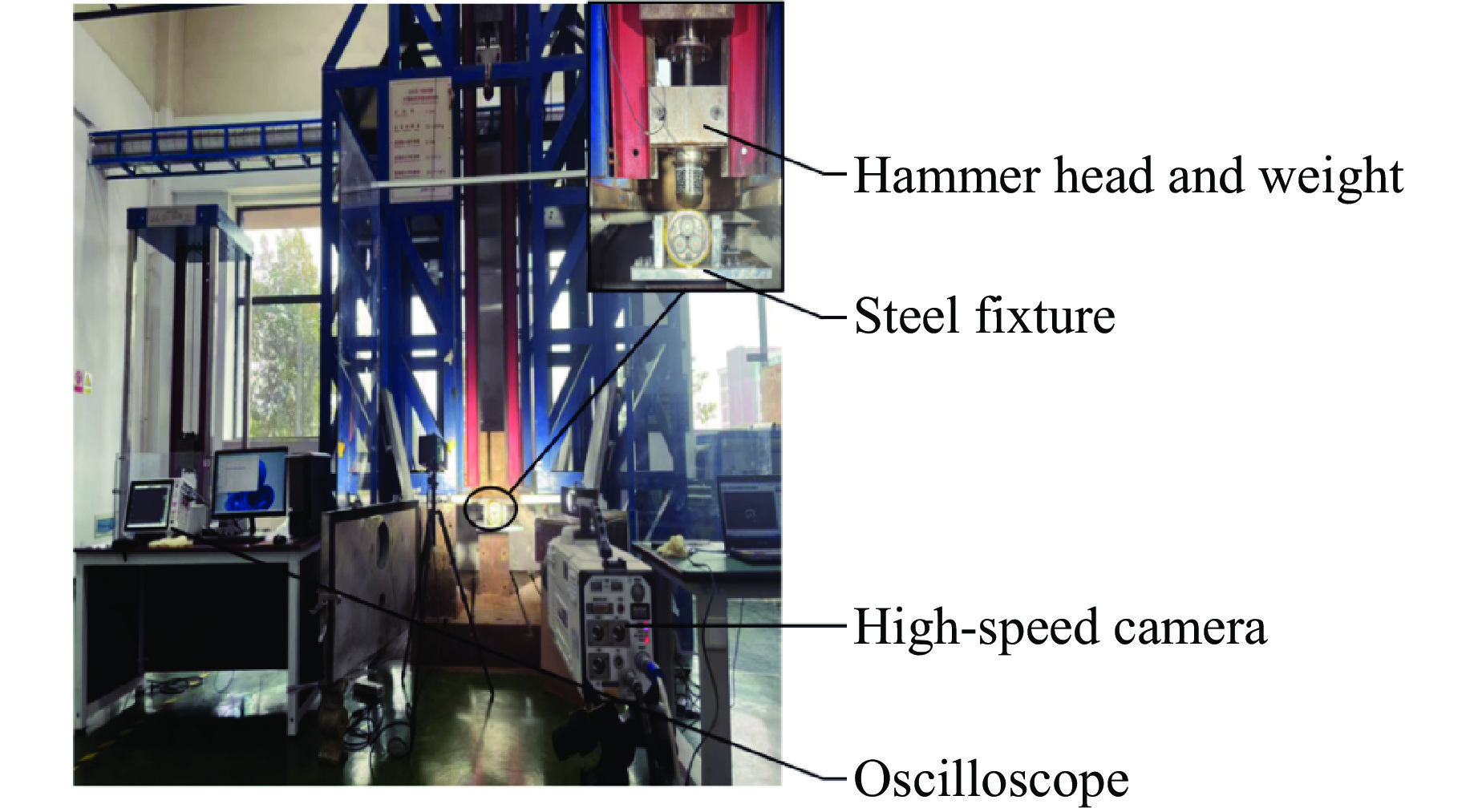
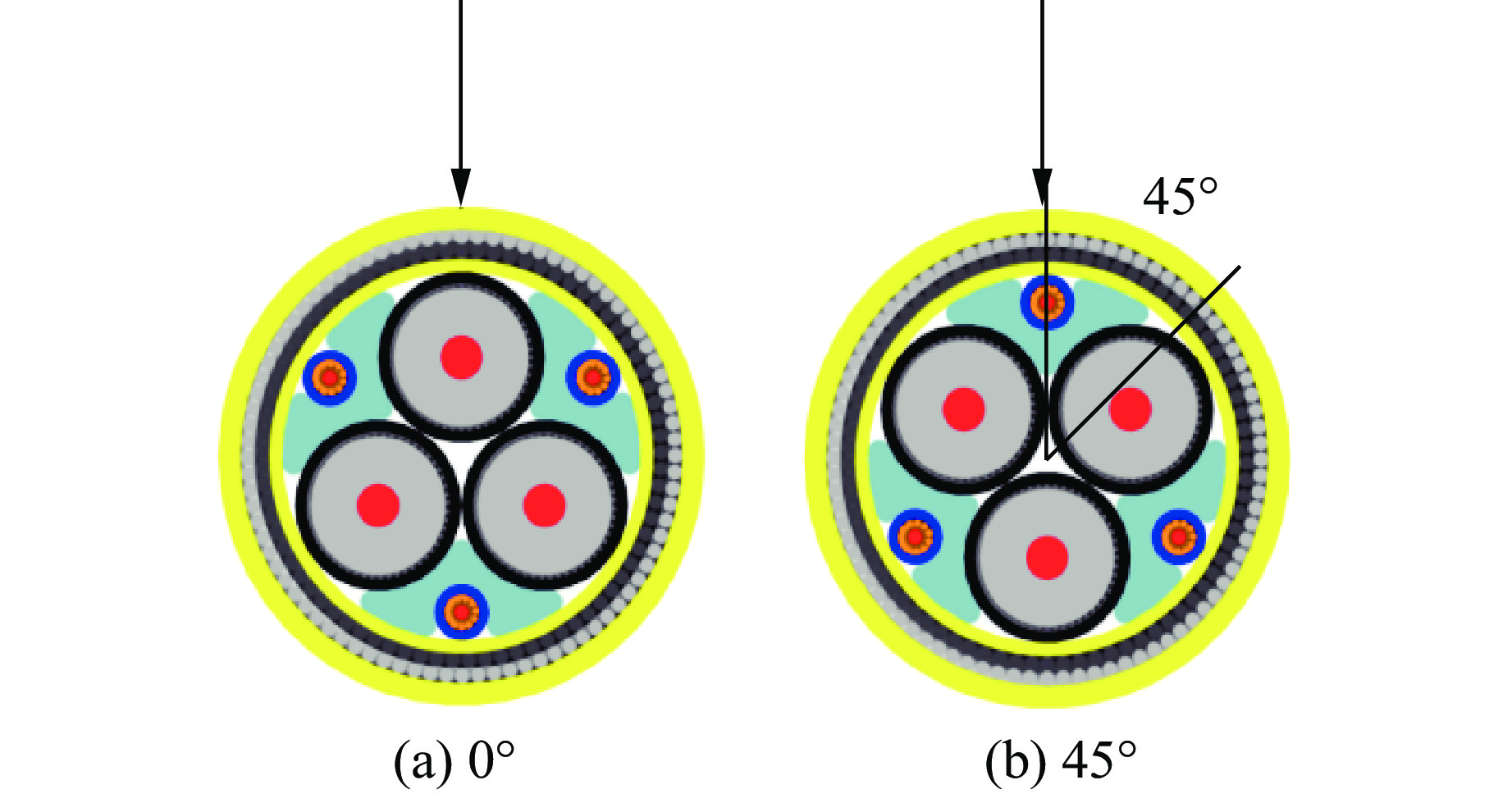
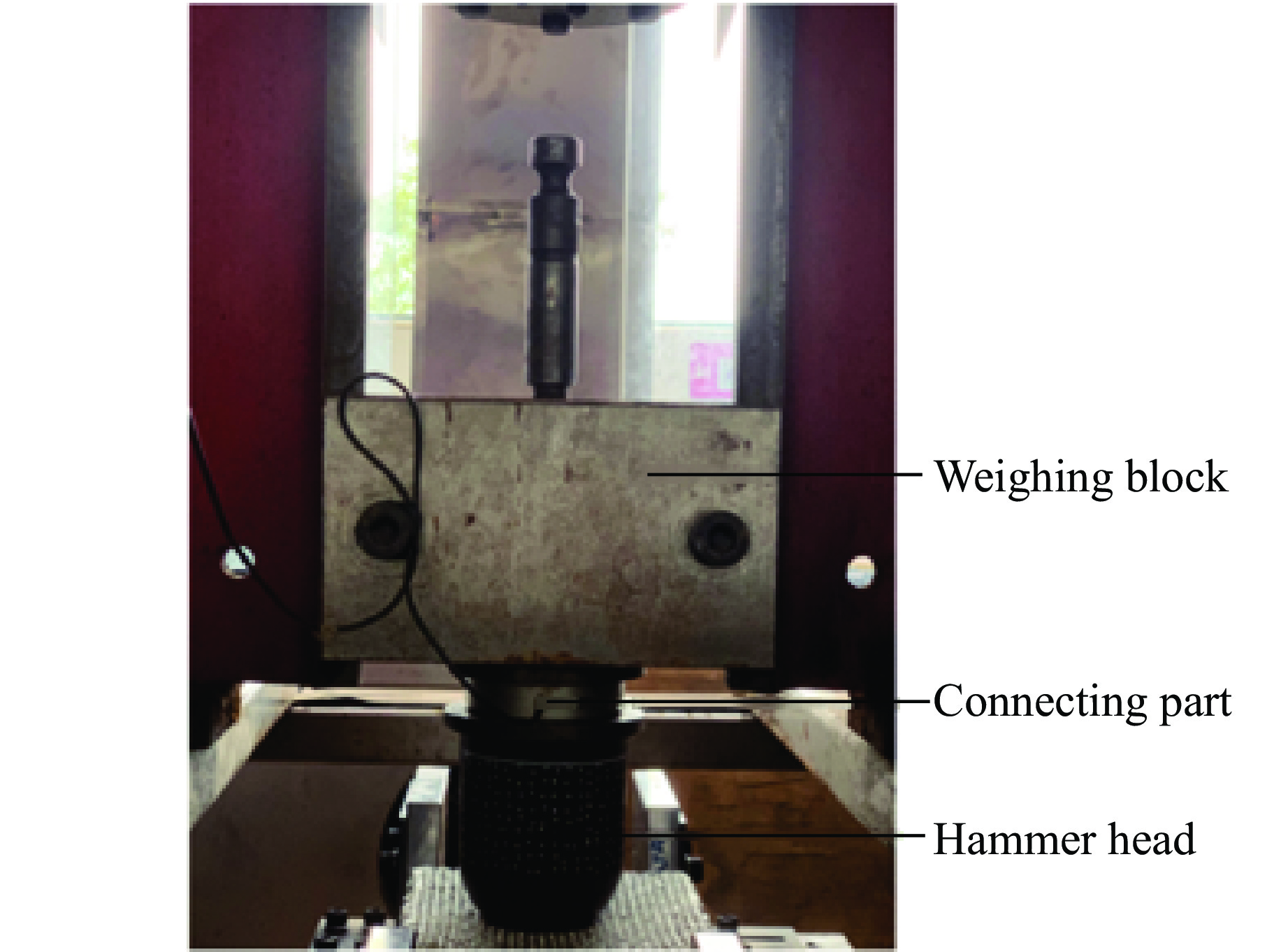
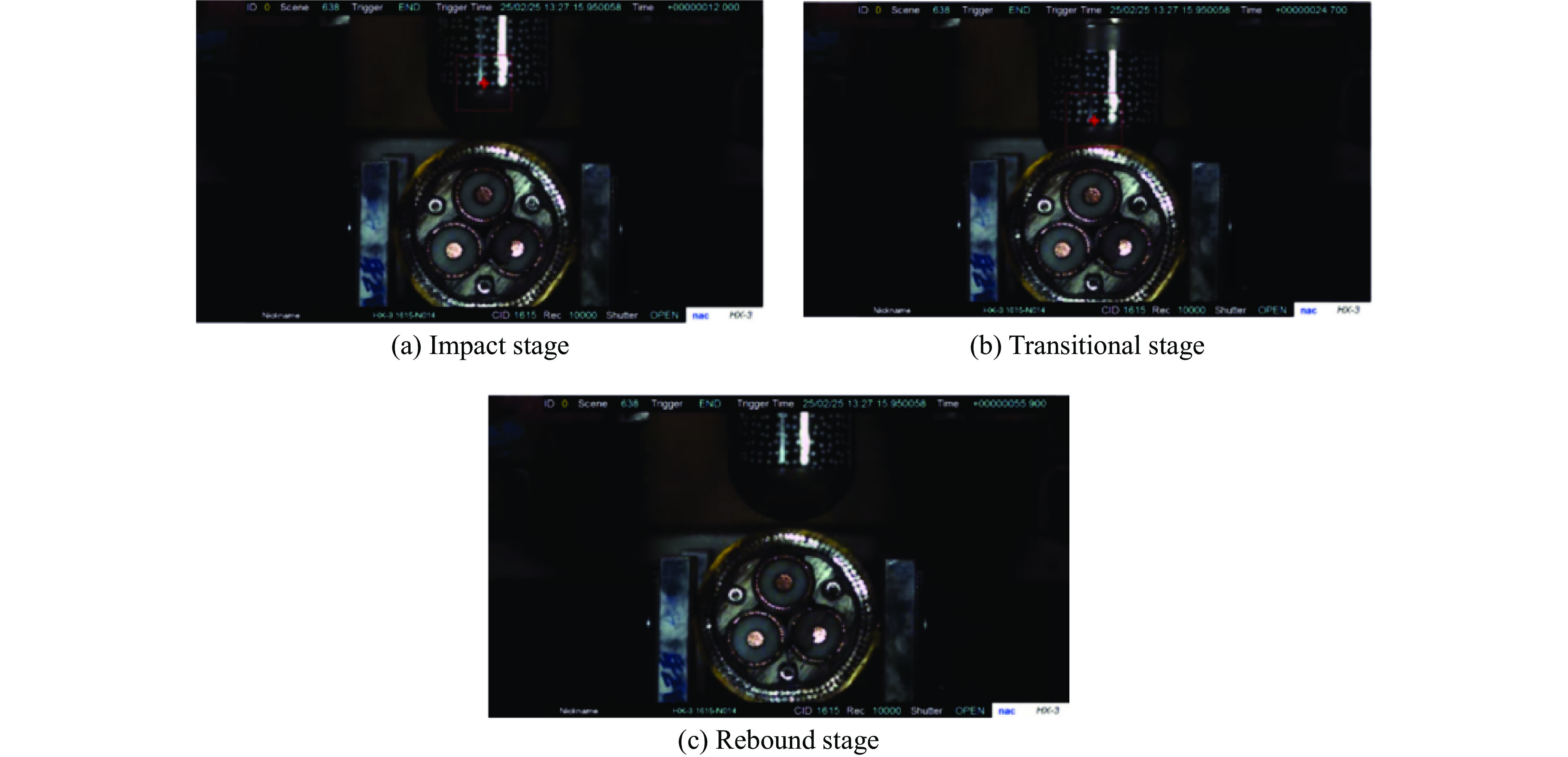
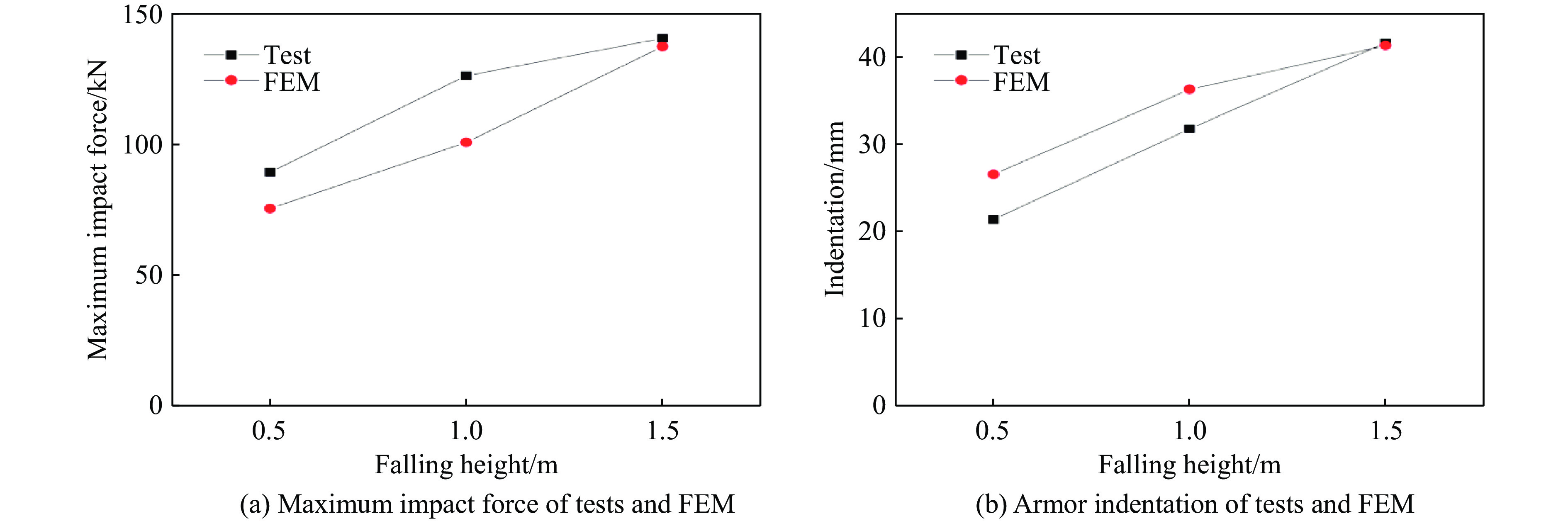
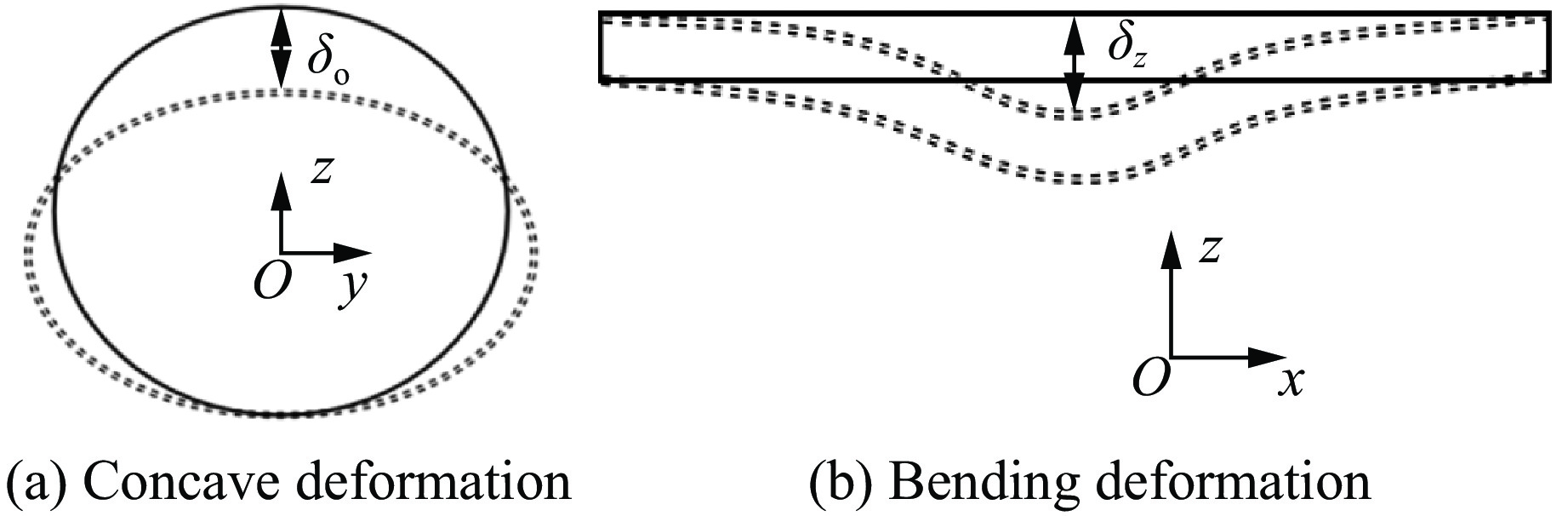
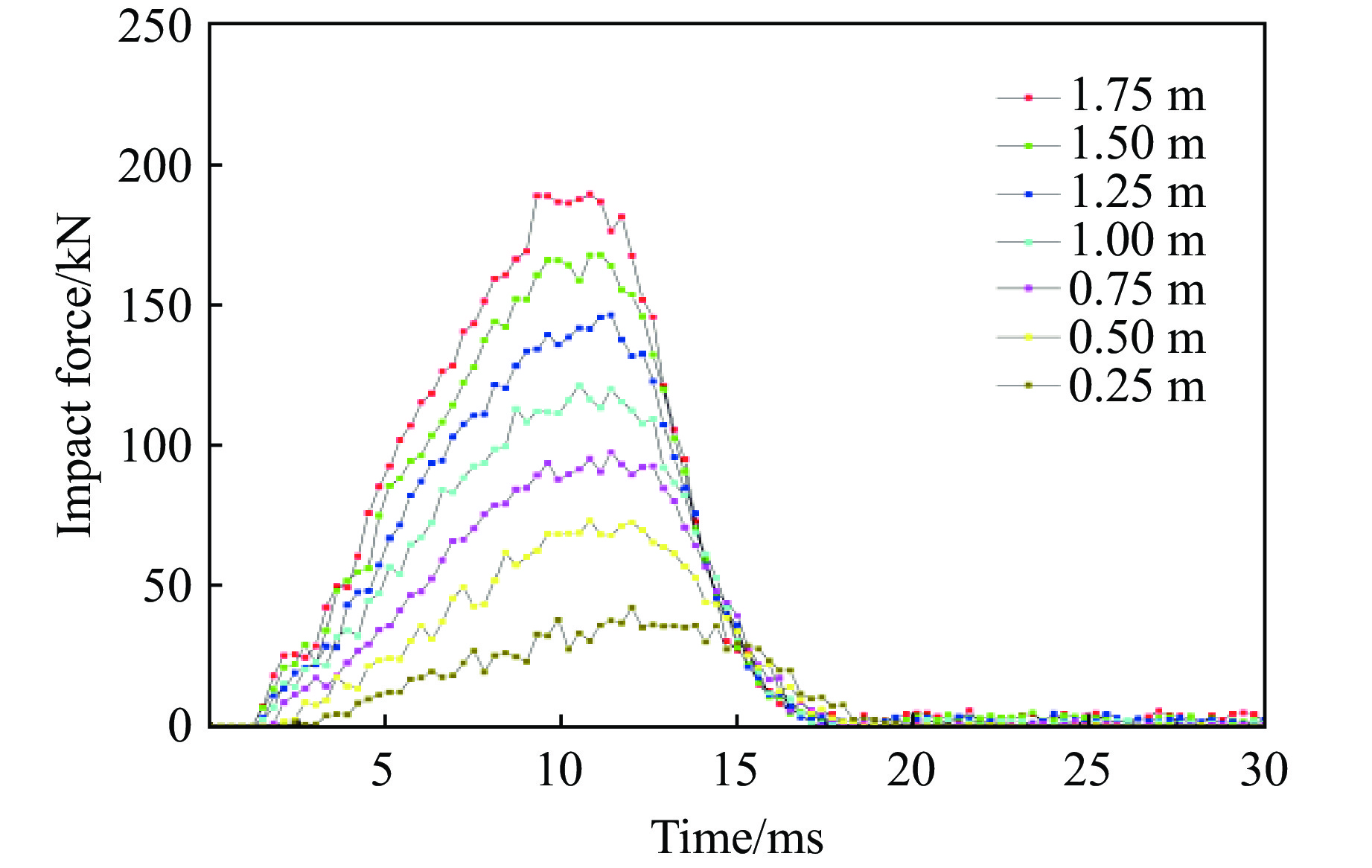
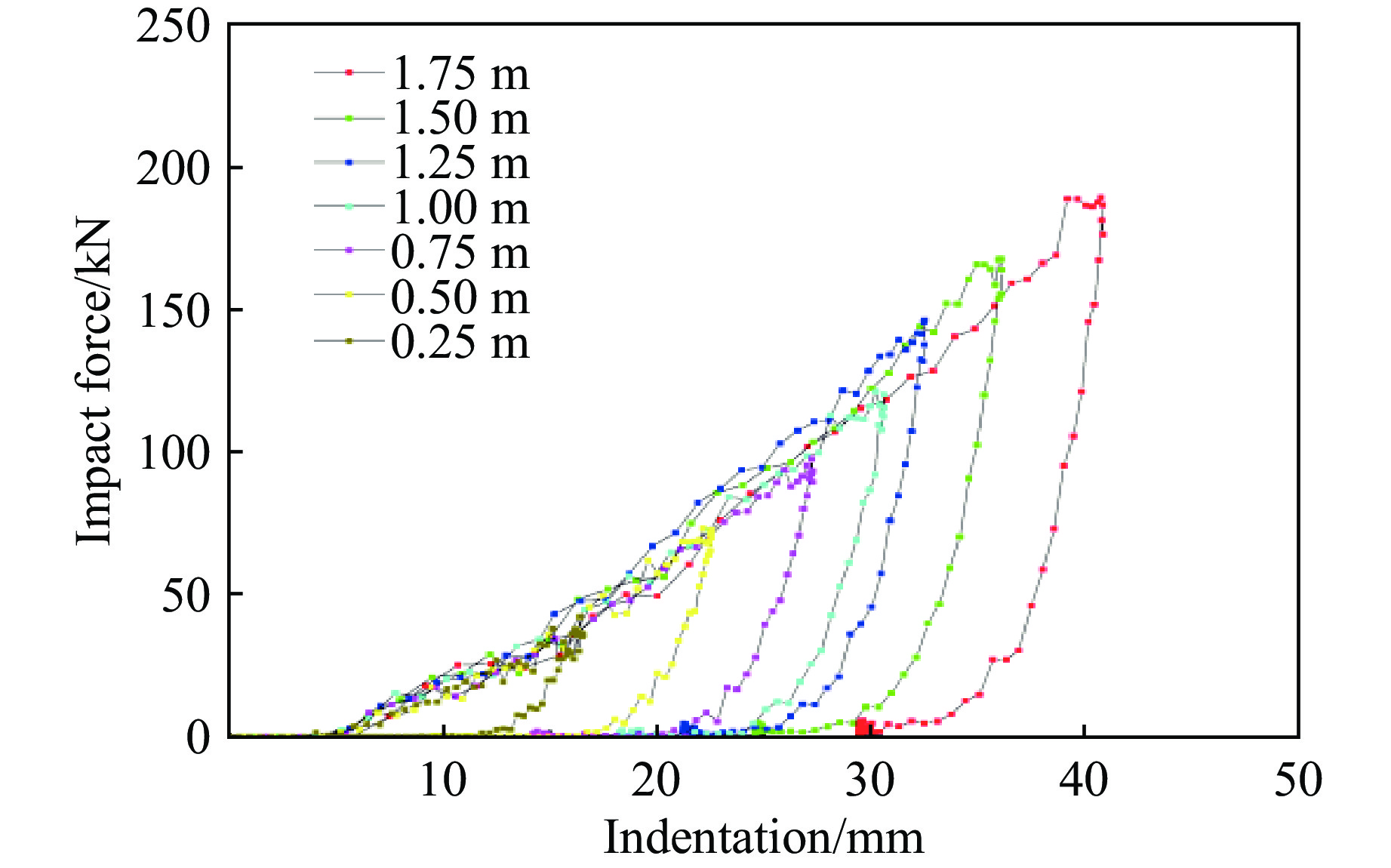
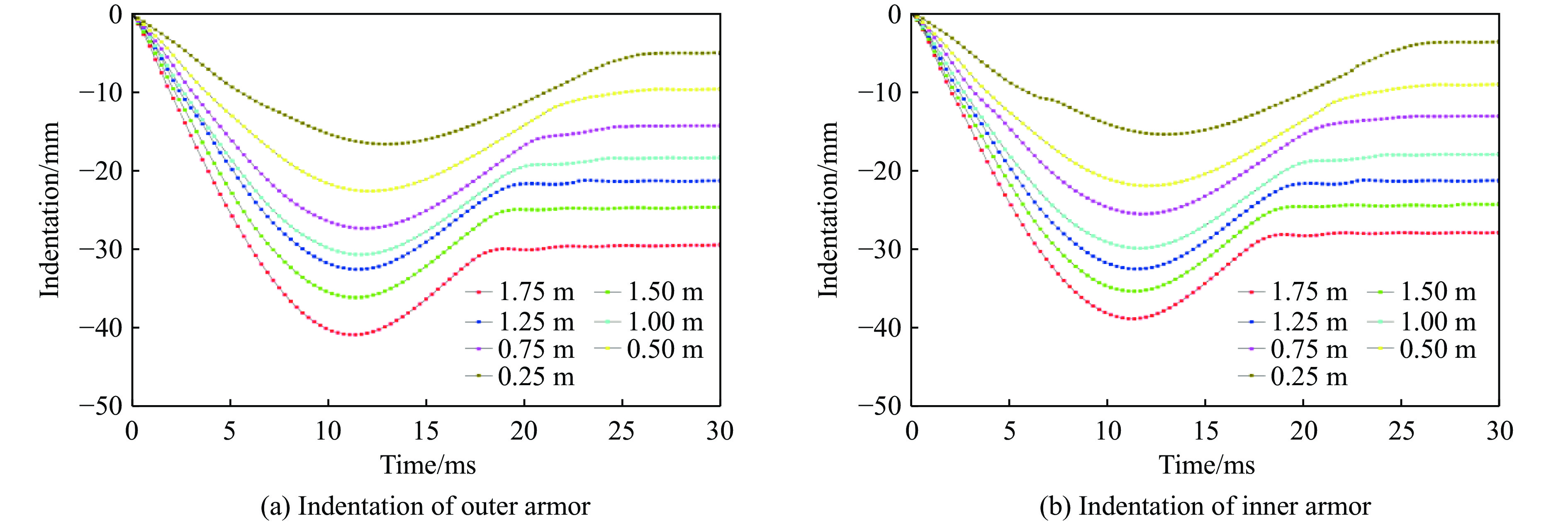
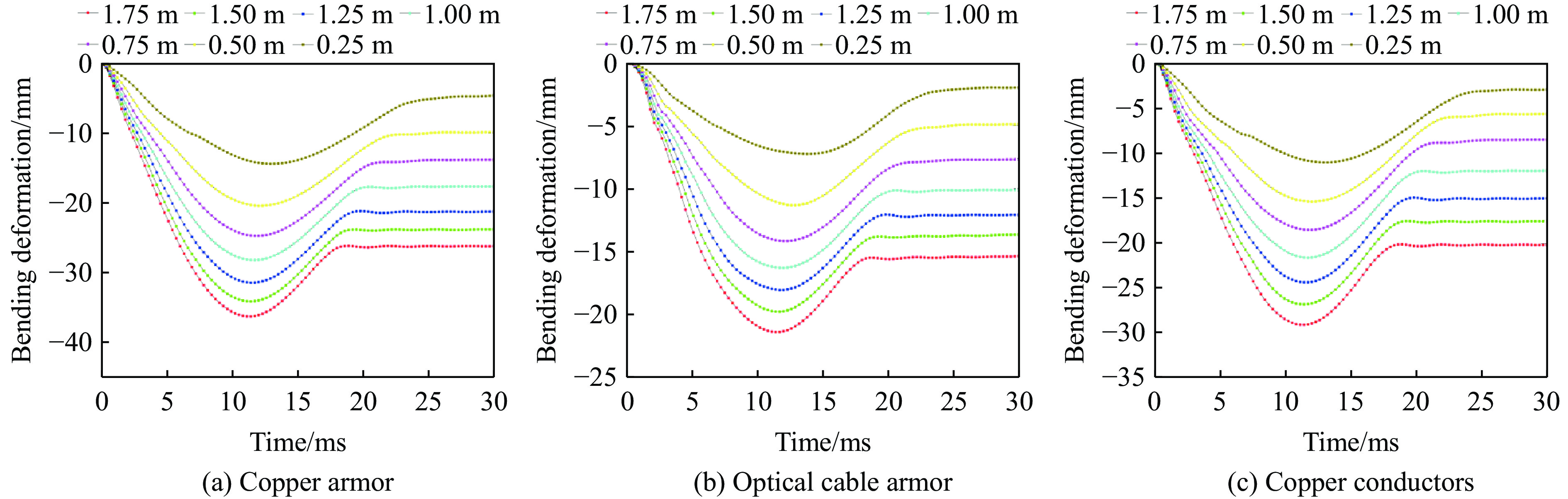
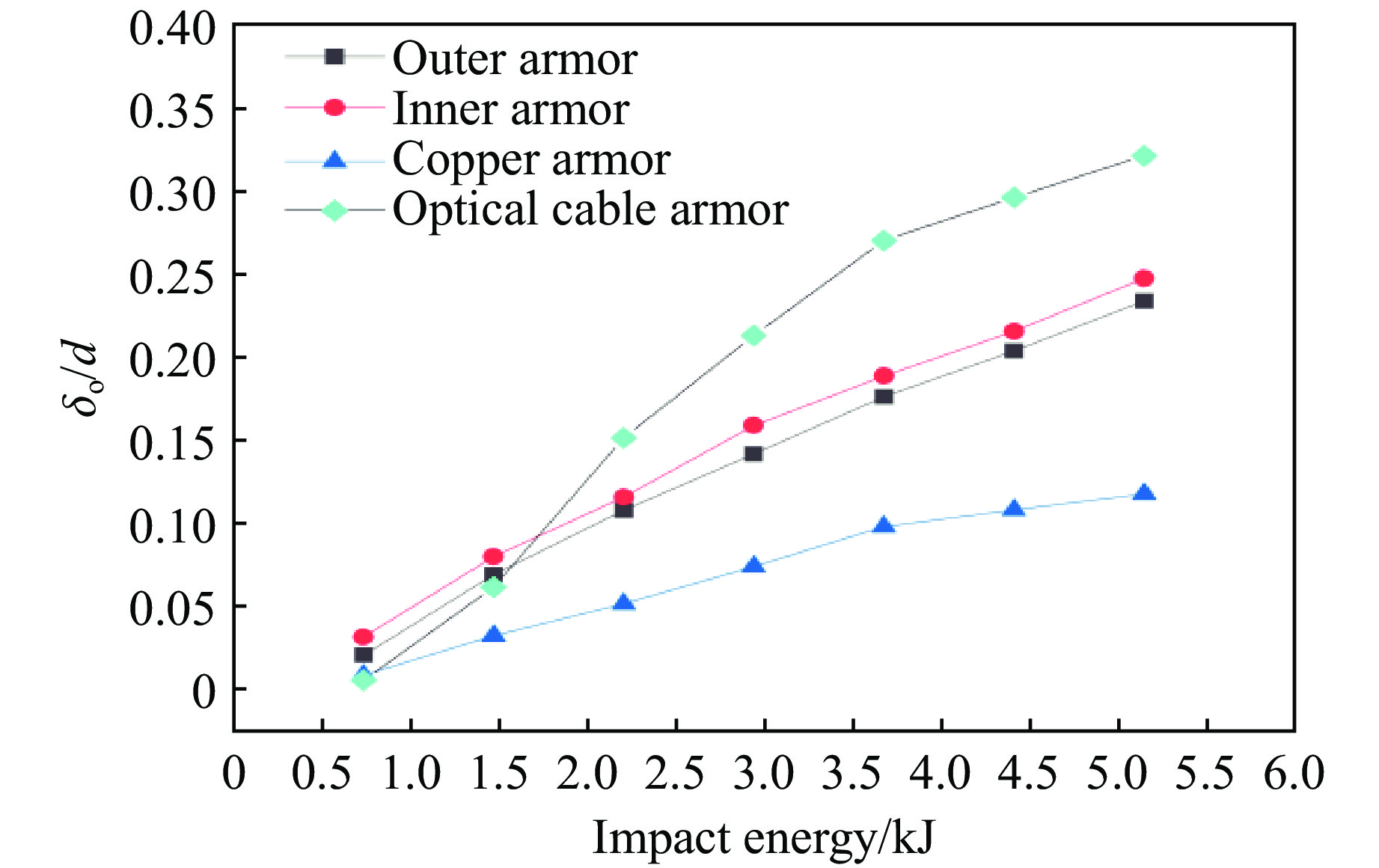
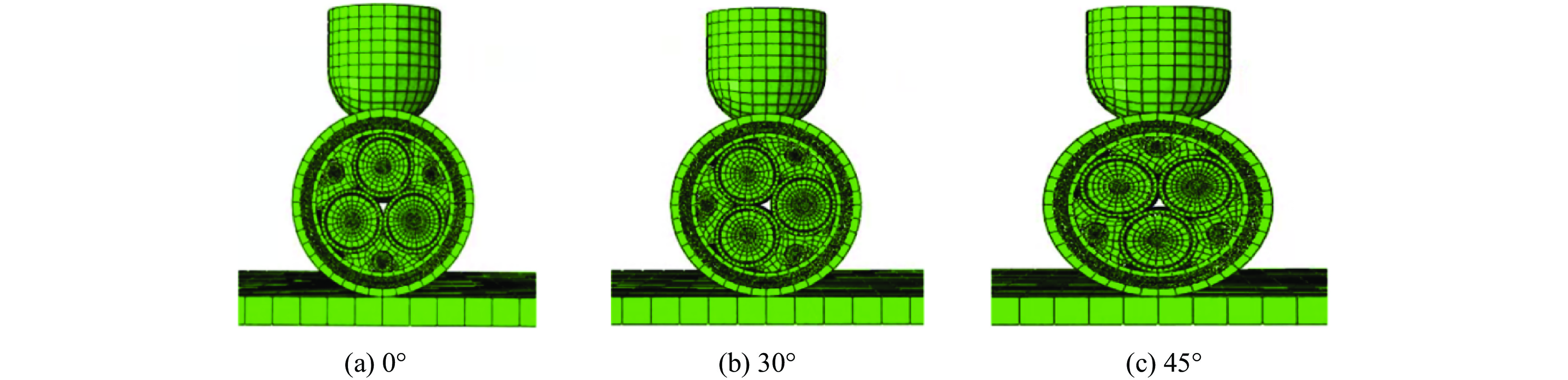
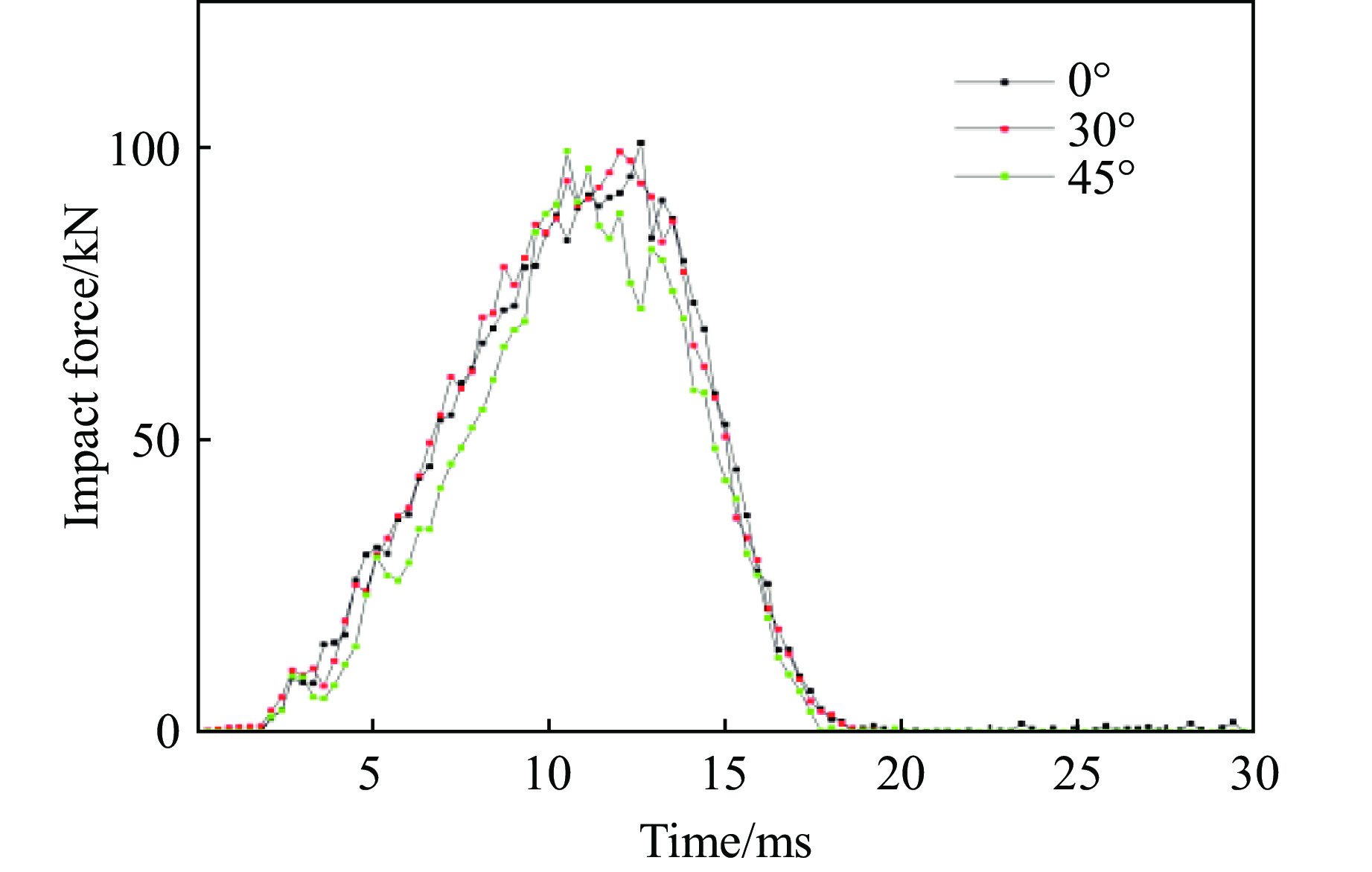
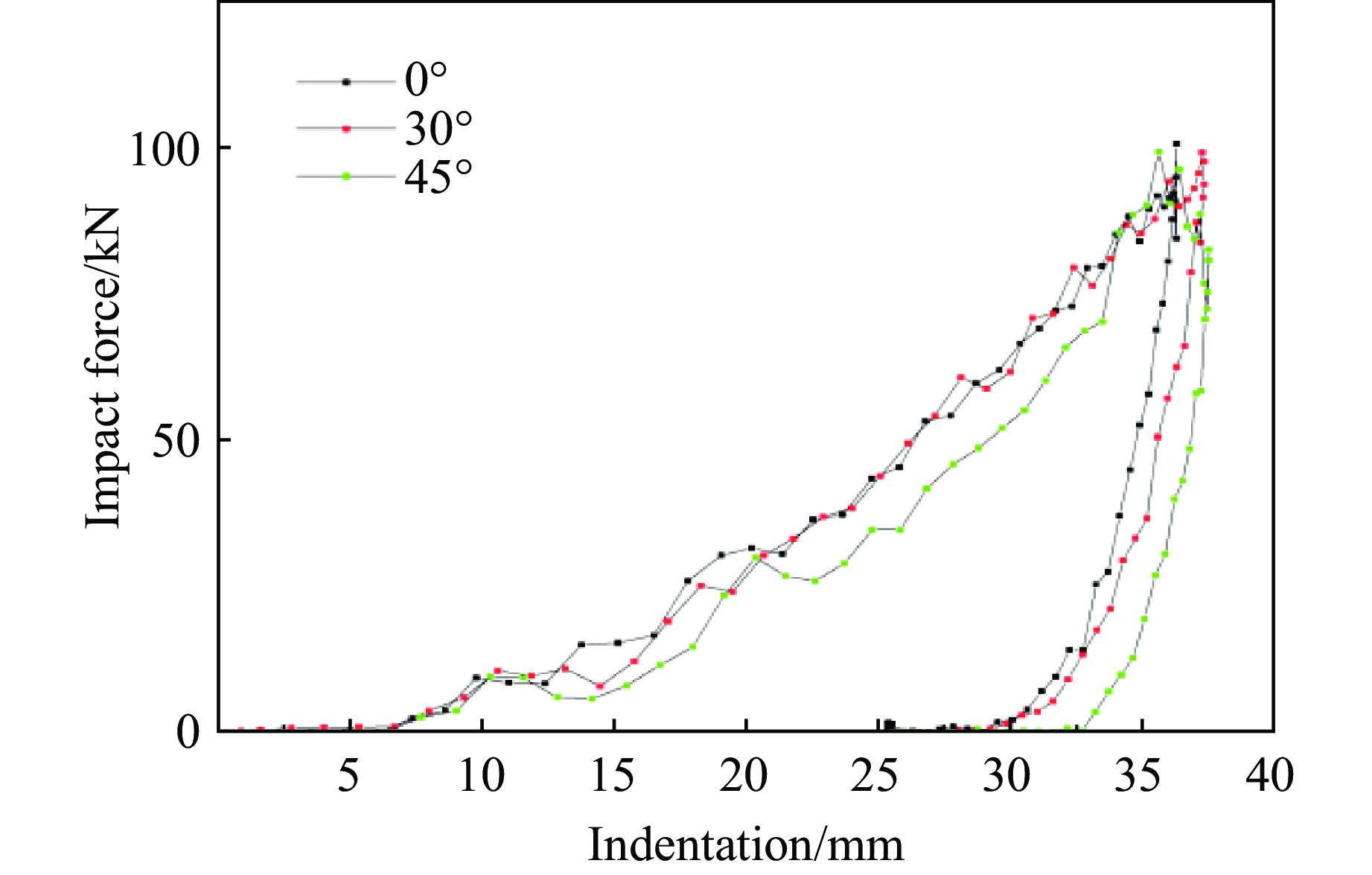
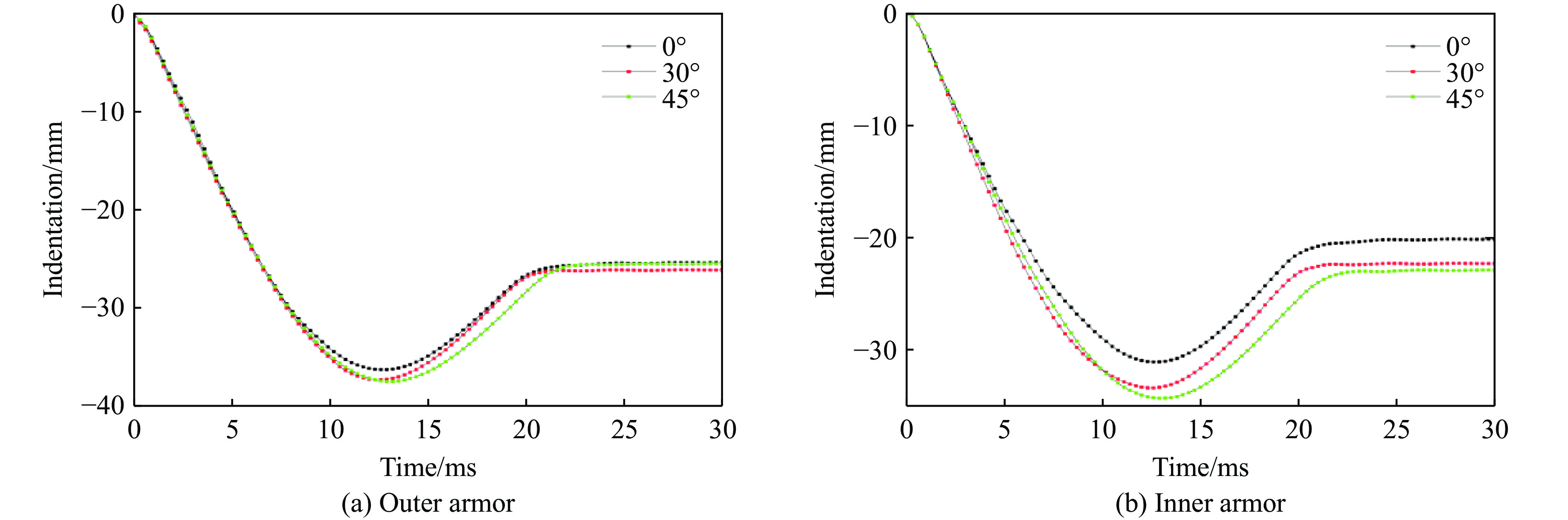
This thesis aims to explore the impact resistance mechanical properties of submarine optical-electrical composite cable (SOCC) under different working conditions. Firstly, a hammer impact test was carried out on SOCC to reveal the structural deformation characteristics of the outer armour under different variables, and to record the impact evolution process and the maximum degree of concave deformation; secondly, a finite element simulation analysis was carried out on SOCC, and a comparison analysis was made with the test results; lastly, the deformation characteristics of SOCC under the influence of different parameters were explored. The results show that both the inner and outer armour undergoes depression deformation, while the copper armour, copper conductor and optical cable armour mainly show bending deformation, coupled with local depression deformation. With the increase of impact energy, the time required for metal components to reach the maximum deformation decreases, and the faster the rebound is; the impact angle does not have a significant effect on the depression deformation of the inner and outer armour, and produces significant damage to other internal components, of which the upper component has the most serious deformation damage. This paper is conducive to the evaluation of the dynamic performance of SOCC and provides a reference for the design of SOCC protection measures in engineering.

Energy Conversion Characteristics and Temperature Field Simulation of Ignition Resistors for Industrial Electronic Detonators
LI Hongwei, ZHANG Liguo, ZHOU En, LIANG Hao, YANG Lin, ZHANG Wanlong
2026, 40(2): 025305. doi: 10.11858/gywlxb.20251124
HTML PDF (21)
Abstract:

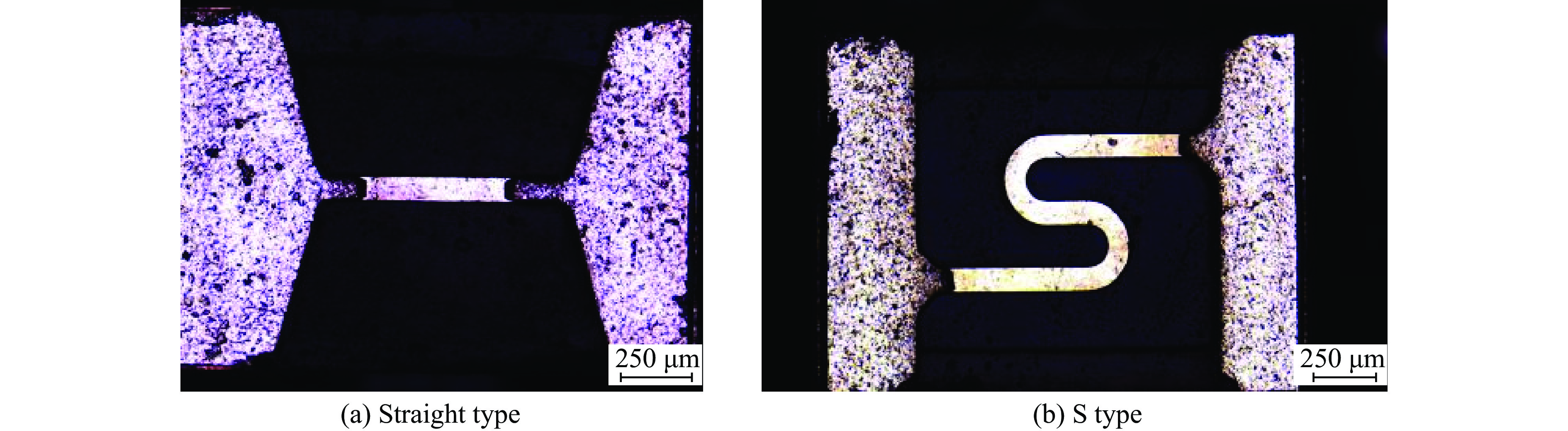
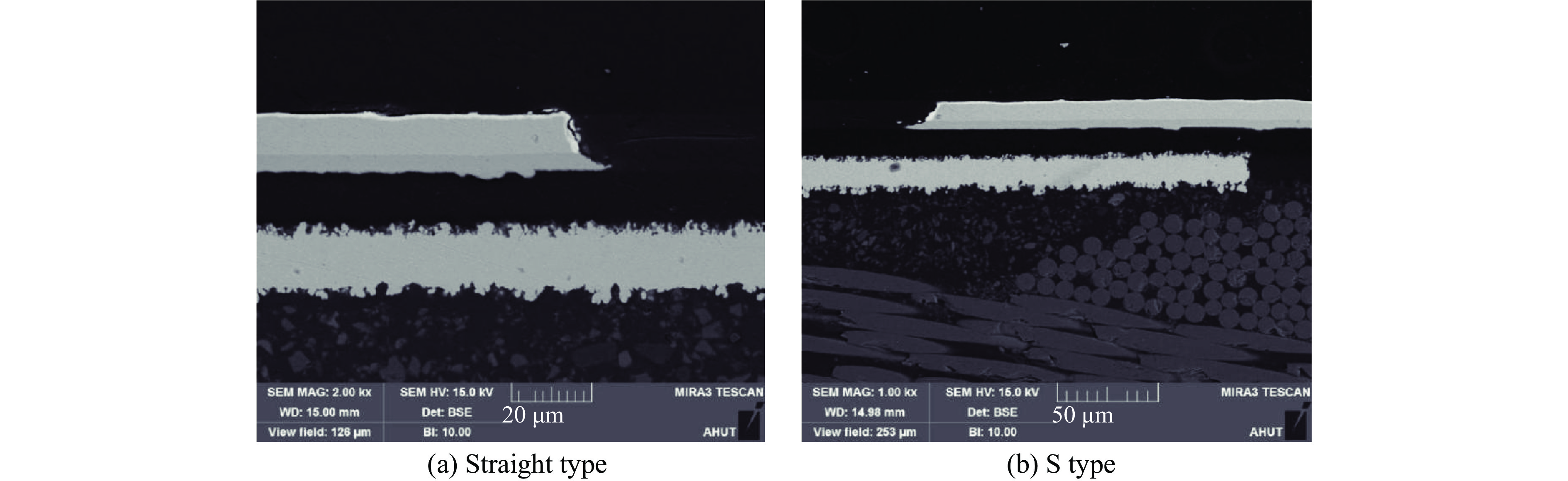
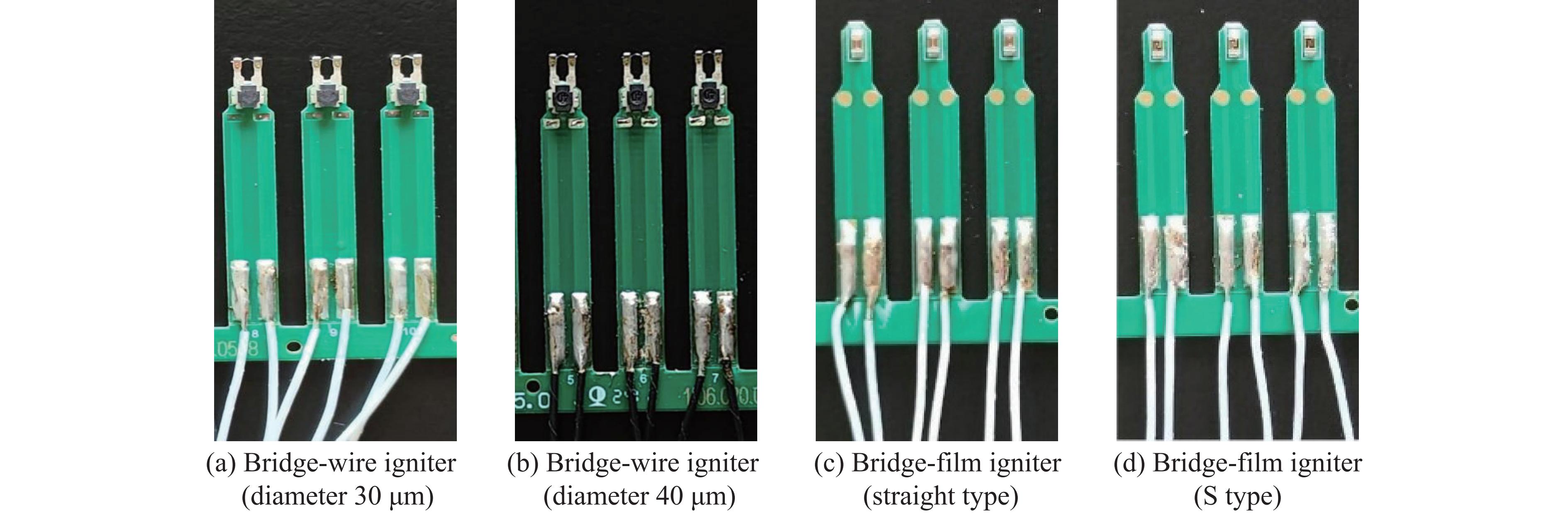
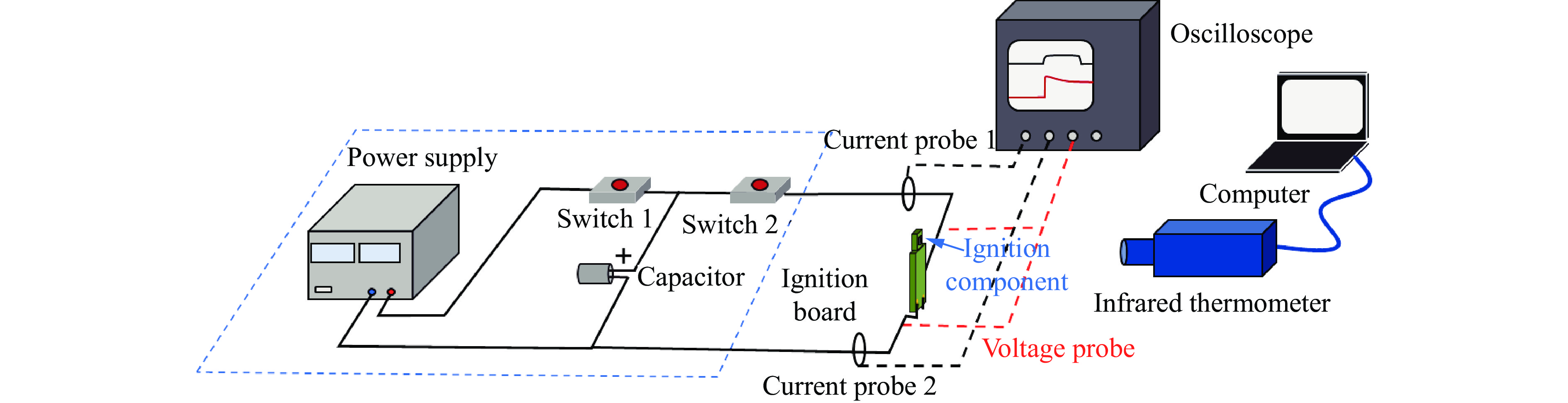
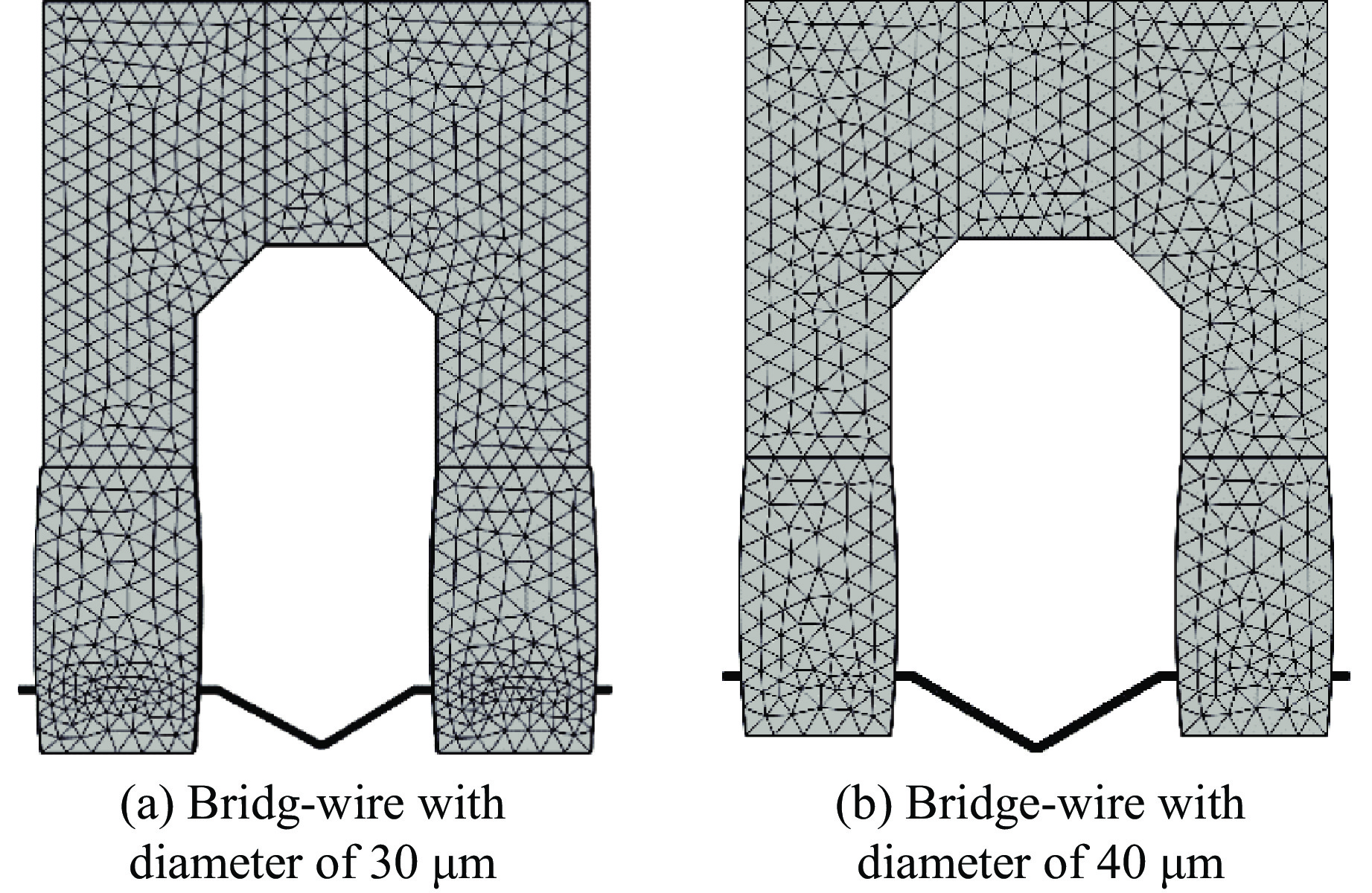
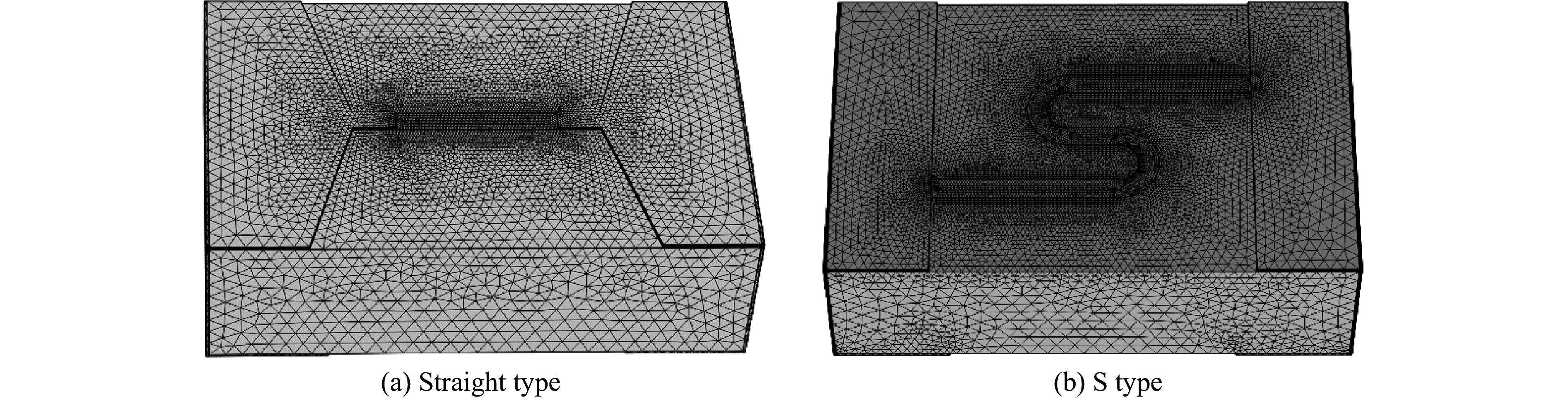
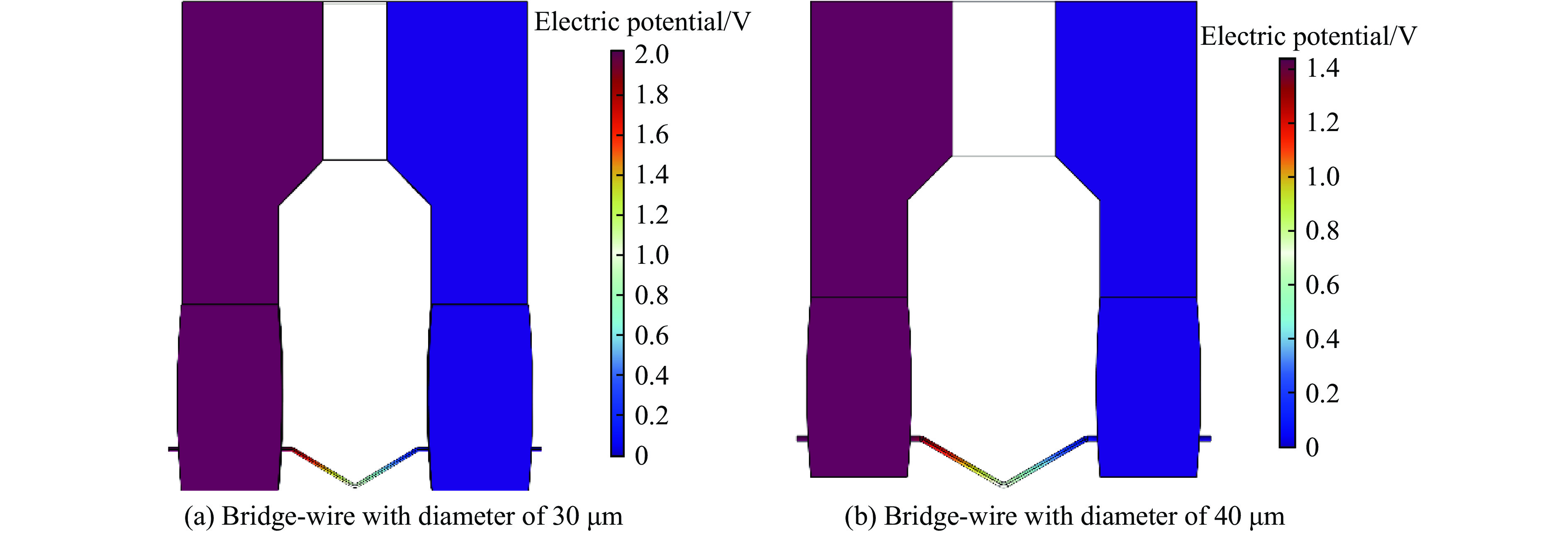
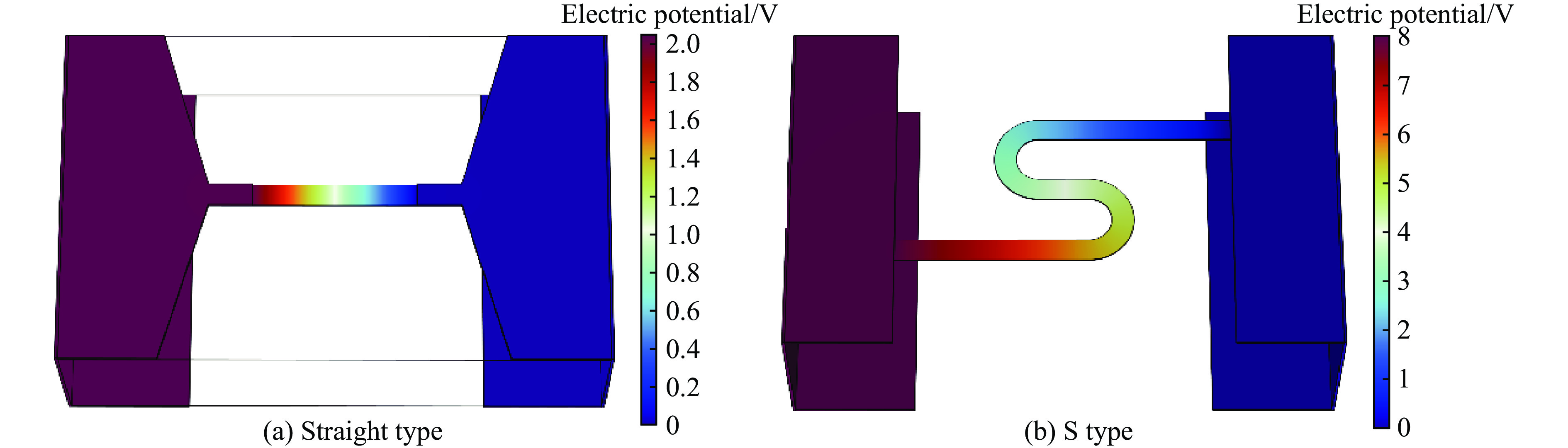
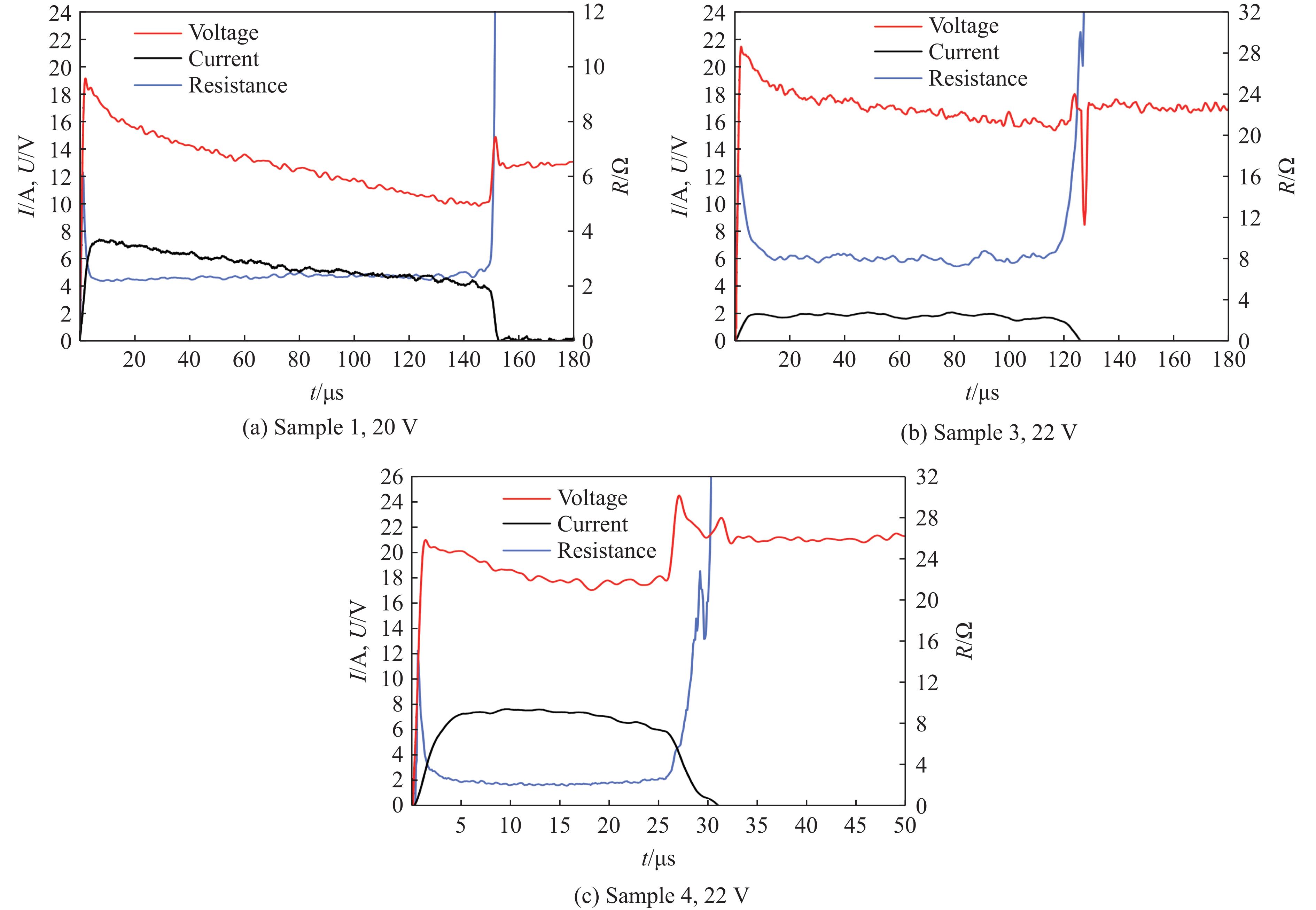
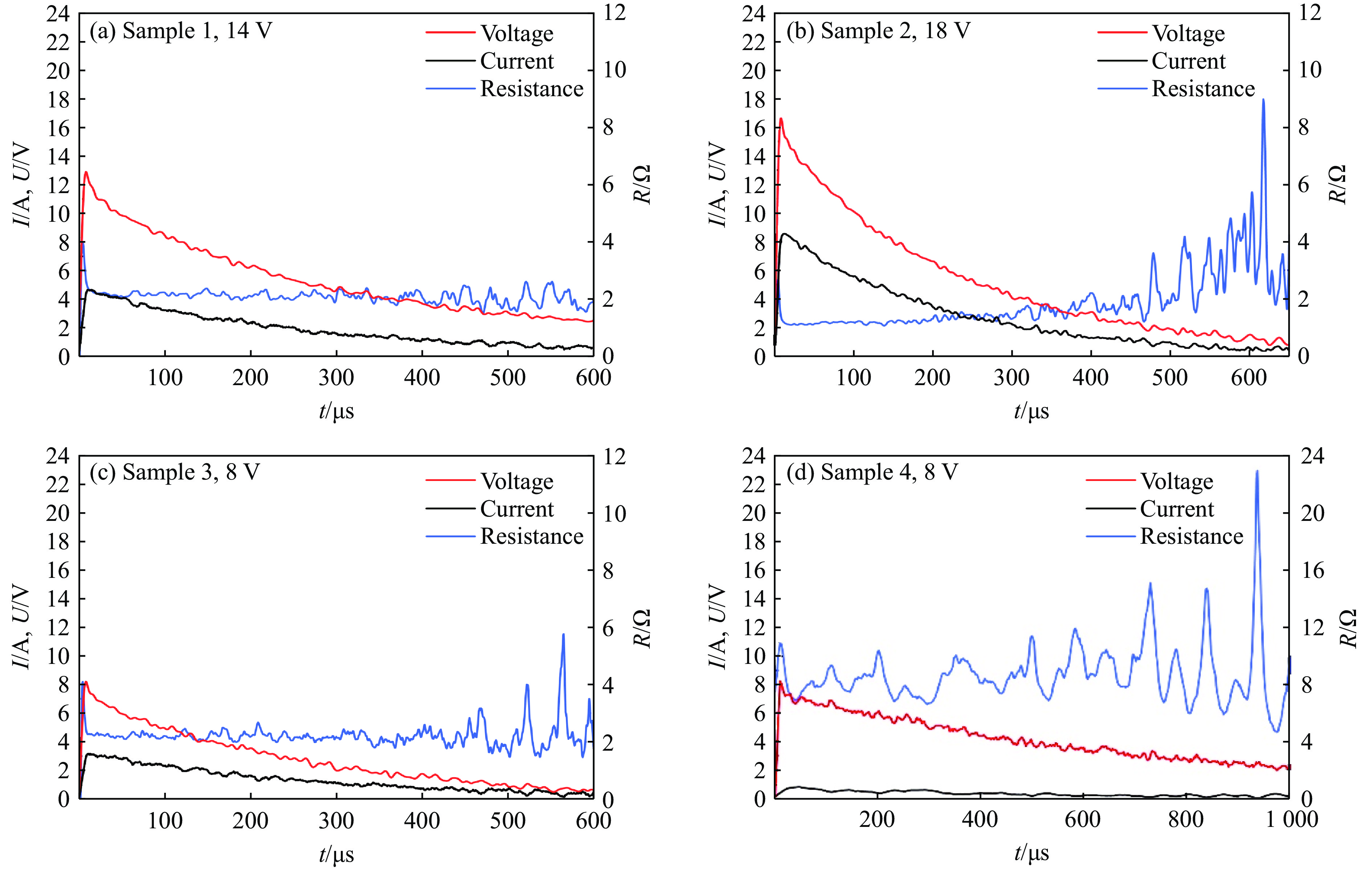
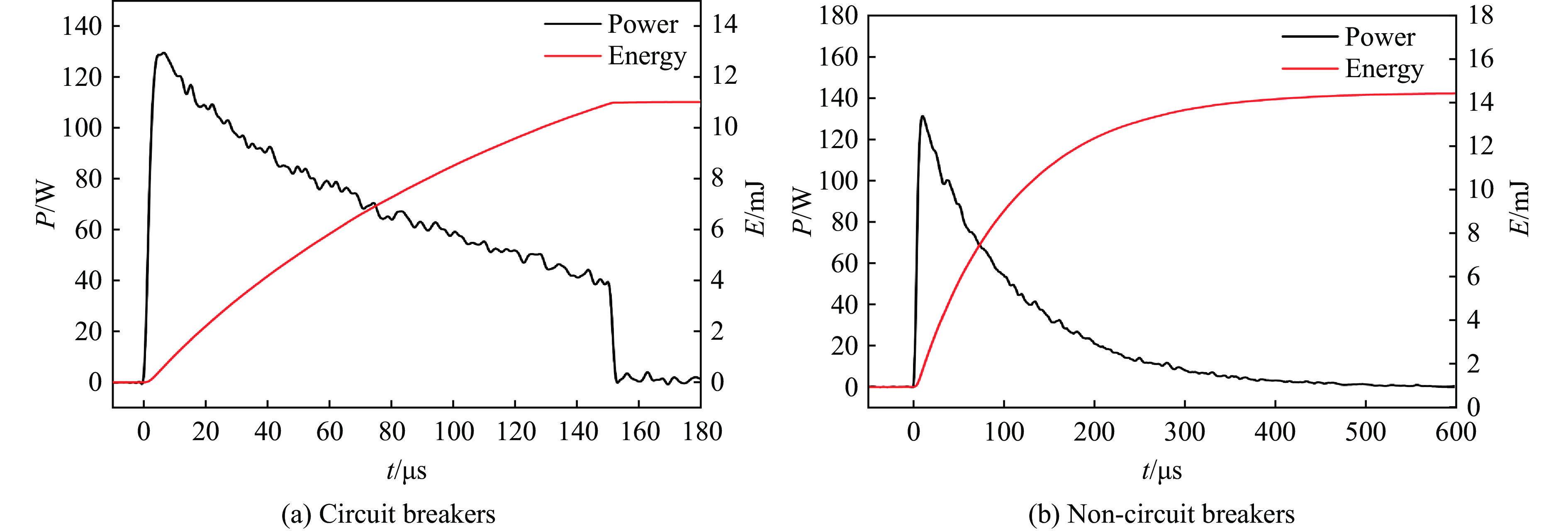
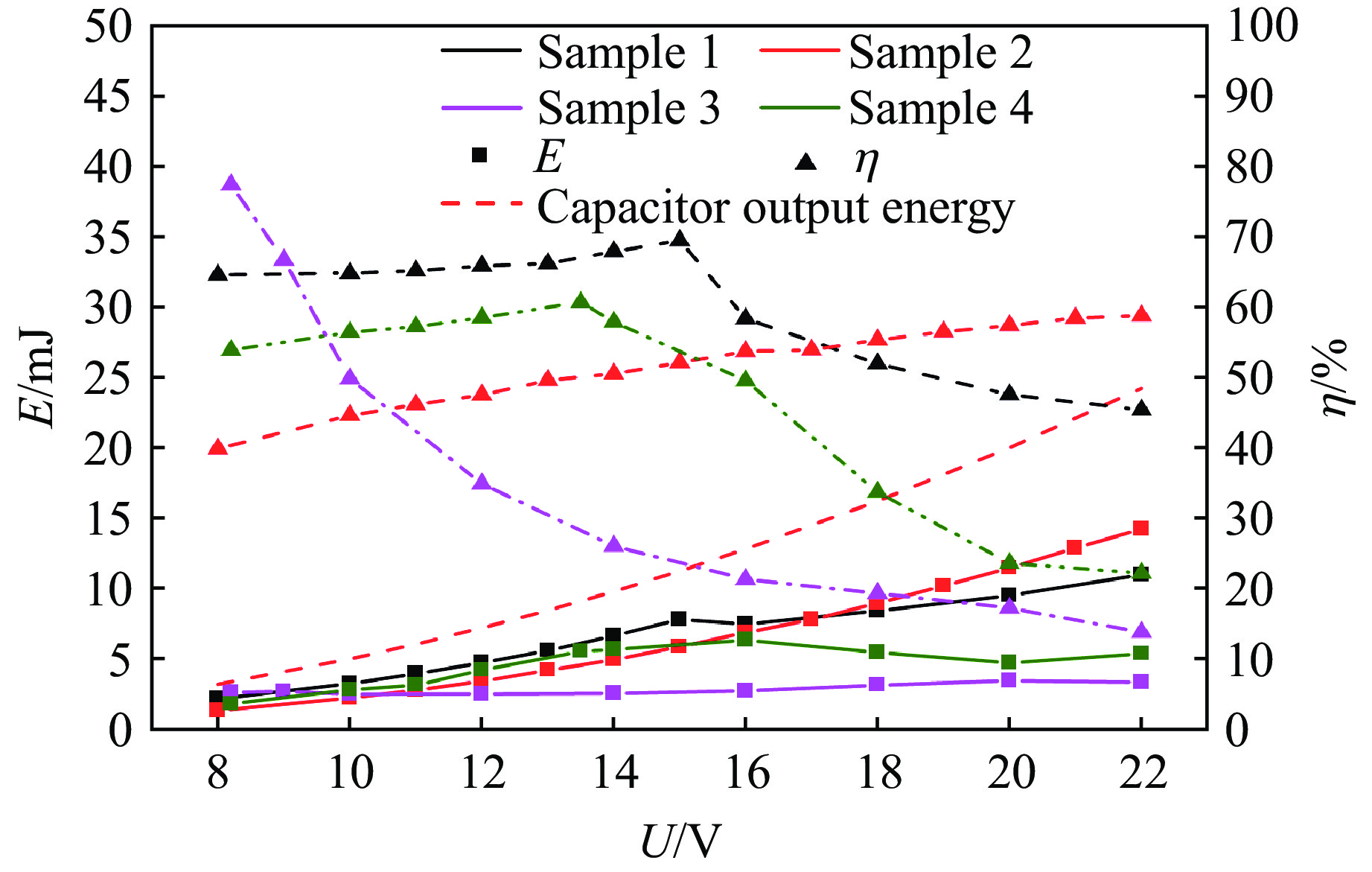
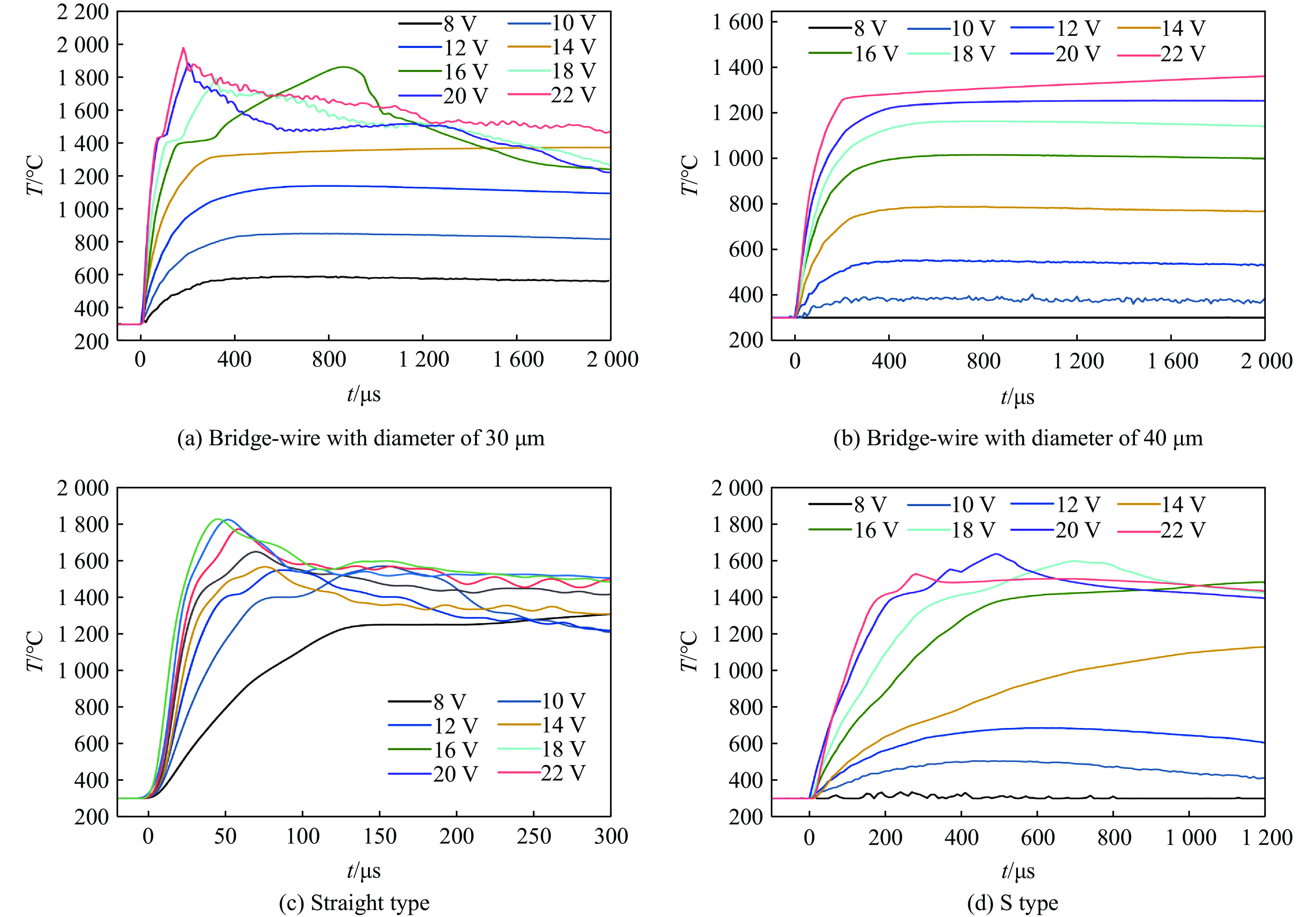
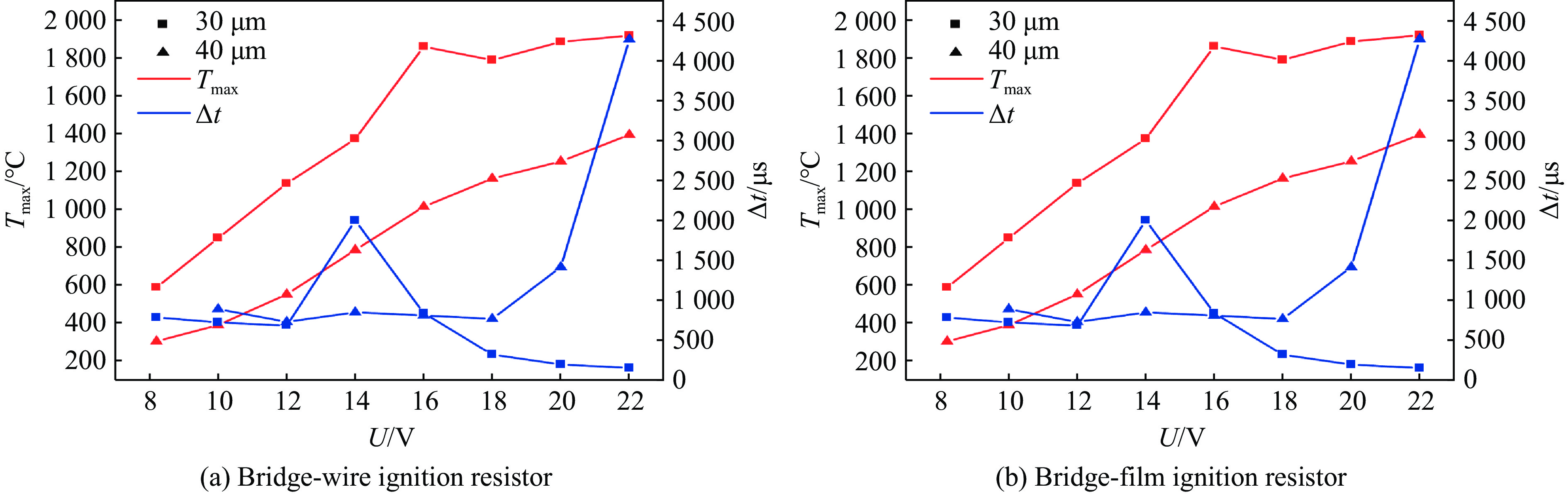
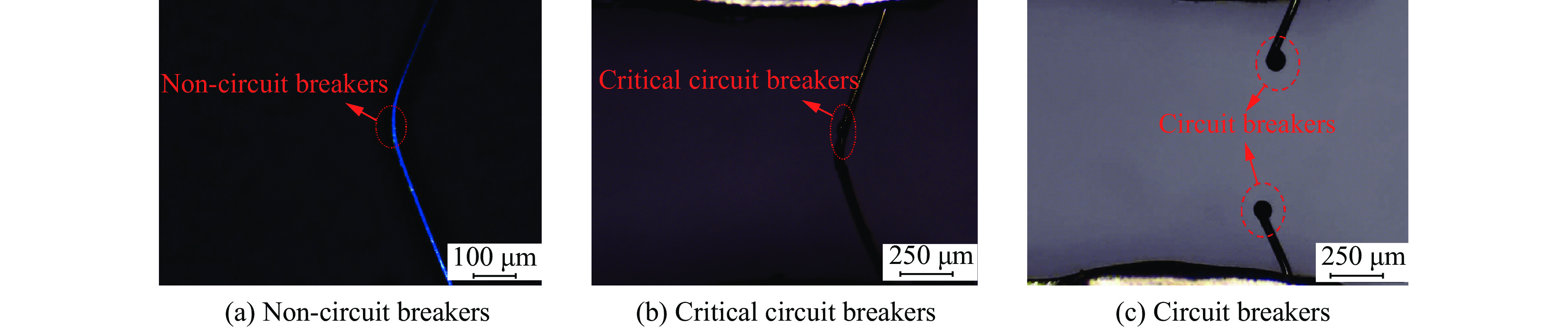
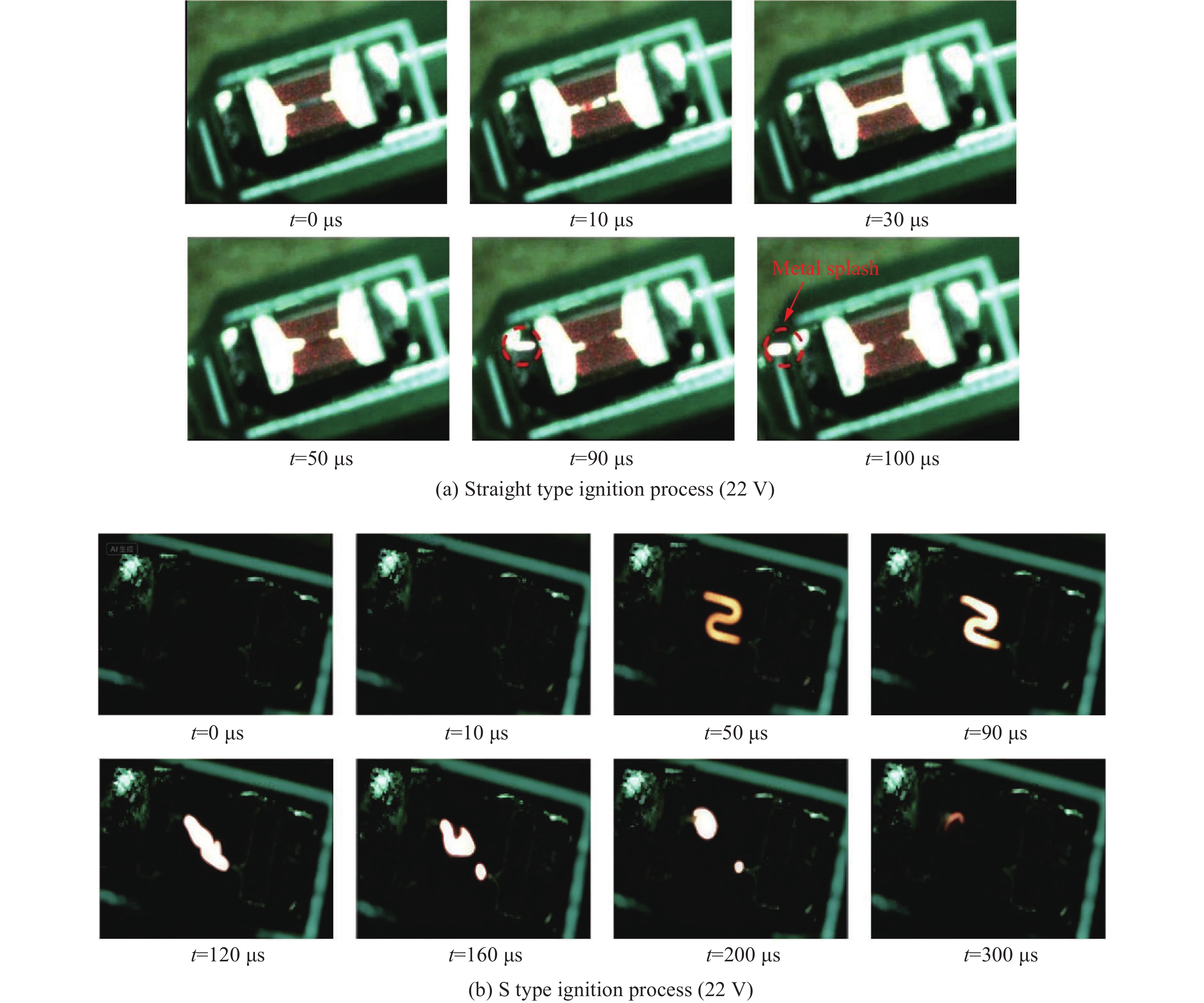
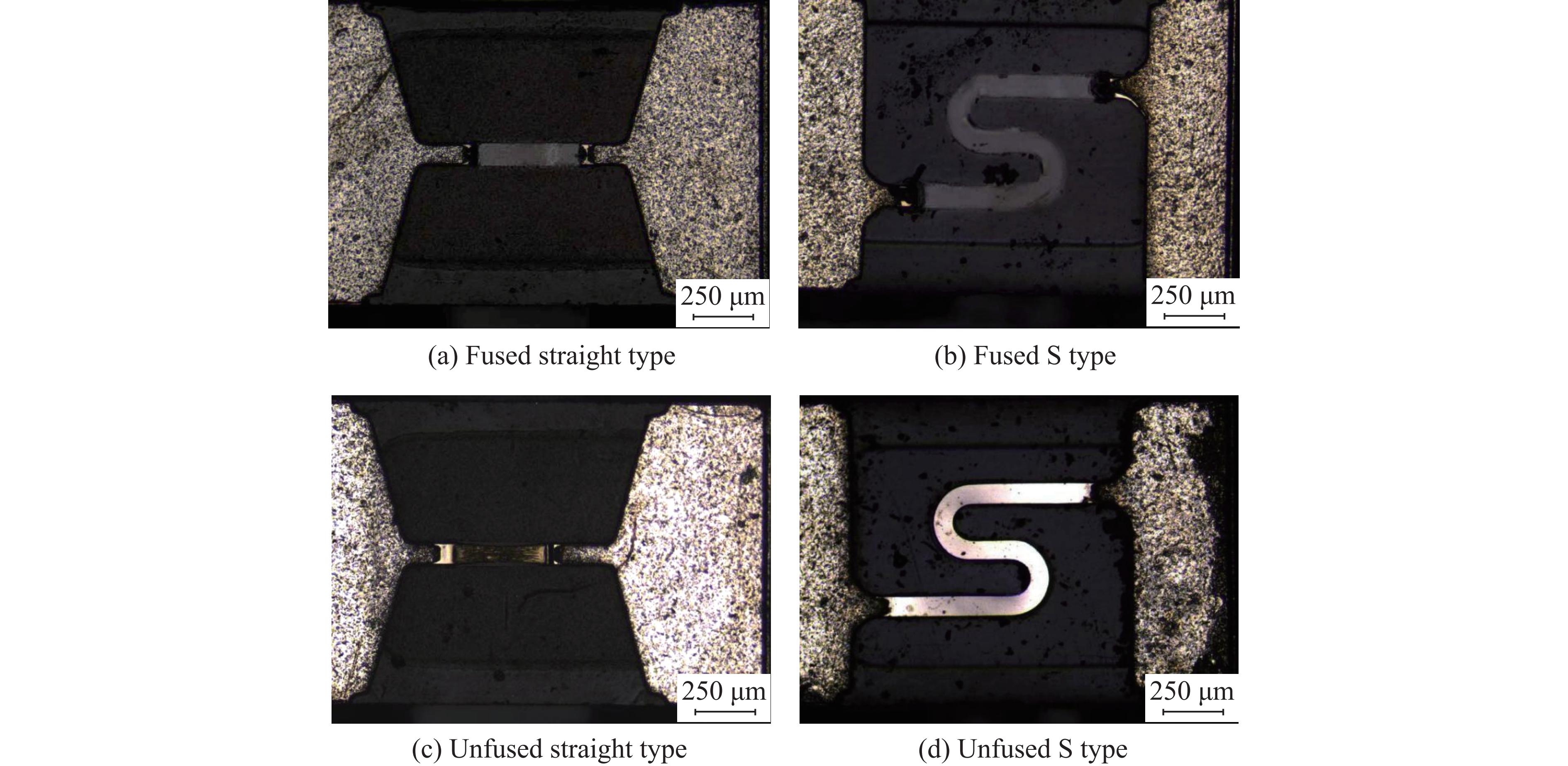
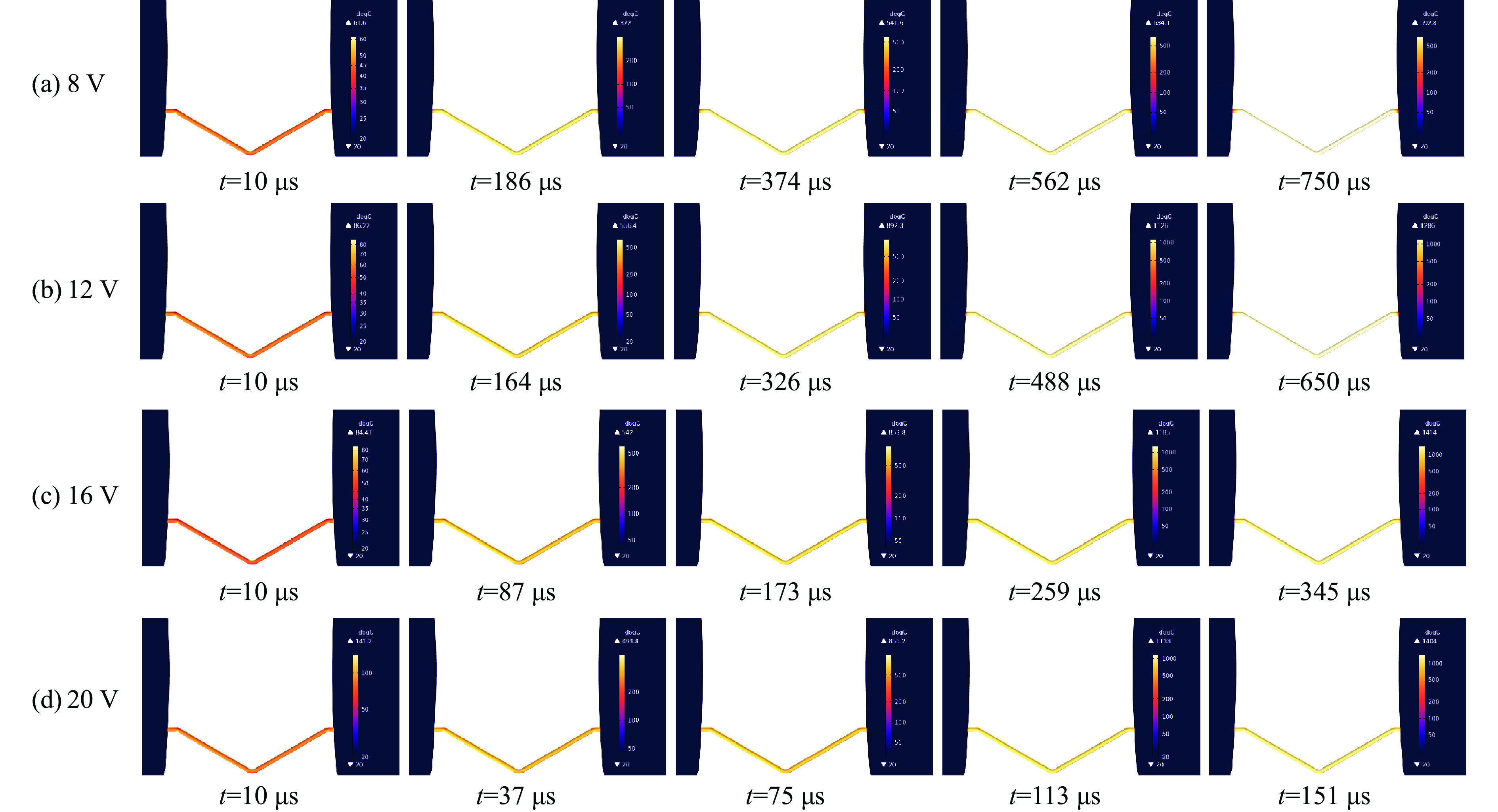
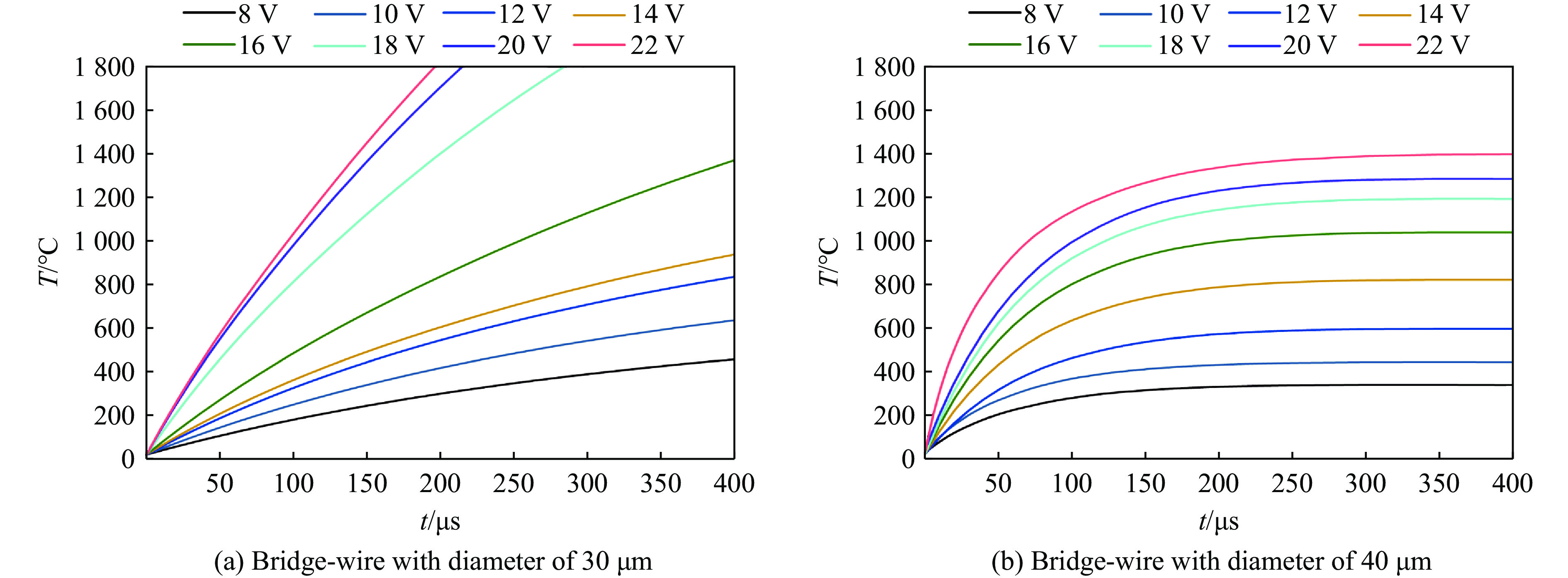
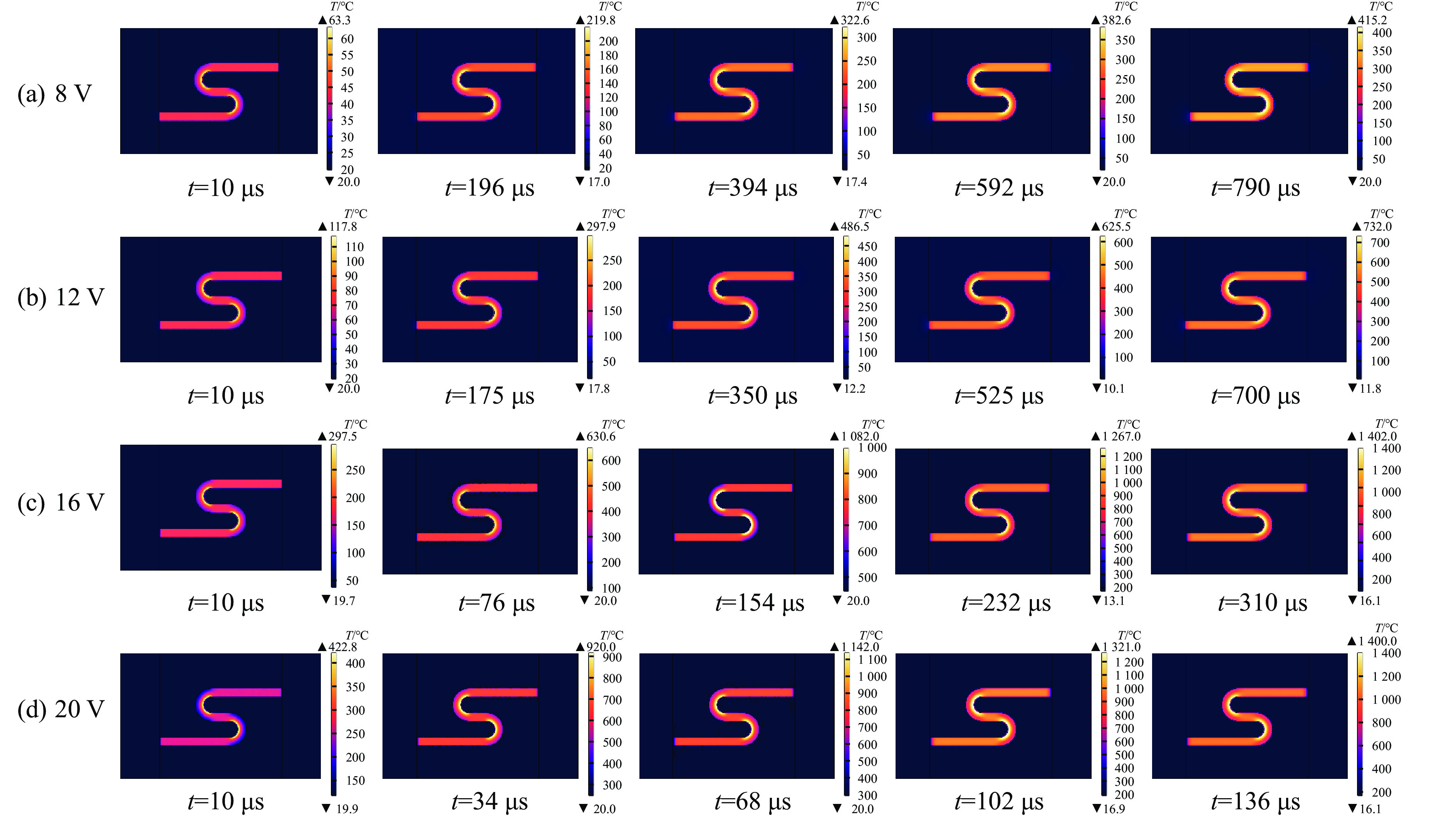
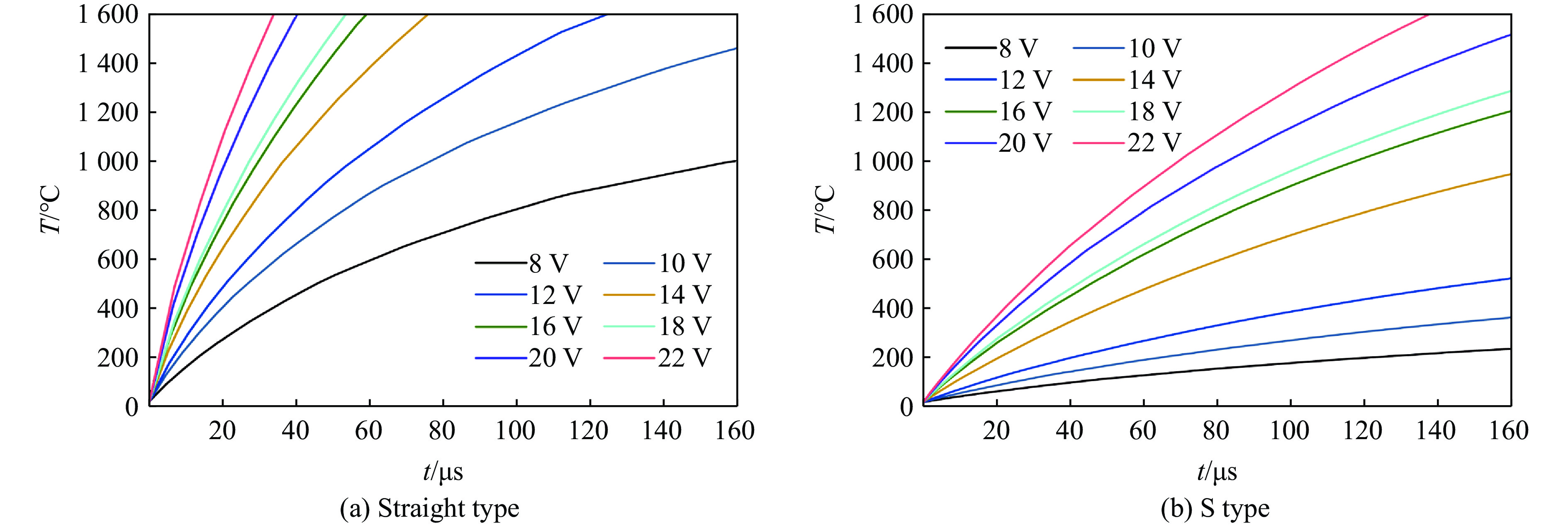
In order to study the dynamic changes of temperature during the ignition process of the ignition resistor and solve the matching problem of the energy storage capacitor-ignition resistor system, this study measures the voltage-current changes and temperature changes of the ignition resistor under different capacitor discharge voltages through electrothermal experiments, infrared temperature measurement and numerical simulation methods. Combined with the surface conditions of the unmelted samples, the critical fuse voltage of the ignition resistor was determined, and the law of the electrical characteristic curve and the temperature variation law of the ignition resistor were obtained. The results show that under the same voltage, the bridge membrane straight type has the shortest melting time. Under the same resistance value, the melting time and heating time of the bridge-film ignition resistor are shorter than those of the bridge-wire type, and the maximum temperature it can reach is also higher. For the bridge-wire type and bridge-film S type ignition resistors, heat is prone to accumulate at the corners and phase change occurs first during the power-on process.