





 HTML
HTML

 PDF(61)
PDF(87)
PDF(61)
PDF(87)
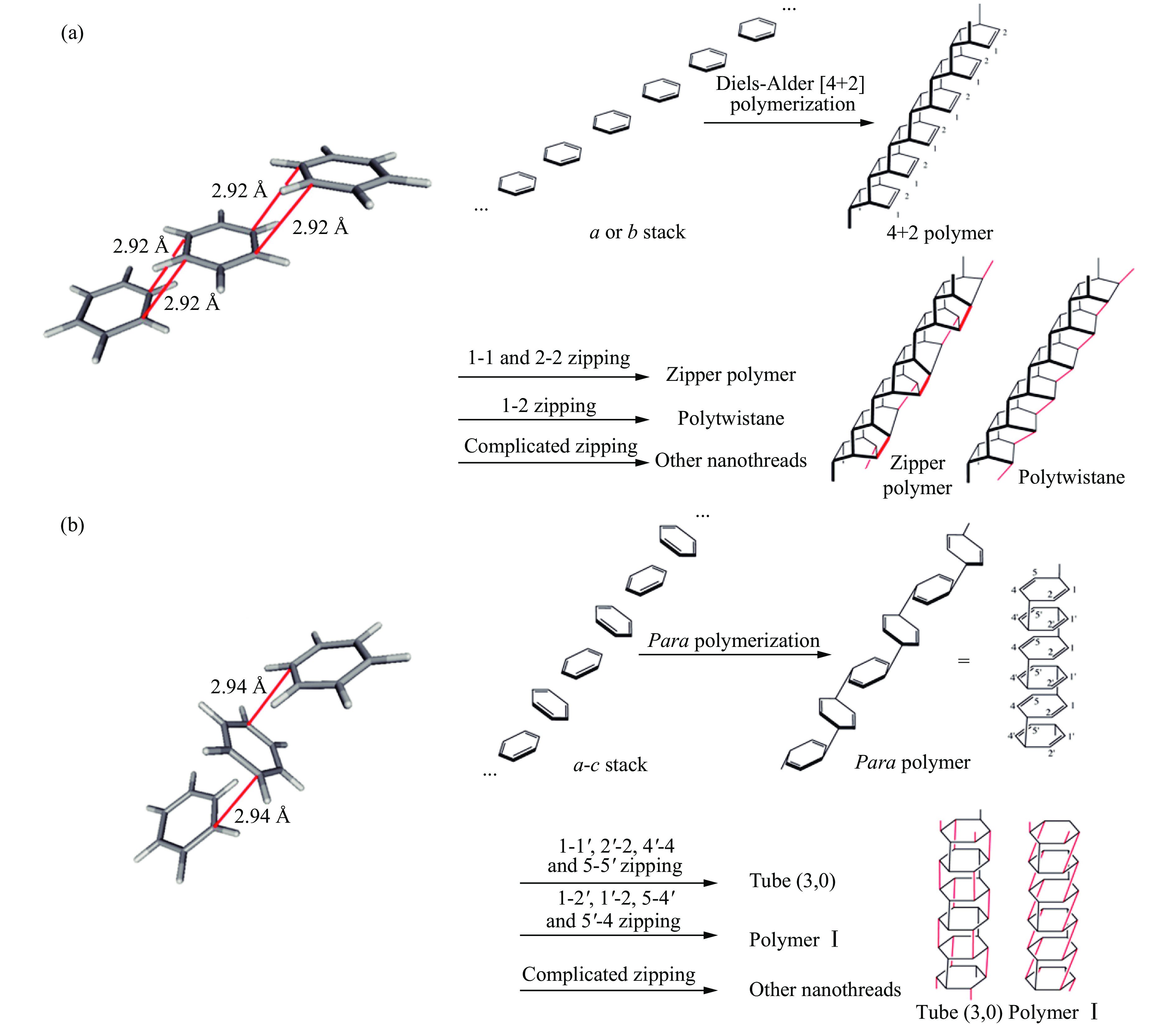
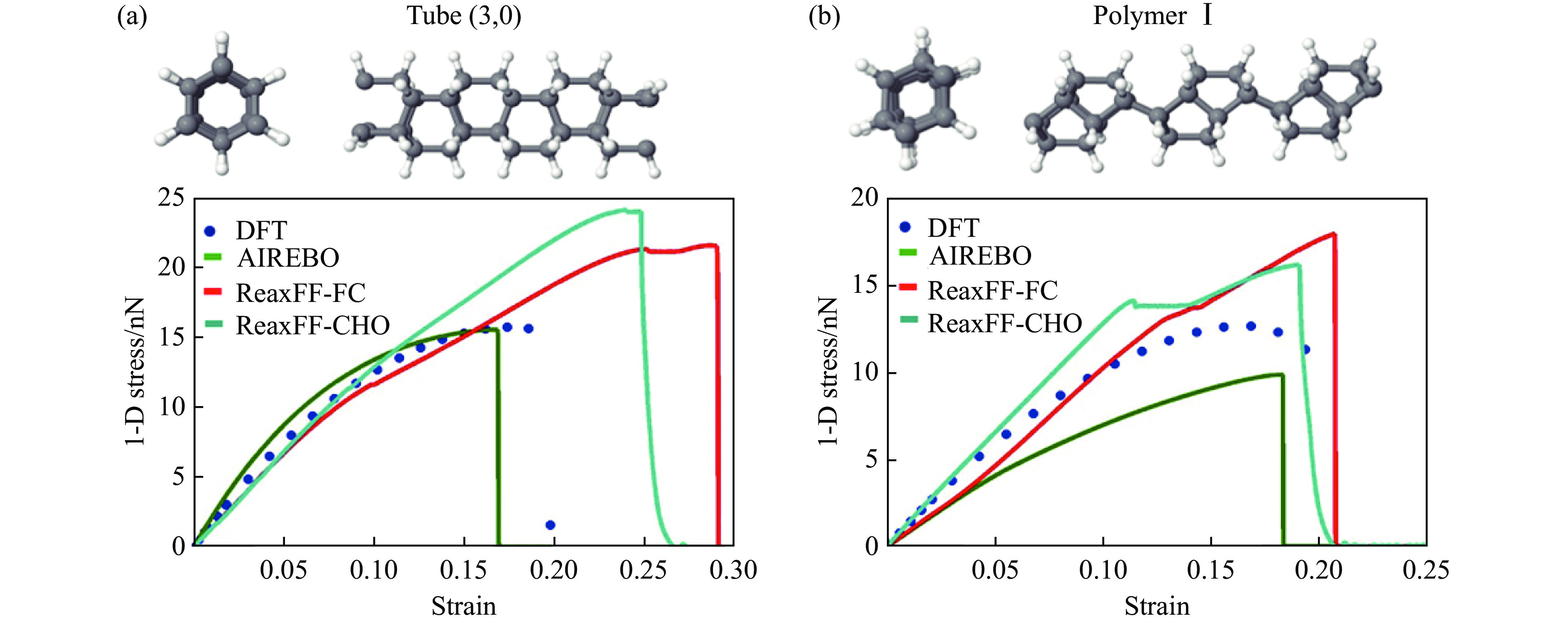
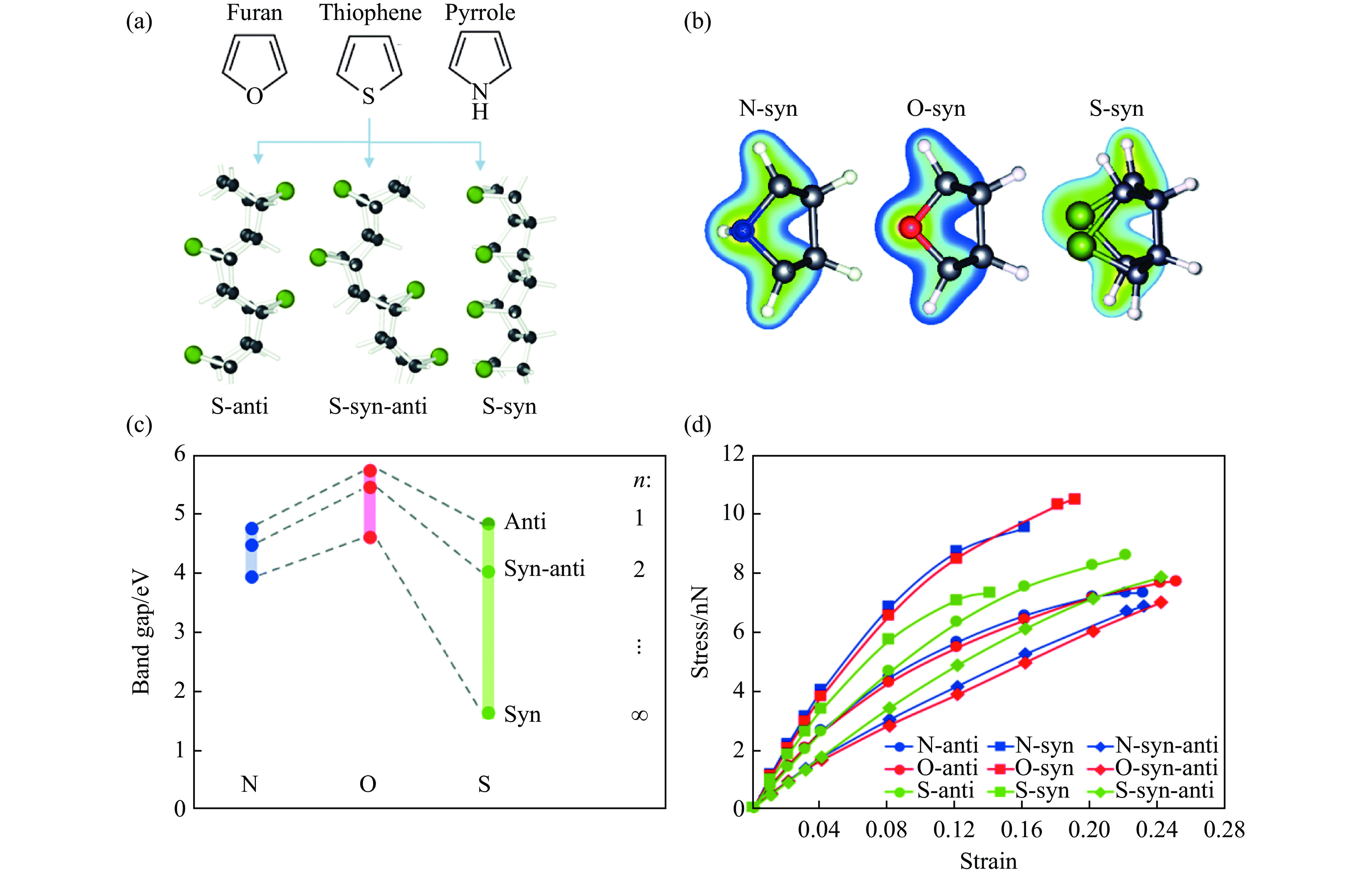
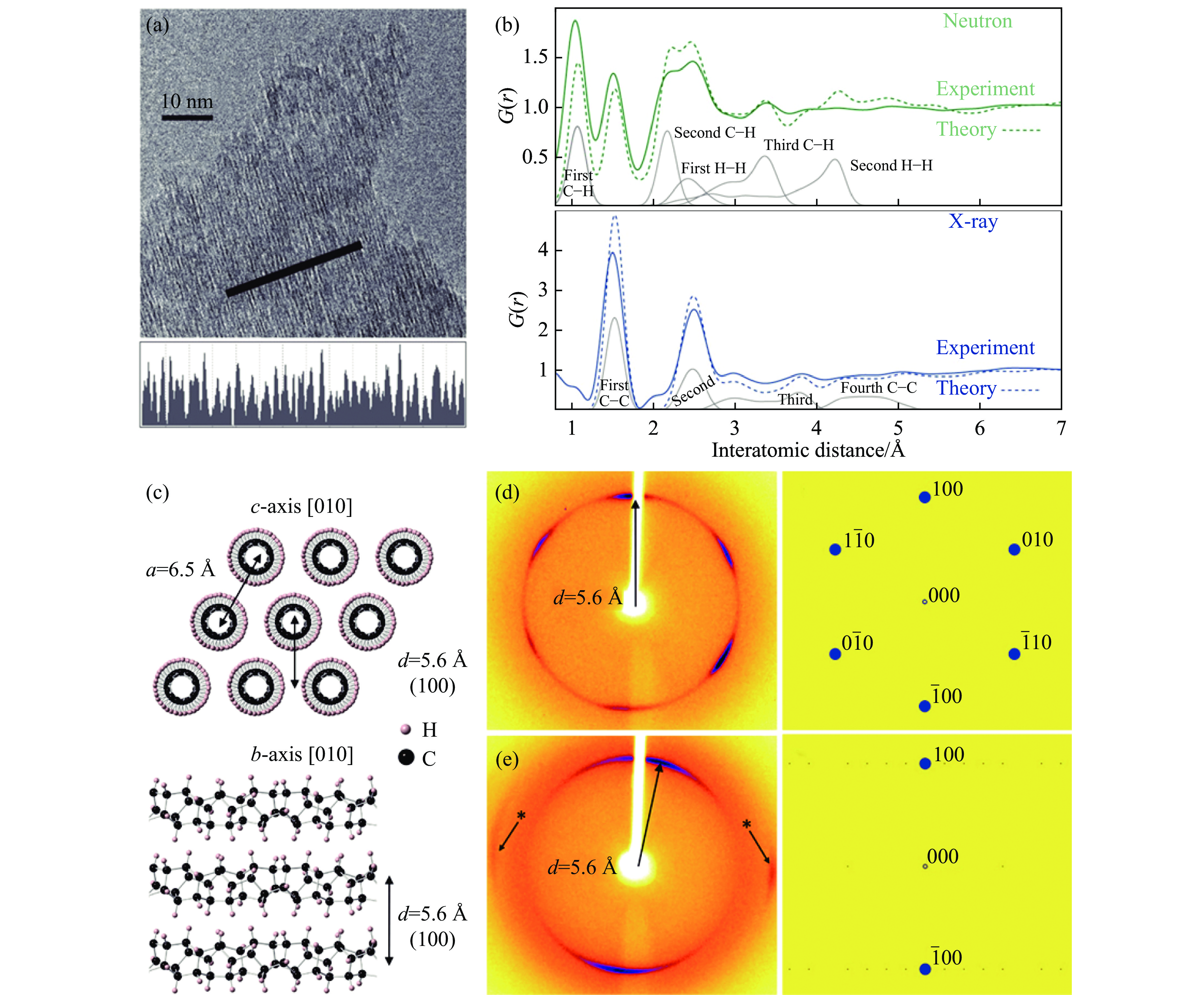
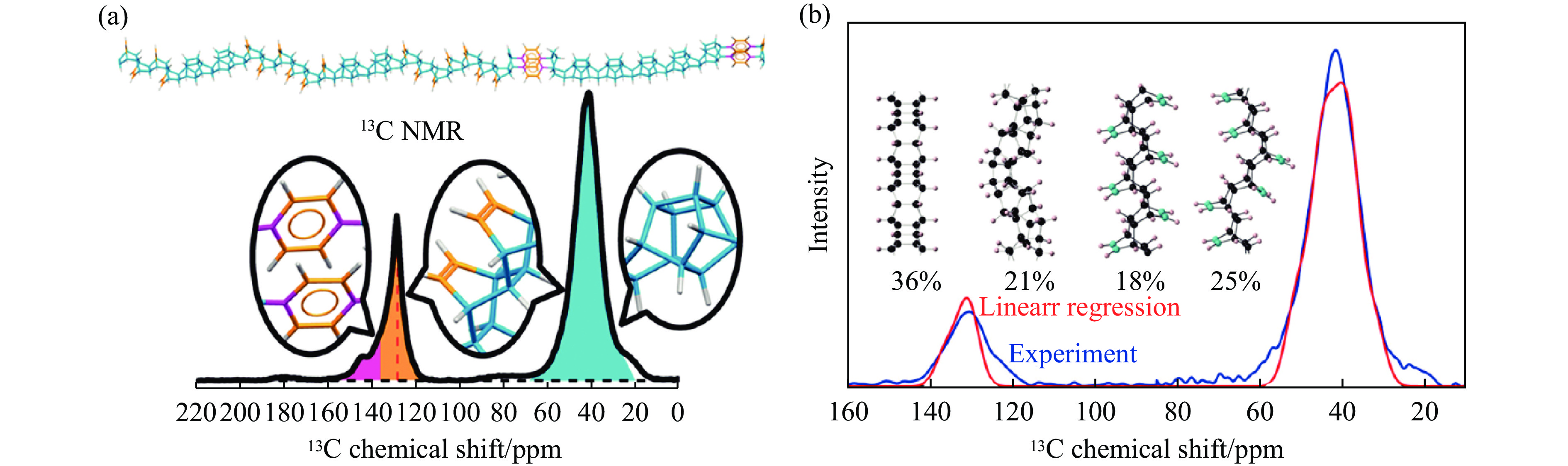
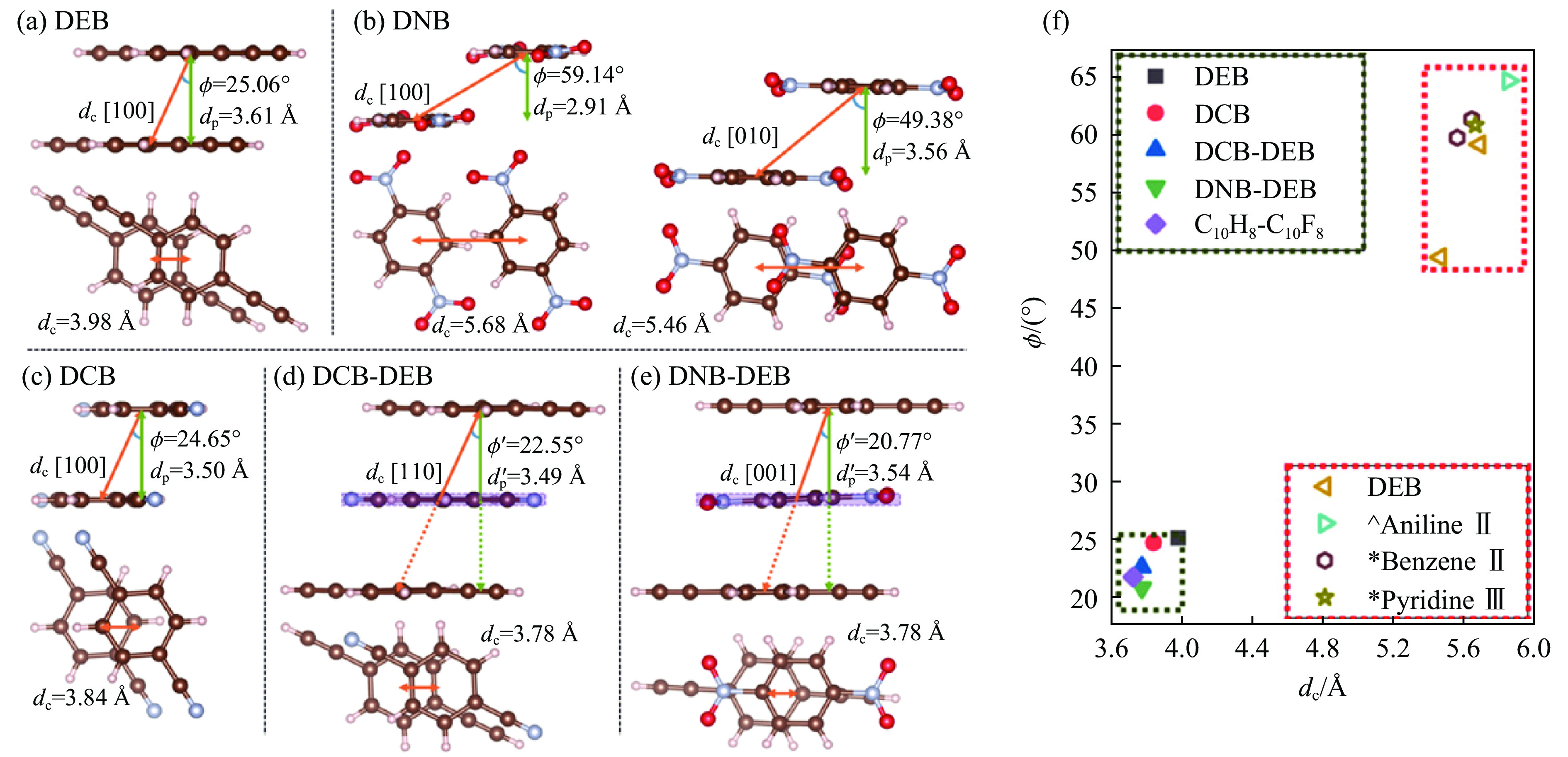
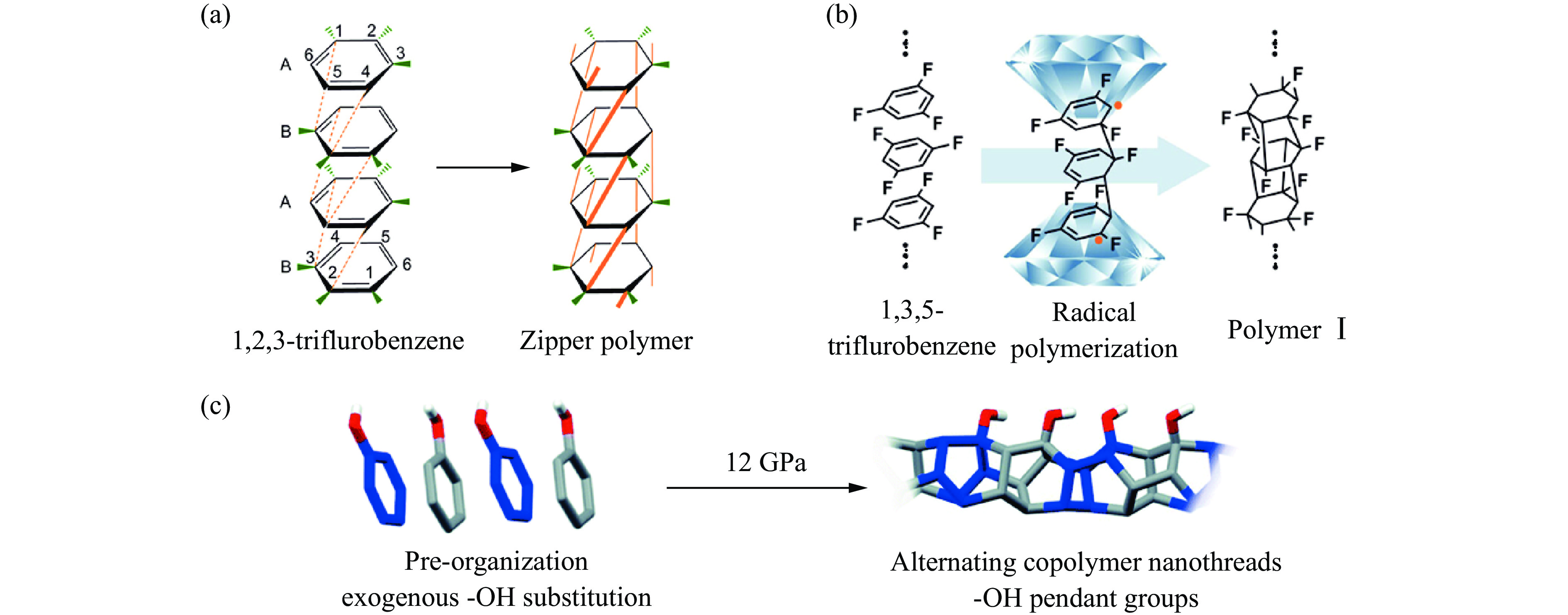
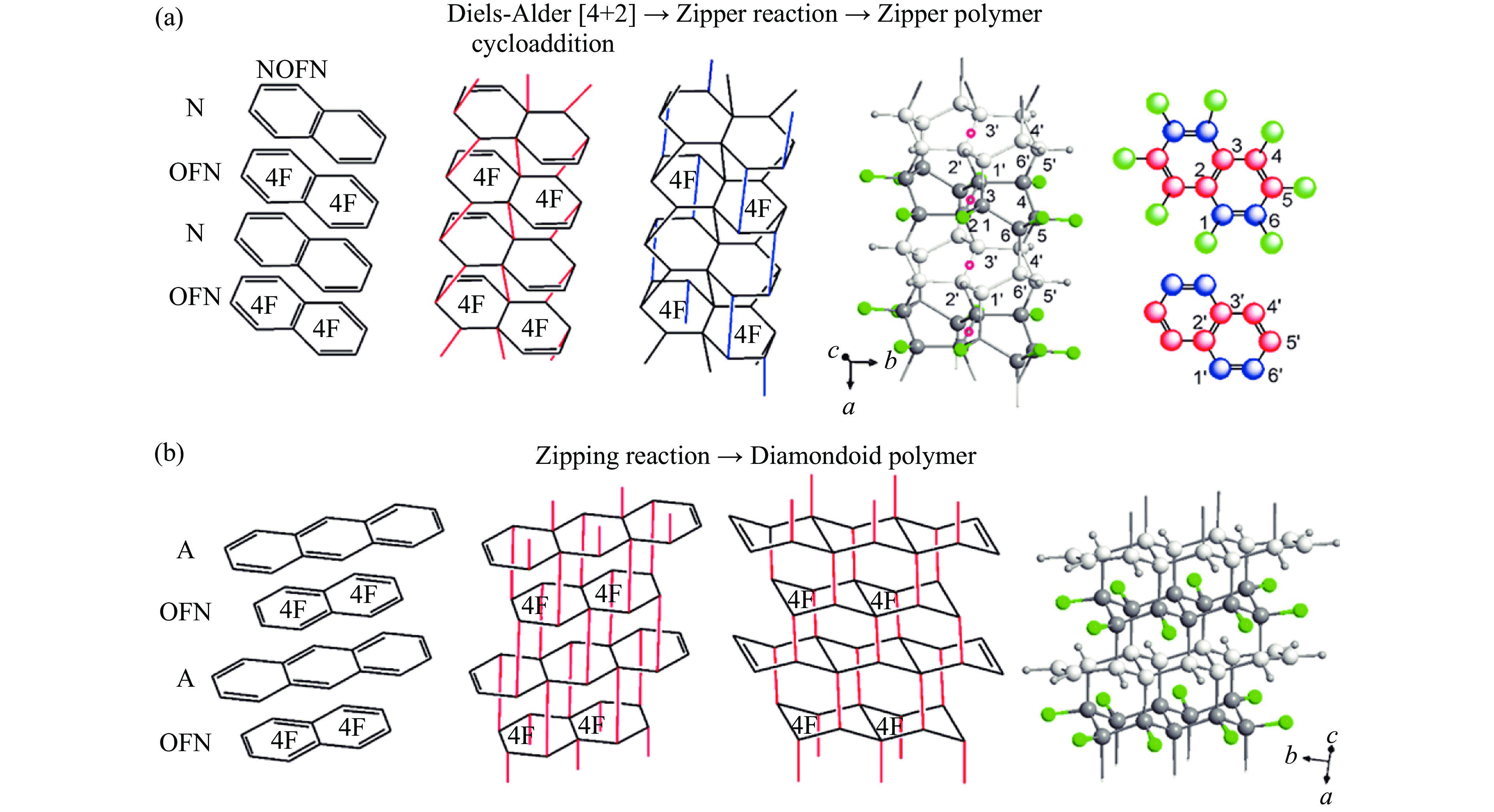
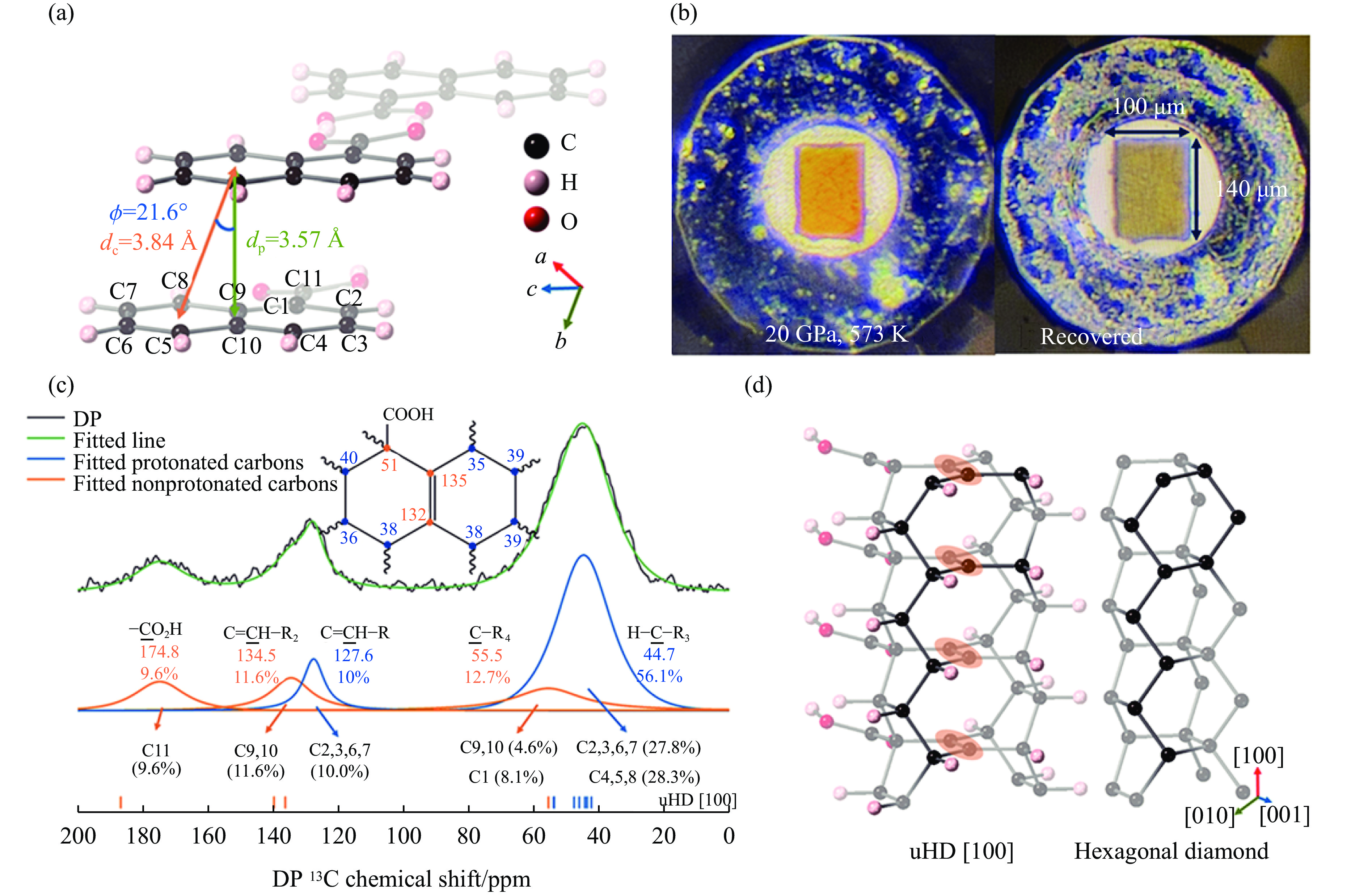
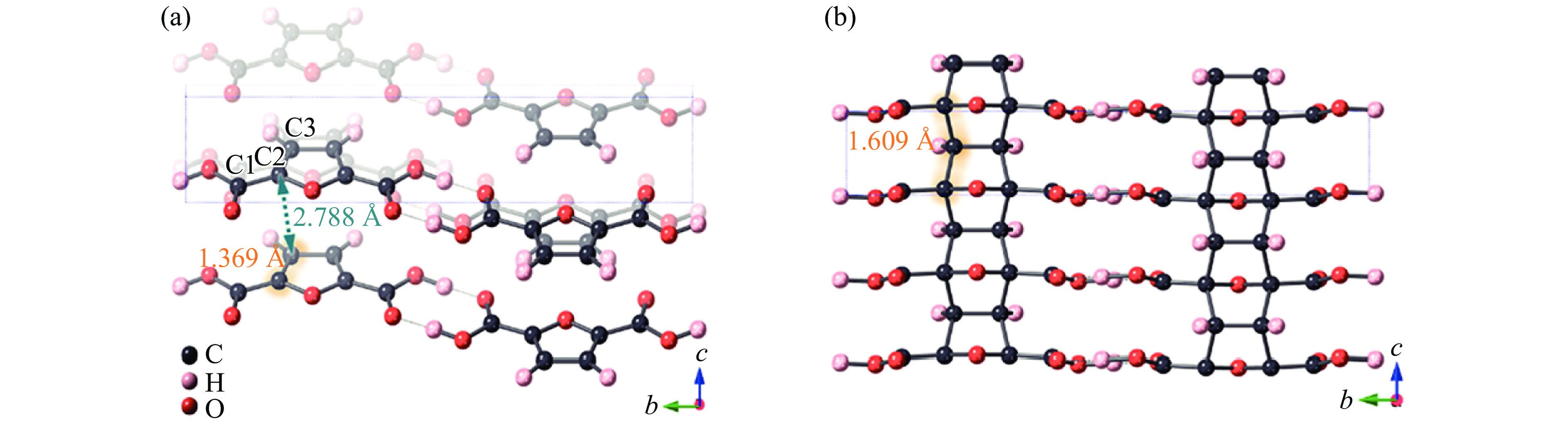
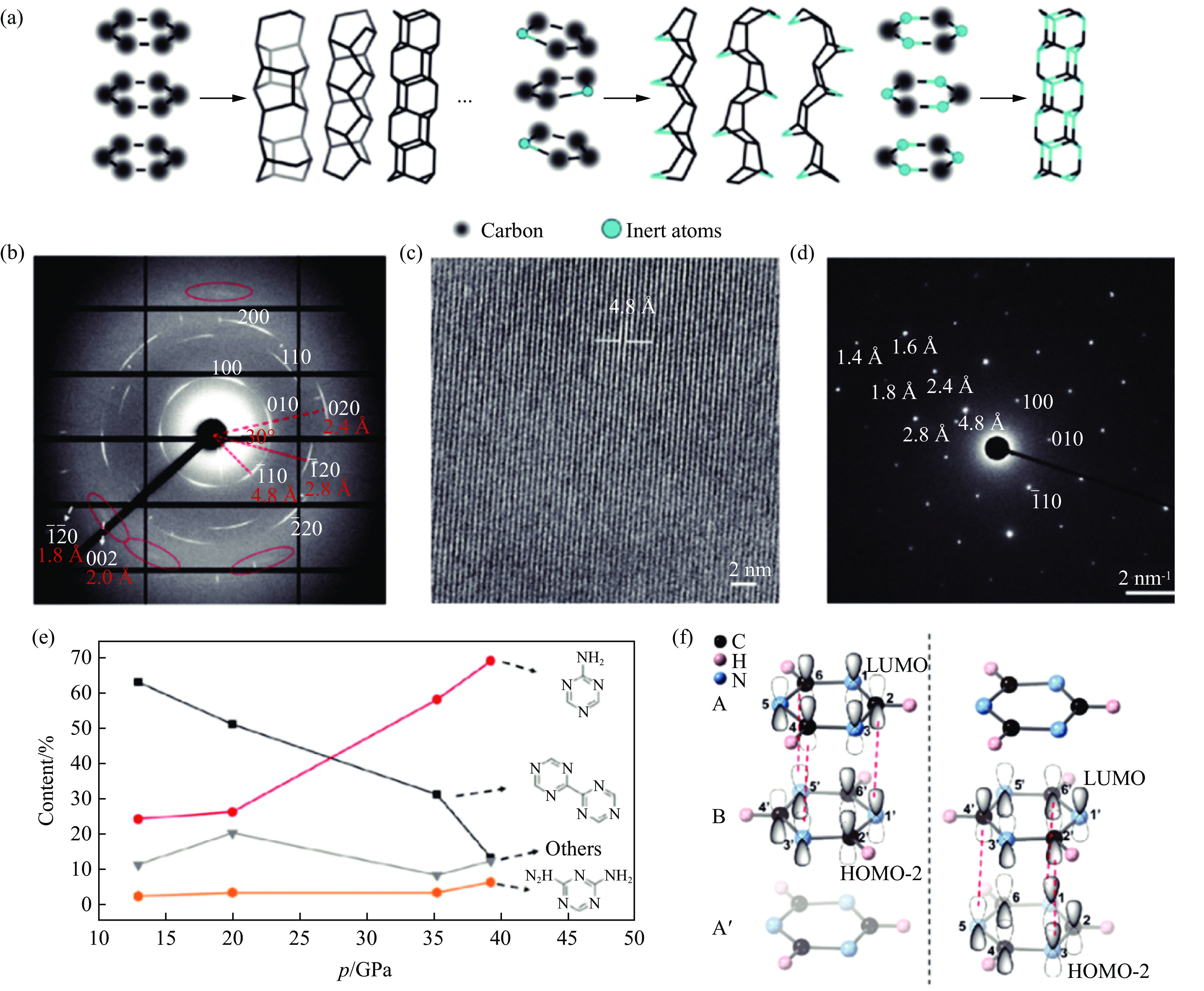
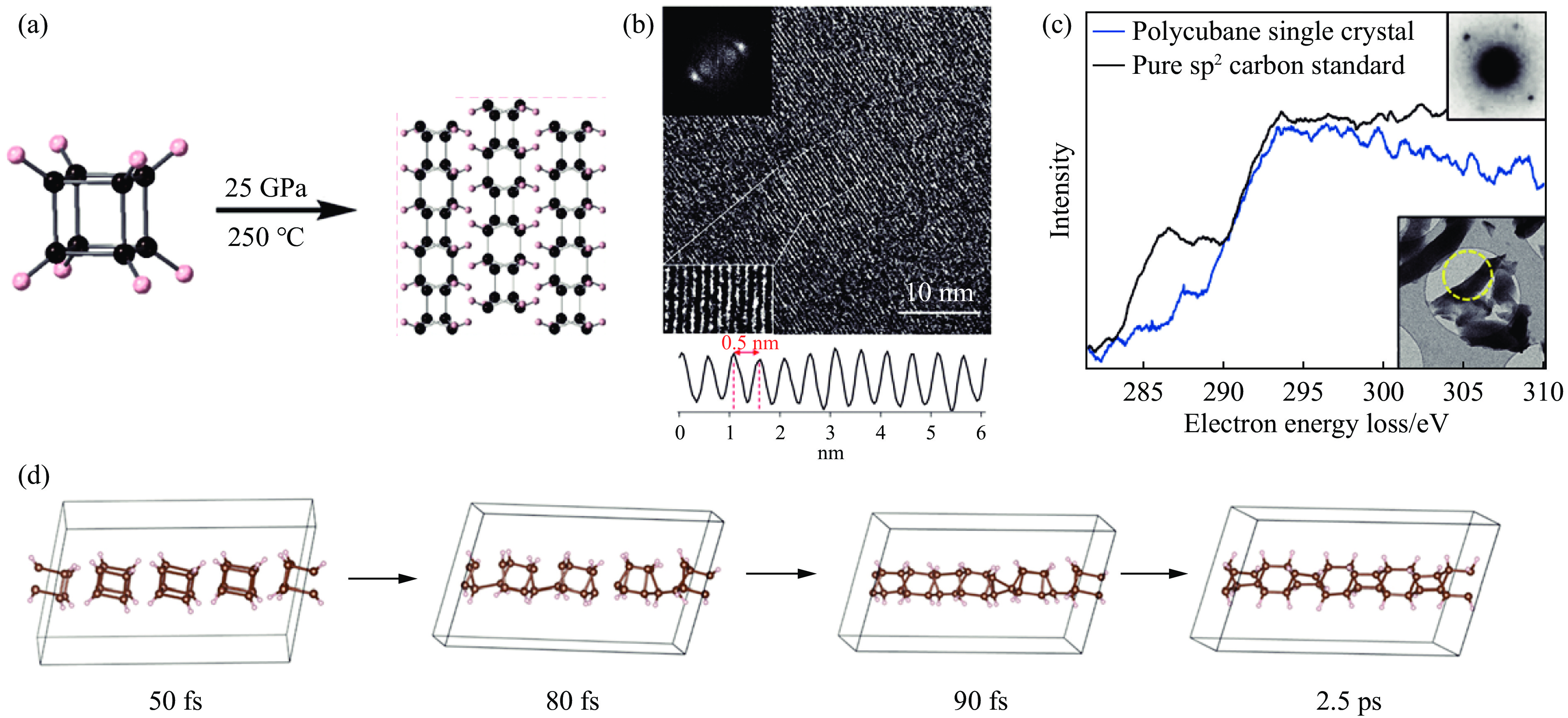
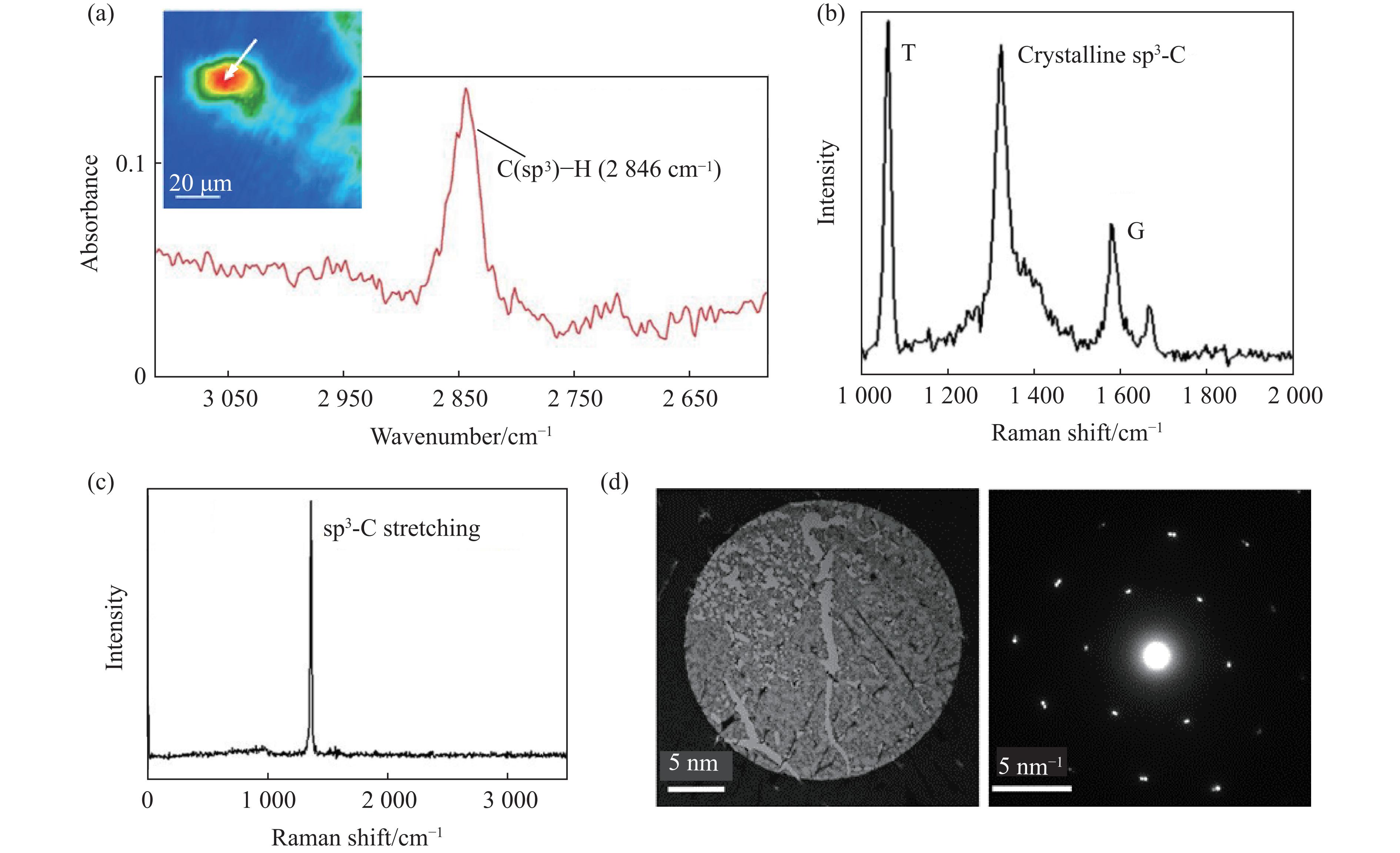
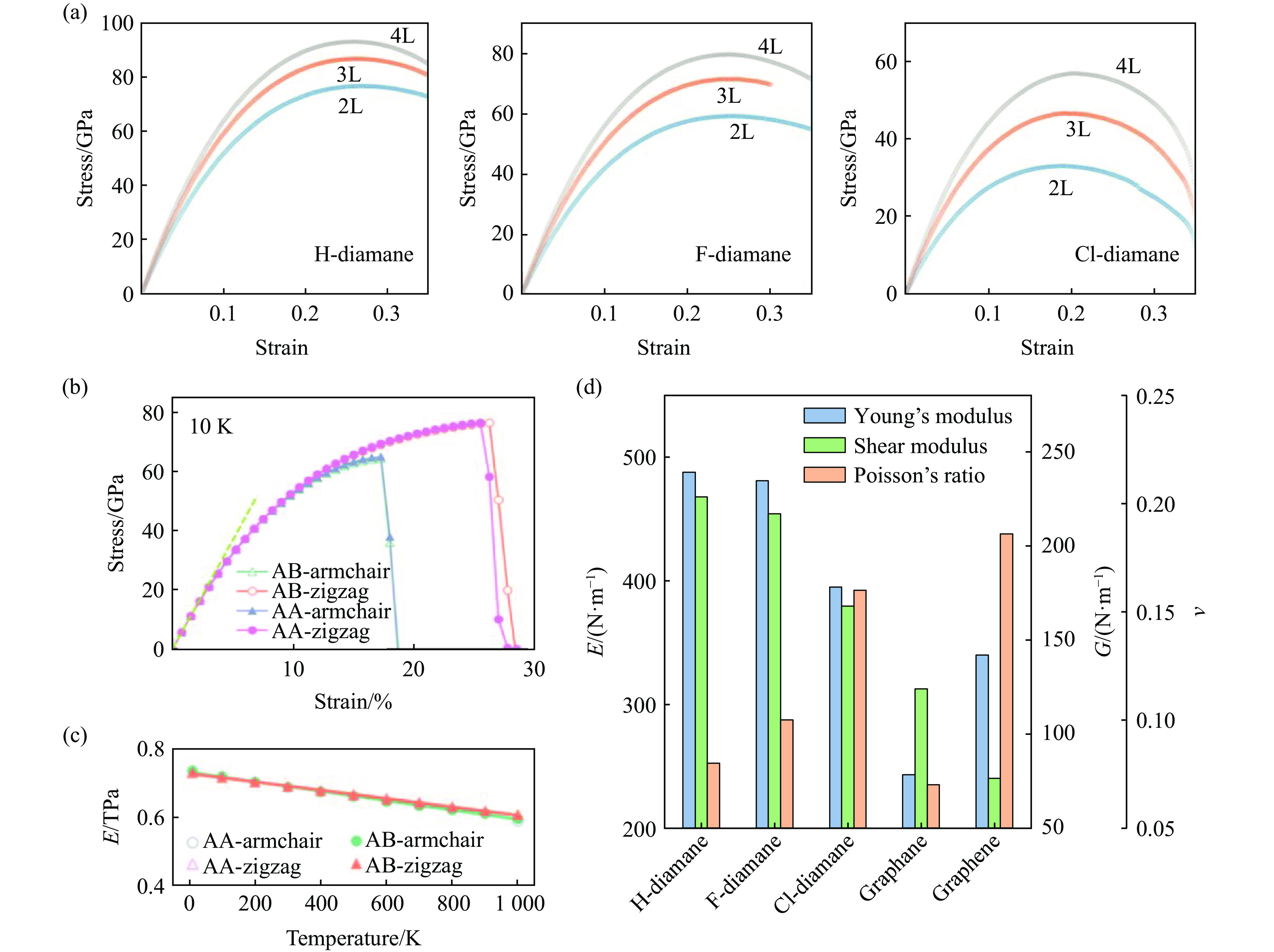
Diamond nanothreads are one-dimensional crystalline nanomaterials formed by the polymerization of organic molecules under high pressure. Their sp3-hybridized carbon framework endows them with exceptional mechanical, thermal, and electrical properties. This paper systematically reviews the progress in structural prediction, synthesis strategies, and property studies of this material. Theoretical investigations have demonstrated that diamond nanothreads possess wide band gaps, high carrier mobility, and excellent mechanical performance, and that their electronic structure can be effectively tuned through heteroatom doping, defect introduction, and lattice strain. Regarding the synthesis, a variety of ordered crystalline nanothreads have been successfully prepared via high-pressure solid-state reactions using precursors such as benzene, fluorobenzene, pyridazine,

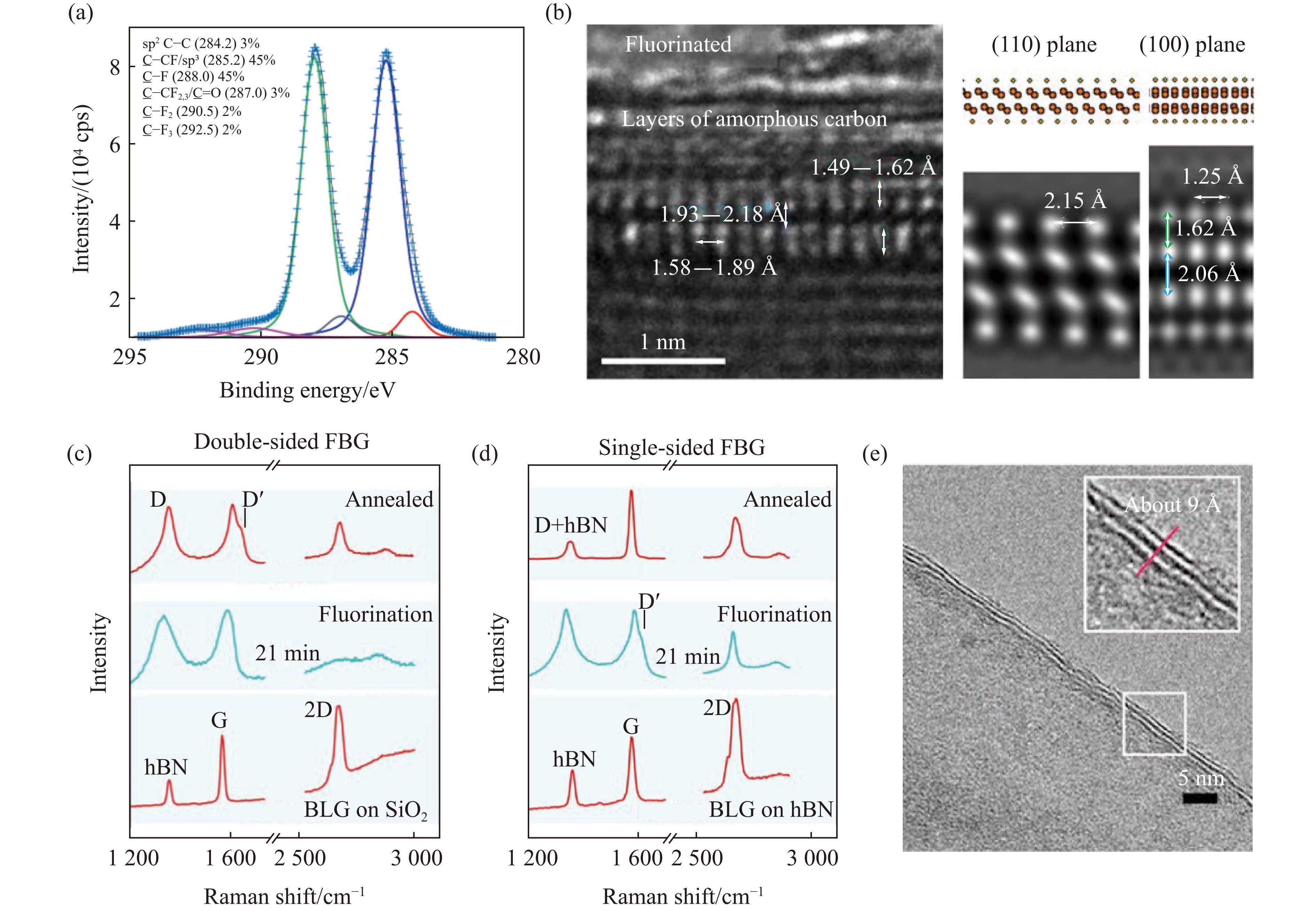
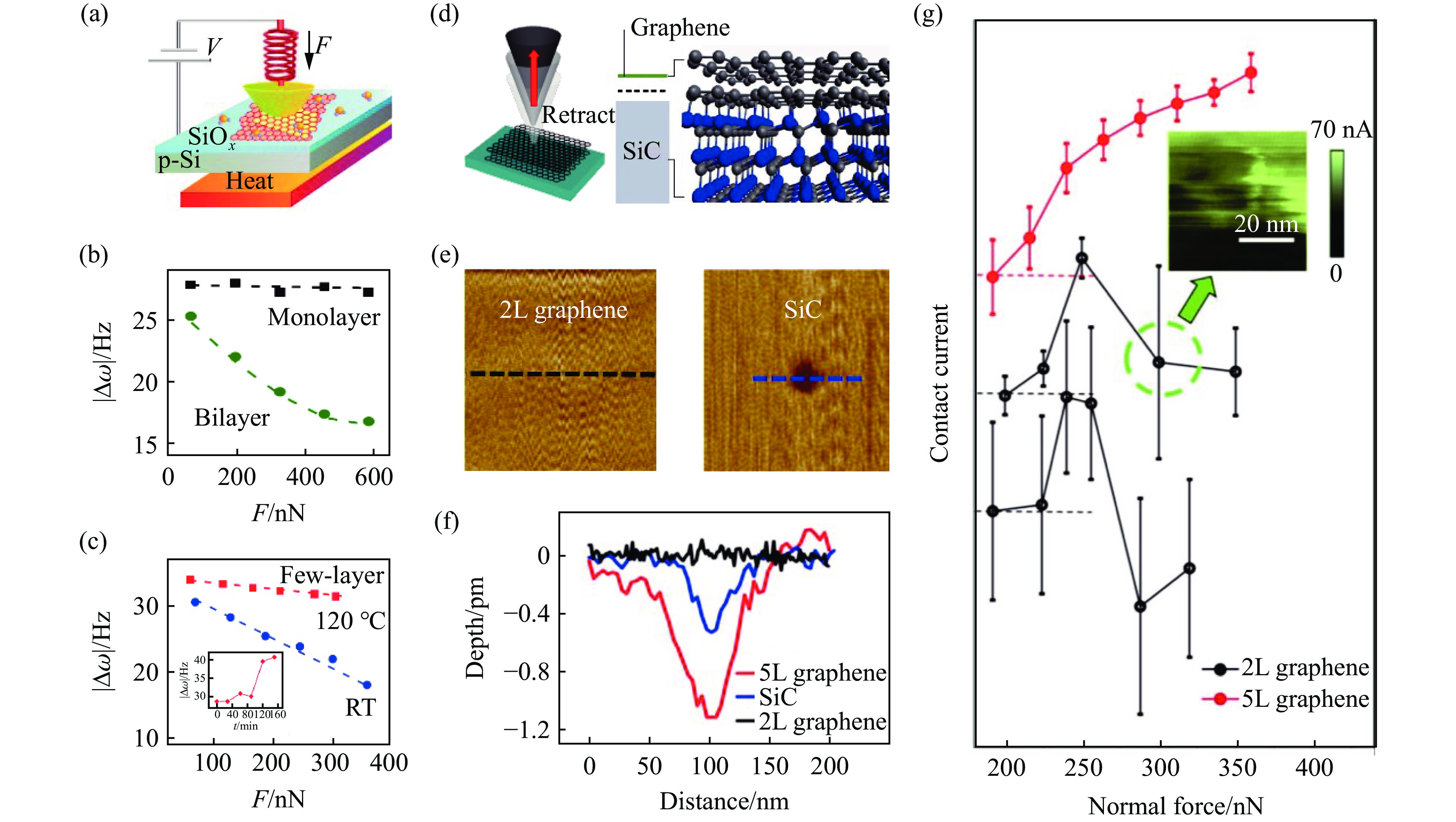
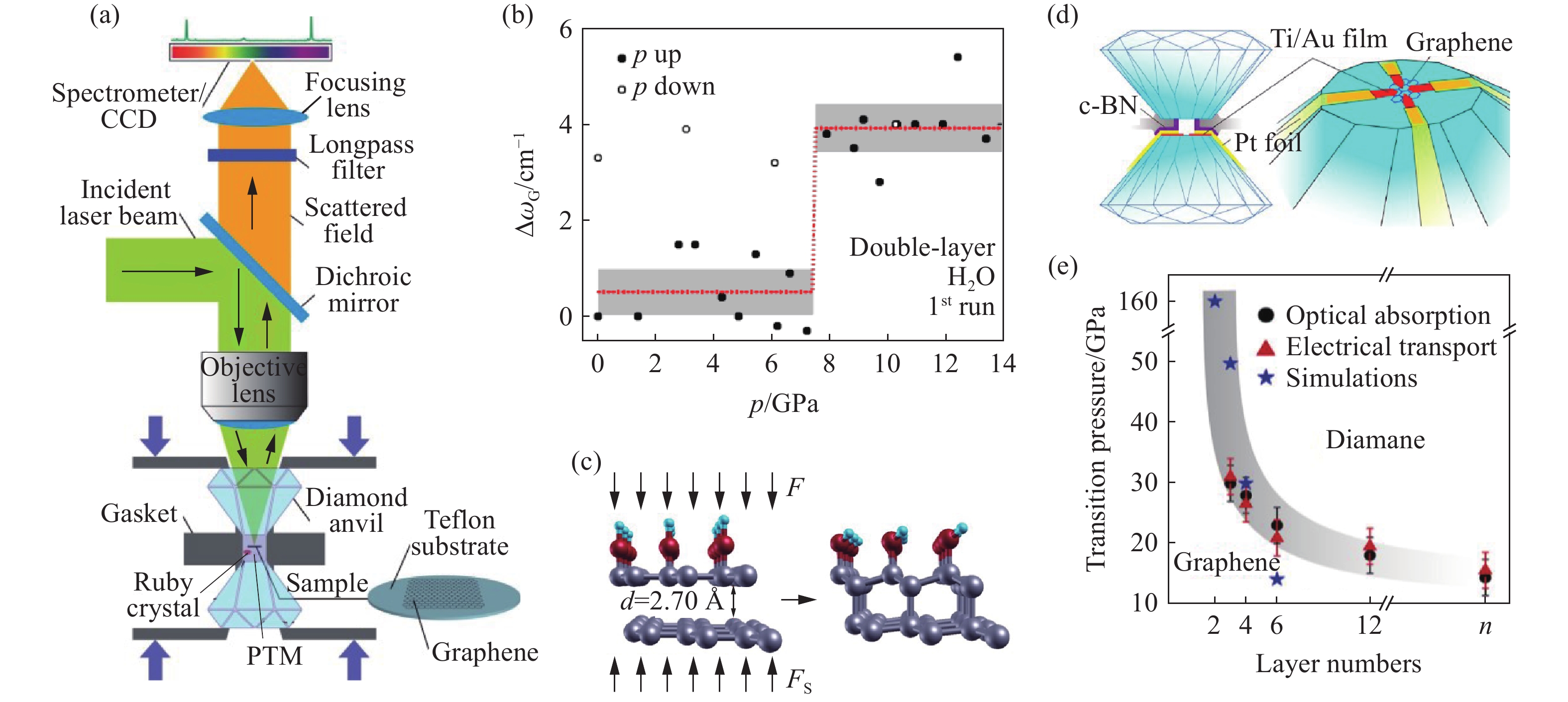
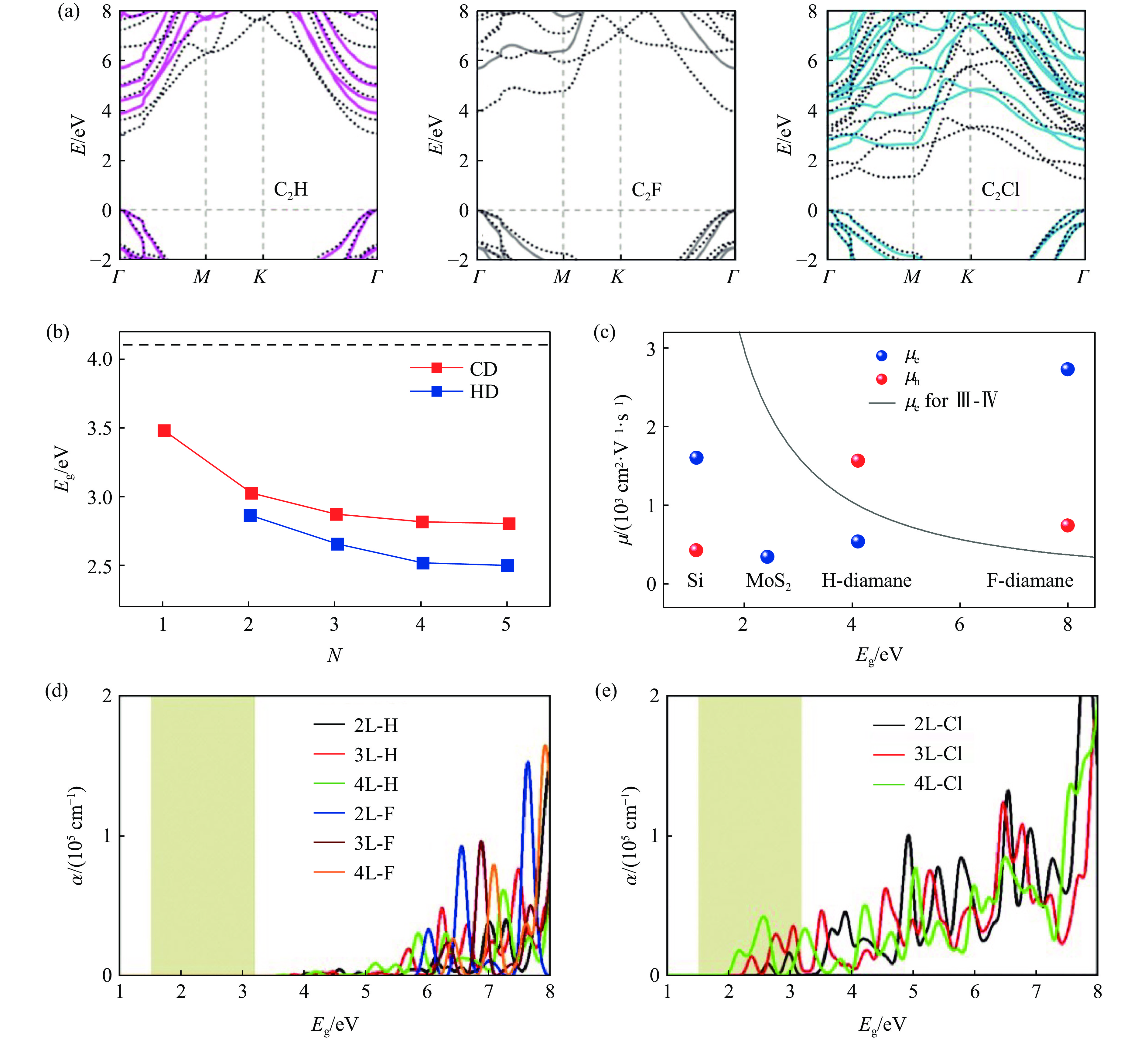
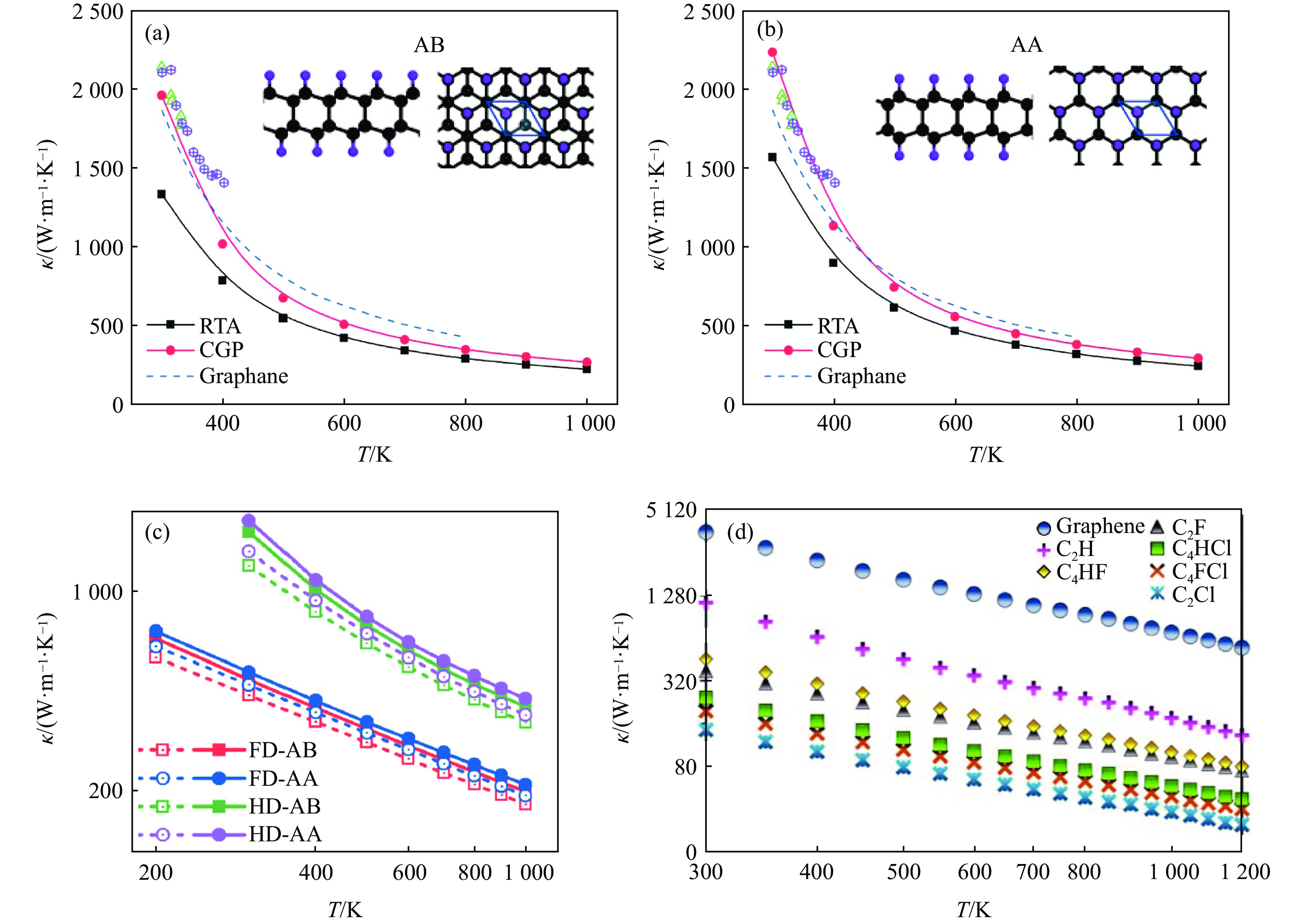
Two-dimensional (2D) diamond, an atomically thin carbon-based material, not only inherits the exceptional properties of bulk diamond but is also expected to exhibit unique physical characteristics arising from nanoscale effects. Currently, research on 2D diamond remains in its infancy, being primarily driven by theoretical investigations, while experimental efforts have mainly focused on its controllable synthesis and structural characterization. Owing to pronounced interfacial effects, the direct application of conventional high-pressure synthesis methods to nanoscale systems is considerably limited, making it challenging to achieve a stable transition from sp2 to sp3 hybridization, thereby posing numerous critical scientific challenges for the study of 2D diamond. This review systematically summarizes recent theoretical and experimental advances in the structural features, synthesis strategies, and physicochemical properties of 2D diamond, and provides perspectives on future research directions and scientific opportunities in the field of 2D diamond.
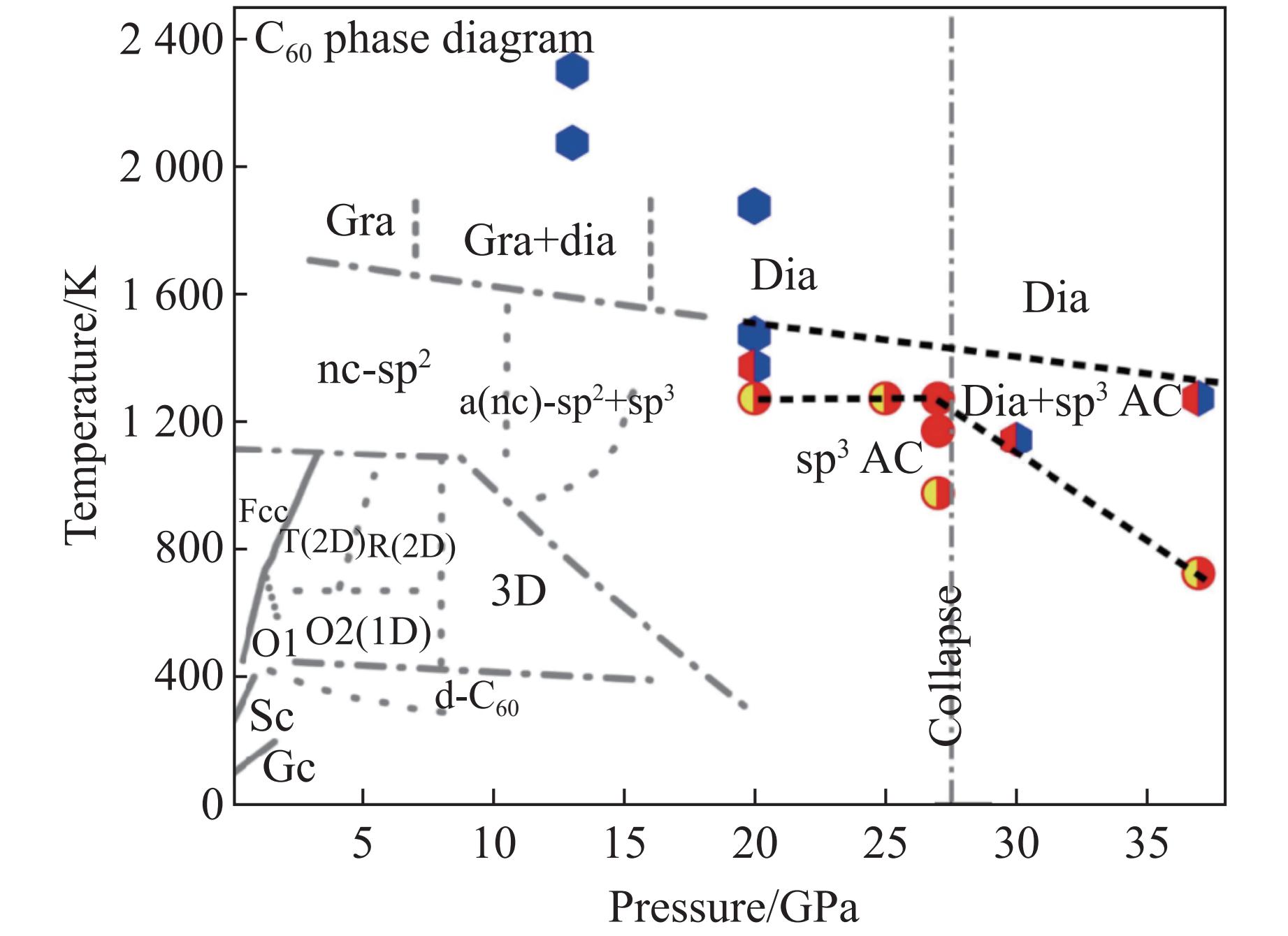
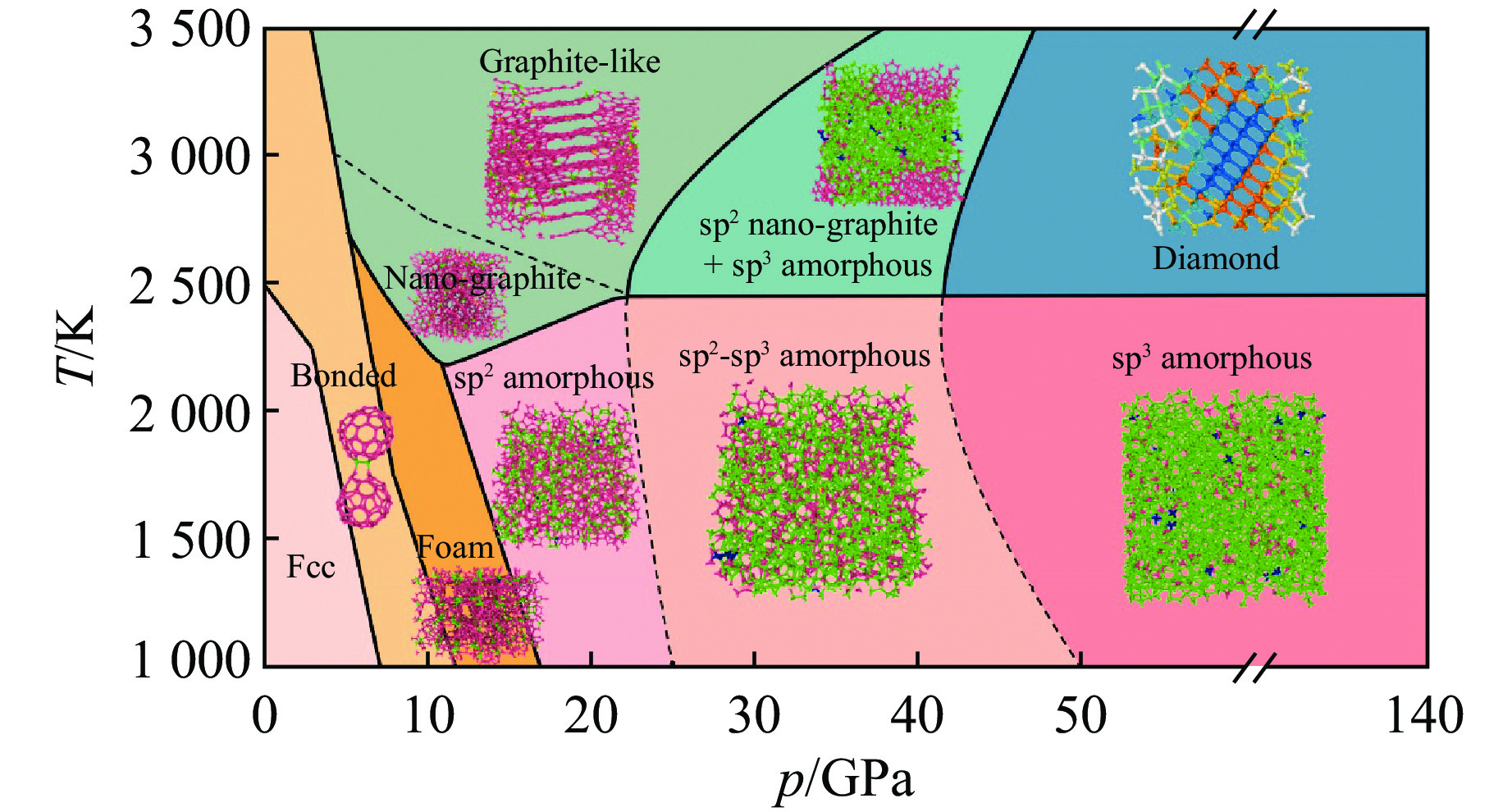
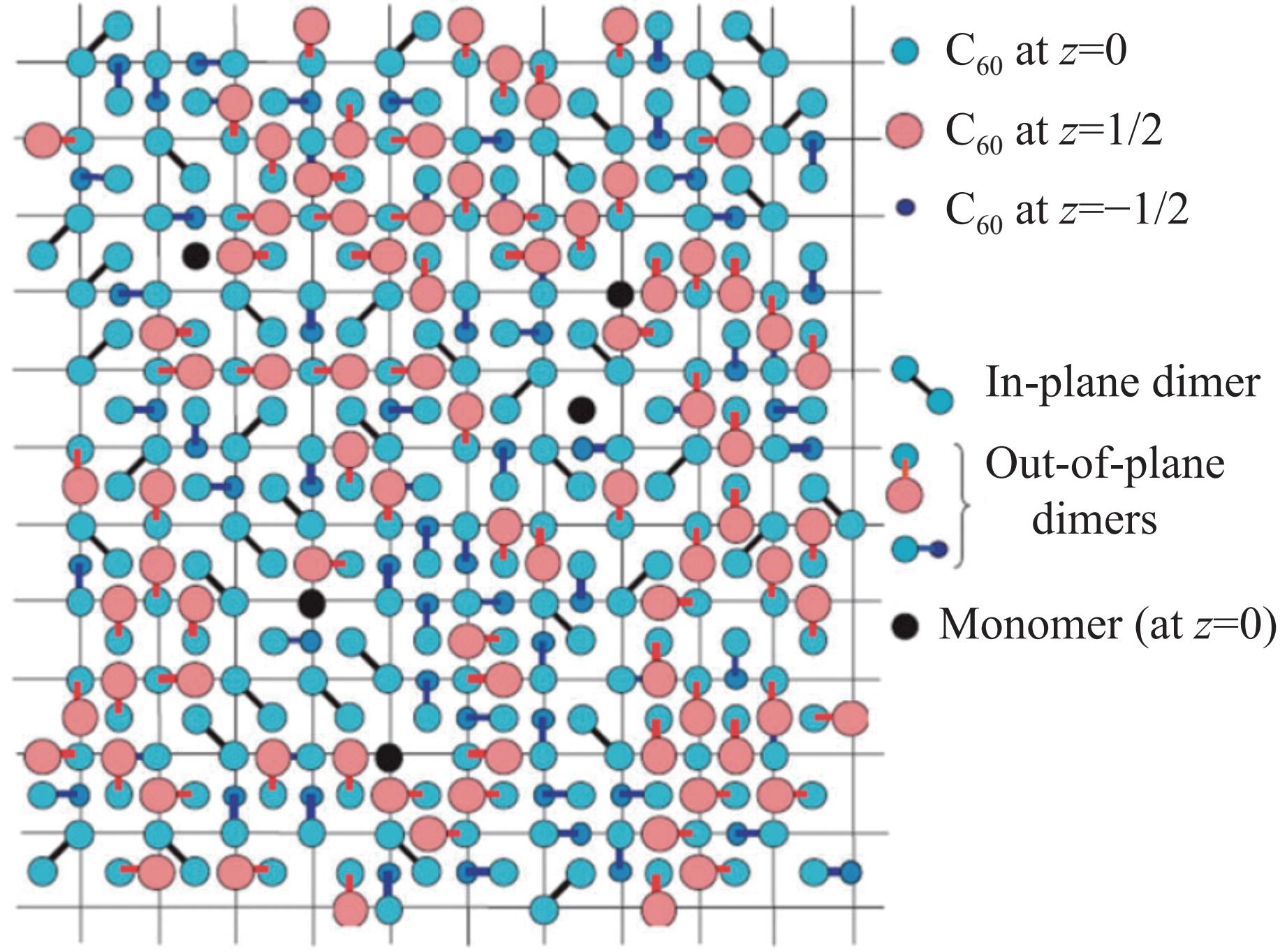
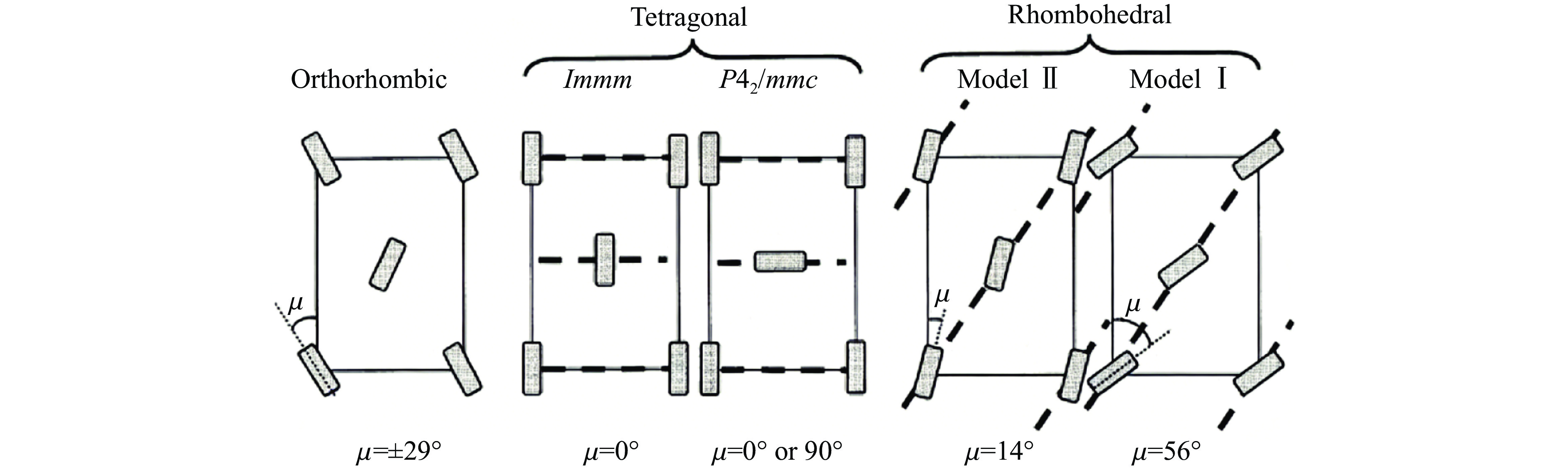
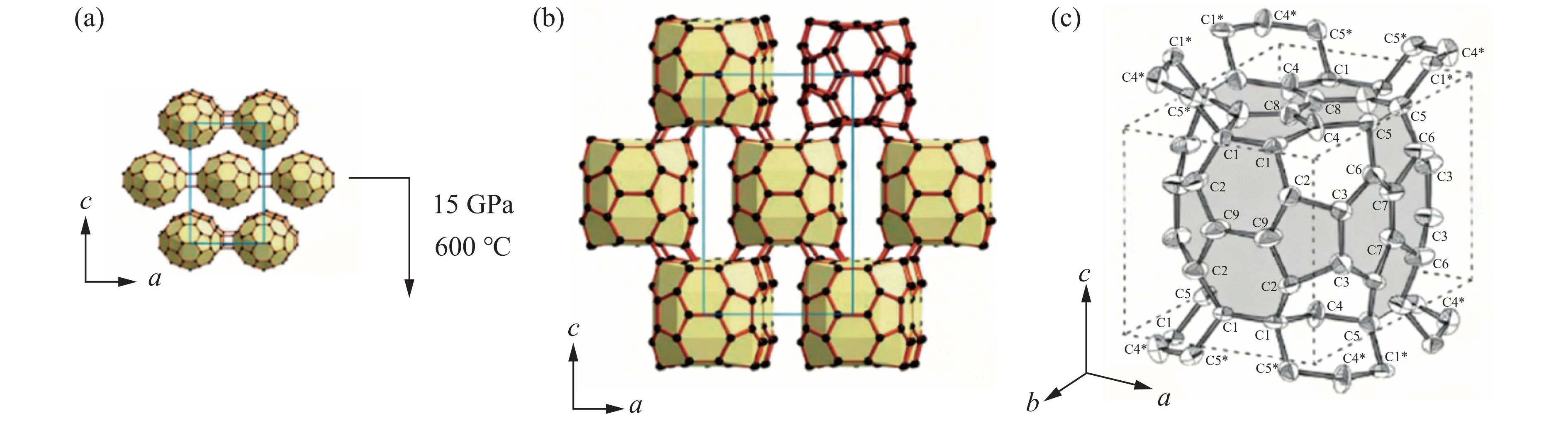
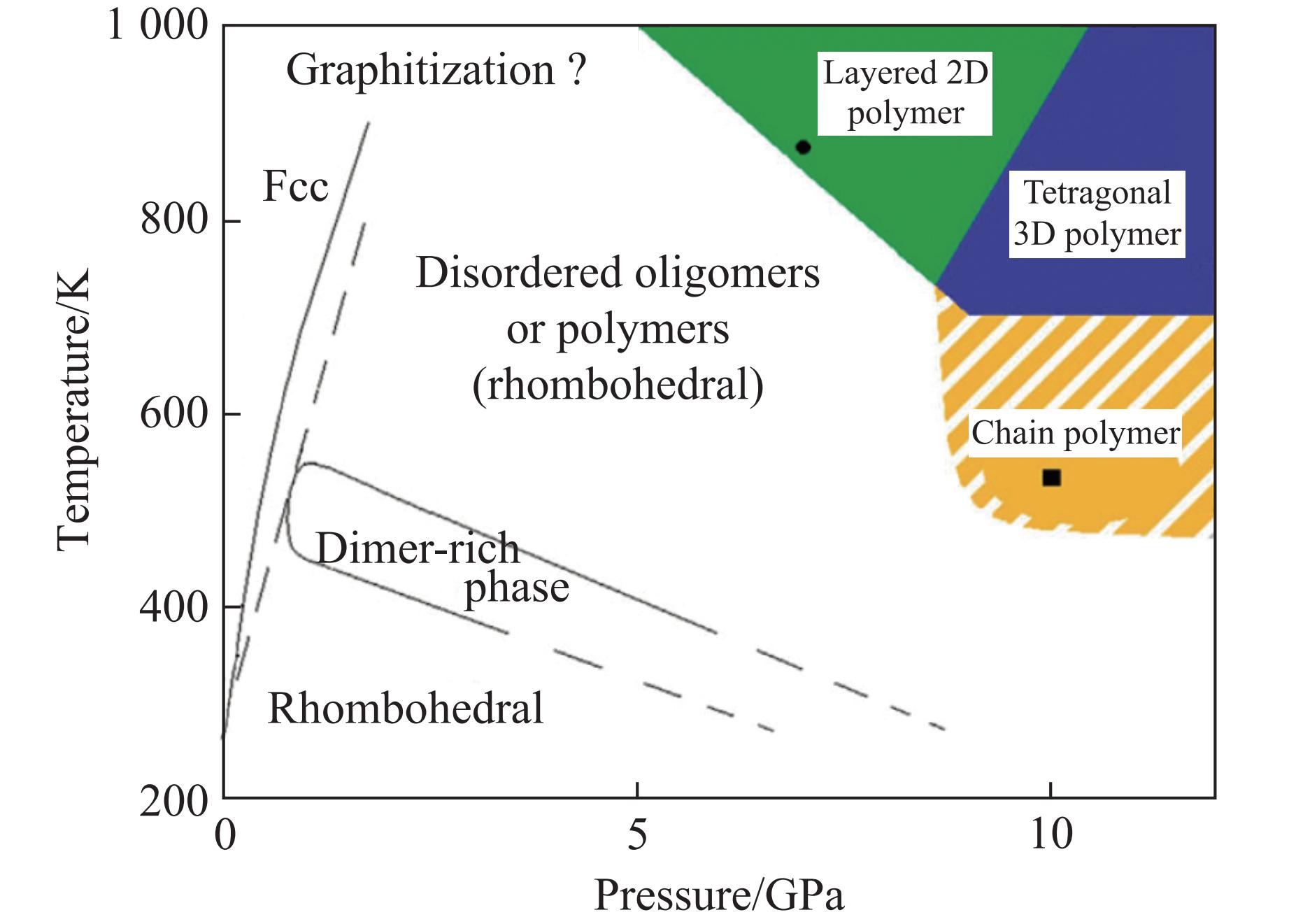
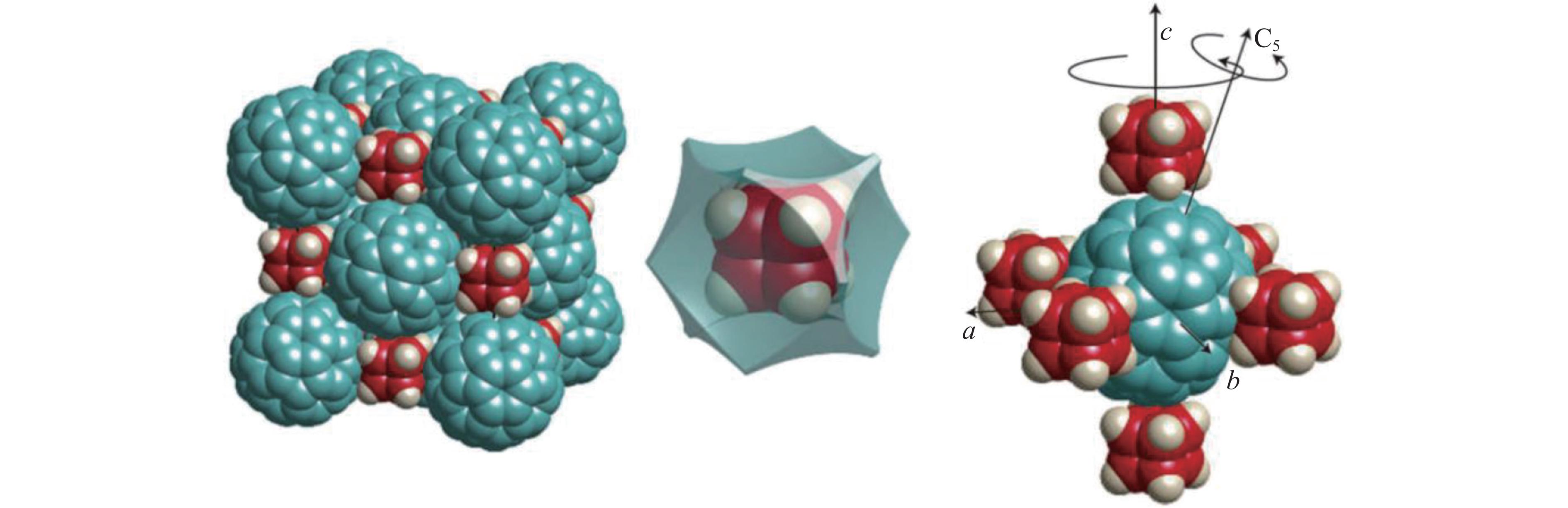
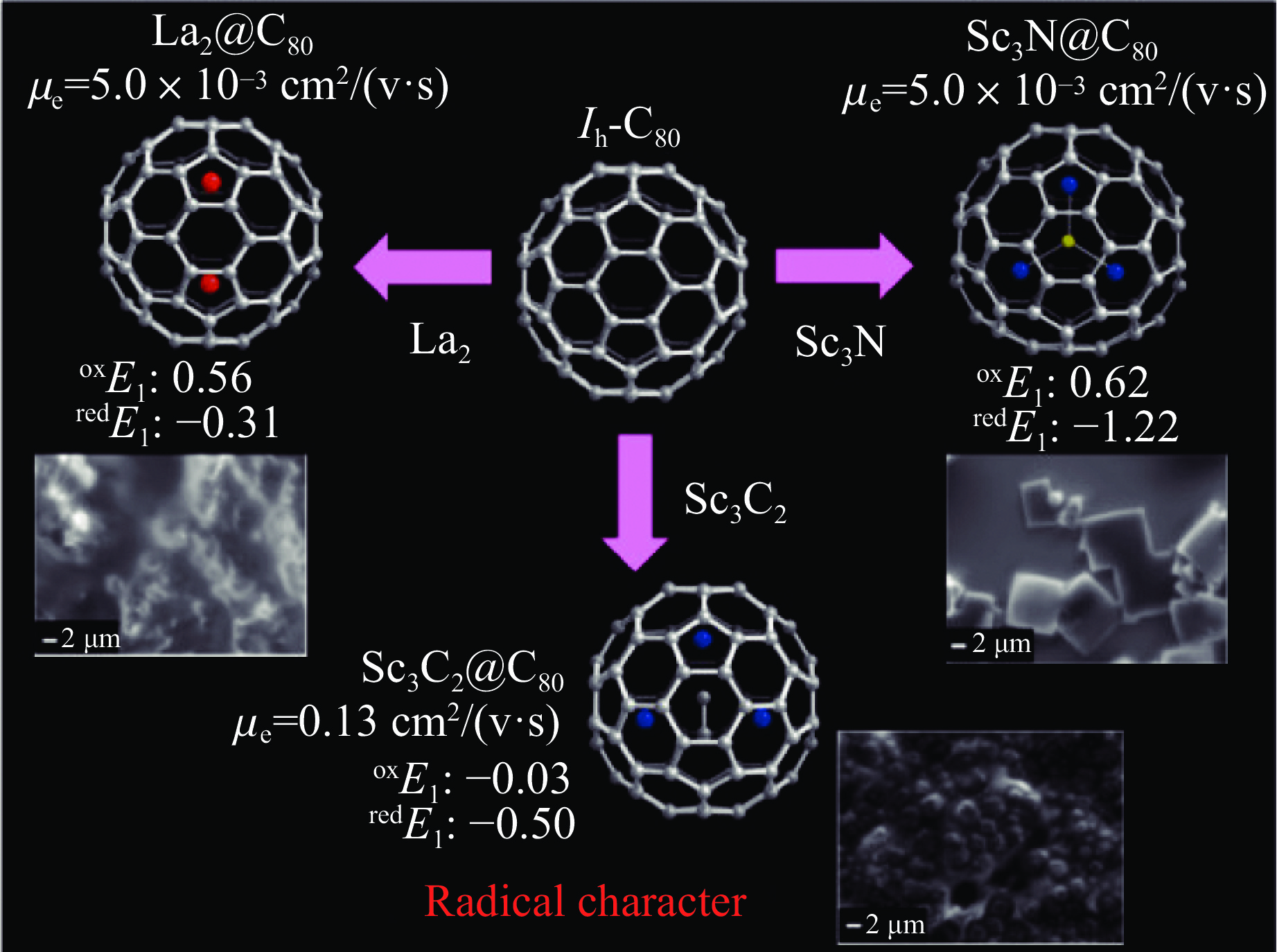
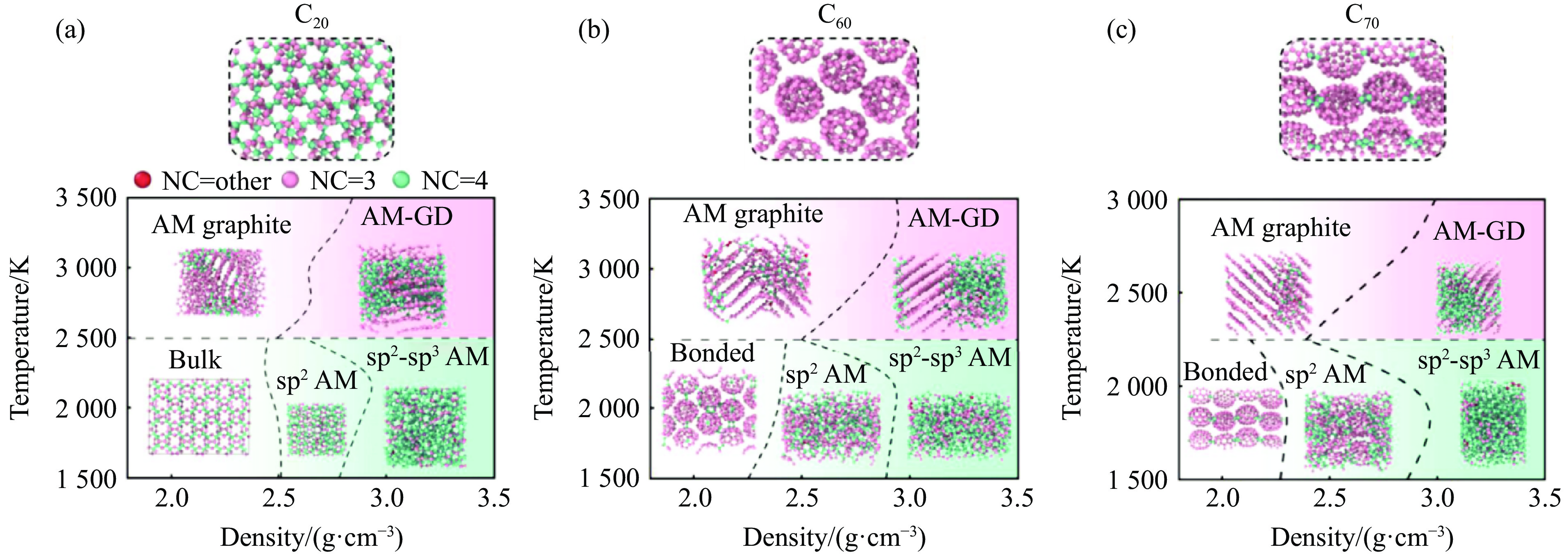
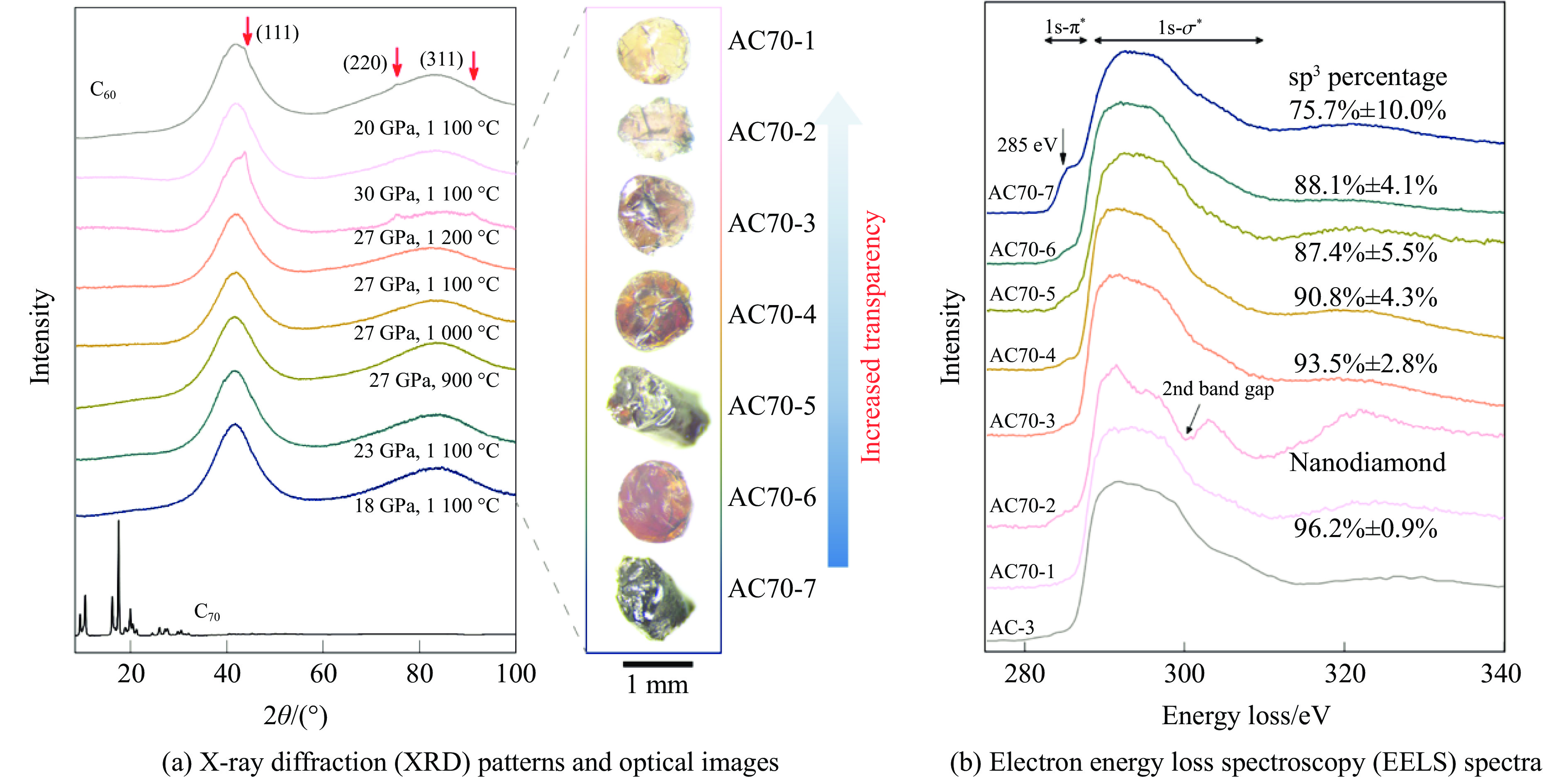
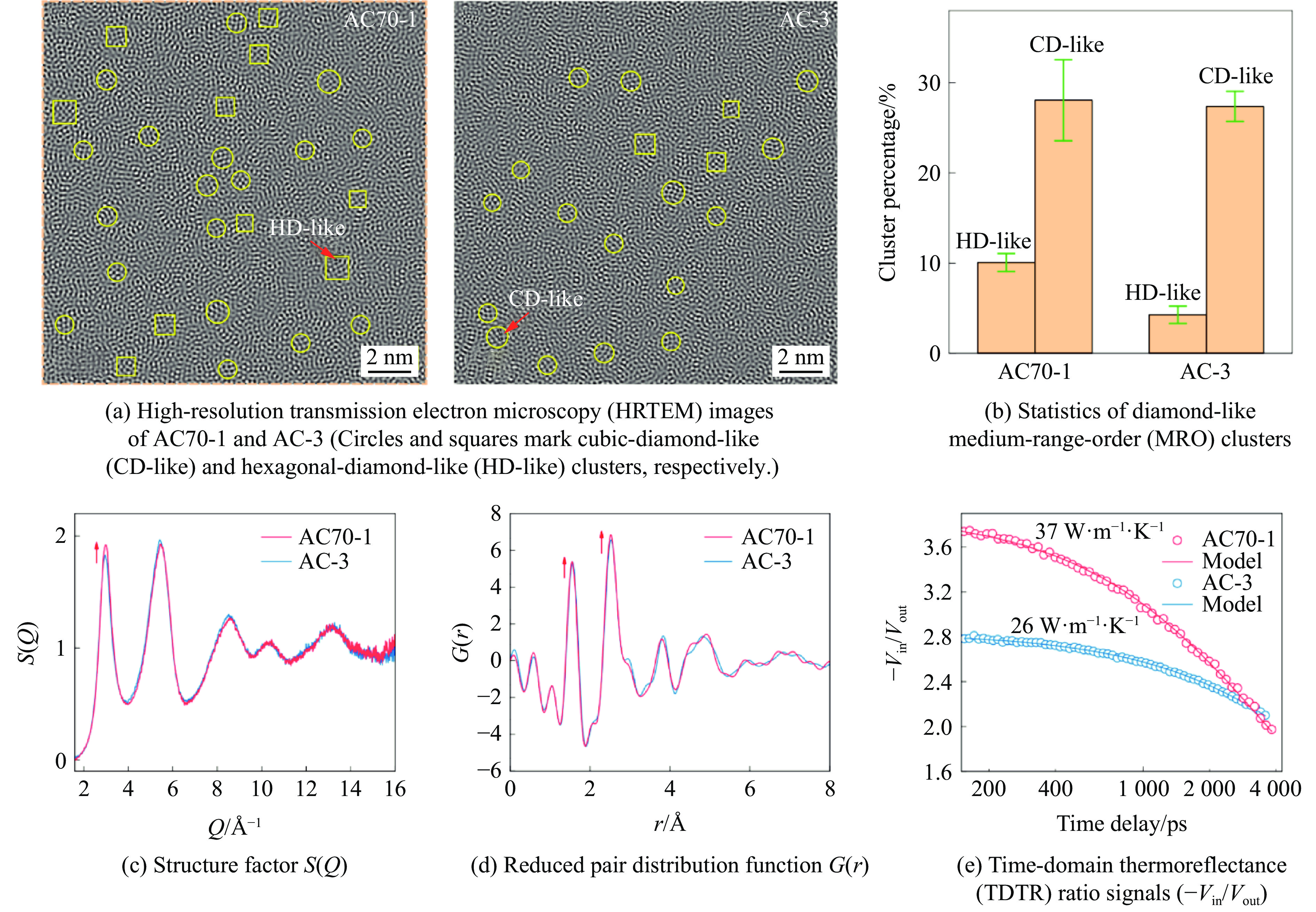
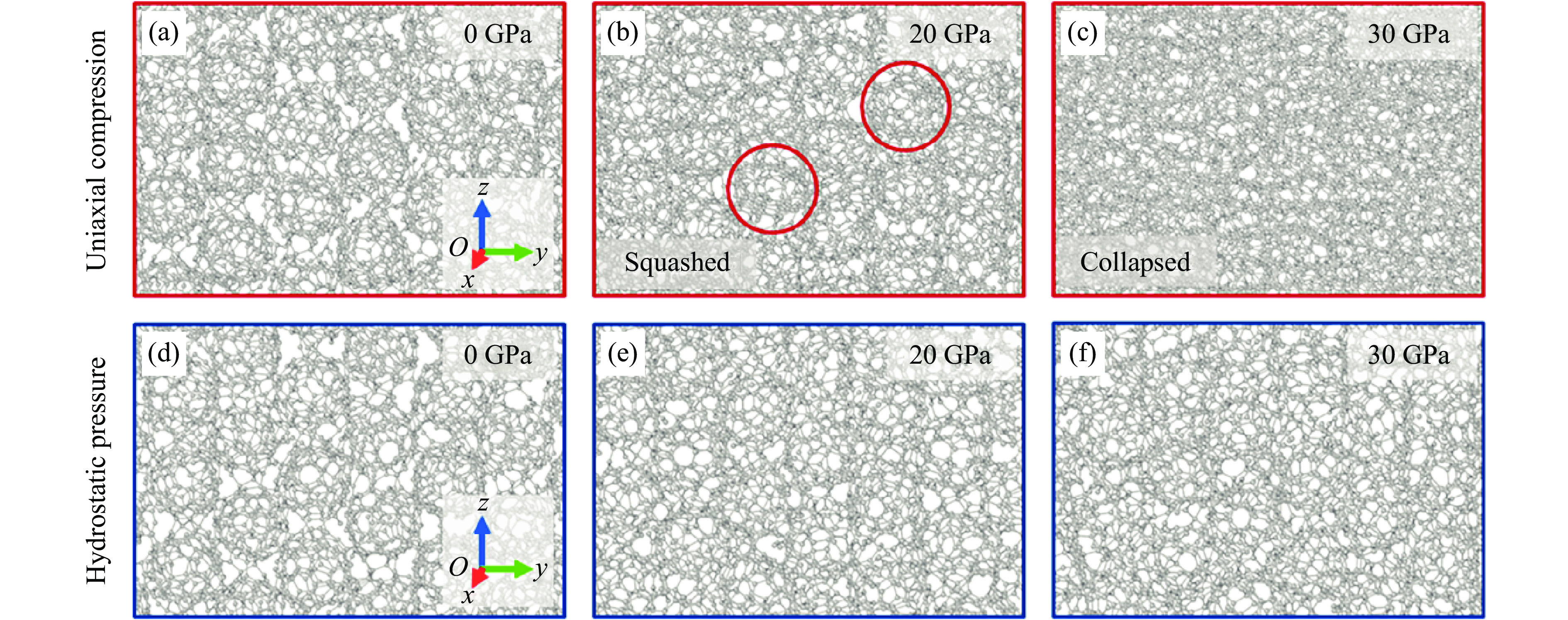
Fullerenes, represented by C60 and C70, are typical molecular-crystal carbon allotropes. Under high-temperature and high-pressure (HTHP) conditions, they can undergo a continuous sequence of structural evolution, including orientational ordering, initial intermolecular bonding, low-dimensional polymerization, multidimensional cross-linking, cage collapse, and amorphization. Therefore, fullerenes serve as an important bridge between molecular-crystal carbon and high-density covalent carbon networks. This review focuses on the phase transitions and polymerization behavior of fullerenes under combined pressure-temperature control. The structural features and formation mechanisms of the fcc to sc orientational transition, dimerization, typically through [2+2] cycloaddition, one-dimensional chain polymerization, two-dimensional layered polymerization, including tetragonal and rhombohedral phases, and possible three-dimensional structures are systematically summarized. The effects of different loading paths and kinetic factors on phase boundaries and product ordering are also discussed. In addition, the multi-pathway competition and disordering tendency of C70 driven by molecular anisotropy are comparatively reviewed. The regulatory roles of guest species in metallofullerenes and solvated fullerenes on the polymerization pathways and physical properties of fullerenes under HTHP conditions are further discussed. Finally, based on recent progress in fullerene-derived sp3-rich superhard amorphous carbon and related novel carbon structures, potential research directions for the controllable synthesis of high-pressure carbon materials through precursor engineering and multidimensional regulation strategies are proposed.

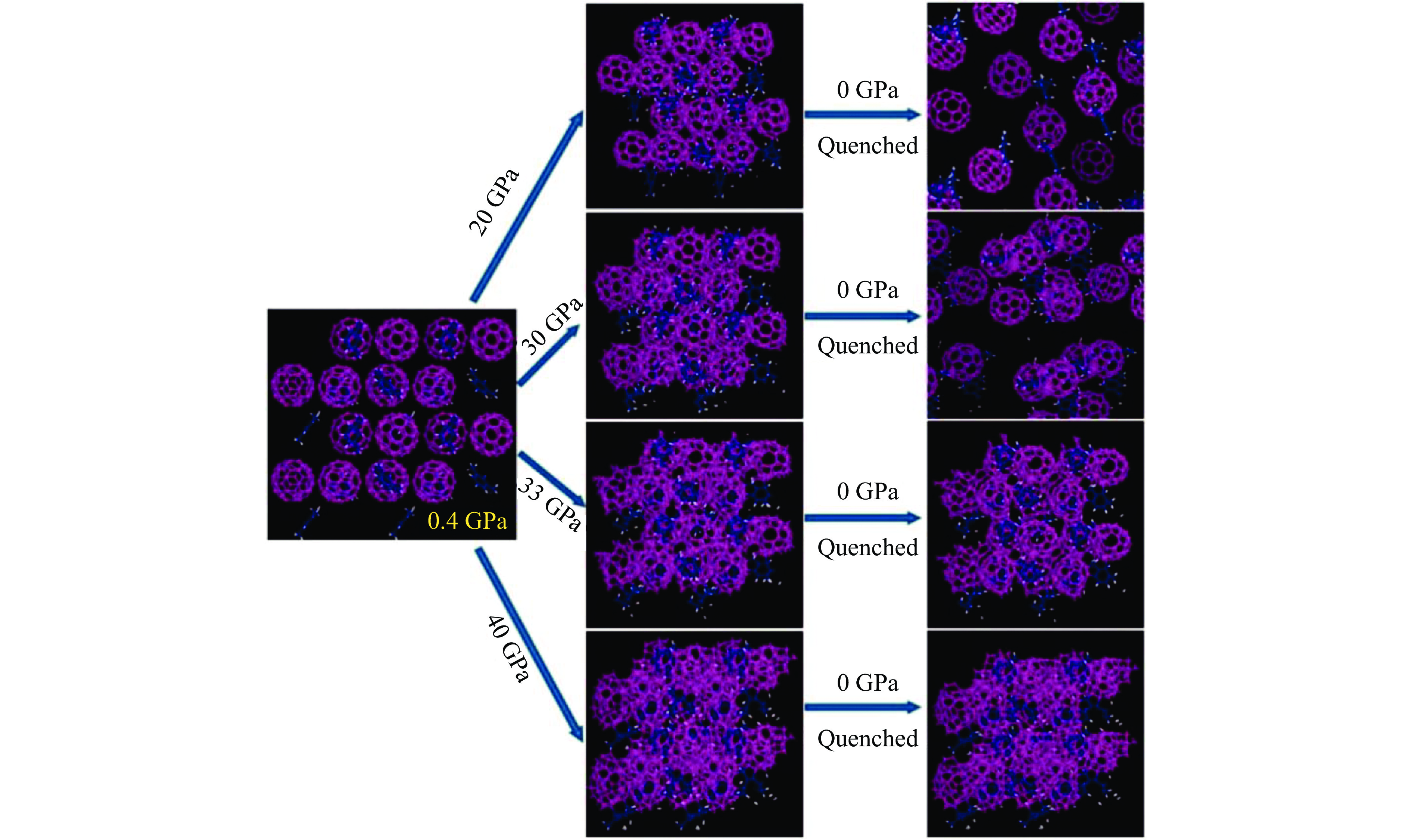
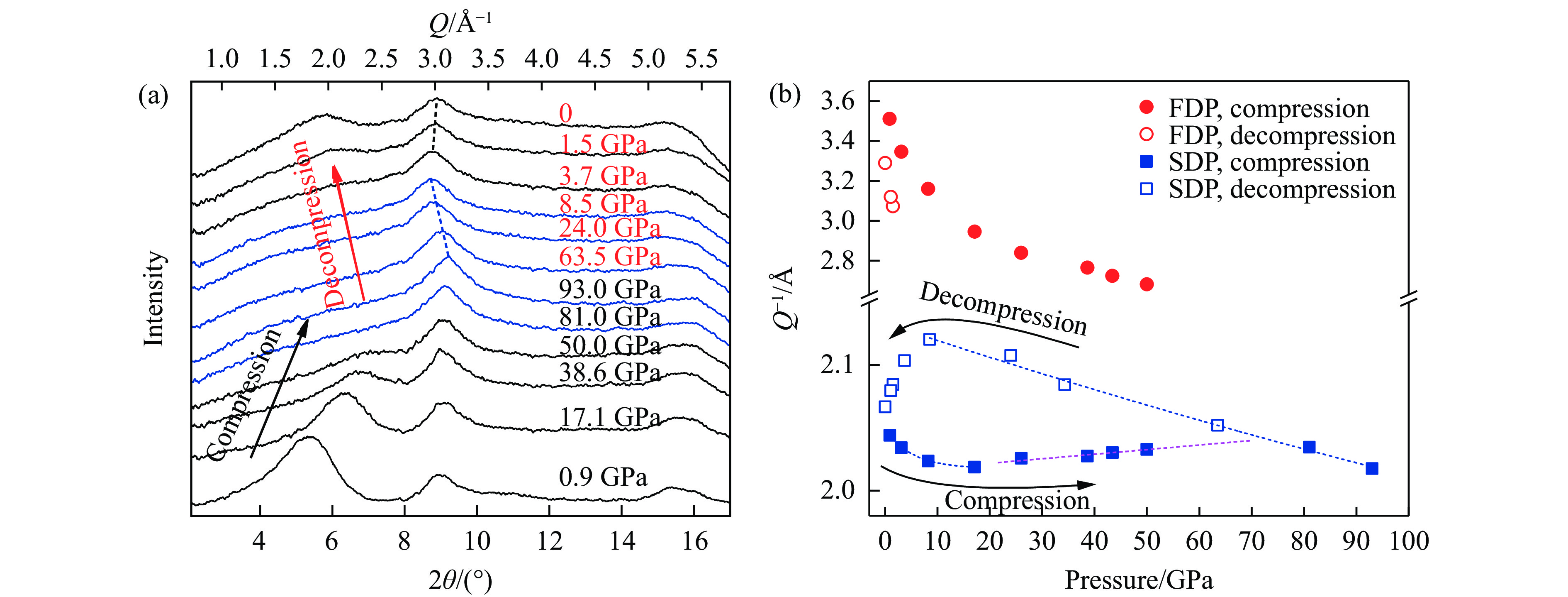
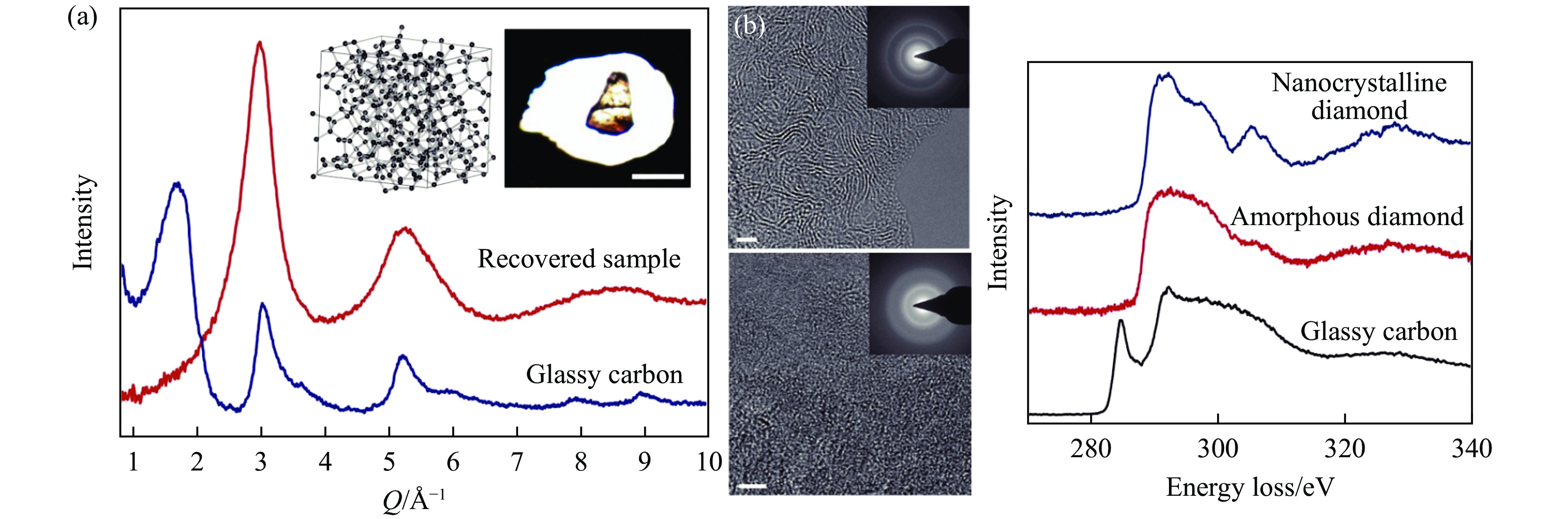
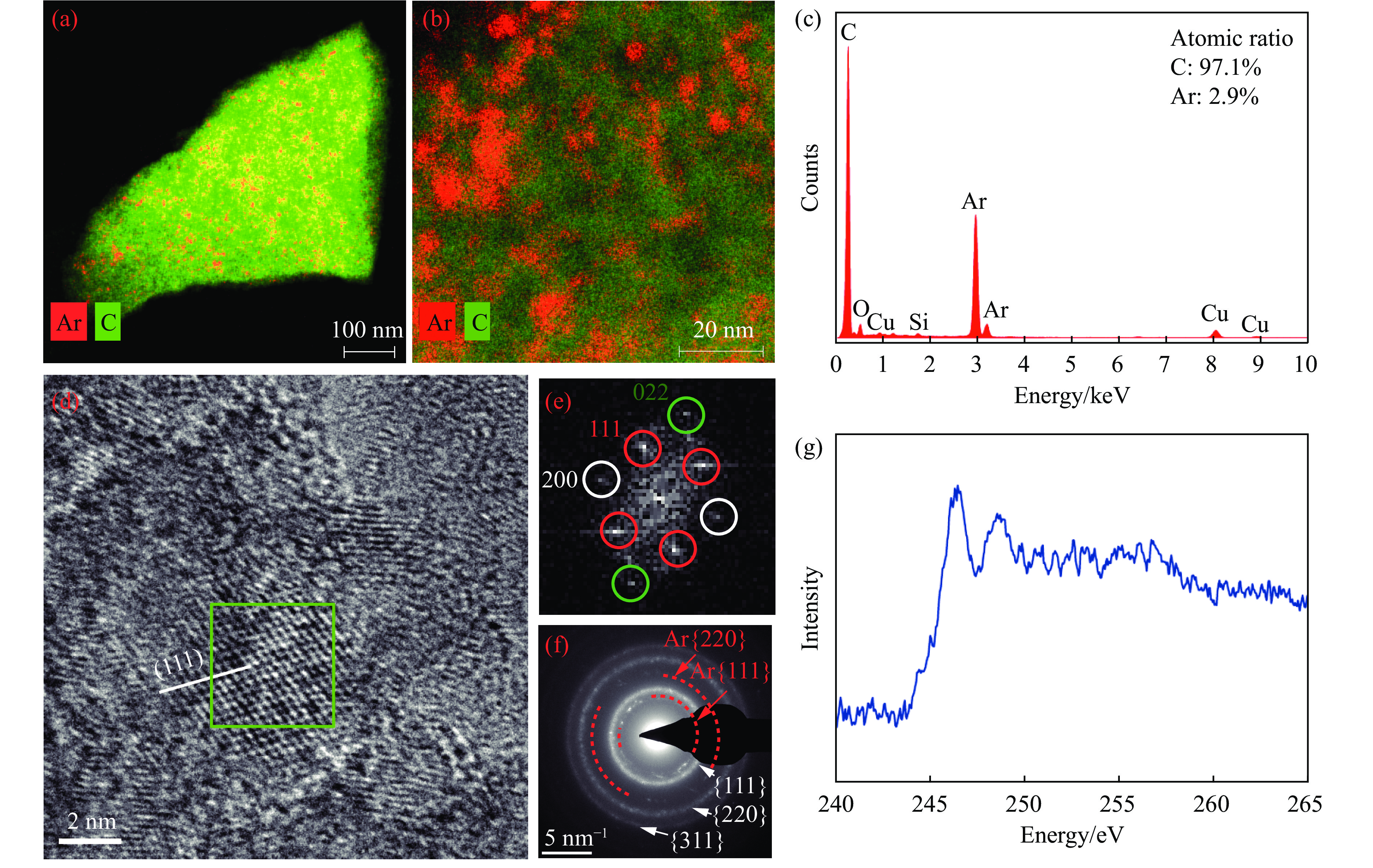
Glassy carbon is a nearly fully sp2-bonded amorphous carbon allotrope. Its highly disordered atomic structure and isotropic nature make it an ideal model system for studying pressure-induced transitions in amorphous materials and a versatile precursor for the synthesis of novel amorphous carbon materials. This review summarizes recent advances in understanding the structural transformations, property evolution, and transition mechanisms of glassy carbon under high-pressure and high-pressure-high-temperature (HPHT) conditions, as well as its emerging applications in high-pressure science. Experimental and theoretical studies have shown that glassy carbon undergoes a pressure-induced sp2 to sp3 bonding transition, forming a tetrahedral amorphous carbon phase with high transparency, electrical resistivity, strength, and bulk modulus. Although this high-pressure phase is not recoverable at ambient conditions, HPHT treatment can produce new amorphous carbon materials, including compressed glassy carbon and nearly fully sp3-bonded amorphous diamond. In addition, the unique nano-pore structure of glassy carbon and its pressure-induced permeability have enabled the development of nanostructured diamond capsules capable of preserving high-pressure phases at ambient conditions. This capability opens new opportunities for high-pressure research and for the practical utilization of high-pressure materials beyond the confines of high-pressure apparatus.
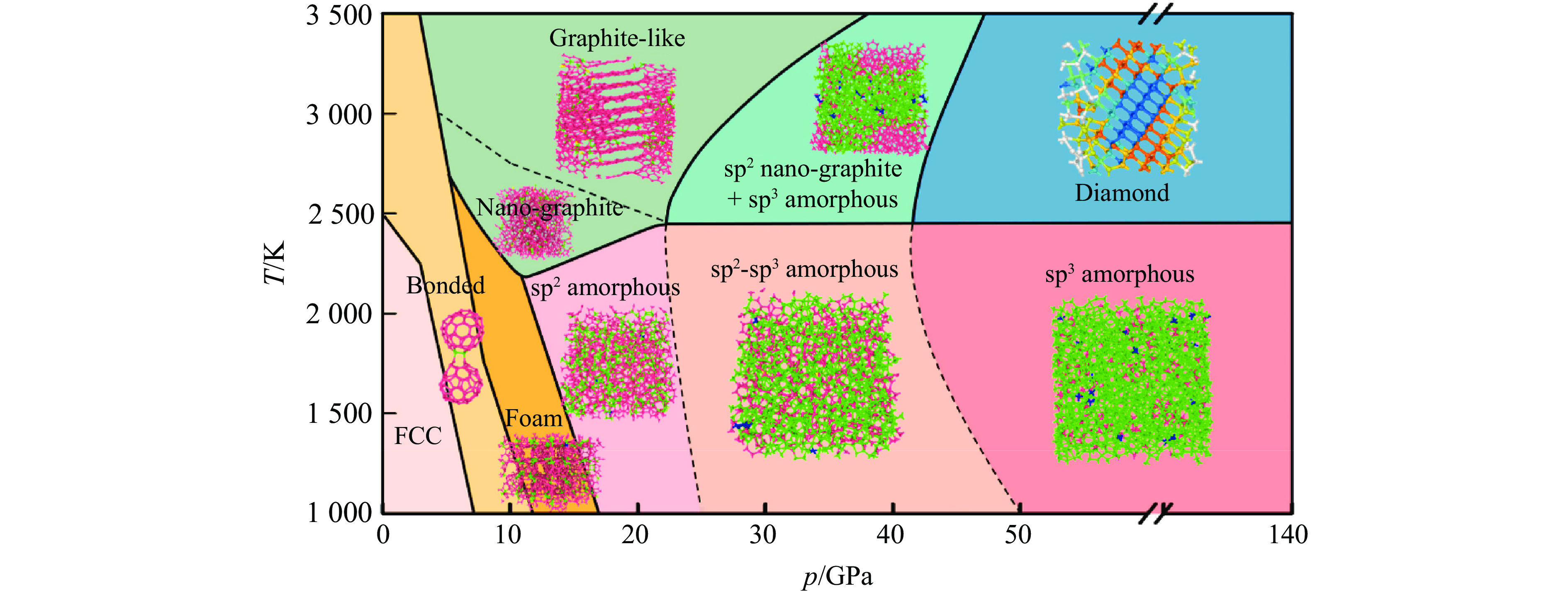
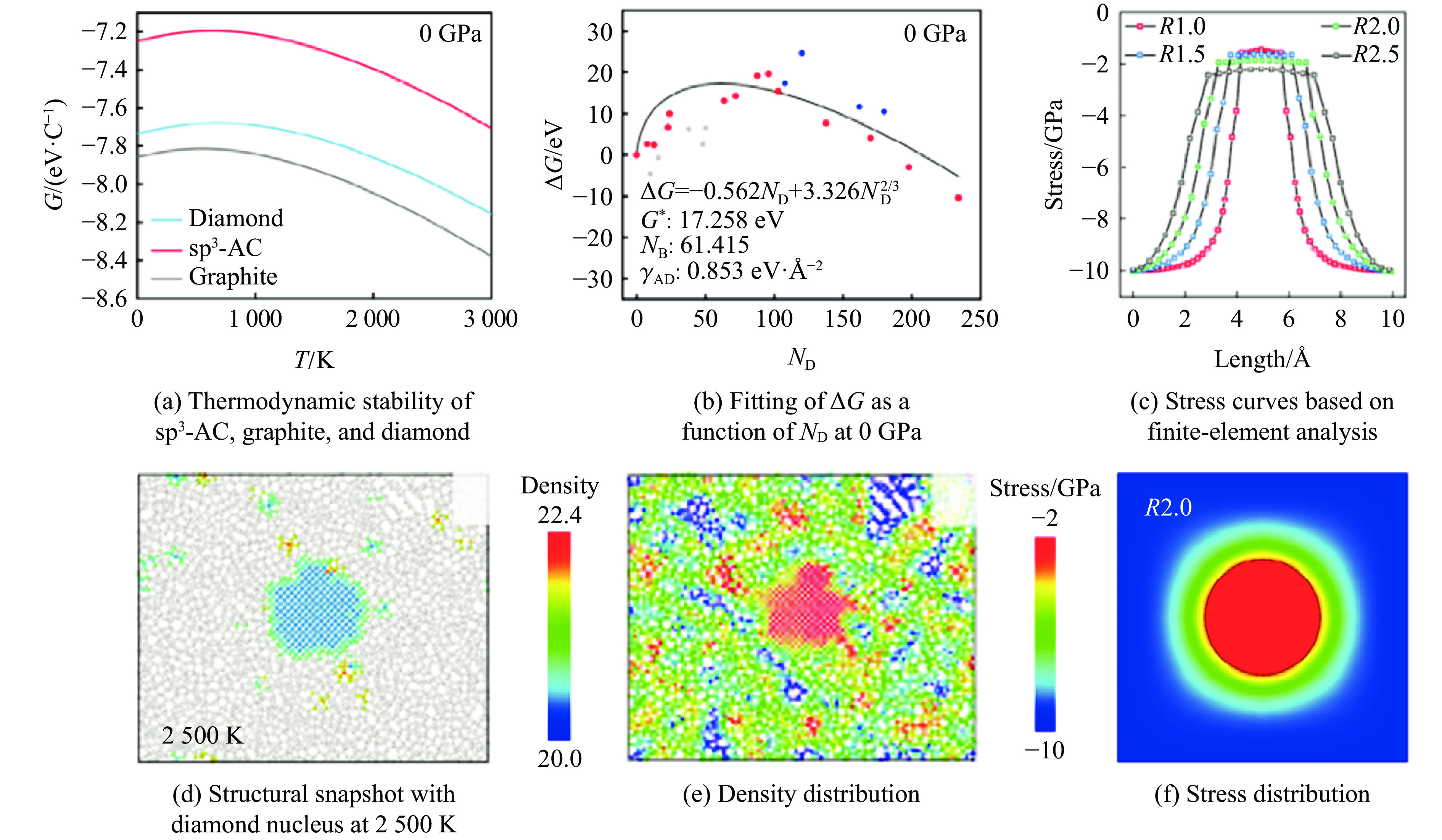
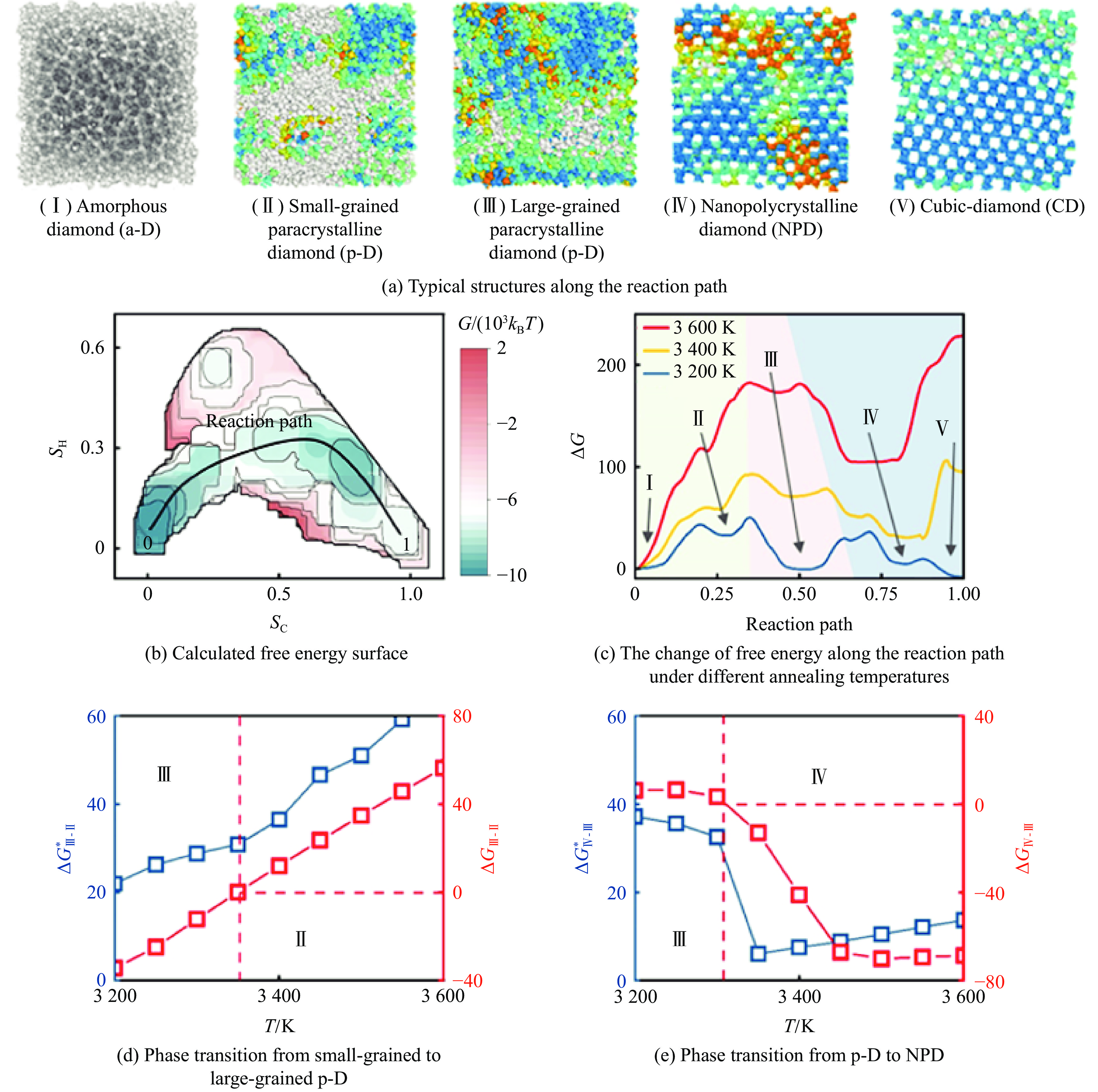
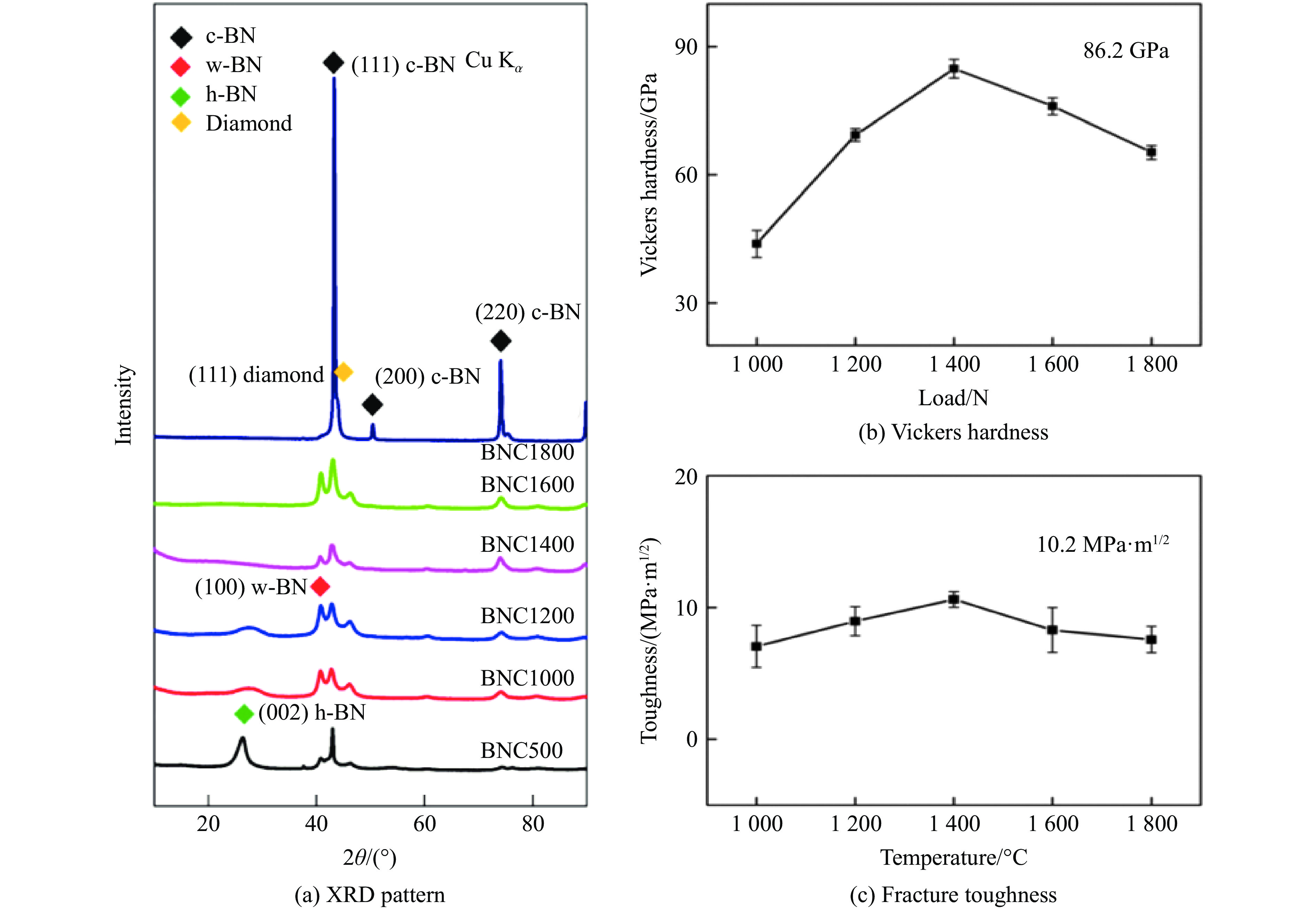
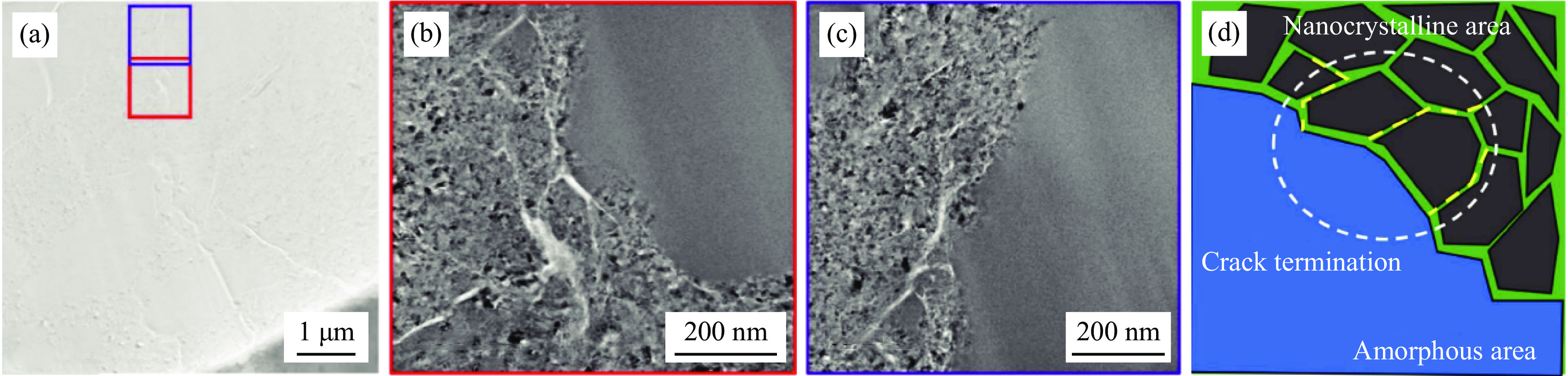
Since the successful synthesis of bulk sp3 amorphous carbon in 2021, this material has attracted considerable attention owing to its ultrahigh hardness, mechanical isotropy, potential for shaping and machining, and distinctive electronic structure. These features make it a promising candidate for applications in ultra-precision machining and optoelectronic detection. Recent studies have mainly focused on the formation mechanism, thermodynamic stability, structural and property regulation, and synthesis process optimization of sp3 amorphous carbon materials derived from fullerenes under high-pressure and high-temperature conditions. These studies have not only deepened the understanding of the formation mechanism of sp3 amorphous carbon, but also promoted the further development of its functional applications. This review systematically summarizes the relevant research progress and discusses future key directions, including the large-size and high-quality synthesis, precision shaping, and functional application expansion of sp3 amorphous carbon.
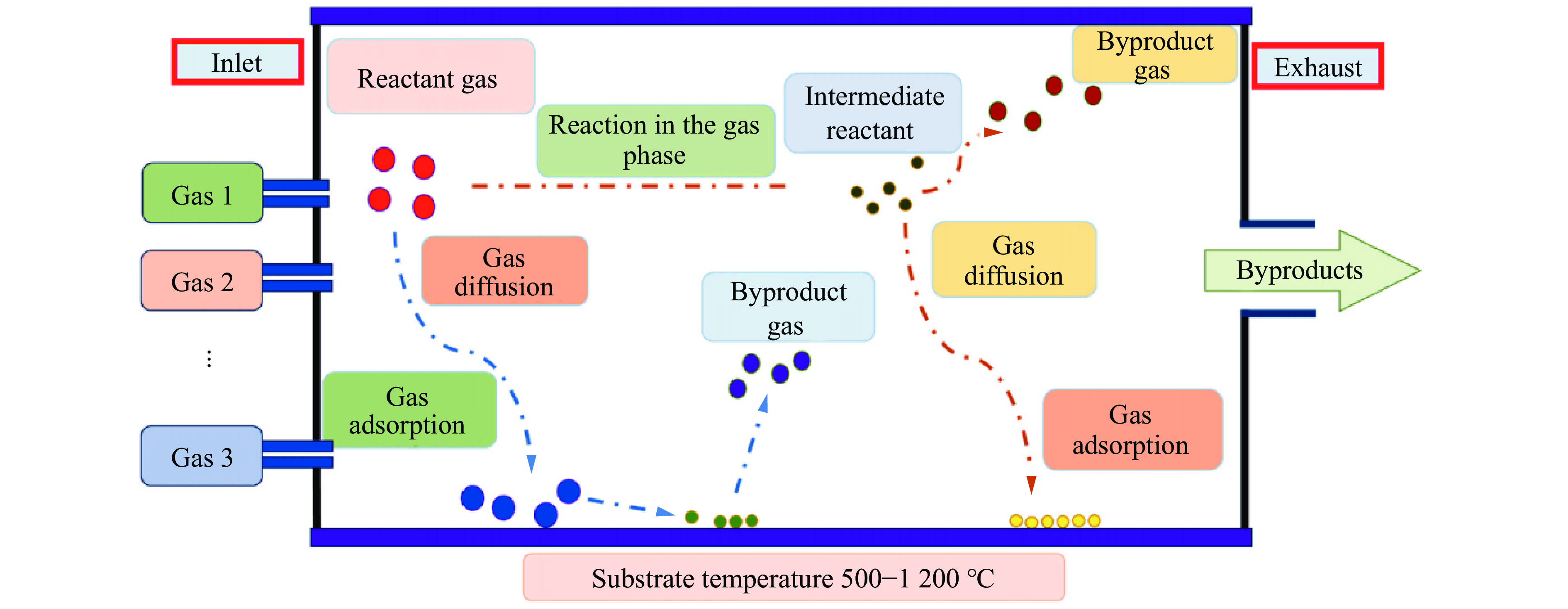
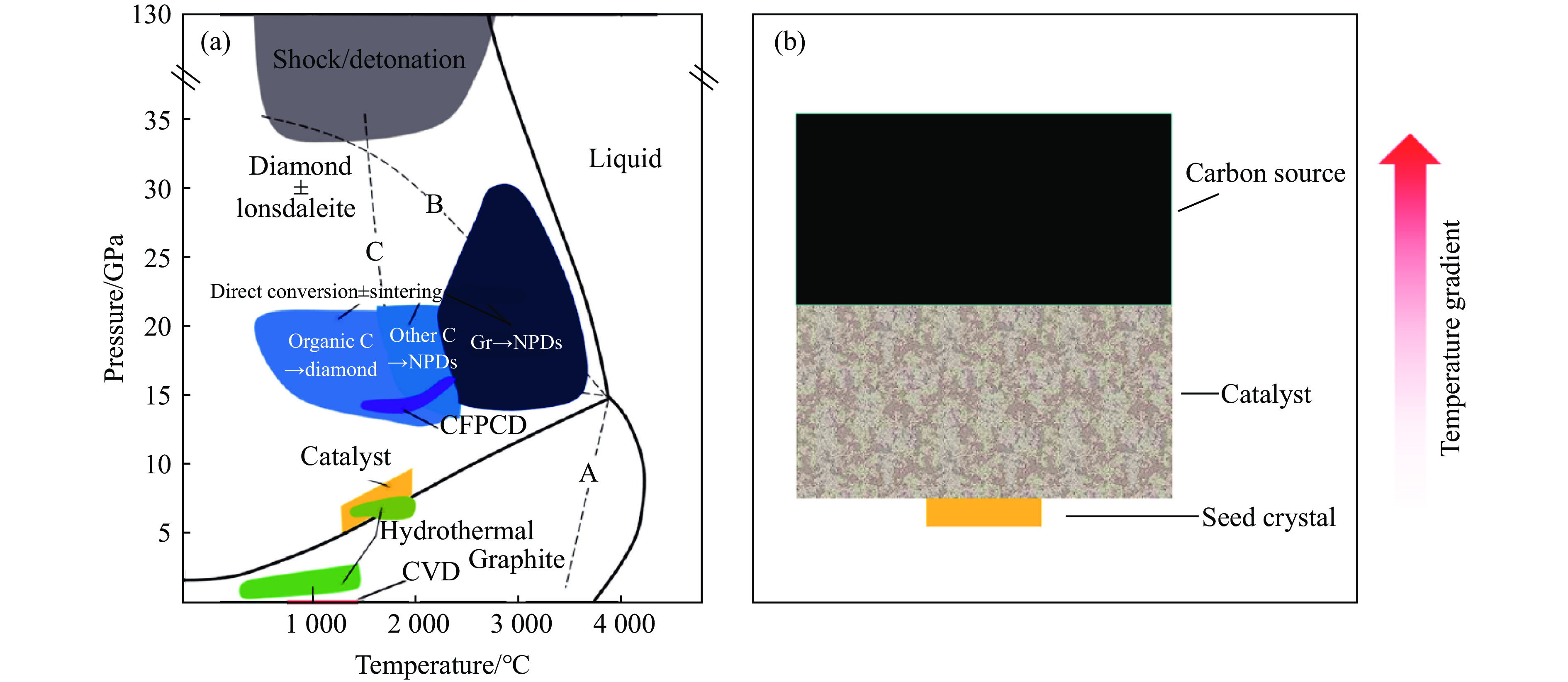
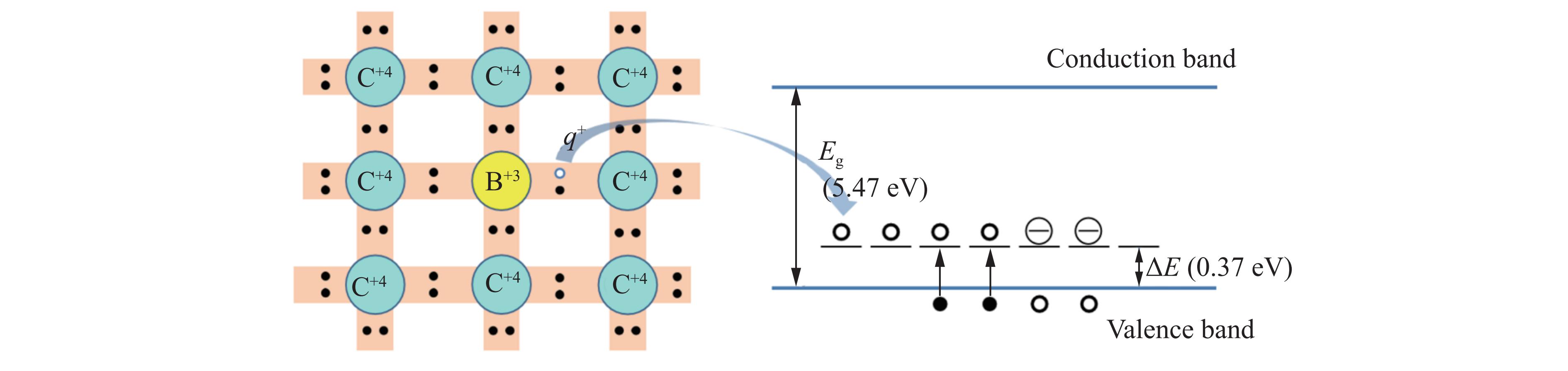
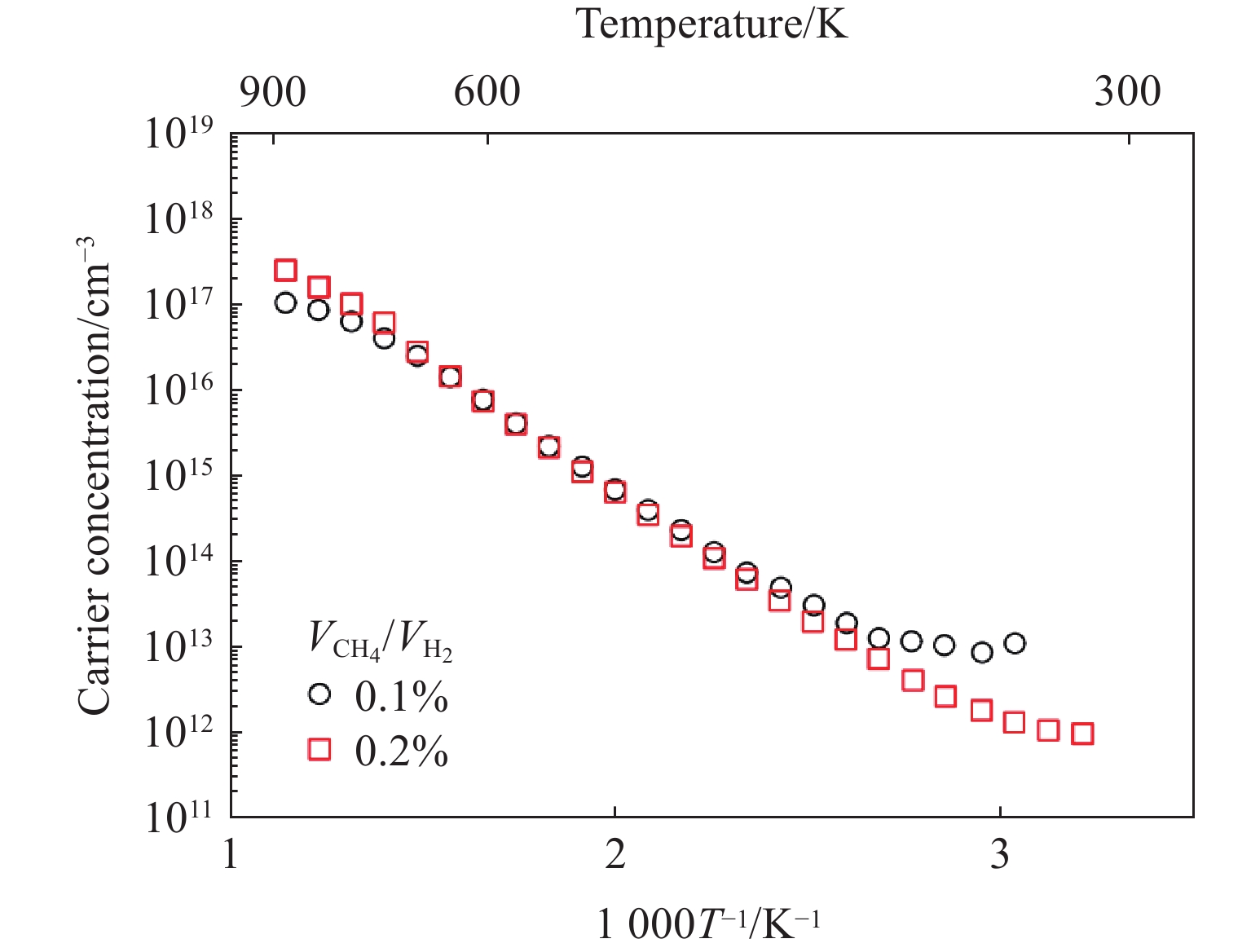
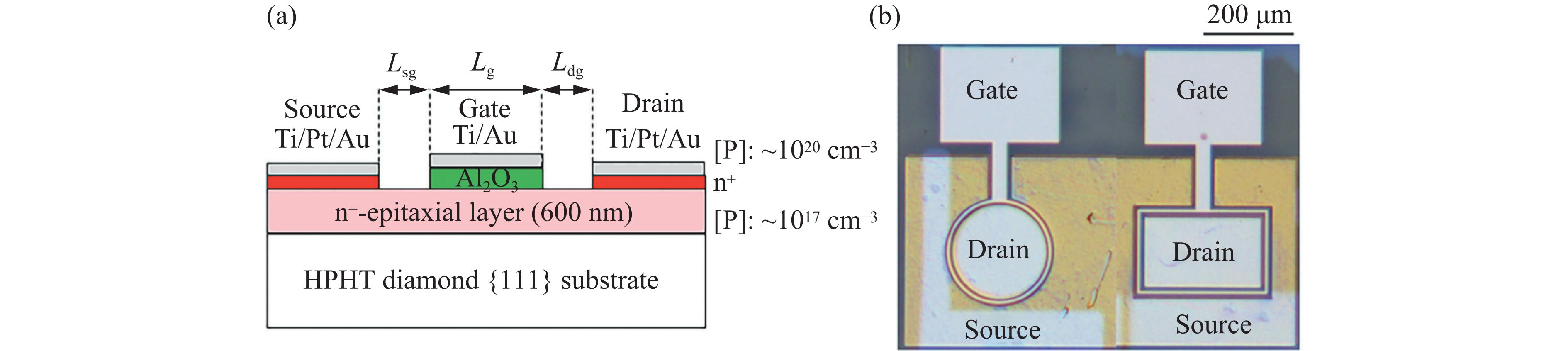
Diamond has emerged as a quintessential representative of next-generation semiconductor materials, owing to its ultra-wide bandgap, exceptional thermal conductivity, high breakdown field strength, and outstanding carrier mobility. It has thus attracted extensive attention from fields such as power electronics, radio-frequency communications, and quantum information technologies. Intrinsic single-crystal diamond serves as the foundational substrate for diamond semiconductor development, requiring impurity concentrations at the parts per billion (ppb) level and extremely low dislocation densities. While the high-pressure high-temperature (HPHT) method yields material of higher purity and superior crystal quality, its utility is limited by small crystal dimensions. Consequently, HPHT-grown diamond is frequently employed as a substrate for chemical vapour deposition (CVD) homoepitaxy, enabling the preparation of large-area, high-quality single crystals. Regarding doping, the boron (B) atom, with a size difference of merely 6.5% compared to carbon (C), readily incorporates into the diamond lattice, facilitating the production of high-performance p-type diamond. Related devices, such as Schottky barrier diodes, have been successfully demonstrated. In contrast, n-type doping presents a fundamental challenge: potential dopants like phosphorus (P) and sulphur (S) possess atomic radii 35%–57% larger than carbon, making their incorporation and activation within the lattice exceedingly difficult. The ultra-high pressure and high-temperature diffusion method, which modulates this atomic size disparity under extreme pressures (e.g., about 15 GPa), emerges as a promising new pathway towards achieving shallow-level n-type doping. Concerning surface terminations, hydrogen termination induces a high-mobility two-dimensional hole gas (2DHG), whilst oxygen termination enhances interface stability and provides chemical passivation. However, their thermal stability windows (approximately 400 and 600 ℃, respectively) remain inferior to those of substitutionally doped diamond, limiting their application in high-temperature and high-frequency devices. Therefore, breakthroughs in n-type doping, enhanced thermal stability of surface terminations, and the development of large-area, cost-effective fabrication processes are critical to advancing diamond semiconductor technology towards commercialisation in power electronics, quantum technologies, and high-performance sensing. This review aims to analyse and discuss these pivotal issues, exploring both the prospects and the persistent challenges facing diamond semiconductor development.

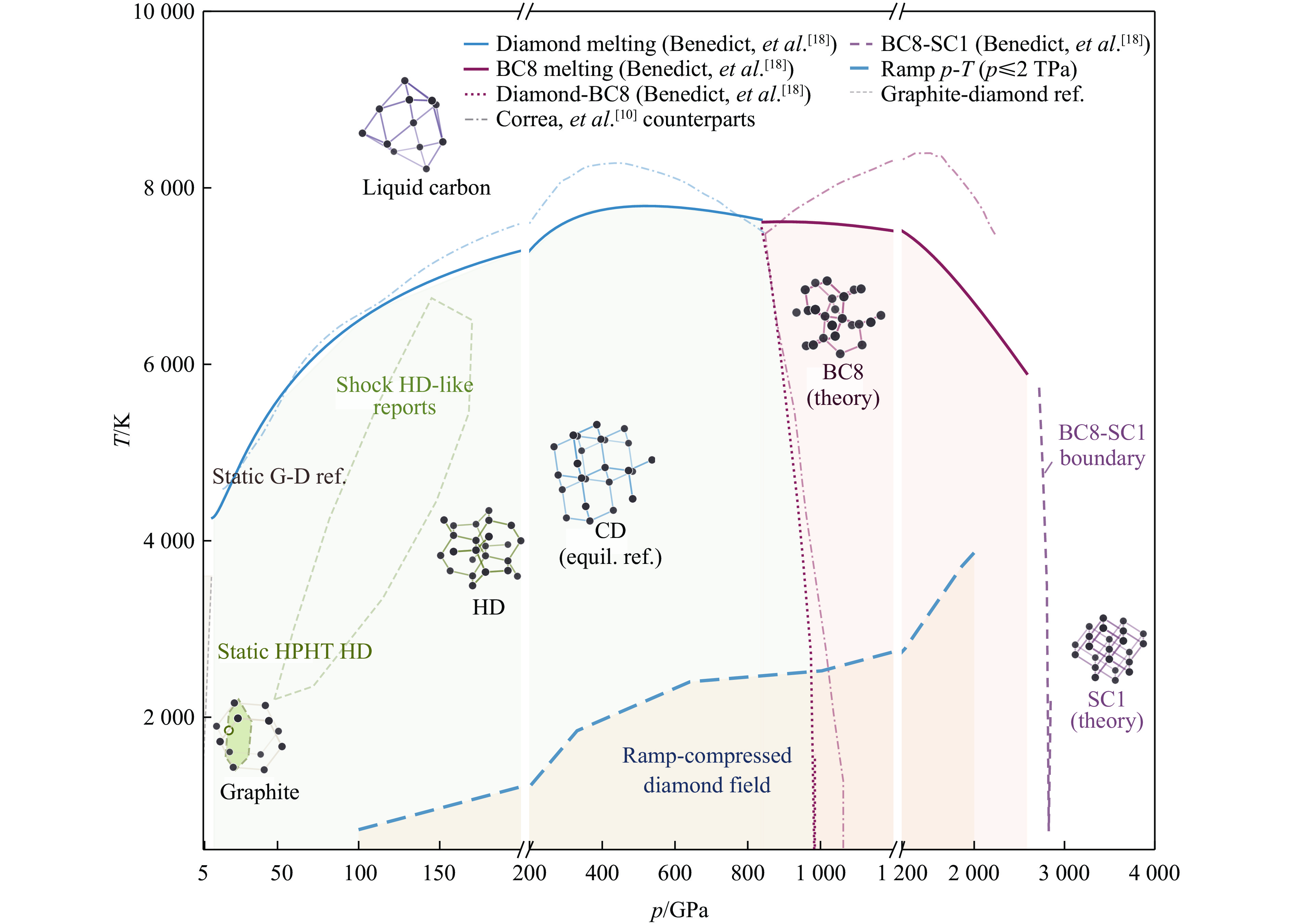
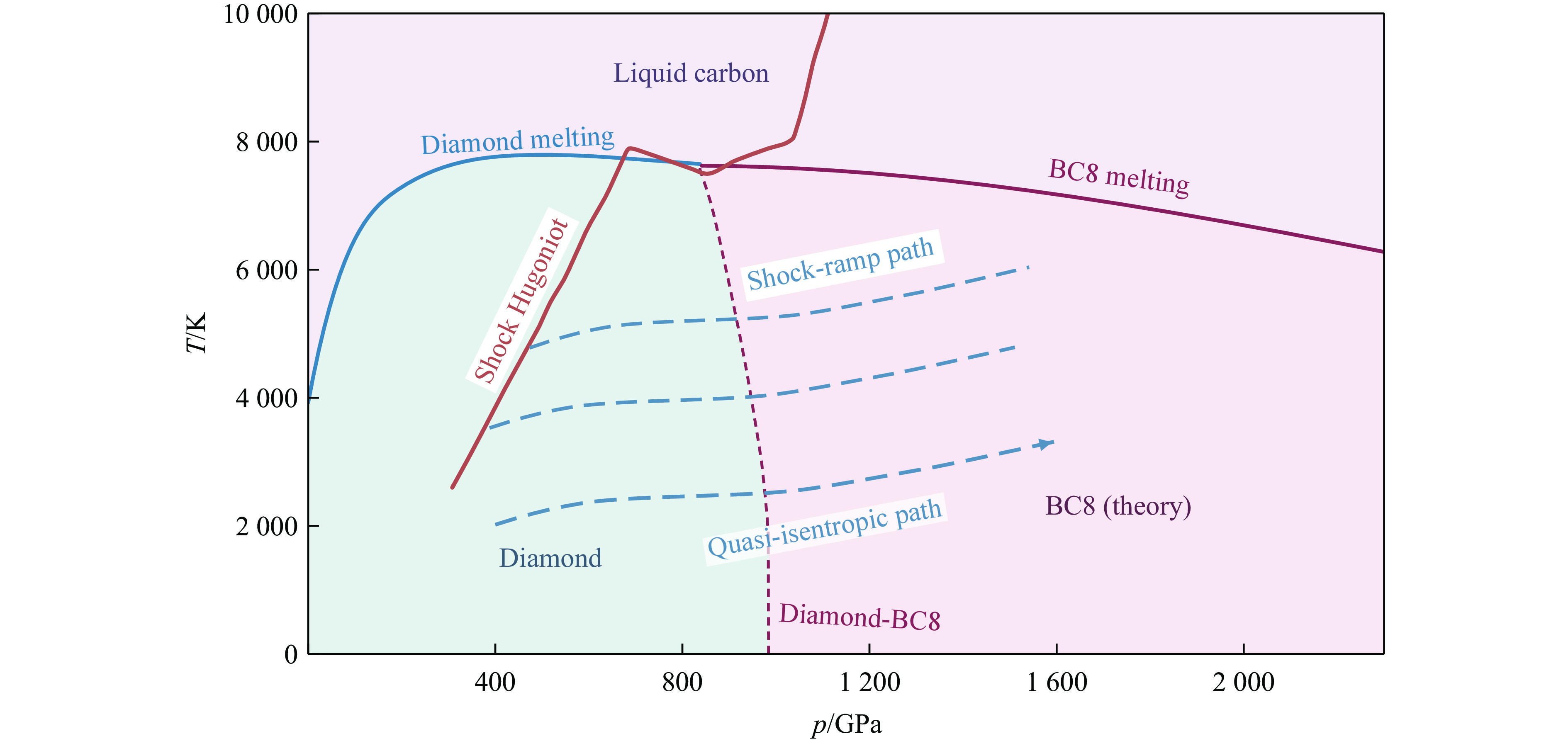
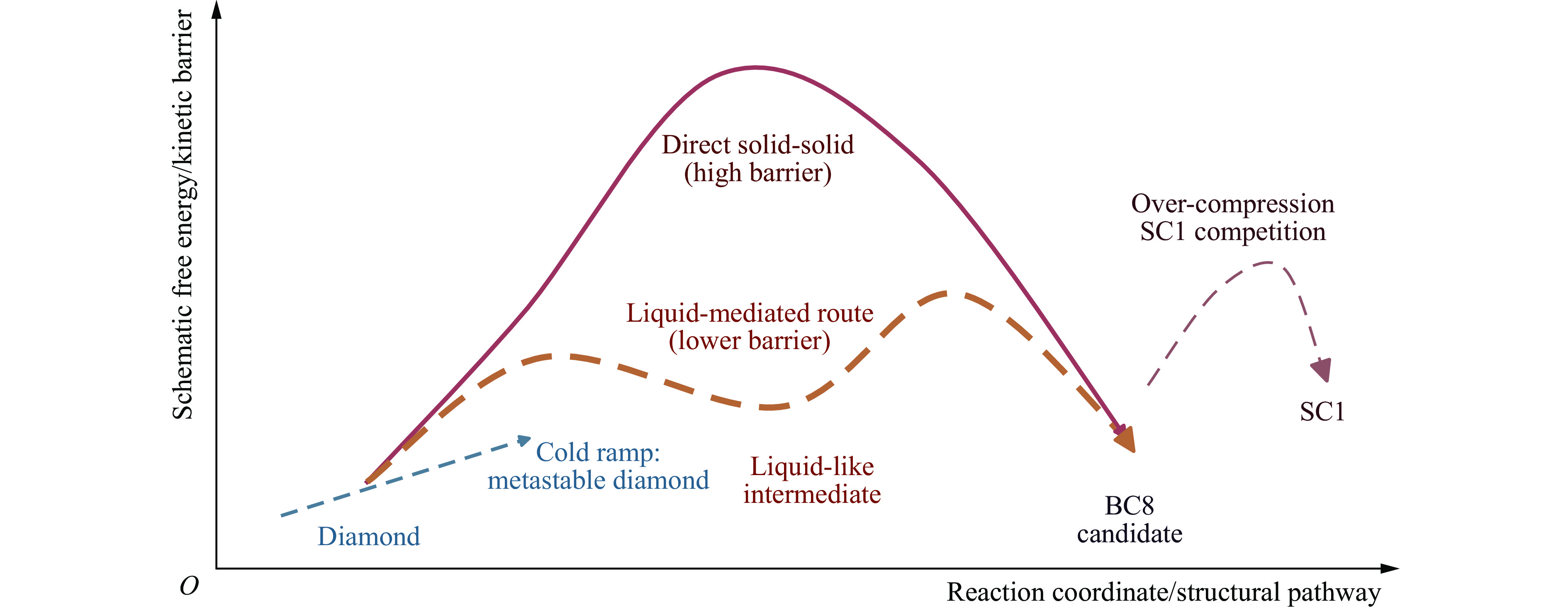
Carbon exhibits complex structural transformations, melting behavior, and electronic-property evolution under extreme compression. This behavior is relevant to carbon-rich planetary interiors, the dynamic response of high-density carbon ablators in inertial confinement fusion, and the formation of post-diamond phases. This review focuses on the dynamic phase diagram of carbon. We summarize the equilibrium reference states of graphite, diamond, liquid carbon, and BC8 carbon, and discuss typical dynamic loading paths under shock, ramp, and multiple-shock compression together with their corresponding
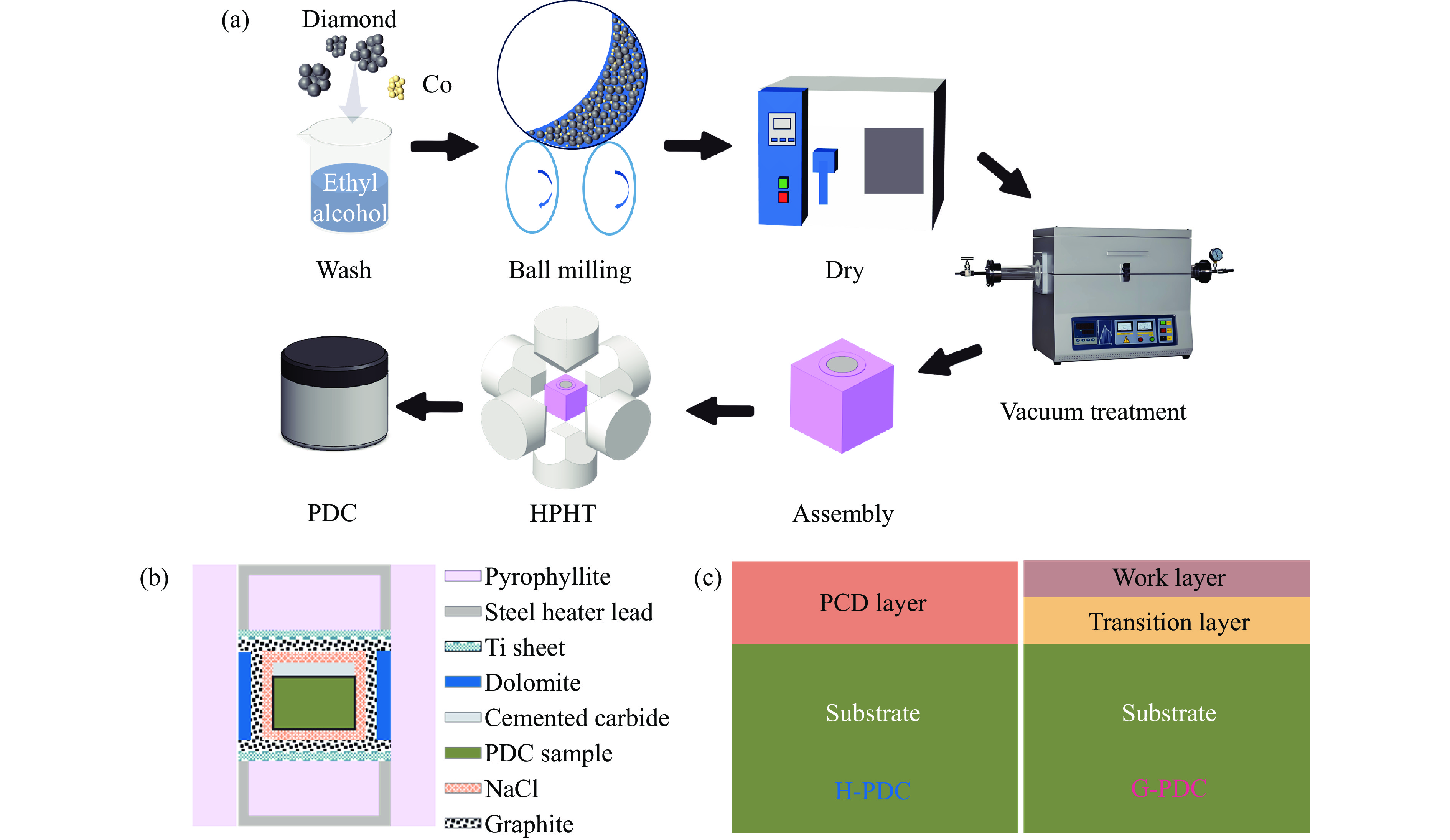
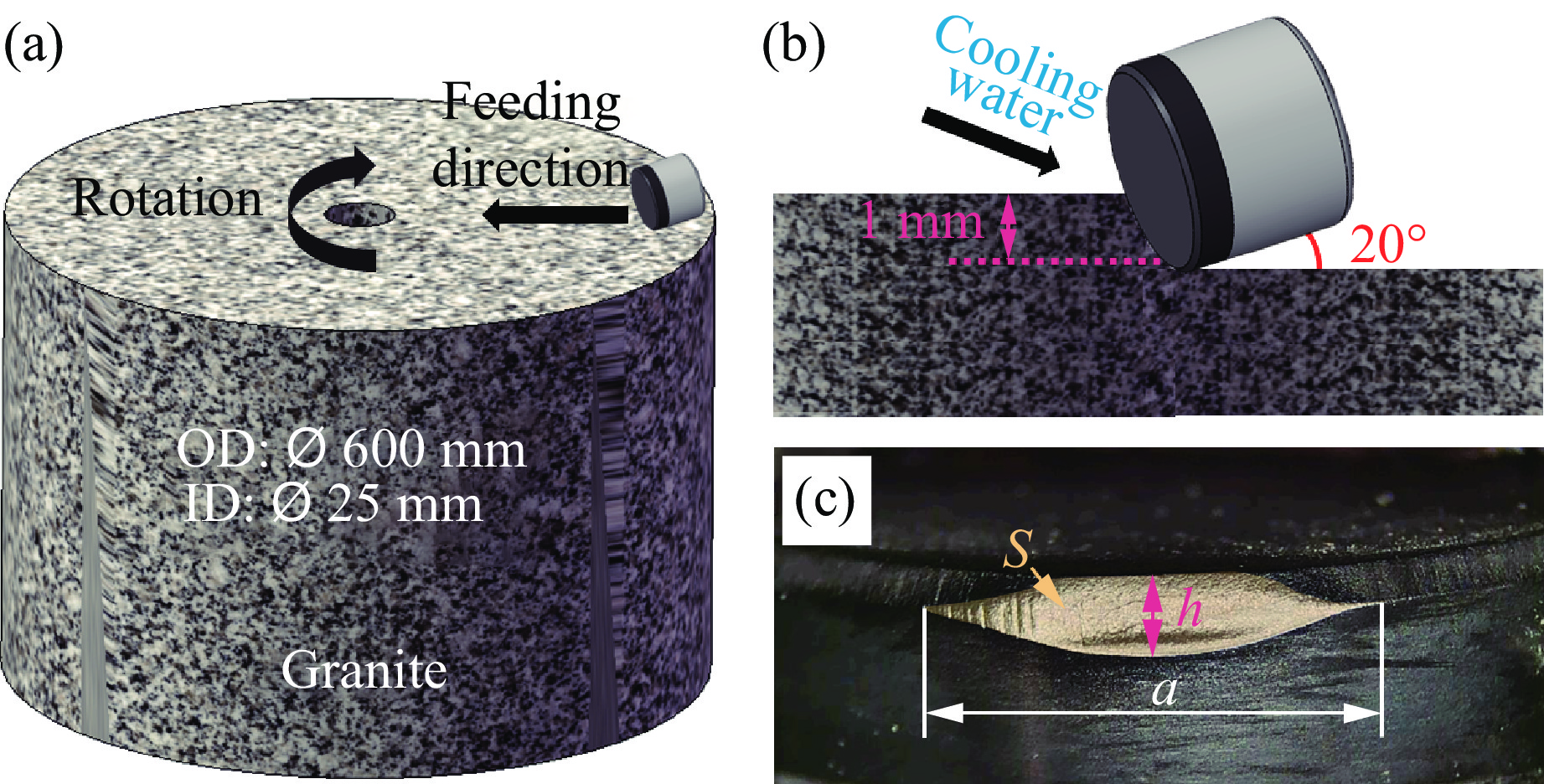
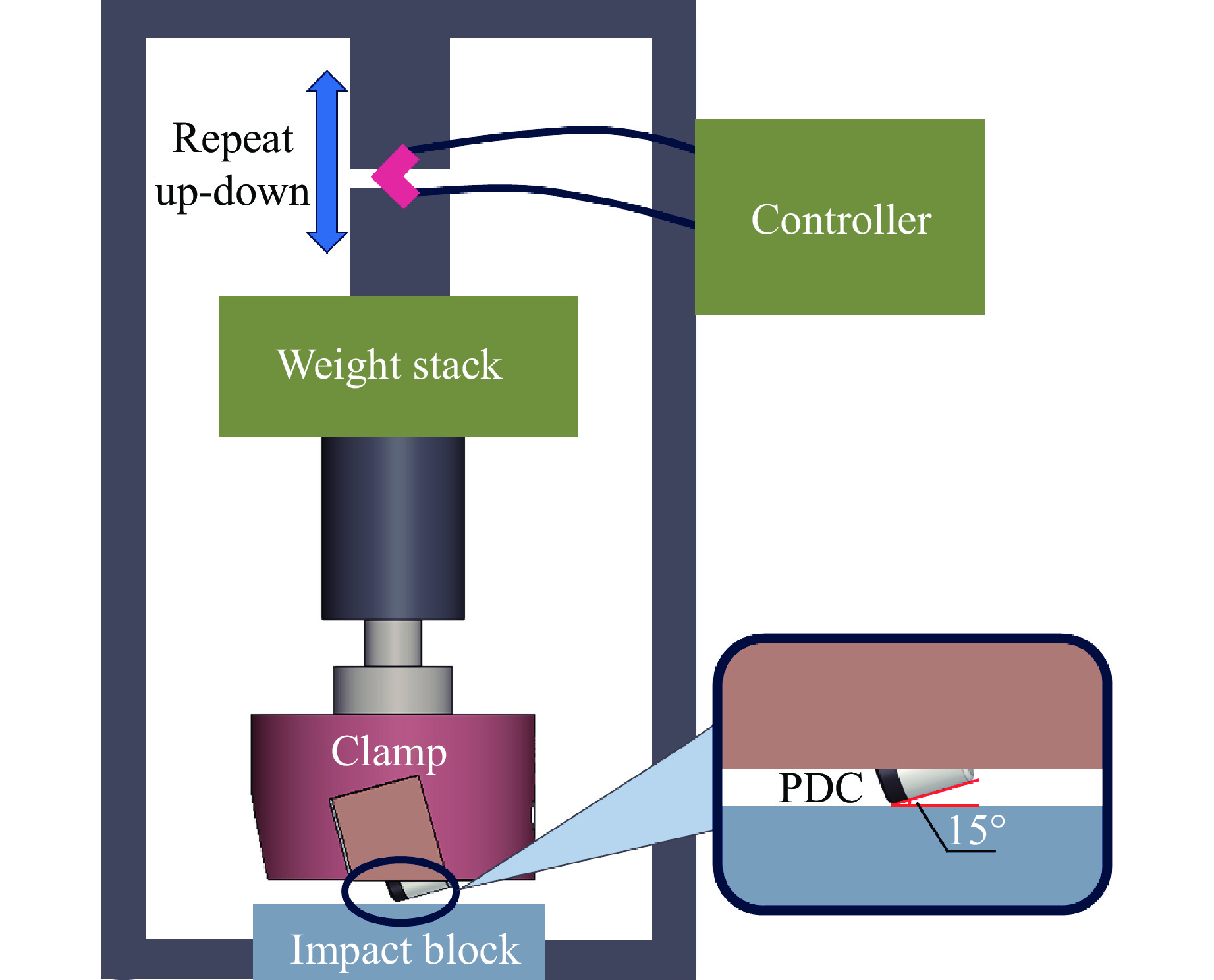
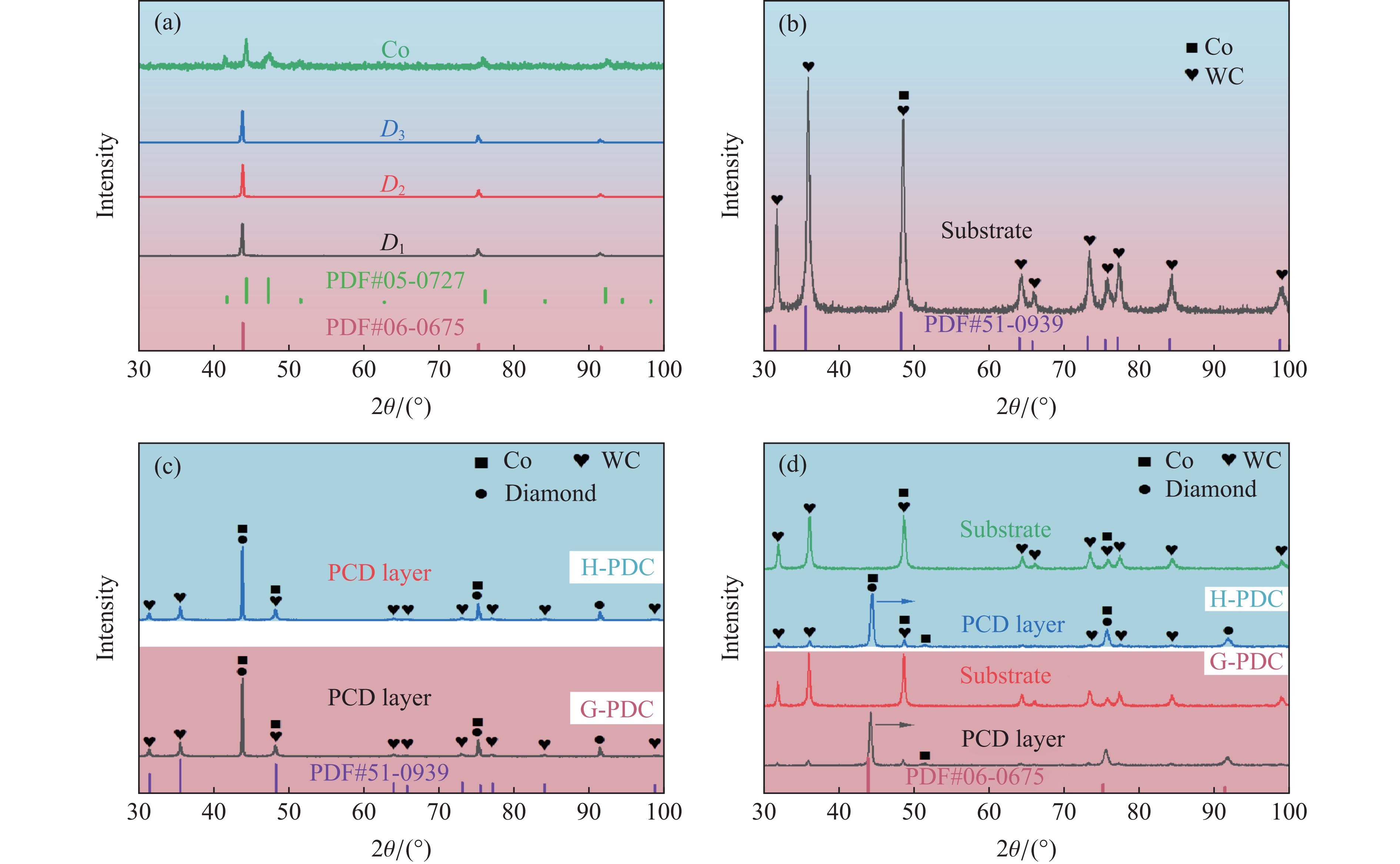
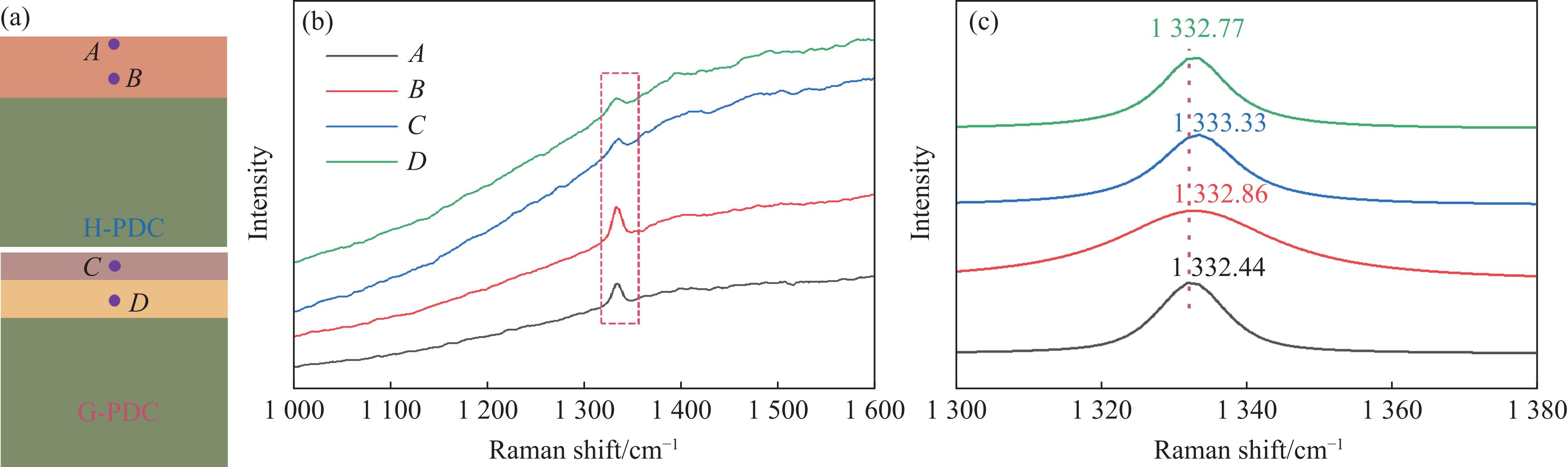
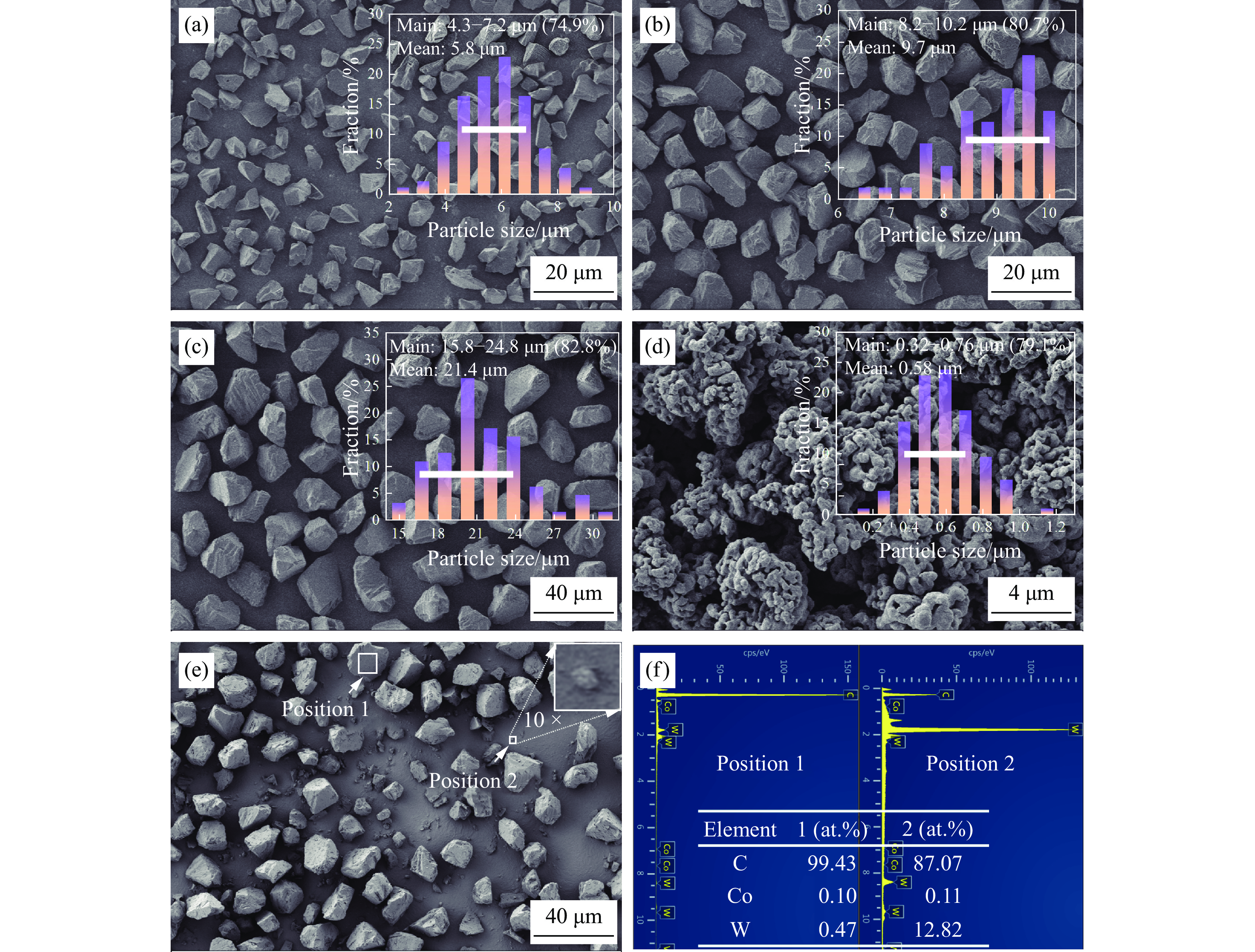
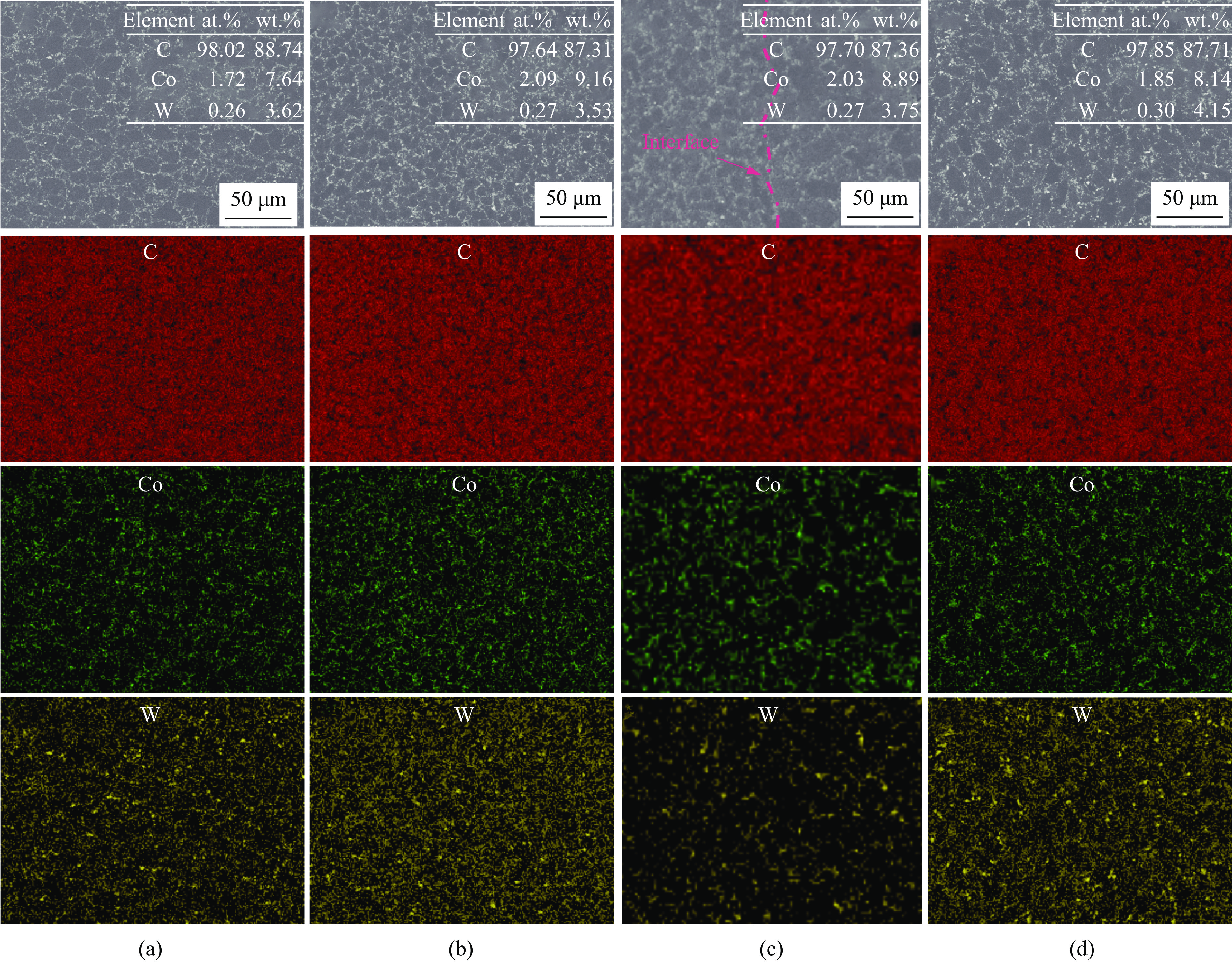
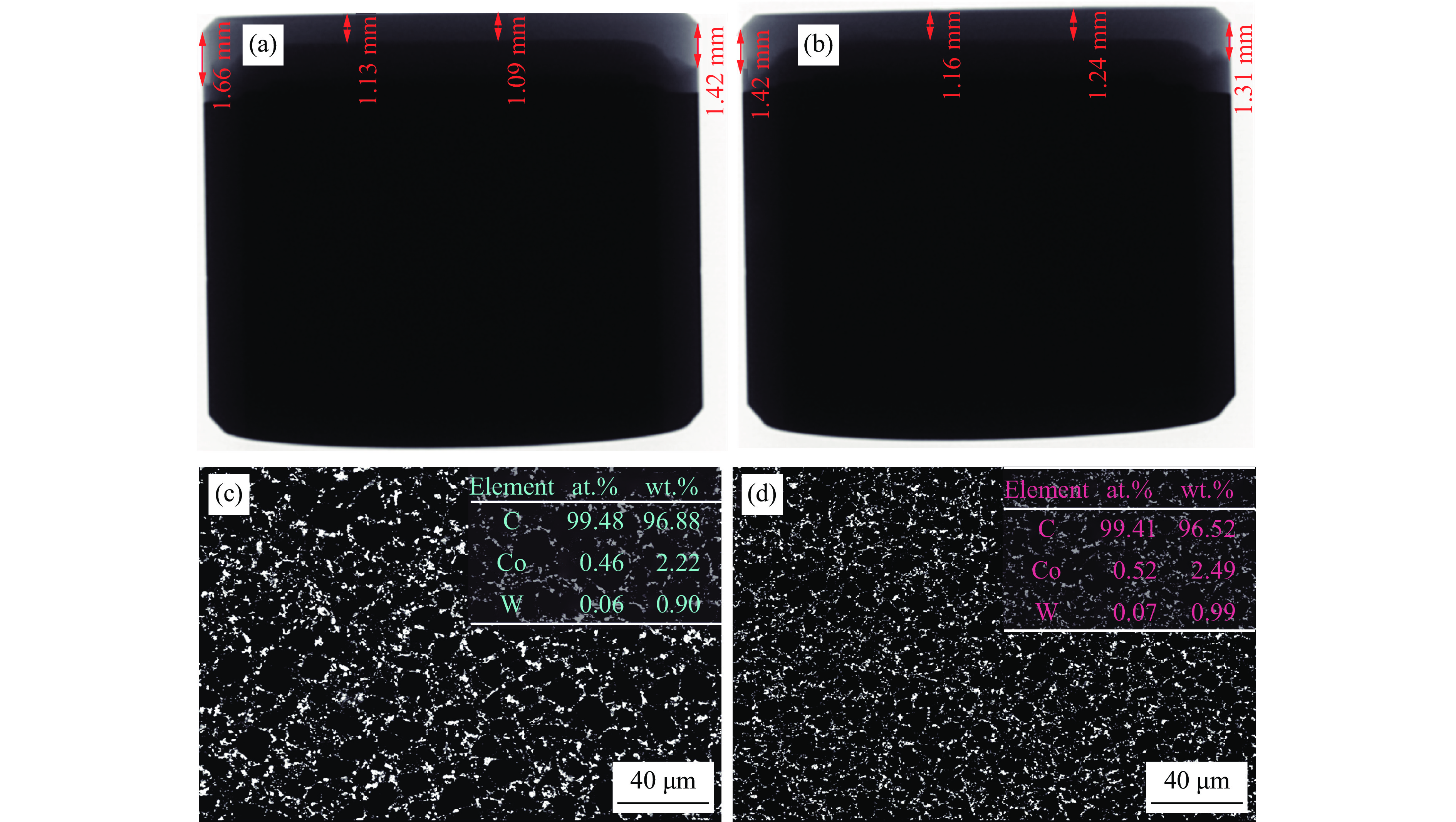
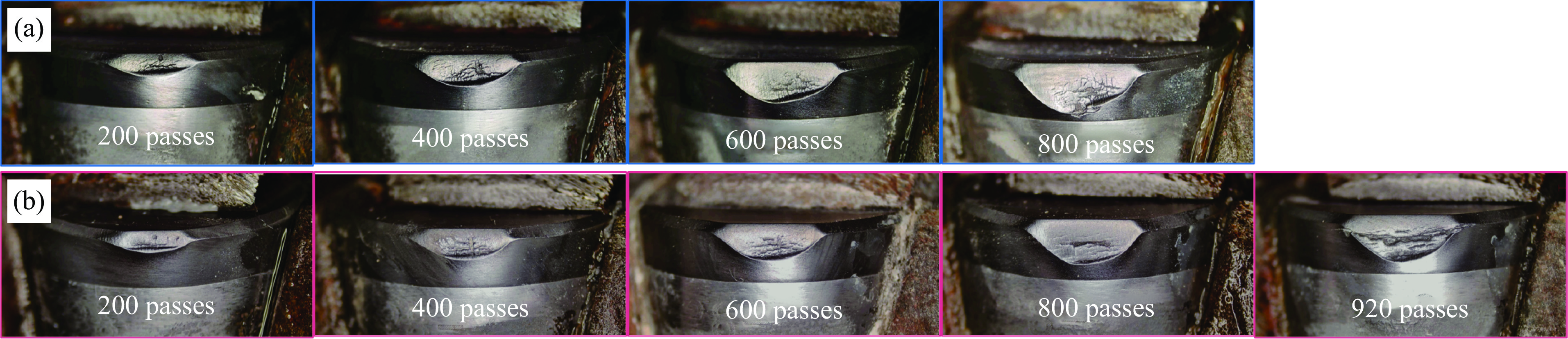
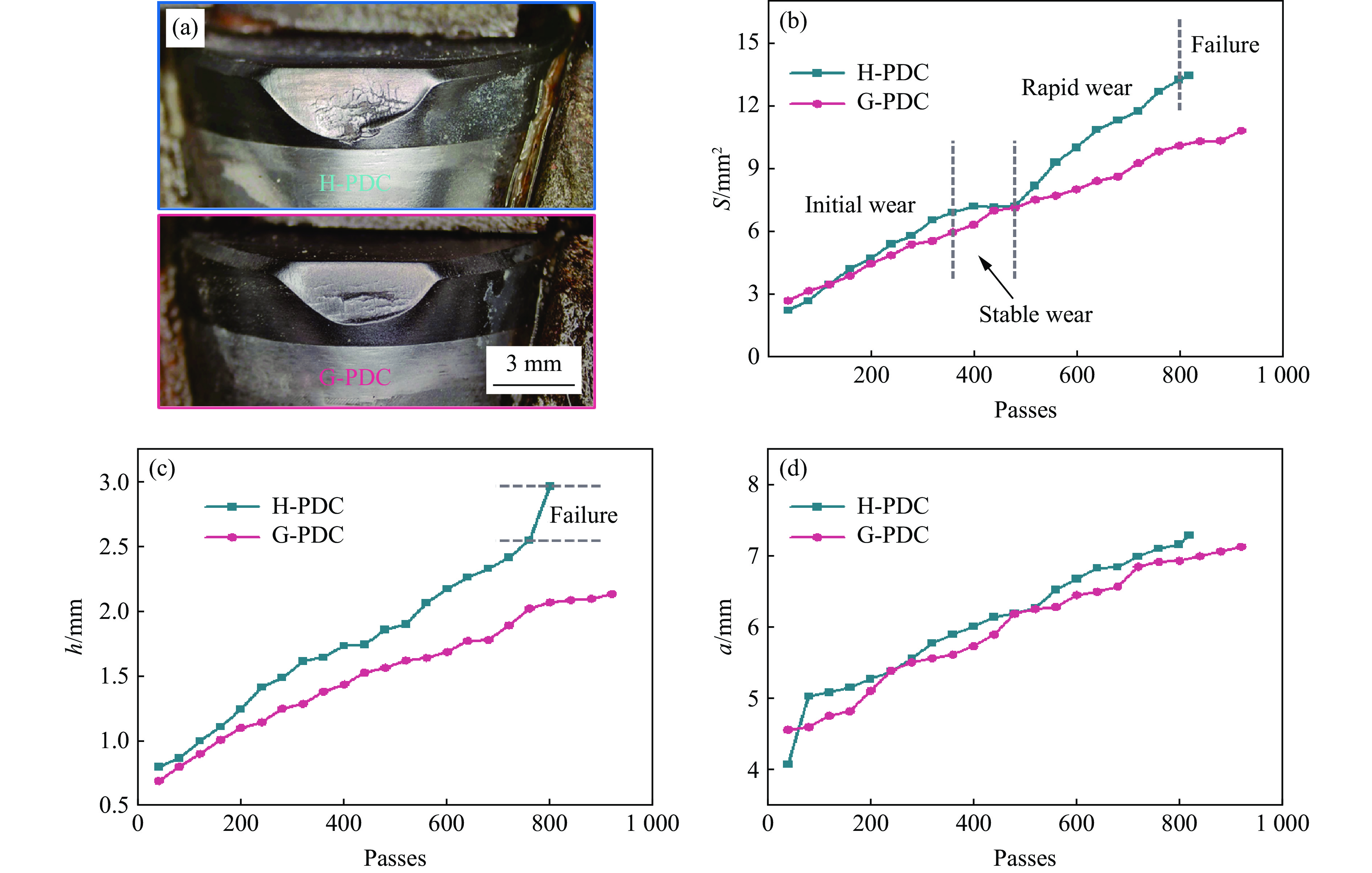
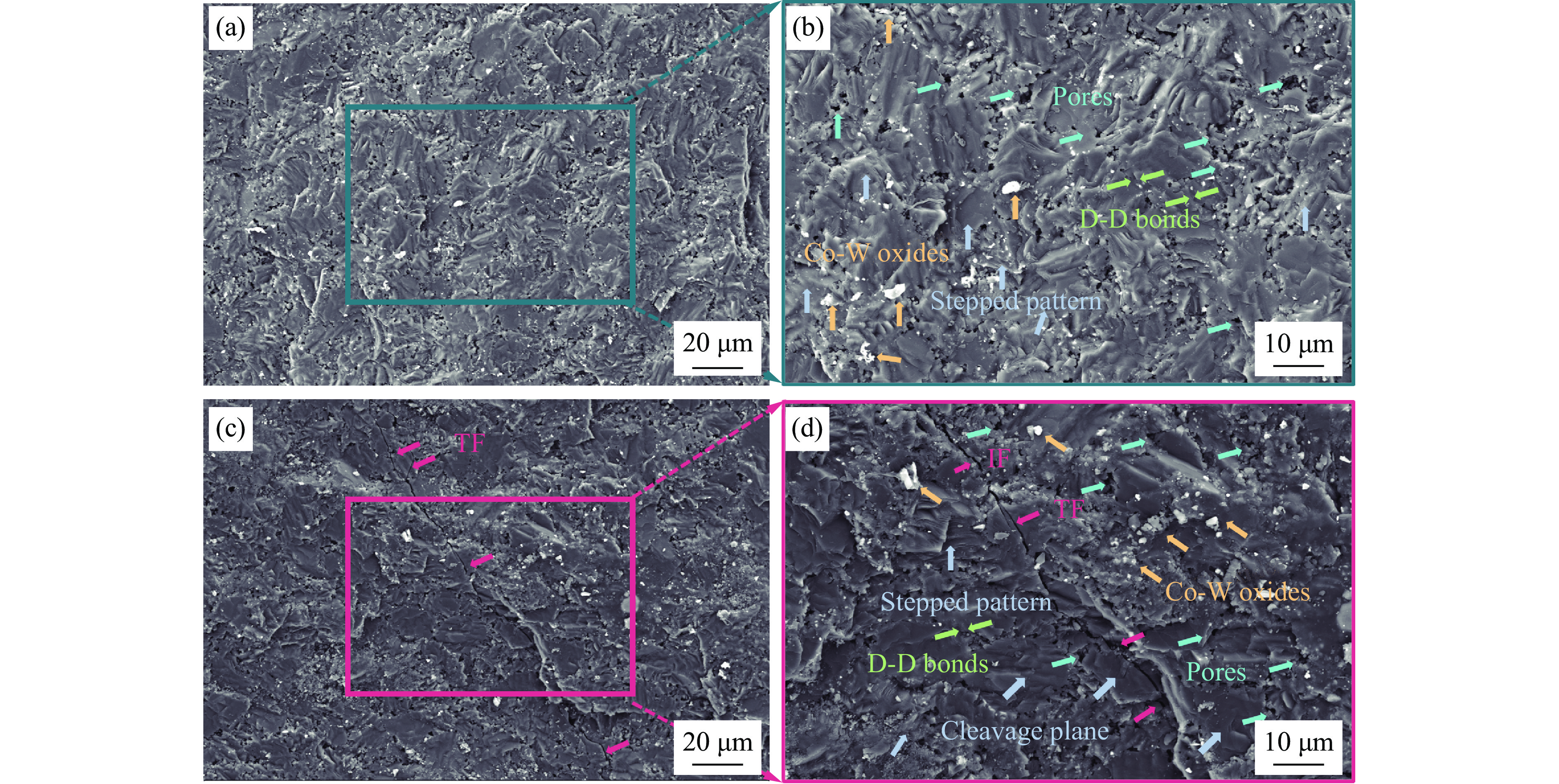
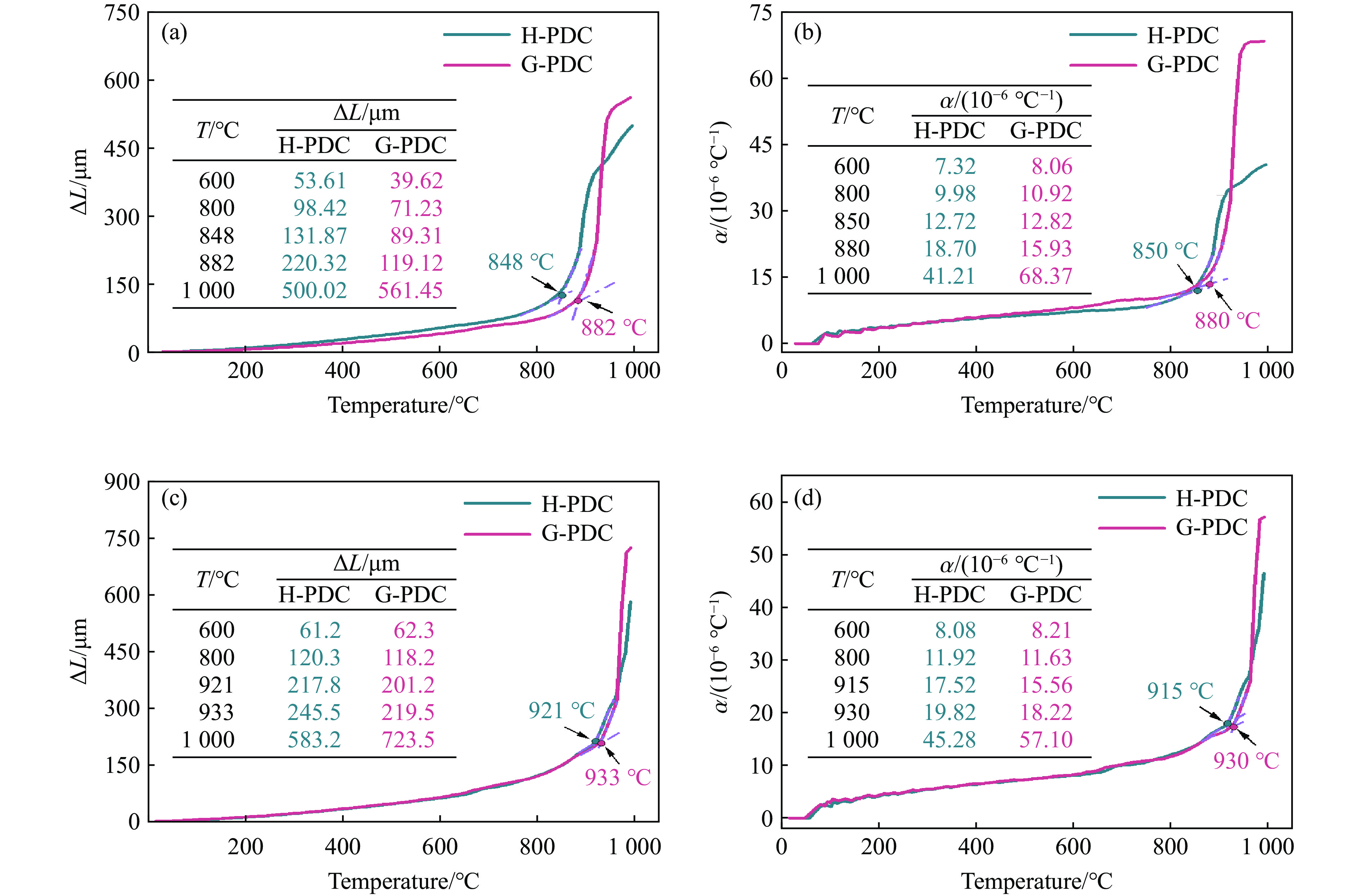
Addressing the urgent demand for high-performance polycrystalline diamond compact (PDC) cutters in deep/ultra-deep oil and gas exploration, this work optimized the PDC synthesis formulation through orthogonal experimental design. Under high pressure conditions (8.5 GPa and 1 750 ℃), we successfully fabricated both conventional homogeneous mixed PDC cutter (H-PDC) and gradient-structured PDC cutter (G-PDC) featuring a “fine-grained work layer/coarse-grained transition layer” structure. Microstructural characterization reveals that the gradient structure facilitates uniform distribution of cobalt binder, suppresses cobalt aggregation, enhances interlayer interfacial bonding, and generates higher residual compressive stress. The cobalt mass fraction in the G-PDC work layer is 9.16%. After acid leaching for cobalt removal, the cobalt mass fraction decreased to 2.49%. Performance evaluations demonstrate that G-PDC achieves a wear resistance lifespan of 920 passes, superior to H-PDC (800 passes). The average impact toughness of G-PDC reaches 740.0 J, representing approximately 107% improvement over H-PDC. Furthermore, the gradient structure alleviates thermal expansion mismatch, increasing the thermal stability temperature by about 30 ℃. This research confirms that combining high pressure synthesis technology with gradient structural design can synergistically enhance the wear resistance, impact toughness, and thermal stability of PDC cutters, providing a viable pathway for developing next-generation superhard composites for extreme conditions.
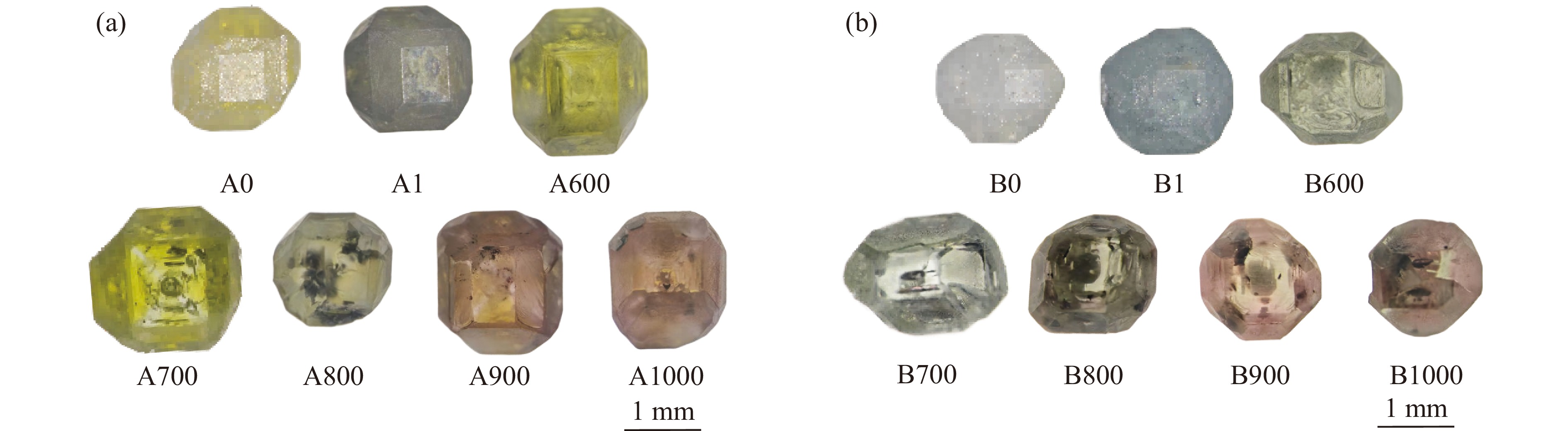
Formation of nitrogen-vacancy (NV) centers and their apparent charge-state response in high-pressure high-temperature (HPHT) type-Ⅰb diamond were investigated. Effects of the initial substitutional nitrogen content (C-center nitrogen), electron irradiation, vacuum annealing, and HPHT pretreatment on the photoluminescence (PL) behavior of NV centers were compared. Two groups of HPHT diamond single crystals with different C-center nitrogen contents were subjected to electron irradiation, vacuum annealing (600−
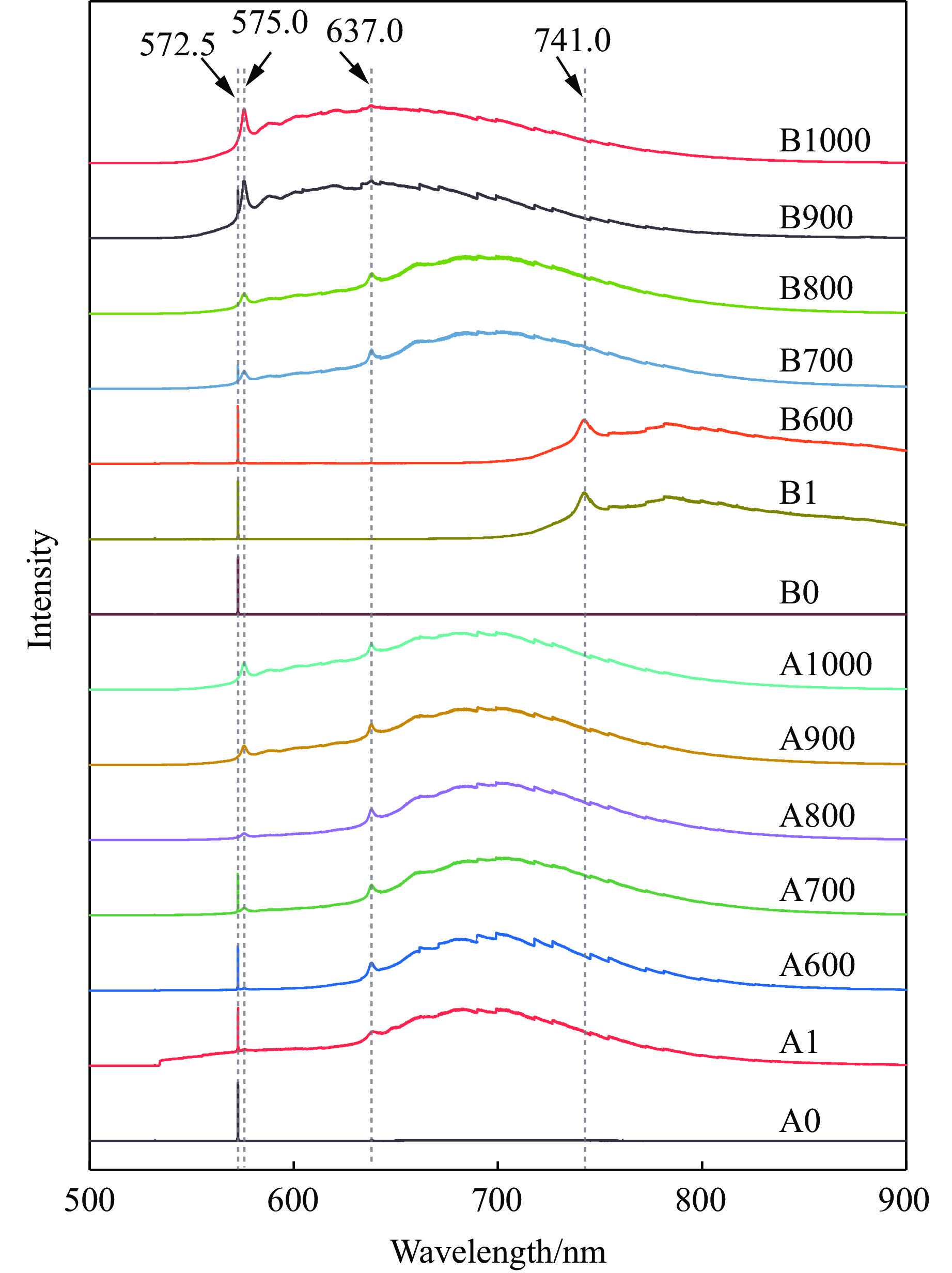
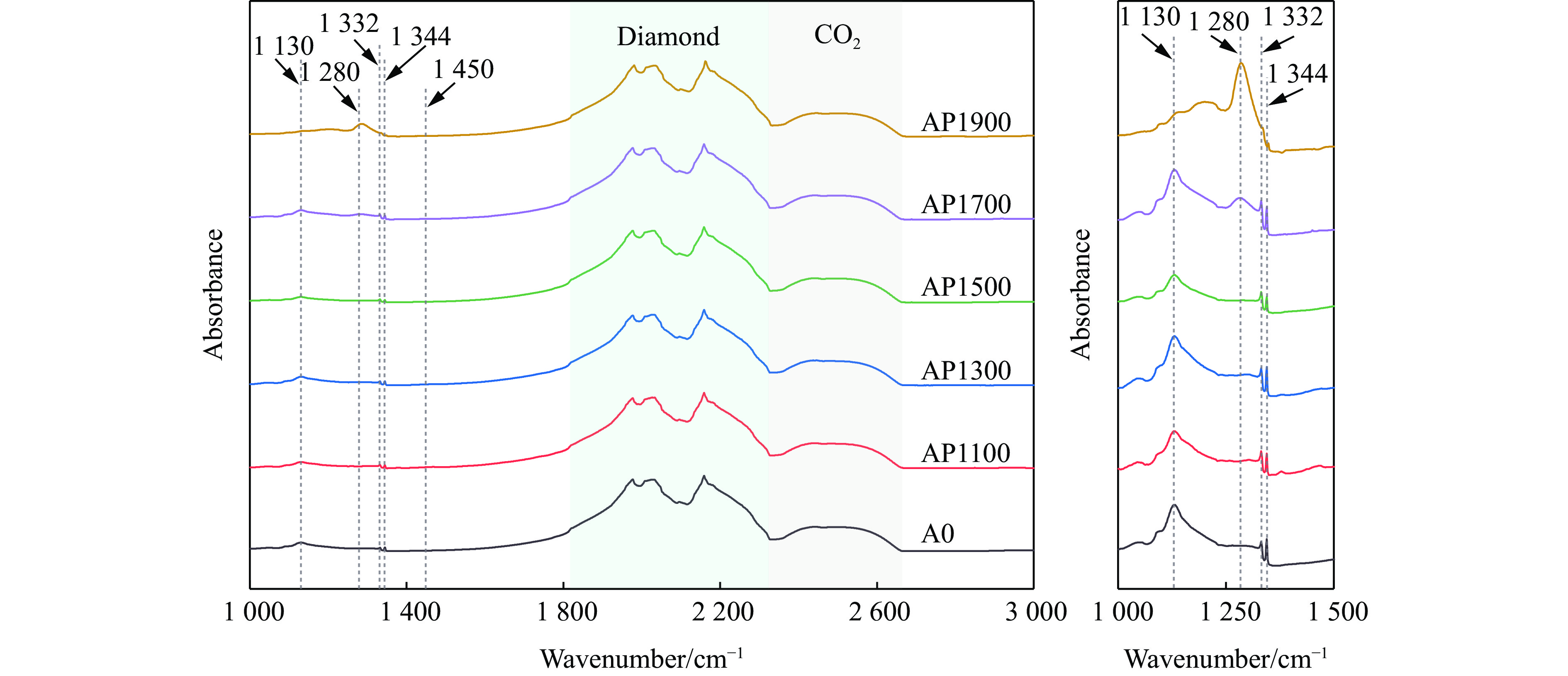
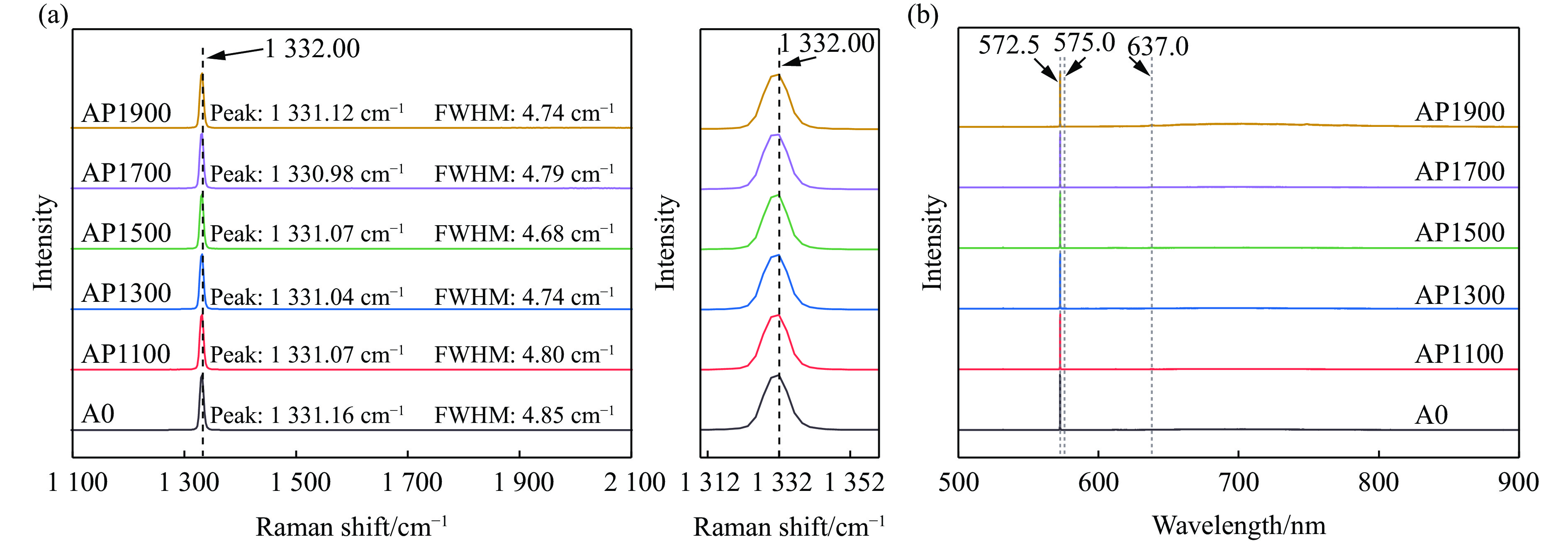
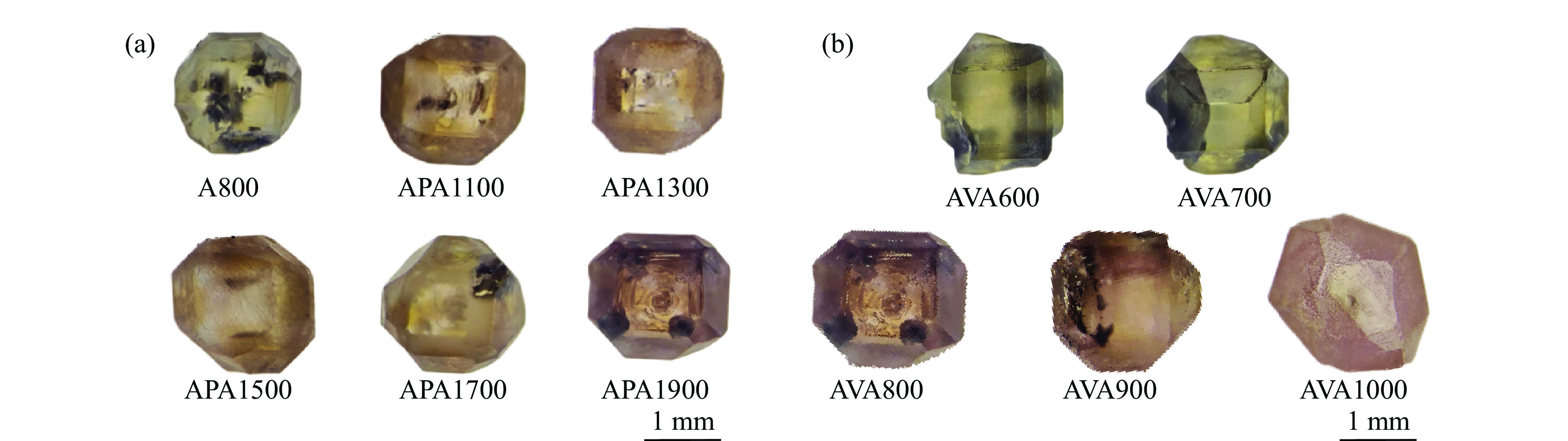
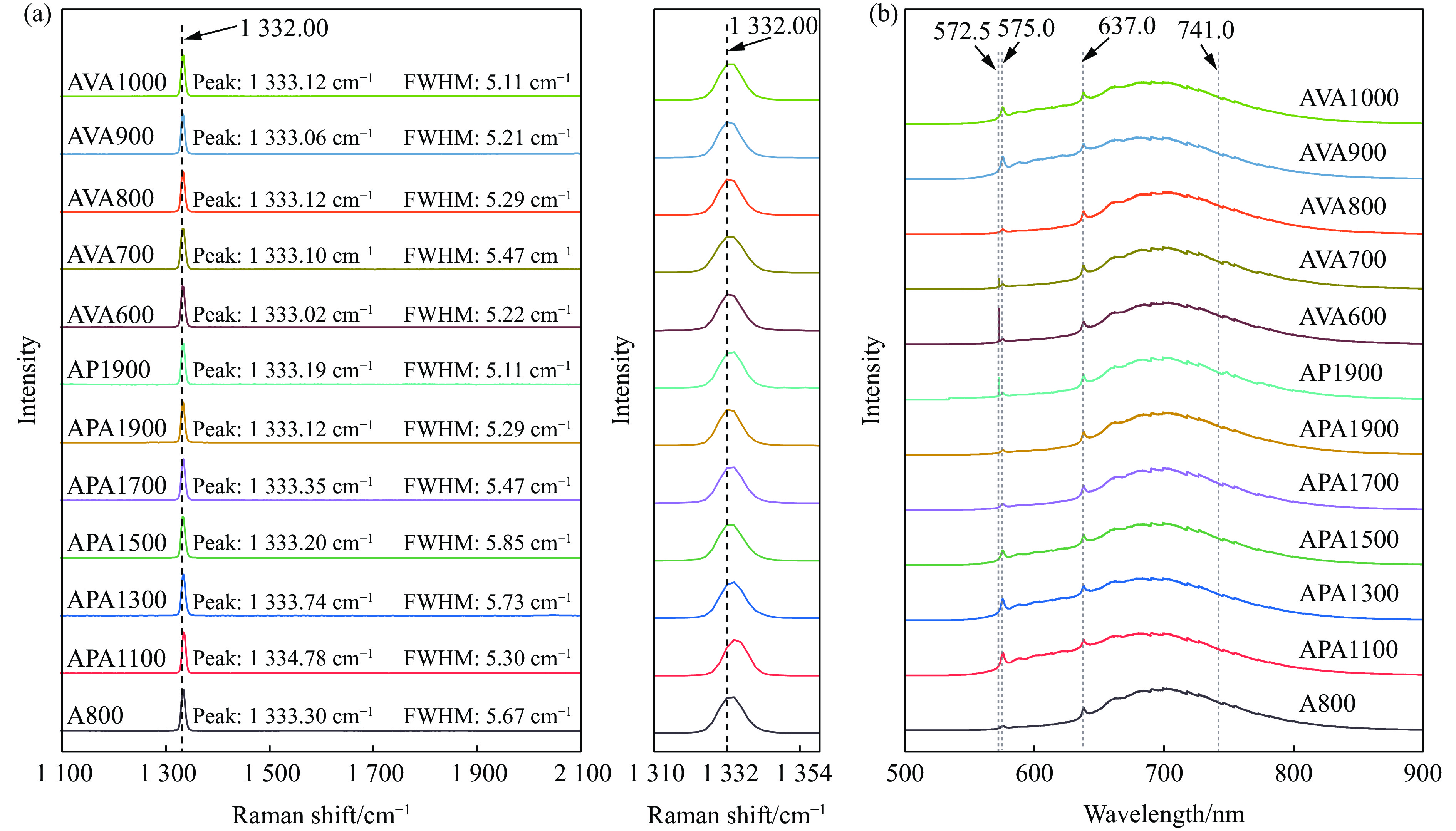
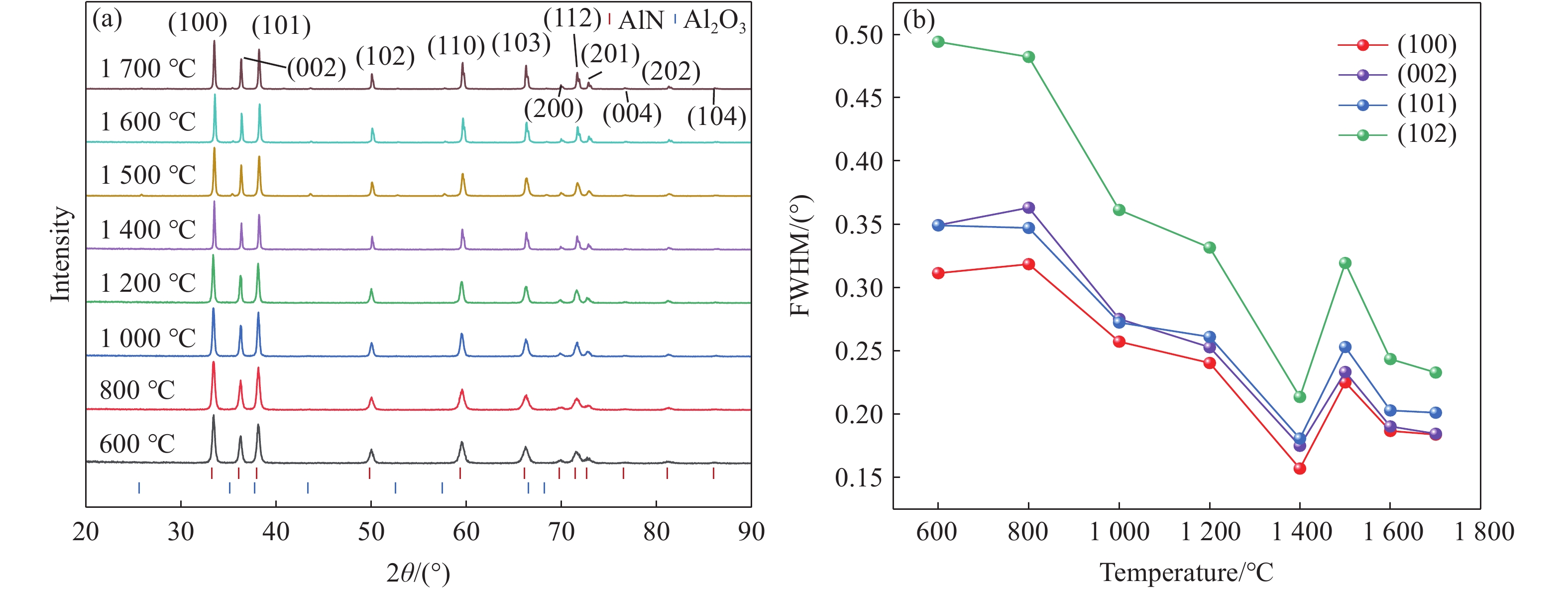
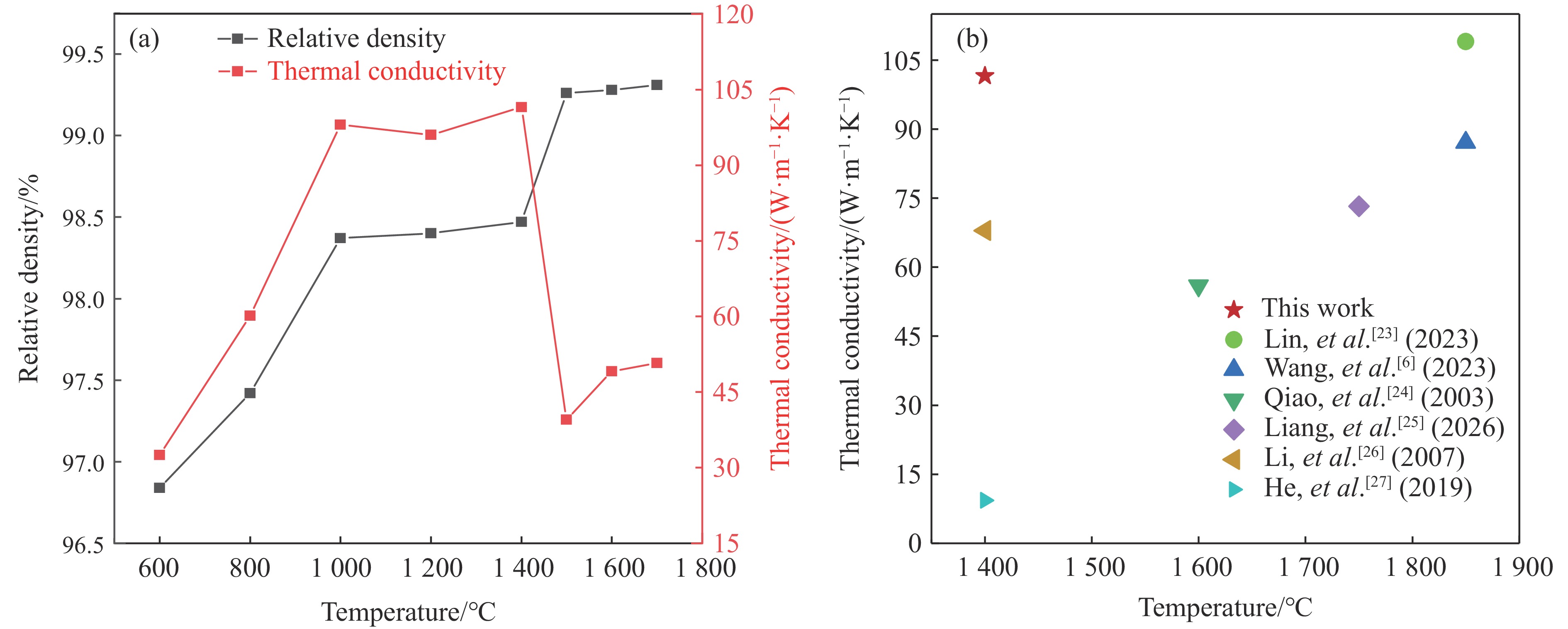
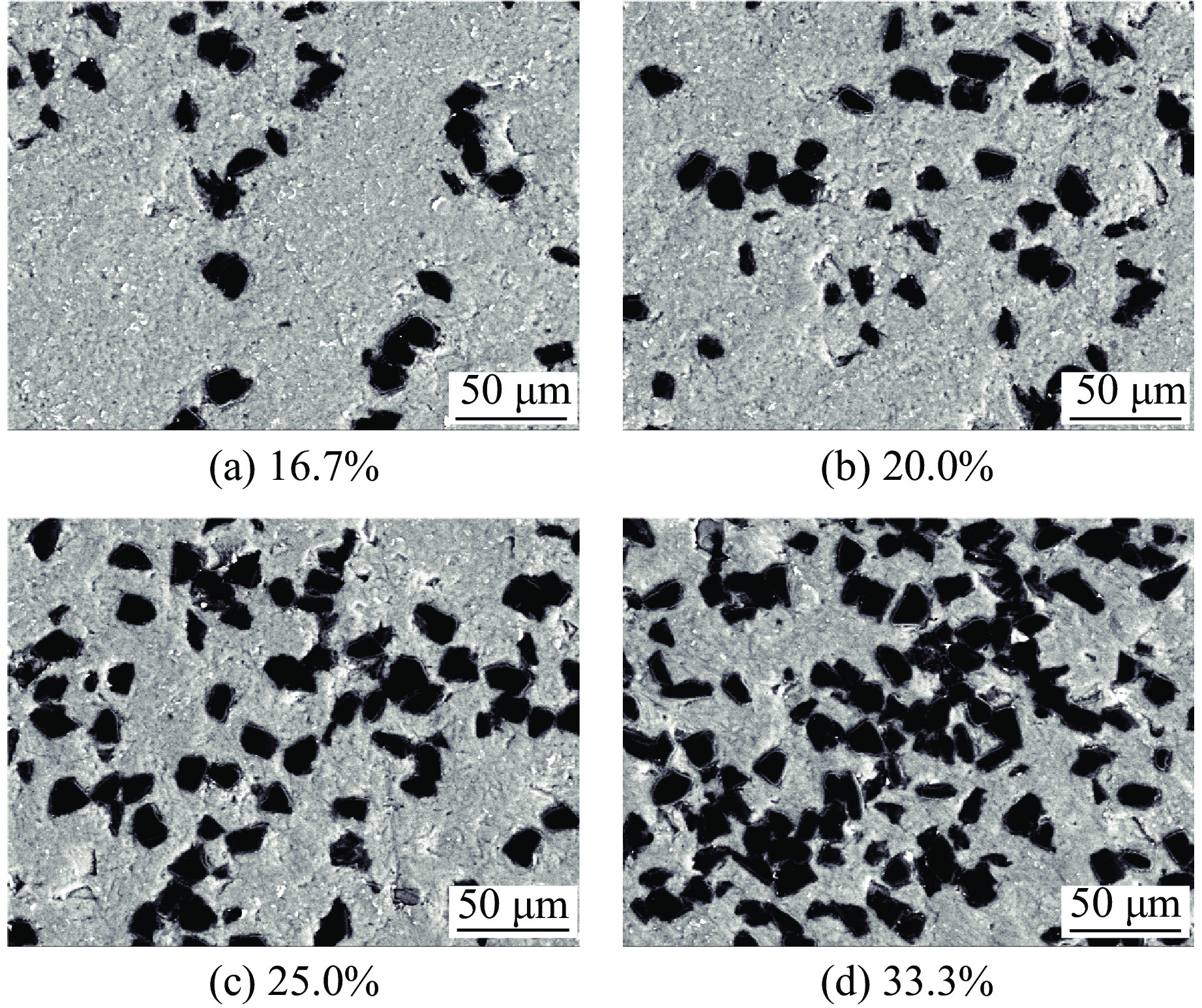
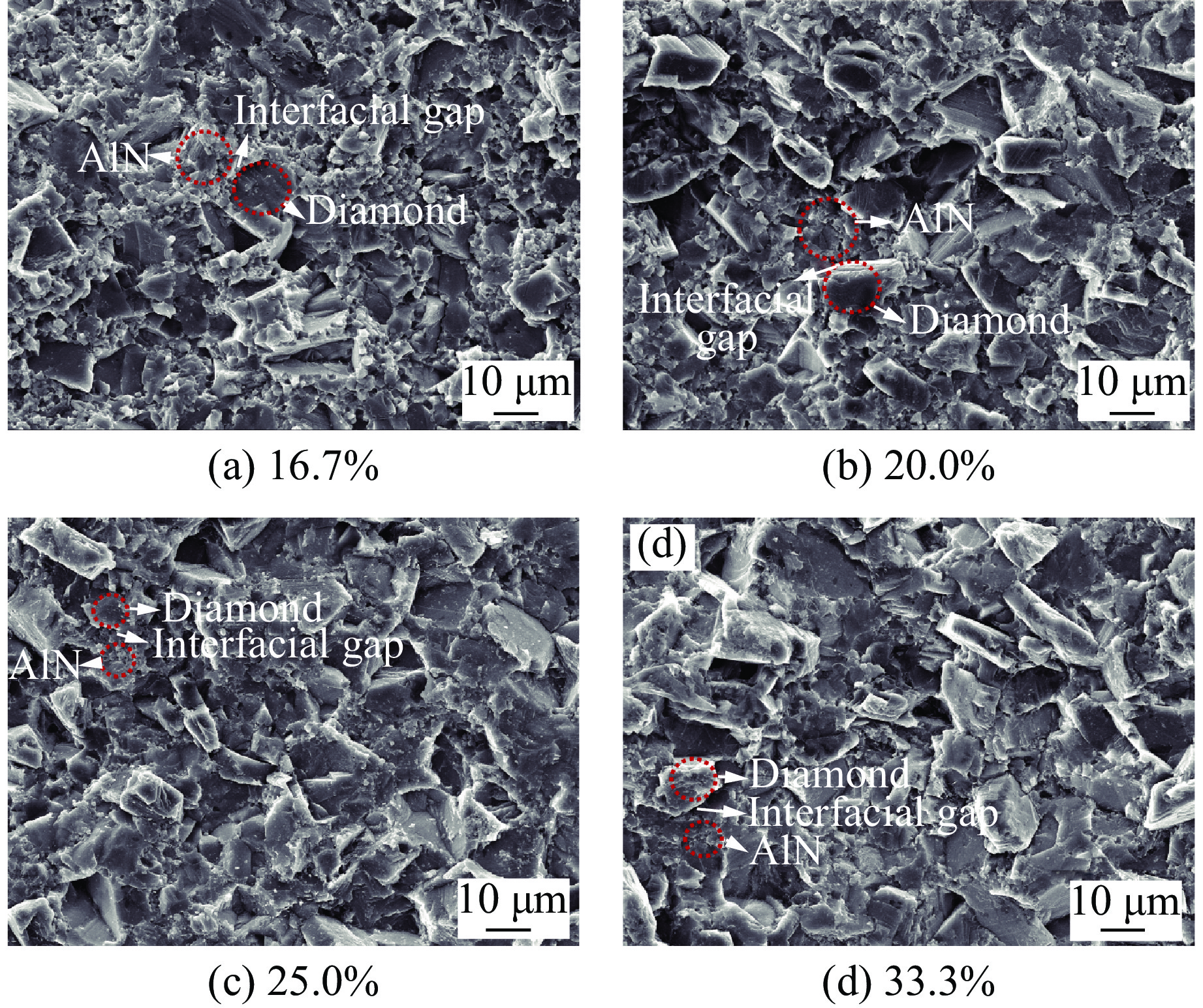
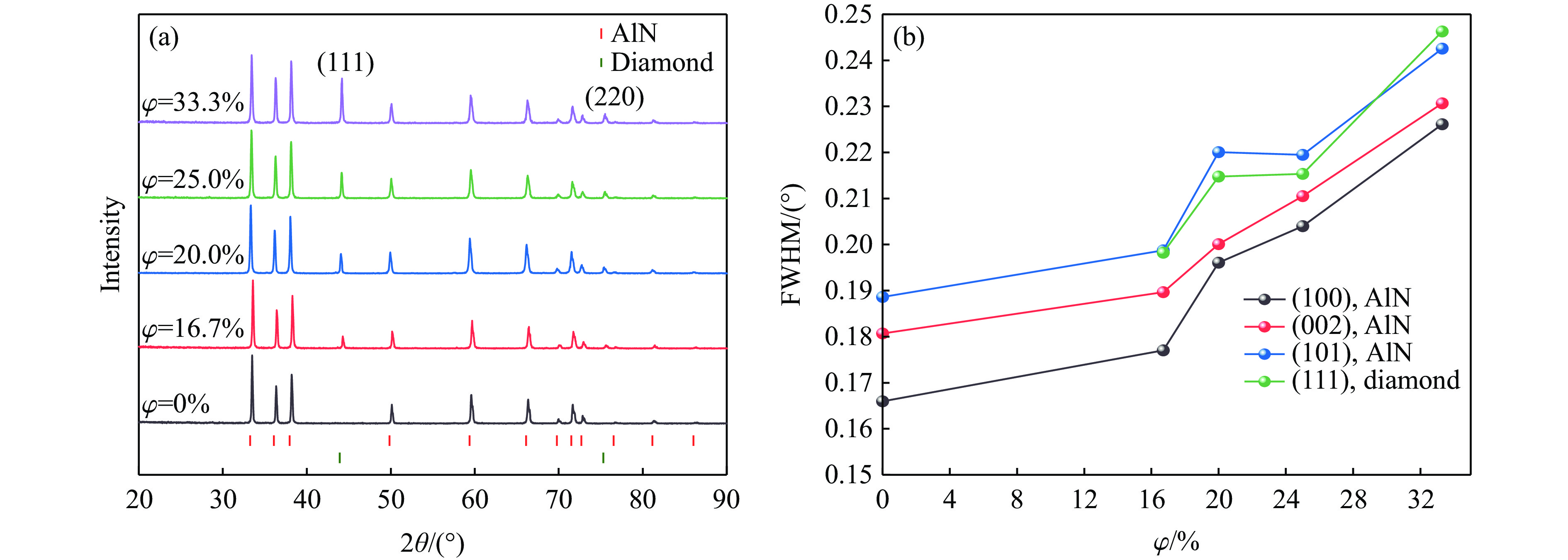
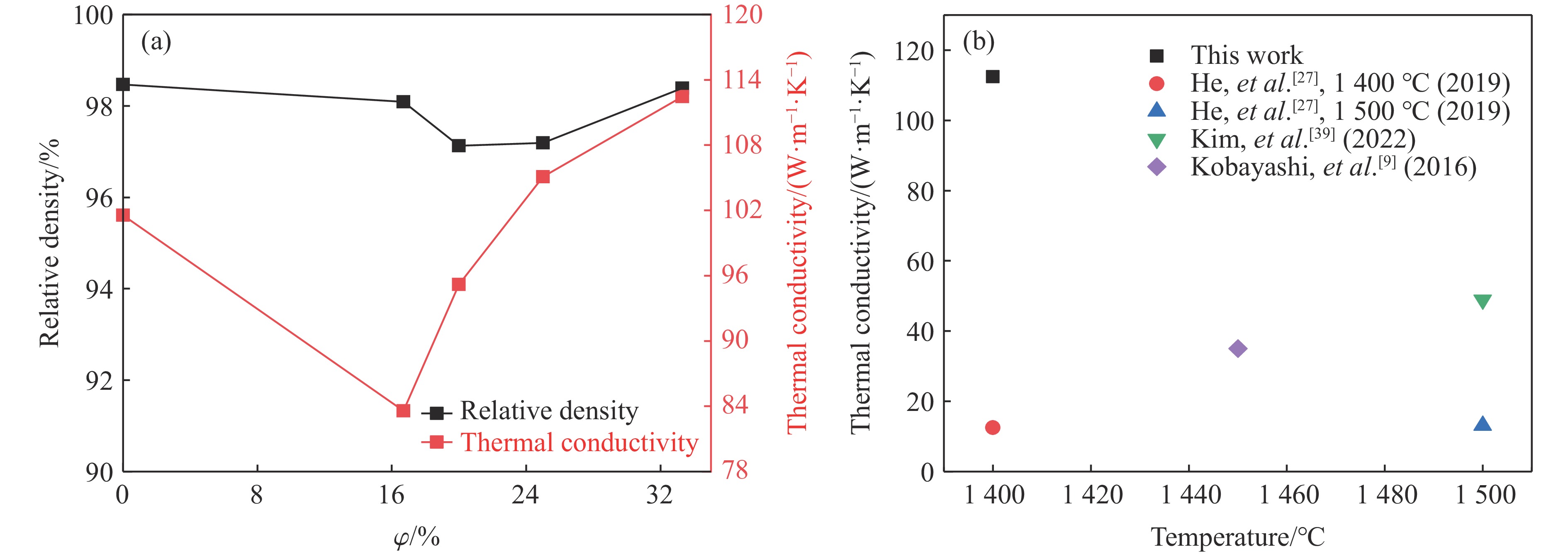
Aluminum nitride (AlN) ceramics are important heat-dissipation materials for high-power electronic devices. However, the high sintering temperature required by conventional processing routes limits practical application of AlN ceramics and increases fabrication costs. Therefore, it is necessary to develop preparation method that is capable of achieving densification at relatively low temperature. To address the difficulty of simultaneously obtaining high densification and high thermal conductivity in polycrystalline AlN ceramics under reduced-temperature sintering conditions, this work adopts a stepwise research strategy. First, the densification behavior and thermal conductivity of pure AlN under high-pressure assistance were investigated to identify the optimal sintering conditions. Under additive-free conditions, pure-phase AlN ceramics with clean grain boundaries and high densification were prepared at 5.0 GPa and
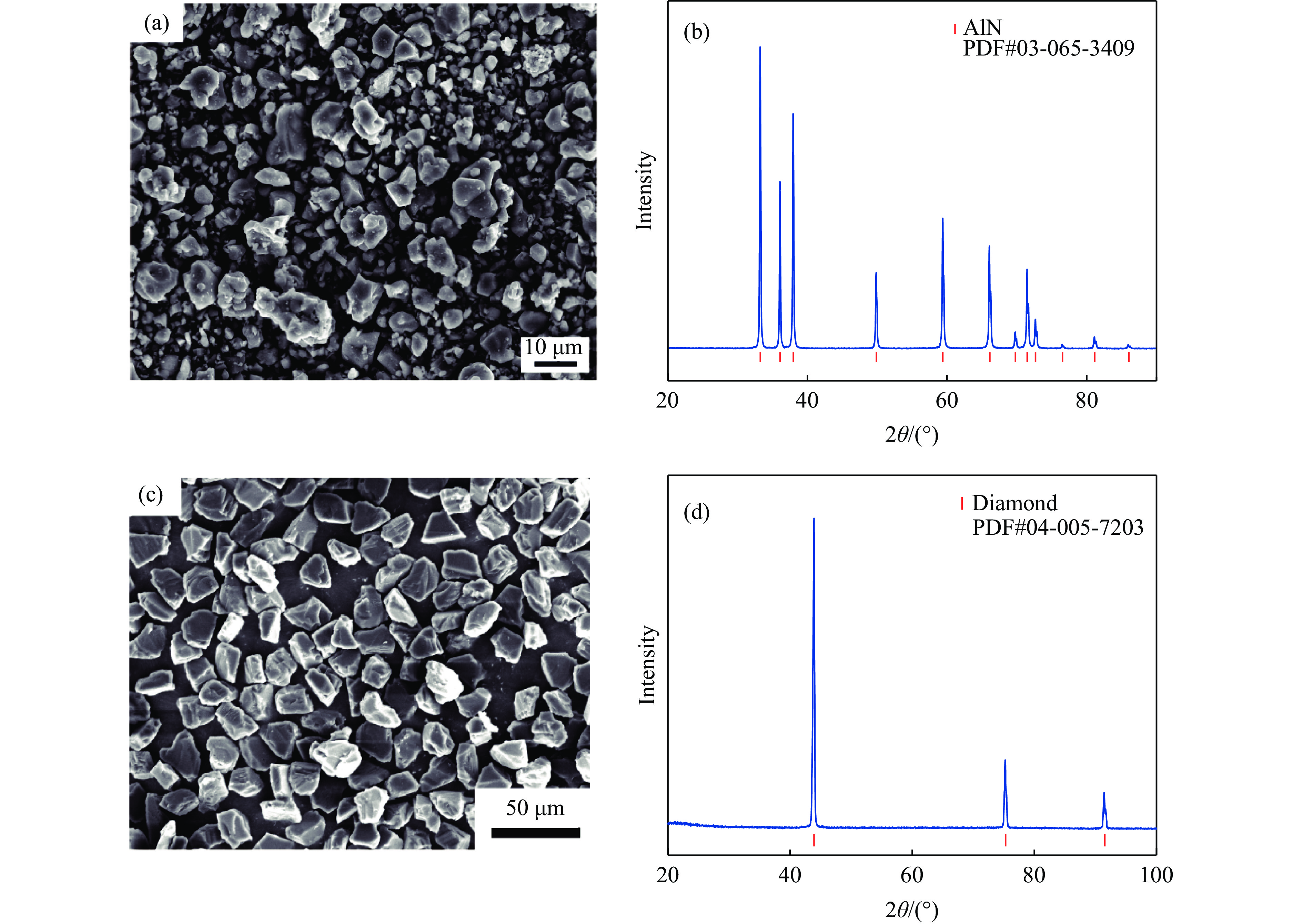
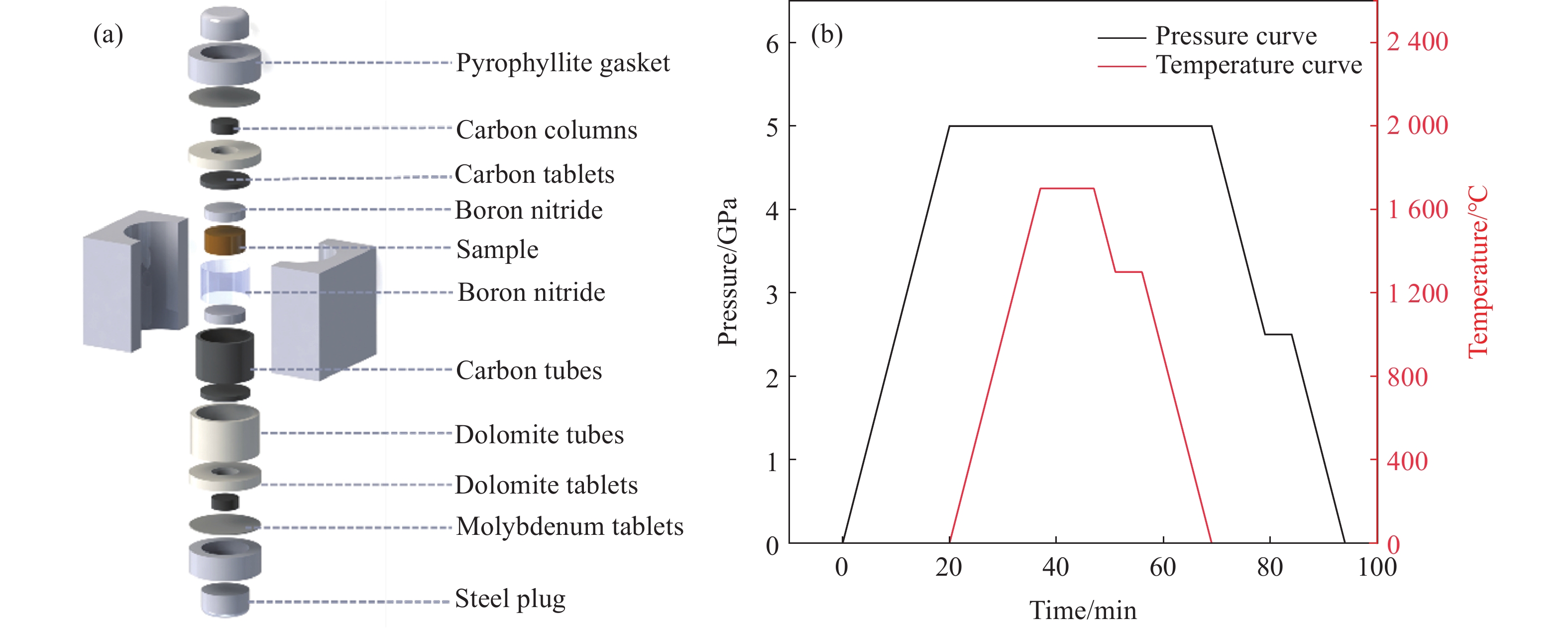
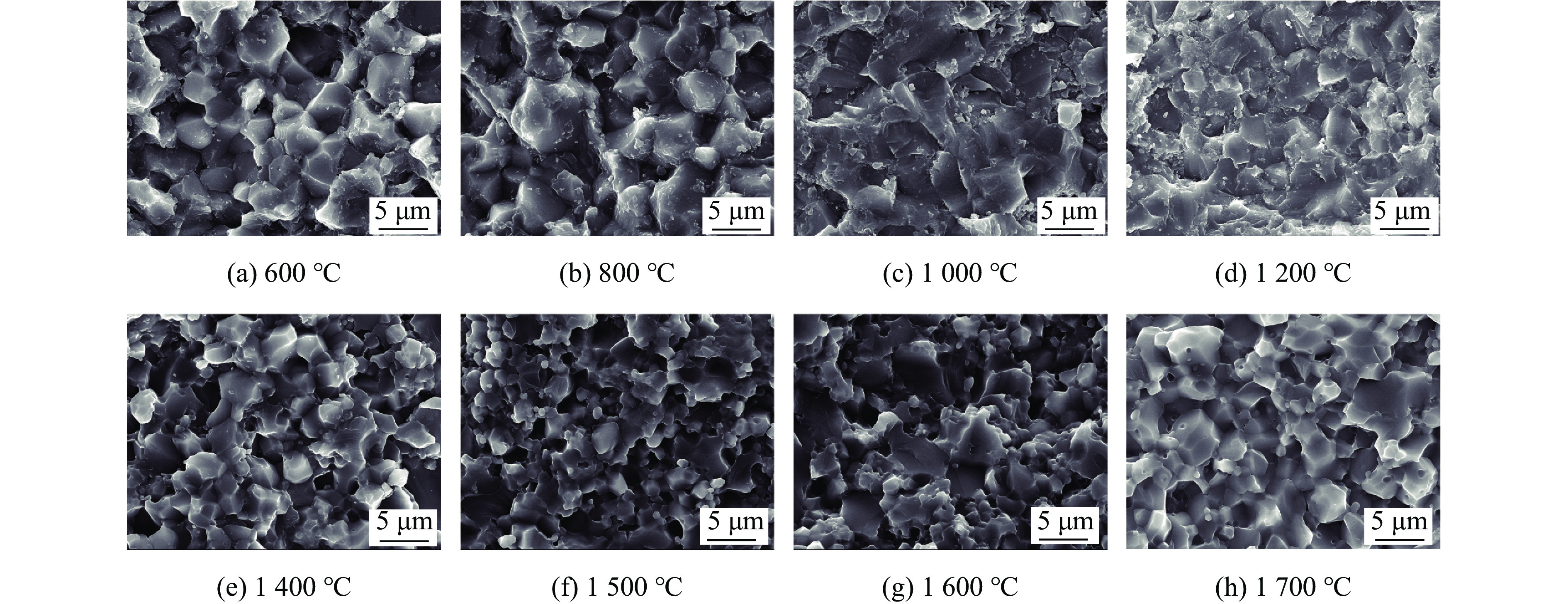
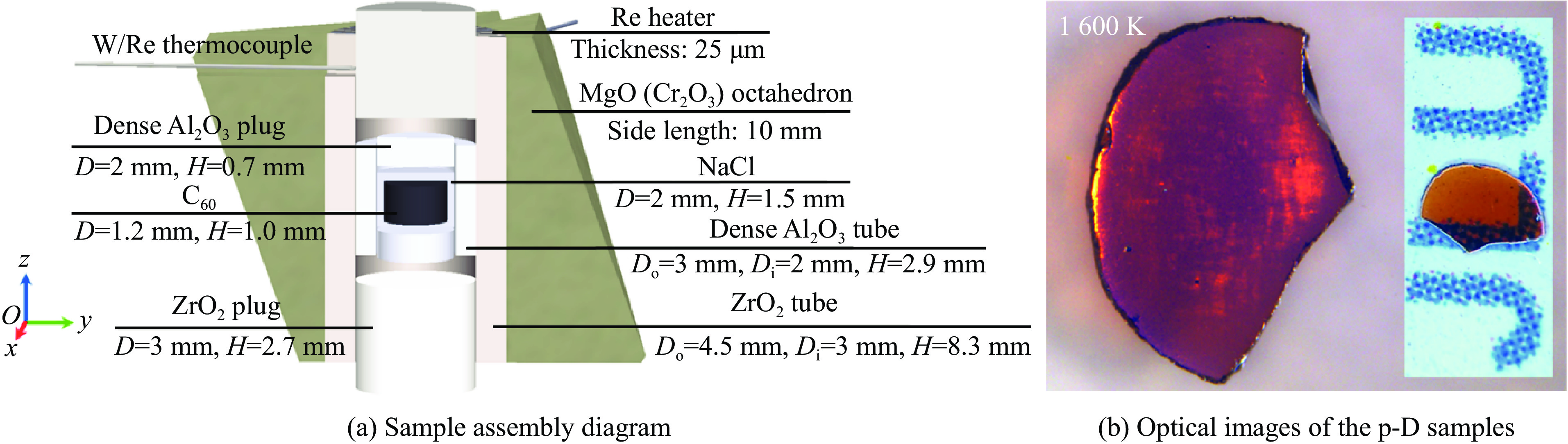
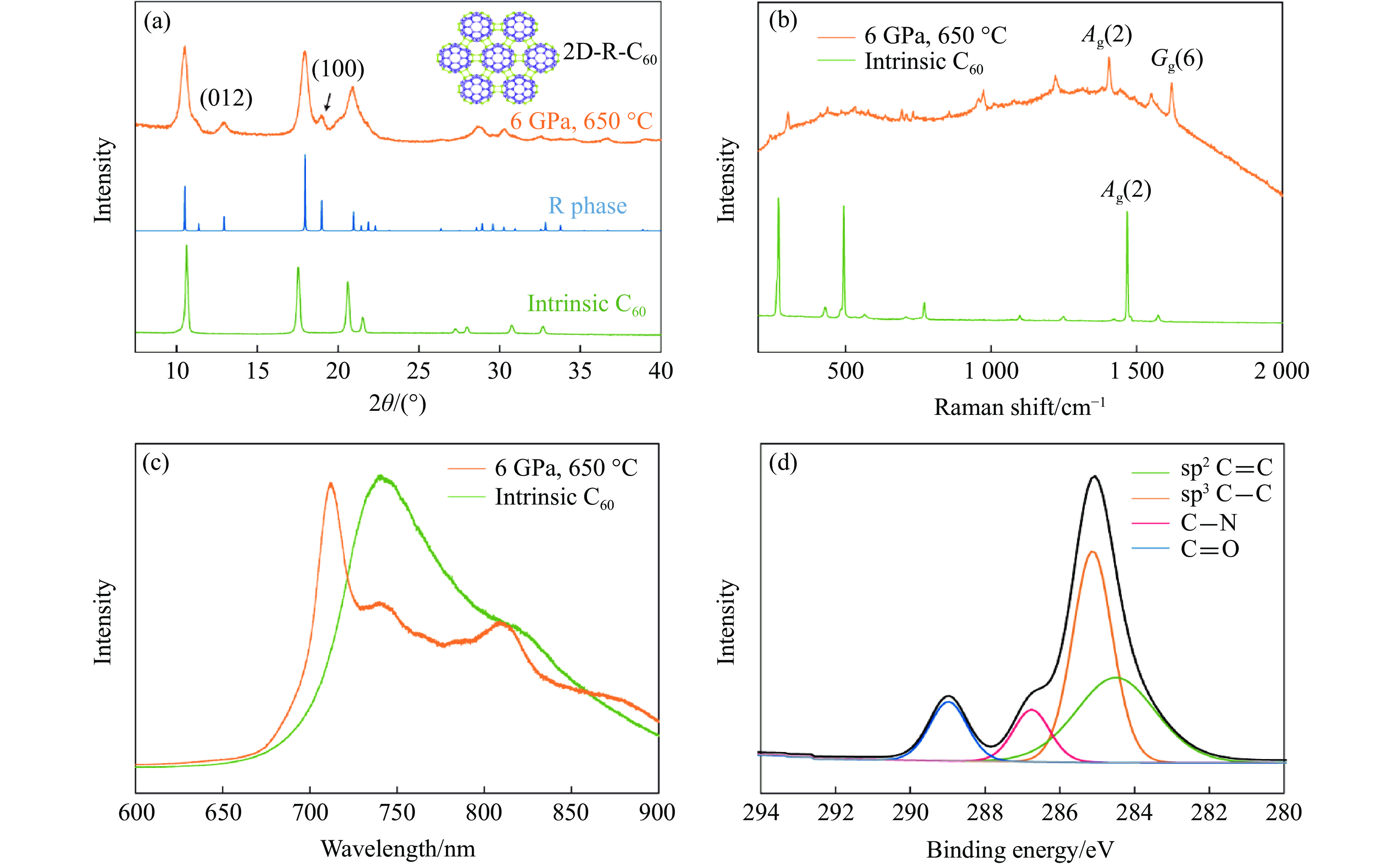
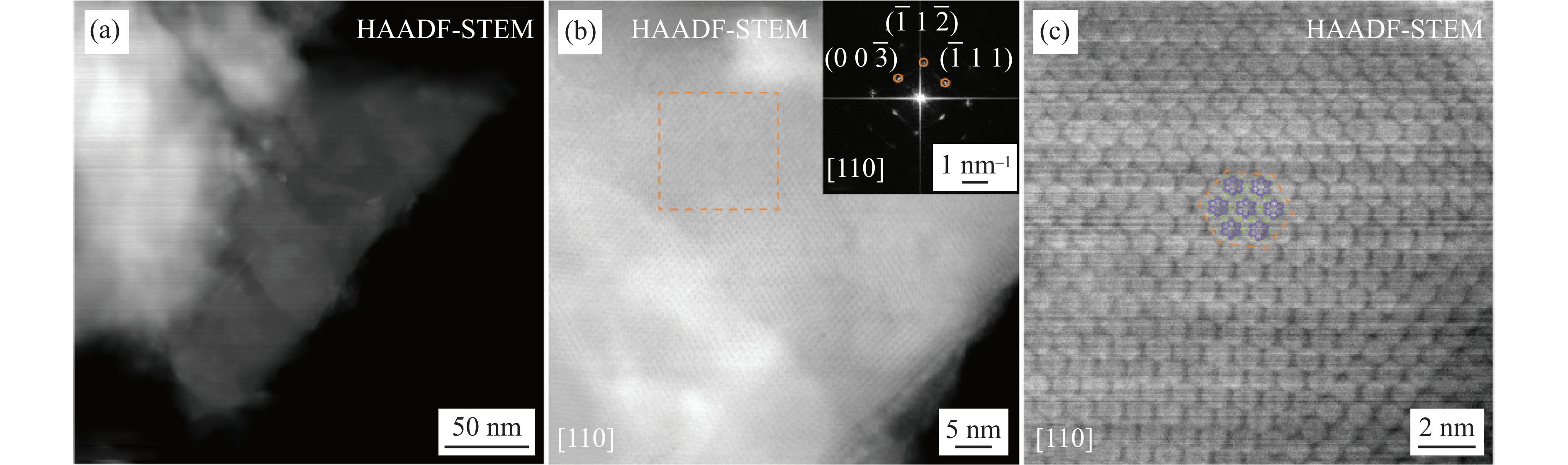
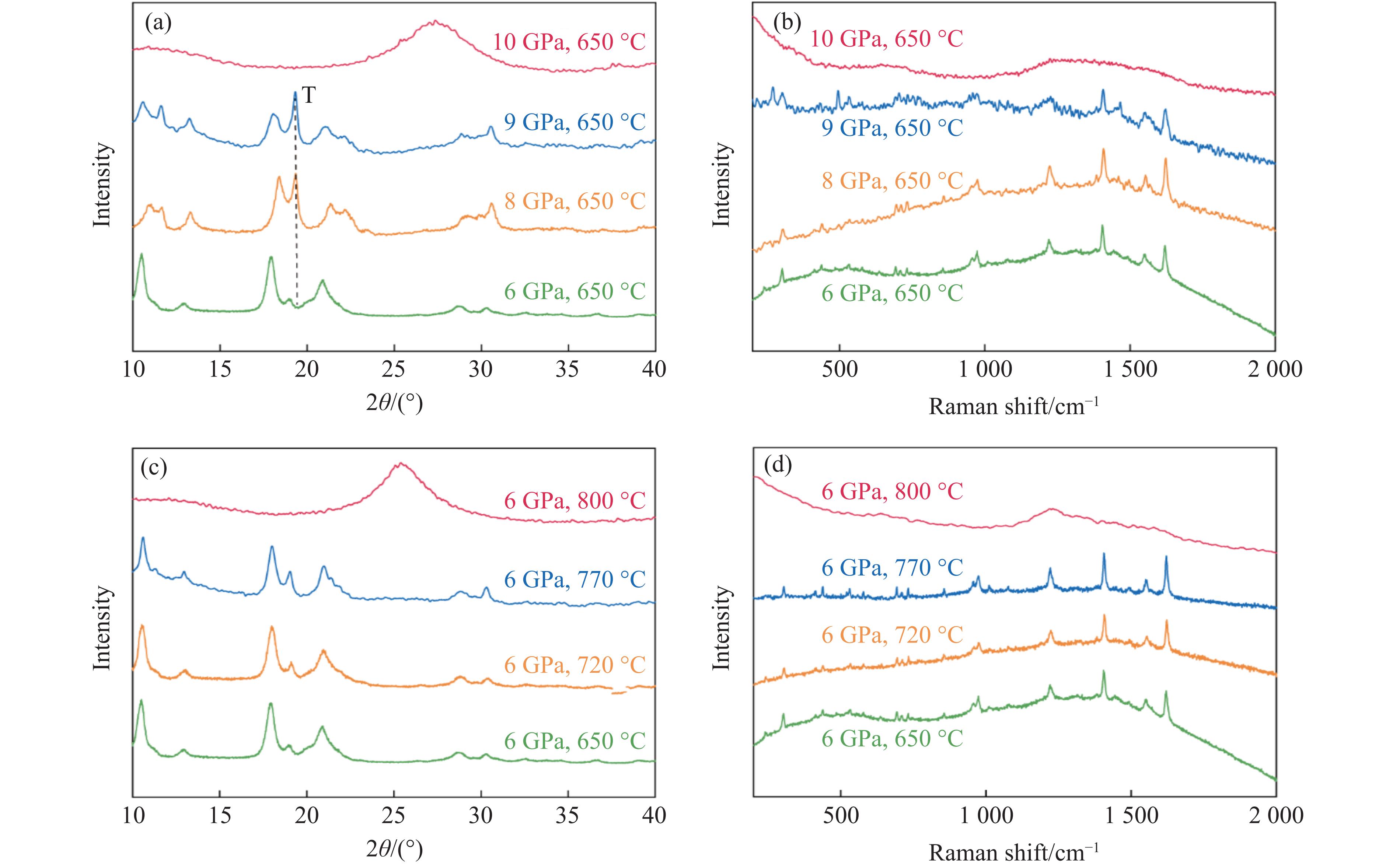
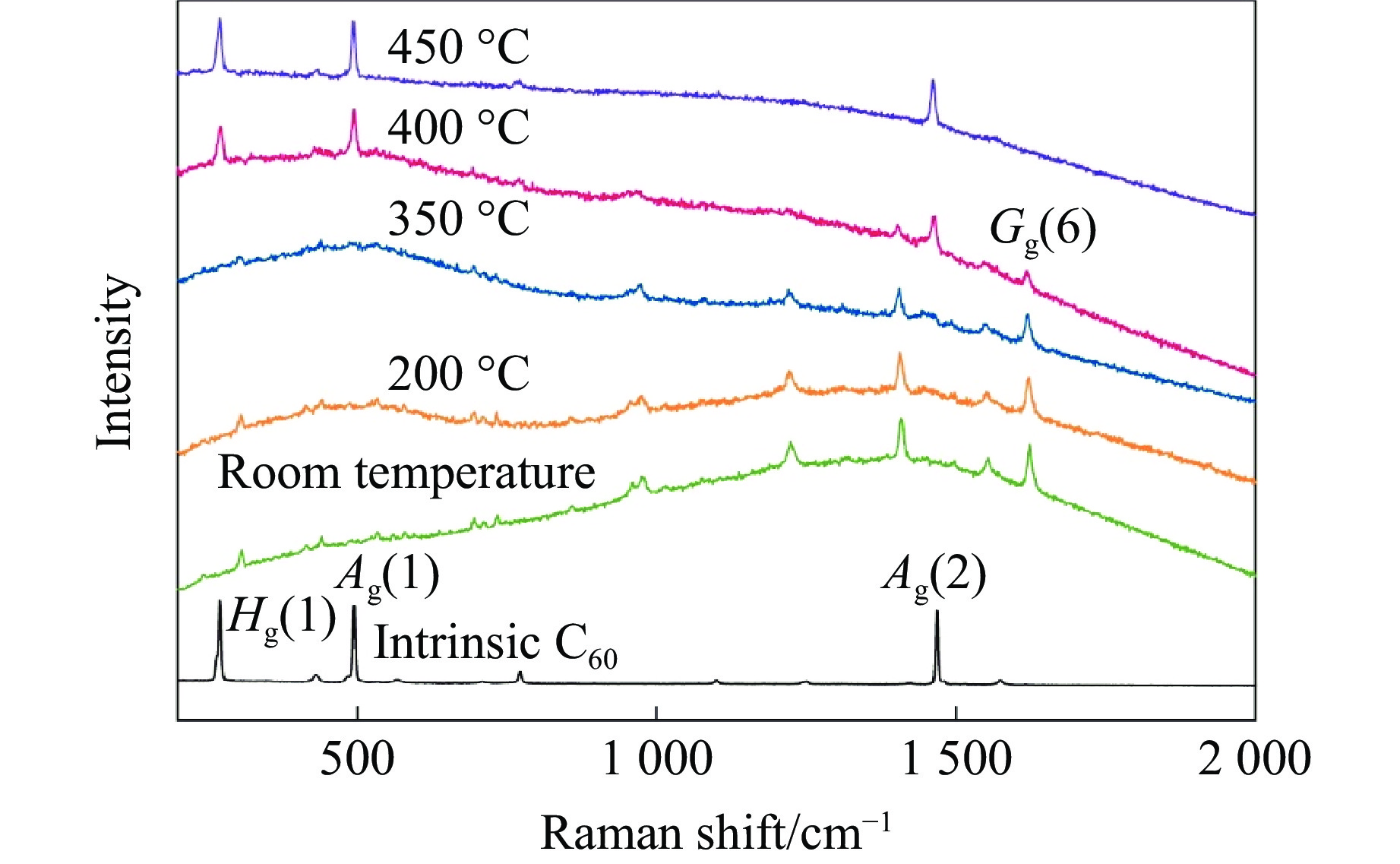
Rhombohedral C60 polymer holds significant potential for applications in two-dimensional materials and catalysis, yet the synthesis of high-purity, high-quality rhombohedral C60 remains challenging. In this study, rhombohedral C60 polymer was successfully synthesized under conditions of 6 GPa and 650 ℃. The obtained sample was confirmed to be a high-purity two-dimensional rhombohedral phase through characterization techniques including X-ray diffraction, Raman spectroscopy, X-ray photoelectron spectroscopy, and aberration-corrected transmission electron microscopy. The effects of pressure and temperature (6–10 GPa, 650–800 ℃) on the polymerization of C60 were investigated, clarifying the phase boundary between the rhombohedral phase and disordered amorphous carbon clusters. Variable-temperature Raman spectroscopy revealed that the rhombohedral C60 polymer remains stable up to about 350 ℃, beyond which it depolymerizes and reverts to the original face-centered cubic C60 molecules. This work provides a clear processing window for the synthesis of high-quality rhombohedral C60 polymer, laying an experimental foundation for its further application in functional materials.
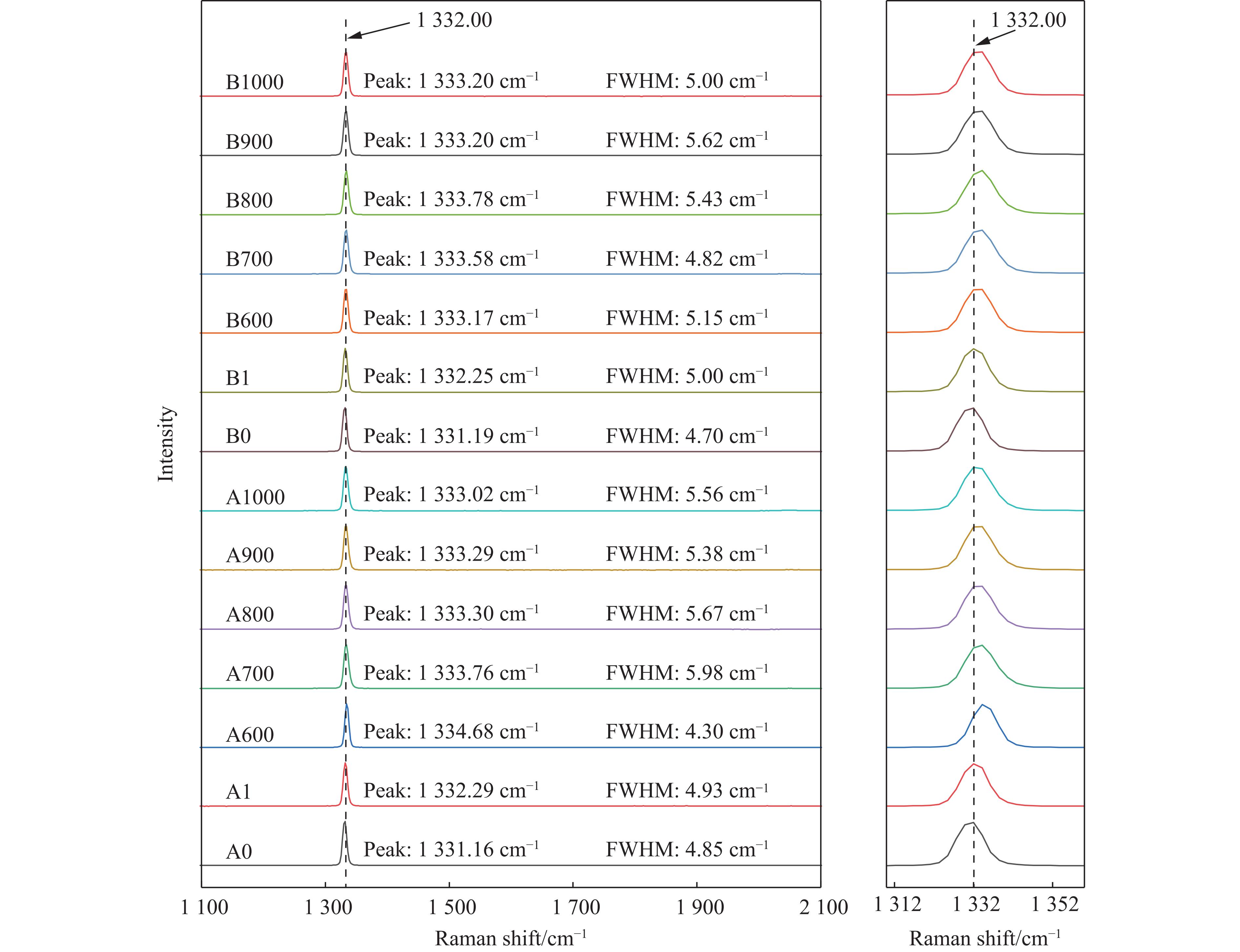
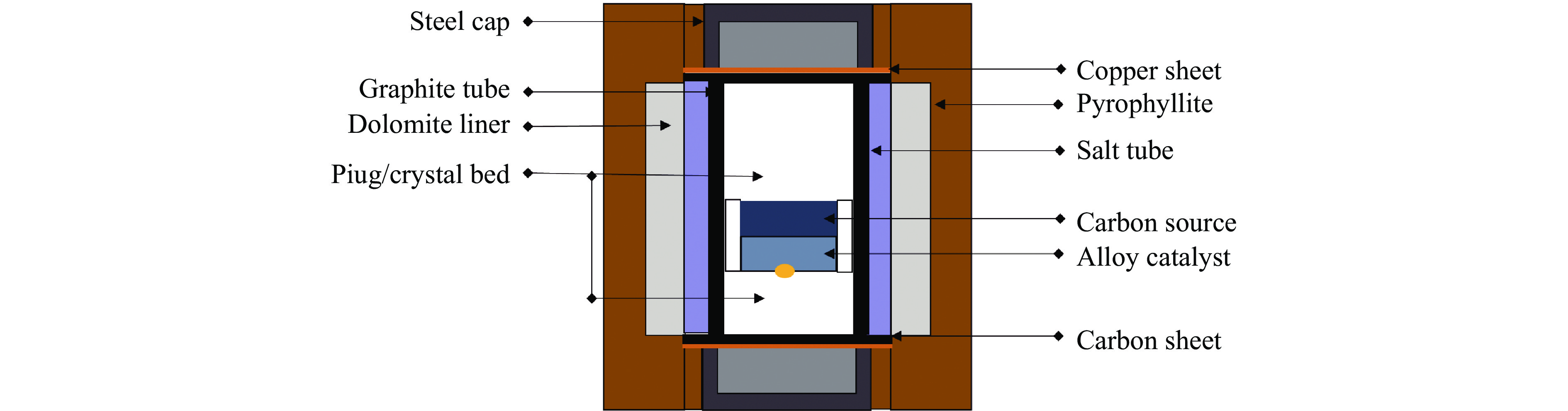
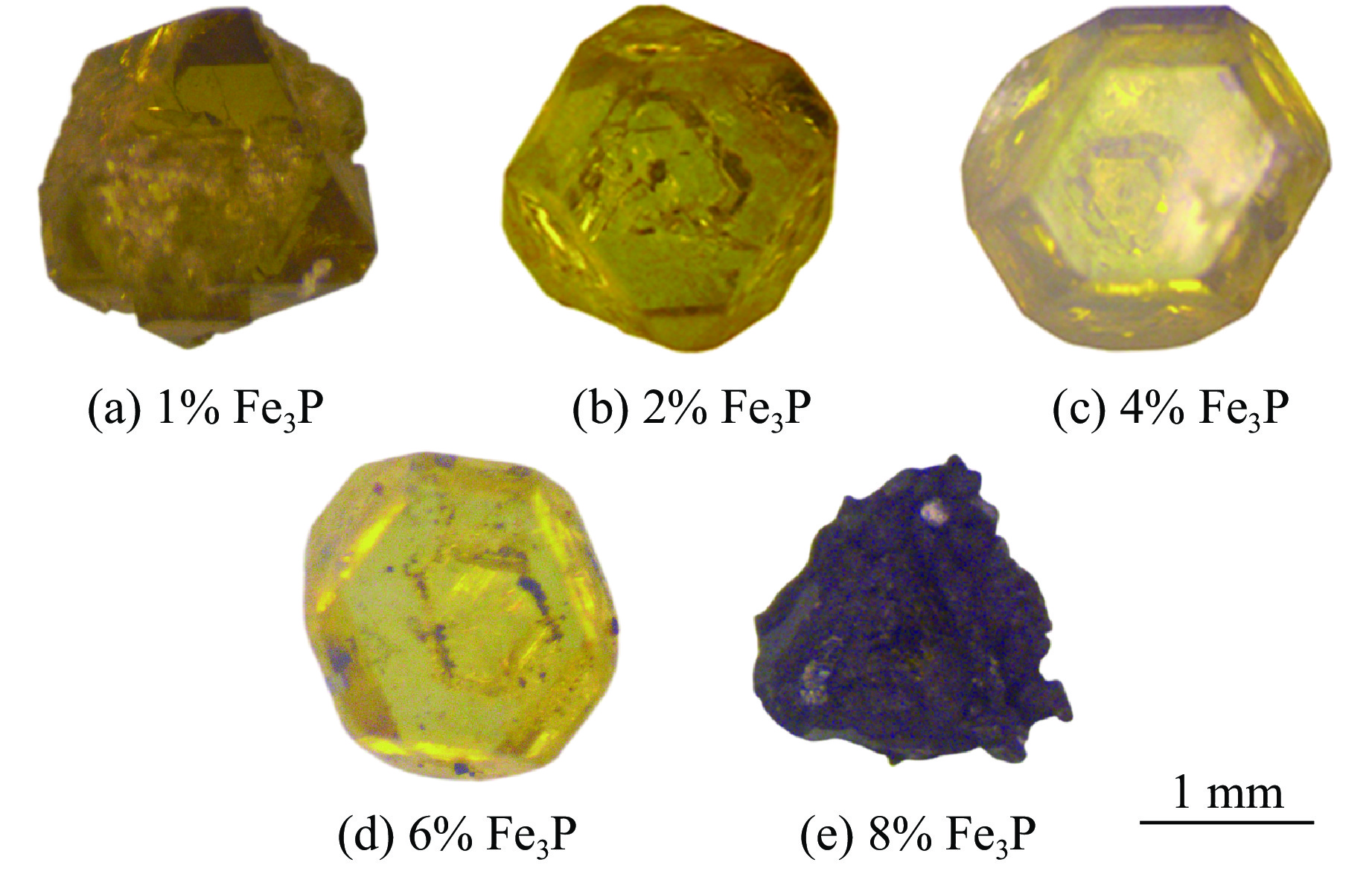
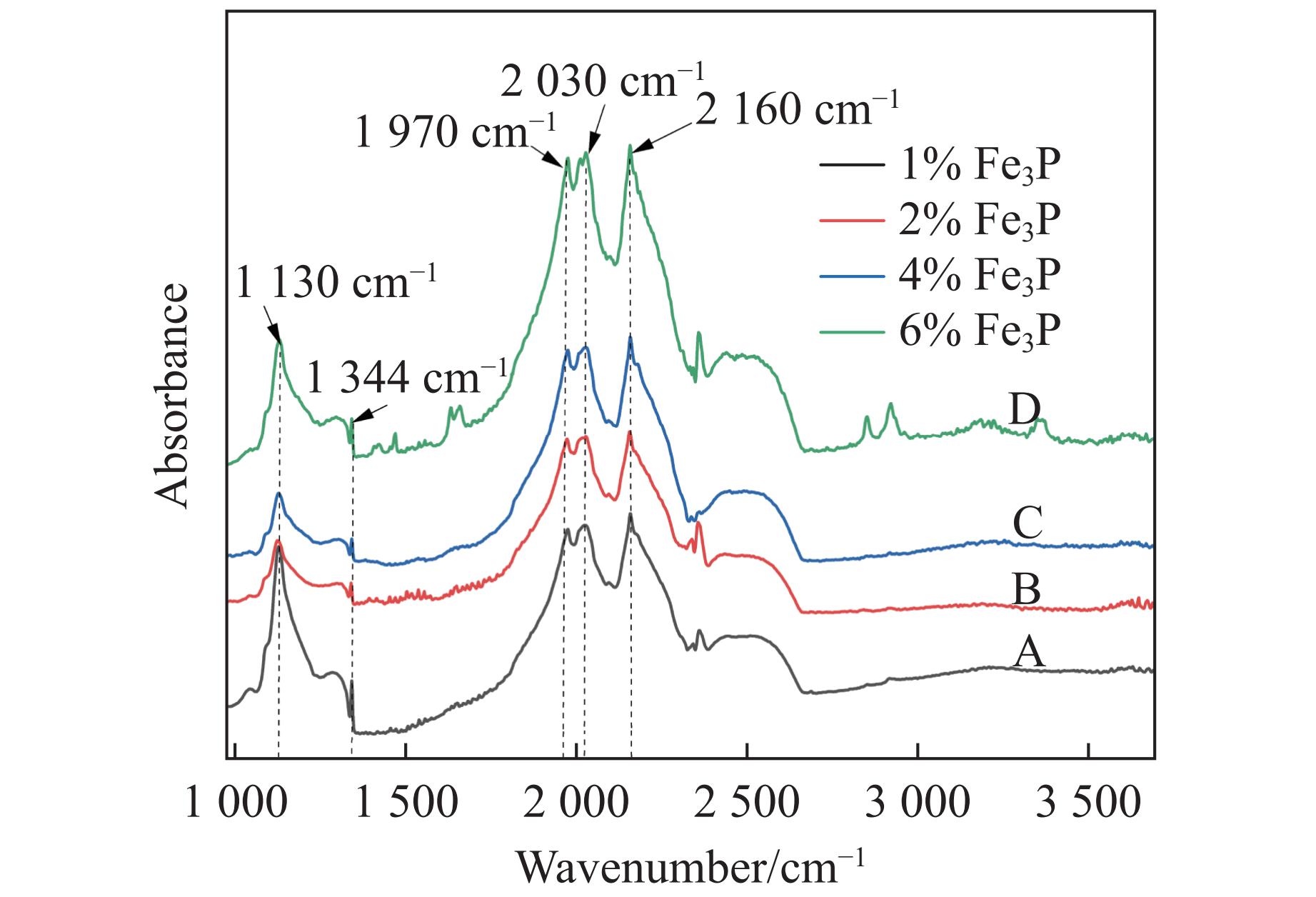
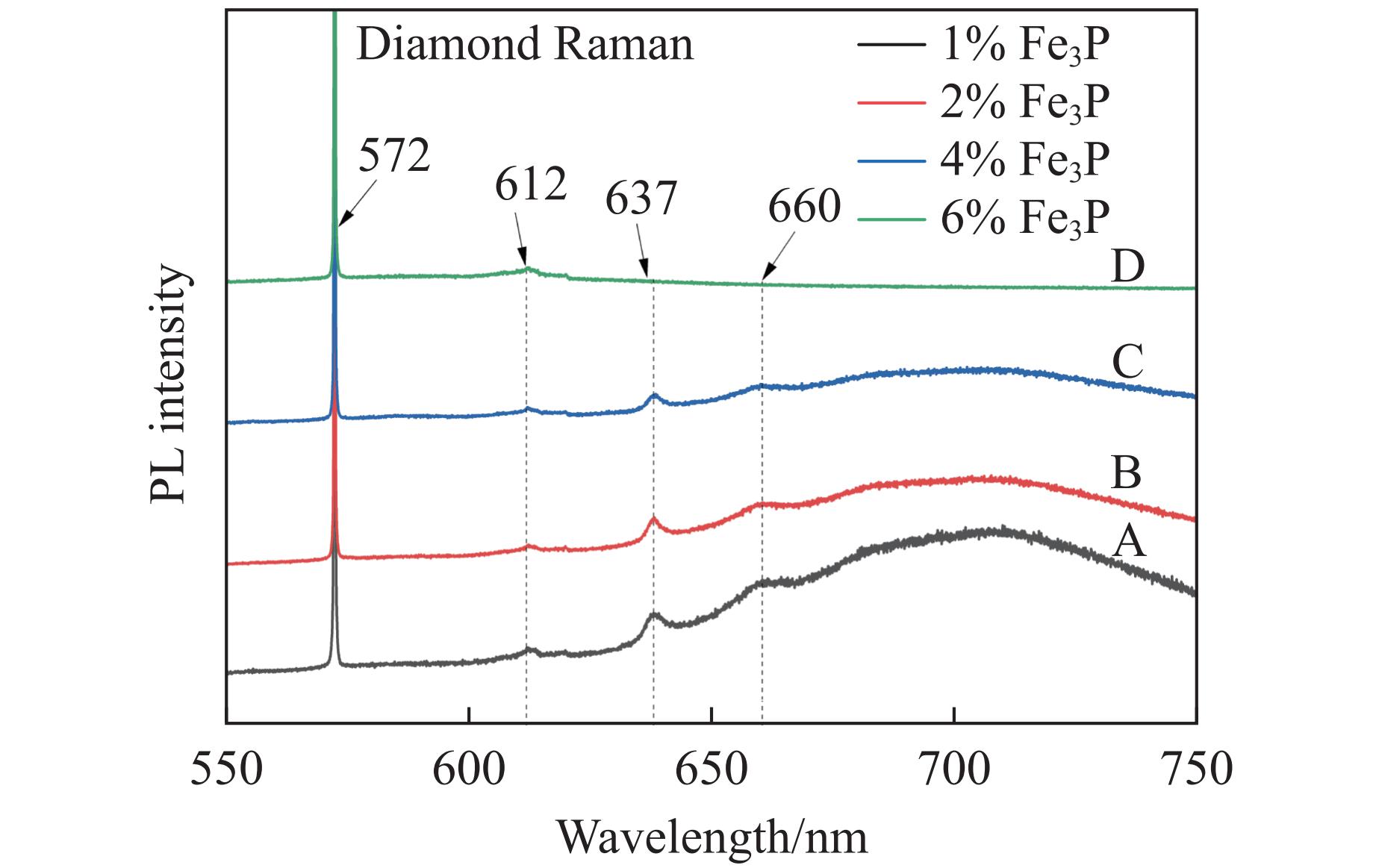
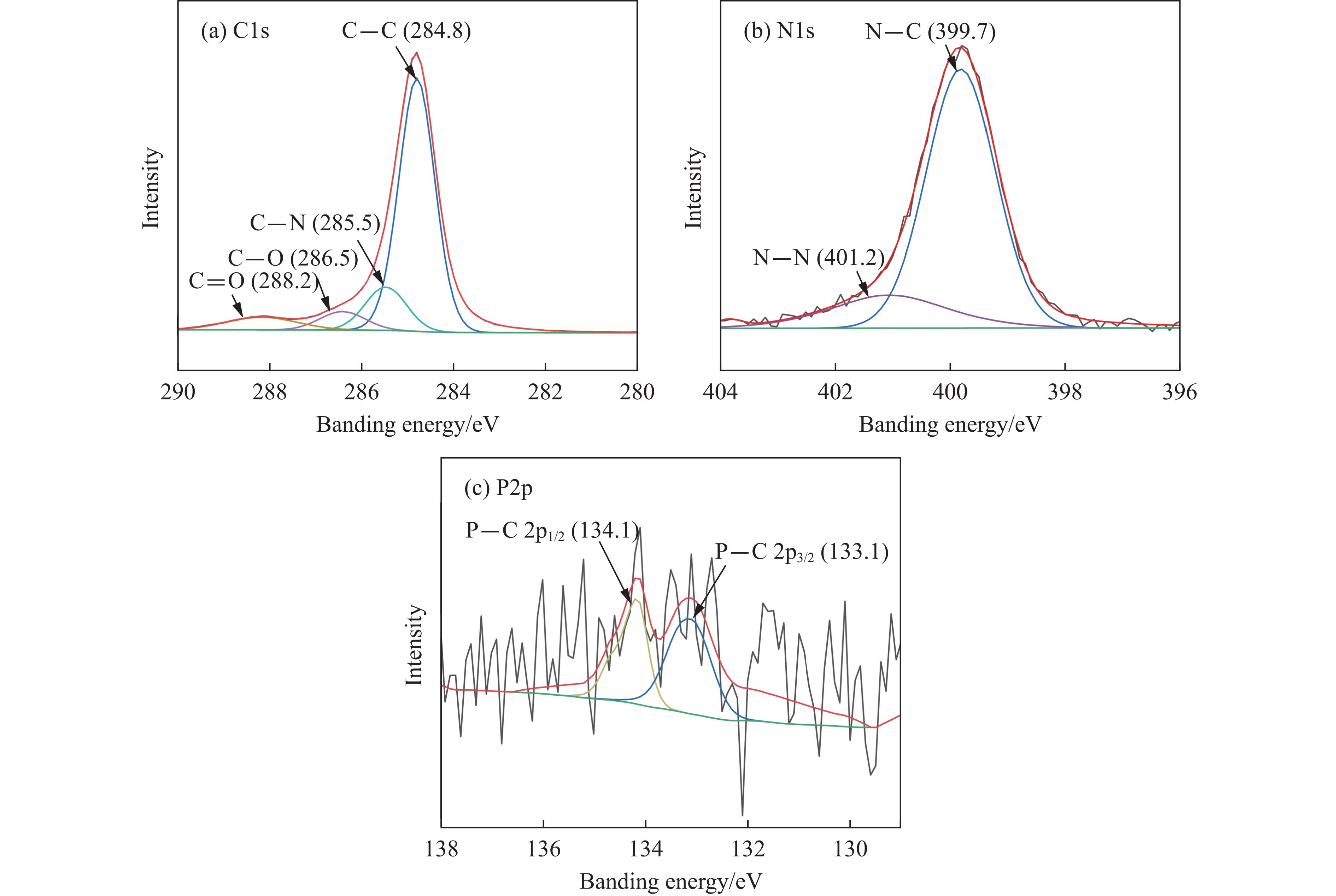
To investigate the effects of phosphorus doping on diamond crystal growth, diamond single crystals doped with phosphorus were synthesized along the (111) plane using the temperature gradient method. The experiments were conducted under conditions of 5.5 GPa and 1 300 ℃, with Fe3P added into the FeNiCo-C system. The synthesized diamond samples were characterized by Fourier-transform infrared (FTIR) spectroscopy, Raman spectroscopy, photoluminescence (PL) spectroscopy, and X-ray photoelectron spectroscopy (XPS). With increasing Fe3P addition, the diamond color gradually lightens, and the crystal morphology changes from octahedral to hexoctahedral. Moreover, the addition of Fe3P alters the catalyst properties, leading to the increases of nitrogen solubility of the catalyst. Thus, fewer nitrogen atoms enter the diamond lattice, resulting in a decrease of nitrogen impurity content in the diamonds. Phosphorus doping increases internal stress and induces lattice distortion in the diamond crystal, resulting in degrading of the diamond quality. This conclusion is supported by the shift and broadening of the Raman peak. The incorporation of phosphorus atoms inhibits the formation of NV− centers in diamond crystals. XPS results confirm the successful incorporation of phosphorus into the diamond lattice. This study provides useful insights for understanding the synthesis mechanism of phosphorus-doped diamond crystals, and supports potential applications of phosphorus-doped diamond crystals.

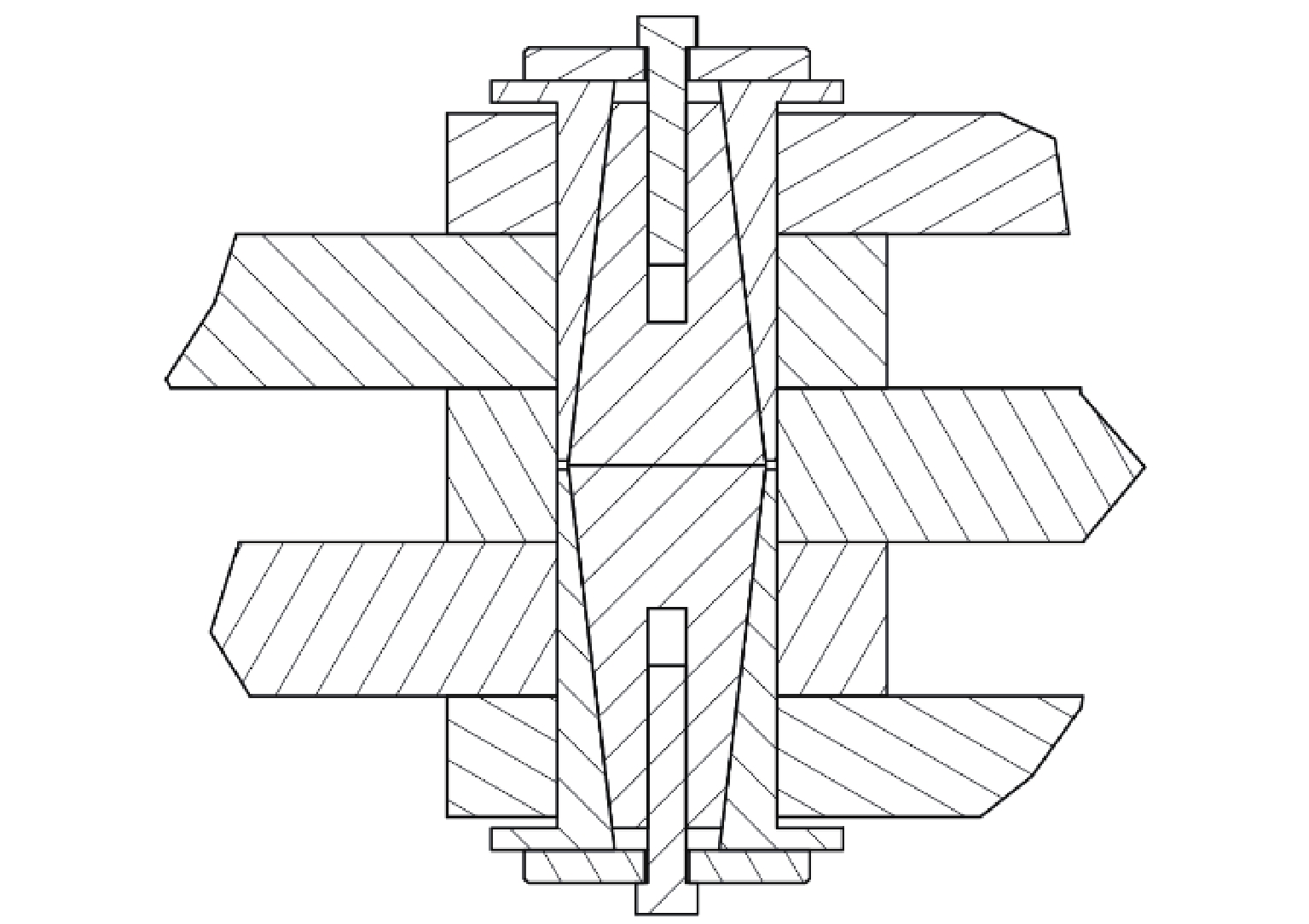
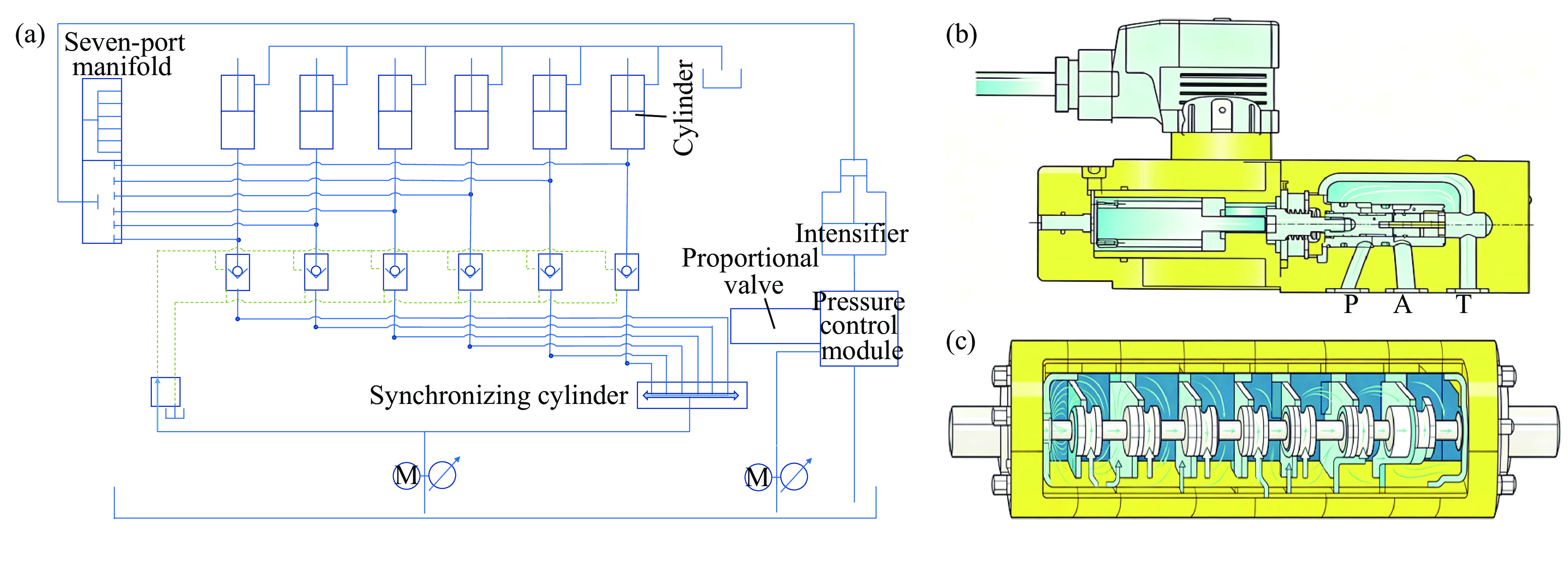
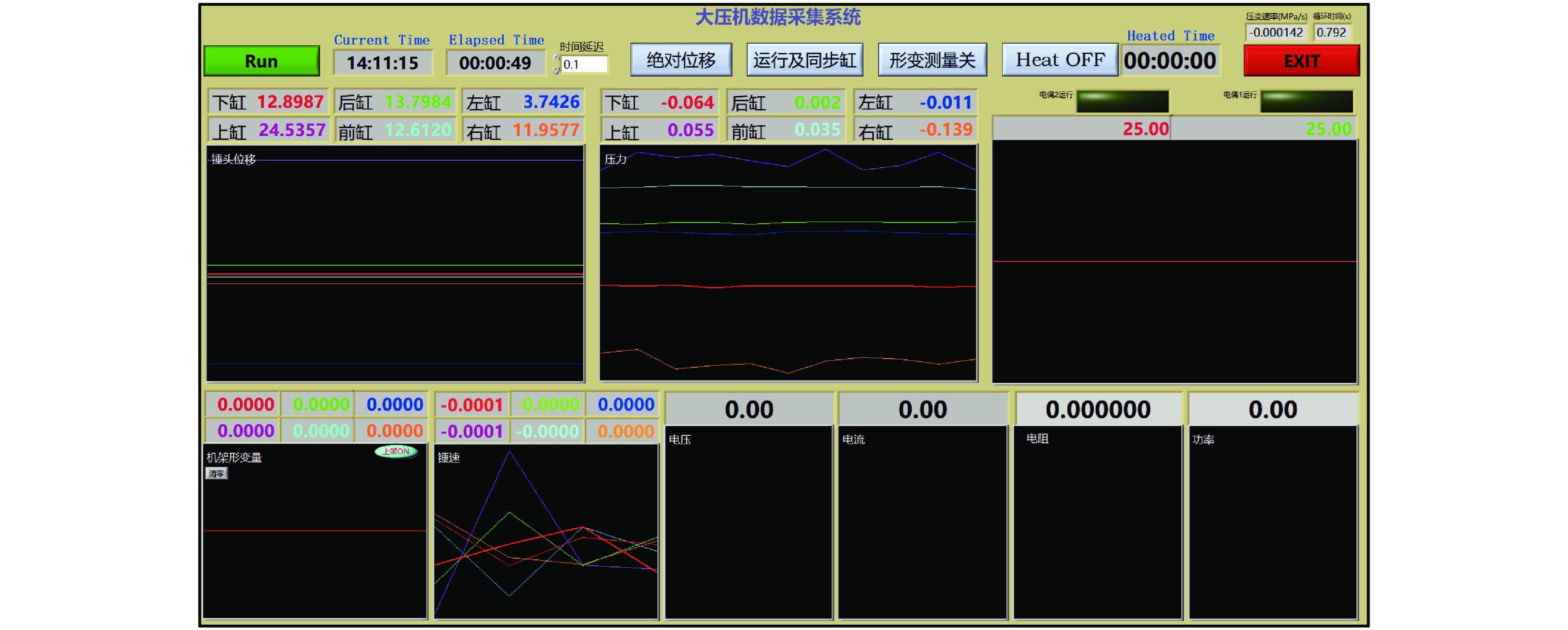
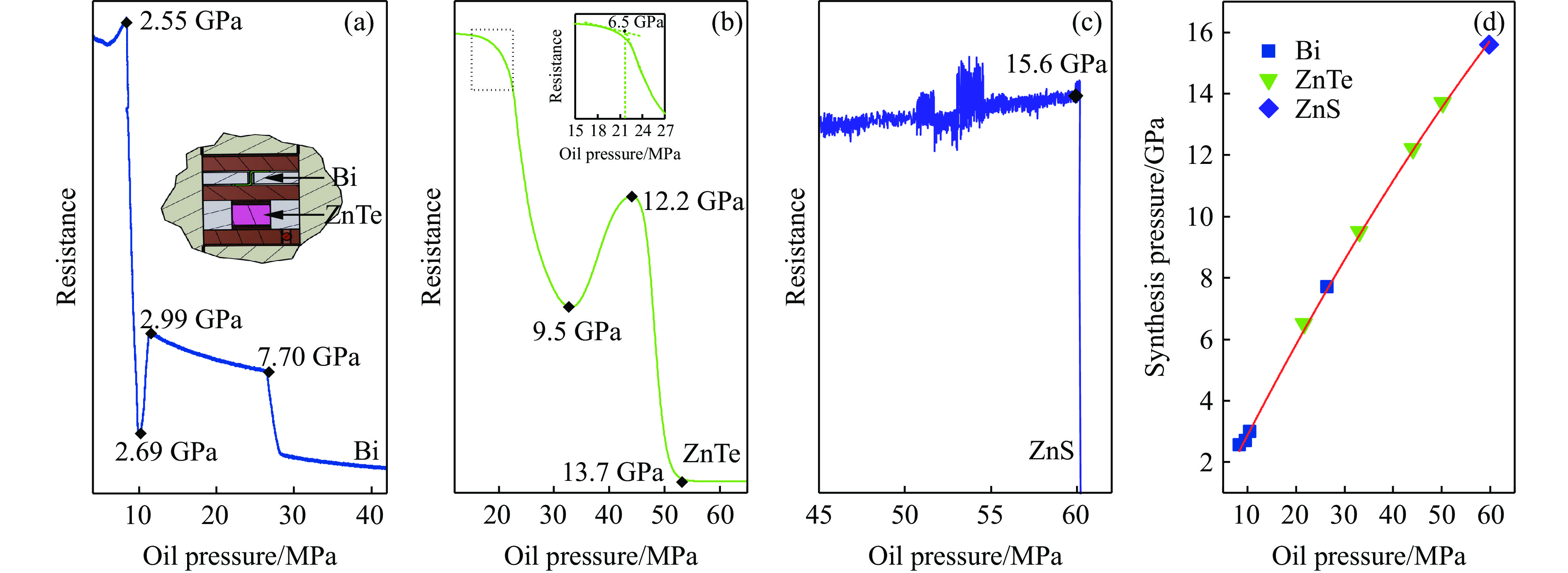
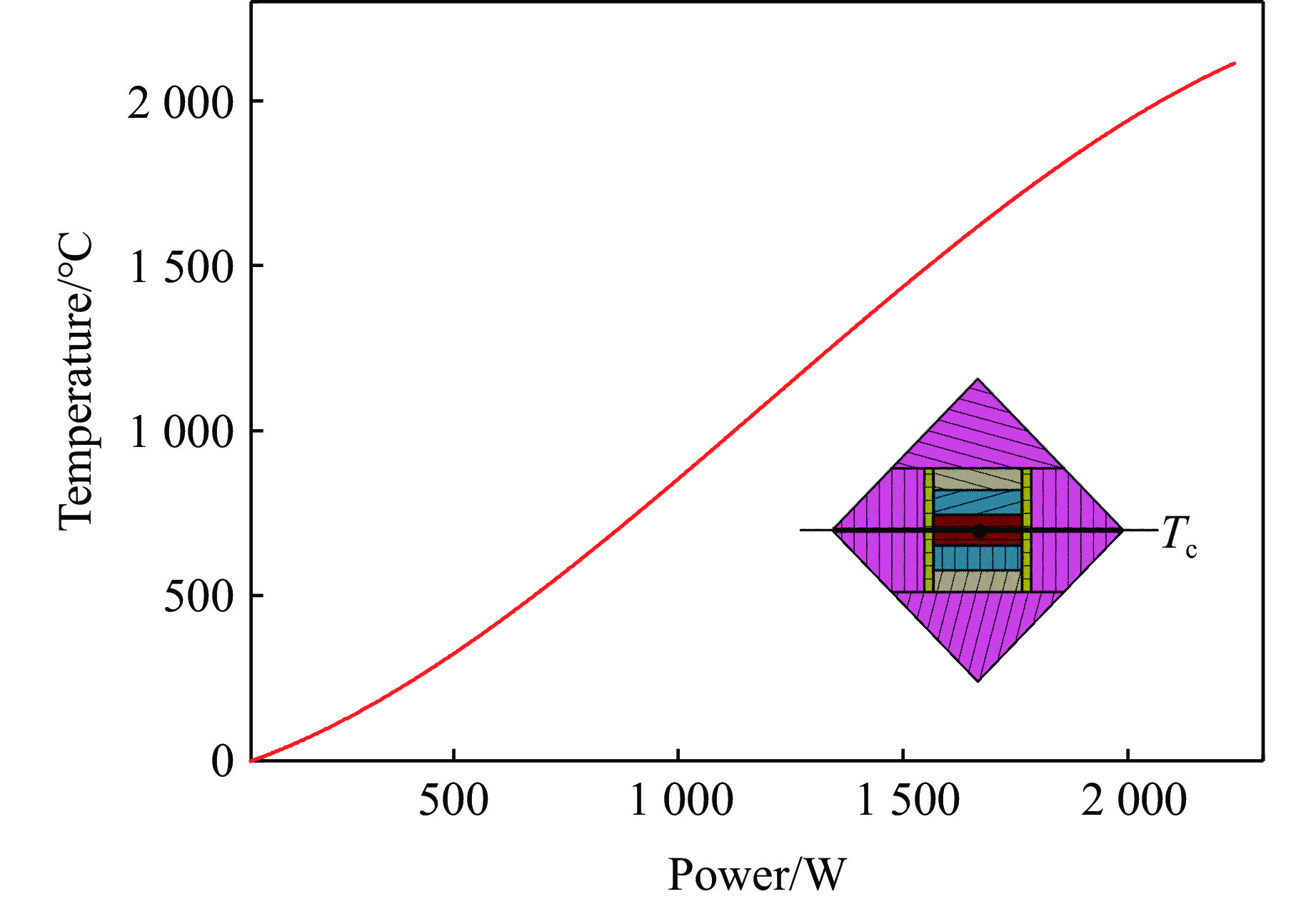
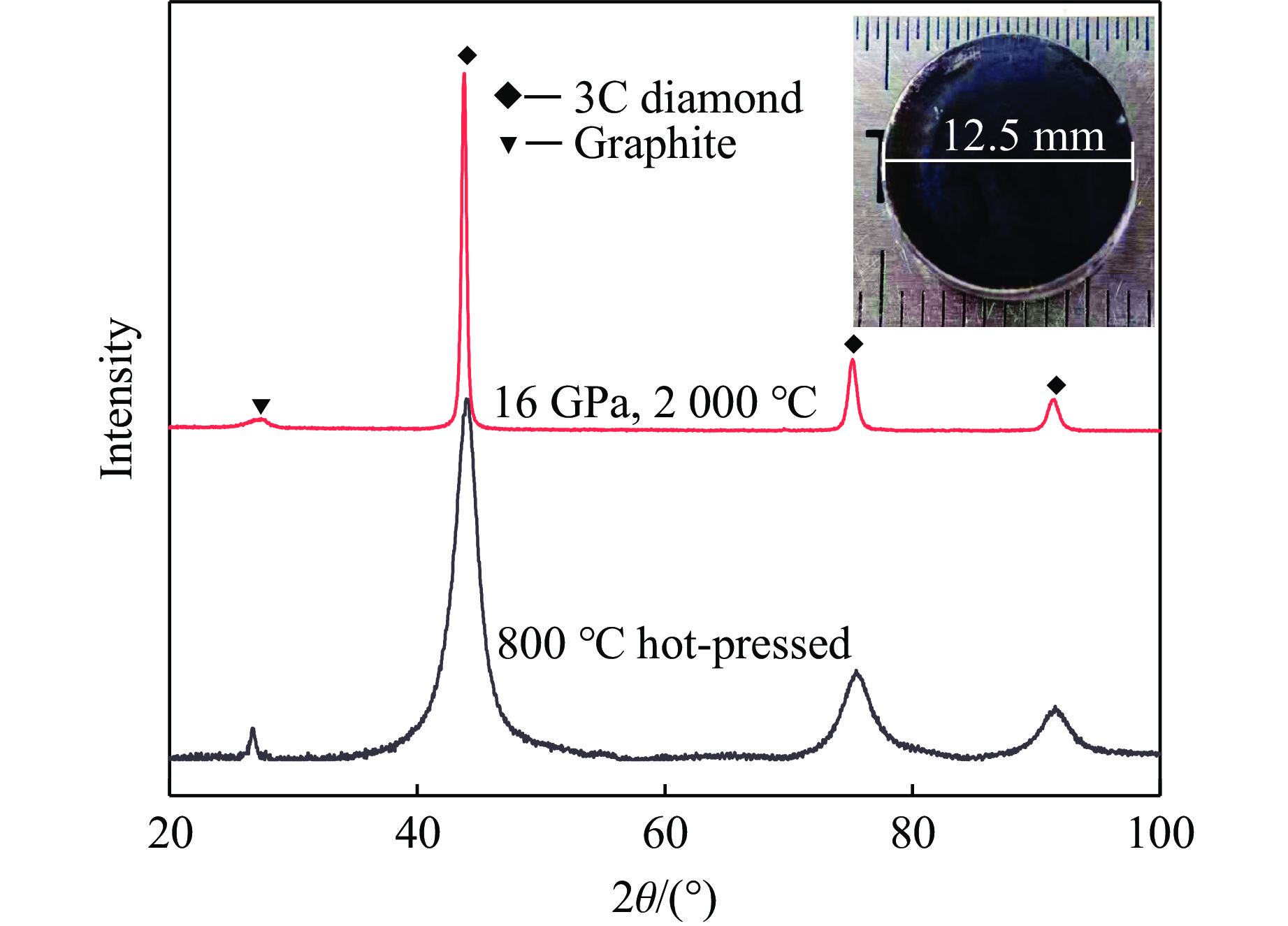
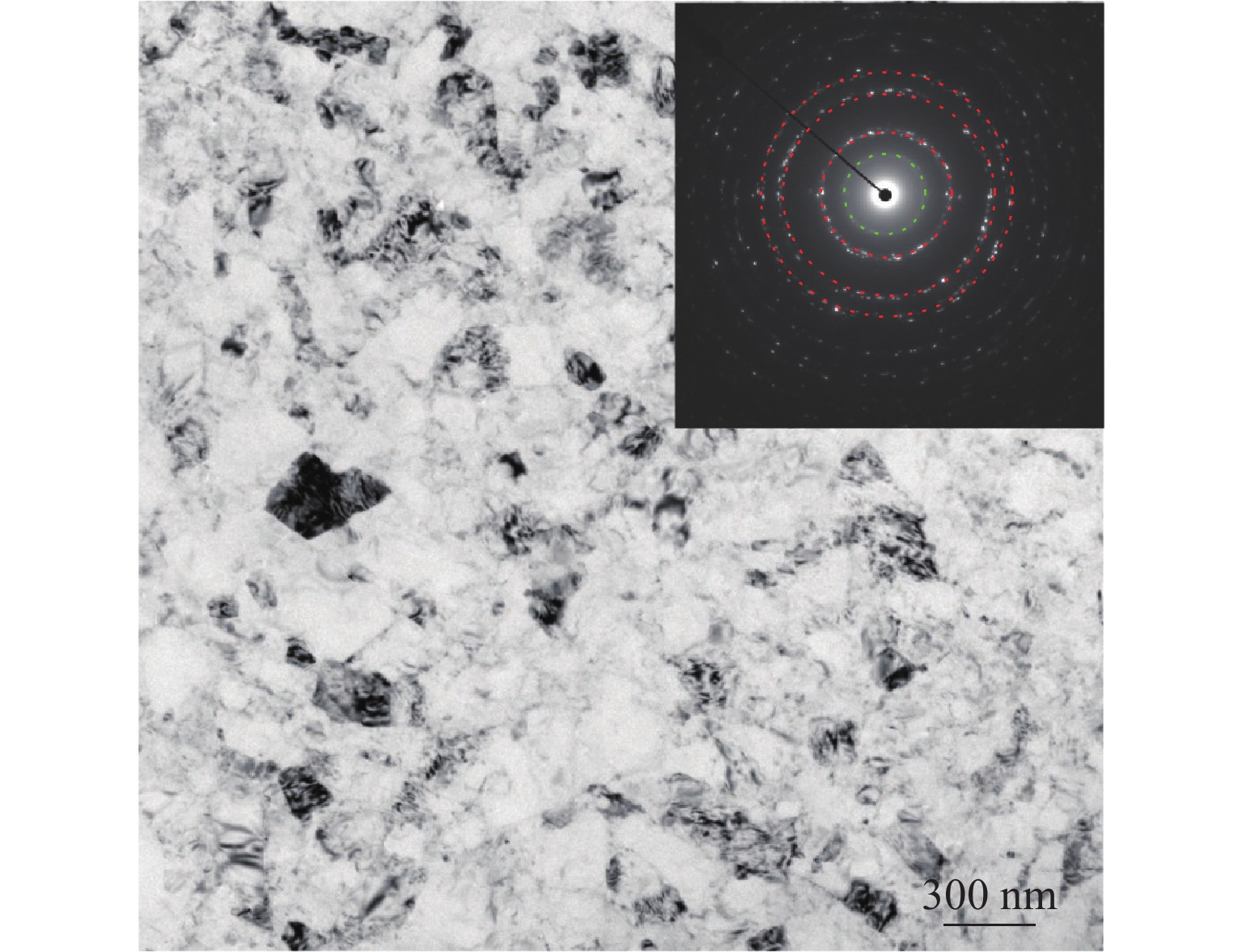
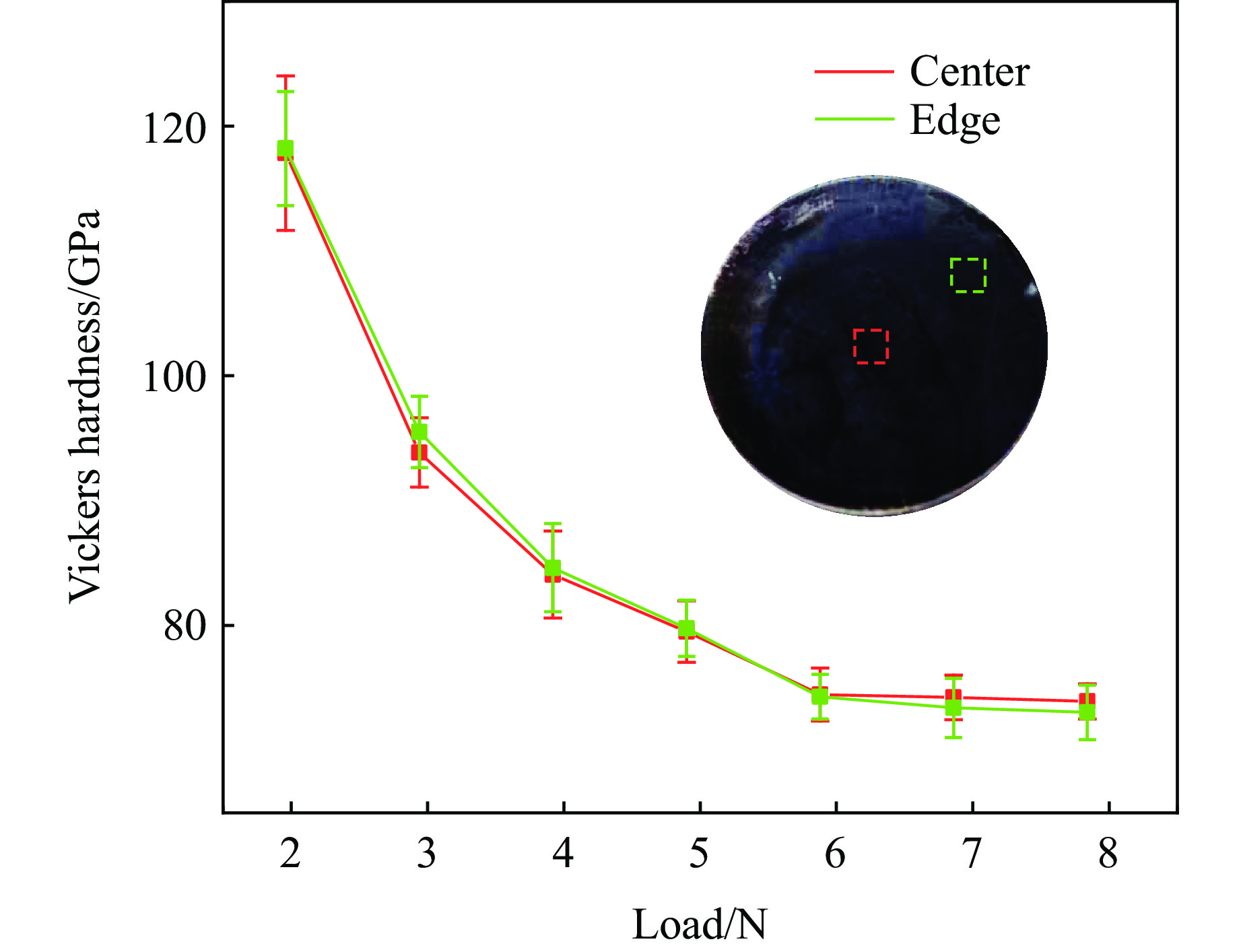
The traditional domestic hinge-type cubic presses are typically operated using limit switch for positioning, fully-open rapid hydraulic oil filling, and fixed-rate pressurization/depressurization modes. Such configurations are limited by poor six-cylinders positioning accuracy and hydraulic filling synchronization, and the pressurization and depressurization rates fail to meet the stringent requirements of ultra-high two-stage pressurization for eccentric load control and mechanical stability. In this study, systematic modification and upgrade were implemented on a domestic cubic press with 650 mm cylinders. To suppress or eliminate the floating and deformation of the frame under overpressure conditions, self-locking pin shaft was designed and assembled, and pre-compensation for frame deformation under high pressure was performed. In addition, aim at improving alignment accuracy and hydraulic filling synchronization, a dual-pump multi-mode hydraulic circuit and an equal-volume cylinder oil-filling process were built. Furthermore, a three-stage feeding method combined with an independent displacement action mode was innovatively proposed. A closed-loop control program was developed to operate in parallel with the original press control system, enabling the real-time acquisition, synchronous monitoring, and closed-loop adjustment of data sets including press operational status, oil pressure, and heating temperature. Additionally, a strategy combining proportional-integral-derivative (PID) control with precision pressure-control module components was proposed to achieve ultra-slow pressurization and depressurization. The correlation between synthesis chamber pressure and oil pressure, and the correlation between heating temperature and power were experimentally calibrated. Furthermore, the high-temperature and high-pressure (HTHP) synthesis of centimeter-sized nano-polycrystalline diamond bulk specimen was conducted. The results indicate that the optimized and upgraded domestic 650 mm cubic press is capable of synthesis large-volume samples at 15 GPa and over
Founded in 1987, monthly
Sponsored by:Topical Committee of High Pressure of Chinese Physical Society Sichuan Physical Society
Organized by:Institute of Fluid Physics, CAEP
Editor-in-Chief:MA Yanming
Login in


NewsMore
- 2025 Symposium on Engineering Structure Safety and Protection (First Announcement)
- The 22nd Chinese Conference on High Pressure Science (Third Announcement)
- Notification for the Selection of the Fifth High-Pressure Science Outstanding Young Scholars
- Results of the 2024 Excellent Reviewer Selection for the Journal of High Pressure Physics
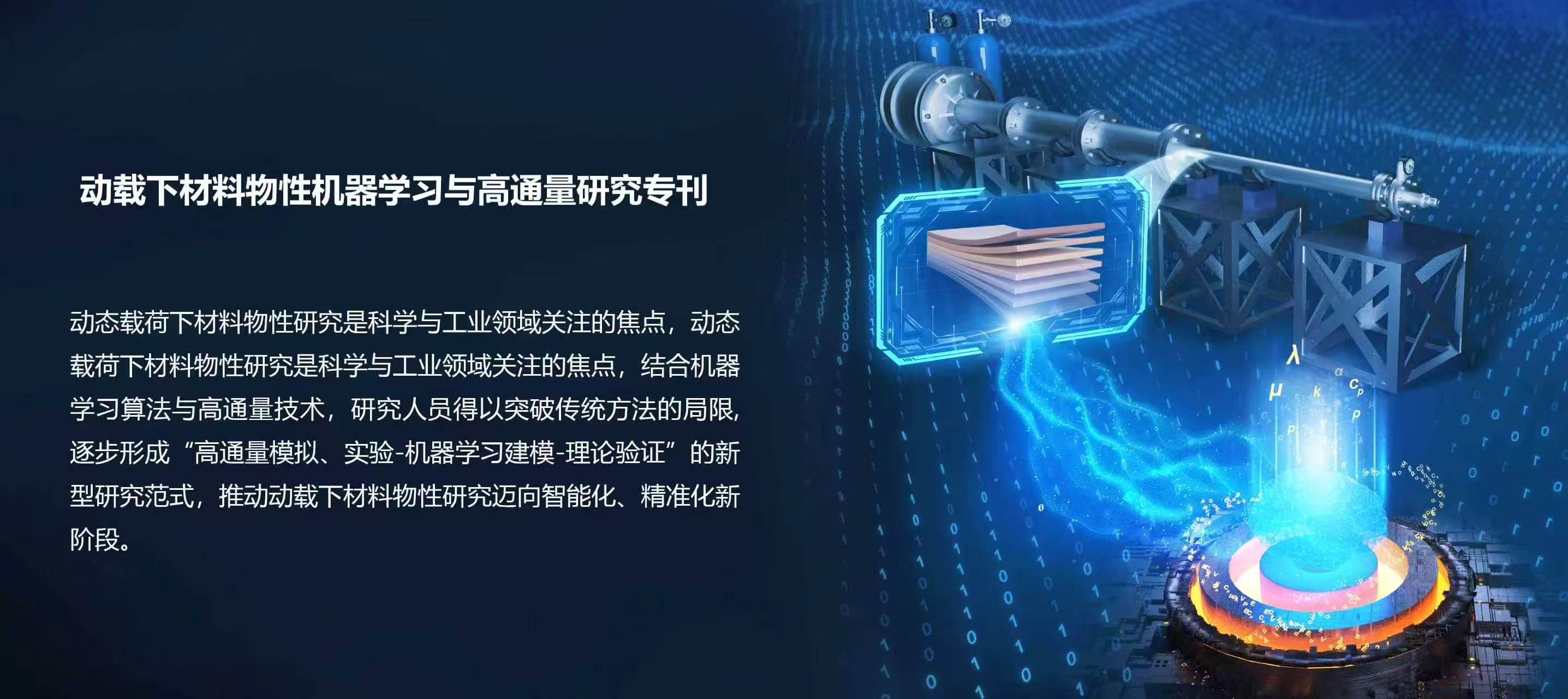
- Call for Papers for the Special Issue on Machine Learning and High-Throughput Research of Material Properties under Dynamic Loading
- Notice for the 2024 Shanghai Synchrotron Radiation Large Pressure Machine Experimental Technology Training Course
- Chinese Journal of High Pressure Physics will change from a bimonthly journal to a monthly journal starting in January 2025






