

Current Issue

2026 Vol. 40, No. 4

Cover
2026, 40(4)
PDF (18)
Abstract:
2026, 40(4): 1-2.
HTML PDF (31)
Abstract:
Young Scientists’ Forum
Crystal Structure and Transport Properties of LaZn1–δSb2 under Pressure
XIANG Zhening, LI Qing, WEN Haihu
2026, 40(4): 040101. doi: 10.11858/gywlxb.20261005
HTML PDF (76)
Abstract:

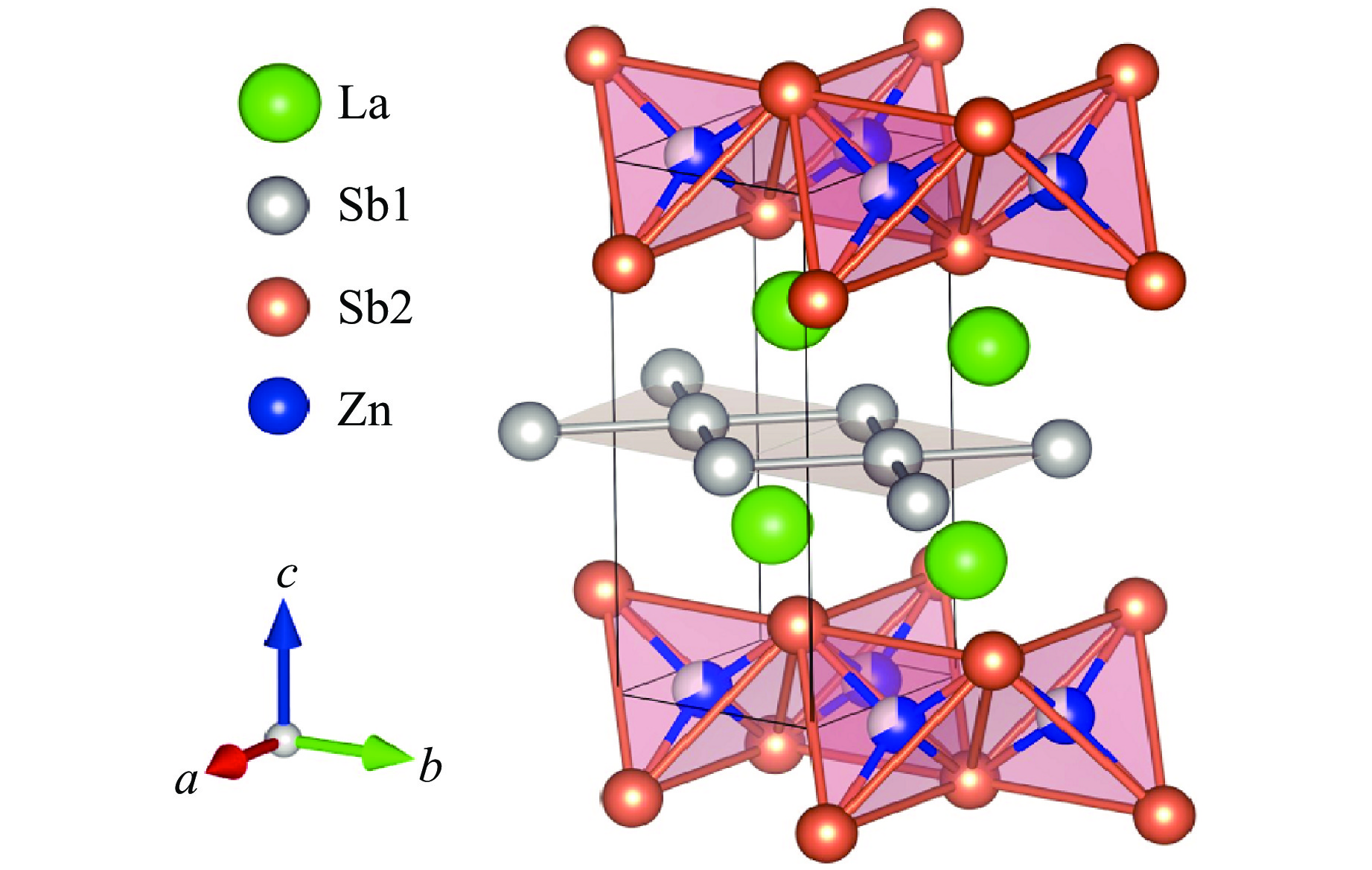
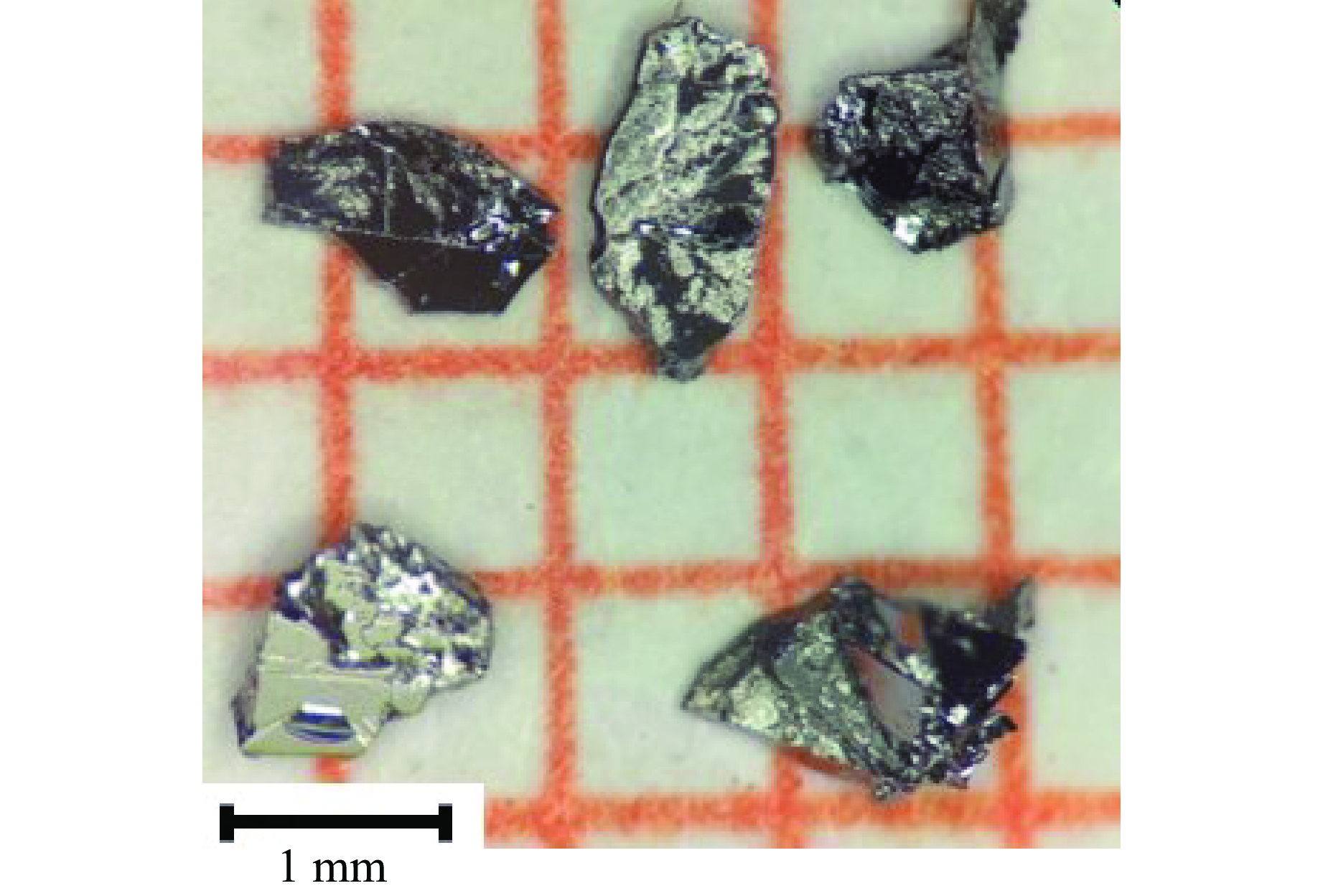
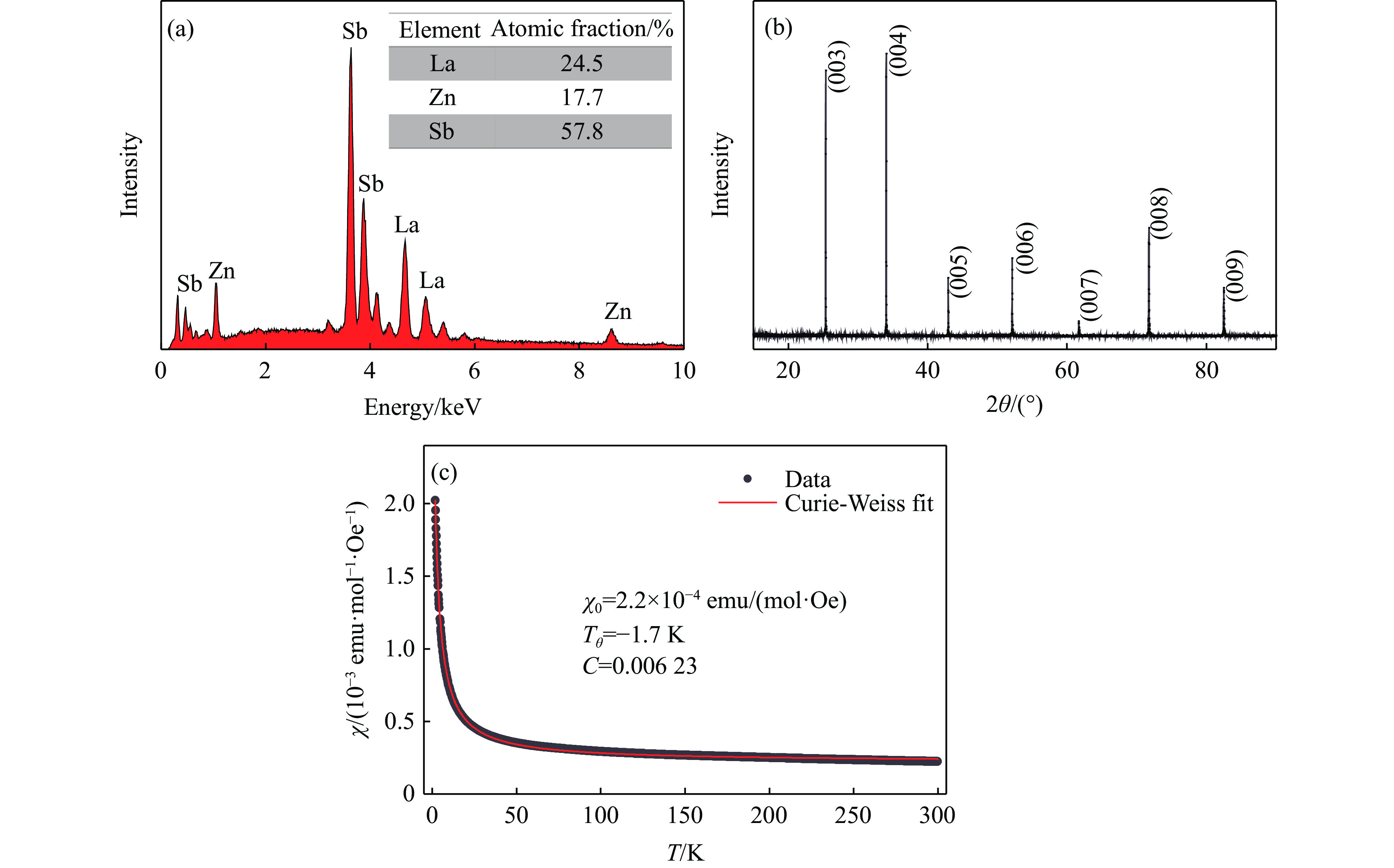
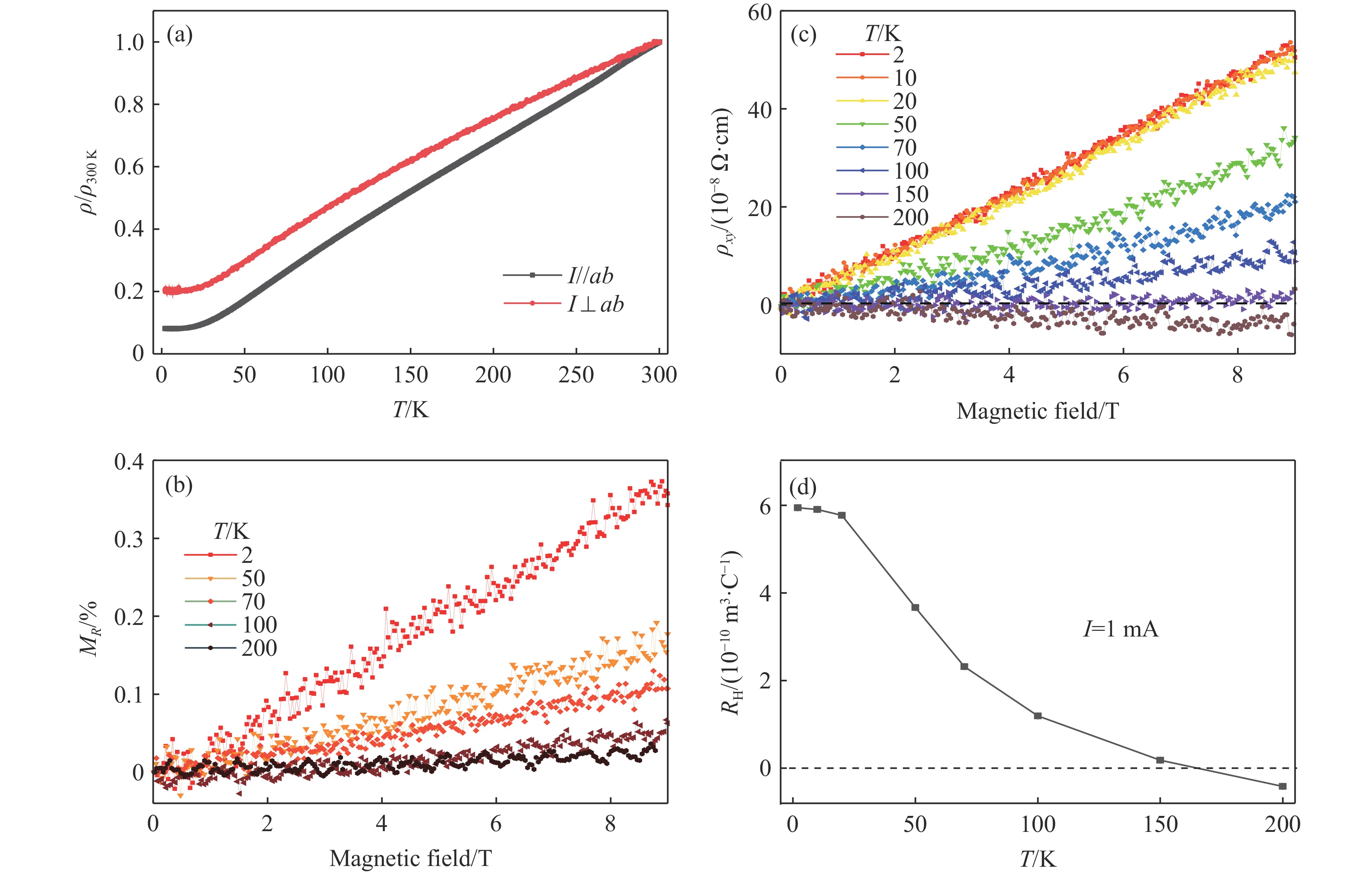
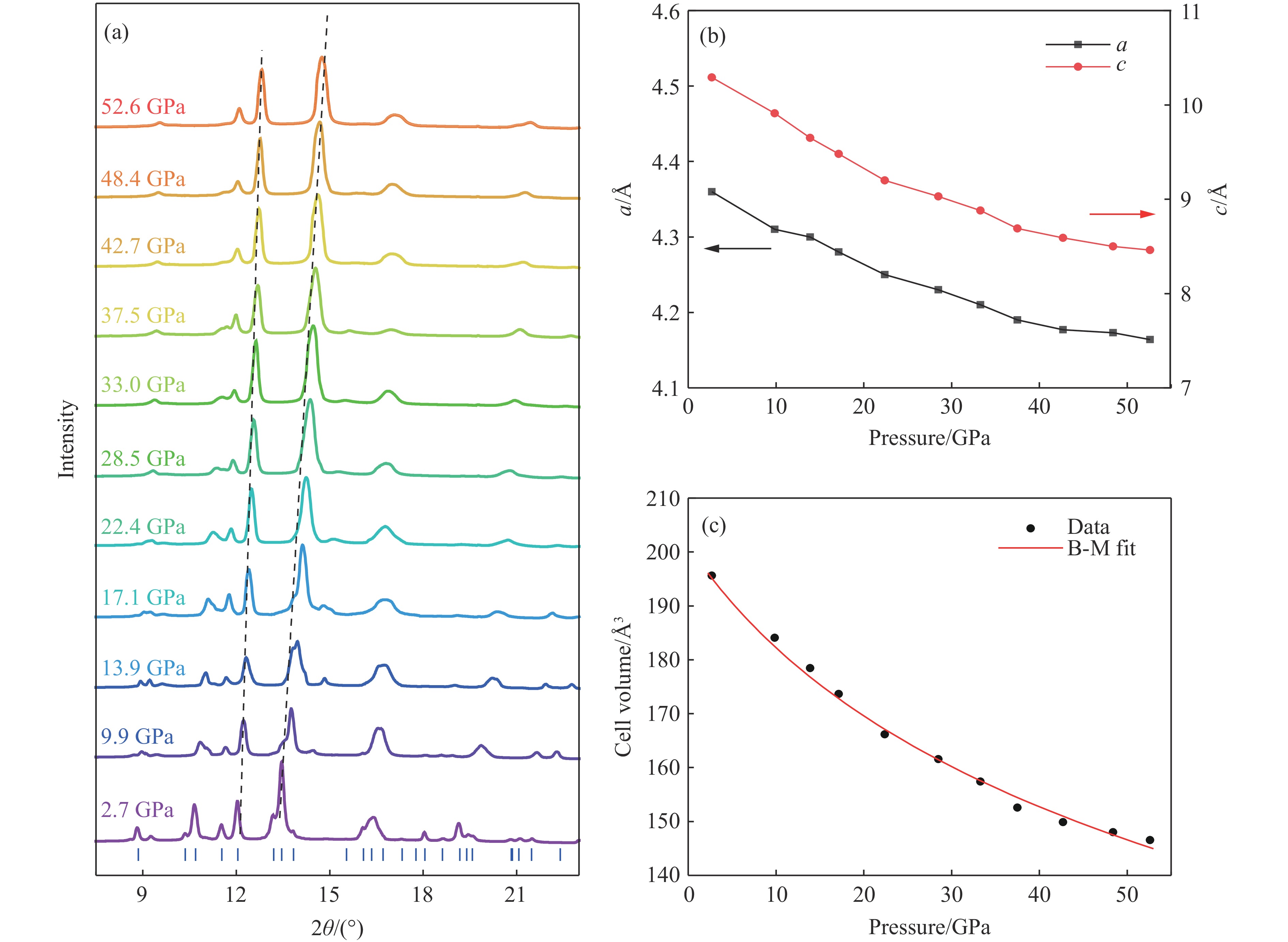
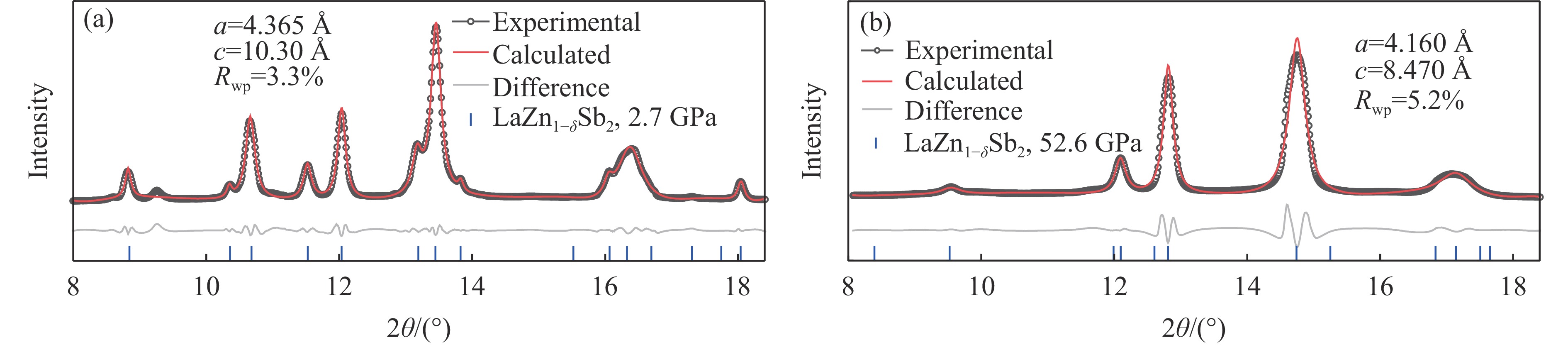
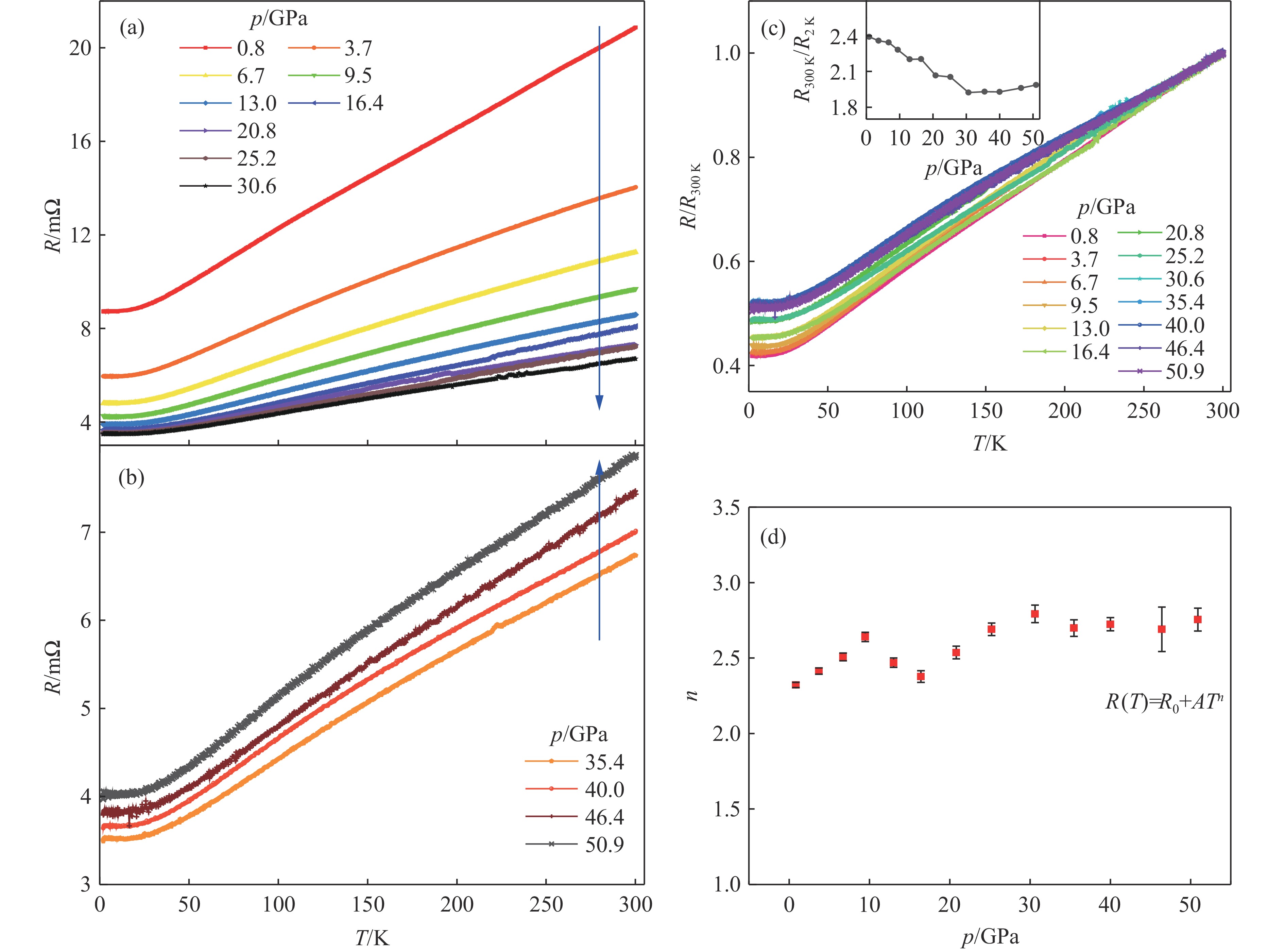
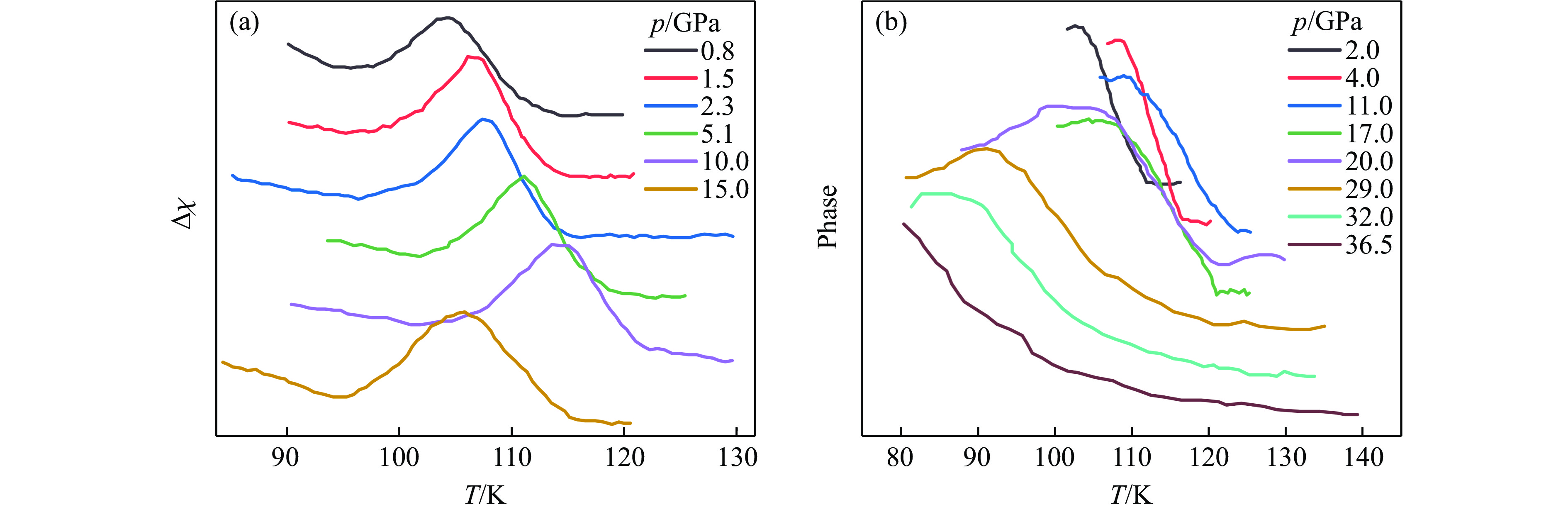
In the search of new superconducting materials, some specific structural units are recognized as essential factors for the emergence of superconductivity, such as the CuO2 planes in cuprates and the Fe-As layers in iron-based superconductors. In this study, we investigate the structural and transport properties of the zinc-based 112-type compound LaZn1–δSb2 with Zn-Sb layers at both ambient and high pressures. The LaZn1–δSb2 crystallizes in a tetragonal structure with a certain amount of Zn vacancies at ambient pressure. The low-temperature physical properties exhibit paramagnetic metallic behavior, with resistivity showing anisotropy behavior, and the magnetoresistance is positive at low temperatures. Meanwhile, the hole-type Hall coefficient shows significant temperature dependence, indicating that the transport behavior is dominated by multiband effects. Under high pressures, LaZn1–δSb2 retains its tetragonal phase while undergoing a volume compression exceeding 25%. As pressure increases, the absolute value of resistance and residual resistance ratio initially decrease and then increase. Further fitting reveals that the transport behavior under pressure remains dominated by electron-phonon scattering and shows almost no pressure dependence. Notably, no superconductivity above 2 K is observed up to the highest pressure of 50.9 GPa in this study. The absence of superconductivity in LaZn1–δSb2 may be related to lattice defects induced by Zn vacancies. These results can provide useful insights for the search for new superconductivity in compounds with similar structures.

Research Progress on High-Temperature H2-Molecular-Type Hydride under High Pressure
WEI Xinmiao, LIU Zhao, CUI Tian
2026, 40(4): 040102. doi: 10.11858/gywlxb.20251257
HTML PDF (99)
Abstract:

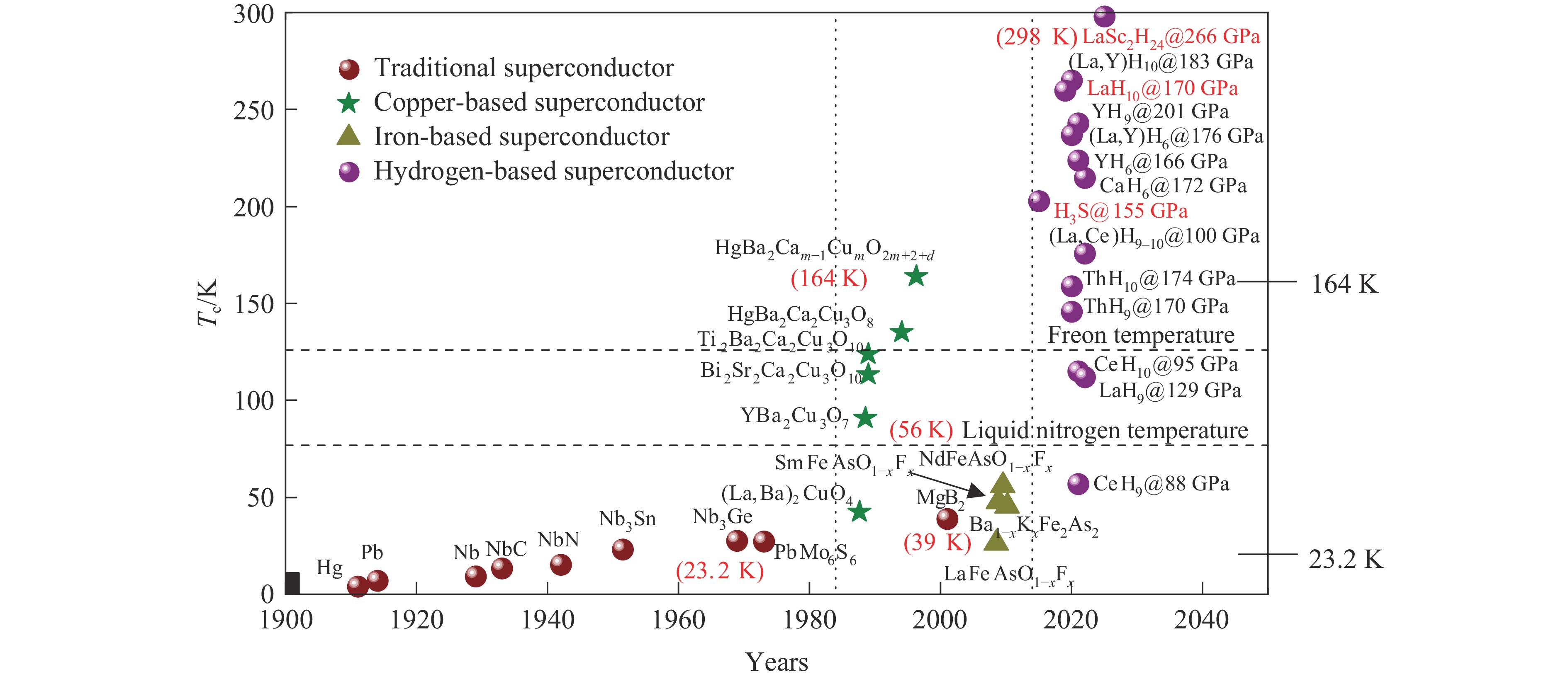
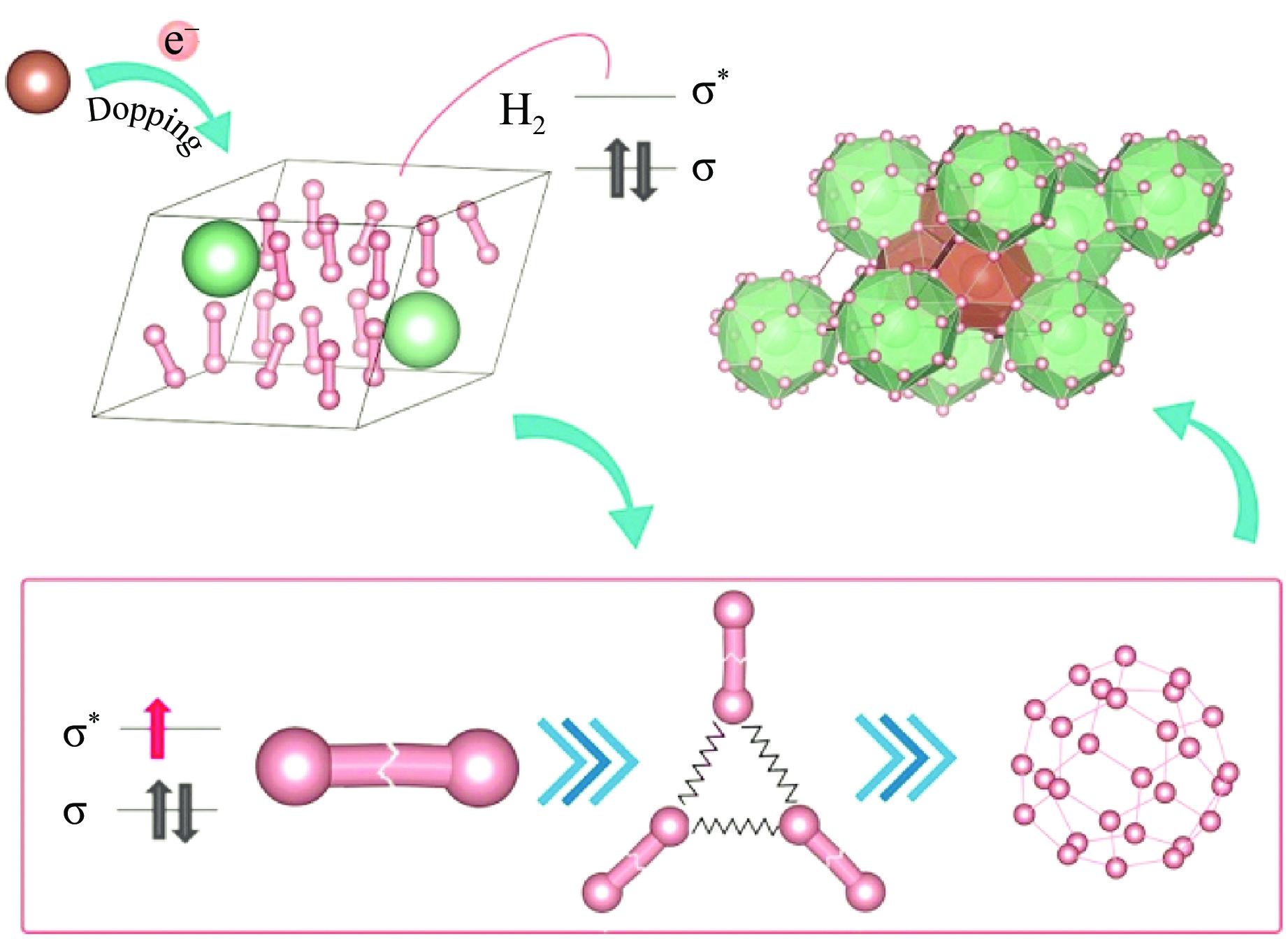
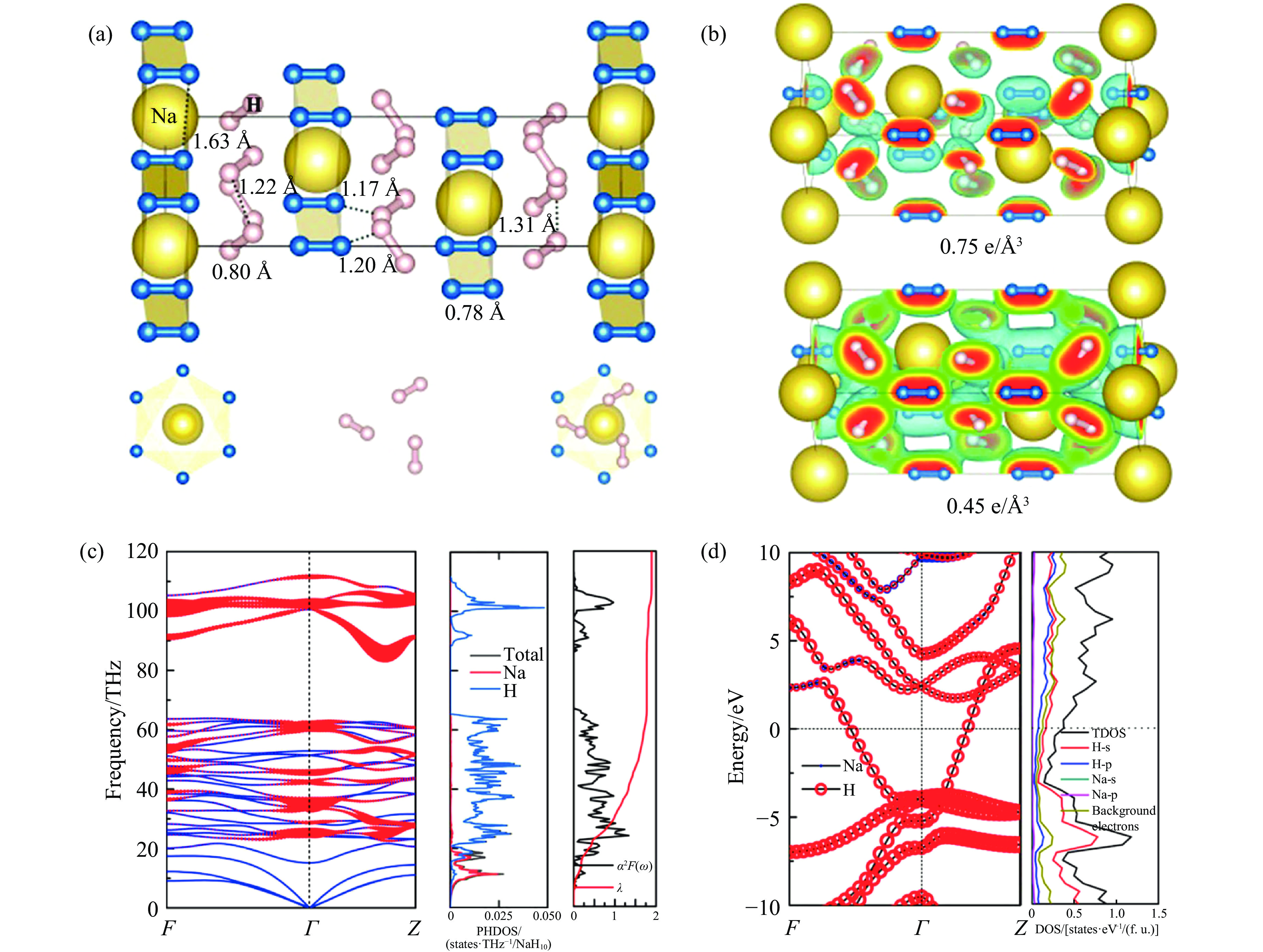
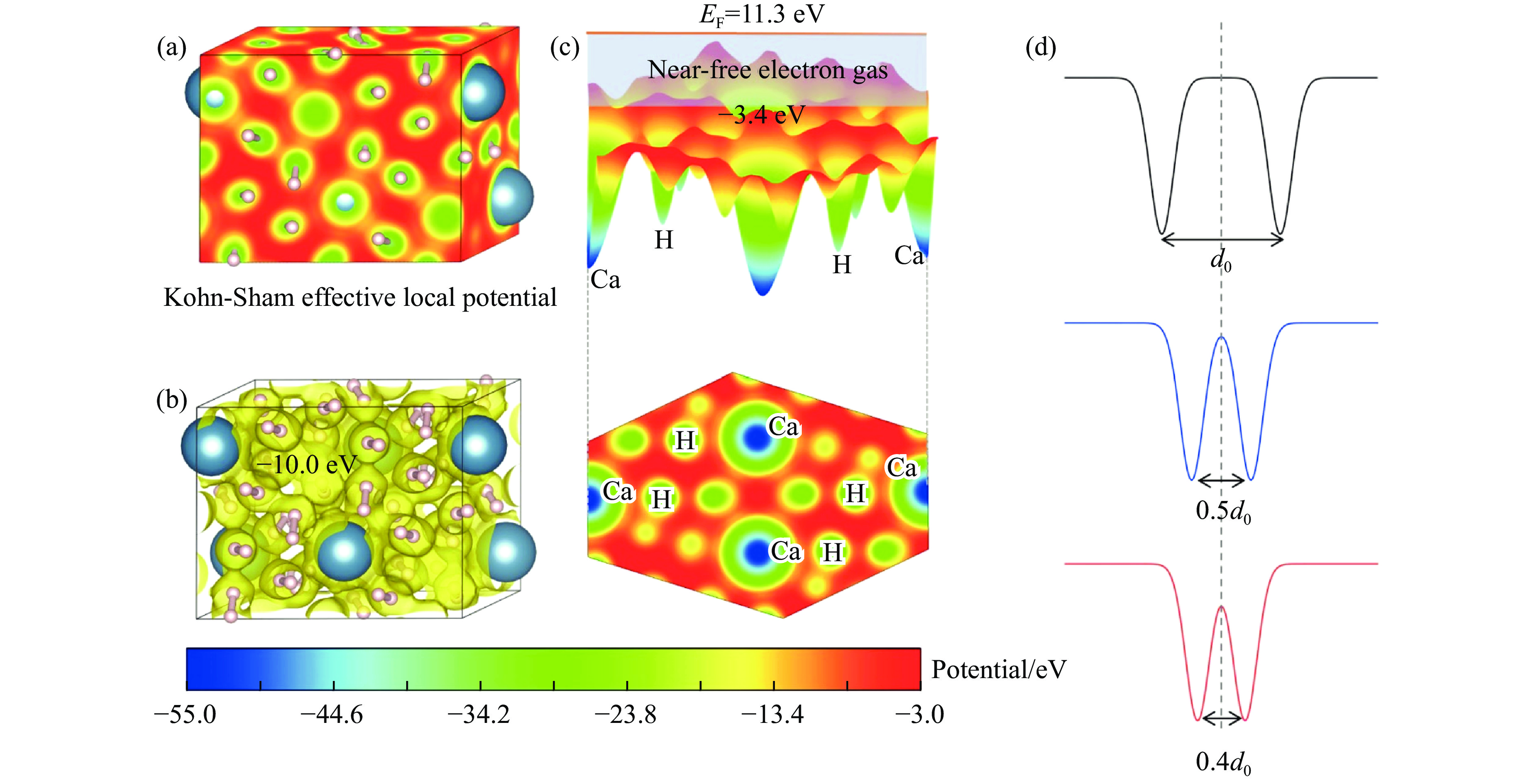
The synthesis of the room-temperature superconductor LaSc2H24 represents a significant milestone in the field of superconductivity research. A central goal of subsequent studies is to lower the stabilization pressure required for hydrogen-rich superconductors, thereby establishing both theoretical foundation and technical pathway toward achieving low-pressure room-temperature superconductivity. This paper reviews recent advances in the prediction and experimental synthesis of hydride materials, with a focus on a promising strategy for realizing high-temperature superconductivity at reduced pressures—namely, H2-molecular-typehydride. The superconducting mechanism dominated by molecular H2 units is redefined, offering a new perspective for understanding phonon-mediated superconductivity. In H2-molecular-type hydrides, a nearly free-electron gas behavior has been clearly observed. These delocalized electrons exhibit metallic bonding characteristics while retaining fragments of molecular hydrogen. This finding indicates that the essential condition for superconducting transition is the formation of a Fermi sea hosting Cooper pairs, rather than complete dissociation into atomic hydrogen. The generation mechanism of the free-electron gas in these materials can be effectively explained using a finite potential well model. The distinctive electronic properties of these compounds under high pressure, combined with enhanced electron-phonon coupling, establish a novel paradigm for designing low-pressure, high-temperature, and potentially room-temperature superconductors.

Energy Conversion Prediction Model of Expansion Tube under Near-Field Blast Loading
QI Zizhen, LI Minghao, ZHANG Yuyan, LIANG Minzu, ZHANG Yuwu, LIN Yuliang
2026, 40(4): 040103. doi: 10.11858/gywlxb.20251227
HTML PDF (82)
Abstract:

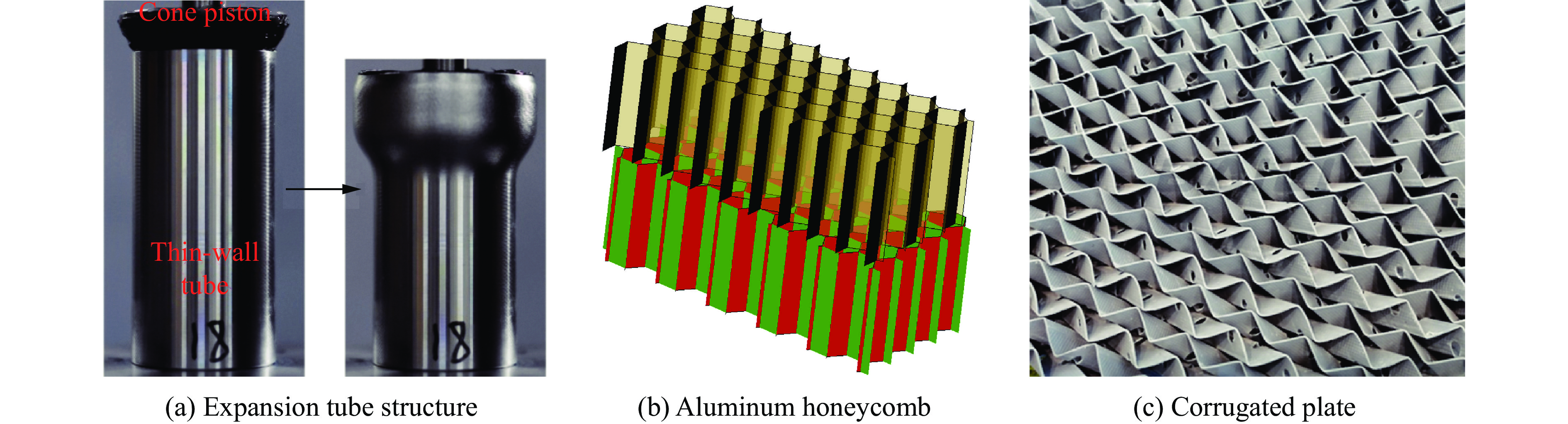
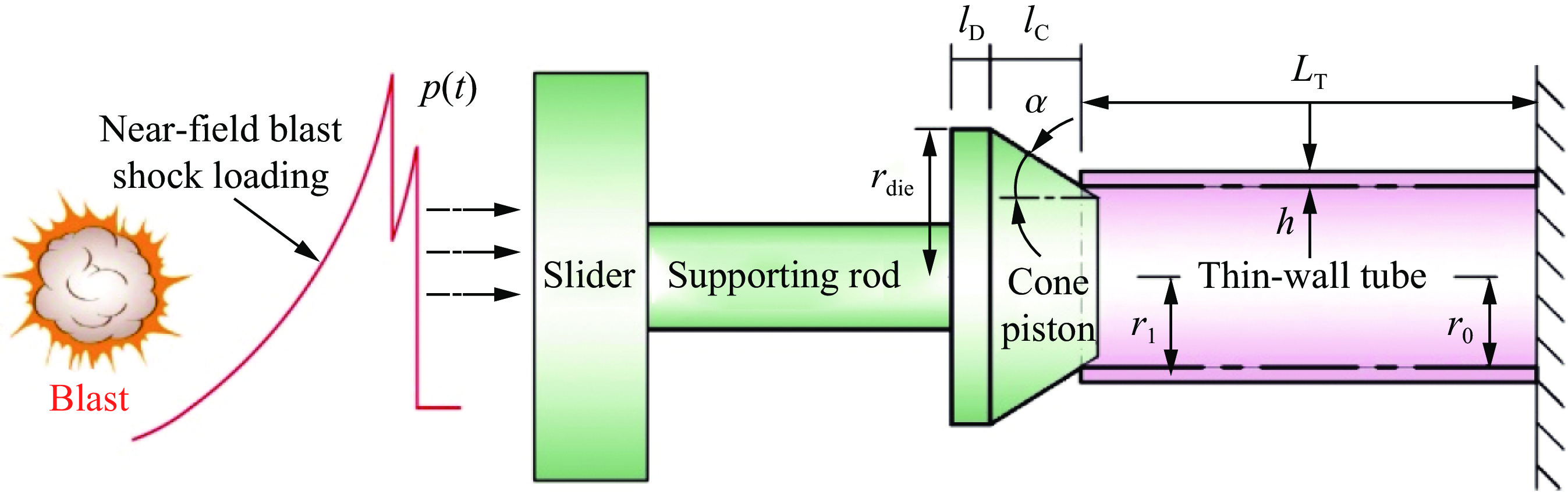
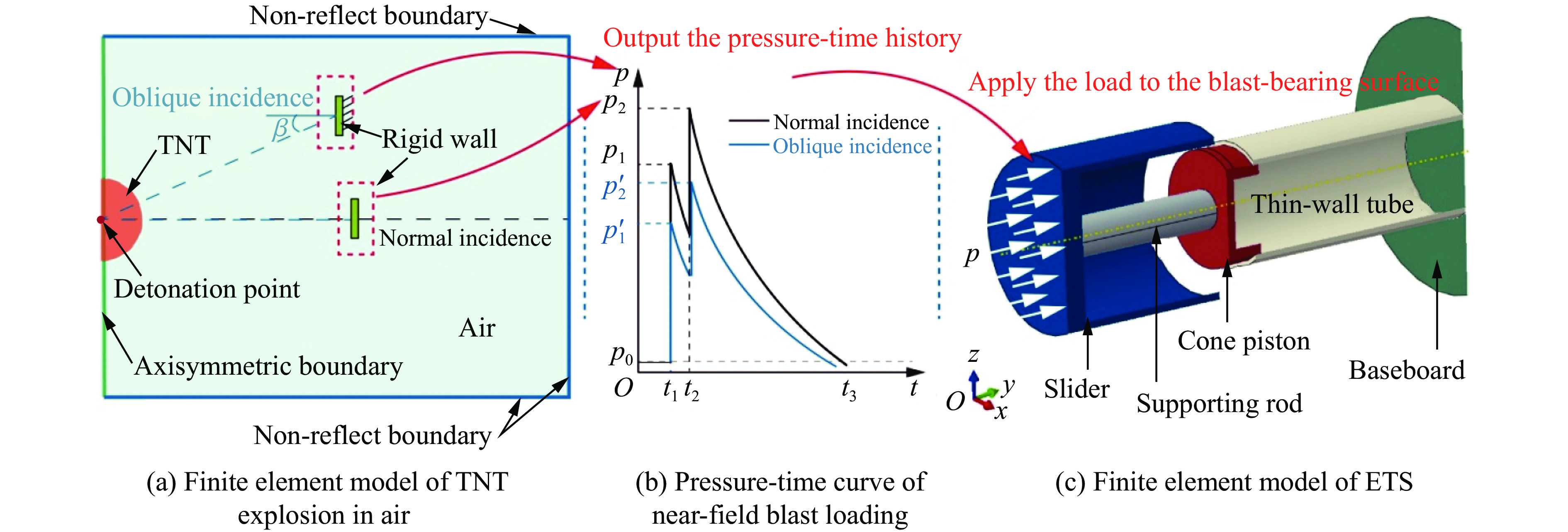
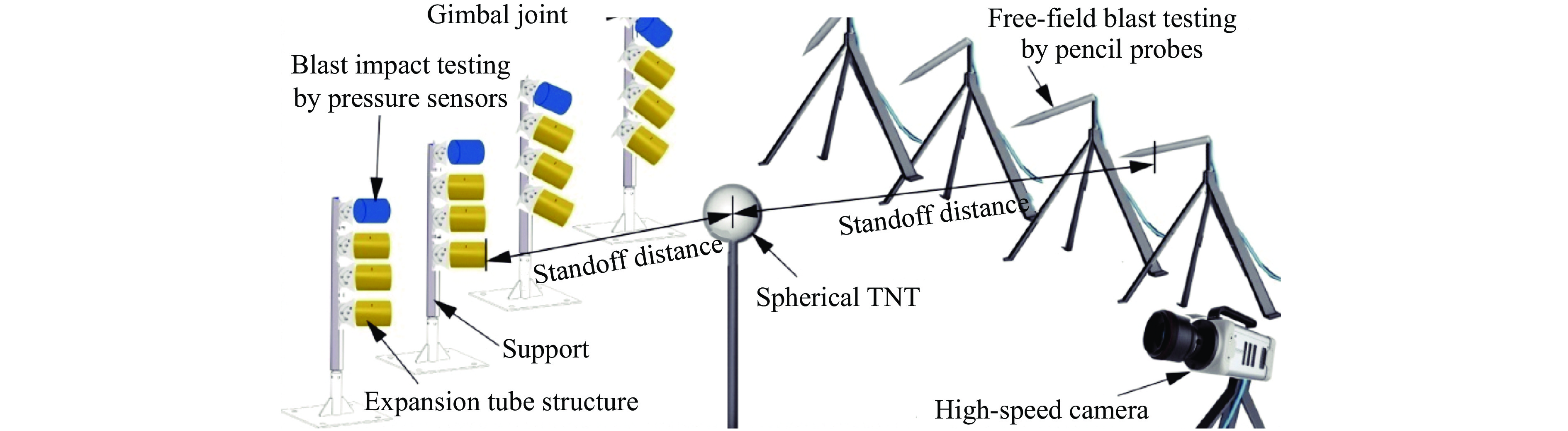
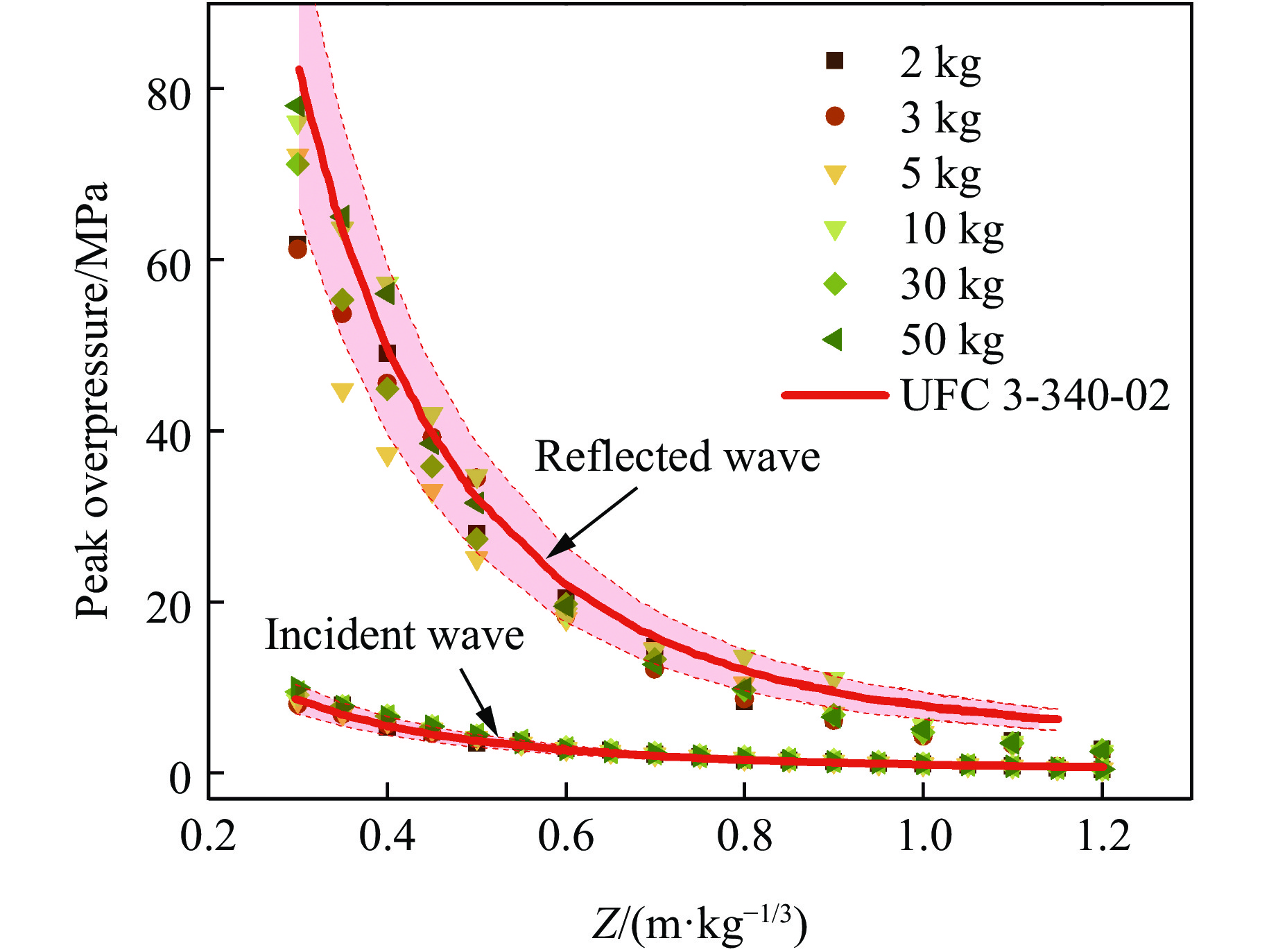
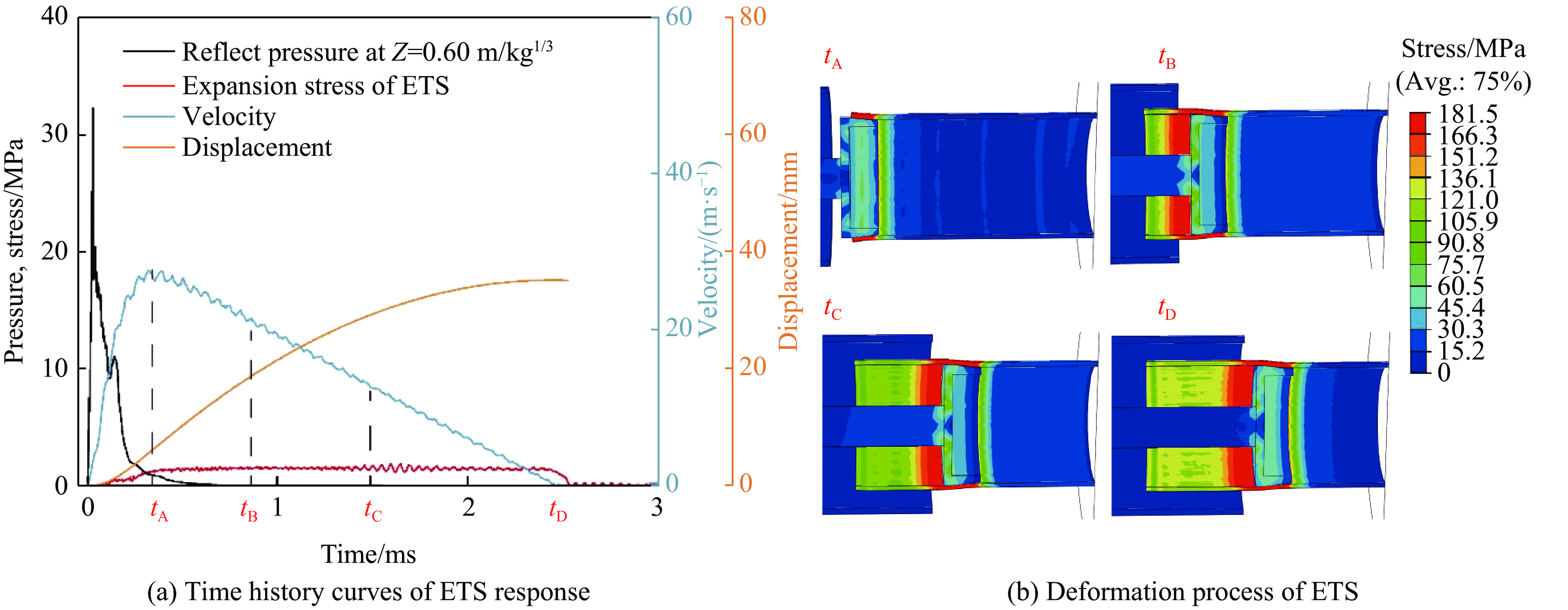
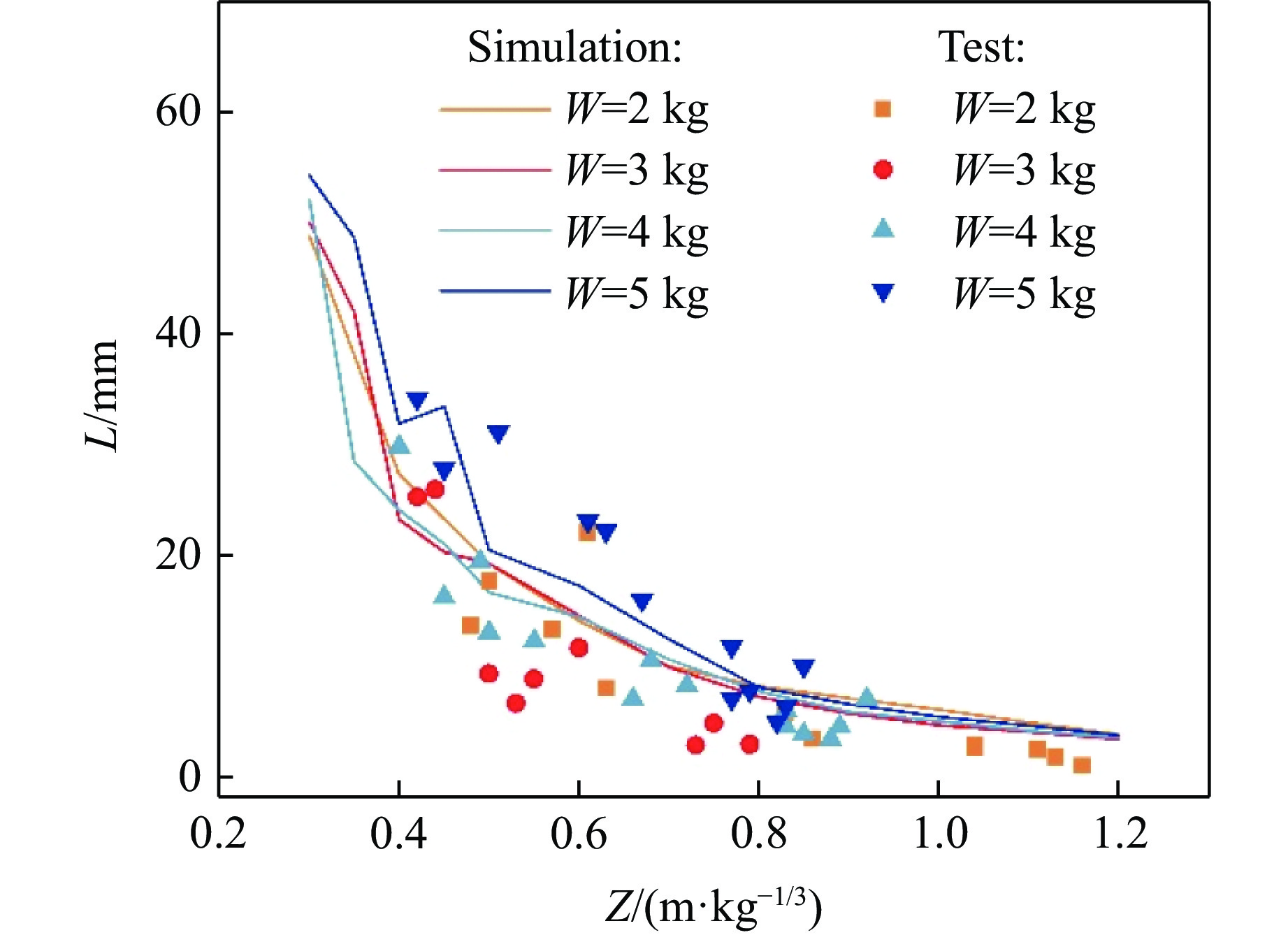
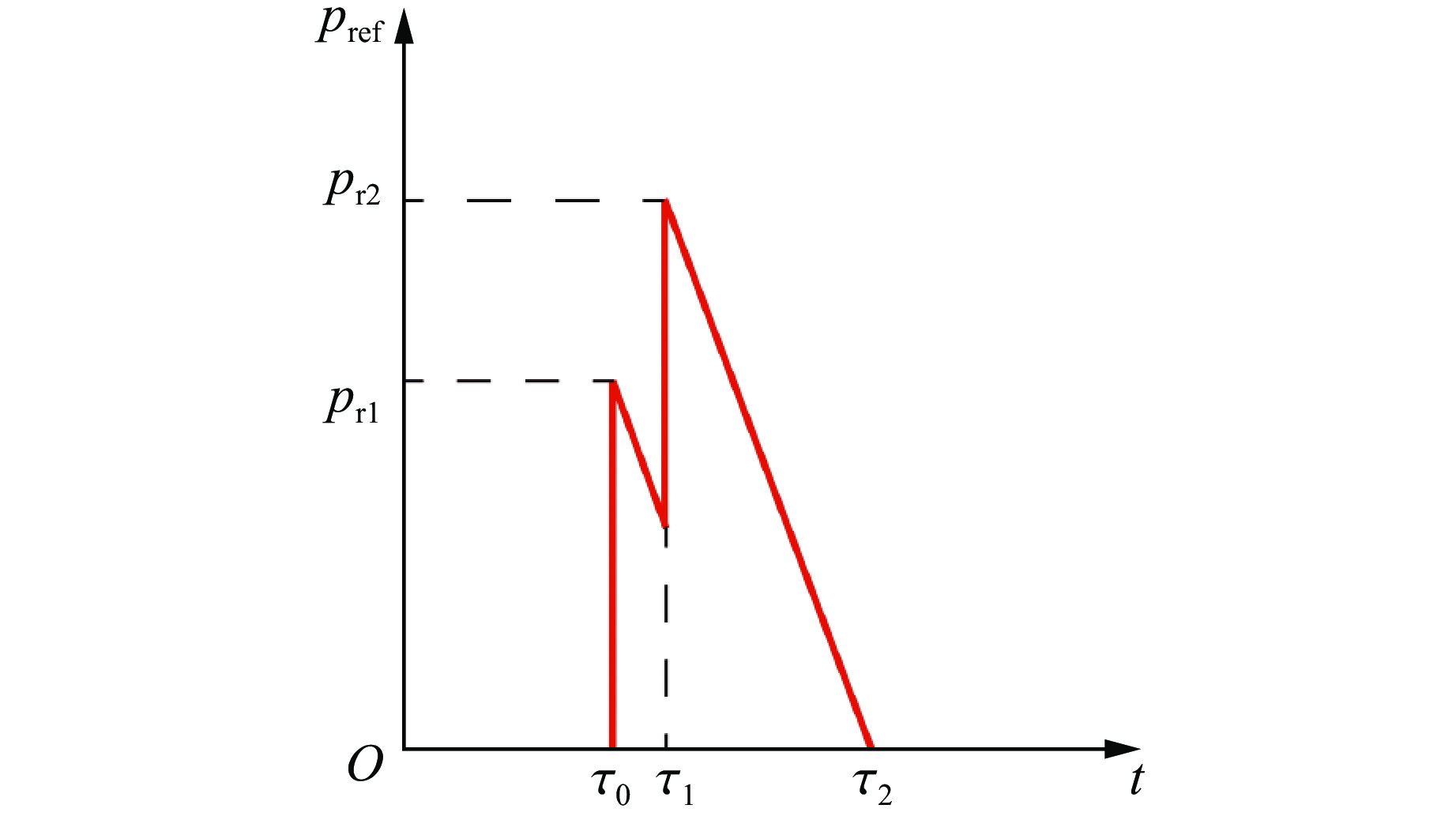
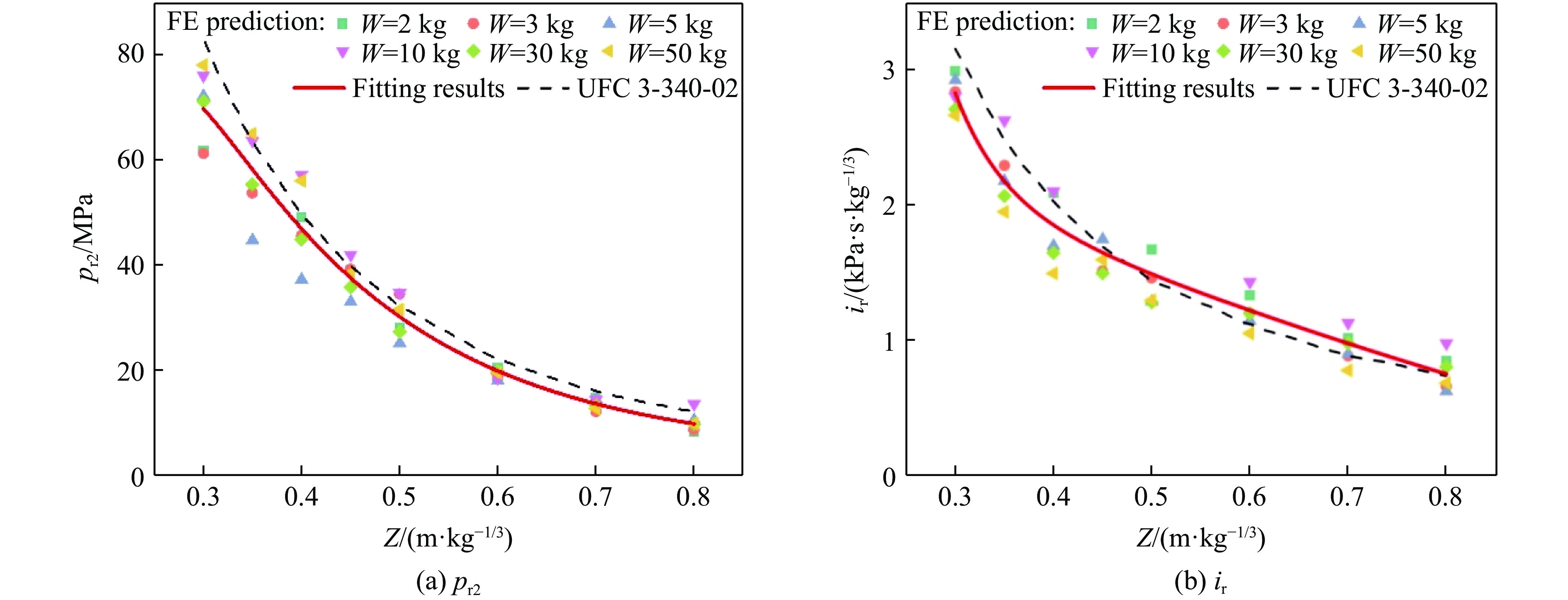
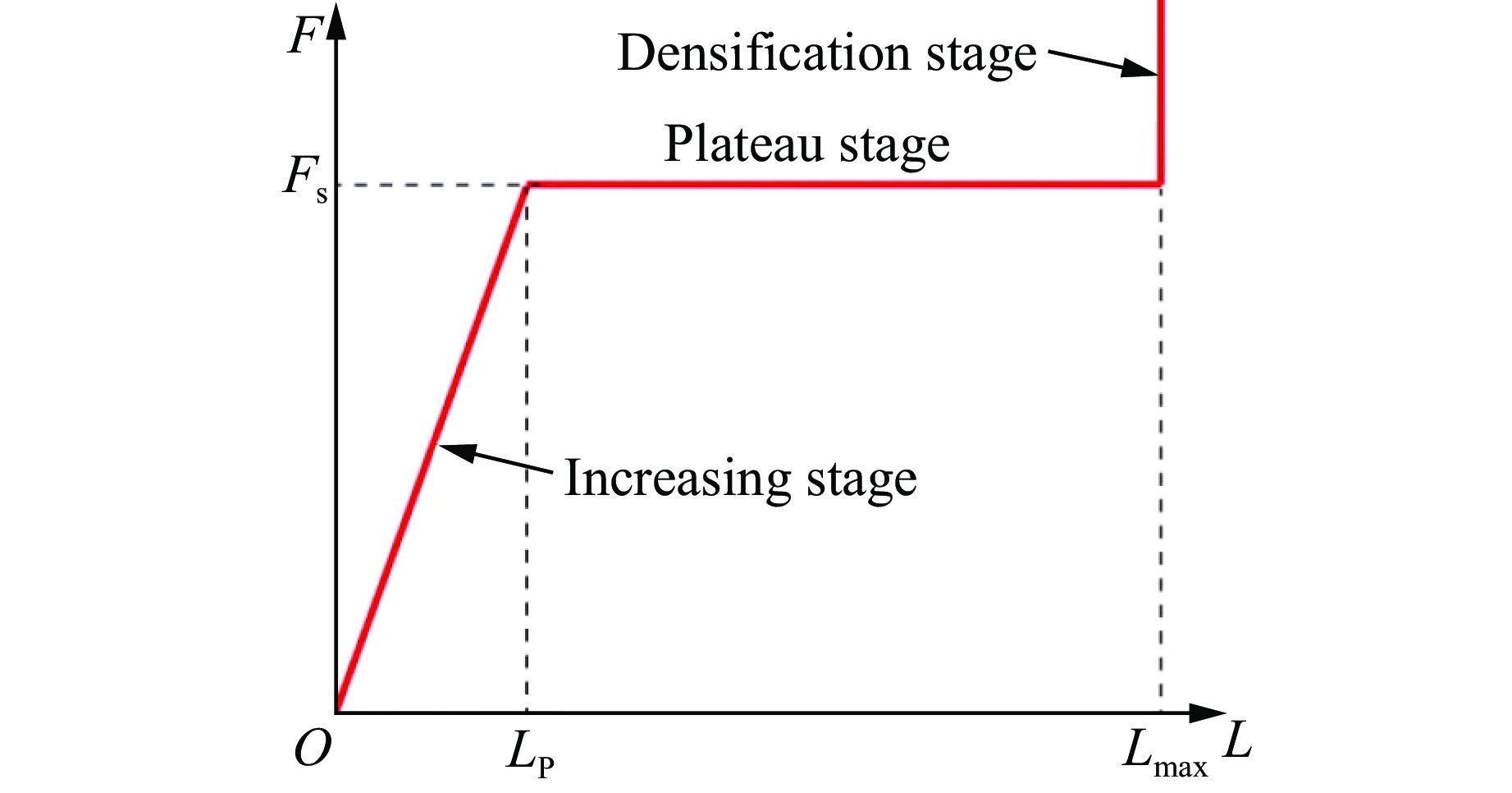
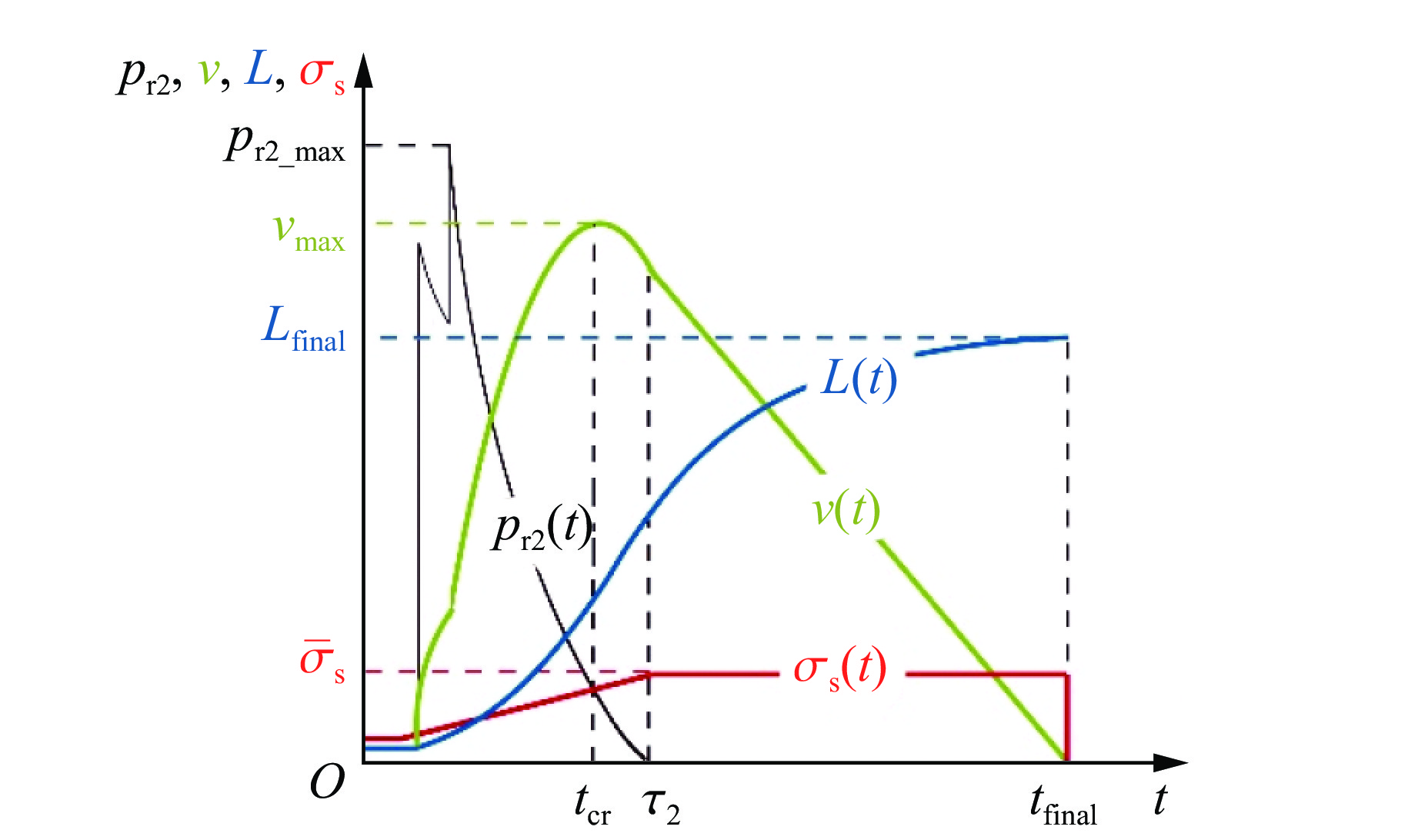
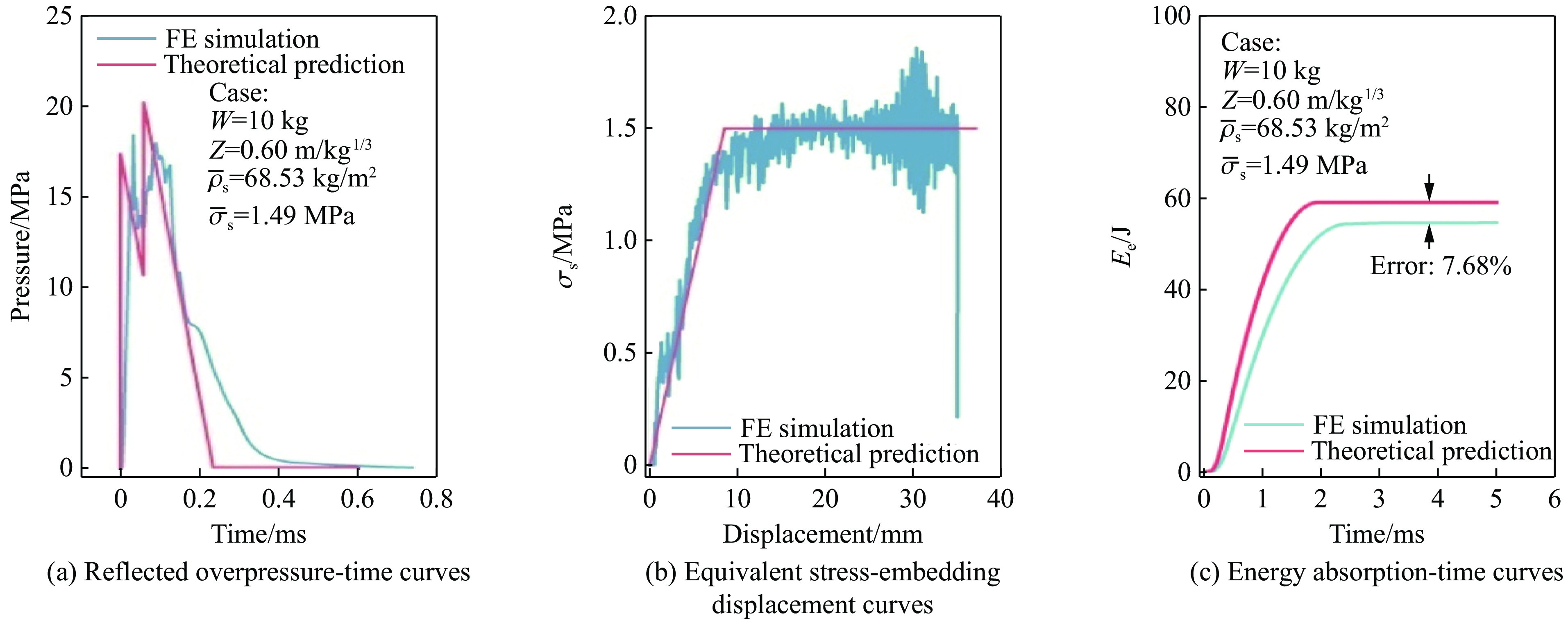
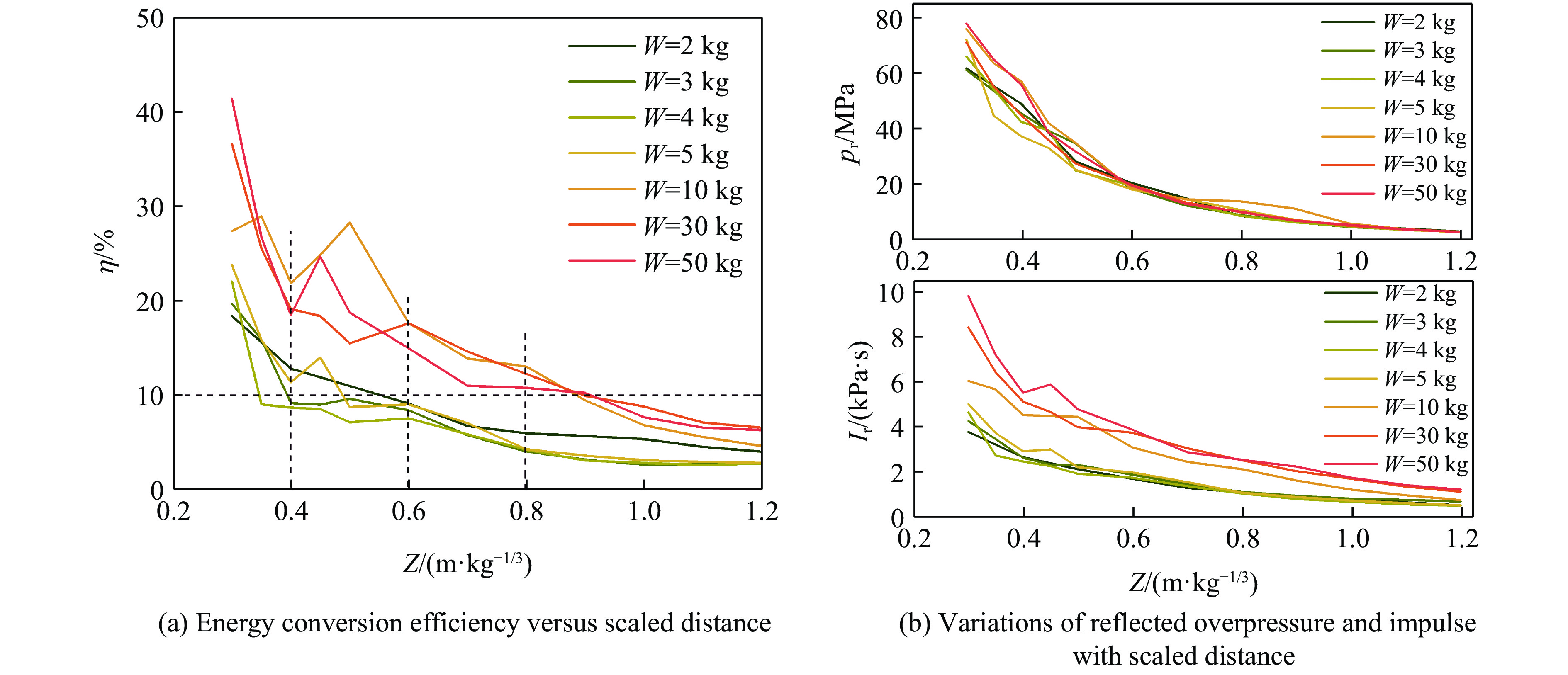
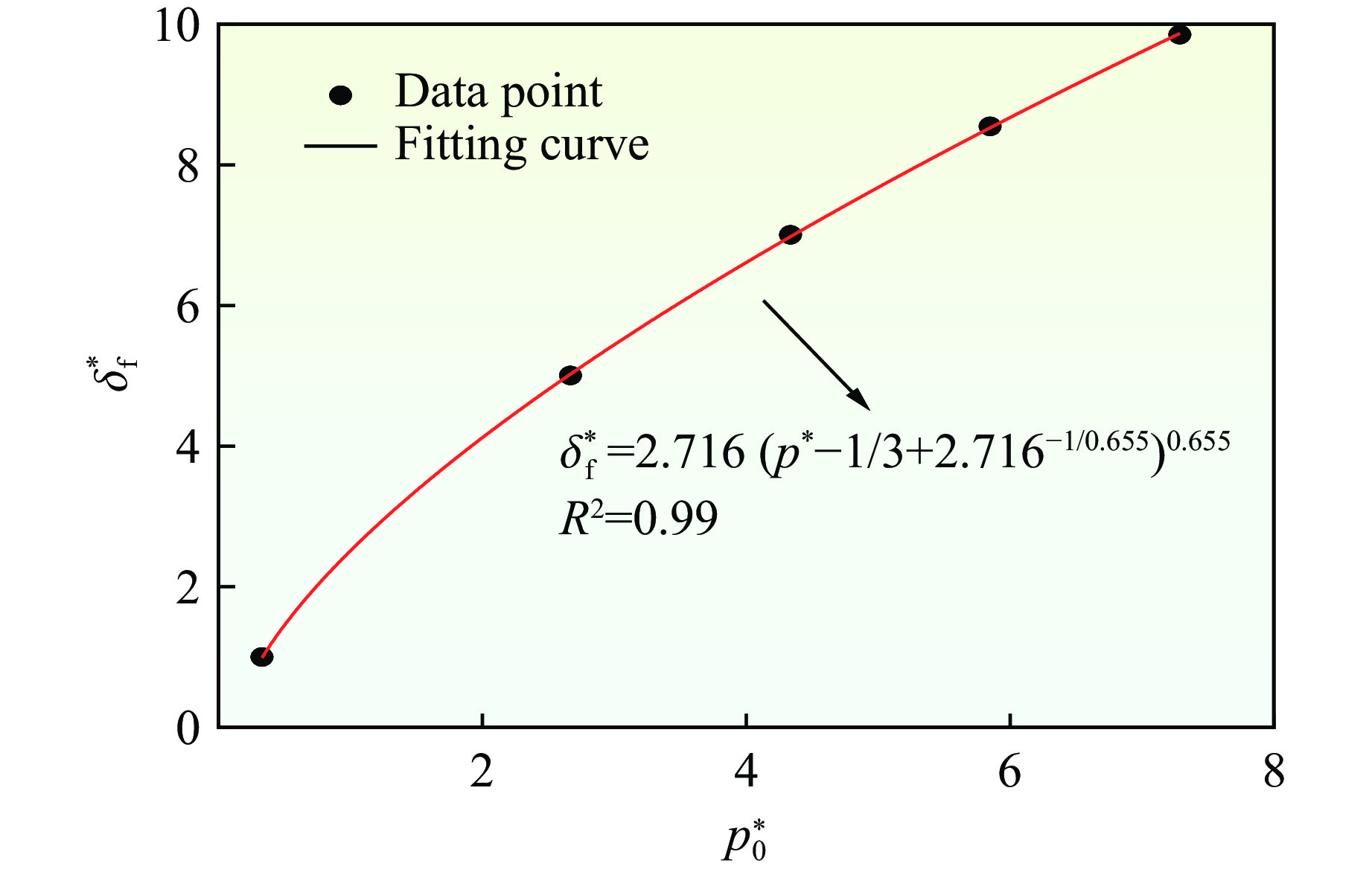
The explosion near-field is the core zone of munition-induced damage, involving the coupled load effect of intense shock waves and detonation products. Currently, the mechanical response and energy conversion mechanisms of expansion tube structures (ETS) under such extreme loading conditions remain unclear. In this study, ETS is adopted as a representative energy-absorbing structure to investigate its energy conversion behavior under the coupled action of near-field shock waves and detonation products. Based on the experimental verification, numerical simulation methods were employed to analyze the characteristics of near-field blast loading and the dynamic response of ETS. Furthermore, a theoretical prediction formula for near-field blast loading was established, and a theoretical model for predicting energy conversion efficiency was developed based on the strong-shock assumption. The results show that the energy conversion efficiency decreases significantly with increasing scaled distance. The energy conversion efficiency drops to below 10% when the scaled distance exceeds 0.80 m/kg1/3. Moreover, the energy conversion efficiency exhibits a strong positive correlation with the specific impulse of the reflected wave, indicating that specific impulse is a key factor determining energy transfer. This work elucidates the intrinsic mechanism of energy conversion in ETS under near-field coupled loading. The proposed theoretical model provides a robust foundation for the design and performance evaluation of near-field protective structures.

Synthesis and Superconductivity of the Ternary Hydrides (Th,Y)H10
SONG Xiaoxu, HAO Xiaokuan, NIU Jingyu, GAO Guoying, TIAN Yongjun
2026, 40(4): 040104. doi: 10.11858/gywlxb.20251268
HTML PDF (100)
Abstract:

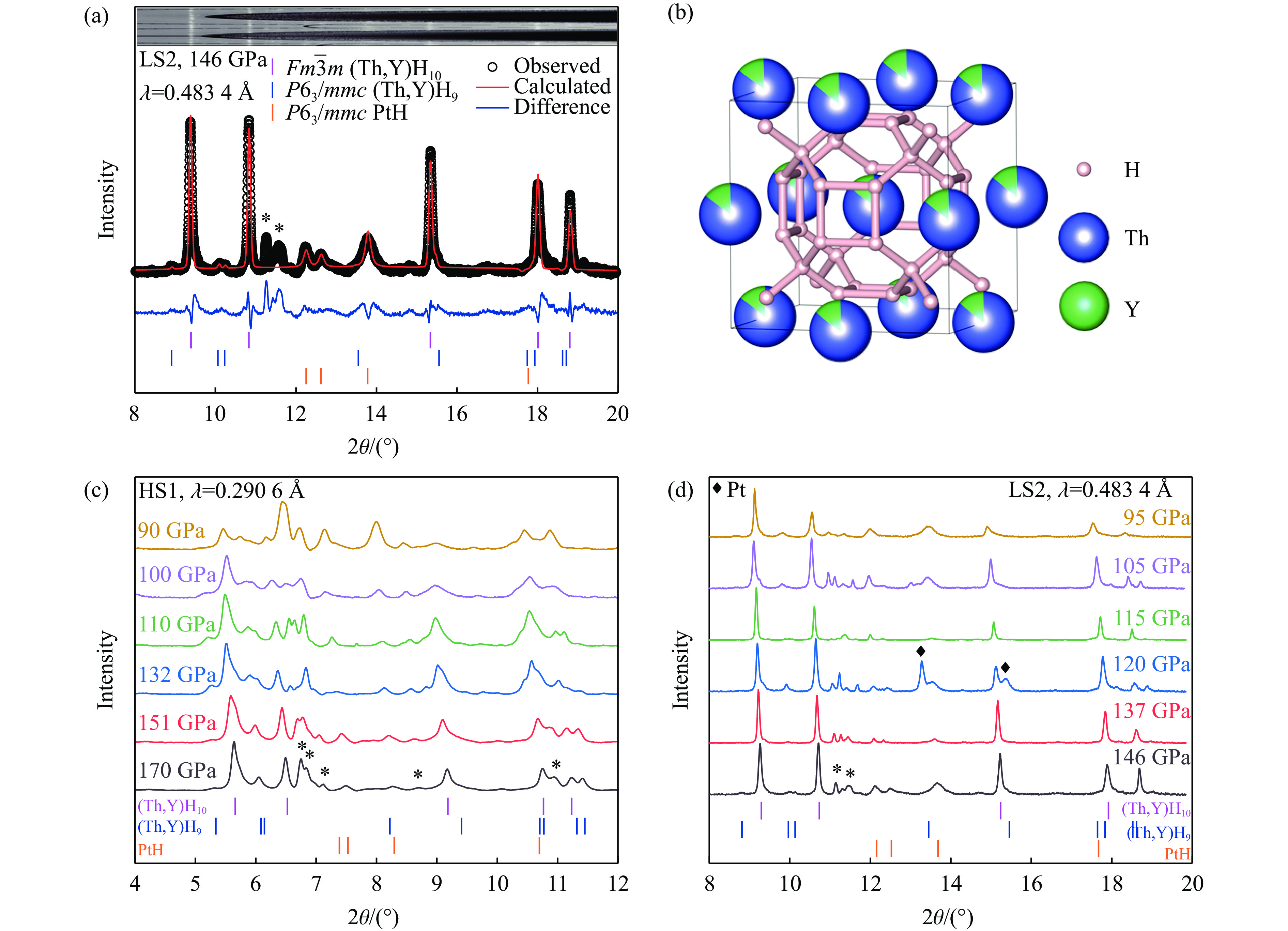
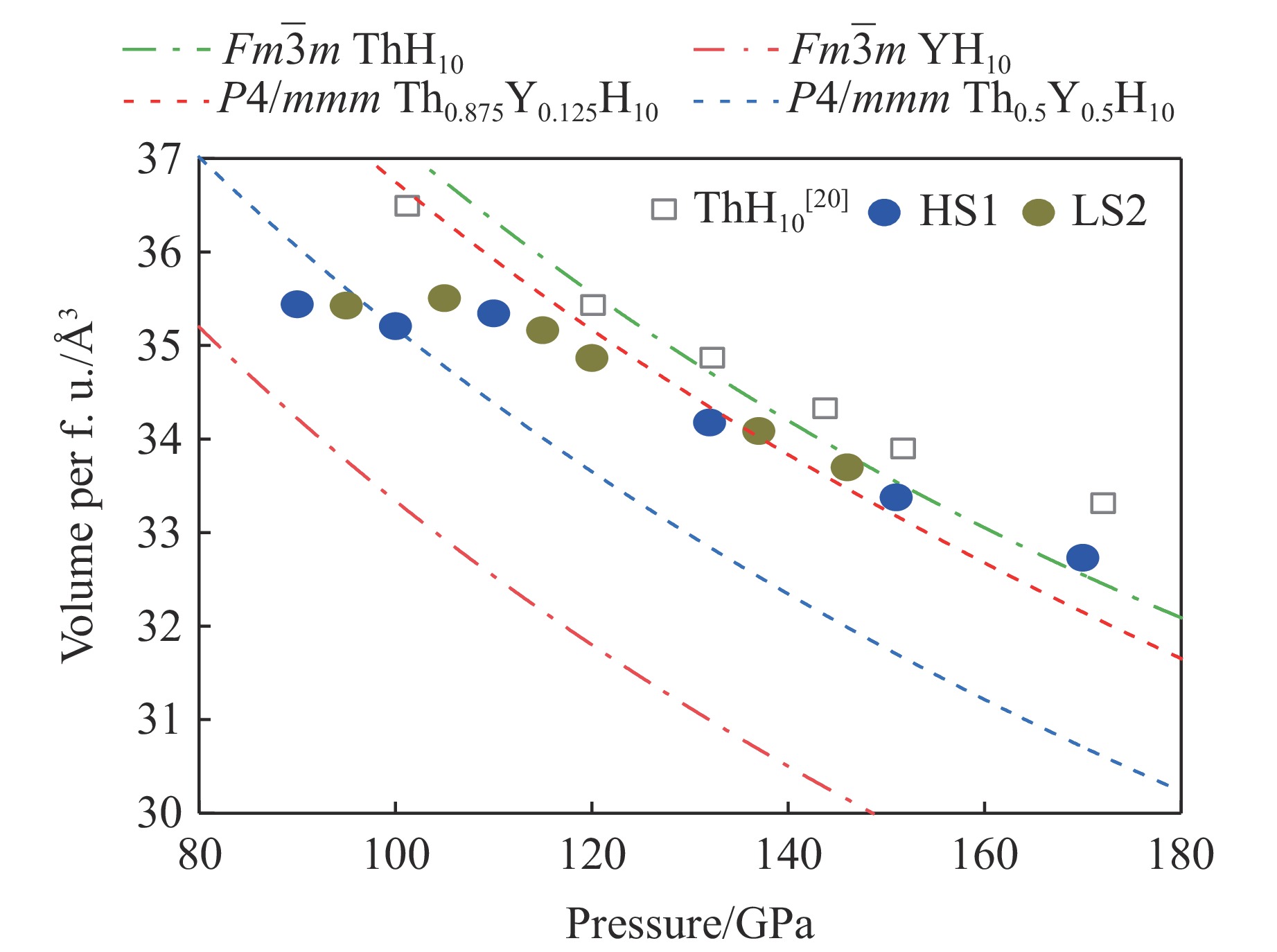
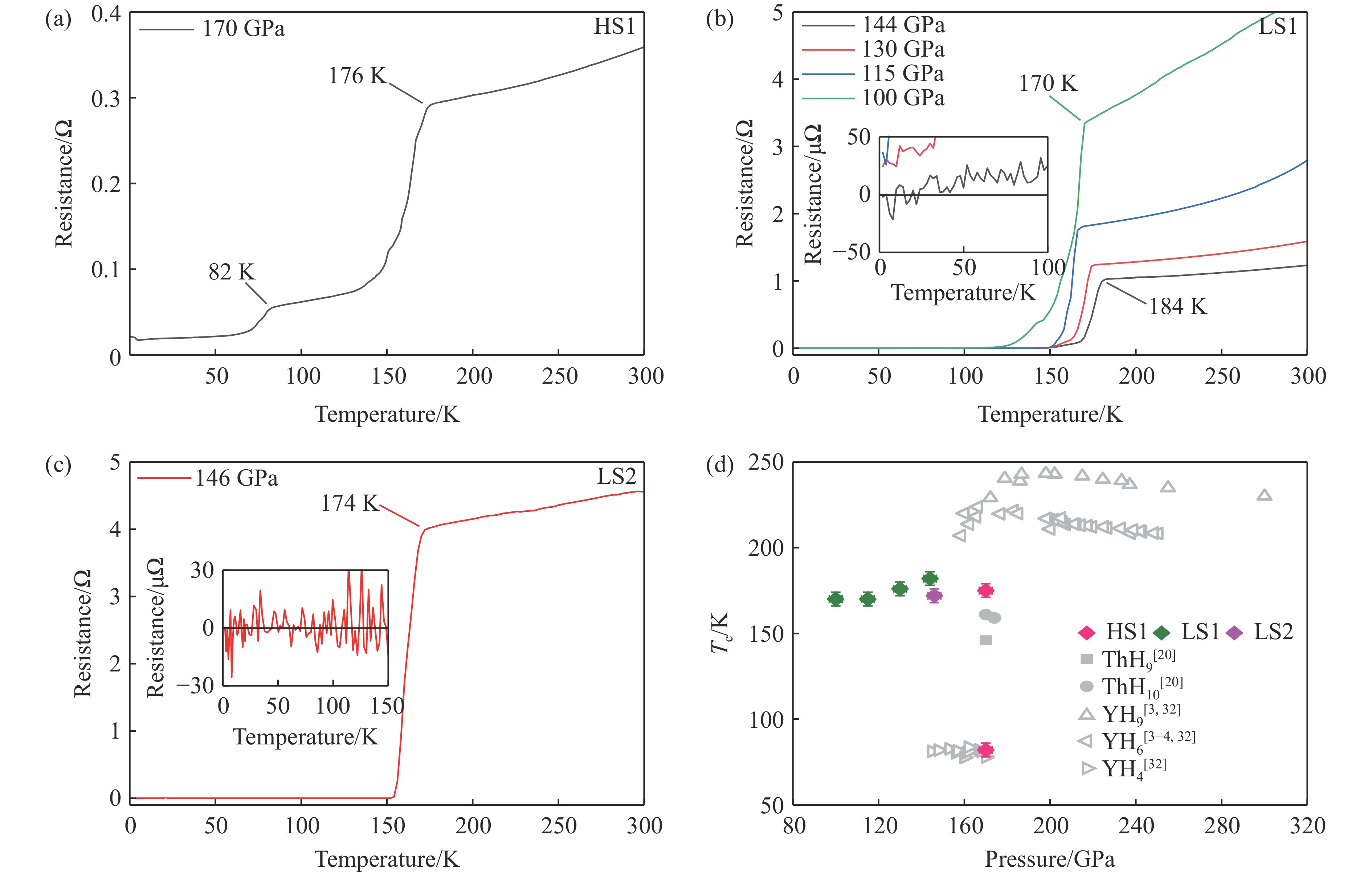
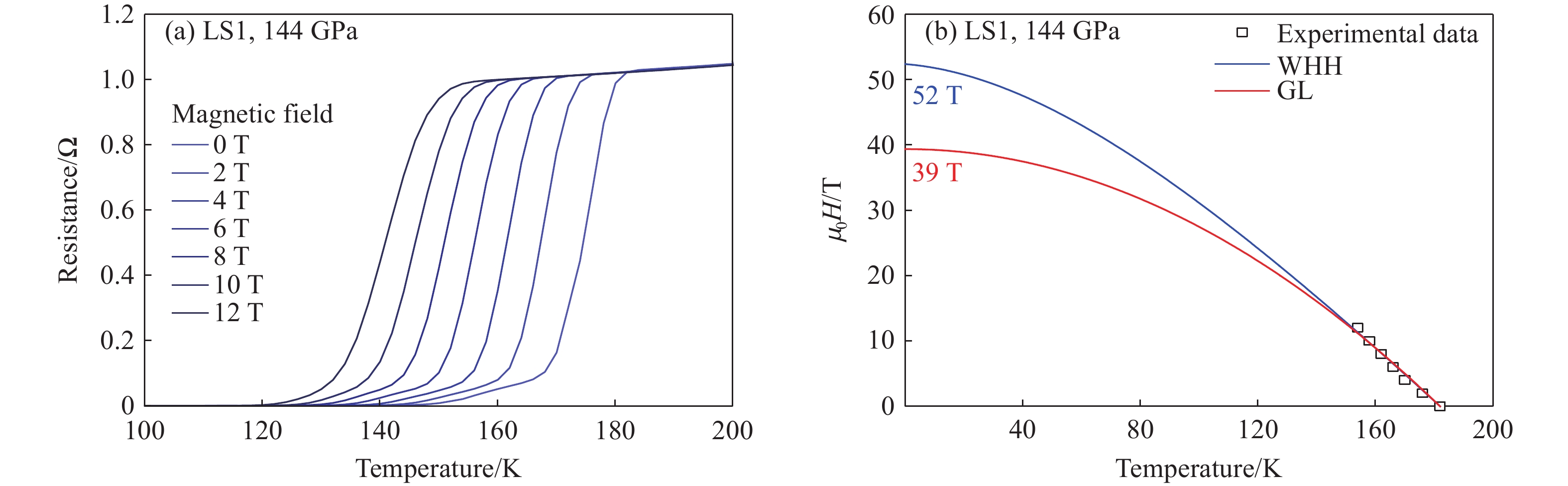
Recent achieved superconductivity near room temperature, especially in hydrogen-based superconductors under high pressure, have attracted broad interest. However, most systems with high superconducting critical temperature (Tc) are only stable under extremely high pressures, which limits their practical applicability. This study proposes the possibility of obtaining high-Tc superconductors at moderate pressures within the ternary Th-Y-H system. The synthesis was carried out using Th, YH3, and NH3BH3 as precursors under high pressure and high temperature, applied by diamond anvil cells combined with in-situ laser heating technology. Combining with the synchrotron X-ray diffraction (XRD) measurements and theoretical studies, the main product was identified as Fm$ \overline{3} $m (Th,Y)H10, with Y accounting for approximately 10%−15%. Electrical transport measurements reveal that its Tc increases by approximately 10%, compared to ThH10 under similar pressure. At 144 GPa, the sample has a maximum Tc of 184 K, which remains at 170 K when decompressed to 100 GPa—approaching the highest level known for hydrides at this pressure. Measurements under an applied magnetic field further verify the superconductivity, with upper critical fields estimated at 52 and 39 T based on the WHH and GL models, respectively. These results indicate that the ternary Th-Y-H superconducting system is an outstanding candidate for high-Tc superconductors, and the crystal stability and electronic properties can be effectively controlled by reasonably introducing new element into the binary system. This work provides new insights and experimental evidences for exploring high-Tc superconducting hydrides under moderate or even low pressures.

Interatomic Potentials for Iron under Extreme Conditions
WEI Liangrui, SUN Yang
2026, 40(4): 040105. doi: 10.11858/gywlxb.20251251
HTML PDF (98)
Abstract:

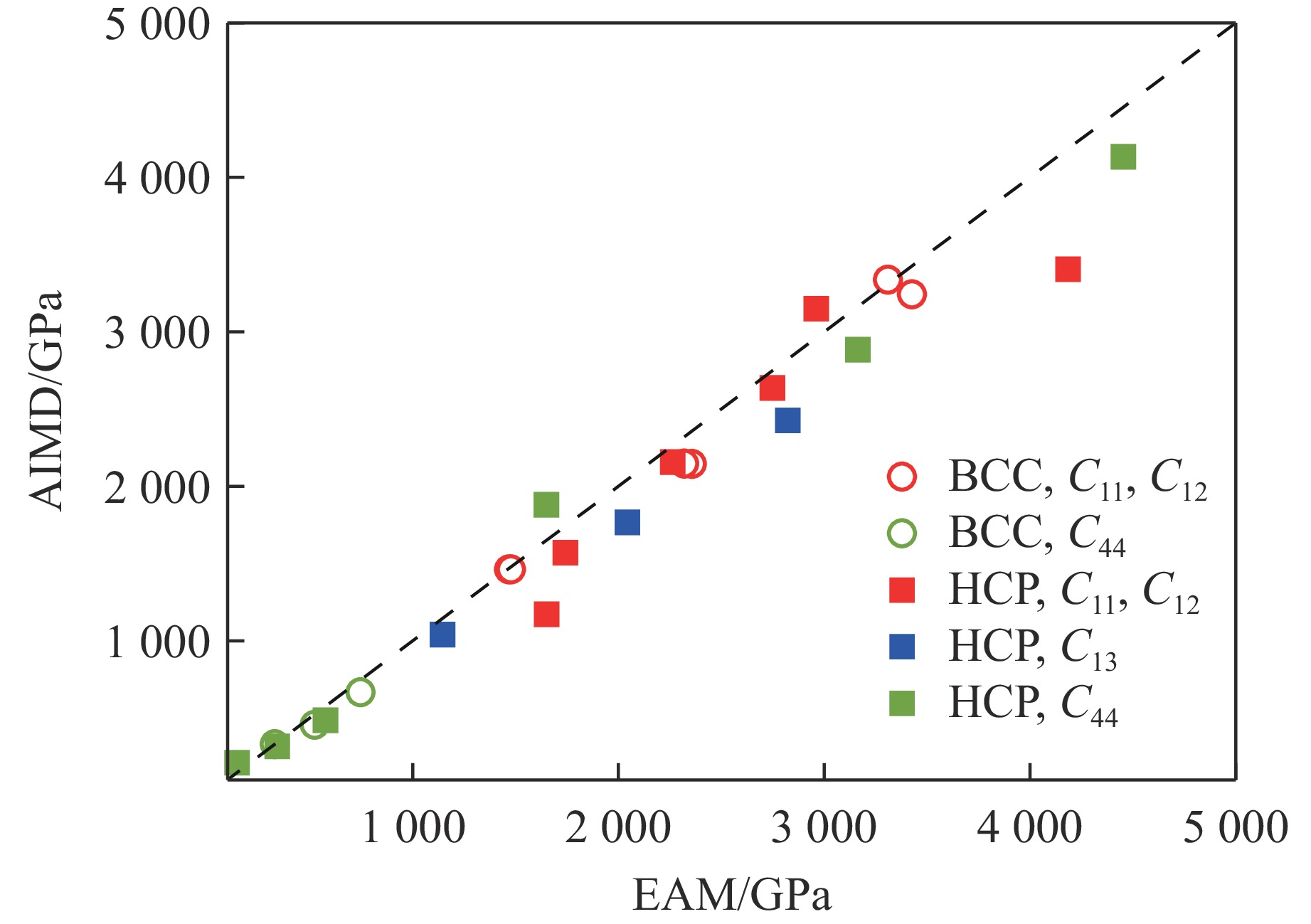
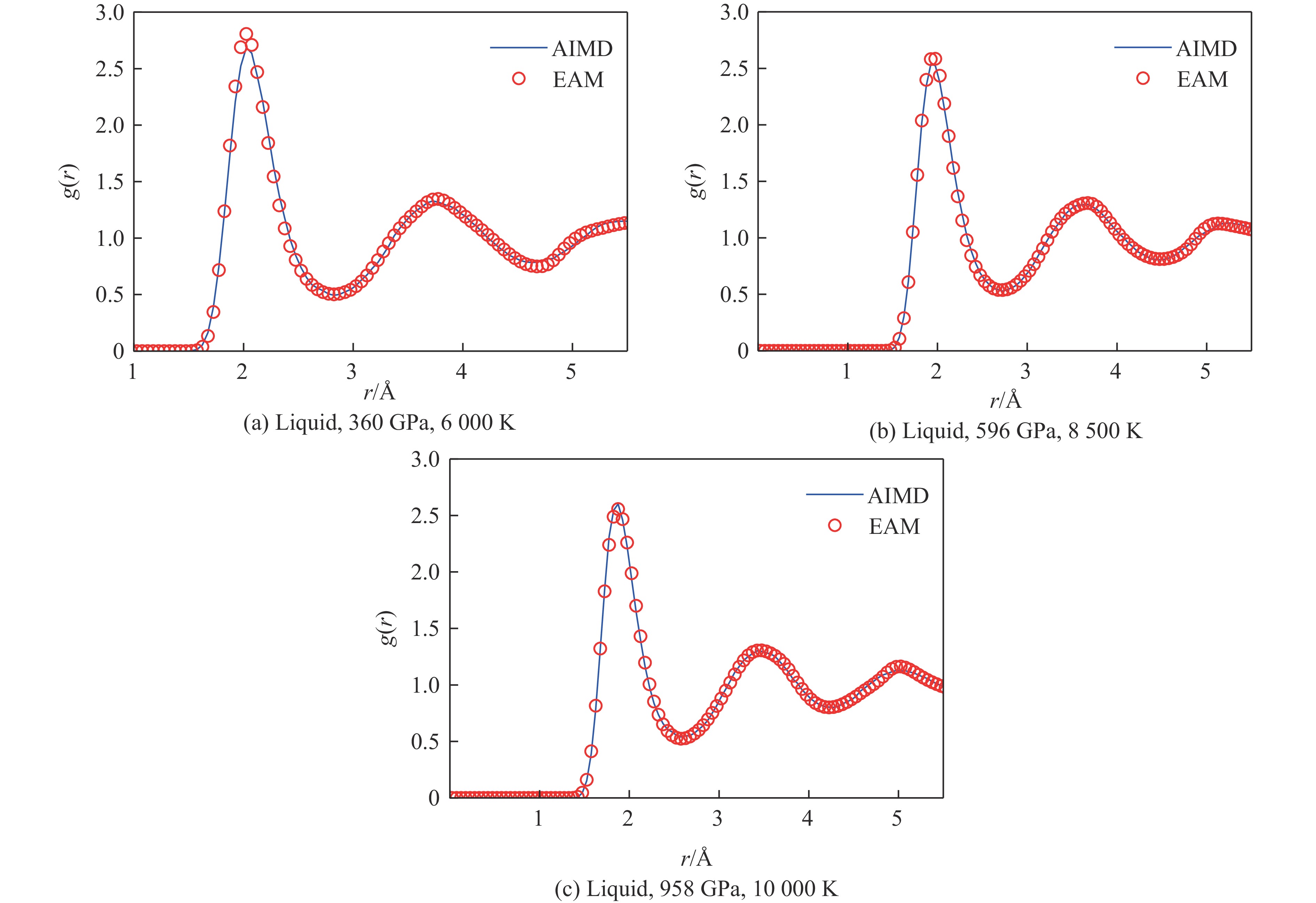
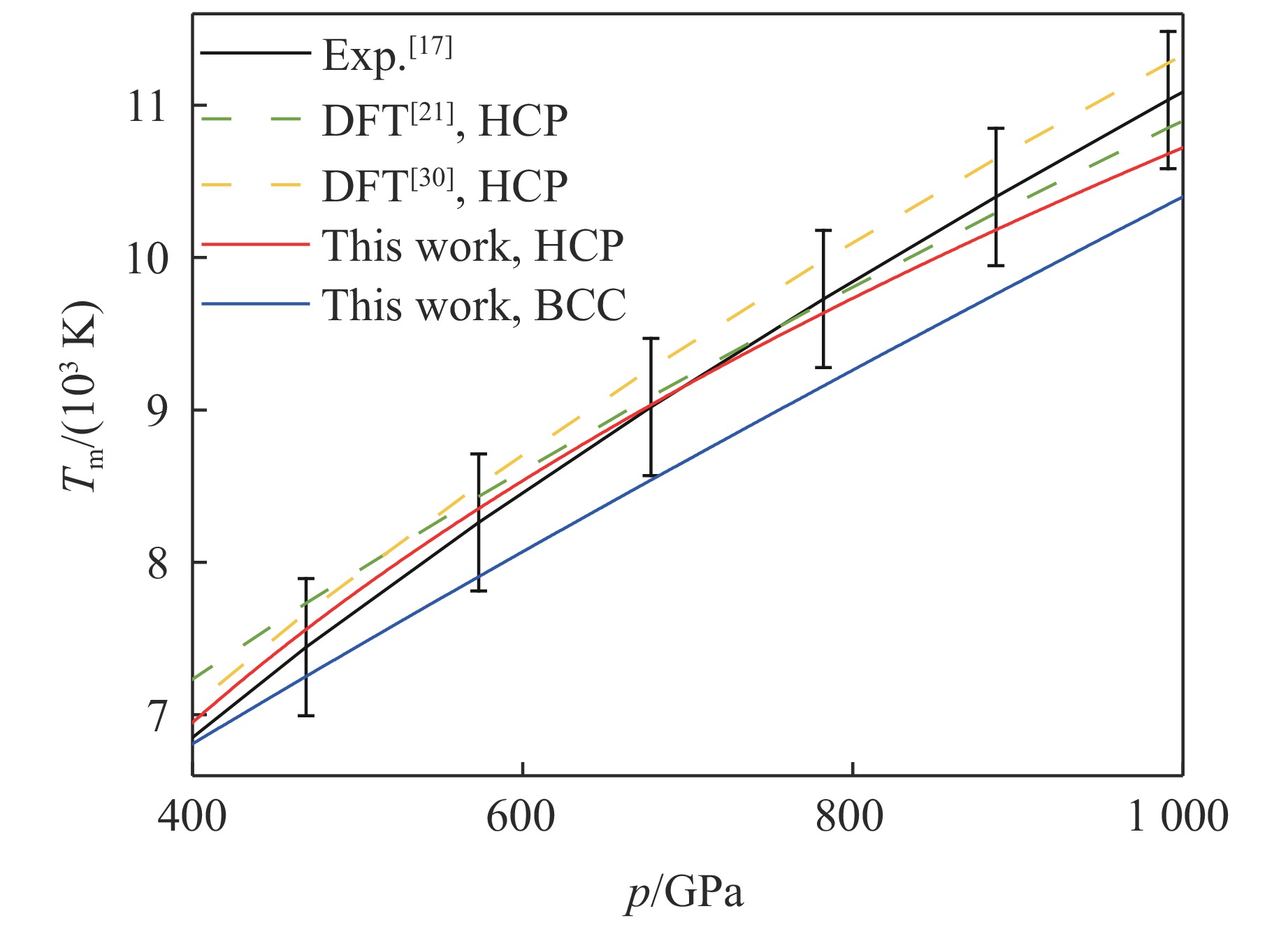
The physical properties of iron under extreme high-pressure and high-temperature conditions are crucial for understanding the internal structure and evolutionary processes of Earth and terrestrial planets. To characterize the dynamic behavior of iron under the extreme conditions inside super-Earths, we combine first-principles molecular dynamics simulations with experimentally measured high-pressure melting curves to construct an embedded-atom potential applicable across ultra-high pressures and temperatures. This potential is fitted to multiple properties of the body-centered cubic (BCC), hexagonal close-packed (HCP), and liquid phases over 400 GPa to 1 TPa and 6000 to 10000 K, including the elastic constants of the solid phases, the radial distribution functions of the liquid, and experimentally determined melting data. We systematically validate the potential across different pressure-temperature conditions and found that it accurately reproduces the pressure and temperature dependence of solid elastic constants, and matches liquid radial distribution functions at three representative pressure-temperature conditions. Moreover, it predicts melting curves that lie within experimental uncertainties and agree well with previous first-principles simulations. Thermodynamic calculations based on this potential further show that the HCP phase remains thermodynamically stable between 400 GPa and 1 TPa, while the BCC phase is metastable. This potential provides a reliable atomistic tool for large-scale simulations of nucleation, crystallization, and solid-liquid coexistence in the cores of super-Earths. Moreover, the potential and associated dataset lay the groundwork for future extensions to multicomponent Fe alloys and their properties under ultra-high-pressure conditions.

Metallic Hydrogen Ligand Compounds: A Potential Route to Superconducting Metallic Hydrogen at Ambient Pressure
ZHANG Zihan, DUAN Defang, CUI Tian
2026, 40(4): 040106. doi: 10.11858/gywlxb.20251216
HTML PDF (67)
Abstract:

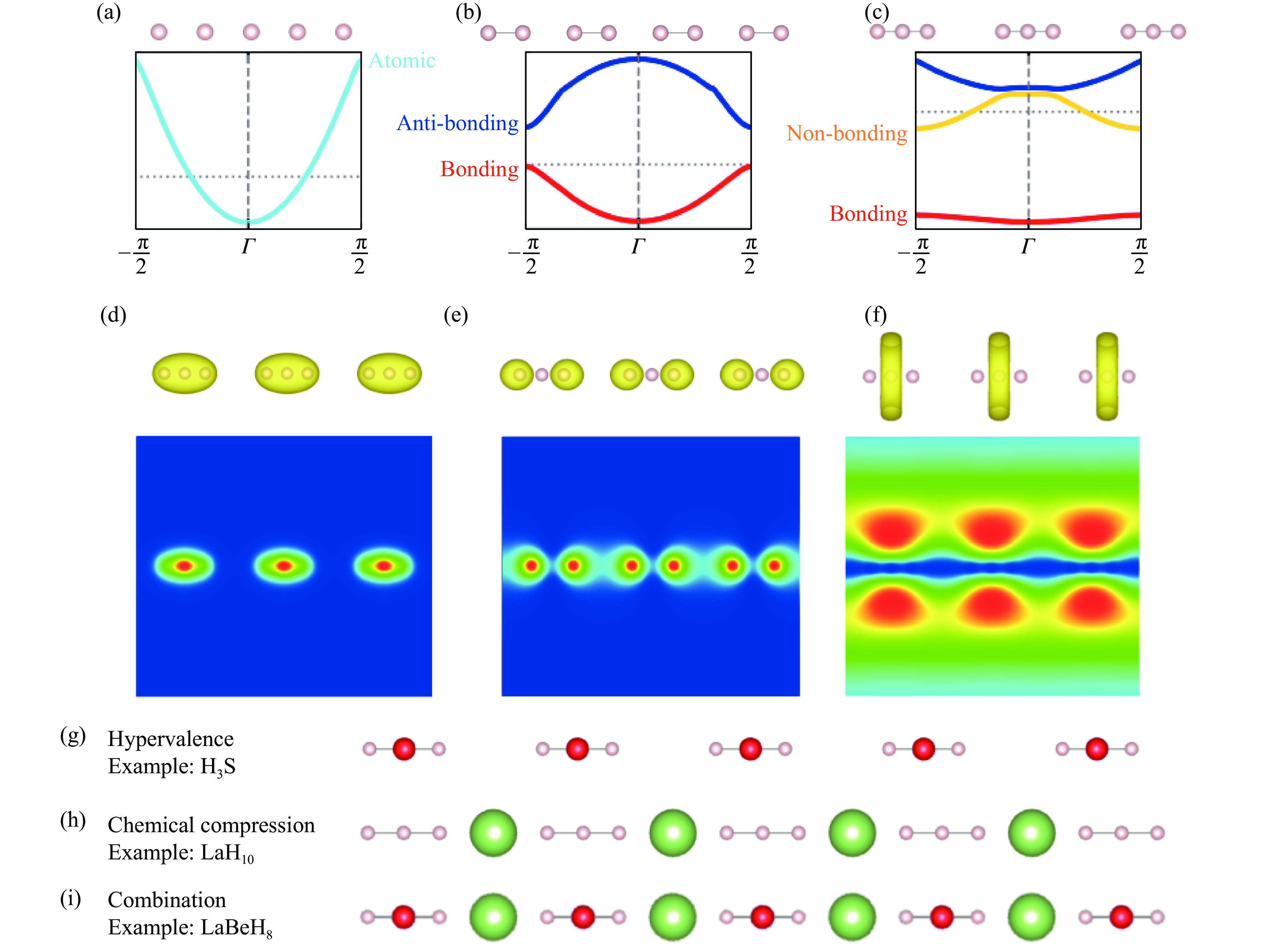
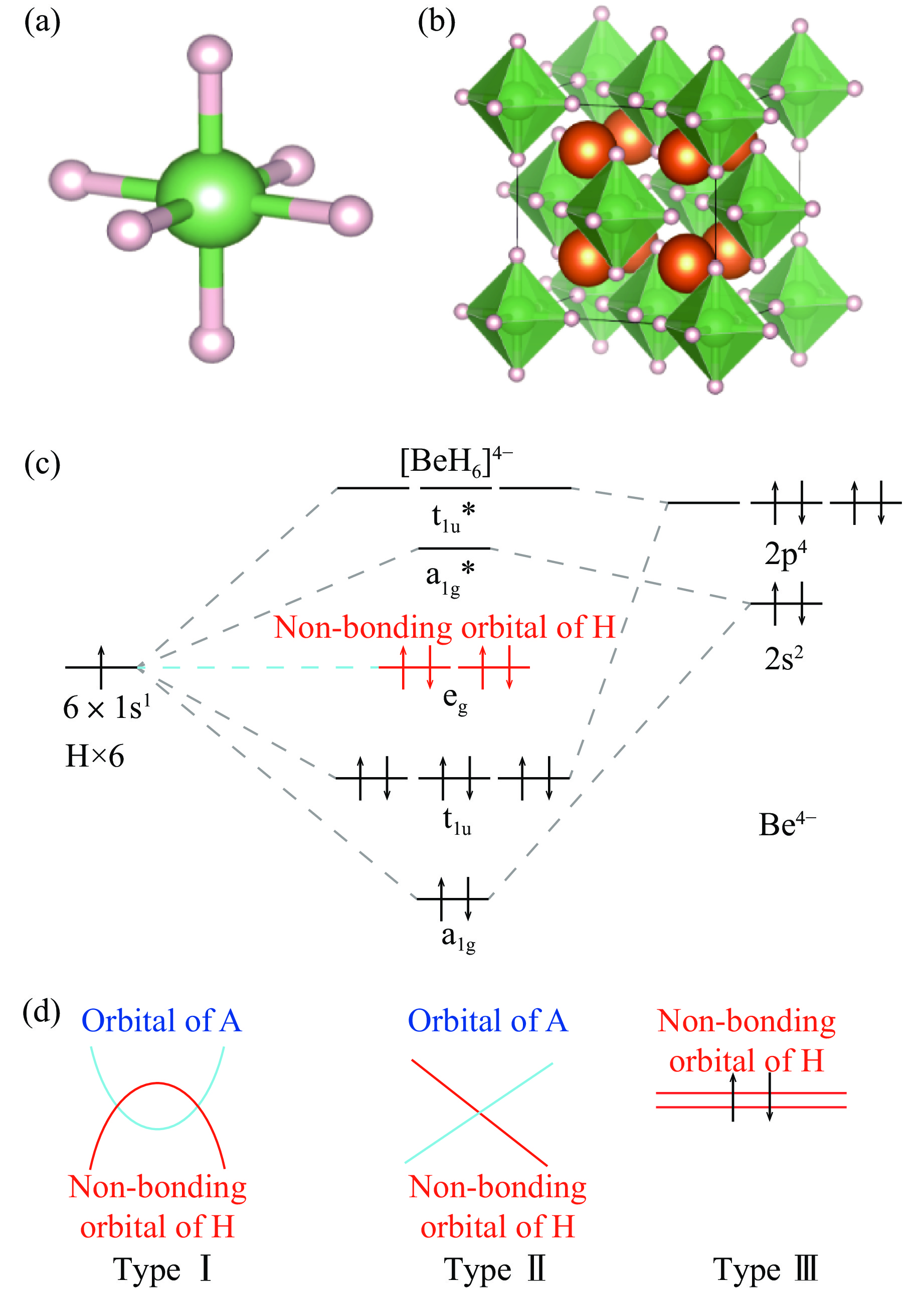
Metallic hydrogen, with its properties including room-temperature superconductivity and quantum fluidity, is known as the holy grail of high-pressure physics. However, since atomic metallic hydrogen requires pressures about 500 GPa, it has not been realized in experiments since its conception in 1935. To take advantage of properties the properties of metallic hydrogen in the future, it will be crucial to obtain it at ambient pressure. Current approaches to obtaining metallic hydrogen at low pressures rely on the “chemical precompression” in hydrides to induce metallization of hydrogen at low pressures, essentially identifying superconducting hydrides that can host the properties of metallic hydrogen. However, these superconducting hydrides currently lack distinct structural features, complicating the search for metallic hydrogen hosts. Here, we identify metallic hydrogen ligand compounds with hydrogen as the ligands as potential hosts for properties of metallic hydrogen at low pressures. The metallization of the non-bonding orbitals of the hydrogen ligands is a key criterion for determining whether a metallic hydrogen ligand compound can host metallic hydrogen properties. This article summarizes the main behaviors of hydrogen at ambient pressure, focusing on hydrogen ligand compounds at ambient pressure. Then, using a simple model of a one-dimensional hydrogen atom chain, we analyzed the causes of non-bonding orbital metallization and the physical picture of reduced stability pressure. The orbital characteristics of metallic hydrogen ligand compounds are then analyzed, highlighting their rules of superconductivity, topological properties, and the electronic structure that enable metallization. The analysis of metallic hydrogen ligand compounds presented in this article not only provides important structural information for future exploration of metal hydride superconductors but also provides an important theoretical foundation for realizing the properties of metallic hydrogen at ambient pressure.

Measurement Principle of Modulated Magnetic Susceptibility in Diamond Anvil
ZHOU Yazhou, GUO Jing, CHEN Shurong
2026, 40(4): 040107. doi: 10.11858/gywlxb.20261050
HTML PDF (37)
Abstract:

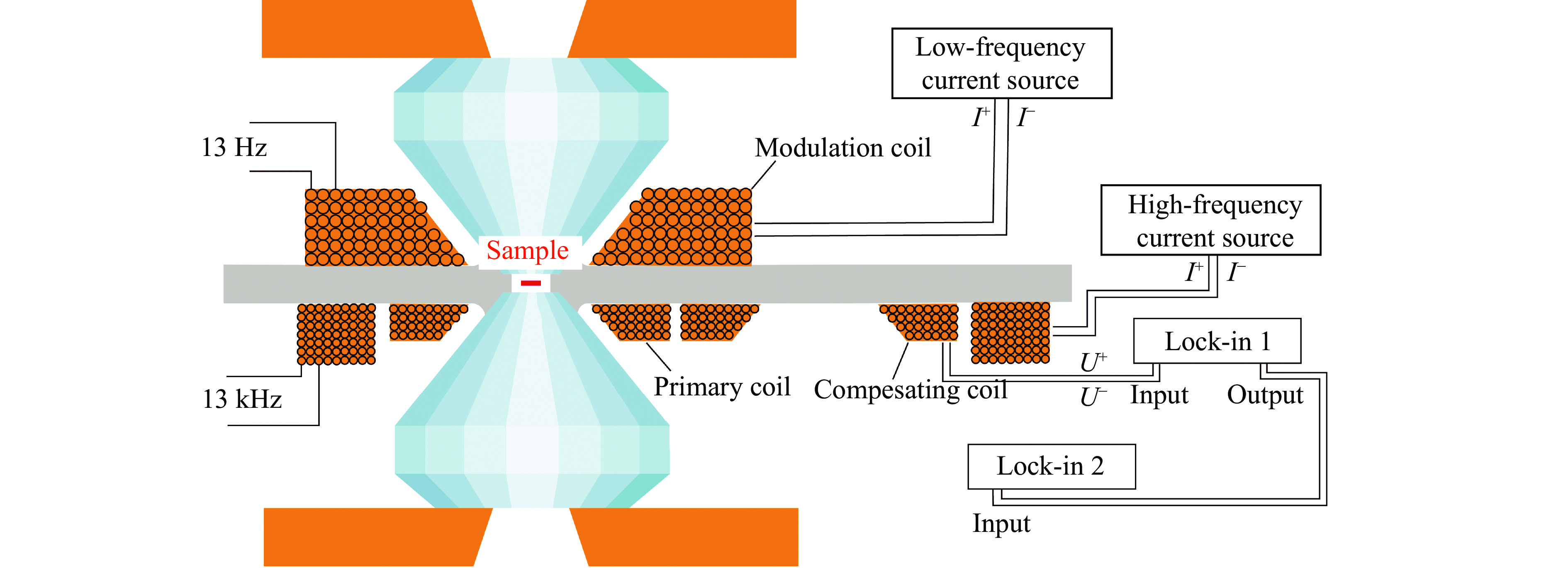
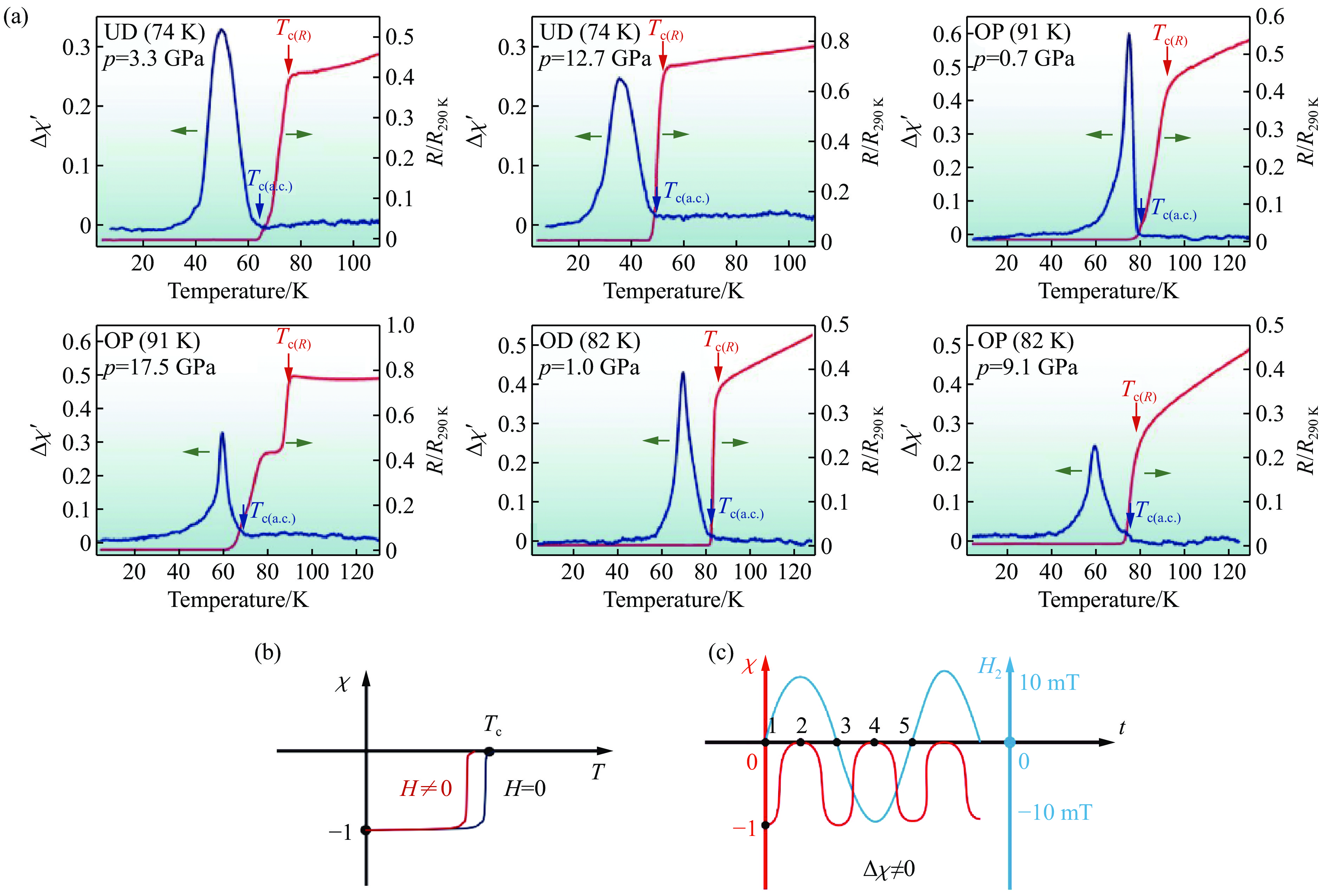
Superconductivity is defined by two fundamental criteria: zero electrical resistance and the Meissner effect. However, measuring the magnetic properties of samples under high pressure in diamond anvil cells—where sample sizes are limited to tens of micrometers and confined spatially—has long been a challenging task in high-pressure research. Magnetic measurements under high pressure using diamond anvil cells can generally be classified into four distinct methods. Among these, the modulated magnetic susceptibility measurement, which employs laboratory-fabricated multi-turn micro-coils and two lock-in amplifiers connected in series, has often yielded contradictory experimental results in the literature due to an insufficient understanding of its underlying measurement principles. In this work, starting from the experimental configuration and Faraday’s law of electromagnetic induction, we re-derive the expressions for the signal magnitude of the superconducting diamagnetic transition registered on the primary and secondary lock-in amplifiers. We obtain an expression for the signal amplification introduced by the modulated magnetic field, thereby clarifying the measurement principle of modulated magnetic susceptibility and identifying potential issues in previous studies.

Dynamic Response of Matter
Characterization of Damage to Adjacent Backfill by Blasting of Slit Packets
ZHU Benliu, LI Xianglong, XU Jie, ZHAO Pinzhe
2026, 40(4): 044201. doi: 10.11858/gywlxb.20251111
HTML PDF (45)
Abstract:

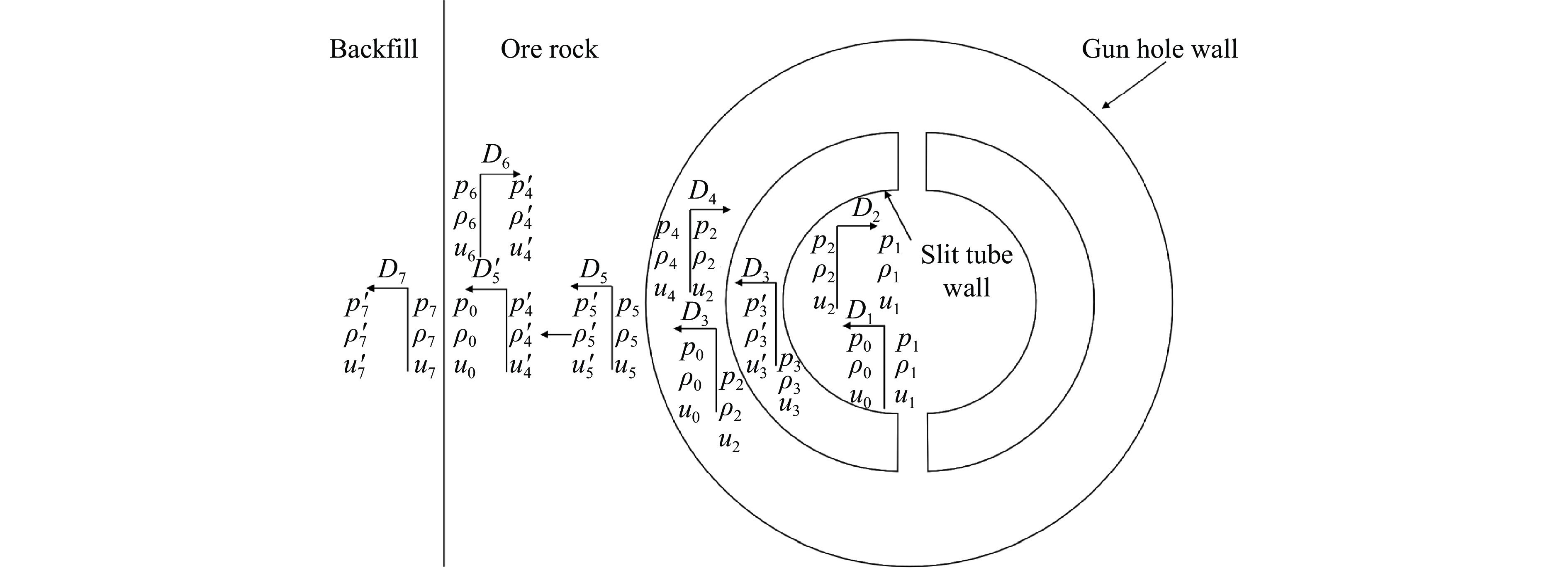
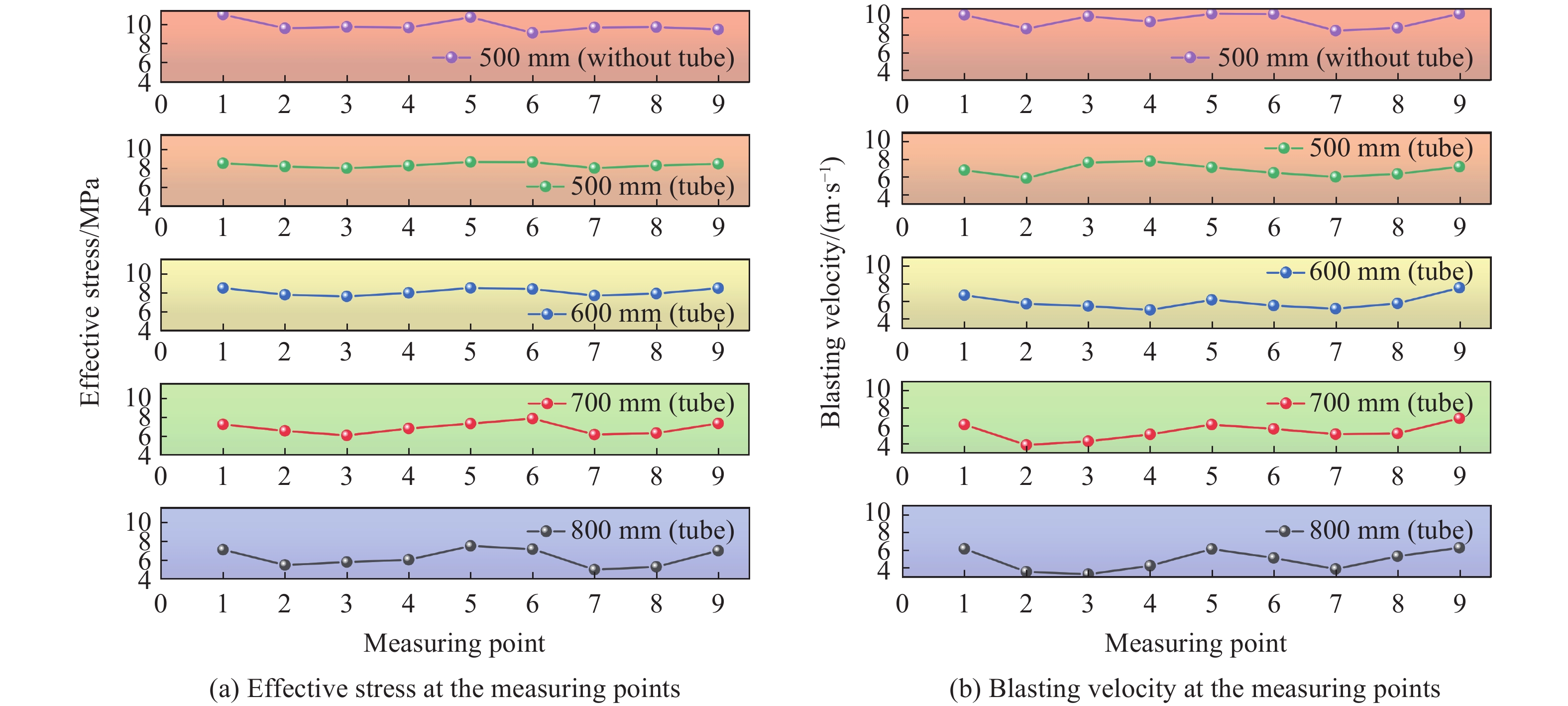
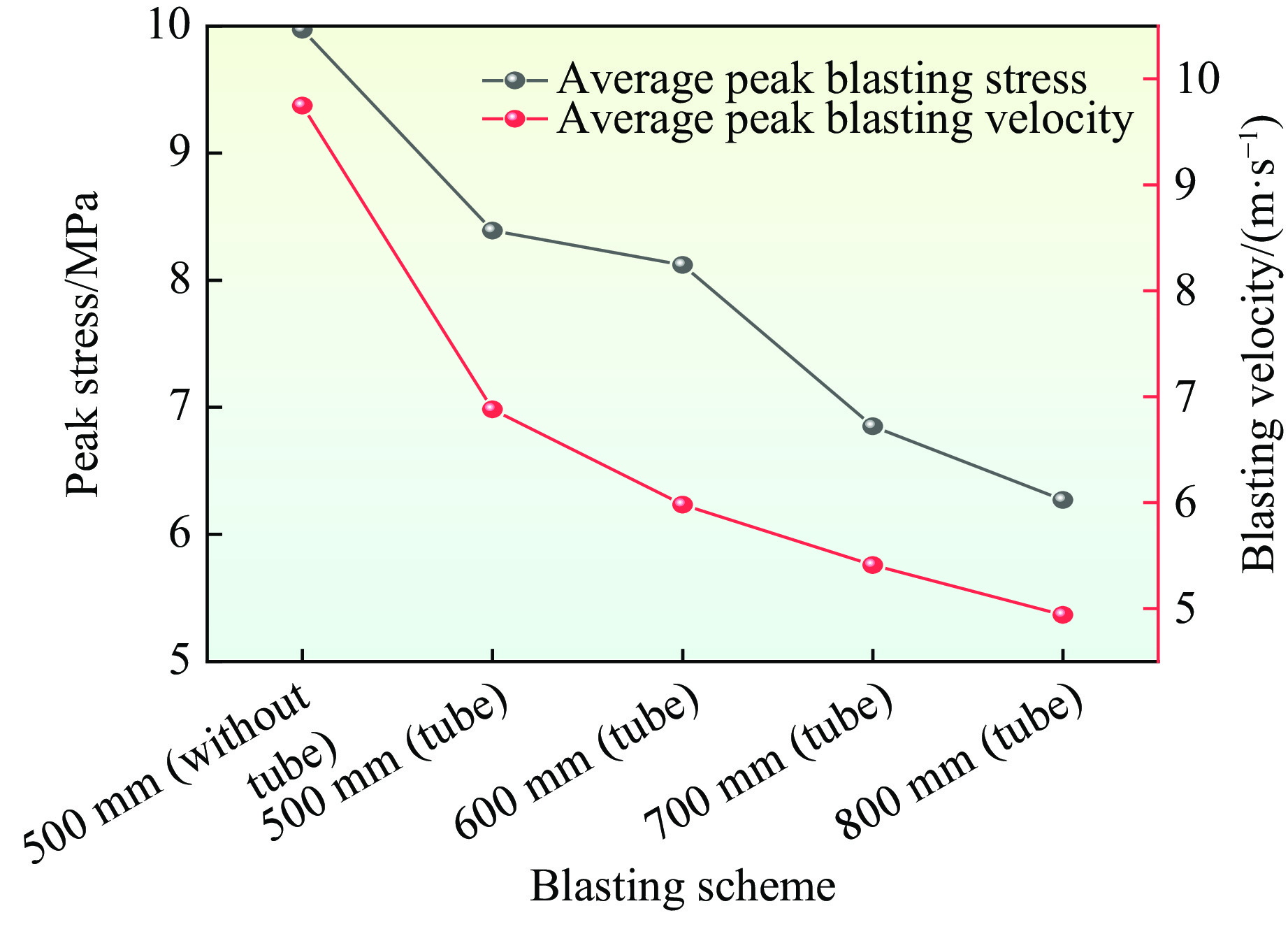
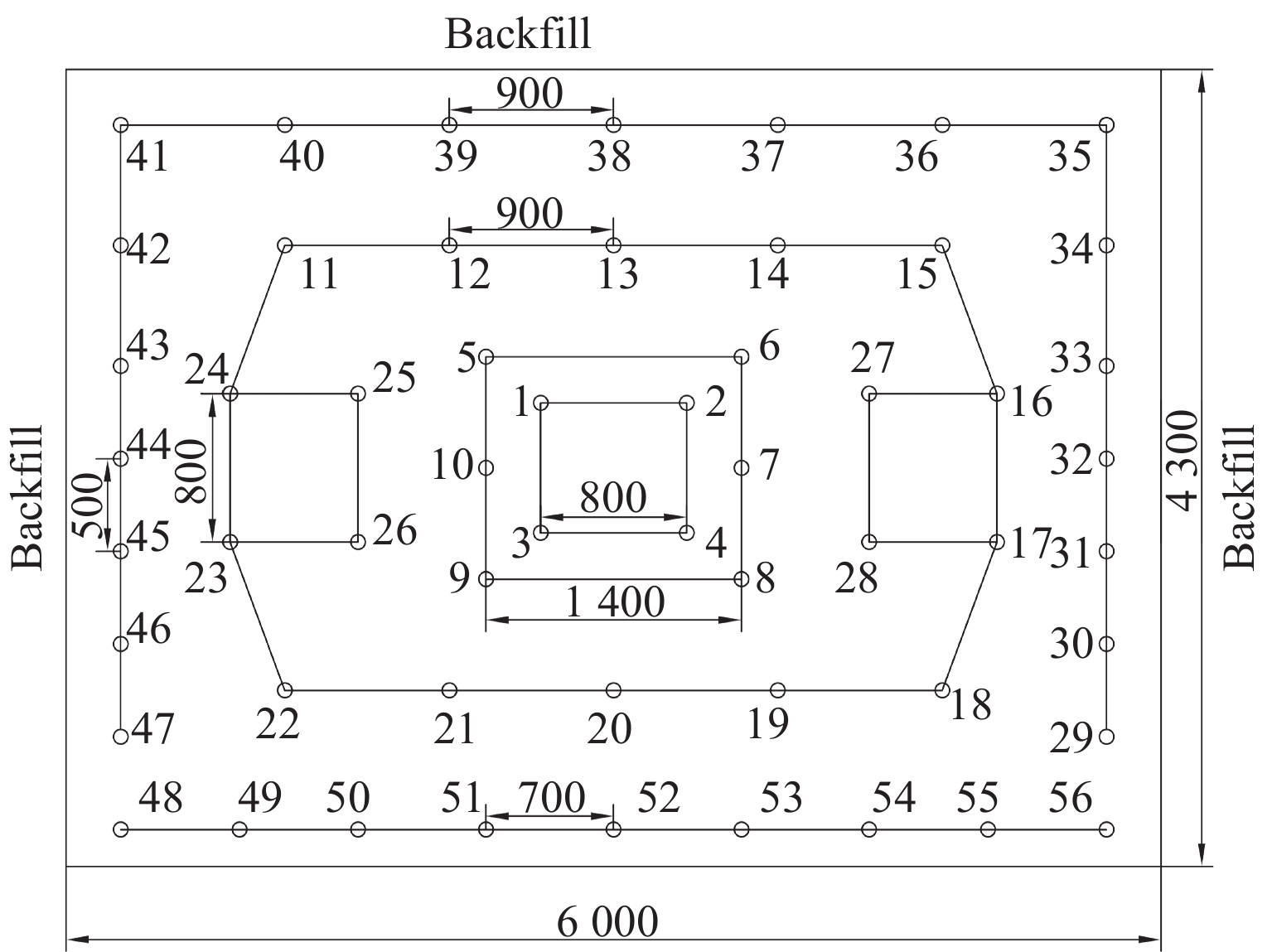
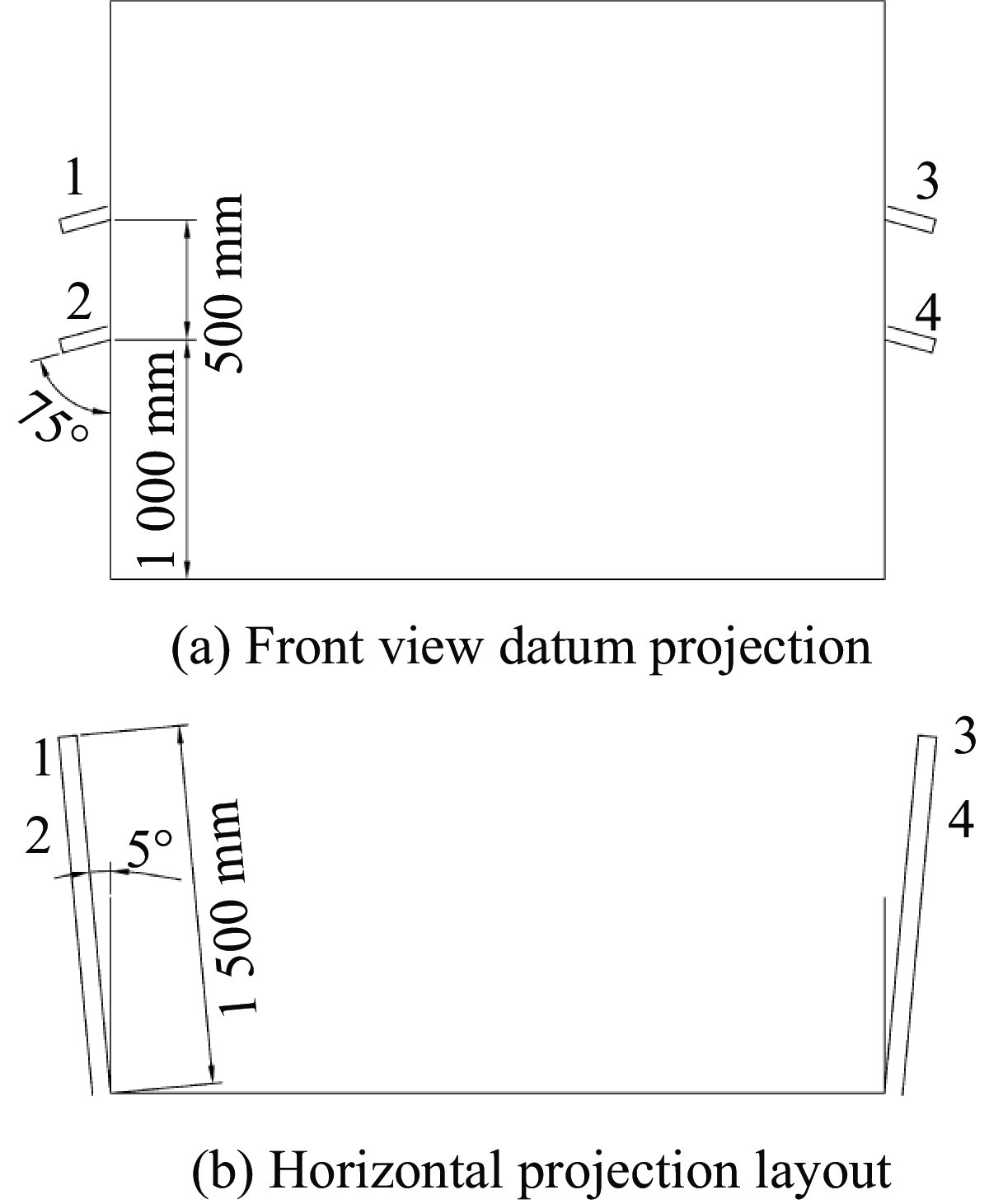
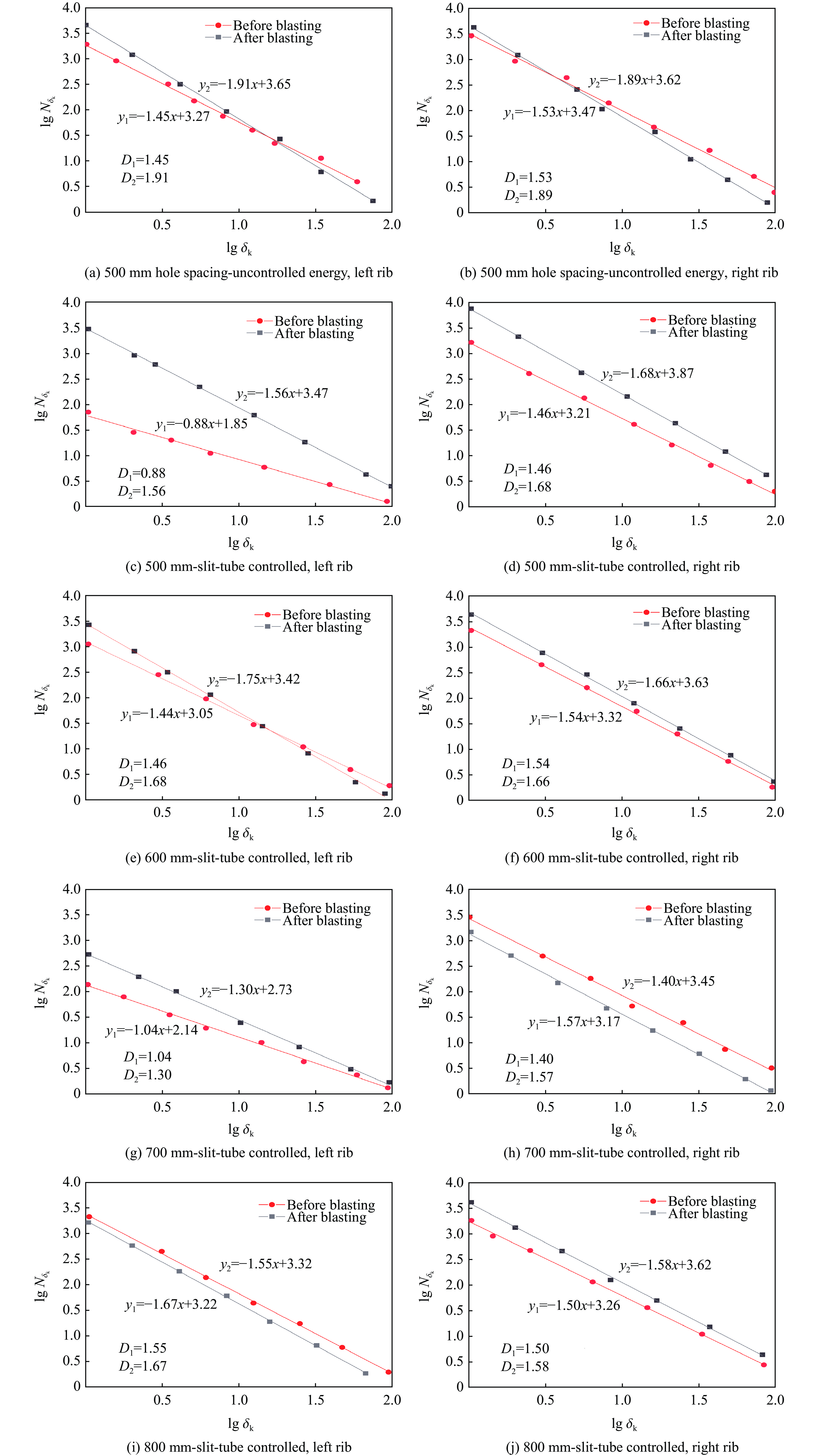
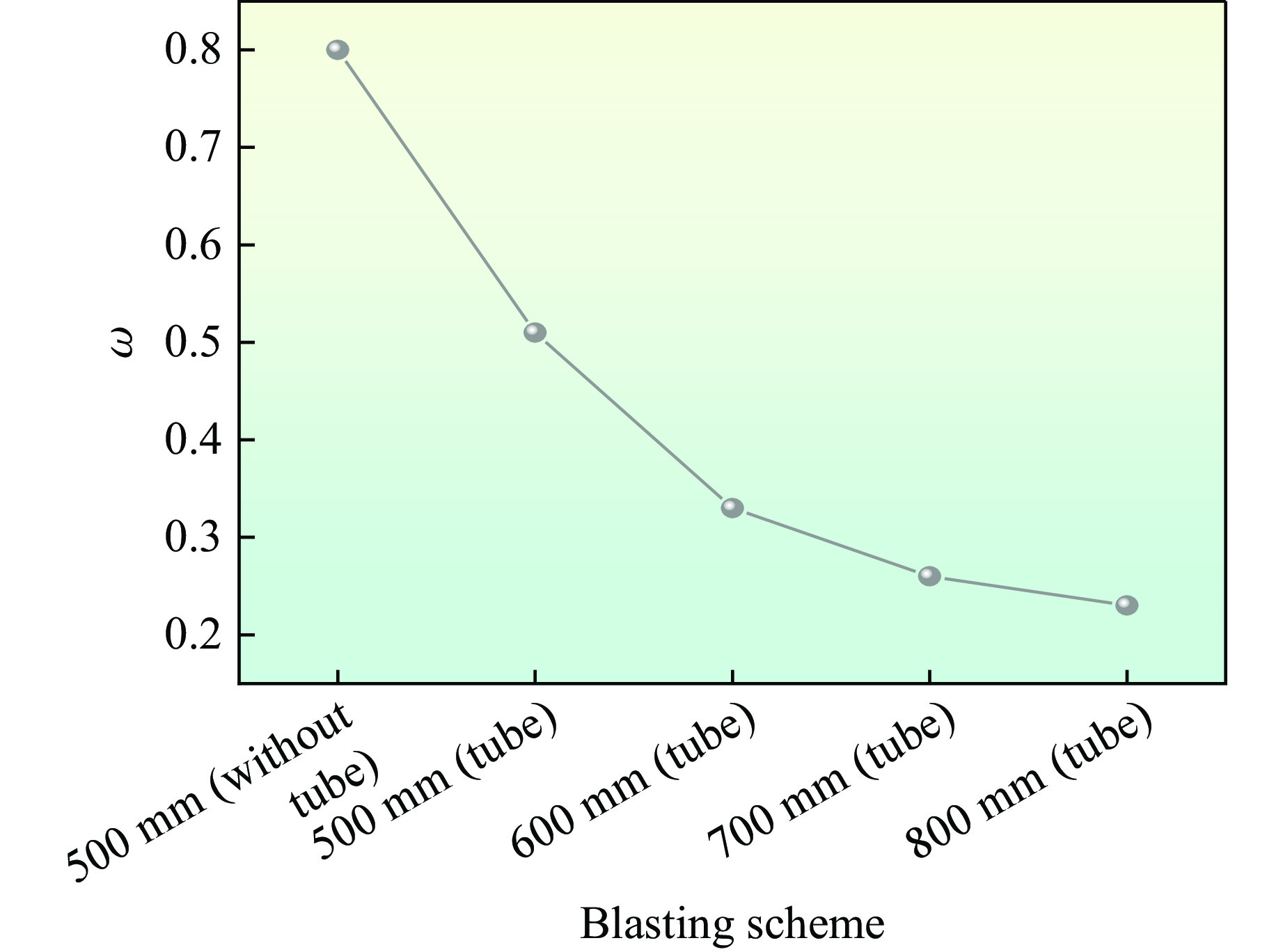
In order to accurately regulate the damage effect of slit pack blasting on the backfill of the quarry in deep mines, this study focuses on the damage control mechanism of the peripheral hole spacing (500, 600, 700, 800 mm). Based on the theory of elastic fluctuation and the dynamic propagation characteristics of shock waves in rocky media, the diffusion mechanism of the stress wave under the action of multi-media in the constrained orientation during slit packet blasting is established. Combined with the strong correlation between brittle concrete materials and the damage evolution of the backfill, the cross-media equivalence calibration framework of the Riedel-Hiermaier-Thoma (RHT) intrinsic model is established. Based on the numerical simulation software ANSYS/LS-DYNA, we constructed a multi-media dynamic coupling numerical model of “filling body-mineral body-cutting slit package”, arranged observation points at the junction of filling body-mineral body, and conducted a combined analysis of the peak stress change, the change of the blast vibration velocity, and the damage evolution of the filling body at the observation points. Then, based on the blasting test of the approach and return stage of the neighboring filling body in Jinchuan Three Mining Area, the blasting test of conventional packs, slit packs and different peripheral hole spacing was conducted. The test shows that: slit pack blasting triggers gas-phase jet and strain-energy convergence effects in the unconfined direction, synchronously suppresses the stress and vibration peaks in the confined direction, and achieves directional attenuation of the blasting load on the neighboring filling body; the field test shows that, compared with the conventional charge, the slit pack significantly reduces the degree of damage of the backfill by more than 36%; the degree of blasting damage and the peripheral hole spacing show a negative correlation, and the damage suppression efficiency is improved with the increase of the spacing. The damage suppression efficiency is improved when the spacing increases.

High Pressure Applications
Bursting Performance Optimization of Reverse-Arched Bursting Discs Based on Variable Fidelity Surrogate Models
YU Yaowen, LIANG Hao, CHEN Changhai, PU Weiqiang
2026, 40(4): 045101. doi: 10.11858/gywlxb.20251123
HTML PDF (58)
Abstract:

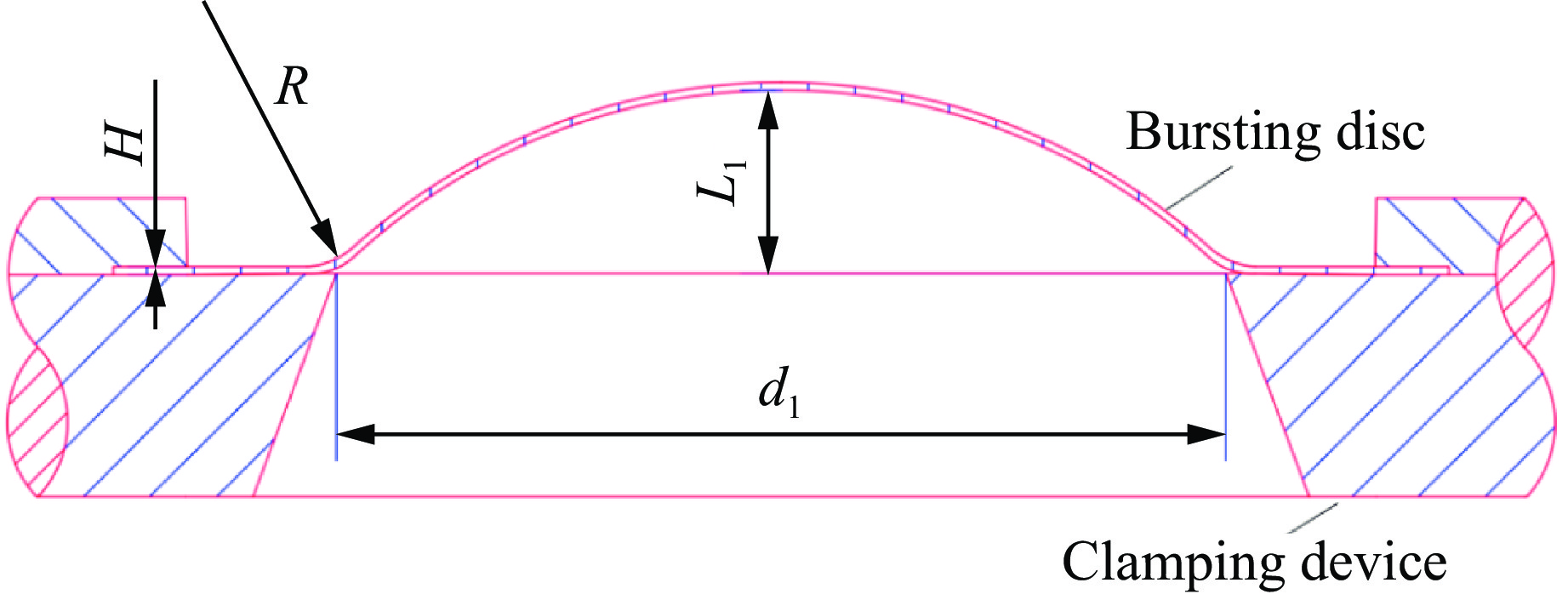
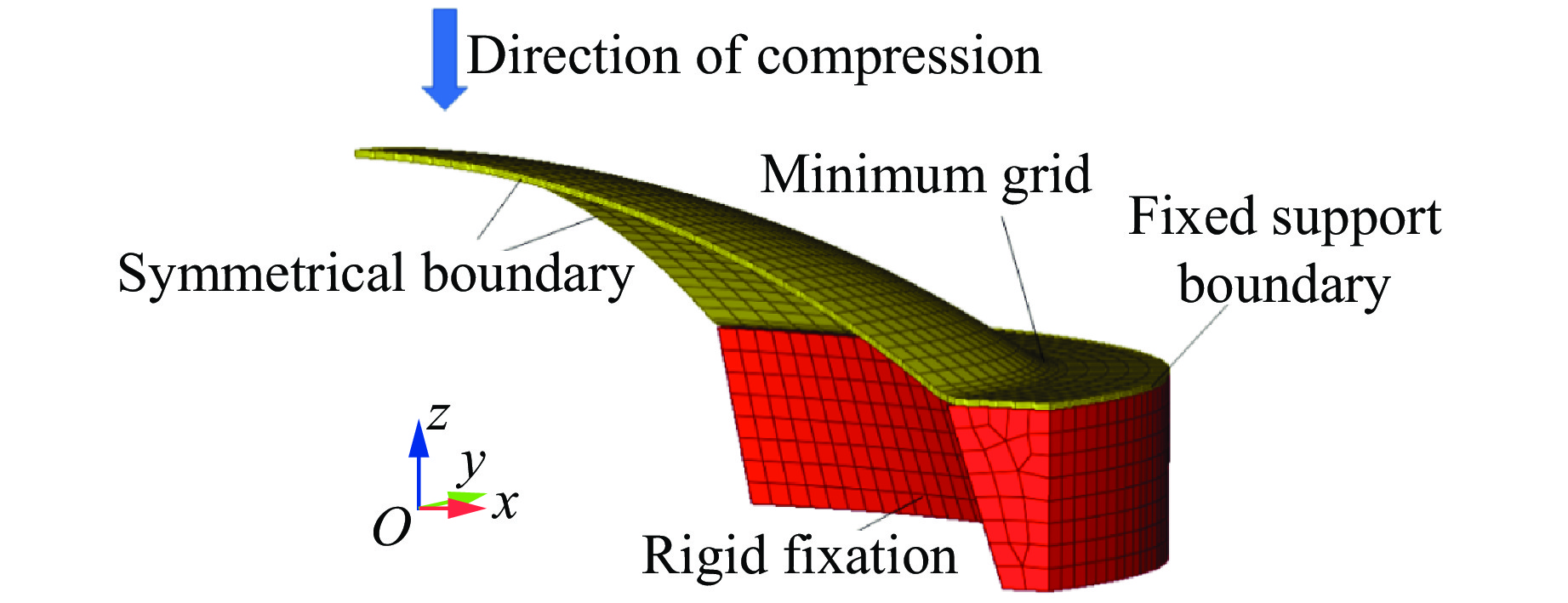
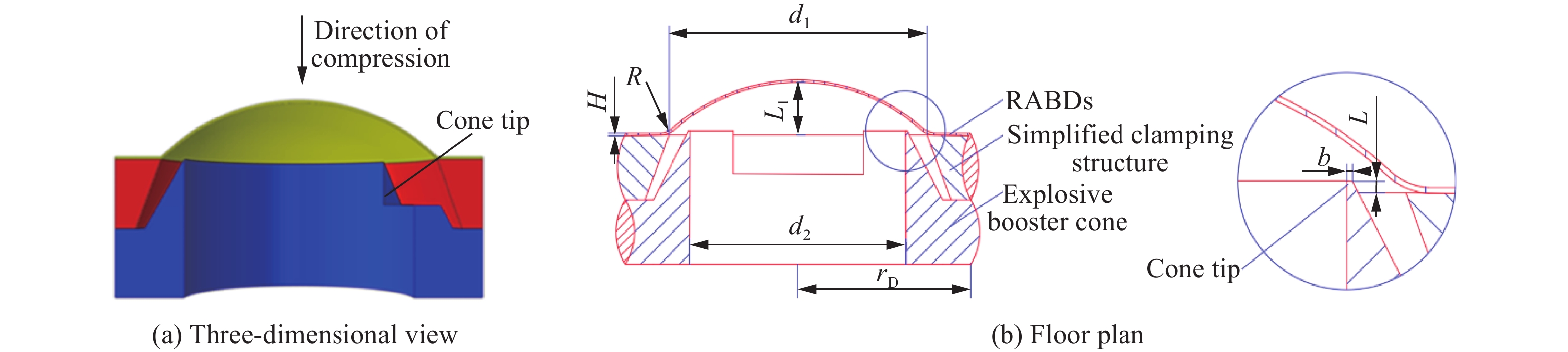
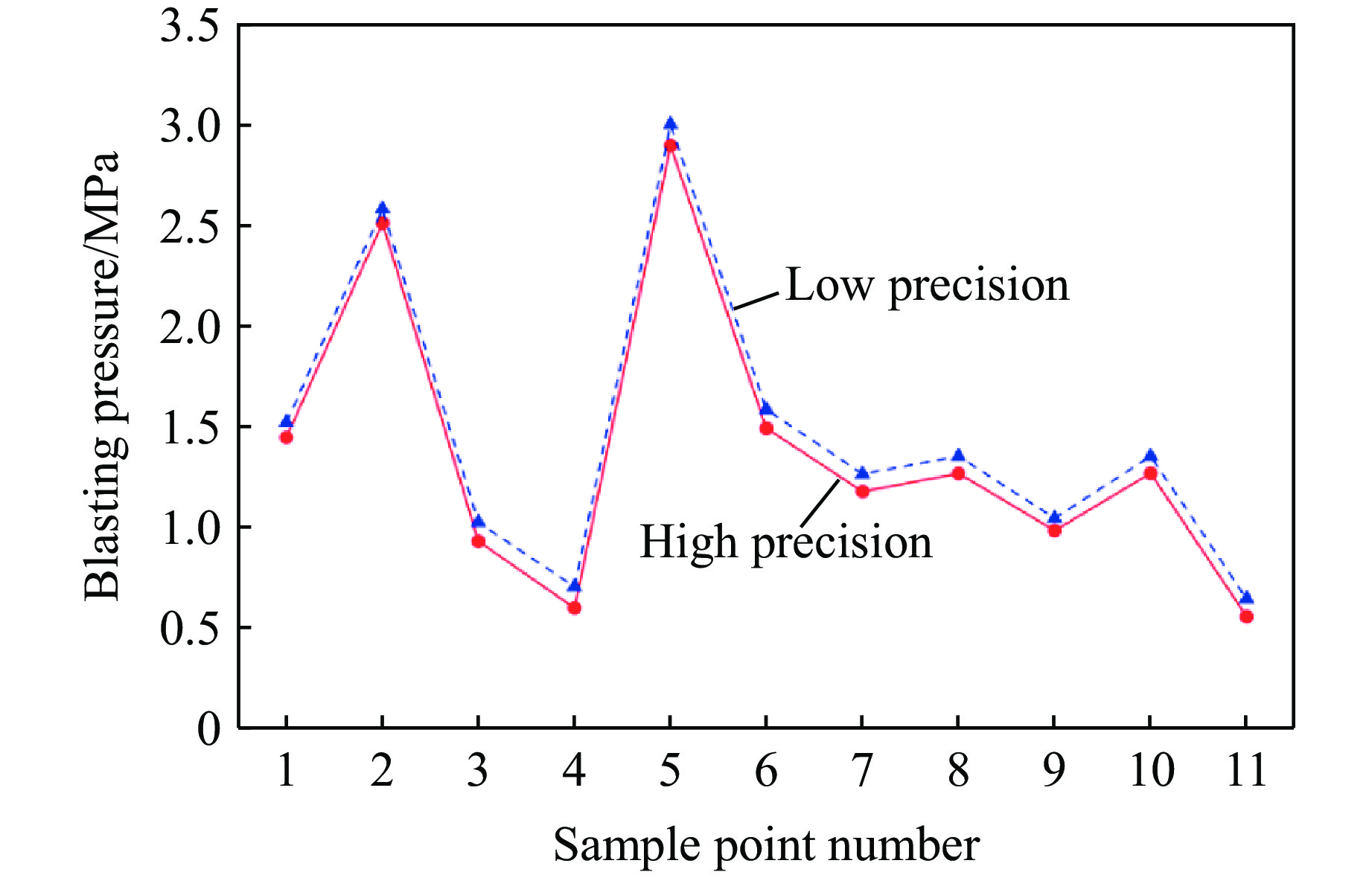
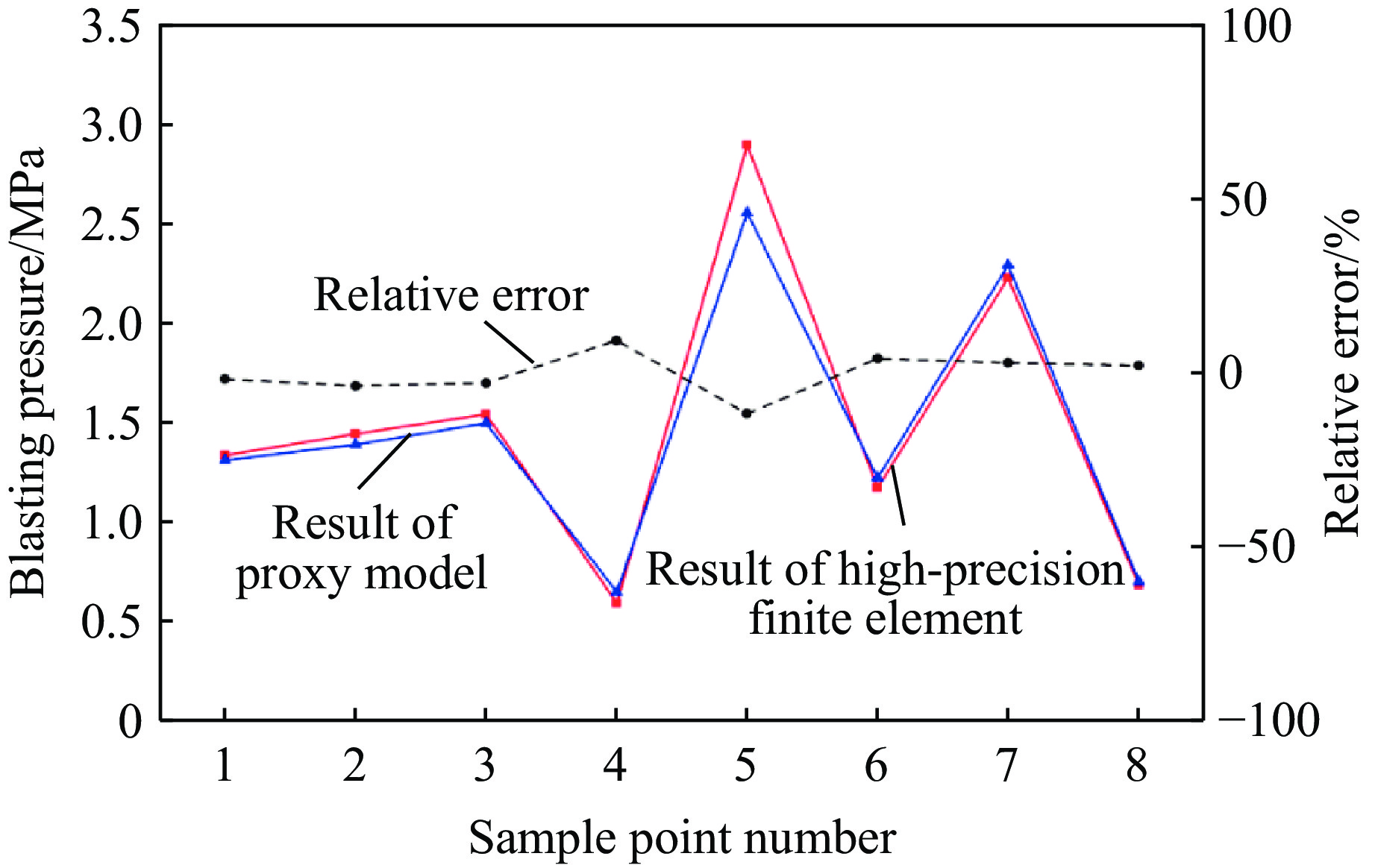
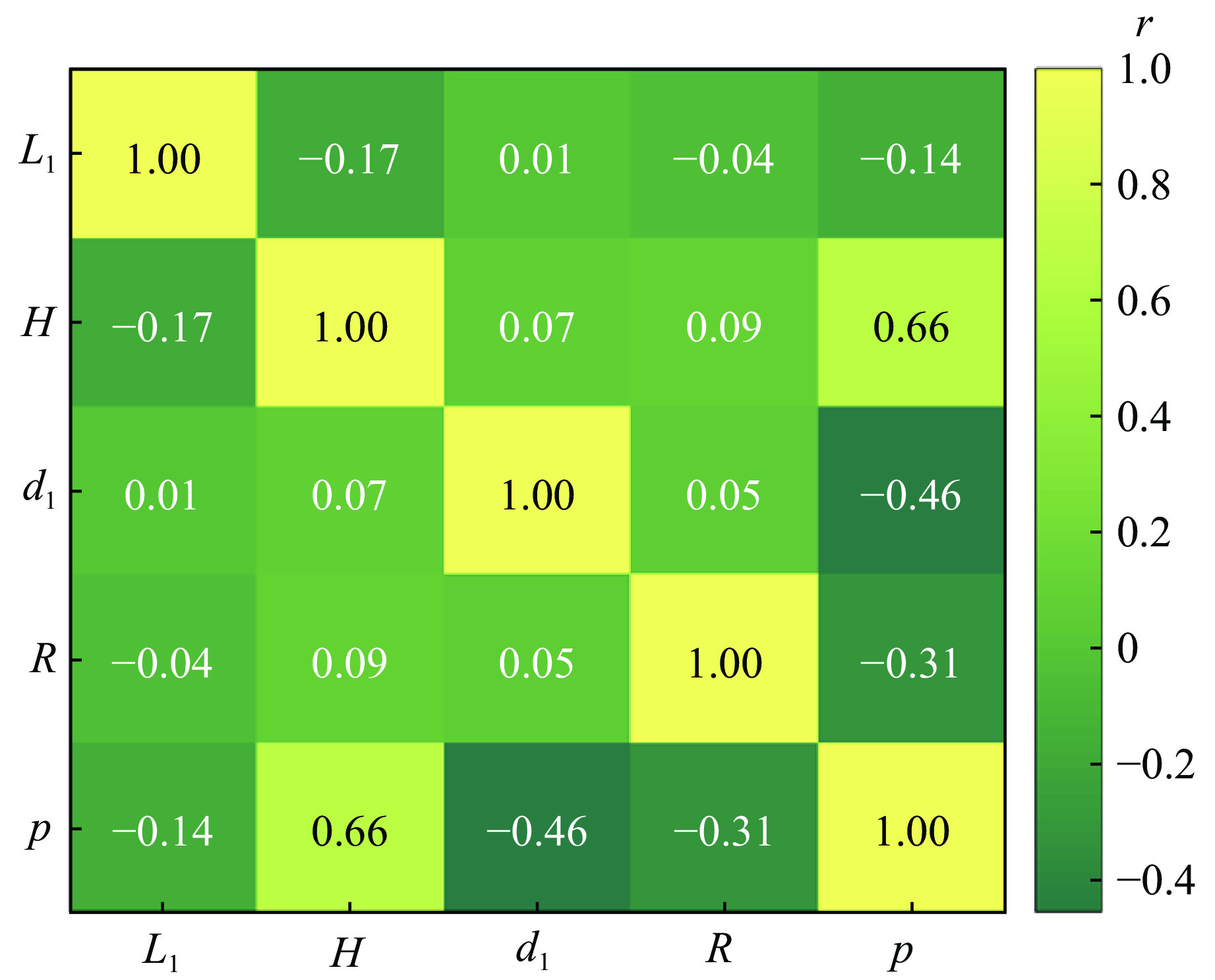
To address the optimization design problem of the bursting performance of reverse-arched bursting discs (RABDs), a hierarchical Kriging (H-Kriging) surrogate model was constructed based on both high- and low-fidelity finite element analysis results. This model enables the rapid prediction of the burst pressure of RABDs, facilitating the development of a mathematical model for performance optimization and structural improvement. The results show that the H-Kriging surrogate model relating burst pressure to structural parameters based on high- and low-fidelity finite element models can significantly reduce computational cost while accurately predicting the burst pressure of RABDs. For the initial structural design scheme of RABDs, optimization was carried out using a genetic algorithm, with the optimized design accounting for manufacturing tolerance in disc thickness. This resulted in a 58.8% reduction in burst pressure fluctuation, significantly reducing the sensitivity of burst pressure to thickness manufacturing errors and providing valuable engineering reference.

Optical Experimental Study on the Multiple Expansion-Contraction Motion Characteristics of Underwater Explosion Bubbles
SHENG Zhenxin, WANG Haikun, CHEN Jiping, ZHANG Xianpi, YU Jun, GAO Tao
2026, 40(4): 045102. doi: 10.11858/gywlxb.20251185
HTML PDF (67)
Abstract:

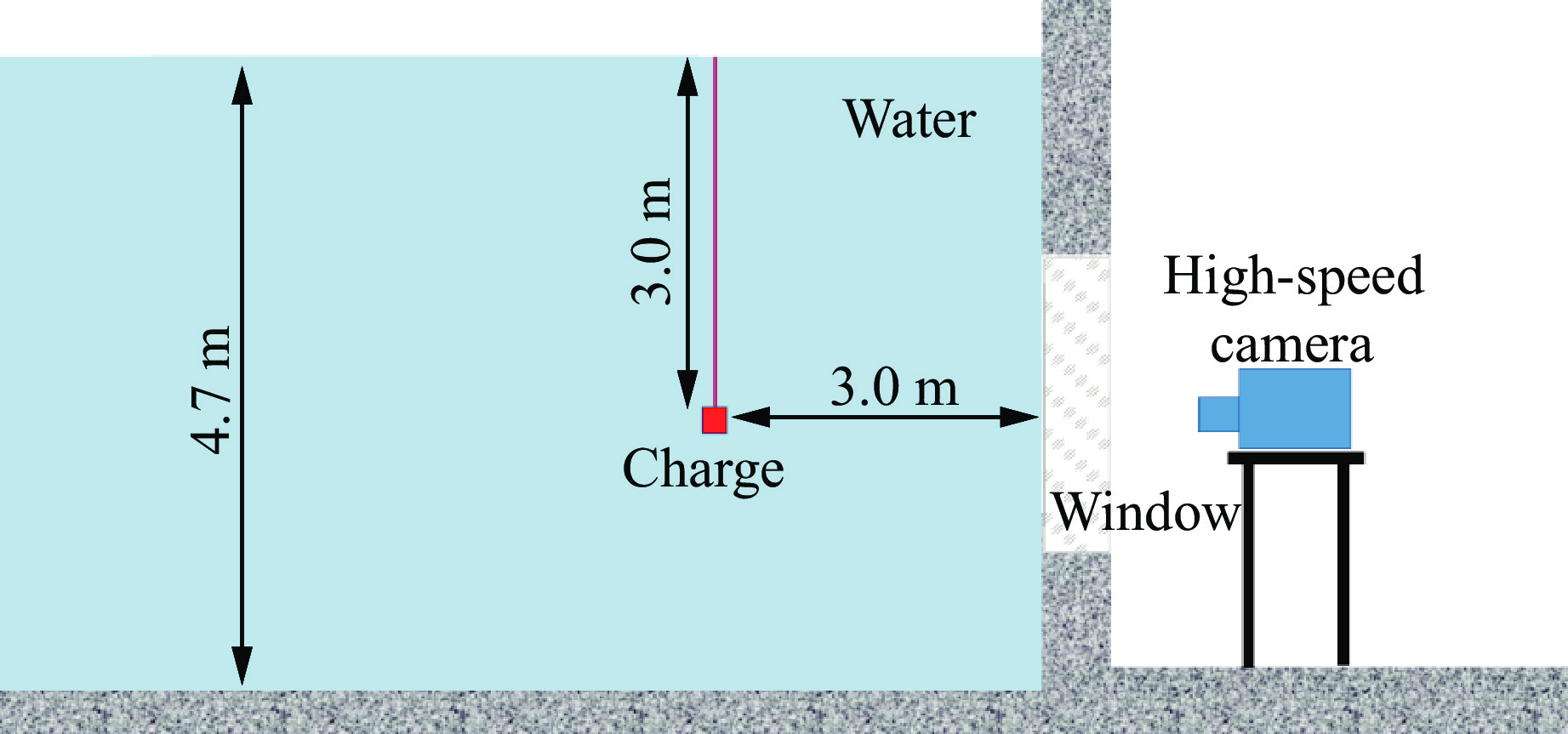
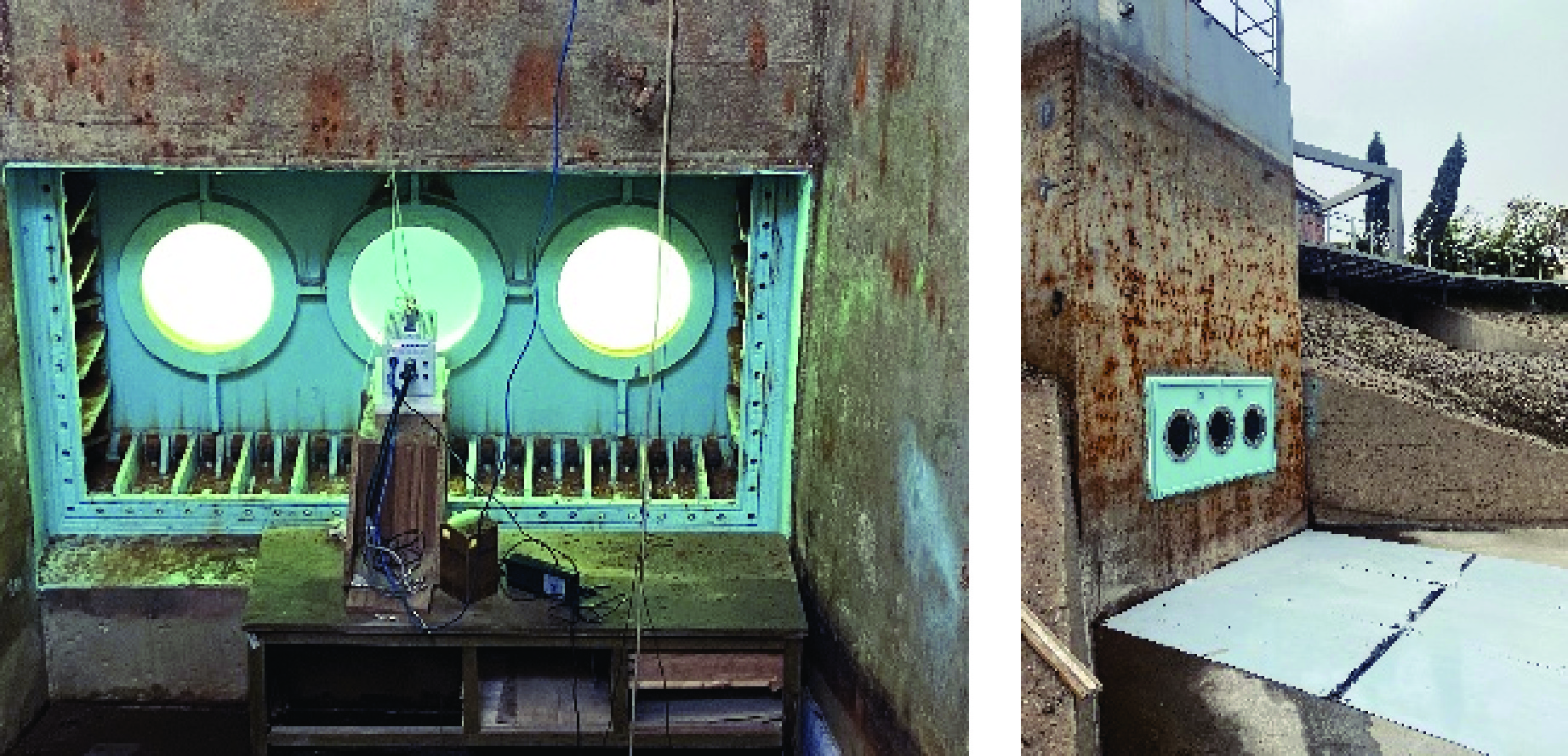
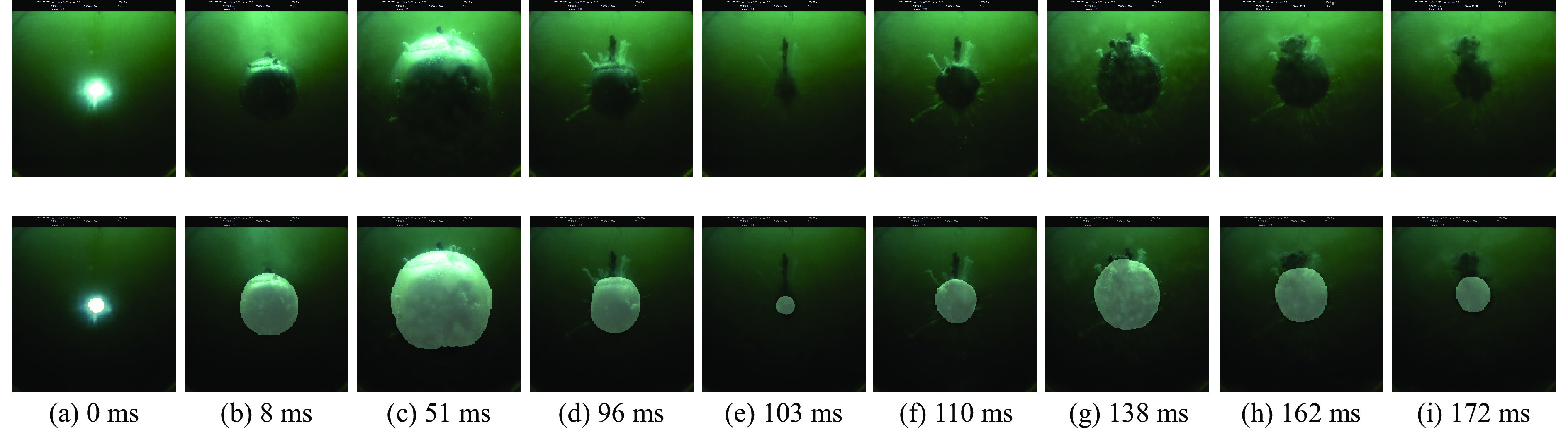
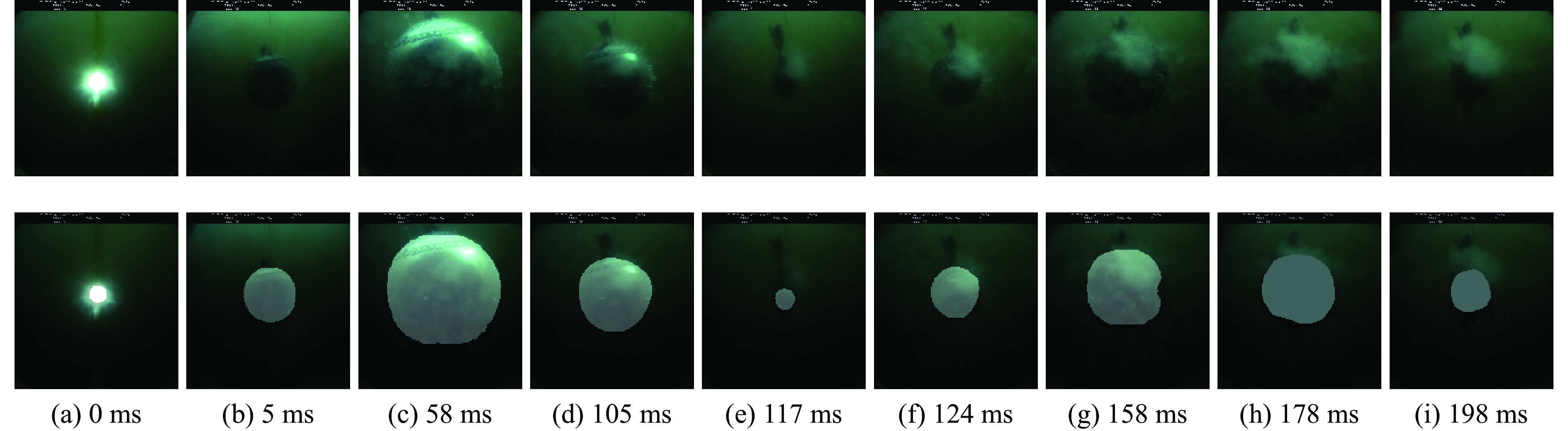
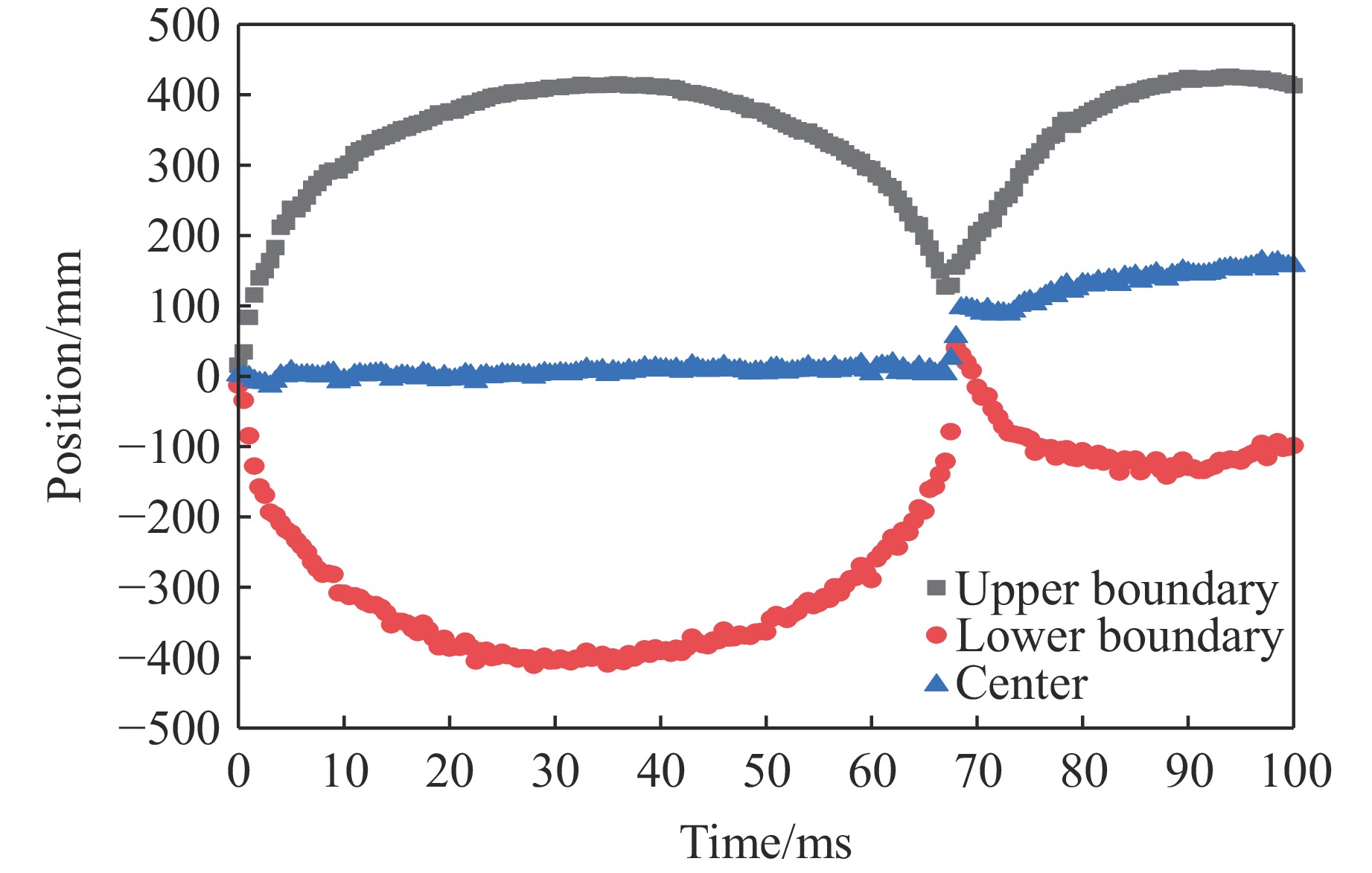
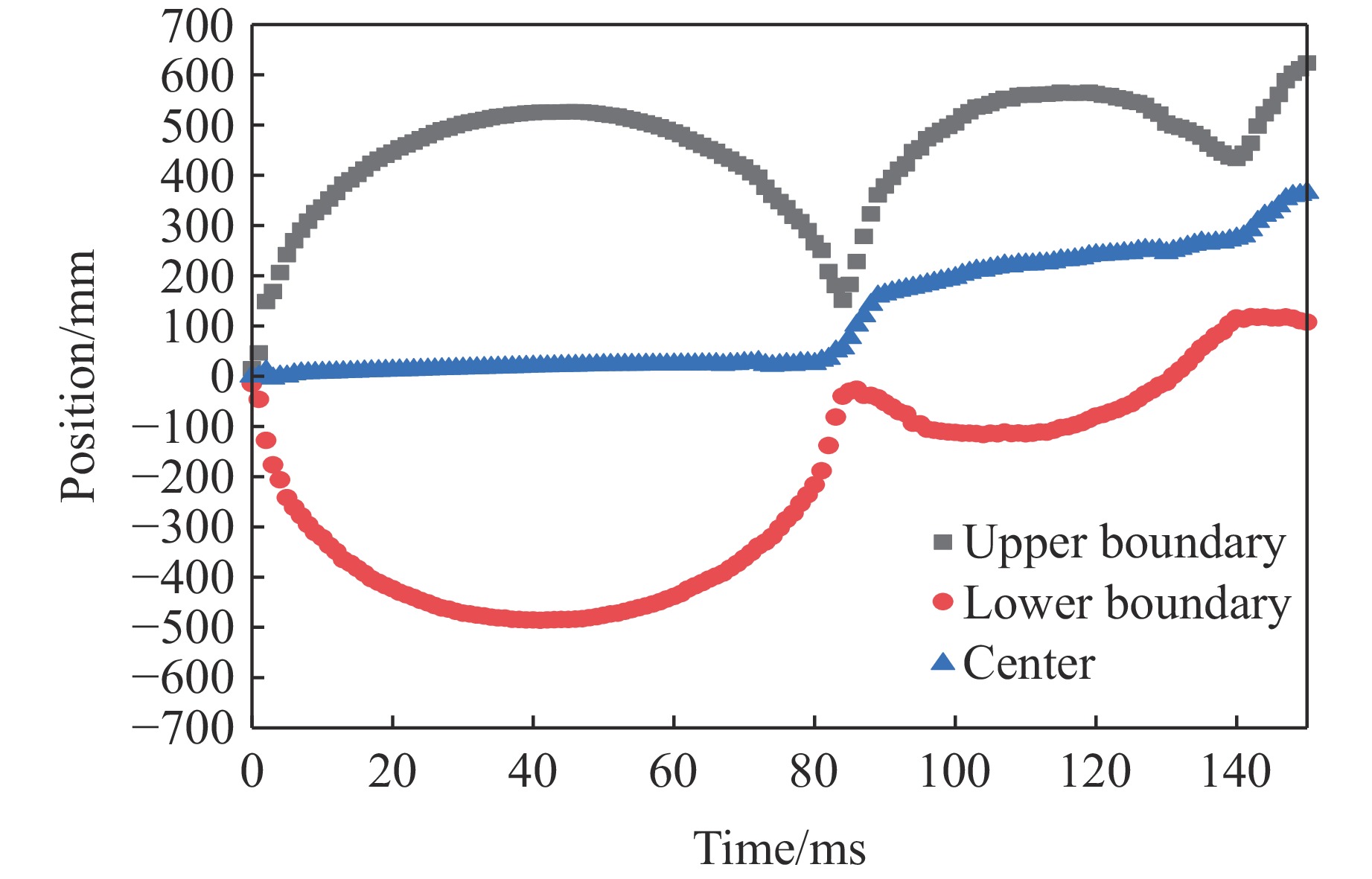
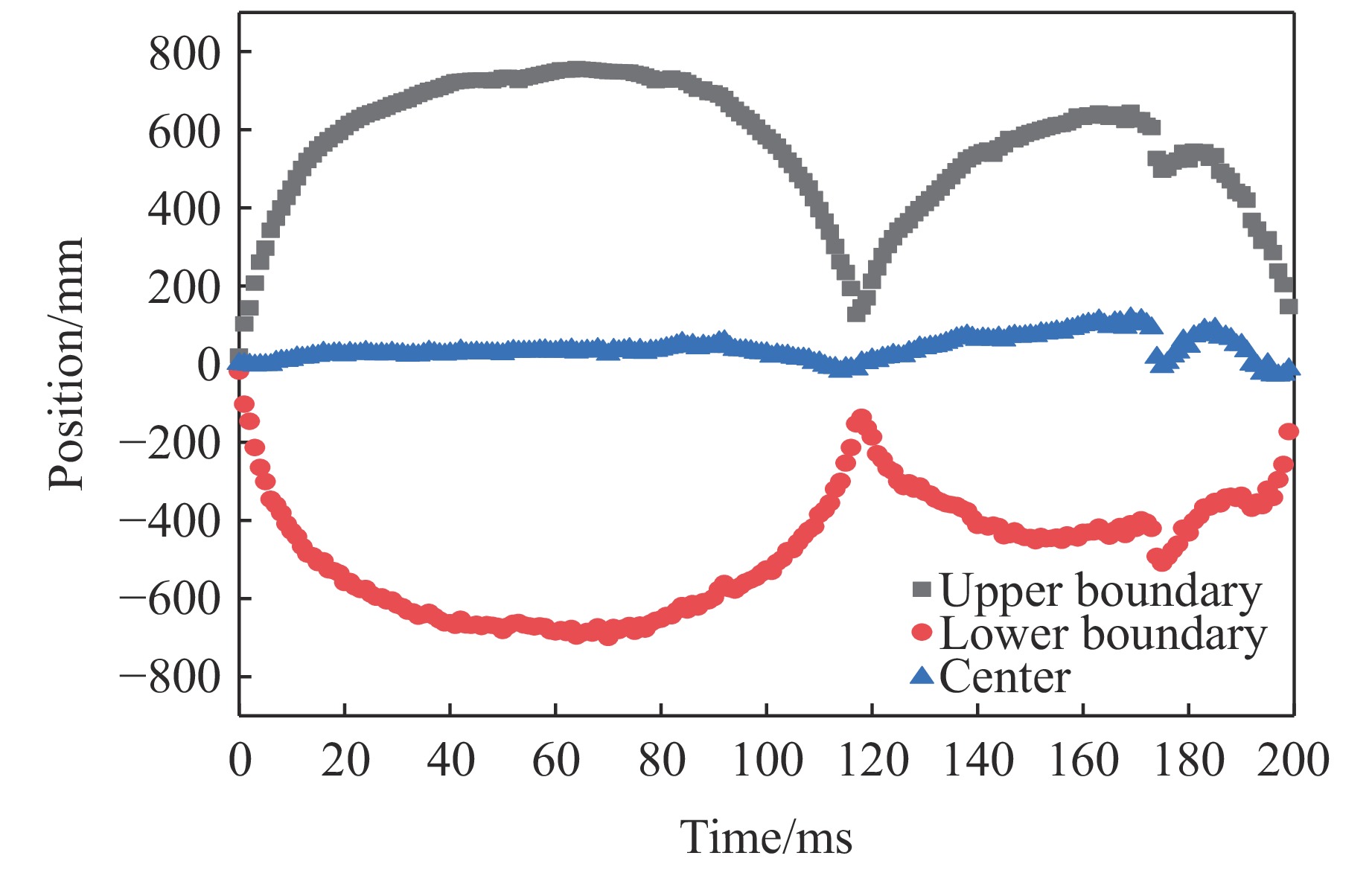
The underwater explosion bubbles expand and contract several times until it runs out of energy, during the pulsations, the mutual conversion of energy occurs. At present, there is insufficient attention paid to multiple pulsations characteristics and energy conversion of underwater explosion bubbles. In this paper, the underwater explosion tests of 20, 40, and 60 g RS211 charges were carried out, and the evolution process of the bubbles multiple pulsations were photographed with a high-speed camera, then pulsation period and maximum radius of the bubbles were obtained after intelligent processing. On this basis, the theoretical analysis was conducted on the conversion mechanism of the potential energy, internal energy during the multiple pulsations. The results show that: (1) the residual energy rate of the second bubble pulsation relative to the first bubble pulsation was 0.31; (2) the proportion of internal energy of the bubbles to total energy is 5.4%−6.6%, so the internal energy could be ignored, and energy of the bubbles could be represented by the potential energy in the engineering application.

Inhibition Mechanism of KHCO3-Containing Water Mist on Methane-Hydrogen Premixed Deflagration
HUANG Hui, LI Yuanbing, LI Xia, SHAO Peng
2026, 40(4): 045301. doi: 10.11858/gywlxb.20251189
HTML PDF (46)
Abstract:

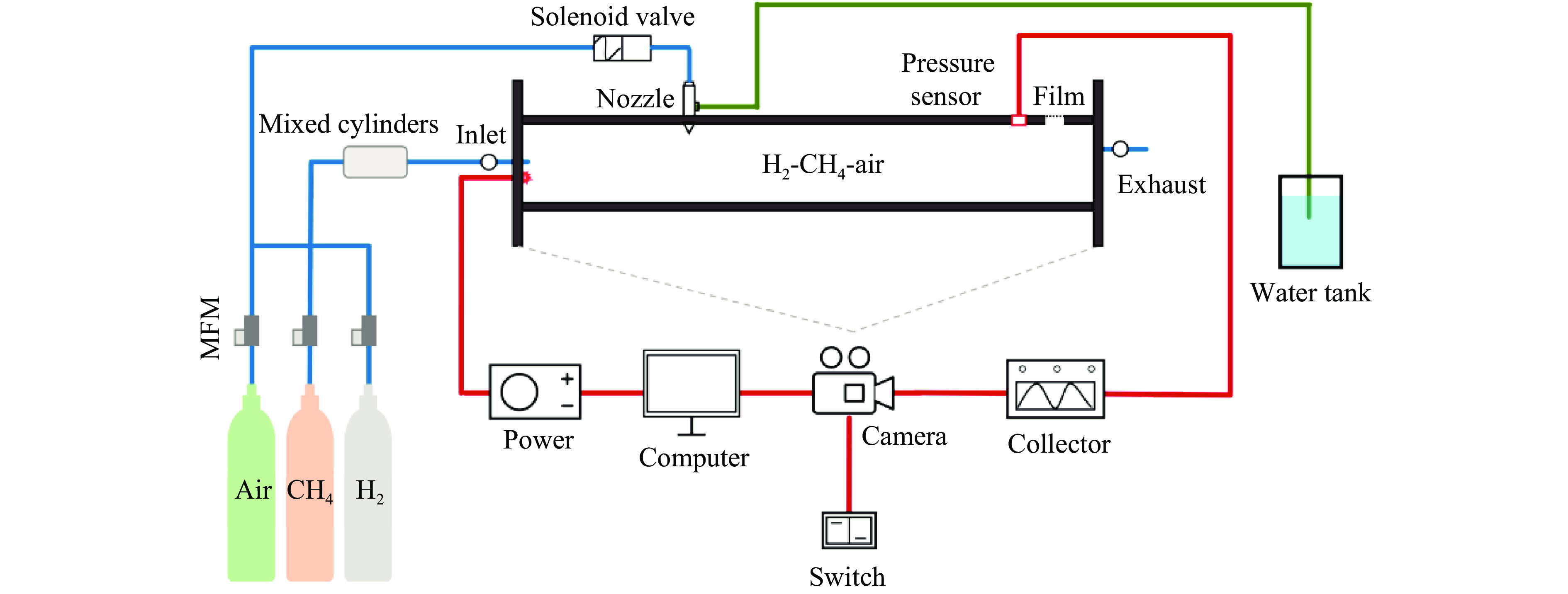
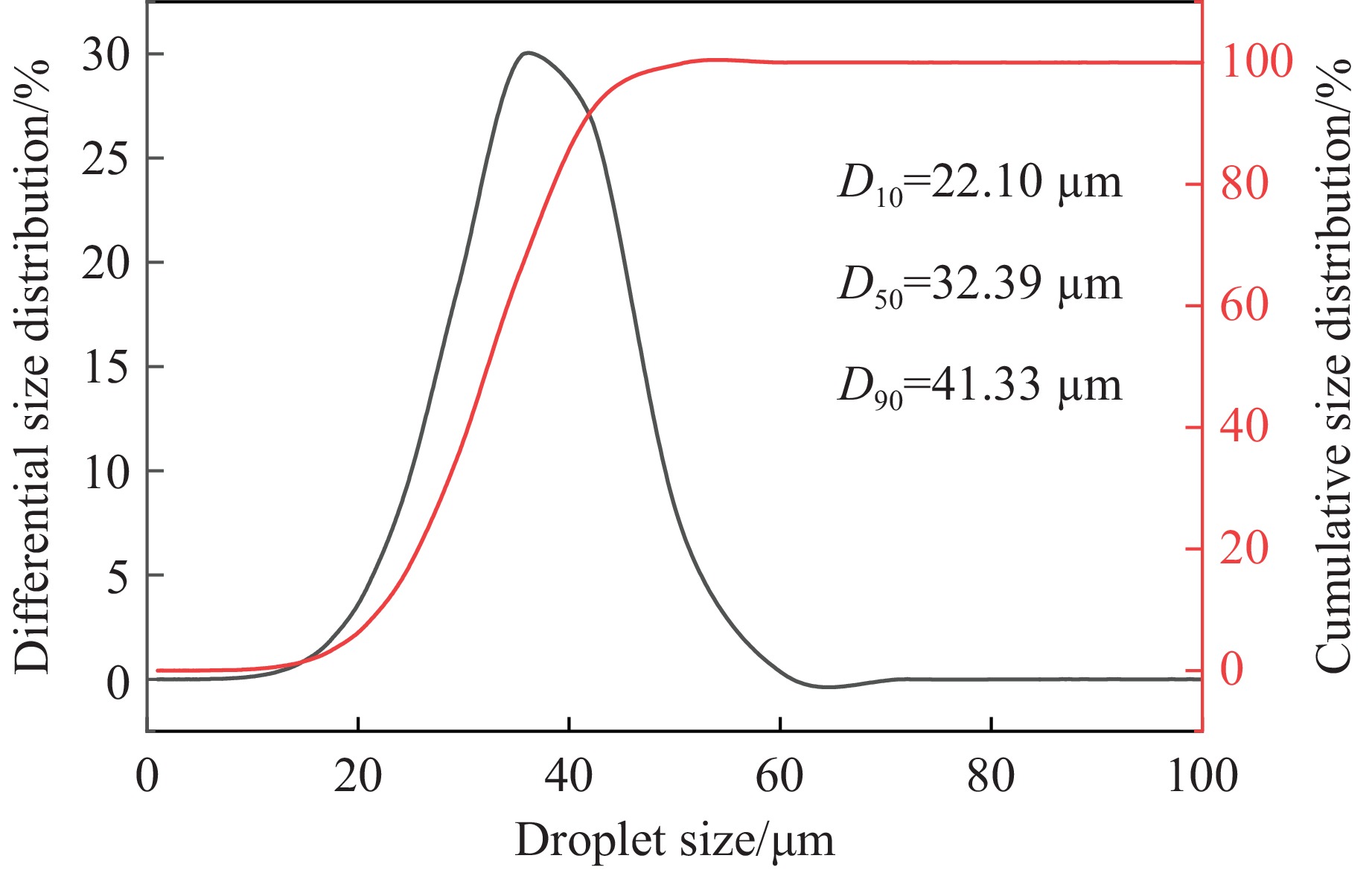
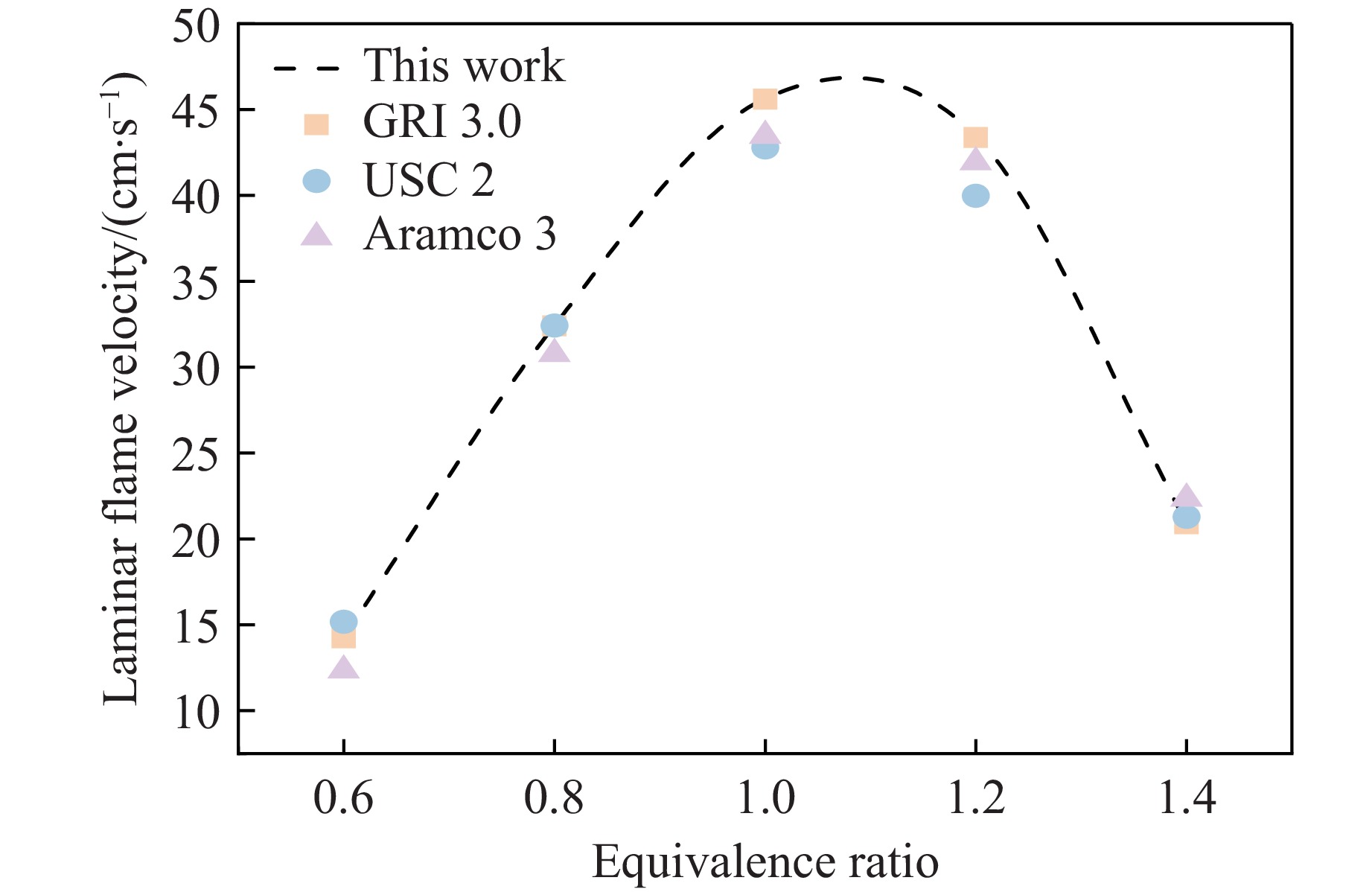
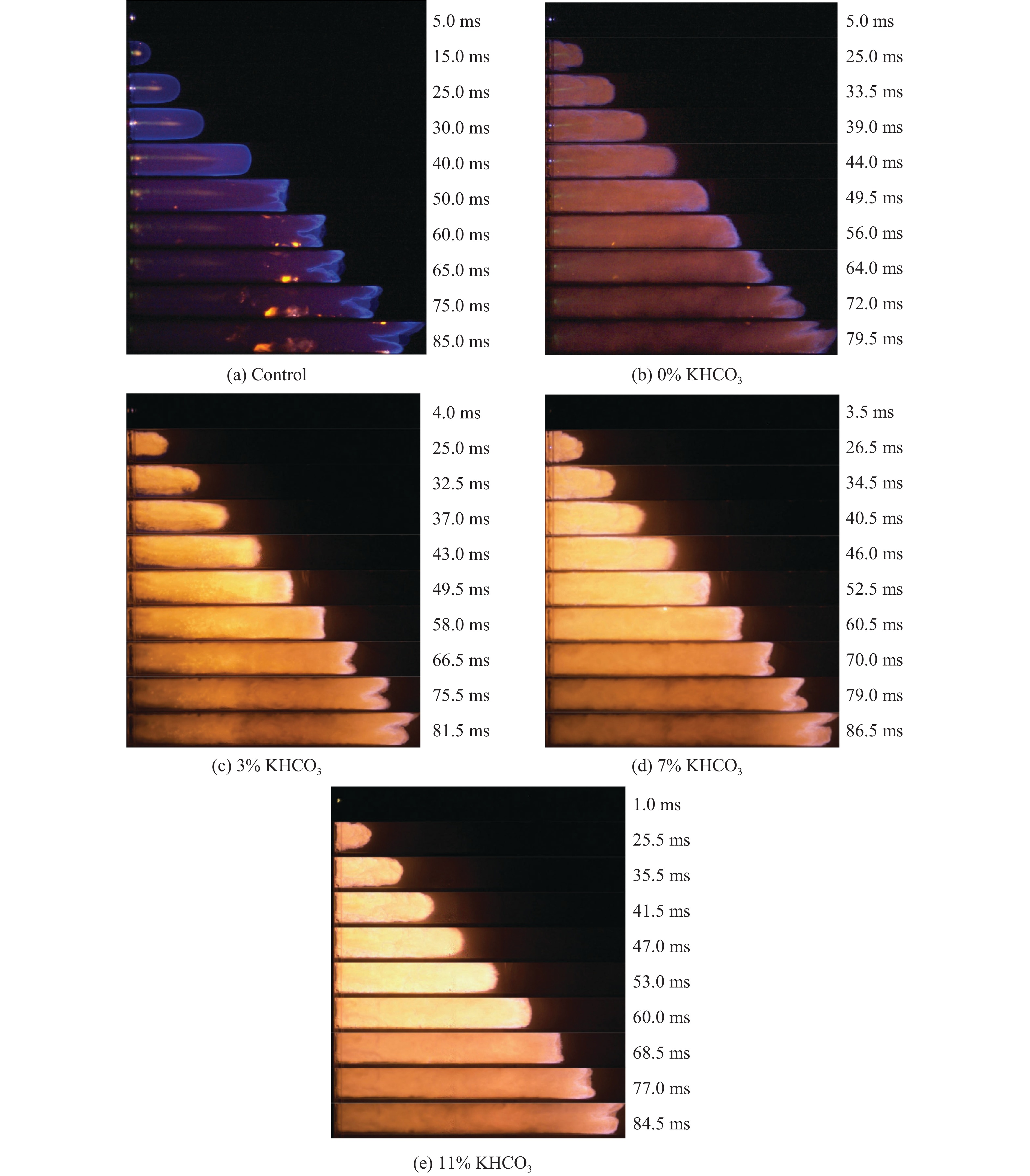
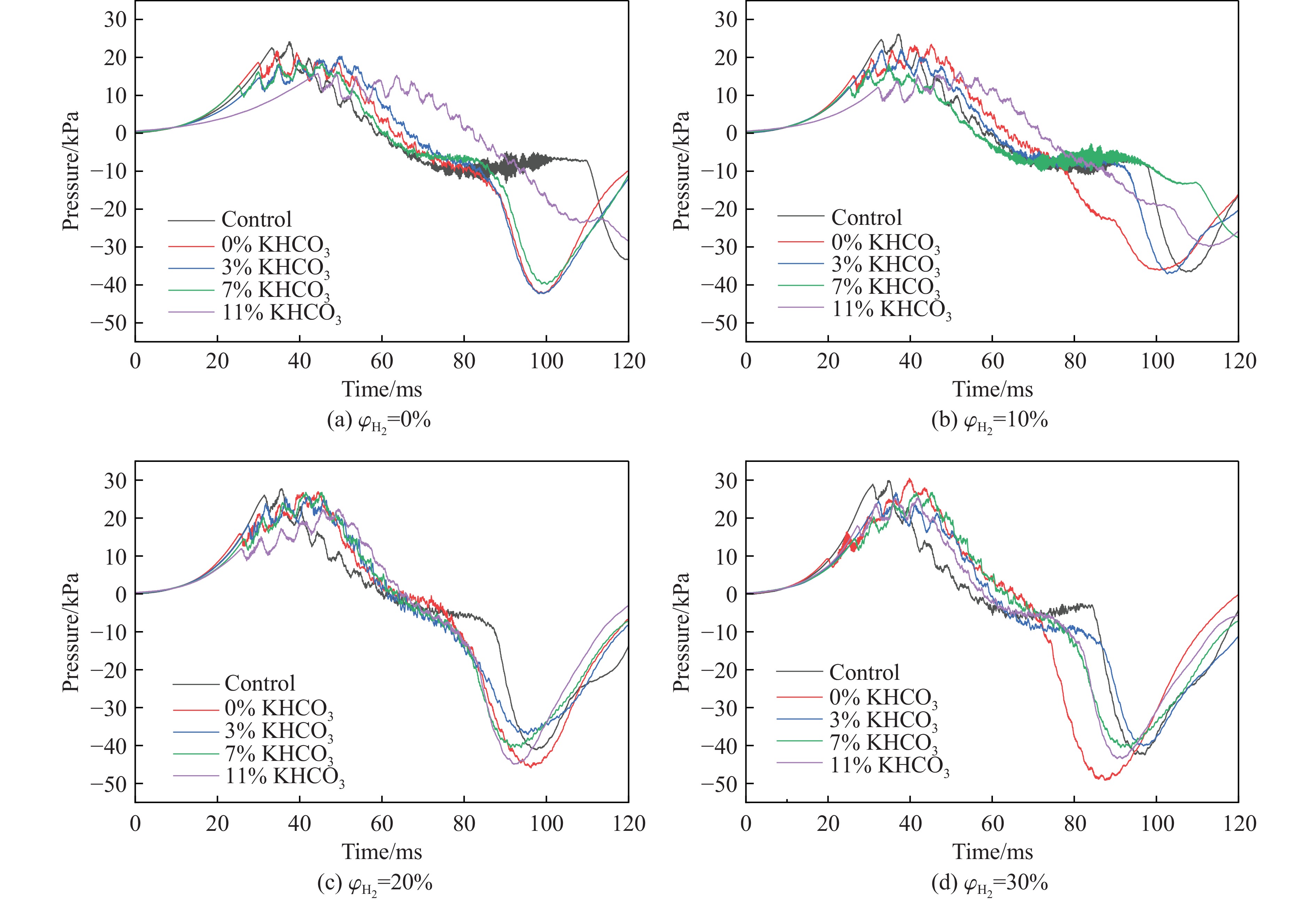
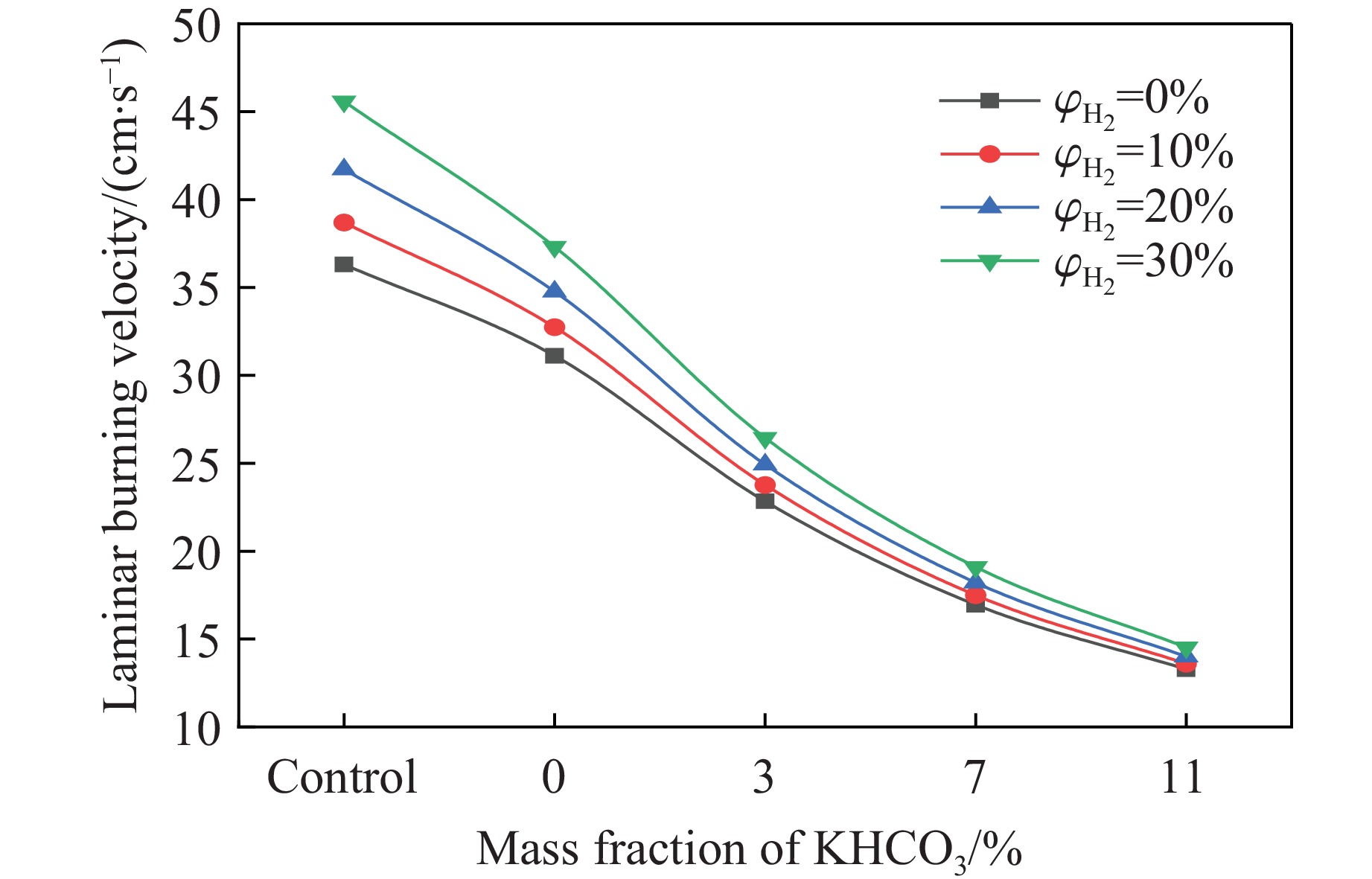
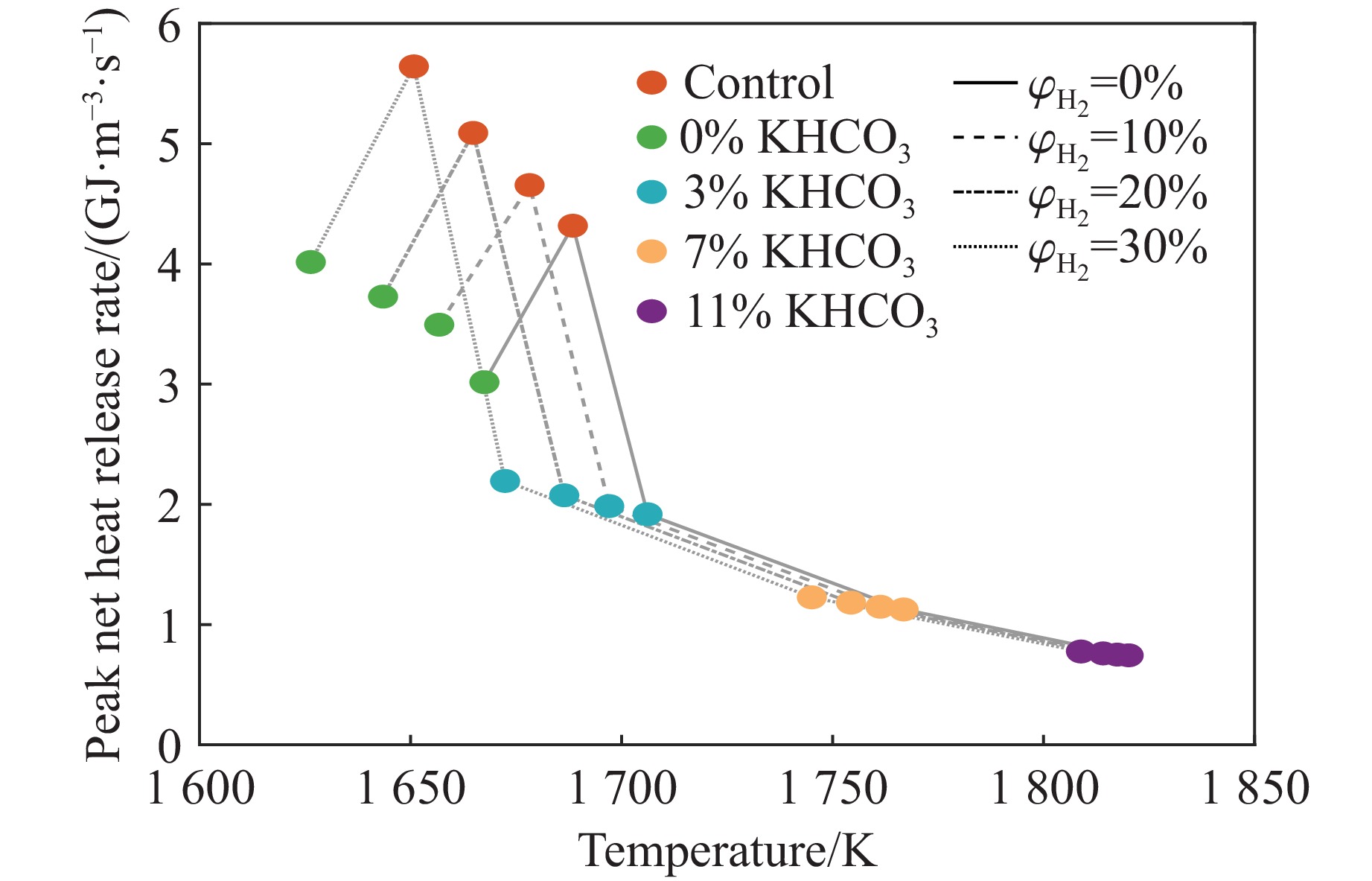
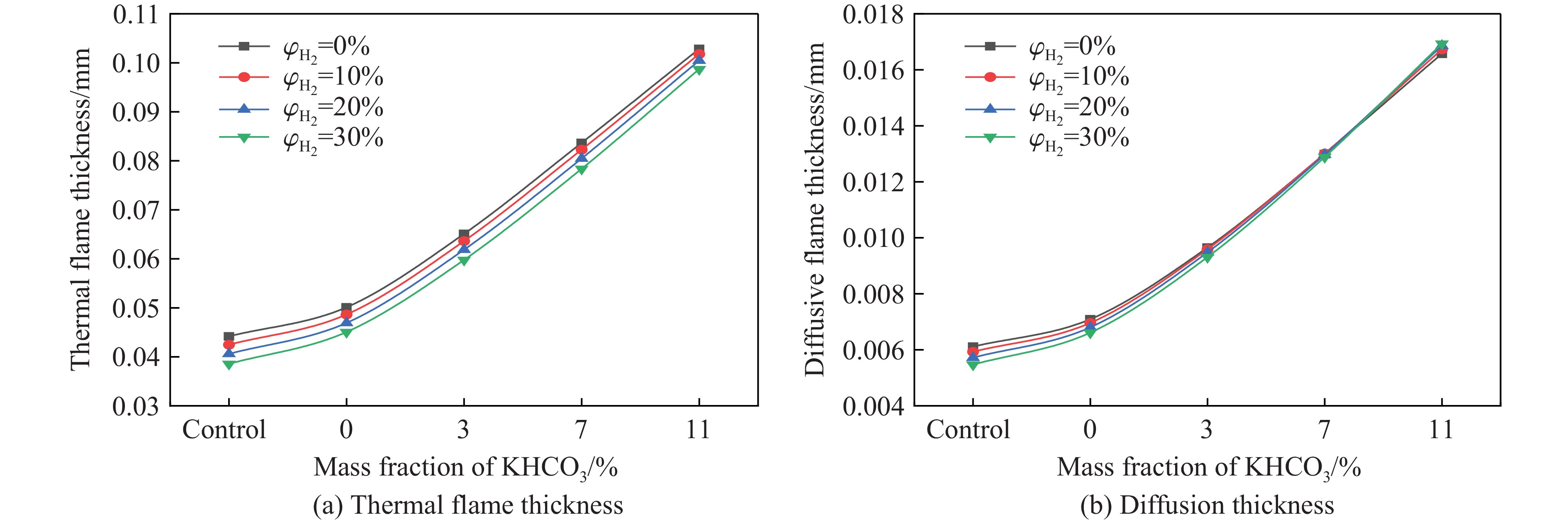
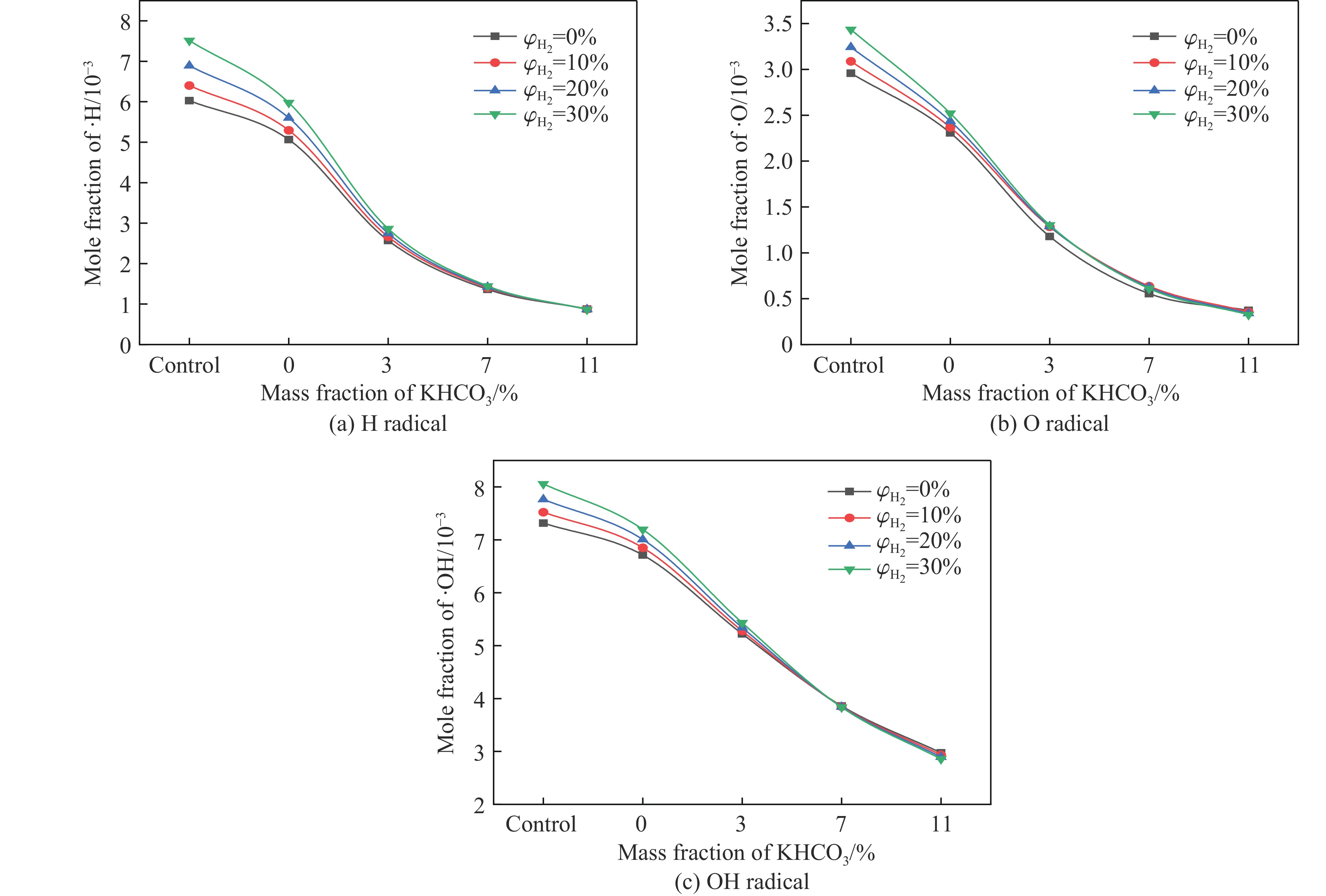
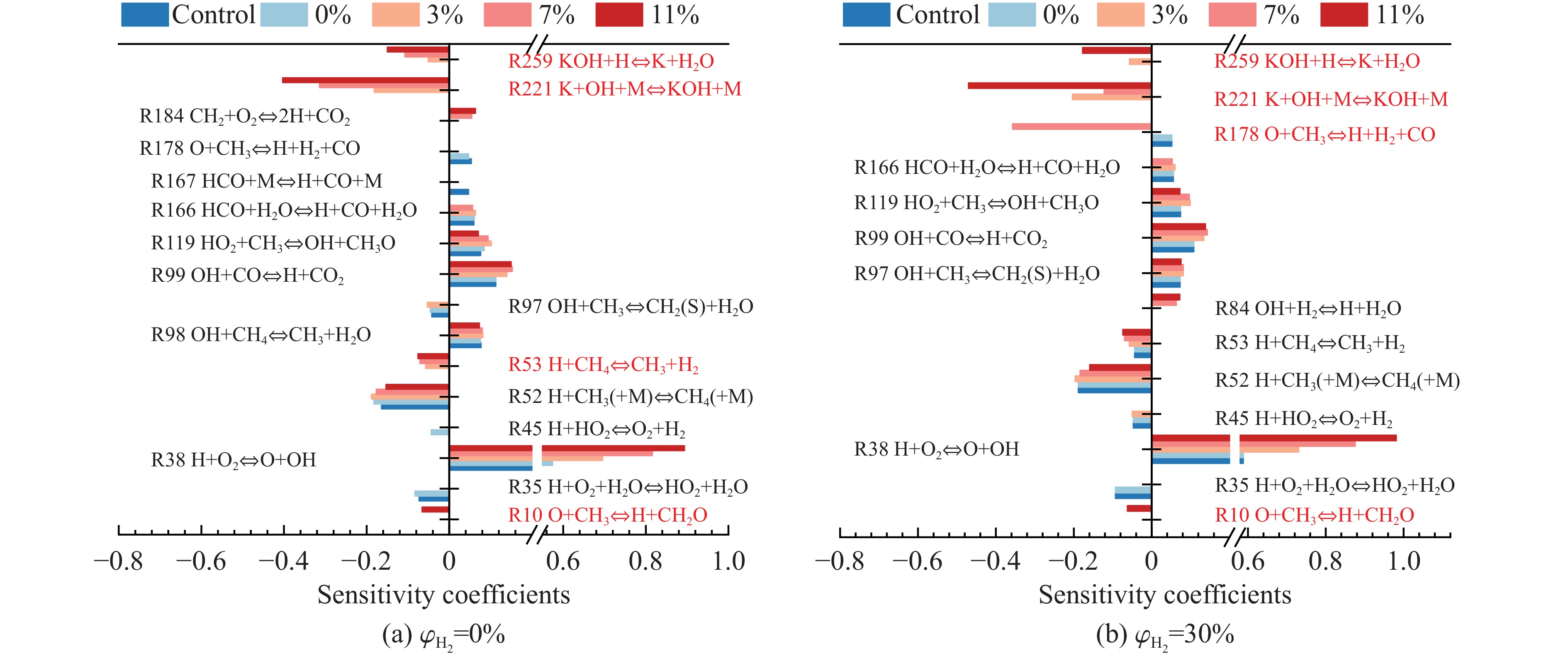
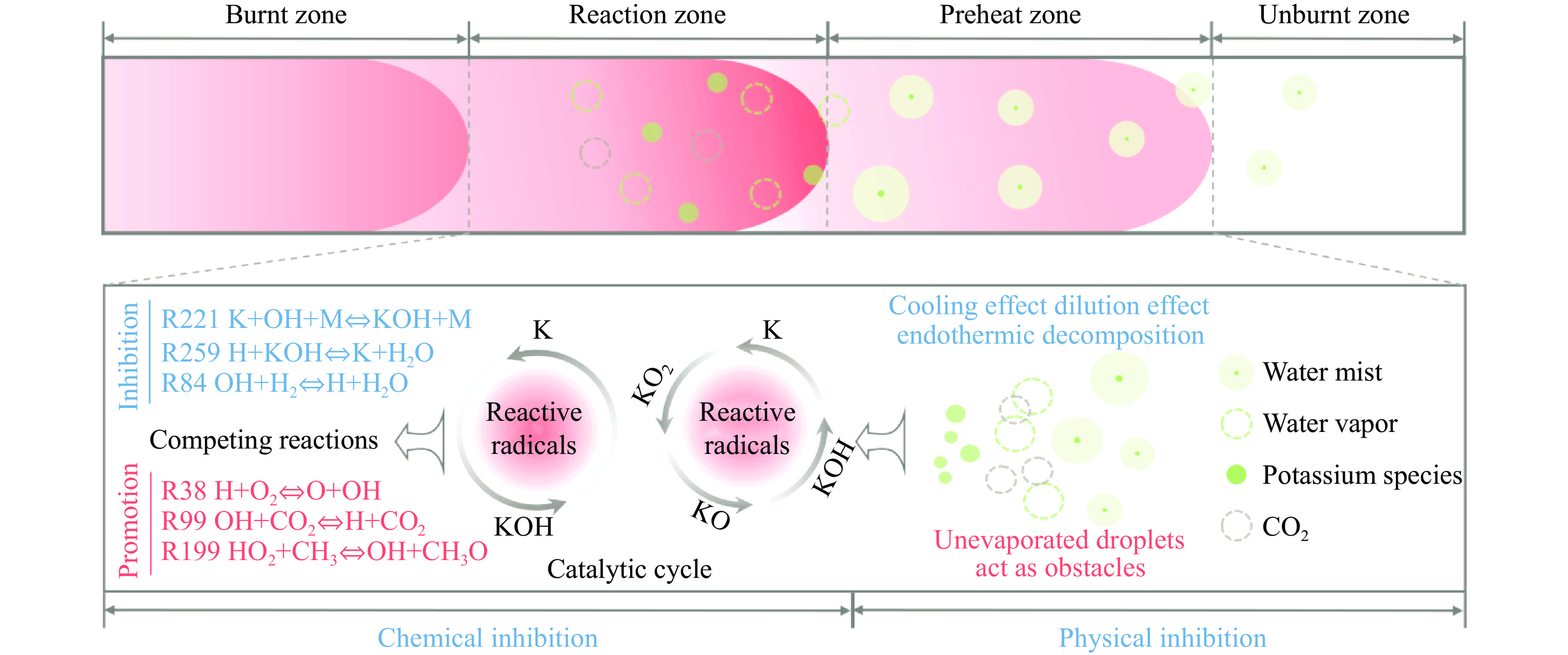
Explosion prevention and mitigation technologies for hydrogen-methane gas mixtures represent a critical research area for ensuring the safe application of hydrogen energy. This study systematically investigates the inhibition mechanism of potassium bicarbonate (KHCO3)-containing fine water mist on methane-hydrogen premixed deflagration using a combined approach of experiment and numerical simulation. The results indicate that KHCO3-containing fine water mist exhibits a significant inhibitory effect on methane-hydrogen premixed deflagration, with its suppression performance positively correlated to the KHCO3 mass fraction. Taking the condition of H2 volume fraction of 10% as an example, 11% KHCO3 addition resulted in reductions of the maximum explosion pressure and the average pressure rise rate by 34.64% and 44.57%, respectively. The laminar burning velocity was reduced by up to 66.43%. KHCO3 contributes to suppression through both physical and chemical mechanisms. Physically, droplet phase change (evaporation) absorbs heat and the generated steam dilutes the fuel mixture, thereby lowering the flame temperature and reducing reactant concentrations. Chemically, the decomposition of KHCO3 generates potassium compounds, which undergo the KOH→K→KOH recombination cycle to scavenge key radicals (·H, ·O, ·OH). This process competes with chain-branching reactions and interrupts the combustion chain reactions. Furthermore, the suppression process is governed by a competition between inhibitory and promotional effects. At high hydrogen blending ratios and high mass fractions of KHCO3, the physical evaporation efficiency becomes a bottleneck that constrains the chemical inhibition, leading to a saturation of the overall suppression efficiency. Nevertheless, a significant inhibitory effect is still maintained.