





Numerical Simulation of CoCrFeMnNi High Entropy Alloy Shaped Charge Jet and Its Penetration into a Target Plate
-
摘要: 现代装甲防护技术的持续发展对聚能战斗部的毁伤威力提出了更严峻的挑战。传统药型罩材料因其综合性能局限,已成为提升侵彻深度的主要制约因素。高熵合金因具有独特的多主元设计,展现出高强度、高硬度、优异的动态断裂韧性等核心潜力,被视为极具前景的新型药型罩候选材料。在此背景下,通过激光熔化技术制备了CoCrFeMnNi高熵合金,并对其开展了静、动态力学性能测试与研究,确定了CoCrFeMnNi高熵合金的Johnson-Cook(J-C)动态本构模型及其参数。利用LS-DYNA建立了紫铜和高熵合金2种材料的聚能射流形成模型,并对紫铜和高熵合金聚能射流的形成过程和侵彻靶板过程进行了数值模拟。结果表明,相较于紫铜,高熵合金药型罩能够形成更稳定、连续的射流,独特的成型与拉断机理使其获得更深的侵彻深度,证实了高熵合金在提升毁伤效能方面的显著优势。Abstract: The continuous advancement of modern armor protection technology has imposed severe challenges on the damage power of shaped charge warheads. Traditional liner materials have become a major constraint in improving penetration depth due to their limited comprehensive performance. High entropy alloys (HEAs), owing to their unique multi-principal element design, exhibit core potentials, such as high strength, high hardness, and excellent dynamic fracture toughness, thereby making them highly promising candidate materials for new-generation liners. In this study, the CoCrFeMnNi high entropy alloy was prepared via selective laser melting (SLM) technology, and the mechanical properties of the alloy were tested under quasi-static and dynamic loadings. The Johnson-Cook (J-C) dynamic constitutive model and related parameters for the CoCrFeMnNi HEA were determined. Using LS-DYNA, shaped charge jet formation models for both copper and high entropy alloy were established, and numerical simulations were carried out on the processes of jet formation and target penetration for copper and HEA. The research results indicate that, when compared with copper, the CoCrFeMnNi HEA liner can form a more stable and continuous jet. Its unique formation and stretching-breakup mechanisms ultimately result in greater penetration depth, confirming the significant advantage of high entropy alloys in the enhanced damage effect.
-
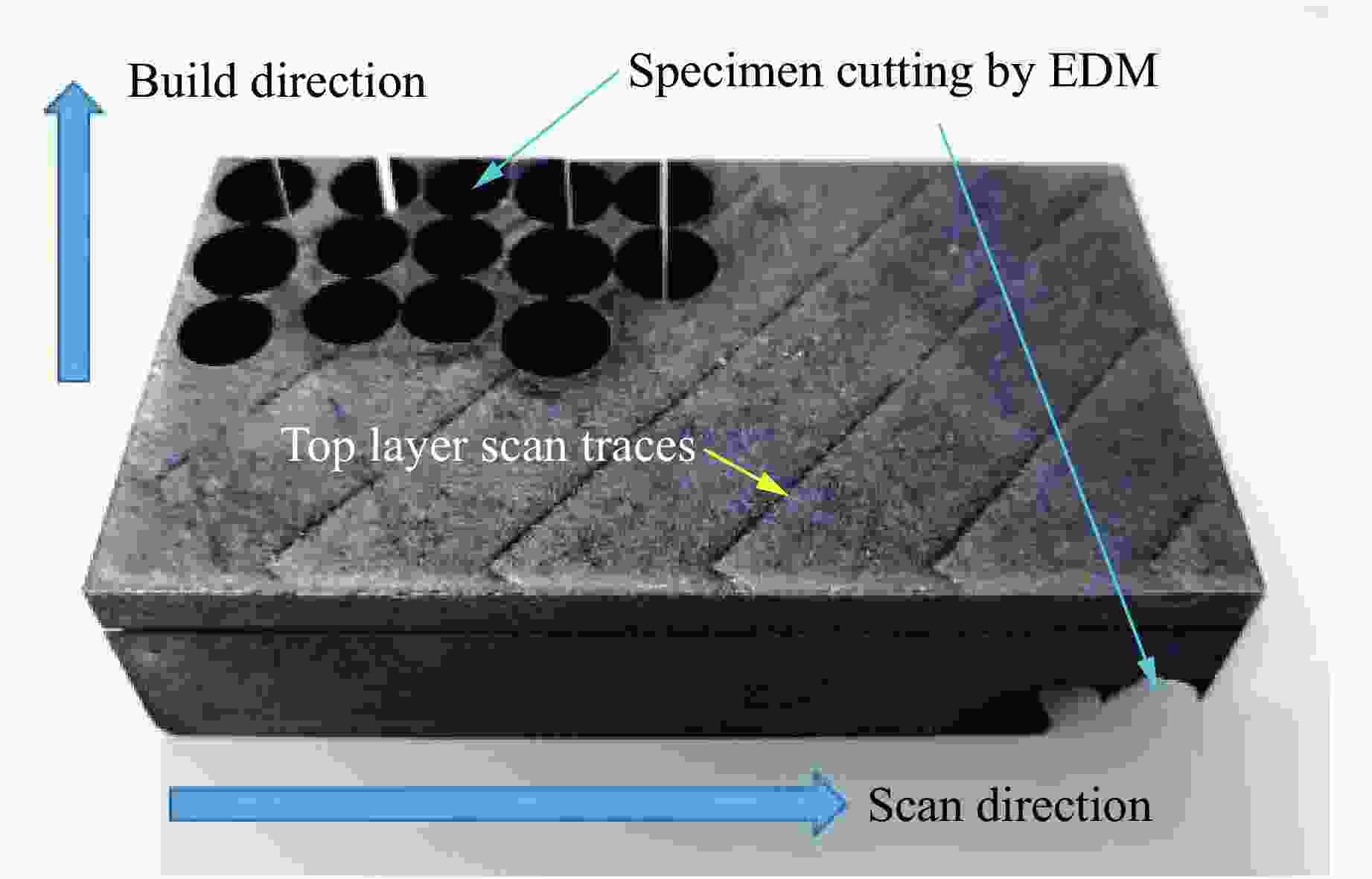
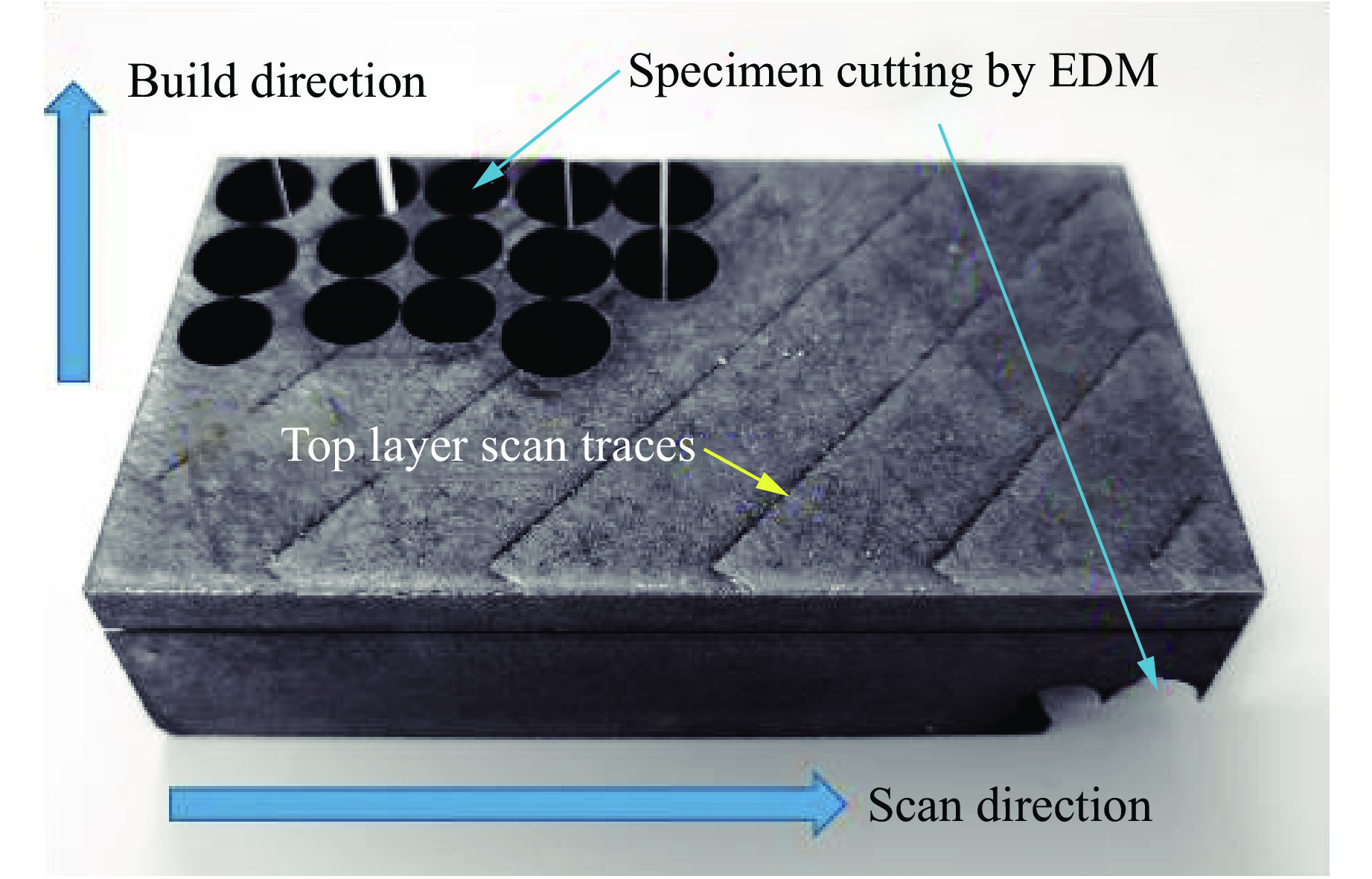
图 1 SLM 打印的 CoCrFeMnNi 高熵合金块体
Figure 1. CoCrFeMnNi HEA bulk fabricated by SLM printing
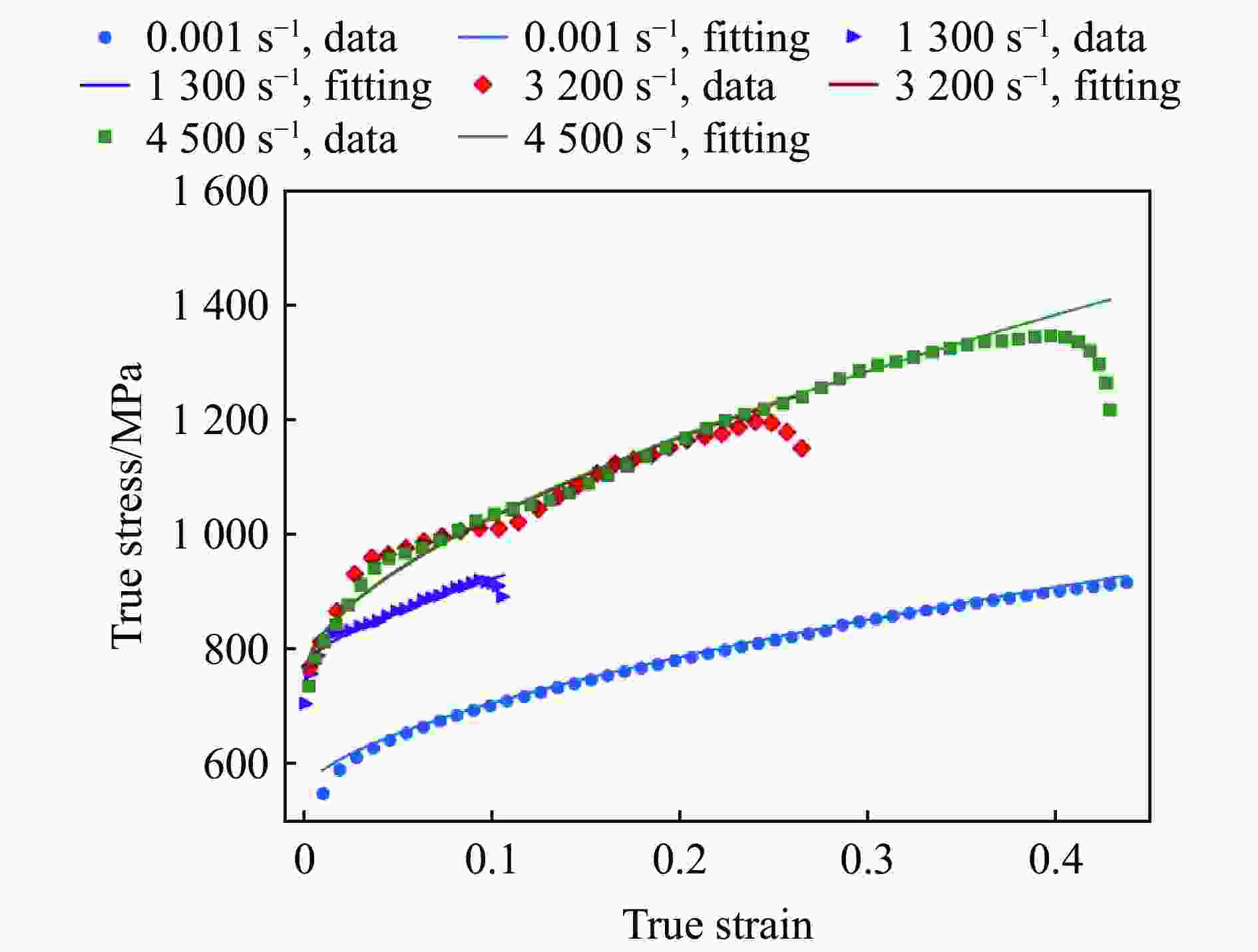
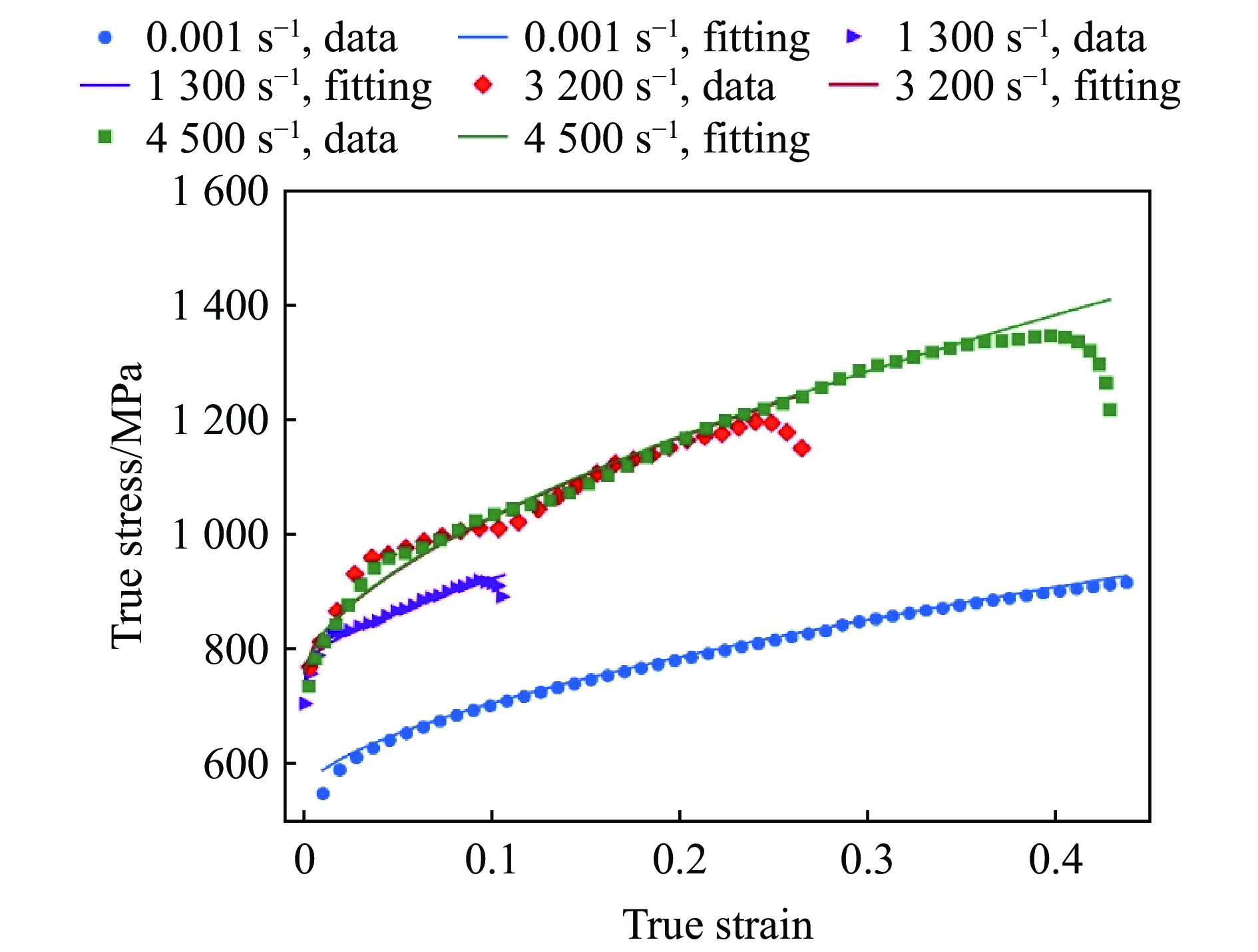
图 2 CoCrFeMnNi高熵合金的准静态和动态应力-应变曲线以及相应的Johnson-Cook本构模型拟合曲线
Figure 2. Quasi-static and dynamic stress-strain curves, and the fitted curve of the Johnson-Cook constitutive model for CoCrFeMnNi HEA
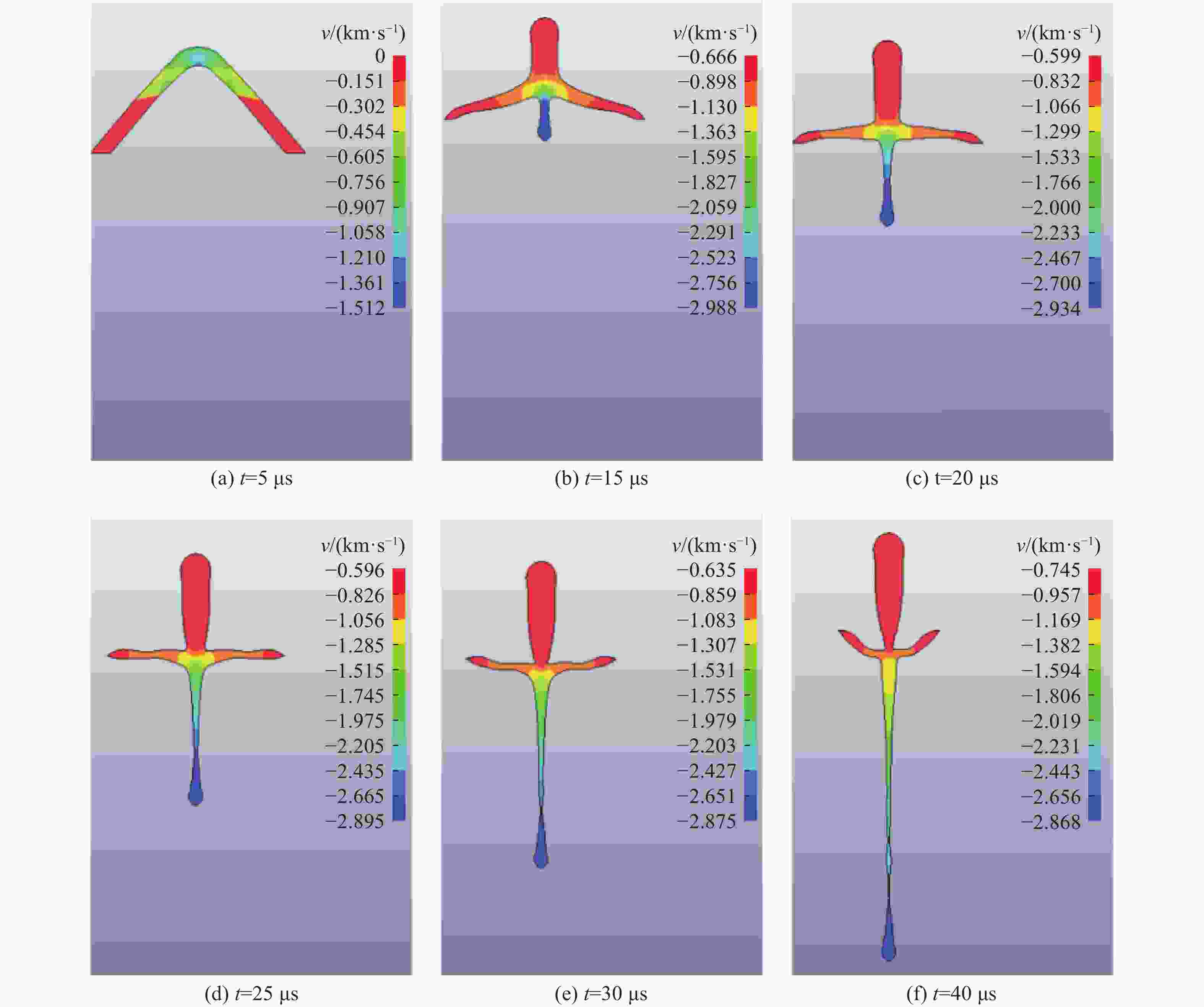
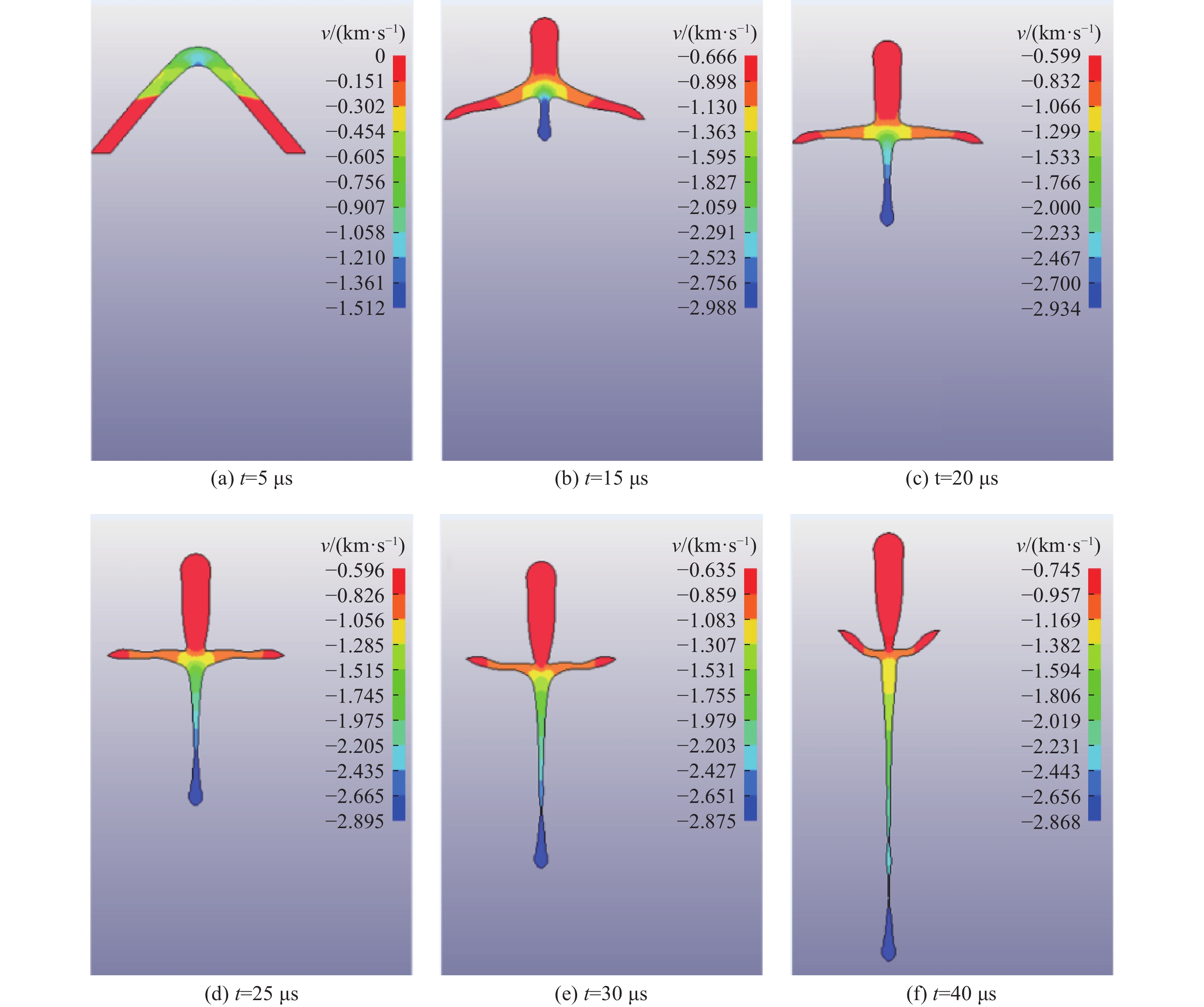
图 4 CoCrFeMnNi 高熵合金射流成型与拉伸演化时序
Figure 4. Temporal sequence of jet formation and stretching evolution in CoCrFeMnNi HEA
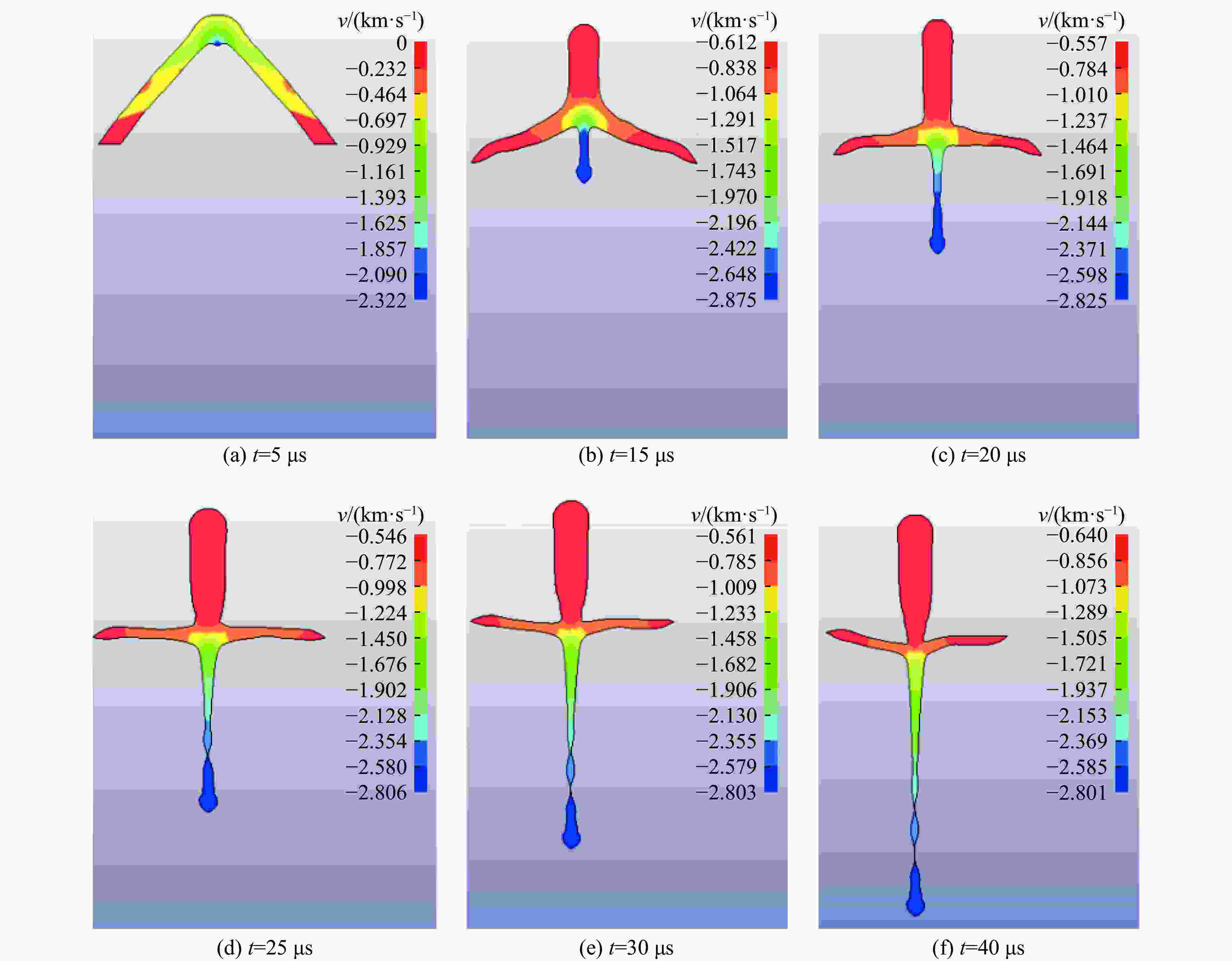
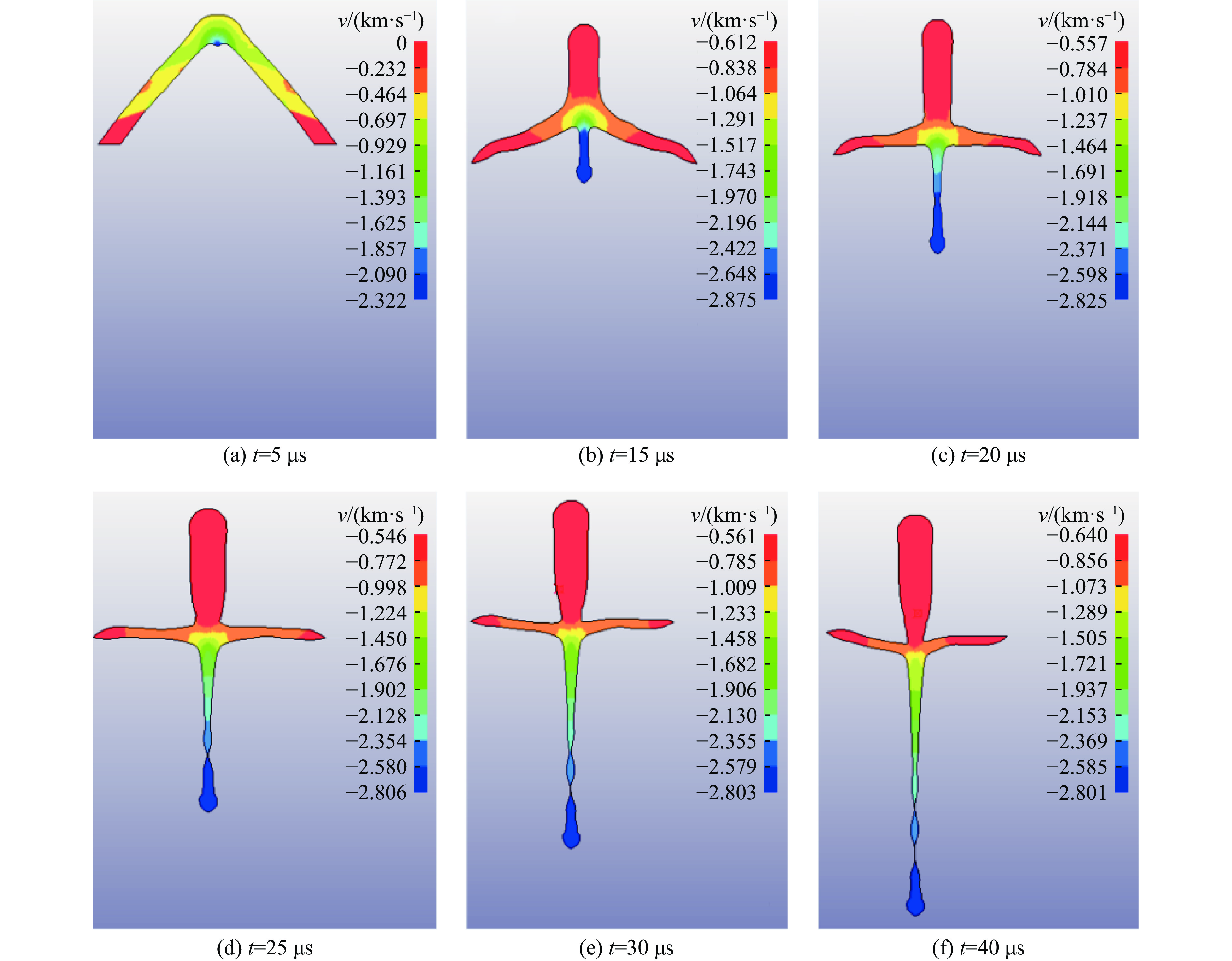
图 5 紫铜射流成型与拉伸演化时序
Figure 5. Temporal sequence of jet formation and stretching evolution in metallic copper
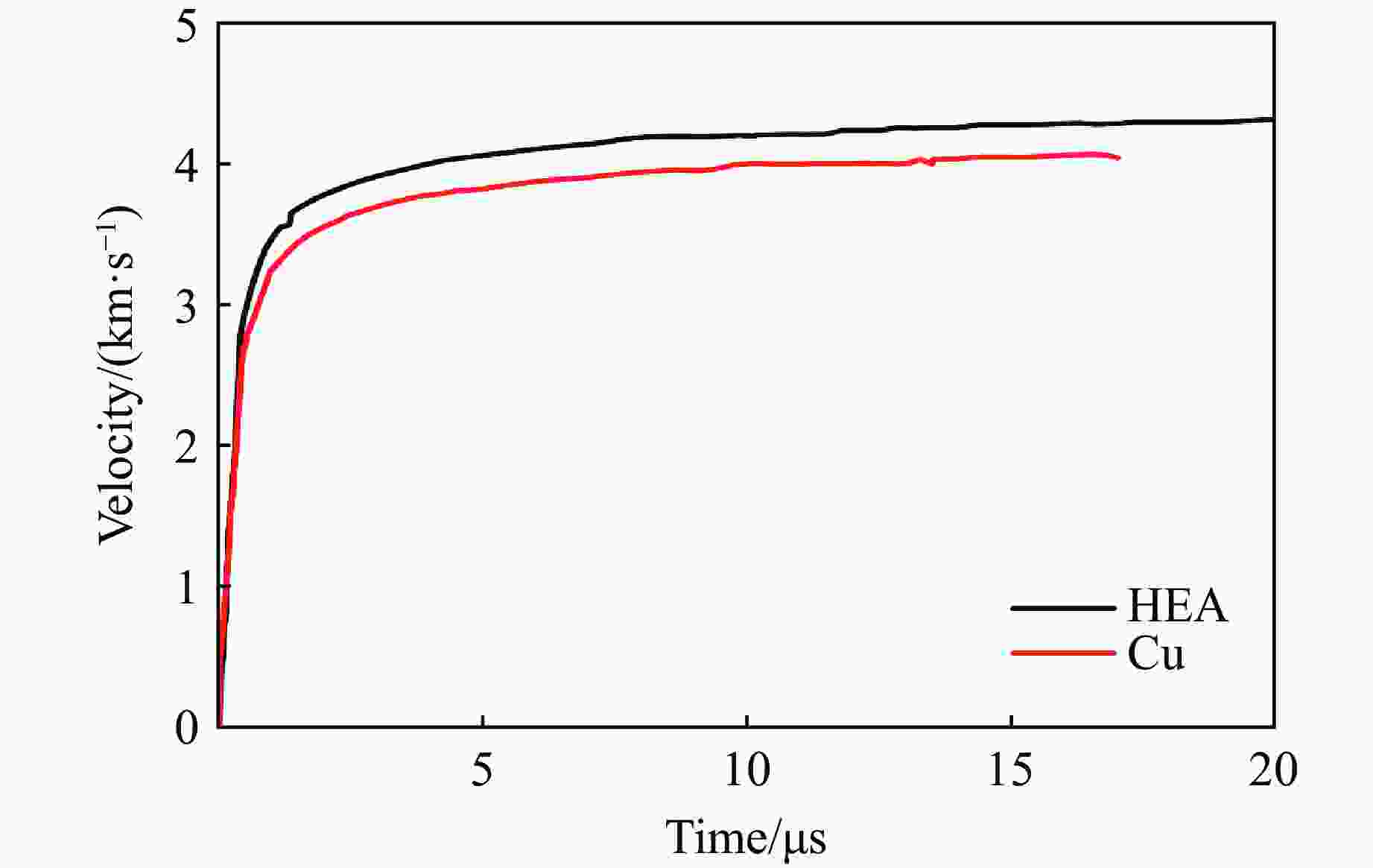
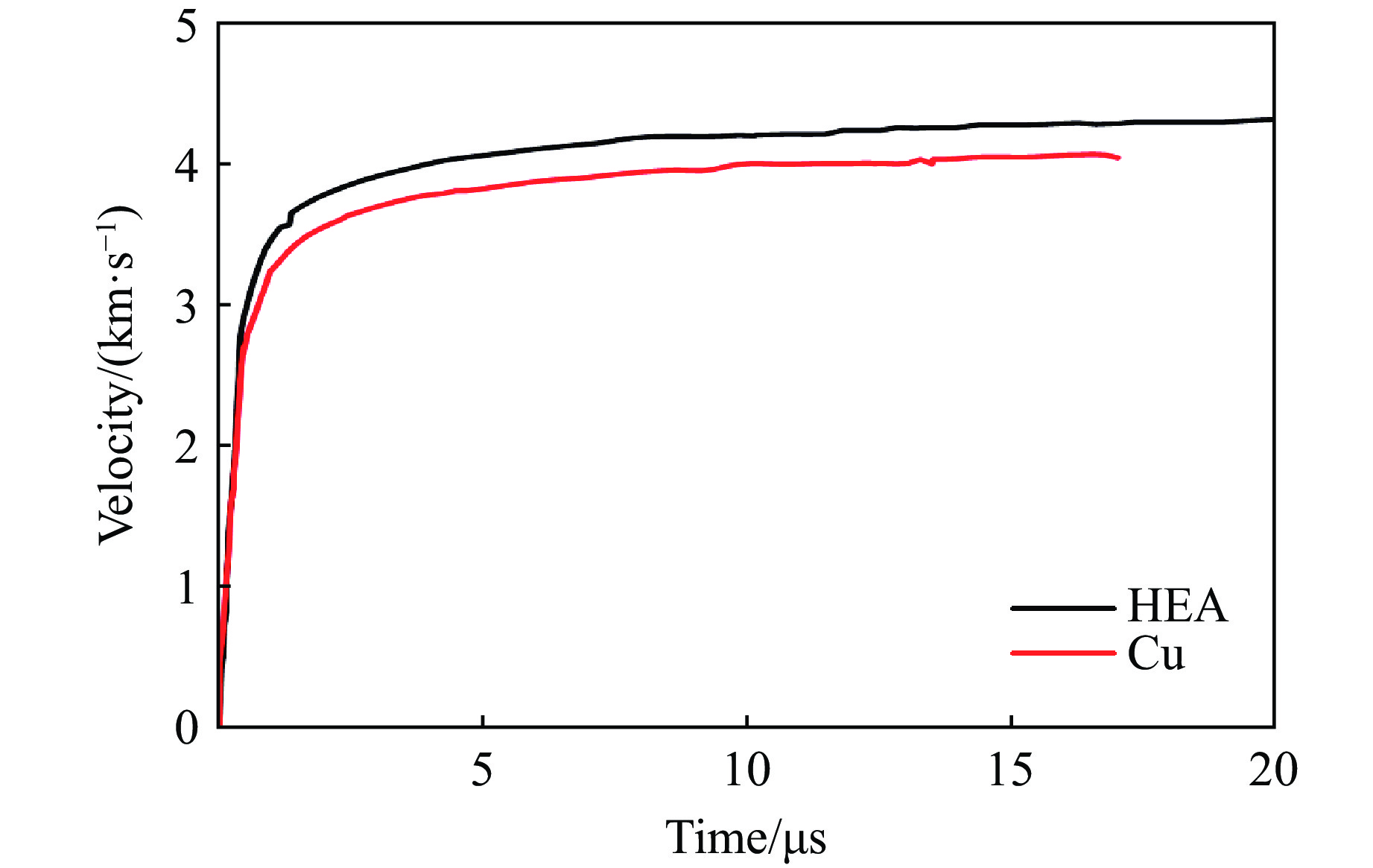
图 6 CoCrFeMnNi高熵合金与紫铜射流成型中头部速度随时间的演化
Figure 6. Evolution of head velocity in CoCrFeMnNi HEA and copper jet formation with time
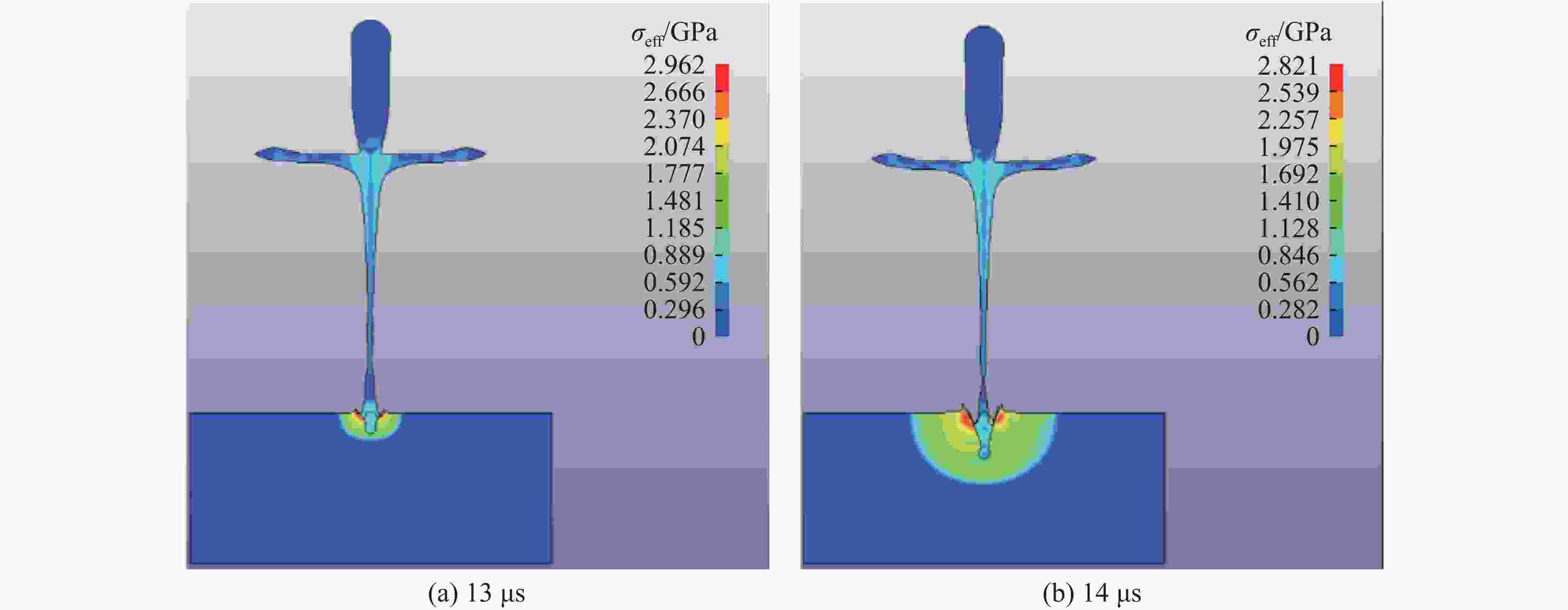
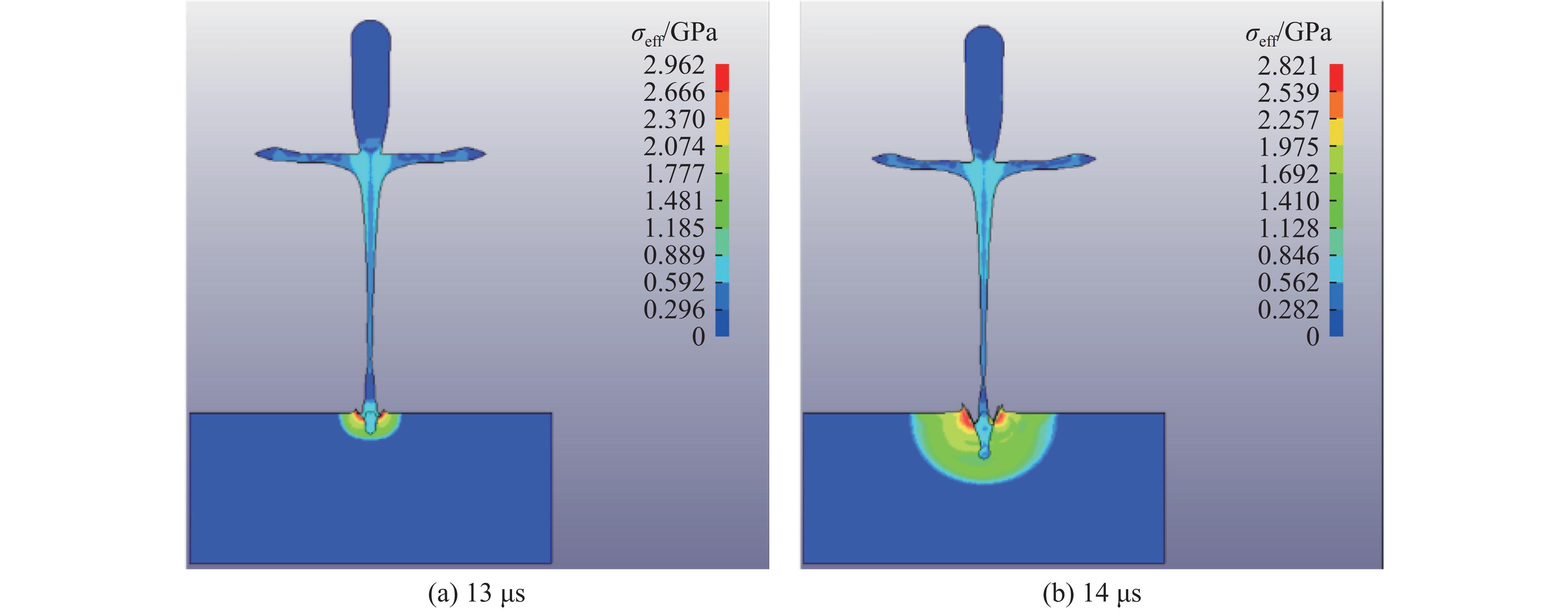
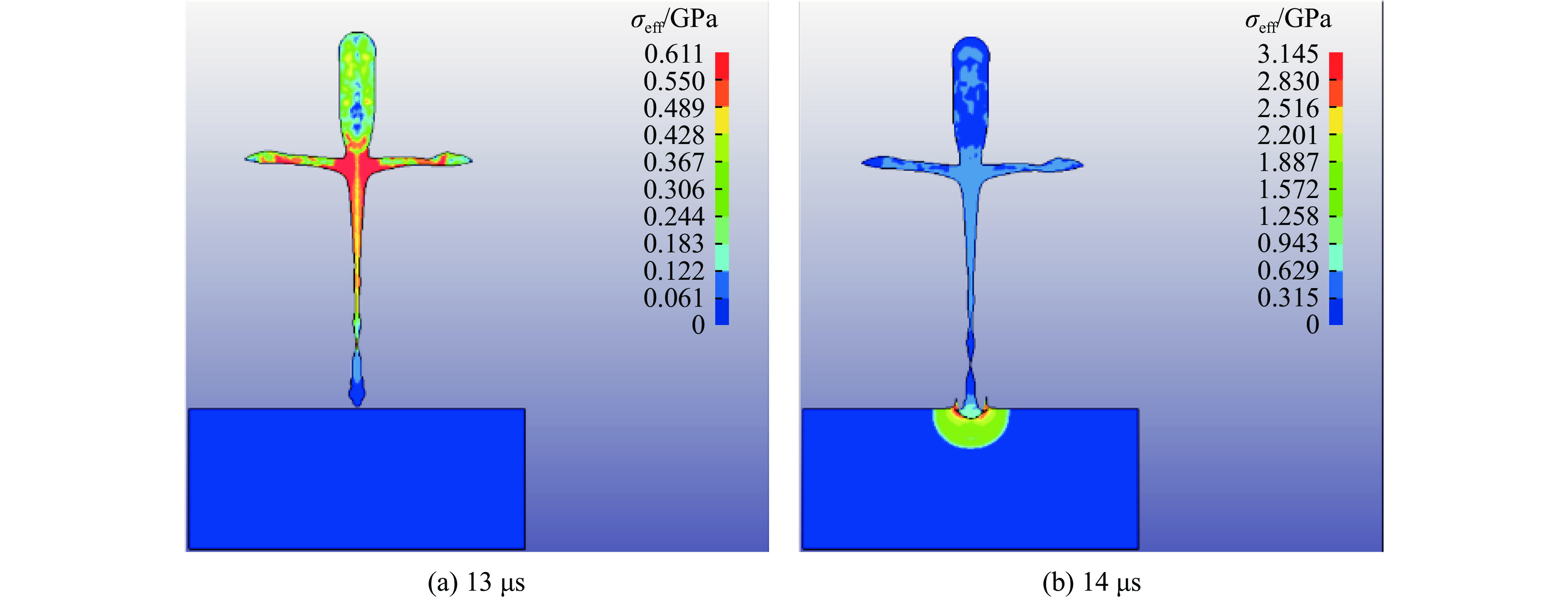
图 7 CoCrFeMnNi高熵合金侵彻靶板演化
Figure 7. Evolution of CoCrFeMnNi HEA penetrating into a target plate
表 1 CoCrFeMnNi高熵合金的J-C参数
Table 1. J-C parameters of CoCrFeMnNi HEA
ρ0/(g·cm−3) A/MPa B/MPa n C m cp/(J·g−1·K−1) $ {\dot{\varepsilon }}_{0} $/s−1 Tm/K 7.96 550 780 0.6 0.14 1 0.452 1×10⁻³ 1793  下载: 导出CSV
表 2 CoCrFeMnNi 高熵合金的状态方程参数
Table 2. Equation of state parameters of CoCrFeMnNi HEA
σHEL/GPa C0/(km·s−1) S γ 2.58 3.81–3.92 1.36 1.78
下载: 导出CSV
表 3 炸药材料参数
Table 3. Explosive material parameters
AJWL/GPa BJWL/GPa R1 R2 ω ρ0/(g·cm−3) E0/GPa D/(m·s−1) pCJ/GPa 371.2 3.231 4.15 0.95 0.3 1.78 4.192 6930 34
下载: 导出CSV
-
[1] 刘志跃, 翟俊昭. 铝铜药型罩射流与侵彻数值模拟 [J]. 高压物理学报, 2019, 33(6): 064107. doi: 10.11858/gywlxb.20190728LIU Z Y, ZHAI J Z. Numerical simulation on the performance of shaped charge with explosively welded aluminum copper liner [J]. Chinese Journal of High Pressure Physics, 2019, 33(6): 064107. doi: 10.11858/gywlxb.20190728 [2] 任会兰, 郭婷婷, 宁建国. 聚能射流对氧化铝陶瓷靶的侵彻特性研究 [J]. 高压物理学报, 2011, 25(6): 526–532.REN H L, GUO T T, NING J G. Failure characteristics of alumina penetrated by shaped charge jet [J]. Chinese Journal of High Pressure Physics, 2011, 25(6): 526–532. [3] 孙建军, 李如江, 杨玥, 等. 辅助药型罩材料对线型聚能射流性能影响的数值仿真 [J]. 高压物理学报, 2018, 32(6): 065106. doi: 10.11858/gywlxb.20180542SUN J J, LI R J, YANG Y, et al. Numerical simulation of the effect of auxiliary liner material on the performance of linear shaped charge jet [J]. Chinese Journal of High Pressure Physics, 2018, 32(6): 065106. doi: 10.11858/gywlxb.20180542 [4] YEH J W, CHEN S K, LIN S J, et al. Nanostructured high-entropy alloys with multiple principal elements: novel alloy design concepts and outcomes [J]. Advanced Engineering Materials, 2004, 6(5): 299–303. doi: 10.1002/adem.200300567 [5] KUMAR SINGH S, PARASHAR A. Effect of lattice distortion and nanovoids on the shock compression behavior of (Co-Cr-Cu-Fe-Ni) high entropy alloy [J]. Computational Materials Science, 2022, 209: 111402. doi: 10.1016/j.commatsci.2022.111402 [6] PARK J M, MOON J, BAE J W, et al. Strain rate effects of dynamic compressive deformation on mechanical properties and microstructure of CoCrFeMnNi high-entropy alloy [J]. Materials Science and Engineering: A, 2018, 719: 155–163. doi: 10.1016/j.msea.2018.02.031 [7] LIU X F, TIAN Z L, ZHANG X F, et al. “Self-sharpening” tungsten high-entropy alloy [J]. Acta Materialia, 2020, 186: 257–266. doi: 10.1016/j.actamat.2020.01.005 [8] 王璐, 马胜国, 赵聃, 等. AlCoCrFeNi高熵合金在冲击载荷下的动态力学性能 [J]. 热加工工艺, 2018, 47(24): 86–89. doi: 10.14158/j.cnki.1001-3814.2018.24.021WANG L, MA S G, ZHAO D, et al. Dynamic mechanical properties of AlCoCrFeNi high-entropy alloys under impact load [J]. Hot Working Technology, 2018, 47(24): 86–89. doi: 10.14158/j.cnki.1001-3814.2018.24.021 [9] 胡孟磊. 典型高熵合金的动态力学特性与变形机理研究 [D]. 北京: 北京理工大学, 2022.HU M L. Investigation on the dynamic mechanical characteristics and deformation mechanisms of typical high-entropy alloys [D]. Beijing: Beijing Institute of Technology, 2022. [10] HU M L, SONG W D, DUAN D B, et al. Dynamic behavior and microstructure characterization of TaNbHfZrTi high-entropy alloy at a wide range of strain rates and temperatures [J]. International Journal of Mechanical Sciences, 2020, 182: 105738. doi: 10.1016/j.ijmecsci.2020.105738 [11] 鄢阿敏, 乔禹, 戴兰宏. 高熵合金药型罩射流成型与稳定性 [J]. 力学学报, 2022, 54(8): 2119–2130. doi: 10.6052/0459-1879-22-274YAN A M, QIAO Y, DAI L H. Formation and stability of shaped charge liner jet of CrMnFeCoNi high-entropy alloy [J]. Chinese Journal of Theoretical and Applied Mechanics, 2022, 54(8): 2119–2130. doi: 10.6052/0459-1879-22-274 [12] 刘承哲, 王海福, 张甲浩, 等. 轻质高熵合金聚能射流毁伤混凝土靶行为研究 [J]. 兵工学报, 2024, 45(Suppl 1): 60−69.LIU C Z, WANG H F, ZHANG J H, et al. Research on behavior of lightweight high-entropy alloy jet penetrating concrete targets [J]. Acta Armamentarii, 2024, 45(Suppl 1): 60−69. [13] JOHNSON G R, COOK W H. A constitutive model and data for metals subjected to large strains, high strain rates and high temperatures [C]//Proceedings of the 7th International Symposium on Ballistics. Hague, The Netherlands: IBC, 1983: 541–547. [14] JOHNSON G R, COOK W H. Fracture characteristics of three metals subjected to various strains, strain rates, temperatures and pressures [J]. Engineering Fracture Mechanics, 1985, 21(1): 31–48. doi: 10.1016/0013-7944(85)90052-9 [15] JIANG Z J, HE J Y, WANG H S, et al. Shock compression response of high entropy alloys [J]. Materials Research Letters, 2016, 4(4): 226–232. doi: 10.1080/21663831.2016.1191554 [16] 王芳, 蒋建伟, 门建兵. 钨铜射流成形的细观数值模拟分析 [J]. 兵工学报, 2018, 39(2): 245–253. doi: 10.3969/j.issn.1000-1093.2018.02.005WANG F, JIANG J W, MEN J B. Mesoscopic numerical simulation on the formation of tunsgsten-copper shaped charge jet [J]. Acta Armamentarii, 2018, 39(2): 245–253. doi: 10.3969/j.issn.1000-1093.2018.02.005 [17] 贾鑫, 黄正祥, 徐梦雯, 等. 聚能射流对厚壁移动靶的侵彻理论与数值模拟分析 [J]. 兵工学报, 2019, 40(8): 1553–1561. doi: 10.3969/j.issn.1000-1093.2019.08.001JIA X, HUANG Z X, XU M W, et al. Theoretical model and numerical study of shaped charge jet penetrating into thick moving target [J]. Acta Armamentarii, 2019, 40(8): 1553–1561. doi: 10.3969/j.issn.1000-1093.2019.08.001 [18] 辛春亮, 薛再清, 涂建, 等. 有限元分析常用材料参数手册 [M]. 北京: 机械工业出版社, 2020.XIN C L, XUE Z Q, TU J, et al. Handbook of common material parameters for finite element analysis [M]. Beijing: China Machine Press, 2020. -

 下载:
下载:

计量
- 文章访问数: 1636
- HTML全文浏览量: 1072
- PDF下载量: 161
